மௌனத்தில் எத்தனை வகை?! (Post No.3237)

42285-wise-souls-speak-loudly-in-silence

Written by S. NAGARAJAN

Date: 10 October 2016

Time uploaded in London: 5-23 AM

Post No.3237

Pictures are taken from various sources; thanks


Contact :– swami_48@yahoo.com


சரஸ்வதி பூஜை சிறப்புக் கட்டுரை 

மௌனத்தில் எத்தனை வகை?!

ச.நாகராஜன்


“ஒருவனுக்கு துரோகமிழைக்காத உண்மை நண்பன் மௌனமே”                                                                                 

                                     – கன்ஃப்யூஷியஸ்

 ramana


வாயை மூடிக் கொண்டு பேசாமல் இருந்தால் அது தான் மௌனம்! இது சரியா? இந்த ஒரு நிலை தான் மௌனத்தின் ஒரே வகையா?

சீனாவில் மௌனத்தில் நூறு வகை உண்டு என்று வலியுறுத்தப்படுகிறது. ஜென் பிரிவு மௌனத்தின் அபாரமான வலிமையையும் அதன் ஆழத்தையும் பல விதமாக விளக்குகிறது.

உண்மையான மௌன நிலையில் ஒருவர் எவ்வளவு காலம் இருக்க முடியும்?


அறிவியல் ஆராயப் புகுந்தது. உண்மையான அறிவியல் ரீதியிலான மௌன நிலையில் ஒருவர் 15 நிமிடம் இருந்தாலே அதிகம் தான். அதற்கு மேல் தாக்குப் பிடிக்க முடியாது!

ஒரு செல் போன் ஒலிக்கும் போதோ அல்லது ஒரு டிஷ் வாஷர் அல்லது வாஷிங் மெஷின் இயக்கப் படும் போதோ அது எவ்வளவு ஓசையை எழுப்புகிறது?


மைக்ரோசாஃப்ட், ஆப்பிள் மற்றும் அமெரிக்க ராணுவப் பிரிவு இது போன்ற ஓசைகளின் அளவைக் கண்டு பிடிக்க சத்தமே இல்லாத ஒரு சேம்பரை – மௌன அறையை அமைப்பது வழக்கம்.

இதை அனெகோயிக் அறை என்று அழைப்பர். (unechoic ; un-echoic –எதிரொலி இல்லாத என்று பொருள்)

 rumi-on-silence

மின்னஸோட்டாவில் உள்ள மின்னபோலிஸில் ஆரிஃபீல்ட் லாபரட்டரிஸிலும் (orifield laboratories) இப்படி ஒரு அறை உண்டு. இந்த அறை, தங்கள் தயாரிப்புகளைச் சோதனை செய்ய கட்டண அடிப்படையில் தேவைப்பட்டோருக்கு தரப்படுவதும் உண்டு.


உண்மையில் ஒரு அமைதியான அறை என்பதன் விளக்கம் தான் என்ன? மின்னஸோட்டா பப்ளிக் ரேடியோ 30 டெசிபல் உள்ள அறையே அமைதியான அறை என்ற இலக்கணத்தை வகுக்கிறது. அமைதியான இரவு நேரத்தில் ஏர்கண்டிஷனரின் ஓசை, தாள்களைப் புரட்டும் ஓசை போன்றவை மெலிதாகக் கேட்கும். அது பொதுவாக அமைதியான அறை எனப்படும்.


ஆனால் அனெகோயிக் அறை மைனஸ் ஒன்பது டெசிபல் என்ற அளவு அமைதியாக இருக்கும். ஆம், சாதாரண மௌன நிலைக்கும் கீழாக எதிர்மறையில் ஒன்பது டெசிபல்! 


கின்னஸ் வோர்ல்ட் ரிகார்டின் படி உலகின் மிக மிக அமைதியான அறை இது ஒன்று தான்!

இந்த அறை விசேஷமாக வடிவமைக்கப்பட்டுள்ளது. எந்த சத்தமும் இதனுள் புக முடியாது. சுவரிலிருந்து ஒரு மீட்டர் நீளம் ஊடுருவியிருக்கும் விசேஷ அமைப்புகள் எந்த எதிரொலியையும் சத்தத்தையும் உள் வாங்கி கிரகித்து விடும்.


இதன் சிறப்புத் தன்மையைப் பற்றி இந்த சோதனைச்சாலையின் தலைவர் ஸ்டீவ் ஆரிஃபீல்ட், “சாதாரணமாக ஒரு அமைதியான அறையில் உட்காரும் ஒருவர் ஒலியையும் அதன் பிரதிபலிப்புகளையும் கேட்கிறார். ஆனால் அனெகோயிக் அறையில் எந்த ஒரு சத்தமும் அதன் பிரதிபலிப்பும் இருக்காது.அங்கு ஜீரோ ரிஃபளக் ஷன் இருக்கும். நான் பேசும்போது நீங்கள் எனது குரலை உள்ளது உள்ளபடியே அப்படியே கேட்க முடியும். பேசும் போது நான் தலையைத் திருப்பினால் ஒலியும் தலை திருப்பிய திசையில் வளையும்.” என்கிறார்.


இப்படிப்பட்ட சைலன்ஸ் சேம்பரில் ஒருவர் உட்கார்ந்த போது அவர் இடி இடிப்பது போன்ற ஓசையையும் ஆறு பாய்வது அல்லது அருவி நீர் கொட்டுவது போன்ற ஒசையையும் கேட்டார். பத்து நிமிடங்களில் அவர் மண்டை வெடித்துச் சிதறி விடுவது போல இருந்தது. உடனே அறையை விட்டு வெளியே வந்து நடந்ததைச் சொன்னார்.

 silence-speaks-79426-500-550

ஆய்வு நடத்திய விஞ்ஞானிகள், “நீங்கள் கேட்டது இடைவிடாத இதயத் துடிப்பு தான். உங்கள் உடலில் உள்ள ரத்த ஓட்டமே உடலில் பாய்வது ஆறு பாய்வது போன்ற ஓசையை எழுப்புகிறது. அதைத் தான் நீங்கள் கேட்டீர்கள்” என்றனர். உடலின் அற்புதமான ஓசை விந்தை இது!


மைனஸ் டெசிபல் நிலையில் இப்படித் தான் உடல் நிகழ்வில் ஏற்படும் சத்தத்தையே நம்மால் தாங்க முடியாமல் போய் விடும் நிலை ஏற்படுகிறது.


மாஸன் அண்ட் ப்ராடி (Mason and Brady) ஆய்வு என்பது பிரபலமான ஆய்வாகும். இந்த ஆய்வில் மௌன சேம்பரில் சிலரை இருட்டாக இருந்த நிலையில் 15 நிமிடம் இருக்க வைத்த போது அவர்கள் மாயத் தோற்றங்களைக் கண்டு அலறினர். அதிலிருந்து தெரிய வருவது ஒருவர் 15 நிமிடம் ஆழ்ந்த மௌனத்தைத் தாக்குப் பிடித்தால அதுவே அதிகம் என்பது தான்!


இனி உலகாயத ரீதியாக, மௌனம் என்பது வெற்றிக்கான வழி என்பது நிலை நிறுத்தப்பட்ட சித்தாந்தம்.

பல்வேறு ஆராய்ச்சிகள் பல மௌன நிலைகளைச் சுட்டிக் காட்டுகின்றன.


ஒரு விவாதத்தில் எதிராளியைக் கிறுக்குப் பிடிக்கும் நிலைக்குத் தள்ள வேண்டுமெனில் ஒரு சுலபமான வழி இருக்கிறது. சொல்லால் அவர் தாக்கும் போது எதிரிலிருப்பவர் ஒவ்வொரு முறையும் நான்கு விநாடிகள் பதிலளிக்கக் கூடாது. ஹாலந்தில் நடந்த ஒரு ஆய்வின் படி ஒரு மனித மூளை நான்கு விநாடிகள் ஒருவர் மௌனமாக இருந்தால் அவரது கூற்றை நிராகரிப்பதாகப் பதிவு செய்து  கொள்கிறது. எரிச்சல் கொப்பளிக்கும் எதிராளிக்கு.


பிரபல சிந்தனையாளரான தோரோ, “நான் இரவின் மௌனத்தைக் ‘கேட்க’ விரும்புகிறேன். ஏனெனில் அந்த மௌனம் பாஸிடிவ் ஆனது. கேட்க வேண்டிய ஒன்று” என்கிறார்.


பகவான் ரமண மஹரிஷி மௌனமாக சும்மாவே இருக்கிறாரே என்று சிலர் கூறிய போது, “நான் மௌன நிலையில் சும்மா இருக்கிறேன் என்பது எப்படி உங்களுக்குத் தெரியும்?” என்று கூறி நிறுத்தி விட்டார். மௌன நிலையில் இயற்கை சக்திகளைப் பயன்படுத்தி ஏராளமான அரும் செயல்களைச் செய்ய முடியும். இதை அரவிந்தரும் வலியுறுத்தியுள்ளார்.

 ramana-2

ரமண மஹரிஷியின் முன் ஏராளமான கேள்விகளைக் கேட்பதற்காக வந்த பிரபல ஆங்கில எழுத்தாளர் சாமர்செட் மாம் அவர் முன் அமர்ந்த போது கேள்விகள் ஒன்றன் பின் ஒன்றாக மனதில் எழ, அதற்குப் பதிலும் தானாகவே வந்தது. நெடு நேரம் அமர்ந்திருந்த அவ்ரால் ஒரு கேள்வியையும் கேட்க முடியவில்லை. பதில் தான் உடனுக்குடன் வருகிறதே


ஆக மௌன நிலையில் பல ஆழ்நிலைகள் உண்டு.பால் குட்மேன் எழுதிய ‘நைன் கைண்ட்ஸ் ஆஃப் சைலன்ஸ்’ (Nine kinds of  silence) என்ற நூலில், அவர், ‘செழிப்பான மௌனம் ஆன்மாவிற்கான சிறந்த மேய்ச்சல் நிலம்” என்கிறார்.


மௌனத்தை நாம் ‘கேட்டால்’ அது நமது அனுபவங்களை ஆழமாக்கும் என்கிறார் கவிஞர் பில்லி காலின்ஸ். அவர் எழுதிய கவிதை நூலின் பெயர் ‘தி ஹண்ட்ரட் கைண்ட்ஸ் ஆஃப் சைலன்ஸ் (The hundred kinds of Silence : Billy Collins).  தனது தாயின் கல்லறைக்குச் சென்று இறந்த தனது தாயுடன் பேசி தான் புதிதாக அணிந்திருக்கும் கண்ணாடி எப்படி இருக்கிறது என்பது பற்றி அவரிடம் கேட்க முடிகிறது என்கிறார் அவர், தனது கவிதை வாயிலாக!


ஆக மௌனங்கள் நூறு வகை! ஒவ்வொன்றும் ஒரு வகை!

எல்லையற்ற முடிவிலா மோனம் உரைக்க ஒண்ணா அற்புதம். அறிவியலும் ஆன்மீகமும் உளவியலும் ஒன்று சேரும் இடம் மௌனமே!


******


‘Dravidian Tamil’ Superstitions about Sneezing and Lizard Chirping (Post No.3236)

sneeze-03

Written by London Swaminathan


Date: 9 October 2016


Time uploaded in London: 19-31


Post No.3236


Pictures are taken from various sources; thanks.


Contact swami_48@yahoo.com


Tamils have superstitions about sneezing, crows, lizard chirping and fluttering of eyes. It is seen in 2000-year-old Sangam Tamil literature.


Tamil Panchang (traditional calendars with Hindu festival days etc.) has got two pages devoted to Pancha Pakshi Shastra (Prediction by Five Birds) and Lizard Predictions. Nobody has done any scientific research into it to prove it or disprove it. The Bird astrology divides the day into five parts allocating one each to vulture, owl, crow, cock and peacock. Actually there is more to it. They tell you what would happen depending upon the nature of flights of birds. It is an interesting area for research students. Brhat Samhita of Varahamihira gives information about wagtail bird predictions.

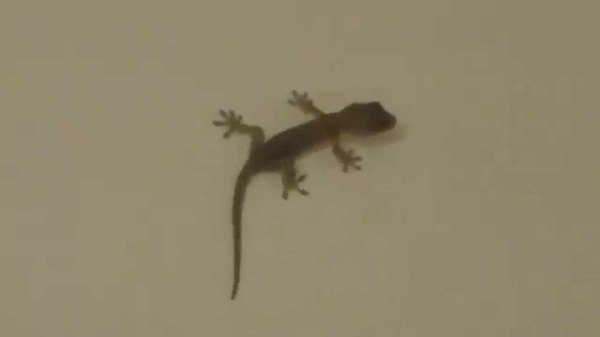
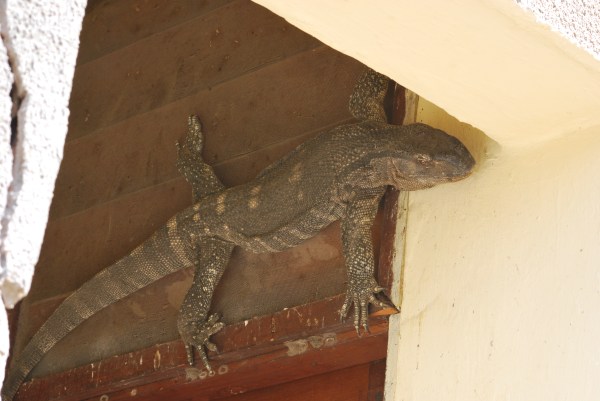
If we go to the Lizard astrology page, the Panchang divides it into two parts. It tells you what would happen if a lizard falls on you and if the lizard calls (makes sound). It tells you something good or bad would happen depending upon the part of the body it touches or the direction of the sound. Big tabular columns are in the Panchang for birds and lizards predictions.

lizard3

Lizards in Tamil Sangam Literature
The sound made by the lizards served as omens for the Tamils. Sangam period Tamil poet Kavan mullai putanar says,” the lizard on the Kalli tree makes its characteristic tickling sound and is taken as predicting the events to the wayfarers (Agam 151). Another poet says that the travellers paused a while hearing the tickling sound of the lizard (Agam 387). Even wild animals followed lizard sounds! A boar was just about to enter a millet field, but it went back on hearing the tickling sound of the lizard (Agam 186).
More references:–Agam 9, 151, 289, 387; Narrinai 98, 169,3 33, 9.
Comets

Fluttering Eyes


Flutter of eyes also is taken into account to find what is going to happen next. This is supported in Sanskrit literature as well. Tamils are not alone in it. One thing is common in all these strange predictions. Left is good for women and right is good for men. Probably the logic for this is Ardhanari principle of Lord Shiva, i.e. Shiva’s left side is shared by Parvathy. Bible also supports it by saying the woman is made from the left rib of man (For more, please read my Sanskrit in Bible posts)


Sneeze in Tamil Veda Tirukkural

sneezing

If a person sneezes they say “Bless you” in western countries. Actually it started in India. We say Dirgayush (Long live). We have enough proof for this in Tamil and Sanskrit literature.

Tirukkural, the most famous book of the Tamils, says in Chapter FEIGNED:

When I continue to be receding, he sneezed and thought I would then wish him long life (Kural 1312)

I sneezed; “Live long”, she blessed. Then suddenly she wept saying, “You sneezed thinking of some other lady” (Kural 1317)

I stifled my sneeze. She wept saying, “Is it to hide from me the thought of thee in the mind of thy beloved” (Kural 1318)

This is based on the belief that you sneeze when someone who loves you thinks about you. If some sneezes then the Tamils wished them long life, says Tiruvalluvar in his Tirukkural. Even number and odd number of sneezes also make big difference. Even number of sneezes is good.


My Earlier Posts:-

Beware of Wagtail Birds: Prediction by Varahamihira!

Article No.1661; Dated 19th February 2015.

DIVINATION in The Vedas, Babylonian and Etruscan

Research Article No.  1792; Date: 10th April 2015


I want to add what Arthur Miles say about these superstitions in his book:-


Lizard Chirps
“Superstition plays an important part in daily life. The chirping or fall of the lizard; the shadow of a bird in flight; the flutter of a leaf; the first object one sees when awakening in the morning; are of the utmost importance in the sense of superstitious observance.


The lizard formula is so long and complicated that I wonder how any Indian can remember it. Everything depends upon the number of chirps, and the direction from which they come. As it is not unusual for two or more lizards to be chirping from different directions at the same time, deductions become rather involved. If a lizard chirps twice from the south-east on Monday, it portends rebellion. On Friday, however, the meaning is that the hearer will be decorated. The chirps which on Tuesday indicate enmity, on Saturday denote relationship with a new woman.

lizard

The lizard is a courageous little reptile, and to avoid danger or to escape from a palm squirrel, he will not hesitate to throw himself from a rafter to the floor. His fall augurs good or evil, to whoever happens to be underneath. If he falls on one’s head it means death; if on the eyes, it indicates prison. It is lucky if he falls on the forehead or the right arm, for this means coronation or general good health. Falling on the lips or chin is not so good, since there is a chance of losing money or of receiving priestly punishment. On the left arm the fall means great sexual enjoyment, but should it fall on the penis one will suffer penury and want. These are only a few of the lizard superstitions.


Another indication of good or bad influences is contained the sneeze. Should one sneeze but once it indicates failure but sneezing twice is decidedly auspicious. There are employed a number of absurd antics in order to produce the second sneeze.


Some friends and I were sitting under a tree in my garden in Mysore, when a leaf fluttered down. Before it could alight on a lady’s shoulder an Indian surgeon, attached to a regiment stationed in the district, diverted it so that it fluttered to the ground. To do this he jumped up, and overturned a small table. The Surgeon explained that we were sitting under a tamarind tree, which in itself was a very unwise thing to do. After examining the leaf, however, his face lighted up and a smile displaced apprehension. When he had apologized for turning over the table, he told the lady that nothing disastrous would have happened even if the leaf had touched her, as it was not a dead one. Had it been a dead leaf, some dire calamity, which nothing could avert, would have followed.


A caste of Tamil artisans pays particular attention to what they see in the early morning, especially on their New Year’s Day. The women make it their duty to ensure on New Year’s Day their husbands, on waking, see only objects of good omen. Ashes, firewood, and oil, being unlucky, are carefully screened from view. (Fruits, gold coins, flowers, mirror, new clothes are arranged on a plate; they are considered good)

seven-fire

Unlucky Seven! Koravas Supestition!

The Koravas watch for omens before starting out on one of their house breaking expeditions.

Water standing perfectly still is a good omen, but it is unfortunate to see widows, pots of milk, a bull bellowing, or a dog urinating. On the other hand, it is very lucky to hear a bull bellowing at the time of the criminal operation.


The number seven is considered ominous, and a burglary expedition seldom consists of seven men. It is even unlucky utter the number seven. A man who has just been released from jail, or a newly married man, is unlucky for criminal excursions. Should the number seven be unavoidable when starting out, the house-breaking instrument is considered the eighth member of the gang.


The women of this caste resort to divination, if their husbands are sometime absent and they fear the men have been apprehended. A long strand is pulled out of a broom, and at one end of it are tied several smaller strands, which have been dipped in oil. If the strand floats in water, there is no need to worry but if it sinks, the wife starts out at once to find her husband.


The eighteenth day of a month is the luckiest day for committing crimes. A successful criminal adventure on this day is sure to be followed by good luck. Sundays, while they auspicious for weddings, are unlucky for crimes. Mondays, Wednesdays and Saturdays are unlucky until the afternoon for the beginning of burglary, as is also the day of the new moon. Fridays are not suitable for breaking into the homes of Brahmans.


Khondh Tribe’s Superstitions!
If a Kondh meets a woman, whether married or unmarried, when he is starting out on a hunting expedition, he will turn back. He will then make a fresh start, waving every woman that he meets out of his way. If a Kondh woman is menstruating, her husband, sons and brothers will not hunt game until her period is over. The men believe that they will come across no animals at such a time. The Kondh will not kill a crow because it would amount to killing a friend. According to one of the folk tales of the caste, soon after the creation of the world there lived a family of an aged man, a woman, and five children. Plague carried off the children one after the other in quick succession, and the parents being too old and too poor to take the necessary steps for the cremation of the bodies, they were obliged to throw them on the ground a little distance from their home. Vishnu then appeared to them one night in a dream, and promised to create the crow so that it might devour the dead bodies.

tiger-seal-3  tiger-seal

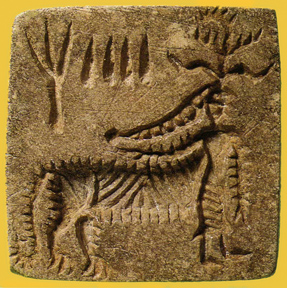
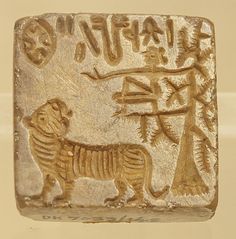
Picture: Tiger Goddess of Indus Valley

Superstition of the Aborigines

Many of the aborigines believe that they can transform themselves into tigers or snakes. Half the soul is supposed to leave the body, and in the guise of a tiger or snake it kill an enemy or satisfy its hunger by feeding on cattle in the jungle. During this time such people are said to remain dull and listless, and to shirk any sort of work. It is also believed soul wanders during sleep, when it may enter the body of a tiger or some other wild animal.


(Foreigners say that all the dark skinned people are Dravidians which is not correct)


–Subham–


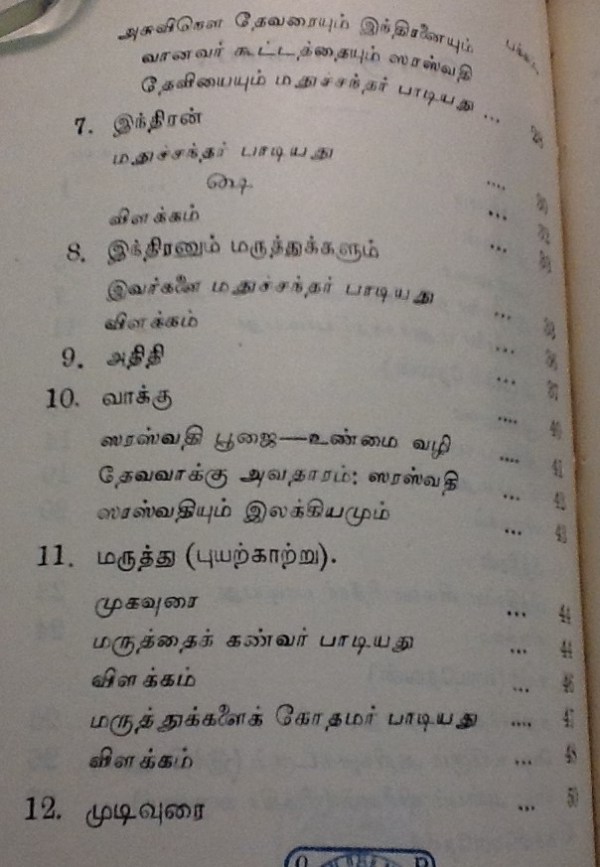
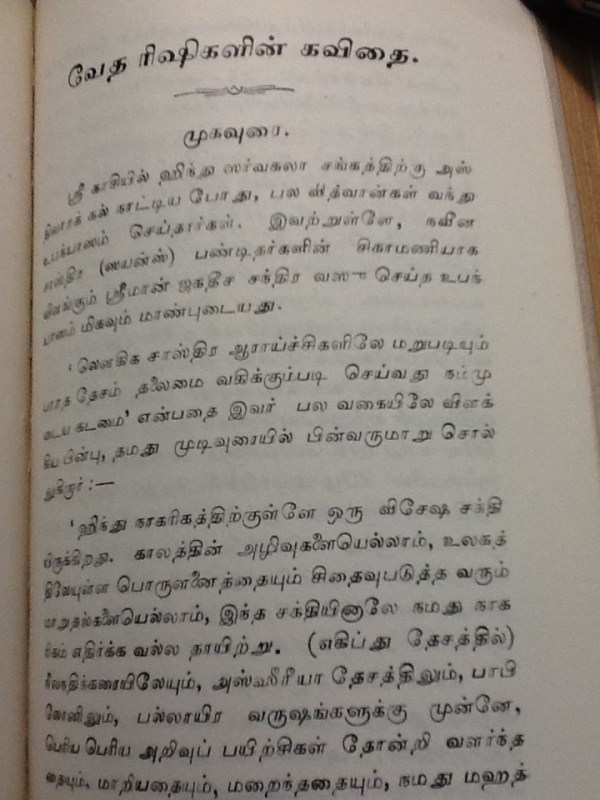
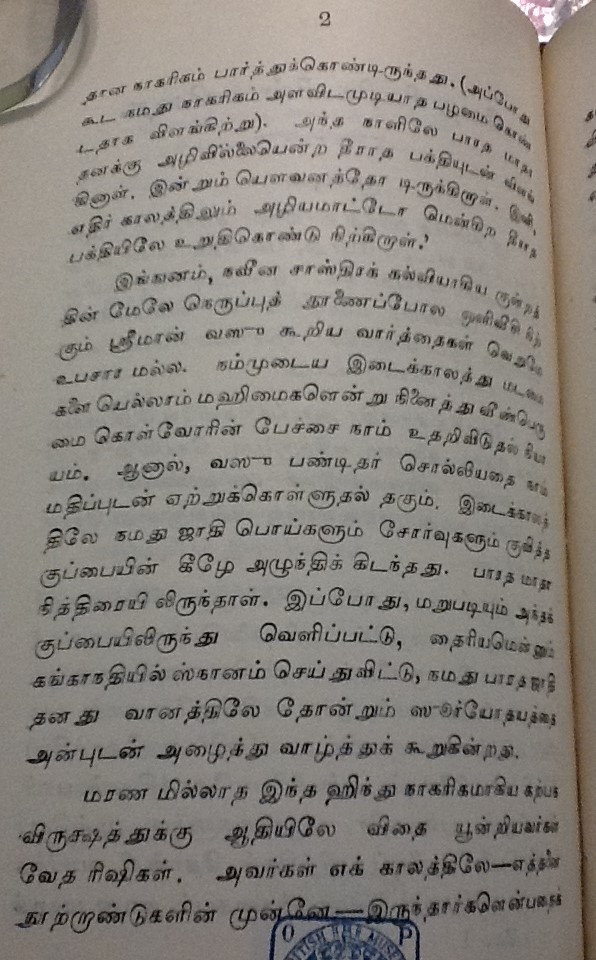
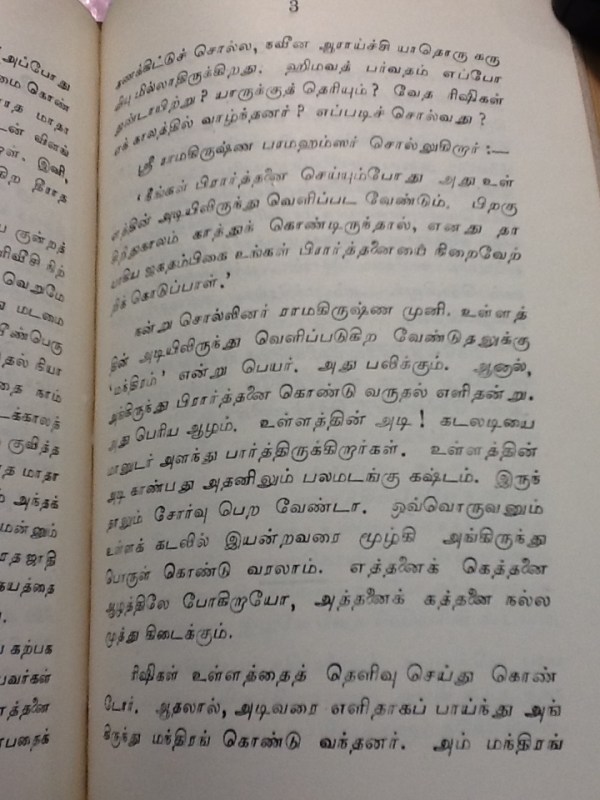
வேதத்தில் ஸரஸ்வதி: பாரதியார் மொழிபெயர்ப்பு (Post No.3235)

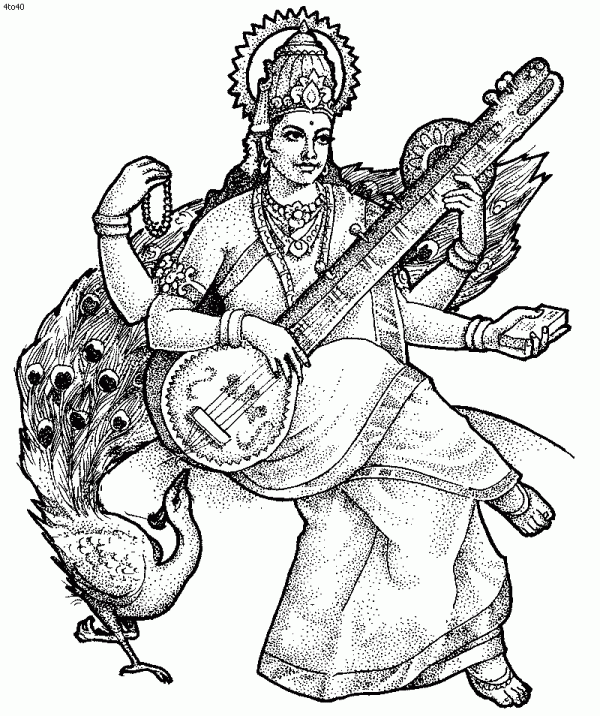
drawing-of-goddess-saraswati

Compiled by London Swaminathan


Date: 9 October 2016


Time uploaded in London: 17-15


Post No.3235


Pictures are taken from various sources; thanks.


Contact swami_48@yahoo.com


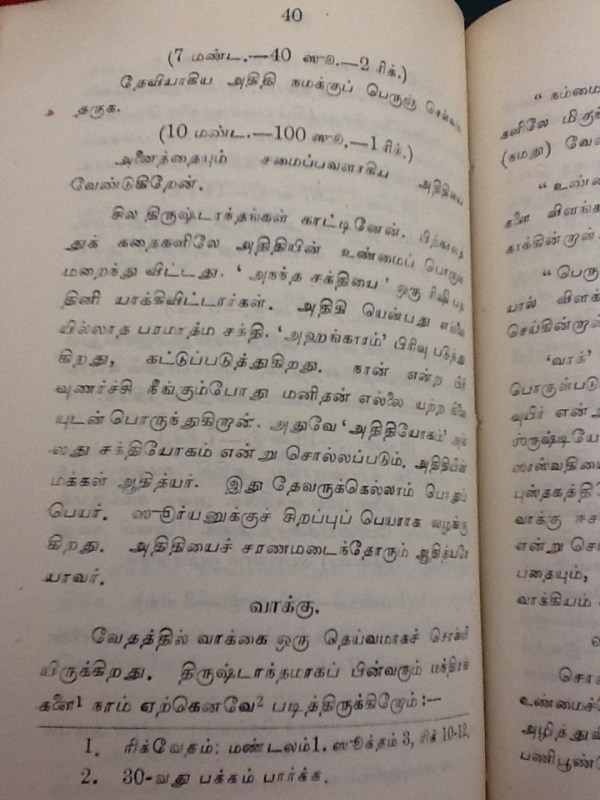
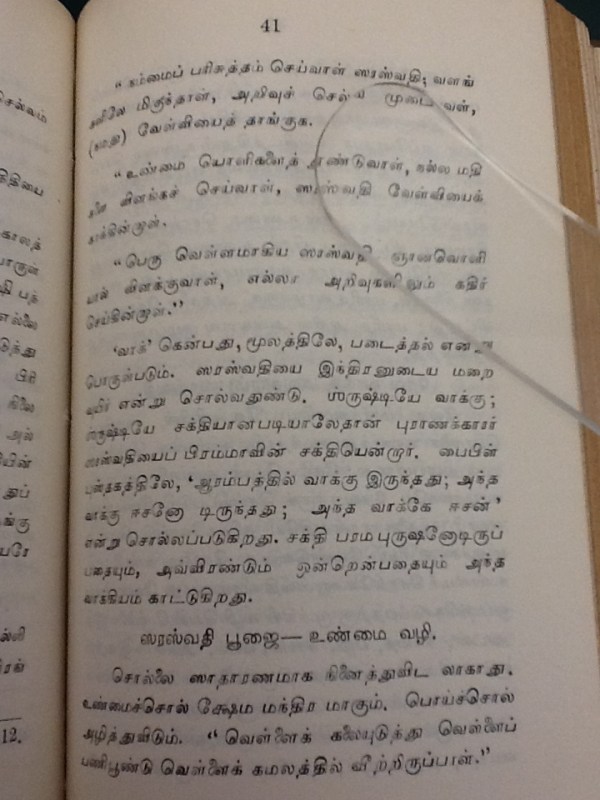
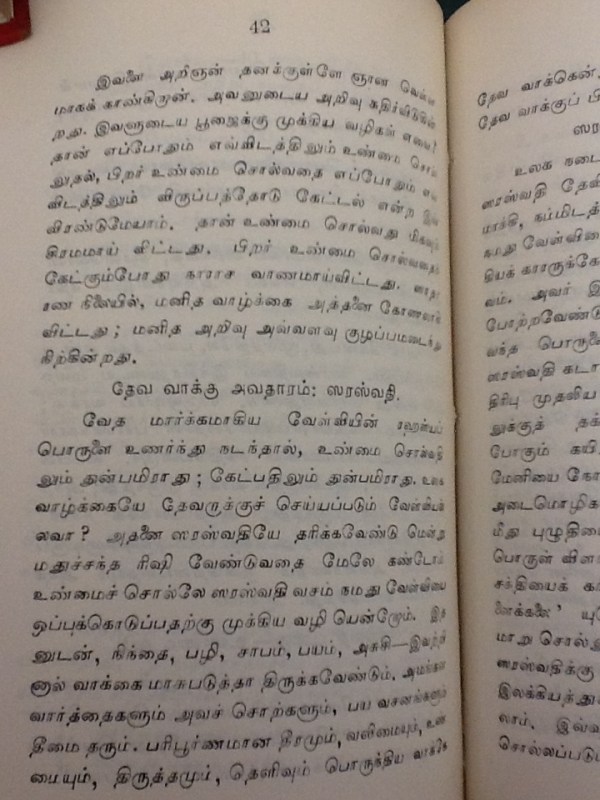
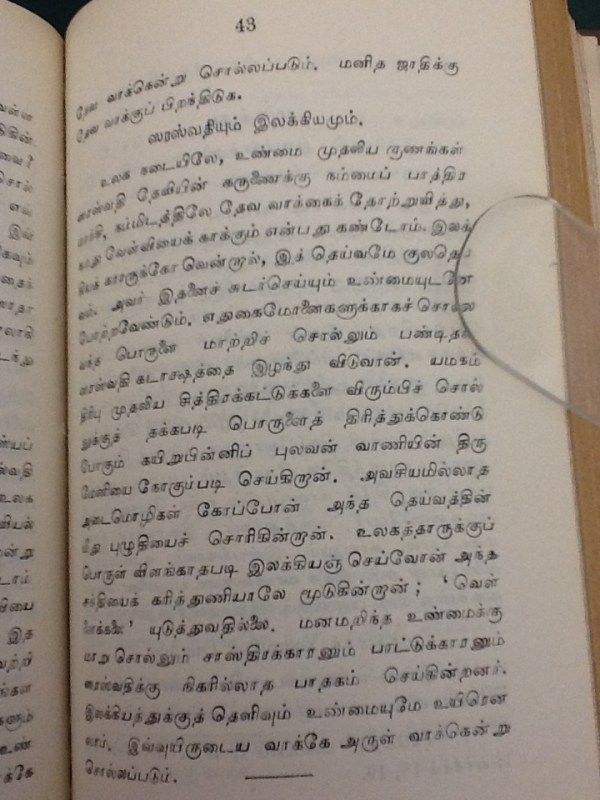
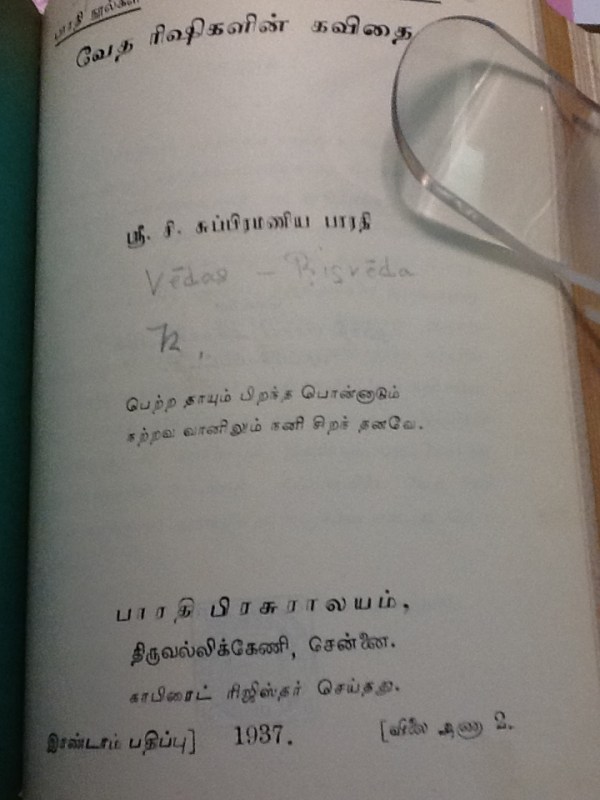
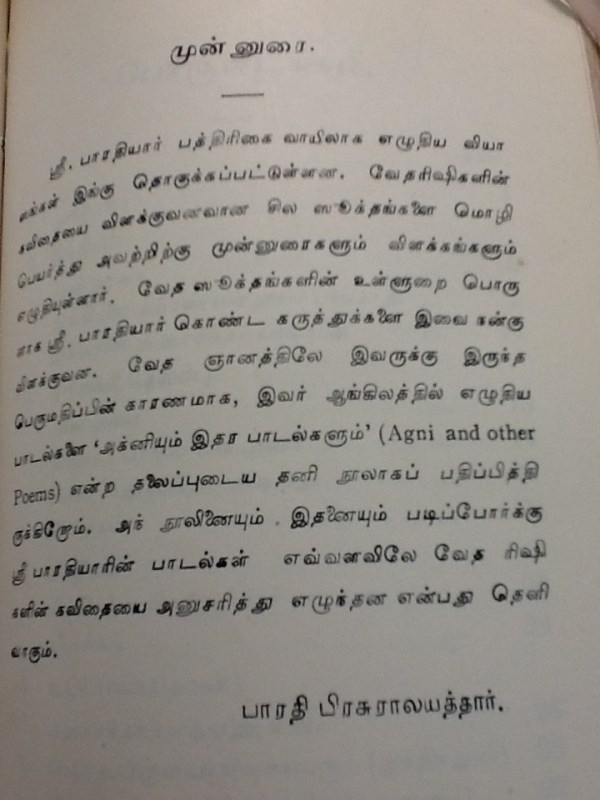
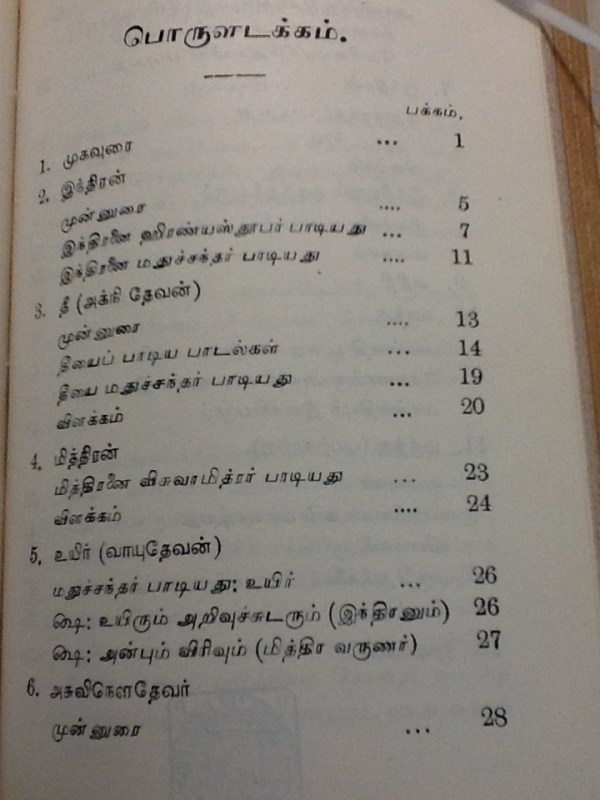
நூலின் பெயர்: வேத ரிஷிகளின் கவிதை

சி.சுப்பிரமணிய பாரதி


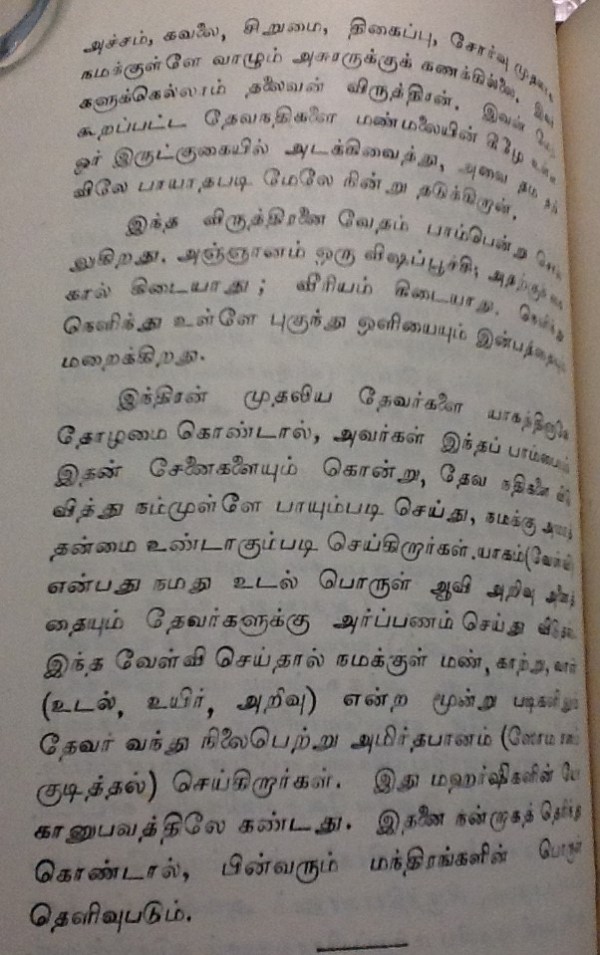
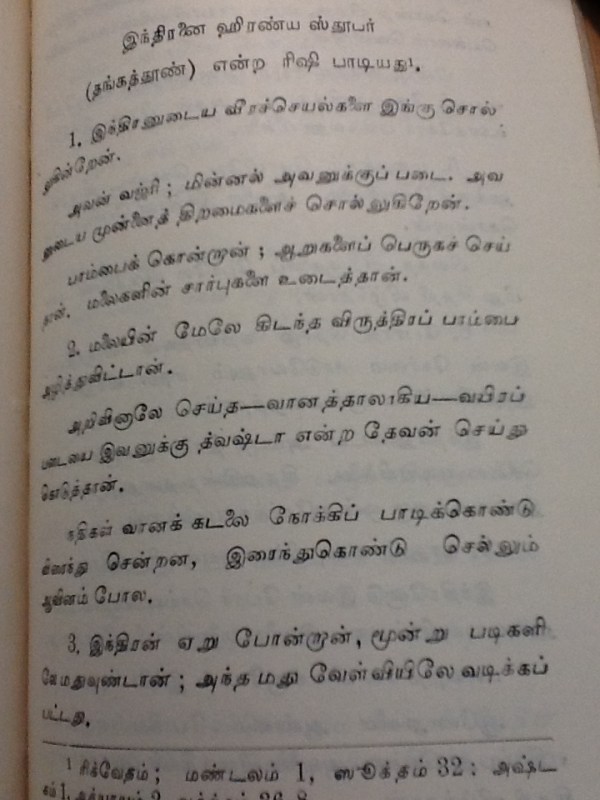
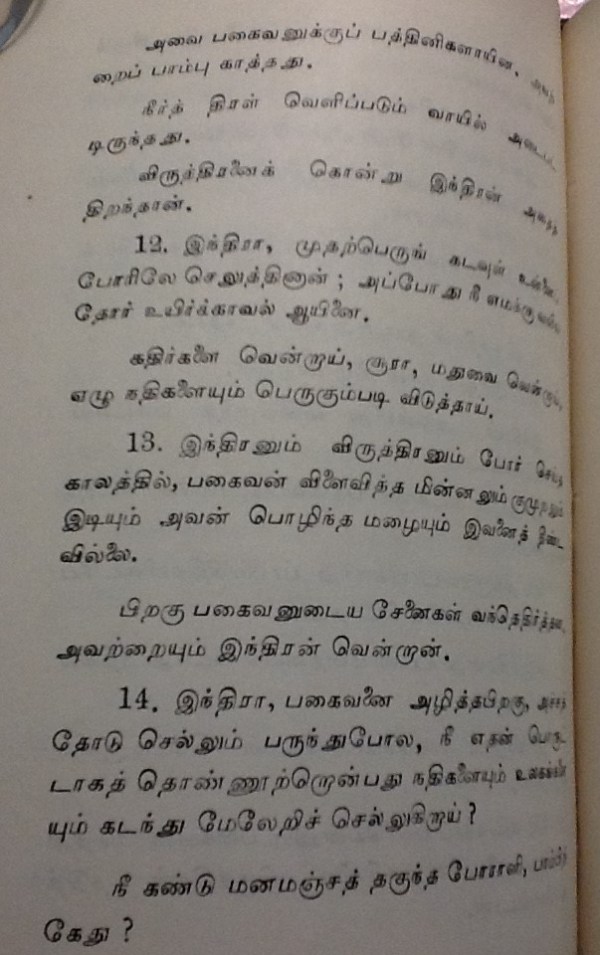
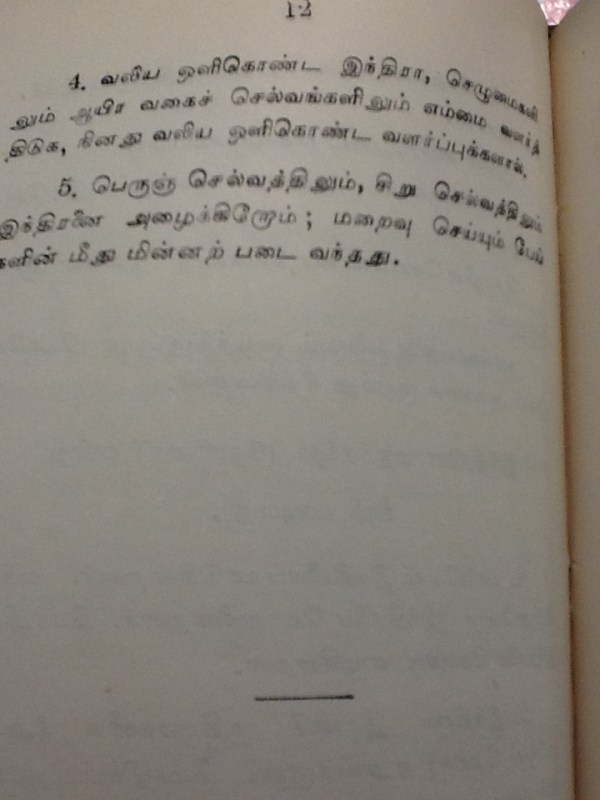
img_8416img_8417img_8418img_8419


The Todas: Strange Dravidian Tribe!( Post No.3234)

vv-anni-5

Written by London Swaminathan


Date: 9 October 2016


Time uploaded in London: 13-03


Post No.3234


Pictures are taken from various sources; thanks.


The reason I am posting several articles on the Tribes of India is to show that they have nothing to do with the civilized Dravidians. They have been living in the forests and hills of India even when the Vedic City Civilization existed; even when the Dravidian City civilization existed. We have ample proof from the Bhimbetka Rock paintings, Mahabharata ,Ramayana and Silappadikaram. But foreigners cunningly divided the Hindus by dubbing all the dark skinned people as Dravidians and others as Aryans. Anyone who reads all about the tribes will find out they have nothing in common amongst themselves. Some of their customs may be traced to the civilized Hindus. To dub all their primitive, uncultured and violent rituals as Dravidian is an insult to the civilized Dravidians—London Swaminathan


Here is a piece from Arthur Miles’ book:–

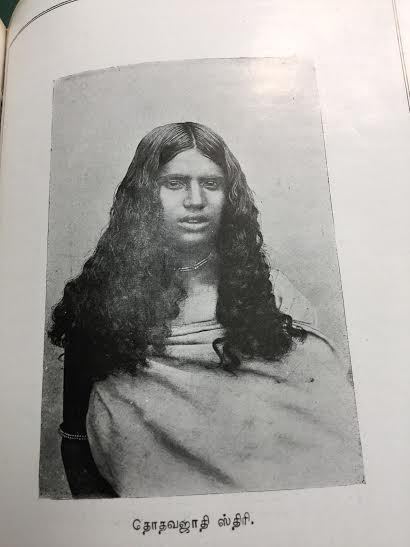
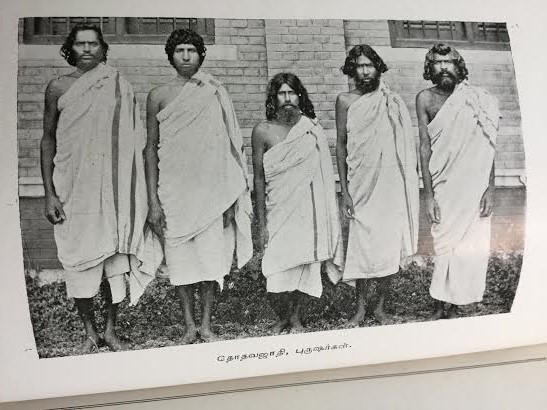
“The Todas, an aboriginal tribe of the Nilgiri hills, seem to interest foreigners more than any of the other tribes. The  interest may be explained by the fact that many attempts have been made to connect the Todas with tribes that have been lost. Despite the hypotheses of many writers that the Todas are derived from one, or several, of the races of the Malabar, their origin is buried with the secrets of the past.


They speak a language that belongs to Dravidian family.
vv-aani-4

Certain Todas of the older generation might  easily belong above the to some rather magnificent lost people, being above the average height, well-proportioned, with regular features and fine teeth. Their hirsute development distinguishes them from the other hill tribes. The hair on their heads is usually curly and abundant, their beard is luxuriant, and a dense growth of hair covers their chest and abdomen. Hair is, also, thick on the upper and under surfaces of their arms, on the shoulder blades, the thighs, the knees, and the entire end of the legs. Their eyebrows unite across the forehead and thick tufts of hair grow in and round the ears. All the men have scars on the right shoulders, which are produced by burning the skin with hot sticks (sacred fire sticks). It is believed that these scars enable them to milk their buffalos.


Venereal Disease given by Foreigners!

The men of the present generation, however, are stunted and decrepit, the result of syphilis contracted outside their tribe.


They consider it beneath their dignity to cultivate land, and when some years ago they were granted a number of acres, they turned it over to the Badagas an continued to herd their cattle. When they find it necessary to seek employment on the estates of coffee and tea planters, they never take the slightest interest in their work.


The tribe maintains herds of semi domesticated buffalos on whose milk and products they largely depend. Since the establishment of bazaars at ootacamund and Canoor,the tribe’s income  has been augmented by the sale of sale of milk and curds.  Wealth with them is judged by the number of buffalos one possesses, and a story is told by the people, that when the King visited India, the Todas wanted to know how many buffalos he possessed .

toda_men_women_1871

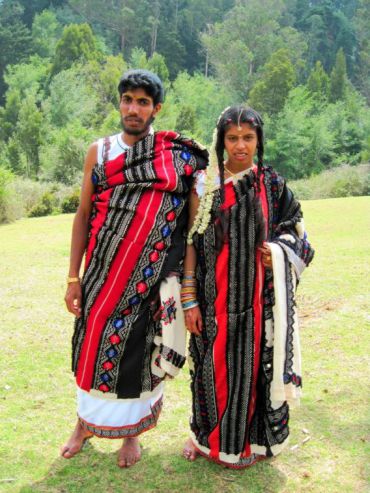
The Toda women have no idea of sexual morality. Toda women are extremely ugly and degenerate, even in early middle-life into slovenly hags. The odour of their person, caused by the rancid butter with which they anoint themselves, keeps one at a distance. They are often tattooed with circles and dots, seldom with more ambitious designs. The circles and dots are marked on the skin with lamp black and pricked out with a porcupine quill. Ornaments made of shells and beads are worn, and the lobes of their ears are pierced and brass ear rings inserted. They wear a cloth draped round their bodies. Greater numbers of Todas have been converted to Sivaism than to Christianity, however, Many Todas worship now in the Siva temples, observing the Siva rites even to marrying their girls before puberty. Toda women are all extremely lazy, and sometimes spend most of the day buttering and curling their hair. Since the opening of the bazaars, they have done a little embroidery, which they try to sell. But it is very crude, and not greatly in demand.


It is said that the female Todas have been debauched by Europeans, who have introduced the diseases from which they suffer. This, however, is a statement difficult to believe considering their unprepossessing appearance and filthy habits.


There is no way of knowing how the diseases that have ravaged the Todas were introduced; but the fact remains that these people, once lusty of physique and temperate of habit, are suffering from some form of syphilis, and have gone over to lax and filthy practices. They deny the use of aphrodisiacs, but both men and women mix dogs’ testicles into a paste with milk, and eat the concoction to give them strength. Their food consists of rice boiled in milk, wild vegetables, wild raspberries, tree parasites, and ground orchids. Like the Chinese, they eat the tender shoots of the bamboo in the form of a curry. They are very fond of a soup which they make of the roots and flowers of thistles.
 

toda3

Buffalos and Dairy Products


The Todas use matches freely, except in their dairies. No one is permitted to light a match in the dairy. It was some time before these people would consent to use matches they have many superstitions about fire. They use different woods for different purposes certain woods to warm themselves by, other woods for cooking, and still others for sacred objects.


Each of their villages is composed of huts, a dairy, a cattle- pen and a temple. The huts are covered with pent-roofing, which slopes down to the ground so that a tall person must stoop to enter them. One room is sufficient for the family, whether the household consists of two or twenty. A platform built on one side of the room is strewn with buffalo and deer skins, and is used as a sleeping-place. On the opposite side, are the fire and cooking pots. No man or woman need be sensitive at undressing in full view of any others upon the platform, since the entire family tumbles into bed with clothes on and arises in the morning all ready for the day. The women may do a little hair-buttering when the men go out, but washing, unless one is going to be married, is not to be thought of.


The dairies are divided into two compartments — one the contains the butter, milk and curds, and the other is dwelling-place of the palol (dairy priest). Two paths lead to the dairy from the huts, for the use of men and women respectively. Women are permitted to go as far as the dairy door, to receive butter-milk. The dairy priest is not permitted to visit any of the huts while he holds office, and in some cases he is not supposed to visit his home or to go to another village. If it is necessary for the priest to cross water he must not pass by a bridge but must use a ford. He should be a celibate


but if he has a wife he may turn her over to his brother during his official term.

toda_a8

Superstitions

Todas will not use river water, for fear of arousing the wrath of the river goddess. A pregnant woman, like the dairy priest, must not cross water ford and she is not permitted to ford a stream. Any Toda, after wading through water, apologizes to the water goddess for disturbing her. The Paikara is their sacred river, and there is a legend to account for its origin. An uncle and nephew went out, so the story goes, to gather wild honey. The uncle was unsuccessful in his search, but nephew gathered two portions.


He secreted them in a crevice among the rocks, and told his uncle that he had found nothing. was The following day he went to the spot where the honey was hidden, and he found that it had leaked down over the rocks and had transformed itself into the Paikara river.


Polyandry

The Todas’ organization is divided into two classes, which cannot intermarry. If polyandry means that a woman is accessible to her husband’s brothers and relatives, then the Todas practise it. One usually thinks of polyandry, however, as a system in which women have some choice in the selection of husbands, but the Toda woman simply acquires them with her marriage ceremony. I have heard, none the less, people refer to the Toda marriage-system as polyandrous. A few years ago the Todas, in a petition to Government, asked permission to legalize their marriages. The Government decided that such legalization was not necessary, and that Toda who wished could register his marriage.


When a girl reaches puberty she goes through an initiation ceremony with a man. There is a ceremony performed during the seventh month of pregnancy, to decide who is the father of the child. The man who undertakes the honour presents the expectant mother with a bow and arrow. If the husbands are all brothers, the eldest presents the gifts, but the other brothers are also regarded as fathers. If the husbands are not brothers, the ceremony becomes a social occasion, and after much discussion one of the husbands decides to become the father. He becomes not only the father of the coming child, but of all succeeding children. And the woman still considers him the father of her children, even if he has been several years.


Until recently the Todas practised female infanticide which custom still exists to some extent though strenuously denied. An old woman used to take the female child when it was born and close its nostrils, ears.  Shortly after, its head would droop and it would die of suffocation. The old woman received four annas (four pence) for the deed.
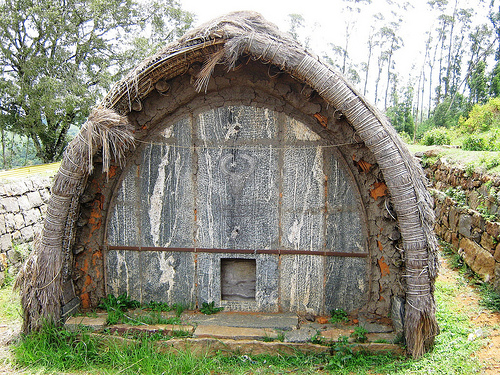
toda_tribal_hut_5008551878

Picture of Toda Hut


Violent Funeral Ceremony

Several funeral ceremonies are arranged for a deceased Toda. The first occurs when the body is burnt; the second may be a month or two months later while subsequent services may be held at any time agreed upon by the relatives and friends of the deceased. To the second and later ceremonies visitors are invited. Everyone goes to the spot where the body was burnt, and the women, usually relatives of the deceased, work themselves up to the necessary pitch of lamentation. They commence with moaning, but finally reach a stage of what appears to be genuine grief and actually cry. In spite of this lachrymose exhibition, they will turn and beg if any foreigner approaches, and after acknowledging the coin, will return to the mourning. Sometimes the bones are taken out of the ground, where they have been buried after the cremation. The skull is placed on a cloth, and everyone makes obeisance to it. It is then anointed with ghee.


A buffalo is usually sacrificed to conclude a funeral ceremony at which Todas from all the surrounding villages (or mands, as they call their settlements) have assisted. Boys are sent out to search for the required animal, which is frequently half dead and bleeding from the nose when they finally drive it to the place chosen for the sacrifice. Sometimes a bell is tied on its neck, and its horns are smeared with butter, before it is finally despatched by a blow, or a series of blows, from a club. When the buffalo is sacrificed before the cremation, the deceased may be placed upon the animal, his face resting on the rump and his feet on the head. If this is done, the manifestations of grief become frantic, and the uproar can be heard for miles. Sometimes the hair is cut from the head of a corpse, to be wrapped round the skull after cremation before the bones are interred.
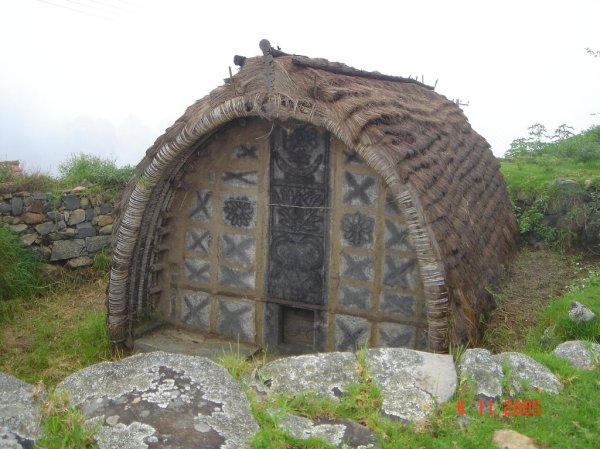
todatemple1

Toda Children

The Toda children are fond of games, and will burlesque any sacred rite when they feel inclined. They will mimic marriage and funeral rites, and sometimes even the puberty ceremony. The men are fond of sport, especially if they can exhibit their strength, and running, wrestling, lifting heavy weights are favourite diversions. Bets are made when weights are lifted, and arguments may be started, which end in blows. It has been my experience that Indians cannot bear to lose in a game, and lack entirely the real quality of the sportsman, that of being a good loser. Quite recently an Indian tried to bribe the King’s Royal Rifles to acknowledge defeat by the Calcutta Customs in a game of football. The lance-corporal and the goal-keeper were approached by the Indian, who offered them one hundred rupees each if the Royal Rifles lost the game. They were to receive a small sum in advance, and the rest when the game had been lost. The two men made an appointment with the Indian to receive the first instalment, and in the meantime informed their trainer of the affair. The police were on hand to witness the handing over of the money and an arrest was made. Later, the man was released on bail”.


from the Land of the Lingam by Arthur Miles, 1933
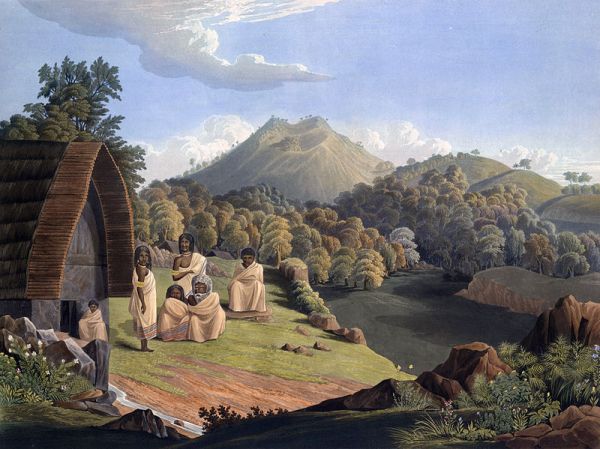
800px-kandelmund_toda_1837

My comments

In the Nilgris and its surroundings we see Irulas, Todas, Badagas and Kurumbas. Though all of them are classified as Dravidians, they have different marriage, funeral customs and different gods. This shows that they are NOT driven out of Indus valley and they all don’t belong to the same group. The fact of the matter is they have been living in the forest from Vedic days leading an independent life. Till the foreigners invaded and occupied India they were not at all disturbed. When the Christian preachers went into the jungles to convert them, the problems started. After foreigner’s intervention they contacted sexually transmitted diseases. Todas have very strange customs. Some of them may be compared with modern day city dwelling Hindus. Even foreigners couldn’t explain their customs. Todas and Irulas must have been living from time immemorial along with other tribes of India. Ramayana and Mahabharata have lot of information about the tribes and it shows that they lived at the time of city civilization. Even theTamil epic Silappadikaram describes both city and forest life of the tribal people. Silappadikaram gives a long list of articles they brought to the Chera King Seran Senguttuvan whose capital saw lot of Roman gold. So foreigners are wrong in saying that these people were driven out of Indus cities. In fact, these tribes have been here even before the Indus valley civilization began. Mahabharata gives a list of products that Yudhisthira got from the tribal people.


Sacrificing buffalos at the funeral is spread up to Celebes island of Indonesia. They think that the more the buffalos they sacrifice better it would be for the dead person in the afterlife!


My earlier post on Todas:-

Edwin Arnold’s Visit to Toda Tribal Hut in 1885 (Post No.2867), posted on 4 June 2016


–Subham–


உயிரின் மர்மம் துலங்க ஒரு விண்வெளிப் பயணம்! (Post No.3233)

osiris

Written by S. NAGARAJAN

Date: 9 October 2016

Time uploaded in London: 6-44 AM

Post No.3233

Pictures are taken from various sources; thanks

Contact :– swami_48@yahoo.com


பாக்யா 30-9-2016 இதழில் அறிவியல் துளிகள் தொடரின் 295வது அத்தியாயமாக வெளியாகியுள்ள கட்டுரை

 உயிரின் மர்மம் துலங்க ஒரு விண்வெளிப் பயணம்!

ச.நாகராஜன்

“கவலைப்பட வேண்டாம், டைனோஸர் இனத்தை அழித்த ஒரு விண்கல் மோதல் போல இன்னும் ஒரு மோதல் பூமி மீது ஏற்பட இன்னும் 150 லட்சம் வருடங்கள் ஆகும்.”                                                                                 

                                     – எல். நீல் ஸ்மித் 


meteor_shower-shooting_stars-istock_81472339

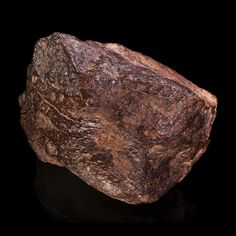
12 ஆண்டுகளுக்கு முன்னர் 2004இல் நடந்த சம்பவம் இது. அமெரிக்காவில் டக்ஸன் நகரில் உள்ள அரிஜோனா பல்கலைக் கழகத்தில் தாந்தே லாரட்டா என்ற விண்கற்களை ஆராயும் ஒரு விஞ்ஞானி பெரிய ஒரு கண்டுபிடிப்பைக் கண்டுபிடிக்கும் தருணத்தில் இருந்தார். கார்பன் அதிகம் உள்ள எரிகற்களை ஆராய்ந்து வந்த அவர் உயிர் வாழ்க்கையின் தோற்றத்திற்குக் காரணமான ட்ரைபாஸ்பேட் என்னும் அணுத்துகளை எரிகல்லில் கண்டு பிடித்தார். ஆனால் அவரால் எதையும் உறுதிப் படுத்த முடியவில்லை. ஏனெனில் விண்வெளியில் இருந்த அசுத்தத்தால் அந்த அணுத்துகளை அவரால் சரியாக ஆராய முடியவில்லை.


உடனடியாக அந்த விஷயத்தைத் தன் பேராசிரியரான மைக்கேல் மார்டினிடம் தெரிவித்தார். இதில் தீவிர கவனம் செலுத்திய மார்டின் நாஸாவை நாடி இதற்காகத் தனியே ஒரு விண்கலத்தை விண்ணில் ஏவி ஒரு புதிய சாம்பிளை விண்கல் ஒன்றிலிருந்து எடுத்து வர வேண்டும் என்று வேண்டுகோள் விடுத்தார்.

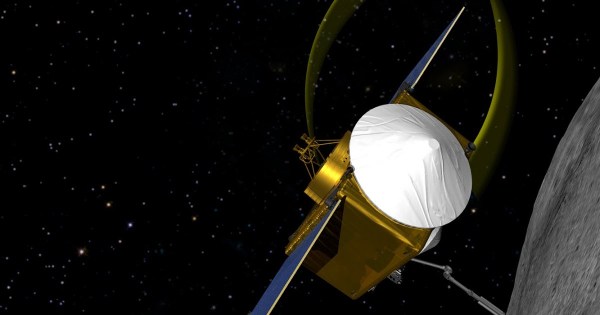
லாரெட்டாவும் மார்டினும் விரும்பிய படி உயிரின் மர்மத்தைத் துலங்கிக் கொள்ள விண்வெளியில் ஒரு நீண்ட ஏழாண்டு காலப் பயணத்தை மேற்கொண்டுள்ளது ஒரு விண்கலம்.


இந்த விண்கலம் சமீபத்தில் 2016, செப்டம்பர் 8ஆம் தேதி விண்ணில் ஏவப்பட்டிருக்கிறது.

நூறு கோடி டாலர் என்ற பிரம்மாண்டமான பட்ஜெட் செலவில் விண்ணில் செலுத்தப்பட்டுள்ள இந்த விண்கலத்தின் பெயர் சற்று விசித்திரமானது, நீளமானதும் கூட!

இதன் பெயர் – ஆரிஜின்ஸ் ஸ்பெக்ட்ரல் இண்டர்ப்ரடேஷன் – ரிஸோர்ஸ் ஐடெண்டிஃபிகேஷன்- செக்யூரிட்டி ரிகோலித் எக்ஸ்ப்ளோரர் (Origins – Spectral Interpretation- Resource Identification –Security- Regolith-Explorer – OSIRIS  -REx)  என்பதாகும்.


இந்தப் பெயரைப் பார்த்து ஏகத்திற்குக் கிண்டலடிக்கின்றனர் பலரும். இவ்வளவு பெரிய பெயர் தேவையா? கடைசியில் ரெக்ஸ் என்பதில் ஒரு ஸ்மால் எக்ஸ் வேறு ஒரு கேடா? என்ற கிண்டலைத் தாங்கி இது விண்ணில் பறக்கிறது. ஆனால் பெயரில் இருக்குது எல்லாமே என்று இதைப் போற்றுவாரும் உண்டு!


இது பென்னு (Bennu) என்ற அரைக் கிலோமீட்டர் அகலமுள்ள விண்கல்லை நோக்கிப் போகிறது. ஆகஸ்ட் 2018இல் இது பென்னுவைச் சென்றடையும். இது 240 மீட்டர் உயரத்திலிருந்து அதைக் கண்காணித்து ‘யார்கோவ்ஸ்கி விளைவு’ என்பதைப் பற்றி முதலில் ஆராயும்.


meteorite

ஒரு சிறிய விண்கல் சூரியனால் வறுத்தெடுக்கப்பட்டு விட்ட போது அதிலிருந்து வெளியாகும் போட்டான்கள் ஒரு சிறிய விசையை வெளிப்படுத்தி அதன் சுழற்சிப் பாதையைச் சற்று மாற்றும். இதை விஞ்ஞானிகள் ஆராயப் பெரிதும் விரும்புகின்றனர். பென்னு பல லட்சம் கோடி வருடங்களுக்கு முன்னர் உருவாகியிருக்கக் கூடும் என்பது விஞ்ஞானிகளின் கணிப்பு!


மேலிருந்து ஆராயும் விண்கலம் 12 இடங்களை சாம்பிளைச் சேகரிப்பதற்காகத் தேர்தெடுக்கும். லாரட்டாவின் குழுவினர் இந்த 12 இடங்களில் பாதுகாப்பு, அணுக எளிதாக இருத்தல் போன்றவற்றின் அடிப்படையில் ஒரு இடத்தைத் தேர்ந்தெடுப்பர். சிலர் விண்கல்லின் உள்பாகத்தின் மாதிரி வேண்டும் என்று ஆசைப்படுகின்றனர். சிலரோ மேற்பரப்பு சாம்பிள் கூடப் போதும் என்கின்றனர்.

ஆஸிரிஸ் – ரெக்ஸ் விண்கல்லான பென்னுவில் இறங்காது. விசேஷமாக வடிவமைக்கப்பட்ட ஒரு கரத்தை விண்கலத்திலிருந்து நீட்டி அதன்  மேற்பரப்பைத் தொட்டு மூன்று முதல் ஐந்து வினாடிகளில் நைட்ரஜனைப் பயன்படுத்தி ஒரு பெரிய வெடிப்பை ஏற்படுத்தும்.

உடனேயே வெடிப்பினால் அதிலிருந்து கிளம்பும் மாதிரிகள் சேகரிக்கப்படும். இந்த தூசி அறுவடை (Dust Harvest)  சுமார் 60  முதல் 300 கிராம் எடையுள்ள சாம்பிள்களைச் சேகரிக்கும்.


இதற்குத் தான் இத்தனை பாடா என்று வியக்கிறோம். ஆனால் இது பெரிய விஷயம் என்கின்றனர் விஞ்ஞானிகள்.

இந்த மாதிரிகளை ஆராய்ந்தால் உயிரின் தோற்றம் பற்றிய மர்மத்தை விடுவித்து விடுவோம் என்கின்றனர் விஞ்ஞானிகள்!

மாதிரிகளைச் சேகரிப்பது ஒரு புறம் இருக்கட்டும் அவற்றை அப்படியே பத்திரமாகத் திருப்பிப் பூமிக்குக் கொண்டு வருவதில் தான் உண்மையான சவால் இருக்கிறது என்கின்றனர் விஞ்ஞானிகள்.


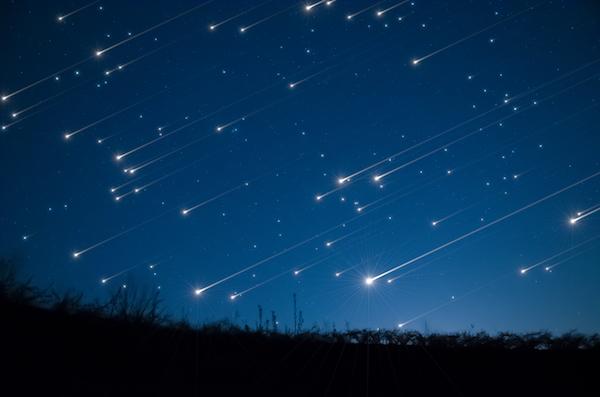
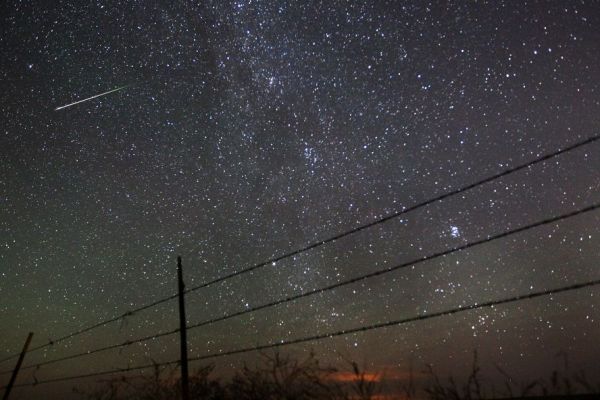
Meteor Outburst

FILE – In this early morning, Aug. 13, 2013 file photo, a meteor streaks past the faint band of the Milky Way galaxy above the Wyoming countryside north of Cheyenne, Wyo., during a Perseids meteor shower. On Thursday night, Aug. 11, 2016 into early Friday morning, the Perseid meteor shower is expected to peak with double the normal number of meteors. Scientists call this an outburst, and they say it could reach up to 200 meteors per hour. (AP Photo/The Wyoming Tribune Eagle, Blaine McCartney)

2023ஆம் ஆண்டு வாக்கில் இந்த விண்கலம் பூமிக்குத் திரும்பி வந்து உடா பாலைவனத்தின்  மேற்குப் பகுதியில் இறங்கும்.

இதற்கு முன்னர் ஜப்பான் விண்கல்லை ஆராய்வதெற்கென ஒரு விண்கலத்தை ஏவியுள்ளது. அதன் பெயர் ஹயபுஷா-2 . அது 2014இல் ஏவப்பட்டது. 2020ஆம் ஆண்டு 100 மில்லிகிராம் விண்கல் சாம்பிளுடன் அது பூமியில் இறங்கும்.


இதில் வெற்றி யாருக்கு? ஜப்பானுக்கா, அமெரிக்காவிற்கா? விஞ்ஞானிகள் சிரிக்கின்றனர்.  இரண்டு விண்கலங்களின் சாம்பிள்களையும் ஆராய்ந்த பின்னர் அந்த முடிவுகளை ஒப்பிட்டுப் பார்த்தால் உண்மை இன்னும் துல்லியமாக விளங்குமே, இதில் போட்டி எங்கே இருக்கிறது என்கின்றனர் அவர்கள்!

சபாஷ், சரியான அணுகுமுறை! உயிர் எப்படித் தோன்றியது என்பது பற்றிய உண்மையை அறிய உலகமே ஆவலுடன் காத்திருக்கிறது!

normna-weiner

அறிவியல் அறிஞர் வாழ்வில் ..  

பிரபல  அமெரிக்க கணித மேதையான நார்மன் வெய்னர் (Norman Weiner தோற்றம் 26-11-1894 மறைவு 18-3-1964)  ஒரு மறதி மன்னர். அத்தோடு அவருக்கு கண்பார்வைக் கோளாறும் உண்டு. தூரத்திலிருக்கும் எதுவும் அவருக்குத் தெரியாது. ஒரு நாள் பிரான்ஸை சேர்ந்த ஒரு கணித மேதை மசாசூஸெட்ஸ் இன்ஸ்டிடியூட் ஆஃப் டெக்னாலஜிக்கு வருகை புரிந்தார். அவரை அருகில் ஒரு இடத்தில் நடந்த பார்ட்டிக்கு வெய்னர் தன்னுடன் வருமாறு அழைத்தார். காரில் ஏறிக் கொண்ட அந்த மேதைக்கு ஆபத்து கை மேல் காத்திருந்தது. வெய்னர் காரை ஓட்டும் போது படு பயங்கரமான மயிரிழையில் பிழைத்த மோதல்களைக் கண்டு திகைத்த அவர் இன்று நமக்கு நேரம் சரியில்லை என்று நினைக்க ஆரம்பித்தார்.இறுதியில் கார் ஒரு டெலிபோன் கம்பத்தின் மீது மோதி நின்றது. தப்பித்தோம் பிழைத்தோம் என்று கீழே இறங்கி ஓடிய் அந்த மேதை ஒரு வழியாக பார்ட்டி நடக்கும் இடத்தைச் சென்றடைந்தார். இரண்டு மணி நேரம் பார்ட்டியில் ரிலாக்ஸாகக் கழிந்தது. திடீரென அவர் தோள் மீது ஒரு கை விழுந்தது. திரும்பிப் பார்த்தார் அவர் – வெய்னர் தான் அவரை அன்புடன் அரவணைத்தது!


கையில் ஒரு கிளாஸுடன் புன்சிரிப்புடன் அவரை நோக்கிய வெய்னர், “கவலைப்பட ஒன்றுமில்லை, இன்னொரு காரைக் கடன் வாங்கி இங்கே வந்து விட்டேன். எப்போது உங்களுக்குத் திரும்ப வேண்டுமோ அப்போது சொல்லுங்கள், உங்களை உங்கள் இடத்தில் கொண்டு போய் விட்டு விடுகிறேன்” என்றார்!

பிரஞ்சு கணித மேதை எப்படி பயந்திருப்பார் என்பதை யாரும் எளிதில் ஊகித்துக் கொள்ளலாம்!

**********


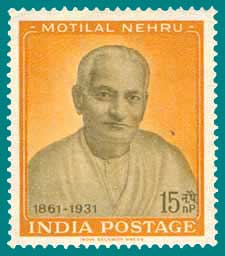
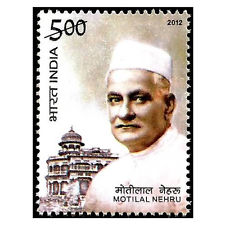
பண்டித மோதிலாலை பறிகொடுத்தோமே! பரிதவித்தோமே! (Post No.3232)

438_motilal_nehru

Written by London Swaminathan


Date: 8 October 2016


Time uploaded in London: 13-57


Post No.3232


Pictures are taken from various sources; thanks.


மொழி என்பதற்கு எத்தனை சொற்கள்?(Post No.3233)


அமரகோஷம் என்னும் புகழ்பெற்ற சம்ஸ்கிருத  நிகண்டு மொழிக்கான சொற்களின் பட்டியலைத் தருகிறது:-


வாக் வர்க:

ப்ராஹ்மி து பாரதீ பாஷா கீர்வாக்வாணீ சரஸ்வதீ

வ்யாஹார உக்திர்  லபிதம் பாஷிதம் வசனம் வச:


உரைகாரர்கள் கொடுக்கும் அர்த்தங்கள்:–

ப்ராம்மி- பிரம்மாவைச் சேர்ந்தவள் (சரஸ்வதீ);

பாரதீ- உலகிலுள்ள எல்லாப் பொருட்களிலும் பரந்து இருப்பதால் (எல்லாப் பொருட்களையும் சொல்லால் விளக்குவதால்); பிரம்மனுக்குத் துணையானதால்; (பரத= பிரம்மா, ஆதித்யம்)

பாஷா = பேசுவதால் பாஷை

கீர்- பாடப்படுவதால் கீர்; பாடப் பயன்படுவதால்;உச்சரிப்புகள் வெளிவருவதால்;

வாக்- சொல்லப்படுவதால்

வச: – சொல்லுவதால் (வாக்கியம்)

சரஸ்வதீ- எங்கும் ஓடுவதால் (எங்கும் செல்லுபடியாவதால்; பயன்படுவதால்)

வ்யாஹார: – சொல்லப்படுவதால்

உச்யா – உரைக்க படுவதால்

லபிதம் = சொல்லுவதால்

பாஷிதம் – பாசிப்பதால்/பேசுவதால்


xxx


அபப்ராம்சோ அபசப்த: ச்யாத் சாஸ்த்ரே சப் தஸ்து வாசக:

திங்சுபந்தசயோ வாக்யம் க்ரியா வா காரகான்விதா


உரைகாரர்கள் கொடுக்கும் அர்த்தங்கள்:–

அபப்ராம்சோ – கொச்சையான மருவிய மொழி

அபசப்த-  ப்ரஷ்டமான சப்தம்; ஏற்றுக்கொள்ளப்படாத சப்தம்


வாக்யம் – பொருளுடைய சொற்றொடர்

திங்சுபந்தம்- திகந்தம்+ சுபந்தம் (வினை+ பெயர்ச் சொல்)

காரகன் – எழுவாய்

motilal-2


அபசப்தம்: = சபையில் சொல்லக்கூடாத சொற்கள்


ஒரு முறை மதுரை தினமணி அலுவலகத்தில் ஆகஸ்ட் 15 ஆம் தேதி சுதந்திர தினம் கொண்டாடப்பட்டது. ஆண்டுதோறும் ஆகஸ்ட் 15 என்பது அலுவலகம் மூடப்பட்டதால் பெரிய அளவில் சுதந்திர தினம், கலை நிகழ்ச்சிகள், பட்டிமன்றம் ஆகியன நடை பெறும். நாட்டிற்குச் சுதந்திரம் கிடைத்து நாலைந்து ஆண்டுகளில் மதுரையில் தினமணிப் பதிப்பு துவங்கப்பட்டது.

விழா நாளன்று பிரார்த்தனை பாட கூப்பிடப்பட்ட ஆள் வராததால் பிரார்த்தனை என்று அறிவித்தவுடன் ஒரே அமைதி. திடீரென்று அதிகம் படித்தறியாத ஒரு கம்பாசிட்டர் (compositor) மேடைக்கு வந்தார். மைக் முன்னர் தைரியமாக நின்றார்; முழங்கினார்:


பண்டித மோதிலாலை பறிகொடுத்தோமே, பரிதவித்தோமே

பண்டித மோதிலாலை பறிகொடுத்தோமே, பரிதவித்தோமே


கூட்டத்தில் ஒரு பக்கம் சிரிப்பு; இன்னொரு பக்கம் அதிர்ச்சி. இரண்டு மூன்று பேர் மேடைக்கு ஓடிப்போய் “டேய் நிறுத்தடா; பிரார்த்தனை என்றால் ஒப்பாரி வைக்கிறாயே” என்று அவனை அதட்டி விரட்டினர். பாவம் அறியாமையினால் வந்த விளைவு. அந்தக் காலத்தில் சுதந்திர தினம் என்றால் இப்படி பழைய, காலஞ்சென்ற தலைவர்கள் குறித்து பாடுவது பழக்கம். அதையொட்டி அந்த ஆளும் பாடிவிட்டார். ஆனால் இது பிரார்த்தனை அல்ல; பிலாக்கணம் என்பது அவருக்குப் புரியவிலை.


நான் தினமணிப் பத்திரிக்கையில் (1971) சேர்ந்து சப் எடிட்டராகப் பணியாற்றிய போதும் கம்பாசிடர் ஆறுமுகம் பணியாற்றினார். அவர் எங்கள் மேஜையில் ‘புரூப்’புகளை வைத்துவிட்டு உள்ளே சென்ற பின்னர் நாங்கள் எல்லாம் ஒருவரை ஒருவர் பார்த்து பண்டித மோதி லாலை பறிகொடுத்தோமே! பரிதவித்தோமே என்று பாடி சிரிப்போம்.


இதே போல இன்னொரு சம்பவம்– மதுரை மீனாட்சி கோவிலில் நடந்தது. ஆடிவீதியில் அனந்தராம தீட்சிதரின் ராமாயண உபந்யாசம் ஏற்பாடாகி இருந்தது. ஊர்ப் பிரமுகர் ஒருவர் நிறைய நன்கொடை வழங்கியதால் அவரை மேடைக்கு அழைத்து கவுவித்துவிட்டு ஓரிரு வார்த்தைகள் சொல்லுங்கள் என்று பணித்தனர். அவர் தனது உரையில் இரண்டு மூன்று தடவை ராமயானம், ராமயானமென்று சொல்லியவுடன் கூட்டத்தில் ஒரே சிரிப்பு! என்ன என்ன ஆயிற்று? என்று அவர் திரும்பித் திரும்பி பார்க்கிறார். உடனே மேடையில் இருந்த ஒருவர் அவரிடம் ராமாயணம் என்று உச்சரிக்க வேண்டும் என்றார். அவர் மீண்டும் பேச்சைத் தொடர்ந்தார். அப்போதும் ராமயானம் என்று சொல்லவே கூட்டத்தில் முன்னைவிட பெரிய சிரிப்பொலி. அவர் பார்த்தார். தனக்கு ராமாயணமும்   வராது; கீமாயணமும் வராது என்று தெரிந்து கொண்டார். அடுத்த முறை ராமயானம் என்று சொல்லிவிட்டு; இப்படியும் சொல்லலாம்; ஐயர் சொன்ன மாதிரியும் சொல்லலாம் என்று சமாளித்தார் (ஐயர்= அனந்தராம தீக்ஷிதர்)


xxxx

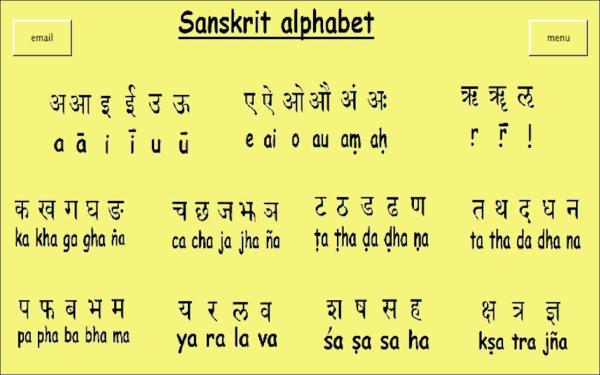
skt-alphabet

ச்ருதி: (ஸ்த்ரீ) வேத ஆம்நாய த்ரயீ தர்மஸ்து தத்விதி:

ஸ்ச்த்ரீயாம்ருக் சாம யஜுஷீ இதி வேதாஸ்ரயஸ்த்ரயீ

சிக்ஷோத்யாதி ச்ருதேரங்க ஓம்கார ப்ரணவௌ சமௌ

உரைகாரர்கள் கொடுக்கும் அர்த்தங்கள்:–


வேதத்தின் மற்ற பெயர்கள்:-

ச்ருதி-காதால் கேட்கப்படுவதால் ச்ருதி; தர்மம் எது, அதர்மம் எது என்பதைக் காட்டுவதால் ச்ருதி;


வேத: –ஞானத்தைக் கொடுப்பதால் வேதம்; வேதம் என்பது அறிவு

ஆம்நாய:– விதி, கட்டளை, பரம்பரையாக வரும் விதிகள்

த்ரயீ- ருக், யஜுர், ஸாமம் எ ம் முன்று வேதங்களை

உடையதால் த்ரயீ;


சிக்ஷதி- எழுத்துமுறைகளைப் போதிக்கும் சிக்ஷா இதன் ஒரு அங்கம்

சிக்ஷா – தண்டனை; வேதத்தின் ஆறு அங்கங்களின் ஒரு அங்கம்


தர்ம: — வேதமே தர்மம்

“தாரயதி ஜகந்தி இதி தர்ம:” = இந்த உலகங்களைத் தாங்குவது தர்மமே:

அறநெறி வாழ்க்கை தர்மம் எனப்படும்; நீதி நெறியற்ற வாழ்க்கை நிலவுமானால் மோதல்கள் ஏற்பட்டு போர், இரத்தக்களரியில் உலகம் அழியும்.


ரிக்- ருச்யதே, ஸ்தூயதே (துதிக்கப்படுவதால் ரிக்

பாபத்தை அழிப்பதால் சாமம் எனப்படும்

யஜூர்- வேள்வி வேட்பதால் யஜூர்;தேவ பூஜனம், இஷ்டி பூர்த்தி, வரவேற்றல் என்ற பொருளும் உண்டு


ஓம்காரம் – வேதத்தின் இன்னொரு பெயர்; எல்லா மந்திரங்களும் ஓம்காரத்துடன் துவங்குவதால்; ஓம் என்பதன் பொருளை விளக்குவதால்


பிரணவம் = ஓம்காரத்தின் இன்னொரு பெயராதலால் வேதத்திற்கும் ஆகுமாம்.


–Subham–
 

இந்திரன் என்பது விஞ்ஞான சக்தி: பாரதியார் (Post No.3231)

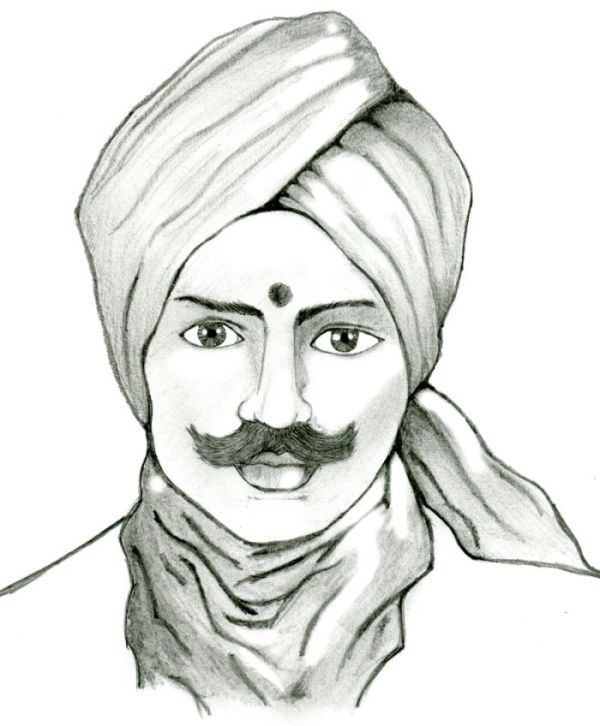
bharati-drawing

Compiled by London Swaminathan


Date: 8 October 2016


Time uploaded in London: 8-44 AM


Post No.3231


Pictures are taken from various sources; thanks.


img_8280

பாரதியாரின் அற்புத வேத மொழிபெயர்ப்பு-  Part 2


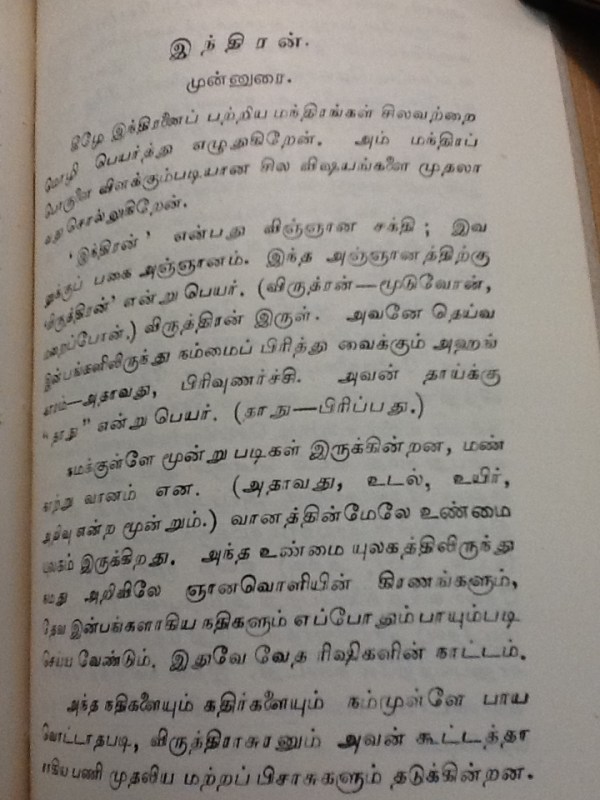
ரிக் வேதத்தின்   சில சூக்தங்களை மொழிபெயர்த்த பாரதியார், இந்திரன் என்பது விஞ்ஞான சக்தி என்றும் விருத்திரன் என்பது இருள் என்றும் விளக்குகிறார். அவருக்கு 100 ஆண்டுகளுக்கு முன் வேதத்தை மொழிபெயர்க்கத் துவங்கிய வெள்ளைக்காரர்களுக்கு நமது கலாசாரத்தில் தொடர்பு இல்லையாதலால், விருத்திரன் என்பது பாம்பு என்றும், அவர்கள் இந்தியாவை ஆண்ட பூர்வகுடிமக்கள் என்றும் தத்துப் பித்து என்று உளறி வைத்துள்ளனர். வேதத்தின் முழு சூக்தத்தைப் படிப்போருக்கு உண்மைப் பொருள் எளிதில் விளங்கும்.


நல்ல சக்திகளை ஒளி என்றும் தீய சக்திகளை இருள் என்றும் பாம்பு என்றும் வருணிப்பது பல கலாசாரங்களில் இருக்கிறது. இது தெரியாத வெளிநாட்டு “அறிஞர்கள்” விருத்திரன், அஹி என்பதை நாகர்களாகவும் இந்தியாவின் பூர்வ குடிகளகவும் சித்தரித்தனர். இன்னும் சிலர் இந்திரன் என்பது ஒரே ஆளையோ தெய்வத்தையோ குறிக்கும் என்று மொழிபெயர்த்தனர்.


பாரதியாரின் அருமையான மொழிபெயர்ப்பு இதோ:-


img_8289img_8290

img_8291img_8292


img_8293

img_8294

img_8295


img_8296


–suBham–


Tamils are Devil Worshippers: Caldwell’s Bluff- Part 2 (Post No.3230)

robert_caldwell

Compiled by London Swaminathan


Date: 8 October 2016


Time uploaded in London: 6-58 AM


Post No.3230)


Pictures are taken from various sources; thanks.


 Please read the first part of this article posted yesterday and then continue here.


“This teaches us two things. First, that demonolatry may surround deities that were originally good, — human passions and fears may change a good into an evil spirit. Second, the true meaning of the word Pey or Pennu is not ‘devil’ but ‘light’.


But Dr Caldwell asserts that the word is neither Sanscrit nor related to Sanscrit. This is a strange error. Before Caldwell wrote, it had been frequently noted  that the Dravidian Pe or Pey is identified with the root pi-sacha, meaning a devil, a malevolent being. The words are interchangeable. There is no reason to suppose  that the Tamil word is derived from Sanscrit or vice versa, yet the roots are identical.  But Sanscrit authorities ascribe Pi-sacha to a root pis, to adorn, and this, as given by Benfey, has the parallel form pimsa from the root pims to shine.  This exact coincidence in both Dravidian and Sanscrit forms proves their identity beyond a doubt. The Sanscrit forms just quoted  probably belong to  the great cluster of important roots that has its centre in Bha, to shine. Thus the Tamil Pey and the Khond Pennu find their exact equivalents  in the Greek Phao and phaino from the root pha. The same derivative appears in the gods Pjanos and Phaethon.


But the Dravidian tongues do not need these foreign analogies to show Pey, a devil, comes from a root meaning light. In Madi pey-al, in Rutluk piy-al, in Madia biy-ar, I Tamil pag-al, in Tuluva pag-il, all mean day, the light time.  Al and il are merely substantive terminations. In ancient Tamil pi-rei was te moon and vey-il is the sunlight. In another dialect peymaro is the light. A hundred other examples may be given, proving beyond doubt that the Tamil pey originally meant the bright one, that is, the deity. As some Khond tribes made Pennu the god of light a devil, so some of the Tamils, when cut off from the better teaching of the fathers of their races, degenerated in their worship and degraded their deity to match their superstition.


It has always been easy to change a god into a devil.  The last word used in an illustration, for devil is a clear derivative from deva, and is closely related to Deity? Opposing nations have ever called the gods of their adversaries, devils. But enemies are needed for this change. Ignorant sinful man must ever look upon god as a being to be propitiated rather than loved, and when such propitiation becomes an instrument in the hands of ignorant and poor but greedy priests, it pays well to make the deity as dreadful as possible, that offerings may be the more readily made to appease it. Out of Hinduism came the devilry of sakti. Kali the protector and avenger is now Durga the devil.


The name of the devil god of Tinnelvelly, when thus carefully examined, proved the exact of what Caldwell would learn from it. He asserts, — “of elementary worship there is no trace whatever in the ,,,,,,,,,,,,,,,, in the usage of any portion of the Tamil people.”. the word shows, in reality, that the demonolatry is corrupted from an early worship of the element light. In the Khond country all the elements are worshipped.  Caldwell asserts tha the Tamils are not related to the Aryan race, and adduces the name and the worship of devils as evidence.  The name proves that the deity is Aryan, and there is every reason to elieve the worship to be but one example of a process that happened in many Ara races. Caldwell employs the facts under notice to prove the Turanian origin of the people. Their evidence is on the other side, though by no means conclusive either way.


The composer, teachers and generally the singers of the songs belongs to distinct class in the Hindu society”.

benu_sml

MY COMMENTS

1.Letters M and V are interchangeable in Tamil and other Indian languages (E.g.Muzi, Vizi= pupil in the eye) at least in the spoken form. I have given several examples in my research papers posted here. If you apply the same rule deVan can easily change into demon. It goes with E Gover’s argument (pey, Deva all meant Light in the beginning). Even the word ASURA in the Vedas is used with good and bad connotations. Even today we use in Tamil he has the strength of an Asura (Asura Balam) in good contexts. This is to show in course of time spellings and meaning change.


2.Pennu in Khond context means Light. Mani Smrit and Tamil Purananuru describe Pennu (woman) as the light of the house. So Pen in Tamil might have meant light. Pen in Tamil may mean one who raises/supports (PENU) the family.


3.Bishop Caldwell has done many blunders in his work. Even the Tamil fanatics in their commentaries on Tolkappiam had refuted Caldwell’s staements. I have already written about in this blog.

EGYPT-KHOND CONNECTION!!!

3.Pennu in Khond Gods mean light. Bella Pennu is Sun God. This gives support to my argument that civilization moved to West from India. All the key words in old languages can be traced to Sanskrit or Tamil (Eg. Numbers Eight and One are same in Tamil Ettu, Onnu). In the word Bella Pennu Bella is Tamil Vella=White’ linguists know that B and V are interchangeable; Eg. Bengal=Vanga; Bihar=Vihara/Buddha)

To my surprise I found the word BENU in the Egyptian God Lis with the same meaning LIGHT, SUN GOD!

Following is the excerpts from the book Encyclopedia of Gods by Michael Jordan:


Boora Pennu

God of light. Indian, Khond.

A local deity in Orissa province who created the earth goddess Tari Pennu as his consort and through her engendered the other great gods. Until recently this deity was the subject of sacrifice in notorious ‘meriah’ rituals which involved violent human sacrifice.


Even in this passage Tari is TARAI in Tamil, DHARANI in Sanskrit, TERRA in Greek and other languages; all mean the earth, floor.

Even the word Meriah is derived from Mrt=Mortal=Death.

Mrt is the Sanskrit word for death.

So all the words in ancient languages can be traced to Tamil and Sanskrit. This even will show the missing link in the old languages.

fenix_bennu

4.Now compare it with the Egyptian God:-

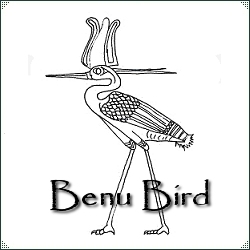
BENU:

Transmuted bird like form of a Sun God.

Egyptian (Upper); a deity mentioned in the Pyramid Texts (circa 25th century BCE) and linked with the sun god of Helio polis (corrupted form of the Sanskrit word Surya Puri), Atum (corrupted form of Sanskrit word Sun=Aditya in Sanskrit and Adhavan in Tamil).


He is also said to have been self-created from the primeaval ocean and is sometimes a symbol of rebirth and after life. Benu may have augumented the Greek classical tradition of the Phoenix . he appears in the Old Kingdom as a yellow wagtail but later becomes a heron, wearing the conical white crown of Upper Egypt with two slender feathers pointing backwards from its crest.


(This can be compared with the Bird Suparna in the Vedas which became the Vahana of Vishnu in the later period)


We may conclude that the word Bennu meaning Light travelled from India to Egypt.(It must be seen in the background of my other articles Connecting Egypt and India)

Egyptians also use lot of symbolism like the Hindu Vedic seers.

Also read my article:

Very Important Date 23rd October 4004 BC, posted on 30 January 2014.


–Subham–


‘மணி’யான உபந்யாசம் (Post No.3229)

templ1

Written by S. NAGARAJAN

Date: 8 October 2016

Time uploaded in London: 5-37 AM

Post No.3229

Pictures are taken from various sources; thanks


நடைச்சித்திரம்

‘மணி’யான உபந்யாசம்

ச.நாகராஜன்


 money

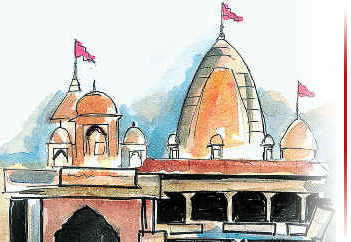
ஹனுமார் கோவில்.


கூட்டம் பரவாயில்லை என்று சொல்வார்களே அந்த ரகம். பொதுஜன அபிப்ராயம் எப்படி உருவாகப் போகிறதோ என்று உபந்யாசத்தை ஏற்பாடு செய்த ஹரிஹரனுக்குக் கவலை. சாஸ்திரிகளுக்கும் தான்! சாஸ்திரிகள் யார் என்கிறீர்களா?

சுப்புணி சாஸ்திரிகள் ராமாயண உபந்யாசம் செய்கிறார். அவருக்குத் தான் ரொம்பக் கவலை. இந்த உப்ந்யாசத்திலாவது ஏதேனும் “கொஞ்சம்” வந்தால் மாதச் செலவை ஈடு கட்டி விடலாம்.


இராமனே துணை!


இன்று முக்கியமான கட்டம். திரிஜடைக்கு சுப ஸ்வப்னம். அதனால் சீதா பிராட்டிக்கும் சுப சகுனம்!

கதையை ஆரம்பிக்கலானார்.


“ஆதௌ கீர்த்தனாம்பரத்திலே இராமயணத்திலே இன்று ஒரு சுபமான இடம். சீதா பிராட்டியின்  மனக் கவலை தீர திரிஜடை அன்னையிடம் வந்து என்ன சொல்றாள்னா….”


திடீரென்று ஒரு சலசலப்பு கூட்டத்தில். தள்ளுங்கோ தள்ளுங்கோ என்று கட்டைக் குரலில் ஹரிஹரன் கத்திக் கொண்டே முன்னே வர பின்னால் ஒருவர் – அவரைப் பார்த்தால் பெரிய மனுஷராய்த்தான் இருக்க வேண்டும். சாஸ்திரிகளுக்கு ஒருவரின் தோரணையைப் பார்த்தால் தெரியாதா என்ன?
சற்று நிறுத்தினார்.

ஹரிஹரன் வந்தவரை முன்னால் சௌகரியமாக் அமர வைத்தார்.


சாஸ்திரிகளிடம் வந்தார். “இவர் தான் ஊர் பெரிய மனுஷர். இந்த கோவிலையே கட்டியவர். பேர் மணி. மணியானவர்.” மீண்டும் ஹரிஹரன் அழுத்திச் சொன்னார். “MONEY ஆனவர். இவர் வந்தாலே எனக்கு சம்பாவனையைப் பற்றிய கவலை தீர்ந்தது”

சாஸ்திரிகளுக்கு விஷயம் புரிந்து விட்டது.


MONEY ஆனவரா?


வாங்கோ வாங்கோ என்று இரு கரம் கூப்பி அவரை வரவேற்றார்.

மணியானவருக்கு இந்த உபசாரத்தால் உச்சி குளிர்ந்தது. அனைவரின் பார்வையும் அவர் பக்கம்.

எல்லோரும் எப்படி மதிக்கிறார்கள்!

சாஸ்திரிகள் மீண்டும் ஆரம்பித்தார்.


“ஆதௌ கீர்த்தனாம்பரத்திலே இராமயணத்திலே இன்று ஒரு சுபமான இடம். சீதா பிராட்டியின்  மனக் கவலை தீர திரிஜடை அன்னையிடம் வந்து என்ன சொல்றாள்னா….”

ஊர்ப் பெரியவர் ஹரிஹரனை ஏதோ சைகை காட்டி அழைத்தார்.

அவரும் அவர் அருகே ஓடி வந்தார். தன் இடுப்புத் துண்டை வாயினால் பொத்தி அதன் மீது கையை வைத்துக் கொண்டு உன்னிப்பாகக் கேட்டார்.

என்ன நடக்கிறது.?


சாஸ்திரிகள் ஒரு நிமிடம் நிறுத்தினார்.

அடுத்த கணம் ஹரிஹரன் மேடை முன்னால் வந்து சாஸ்திரிகளிடம் ஒரே ஒரு நிமிஷம் என்றார்.

பின்னர் பேச ஆரம்பித்தார்.

indian_rupees-498x295

“பெரியோர்களே, தாய்மார்களே. இராமபிரான் அருளால் நமக்கு நல்லது நடக்கும் என்பது ஸ்பஷ்டமாகத் தெரிகிறது. இதோ எந்தக் கூட்டத்திலும் பேச அழைத்தாலும் பேசாத அடக்க புருஷர் இப்போது சாஸ்திரிகளைப் பற்றி  ஓரிரு வார்த்தைகள் சொல்ல இசைந்திருக்கிறார். நம் பாக்கியம்!”


பெரியவர் வந்தார். கன குஷியாக ஆரம்பித்தார். இராமாயணம் எப்படி உலகின் மகத்தான் காவியம் என்பதில் ஆரம்பித்த அவர் நேராக சுப்புணி சாஸ்திரிகளுக்கே வ்ந்து விட்டார்.

அடடா, சாஸ்திரிகளின் உபந்யாசத்தில் தான் என்ன ஒரு நயம்! பதினெட்டு புராணங்களையும் ஆங்காங்கே மேற்கோள் காட்டி இனிய சாரீரத்துடன் அவ்வப்பொழுது கானம் செய்து சுலோகங்களை முறைப்படி சொல்லும் அவர் பாணியே தனி!

சாஸ்திரிகள் ஒரு கணம் மலைத்தார்.


தான் தான் அப்படிச் சொல்கிறோமா? கந்தர்வ கானம் இசைக்கிறோமா?

இன்று என்ன நடக்கிறது.!!


கூட்டத்தினர் ஆரவார கரகோஷம் செய்தனர்.

அரை மணி நேரம் வெளுத்து வாங்கிய ‘மணி’ ஆனவர் முக்கிய விஷயத்திற்கு வந்தார்.


“இந்த நல்ல நாளிலே இந்தக் கூட்டத்தில் வந்திருக்கும் பாக்கியவான்கள் அனைவருக்கும் இப்போதே என் கையெழுத்திட்ட கூப்பன்களை விநியோகிக்கப் போகிறேன். ஆண், பெண், குழந்தை என்ற பேதமில்லாமல் நாளைக்கே நம் கடைத் தெருவில் இருக்கும் என் ஜவுளிக்கடைகளில் உங்களுக்குத் தேவையான ரவிக்கைத் துணி, வேஷ்டி, குழந்தை சட்டை என ஆளுக்கு ஒன்றை தேர்ந்தெடுத்துப் பெற்றுக் கொள்ளலாம். நாளைக்கு வர முடியாதவர்கள் இந்த உபந்யாசம் முடியும் நாள் வரை இந்த சலுகையை அனுபவிக்க்லாம். ஆனால் உப்ந்யாசத்திற்கு நீங்கள் கட்டாயம் வர வேண்டுமென்பதால் மாலை ஏழு மணி முதல் இந்த சலுகையைப் பெற முடியாது. காலை முதல் மாலை வரை கடைக்கு வாருங்கள்” கூட்டத்தினரின் ஆரவாரம் விண்ணைப் பிளந்தது.

ஹரிஹரன் ராமா ராமா என்று கூவினார்.


சாஸ்திரிகளுக்கு ஒரே மகிழ்ச்சி. கூட்டத்தினர் ஒரு  க்யூவாக நின்றனர். கையில் இருந்த பேப்பர் ஸ்லிப்பில் கையெழுத்திட்டு ஒவ்வொருவருக்கும் கூப்பனை அயராமல் கொடுத்துக் கொண்டிருந்த பெரியவர் கோவில் பட்டரைக் கூப்பிட்டு ஏதோ சொன்னார். அவர் பெரிதாகத் தலையாட்டி விட்டு ஓடினார்.

நாற்பத்தைந்து நிமிடத்தில் அனைவரின் முகத்திலும் மலர்ச்சி காணப்பட்டது. அனைவருக்கும் கூப்பன் வந்து விட்டது போலும்!

சாஸ்திரிகள் சற்று சாந்தமடைந்தார்.

மீண்டும் ஆரம்பித்தார்.


“ஆதௌ கீர்த்தனாம்பரத்திலே இராமயணத்திலே இன்று ஒரு சுபமான இடம். சீதா பிராட்டியின்  மனக் கவலை தீர திரிஜடை அன்னையிடம் வந்து என்ன சொல்றாள்னா….”

மக்கள் அவரைக் கவனிக்கத் தொடங்கிய அதே வேளையில் ‘நகரு நகரு’ என்று ஒரு பெரிய கோஷம் கேட்டது.

அண்டா அண்டாவாக வெண் பொங்கல், சர்க்கரைப் பொங்கள், புளியோதரை  . அத்தோடு பெரிய பெரிய தொன்னைகள் வேறு.

சாஸ்திரிகள் முழித்தார். அவருக்கு உதவ ஹரிஹரன் ஓடோடி வந்தார்.


“அண்ணா, வேறொண்ணுமில்லை. பெரியவர் இன்று பிரசாதம் தன் உபயம்னு சொல்லி தடபுடலாக எற்பாடு பண்ணிட்டார். கூப்பன் கொடுக்கற்துக்குள்ளே ஸ்பெஷல் அடுப்புகள் மூட்டி எல்லாம் ரெடி!. டைம் ஆறது. பஸ்ஸிலே போறவாளுக்கு பஸ் கிடைக்கணும். முதல்லே நைவேத்யம் பண்ணிடுங்கோ” கூட்டத்தில்  முன் வரிசையில் இதைக் கேட்டவர்கள் தலையை ஆட்டி அதை ஆமோதித்தனர். விவரம் காதோடு கிசு கிசுவென்று பரவ கூட்டம் மொத்தமும் கலகலப்பாகக் கை தட்டியது.

நைவேத்யம் நடந்தது.


இவர்களுக்கு விநியோகம் நடக்க ஒரு முக்கால் மணி நேரமாவது ஆகும்!

அனைவரும் வரிசையாக நின்றனர்.

கூட்டத்தில் நிற்பவர்கள் சும்மாவா நிற்பார்கள்! ஒருவருக்கொருவர் – சாஸ்திரிகள் காது படவே தான் – பேசிக் கொண்டனர்.


“இந்த மாதிரி உபந்யாசம் இது வரை கேட்டதே இல்லை. எவ்வளவு படித்தவா! எத்தனை பெரியவர்! சுப சகுனம் என்று ஆரம்பித்தார் பாரு, வேஷ்டி, ரவிக்கை, சட்டைன்னு ஒவ்வொருவருக்கும் கூரையிலேர்ந்து கொட்டறது. இவர் சொன்னா எதுவும் நடக்கிற மஹிமை இவர்ட்ட இருக்கு!”

“அட அதை விடு! இங்க பாரு! பெரிய தொன்னைலே வயிற்றுக்கு நிறைய வெண் பொங்கல், மூட நெய் முழங்கை வழி வார நெய் மிதக்கும் சர்க்கரைப் பொங்கல், புளியோதரை….”


தாய்க்குலம் சாஸ்திரிகளை நமஸ்கரித்து மகிழ்ந்தது. அன்று வீட்டில் சமைக்க வேண்டாம் என்பதாலோ!

கடைசி வரைக்கும் திரிஜடை சீதையிடம் சொன்னது என்ன என்று சாஸ்திரிகளால் சொல்ல முடியவில்லை.

ஆனால் மணியான பிரசங்கம் என்று பெயர் கிடைத்து விட்டதே! இதற்கு மேல் என்ன ஸார் வேணும்!


MONEY ஆன பிரசங்கம் சார் அது! ஒப்புக் கொள்கிறீர்களா!

**********


பாரதியாரின் அற்புத வேத மொழிபெயர்ப்பு-1 (Post No.3228)

img_8280

Compiled by London Swaminathan


Date: 7 October 2016


Time uploaded in London: 17-49


Post No.3228


Pictures are taken from various sources; thanks.


இந்திரன் என்பதற்கு பரதியார் கொடுக்கும் விளக்கம் அற்புதமனது.ரிக்வேத முனிவர்களின் பெயர்களை தேனிசை, தங்கத் தூண் என்று தமிழ்ப் படுத்தியது இன்னிசையாக காதில் பாய்கிறது. பகுதி, பகுதியாக வெளியிடுகிறேன். இது முதல் பகுதி:–


img_8281


img_8282

img_8283


img_8284


img_8285


img_8286img_8287


img_8288

bharati-drawing


To be continued…………………………