Famous Astrologers of Kerala! (Post No.3178)

astro2

Written by London swaminathan

Date: 22 September 2016

Time uploaded in London: 8-30 AM

Post No.3178

Pictures are taken from various sources; thanks.


Source book: The Land of the Lingam by Arthur Miles, year 1933.

“The astrologers were flourishing in Travancore (Kerala), when Marco Polo visited in the thirteenth century, and still occupy one of the most important places among the castes. In fact, they are second to priests, as nothing can be done without consulting them. Their progenitors, they believe, were a Gandharva woman and a Brahmana Saint who lived in the Western Ghats. The grandson of the two illustrious ones propitiated the God Subrahmanya, who presided over astronomy, and acquired from the god the name Nalika, which means truthfulness.


Many astrologers still call themselves Nali, the truthful. The Kaniyans, according to tradition, were Brahmanas who lost their position as their predictions become less and less accurate. In any case whatever opprobrium may once have rested upon their name, the astrologers have now been reinstated into favour and as formerly their calculations govern the lives of their countrymen. No one can get married, start on a journey, or begin any undertaking without consulting the astrologers. In certain homes a child is begotten only when the wise one has given his sanction, and outlined the moment of conception, and it is sometimes necessary to have his permission if one is to die properly.


There is a legend which relates what happened to the king of astrologers when he was temporarily out casted with his subjects. The ruler had cast the horoscope of his son and concluded from his calculations that his son would live to be very old. Unfortunately, however, he was mistaken in his prediction and his son died when he was still a boy.  Unable to discover his error of judgement, he took the horoscope to a famous colleague of the Chola Kingdom, who, having foreseen the visit, directed the king to worship a deity who would aid him in making predictions.


Accordingly, he went to the Trichur temple, and spent many days adoring the deity. Soon after he made remarkable predictions, and became so well known as a simple astrologer that his fame extended to Cochin and Travancore, where he won respect and admiration of the rulers of the two states. They invited him to cast their horoscopes.


Now one of the rulers had a Brahmana friend for whom he ordered a horoscope, and the Brahmana, hearing that his guru at Benares was seriously ill, asked the astrologer if it would be possible for him to see his guru before his death. The astrologer directed him to the southern side of the Trichur temple where he would see two persons coming towards him. These persons were really the servants of Yama, the God of Death, and on the Brahmana s request to see his guru, the servants bade him touch  them and he immediately found himself beside the dying man in Benares


When the Brahmana was asked by the friends of the dying man who had sent him, he mentioned the name of the astrologer, and the friends there upon cursed the astrologer and said that he would be out casted.

The astrologer, learning of the curse from his own horoscope, wandered into the forest in a state of extreme desperation. There the goddess of the Trichur temple appeared before him in a dream, and told him that he would begin a new life with a Kaniya woman, and would have several sons. A few days after the goddess had appeared to him, the astrologer met the Kaniya woman, and in due course she bore him several sons whom he educated in the lore of his profession.  When the sons were grown men, the goddess obtained for the family an important place in the Hindu social system, and on the famous astrologer’s death his body was placed in a coffin and buried in the courtyard of his house.

The astrologers grave is still pointed out to visitor. There is a platform around it, and it is covered with a thatcher roof, while until a few years ago a lighted lamp stood on the platform day and night. Any astrologer who makes his calculations before the platform is helped by the spirit of the dead astrologer, and his predictions are sure to come true.  Even the date and conditions of a future birth can be calculated before the platform. The. Descendants of the great astrologer are called Pazhuur Kaniyans and they are consulted by the people of Malabar, Cochin, and Travancore. They are said to be always accurate in their predictions”.


My comments:

Arthur Miles’ book in general has got lot of factual errors. I have given the story as found in the book.


Kaniyan is found in Sangam Tamil literature. The most famous poem of Sangam Literature “yaathum uure, yaavarum kelir” in Puranaanuru (verse 192) is by Kaniyan Punkundran.

–subham–


சாளக்ராமம் பற்றிய சுவையான தகவல்கள் (Post No.3177)

fossil-puja

Translated by London swaminathan

Date: 22 September 2016

Time uploaded in London: 7-48 AM

Post No.3177

Pictures are taken from various sources; thanks.


From Arthur Miles’ book The Land of the Lingam 


ammonites

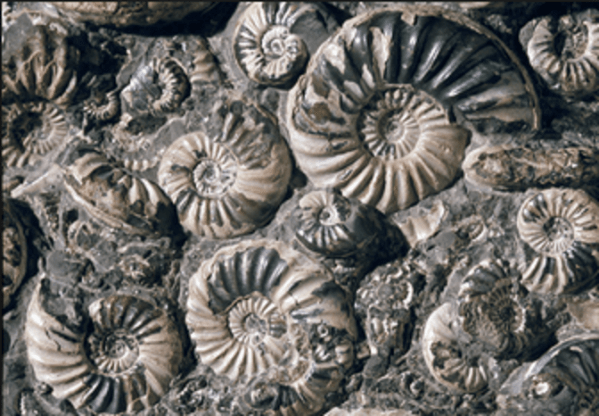
Ammonite Fossils

1933-ஆம் ஆண்டில் இந்து மதத்தையும், குறிப்பாக சிவ லிங்க வழிபாட்டையும் குறைகூறி ஆர்தர் மைல்ஸ் என்பவர் ஒரு புத்தகம் வெளியிட்டார். பக்கத்திற்குப் பக்கம் இந்து மத பழக்க வழக்கங்களை  “பகுத்தறிவுப் பகலவன்கள்”(?!?!) குறைகூறுவது போல எழுதினாலும் நிறைய விவரங்களைத் தருகிறார். அதில் ஒன்று சாலக்ராமம் பற்றியது.

ஆங்கிலத்திலிருந்து மொழிபெயர்த்தவர் லண்டன் சுவாமிநாதன்:-


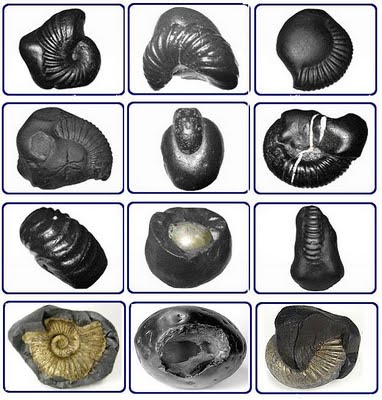
சாளக்கிராமம் என்பது வெழுமூன இருக்கும் ஒரு கல். அதற்குள் விஷ்ணு சக்கரம் போல அச்சு இருக்கும். இது உண்மையில் உயிரியல் அறிஞர்கள் சோதனைக் கூடங்களில் சேர்த்து வைக்கும் படிம அச்சுகளாகும் FOSSILS. அதாவது மில்லியன் அல்லது கோடிக்கணக்கான ஆண்டுகளுக்கு முன் வாழ்ந்த உரியினங்களின் கல் அச்சு.


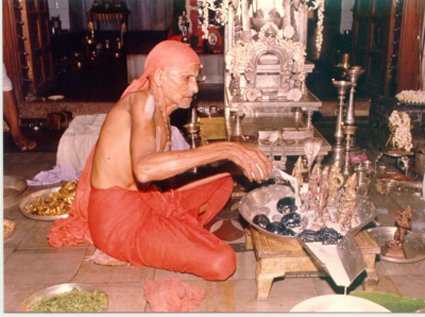
இந்துக்களுக்கு இந்த படிம அச்சுகள் மிகவும் புனிதமானவை. சங்கு சக்கரம் போலப் பதிவான சித்திரம், விஷ்ணுவின் அடையாளம் என்று இந்துக்கள் கருதுவதால் அதற்கு தினமும் அபிஷேகம் ஆராதனை செய்து பூஜிப்பர்.


இது குறித்து ஆர்தர் மைல்ஸ் எழுதிய விஷயங்களை ஆங்கிலத்தில் அப்படியே வெளியிட்டேன். அதன் சுருக்கத்தைக் காண்போம்:


1.சாளக்ராமம் தோன்றிய கதை:—

ஒரு நாட்டியம் ஆடும் பெண்மணி பேரழகி. அவளுக்கு ஈடு இணையான

அழகுள்ள ஒரு ஆண்மகனும் கிடைக்கவில்லை. ஆகை யால் இமய மலைக்குப் போய்த் தவம் செய்வோம் என்று புறப்பாட்டாள். அங்கு விஷ்ணு வந்தார். அவருடைய பேரழகைக் கண்டவுடன் இந்தப் பெண் தவத்தை எல்லாம் விட்டுவிட்டு அவரிடம் சென்று என்னைத் திருமண ம் செய்து கொள்ளுங்கள் என்றார். அவரோ மானுடனாகப் பிறந்த நடன மாதுவைக் கைப்பிடிக்க விரும்பவில்லை. இருந்த போதிலும் இப்படிப்பட்ட பேரழகியை விடக்கூடாதென்று ஒரு வழி கண்டுபிடித்தார். பெண்ணே நீ கண்டகி நதியாகப் (GANDAKI RIVER) பிற ந்து வா. நான் அங்கே கிடக்கும் சாலக்ராமமாக அவதரிக்கிறேன். நீ என்னை எப்போதும் தழுவிச் செல்லலாம் என்றார்.


இந்தக்தையின் உண்மைப் பொருள்: நேபாள நாட்டிலுள்ள கண்டகி நதியில்தான் அதிகமாக இவ்வகை படிம அச்சுகள் FOSSILS கிடைக்கின்றன. அது விஷ்ணுவின் அம்சம். அதை உணர்த்த இந்தப் புனைக்கதை உருவாக்கப்பட்டது. இந்துக்கள் எதையுமே நேரடியாகச் சொல்லாமல் அடையாள க் குறி யீட்டுகளால் (symbolic story) காட்டுவர் அப்படிப்பட்ட ஒரு கதை இது.

sripadarajamatha_saligramas

  1. சாளக்ராம மகிமை:-


நேபாள நாட்டைச் சேர்ந்த ஒரு வீரன் (க்ஷத்ரியன்) எதேச்சையாக ஒரு சாளக்ராம கல்லை வாயில் வைத்து கொண்டு நீந்தி வந்தார். அவருக்கு அதிர்ஷ்டத்துக்கு மேல் அதிர்ஷ்டம் அடித்தது. அவருக்கு அரச பதவியும் கிடைத்தது. பின்னர் விஷ்ணுவே வந்து மேக ரூபமாக அவரை சுவர்க்க லோகத்துக்கு அழைத்துச் சென்றார். அதற்குப் பிறகு கண்டகி நகர சாளக்கிராம கற்களின் மகிமை உலகிற்குத் தெரிந்தது. இப்பொழுது அது பஞ்ச்சாயதன பூஜையின் ஒரு பகுதியாக இந்துக்களின் வீட்டின் பூஜை அறையில் உள்ளது!


3.சாளக்கிராம கல்லை மதிப்பிடுவது எப்படி?

சாளக்கிராம கற்களை எடுக்கும் உரிமை அந்தக் காலத்தில் நேபாள மன்னர்களிடம் மட்டுமே இருந்தது. அவர்கள் அந்த உரிமையைக் குத்தகைக்கு விடுவர். ஆனால் யார் அவற்றைக் கண்டுபிடித்தாலும் அதை அரசரிடம் கொடுக்க வேண்டும். அவர்கள் அதிலுள்ள சக்கரம், குறிப்பிட இடத்திலுள்ள ஓட்டை இவற்றைக் கொண்டு மதிப்பிடுவர். அதற்குப் பின் அதைச் சுத்தம் செய்துவிட்டு ஒரு தராசின் ஒரு தட்டில் வைப்பர். ஒவ்வொரு கல்லுக்கும் சமமான அரிசியை மற்றொரு தராசுத் தட்டில் வைப்பர். மறு நாள் (24 மணி நேரத்தில்) அரிசியின் எடை அதிகரித்து அந்தத் தட்டு கீழே தாழ்ந்திருந்தால் அதன் மதிப்பு அதிகம். அரிசியின் அளவு இரு மடங்கு கூட ஆனதுண்டாம். அரிசியின் அளவு அதே மாதிரி நீடித்தாலோ அல்லது குறைந்தாலோ சாளக்கிராமத்துக்கு மதிப்பில்லை.


4.அதர்வ வேதத்தில் சாளக்ராமக் கல்

சாளக்ராமக் கல் இல்லாத வீடு சுடுகாட்டுக்குச் சமம் என்றும் அங்கே சமைக்கப்பட்ட உணவு நாயின் விட்டைக்குச் சமம் என்றும் அதர்வண வேதம் கூறுவதாக ஆர்தர் மைல்ஸ் எழுதுகிறார். சாளக்ராமக் கல்லின் அபிஷேக நீர்  மகிழ்ச்சியை அளிக்கும் என்றும் அதை அபிஷேகம் செய்து ஆராதிப்போர் வீ ட்டில் லட்சுமி நிரந்தரமாகக் குடியிருப்பதால் செல்வம் தழைக்கும் என்றும் இந்துக்கள நம்புகின்றனர்.

ஒரு காலத்தில் 4000 பவுண்டு கொடுத்து கூட அதை வாங்கினராம்.

 shaligram-sila

5.கந்த புராணத் தகவல்


கந்த புராணத்தில்தான் சாளக்ராம மகிமை கூறப்பட்டிருக்கிறது. இதை வீட்டில் வைத்திருந்து பூஜை செய்யாமல் இருந்தால் துரதிருஷ்டம் பீடிக்கும். சாளக்ராமத்தில் உக்ர சக்ர சாளக்ராமங்கள் என்பன தீய விளைவுகளை ஏற்படுத்துமாம். அப்படி தீய விளைவை உண்டாக்கும் கற்கள் இருந்தால் அவைகளை க் கோவில்களில் கொடுத்து  விட்டால் ஒரு கஷ்டமும் வராது. கோவிலிலுள்ள மகத்தான சக்தி, பூஜைகளால் அவை உக்ரம் இழந்துவிடும்.

இறுதியாக சாலக்கிராமத்தில் போலி கற்களும் உண்டு. அதாவது மோசடி செய்வோர் அதன் மீது கருவிகளால் கோடு, ஓட்டைகளைப் போட்டு அவறறை சாளக்ராமம் என்று விற்பர். இவைகளைக் கண்டுபிடிப்பது எளிதல்ல. (ஆகையால் போலிகளைக் கண்டு ஏமாறாதீர்கள்).


-subham-


ஐந்து அத்தியாயங்களில் ஒரு சுயசரிதை! (Post No.3176)

portia_nelson_0

WRITTEN BY S NAGARAJAN

Date: 22 September 2016

Time uploaded in London:5-41 AM

Post No.3176

Pictures are taken from various sources; thanks.


உத்வேகமூட்டும் கதைகளின் தொடர்


ஐந்து அத்தியாயங்களில் ஒரு சுயசரிதை!

ச.நாகராஜன் 


உத்வேகமூட்டும் கதைகளில் இரண்டைப் (ஒரு பெனிசிலின் கதை அத்தியாயத்தில்) பார்த்தோம். இதோ இன்னும் இரண்டு!


ஐந்து அத்தியாயங்களில் ஒரு சுய சரிதை என்ற இந்தச் சுயசரிதையை எழுதியவர் போர்ஷியா நெல்ஸன் (Portia Nelson)

கதை நல்ல ஒரு நீதியை நமக்குப் போதிக்கும்.


முதல் அத்தியாயம்


நான் தெரு வழியே போய்க் கொண்டிருந்தேன்.

அங்கு ஓரத்தில் ஒரு பள்ளம் இருந்தது. நல்ல ஆழமான பள்ளம்.

அதில் விழுந்தேன். என்ன செய்வதென்றே தெரியவில்லை.

அது எனது தவறு தான்!

அதிலிருந்து மீள்வதற்கு நெடு நேரம் ஆனது.


இரண்டாம் அத்தியாயம்


நான் அதே தெரு வழியே போய்க் கொண்டிருந்தேன்.

அங்கு ஓரத்தில் ஒரு பள்ளம் இருந்தது.

அதைப் பார்க்காதது போல பாசாங்கு செய்தேன்.

அதில் மீண்டும் விழுந்தேன்.

அதே இடத்தில் விழுந்ததை என்னாலேயே நம்பமுடியவில்லை

ஆனால் அதில் எனது தவறு இல்லை.

அதிலிருந்து மீண்டு வருவதற்கு நெடு நேரம் ஆனது.


மூன்றாம் அத்தியாயம்


நான் அதே தெரு வழியே போய்க் கொண்டிருந்தேன்.

அங்கு ஓரத்தில் மிக ஆழமான ஒரு பள்ளம் இருந்தது.

அது அங்கு இருப்பதைப் பார்த்தேன்.

இருந்தபோதிலும் அதில் விழுந்தேன். அது ஒரு பழக்கம்,

என் கண்கள் திறந்தே தான் இருந்தன.

நான் எங்கு இருக்கிறேன் என்பது எனக்குத் தெரியும்.

அது எனது தவறு தான்.

உடனடியாக் அதிலிருந்து மீண்டு விட்டேன்.


நான்காம் அத்தியாயம்


நான் அதே தெரு வழியே போய்க் கொண்டிருந்தேன்.

அங்கு ஓரத்தில் மிக ஆழமான ஒரு பள்ளம் இருந்தது.

அதைச் சுற்றிப் போய் விட்டேன்.


ஐந்தாம் அத்தியாயம்

நான் இன்னொரு தெரு வழியே போய்க் கொண்டிருந்தேன்.

எழுதியவர் போர்ஷியா நெல்ஸன்


eye


பணக்கார பிரபுவின் வியாதி!


பணக்கார பிரபு ஒருவர் இருந்தார். அவருக்குக் கண்ணில் வலி.

வலி தாங்க முடியவில்லை. பல டாக்டர்களிடம் கண்ணைக்  காண்பித்தார். வலி தீரவில்லை. ஏராளமான நிபுணர்களை அழைத்தார். வண்டி நிறைய மருந்துகள் வந்து சேர்ந்தன.

எதையும் விடவில்லை.ஆனால் கண்வலி போன பாடில்லை! இன்னும் அதிகமாக வலிக்க ஆரம்பித்தது.

ஏதாவது செய்தே ஆக வேண்டும்.


கடைசியில் ஒரு துறவி அவனிடம் வந்தார். அவரிடம் தன் நிலைமையைச் சொல்லி அழுதார் பிரபு.

துறவி கூறினார்; “ஒன்றுமே இல்லை, இது. சுலபமாகக் குணம் ஆகி விடும். நீங்கள் சில காலம் பச்சையாக இருப்பதை மட்டுமே பார்க்க வேண்டும், அவ்வளவு தான். நான் வருகிறேன்.”

அவர் கிளம்பி விட்டார்.


சிகிச்சையோ விநோதமாக இருந்தது. ஆனால் எளிதாகப் பின்பற்றக் கூடியது தானே!


பிரபு ஏராளமான பெயிண்டர்களை உடனே வரவ்ழைத்தார். பார்க்கும் இட்மெல்லாம் பச்சை வண்ணத்தை அடிக்கப் பணித்தார்.

எங்கு நோக்கினும் பச்சை! ஒரே பச்சை.


பீப்பாய் பீப்பாயாக பச்சை வண்ணம் அவர் மாளிகையில் எப்போதும் இருக்க ஆரம்பித்தது. எதைப் பார்த்தாலும் அது பச்சையாக இருக்க வேண்டுமே!


சில நாட்கள் கழிந்தன. துறவி மீண்டும் பிரபுவைப் பார்க்க வந்தார். அவரைப் பார்த்த காவலாளிகள் ஓடோடிச் சென்று ஒரு பீப்பாய் பச்சை வண்ணத்தை எடுத்து வந்து அவர் மீது தெளித்தனர்.

ஏனெனில் அவர் காவி ஆடையை அணிந்திருந்தார். அவரைப் பச்சை ஆக்கி விட்டனர்.


துறவி சிரித்தார்.


“அடடா! பச்சையாக் எதையும் பிரபு பார்க்க வேண்டுமே என்பதற்கா இந்தப் பாடு. நீங்கள் இப்படி உலகத்தையே பச்சை ஆக்குவதற்குப் பதில் ஒரு பச்சைக் கண்ணாடியை வாங்கி பிரபு அணிவதற்குக் கொடுத்திருக்கலாமே! முழு உலகையும் பச்சை ஆக்குவது சாத்தியமா, என்ன!”


நாமும் நமது பார்வையை மாற்றிக் கொண்டால் உலகமும் அதன்படியே தோற்றமளிக்கும்!


உலகை மாற்ற முயல்வது முட்டாள் தனம்! முதலில் ந்மது பார்வையை ஒழுங்காக ஆக்கிக் கொள்வோம்!”


குட்டிக் கதைகள் தாம், ஆனால் போதிக்கும் நீதியோ!


************


Good and Bad Salagrama: How to find it? ( Post No.3175)

sripadarajamatha_saligramas

Compiled by London swaminathan

Date: 21 September 2016

Time uploaded in London:18-43

Post No.3175

Pictures are taken from various sources; thanks.

shaligram-sila

From Arthur Miles’ book The Land of the Lingam 

“No legend has so enhanced the value of a precious stone as that handed down from the Skanda Purana. In comparison with the intrinsic value of the genuine Salagrama stone, the Kohinoor and Jubilee diamonds fade into insignificance, although the Salagrama appears to have no value outside Hindu countries.


The Atharva Veda decrees that a Brahmana s house without a Salagrama stone is as impure as a cemetery, and any food cooked therein is as unclean as the excrement of a dog.


To touch water in which this stone has been washed is to get absolution from all sins however grievous, and the possession of such a stone assures perpetual wealth. To drink water which has been sanctified with Saligrama provides happiness in this world and a place in the heaven, the ultimate goal.

To invoke the power of Salagrama, the god Vishnu must be supplicated.  With the prayer ‘Narayana’ and the worship which accompanies it.

ammonites

STORY OF SALAGRAMA

The Salagrama legend centres around a low caste dancing girl, whose head was turned by her own beauty.  Failing to find a match to her loveliness, she retired to Himalayas to fast and meditate.  During this period she encountered god Vishnu and was so enamoured of his beauty that she demanded the full satisfaction of her passion. On account of her profession, and her low caste, God pretended to remain cold to her voluptuous invitation.


Here the creators of Hindu gods had in mind the symbolisation of their deities’ human weaknesses, of which compromise and justifications are not the least.


In the end, not wishing to pollute his caste, but at the same time determined not to lose all the delight which was offered him, Vishnu took a middle course. He promised that the dancing girl should reincarnate in the form of a river, and he, in the form of a Salagrama stone, wold lie in the river bed as her eternal lover.  Thus was founded the Gandaki river, and one of the incarnations of Vishnu in the form of a precious stone. The description of the river and the stone is in the Skanda Purana.


The legend binding the Salagrama stone to Vishnu’s body has proved a source of great wealth to the native state of Nepal through which River Gandaki runs most of its course until it joins the Ganges near Patna. Indeed, so valuable is the stone, that concession for its recovery from the river bed has been farmed out to concessionees by the Maharajah. The consessionees are bound to submit the recovered stones to Maharajah’s s inspection.

fossil-puja

FOSSIL AMMONITES

The stone is known to geologist s as fossil Cephalapods (ammonites) it’s worth is not considered by weight; but by certain spiral markings, a hole in a certain position and various spiritual tests. Its value none the less, often exceeds four thousand pounds. The hole was provided by Brahma, who in his incarnation as a water worm, at the request of Vishnu bored the holes known as Vadanas. He traced also the spirals, or chakrams as they are called.


Tradition has it that mysterious power of Salagrama was discovered accidentally by a simple Kshatriya, soldier. This soldier discovered that with the stone in his mouth, or clasped in his hand he was able to accomplish all his desires. His luck was so phenomenal that he became a great King, and was finally borne up to heaven in a cloud by Vishnu; not before, however, he had imparted the secret to one of his courtiers.

HOW TO FIND GOOD  SALAGRAMAS

Like all precious stones Salagramas have not escaped the bad luck superstition. Unlucky stones are known as ‘Ugra chakra Salagrama’ or furious stones. Bad luck may follow their possessor especially if prayers offered are not ardent enough to propitiate the deity. The possessors of furious stones are advised to present it to a temple, where the ardent prayers of the priests will keep it from doing its worst.


The stone’s efficacy depends upon how it is acquired, and one that has been acquired dishonesty will bring nothing but evil to its possessor. The Government of Nepal have their own tests. They depend upon no acid which might be falsified, but upon the scales of justice. A stone, on reception, after careful tapping to remove encrustations and expose the spirals, is placed on one pan of the scale, while in the other pan rice is added to an equal weight. If, in twenty-four hours, the rice has increased in weight (it is said sometimes to double itself) the stone is priceless; but if the scale remains even, or if the rice diminishes, it is of little value.

salagrama

The orthodox Hindus believe that the possession of the salagramas without worship is unlucky; but no Brahmin house is complete without one, and often two or three are said to be necessary.

Thousands of so called salagramas are sold by charlatans, fortune-tellers and others. So skilfully is the fake produced that only after years, or possibly generations, of washing can the deception be discovered. False vadanas are bored in pebbles, and faked chakrams are raced in slate and place on the pebbles”.


–subham–

தமிழ் மொழிக்கு சிவபெருமான் சான்றிதழ்! (Post No.3174)

tamil-1

Written by London swaminathan

Date: 21 September 2016

Time uploaded in London: 8-02 AM

Post No.3174

Pictures are taken from various sources; thanks.


தமிழ் மொழி பழைய மொழி, சிவன் உருவாக்கிய மொழி, அகத்தியரால் இலக்கணம் படைக்கப்பட்ட மொழி, சிவ பெருமானும் முருகனும் பேசிய மொழி —  என்ற கருத்துக்களை 2000 ஆண்டுகளாக மக்கள் நம்புகின்றனர்.


இந்த உண்மைகள் பற்றி அவ்வப்போது மனதில் சில சந்தேகங்கள் எழும். ஆகவே தடைகலை எழுப்பி விடை காண்போம்:-


ரொம்ப நாளாக எனக்கு ஒரு டவுட்டு (Doubt)‘


ஆசிரியரிடம் மாணவன் கேள்வி

siva-with-jewels

அகத்தியனோ பார்ப்பனன்; இமய மலையில் வாழ்ந்த ரிஷி; அவரை ஏன் சிவன் அனுப்பினார்?


அகத்தியன் வெறும் ரிஷி மட்டு மல்ல. பூகோளமும் ( Geography நிலவியல்), சரித்திரமும் (History வரலாறு), அரசியல் தந்திரமும் (Politics), பொறியியலும் (Enginering எஞ்சினீயரிங்), தெரிந்தவர். ஆகையால் தமிழ் மொழிப் பணி மட்டும் அன்றி காவிரியை திருப்பிவிட்ம் பொறியயல் பணி, தென் கிழக்கு ஆசியா (South East Asia)  முழுதும் இந்திய கலாசாரத்தைப் பரப்பும் பணி, வாதாபி, இல்வலன் போன்ற மனிதர்களை உண்ணும் அரக்கர்களை (Cannibals) தந்திரத்தால் வெல்லும் பணி ஆகிய வற்றை மனதிற்கொண்டு சிவன், அவரைத் தெரிவு செய்தார். பகீரதன் பெரிய (Engineers) எஞ்சினீயர்களுடன் கலந்தாலோ சித்து எப்படி கங்கையைத் திருப்பிவிட்டானோ அது போல காவிரியையும் திருப்பிவிடும் செயல்திட்டத்துடன் அனுப்பி வைத்தார்.


அது சரி, சிவனுக்கும் தமிழுக்கும் என்ன தொடர்பு?

சிவன் எழுப்பிய உடுக்கை ஒலியிலிருந்து ஒரு புறம் சம்ஸ்கிருதமும் மறுபுறம் தமிழ் மொழியும் வந்தன என்பது தமிழ்ச் சான்றோர்களின் நம்பிக்கை. மஹேச்வர சூத்திரம் எனப்படும் 14 ஒலிகளிலிருந்து சம்ஸ்கிருதம் வந்ததை பாணினி என்ற உலகப் புகழ் பெற்ற இலக்கண வித்தகன் காட்டி இருக்கிறான். தொல்காப்பியர் இதை மறைமுகமாகச் சுட்டிக்காட்டி அங்கே தெரிந்துகொள்க என்று சொல்லிவிட்டுப் போய்விடுகிறார்.


ஆஹா! அப்பொழுது அகத்தியருக்கு முன்னரே தமிழ் மொழி இருந்ததை ஒப்புக்கொள்கிறீர்கள் இல்லையா?


ஆமாம் , இதில் என்ன சந்தேகம். பாரதி கூட


ஆதி சிவன் பெற்றுவிட்டான் – என்னை

ஆரிய மைந்தன் அகத்தியன் என்றோர்

வேதியன் கண்டு மகிழ்ந்தே – நிறை

மேவும் இலக்கணஞ் செய்து கொடுத்தான்


மூன்று குலத் தமிழ் மன்னர் என்னை

மூண்ட நல்லன்போடு நித்தம் வளர்த்தார்

ஆன்ற மொழிகளுனுள்ளே – உயர்

ஆரியத்திற்கு நிகரென வாழ்ந்தேன்

-என்று பாடியுள்ளார். பாரதிக்கும் மேலான தமிழன் எவரேனும் உண்டோ.


அவரே உயர் சம்ஸ்கிருத மொழிக்கு நிகராக வாழ்ந்தேன் என்னை சிவ பெருமான் படை த்தார்  என்று சொல்லுகிறார்.

tamil-2

சரி, அகத்தியரோ வேத மந்திரங்ங்களைக் கண்டுபிடித்த அகத்திய கோத்திரத்தில் வந்த ஒரு ரிஷி. அவரது பெருமை ரிக்வேதம் மற்றும் இதிஹாச, புராணங்களில் உள்ளது. அவருக்குத் தமிழ் தெரியுமா?


அவருக்குத் தமிழ் தெரியாது ஆனால் முதலில் சிவ பெருமானும், பின்னர் முருகனும் சொல்லிக் கொடுத்தனர்.


அட, இது என்ன புதுக்கதை? முருகனுக்கு எப்படித் தமிழ் தெரியும்?


சிவ பெருமான் மகனாகப் பிறந்தாலும் அவர் பிறவியிலேயே பெரிய ஜீனியஸ் Genius – எல்லாம் அறிந்தவர் — ஓம் என்னும் ஒலியிலிருந்துதான் உலகமே தோன்றியது– அந்தப் பிரணவ மந்திரத்தின் பொருளை யே அவர் சிவனுக்குச் சொல்லிக் கொடுத்ததால் அவனுக்கு சாமி நாதன் என்று பெயர். அவருக்குத் தமிழ்மீது அலாதிப் பிரியம்; அதனால் தமிழில் திட்டினால்கூட , அட இனிமையாக இருக்கிறதே என்று அவருக்கு வரம் கொடுப்பான் என்று அருணகிரி நாதரே சொல்லிவிட்டார் – தமிழால் வைதாரையும் வாழ வைப்பான் என்கிறார். தமிழ் மொழி அவ்வளவு இனிமையான மொழி. இதை வைத்துதான்

பாரதியும் யாமறிந்த மொழிகளிலே தமிழ் மொழிபோல் இனிதாவது எங்கும் காணோம் – என்றார்.


சரி, தமிழ் மொழி பழைய மொழி என்பதை ஒப்புக்கொண்டுவிட்டீர்கள்; ஆரியத்துக்கு (சம்ஸ்கிருதத்துக்கு) நிகரானது என்றும் ஒப்புக் கொண்டீர்கள்; அகத்தியருக்கு முன்னர் அதற்கு இலக்கணம் இல்லையா?


அகத்தியர்தான் முதலில் இலக்கணம் படைத்தார் என்பதே ஆன்றோர் வாக்கு. இதற்குப் பின்னர் வந்ததே ஐந்திரம், தொல்காப்பியம் என்னும் இலக்கணங்கள்


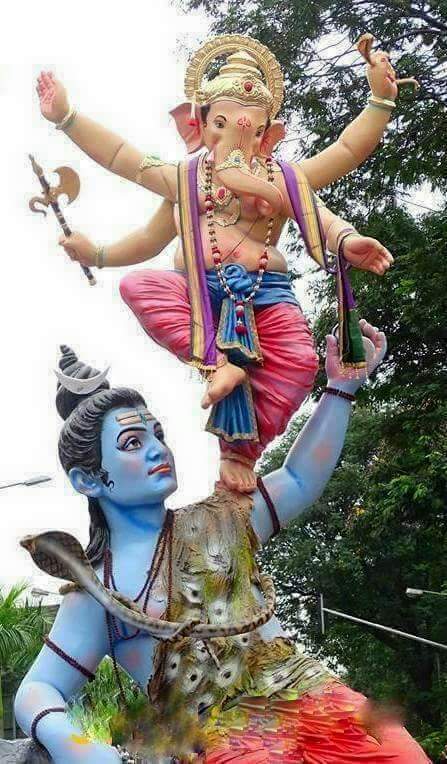
shiva-ganesh

நான் இப்பொழுது ஒரு பாயிண்டில் (One Point) உங்களைத் திணறடிக்கப் போகிறேன்/ ஆரியம் என்று சம்ஸ்கிருதத்துக்கு பாரதியாரே பெயர் சூட்டி விட்டார். மேலும் பாணினி இலக்கணம் தான் சம்ஸ்கிருததின் புகழ்மிகு இலக்கணம் என்று சொல்லுகிறீர்கள். அகத்தியரின் காலமோ கி.மு800 முதல் கி.மு1000 என்று பல ஆராய்ச்சிக் கட்டுரைகள் கூறுகின்றன; பாணினியின் காலத்தை கி.மு 700 என்றே சொல்லுவர். அப்படியானால் ஆரியர்கள் பேசியது சம்ஸ்கிருதம் என்பதையும் பாணினி இலக்கண த்துக்கு முன்னரே சம்ஸ்கிருத இலக்கணம் இருப்பதையும் ஒப்புக்கொண்டுவிட்டீர்களே!!

அருமையான கேள்வி; முதலில் ஆரிய என்ற சொல்லுகு சரியான பொருள் தெரிந்துகொள்ளுங்கள் ‘திராவிட’ என்ற சொல்லே சம்ஸ்கிருதச் சொல். இதே போல ‘ஆரிய’ என்ற சொல்லும் சம்ஸ்கிருத சொல். பாரதியார் பாடல்களில் ஆரிய என்ற சொல்லை நூறுக்கக் ணகான இடங்களில் பயன்படுத்தி இருக்கிறார். புற நானூற்றுப் புலவர்களும் பயன்படுத்தி இருக்கின்றனர். ஆரிய என்றால் பண்பாடுடையோர், வடக்கில் வாழும் ரிஷி முனிவர்கள் என்றே பொருள்.


மதத்தைப் பரப்ப வந்த , நாடு பிடிக்க வந்த அயோக்கியர்கள் 300 ஆண்டுகளாக திராவிட (தென் பகுதி) ஆரிய (மாண்புமிகு, முனிவர்) என்ற சொற்களில் இன விஷத்தைப் புகுத்திவிட்டனர். இதைக் கேட்ட ஹிட்லரும் நான் தான் ஆரியன்;  ஜெர்மானிய வெள்ளையர்தான் ஆரியன் என்று சொல்லி லட்சக்கணக் கானோரைக் கொன்றுவீட்டான்.


பாணினி இலக்கண த்துக்கு முன்னர் இலக்கணம் இருந்திருக்கலாம் அது இன்று நம்மிய்டையே இல்லை என்பது பெரிய குறையே! ஆனால் பாணினி சம்ஸ்கிருத மொழியின் முதல் இலக்கண கர்த்தா அல்ல. அவனுக்கு முன்னர் இருந்த இலக்கண வித்தகர்களின் நீண்ட பட்டியலை அவனும் பலரும் தந்திருக்கின்றனர். அவைகளும் அகத்தியம் போல ம  ந்துவிட்டன. நாம் எப்படித் தொல்காப்பியருக்கு ஆயிரம் ஆண்டுகளுக்குப் பின்னர் வந்த பவனந்தி முனிவரின் நன்னூலைப் பயன்படுத்துகிறோமோ அதுபோல சம்ஸ்கிருத மக்களும் பாணினியைப் பயன்படுத்துகின்றனர். பாணினிக்கு பல ஆயிரம் ஆண்டுகளுக்கு முன் தோன்றிய வேத கால சம்ஸ்கிருத இலக்கணமே வேறு –


ரிக் வேதத்திலேயே 400-க்கும் மேலான புலவர்கள் பெயர்கள் உண்டு; விந்தையிலும் விந்தை அவர்களில் இருபது பேர் பெண் புலவர்கள்! இது உலக அதிசயம். எந்த மொழிக்கும் இல்லாத சிற ப்பு; சம்ஸ்கிருதத்துக்கு 2000 அல்லது 3000 ஆண்டுக்கு பின் எழுந்த சங்கத் தமிழ் இலக்கியத்திலும் இப்படிப் பெண் புலவர்களை ப் பார்க்கலாம். உலகிலேயே முதலில் எழுத்தறிவு பெற்றவர்கள், நாகரீகம் படைத்தவர்கள் இந்துக்களே  என்பதற்கு இந்த இரண்டும் சான்றுகள்.


tamil-4

சரி இன்னும் ஒரே ஒரு சந்தேகம்; பார்ப்பன அகத்தியன் தமிழுக்கு இலக்கணம் படைத்தான் என்பதை அனைவரும் ஒப்புக்கொள்கின்ரனர். ஆனால் பார்ப்பனர்கள், சம்ஸ்கிருதம் பேசுபவர்கள்;  தமிழ் நாட்டின் பூர்வகுடிகள் இல்லை என்று திராவிடங்களும் அதுகளும் இதுகளும் அவ்வப்போது வெட்டி முழங்குகின்றனவே!


உண்மைதான் ‘வோட்டு’களுக்காக அரசியல் நடத்துவோர், நாக்கில் நரம்பில்லாமல் பேசுவார்கள். நீங்களே அதுகளும் இதுகளும் என்று அஃறிணை யில் பேசிவிட்டீர்கள் அதுவே போதும்.


உண்மை யில் சங்கத் தமிழ் இலக்கியத்தில் மூன்றில் ஒரு பகுதி பார்ப்பனர் இயற்றிய பாடல்கள்தான்; கபிலன் என்னும் “புல ன் அழுக்கற்ற  அந்தணாளந்தான்” அதிக பாடல்களை  இயற்றிய ர்; “நாளும் இன்னிசையால் தமிழ் பரப்பிய” ஞான சம்பந்தனும் பார்ப்பனனே! மூழ்கிப் போகும் நிலையில் இருந்த  தமிழ் மொழியை கரையேற்றிய பாரதியும் உ.வே.சா.வும் பார்ப்பனர்கள்; அதிகமாக உரைகள் எழுதிய மதுரை பாரத்வாஜ கோத்ர “உச்சிமேற் புலவர்கொள் நச்சினார்க்கினியன்”  ஒரு பார்ப்பனன்.


அவரோ தொல்காப்பியனும் ஒரு பார்ப்பனன்; அவன் பெயர் த்ருண தூமாக்கினி என்றும் சொல்லுகிறார். அதை ஒப்புக்கொள்ளாத வர்களும் தொல்காப்பியத்துக்கு சர்ட்டிபிகேட் CERTIFICATE கொடுத்தது அதங்கோட்டு ஆச்சார்யன் என்பதை மறுக்கவில்லை. ஆக ஒரு பார்ப்பனன் சர்ட்டிபிகேட் கொடுத்த பின்னரே அதை தமிழ் கூறு நல்லுலகம், நிலந்தரு திருவில் பாண்டியன் அவைக்கு வெளியே உலா வர அனுமதித்தது. தமிழ் மன்னர்கள் செய்த யாக யக்ஞங்களை யும் தமிழில் வேள்வி போன்ற மூலச் சொற்கள் இருப் பதும் தமிழ் பண்பாடுதான் இந்தியா முழுவ தும் நிலவிய பண்பாடு என்று ஐயம் திரிபறச் சொல்லும்.


வாழ்க தமிழ்


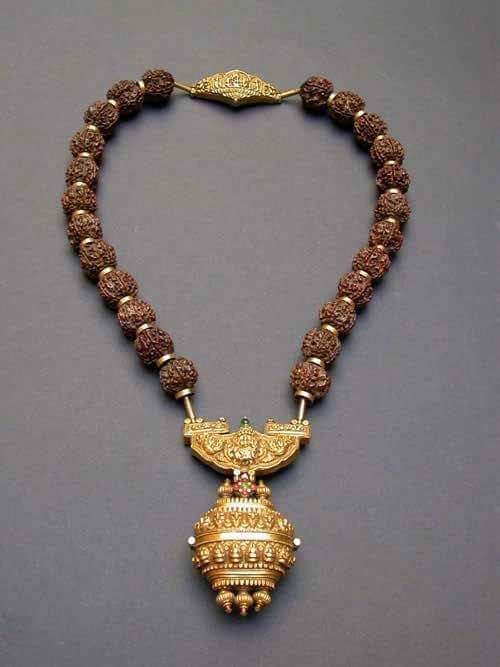
வேண்டிய பலன்களைத் தரும் ருத்ராக்ஷங்கள் (Post No.3173)

rudraksha

WRITTEN BY S NAGARAJAN

Date: 21 September 2016

Time uploaded in London:5-24 AM

Post No.3173

Pictures are taken from various sources; thanks.


ருத்ராக்ஷ மஹிமை


வேண்டிய பலன்களைத் தரும் ருத்ராக்ஷங்கள்


ச.நாகராஜன்


ஒவ்வொரு நட்சத்திரத்திலும் பிறந்தவர்கள் அணிய வேண்டியதற்கான ருத்ராக்ஷங்கள் பற்றிச் சென்ற கட்டுரையில் பார்த்தோம். இனி ஒவ்வொருவருக்கும் தேவையான பலனை அளிக்கும் ருத்ராக்ஷ்ங்களைப் பார்ப்போம்.


எந்தப் பலன் வேண்டுமோ அதற்குரிய ருத்ராக்ஷத்தை அணிய வேண்டும். அதற்கான பட்டியல்:


ஒரு முகம் :   இந்திரிய சுகம் பெற்று பர தத்துவத்தில் லயிப்பர்

இரு முகம் : அர்த்த நாரீஸ்வர சிவ ஸ்வரூபம். இதை அணிபவரிடம் அர்த்த நாரீஸ்வரர் அருள் இருக்கும்

மூன்று முகம் : மூன்று அக்னிகளின் ஸ்வரூபம். இதை அணிந்தால் அக்னி தேவனின் அருள் கிடைக்கும்.

நான்கு முகம் : பிரம்மாவின் வடிவம். இதை அணிந்தால் பிரம்ம  ப்ரீதி


ஐந்து முகம் : பஞ்ச பிரம்ம ஸ்வரூபம். பிரம்மஹத்தி பாவத்தைப் போக்க வல்லது.


ஆறு முகம் : கார்த்திகேயரை அதி தேவதையாக உடையது. இதை அணிந்தால் பெருஞ் செல்வமும், சிறந்த ஆரோக்கியமும் ஏற்படும். நல்ல புத்தி, சிறந்த ஞானம், ஸம்பத்து, தூய்மை அனைத்திற்கும் இடமானது. புத்திமான் இதைத் தரிக்க வேண்டும். விநாயகர் முதலிய தெய்வங்களும் அருள் புரிவர் என்று அறிஞர்கள் கூறுகின்றனர்.


ஏழு முகம் : சப்த மாதாக்களை அதி தெய்வமாகக் கொண்டது. இதைத் தரிப்பதால் செல்வ வளம், உடல் நலம், சிறந்த ஞானம் ஏற்படும்.

எட்டு முகம் : எட்டு மாத்ருகா தேவிகளின் உறைவிடம். இதைத் தரிப்பவர்கள் ஸ்த்தியவாதிகளாவர். அஷ்ட மாதாக்களின் ப்ரீதியையும் அஷ்ட வசுக்களின் ப்ரீதியையும் கங்கா தேவியின் அருளையும் பெறுவர்.


ந்வ முகம் : நவ சக்திகளின் உறைவிடம். இதை அணிவதால் நவ சக்திகளின் அருள் ஏற்படும்.

தச முகம் : யமனை அதி தேவதையாக உடையது. இதை அணிவதால் ந்வ கிரக தசைகளின் சாந்தி ஏற்படும்.

11 முகம் : ஏகாதச ருத்ரர்களை தெய்வமாக உடையது. எப்போதும் ஸௌபாக்கியத்தை வளர்க்கும்.


12 முகம் : மஹா விஷ்ணு ஸ்வரூபம். 12 ஆதித்யர்களையும் தன்னுள் கொண்டது.

13 முகம் : விரும்பிய சுப சித்திகளை அளிப்பது. இதை அணிவதால் காம தேவன் அருள் ஏற்படும்.


14 முகம் : ருதர நேத்திரத்திலிருந்து தோன்றியது. எல்லா வியாதிகளையும் போக்கி எப்போதும் ஆரோக்கியத்துடன் இருக்கச் செய்யும்.

இப்படி பலன்களைக் குறிப்பாகச் சொல்லி அருளுவது ருத்ர ஜாபால உபநிடதம் ஆகும்.


சிந்தடிக் ருத்ராக்ஷங்களை வாங்காமால் நிஜ ருத்ராக்ஷங்களை வாங்கி அணிதல் வேண்டும்.

*******

குறிப்பு : ருத்ராக்ஷ மஹிமை பற்றிய இந்தக் கட்டுரை ஆசிரியரின் ஞான ஆலயம், மங்கையர் மலர் கட்டுரைகளைப் படிப்பது மேலதிக விவரங்களைத் தரும்.


Amazing Fire Walking Ceremony! (Post No.3172)

fire_walking_barrier_breaking

WRITTEN BY London swaminathan

Date: 20 September 2016

Time uploaded in London:10-35 AM

Post No.3172

Pictures are taken from various sources; thanks.

Arthur Mile’s book is full of anti-Hindu stuff. And yet he tells us what he has seen with his own eyes.

From the book The Land of the Lingam by Arthur Miles, London 1933


anastenarides-3

Fire Walking in Greece

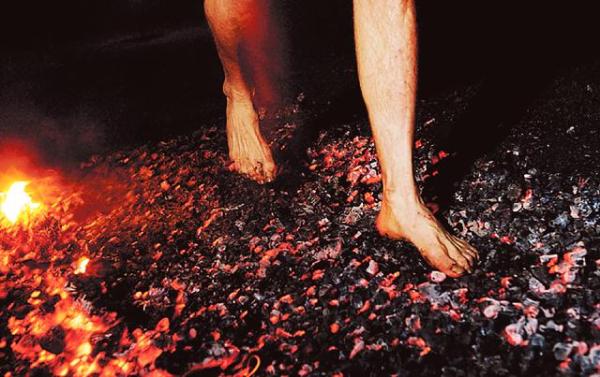
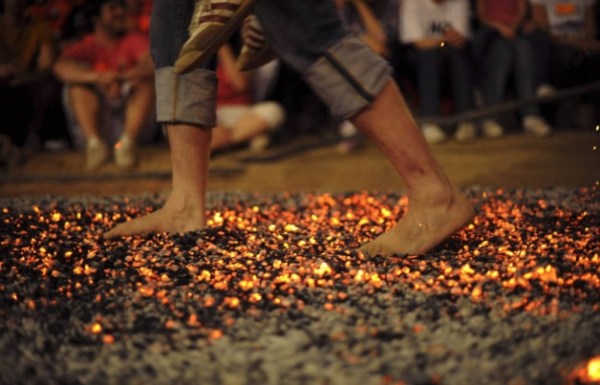
“The Fire walking ceremony is not so popular as it used to be, and many castes do not observe it at all. Occasionally three is a ceremony, when fanaticism is mounting pretty high and a community can bear the expense.


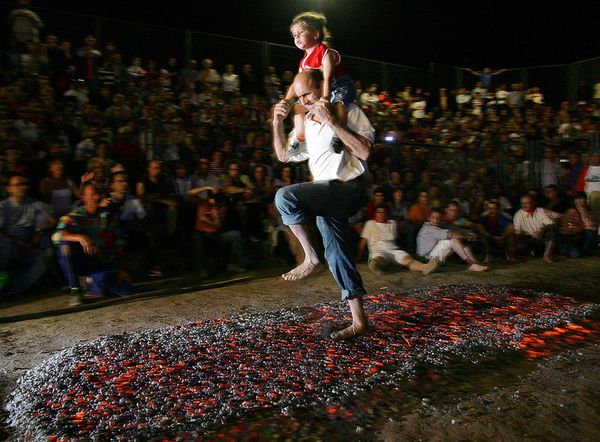
I attended one not so long ago in Mysore state. A pit had been dug, about fifty feet long and about ten feet wide., and when I arrived it was a seething mass of fire. At one end there was a pool of water, through which the performers waded after they had crossed the fire. The fire walkers were dressed I short yellow dhoties and garlands of jasmine flowers. The gods had been brought out, and were arranged along the edges of the pit. I examined the feet of two men before and after they crossed. There was nothing done to their feet to deaden the pain, and there was the slightest trace of a burn. One man, moreover, had crossed through the fire pit in a quite leisurely fashion. I attempt no explanation.


Another man crossed with a baby in his arms, which had been passed to him at the last moment by its mother. For one awful moment I had a picture of the walker, maddened by pain, dropping his tiny burden into flames. Yet, actually, the man smiles as he went, and handed the baby, which was clapping its hands and laughing, back to its mother on the other side of the pool.

An Indian who was watching the performance told me it would rain when the ceremony was over, and the gods would put the fire out. As a matter of fact, it did rain at the conclusion of the ceremony, but I think the gods had less to do with it than the Indian monsoon season”.

firewalk_7217

My comments:-

Why didn’t it rain before the fire walking or during the fire walking? If it is monsoon rain it can rain at any time or always!

Sita Devi was the first one to do fire walking. It is in Ramayana. I have already written about it.

It was performed in ancient Greece as well. Christians have adopted it their own and now do it in churches in Greek villages.


–Subham–


மாமிசத்துக்குப் பெயர் வந்தது எப்படி? யோகிகளை பரமஹம்ச என்று அழைப்பது ஏன்? (Post No.3171)

meat

WRITTEN BY London swaminathan

Date: 20 September 2016

Time uploaded in London:8-52 AM

Post No.3171

Pictures are taken from various sources; thanks.


தமிழில் சொற் சிலம்பம் ஆடும் காளமேகப் புலவரை நாம் அறிவோம். மனு ஸ்ம்ருதியில் கூட ஒன்றிரண்டு சொற்சிலம்பம் உண்டு.


மாம்சம் என்று ஏன் பெயர் வந்தது? என்று விளக்குகிறார் மனு:-


மாம்= என்னை

ச: = அவன்


இந்த ஜன்மத்தில் நான் அவனை (அதை) சாப்பிட்டால் அடுத்த ஜன்மத்தில் என்னை (மாம்) அவன் (ச;) சாப்பிடுவான் இதனால் அதை மாம்ச (இறைச்சி) என்று சொல்கிறோம்

மனு 5-55


இது ஆங்கிலத்திலும் பொருத்தமாக இருக்கிறது ஆங்கிலத்தில் மீட் MEAT என்றால் மாமிசம்;  மீ (என்னை) ஈட் (சாப்பிடுவான்) Me Eats (He eats me in my next birth if I eat him now). அதாவது நான் இப்பொழுது அவனைச் சாப்பிட்டால் அவன் என்னை சாப்பிடுவான்.


Xxx

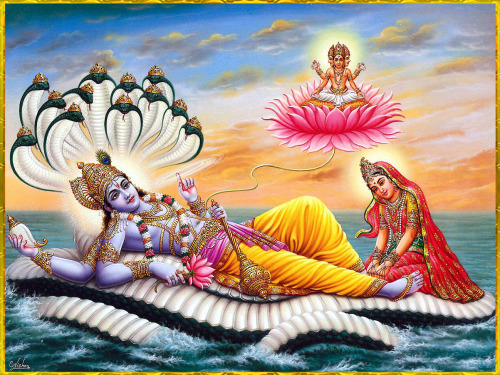
narayana

நாராயணன் என்றால் என்ன?


ஆபோ நாரா இதி ப்ரோக்தா ஆபௌ வை நர சூனவ:

தா யதஸ்யாயனம் பூர்வம்  தேன நாராயண: ஸ்ம்ருத:

மனு 1-10


நான் என்ற பரமாத்மாவினால் படைக்கப்பட்டதால் நீருக்கு நாரம் எனப்பெயர். அதில் இவன் வசிப்பதால் (அயன) அவனுக்கு நாராயண  என்று பெயர்.

Xxx

swan

பரம ஹம்ச


ஹம்சம் என்பதற்கும் இது போல வேதாந்திகள் விளக்கம் தருவர்.

ஹம்சம் என்றால் அன்னப் பறவை (swan) என்று பொருள்.


இதை

அஹம் = நான் = ஜீவாத்மன்

ச: = அவனே + பரமாத்மன்

அஹம்+ச; = அம்ச (ஹம்ச)


இது அத்வைதத்தின் உயர்நிலை; அஹம் பிரம்மாஸ்மி, தத்வமஸி என்பதற்குச் சமம்.


இந்த உண்மையை உயர்ந்தவர்  பரமஹம்சர் . ராமகிருஷ்ண பரமஹம்சர், பரமஹம்ச யோகாநந்தர் ஆகிய பெரிய மஹான்களின் பெயர்களை நாம் கேட்டிருக்கிறோம்.


ஹம்சப் பறவை இமயமலைக்கும் மேலே (கணவாய் வழியாகப்) பறப்பதையும், அது தூய வெண்மையாக இருப்பதையும் ஒட்டி வேறு சில விளக்கங்களும் உண்டு.


வாழ்க சம்ஸ்கிருதம்! வளர்க ஞானம்!


–சுபம்–

நட்சத்திரங்களுக்கான ருத்ராக்ஷங்கள் (Post No.3170)

rudraksah-mala-with-gold

WRITTEN BY S NAGARAJAN

Date: 20 September 2016

Time uploaded in London:5-42 AM

Post No.3170

Pictures are taken from various sources; thanks.


ருத்ராக்ஷ மஹிமை

நட்சத்திரங்களுக்கான ருத்ராக்ஷங்கள்


ச.நாகராஜன்

 stars4

ஒவ்வொரு நட்சத்திரத்திலும் பிறந்தவர்கள் அணிய வேண்டியதற்கான ருத்ராக்ஷங்கள் தனித்தனியே உண்டு.

ஒவ்வொரு நட்சத்திரத்திற்கான அதிதேவதையும் உண்டு.

அவற்றின் பட்டியல் கீழே தரப்பட்டுள்ளது.

இதை அணிபவர்களுக்கான பலன்கள் மகத்தானவை.


எண்   நட்சத்திரம்         அதி தேவதை  அணிய வேண்டிய

                                          ருத்ராக்ஷம்

  • அசுவனி கேது           நவ முகம்
  • பரணி சுக்ரன்         ஷண்முகம்
  • கார்த்திகை சூர்யன்        ஏக முகம்,

த்வாதச முகம்

கௌரி சங்கர்

  • ரோஹிணி சந்திரன்  த்வி முகம்
  • மிருகசீர்ஷம் செவ்வாய் த்ரி முகம்
  • திருவாதிரை ராகு       அஷ்ட முகம்
  • புனர்பூசம் ப்ருஹஸ்பதி பஞ்ச முகம்
  • பூசம் சனி          சப்த முகம்
  • ஆயில்யம் புதன்         சதுர் முகம்
  • மகம் கேது        நவ முகம்
  • பூரம் சுக்ரன்       ஷண்முகம்
  • உத்தரம் சூர்யன்      ஏக முகம்,

த்வாதச முகம்

கௌரி சங்கர்

  • ஹஸ்தம் சந்திரன்    த்வி முகம்
  • சித்திரை செவ்வாய்  த்ரி முகம்
  • சுவாதி ராகு        அஷ்ட முகம்
  • விசாகம் ப்ருஹஸ்பதி  பஞ்ச முகம்
  • அனுஷ்ம் சனி          சப்த முகம்
  • கேட்டை புதன்          சதுர் முகம்
  • மூலம் கேது          நவ முகம்
  • பூராடம் சுகரன்         ஷண்முகம்
  • உத்தராடம் சூர்யன்        ஏக முகம்,

த்வாதச முகம்

கௌரி சங்கர்

  • திருவோணம் சந்திரன்    த்வி முகம்
  • அவிட்டம் செவ்வாய்   த்ரி முகம்
  • சதயம் ராகு         அஷ்ட முகம்
  • பூரட்டாதி ப்ருஹஸ்பதி  பஞ்ச முகம்
  • உத்தரட்டாதி சனி          சப்த முகம்
  • ரேவதி புதன்         சதுர் முகம்


ஒவ்வொரு முகத்திற்கான பலன்களையும் நமது நூல்கள் தந்துள்ளன. அவற்றை இனி காண்போம்.

*********

Music Mystery in Asvamedha Yajna! (Post No.3169)

aaroganam

Compiled  by London swaminathan

Date: 19 September 2016

Time uploaded in London:15-15

Post No.3169

Pictures are taken from various sources; thanks.


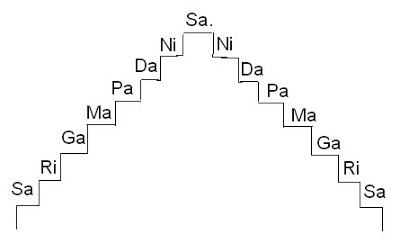
“Several pentatonic and hexatonic series of notes (Taanas) of music were named after Vedic rites. For example

Ni-dh-pa-ma-ga-ri- was called Agnistoma

Ri-nidha-pa-ma-ga- was known as Asvamedha

And

Ma-ga-sa-ni-dha-pa was called Mahaavrata

This musical aspect of the rites needs further investigation”. (See Matanga’s Brhaddesi. Also see Bharata Muni’s Natyasastra (Ghosh 1967)


–from Subhash Kak’s ‘The Asvamedha’

Xxx

saregamapadhani

Astronomy in Asvamedha Yajna

The Asvamedha rite is the ritual sacrifice of the Sun (time) to regenerate it. The narrative touches upon the inner and outer Asvas through the symbolism of the horse.

The Satapata Brahmana says that the year begins with full moon of Phalguna (SB 6-2-2-18), which is when the Asvamedha was performed. On the other hand, in the Mahabharata the performance culminates on the full moon of Caitra(Mbh 14-76).The beginning of the year used in the M Bh is different from the one in the SB.


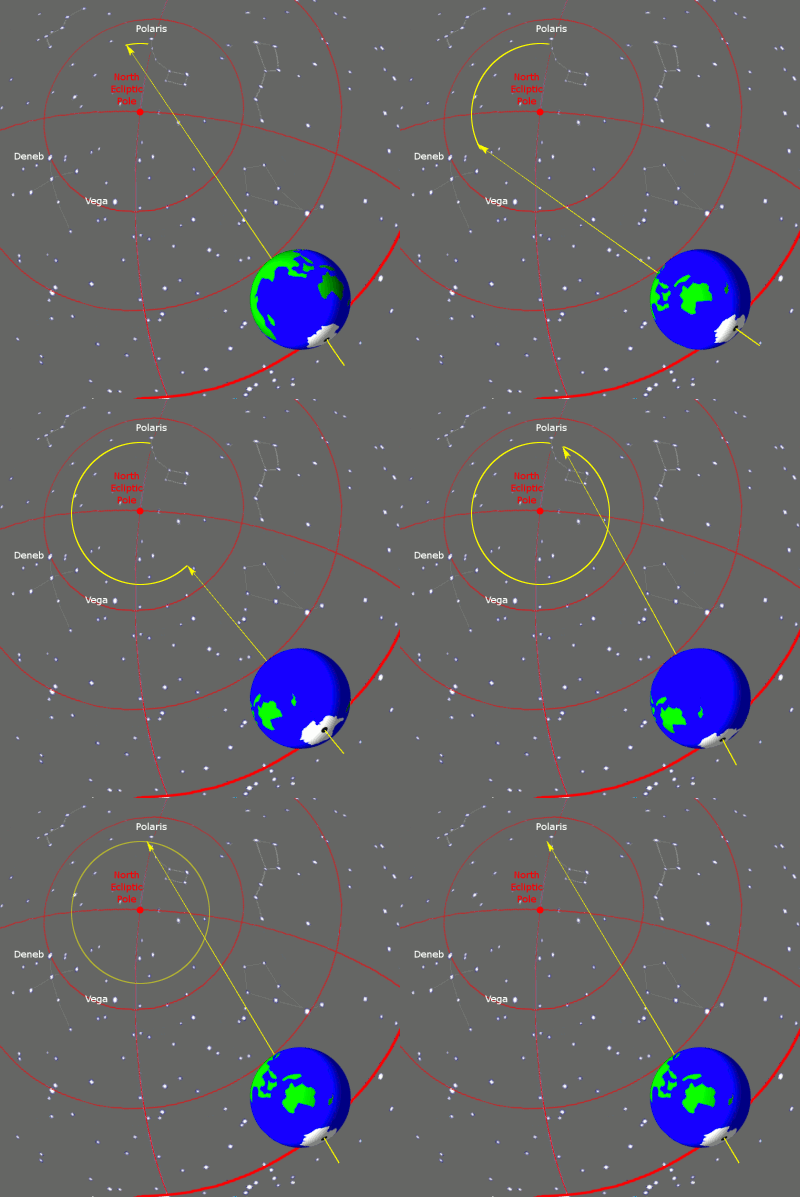
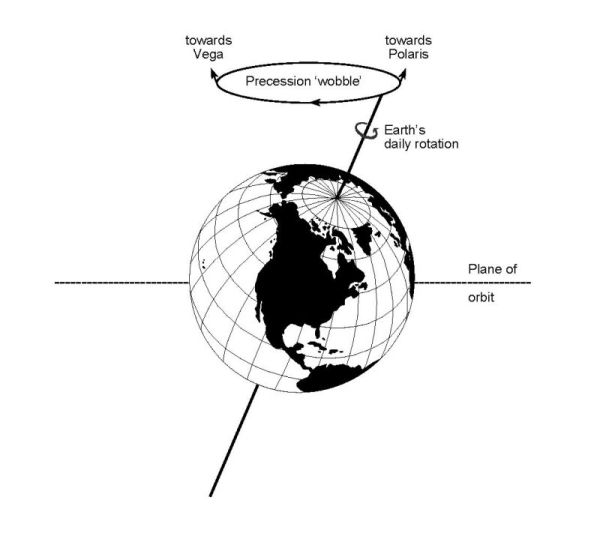
The precession of the earth causes the month to shift with respect to seasons at a rate of 2000 years per month, therefore a time gap of about 2000 years exists between its descriptions in the SB and in the MBh. The word ‘precession’ is from the fact that that this circuit runs opposite to that of the normal sequence, so in the precessional shift, Caitra precedes Phalguna. Thus the M BH appears to remember a tradition that was earlier than that of the SB.


Recent estimates of the date of the SB using new hydrological evidence are relevant o his discussion. Briefly, it is now believed that the Sarsvati river dried up around 1900 BCE due to a massive earthquake that caused its tributary Yamuna to be captured by the Ganga. Since the Rig Veda lauds the Sarasvati as the great River that flows from the mountain to the sea,this Veda should be prior to the date of 1900 BCE. According to other authorities, the river stopped flowing all the way to the sea a thousand years earlier, which is why the Harappan sites are not all the way down to the sea, and 1900 BCE represents a further desiccation which led to a collapse of the Harappan economy.

The astronomical references in the SB about the Krittikas never swerving from the east and the Saptarishis rising from the north correspond to this general time period. In a new study Achar argues that these observations indicate around 3000 BCE. The SB itself recorded old tradition, so its own compositional date could be several centuries later.

precession_animation_small_new

Earth’s precession makes the seasons shift by a nakshatra every thousand years.

Asvini- 200 BCE

Bharani – 1200 BCE

Krittika – 2200

Rohihi – 3200

Mrgasiras – 4200

The lists in the brahmanas begin with the Krttikas indicates that it was drawn up in the third millennium BCE. The legend of cutting off of Prajapatis head indicates a time when the year began with Mrgasirsa in the fifth millennium BCE.

The SB story of the marriage between the seven sages, the stars of Ursa Major, and the Krittikas is elaborated in the Puranas where it is stated that the Rishis remain for a hundred years in each nakshatra. In other words, during the earliest times in India there existed centennial calendar with a cycle of 2700 years. Tis Saptarishi calendar is still used in certain parts of India even today.


Its current beginning is taken to be 3076 BCE., but the notices by the Greek historians Pliny and Arrian suggest that, during the Mauryan times, this calendar was taken to begin in 6676 BCE. All this indicates that there was a very ancient tradition of calendars in India.


The holding of the Asvamedha in Caitra points to this rite having been celebrated in the 3rd or 4th Millennium BCE.

–from Subhash Kak’s ‘The Asvamedha’

f7wobble

–Subham–