வேதங்களின் காலத்தைக் கண்டுபிடிப்பது எப்படி? (Post No.3188)

imgres

written by London swaminathan

Date: 25 September 2016

Time uploaded in London:12-35

Post No.3188

Pictures are taken from various sources; thanks.


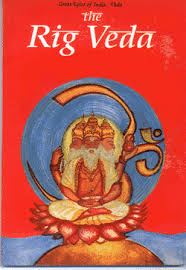
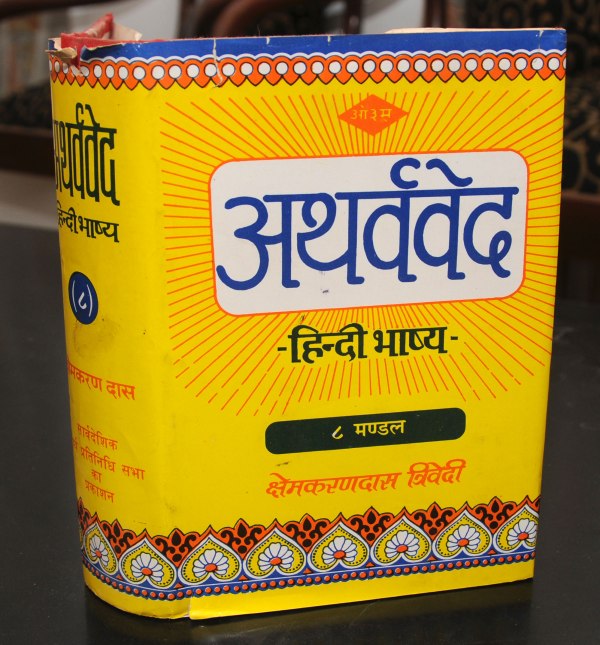
ரிக் வேதம், யஜூர் வேதம், சாம வேதம், அதர்வண வேதம் ஆகிய நான்கு வேதங்களின் காலம் பற்றி பல்வேறு கருத்துகள் உண்டு. ஆயினும் இதை முதல் முதலில் ஆராய்ச்சிக்கு எடுத்துக்கொண்டோர் வெளிநாட்டினர்தான். அவர்களில் எந்த இரண்டு ஆட்களும் ஒரே கருத்தைத் தெரிவிக்கவில்லை. ஆனால் எல்லோரும் மாக்ஸ்முல்லர் (Friedrich Max Muller 1823-1900)  சொன்ன ஒரு கருத்தை ஏற்றுக்கொண்டனர். யாரும் இதை கி.மு.1200–க்குக் குறைத்து மதிப்பிட முடியாது என்றார். பலர் இதிலுள்ள தவறுகளைச் சுட்டிக்காட்டியபோது இதற்கும் கீழே கொண்டுவர முடியாது என்றுதான் நான் சொன்னேன். அதற்கு முன்னாலும் இருக்கக் கூடும் என்றார்.


இந்துக்களைப் பொறுத்தமட்டில் வேதத்துக்கு காலம் என்பதே இல்லை. ஏனெனில் அது எப்போதுமே வானத்தில் உள்ளது. ஒவ்வொரு யுகத்திலும் ரிஷி முனிவர்கள் தங்கள் தவ வலிமையால் — நாம் ரேடியோ கேட்பது போல — கேட்டு அறிகிறரர்கள். அதனால் அதற்கு சுருதி (கேள்வி) என்று பெயர். மனிதனால் இயற்றப்படாததால் அதை ‘அபௌருஷேயம்’ என்றும் சொல்லுவார்கள்.

rigveda_0

ரிக் வேதத்திலேயே (10-90-9), யாகத்திலிருந்து வேதங்கள் தோன்றியதாகச் சொல்லப்பட்டிருக்கிறது. அதாவது ஞான வேள்வி இயற்றுகையில் இந்த உண்மை அறிவு அவர்களுக்குப் புலப்பட்டது. வேதம் என்பதை அப்படியே மொழி பெயர்த்தால் “அறிவு” என்றே சொல்ல வேண்டும்.

தஸ்மாத் யக்ஞாத் சர்வ ஹுத: ருச: சாமானி யக்ஞிரே

சந்தாம்ஸி ஜக்ஞிரே தஸ்மாத் யஜுஸ் தஸ்மாத் அஜாயத

– ரிக் வேதம், புருஷசூக்தம், 10-90-9


ரிக்வேதத்துக்குள்ளேயே (1-1-2) முற்கால ரிஷிகள் பற்றிய குறிப்புகள் உளதால் அவைகளுக்கு 300 ஆண்டுக்கால வீச்சு கொடுத்து மிகப் பழைய மந்திரம் கி.மு.1500 வாக்கில் வந்திருக்கலாம் என்றும் ஊகிப்பர்.

தமிழில் சங்க இலக்கியத்திலும்  ரிக் வேதம் போலவே 400 புலவர்களுக்கு மேல் உள்ளனர். அவை அனைத்தும் உருவாக 300 ஆல்லது 400 ஆண்டுகள் வீச்சு கொடுக்கப்படுகிறது.
 

atharva-veda

மாக்ஸ்முல்லரது ஊகம் (hypotheses):


ஒரு மொழி 200 ஆண்டுக் காலத்துக்கு ஒரு முறை வேறு ‘நடை’ அல்லது

‘பாணி’யில் (literary Style) எழுதப்படும் என்பது மாக்ஸ்முல்லரது “கண்டுபிடிப்பு”.


வேதத்தின் “அந்த”ப் பகுதி (முடிவுப் பகுதி) உபநிஷத். இதை வேதாந்தம் (வேத+ அந்தம்) என்பர். இதில் புத்தமத தாக்கம் எதுவும் இல்லை. ஆகையால இது புத்தருக்கு முந்தியது என்று சொல்லி அவருக்கும் வேதாந்தத்துக்கும் இடையே 200 ஆண்டு இடைவெளி கொடுத்து, மாக்ஸ்முல்லரே தன்னிச்சையாக கி.மு.800 என்று முத்திரை குத்தினார். இந்திய வரலாற்றில் எல்லாவற்றையும் புத்தரின் காலத்தை (கி.மு. ஆறாம் நூற்றாண்டு) வைத்துதான் நிர்ணயித்துள்ளார்கள். உபநிஷத்துக்கு  முந்தைய ‘பிராமண’ங்களுக்கு கி.மு 1000 என்றும்  அவைகளுக்கும் முந்தைய சம்ஹிதை எனப்படும் மந்திரப் பகுதிகளுக்கு குறைந்தது கி.மு 1200 என்றும் மாக்ஸ்முல்லர் சொல்லிவிட்டார்.


உபநிஷத் காலம் – 600 முதல் 800 வரை

பிராமணங்களின் – 800 முதல் 1000 வரை

சம்ஹிதைகளின் காலம் – 1000 முதல் 1200 வரை


மாக்ஸ்முல்லர் கையாண்ட முறையை வேறு எந்த நாட்டு இலக்கியத்துக்கும் யாரும் பின்பற்றவில்லை. அது தவறு என்பதை நான் தமிழ் இலக்கியத்தைக் கொண்டு நிரூபிக்கிறேன்.


தமிழில் திருக்குறளுக்கு ‘கட்டைப் பஞ்சாயத்து’ முறையில் சில அறிஞர்கள் சண்டை போட்டு கி.மு. 31 என்று தன்னிச்சையாக முடிவு செய்தனர். சிலப்பதிகாரத்தில் “கடல் சூழ் இலங்கைக் கயவாகு வேந்தனை”  (C.E.132) செங்குட்டுவனின் சம காலத்தை சேர்ந்தவனாகக் காட்டுவதால் செங்குட்டுவன் இரண்டாம் நூற்றாண்டு என்று கொள்ளப்பட்டது. சங்க இலக்கியம் அனைத்தும் முதல் மூன்று நூற்றாண்டுகளை சேர்ந்தவை என்று எல்லோரும் ஒப்புக் கொள்கின்றனர். ஏனெனில் அதில் ரோமானிய சாம்ராஜ்யத் தொடர்பு பேசப்படுவதாலும் அக்காலக் காசுகள் தமிழ் நாடு முழுதும் கிடைப்பதாலும் அது ஐயம் திரிபற நிரூபிக்கப்பட்டுவிட்டது.


ஆனால் சங்க இலக்கிய நடை வேறு; சிலப்பதிகார நடை வேறு; திருக்குறள் நடை வேறு. நாமோ இவை அனைத்தையும் 200 ஆண்டுக்குள் வைக்கிறோம்! மாக்ஸ்முல்லர் விதிப்படி இவை ஒவ்வொன்றுக்கும் இடையே 200 ஆண்டுக் கால இடைவெளி இருக்க வேண்டும்.


yajur

வையாபுரிப் பிள்ளை போன்ற அறிஞர்கள் திருக்குறளின் காலத்தை மிகவும் பின்னுக்குத் தள்ளியதற்கு அதிலுள்ள வடமொழிச் சொற்களும், அதிலுள்ள புதிய இலக்கணப் பிரயோகங்களும் காரணம். சிலப்பதிகாரத்திலோ வடமொழி புராணங்களைப் போல அத்தியா யத்துக்கு அத்தியாயம் (காதைக்கு காதை) மாயாஜாலம், மந்திரம் கடவுள் வழிபாடு, கோவில்கள், பார்ப்பனர் புகழ்ச்சி முதைலியன உள்ளன. இதை ஏழாம் நூற்றாண்டுக் காவியம் என்பார் டாக்டர் எஸ். ராமகிருஷ்ணன் Dr S R K of Madurai). நானோ மொழி நடை முதலியனவற்றைக் கொண்டு தொல்காப்பியம், திருக்குறள், சிலப்பதிகாரம் ஆகிய மூன்றும் நாலு அல்லது ஐந்தாம் நூற்றாண்டை சேர்ந்தது என்று காட்டியுள்ளேன். சுருக்கமாகச் சொல்லப்போனால்  மாக்ஸ்முல்லரின் விதி உலகில் எந்த மொழிக்கும் பொருந்தியதாக இதுவரை நான் படித்ததில்லை.


காலப்போக்கில் “நடை” (Style and language) மாறும் என்பது உண்மையே. சொல்லப்போனால் மாறுதலுக்கு உள்ளாகாத விஷயம் (Change is inevitable) எதுவுமே இல்லை.


மேலும் நாங்கு வேதங்களும்  உலகில்  வேறு எந்த இடத்திலும் இல்லாத புதுமை உடைத்து. அதாவது மற்ற மொழிகள் எல்லாம் பேசப் பேச மாறும் ஆனால் வேதம் மட்டும் மாறாது. ஏனெனில் அதை கிளிப்பிள்ளை மாதிரி அப்படியே மனப்பாடம் பண்ணி ஒப்பிப்பதால் மாற முடியாது. மற்ற மொழியினரைப் போல பரப்பி இருந்தால் அதில் மாறுதலைத் தவிர்க்க முடியாது.


யாஸ்கர் என்பவர் ‘நிருக்தம்’ எழுதினார். அவருடைய காலம் கி.மு.800 என்று வெளிநாட்டினர் கணிக்கிறார்கள். அவரே வேதத்தின் பல சொற்களுக்கு பொருள் தெரியாமல் போய்விட்டது என்று சொல்லுகிறார். அப்படியானால் அவருக்கு 1000 ஆண்டுகளுக்கு முன்னராவது இந்த மந்திரங்கள் (சம்ஹிதை) சொல்லப்பட்டிருக்க வேண்டும். அவருக்குப் பின்னர் வந்த பாணினியோ புதிய சம்ஸ்கிருத அமைப்புக்கு இலக்கணம் எழுதியுள்ளார். அவர் எழுதிய சம்ஸ்கிருத மொழி இலக்கணம் வேத கால சம்ஸ்கிருத இலக்கணத்திலிருந்து மிகவும் வேறுபட்டது. ஆகையால் ஒரு ஆயிரம் ஆண்டு இடைவெளியாவது கொடுக்கவேண்டும்.


இவை அனைத்தும் உலகிலுள்ள சாதாரண மொழிகளுக்கு கொடுக்கப்படும் விதிகள். வேதமோ இன்று வரை மாறாத- மாற்ற முடியாத — அமைப்பு கொண்டது. அதாவது ஒரு சொல்லைக் கூட எழுத்தைக்கூட மாற்ற முடியாமல் மனப்பாடம் மூலம் — வாய்மொழி (அத்யயனம்) மூலம் பரப்பப்பட்டது. சங்கப் புலவர்கள் இதை “எழுதாக்கிளவி” என்று போற்றுகின்றனர். உலகில் எழுதாமல் காக்கப்பட்ட புத்தகம் இது ஒன்றே. ஆகையால மற்ற மொழிகளுக்குப் பொருந்தும் விதிகள் இதற்குப் பொருந்தா. அப்படியே பொருந்தும் என்று வாதாடினாலும் ஆயிரம் ஆண்டு இடைவெளி கொடுக்க வேண்டும் என்பதே மேலே கூறப்பட்டுள்ளது.


வானவியல் முறை பற்றி அடுத்த கட்டுரை யில் காண்போம்

தொடரும்…………………………………….


இரண்டு கூழாங்கற்கள்! (Post No.3187)

pebbles

WRITTEN BY S.NAGARAJAN

Date: 25 September 2016

Time uploaded in London: 5-35 AM

Post No.3187

Pictures are taken from various sources; thanks.


உத்வேகமூட்டும் கதைத் தொடரில் இன்னும் ஒரு கதை!


இரண்டு கூழாங்கற்கள்!

ச.நாகராஜன்


பல ஆண்டுகளுக்கு முன்னால் இத்தாலியில் ஒரு சிறிய நகரில் நடந்த சம்பவம் இது.


ஒரு வியாபாரி லேவாதேவிக்காரர் ஒருவரிடம் பெரிய தொகை ஒன்றைத் தன் வணிகத்திற்காகக் கடன் வாங்கி இருந்தார். ஆனால் துரதிர்ஷ்டவசமாக அவரது வியாபாரம் பெரும் நஷ்டமடைந்து வாங்கிய கடனைக் கொடுக்க முடியாமல் போனது. அவருக்கு அழகிய மகள் ஒருத்தி உண்டு. அவள் புத்திசாலியும் கூட.


கடன் கொடுத்த லேவாதேவிக்காரருக்கு வியாபாரியின் அழகிய மகளின் மீது ஒரு கண். எப்படியாவது அவளை  மனைவியாக அடைய அவர் திட்டம் தீட்டினார்.

வியாபாரியிடம் வந்தார்.


“இனியும் கடன் தொகையைப் பெறாமல் இருக்க முடியாது. இதற்கு ஒரு முடிவு கட்ட வேண்டும். ஒன்று கடன் தொகையைத் திருப்பித் தாருங்கள்.அல்லது உங்கள் மகளை எனக்குத் திருமணம் செய்து கொடுத்து விடுங்கள். அப்படித் திருமணம் செய்து  கொடுத்து விட்டால் கடன் தொகையைக் கேட்கவே  மாட்டேன். என்ன சொல்கிறீர்கள்?”

லேவாதேவிக்காரரின் இந்தப் பேச்சைக் கேட்டவுடன் வியாபாரியும் அவரது மகளும் திடுக்கிட்டனர்.

லேவாதேவிக்காரர் அவரது மகளின் அபிப்ராயத்தைத் தெரிந்து கொள்ள ஒரு வழியைச் சொன்னார்.


ஒரு பையில் கறுப்பு நிறக் கூழாங்கல் ஒன்றும் வெள்ளை நிறக் கூழாங்கல் ஒன்றும் போடப்படும்.அதில் கையை விட்டு ஏதேனும் ஒன்றை அவரது மகள் எடுக்க வேண்டும். கறுப்பு நிறக் கூழாங்கல் கையில் வந்தது என்றால் லேவாதேவிக்காரரின் மனைவியாக் அவள் ஆகி விடுவாள். கடன் தொகையும் தள்ளுபடியாகி விடும். வெள்ளை நிறக் கூழாங்கல்லை அவள் எடுத்தாலோ அவள் அவரை மணந்து  கொள்ள வேண்டாம். ஆனாலும் அப்போதும் வியாபாரியின் கடன் தொகை தள்ளுபடி செய்யப்படும். ஆனால் அவள் எந்த ஒரு கல்லையும் எடுக்க மறுத்து விட்டால் அவளது தந்தையார் போலீஸ் வசம் ஒப்புவிக்கப் படுவார்.


அவர்கள் ஒரு கூழாங்கற்கள் நிறைந்த ஒரு நடைபாதை வழியே சென்று கொண்டிருந்தனர். திடீரென்று குனிந்த லேவாதேவிக்காரர் இரு கற்களை எடுத்தார்.

pebbles-2_aw_c

வியாபாரியின் மகளின் கூரிய கண்கள் அவர் கைகளைக் கவனித்தன. அவர் எடுத்தது இரண்டுமே கறுப்பு நிறக் கூழாங்கற்கள்.


அவரது சதித்திட்டத்தை மகள் நன்கு புரிந்து கொண்டாள்.

இப்போது என்ன செய்வது?


லேவாதேவிக்காரர் மகளை நோக்கிக் கூறினார்: “பைக்குள் இருக்கும் கற்களில் ஏதேனும் ஒன்றை எடு!”

மகள் பையில் கையை விட்டு ஒரு கல்லை எடுத்தாள்.

அதைத் திறந்து காண்பிக்கும் முன்னர் தானாக அது விழுவது போல நழுவ விட்டாள்.


அந்தக் கல் கூழாங்கற்களின் குவியலில் விழுந்தது.

“அடடா” என்று அலறிய அந்தப் பெண், “அதனால் என்ன, பரவாயில்லை. பைக்குள் இருக்கும் கல் எது என்று பார்த்து விட்டால் நான் எடுத்த கல்லின் நிறம் தெரிந்து விடுமே” என்றாள்.


உள்ளே இருந்தது கறுப்பு நிறக் கல். அப்படியானால் அவள் எடுத்தது வெள்ளை நிறக் கல்லாகத் தானே இருக்க வேண்டும்.


லேவாதேவிக்காரர் தலை குனிந்தவாறே அங்கிருந்து அகன்றார்.


சில சமயம் மாற்றி யோசிக்க வேண்டும். அதுவும் ஒரு கணத்தில் யோசித்து சரியாக முடிவை எடுக்க வேண்டும்.

உலகில் சாமர்த்தியமாக வாழும் வழி இது தான்!


********

Astrology, Sorcery and Magic Charms in Kerala (Post No.3186)

zodiac-rubber-stamps

Compiled by London swaminathan

Date: 24 September 2016

Time uploaded in London:15-34

Post No.3186

Pictures are taken from various sources; thanks.


Following is an excerpt from Arthur Miles’ book.

Source book: The Land of the Lingam by Arthur Miles, year 1933.

“In India the astrologer is the guiding spirit and domestic concerns of the community. He is consulted as to the why and wherefore of calamities, the failure or success of any proceeding, the sex of an unborn child, remedies for the sick, the giving of loans, the borrowing of money, paying of bills, the proper time to begin the study of any subject, the investiture of the sacred thread, the sowing of seeds, the harvesting of crops. There is, in fact, nothing too great or too trivial for his services and no one thinks of questioning his advice.


The astrologer has no prescribed fees. Wealthy people pay him lavishly, and the poor people give him as much as they can afford. If a consultant comes empty handed, the astrologer s not supposed to refuse his services, but the horoscope of such a parsimonious or poverty stricken one is always uninteresting and takes but a few moments to calculate. On festivals and public occasions, a fixed scale of fees is followed.


The astrologer’s busy time is from July to February, the period of harvest and marriage. His most lucrative business is casting what is own as a life horoscope, recording events from birth to death. In such a work he lays don rules for propitiating the gods and the planets, and averting calamities.  He also delineates the character, mental and spiritual, of the client. Everyone who has twenty five rupees seems to be provided with a life horoscope.

zodiac-maldives

Many members of the profession do what is called “verbal reading”, and for this a bag of shells or a bag of rice, is used with the almanac. The astrologer sits on a mat, and after tossing the rice or shells on the floor, works them into little patterns, while he chants ‘mantrams’ in praise of his guru and of the deity, invoking their help. He then draws a design, consisting of tween compartments, on the floor with chalk. If he has chosen shells, he touches his ears with them and arranges them in the compartments of the design.  After a long unintelligible, which he seems to be addressing the shells, he makes few predictions, taking care to be as vague as possible.


Numerous stories are told about the Pazhur Kanians. One relates how the planets, Mercury and Venus, on arriving at the house of one of the Kaniyans were asked by him to wait at the gate. The Kaninan then jumped into a well, there to conduct some prayers  in the hope of keeping the planets  waiting permanently. His prayers were answered, and the two planets remain at the gate of every Kaniyan, to help him with his predictions.


In addition to astrology these people practise sorcery and exorcism. Devils are driven out of home and villages by a devil dance. If a person is suspected of being possessed by a devil, several Kaniyans go to his home in guise of the demons and rush towards the affected person., whereupon the devil in a fright departs immediately. Disease is cured by cutting a rope the length of the person who is ill, and making knots in it. Goat hair is then burned, and the rope is passed several times through the smoke. Sometimes a chicken is killed and some of its blood is poured on the burning goat hair.


Another means of increasing the income of the Kaniyans is the sale of yantrams (charms). A yantram is written on gold or silver or paper and worn on the body; usually around the arm or the wrist.  The charm consists of 51 letters, but no words are spelled; and each letter has its meaning. A yantram is useless unless a magic rite has been performed for it. There are charms to protect one against sorcery or devils; to secure the aid of a goddess; to prevent Pulantini, the demon who eats children, from coming near the infants; to avert miscarriage; to please lovers; to prevent barrenness; and to relieve a woman in labour sometimes the charm is drawn on butter, and swallowed. When this method is adopted, it must be repeated for forty days, while if the woman is the recipient, she must have no sexual intercourse during that time. Charms are also drawn on ashes or cow-dung oron a cloth and worn around the waist.

Kaniyans worship the sun, moon, and planets beside their gods Siva, Vishnu, and Ganesa. Each day of the week has its special planet, and the morning worship is addressed to the planet of the day.


The Kanians are intelligent, well versed in Sanskrit and Malayalam. They depend for a living on the fruits of their hereditary profession. During the Mandalam – forty days – from the 14th of November until the 25th of December, the senior members of the family purify themselves and do pujas before all the gods. On the fortieth day the worship lasts for 24 hours continuously. Ancestors are worshipped on the new moon day. In memory of the dead an oblation of water is offered”.

(In this chapter he has narrated two incidents where he met a fraudulent astrologer and a sorcerer in Madurai and Mysore)


–Subham–

If there is just rule, animals wouldn’t harm! Indian Poets’ Discovery! (Post No.3185)

animals-3

Written by London swaminathan

Date: 24 September 2016

Time uploaded in London:7-30 am

Post No.3185

Pictures are taken from various sources; thanks.


Kalidasa, the greatest of the Indian poets, Kamban,author of Tamil Ramayana, Tiruvalluvar, author of Tamil Veda Tirukkural, Manikkavasagar, author of Tamil Hymn Tirusvasagam, and Ilango, author of the best Tamil epic Silappadikaram – all these five poets agree on one thing—animals won’t harm anyone, not even its natural enemy and rain would pour down at proper time and there will be a bumper harvest, If the country is ruled by a honest man!


Kamban says in the Kishkinda kanda (canto) that Solar Dynasty (Surya Vamsa) had kings under whose rule deer and tiger drank water from the same place. He repeated this in two verses in two different cantos ( in Tamil:- Pulip pothum pul vaayum oru thuraiyil neerunna ulakaandon oruvan).


Rama says that “my forefathers did dig up the ocean (Sagara story), brought Ganges River to earth from the heaven (Bhageeratha, a Civil Engineer cum king, diverted Ganga river into the plains), made deer and tiger to drink water from the same water source, but I am unable to get my wife (Sita Devi) back”– Kishkinda Kandam

animals-water-1

Kalidasa says (Raghuvamsa 6-46)  that in the Ashramas of saints, animals who have natural enmity wouldn’t show it and King Neepa was also like that. Though conflicting virtues were resided in him they had amicable relations (E.g.Neepa was harsh like the sun ,cool like the moon; wealth and education stayed with him).

(Ashram= Saint’s residence)


Tamil Epic poet Ilango says that the Pandyas ruled according to Dharma and so “the bears never dug up the anthills for food, tigers never attacked deer, crocodile never harmed men, not even snakes bit people; neither thunder struck on men nor ghosts possessed people; young woman and her lover can even walk on a public road at the dead of night without fear ( in Tamil, Vaalvari Venkai Maankanam Maralaa…….).


Tamil Saivaite poet Manikkavasagar praised Lord Shiva as 0ne who helped a deer to drink milk from a female tiger ( in Tamil:- Puli Mulai Pul Vaaykku arulinai Potri).


Purananuru, anthology of 400 Tamil verses, says that a tiger killed a female deer but left its little one without any harm. A wild cow seeing that motherless fawn, immediately gave him milk (verse 323)


Tiruvalluvar’s  didactic work – Tirukkural — is the Tamil Veda. He says:-

“Rain and harvests are rich in the land ruled by the righteous sceptre of an able leader- 545

If the leader rules in unjust ways, seasonal rains will fail as the clouds withhold their showers – 559

Cows yield less, Brahmins forget their Vedas, if the leader does not guard justice” – 560


If there is a good ruler the area will have three showers every month – says another Tamil verse.


These views are in the Mahabharata and various Hindu scriptures as well. This shows that the same culture existed from southernmost Kanyakumari to Northernmost Kashmir.


Long live Tamil! Long Live Kalidasa and Kamban!!

animal-water-2

-Subham-


பெண்கள் மீது கை வைத்தால்………. கம்பன் எச்சரிக்கை! (Post No.3184)

beauty-with-puukkuutai

Written by London swaminathan

Date: 24 September 2016

Time uploaded in London:6-37 am

Post No.3184

Pictures are taken from various sources; thanks.


நான் மதுரை யாதவர் தெரு வடக்கு மாசி வீதியில் கால் நூற்றாண்டுக் காலம் வசித்தேன். அப்பொழுது பல காட்சிகளைக் கண்டதுண்டு. திடீரென டவுன் பஸ் நிற்கும். அதிலிருந்து ஒருவனைக் கீழே தள்ளி நாலைந்து பேர் அடிப்பார்கள். உடனே ரோட்டில் போகும் வருவோரெல்லாம் அவர்களுடன் சேர்ந்து கொண்டு அவனை அடிப்பார்கள். அவன் குத்துயிரும் கொலை உசிருமாக இருக்கையில் அவனை ஓட ஓட விரட்டுவார்கள். கடைசியில் அவன் எப்படியோ தப்பி த்து ஓடி விடுவான். இதே போல மதுரை சித்திரைத் திருவிழாவிலும் கண்டதுண்டு. காரணம் என்ன என்று கேட்டால் அவன் “பெண்கள் மீது கை வைத்துவிட்டான்” சார்! என்பர். ஆனால் அடித்தவர்களில் பாதிப்பேருக்கு ஏன் அடித்தோம், யாரை அடிக்கிறோம் என்றே தெரியாது! இதற்குப் பெயர் தர்ம அடி!


இப்போது நான் வசிக்கும் ஊரிலும் (LONDON) பெண்கள் மீது இப்படிக் கைவைப்பதுண்டு. பெரும்பாலும் பஸ்களிலும் அதிகமாக மெட்ரோ


(METRO சுரங்க) ரயிலிலும் நடக்கும். அதை அவ்வப்போது பத்திரிக்கைகளில் வரும் சில கட்டுரைகளில் சி. சி. டிவி. (C C TV= Closed Circuit Television) காமெரா மூலம் படம் எடுத்துப் பிரசுரிப்பார்கள்.


வாரம் தோறும்  நாங்கள் ‘ஸ்கைப்’ SKYPE மூலம் நடத்தும் கம்ப ராமாயணம் வகுப்பில், கிஷ்கிந்தா காண்டம் படிக்கையில் இப்படி ஒரு காட்சி வந்தவுடன் , மதுரையில் பழைய காலத்தில் பார்த்த அவ்வளவும் நினைவுக்கு வந்து விட்டது. மன திற்குள்ளேயே சிரித்துக் கொண்டேன். காரணம் இல்லாமல் இல்லை. எங்கள் வீட்டுப் பக்கத்துச் சந்தில் ஒரு ஐயர், இட்டிலிக் கடை வைத்து நடத்தி வந்தார். அவரது இட்டிலியும் பக்கோடாவும் மதுரை முழுதும் பிரசித்தம். அவரும் ஒரு முறை இப்படி தர்ம அடி கொடுக்கும் கும்பலில் நாலு அடி போட்டு விட்டுத் திரும்பி வந்தார்.


“என்ன மாமா? நீங்களும் அடித்தீர்கள்? ஏதாவது உங்களி டம் விஷமம் செய்தானா? என்று நாங்கள் கேட்டோம். இல்லை எனக்குத் தெரியாது. எல்லோரும் அடித்தார்கள். நானும் அடித்தேன். என்ன? பொம்பளை மீது கை வச்சிருப்பான். அல்லது பிக் பாக்கெட் அடிச்சிருப்பான். நாலு சாத்து சாத்த வேண்டியதுதானே? என்றார் !!!

இதுபேர்தான் தர்ம அடி!!!


இதை எல்லாம் கேட்ட பின்னர் நாங்கள் (என் சகோதர்கள்) எல்லோரும் வீட்டிற்குள் போய் சிரி, சிரி என்று சிரிப்போம். அவரைப் பார்க்கும் போதெல்லாம் ‘தர்ம அடி’ நினைவுக்கு வரும்.


நிற்க. கம்பன் பாட்டைப் பார்ப்போம்.

img_4413-2

ஆறுடன் செல்பவர் அம் சொல் மாதரை

வேறு உளார் வலி செயின் விலக்கி வெஞ் சமத்து

ஊறுற தம் உயிர் உகுப்பர் என்னையே

தேறினள் துயரம் நான் தீர்க்ககிற்றிலேன்

–கலன் காண் படலம் , கிஷ்கிந்தா காண்டம், கம்ப ராமாயணம்


பொருள்:-

வழியில் செல்லும் மகளிரை வேறு எவரேனும் வருத்தினால் (ரோட்டில் போகும் பெண்கள் மீது யாரேனும் கை வைத்தால்), அவர்களுடன் தமக்குத் தொடர்பில்லையானாலும், அது செய்ய முடியாதபடி (தர்ம அடி போட்டு),  தடுத்துப் போர் செய்து உயிரையும் கொடுப்பர் உலகத்தார். அப்படியிருக்கையில் நானோ என்னை நம்பியிருந்த என் மனைவியின் (சீதா தேவியின்) துயரத்தைப் போக்க மாட்டாதவனாய் உள்ளேன் (இவ்வாறு ராம பிரான் புலம்புகிறார்)


இதைப் பார்க்கும்போது கம்பன் காலத்திலும் சாலையில் இப்படி நடந்து, அதில் பலர் தலையிட்டு,  தர்ம அடி கொடுத்து, சிலர் உயிர் கூட போனதுண்டு என்று தெரிகிறது.


எங்கள் லண்டனிலும் கூட மாதம் தோறும் இப்படிச் சில செய்திகள்

வருகின்றன. சூப்பர்மார்க்கெட் கார் பார்க்கிலும் (CAR PARK) ‘பப்’ (PUBLIC HOUSE) பிலும் (மது பானக்கடை) சண்டை போடுவோர் இடையே சமரசம் செய்யப்போய் கத்திக் குத்து வாங்கி இறந்தோர் பற்றிய துயரச் செய்திகளை படிக்கிறோம்.

bob-painting-3

வாழ்க கம்பன்! வளர்க தமிழ்! அனைவரும் படிக்க கம்ப ராமாயணம்!!!


-SUBHAM-

அதிசய புத்த துறவி ஸு யுன்! – Part 12 (Post No.3183)

buddha

WRITTEN BY S.NAGARAJAN

Date: 24 September 2016

Time uploaded in London: 5-13 AM

Post No.3183

Pictures are taken from various sources; thanks.


100 வயது வாழ்ந்த பெரியோர்


120 வயது வாழ்ந்த அதிசய புத்த துறவி ஸு யுன்! – 12

ச.நாகராஜன்


மலையிலே தனியாக க்வாரண்டைனில் விடப்பட்டிருந்த மக்களின் எண்ணிக்கை சுமார் ஆயிரத்திற்கும் மேலாகவே இருக்கும். அவர்களுக்கு தங்க சரியான இருப்பிடம் இல்லை. பகலில் வெயிலிலும் இரவில் கடும் குளிரிலும் மழையிலும் அவர்கள் கஷ்டப்பட்டனர்.


ஒவ்வொருவருக்கும் ரேஷன் அள்வாக சிறிது அரிசியும் இரண்டு காரட் துண்டங்களும் தரப்பட்டன, அவர்களே அதைச் சமைத்துக் கொள்ள வேண்டும்.


ஒரு நாளைக்கு இரு முறை ஒரு டாக்டர் வந்து அவர்களை சோதித்துக் கொண்டிருந்தார்.

ஏழு நாட்களுக்குள் அவர்களின் பாதிப் பேர் விடுவிக்கப்பட்டனர். ,ஸூ யுன்னைத் தவிர மற்றவர்கள் அனைவரும் ப்த்தாம் நாள் வெளியேற அனுமதிக்கப்பட்டனர்.


ஸு யுன் மட்டும் மலையிலே தனியாக் இருந்தார். அவருக்கோ உடல் நலம் சரியில்லாமல் இருந்தது. அவரால் எதையும் சாப்பிட முடியவில்லை.

பதினெட்டாம் நாளன்று ஒரு டாக்டர் வந்து அவரை காலியாக இருந்த ஒரு வீட்டிற்குச் செல்லுமாறு ஆணையிட்டார். ஸு யுன்னும் சந்தோஷமாக அந்த வீட்டில் புகுந்தார்.


அங்குள்ள வயதான காவலாளியிடம் அவர் பேச ஆரம்பித்தார். அந்த காவலாளி ஜுயான் ஜூ என்ற இடத்தைச் சேர்ந்தவர்.

அவர் பெருமூச்சு விட்டவாறே ஸு யுன்னிடம் கூறலானார்: “இந்த அறை இறக்கும் தருவாயில் இருப்பவர்களுக்கு ஒதுக்கப்படும் அறை! நீங்கள் இங்கு அனுப்பப்பட்டதற்கான காரணம் நீங்கள் இறந்த பிறகு பிரேத பரிசோதனை செய்ய வேண்டியது அவசியம் என்பதற்காகத் தான்!”


ஜி லூ மடாலயத்திற்கு வருகை புரிய வேண்டி தான் வந்ததை ஸு யுன் அவரிடம் தெரிவித்தார்.

அவர் நெகிழ்ந்து போனார்.


“நான் உங்களுக்கு ஒரு ம்ருந்தைத் தருகிறேன்” என்று சொன்ன அவர்  ஷென் கு என்ற மருந்தைத் தயார் செய்து அதை ஒரு கிண்ணத்தில் ஸு யுன்னிடம் கொடுத்தார்.


அதை இரண்டு வேளை சாப்பிட்ட பின்னர் ஸு யுன் சற்றுத் தெம்பாக இருப்பதாக உணர்ந்தார்.


காவலாளி அவரிடம் வந்து கூறலானார்: “இப்போது டாக்டர் வருவார். நான் இருமுவேன். உடனே மிகவும் நன்றாகத் தேறியது போல உற்சாகத்துடன் இருங்கள். அவர் எந்த மருந்தைக் கொடுத்தாலும் அதைச் சாப்பிடாதீர்கள்”


டாக்டர் வந்தார். காவலாளி சொன்ன படியே ஏதோ ஒரு மருந்துக் கலவையைத் தயார் செய்து அதை விழுங்குமாறு ஸு யுன்னிடம் கூறினார்.

buddha01


அவரது வார்த்தையை மறுக்க முடியாமல் ஸு யுன் அதைத் தயங்கித் தயங்கி அருந்தினார்.


டாக்டர் சென்ற பிறகு காவலாளி ஓடி ஸு யுன்னிடம் வந்தார்:” அடடா, அந்த மருந்தை ஏன் சாப்பிட்டீர்கள்? நீங்கள் இன்னும் கொஞ்ச நேரத்தில் இறந்து விடுவீர்கள். டாக்டர் உங்கள் உடலை அறுத்துப் பார்க்க மீண்டும் நாளை வருவார்.”


ஸு யுன்னுக்குக் கண்கள் திறந்திருந்த போதிலும் எதையும் பார்க்க முடியவில்லை. தரையெங்கும் இரத்தம்

அந்தக் காவலாளி மீண்டும் மருந்தை கொண்டு வந்து கொடுத்தார். ஸு யுன் அதை அருந்தினார்.


“இன்னொருவராக இருந்திருந்தால் இந்நேரம் செத்திருப்பார். ஆனால் நீங்கள் சாகும் வேளை வரவில்லை போலும். புத்தர் உங்களைக் காப்பாற்றுகிறார். டாக்டர் நாளை வரும் போது நான் இருமுவேன். நீங்கள் நல்ல திட்த்துடன் இருப்பது போலக் காண்பியுங்கள்.”


மறு நாள் டாக்டர் வந்தார். ஸு யுன் உயிருடன் இருப்பதைப் பார்த்தார்.


ஒரு விரலை அவர் முன் நீட்டியவாறே சிரித்தார்.  பின்ன்ர் சென்று விட்டார்.

‘ஏன் டாக்டர் அப்படிச் சிரித்தார்’ என்று கேட்ட ஸு யுன்னிடம், “ ஏனெனில் நீங்கள் சாகும் விதி இல்லை என்பதால் தான்!” என்றார் காவலாளி.


உபாசகர் காவ் கொஞ்சம் பணத்தை ஸு யுன்னிடம் கொடுத்திருந்தார். அவர் டாக்டரிடம் கொஞ்சம் டாலரைக் கொடுக்குமாறு காவலாளி மூலம் ஸு யுன்னிடம் சொல்லி அனுப்பி இருந்தார்.


ஸு யுன் நாற்பது டாலரை டாக்டருக்குத் தருமாறு கூறவே காவலாளி அதை வாங்கிக் கொண்டார். உதவி செய்ததற்காக இன்னொரு இருபது டாலரை ஸு யுன் காவலாளிக்கு அன்பளிப்பாகக் கொடுத்தார்.


“இன்று வரும் டாக்டர் ஐரோப்பிய் டாக்டர். அவர் பணத்தை வாங்க மாட்டார். நாளை வரும் டாக்டரிட்ம பணத்தைத் தருகிறேன். உங்கள் விடுதலை நிச்சயம்” காவலாளி கூறியது போலவே மறு நாள் ஸு யுன் விடுவிக்கப்பட்டார்.

அவருக்கென் காத்திருந்த படகில் ஏறி பயணப்பட்டு குவாங்-பு என்னுமிடத்தை அடைந்தார்.


அங்கு உபாசகர் காவ் அவரை வரவேற்க அனுப்பி இருந்த பிட்சு அவரை வரவேற்றார்.

அவருக்காக நெடு நாட்களாகக் காத்திருப்பதாக அந்த பிட்சு சொல்லவே ஸு யுன் தனக்கு நேர்ந்தது அனைத்தையும் விவரித்தார்.


அவர் மிகவும் வருத்தப்பட்டார். உடல் நலம் தேறிய பின்னர் அங்கு ஸு யுன் லோடஸ் சூதார்வை விவரித்துச் சொல்ல ஆரம்பித்தார். ஒரே கூட்டம்.

மலேசிய நகரங்களில் வரிசையாக அவர் சொன்ன சூத்திர விரிவுரைகளைக் கேட்க ஆயிரக்கணக்கில் மக்கள் திரண்டனர்.

பத்தாயிரம் சிஷ்யர்கள் உருவாயினர்.


சீனாவுக்குத் திரும்பி வருமாறு தந்தி மேல் தந்தி வந்து கொண்டிருந்தது. குளிர்காலமும் தொடங்கியது.

வருடம் முடியப் போகிறது. புது வருடக் கொண்டாட்டத்தின்போது கோலாலம்பூரில் ஸு யுன் இருந்தார். நாட்கள் கழிந்து கொண்டிருந்தன..


*************


Muslim Holy Water Sold! (Post No.3182)

aga-khan-iii-c094msms

Compiled by London swaminathan

Date: 23 September 2016

Time uploaded in London: 18-03

Post No.3182

Pictures are taken from various sources; thanks.


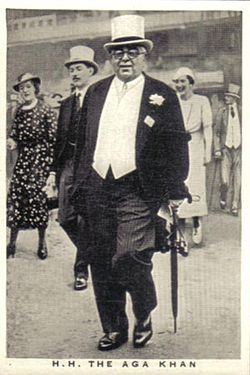
“The Aga Khan, the head of all Mohammedans of India, who is supported by the contributions of the pious, keeps half dozen racing stables in France alone, a shooting box in Scotland, an apartment in Paris and a chateau on the Riviera.

The Aga Khan, while not a ruling price, for he has no territory, nevertheless exercises more political influence in India than any individual native ruler. This by reason of the fact that he is the spiritual head of the thirty million Mohammedans in India. His sanctity is so great, indeed, in the eyes of his followers, that the water in which he bathes is carefully conserved and sold annually to the representatives of various Mohammedans at a ceremony held once year at Aga Hall in Bombay. The price paid for this holy water is Aga Khan’s own weight in gold, the scales used for the weighing ceremony being adjusted to the fraction of an ounce troy. As  the Aga Khan is a plump little man the price paid for his used bath water is a high one.

aga_khan_1936

ANTI INDIAN

It is generally understood that in recognition of his services in keeping the Moslems of India loyal to Britain, The Aga Khan receives a secret and by no means inconsiderable subsidy from the British Raj. His value to the Paramount Power was strikingly evidenced early in 1929, when he presided at the All Indian Mohammedan conference, held in Delhi. The most momentous question on the agenda was whether the assembled Moslems should indorse the demand, made aa few weeks before by the Indian National Congress, a Hindu organization, that India should be granted “dominion status” within a year. The Aga Khan, an eloquent orator aand an astute statesman, solved the dilemma by deftly guiding the Mohammedan conference into adopting a resolution which completely ignored the Hindu demands. Whereupon British officialdom heaved a deep sigh of relief, for the virile, warlike Moslems count for far more than the servile, easy going Hindus, even though the latter vastly outnumber them. If The Aga Khan is worth his weight in gold to his Moslem followers, to the British whom he so steadfastly befriends he should be worth his weight in diamonds”

From the book “The Last Home of Mystery” by E.AlexanderPowell, London, 1929


xxx


Aga Khan is a religious title like Dalai Lama, Pope, Shankaracharya. He is the religious head of Ismaili Muslims. Wikipedia has given the list of Aga Khans until today:-

  1. Aga Khan I – Hasan Ali Shah Mehalatee (1800–1881), 46th Imam of Nizari Ismailis (1817–1881)
  2. Aga Khan II– Ali Shah (about 1830–1885), 47th Imam of Nizari Ismailis (April 12, 1881 – 1885)
  3. Aga Khan III– Sir Sultan Mohammed Shah (1877–1957), 48th Imam of Nizari Ismailis (August 17, 1885 – 1957)
  4. Aga Khan IV– Prince Shah Karim Al Husseini (b. 1936), 49th Imam of Nizari Ismailis (July 11, 1957 – present)


xxx

My comments

1.Now we know British started dividing India from very early days by secretly giving the Muslims, money.

2.We can guess how much other Anti Indian parties like Justice Party and other Dravidian parties received from the British.

  1. Muslim holy water is praised by the writer. If it is Hindu holy water they would have criticised as unhygienic, unholy, source of bacteria etc.

4.I am pretty sure that the anti-Hindu “rationalists” would have kept quiet about this holy water sale! We know they are cowards and double-tongued!


–Subham–


Mystery of Horse: Sudden Appearance from Egypt to India! (Post No.3181)

img_8090

Written by London swaminathan

Date: 23 September 2016

Time uploaded in London: 15-30

Post No.3181

Pictures are taken from various sources; thanks.


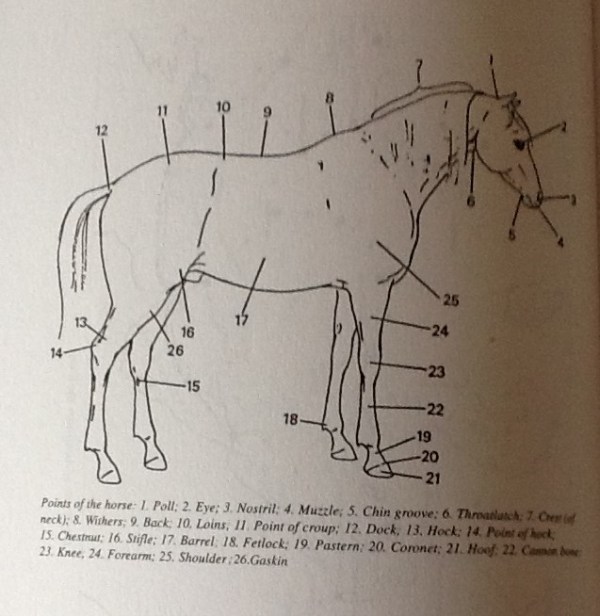
Rig Veda, the oldest book in the world, contains references to horse, horse race, chariots and riding in almost all the ten Mandalas. No other literature in the world has so many references to horses. May be Zend Avesta which came after Rig Veda has some references. We know Homer’s Iliad and Odyssey came nearly 1000 years after the Rig Veda.


A research paper submitted on the basis of fossils discovered in Western India in 2014 showed that the ancient relatives of horses originated in India.

“Working at the edge of a coal mine in India, a team of Johns Hopkins researchers and colleagues have filled in a major gap in science’s understanding of the evolution of a group of animals that includes horses and rhinos. That group likely originated on the subcontinent when it was still an island headed swiftly for collision with Asia, the researchers report today in the online journal Nature Communications. It happened more than fifty million years ago. (20 November 2014 newspaper report)

horse-body-parts

Though there is a very big gap in time between the Rig Veda and the fossils, the fossil discovery shows that horses are not new to this region. Actually a great mystery lies in the fact that horses appeared suddenly in Egypt, Middle East and India at the “same time”. But latest hydrological research in the Sarasvati basin shows that Rig Veda was “composed” or “heard” by the seers before 1900 BCE. The precession of the earth and the stars mentioned in the Vedic literature shows that Rig Veda must have been composed or heard before 3000 BCE. This means that the horses were exported from India to other parts of the world.


Is there any other proof to support this hypotheses? Yes, we have archaeological proof from the Hittite empire. They were trained in Sanskrit!

Mitannian kings had Sanskrit names found in Ramayana and Vishnu sahasranama such as Dasarata, Pratardana. But being distant from the place of origin they had corrupted spellings like Tushratta. We see such trends in Mauritius, Sri Lanka and Malaysia where the migrated Tamils write Turka instead of Durga, Tamayanti instead of Damayanti, Murder mootoo instead of Marudamuthu.


We also find the Sanskrit word asva/horse in their names: Biridaswa (Brhad Asva) possessing great horses, sattasva (Sapta+ Asva), possessing or winning seven horses.


Zend Avesta, holy book of Zoroastrians, also has names such as Drvaspa ( agoddess)- she who keeps horses in good health, Vistaspa ( a king of Bactria), son of Aurvat aspa, Pourus aspa, father of Zarathustra, he who possess many horses, Arbataspa master of war like hoses, Huaspa- having good horses.

Aspa= Asva= Hrasva= Horse

Kikkuli of Mitanni was the one who taught them to use war horses. His horse training manual is in Sanskrit:

Wartanna = vartana = a turn

Akika = Eka = one turn

Tera = tri = three turns

Panza = pancha = five turns

Nava artanna = nava = nine turns.

Foreigners looking at the colloquial form of Sanskrit thought that it was Proto Sanskrit. It is actually the localised Sanskrit. Even today Sanskrit words are Tamilized in Tamil Nadu and the ancient Tamil Grammar book has rules for it. Without understanding this, they thought it was a different language.

img_8091

There is another proof also. The Bogaizkoy inscription mentioned the Vedic Gods in the same order as Rig Veda. When two kings signed an agreement they sealed their agreement with the Vedic mantra. All the scholars who studied Vedas agree that the Vedas originated on Indian soil. This shows that  the Hindu scriptures have spread to Turkey-Syria border around 1400 BCE!

We see horses at the same time from Egypt to India


With the archaeological and linguistics evidence, now it is confirmed that the Hindus went from India to give training in horses. There are more proofs in the Rig Veda:-

The horse was called asva, atya (runner), arvant (swift), strong for pulling (vaajin), the runner (sapti). Mare was called with four different names. Different colours of horses are also described. A white horse with black ears is mentioned in the Athrva Vedas as of special value. Horses were highly prized. Gifts of 400 horse are mentioned. Horses were decorated with pearls and gold. Horses from Indus and Sarasvati were praised high.   Kings had names as Asvapati etc. chariots, races and Asvamedha Yajna are mentioned.

All these show that the technic of raising horses originated in India.

Now that we know the Rig Veda is dated between 1900 BCE and 3000 BCE following dates are better understood:–

Hittite empire, a city rebelling against King Anittas in 1750 BCE, fielded 40 Chariots; Hattusilis I (sathyaseela)  (1650 BCE) fielded 80 chariots at the siege of Urshu; by the Battle of Kadesh (1285 BCE) Hattusas fielded 2500 chariots under Muwattalis II (1306 BCE)


img_8092

The Hyksos (Hindu Yakshas)

Egypt used ‘equus asinus’ first for carrying burdens and then ‘equus caballus’. Asiatic Hyksos captured power in Nile delta in 1750 BCE. They were the one who brought horses from India to Egypt they are shown in chariots.


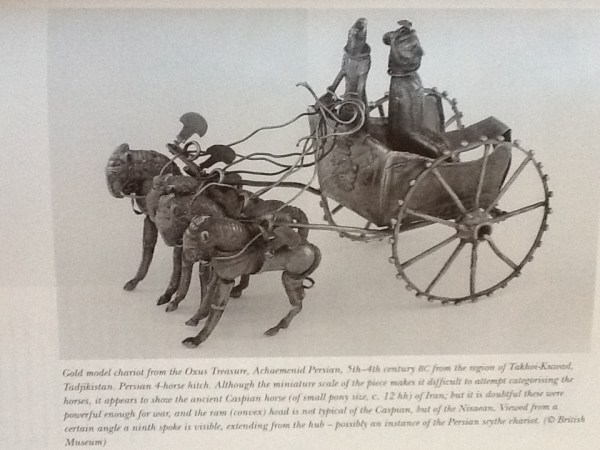
We see horses in a plaque of Tuthmose III (1479 BCE). Later we see more horses. So around 1400 BCE it is seen on a large area frm Egypt to Plains of Ganges. How was it possible where there was no modern transport like today. It was possible only because India sent trainers like Kikkuli to all the countries


Science of Horses

Mitochondrial DNA tests conducted on over 600 horses from 25 breeds world wide prove that at least 17 genetic groups are involved; that horses originally from diverse locations; and there were at least six locations in which horses were domesticated. At present no direct glimse of how the first horse was domesticated (Daily telegraph, 14-8-2002)


Domesticated horse was present in Mesopotamia from 2500 BCE. Horse remains found in Syria are dated 2400 BCE. Syria and Turkey were under Vedic Kings from very early times under Kassites, Hittites and Mitanni. Standard of Ur depicts five four wheeled wagons with four equids apiece. Mesopotamian horse artefacts are dated between 2800-2500 BCE. Sice the Vedas are dated before this date by astronomical refrences, we may assume that domesticated horses went for India to other countries.


The horse appears in a Sumerian text ‘The Curse of Agade” where the Goddess Inanna of Agade, capital of Sumer, sought to bring harmony to men and nimals, among them the ass of the mountains Anse Kur ra – the horse (2000 BCE)


There are proverbs about horses in Sumerian texts :

You sweat like a horse (it is) what you have drunk

If my burden is always  to be this, I shall become weak (horse says)


Domestic horse remains are recovered from south west Iran. They are from the Kaftari era (2100-1800 BCE)

 img_8088

Biblical reference

Genesis 47:16 has reference to horses. Canaanites had come requesting food from Egypt; this was granted ‘in exchange for their horses, their sheep and goats, their cattle and donkeys’.

Mari used chariotry in war, and also the donkey mounted couriers. From mari comes the earliest personal record of horse riding. King Zimri Lim was advised to take the safer option of riding a mule, or in a chariot, rather than risk riding horses.


The scarcity of horses at this time is shown by the value of a single animal:

A horse is worth 30 times that of a slave

Or 500 sheep

Or 5 minas of silver (2-4 Kilos)

From the above facts  we can prove that the Rig Veda is the first source of horses provided the date 3000 BCE is accepted.


At Jaggayyapeta, India is a relief where the horse is depicted as a symbol of the world ruler- Chakravarti.


The horse sacrifice also appears in Zend Avesta , albeit in religious fiction, when 100 male horses, 1000 oxen, 10,000 lambs are offered to Ardvi sura Anahita on the Hara, the Alborz mountains south of Caspian Sea.

(This shows Zend Avesta is an imitation of Hindu scriptures, sometimes a caricature of the Hindu Vedas)

Source: The horse in the ancient world by Ann Hyland, 2003, Newspaper cuttings and my comments.

img_8085


–subham–

ஒரே துறையில் மானும் புலியும்: கம்பன் தரும் அதிசயத் தகவல் (Post No.3180)

animal-water-2

Written by London swaminathan

Date: 23 September 2016

Time uploaded in London: 8-43 AM

Post No.3180

Pictures are taken from various sources; thanks.


நல்ல மன்னர்கள் ஆட்சி செய்தால் அங்கு இயற்கையாகவே பகைமை கொண்ட கீரியும் பாம்பும், பூனையும் எலியும், புலியும் மானும் கூடப் பகைமையை விட்டு நட்பு பராட்டுமாம்.

கம்பனும் காளிதாசனும் தரும் தகவல் இது:-


இதோ கம்பன் பாடல்:

கருங்கடல் தொட்டனர் கங்கை தந்தனர்

பெரும்புலி மானொடு  புனலும் ஊட்டினர்

பெருந்தகை என் குலத்து அரசர் பின் ஒரு

திருந்திழை துயரம் நான் தீர்க்ககிற்றிலேன்

–கலன் காண் படலம், கிஷ்ககிந்தா காண்டம்


பொருள்:-

பெருமையுடைய எனது முன்னோர்கள் கடலைத் தோண்டினர் (சகரர் கதை); மேலுலகதில் இருந்த கங்கையை பூவுலகுக்கு கொண்டு வந்தனர் (Civil Engineer பொறியியல் வல்லுனன் பகீரதன் கங்கையைத் திருப்பிவிட்ட புராணக் கதை); போர் செய்யும் இயல்புடைய புலியையும் யானையையும் ஒரே துறையில் நீர் அருந்துமாறு செய்தனர் (தர்ம ஆட்சி). அவர்கள் குலத்தில் உதித்த நானோ மனைவியின் துயரைத் தீர்க்கும் தவத்தைச் செய்யாதவனாக உள்ளேன் (சீதை பற்றி ராமன் புலம்பல்)

–கிட்கிந்தா காண்டம்


animals-water-1

வேறொரு இடத்தில்

புலிப்போத்தும் புல் வாயும் ஒரு துறையில் நீருண்ண

உலகாண்டோன் ஒருவன் — என்று பாடியுள்ளான்


வள்ளுவனோ இதற்கும் ஒரு படி மேல் சென்று

தர்ம ஆட்சி நடத்தும் மன்னன் நாட்டில் பருவமழை கொட்டும்; விளைச்சல் பெருகும் என்பான் (குறள் 545); கொடுங்கோலன் நாட்டில் மழையும் பெய்யாது; பசு மாடும் பால் தராது; பார்ப்பனர்களுக்கு வேதங்கள் மறந்து போகும் என்பான் (குறள் 559, 560)


காளிதாசனும் இதே கருத்தை முன்வைக்கிறான், ரகு வம்சத்தின் ஆறாவது சர்கத்தில் 46 ஆம் பாடலில் ஒரு உவமை வருகிறது.முனிவர்களின் ஆஸ்ரமத்தில்  இயற்கையிலேயே பகைமை உடைய மிருகங்களும் எப்படி பகைமை பாராட்டாது நட்புறவு கொள்ளுமோ அதுபோல……………………………..

முனிவரின் ஆஸ்ரமத்தில் புலியும் மானும் யானையும் சிங்கமும் போன்றை ஒன்று தாக்காமல் அமைதியாக வரும் என்பது இதன் பொருள். அது போல நீப மன்னனின் ஆட்சியும் குண நலன்களும் இருந்தன என்பான் காளிதாசன்.


மாணிக்கவாசகரும் திருவாசகத்தில் சிவபெருமானின் கருணை பற்றிப் பேசுகையில் “புலி முலை புல்வாய்க்கு அருளினை போற்றி” என்று விதந்தோதுவார்.


animals-3

இளங்கோ தரும் அதிசயத் தகவல்


நெஞ்சையள்ளும் சிலப்பதிகார காவியத்தில் பாண்டிய நாட்டில் நீதியும் அமைதியும் நிலவுவதால் இடி, மின்னல் கூட மக்கள் மீது விழாது; புலியும் மானும் சண்டை போடாது; முதலைகள் தாக்காது; துர் தேவதைகள் ம னிதனைப் பிடிக்காது; பாம்பும் கடிக்காது; கரடி கூட புற்றுமண்ணைத் தோண்டி கறையான் எறும்புகளைச் சாப்பிடா து. ஏனெனில் அங்கே தர்ம ஆட்சி நடக்கிறது. பகல் நேரத்திலு ம் பெண்ணும் ஆணும் போவது போல இரவில் பவுர்ணமி வெளிச்சத்திலும் போகலாம்; ஒரு பயமும் இல்லை– என்று இளங்கோ அடிகள் இயம்புவார்.

கோள்வல் உளிஒயமும் கொடும்புற்று அகழா;

வாள்வரி வேங்கையும் மன் கணம் மறலா;

அரவும், சூரும், இரைதேர் முதலையும்,

உருமும் சார்ந்தவர்க்கு உறுகண் செய்யா —

செங்கோல் தென்னவர் காக்கும் நாடு


—புறஞ்சேரி இறுத்த காதை, சிலப்பதிகாரம்


புறநானூற்றில் புலியும் மானும்

புறநானூற்றில் ஒரு அரிய செய்தி வருகிறது. ஒரு பெண் மானை ஒரு புலி கொன்றுவிட்டது. அதனுடன் ஒரு குட்டியும் இருந்தது. அந்தக் குட்டியை கொன்று சாப்பிடவில்லை. அதற்குக் காட்டிலுள்ள ஒரு முதிய காட்டுப்பசு பால் கொடுத்ததாம். தாயன்பு என்பது இந்த மிருகம், அந்த மிருகம் என்ற வரையரைக்கு எல்லாம் அப்பாற்பட்டது:-

புலிப்பாற்பட்ட ஆமான் குழவிக்குச்

சினங்கழி மூதாக் கன்றுமடுத்து ஊட்டும்

—புறநானூறு 323


–subham–


அற்புத அறிவியல் எழுத்தாளர் ஐஸக் அஸிமாவ்! – 2 (Post No.3179)

foudationempiretwmflat

WRITTEN BY S NAGARAJAN

Date: 23 September 2016

Time uploaded in London:5-05 AM

Post No.3179

Pictures are taken from various sources; thanks.


 அறிவியல் துளிகள் தொடரில் பாக்யா 16-9-2016 இதழில் 293ஆம் அத்தியாயமாக வெளியாகியுள்ள கட்டுரை

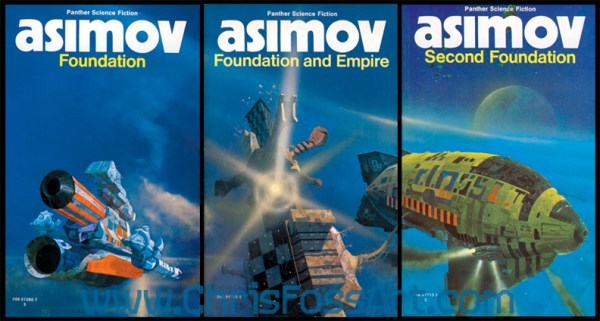
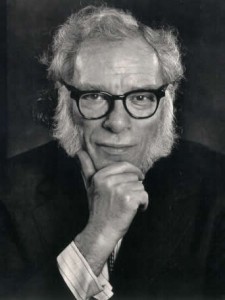
அற்புத அறிவியல் எழுத்தாளர் ஐஸக் அஸிமாவ்! – 2

ச.நாகராஜன்


isaacasimov-225x300

“வாழ்க்கையைப் பற்றிய ஒரு சோகமான விஷயம் இப்போது என்னவெனில் ,சமுதாயம் விவேகத்தைச் சேகரிப்பதை விட  விஞ்ஞானம் அதிவேகமாக அறிவைச் சேகரிக்கிறது” – ஐஸக் அஸிமாவ்

 அஸிமாவ் தினமும் எழுதும் விதம் சற்று  விசித்திரமானது. ஜன்னலே இல்லாத சிறிய அறையில் எழுதுவது அவருக்கு மிகவும் பிடிக்கும். இதற்கு ஒரு காரணமும் உண்டு. சூரிய வெளிச்சத்தில் பத்து நிமிடம் இருந்தாலும் போதும், அவரது தோல் எரிச்சலடைந்து வேதனையைத் தரும். அப்படி ஒரு உடல் வாகு அவருக்கு இருந்தது!


காலையில் ஏழரை மணிக்கு டைப்ரட்டரின் முன்னால் அமர்ந்தார் என்றால் இரவு பத்து மணி வரை அவரது எழுத்துப் பணி தொடரும்!

விமானத்தில் பறப்பது அவருக்குப் பிடிக்காது. கார் அல்லது சொகுசுக் கப்பலில் தான் பெரும்பாலும் அவர் பயணங்களை மேற்கொள்வார். மிக அவசியமான நேரங்களில் மட்டும் விமானத்தில் பயணமாவார். இராணுவத்தில் அவர் பணியாற்றிய போது விமானப் பயணம் கட்டாயமாக மேற்கொள்ள வேண்டிய ஒன்றாக ஆனது. ஏராளமான விண்வெளிப் பயணங்கள், நட்சத்திரப் பயணங்கள் என்பதையெல்லாம் எழுத்தில் வடித்துக் கொட்டிய அந்த அதிசய மனிதர் வாழ்நாளில் இரண்டே இரண்டு  முறை மட்டுமே விமானப் பயணம் மேற்கொண்டார் என்பது ஒரு அதிசயமான செய்தி!

Limericks எனப்படும் ஆங்கிலக் குட்டிக் கவிதைகளை எழுதுவதில் அவருக்கு அலாதி பிரியம் உண்டு. ஆனால் அவை கொஞ்சம் அசிங்கமாகவே இருக்கும்.


கடவுள் நம்பிக்கை இல்லை என்றாலும் கூட ஒழுக்க நெறிகளை அவர் வலியுறுத்தினார். பகுத்தறிவே துணை என்றார் அவர்.

அவரைத் தேடி பல விருதுகள் வந்தன. அவரைப் போற்றி ஒரு விண்கல்லிற்கு ஆஸ்ட்ராய்ட் 5020 அஸிமாவ் என்று பெயரிடப்பட்டது.

பைபிளைப் பற்றி இரண்டு தொகுதிகளாக 1300 பக்கங்களில், ‘அஸிமாவ் கைட் டு தி பைபிள்’ (பைபிளுக்கு அஸிமாவின் வழிகாட்டி) என்ற நூலை அவர் எழுதினார். இதில் பழைய ஏற்பாடு மற்றும் புதிய ஏற்பாடில் உள்ள அனைத்தும் சொல்லப்பட்டது.


அவரது மரணமோ  சோகமாக நிகழ்ந்தது. 1983இல் இதய அறுவை சிகிச்சை ஒன்றின் போது உடலில் செலுத்தப்படக் கூடாத தடை செய்யப்பட்ட இரத்தம் அவர் உடலில் செலுத்தப்பட்டது. இதனால் ஹெச் ஐ வி தொற்றால் அவர் பாதிக்கப்பட்டார். ஆகவே 1992இல் மரணமடைந்தார். இப்படி ஒரு நோய் அவரைத் துன்புறுத்தியது பத்து வருடங்கள் ரகசிய்மாகவே இருந்தது.

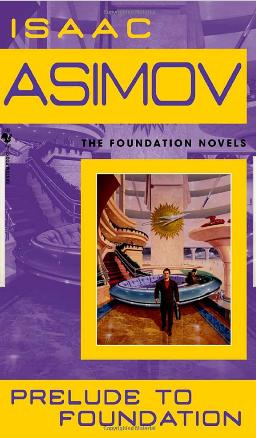
 prelude-to-foundation

தனது சுயசரிதத்தை மூன்று  முறை அவர் எழுதியுள்ளார். மூன்றாவது நூல் மட்டும் அவர் இறந்த பின்னர் வெளி வந்தது. அவரது மனைவி ஜேனட் அஸிமாவ் இந்த மூன்று சரிதங்களையும் சுருக்கி ஒரு நூலை வெளியிட்டார். அதில் தான் அவர் இறந்தது எதனால் என்பது தெரிய வந்தது.

கடைசியாக அஸிமாவின் எழுத்து நடையைப் பற்றிச் சொல்லியாக வேண்டுமே! ஒரு சிறிய எடுத்துக்காட்டின் மூலமாக நகைச்சுவை கலந்த அவரது நடையை உணர முடியும்


அஸிமாவின் எழுத்துக்கு ஒரு சாம்பிள் இதோ:

நுண்ணறிவு என்பது தான் என்ன?


நான் இராணுவத்தில் பணியாற்றிய போது ராணுவ வீரர்களுக்கான சோதனையில் நூற்றுக்கு நான் 160 மார்க்குகள் பெற்றேன்! யாருமே அப்படி ஒரு மதிப்பெண்ணைப் பெற்றதில்லை என்பதால் இரண்டு மணி நேரம் என்னைச் சுற்றி ஒரே கூத்தும் கும்மாளமுமாக இருந்தது.


வாழ்க்கை முழுவதுமே இதே போன்ற மதிப்பெண்ணையே பெற்று வந்ததால் எனது அறிவைப் பற்றிய ஒரு உயர் அபிப்ராயம் எனக்கு இருந்தது.  மற்றவர்களும் என்னை அறிவாளி என்றே நினைக்க வேண்டும் என்றும் நினைத்து வந்தேன்.


இந்த மதிப்பெண்கள் என்னைக் கேள்வி கேட்பவர்களின் சாதாரணமான் கேள்விகளுக்கு நான் நல்ல பதிலைச் சொல்ல வேண்டும் என்ற அவசியத்தைத் தரும் என்று எதிர்பார்க்கக் கூடாது தான்!


உதாரணமாக ஒரு ஆட்டோ மெக்கானிக்கை நான் சந்தித்த விஷயத்தைச் சொல்லலாம். அவருக்கும் இண்டெலிஜெண்ட் டெஸ்டுக்கும் சம்பந்தமே இல்லை. ஆகவே அவரை விட நான் பிரமாதமான அறிவாளி என்றே என்னைப் பற்றி நான் எண்ணிக் கொண்டிருந்தேன்.

அந்த மெக்கானிக்கை நான் சந்தித்த போதெல்லாம் அவர் ஜோக்குகளைச் சொல்லி மகிழ்வது வழக்கம்.


 asimov

ஒரு நாள் காரின் அடியிலிருந்து தலையை மட்டும் நீட்டினார் அவர்.

“டாக்டர், ஒரு செவிட்டு ஊமை ஒரு நாள் ஆணி வாங்க கடைக்குப் போனார்.ஒரு கையில் இருந்த விரலை ஊன்றிக் காண்பித்து இன்னொரு கையால் சுத்தியலால் அடிப்பதைப் போல அந்த விரலின் மீது அடித்துக் காண்பித்தார். கடைக்காரர் ஆணிகளைக் கொண்டு வந்தார் அதில் தனக்குத் தேவையான சைஸை அவர் எடுத்துக் கொண்டு சென்றார்.


டாக்டர், அடுத்தாற்ப் போல அந்தக் கடைக்கு வந்தவர் கண் பார்வையற்ற குருடர். அவர் கத்தரிக்கோலை வாங்க வந்தார். அவர் எப்படி கத்தரிக்கோலை வாங்கினார்?” என்று கேட்டார் மெக்கானிக்.

மிக்க அறிவுத் திறமையுடன் நான் இரு விரல்களாலும் கத்தரிக்கோல் அசைவது போல அசைத்துக் காட்டினேன்.

உடனே அந்த மெக்கானிக் கலகலவென்று சிரித்து, “ அட, மக்கு டாக்டரே, அவர் தனது வாயைத் திறந்து கத்தரிக்கோல் வேண்டும் என்று கேட்டார்” என்றார்.


தொடர்ந்த அவர், “இன்று முழுவதும் எனது வாடிக்கையாளர்களிடம் இந்தக் கேள்வியைத் தான் கேட்டேன்” என்றார்

“நிறைய ஆள்களைப் பிடித்து விட்டீர்களோ” – நான் கேட்டேன்.

“ஆமாமாம் நிறைய பேரை. ஆனால் நிச்சயம் உங்களைப் பிடித்து விடுவேன் என்று எனக்குத் தெரியும்!”

“அது எப்படி என்னைப் பிடிப்பது பற்றி அவ்வளவு நிச்சயம்?” – நான் கேட்டேன்..


“ஏனென்றால் மெத்தப் படித்த மேதாவியாயிற்றே நீங்கள். அவ்வளவாக ஸ்மார்ட்டாக உங்களால் இருக்க முடியாதே!”

சற்று அசடு வழிந்தேன் நான்!”

அஸிமாவ் எழுதாத பொருளே இல்லை என்பதால் அவரை யார் வேண்டுமானாலும் படிக்கலாம்! மாபெரும் மேதை அவர்!

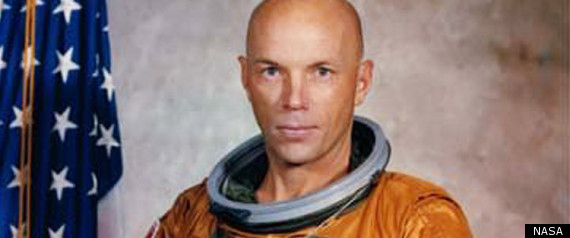
 r-storymusgrave-large570


அறிவியல் அறிஞர் வாழ்வில் ..  

பிரபல அமெரிக்க விண்வெளி வீரரான ஸ்டோரி மஸ்க்ரேவ்   (Story Musgrave)  ஒரு விஞ்ஞானி. எலக்ட்ரீஷியனாக வேலை பார்த்தவர். ஒரு கணித மேதை. ஒரு கம்ப்யூட்டர் ப்ரோக்ராமர். ஒரு மெக்கானிக் ஒரு பைலட். ஒரு சர்ஜனும் கூட.


இப்படிப் பன்முகத் திறமை கொண்ட அபூர்வமான இந்த மனிதர் நாஸாவில் 30 ஆண்டுகள் பணி புரிந்தார். 1983ஆம் ஆண்டிலிருந்து ஆறு முறை அவர் விண்ணில் பறந்தார். ஸ்பேஸ் ஷட்டில் திட்டத்தில் முனைப்புடன் அவர் ஈடுபட்டார். 1983இல் ஸ்பேஸ் ஷட்டில் சாலஞ்ஜரில் ஆரம்பித்த விண்வெளி வாழ்க்கை 1996இல் ஸ்பேஸ் ஷட்டில் கொலம்பியாவில் முடிவுற்று 61ஆம் வயதில் பணி ஓய்வு பெற்றார். அமெரிக்காவின் ஐந்து ஸ்பேஸ் ஷட்டில்களிலும் பறந்த ஒரே வீரர் இவர் தான்! விண்ணில் பறந்ததால் வாழ்க்கை பற்றிய தன் கருத்தில் எந்த ஒரு மாற்றமும் ஏற்படவில்லை என்கிறார் அவர்!

மற்ற விண்வெளி வீரர்கள் எல்லோரும் விண்ணில் பறந்தவுடன் ஒரு ஓவர் வியூ எஃபக்ட் (Overview effect) ஏற்பட்டு விட்டதாகக் கூறுவது வழக்கம். பிரக்ஞை பற்றிய உணர்வில் ஒரு பெரும் மாற்றம் ஏற்படுவதை ஓவர்வியூ எஃபக்ட் என்பர். ஆனால் இது தனக்கு ஏற்படவில்லை என்று கூறினார் அவர். இந்த ‘விண்வெளி பிரக்ஞை விளைவு’ தனிப்பட்ட நபராகவோ அல்லது அரிய உயிரின வகைக்கு ஏற்படும் ஒன்றாகவோ எந்த விதத்திலும் தனக்கு நிகழவில்லை என்றும் எப்போதும் போலத் தான் இருப்பதாகவும் அவர் கூறி அனைவரையும் பிரமிக்க வைத்தார்.


ஏனைய வீரர்களோ உலகைப் பற்றிய பார்வையில் தங்கள் உணர்வில் பெரிய மாற்றம் ஏற்பட்டு விட்டதாகக் கூறினர்.

எளிமையாக இருந்து விண்வெளிப் பயணத்தை அனுபவித்த பல்துறை மேதாவி என்று அவரைக் கூறலாமோ!

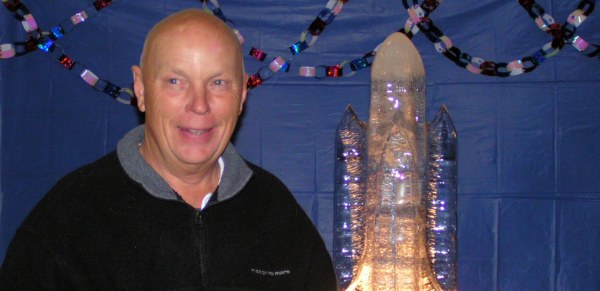
story_musgrave_2005


*********