Help for the Handicapped in Tamil Literature (Post No.2923)

shravankumar_22689

Article written by London swaminathan


Date: 27 June 2016


Post No. 2923


Time uploaded in London :– 17-23


( Pictures are taken from various sources; thanks)


DON’T REBLOG IT AT LEAST FOR A WEEK!  DON’T USE THE PICTURES; THEY ARE COPYRIGHTED BY SOMEONE.


(for old articles go to tamilandvedas.com OR swamiindology.blogspot.com)


We read lot about the help rendered by Florence Nightingale during Crimean War. We also think that the concept of sending terminally ill patients to hospices is a western concept. Lot of help is given to handicapped, differentially talented, orphaned children, war widows by many charities and governments. All these things look like new developments in the world. But the fact of the matter is in our Puranic stories, Tamil and Sanskrit literature.


I am going to give some Tamil verses from the Tamil epic and later ethical poems.


Manimekalai is one of the five Tamil epics, where the heroine Manimekalai says,

Come on, all those who cant see, hear or walk

Sick and those who have no support


In another place she says

Those who give food is giving life.


Later books Sirupanchamulam and Ealthi are crystal clear in their call for the help of the disabled:-

Wounded, terminally ill, orphaned, blind, lame—

Those who sympathize and render help for the above will live happy for ever. (Sirupanchamulam)


The words terminally ill are important. The concept of hospice was there even during 8th century. In facts Jains conducted hospitals for animals and birds from the very beginning.


Helping the wounded was also important in those days. During the 18 day Mahabharata war every day after sunset the wounded were visited by both the sides in the war. They were given all sorts of help.


Another verse says, “bankrupt, poor, blind, elderly, frail must be helped and those who help will get four fold army and live like kings.

For fold army consists of Elephants, horses, infantry and chariots.

Here the poet has included the elderly community as well. In western countries the elderly people get help such as old age pension, free bus pass etc only now. But Tamils included them in the needy people group 1500 years ago.
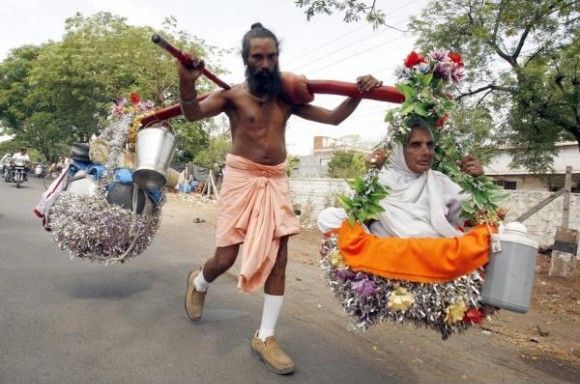
 

old age help

The last verse is from the book Elathi:-

Orphaned children, those who lost their husbands dumb, and those who lost all their harvest, dumb and deaf, blind must be helped. Those who help such people will attain Heaven.


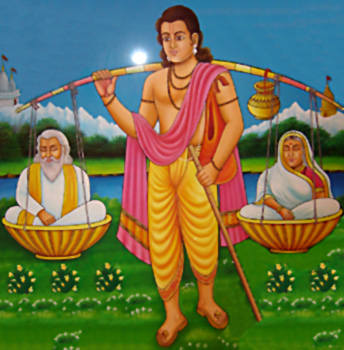
It is very interesting to read the list of people who received help in those days. Shravankuma of Hindu mythology carried his parents in the hanging baskets all through his life. Our children must be taught about those extraordinary people before they were taught about Florence Nightingale and Helen Keller.


There is a beautiful sloka/couplet in Sanskrit about the benefits of Anna dana, i.e. food offering to the scholars and the poor:-


“If the food offered to a learned Brahmin stays in his stomach and gets digested through Vedic recitation, his seven gotras/clans and 101 kulas (families) will go to heaven”.

Kukshau tishtati yasyaannam vedaabyaasena jiiryati

Uddaret sapta gotraani kulameka uttaram satam.


Another couplet says helping a poor, refurbishing a dilapidated temple and cremating a dead body of an orphan is equal to performing an Asvameda Yagam.


Books quoted from Tamil literature: Manimekalai, Elathi, Sirupancha Mulam.

From Sanskrit literature: Hindu Puranas, Story of Shravan kumar.


–subham–

உடலூனமுற்றோருக்கு உதவுக: தமிழ்ப் புலவர்கள் அறைகூவல்!

Post No. 2922
Date 27th June 2016
Written by london swaminathan
பிளாரன்ஸ் நைட்டிங்கேல் என்ற பெண்மணி போரில் காயமடைந்தோருக்கு உதவி செய்து
புகழ் பெற்றதை அறிவோம். மேலை நாடுகளில் இறக்கும் நிலையில் உள்ளவர்களுக்கு ‘ஹாஸ்பிஸ்’Hospice
என்ற அமைதியான தங்கும் இடங்கள் இருப்பதை அறிவோம். முதியோர் காப்பகங்கள் இப்போது பல்கிப் பெருகி வருகின்றன. ஆதரவற்றோர் இல்லங்களை நடத்தும் அறக்கொடை நிறுவனங்களும்
பெருகி வருகின்றன. ஆனால் இவையனைத்தையும் பாரத நாடுதான் முதல், முதலில் உலகிற்குக் கற்பித்தது என்பதற்கு அசோகனின் கல்வெட்டுகளும், மணிமேகலை முதலிய காப்பியங்களும்,
புராணக் கதைகளும் சான்றாகத் திகழ்கின்றன.
உடலூனம் அடைந்தவர்கள், மாற்றுத் திறனாளிகள், கண்பார்வையற்றோர், ஆதரவற்றோர் ஆகியோருக்காக
இன்று நிறைய அறக்கொடை நிறுவனங்கள் உதவி அளித்து வருகின்றன. அதே போல அரசாங்கமும் பல சலுகைகலை அறிவிக்கின்றன. ஆனால் சுமார் 2000 ஆண்டுகளுக்கு முன்னரே தமிழர்கள் இது பற்றி சிந்தித்து எழுதிவைத்திருப்பது வியப்பானது; மற்றும் தமிழர்களின் மனிதாபிமானத்துக்கும் இது ஒரு
எடுத்துக்காட்டு.

இதற்கு என்ன ஆதாரம் இருக்கிறது என்று கேட்போர் பின்ன்வரும் பாடல்களைப் படித்தாலே போதும்:–

காணார் கேளார் கால்முடமானார்
பேணுதலில்லார் பிணிநடுக்குற்றார்
யாவரும் வருக —
என்று அழைத்து மணிமேகலை உணவளித்ததை மணிமேகலை காப்பியம் மூலம் அறிகிறோம்.

உண்டி கொடுத்தோர் உயிர் கொடுத்தோரே – என்பது பாரத நாடு முழுதும் போற்றப்படும் கொள்கை.

இதோ இன்னும் ஒரு சான்று:–

புண்பட்டார் போற்றுவார் இல்லாதார் போகுயிரார்

கண்கெட்டார் காலிரண்டு இல்லாதார் – கண்பட்டாங்

காழ்ந்து நெகிழ்ந்தவர்க்கீந்தார் கடைபோக

வாழ்ந்து கழிவார் மகிழ்ந்து (சிறுபஞ்சமூலம்)

பொருள்:- போரில் காயம் அடைந்தவர்களுக்கும், காப்பாற்றுவார் இல்லாத அனாதைகளுக்கும், உயிர்போகும் தருவாயில் இருப்பவர்க்கும், கண் தெரியாதவர்களுக்கும், இரண்டு காலும்
இல்லாமல் முடமானோருக்கும், மனம் உருகி, நெகிழ்ந்து உதவி செய்தவர்கள்,  சாகும் வரைக்கும் கஷ்டம் இல்லாமல் இன்புற்று இருப்பார்கள் என்று சிறுபஞ்சமூலம்
சொல்லும்.

ஏலாதி என்னும் நூலிலும் ஒரு பாடல் வருகிறது:-

கடம்பட்டார் காப்பில்லார் கைத்தில்லார் தங்கால்

முடம்பட்டார் மூத்தார் மூப்பில்லார்க் – குடம்பட்

டுடையராயில்லுளு ணீத்துண்பார் மண்மேல்

படையராய் வாழ்வார் பயின்று (ஏலாதி)

பொருள்:– பெரும் கடனில் சிக்கித் தவிப்போருக்கும், பாதுகாப்பவர் இல்லாத குருடர்  முதலியோர்க்கும், எளியவர்களுக்கும், முடவர்க்கும் வாழ வழியற்ற முதியவவர்களுக்கும் அனாதைச் சிறுவர்களுக்கும் உதவுவோர் இந்த மண்ணுலகில் நால் வகைப் படைகளையுடைய
அரசர்கள் போல வாழ்வார்கள் என்று ஏலாதி கூறும்.

இறுதியாக அதே நூலில் இருந்த இன்னொறு பாடலையும் காண்போம்:–

தாயிழந்த பிள்ளை தலையிழந்த பெண்டாட்டி

வாயிழந்த வாழ்வினார் வாணிகம் — போயிழந்தார்

கைத்தூண் பொருள் இழந்தார் கண்ணிலவர்க்கீந்தார்

வைத்து வழங்கி வாழ்வார்

.

பொருள்:–
அனாதைப் பிள்ளைகட்கும், கணவனை இழந்து தவிக்கும் விதவையர்க்கும், ஊமைகளுக்கும், வியாபாரத்தில் முதல் முழுதையும் இழந்தோருக்குமுணவுப் பொருளை இழந்தவர்க்கும், குருடர்களுக்கும் உதவியவர்கள் பிற்காலத்துக்கு புண்ணியம் சேர்த்து
வைப்பவராவர். போகும் வழிக்குப் புண்ணியம் தேடியவர் ஆவர்

–சுபம்–


Laziness and Lying Anecdotes

Laziness Anecdotes and Liar Anecdotes

Post no.2921
Date:26 June 2016
Compiled by London Swaminathan

Lincoln admitted that he was not particularly energetic when it came to real hard work.

My father, said he one day, taught me how to work,but not to love it. I never did like to work and I don’t deny it. I would rather read , tell stories , crack jokes, talk, laug, — anything but work.

Xxx

Judge David was going through the docket and came across a long Bill in chancery, drawn by an excellent but somewhat indolent lawyer. He exclaimed, Why brother Snap, how did you rake up energy enough to get up such a long bill?
Dunno, Judge, replied the party addressed. The judge held up the Bill.
Astonishing, ain’t it? Brother Snap did it. Wonderful, eh Lincoln?

This amounted to an order on Lincoln for a joke at this point. He was ready.
“It is like the lazy preacher, drawled he, that used to write long sermons, and the explanation was, he got to writing and was too lazy to stop.”

Xxx
Liar Anecdotes

Lord Chatham said of an approaching debate,
“If I can’t speak standing, I will speak sitting, and if I can’t speak sitting I will speak lying.”

“Which he will do in whatever position he speaks, remarked Lord North.”
Xxx

It is said that the Japanese inspire no more confidence one in the other than they do in the citizens of the rest of the world.
Two merchants of Tokyo once met in the railway station.
“Where are you going?, ” asked the first one.
His friend hesitated and then said , “To Kobe.”
“Oh, you liar, said the first one angrily. You tell me you are going to Kobe to make me think you are going to Osaka. , but I have made inquiries and I k now you are going to Kobe!”

Xxxxsubhamxxxxxx

Annadanam is great: Tamil post


கடன் வாங்காதவன் மகிமை

POST NO.2919
Written by london swaminathan
Date 26 Jue 2016
கடன் வாங்காதவன் மகிமை

துர்பிக்ஷே ச அன்ன தாதாரம் சுபிக்ஷே ச ஹிரண்யதம்
சதுரோஹம் நமஸ்யாமி ரணே தீரம் ருணேசுசிம்

வறட்சி காலத்தில் உணவு அளிப்பவன்
வளமான காலத்தில் தங்கத்தை வாரி வழங்குபவன்
போரில் வீரனாகத் திகழ்பவன்
கடன் வாங்கும் விஷயத்தில் சுத்தமாக இருப்பவன்

ஆகிய நால்வரை நான் வணங்குவேன்
என்று கிருஷ்ணன் கூறுகிறார்.கடன் வாங்காதவன் மகிமை

அன்ன தான மகிமை

குெக்ஷள திஷ்டதி யஸ்யான்னம் வேதாப்யாஸேன ஜீர்யதி
உத்தரேத் ஸப்த கோத்ராணி குலமகேம் உத்தரம் சதம்

எவன் கொடுத்த உணவு ஒருவன் வயிற்றில் நின்று
வேதம் ஓதுவதால் ஜீரணம் ஆகிறதோ
அவனுடயை ஏழு கோத்திரங்களும்
101 குலங்களும் கடைத்தேறுகின்றன.
–subham–

Manasarovar-Himalayan Beauty

12-gurla-mandhata-and-lake-manasarovar-from-seralung-gompa

Mysteries of Himalayan Lake Manasarovar

Compiled by London Swaminathan
Date 25 June 2016
Post no 2918

Source book:- Kailas Manasarovar by Swami Pranavananda,
240 miles from Almora in UttarPradesh and 800 miles from Lhasa in Tibet stand Mount Kailash and Lake Manasarovar constituting one of the grandest of the Himalayan beauty spots.

The holy Manasarovar or Manasa Sarivar , the Tso Maphang or Tso Mavang of Tibetans , is the holiest, the most fascinating, the most inspiring, the most famous of all the lakes in the world and the most ancient that civilisation knows.

She is majestically calm and dignified like a bluish green emerald or a pure torquoise set between the two mighty and equally majestic silvery mountains, the Kailash on the north and the Gurla Mandhata on the south and between the sister lake Rakshas Tal or Ravana Hrada (Langake Tso) on the west and some hills on the east.

From the spiritual point of view, it has a most vibration of the supreme order that can soothe and lull even the most wandering mind into sublime serenity and can transplant it into involuntary ecstasies.

The circumference of Manasarovar is 54 miles. The vast expanse of the lake is on the Tibetan plateau,14,950 feet above the sea level. It is 300 feet deep and covers an area of 200 square miles.

There stands eight monasteries on the holy shores , wherein Buddhist monks strive all their lives to attain the sublimity of the eternal silence of Nirvana.

Two versions of Kangri Karchak – the Tibetan Kailasa Purana have been published in Tibetan.

manasarowar-see

The water of Manasarovar is as sweet as that of any river. The holy Manas provides fine caves on her shores. One comes across boulders as smooth and round as pebbles and also slabs as finely cut and shaped as slates. It is warm on Gossed sides and cold on other sides. In spite of the existence of hot springs the Chiu hill side is very cold.

From one monastery the lake presents fine view of her northern neighbour, the Kailash, and from another the Rakshas Tal is presented beautifully.

On full moon nights, with the full moon over head, the scene is simply indescribable. At sunset the whole of the Kailash range on the north becomes a fiery region all of a sudden, throwing an observer into a spell of trance, and by the time he returns to consciousness, he sees only the silvery peak in his front.

One of the wonders is snow fall from a clear blue sky. You will see a clear blue sky and bright sun above and a bed of pearl like hail and white snow on the ground. Hence the oft quoted Hindi couplet:

Manasarovar main parase
Bin basal him barse

“who can approach Manasarovar where snow falls without clouds? Such phenomena form sufficient material for the ecstatic outbursts of a poet”

At night time people see “stars” falling into the lake. Astronomers say that they are meteorites. Devotees believe that they are holy souls descending to earth.

Royal Swans
There are three varieties of aquatic birds in Manasarovar area. One type of birds go up to Chilka lake in Orissa on the east and on the west up to Surat and Malwa. Kalidasa also sang about the Himalayan swans.

simikot-to-kailash-manasarowar-trekking

Pressure and Sounds
From January first, occasional sounds and rumblings began to be heard now and then and from seventh they become more disturbing and terrible for about a monthly. When the lake is frozen during winter there appears fissures and chasms 3 to 6 feet broad, partitioning the entire lake. Within a day or two water in fissures freeze and slabs and blocks of ice pile upto six feet.

A series of peculiar phenomenon takes place on the frozen lake which is impossible to describe fully. In some places due to coastal explosions huge blocks of ice 20 to 50 cubic feet in volume get hurled and cast ashore to distances ranging upto sixty feet .

Rakshas Tal
At a distance of 2 to 5 miles to the west of Manasarovar is the Rakshas Tal, also known as Ravana Hrdda where Ravana of Lanka fame was said to have done penance to propitiate Lord Shiva . It is called Langake Tso in Tibetan. La means mountain Nga means five and Tso means lake. It means that there are five mountains drowned in it. (My opinion is that five hills were drowned during an earth quake)

Tempestuous winds we’re blowing and the paths were full of sharp stones. The water is crystal clear and swimming fishes can be seen. Brahmins ducks are seen in the lake. Kiangs are seen grazing in the nearby grass land. Holy Kailash with all its majesty and sublime serenity was reflecting in it, as if in a mirror.

The main three perennial rivers of India Ganga, Sindhu and Brahmaputra originate from this area. That is the main feeder streams are coming from this area. No wonder it is sung by poets and saints for at least 3500 years.

There are three Thermal Springs near Manasarovar.
On the shores of the lake a wonder drug called Thuma is found. It has aphrodisiac quality. Wild rats collect it and store it. It is difficult to collect even half a pound in one day.

–Subham–

Santals-Mystery Of Hill Tribes of India -Part 4

Santals: Mystery of the Hill Tribes of India– Part 4

Written by London swaminathan

Post No.2917
Date –24 June 2016

“True Dravidians came from North West of India !!”

Foreigners who bluffed that the dark Dravidians were the original inhabitants of India never said that they were the sons of the soil. They told that the Dravidians came from outside India, but before the Aaryans. Since the foreign invaders wanted to colonise India and justify their occupation, they said that every one in India came from outside.
On the contrary Tamil literature and older Sanskrit literature said very clearly that the Hindus were the original inhabitants and sons of the soil. The Bhu Suktam of Atharva Veda says it unequivocally. They did not stop there . They also said Hindus went outside India and spread their culture. The Vedic inscriptions and Sanskrit inscriptions dated between 1400 BCE and 1000 BCE found in Turkey and Egypt stand as an indisputable proof.

Read the following piece about “true charcoal coloured Dravidians who came into India from north west” . Caldwell and others gave different countries for the origin of Dravidians . Some Tamil scholars said they came from Mongolia and China!

Here is what Sir Herbert Risley says in his The People of India:

” Santhal, Saontar, a large Dravidian Tribe, classed on linguistic grounds as Kolarian which is found in Western Bengal, Northern Orissa, Bhagalpur and the Santal Parganas. According to Mr Skrefsrud the name Santal is a corruption of Saaontaar. They adopted this term after living in that village. Before this, they were called Karwar. But they call themselves Maanjhi, literally village headman.

“In point of physical characteristics Santals may be regarded as typical examples of the pure Dravidian stock. Their complexion varies from very dark brown to a peculiar,almost charcoal like black. The proportions of the nose approach those of the Negro, the bridge being more depressed in relation to the orbits than is the case with Hindus.

(This author cunningly divide the Tribes and the Hindus. But all the tribal customs,names are based on Hindu customs. When the foreigners struggle to justify it, they simply say that after mixing with Hindus they got those things). This is their usual escape route.

“Santals mouths are large, lips are thick, hair is coarse, black,occasionally curly. Their skulls are dolico cephalic type. So they are not from Mongolia.

Santhal tradition traces back the origin of the Tribe to a wild goose (hasdak) which laid two eggs. From those spring Pichu Haram and Pilchu Burhi, the parents of the race, who begat the first seven sub tribes. (This is a typical Hindu Story. The human race came from seven rishis. Brahma had swan/goose as his vehicle. The egg is Hiranyagarbam/golden egg in Hindu Puranas).

“The Santals went westward and were destroyed by fire except one pair. They were saved on Mountain Hara. They went to many places and the Hindus drove them out and at last they settled in Saontar. (“Hindus drove them out ” are authors invention, because at that time Hindus were not called Hindus by the tribesmen).

“They wandered under a Raja called Hamibir Singh and then their Rajas/kings adopted Hindu religion.

“Mr Skrefsrud said that Santals entered from North West of India. Dalton said that they came from Assam. Another story about a Santal Raja is, he killed himself when he heard the invasion of Malik Baya, a general of Muhammad Tughlak in 1353.

“Santal Tribe is divided in to 12 exogamous groups. The first seven are believed to be the sons of Pilchu Haram and Pilchu Burhi. Five others were added later. When they meet they use passwords. Those words are the names of their original/Purveeka houses in Champa.

Hindu Gotra System
Orthodox Hindus, particularly Brahmins , never marry in the same Gotra. They have seven main rishis. Likewise Santals also never marry in the same seven group or the five sub tribes.

Sankaranti
At the time of the harvest festival in January the members of the Sidup Saren set up a sheaf of rice on end in the door way of their cattle sheds. Tamil Hindus do it even today. The Santals are anti red. They don’t use anything red.

Another sect use Sindhura /vermillion. Each sect follows something Hindu. Another sect has their own sacred grove. One of the sects won’t eat the eggs of babbler bird. One sect allows only males to eat the animals they sacrifice. It is amazing to see so many customs and taboos in a small group like this. Nothing is Aryan Or Dravidian here. Foreigners were unable to explain all these rituals or taboos. They pick one or two things and interpret it in their own ways. Surprising thing is no two foreigners agree on anything.

Girls are married as adults, mostly to men of their own choice. Sexual intercourse before marriage is tacitly recognised. Polygamy is not favoured.
Sindurdan, applying vermillion powder, on face and parting of hair is essential in marriage. This is a Hindu custom.

There are different types of marriages. Widow marriage is allowed.
Sons inherit the property in equal shares. In religion they have a supreme deity called Thakur. Some identity him with the sun.

All their customs and beliefs are based on Hinduism. They are not linked to other tribes . Whenever foreigners write about them they simply dub some customs as Dravidian custom. If the couldn’t find any explanation they will dub them as borrowed from Hindus . One can have a good laugh when one reads such bluffing.
Sub ham

இறந்த பின்னும் வாழ்கிறோம்: அறிவியல் ஆராய்ச்சி அளிக்கும் உண்மை!! (Post No.2917)

newscientist-30602015feb13

Article written by London swaminathan


Date: 24 June 2016


Post No. 2917


Time uploaded in London :– 8-33 AM


( Pictures are taken from various sources; thanks)


DON’T REBLOG IT AT LEAST FOR A WEEK!  DON’T USE THE PICTURES; THEY ARE COPYRIGHTED BY SOMEONE.


(for old articles go to tamilandvedas.com OR swamiindology.blogspot.com)


‘நியூ ஸயின்டிஸ்ட்’ NEW SCIENTIST என்ற பிரபல விஞ்ஞான பத்திரிக்கையில் இந்த வாரம் ஒரு சுவையான செய்தி வந்துள்ளது. ‘இறந்தபின்னும்” நம்முடைய ஜீன்கள், அதவது மரபணுக்கள் கொஞ்ச நேரத்துக்கு உயிர்வாழ்கின்றன என்று அமெரிக்க ஆராய்ச்சி நிரூபித்துள்ளது.


இதை நம்முடைய யோகிகளின் வாழ்க்கையுடன் ஒப்பிடுவது, இந்துமதத்தின் அறிவியல் பின்னணியை நன்கு விளக்கும்.


இறந்து போன மீன்களின், சுண்டெலிகளின் ஜீன்களை ஆராய்ந்ததில் அவைகளின் மரபணுக்கள் இரண்டு நாட்களுக்கு உயிரோடிருந்தது தெரிய வந்தது.


ஒருவர் இறந்துவிட்டதாக, டாக்டர்கள் அறிவித்த பின்னரும் இப்படி ஜீன்கள்/ மரபணுக்கள் வாழ்வதால் அவர் ‘இறந்தது’ உண்மையா? சட்ட பூர்வமானதா? என்ற புதிய கேள்விகளை இது எழுப்பும். இறந்து போனவர்களின்  மாற்று உறுப்புக்ளை மற்றவர்களுக்கு அளிப்பதிலும் புதிய அணுகுமுறை வரும்.


சியாட்டில் நகரிலுள்ள வாஷிங்டன் பல்கலைக்கழக டாக்டர் பீட்டர் நோபிள்ஸ் நடத்திய ஆய்வில் மீன்களின் ஒரு குறிப்பிட்ட உறுப்பில் 548 ஜீன்களும், எலிகளின் 515 ஜீன்களும் இறந்த இரண்டு நாட்களுக்குப் பின்னரும் உயிரோடிருந்ததைக் கண்டார். நோய்வாய்ப்பட்ட மனிதர்கள் , செத்துப் போன பின்னர் அவர்களின் உடலில் 12 மணி நேரத்துக்கு பல ஜீன்கள் சுறு சுறுப்புடன் செயல்பட்டதையும் கண்டார்.

2kanchi on mat

எனது கருத்து:-

நோய்வாய்ப்பட்ட மனிதர்கள் விஷயத்திலேயே 12 மணி நேரத்துக்கு மரபு அணுக்கள் உயிரோடிருக்குமானால், வாழ்நாள் முழுதும் யோகம், ஆசனம் செய்தவர்களின் உடலில் இறந்த பின்னரும் ஜீன்கள், சுறுசுறுப்புடன் செயல்படுவதில் வியப்பில்லை.

செத்தும் கொடுத்தான் சீதக்காதி என்ற முஸ்லீம் பெரியவரின் வாழ்க்கையில் , அவர் புதைக்கப்பட்ட பின்னரும் , தானம் வாங்க வந்த புலவருக்கு, அவர் கை நீட்டி மோதிரத்தைக் கொடுத்ததாக அறிகிறோம். இதுபற்றி முன்னரே ஒரு கட்டுரையில் எழுதியுள்ளேன். மஹாபாரத அதிசயங்கள் பற்றிய கட்டுரையில் இறந்தவர்களின் உடலிலிருந்து, உயிர்கள் உண்டாக்கப்படதை எழுதிவிட்டேன்.

ஒரு யோகியின் சுய சரிதை என்ற புத்தகத்தில் பராஹம்ச யோகானந்தா(1893-1952) பற்றிய அதிசய செய்தி உள்ளது. அவர் இறந்து போய் இருபது நாட்களுக்குப் பின்னரும் அவர் உடல் அழுகவில்லை; அத்தோடு ஒளிவீசிக்கொண்டு திவ்ய தேஜசுடன் விளங்கியது என்று அமெரிக்காவிலுள்ள லாஸ் ஏஞ்சலிஸ் மார்ச்சுவரி/ சவக் கிடங்கு டைரக்டர் ஹாரி டி.ரோவ் எழுதியுள்ளார்.


திருக்கோவிலுர் சுவாமி ஞானானந்தா சமாதி அடைந்த போது, அவர்களுடைய சிஷயர்களுக்கு ஒரு சந்தேகம் ஏற்பட்டது; சுவாமிகள் அடிக்கடி சமாதி நிலைக்குச் சென்று 150 ஆண்டுகளாகியும் இறக்காததால், இந்த முறையும் இப்படி அதிசயம் நடக்குமோ என்று காத்திருந்தனர். ஆனாலப்படி சமிக்ஞைகள் ஏதும் வராததால், காஞ்சி பரமாசார்ய சுவாமிகளிடம் (1894-1994) சென்று கேட்டனர். அவரும் சில நாட்கள் பொறுத்திருந்து அடக்கம் செய்யலாம் என்று கருத்து தெரிவித்தார்.


அதர்வவேத, ரிக் வேத மந்திரங்களில் மரணம் பற்றிய மந்திரங்களில் உள்ள கருத்துகள் எதிர்காலத்தில் உண்மை யென்று நிரூபிக்கப்படும். இவை எகிப்திய மரணப் புத்தகத்தில் (THE BOOK OF DEAD தி புக் ஆப் டெட்) உள்ளதைப் போல இருப்பதையும் ஒரு ஆரய்ச்சிக் கட்டுரையில் காட்டியுள்ளேன்.


ஒருவன் மரணம் அடைந்தவுடன் அவன் ஆவி உடலில் இருப்பதாகவும், சிதைத்தீ உடலில் பட்ட பின்னரே ஆவி வெளியேறும் என்பதும் இந்துக்களின் நம்பிக்கை.

மேலும் 12 நாட்களுக்குப் பின்னரே அது பூமியைவிட்டு மேலுலகம் செல்லும் என்பதும் இந்துக்களின் நம்பிக்கை. இதனால்தான் உலகம் முழுதும் 13 நாட்களுக்கு அரசு துக்கம் அனுஷ்டிக்கப்படுகிறது. கொடிகள் அரைக்கம்பத்தில் பறக்கவிடப்படுகிறது.


உடலில் இருந்து வெளியேறும் ஆவிக்கு, இருளில் எங்கு செல்வது என்று தெரியாதாகையால், ஒருவர் இறந்த இடத்தில் விளக்கு ஏற்றிவைப்பதும் இந்துக்களின் வழக்கம். இதை மற்ற மதங்களும் பின்பற்றி மெழுகு வர்த்தி ஏற்றிவைக்கின்றனர். ஒருவர் இறந்த இடத்தில், இந்துக்கள் 12 நாட்களுக்கு விளக்கு ஏற்றிவைப்பதும் இதனால்தான். 13ஆவது நாளன்று ஆவி, இறந்த இடத்திலிருந்து மேலுலகத்துக்குப் பறந்துவிடும். கருடபுராணம் மற்றும் புரோகிதம் செய்துவைக்கும் பிராமணர்களின் செவிவழிச் செய்திகள் இதுபற்றி நிறைய தகவல்கலைத் தருவர். எதிர்காலத்தில் இவை அனைத்தும் விஞ்ஞான உண்மைகளாகி விடும்.

நியூ ஸைன்டிஸ்ட் – பத்திரிக்கையில் இப்போது வந்துள்ள செய்தி அதில் முதல் படி என்றால் மிகை இல்லை.

–சுபம்–


லெட்சுமி தங்காத இடங்கள் (கட்டுரை எண். 2916)

THANGA LAKSHMI

Article written by London swaminathan


Date: 24 June 2016


Post No. 2916


Time uploaded in London :– காலை 8-34


( Pictures are taken from various sources; thanks)


DON’T REBLOG IT AT LEAST FOR A WEEK!  DON’T USE THE PICTURES; THEY ARE COPYRIGHTED BY SOMEONE.


(for old articles go to tamilandvedas.com OR swamiindology.blogspot.com)


சிலாஸ்சகந்தலேபஸ்ச மார்ஜாரோச்சிஷ்ட போஜனம்

ப்ரதிபிம்பேக்ஷணம் நீரே சக்ரஸ்யாபி ஸ்ரியம் ஹரேத்

சிலாஸ்சகந்தலேப: – கல்லின் மேல் வைத்த சந்தனத்தை பூசிக்கொள்பவன்

மார்ஜார: உச்சிஷ்ட போஜனம் – பூனை சாப்பிட்ட மிச்சத்தை உண்பவன்

ப்ரதி பிம்பேக்ஷணம் நீரே – தண்ணீரில் தனது நிழலைப் பார்ப்பவன்

சக்ரஸ்யாபி ஸ்ரியம் ஹரேத்- விஷ்ணுவாக இருந்தாலும் (அவனது) செல்வத்தை லெட்சுமி நீக்குகிறாள்.

Xxx


lakshmi in kshetras

குசேலினம் தந்த மலாபஹாரிணம் பஹ்வாசினம் நிஷ்டூரவாக்ய பாஷிணம்

சூர்யோதயே சாஸ்தமயே ச சாயினம் விமுஞ்சதி ஸ்ரீரபி சக்ரதாரிணம்


குசேலினம் – அழுக்காடை அணிபவன்

தந்த மலாபஹாரிணம் – பல்லை நோண்டி அழுக்கெடுப்பவன்

பஹ்வாசினம் – பெருந்தீனிக்காரன்

நிஷ்டூரவாக்ய பாஷிணம் – கடும்/ சுடு சொற்களைப் பேசுபவன்

சூர்யோதயே சாஸ்தமயே ச சாயினம்- சூரியன் உதிக்கையிலும், அஸ்தமிக்கையிலும் படுக்கையில் இருப்பவன்

விமுஞ்சதி ஸ்ரீரபி சக்ரதாரிணம் – விஷ்ணுவேயானாலும், லெட்சுமி விட்டுவிட்டுப் போய்விடுவாள்.

–சுபம்–

Life After Death: New Evidence

We live after death! (Post No. 2915; dated 23 June 2016)

Written by London swaminathan

There is a very interesting news item in New Scientist magazine which proved the miracles of Hindu Yogis/saints.

Here is the gist of latest science article:
Hundreds of genes wake up for 48 hours in dead mice and fish
Dr Frankenstein and his monster made from a corpse brought back to life is the stuff of sci-fi but is there evidence for life after death?

When a doctor declares a person dead,parts of their body may live on for a while. Fresh evidence in animals suggests that many genes work for up to 48 hours after death. The finding could aid the science of organ transplants and help pathologists pinpoint a time of death more accurately.

Scientists measured the amount of gene messenger RNA present in the organs of mice and zebra fish immediately after death. An increase in mRNA -which genes use to tell cells to make products such as proteins– indicates that genes are more active.

Levels in the fish and mice were measured for up to four days post death and compared with the amount found at the time of death.

Overall activities decreased but levels associated with 548 genes in the fish and 515 genes in the mice went through peaks and dips in activity in a non winding down manner unlike the rest of the decaying DNA. Hundreds of genes woke up after death, including those associated with foetal development and cancer.

Activity peaked about 24 hours after death, Dr Peter Nobles study at the University of Washington, Seattle , found.

Could it be the same for us?
Previous studies found various genes were active more than 12 hours after death in people who died from multiple trauma, heart attack or suffocation.

Scientists think these genes may wake up as a part of an automatic healing attempt.
It also raises the questions about the definition of death. If genes can be active up to 48 hours after death,is the person technically still alive at that point?

Dr Noble said, “studying death will provide new information on the biology of life.”

Now compare the above information with the following matter I posted a few years ago:

Paramahamsa Yogananda (1893-1952) is one of the greatest Yogis of modern India. He entered Mahasamadhi  in Los Angeles, California, USA on 7th March 1952. The great world teacher demonstrated the value of Yoga not only in life but also in death. Weeks after his departure his unchanged face shone with the divine lustre of incorruptibility: “ The absence of any visual signs of decay in the dead body of Paramahamsa Yogananda offers the most extraordinary case in our experience…….. No physical disintegration was visible in his body even twenty days after death…… No indication of mould was visible on his skin and no visible desiccation took place in the bodily tissue”, was the report of Mr Harry T. Rowe, Los Angeles Mortuary Director.
“An Autobiography of a Yogi” written by Paramahamsa Yogananda sold millions of copies in different languages. “The Master Said” was a book of his quotations and anecdotes. Following excerpts explain the miracles.

Hindu yogis knew very well that genes don’t die immediately. When Jnanananda of Tirukkovilur attained Samadhi his devotees were wondering whether he has actually left the body. They consulted Kanchi Paramacharya Swamiji who asked them to wait for a few days before burying him.

Hindus believe that the life leaves the body only after the funeral fire touched it . They also believed it will hover around for 12 days where it lived. The relatives say Goodbye to the body on 12th day only. That is why all over the world a 13 day mourning period is followed. The dead spirit will be looking for light in the dark. That is why a light or lamp is left at the place of death for 12 days. Other religions also follow Hindu customs by lighting candles. Slowly science will unravel all the mysteries of death which is already in the funeral mantras of the Hindu Vedas. ( I have already written about the similarities between the Egyptian Book of the dead and the Vedic mantras . Please read it)

–sub ham–

Munda Tribe follows Brahmin customs! Mystery of Indian Hill Tribes – Part 3!(Post No.2914)


tribe 36

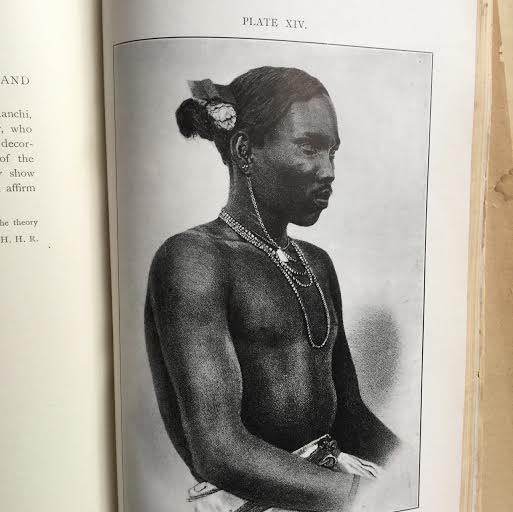
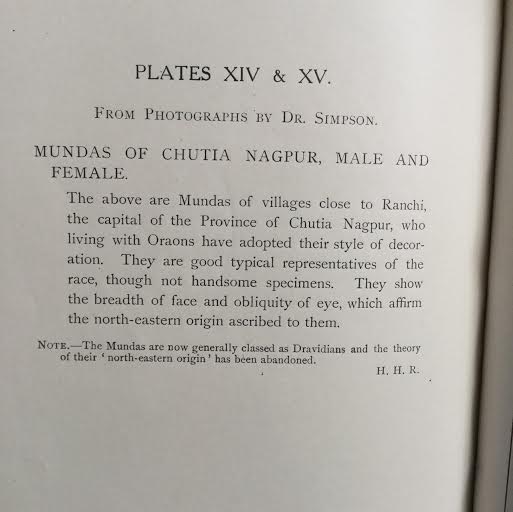
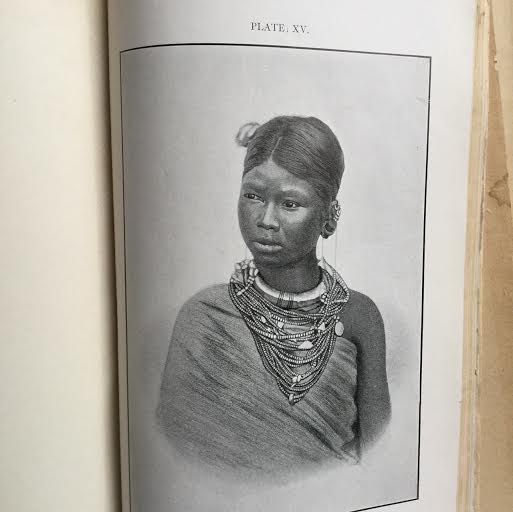
Picture of a Munda

Article written by London swaminathan


Date: 22 June 2016


Post No. 2914


Time uploaded in London :– 17-11


( Pictures are taken from various sources; thanks)


DON’T REBLOG IT AT LEAST FOR A WEEK!  DON’T USE THE PICTURES; THEY ARE COPYRIGHTED BY SOMEONE.


(for old articles go to tamilandvedas.com OR swamiindology.blogspot.com)


Please read the first and second parts published yesterday and day before yesterday, where there is a detailed introduction.

 tribe 22

Munda Tribe


Munda tribe is found in Chota Nagpur area. The name Munda is of Sanskrit origin. Foreigners classified them as Dravidians but there is no Dravidian or Aryan element in them. They are typical Hindus. Munda means headman of a village.. Mundas themselves use this word as titular or functional designation.

This is similar to Santals calling themselves Manijhi, the Bhumij- Sardaar and the Khambu  of the Darjeeling hills Jimdaar.


The general name Kol, which is applied both to Mundas and Oraons mean a pig killer according to Herr Jellinghaus. Another interpretation is that it is similar to horo of Mundas,which means man.

 tribe 23

Origin of Man

The Munda myth of the making of mankind tells how the self existent primeval deities Ote Boram and Sing Bonga created a boy and a girl and put them together in a cave  to people the world. The innocent boy and girl did no what to do, but when they dank rice beer  their passions were inflamed . later their number reached 12 male and 12 female. Singa Bonga placed before them different kinds of food and the fate of their descendants were decided y their choice.


The first and second pairs the flesh of bullocks and buffaloes and they originated the Kols; the next took of the vegetables only and are the progenitors of the Braahmans and Chatris (Brahmans and Kshatriyas); others took goat and fish, and from them are the Sudras. One pair took shell fish and became Bhuiyas; two pairs became pigs and they became Santals. One pair got nothing, seeing which the first pairs gave them of their superfluity; and from the pair thus provided spring the Ghasis, who toil not, but live by preying on others.

Source: People of India by Sir Herbert Hope Risley, 1915 (Second Edition)


My comments:

Even the Mundas accept that mankind originated from one ancestor. They said Brahmins and other castes appeared at the same time. They believed in caste divisions; they believed Brahmins are pure vegetarians. No one could have put all these into their mouths. The God they mentionas Ote Boram is Adhi Brahma. Hindus believe that Brahma created the world.


The Mundas are divided into 13 sub-tribes such as Kharia- Munda, Mahili- Munda, Oraon- Munda, Bhunihar – Munda, Manki – Munda. Each one has a totem symbol and tey won eat the flesh of that particular symbol/animal.

tribe 24

Gotra System

Hindus, particularly Brahmins, wont marry in the same Gotra. Mundas also followed the Gotra system a Munda will not marry a woman of his own sect/sub tribe. The gotra/clan name goes by the father’s side. It is same with the Brahmins even today.


Adult marriage is still in fashion and sexual intercourse before the marriage is tacitly recognized, but in all respectable families matches

Are made by the parents, and the parties have very little to say in this matter. It is same in Brahmins families until today. Only when they migrate to foreign countries Brahmin children become uncontrollable. Because the male-female ratio gap is wide parents also keep quiet.


Bride price varies (Bride price is called Sridhanam in Hindu families. At one time it reversed and given to Bridegroom; now it is the bride who gets it again. Brides are in shortage.

Sindurdhan or the searing of vermillion on the bride’s forehead by the bridegroom and on the bridegrooms forehead by the bride is the essential and binding portion. This is also part of Hindu marriages. Only married Brahmin ladies wear sindhur on the parting of their hair.


The practice of marrying the bride to a Mahua tree (Bassia latifolia) and the bridegroom to a mango tree seems now to have been abandoned.

Widows may marry again by the ritual known as sagaai in which the Sindur dhan is performed with the left hand; this is also typical Hindu custom. Hindus will do only unusual or inferior things with their left hands .Divorce is allowed at the instance  of either party.

tribe 27

Worship of  Sun God

At the head of the Munda religion stands Sing Bonga, the sun, a beneficient but inactive deity, who concerns himself but little with human affairs and leaves the details of the executive government of the world to the gods in charge of particular branches or departments of nature.. he may be invoked to avert diseases. White goats or white cocks are offered to him.

Hindus worship sun every day by doing Surya Namaskar. A Sanskrit proverb says Get Health from the Sun. Brahmin Hindus worship sun thrice a day through water oblations.


Next in rank to Sing Bonga comes Buru Bonga or Marang Buru, also known as Paat Sarnaa, a mountain god, whose visible habitation is usually the highest hill in the neighborhood. This is also typical Hindu belief. Hindus worship all mountains in particular The Golden Meru and The Silvery Kailash I the Himalayas. Brahmins say the name of Meru every day to mention the direction. They always say whether they are south of Meru or North of Meru in their daily rituals.. Mundas sacrifice animals at the top of a rock in Lodhma. Marang Buru is prayed for rains. He is offered a buffalo during droughts. Ikir Bonga is he god of tanks and lakes. Garhaera is the Goddess of rivers, streams and springs.


Chandor, the moon is worshipped by women. This is also typical Hindu belief. She is the wife of Sun God.


Since they eat meat they sacrifice animals to all their Gods and Goddesses. All their beliefs are similar to Hindus. There is no Aryan or Dravidian as claimed by the divisive foreigners.


All their festivals are also based on seasons like the Hindus.

tribe 28

Funeral ceremonies are like that of the Hols. Munda villages fly a particular flag in villages during the festivals. This is also very similar to Hindu Temples Dwaja Arohan practiced even today in South Indian Temples.


Foreigners concocted theories about the tribes are exploded by the study of all the hill tribes.


tribe 30


tribe 32


tribe 33


tribe 34


tribe 37


tribe 38

tribe 40

–subham–