பெண்களுடன் வாதாடாதே (Post No.2913)

RelationshipFighting

Article written by London swaminathan


Date: 22 June 2016


Post No. 2913


Time uploaded in London :– 8-33 AM


(Pictures are taken from various sources; thanks)


DON’T REBLOG IT AT LEAST FOR A WEEK!  DON’T USE THE PICTURES; THEY ARE COPYRIGHTED BY SOMEONE.


(for old articles go to tamilandvedas.com OR swamiindology.blogspot.com)


மனிதனுக்கு இழிவை ஏற்படுத்தும் 6, பெருமை தரும் 4, விஷயங்கள்

donkey ride

பால சகித்வம் = சிறுவர்களுடன் நட்பு (பக்குவம் அடையாதோருடன் நட்பு)

அகாரண ஹாஸ்யம் = காரணமில்லாமல் தனக்குத் தானே சிரித்தல் (மொபைல் போன், ஐ பேட் – இவைகளைப் பார்த்து பொது இடங்களில் சிரித்தல்)

ஸ்த்ரீஷு விவாதோ= பெண்களுடன் வாக்குவாதத்தில் ஈடுபடுதல் (மனைவி, சஹோதரிகளுடனோ, அடுத்தவீட்டுப் பெண்களுடனோ சண்டை போடுதல்)


அசஜ்ஜன சேவா = கெட்டவர்களுக்குச் செய்யும் உதவி (லஞ்சம் கொடுத்தல்)

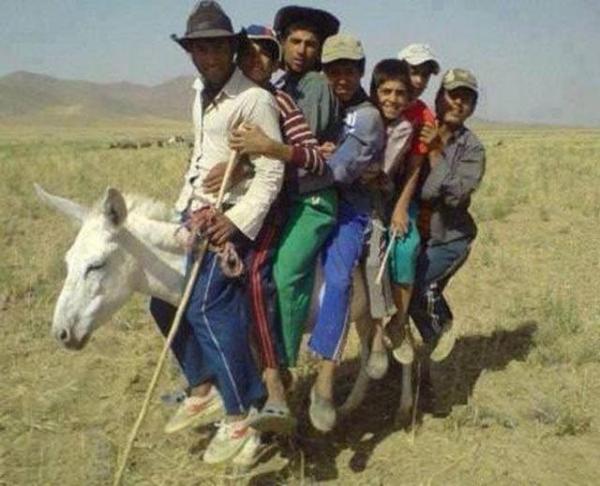
கார்தப யானம் = கழுதை சவாரி (ஓட்டை காரில் சவாரி செய்தல்)

அசம்ஸ்க்ருதவாணி = கொச்சை மொழியில் பேசுதல் (பண்பற்ற மொழி; கீழ்மக்கள் பயன்படுத்தும் மொழி)

ஷட்சு = இந்த ஆறில்

நர: – மனிதன்

லகுதாம் = சிறுமையை

உபயாதி = அடைகிறான்.


பாலசகித்வமகாரணஹாஸ்யம் ஸ்த்ரீஷு விவாதோ(அ)சஜ்ஜனசேவா

கார்தபயானமசம்ஸ்க்ருதவாணீ ஷட்சு நரோ லகுதாமுபயாதி

Xxxx

school boys

பெருமை தரும் நான்கு விஷயங்கள்

एको धर्मः परं श्रेयः क्षमैका शान्तिरुत्तमा।
विद्यैका परमा दृष्टिरहिंसैका सुखावहा॥

ஏகோ தர்ம: பரம்ஸ்ரேய: க்ஷமைகா சாந்திருத்தமா

வித்யைகா பரமா த்ருஷ்டிரஹிம்சைகா சுகாவஹா


தர்மம் (என்ற ‘ஒன்று’ ) மாபெரும் மேன்மையைத் தரும்

பொறுமை (என்ற ‘ஒன்று’ ) சிறந்த அமைதியைத் தரும்

கல்வி (என்ற ‘ஒன்று’ ) அளவற்ற நிறைவைத் தரும்

அஹிம்ஸை (என்ற ‘ஒன்று’ ) தொடர்ந்து சுகத்தைத் தரும்.

–உத்யோக பர்வம், மஹாபாரதம்


–subam–


Mystery of Indian Hill Tribes – Part 2!(Post No.2912)

tribe 11

Research Article written by London swaminathan


Date: 21 June 2016


Post No. 2912


Time uploaded in London :– 19-19


( Pictures are taken from various sources; thanks)


DON’T REBLOG IT AT LEAST FOR A WEEK!  DON’T USE THE PICTURES; THEY ARE COPYRIGHTED BY SOMEONE.


(for old articles go to tamilandvedas.com OR swamiindology.blogspot.com)


Please read the first part published yesterday, where there is a detailed introduction


 tribe 13

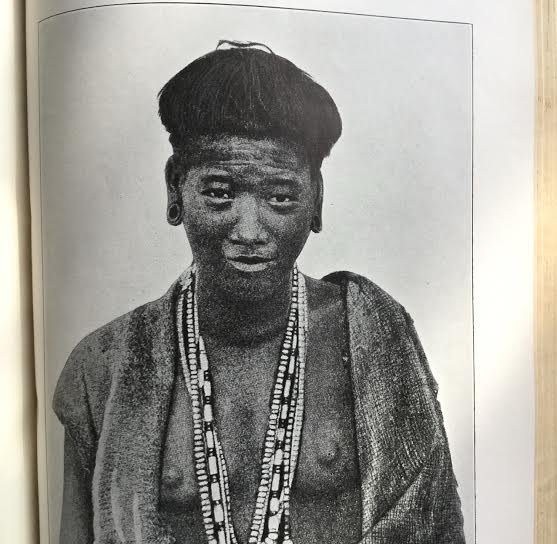
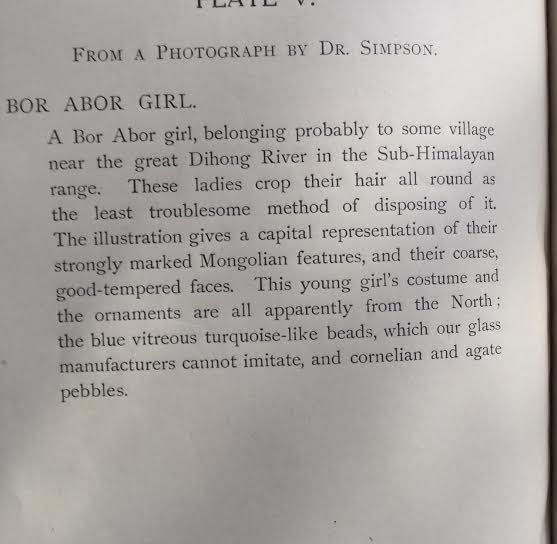
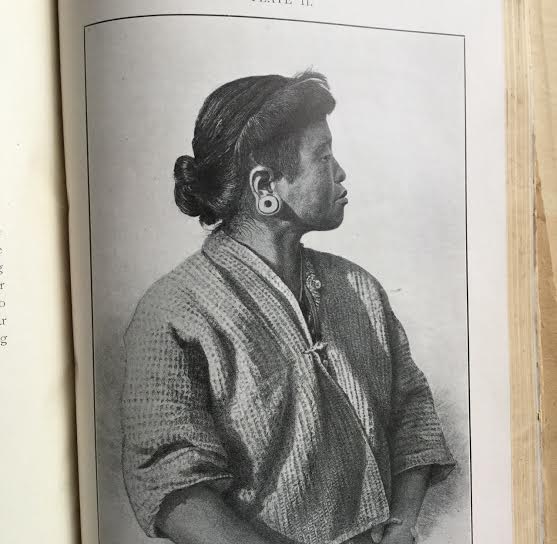
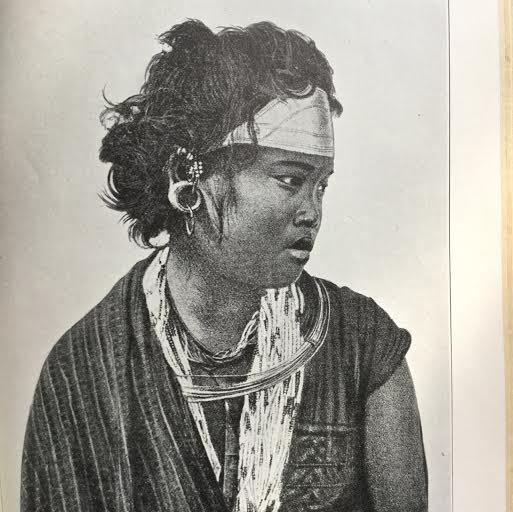
My comments: Bor Abor women cropped their hair which was unusual in India. They were semi precious stones  like the wearer of modern jewelries.


Look at he breast of the female figure. Sangam Tamil literature talks about Bra in hundreds of places. Tamil women used bra from Sangam age)


Tribes used totem symbols and half of the words are in Sanskrit.

We have totem symbols even in the oldest religious book in the world — the Rig Veda.

Kasyapa Rishi means Tortoise Rishi

Kaushika Rishi means Owl Rishi

Sandilaya Rishi means Bird Rishi

Manduka Rishi means Frog Rishi.

We have totem symbols in Ramayana and Mahabharata. Foreigners deliberately hid these factors and gave only the tribal totems in their book.

Following excerpt is from my previous post:

Several animal symbols were used as totem symbols by the tribes. So they were called by the animal names. Later writers took it for real animals and called them bears (Jambavan in Ramayana) and Eagle ( Jatayu in Ramayana). In real life bears and eagles were just human beings but with some animal tattoos or animal masks.

My comments: In all these stories (Janamejaya story of Mahabharata)  we see some environmental concern. When the kings try to kill all the snakes and all the frogs someone gives them good advice about environmental protection. Even if we take them as human beings with totem symbols, peace is restored by stopping the killings.

My comments (about Ayu story in Mahabharata) : Frog was a totem symbol of a particular tribe and Ayu was the king of that Frog tribe. Actually they are human beings, not frogs. We have poets and seers with the names such as Manduka Maharishi (frog), Therai (Toad) in Sanskrit and Tamil.  Mandukyopanishad is one of the major Upanishads. So what we read here is the story of tribal people. Since thousands of years passed before Vyasa collected all these stories and incorporated them into the epic for the benefit of posterity, the original meaning was lost. Now we have to read the story between the lines.

Naga is the totem symbol used all over the world. The opposing group used Garuda/Eagle(Please see my old articles linking Mayans and Indian Nagas from the Mahabharata period)


tribe 14

Picture shows a Chulikata Mishmi Chief in full dress

Now look at the totem symbols of the Tribes:

Oraon tribe

Tirki – Young mice

Ekka-  Tortoise

Kispotta –Pig’s entrails

Lakra- Hyena (Vyagra is Sanskrit word for Tiger)

Bagh – Tiger corrupted form of Sanskrit Vyag(ra)

Kujrar – Oil from Kujrar tree

Gede – Duck

Khoepa – Wild dog

Minji- eel (Meen is used in Sanskrit for fish)

Chirra – squirrel


Santal tribe

Ergo – Rat

Murmu – Nilgai deer

Hansda – Wild goose (Hamsa is a Sanskrit word for swan)

Maarudi – Grass

Besra – eagle

Hemron- betel palm

Saren – Pleiades (Sarvana is Sanskrit for Skanda of Pleiades/Kartika Star)

Sankh- Conch Shell (Sanka is a Sanskrit word for Conch; conch itself is Sanskrit)

Gua – areca nut

Kaaraa – buffalo

Bhumij Tribe

Saalrisi – Saal fish

Haansda – Wild goose (Sanskrit Hamsa)

Leng – Mushroom

Saandilya – bird (Vedic Rishi)

Hemron – Betel

Tumarung – Pumpkin

Nag – snake (Sanskrit)


tribe 17

tribe 20

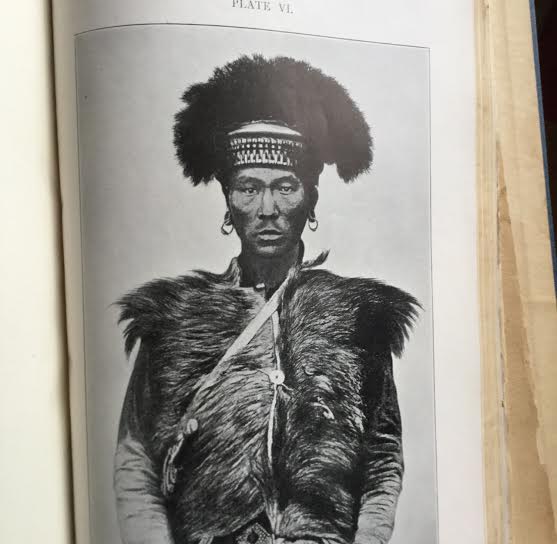
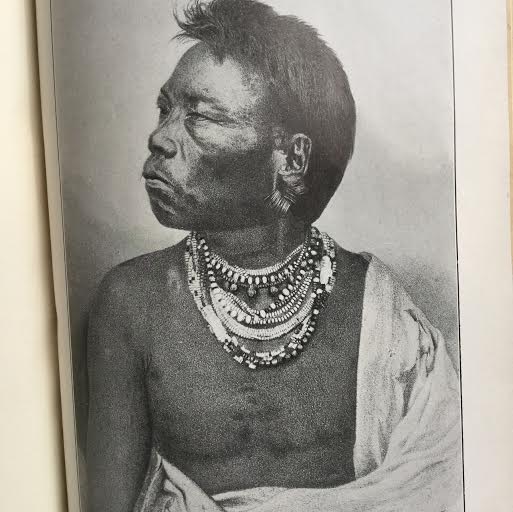
Naga chief wears shawl on the left shoulder like Hindus. Their facial features are mongoloid and their language is very different from old Tamil or Sanskrit.

Mahili Tribe

Dungri – Dumu fig

Turu – Turu grass (Sanskrit)

Kaanti – ear of an animal (Kaatu is a tamil word for ear)

Haansdaa- wld goose (Sanskrit)

Murmu – Nilagai


Koraa Tribe

Kasyab – Tortoise (Vedic rishi, sanskrit for turtle)

Saulaa – sal fish

Kasibak – heron

Haansdaa – wild goose (Sanskrit)

Butku – pig

Saampu – bul

Kurmi Tribe

Kesaria – kesar grass

Taraar – buffalo

Dumuriaa – dumur fig

Chanchmukuraar – spider

Hastovar – tortoise

Jhaalbanuaar – net

Sankhowaar – shell ornaments (sanskrt)

Baagbauaar – Tiger (Sanskrit)

Katiaar – silk cloth


Baag is a corrupted word of Vaag (Vyaagra)


Hindus were the first race in the world to have flags with totem symbols. Ramayana and Mahabharata give lot of information about flags. I have dealt with them in a separate research article.

So totem symbol is not a primitive one. Neither Aryan nor Dravidian. Even all the civilized groups had them. Now they remain in the flags and government emblems of many countries.


To be continued………………………………….

இமயமலையில் அதிசய ஏரி: கம்பனும் பாடிய புகழ்மிகு ஏரி (Post No.2911)

12-gurla-mandhata-and-lake-manasarovar-from-seralung-gompa

Research Article written by London swaminathan


Date: 21 June 2016


Post No. 2911


Time uploaded in London :– 13-53


( Pictures are taken from various sources; thanks)


DON’T REBLOG IT AT LEAST FOR A WEEK!  DON’T USE THE PICTURES; THEY ARE COPYRIGHTED BY SOMEONE.


(for old articles go to tamilandvedas.com OR swamiindology.blogspot.com)


இமயமலையிலுள்ள அதிசய ஏரி பற்றி கம்பனும் பாடியிருக்கிறான்! இன்று You Tube யூ ட்யூப், Whats up வாட்ஸ் அப், Facebook Fபேஸ் புக், Google கூகுள் மூலம் அரை நொடியில் பார்க்கக்கூடிய இமய மலை அதிசய ஏரி பற்றி தமிழர்களுக்கு 2000 ஆண்டுகளாகத் தெரியும்! ஒரு போக்குவரத்து வசதியும் இல்லாத, காட்டு மிருகங்கள் நிறைந்த பாதை வழியாக அந்தக் காலத்திலேயே ஆதிசங்கரரும் சாது சந்யாசிகளும் சென்ற புனித மலை இமய மலை. அதிலுள்ள கயிலை மலைக்கு நம்மவர் 2000 ஆண்டுகளாகச் செல்வது தேவாரம், திருவாசகம் மூலம் தெள்ளிதின் விளங்கும்.


இப்பொழுது கஞ்ஜன் ஜங்கா என்று அழைக்கப்படும் இமயமலைச் சிகரம் புறநானூற்றின் இரண்டாவது பாடலிலேயே முரஞ்சியூர் முடிநாகராயரால் பாடப்பட்டிருக்கிறது. காஞ்சன ஸ்ருங்கம் என்ற அருமையான சம்ஸ்கிருதச் சொல்லை இப்படிக் கஞ்சன் ஜங்கா ஆக்கிவிட்டனர். ஆனால் புறநானூற்றில் அழகாக பொற்கோடு என்று மொழிபெயர்க்கப் பட்டிருக்கிறது. இமயமலை பற்றி முடிநாகராயர் பாடியது அப்படியே காளிதாசனின் குமார சம்பவத்தில் இருக்கிறது. இதுதவிர பல்யாகசாலை முதுகுடுமிப் பெருவழுதி என்ற பாண்டிய மன்னனை காரிகிழார் பாடிய ஆறாவது பாடலிலும் இமயமலை வருணனை வருகிறது. இவையெல்லாவற்றையும் காளிதாசன், சங்க காலத்துக்கும் முந்தைய புலவன் என்ற எனது  ஆராய்ச்சிக் கட்டுரையில் விளக்கி விட்டேன். அரைத்த மாவையே அரைக்காமல் கம்பன் சொன்னதைக் காண்பிக்கிறேன்.

கயிலை மலைபற்றியும், சிவபெருமான் பற்றியும் கம்ப ராமாயணத்தில் நிறைய குறிப்புகள் உள்ளன. ஆனால் அவன் உலக இயற்கை அதிசயங்களில் ஒன்றான மானச சரோவர் குறித்தும் பாடியது வியப்பை ஏற்படுத்தும்.


மானசமடுவில் தோன்றி வருதலால் சரயு என்றே

மேல்முறை அமரர் போற்றும் விழுநதி அதனினோடும்

ஆன கோமதிவந்து எய்தும் அரவம் அது என்ன அப்பால்

போனபின் பவங்கள் தீர்க்கும் புனித மா நதியை உற்றார்

-பால காண்டம், கம்ப ராமாயணம்


ராம லெட்சுமணர் ஆகிய இரண்டு டீன் ஏஜ் பாய்ஸ்களை “உலக நண்பன்” (விஸ்வாமித்ரன்) என்ற முனிவன் அழைத்து செல்கிறான். பெரிய இரைச்சல் கேட்டவுடன் இருவரும் அது என்ன சப்தம் என்று கேட்கின்றனர். விஸ்வாமித்ரர் (உலக நண்பன்) தனது பூகோள அறிவைக் காட்டுகிறான். ஏதோ வெள்ளைக்காரன்தான் இந்த நாட்டையே ஒன்றுபடுத்தினான், அவன் வந்தபிறகுதான் நாம் ‘டிராவல் செய்யவே துவங்கினோம் என்று பல அரைவேக்காடுகள் பிதற்றியதுக்கெல்லாம் கம்பன் பதில் சொல்கிறான்:–

பாடலின் பொருள்:–

மானஸம் என்னும் பொய்கையில் (மானஸ ஸரஸ்) உற்பத்தியாகிப் பாய்வதால் சரயூ நதி என்ற பெயரைப் பெற்று, மேன்மைமிகு வாழ்க்கை படைத்த தேவர்களால் போற்றப்பட்டது. அச்சிறந்த நதியோடு கோமதி நதி வந்து கலப்பதால் எழும் ஒலி இது – என்று உலகநண்பன்/விஸ்வாமித்ரன் செப்பினான். மூவரும் தொடர்ந்து சென்று, குளித்தவர்களின் பாவங்களையெல்லாம் போக்கும் நதியை (கங்கை) அடைந்தனர்.


அந்தக் காலத்தில் எவ்வளவு ஜியாக்ரபி/ புவியியல் அறிவு இருந்திருக்கிறது! வால்மீகி செப்பியதை கம்பனும் மொழிந்ததிலிருந்து அவர்களுடைய புவியியலறிவு புலப்படும்.

manasarowar-see

ஏரியின் அதிசயங்கள் பற்றிச் சொல்வதற்கு முன் இன்னும் இரண்டு பாடல்களைக் காண்போம்:-

அருவலிய திறலினர் ஆய் அறம் கெடுக்கும் விறல் அரக்கர்

வெருவரு திண் திறலார்கள் வில் ஏந்திவரும் மேருப்

பருவரையும் நெடுவெள்ளிப் பருப்பதமும் போல்வார்கள்

இருவரையும் இவ் இருவர்க்கு இளையாளும் ஈன்று எடுத்தாள்.


இலக்குவன் (லெட்சுமணன்), சத்துருக்கனன் ஆகிய இருவரையும் சுமித்திரை பெற்றெடுத்த செய்தியைச் சொல்லும் பாடல் இது. ஒருவரை பொன் மயமான மேரு மலைக்கும், மற்றொருவரை வெள்ளி நிறத்துடைய கயிலை மலைக்கும் ஒப்ப்டுகிறான் கம்பன்.


இன்னொரு பாடலில் கங்கை, கயிலை மலை பற்றிப் பாடுகிறான்:–

ஆறு எலாம் கங்கையே ஆய ஆழிதாம்

கூறு பாற்கடலையே ஒத்த குன்று எலாம்

ஈறு இலான் கயிலையே இயைந்த என் இனி

வேறு நாம் புகல்வது நிலவின் வீக்கமே

பொருள்:-

நிலவொளி பரவியதால், ஆறுகள் அனைத்தும் வெள்ளை நிறமுள்ள கங்கை ஆறுபோல் தோன்றின; கடல்கள் யாவும் பாற்கடலை ஒத்திருந்தன; மலைகள் எல்லாம் முடிவு என்று ஒன்றில்லாத சிவபெருமான் வீற்றிருக்கும் கயிலை மலையைப் போலிருந்தன. இவற்றுக்கு மேலே சந்திரனின் மிகுதியைப் பற்றி நான் சொல்ல  என்ன இருக்கிறது?
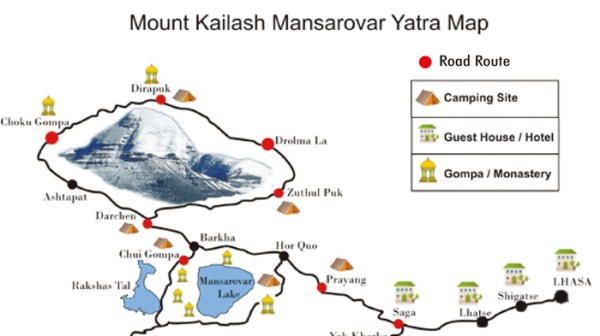
pic-yatra-map


Lasha- Kailash 1400 kilometres by road


ஏரி பற்றிய அதிசயச் செய்திகள்:-

இந்த அதிசய ஏரியில் நிர்மலமான, மேகமற்ற வானத்திலிருந்து பனி பெய்வதால் இந்தியில் ஒரு பொன்மொழி உண்டு:-

மானஸரோவர் மைன் பரசே (முதல் ‘ப’)

பின் பாதல் ஹிம் பரசே (மூன்றாவது ‘ப’)


மேகமே இல்லாமல் பனி மழை பெய்யும் மானசரோவரை யார் அணுக முடியும்? என்பது இதன் பொருள்.

இரவு நேரத்தில் ஏரியில் நட்சத்திரங்கள் விழுவதூ போலத் தோன்றும். வானியல் அறிஞர்கள் இவைகளை விண்கற்கள் என்று சொல்வர். பக்தர்கள், புண்யாத்மாக்கள் பூமியில் இறங்குவதாகச் சொல்வர்.

1.மானச சரோவர் என்பது பிரம்மாவின் மனதில் தோன்றிய ஏரி என்னும் பொருளுடைத்து.

2.இந்தியாவின் இதய இரத்தக் குழாய் போன்ற கங்கை, சிந்து, பிரம்மபுத்ரா ஆகிய மூன்று ஜீவநதிகளும் இந்த ஏரிக்கு அருகில் அல்லது ஏரியில்தான் உற்பத்தியாகின்றன. அதாவது அந்த ஜீவநதிகளுக்கு தண்ணீரைக் கொண்டு செல்லும் உபநதிகள் இங்கேதான் தோன்றுகின்றன.

  1. இது 54 மைல் சுற்றளவும் 320 சதுர மைல் பரப்புமுடையது. 300 அடிவரை ஆழம் கொண்டது.

4.நிர்மலமான, ஸ்படிகம் போன்ற அமைதியான நீர்ப்பரப்பு. கண்ணாடித் தொட்டிகளில் நீந்தும் மீன்களைப் பார்ப்பதுபோல தண்ணீருக்கடியில் உள்ள மீன்களைப் பார்க்கலாம்.

  1. இந்த ஏரியில் அழகிய, பெரிய அன்னப் பறவைகள் (ராஜ ஹம்சம்) இருக்கின்றன.
  2. உலகில் அதிகமான உயரத்திலுள்ள சுத்த நீர் ஏரிகளில் இது முதலிடத்தில் நிற்கிறது.

7.ஏரியைச் சுற்றி எட்டு பௌத்த துறவிகளின் மடாலயங்கள் இருக்கின்றன.

  1. இது திபெத் பிராந்தியத்தில் இருந்தாலும், அது இப்பொழுது சீனாவின் ஆக்ரமிப்பில் இருக்கிறது

9.இந்த ஏரி பனிக்காலத்தில் ஐஸ்கட்டியாக மாறிவிடும். கோடைகாலத்தில் அந்தப் பனி உடைவதன் பேரொலிகளைக் கேட்கலாம்.


  1. ஏரியின் நீரில் கயிலை மலையின் பிம்பங்களைப் பார்த்து ஒரே நேரத்தில் இரண்டு கயிலை மலைகளை தரிசிக்கமுடியும்

11.ஏரிக்கரையில் அழகிய கூழாங்கற்களையும், வேறு எங்கும் காண முடியாத தாவர வகைகளையும் பார்க்கலாம்.

  1. உத்தரப்பிரதேசத்திலுள்ள அல்மோராவிலிருந்து 240 மைல் தூரத்திலும் திபெத்தின் தலைநகர் லாசாவிலிருந்து 800 மைல் தொலைவிலும் கயிலை மலையும் மானசரோவரும் உள்ளன. இமயமலையின் அற்புதமான இயற்கைக் காட்சி இது. கடல் மட்டத்திலிருந்து 15,000 அடிக்கு மேல் இது இருக்கிறது. ஒரு புறம் கைலாஷ் மறுபுறம் மாந்தாதா சிகரங்கள் காட்சி தரும்.

13.திபெத்திய பௌத்தர்களுக்கும் இந்த ஏரி முக்கியமானது. ட்சோ மவாங் என்று அழைப்பர். மன அமைதியையும், ஆன்மீக உணர்வையும் தூண்டும் இடம் இது.ஒரு மிகப்பெரிய நீலக்கல் ரத்தினம் அல்லது மரகதப்  பச்சைக் கல் போலத் தோன்றும்.

14.காங்ரி கஞ்சாக் என்ற பெயரில் திபெத்திய மொழியில் இரண்டு கைலாஷ் புராணங்கள் வெளியிடப்பட்டுள்ளன.

  1. மானச ஏரியின் நீர் சுவையானது. ஏரிக் கரையில் குகைகளும் உண்டு. சாது, சந்யாசிகள் தவம் செய்ய ஏற்ற இடம். ஏரிக்கரையில் வெப்ப நீர் ஊற்றுகளும் காணப்படுகின்றன.

15.ஒரு புத்த மடாலயத்திலிருந்து கயிலை மலையின் அற்புதமான தோற்றமும், மற்றொரு மடாலயத்திலிருந்து ராக்ஷச தல் ஏரியின் அழகிய தோற்றமும் கண்கொள்ளாக் காட்சி ஆகும்

16.காலை முதல் இரவு வரை வெவ்வேறு நேரத்தில் இது வெவ்வேறு அழகில் தோன்றும். நிறமும் சூரிய வெளிச்சத்தில் வேறுபடும்.

17.மூன்று வகையான அன்னப் பறவைகள் இங்கே வசிக்கின்றன. அவைகளில் ஒன்று ஒரிஸ்ஸாவில் சில்கா ஏரி வரயும், மற்றொரு திசையில் மால்வா வரையும் பறந்து செல்லும். இன்னொரு வகை சதபத பிராமணம் என்னும் கி.மு எட்டாம் நூற்றாண்டு நூலில் காணப்படுகிறது. ஆகவே குறைந்தது 3000 ஆண்டுகளாக பறவைகள் பற்றிய அறிவு இருந்திருக்கிறது. காளிதாசனும் மேக தூதத்தில் இதுபற்றிக் கூறியுள்ளான்.

18.இங்கே நடக்கும் அற்புதங்களில் ஒன்று ஜனவரி முதல் நடக்கும் பனி வெடிப்புகளாகும். சில நேரங்களில் பெரிய பனிப்பாறைகள் கரையிலுருந்து 60 அடிக்கு அப்பால் விழுந்து கிடக்கும்.

திடீரென்று பனிக்கட்டிகளிடையே நீர் ஊற்றுகள் தோன்றும். ஏரிக் கரைக்கு அப்பால் சிலமைல் தொலைவில் மூன்று வெப்ப நீர் ஊற்றுகள் காணப்படுகின்றன.

19.தூமா என்ற அற்புத மூலிகைக் கிழங்கு இங்கே கிடைக்கிறது. மலை எலிகள் இவற்றைச் சேமித்துவைக்கும். இது காமசுகம் தரும் செக்ஸ் மூலிகை.

simikot-to-kailash-manasarowar-trekking

20.ராக்ஷச தல்

ராக்ஷச தல் அல்லது ராவண ஹ்ருதா (லாங்காகி ட்ஸோ) என்னும் மற்றொரு ஏரி அருகில் இருக்கிறது. மானசரோவரிலிருந்து 2 முதல் 5 மைல் தொலைவில் ராக்ஷச ஏரி உள்ளது. லாங்காகி ட்சோ என்றால் ஐந்து மலைகளை உள்ளடக்கிய ஏரி என்று பொருளாம். (லா என்றால் மலை, ங்கா என்றால் ஐந்து, ட்ஸோ என்றால் ஏரி) இங்குதான் இலங்கை மன்னன் ராவணன், சிவபெருமானை நோக்கித் தவம் செய்தான். பூகம்பத்தில் ஐந்து மலை அடுக்குகள் உள்ளே சென்று இந்த ஏரி உருவாகி இருக்கக்கூடும். இதன் சுற்றளவு 77 மைல். இதில் இரண்டு தீவுகளும் உண்டு. மானச ஏரியின் அதிகத் தண்ணீர் வழிந்தோடி இங்கே வந்துவிடும்.

கயிலை மலை பற்றி மற்றொரு கட்டுரையில் காண்போம். 1949-ல் வெளியான ஒரு ஆங்கில நூலிலிருந்து தொகுத்த விஷயங்களிவை.


-சுபம்-


Mystery of Tribes in India- Part 1!(Post No.2910)

tribe 1

Research Article written by London swaminathan


Date: 20  June 2016


Post No. 2910


Time uploaded in London :– 17-41


( Pictures are taken from various sources; thanks)


DON’T REBLOG IT AT LEAST FOR A WEEK!  DON’T USE THE PICTURES; THEY ARE COPYRIGHTED BY SOMEONE.


(for old articles go to tamilandvedas.com OR swamiindology.blogspot.com)

tribe 2

Foreigners who came to rule India, divided Indians (Hindus) into two races Aryan and Dravidian; when their description met with some problems they created more groups such as Munda, Mongoloid and Aborigines. But neither the Sangam Tamil literature nor the older Sanskrit literature said anything about races. On the contrary they divided people into 18 groups and said that they all came from the same ancestors. Asuras (demons) and Devas (angels) prayed to the same Gods and got their boons. Asuras died because of their inherent weakness and bad qualities. Devas flourished because of their virtues.


Foreigners when classified the tribes put them in some boxes such as Dravidian, Aryan, Munda etc. But those who studied the customs of the tribes will be surprised to know that all have something common taken from Hinduism.

When you read about the tribes following questions will come into your mind:–

Where did they come from?

Why are they ‘uncivilized’ till today?

If they had come from the Indus Valley (according to divisive, cunning, jaundiced foreigners, “they are driven out by the invading Aryans”) why don’t they speak one language? Why do they speak different languages?

How come there is no common link among the languages?

tribe 3

tribe 5


If they have come from the civilized Indus valley how come all the tribes became uncivilized?

How come they have Sanskrit in their Gods names or totem Symbol names? (Please wait for more details in the following days)


Why don’t they worship the same God?

How come they claim different origins/ different ancestors?

Why are their marriage customs, funeral customs, taboos and totems differ very widely?

How come in a small area (for instance Nilgris) there are different tribes with different customs?

How come there are cannibals (jarawas) in the Andaman Nicobar Islands?


Why didn’t we find skulls or skeletons with similar features of these tribes or the so called Dravidians?

How come we found only so called ‘Aryan’ skeletons (with modern Punjabi features) in the Indus Valley Civilization?

tribe 6


tribe 8


tribe 10

My brief answer is:–

Even during Ramayana and Mahabharata times, tribes lived simultaneous with the epic/city civilization. We have enough proofs in the epics (Please read my articles Are Mayas Indian Nagas? Similarities between Nagas and Mayans, Origin of Gondwana )


I have already shown Gonds are from the Khandava vana burnt by Arjuna and Krishna; Mayans also were from the Gond+wana= Khandava Vana land.


Aborigines or tribes must have lived even during Indus Valley time. Bhimbetka cave paintings show that there were people living in the heart of India 20,000 years before the Indus Valley Civilization!

The reason for differences in the languages and customs is that they have been living here for very long time in isolation/independently.


I have been reading about the tribes of India for the past 45 years. There were articles in Dinamani Sudar and Manjari in regular periodicity. Even the word Munda is Sanskrit according to Sir Herbert Risley (Author of The People of India, year 1908) I am going to present you over thirty pictures of the ancient people of Bharat from Risley’s 100 year old book. You yourself decide after seeing their dress, jewellery, totems etc.


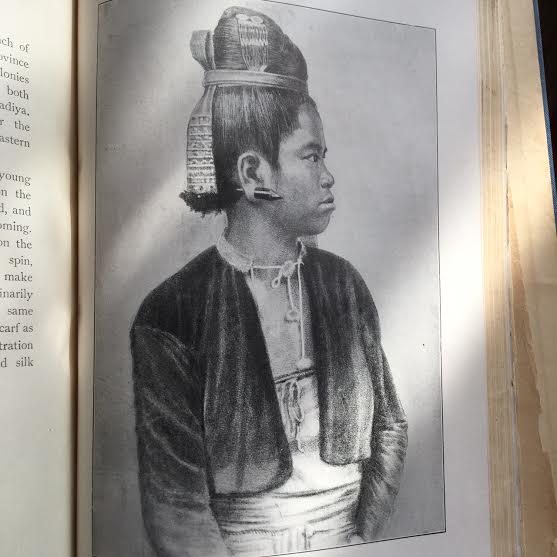
These are about a few tribal communities of North East India. Even within these three communities we see so many differences in hair style, jewellery, appearance etc. In the civilized Hindu society one can easily differentiate a married woman from unmarried woman. by looking at the toe ring (Metti in Tamil), Mangala Sutra (Thaali in Tamil), Madisarai style of Sari, Kunkum/Tilak on the parting of hair etc. In the first picture KHAMPTI female the hair style shows whether she is married or not where as in other tribal communities we dont see it. This will raise lot of questions about their origin.


……to be continued


கம்ப ராமாயணத்தில் அதிசயச் சங்கு! (Post No.2909)

valampuri 1

Compiled by London swaminathan


Date: 20  June 2016


Post No. 2909


Time uploaded in London :– 10-34 AM


( Pictures are taken by London swaminathan)


DON’T REBLOG IT AT LEAST FOR A WEEK!  DON’T USE THE PICTURES; THEY ARE COPYRIGHTED BY SOMEONE.


(for old articles go to tamilandvedas.com OR swamiindology.blogspot.com)


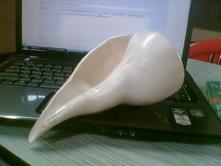
கம்ப ராமாயணத்தை ராம பிரானின் புனித வாழ்வைப் போற்றும் காவியமாகப் பார்ப்பர் பலர்; இலக்கிய இன்பத்துக்காக நுகர்வர் பலர்; ஆராய்ச்சி நோக்குடன் அணுகுவர் சிலர். இவ்வாறு அணுகி முன்னரே பல கட்டுரைகளில் மின்மினிப் பூச்சிகளை, குருவிகள் மின்சார பல்புகள் போல அவைகளின் கூடுகளில் வைத்துப் பயன்படுத்துதல் முதலியன பற்றி எழுதியுள்ளேன். இன்று வலம்புரிச் சங்குகளில் மிகவும் அதிசயமான சலஞ்சலம் பற்றி கம்பன் சொன்னதைக் காண்போம்.


செங்கண் அங்க அரவின் பொரு இல் செம்மணி விராய்

அங்கண் அங்கவலயங்களும் இலங்க அணியச்

சங்கு அணங்கிய சலஞ்சலம் அலம்பு தவளக்

கங்கணங்களும் இலங்கிய கரம் பிறழவே

–விராதன் வதைப் படலம், ஆரணிய காண்டம்,கம்ப ராமாயணம்

பொருள்:-

விராதன் என்னும் அரக்கன் எப்படி வந்தான்? சிவந்த, செம்மையான உடம்புடைய பாம்புகள் கக்கிய மாணிக்க வளையங்களையும், சங்குகள் வருந்திப் பெற்றெடுத்த சலஞ்சலம் எனும் சங்குகளினால் ஆன வளையல்களையும் அணிந்த கரங்களை முன்னும் பின்னும் வீசியவாறு வில் வீரர்களுக்கு எதிரே விராதன் வந்தான்.

valamum itamum


பாம்புகள் கக்கும் நாகரத்தினம் (மாணிக்கம்) பற்றி முன்னரே ஒரு ஆராய்ச்சிக் கட்டுரையில் கூறிவிட்டேன். இப்பொழுது அதிசய சலஞ்சலம் பற்றிப் பார்ப்போம்.


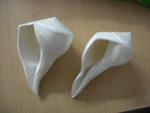
வலம்புரிச் சங்கு என்பது இந்து மஹா சமுத்திரத்தில், மிகவும் அபூர்வமாகக் கிடைக்கக்கூடியது. பெரும்பாலான சங்குகளுக்கு உள்ள சுழிக்கு எதிர்ப்புறமாக இதன் சுழி இருக்கும். ஆங்கிலத்தில் இதை இடம் சுழிச் சங்கு என்பர். சங்கை மேல் புறத்திருந்து பார்க்கிறோமா, கீழ்ப் புறத்திலிருந்து பார்க்கிறோமா என்பதைப் பொருத்து இடம், வலம் என்ற மாறுபாடு வருகிறது.

கம்பன் ஏன் சலஞ்சலம் என்னும் சங்கினால் ஆன வளையல் என்று சொன்னான்? மாணிக்கத்துக்கு நிகரான விலை கொண்டது அது. நாகரத்தினம் போல அபூர்வமானது அது.

ஆயிரம் இடம்புரிச் சங்குகளால் சூழப்பட்ட சங்கு வலம்புரிச் சங்கு என்றும், அதுபோன்ற 1000 வலம்புரிச் சங்குகளால் சூழப்படது சலஞ்சலம் என்றும் நூல்கள் செப்பும். இது போன்ற சங்குதான் கிருஷ்ணன் கையிலுள்ள பாஞ்சஜன்யம் என்னும் சங்கு ஆகும்.


பகவத் கீதையிலேயே ஐந்து பாண்டவ வீரகளின் கையிலுள்ள ஒவ்வொரு சங்கிற்கும் தனித் தனி பெயர் கொடுத்திருப்பதால் இந்துக்கள்தான் முதல் முதலில் சங்கைப் பயன்படுத்திய நாகரீகம் வாய்ந்த சமூகம் என்று சொல்லவேண்டும்.


பகவத்கீதை முதல் அத்தியாயத்தில் பாண்டவர்கள் கையிலும் கிருஷ்ணன் கையிலும் உள்ள சங்குகளின் பெயர்கள் காணப்படுகின்றன:

பாஞ்சஜன்யம் ஹ்ருஷீ கேசோ தேவதத்தம் தனஞ்ஜய:

பௌண்ட்ரம் தத்மௌ மஹாசங்கம் பீம கர்மா வ்ருகோதர:


அனந்தவிஜயம் ராஜா குந்தீபுத்ரோ யுதிஷ்டிர:

நகுல: ஸஹதேவஸ்ச ஸுகோஷ மணிபுஷ்பகௌ (1-15/16)


கிருஷ்ணன் – பாஞ்சஜன்யம்

அர்ஜுனன் – தேவதத்தம்

தர்மன் – அனந்தவிஜயம்

பீமன் – பௌண்ட்ரம்

நகுலன் – சுகோஷம்

சஹாதேவன் – மணிபுஷ்பகம்


(‘அபூர்வ வலம்புரிச் சங்கு’ என்ற தலைப்பில் நான் எழுதி 17 செப்டம்பர் 2012-ல் இங்கே வெளியிட்ட கட்டுரையில் சங்குகள் பற்றிய சுவையான விவரங்களையும் காண்க)

–சுபம்–


DIFFERENCE BETWEEN A GURU AND A TEACHER (Post No.2908)

school tree

Compiled by London swaminathan


Date: 19  June 2016


Post No. 2908


Time uploaded in London :– 12-06


( Pictures are taken by London swaminathan)


DON’T REBLOG IT AT LEAST FOR A WEEK!  DON’T USE THE PICTURES; THEY ARE COPYRIGHTED BY SOMEONE.


(for old articles go to tamilandvedas.com OR swamiindology.blogspot.com


Who is an Acharya/ teacher? Who is a Guru? Who is an Upadhyaya?

mdu school

Manu Smrti says:

The twice born man who initiates the pupil and teaches him the Veda together with the ritual texts and the secret texts is called his teacher (2-140)

Upaniiyatu yah sishyam vedamadyaapayet dvijah

Sakalpam sarahasyam ca tam aachaaryam pracakshate (Manu 2-140)

xxx

But a man who teaches one portion of the Veda or even, again, the subsidiary texts of the Vedas, and does it to make a living, is called the instructor.( 2-141)

Ekadesam tu vedasya vedaangaanyapi vaa punah

Yo adyaapayati vrutyartam upaadyaayah sa uchyate

Xxx


Nishekaadiini karmaani yah karoti yataa vidhi

Sambaavayati caannena sa vipro gurur ucyate

Guru is the one who helps the person by giving him the food, helps to perform rituals according to the rules.

Xxx

Teacher with 10,000 Students!

Muniinaam dasasaahasram yoannadaanaati poshanaat

Adyaapayati viparashirrasau kulapatih smrutah

Kulapati is the one who feeds and teaches 10000 students. Nowadays Kulapati is used for the vice chancellor of a university.

Xxx

school village.jpg

teacher_studentr

Definition of a teacher

A teacher is one who has control over his senses, who is above the ‘dwantvas’ (good and bad, agony and ecstasy etc), honest, truthful, pure and sharp witted.

He must know the scriptures and he must follow the rules laid in the scriptures. He must be proficient in Gayatri mantra. He must come from a family of spotless character.


An Acharya is a person who knows the scriptures and its meaning; he makes others to follow the scriptural rules and he himself practises them. He preaches what he practises; and practises what he preaches.

–subham–


குரு யார்? ஆசிரியர் யார்? என்ன வேறுபாடு? (Post No.2907)

mdu school

Compiled by London swaminathan


Date: 19  June 2016


Post No. 2907


Time uploaded in London :– 9-51


( Pictures are taken by London swaminathan)


DON’T REBLOG IT AT LEAST FOR A WEEK!  DON’T USE THE PICTURES; THEY ARE COPYRIGHTED BY SOMEONE.


(for old articles go to tamilandvedas.com OR swamiindology.blogspot.com


devakottai school

தமிழிலும் ஆங்கிலத்திலும் குரு, ஆசிரியர் (டீச்சர்), உபாத்யாயர் போன்ற சொற்கள் வேறுபாடின்றி வழங்கப்படுகின்றன. ஆனால் சம்ஸ்கிருதத்தில் ஒவ்வொன்றுக்கும் தெளிவான பொருள் கொடுக்கப்பட்டுள்ளது.


டீச்சர், ஆசிரியர் ஆகிய சொற்கள் சம்ஸ்கிருதச் சொல்லான ‘ஆசார்ய’ என்பதிலிருந்து வந்தவை.


வட இந்தியாவில் இப்பொழுது பல்கலைக்கழகத் துணைவேந்தரை குலபதி என்று அழைக்கின்றனர். வேத காலத்தில் 10,000 மாணவர்களைக் கொண்ட ஆசிரியருக்கு மட்டுமே குலபதி என்ற பட்டம் வழங்கப்பட்டது.


உலகின் முதல் சட்டப்புத்தகமான மனு ஸ்மிருதியிலிருந்து சில விஷயங்களைக் காண்போம்.

உபநீயது ய: சிஷ்யம் வேதமத்யாபயேத் த்விஜ:

சகல்பம் சரஹஸ்யம் ச தமாசார்யம் ப்ரசக்ஷதே (மனு 2-140)

உபநயனம் (பூணூல்) செய்வித்து வேத வேதாந்தங்களை ஓதிவைப்பவன் ‘ ஆசார்யன்’ என்று அழைக்கப்படுகிறான்.

xxx


SCHOOL CHILDREN jr

ஏகதேசம் து வேதஸ்ய வேதாங்கான்யபி வா புன:

யோ அத்யாபயதி வ்ருத்தர்தமுபாத்யாய: ச உச்யதே

பணம் (தட்சிணை) வாங்கிக் கொண்டு வேத வேதாங்கங்களைக் கற்பிப்பவன் உபாத்யாயன் என்று சொல்லப்படுகிறான்.

xxx

நிஷேகாதினி கர்மாணி ய: கரோதி யதா விதி

சம்பாவயதி சான்னேன ச விப்ரோ குருர் உச்யதே

விதிப்படி, கர்ப்பாதானம் முதலிய கிரியைகளைச் செய்வித்து ஜீவனோபாயத்தைக் கற்பிப்பவன் குரு என்று அழைக்கப்படுகிறான்

xxx

பிதா மாதா ச ததாசார்யோ மஹாகுருரிதி ச்ம்ருத:

தந்தை, தாய், ஆசிரியர் ஆகியோர் மஹா (பெரிய) குருக்கள் என்று கருதப்படவேண்டும்.

xxx


school tree

முனீனாம் தசசாஹஸ்ரம் யோ அன்னதானாதி போஷணாத்

அத்யாபயதி விப்ரர்ஷிரசௌ குலபதி: ஸ்ம்ருத:

10,000 சிஷ்யர்களுக்கு உணவு அளித்து, போதிக்கும் (கற்பிக்கும்), ரிஷிக்கு ‘குலபதி’ என்று பெயர். (பத்தாயிரம் முனிவர்களுடைய கூட்டத்துக்கு எவன் அன்னதானம் முதலியன கொடுத்து ஆதரிக்கிறானோ அவன் குலபதி என்று அறியப்படுகிறான்)

xxxx

ஆசிரியனின் இலக்கணம்:  ஒரு ஆசிரியன் எப்படி இருக்கவேண்டும் என்றும் இந்துமத நூல்கள் செப்புகின்றன:–


ஜிதேந்த்ரிய ஜித த்வந்த்வஸ் தபோ தான பராயணா:

சத்யவாக் ஊர்ஜித: ராக்ஞோ மேதாவீ நியதஸ் சுசி:

புலனடக்கம், இருமைகளை (வெற்றி தோல்வி, சுக துக்கம் போன்றவை இருமைகள்) வென்றவன், தானம்-தவம் ஆகியவற்றைக் கடைப்பிடிப்பவன், உண்மை விளம்பி, வீர்யமுடையவன், கற்றறிந்தவன், புத்திகூர்மையுள்ளவன், ஒழுங்கு கட்டுப்பாடு உடையவன், தூய்மையானவன் (ஆசிரியன் ஆவான்)

xxxx

நிஸ்சம்திக்த: குலீனஸ்ச ஸ்ரௌதகர்மணி தத்பர:

நிக்ரஹானி க்ரஹேதக்ஷஸ் சர்வ தோஷ விவர்ஜித:

காயத்ரீமந்த்ர குசல ஆசார்ய ஸமுதாஹ்ருத:


அப்பழுக்கற்ற குலத்தில் பிறந்தவன், வேத அனுஷ்டானம் உடையவன், செய்யத் தக்கது-செய்யத்தகாதது எது என்ற விவேகம் உடையவன், மாசுமருவற்ற ஒழுக்கம் உடையவன், எல்லாம் அறிந்தவன், காயத்ரீ மந்திரத்தில் தேர்ச்சியுடையவன் ஆசார்யன் (ஆசிரியர்) என்று அறியப்படுகிறான்.


xxxx

Skt at school level

Sanskrit instructor conducting a contact class for professionals at Rashtriya Sanskrit Sansthan on Tuesday. Photo by K Asif 26/09/12

ஆசினோதி ஹி சாஸ்ரார்தான் ஆசாரே ஸ்தாபயத்யபி

ஸ்வயமாசரதே யஸ்மாத் தஸ்மாத் ஆசார்ய உச்யதே

சாத்திரங்களை அறிந்து பிறரையும் அனுசரிக்கச் செய்பவனே ஆசார்யன்.

(சாத்திர நூல்களின் பொருளை அக்கு வேறு ஆணி வேறாகப் பிரித்து அறிந்துஆராய்பவன், பிறரையும் ஆசார அனுஷ்டானங்களில் ஈடுபடச் செய்பவன், தானும் அதைக் கடைப்பிடிப்பவன் ஆசார்யன் (ஆசிரியர்) என்று அறியப்படுகிறான்.


–சுபம்–


Circus Elephant: Gratitude Anecdotes (Post No.2906)

snoring

Compiled by London swaminathan


Date: 18  June 2016


Post No. 2906


Time uploaded in London :– 14-05


( Pictures are taken by London swaminathan)


DON’T REBLOG IT AT LEAST FOR A WEEK!  DON’T USE THE PICTURES; THEY ARE COPYRIGHTED BY SOMEONE.


(for old articles go to tamilandvedas.com OR swamiindology.blogspot.com


me-snoring

An old deacon, having occasion to spend a night at a hotel, was assigned a room containing three single beds, two of which already had occupants. Soon after the light was extinguished one of these began to snore so loudly as to prevent the deacon from getting to sleep. The tumult increased as the night wore away, until it became absolutely fearful. Some two or three hours after midnight the snorer turned himself in bed, gave a hideous groan, and became silent. The deacon had supposed the third gentle man asleep, but at this juncture he heard him exclaim,

He is dead! Thank god. He is dead!

Xxxx


Are you fond of lobster salad? Asked the hostess of the Doctor.


No, he replied, I am not fond of it but I am grateful to it.


Xxx

It is my Corn!

You have much to be grateful for, said the clergyman to the old farmer,

Providence cares for us all . Even the birds of the air are fed each day.

Yeah, growled the farmer, off my corn.


Xxx


Hot_Springs_13546

Complaint: God is not giving us soap!

In some parts of Mexico hot springs and cold springs are found side by side. The women often boil their clothes in the hot springs and rinse them in the cold springs. A tourist who had been watching the procedure, remarked to his Mexican friend, I guess

They think old Mother Nature is pretty generous.


No, senor, the other replied,

There is much grumbling because she supplies no soap.


Xxx


Not withstanding his long career of snatching killers out of the clutches of the law, Samuel Leibowitz is not an admirer of the class. He considers them unlovable natures and born ingrates. Demonstrating this, he notes that no single one of the 78 men whom he has saved from the chair ever sent him a Christmas card.


Xxx


elephamts

Dr Walter Adams elephant story (posted by me here on 11/7/2015)

Indians are very familiar with the stories of gratitude. We have such stories in the Panchatantra fables. But I am not going to repeat those fables. Here is a real life story:

Dr.Walter Adams, astronomer at Mount Wilson Observatory told a story of gratitude:

“A hunter in the jungle came across an elephant limping. The hunter followed it. Finally it toppled over. The hunter examined its feet. In one there was a large thorn. This he removed

Years passed and the hunter was in a cheap seat at a circus. A turn was given by a troupe of performing elephants. One of these elephants reached in its trunk, encircled his waist, and lifted from his cheap seat and set him down in a seat in a private box.


Xxx

Snake and Frog

Snake and Frog

frog-_1837515b

While fishing one day, said the old timer, I ran short of bait and and temporarily at loss as to what to do. Upon looking down near my feet, I noticed a small snake which held a frog in its mouth I removed the frog and cut it up for bait, feeling very fortunate that my eyes had lighted on the snake at that moment.

I did, however feel a bit guilty at relieving the poor reptile of his meal, and in order to give him a slight recompense for my supply of bait, I poured a few drops of whisky into its mouth. Fortunately for my conscience, the snake seemed to leave in a contented mood, and I turned and went on fishing.

Sometime had passed when something hitting against the leg of my boot. Looking down I saw the identical snake, laden with three more frogs.

–Subham–

கண்களுக்கு சூரியன், மனதுக்கு சந்திரன், நாக்குக்கு வருணன் கடவுள் (Post No. 2905)

body parts

Compiled by London swaminathan


Date: 18  June 2016


Post No. 2905


Time uploaded in London :– 13-26


( Pictures are taken by London swaminathan)


DON’T REBLOG IT AT LEAST FOR A WEEK!  DON’T USE THE PICTURES; THEY ARE COPYRIGHTED BY SOMEONE.


(for old articles go to tamilandvedas.com OR swamiindology.blogspot.com


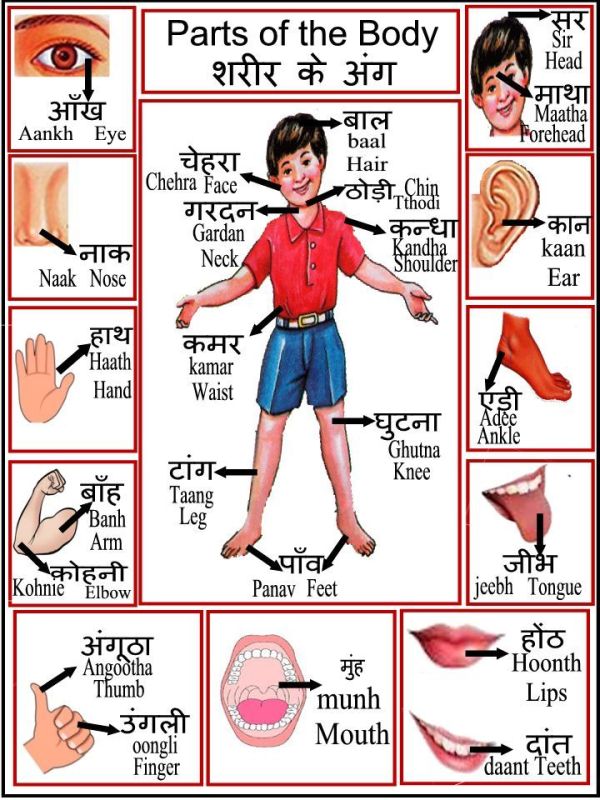
எந்த உடல் உறுப்புக்கு யார் தேவதை என்று சம்ஸ்கிருதத்தில் ஒரு சொல் வழக்கு உள்ளது.


காது – திசை

தோள் (த்வக்) – காற்று

கண் – சூரியன்

நாக்கு –வருணன்

க்ராணம்(முகர்தல்/மூக்கு) – அஸ்வினி

வாக்கு – அக்னி (வன்னி)

கை (ஹஸ்த) – இந்திரன்

கால்( பாத)  – உபேந்திரன்

பாயு: (குதம்) – மித்ரன்

ஜனன உறுப்பு – பிரஜாபதி

மனது – சந்திரன்


இந்திரிய அதிஷ்டான தேவதைகள்:-

ஸ்ரோத்ரஸ்ய திக், த்வசோ வாத:, நேத்ரஸ்ய அர்க:, ரசனாயா வருண:, க்ராணஸ்ய அச்வினௌ, வாகிந்த்ரியஸ்ய வன்னி:


elephant

Xxx


உறவினர்கள் (ஆத்ம பந்துக்கள்) யார், யார்?


ஆத்மமாது: ஸ்வசு: புத்ரா ஆத்மபிது: ஸ்வசு: சுதா:

ஆத்ம மாதுல புத்ராஸ் ச விக்ஞேயா ஹி ஆத்மபாந்தவா:

–சப்தகல்பத்ருமம்

சொந்த தாயார், தந்தை, மாமன், அத்தை, சித்தி (சின்னம்மா), பெரியம்மா, அம்மான் பிள்ளைகள் ஆகியோர் நெருங்கிய உறவினர்கள் ஆவர்.


பகவத் கீதையிலும் உறவினர்கள் பட்டியல் இருக்கிறது:-


ஆசார்யா: பிதர: புத்ராஸ் ததைவ ச பிதாமஹா:

மாதுலா: ச்வசுரா: பௌத்ரா: ஸ்யாலா: (1-34)

(ஆசார்யா: – ஆசிரியர்கள்), பிதர: – தகப்பன்மார்கள், புத்ரா: – பிள்ளைகள், பிதாமஹா: – பாட்டன்மார்கள், பௌத்ரா: – பேரன்மார்கள், மாதுலா: – அம்மான்மார்கள், ஸ்வசுரா: – மாமனார்கள், ஸ்யாலா: – மைத்துனர்கள், ஸம்பந்தின: – சமபந்திமார்கள்


(இவ்வளவு உறவினர்களையும் கொல்ல விரும்பவில்லை; அதனால் போர் வேண்டாம் என்கிறான் அர்ஜுனன்)

என் குடும்பம்

Xxx

ஆத்ம யாஜீ யார்?

சர்வ பூதேசு ச ஆத்மானம் சர்வபூதானி ச ஆத்மனி

சமம் பஸ்யன் ஆத்ம யாஜி ஸ்வராஜ்யம் அதிகச்சதி (மனு 12-91)


எல்லா உயிர்களிடத்திலும் தன்னையும், தன்னிடத்தில் எல்லா உயிர்களையும் சமமாகப் பார்ப்பவனே தன்னை அறிந்தவன். அவன் முக்தி பெறுகிறான்

ஆத்மயாஜி= தன்னையே தியாகம் செய்பவன், வேள்வி செய்பவன்


கீதையிலும்

இதே போன்ற ஸ்லோகங்கள் பகவத் கீதையிலும் இருப்பது ஒப்பிடற்பாலது:-

சர்வபூதஸ்தமாத்மானம் சர்வபூதானி ச ஆத்மனி

ஈக்ஷதே யோக யுக்தாத்மா சர்வத்ர சமத்ர்சன:

ப.கீதை 6-29

பொருள்:–

யோகத்தில் ஈடுபட்டவன், எங்கும் சம நோக்குடன், எல்லா உயிர்களிடத்திலும் ஆத்மாவையும், ஆத்மாவில் எல்லா உயிர்களும் உறைவதாகவும் காண்கிறான்

இதே கருத்து அடுத்த இரண்டு ஸ்லோகன்களிலும் வலியுறுத்தப்படுகிறது.

–சுபம்–


புண்ய காரியங்களைச் செய்து, நீண்ட நாள் வாழ ஆசைப்படுங்கள்! (Post No.2904)

Article written by S.NAGARAJAN


Date: 18 June 2016


Post No. 2904


Time uploaded in London :–  5-37 AM

( Thanks for the Pictures)


DON’T REBLOG IT AT LEAST FOR A WEEK!  DON’T USE THE PICTURES; THEY ARE COPYRIGHTED BY SOMEONE.


(for old articles go to tamilandvedas.com OR swamiindology.blogspot.com)


திரு ஆர் சி ராஜா அவர்களை ஆசிரியராகக் கொண்டு மாதம் தோறும் நெல்லையிலிருந்து தமிழில் வெளி வரும் மருத்துவ மாத இதழான ஹெல்த்கேர் இதழில் ஏப்ரல் 2016 இதழில் வெளியாகியுள்ள கட்டுரை.


ஆரோக்கிய ஆன்மீக இரகசியம்


செல்வந்தனாக, புண்ய காரியங்களைச் செய்து, நீண்ட நாள் வாழ ஆசைப்படுங்கள்!


ச.நாகராஜன்


மூன்று ஆசைகள்


வாழ்வாங்கு வாழ் ஹிந்து மதம் காட்டாத வழியே இல்லை.

ஒவ்வொரு மனிதனுக்கும் மூன்று ஆசைகள் நிச்சயமாக வேண்டும்.

  • நீண்ட நாள் வாழ ஆசைப்படுங்கள்
  • செல்வந்தனாக வாழ ஆசைப்படுங்கள்
  • நல்ல புண்ணிய காரியங்களைச் செய்ய ஆசைப்ப்டுங்கள்

வெறுமனே ஆசைப்படுங்கள் என்று சொல்லி விட்டுப் போய்விட்வில்லை ந்ம் அருளாளர்கள்.

இந்த மூன்று ஆசைகளை எப்படி நிறைவேற்றிக் கொள்வது என்பதையும் மிகத் தெளிவாக வழிமுறைகளுடன் விளக்கியுள்ளனர்.


சரக சம்ஹிதா என்று வாழ்வாங்கு வாழ வழி உரைக்கும் நூலில் சரகர் ஆரோக்கியம் சம்பந்தமாகச் சொல்லாத விஷயமே இல்லை.


பதினோராம் அத்தியாயத்தில் ஆரம்பித்திலேயே இதைச் சொல்லி விடுகிறார்.


இஹ கலு புருஷேணானுபஹதசத்வ, புத்தி, பௌருஷ, பராக்ரமேண ஹிதமிஹ சாமுர்ணிமிச்ச லோகே சமநுபஷ்யதா திஸ்ர ஏஷணா: பர்யேப்ருதிவ்யா பவந்தி | தத்யதா – ப்ராணைஷனா, தநைஷனா,பரலோகைகஷணேதி ||


சாதாரண திறமையுடன், புத்திசாலித்தனம், பலம், ஆற்றல் உள்ளவனாக, இந்த உலகத்திலும் மறு உலகத்திலும் நலமாக  இருக்க ஆசைப்படும் ஒரு சாமானியன் மூன்று ஆசைகளை அடிப்படையாகக் கொள்ள வேண்டும்.

1)நீண்டநாள் வாழ, 2) நன்கு சம்பாதிக்க, 3)நல்ல புண்ணிய காரியங்களைச் செய்ய ஆசைப்பட வேண்டும்.


நீண்ட நாள் வாழ ஆசைப்படு!


அடுத்து சரகர் அதிரடியாகச் சொல்வது:

இந்த மூன்று ஆசைகளிலும் நீண்ட நாள் வாழ ஆசைப்படுவதற்கு முதலிடம் கொடுக்க வேண்டும்.

ஏன்?

ஏனெனில் இந்த வாழ்வு முடிந்து போனால் எல்லாம் முடிந்து போகும்.


இப்படி நீண்ட நாள் வாழ்வதற்கு, ஆரோக்கியமாக வாழும் மனிதர்களுக்கான விதிமுறைகளைக் கடைப்பிடிக்க வேண்டும். வியாதி வரும்போது அதை அலட்சியப்படுத்தாமல் (உடனடி) சிகிச்சை எடுத்துக் கொள்ள வேண்டும். அதற்கான வழிமுறைகளை நாம் இந்த நூலில் குறிப்பிட்டுள்ளோம். அதைப் பின்பற்றுங்கள். ஆக நீண்ட நாள் வாழ்வது பற்றி இப்போது விளக்கப்பட்டுள்ளது.


செல்வந்தனாக ஆசைப்படு!


அடுத்து வருவது செல்வந்தனாக வாழ ஆசைப்படும் இரண்டாவது ஆசை!  ஒருவன் ஏன் செல்வந்தனாக வாழ ஆசைப்பட வேண்டும்? ஏனெனில் நீண்ட நாள் வாழும் போது பணமில்லாமல் வாழ்வது போன்ற துக்ககரமான விஷயம் வேறொன்றுமில்லை!  ஆகவே பணம் வரும் வெவ்வேறு வழிகளையும் ஒருவன் நாட வேண்டும். பணம் சம்பாதிப்பதற்கான வழிகள் என்ன? விவசாயம் செய்வது, பசு போன்றவற்றை வளர்ப்பது, வணிகம் செய்தல், அரசாங்க சேவை உள்ளிட்ட பல உத்தியோகங்களில் ஈடுபடுதல் உள்ளிட்டவையே வழிகளாகும். நல்ல பெரியோர்களால் நிந்திக்கப்படாத, ஒதுக்கப்படாத எந்த ஒரு வேலையையும் ஒருவன் மேற்கொள்ளலாம். இப்படி நீண்ட நாள் வாழ்வதால் ஒருவன் தன் சுய கௌரவத்தை விட்டுக் கொடுக்காமல் வாழலாம். இப்படியாக இரண்டாவது அடிப்படை ஆசை விளக்கப்படுகிறது

வையகம் காப்பவரேனும் சிறு                             வாழைப்பழக்கடை வைப்பவரேனும்                     பொய்யகலத் தொழில் செய்தே பிறர்

போற்றிட வாழ்பவர் பூமியில் எங்கணும் மேலோர்


என்ற மஹாகவி பாரதியாரின் வாக்கும் இதே கருத்தை வலியுறுத்துகிறது.


இங்கு கஞ்சனாக வாழாதே என்பதும் மறைமுகமாக சரகரால் சொல்லப் படுகிறது. பணம் சேர்க்க வேண்டும் என்பதற்காக கெட்ட வேலைகளில் ஈடுபடாதே என்பதையும் அவர் வலியுறுத்துகிறார்.


மேலுலக சந்தோஷத்துக்கும் சேர்த்து ஆசைப்படு!


அடுத்து சரகர் கூறுவதைப் பார்ப்போம்:


அடுத்து வருகிறது மேலுலக சந்தோஷத்திற்கு ஆசைப்படுவது.

இதில் சில சின்ன சந்தேகங்கள் எழுகின்றன. இறந்த பின்னர் மறு உலகம் உண்டா என்ன? ஆனால் ஏன் இந்த சந்தேகம் எழுகிறது? ஏனெனில் இந்த உலகில் பலரும் பிரத்யட்சமாகக் காண்பதையே நம்ப முடியும் என்ற நம்பிக்கையைக் கொண்டிருப்பதால் தான். ஆகவே பிரத்யட்சமாக காணமுடியாத மறு உலக வாழ்க்கையை அவர்கள் நம்ப மறுக்கிறார்கள். இதற்கு மாறாக மறு உலக வாழ்க்கையை நம்புகின்றவர்கள் சாஸ்திரங்கள் சொல்வதில் நம்பிக்கைக் கொண்டிருப்பதால் அதை நம்புகின்றனர். இதிலும் பல்வேறு கொள்கைகள் குழப்பத்தை உண்டு பண்ணுகின்றன. “பெற்றோர்”, “இயற்கை”, “அழிவற்ற ஆன்மா”, “மதி” (Free will) ஆகியவை மறுபிறப்புக்கு காரணம் என பல்வேறு விதமான கொள்கைகள் உள்ளன.

முதலில் இறப்புக்குப் பின்னர் மறு பிறப்பு உண்டா என்பதை ஆராய்வோம்.


இதை அடுத்து மறுபிறப்பு உண்டா, உண்டு என்றால் காரணங்கள் என்னென்ன என்று அலசி ஆராய்கிறார் சரகர்.

சரகர் சொல்லாத ஆரோக்கிய விஷயமே இல்லை என்று தோன்றும் சரக சம்ஹிதையைப் படித்தால்!


                                 _தொடரும்