Quotations on Gambling: From Rig Veda to Tirukkural

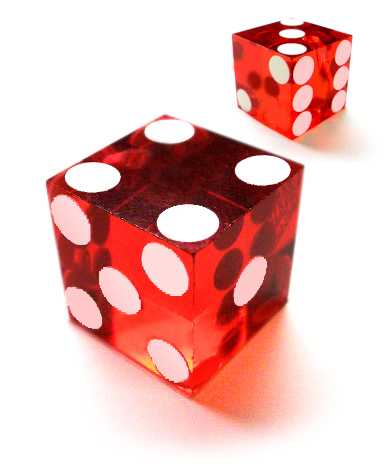
dice

Compiled by London Swaminathan
Post No.1224; Dated 9th August 2014.

Do not Gamble:
“Do not play with dice; cultivate your corn fields,
Delight in the gain, thinking highly of it.
There are your cattle, gambler, there is your wife”
So has the noble Savitri told me
———–Rig Veda 10-34-13, Rishi Kavasha, son of Elusha.

BHAGAVAD GITA
I am gambling among the deceiting –Bhagavad Gita 10-36
Dyuutam chalayataam asmi (Lord Krishna in BG 10-36)

dice2

TIRUKKURAL by Tiruvalluvar
Gambling ruins a man’s fortune, and corrupts the innate honesty,
It also hardens the heart and brings on endless misery (Tirukkural 938)

Do not take to gambling even if you can win. What can the fish gain by swallowing the baited hook? (Tirukkural 931)

Wealth, including food and dress, as well as the glory, resulting from learning,
Will desert the man, who seeks gain only from gambling? (Tirukkural 939)

Is there a future for the gambler to thrive, when he loses hundreds,
To gain only one in the bargain? (Tirukkural 932)

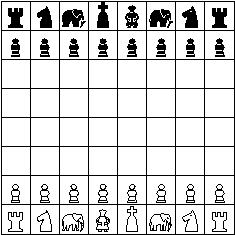
chaturan

SANSKRIT SAYINGS
Gambling, to a man, is a kingdom without a throne —-Mrcchakatika
Dyuutam naanma purusasya asimhasanam raajyam

Gambling is the root of all evils Bharata Manjari 2-11-340
Dyuutam sarva apadaam mulam

What will not a defeated fraudulent gambler hesitate to do? –Katha Sarit Sagara
Dyuutanaatasya kim naama kitavasya hi duskaram

Gambling is the destruction of wealth— Bharat Manjari 2-11-308
Dyuutamunmuulanam sriyah

Gamblers do not neglect a chance of profit, even to their very end Rajatarangini 3-393
Na paryante pyupeksante kitavaah svaarthasaadhanam

Don’t ridicule the defeated gambler Satopadesa prabandha
nopahasennirjitam dyuute

Players of dice become the abode of craftiness Brhat Katha Manjari
Bhavanti dyuutakaaraa padam dhiyah

By all means a gambler is despicable Vikrama Carita 3-98
Haa dyuutakaaram satadaah dhigastu

Source: Rig Veda, Bhagavad Gita, Tirukkural, Suktisudha by Chinmaya International Foundation

Five Ascetics who Entered Fire: Vedavati, Sabhari, Sarabhanga,Kabila, Quetzalcoatl

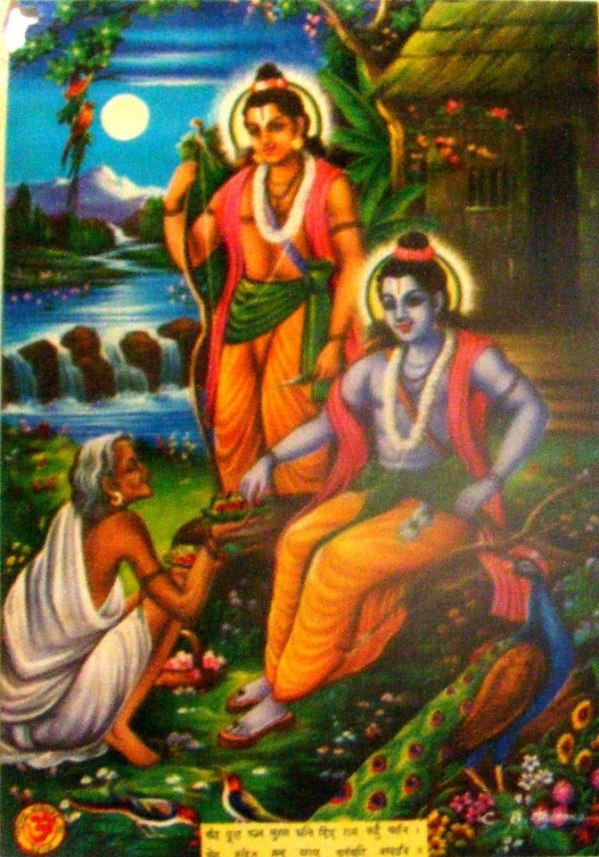
sabari ram
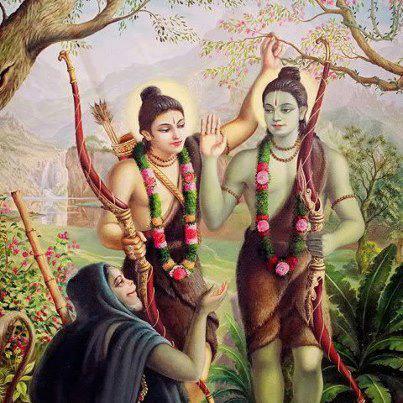
Tribal Woman Saint Sabhari and Rama.

Five Ascetics who Entered Fire: Vedavati, Sabhari, Sarabhanga,Kabila, Quetzalcoatl

Research Article Written by London Swaminathan
Post No. 1168; Dated 12th July 2014.

Hindu epic Ramayana is unique in many ways. One of the unique things about the Ramyana is “self immolation”. It is very interesting to know that women ascetics existed in the days of Ramayana and they did enter the fire and sacrificed their lives when they thought that the date of their departure had come. This is one the boldest things, we can see only in the Hindu world. Here we see a continuity of Upanishadic age sages like Gargi and Maitreyi. They did not feel any body pain when they entered the fire due to their Yogic practice.

Sita did not fear to enter fire to prove her purity. Kumarila Bhatta, contemporary of Adi Shankara, did not hesitate to burn his body slowly in the middle of husk lighted on all four sides. Tamil poet Kabila did enter fire after fulfilling his noble mission. Aztec saint Quetzalcoatl (may be a Hindu saint) did sacrifice his life in fire.

Goddess Uma did penance by standing in the middle of Five Fires (Panchagni). Many a saints including Bhageeratha did Panchagni penance. Bharata and Angatha tried to enter the fire thinking that they lost their in their mission. This is a Hindu ritual. When one completes something noble, one enters fire. When one failed to achieve to fulfil something, they enter the fire ritually.

There is a big difference between suicide and this ritual sacrifice. Here they enter the fire after announcing to the whole wide world that on such and such day they would do it for a particular noble cause. It is not because of depression or agitated mind. There is another type known as Sati, where in the women who lost their husbands climb the funeral pyre. There is another type of sacrifice where women like Chitoor Rani Padmini along with her friends entered the fire to save their modesty.
Here is a short list of great ascetics who immolated themselves:
sita
Sita Devi in Agni Pareeksha.

Sharabhanga :

Rama, after slaying the demon Viradha, visited the hermitage of Sharabhanga. He told Rama that he rejected Indra’s invitation to visit Brahmaloka, knowing that Rama was visiting the place. He also directed Rama to Sutikshna’s dwelling. He requested Rama to stay with him till he casts off his body as a snake casts off its slough. Then Sharabhanga prepared a fire and poured clarified butter therein. The sage entered the flames and assumed a youthful form and ascended to Brahma’s abode (Source: Aranya Kanda, Chapter 5)

Sabhari:

She was waiting to see Rama. When Rama went to her in the middle of the forest; she gave him berry fruits and roots which were bitten by her. She did this to give the sweetest ones to Rama. Since Rama knew her motherly love, he did not reject it. She belonged to the caste of hunters. That tribal woman guided Rama and Lakshmana to lake Pampa an Rishyamuka mountain.
“Having received permission from Rama to depart, Sabhari, wearing matted locks, robes of bark and a black antelope skin, cast herself into the fire, thereafter rising into the air like a bright flame. (Chapter 74, Aranya Kanda).
ram sabari
Rama and Sabhari

Vedavati:

Vedavati was the daughter of Rishi Kusadhwaja. When Ravana was passing through the forests in the Himalaya he met Vedavati, a damsel of great beauty dressed in acetic garb. When Ravana wanted to marry her she told him that she would marry only Vishnu. But Ravana boasted to her about his heroic deeds and touched her hair with a bad intention. Enraged by this, she cursed him that he would be destroyed by her in her next birth (as Sita) and entered fire before him. When she entered the fire celestial flowers fell around her (Uttara Kanda, Ramayana)

Tamil Poet Kabilar:

Kabilar, a Brahmin poet of great character, who lived in the Sangam Age ( First three centuries CE) was a good friend of a generous chieftain Pari. When the mighty Tamil kingdoms laid a siege around his kingdom Kabilar boldly supported Pari. The three Tamil kings of Sera, Choaza, Pandya kingdoms killed him by deceit. Then Kabilar took his two daughters to all the chieftains begging them to marry them. No one dared to earn the enmity of the powerful Tamil kings. At last, one chieftain took care of those girls and Kabilar, having fulfilled his mission, entered the fire. There was a memorial stone in the place known as Kabilar Stone near Tirukoyilur on the banks of River Pennai. There is an inscription with this story in verse (Source Dr R Nagasamy’s Tamil book ‘Paamaalai’).

Bharatha, Rama’s brother, was desperate to see Rama after his 14 year banishment. When he did not arrive on the appointed day Bharat was about to jump in to ceremonial fire. But Rama arrived by his divine Supersonic jet from Sri Lanka and saved his life. When Angathan and other monkeys could not find Sita in their search mission, they contemplated sacrificing themselves in fire. This is a typical Hindu approach.
Quetzalcoatl_magliabechiano
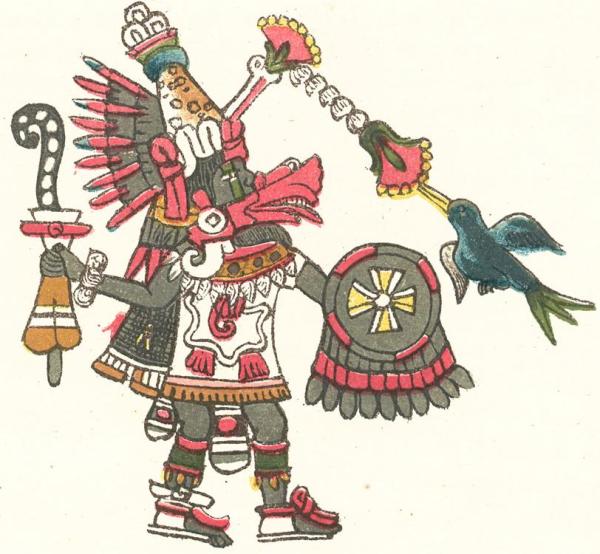
Aztec Deity
Aztec Saint’s Self Immolation

Aztec civilization (750 CE to 1500 CE) in South and Central America had a mysterious person with the name Quetzalcoatl. There were two people with the same name which resulted in lot of confusion. He was a demiurge, priest, ruler conceived by virginal birth years after his father’s death. He was ruler of Toltecs for twenty two years. He lived in Tula, lost a civil war, fled with a good sized Toltec force. He set sail into the open sea on a particular date Aztec calendar with a prophecy that he would come back on the recurrence of that date.

Centuries after this date, Spanish man Herman Cortes landed on the coast of Mexico on 4th March 1519. Aztec king Montezuma believed that god and saint Quetzalcoatl had come back in the form of a white man. He was given royal welcome. But Cortes, Columbus and his band of explorers brought disease, death and destruction to the wonderful Mayan, Aztec and Inca civilizations. They plundered the whole of South America and took tons of gold to Spain and Portugal.
Quetzalcoatl_Ehecatl
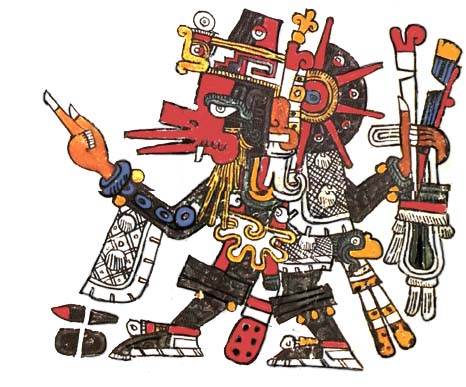
Quetzalcoatl means ‘feathered serpent’ or ‘precious twin’. He is one of the most important Aztec deities, although he has origins in pre Aztec cultures. There was a historical king in the same name that was expelled from Tula, the Toltec capital in 987 CE. According to one version he reached the Gulf of Mexico and immolated himself, to be reborn as the planet Venus. He predicted that he would come back. He may be a Hindu saint who practised such rituals in ancient India.

sita2
Sita Devi in Fire Test.

Contact swami_48@yahoo.com
2013 in review

The WordPress.com stats helper monkeys prepared a 2013 annual report for this blog.

Here’s an excerpt:

The Louvre Museum has 8.5 million visitors per year. This blog was viewed about 160,000 times in 2013. If it were an exhibit at the Louvre Museum, it would take about 7 days for that many people to see it.

Click here to see the complete report.

2012 in review

The WordPress.com stats helper monkeys prepared a 2012 annual report for this blog.

Here’s an excerpt:

19,000 people fit into the new Barclays Center to see Jay-Z perform. This blog was viewed about 72,000 times in 2012. If it were a concert at the Barclays Center, it would take about 4 sold-out performances for that many people to see it.

Click here to see the complete report.

Tamil through proverbs

Please see attachment below in PDF format.

Swami

Palamoliyil Inthumatham PDF

Indiahhhh——RICHEST country in the world (Part 4)

By S Swaminathan, University of London

Please note this is the 4th part in a series. To read the pior parts click the links below:
Part 1
Part 2
Part 3

Mohmed of Gazni’s Thirst for Gold
Mohmed of Gazni invaded India 17 times just to plunder all the temples in North India. He came to know about the fabulous wealth of Hindu temples in Punjab, Rajasthan, Uttar Pradesh and Gujarat and targeted them. During each invasion he massacred several thousand people and took tonnes of gold and silver ornaments from the temples. Historians say that when he entered Mathura, birth place of Lord Krishna, there was no resistance. It was a cake walk for him. He took all the property of the temple.
If one could make a list of all that Mohmed of Gazni plundered from the temples, he would definitely find a place in the Guinness Book of Records as the greatest plunderer in the world. He will put the Spanish plunderers of Inca and Maya gold to shame. The most famous plunder of Mohmed of Gazni was of Somnath Shiva temple in Gujarat. It had an incredible amount of wealth. The Shiva linga was covered with kilos of gold and gems. He broke the linga after taking all the jewellery. He got only 20 million Dinars from Somnath temple. The founder of Bharatiya Vidhya Bhavan Sri K M Munshi has described it in detail in his book about Somnath. These events took place between 1,000 AD and 1,026 AD. Historians estimate that he took three billion dinars from India. Afgan people lined the streets of the city of Gazni just to see the booty. As a side note – a Dinar is a gold coin. Different weights were used during different times but normally a dinar was four grams.
Rajaraja’s gold donations
Rajaraja was one of the famous Chola kings who ruled Chola country from 985 AD. He built the famous Brihadeeswarar Temple in Thanjavur. There are over 85 inscriptions of Rajaraja in the temple detailing his donations to the temple. He donated enormous gold coins to run the temple. He also donated a lot of gem studded golden jewellery to the gods and goddesses. It is estimated that he donated 4,000 Kazanju (8,000 grams) of gold. Rajaraja and his family members had donated 66 bronze idols to the temple. The inscriptions describe all the diamonds, emeralds, rubies, sapphires, pearls and gold with precise measurements. He also donated huge golden vessels. Dr R Nagaswamy, famous archaeologist and historian, has given a detailed account of all these inscriptions in his book about the temple. The antiquities had a value well beyond that of the gold itself. The current location of these items is unknown; they were all lost during the last one thousand years.
Malikafur and gold
Malikafur was the general of The Delhi Sultan Alauddin Khilji. When Malikafur invaded Madurai and Srirangam he plundered hundreds of places and took thousands of kilos of gold to Delhi. Madurai was under Sultanate rule for 48 years in the thirteenth century and the Madurai temple was closed for 48 years. The gold plundered by Muslim invaders slowly went out of the country when the Delhi sultans lost power. Kampanna Udayar was the General sent by the Vijayanagar Emperor to conquer Madurai from the sultans. His wife Gangadevi accompanied him and gave vivd reports of what her husband saw in Madurai, much like a news paper reporter. All her reports were in Sanskrit poetry in the book called Madura Vijayam.
Women were very well educated in those days. She not only had the courage to follow her husband’s army, but also had written a beautiful running commentary of the war eight hundred years ago in Sanskrit. I have the copy of Madura Vijayam with me in London.
There’s more coming! In the following parts you will read about:

  • Why Roman writers were angry about Tamil Nadu’s exports two thousand years ago
  • How many Roman gold coins were unearthed in India
  • The largest gold coin of Shajahan
  • The Tirupati Temple Gold reserve
Please contact me on swami_48@yahoo.com or leave comments and feedback below.
Please also show your support and simultaneously register yourself for future updates by clicking ‘Follow’. 

To Master the Tamil language….Keep a calculator handy!

                                                -S. Swaminathan-

How many years would it take to master the Tamil language? The simple answer is that no one can complete studying Tamil in one’s own life time. The Tamil proverb says ‘’ kalvi karai ila, karpavar naal sila‘’(Art is long, Life is short). Another saying goes that even the most learned persons say ‘’Katrathu kai alavu, kallaathathu ulaka alavu’’ (What one has learnt is a handful, what one has to acquire is as expansive as the world). No wonder Sir Isaac Newton , who discovered  the three basic laws physics said ,  ‘‘ I was like a boy playing on the sea-shore and diverting myself now and then finding a smoother pebble or a prettier shell than ordinary, whilst the great ocean of truth lay all undiscovered before me’’.

Tamil is a very rich language and produced literature for 2,000 years without a break. Even If we just take the poems composed in the first 1,000 years , it would be impossible to study all of them within one life time, let alone understanding the full depth of the poems. Tamil stands on par with other ancient languages like Sanskrit, Hebrew, Chinese, Greek and Latin. Tamil Cankam literature consists of 18 books; that is, 2,381 poems sung by 473 poets running into 30,000 lines composed in the first few centuries of modern era. The oldest Tamil book is a grammatical treatise called Tolkappiyam. Following the Cankam period we had epic period which saw five great Tamil epics including the most famous Silappadhikaram and Manimekalai. 18 books on ethics including Tirukkural were written after this.
If we take in to account the Thevaram, Thiruvasagam, Thirumanthiram and the Divya Prabandham sung by the great Four Saivaite Saints and 12 Vaishnavaite saints one has to take several births to complete studying Tamil. Don’t take my word for it. Take a calculator in your hand and do the calculation for yourself.

Tolkappiyam -3,999 lines
Cankam Literature Ettu thokai, Pathup paattu- 30,000 lines
Silappadhikaram -5,001 lines
Manimekalai – 4759 lines
Perunkathai- 16,230 lines
18 ethical books including Tirukkural- 3,250 poems (10,348  lines)
Panniru Thirumurai (Thevaram etc.)- 18,326 poems/hymns
Divya Prabandham – 4,000 poems/hymns
Kamba Ramayanam- 10,500 poems
Seevaka Chinthamani- 3,145 poems
Thayumanavar- 1,454 hymns
Arunagiri Thiruppugaz- 1,361 hymns
Ramalinga Swamikal- 5,800 hymns
The last three poets lived in the past few centuries. I have not yet dealt with Villipuththurar Mahabharatham, Nalavenba by Pukazenthi, Siledai (double meaning) poems of Kavi Kalamegam, 18 Puranam translations running in to several thousand lines, Kallaadam, all the grammar books including Nannul, Nikandu /dictionaries, Siddhar songs etc. Now do the maths with your calculator. Each one will read it at their own speed. If you read a few poems every day understanding every line of it, how many years would it take?

If one discovers the beauty of the poems composed by poets like Bharathiyar in the last century, you wouldn’t waste a single minute! Enjoy reading Tamil books.

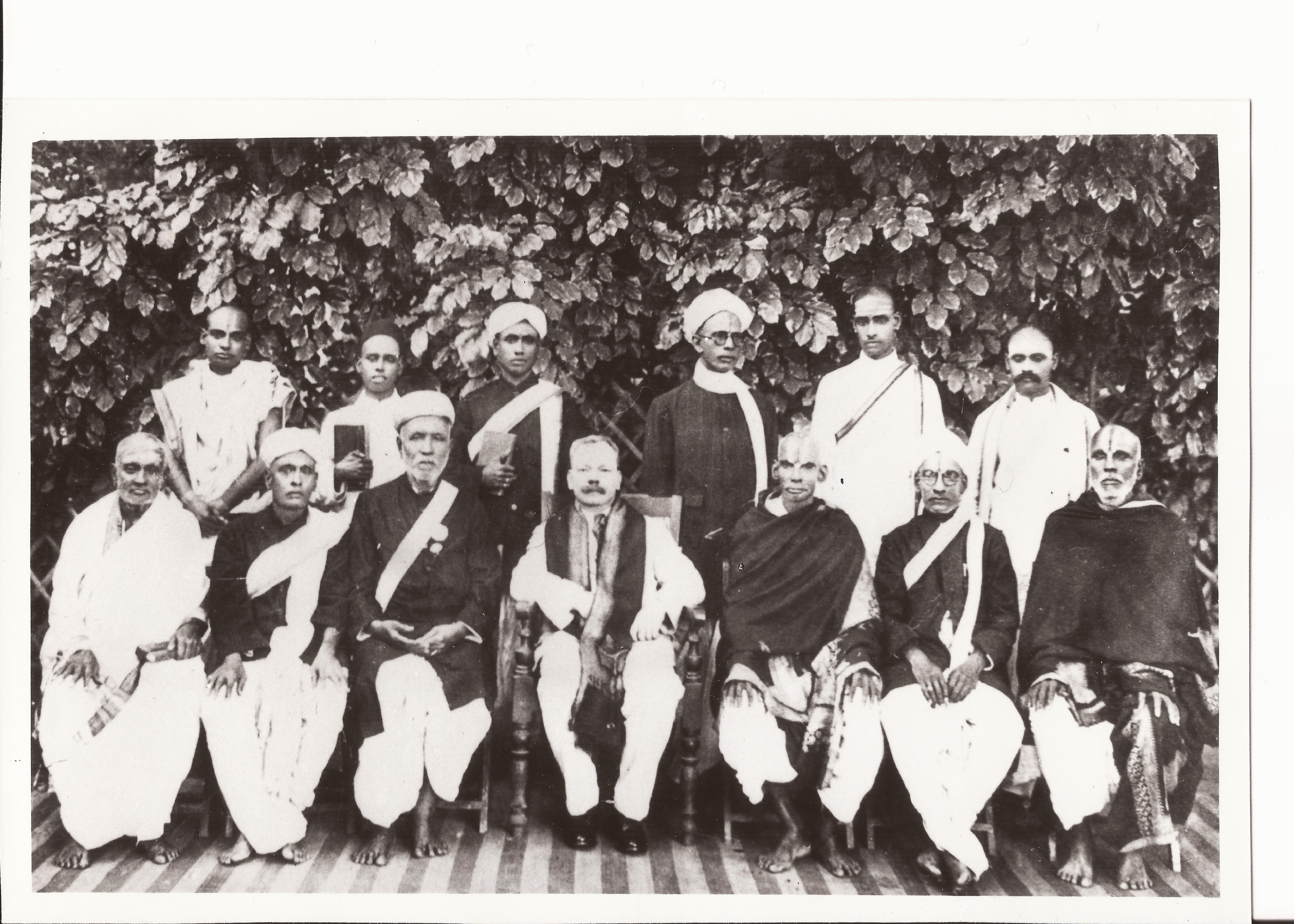
Can you name these Tamil Scholars?

Could someone please help me identify the people in the photo??

This photo was given to me by Mr T.A. Srinivasan of Indian Express Group, Madurai.

Picture of a number of unknown Tamil Scholars

Picture of a number of unknown Tamil Scholars...can you help me identify them?

I need help in identifying the Tamil scholars. Please post comments to the blog or send me an email on: swami_48@yahoo.com.

I am also available on Facebook and Twitter (swami_48).

Indiahhhhhhh ———–the RICHEST country in the world! (Part 3)

Please note, this is the third part in a series on why India is the Richest country in the world. 

For the first part, click here. 
For the second part, click here.

In the last part, I looked at a small portion of the historical and mythological evidences on the wealth of India.
Leaving the mythological stuff to aside let us look at the real world. Many a people wouldn’t know that the LARGEST GOLDEN TEMPLE IN THE WORLD IS IN TAMIL NADU. Sripuram near Vellore has a beautiful golden temple for the Hindu goddess Narayani. They have used 1,500 kilos of gold in the temple. You will be stunned to see the shining gold amidst an evergreen field surrounded by the blue mountains. The saint who lives there has planned and built it according to Hindu Vastu Shastra. Now compare it with the most famous Indian wonder the Golden Temple of Amritsar. The Sikhs used just 100 kilos of gold! But it is more famous than the Tamil temple.
Largest consumer of gold: India is the largest consumer of the yellow metal in the world. India imports 1,000 tonnes of gold every year. Though a big chunk of it is exported, once again it is Indian women who buy it back it from the jewellery shops of London, Dubai and Switzerland.
India has the largest number of gold jewellery shops in the world. One must visit South Avani Mula street of Madurai, particularly in the evening. The street is full of glittering gold shops. Even the ancient Tamil Cankam literature speaks about the 24 hour gold shops in Madurai. They called them Naal Angadi (day time shops) and Al Angadi (night time shops).
Indian households account for a whopping 15,000 tonnes of gold according to the latest newspaper reports. People have grossly underestimated the great thirst of Indian women for gold. Fish can live without water, but Indian women can’t live without gold. Is it a sweeping statement? No, not at all. Look at the temple sculptures and Ajanta and Sithannavassal paintings. We have got 3,000 years’ worth of proof for their taste for wearing expensive jewellery. Even the Indus valley dancing woman wears a chain with three pendants. The Barhut sculptures show women wearing enormous jewellery, the weight of which she can’t possibly bear. Next time you visit any temple, forget the gods and goddesses and look at the beauty of Indian jewellery on the sculptures. Tribal women on the Himalayas wear beautiful semi precious stones in their chains.
Whetted your appetite? There’s more to come! In the fourth part you will read about:
  • What Malaikaffur took from Tamil Nadu
  • What Mohammed of Gazni took from Somnath temple in Gujarat and what Rajaraja Choza donated to the Big temple – Gold, Gold nothing but gold!
  • What did Indian women buy on Akshay Thrithyai day?
  • Gold Chariots of Hindu Temples
  • Gold recovered from Ashrams etc.

Indiahhhhhhh ———–the RICHEST country in the world! (Part 2)

Please note, this is the second part in a series on why India is the Richest country in the world. For the first part, click here.

In my prior post, I concluded with the assertion that Hindu temples hold more gold than the Reserve Bank of India and that further, my research shows Hindu women probably have more gold than the Hindu temples and Reserve Bank of India put together!Now let’s dig deeper and look at my research from ancient times:

1.   We had the Kohinoor diamond which is now in the jewellery collection of Queen Elizabeth.
2.   We had Peacock throne and we don’t where it is now. My research shows that it is in Iran.
3.   We had Akshaya Pathram of Draupadi (of Mahabharatha).This is a vessel that feeds any number of people with never ending food supply. Where is it? I am doing more research on this Holy Grail. First it was taken to the Christian lands and then it disappeared.
4.   We had Amutha Surabhi the vessel of eternal supply (Ref.: Manimekalai, Tamil Literature) and we do not know where it has gone.
Kovalan the son of a great merchant came to Madurai to sell his wife Kannaki’s anklet which is full of gem stones. But he was caught by an evil goldsmith as thief and executed by the great Pandya King Nedunchezian. Kannaki, his wife ,entered the Pandyan assembly and threw the anklet at his foot steps. The moment the king came to know that the anklets did not contain the pearls from the Gulf of Mannar, but gems from other territories he died of heart attack. Shocked by the injustice done to an innocent human being the queen of Pandya king also had a massive heart attack and died on the spot. Kovalan’s enraged wife Kannaki burnt down Madurai by throwing one of her breasts on the palace. But she prayed to the God of Fire (Agni deva) not to harm the holy cows, the women and the Brahmins – thus goes the great moving Tamil epic Silappathikaram. The point I want to make is to look at the wealth of ancient Madurai. (Madurai is the second largest city in Tamil Nadu, India).
In the next part we will look beyond the historical and mythological references to India’s wealth to the real world.