வேத கால மக்களின் வியத்தகு புவியியல் அறிவு!

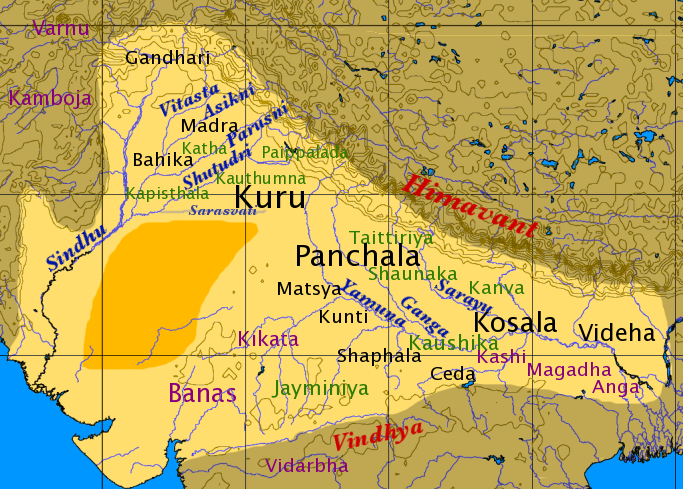
3960f-map_of_vedic_india

Written by London swaminathan

Research article no.1881, Date: 22 May 2015.

(This article is published already in English)

வேத கால மக்களுக்கு இருந்த பூகோள அறிவு அவர்களை நாகரீகத்தின் உச்சாணிக் கொம்பில் வைக்கிறது. வேதங்கள் என்பன வரலாற்றுப் புத்தகமும் அல்ல; புவியியல் நூலும் அல்ல.ஆயினும் அதில் ஏரளமான விஷயங்கள் இருக்கின்றன. சங்கீதம், நாட்டியம், வான சாத்திரம், சோதிடம், வரலாறு, புவியியல், மந்திர தந்திரம், தாயத்து, பறவைகள், மிருகங்கள், பாம்புகள், மீன் வகைகள், ஏரி,குளங்கள், நாடு நகரங்கள், கடல்கள், ஆறுகள் என நீண்ட பட்டியல் உள்ளது. ஆயினும் இதை ஆங்கிலத்தில் மொழி பெயர்த்தவர்கள் உள் நோக்கத்துடன் செயல்பட்டதாலும், இந்துக்கள் மீது வெறுப்பு கொண்டமையாலும் வேண்டுமென்றே பல இடங்களைத் தவறாக மொழிபெயர்த்தனர். இப்பொழுது அவர்கள் “குட்டு” கொஞ்சம் கொஞ்சமாக அம்பலமாகி வருகிறது.

1.தொல் பொருட் துறைச் சான்று

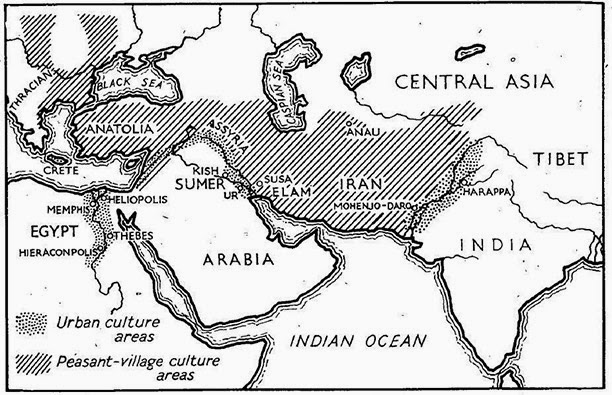
சமஸ்கிருத மொழிக்கும், வேத கால தெய்வங்களுக்கும் அழிக்க முடியாத, மறுக்கவொண்ணாத தொல் பொருட் துறை, வரலாற்றுச் சான்றுகள் கிடைத்தமையால் அதன் பிரம்மாண்டமான வியாபகம் தெரிகிறது.

ஈரான் என்னும் பாரசீக நாட்டிலிருந்து ஆந்திரம் வரையான பல பிரதேசங்களின் பெயர்கள் வேதங்களில் உள்ளன. உலகின் மிகப் பழைய நூலான ரிக் வேதத்தில் எட்டாவது மண்டலத்தில் இரானிய மன்னர்கள் பெயர்கள் இருப்பது அறிஞர் பெருமக்களை திகைப்பில் ஆழ்த்துகிறது.

துருக்கி நாட்டில் வேதகால தெய்வங்களின் பெயர்களை ரிக் வேத சூக்தத்தில் சொல்லிய அதே வரிசையில் சொல்லி இரண்டு மன்னர்கள் உடன்படிக்கை செய்துகொண்ட கல்வெட்டு கி.மு1400 ஆண்டு வாக்கிலேயே வேதங்கள் துருக்கி வரை சென்று விட்டதைக் காட்டுகிறது.

அது மட்டுமின்றி தசரதன் என்ற மன்னன் எழுதிய கடிதங்கள் எகிப்தில் அமர்னா என்னும் இடத்தில் கண்டு பிடிக்கப்பட்டதும் சம்ஸ்கிருதப் பெயர்களைக் கல்வெட்டில் காட்டுகிறது. இதுவும் கி.மு.1400 ஐ ஒட்டிய சான்று. எகிப்து முதல்—ஈரான்  முதல் — ஆந்திரம் வரை வேதப் பெயர்களும் சம்ஸ்கிருதச் சொற்களும் இருப்பது உலகின் மிகப்பெரிய நாகரீகம் என்பதை காட்டுவதாக உள்ளது. வேறு எந்த பழைய மொழியும் இவ்வளவு பெரிய பரப்பில் காணப்படவில்லை. அலெக்சாண்டர் காலத்திற்குப் பிறகு கிரேக்க மொழி வேண்டுமானால் இந்தச் சிறப்பைப் பெற்றது.ஆனால் வேதங்களோ அலெக்சாண்டருக்கு குறைந்தது 1500 ஆண்டுகளுக்கு முந்தையவை!
5139d-earliestcivilsation-map

2.கடலோடிகள்

பூஜ்யு என்பவரைக் கடலில் தத்தளித்த, உடைந்த கப்பலில் இருந்து, காப்பாற்றியது ரிக் வேதத்தில் பத்து இடங்களுக்கு மேல் வருகிறது. அவர்களுக்குப் பாரத நாட்டின் இரு புறம் இருந்த கடல்களும் நன்கு தெரிந்திருந்தன. கங்கைச் சமவெளி முதல் முஜாவான் மலை வரை பல இடங்களையும் துதிகளில் போற்றியுள்ளனர்.

(துவாரகைக்கு அடியில் கடலில் கண்டுபிடித்த துறைமுக தடயங்கள் மக்களின் 5000 ஆண்டுக்கு முந்தைய கடல் வழிப் பயணத்துக்குச் சான்றாகத் திகழ்கின்றன).

3.முப்பது நதிகள்

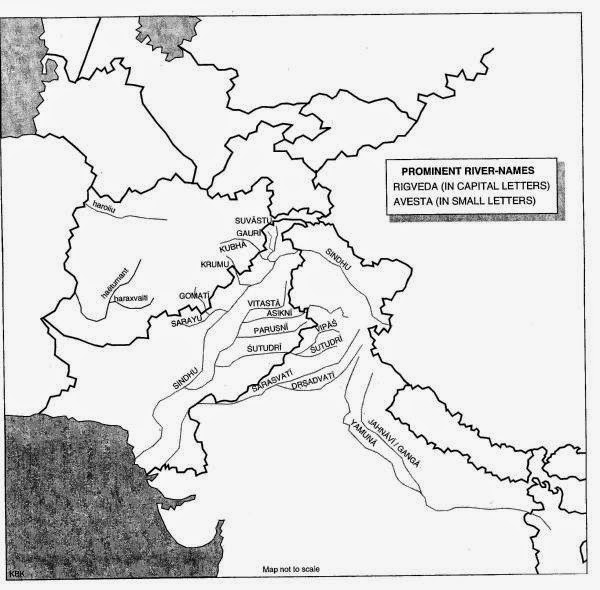
வேதத்தில் முப்பதுக்கும் மேலான நதிகள் பெயர்கள் இருக்கின்றன. நதி சூக்தம் என்ற பெயரில் உலகிலேயே முதல் முதலாக நதிகளைப் புகழ்ந்து பாடும் துதியும் உள்ளது. உலகில் நீரையோ, நதிகளையோ புகழ்ந்து பாடும் பாட்டு கி.மு.1700-ல் பாரதம் தவிர வேறு எங்கும் இல்லை.

பூ சூக்தம் என்று பூமியையும் இயற்கை வளத்தையும் பாராட்டும் ஒரு பாடலும் இருக்கிறது. இப்படிப் பூமியைப் பாராட்டும் பாடலும் அவ்வளவு பழைய காலத்தில் வேறு எங்கும் கிடைக்காது

மேலும் நதிகளைப் புகழ்ந்து பாடுகையில் கிழக்கேயுள்ள நதியின் பெயரை முதலில் சொல்லி மேற்கேயுள்ள நதியின் பெயரை கடைசியாகச் சொல்லுவது வேத கால இந்துக்கள் கங்கைச் சமவெளியில் தோன்றி மேற்கே சென்று நாகரீகத்தைப் பரப்பினார்கள் என்பதைக் காட்டுகிறது.

ஹிட்லருக்கு மிகவும் உதவிய ஆரிய-திராவிட இனவெறிக் கொள்கையைப் போற்றுவோருக்கு இது செமை அடி கொடுக்கிறது. அது மட்டுமல்ல. எல்லா யாக யக்ஞங்களிலும் இந்திரனுடைய திசை கிழக்காவும், வருணனின் திசை மேற்காகவும் கொடுத்திருப்பது ஆரிய-திராவிட இனவெறிக் கொள்கையை அடியோடு நிராகரிக்கிறது.
 

4.பத்து ராஜா யுத்தம்

வேதத்தில் மிகவும் பெரிதாகப் பாடப்பட்ட போர்- பத்து ராஜா போர் (தச ராக்ஞ யுத்தம்) ஆகும். அந்தக் காலத்திலேயே பத்து ராஜாக்கள் இருந்ததைத் தெளிவாக்கும் சொல் இது. தங்கள் கொள்கைக்கு குந்தகம் விளையுமே என்று அஞ்சிய, வெள்ளைக் கார்கள், வெளிநாட்டினர், அவைகளைப் பழங்குடி இனப் பெயர்கள் என்று மொழி பெயர்த்தனர். ஆனால் பல வேத கால அரசர்களோ அஸ்வமேத யக்ஞங்களைச் செய்தோர் பட்டியலில் இடம் பெறுகின்றனர். அஸ்வமேதம் என்பது அருகாமை நாடுகளை வெல்லும் யாகம். அது இனக் குழுக்கள் செய்வன அல்ல.

மேலும் வேதத்தில் சொல்லப்படும் எல்லா நாடுகளின் பெயர்களும் மஹாபாரத்தில் இருக்கின்றன. மஹாபாரதத்தில் முப்பது நாடுகளின் பெயர்கள் இருக்கின்றன. வேத கால இலக்கியங்களில் வரும் மன்னர்களின் பெயர்களும் நமக்குக் கிடைக்கின்றன.

5.மோசசுக்கு ஒரு நீதி! வேதத்துக்கு வேறு ஒரு நீதி!

சமுத்திரம் என்றால் அது கடல் அல்ல, வெறும் குளம், காம்போஜ, குரு, பாஞ்சால என்பதெல்லாம் நாடு அல்ல, வெறும் இனப்பெயர்கள் என்று விதண்டாவாதம் செய்வோர் எல்லாம் உள்நோக்கம் கொண்ட ஆட்கள் என்பது அவர்களின் பல கட்டுரைகளால் தெரிகிறது. அதுமட்டுமல்ல, அவர்களில் பாதிப்பேர் நாடு பிடிக்க வந்த கோஷ்டி அல்லது மதப் பிரசார கோஷ்டியைச் சேர்ந்தவர்கள். பைபிளைப் பற்றி ஆராய்ந்த அதே இனம் அதை இந்திரனே சந்திரனே என்று புகழ்ந்து, பாலஸ்தீனத்தில் பார்த்த இடங்களை யெல்லாம் முழுக்க முழுக்க அது பைபிளில் சொல்லிய இடங்களே என்று எழுதிய அதே இனம் –அது போல இந்து புராணங்களில் வருகையில் அவை கட்டுக் கதை என்றும் வேறு பொருளுடையவை என்றும் திரித்து எழுதினர், திரிசமம் செய்தனர்.மோசஸ் என்பவருக்கு இதுவரை வரலாற்று அல்லது தொல்பொருள் ஆதாரம் கிடையாது!!! அப்படியானால் மோசசும் இல்லை யூத மதமும் இல்லை என்று அர்த்தமா? அவர்கள் எல்லாம் கற்பனைப் பெயர்களோ!!!!

நல்ல வேளை, இந்துக்கள் செய்த புண்ணியம்! இருபதுக்கும் மேற்பட்ட வெளிநாட்டு அறிஞர்கள் இருபது விதமாக வேதத்தை மொழி பெயர்த்து “எங்கப்பன் குதிருக்குள் இல்லை” என்ற கதையாக அவர்களது அறியாமைக்கு வெளிச்சம் போட்டுக் காட்டினர். வேதத்தில் உள்ள சிறு தெய்வங்கள் (மைனர் காட்ஸ்) என்ற புத்தகத்தில் ஜோஷி என்பவர் ஒவ்வொரு வெளிநாட்டு அறிஞரும் அக்கடவுள்கள் பற்றி என்ன சொல்கின்றனர் என்பதைத் தொகுத்துக் கொடுத்துள்ளார். முரண்பாடுகளின் மொத்த உருவம் இந்த வெளிநாட்டு அறிஞர்கள் என்பதற்கு வேறு எடுத்துக்காட்டே தேவை இல்லை. குழப்படி மன்னர்கள்!

புறநானூற்றுப் பாடல் 201ல் அகத்தியர் 18 குடிகளை, 49 தலைமுறைகளுக்கு முன்னர் அழைத்து வந்த கதை இருக்கிறது. அதாவது கி.பி.முதல் நூற்றாண்டுக்கு முன்னர் 49 தலை முறை. அப்படியானால் கி.மு 1000 அல்லது கி.மு 1200.

சதபத பிராமணம் முதலிய இலக்கியங்களில் நான்கு திசை மக்களைப் பற்றி வருகிறது. இலங்கையில் வசித்த ராவணன் பருவக் காற்றைப் பயன்படுத்தி கோதாவரி நதிக்கரையில் வந்து அட்டூழியம் செய்தான். கயிலாயம் வரை சென்று வால் ஆட்டினான் என்று படிக்கிறோம். மாபாரத காலத்தில் கிருஷ்ணன் உத்தரப் பிரதேச மதுரா நகரில் இருந்து குஜராத்தில் உள்ள துவாரகைக்கு அடிக்கடி தேரில் வந்து போனான். ராமாயண பரதன் இரானிய எல்லையில் உள்ள கேகயத்தில் இருந்து ஆப்கனிஸ்தான் வழியாக உத்தரப் பிரதேச அயோத்திக்கு விரைந்து வந்தான். புவியியலும் போக்குவரத்தும் நமது இலக்கியங்களில் மலிந்து கிடக்கின்றன.

6.ஸ்வயம்வரத்தில் பல நாட்டு மன்னர்கள்

ராமாயணத்திலும் மஹாபாரதத்திலும் சீதை, திரவுபதி, தமயந்தி அம்பா/அம்பிகா/அம்பாலிகா முதலிய பல ஸ்வயம்வரங்கள் வருகின்றன. இவைகளுக்கு 56 தேச அரசர்கள் வந்தனர் என்பதால் அக்காலத்திலேயே அவ்வளவு “நாடுகள்” இருந்ததைக் காட்டுகிறது.

தென்பகுதியை ஆண்ட மன்னர்களில் போஜன் என்ற மன்னன் பெயரையும் வேத கால இலக்கியங்கள் சொல்லுகின்றன. போஜன் என்ற பெயர்ல் பத்தாம் நூற்றாண்டு வரை பல மன்னர்கள் இருந்தனர்.

இந்த ஸ்வயம்வர, அஸ்வமேதம் முதலியன உலகில் வேறு எங்கும் கிடையாது. ஆக நாம் இந்த நாட்டுப் பூர்வ குடிகளே, வ்நேறு எங்கிருந்தும் வரவில்லை என்பதற்கு இது இமயமலை போல் சான்றாக நிற்கும்.

ஆந்திரர், சரபர், புலிந்தர், அங்க, சேதி, பாஹ்லிக (பாக்ட்ரியா), அலின, சேதி, மத்ஸ்ய, பலனாச், பக்தூஸ் (பக்தூனிஸ்தான்), காசி, பரதர் முதலிய பல பெயர்கள் வேத கால இலக்கியத்தில் வருகின்றன. அந்தந்த நாட்டைச் சேர்ந்தவர்கள் அந்தந்தப் பெயர்களால் அழைக்கப்பட்டனர். நாம் இந்தியாவைச் சேர்ந்தவர்கள் என்பதால் இந்தியர்கள் என்று அழைப்பரல்லவா? அது போலத்தான்.

சரஸ்வதி நதி பற்றி 80 இடங்களில் குறிப்பிடப்படுகிறது. ஹரியூப (ஹரப்பா) போன்ற பெயர்களும் உள்ளன.

7.சப்த சிந்தவ

சப்த சிந்தவ (ஏழு நதிப் பிரதேசம்) என்னும் பெயர் ரிக்வேதத்திலேயே வருவதால் அவர்களுக்கு புவியியல் அறிவு இருந்ததும் அதை வைத்துப் பெயர் சூட்டுவதும் தெரிந்திருந்தது என்று அடித்துச் சொல்லலாம்.

நான் சொன்ன மேற்கூறிய எல்லா விஷயங்களுக்கும் மேற்கோள் குறிப்புகள் எனது ஆங்கிலக் கட்டுரையில் உள்ளன. வேதத்தில் எங்கே எந்த இடத்தில் இவை உள்ளன என்பனவற்றை அறிய விரும்புவோர் ஆங்கிலக் கட்டுரையைப் படிக்கவும்.

பங்குனி உத்திரத்தில் ராமன், சிவன் கல்யாணம் ஏன்?

Written by London swaminathan

Research Article No: 1833

Date: 28 April 2015; Uploaded in London at 9-22 am

பங்குனி உத்தரம் ஆன பகற்போது

அங்க இருக்கினில் ஆயிரநாமச்

சிங்கம் மணத் தொழில் செய்த திறத்தால்

மங்கல அங்கி வசிட்டன் வகுத்தான்

–கம்ப ராமாயணம், பால காண்டம், கடிமணப் படலம்

வசிட்ட முனிவன் பங்குனி மாத உருத்திர நட்சத்திரம் கூடிய அந்த நல்ல நாளில், அங்கங்களோடு கூடிய வேதங்களில் சொல்லப்பட்ட, ஆயிரம் திருநாமங்களை (ஸஹஸ்ரநாமம்) உடைய – சிங்கம் போன்ற ராமனது திருமணச் சடங்கைச் செய்த முறைமைக்கு ஏற்ப, மங்கலமான ஓமாக்கினியை (ஹோம அக்னி) வளர்த்து மண வினையை முடித்தான்.

வால்மீகி கூறியதையே கம்பரும் கூறி இருக்கிறார் (பால காண்டம், சர்கம் 72)

பாரதம் முழுதும் ஒரே கலாசாரம் இருந்தது என்பதற்கு தமிழின் மிகப்பழைய நூலான தொல்காப்பியமும், சங்க இலக்கிய நூல்களும் சான்று தருகின்றன. மனு தர்ம சாத்திரம் சொல்லும் எண் வகைத் திருமணத்தைத் தொல்காப்பியர் சொன்னதை முன்னர் கண்டோம். அவர் தச விதப் (பத்து) பொருத்தங்களையும் கூறுகிறார். இதைவிட முக்கியமானது கல்யாணத்துக்கு உரிய நட்சத்திரங்கள் என்று வராஹமிகிரரின் பிருஹத் சம்ஹிதையும் ஏனைய பல சம்ஸ்கிருத நூல்களும் சொல்லும் ரோகிணி , உத்தர பல்குனி முதலிய நட்சத்திரங்களில் தமிழர்கள் கல்யாணம் செய்ததும் ஒரே பண்பாட்டை உறுதி செய்கின்றன.

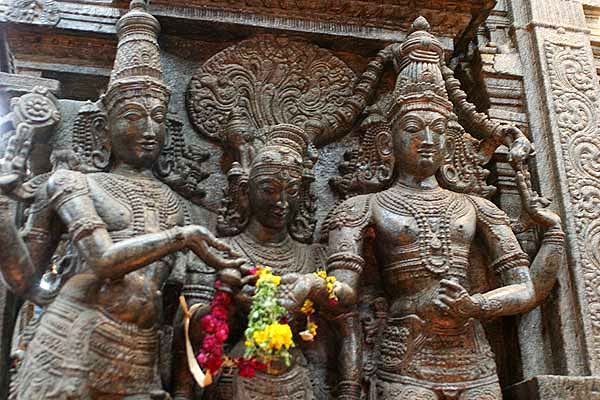
Kalyana sundara (Parvati–Paramasiva) picture from wikipedia (choza Bronzes)

அகநானூறு பாடல்கள் 86, 136 ஆகியவற்றில் தெய்வ வழிபாட்டுடன் ரோகிணி நட்சத்திரத்தில் தமிழர்கள் திருமணம் செய்து கொண்டதை முன்னர் ஒரு ஆய்வுக் கட்டுரையில் கண்டோம். இதே போல கண்ணகி திருமணமும் ரோகிணி நட்சத்திரத்தில் நடந்தது.

இதே போல பங்குனி உத்தரமும் முக்கிய முகூர்த்த நாளானதால் தமிழ் நாட்டில் எல்லா பெரிய சிவன் கோவில்களிலும் அன்று சிவன் – உமை கல்யாணம் நடத்தப் படுகிறது. முருகன் கோவில்களில் தேவயானை—முருகன் திருமணம் நடத்தப்படுகிறது.. தமிழ்நாட்டில் உள்ள எல்லா விஷ்ணு கோவில்களிலும் சிறப்பு ஆராதனைகளும் நடக்கின்றன. இவை எல்லாம் கி.மு முதல் நூற்றாண்டுக்கு முன்னர் வாழ்ந்த உலகப் புகழ் பெற்ற காளிதாசனுக்கும் முந்தைய வழக்கம். காளிதாசன் எழுதிய குமார சம்பவம் (Chapter 7, Sloka 6)

என்னும் காவியத்திலும் சிவன் – உமை திருமணம் பங்குனி உத்திர நன்னாளில் நடந்ததாக எழுதிவைத்துள்ளான். அதே நாளில்தான் ராமன் – சீதா கல்யணமும் நடந்துள்ளது.

பங்குனி உத்தரப் பெருவிழாக்கள் ஏழாம் நூற்றாண்டில் வழ்ந்த திருஞான சம்பதருக்கும் முந்தைய வழக்கம் என்பது தேவாரப் பாடலில் இருந்து தெளிவாகிறது:–

பலவிழாப் பாடல் செய் பங்குனி

உத்திர நாள் ஒலி விழா – சம்பந்தர் தேவாரம்


மதுரை மீனாட்சி சுந்தரேஸ்வரர் திருக்கல்யாணமும் ஒரு காலத்தில் பங்குனி உத்தரத்தில் நடந்ததாகவும், சைவ வைஷ்ணவ ஒற்றுமைக்காகவும், நடைமுறை வசதிகளுக்காவும் திருமலை நாயக்கர் இரண்டு விழாக்களை ஒன்றுபடுத்தி சித்திரைத் திருவிழா ஆக்கியதாகவும் ஆராய்ச்சியாளர் கூறுவர்.

ஆக புற நானூறு, அக நானூறு பாடல் ஒவ்வொன்றும் ஆரிய- திராவிட இன வெறிக் கொள்கையை தவிடு பொடியாக்கி வருவதைக் கண்டு வருகிறோம். எட்டு வகைத் திருமணங்கள், பத்துவிதப் பொருத்தங்கள், அம்மி மிதித்தல், அருந்ததி காட்டல், தீ வலம் வருதல், கடவுளை வணங்கி தீர்க்க சுமங்கலிக்களை வைத்து திருமணத்தை  நடத்தல் முதலிய எவ்வளவோ விசயங்களில் ஒற்றுமை காண்கிறோம்.

பங்குனி உத்தரத்தில் காம தஹனம், ஹோலி பண்டிகைகளும் நடைபெறுகின்றன.

தமிழர்கள் வாழக்கூடிய இலங்கை, மலேசியா, சிங்கப்பூர் ஆகிய நாடுகளில் முருகன் கோவில்களில் தேர், காவடி சகிதம் பங்குனி உத்தரம் கொண்டாடப்படுகிறது.

பொதுவாக இந்துக்களின் முக்கியப் பண்டிகைகள் பௌர்ணமி நாட்களில் நடைபெறும் 1880 ஆம் ஆண்டுக்கு முன் உலகில் மின்சார விளக்குகள் இருந்ததில்லை. ஆகையால் எல்லாப் பௌர்ணமி நாட்களையும் பெரும் கோவில் திருவிழா நாட்களாகக் கொண்டாடினர் இந்துக்கள். பல்லாயிரக் கணக்கான மக்கள் கிராமங்களில் இருந்து கட்டுச் சோறுடன் மாட்டு வண்டிகளிலும் நடைப் பயணமாகவும் வருவதற்கு இந்த முழு நிலவு நாட்கள் உதவின. அவைகளிலும் குறிப்பாக மாசி முதல் வைகாசி வரையுள்ள முழுநிலவு நாட்கள் தேர்ந்தெடுக்கப்பட்டன. காலநிலை ரீதியில் இவை மழை இல்லாமல் மிகவும் அனுசரணையாக இருந்தது இதற்குக் காரணம் ஆகும்.
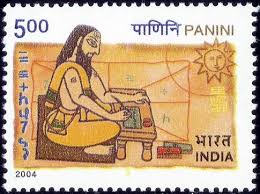
பாணினி மாஜிக்!! Panini Magic!!

panini better

Compiled by London swaminathan

Post No. 1783; Date 7th April 2015

Uploaded from London at   8-58 am

பாணினியை ஏன் உலகமே புகழ்கிறது? அவர் அப்படி என்ன செய்தார்?

பாணினி கி.மு ஏழாம் நூற்றாண்டில் வாழ்ந்தார். அதாவது இற்றைக்கு 2700 ஆண்டுகளுக்கு முன் இப்பொழுது பாகிஸ்தானில் உள்ள ஒரு ஊரில் பிறந்தார். சம்ஸ்கிருதத்துக்கு இலக்கணம் செய்தார். அவருக்கு முன்னரும் அந்த மொழி இருந்தது. அவரே நிறைய இலக்கண வித்தகர்களின் பெயர்களைப் பட்டியல் இடுகிறார். ஆனால் இவர் செய்த புதுமை ஒரு கன கச்சிதமான இலக்கணம் எழுதியது ஆகும். அவர் செய்த ஒவ்வொரு புதுமையையும் விளக்க அல்லது விளங்கிக் கொள்ள நமக்கு சம்ஸ்கிருதம் தெரிந்திருக்க வேண்டும்.
பின்னர் எப்படி அவர் பெருமையை உணர்வது?

பாரதியார் பாட்டில் படிக்கிறோம்:

நம்பருந்திறலோடொரு பாணினி

ஞால மீதில் இலக்கணம் கண்டதும்…..
 

உலகில் யாரும் நம்பமுடியாத திறமையுடன் இலக்கணம் செய்தார் என்கிறார் நம்முடைய மதிப்பைப் பெற்ற பாரதியார்.அவரோ காசியில் சம்ஸ்கிருதம் கற்றவர்.

அது சரி, ஒரு எடுத்துக்காட்டாவது காட்ட முடியுமா?

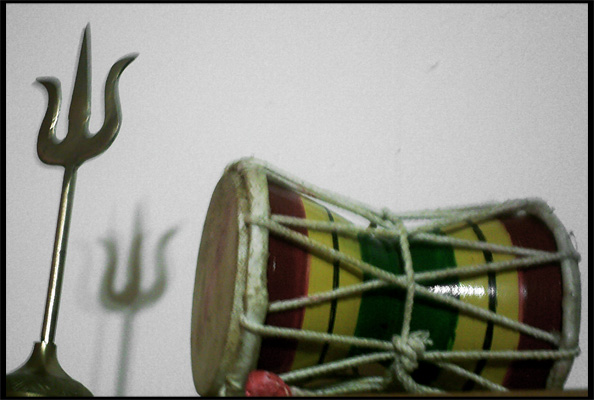
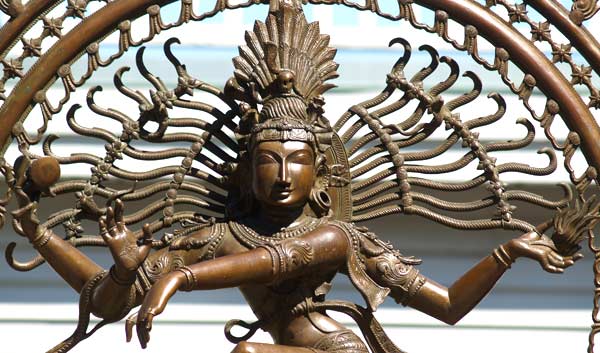
பாணினி எழுதிய புத்தகத்தின் பெயர் அஷ்டாத்யாயி (அஷ்ட அத்யாயங்கள் = எட்டு பகுதிகள்). அதில் முதலாவது மஹேஸ்வர சூத்திரம் என்று இருக்கிறது– சிலர் இதை பாணினி புத்தகத்தில் இருந்து வேறாகவும் கருதுவர். ஆனால் 2700 ஆண்டுகளாக வழங்கும் கதை என்ன வென்றால், சிவபெருமான் உடுக்கை அடித்து ஆடியபோது அந்த ஒலியில் இருந்து எழுந்த 14 சூத்திரங்களே இவை. இதை அவர் தனது புத்தகத்தில் பயன்படுத்தியதில் இருந்து இதற்கும் அவருக்கும் உள்ள தொடர்பு தெள்ளிதின் விளங்கும்.

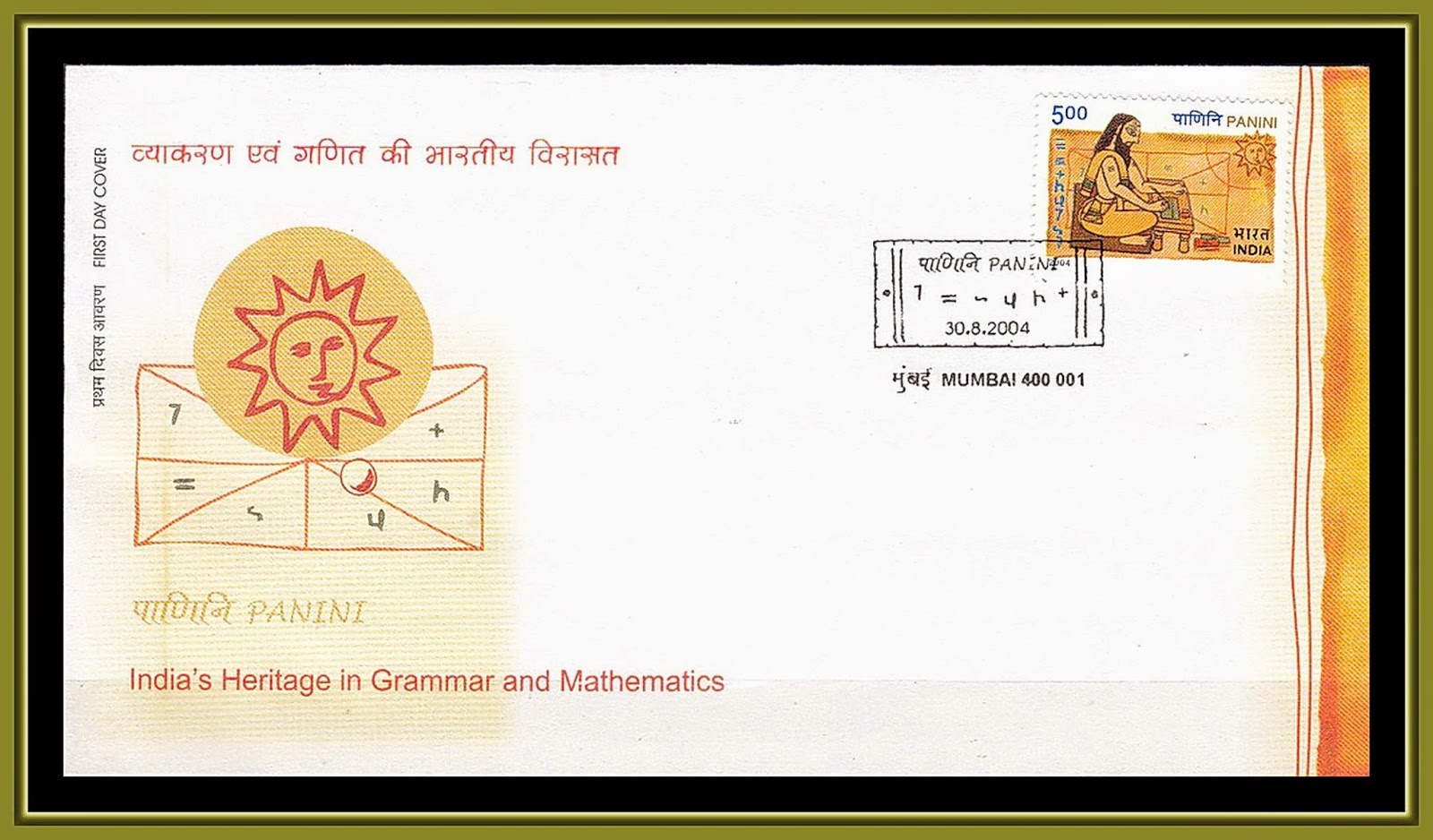
panini fdc

சில எடுத்துக் காட்டுகளைக் காண்போம்:

14 சூத்திரங்கள்:

அ இ உண்

ருலுக்

ஏ ஓங்

ஐ ஔச்

ஹயவரட்

லண்

ஞம ஙணநம்

ஜபஞ்

கடத ஷ்

ஜபகடதஸ்

க ப ச ட த சடதவ்

கபய்

சஷஸர்

ஹல்

–“இதி மாஹேஸ்வராணி சூத்ராணி”.

இவைதான் அவருடைய உடுக்கையில் இருந்து எழுந்த ஒலிகள்.

சம்ஸ்கிருதத்தில் உள்ள எல்லா எழுத்துக்களும் இதில் உள. ஒவ்வொரு சூத்திரத்தின் கடைசியிலும் உள்ள எழுத்து புள்ளிவைத்த மெய் எழுத்து. அது அடையாளத்துக்காக உள்ளது. விதிகளைப் பயன்படுத்தும்போது, அதைச் சேர்த்துக் கொள்ளக்கூடாது – அதாவது அது உப்புக்குச் சப்பை ஊருக்கு மாங்கொட்டை.

ஒரு எடுத்துக் காட்டு:—

உயிர் எழுத்துக்கள் சம்பந்தமான ஒரு விதியைச் சொல்ல வேண்டுமானால் “அச்” என்று சொன்னால் போதும். மேலே உள்ள சூத்திரத்தில் “அ” என்பது முதல் எழுத்து; பின்னர். நாலாவது சூத்திரத்தில் “ச்” என்று முடிகிறது. அ – முதல் ச் – வரையுள்ள எழுத்துக்கள் எல்லாம் உயிர் எழுத்துக்கள். முன்னர் சொன்னது போல ஒவ்வொரு சூத்திரத்தின் கடைசியில் உள்ள புள்ளி வைத்த எழுத்துக்களை ( ச் ) மறந்துவிடுங்கள்.

விடை:–

அ இ உ ((ண்))

ருலு  ((க்))

ஏ ஓ ((ங்))

ஐ ஔ ((ச்)),

உயிர் எழுத்துக்கள் (Vowels) அ, இ, உ, ரு, லு, ஏ, ஓ, ஐ, ஔ

Panini,_

இன்னொரு விதியும் இதில் அடக்கம். அது என்ன?

ஒரு குறில் எழுத்தைச் சொன்னால் அது தொடர்பான நெடிலும் அடக்கம். அ என்றால் ஆ, இ என்றால் ஈ, உ என்றால் ஊ என்று சேர்த்துக்கொண்டே போக வேண்டும்.

அட, இது என்ன பிரமாதம்? “அச்” என்று சொல்லுவதற்கு பதில் தமிழில் உள்ளது போல “உயிர் எழுத்து” என்று சொல்லி விடலாமே. இதற்காகவா, பாணினியைப் புகழ்கிறார்கள்? என்று கேட்கலாம்.

இதே போல “ஹல்: என்றால் அது மெய் எழுத்துக்கள் எல்லாவற்றையும் குறிக்கும். ஐந்தாவது சூத்திரத்தில் ஹ என்னும் எழுத்தில் சூத்திரம் துவங்கி 14-ஆவது சூத்திரத்தில் “ல்” என்ற எழுத்தில் முடிகிறது. அது வரை உள்ள எழுத்துக்கள் எல்லாம் மெய் எழுத்துக்கள் (Consonants) — (ஒவ்வொரு சூத்திரத்தின் கடைசியில் உள்ள புள்ளி வைத்த எழுத்துக்களை மறந்துவிடுங்கள்).

அட, இது என்ன பிரமாதம், “ஹல்” என்று சொல்லுவதற்குப் பதிலாக ‘மெய் எழுத்துக்கள்’ என்று சொன்னால் என்ன பெரிய வித்தியாசம் ஏற்பட்டுவிடும்? என்று நீங்கள் கேட்கலாம். உண்மையில் மெய் எழுத்து, உயிர் எழுத்து என்பதற்கு மட்டும் இன்றி, எந்த இரண்டு எழுத்துக்கள் இடையேயும் உள்ள எழுத்துக்களை இப்படி எடுத்துக் கொண்டு விதி செய்யலாம். சம்ஸ்கிருதத்தில் சந்தி விதிகளை விளக்க இப்படிப் பல சூத்திரங்கள் தேவைப்படுகின்றன.

இந்த 14 சூத்திரங்களை வைத்து 281 ‘காம்பினேஷன்’ போடலாம் என்று அறிஞர்கள் சொல்லுவர்!  இதனால் இதை பிரத்தியாஹார சூத்திரம் என்றும் சொல்லுவர். பிரத்தியாஹாரம் என்றால் முன்னர் குறிப்பிட்ட “அச்”, “ஹல்” போன்ற கூட்டு எழுத்துக்கள் (காம்பினேஷன்) ஆகும். சிவ அல்லது மாஹேஸ்வர சூத்திரங்களில் உள்ள எழுத்துக்களைப் பயன்படுத்தி 44 பிரத்தியாஹார சூத்திரங்களை பாணினி பயன்படுத்தியுள்ளார்.

இப்படி அவர் இந்த ஒரு விஷயத்தில் மட்டும் இதுபோன்ற புத்திசாலித்தனமான உத்தியைப் பயன்படுத்தினால் இவ்வளவு பாராட்டி இருக்க மாட்டார்கள். சம்ஸ்கிருதம் என்ற மொழியே, முழுக்க முழுக்க இப்படி சில விஞ்ஞானபூர்வ விதிகளின் மேல் அமைந்துளது. அதாவது வேர்ச் சொற்களைத் தெரிந்து கொண்டு விட்டால், அகராதியே இல்லாமல் அர்த்தங்களைத் தெரிந்து கொள்ளலாம். நாமும் புதிய சொற்களை உண்டாக்கலாம். ஒரு வேர்ச் சொல்லுக்கு முன் ஒரு முன்னொட்டு (prefix) அல்லது வேர்ச் சொல்லுக்குப் பின்னர் ஒரு பின் ஒட்டைச் (Suffix) சேர்த்துக் கொண்டால் அர்த்தம் மாறிக்கொண்டே போகும்.

ஆங்கிலத்தில் வண்ணங்களைக் (Colours)  குறிக்க ஏராளமான சொற்கள் உண்டு. பெயிண்ட் விற்கும் கடைக்குப் போய் கேடலாக்- கை (Catalogue) வாங்கிப் பார்த்தால் இவ்வளவு வகையான கலர்கள் உண்டா என்று வியப்பீர்கள். உண்மையில் உலகில் மூன்றே வர்ணங்கள்தான் உண்டு. சிவப்பு, நீலம், மஞ்சள் — இவைகளை வெவ்வேறு விகிதத்தில் கலக்க கலக்கப் புதுப் புது வர்ணங்கள் கிடைக்கும். அதில் ஒவ்வொன்றுக்கும் வெவ்வேறு ஆங்கிலப் பெயர். (Different shades of colours). இதே போல சம்ஸ்கிருதத்தில் ஒரு வேர்ச் சொல்லை எடுத்துக் கொண்டு முன்னொட்டு, பின்னொட்டுகளைச் சேர்த்து அர்த்தத்தை மாற்றிக் கொண்டே போகலாம். உலகில் சம்ஸ்கிருதத்தில் இருந்து தோன்றிய மொழிகளில் இதைக் காணலாம். ஆயினும் சம்ஸ்கிருதத்தில் இன்றும் அதற்கான இலக்கணம் உள்ளது. ஒரு நூறு, இரு நூறு ஆண்டுகளுக்கு முன் வரை சம்ஸ்கிருதத்தில் துதிகள் எழுதப்பட்டுள்ளன. அவைகளும் இதே விதியைத் தான் பயன்படுத்தின.

பாணினியைப் பயிலப் பயில, சம்ஸ்கிருத அமைப்பைப் பார்க்கப் பார்க்க, வியப்பு மேலே மேலே வந்து கொண்டே இருக்கும். தமிழர்களாகிய நாம் சந்தோஷப் படவேண்டிய விஷயம் நம் முன்னோர்கள் காழ்ப்பு உணர்ச்சி எதுவுமின்றி சங்க காலம் முதல் சம்ஸ்கிருதத்தைப் பயன்படுத்தி வருகின்றனர். சம்ஸ்கிருதம் இல்லாமல் எந்த இந்தியனும் எந்த இந்திய மொழியையும் பேசவே முடியாது! —- இருதயம், மனம், காமம், நீலம் – இது போன்ற நூற்றுக் கணக்கான சம்ஸ்கிருதச் சொற்களை நாம் ஒவ்வொரு நிமிடமும் பயன்படுத்தி வருகிறோம். தமிழர்கள் பெயர்கள் பலவும், உலகின் மிகப் பழைய நூலான ரிக்வேதத்தில் உள்ள சொற்கள்!!!

ஒரே ஒரு எடுத்துக் காட்டு:– யார் யார் பெயர்களில் எல்லாம் ராஜா, இந்திரன், சரஸ்வதி, பாரதி, சோம, சூர்ய, ஆதித்ய, கருணா, நிதி, கீர்த்தி, வீர,மணி, தாச,க்ருஷ்ண, சாந்தி முதலியன வருகின்றனவோ அவை எல்லாம் ரிக்வேதத்தில் உள்ள சொற்கள் என்பதை அறிக.

தமிழுக்கு மிக,மிக, மிக நெருக்கமான மொழி சம்ஸ்கிருதம். இந்த அளவு நெருக்கத்துக்கு வேறு எந்த மொழியும் தமிழுக்கு பக்கத்தில் வரவே முடியாது. கன்னடம், தெலுங்கு, மலையாளம் இருக்கிறதே என்று சொல்லாதீர்கள். அவை எல்லாம் தமிழின் சஹோதர மொழிகள். ஒரு தாய் வயிற்றுப் பிள்ளைகள்.

-சுபம்-

ஆரோக்கியம் தொடர்பான 31 நல்ல பழமொழிகள்!

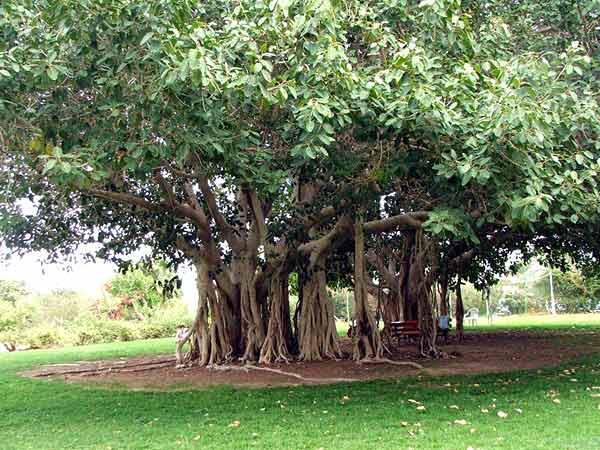
ஆல்

ஆல மரம்

சுவாமியின் பொன்மொழி காலண்டர் – மார்ச் 2015

ஆரோக்கியம் தொடர்பான 31 நல்ல பழமொழிகள்

Compiled by London Swaminathan

Post No.1675; Dated 25 February 2015.

Important Days: Festivals: மாசி மகம்- மார்ச் 4, ஹோலி- 5, சர்வதேச மகளிர் தினம்- 8, யுகாதி- 21, ஸ்ரீராம நவமி- 28.

முகூர்த்த தினங்கள்: மார்ச் 2, 4, 8, 9, 12, 22, 25, 30.


 ஏகாதசி:– மார்ச் 1, 16 31; அமாவாசை- மார்ச் 20;  பௌர்ணமி – மார்ச் 5


 mango-tree-with-fruits

மா மரம்

மார்ச் 1 ஞாயிற்றுக் கிழமை

மருந்தேயாயினும் விருந்தோடு உண்


2 திங்கட் கிழமை

சுட்ட எண்ணையைத் தொடாதே, வறுத்த பருப்பை விடாதே!


3 செவ்வாய்க் கிழமை

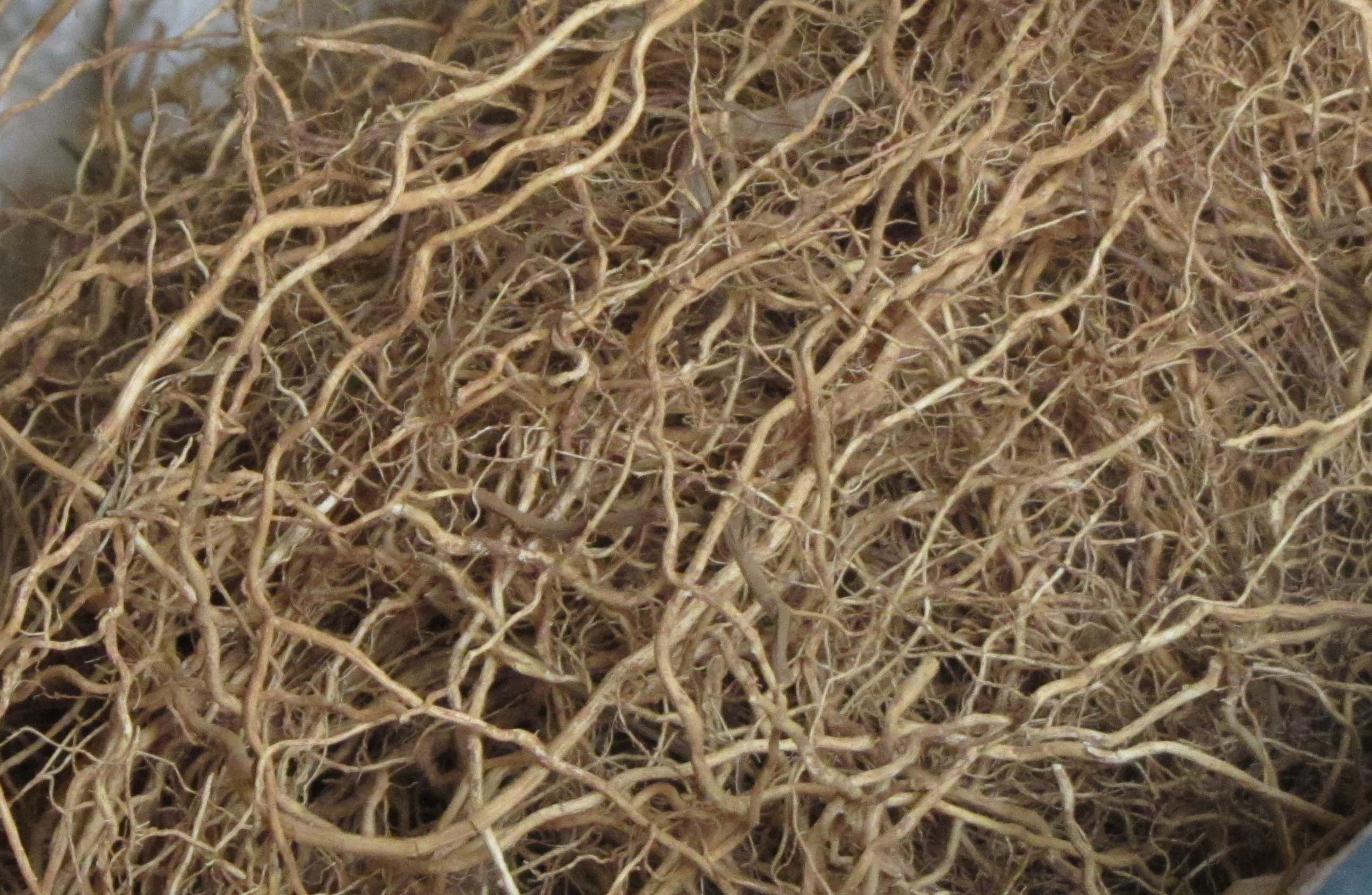
வெட்டிவேரில் விசிறியும் விலாமிச்சை வேரில் தட்டியும் பண்ணு.

 Fragrant_root_vetti-ver

4 புதன் கிழமை

வெந்தயம் போடாத கறியும் கறியல்ல; சந்தையில்லாத ஊரும் ஊரல்ல.

5 வியாழக் கிழமை

வில்வப் பழம் திண்பார் பித்தம் போக; பனம் பழம் திண்பார் பசி போக.


6 வெள்ளிக் கிழமை

ஆலும் வேலும் பல்லுக்குறுதி; நாலும் இரண்டும் சொல்லுக்குறுதி.

7 சனிக் கிழமை

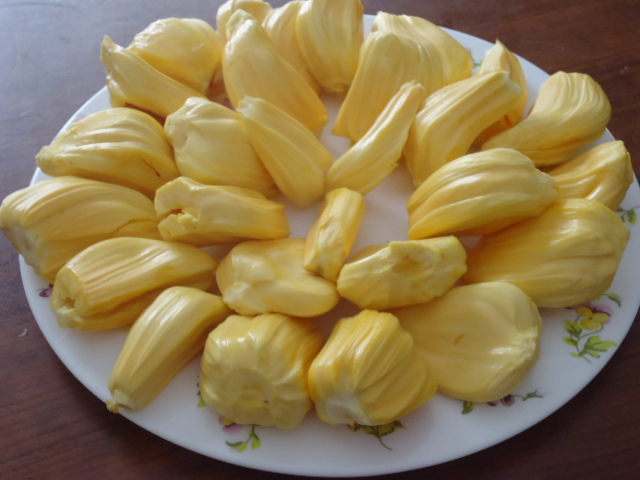
பலா உத்தமம், மா மத்திமம், பாதிரி அதமம்

பலாச்சுளை 

8 ஞாயிற்றுக் கிழமை

உடம்பைக் கடம்பாலே அடி


9 திங்கட் கிழமை

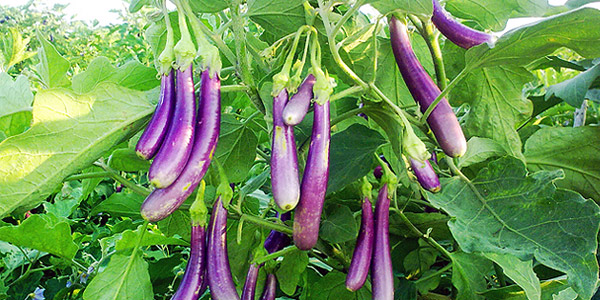
கத்தரிக்காய்க்கு காம்பு ருசி; வெள்ளரிக்காய்க்கு விதை ருசி.

10 செவ்வாய்க் கிழமை

சுக்குக்கு மிஞ்சின மருந்தும் இல்லை; சுப்பிரமணியனுக்கு மிஞ்சின தெய்வமும் இல்லை.

sukku


மார்ச் 11 புதன் கிழமை

உப்பில்லாப் பண்டம் குப்பையிலே


12 வியாழக் கிழமை

கந்தையானாலும் கசக்கிக் கட்டு; கூழானாலும் குளித்துக் குடி.

13 வெள்ளிக் கிழமை

சுத்தம் சோறு போடும்.

14 சனிக் கிழமை

லங்கணம் பரம ஔஷதம் (பட்டினி கிடப்பது மகத்தான மருந்து)

15 ஞாயிற்றுக் கிழமை

ஒருவேளை உண்பான் யோகி; இருவேளை உண்பான் போகி; மூவேளை உண்பான் ரோகி; நாலுவேளை உண்பான் போகியே போகி!


16 திங்கட் கிழமை

பாலுக்கு மிஞ்சின சுவையுமில்லை; பல்லக்குக்கு மிஞ்சின சொகுசுமில்லை.

17 செவ்வாய்க் கிழமை

நாழி அரிசி சோறு உண்டான், எமனுக்கு உயிர் கொடான்

 பொன்னான்

பொன்னாகும் காண் மேனி= பொன்னாங்காணிக் கீரை

மார்ச் 18 புதன் கிழமை

பொன்னாங் கண்ணிக்கு புளியிட்டு ஆக்கினால் உண்ணாப் பெண்ணும் ஒரு உழக்கு உண்ணும்.

19 வியாழக் கிழமை

சுக்கு அறியாத கஷாயம் உண்டா?

20 வெள்ளிக் கிழமை

வைத்தியனுக்குக் கொடுப்பதை வாணியனுக்குக் கொடு.


 பருப்பு

21 சனிக் கிழமை

பருப்பில்லாத கல்யாணம் உண்டா?

22 ஞாயிற்றுக் கிழமை

மங்கும் காலம் மாங்காய், பொங்கும் காலம் புளியங்காய்


23 திங்கட் கிழமை

அரச மரத்தைச் சுற்றியதும் அடிவயிற்றைத் தொட்டுப்பார்த்தது போல!

 அரசமரம்

24 செவ்வாய்க் கிழமை

ஐப்பசி மருதாணி அரக்காய்ப் பற்றும்


மார்ச் 25 புதன் கிழமை

ஏட்டுச் சுரைக்காய் கறிக்கு உதவாது!


26 வியாழக் கிழமை

விருந்தும் மருந்தும் மூன்றே நாள்


27 வெள்ளிக் கிழமை

மக்களைக் காக்கும் மணத்தக்காளி


28 சனிக் கிழமை

தேனும் தினை மாவும் தேவர்க்கு அமிர்தம்

29 ஞாயிற்றுக் கிழமை

வேலம் பட்டை மேகத்தை நீக்கும்; ஆலம் பட்டை பித்தத்தை அடிக்கும்

 katharikkaai

கத்தரிக்காய்

30 திங்கட் கிழமை

அன்னம் அடங்கினால் ஐந்தும் ஒடுங்கும்


மார்ச் 31 செவ்வாய்க் கிழமை

சுவாமி இல்லை என்றால் சாணியைப் பார்; மருந்தில்லை என்றால் பாணத்தைப் பார்; பேதி இல்லை என்றால் நேர்வாளத்தைப் பார்.

14. பிச்சை எடுத்தேனும் உயிரைக் காத்துக் கொள்வதே தர்மம்!

begging

Compiled by S Nagarajan

Post No: 1649;  Dated: 14 February 2015


by ச.நாகராஜன்


நியாயங்களின் வரிசைத் தொடரில் மேலும் சில நியாயங்களைப் பார்ப்போம்:.

उपवासाद्वरंभिक्षेतिन्यायः

upavasadvarambhikseti nyayah


உபவாஸாத்வரம்பிக்ஷேதி நியாயம்

இது ஆபத்து கால தர்மத்தைக் குறிக்கிறது. உயிர் காத்துக் கொள்ள வேண்டிய நேரத்தில் உபவாசம் இருக்க முடியுமா? முதலில் உயிரைக் காத்துக் கொள்ள வேண்டும். அதற்குப் பிச்சை எடுத்தாலும் பரவாயில்லை, உபவாசத்தை விடு என்று சொல்லும் ஆபத்து கால தர்ம நியாயம் இது.

தன்னைக் கொல்ல வந்த பசுவையும் கொல்லலாம் என்பது ஆபத்து கால தர்மம்.அது போல ஆபத்துக் கால தர்மங்களில் ஒன்றாக, வீராப்புடன் பட்டினி கிடக்காமல் உயிரைக் காத்துக் கொள்; அதற்காக பிச்சை எடுத்தாலும் பரவாயில்லை என்று சொல்லும் தர்மம் இது. ஆபத்துக் கால விதிகளை அறிந்து கொள்வது இன்றியமையாதது.அந்த வகையில் இந்த நியாயம் மிகவும் முக்கியமானது.


two traps

उभयतः पाशरज्जुः न्यायः

ubhayata pasarajjuh nyayah


உபயத: பாசரஜ்ஜு: நியாயம்

இரு பக்கமும் வலைகள். இந்தப் பக்கமும் போக முடியாது; அந்தப் பக்கமும் போக முடியாது, என்ன செய்வது என்கிற நியாயம் இது.


எந்தப் பக்கம் போனாலும் வலையில் அகப்படுவது உறுதி. எந்த நிலையை மேற்கொண்டாலும் அபாயம் நிச்சயம் என்று இருக்கும் நிலையைச் சுட்டிக் காட்டும் நியாயம் இது!


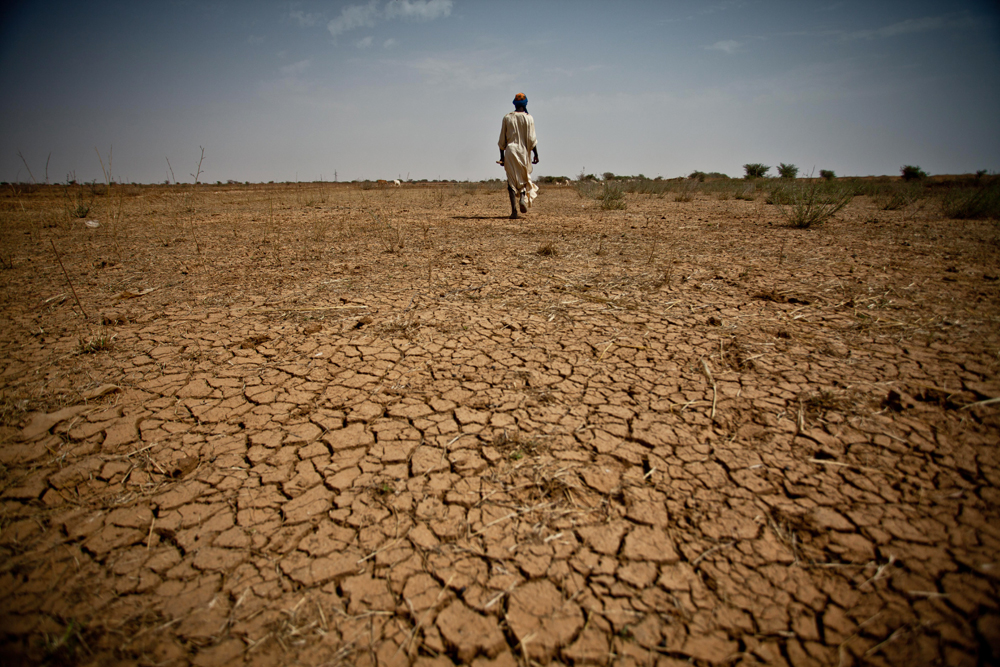
arid land

ऊषरवृष्टिन्यायः

usharavrishti nyayah


உஷரவ்ருஷ்டி நியாயம்


வ்ருஷ்டி – மழை

வறண்ட தரிசு நிலத்தில் எவ்வளவு தான் மழை பெய்தாலும் விதை விதைத்தால் விளையாது. அது போல எவ்வளவு தான் முயன்றாலும் பலன் தராத ஒரு விஷயத்தை ஒருவர் மேற்கொண்டால் அது பலன் தராது. அப்போது இந்த நியாயம் சுட்டிக் காட்டப்படும்.

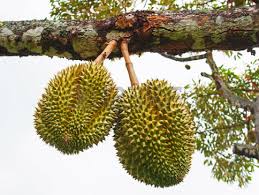
two fruits2

एकवृन्तगतफलद्वयन्यायः

ekavrntagataphaladvaya nyayah

ஏகவ்ருந்தகதபலத்வய நியாயம்

ஏகம் – ஒன்று த்வயம் – இரண்டு

ஒரு கிளையில் உள்ள ஒரே காம்பில் இரு பழங்கள் என்னும் நியாயம் இது.

ஒரே காம்பில் சில சமயம் இரு பழங்கள் பழுத்துத் தொங்கும். இதை இலக்கணத்தில் எடுத்துக் கொண்டு ஒரு நியாயத்தைக் காட்டுகிறது இந்த நியாயம். ஒரே ஒரு வார்த்தை தான் ஆனால் அது இரு பொருள் படும்படி பயன்படுத்தப்பட்டால் இந்த நியாயம் அங்கு பொருந்தும்

.

two fruits

एकमनुसंधित्सतोऽपरं प्रच्यवते न्यायः

ekamanusandhitsato aparam pracyavate nyayah


ஏகமனுசந்தித்ஸதோ அபரம் ப்ரச்யவதே நியாயம்

தர்க்கத்தில் வரும் சூத்திரம் இது. ஒரு வாதத்தில் ஒரு பகுதி அடிப்பட்டுப் போகிறது, ஆனால் அதே சமயம் நிலைத்து நிற்கிறது. ஆனால் அதே சமயம் தர்க்கரீதியாக ஒன்றுக்கொன்று முரண்படும் ஏராளமான விஷயங்கள் சேர எதையும் சமாளிக்க முடியாத நிலை ஏற்படும் போது இந்த நியாயம் சுட்டிக் காட்டப்படும்.


******************

Perfume Making in India! 2000 years ago!

costus

Costus plant

Research Paper written by London swaminathan

Research Article No.1645; Dated 12th February 2015.

Tamil and Sanskrit literature is replete with references to Sandal paste and perfumes from flowers, eaglewood/agar wood tree, musk deer, civet cat, Vettiiver and several other plants. Kamasutra of Vatsyayana lists making perfumes as one of the 64 arts/ subjects allocated to women. No wonder Varahamihira devoted one full chapter for perfume making!

Only when people are civilized and fulfilled the three basic needs of Food, Shelter and Clothing, they can think of making scent and perfumes. Tamil literature and Kalidasa’s works show that common men and women were using perfumes around first century BCE. This shows that the India civilization was highly advanced in India 2500 years ago. The jewellery seen on the sculptures of Barhut, Nagarjunakonda, Amaravati and Ajanta paintings show that they were highly skilled in metallurgy and chemistry.

The commentator on the chapter 77 in Brahat Samhita quotes more than 40 couplets from Nighantu on this subject—perfumes!

Varaha mihira even advises people with grey hair to dye the hair every day! He explains the method of making hair dyes. Now the hair dye and perfume industries make billions of dollars profits every year. Foreign invasions destroyed the ancient industries of India. But even today India is a major exporter of essence of Jasmine, Rose, Vettiver, sandal and other flowers.

Rubia Cordifolia

Rubia cordifolia

Here are some slokas from Brhat Samhita (Chapter 72):

A scented water fit for the washing of kings’ head is prepared with equal quantities of woody cassia, costus (Saussura lappa), Renuka (Piper aurantiacum), Nalika (Hisbiscus cannabius), Rasa or Bola (Commiphora myrrha), Tagara (valeriana wallichi), Valaka (Aporosa lindyana), Nagakesara (Meusa ferrea) and Patra (laurus cassia).

Look at the number of plants used. They have a complete knowledge of Botany and Chemistry.

Shorea_robusta.jpg(SAL)

Shorea robusta (Sal Tree)

Hair Oil Preparation!

A hair oil having the perfume of Champaka flower (Michelia champaka) is made by mixing together equal quantities of the powders of Manjistha (Rubia Cordifolia), Vyagranakha ( a tree, in Tamil it is called Pulinaka Kondrai)), Nakha (shell perfume), woody cassia, Costus, Bola and the whole thing being mixed with the oil of Sesamum indicum, being heated by the Sun’s rays!

Even today Tamils use sesamum (Gingelly oil) oil for oil bath every week. Oil bath is applying oil over the body and take a bath in hot water. The oil is washed with soap nut powder. Keralites use coconut oil almost every day. Traditional Perfume products for mixing with the oil s readily available from Sri villiputtur (Andal powder) and other places. I mention all these to show that the 2000 year old tradition is continued until today.

Tagetes_erecta_'Inca_Gold'

Tagetes erecta

Scent to aggravate passion!

A scent called Smaroddipana to aggravate passion is mentioned by Varahamihira. It is prepared with equal quantities of Patra (Laurus cassia), juice of Turuska (Tagetes erecta), Vala (Aporosa lindiyena) and Tagara (Valeriana wallichi). We may call it “Viagra Oil”! He gives the ingredients for another perfume named Bakula.

Following plants are used in the perfume industry according to Brhat Samhita:

Sandal ( Santalum album)

Jatiphala (Myristica fragrans)

Coriander ( Coriander sativum)

Satapushpa (Pimpinella anisum)

Kunduruka (Boswellia serrata)

Priyangu ( Aglaiya roxburghiana)

Musta bulbs (Cyperus rotunda)

Jatamamsi (Nardostachys jatamansi).

Many delightful perfumes are made from

Haritaki (Terminalia chebula)

Ghana (Cyperus plant) and the plants mentioned already.

There are nine ingredients with which we can make 19 or 36288 varieties of perfumes. i.e.changing the quantity of ingredients, says the commentator.

vettiver

A perfume is named Kopachada (Anger Lid). Just to control the anger and cool down. It is made up of four parts of each of sugar, benzoin, and Cyperus rotundus, two parts of turpentine and resin (shorea robusta= Sal tree) as well as of Nakha and Guggulu, mixed with camphor powder and rolled into a ball with honey.

He gives the formula for Gandharnava (Perfume ocean). One needs sixteen ingredients to prepare it.  Most of the ingredients are mentioned already. By permutation combination with the same sixteen ingredients 96 different varieties are made, says the commentator. The 16 ingredients are :

Cyperus rotundus, Aporosa lindiyena, benzoin, camphor, Vettiveria zizanoides, Mesua ferrea, pulinakha, Bryonopsis laciniosa, Aquilaria agallocha, Randia dumetorum, shell perfume, Valeriana wallichi, Coriander, Hedychium spicatum, Scirpus articulates, and Sandal (Chandana)

Cyperus rotundus

cyperus rotundus

Varahamihira himself mentioned a big number of perfumes in the next few slokas. The total number of perfumes resulting from the sixteen ingredients being mixed in all possible combinations is 174720! (i.e.4000+70000+100 000+720). This number is arrived at by taking different quantities of each ingredient.

Mathematics plays a big part in almost all branches of Sanskrit learning.

In the same chapter he gives the formula for scented tooth sticks (tooth pick), tooth powder, Betel leaves and Betel nuts.

Chewing betel leaves with betel nuts helps in digestion. Caraka also praised this. Moreover betel nuts contains some essential minerals required for the body.

valeriana-wallichi_250x250

valeriana wallichi

Conclusion:

France leads the world in the perfume industry. They are far advanced in this field. It is difficult to beat them by using these native ingredients only. But we were the pioneers in this filed once. The subjects chosen by Varahamihira show what Indians were up to 2000 years ago! The number of plants used show their knowledge in botany. Some of them can still serve the poor men With government’s subsidy they can make and supply “poor men’s perfume”!

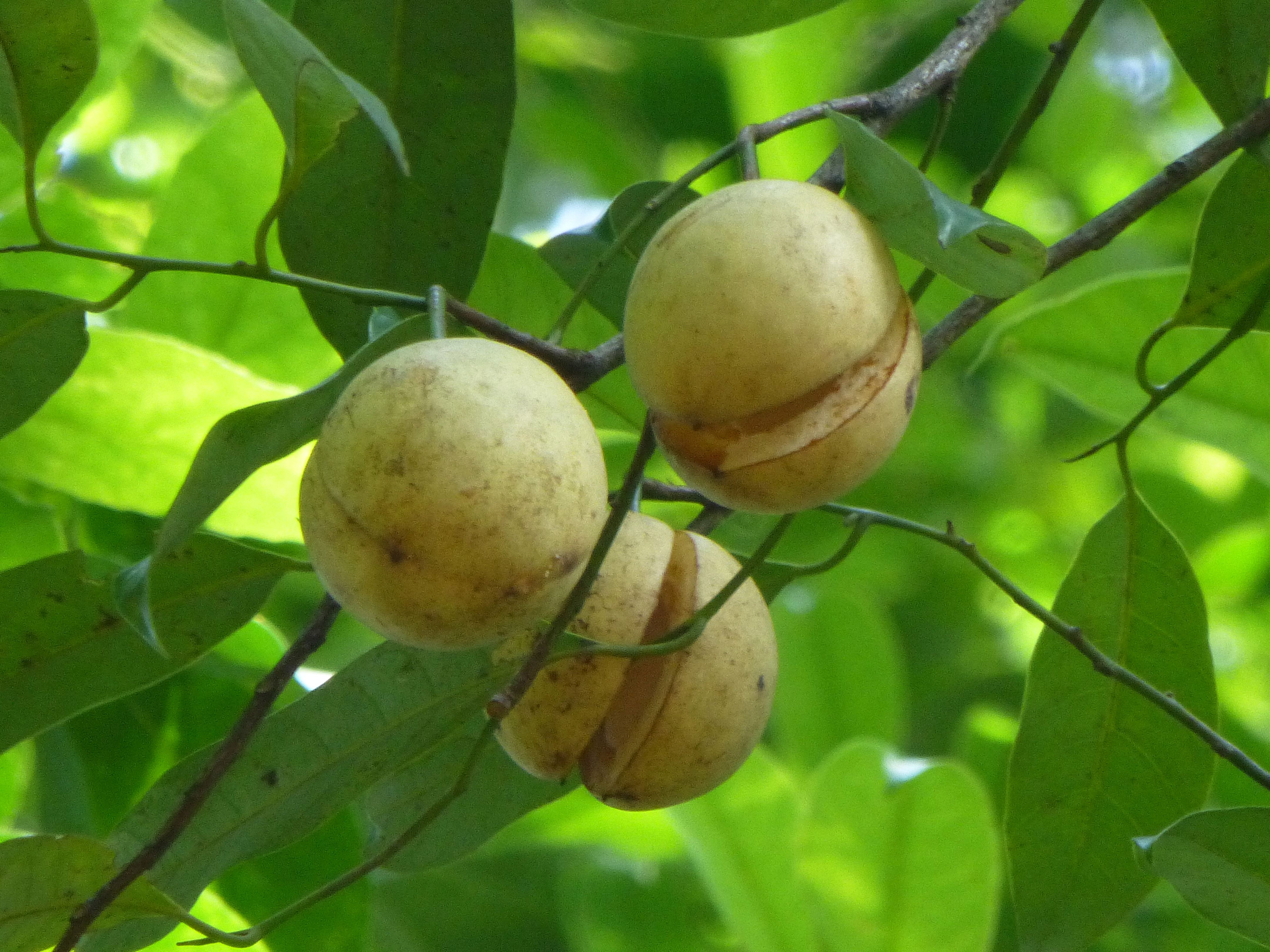
Myristica_fragrans-Sri_Lanka_(2)

Myristic fragrans (wikipedia picture)

Rig Vedic King and Sumerian King 2600 BCE!

oannes
Sumerian fish god

Research paper written by London Swaminathan
Research article No.1411; Dated 14th November 2014.

Are Matsya Sammata in the Satapata Brahmana,
Dumuzi in the Sumerian King list,
Tammuz in the Bibile,
Sumuka of Manu Smriti ,
Maha Sammata of Mahavamsa, one and the same?
Yes, they are same!

Matsya Sammada is a mysterious name in the Satapata Brahmana. Rig Veda (RV 7-18-6) has a reference to a fish, but no one knows whether it is a fish or a King of Matsya Kingdom. Fortunately Satapata Brahmana (800 BCE) throws more light on this king. Vedic Index of Keith and Macdonell gives the following meaning for the word:–

“Sammada= descendant of Sammada; is the patronymic of mythical Matsya in the Satapata Brahmana 13-4,3,12.
For Sammada Angirasa it says descendant of Angiras. It is the name of a sage or a Saman hymn in Panchavimsa Brahmana 15-5-11”

“Satapata Brahmana Xiii 4,3,12 says King Matsya Sammada and his people are water dwellers. This cannot refer to Matsya country for their country was anything but watery. It appears in Vishnu Purana and Padma Purana about a Rishi called Saubhari. He saw a happy fish(man). He married fifty daughters of Mandhata”.
Satapata Brahmana gives another name of a Matsya King, Dhvasan Dvaitavana .
In short there was a king named Matsya Sammada, long ago.

matsyavatar2

From Manu Smriti

Manu Smriti gives a list of bad kings in 7-41 and one of them is Sumuka. No one knows anything about this Sumuka. But this is found in Sumerian lieterature ( See my earlier post: “Sanskrit Words in Sumerian Culture: Sumukan Mystery “ – posted on 12 May 2014)

Mahavamsa (chapter 2) says that Gautama Siddhartha, the Buddha, was born in the race of a great sage called Maha sammata. Nobody knows who he was.

Sumerian king list has two kings with the name Dumuzi. One was a shepherd and the second one was a ‘’fisherman’’. He ruled from Uruk around 2600 BCE just before the legendary Gilgamesh. His city was Kuara and he captured En-mer-baragesi single handed, says the cuneiform inscription. He ruled for 100 years. Dumuzi’s name is used for God, Goddess and several other people in Sumeria. So there is confusion about who did what.Indra in the Rig Veda is a god as well as a title for the king.Foreign scholars interpreted the hymns according to their whims and fancies. In the same way Dumuzi is also interpreted variously.

Dumuzi is also called Tammuz in Sumerian literature and the Bible (Ezekiel). There are lot of things about him like the visit to underworld, Resurrection, Women Weeping for him similar to Hindu Mahabali’s Onam (Kerala) story and Kaman Festival (Manmatha burning by Shiva and Rathi’s lament). Actually it is a Spring festival, saying good bye to cold and drought.

But our Dumuzi is not the consort of Inana or Ishtar, but a historical Dumuzi in the King’s list. His name corresponds with Matsya Sammada. Both are fisherman (Matsya in Sanskrit means Fish).

Both are nearer to the time of Great Floods. In other words he is linked to the Flood story. Flood story is in every ancient culture. He may be the one who asked Manu (Nova in Bible) to select the best species from the world to survive the floods. But I don’t want to go deeper into the story and compare each and every detail.

matya-sculpture

Other than the fish and the floods, Dumuzi was also a gate keeper in the heaven according to the Dictionary of the Ancient Near East. And in Hindu agama Kumara Tantram, Sumukan was one of the two Dwara Palaks (gate keepers).

Sumerian kings were ritually married to Sumerian goddess Inana. There the kings are identified with Dumuzi. There are a number of rituals attached with different Dumuzis. One must be careful to compare Dumuzi with anything else.

Tammuz is Sumkua in Sanskrit (T and S are interchangeable in many words. See English words with tion ending pronounced sion).

Conclusion
My point is that there are amazing similarities between Dumuzi and Sumuka at one level and Dumuzi and Sammada at another level. Tammuz has been already identified with Dumuzi by all the scholars in the field. To sum it up, Dumuzi, Tammuz, Sumuka, Sammada and fish (Matsya) king are all one and the same. Since fisherman king Dumuzi ruled from Uruk at 2600 BCE we may give the same age to Matsya Sammada.

blueap35

What are the implications?

Mr S B Roy has identified Emissum of Larsa with the Emusa of our Puranas and gave him a date of 2000 BCE. Emusa’s name occurs in the Varaha Avatara story. This Dumuzi is associated with earlier Fish/Matsya Avatar and so the date 2600 BCE is reasonable (The date of Dumuzi is taken from Wikipedia).
Does it mean that Hindu Varaha Avatara and Matsya Avatara took place in Sumeria?

The answer is YES and NO.

Since Sumerians are considered migrants from a foreign country by many scholars, the story must have happened in India and they took their memory to Sumeria. Another possibility is that a section of Sumerians might have migrated and settled in India and their story got amalgamated into Hindu Puranas.
The interesting thing in the study is the occurrence of Sanskrit words Sumuka, Emusa, Su Meru, Tiamat, Azigi, Vizigi (of Athrvana Veda)in the Sumerian literature. Since there are 60,000 lines of Sumerian inscriptions, the more we study them, the more similarities may come to the fore.

Read my earlier articles on the same subject:
Mysterious Fish God around the World (posted on 27 October 2012)
3000 Gods in Mesopotamia! Similar to Hindus ( 18Sept.2014)
Did Indra attack Sumeria?
Hindu Vahanas in Iraq
Sanskrit words in Sumerian culture: Sumukan Mystery (12 May 2014)

Contact swami_48@yahoo.com

Origin of Tamil and Sanskrit

shiva

Research paper written by London Swaminathan
Research article No.1409; Dated 13th November 2014.

Ancient Tamils believed that Lord Shiva gave two languages to the Hindus: Sanskrit and Tamil. They believed that Siva’s drum Damaruka gave Sanskrit from one side and Tamil from another side. The fourteen Maheswara Sutras (fourteen sounds of letters) came from one side of the drum. And the other side echoed Tamil. Panini, the first grammarian in the world, used the Maheswara sutrani to write Sanskrit grammar.

Where is the proof for such a belief in Tamil?

Tamil poets Kamban, Paranjothy and Bharatiyar openly proclaimed this truth and Kalidasa indirectly referred to it in his Raghuvamsam. Saivite and Vaishnavite saints also praised Sanskrit and Tamil in their hymns from seventh century CE.

Greatest of the modern Tamil poets Subramanya Bharati said in his poem “Mother Tamil”:

1.Siva the supreme was my father
Sage Agastya took delight in me
Grammar, complete and perfect
The Brahmin endowed me with

2.The three royal families
Cherished me with loving care
Among advanced languages I stood
As peer of sublime Sanskrit

Poets erudite, experienced and wise
Combined wine and fire, wind and cosmic space;
Out of that alchemy arose
Sweet poems to enrich me

3.Treatises, scientific and spiritual
Scholars equipped me with;
And glory was mine
That reached the ends of earth. (Translated by Prof. S Ramakrishnan)

trishul-damaru
Dum Dum Dum Dum dum dum Damaruka natha
Bam Bam Bam bam bam bam Bhaje Damaru (Bhajan song)

Bharati did not concoct a new story. This was the age old belief at least from Kamban’s time (Twelfth Century CE). Agastya was sent by Lord Shiva to the south to reduce the imbalance in the population in Northern India (Please see the details in my earlier post on the Population Explosion: Oldest Reference is in Hindu Scriptures posted on 2nd February 2013). “Himalayas was tilting to one side due to heavy concentration of people”. He asked Agastya to lead one group of people to the south. Agastya was not happy to go out of the Himalayas, where Lord Shiva has his permanent abode. But Shiva promised him that he would be on his side in the south. He led 18 tribes from the north which is attested by commentator Nachinarkiniyar (See Tolkaapiam commentary and Puram verse 201).

The earliest reference to Agastya in connection with Tamil land comes from the Raghuvamsam of Kalidasa of first century BCE. Tamils have been living in this land from the days of Ravana. A peace treaty was signed between the Pandyas and Ravana not to attack Tamil Nadu. All these are found in ancient Tamil commentaries from 13th century (please see for details Ravana-Pandya Peace treaty posted on 24th June 2014).

Paranjothy, author of Tiru Vilayadal Purana also says that Lord Siva gave Panini the Sanskrit language and gave Agastya Tamil which is equal to Sanskrit.

Great Tamil poet Kamban also praised Lord Siva as the giver of Tamil language in his Tamil Ramayana and lauded Agastya as the one who gave Tamil which is like boundless ocean. Most of the Vaishnavite and Saivite saints praised Tamil and Sanskrit together in their poems. We may take it as an indirect reference.

Apart from this story, another important thing is Tamil is the closest language to Sanskrit and vice verse. Both have similar case suffixes and alphabetical order. Writers of both the languages follow the same style and beliefs, literary styles (genres) and the values in life.

shiva3

The oldest book in Tamil, Tolkappiyam, speaks of Dharma Artha Kama in the same order. Tiruvalluvar who followed Tolkappiyar also said everything in 1330 couplets under Dharma Artha and Kama (Aram, Porul, Inbam in Tamil) in his Tirukkural.

Hundreds of beliefs and customs were common to both the south and the north from as early as the Sangam period. Key words in Sangam Tamil such as Kamam (sexual desire), Manam(mind), Ulakam (world), Arasan (king), avai(Sabha) etc came from Sanskrit. In fact Tamils did not hesitate to use Sanskrit wherever necessary.
Kamban praised Agastya as the one who gave us the boundless ocean called Tamil. Earliest Tamil poems made an indirect reference to Agastya by comparing Pothiyil Mountains with the Himalayas. Pothyil was the hill where Agastya established his southern most Ashram. It forms part of the 1000 mile long Western Ghats. He shifted his Ashram from the Himalayas, to the Vindhyas and then to Karnataka and then his last resort was at Pothiya Malai near Tirunelveli. We don’t know whether one Agastya did this or his descendants did one after another. We see his statues all over South East Asia.

From Purananuru (Pothyil Hill) to Bharati it covers a historical period of 2000 years. From Agastya/Pandya/Ravana link to modern days, it covers a period of several thousand years. So Agastya’s connection to Tamil is not new. From seventh century onwards we see long Tamil inscriptions which openly speak of Agastya’s contribution to Tamil. Of the three great Tamil kingdoms, Pandyas were the one who patronised Tamil language, Tamil Poets and Three Tamil Academies known as Tamil Sangam.

damaruka

Credits go to Kalidasa of first century BCE for linking Agastya, Pandya and Ravana (Raghuvamsam 6-61, 6-62).
Tamil and Sanskrit came from the same source. One who knows these two languages can learn any language in the world without much difficulty. Anyone who wants to understand Indian culture must study literature in these two languages; otherwise one’s knowledge will be incomplete in this area.

My Earlier posts related to this topic:
Ravana-Pandya Peace Treaty: Kalidasa solves a Tamil Puzzle (24th June 2014)
Population Explosion: Oldest Reference is in Hindu Scriptures (posted on 2nd February 2013).

என் அப்பாவிடம் கற்றது!

Santanam Rajalakshmi 2

Srimati Rajalakshmi Santanam and Sri Venkataraman Santanam

கட்டுரை மன்னன் :– லண்டன் சுவாமிநாதன்
கட்டுரை எண்:- 1274; தேதி: 8 செப்டம்பர் 2014

மதுரையில் பிரம்ம ஞான சபை என்ற கட்டிடம் சந்தைப் பேட்டைத் தெருவில் உள்ளது. அங்கே அரிய புத்தகங்களைக் கொண்ட லைப்ரரி (Theosophical Society Library) உண்டு. அதைக் கண்ணும் கருத்துமாகக் காத்துவந்தார் கல்யாணம் என்பவர். எவ்வளவு கண்ணும் கருத்தும் என்றால் —- யாரையும் புத்தகத்தைத் தொடவே அனுமதிக்க மாட்டார்!!! ஆனல் என் அப்பா வேங்கடராமன் சந்தானம் மட்டும் விதிவிலக்கு!!

நாங்கள் போய் மாமா, இந்தப் புத்தகம் இருக்கிறதா? என்றால் இருக்கிறது ஆனால் வெளியே கொண்டு போகக் கூடாது என்பார். அத்தோடு நில்லாமல் பார், உங்கள் அப்பா படிக்காத புத்தகம் இந்த லைப்ரரியில் எதுவுமே இல்லை என்று என் அப்பா அந்தப் புத்தகங்களில் போட்ட Pink colour proof reading pencil பிங்க் கலர் பென்சில் மார்க்குகளைக் காண்பிப்பார். இது பத்திரிகையாளர்கள் ‘’ப்ரூப்’’ திருத்த பயன்படுத்தும் பென்சில்! மற்றவர்களைப் புத்தகத்தையே தொடவிட மாட்டாதவர் என் தந்தை கலர் பென்சில் கோடு போட்டாலும் பொறுத்துக் கொண்டது எனக்கும் என் சகோதரர்களுக்கும் வியப்பை உண்டாக்கும் . எங்கள் தந்தையிடம் சொல்லிச் சொல்லி சிரிப்போம். அவரோ தன்னைப் பற்றி எந்தக் காலத்திலும் ஒன்றுமே சொன்னதில்லை. வெற்றிலையை வாயில் போட்டுக் கொண்டு ஒரு புன் சிரிப்பு சிரிப்பார்.

பிரம்ம ஞான சபையில் அவருக்கு அவ்வளவு உரிமை கொடுத்த காரணம் எங்களுக்குப் புரியும். என் தந்தை சம்பந்தப்படாத ஆன்மீக விஷயம் மதுரையில் எதுவுமே இல்லை! தமிழ் நாட்டின் ஆன்மீகத் தலைநகரம் மதுரை என்பதால் எல்லா மதத் தலைவர்களும் மதுரைக்கு வந்துதான் ஆக வேண்டும். அவர்களுக்கு அந்தக் காலத்தில் ஆன்மீகச் செய்தி வெளியிட்டு ஆதரவு கொடுத்தவர் என் தந்தை ஒருவரே என்றால் அது மிகை இல்லை.

ஆங்கிலத்தில் வெளியாகும் ‘’இந்து’’ நாளேடு மட்டும் கடைசி பக்கத்தில் 4 அங்குலத்துக்கு ஆன்மீகச் செய்தி வெளியிட்ட காலம் அது. மற்ற பத்திரிக்கைகள் எல்லாம் ஆன்மிகச் செய்திகளைக் கிண்டல் செய்த காலம் அது. மதுரை தினமணி கொள்ளிடம் ஆற்றின் கரை வரை எட்டு ஜில்லாக்களை “கவர்” செய்ததால் தமிழ் நாட்டின் முக்கால் வாசி பகுதிக்கு எட்டிவிடும். அந்தக் காலத்தில் சென்னை தினமணி ஆர்க்காடு செங்கல்பட்டு, சென்னை, புதுவை மட்டும்மே சென்றது.

என் தந்தை புத்தகப் பிரியர். இசைப் பிரியர். மதுரை எழுத்தாளர் சங்கத் தலைவர் பதவியையும் சத்குரு சங்கீத சமாஜம் (பிற்காலத்தில் இசைக் கல்லூரியாக மாறியது), ராகப்ரியா போன்ற பல அமைப்புகளில் முக்கியப் பொறுப்புகளையும் வகித்தார்.

வீட்டில் மூன்று நான்கு காத்ரேஜ் (ஸ்டீல்) பீரோக்களை வாங்கிவைத்து அதில் 6000 புத்தகங்களைச் சேர்த்துவைத்தார். அதுதான் அவர்கள், எங்களுக்கு விட்டுச் சென்ற சொத்து. பணமோ, வீடோ, வாசலோ, நிலபுலன்களோ வாங்கவில்லை.

வீட்டிற்கு வருபவர்கள் முதல் அறையிலேயே காட்ரேஜ் பீரோக்கள் இருப்பதைக் கண்டு வியப்பர். அதை என் தந்தை திறக்கும் போது கொல் என்று சிரித்துவிடுவர்.

“என்ன சார் இது! புத்தகங்களை வைக்கவா இப்படி மூன்று நான்கு காத்ரேஜ் பீரோக்கள்?” என்பார்கள். வழக்கம்போல் அவர் பேசமாட்டார், வெறும் புன்சிரிப்புதான் பதில்.

தினமணிப் பத்திரிக்கையில் புத்தக மதிப்புரை (Book Review) எழுதுவதற்காக பலர் எழுதிய புத்தகங்களைக் கொண்டுவருவர். எல்லா பத்திரிக்கைகளிலும் ஒரு விதி உண்டு—அதாவது இரண்டு புத்தகங்களை ( Two Copies ) மதிப்புரைக்கு அனுப்ப வேண்டும். ஒன்று அந்த புத்தக மதிப்புரை எழுதுபவர் வைத்துக் கொள்வார். மற்றொன்று அலுவலகத்தில் பாதுகாப்பாக வைக்கப்படும். இதை அறிந்தவர்கள் முதலில் இரண்டு பிரதிகளைக் கொடுத்துவிட்டு “சார், இது உங்களுக்கு என்று வேறு ஒரு பிரதி கொடுப்பர். உடனே என் தந்தை அதற்குப் பணம் கொடுப்பார். அவர்கள் பதறிப்போய் “சார், உங்களிடம் விற்க வரவில்லை” என்பார். என் தந்தையோ நான் எழுத்தாளர் சங்கத் தலைவன். ஆகையால் ஒரு எழுத்தாளரை ஆதரிக்கும் ஒரு வழி அவருடைய புத்தகத்தை விலைக்கு வாங்குவதுதான் என்று சொன்னவுடன் அவர் மசிழ்ச்சியுடன் ஏற்பார்.

ஆனால் சுவாமி சித்பவானந்தர், அனந்த ராம தீட்சிதர், கிருபானந்த வாரியார் போன்ற பெரியோர்கள் கொடுக்கும்போது அவர்களிடம் பணம் கொடுப்பது அவமரியாதை என்பதால் அவர்கள் ஏற்று நடத்தும் அறப் பணிகளுக்கு நன்கொடை என்று புத்தக விலை போன்று பன்மடங்கு பணத்தைக் கொடுத்து விடுவார். நானும் எங்கும் இதுவரை விலை கொடுக்காமல் புத்தகம் வாங்குவதில்லை. சின்மயா மிஷன் சொற்பொழிவுகளுக்குப் போனால்கூட அங்கே வெளியே போகும்போது இலவச பிரதிகள் விநியோகிப்பர். அதற்கெல்லாம் சேர்த்து டொனேஷன் கொடுத்து விடுவேன்.

baba

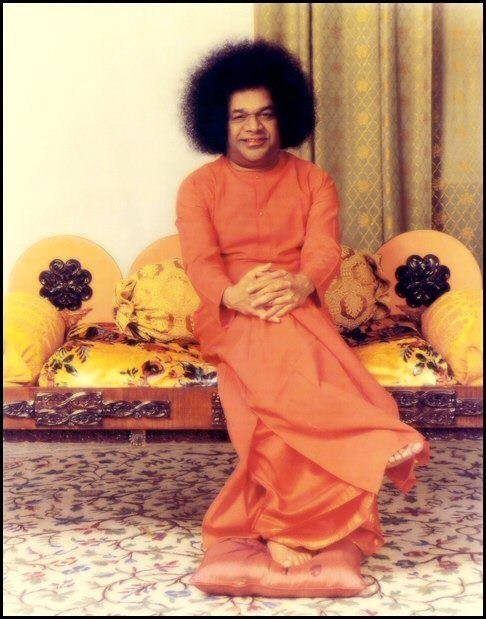
சத்ய சாய் பாபாவின் அழைப்பு
ஒரு முறை புட்டபர்த்தியில் இருந்து ஒரு “போன் கால்” அழைப்பு வந்தது. பாபா, முன்னாள் ஆந்திர கவர்னர் தலைமையில் சென்னையில் சொற்பொழிவு ஆற்றுகிறார். அதில் நீங்கள் சிறப்புப் பேச்சாளராக வரவேண்டும் என்பது பாபாவின் விருப்பம் என்றனர். என் தந்தைக்கு ஒரே குழப்பம். அதற்கு முன் நாங்கள் எல்லோரும் 1963 ஆம் ஆண்டில் ஒரே முறைதான் சத்ய சாய்பாபாவத் தரிசித்து இருக்கிறோம். அதற்குப் பின் அவர் மதுரை வந்த போதெல்லாம் தனியாக அவரைச் சந்தித்தது இல்லை. லட்சத்தோடு ஒன்று, லட்சத்திஒன்று என்ற கணக்கில் நாங்களும் கூட்டத்தோடு கூட்டமாக பஜனைக்குப் போவோம்.

என் தந்தையை முன்னாள் கவர்னர் கே. சந்தானத்துடன் பலரும் குழப்பிக்கொள்வர். என் தந்தைக்கு இது தெரியும். உடனே புட்டபர்த்திக்குப் போன் செய்து நீங்கள் தவறாக போன் செய்து விட்டீர்கள் போல இருக்கிறது. நான் முன்னாள் கவர்னர் கே சந்தானம் அல்ல என்றார். உடனே புட்டபர்த்தி அலுவலகம் எங்களுக்கு அது தெரியும். பாபா உங்களைத்தான் – மதுரை தினமணிப் பத்திரிக்கை ஆசிரியர் சந்தானத்தைக் கூப்பிடு – என்று குறிப்பாகச் சொன்னதால்தான அழைத்தோம் என்றனர்.

எனது தந்தை வெ. சந்தானம், ஆந்திர முன்னாள் கவர்னருடனும் பாபாவுடனும் பேசிய கூட்ட புகைப்படம் இன்றும் இந்தியாவில் எங்கள் வீட்டுச் சுவரை அலங்கரித்துக் கொண்டிருக்கிறது. அந்தக் கூட்டத்தில் பல்லாயிரக் கணக்கானோர் இருந்தனர் என்பதை சொல்லத் தேவை இல்லை.

புட்டபர்த்திக்குப் போனபோது என் கவலை எல்லாம் அடுத்த ஆண்டுவரும் எஸ் எஸ் எல் சி –யை நல்ல முறையில் பாஸ் செய்ய வேண்டும் என்பதுதான். பாபா என் கன்னத்தில் ஒரு அன்பான அடி கொடுத்து பாஸ் என்றார். அப்போது பாபா வரவழைத்துக் கொடுத்த புகைப்படத்தை என் தந்தை இறக்கும் வரை மணிபர்ஸில் வைத்திருந்தார்.

எழுபது வயதுக்குப் பின் என் தந்தை இறந்தார். அதுவரை எழுதிக் கொண்டே இருந்தார். தேவாரம், திருப்புகழ், திவ்வியப் பிரபந்தம், திருமந்திரம் முதலியவற்றை நோட்டு நோட்டாக எழுதுவார். எனக்கு வியப்பாக இருக்கும் புத்தகத்தில் இருப்பதை ஏன் இப்படித் திருப்பி அழகாக எழுதுகிறார்? அதற்கு பிரவுன் கலர் அட்டை போட்டு கலர் கலர் மைகளில் தலைப்பு எழுதுகிறார் என்று வியப்பேன். இப்போது காரணம் புரிகிறது. 65 வயதைத் தாண்டிவிட்ட எனக்கு விஷ்ணு சஹஸ்ரநாமம் முதல் எதைப் படிக்கவும் புத்தகம் தேவைப்படுகிறது படித்த விஷயங்கள்—குறிப்பாக கவிதைகள், தோத்திரங்கள் நினைவில் நிற்பதில்லை. நானும் நோட்டுப் புத்தகத்தில் எழுதி உருப்போடும் காலம் நெருங்கிவருகிறது. கடை வரை அவர் எழுதிவந்த மற்றொன்று ஸ்ரீ ராமஜெயம்.

அடுத்த முறை இந்தியன் எக்ஸ்பிரஸ் கோயங்கா சாம்ராஜ்ய ரகசியங்கள், காமராஜ் எழுதிக் கொடுத்த ஒரு சீட்டு, “டேய் சந்தானம் என்னை தினமணி ஆசிரியர் இல்லை என்கிறாண்டா! – என்று என் அப்பாவிடம் ஏ. என். சிவராமன் அடித்த ‘ஜோக்’, என் வீட்டிற்கு புதுக்கோட்டை ஸ்ரீ சாந்தானத சுவாமிகள் வருகை, ஆயக்குடி சுவாமிஜி கிருஷ்ணாவின் உபதேசம், மவுனகுரு சாமி வருகை, எங்கள் வீட்டில் கோபால கிருஷ்ண பாகவதரின் அஷ்டபதி பஜனை, ஏ.என். சிவராமனின் நால் வேத டேப்ரிகார்டிங், வார பஜனை பஜனை, சேதுராம் பஜனை மண்டலி பஜனை, திருப்புகழ் பஜனை, மீனாட்சி கோவில் பள்ளி அறை தீபாரதனை, ஆடி வீதி தெய்வ நெறிக் கழக பஜனை, காலையில் ஞானப் பால், கோயங்கா குடும்ப கோவில் விஜயம், மீனாட்சி கோவில் கும்பாபிஷேகம்,உலகத் தமிழ் மாநாட்டு கலாட்டா, இந்தி மொழி எதிர்ப்புக் கிளர்ச்சி, கீமாயண கலாட்டா, ஆர். எஸ் எஸ் அடிதடி, அனந்தராம தீட்சிதர் உபந்யாசம், ஸ்ரீகாஞ்சி சுவாமிகள் மதுரை நாராயணபுரம் சதஸ், ஸ்ரீ சிருங்கேரி மஹா சந்நிதானம் எங்கள் வீட்டுக்கு வருகை தந்தது, பிசிராந்தையார் போல சுவாமி சிவானந்தாவை தரிசிக்காமலேயே நட்பு ஆகியன பற்றியும் சுருக்க மாக வரைகிறேன்.

contact swami_48@yahoo.com

Indus Valley to Egypt: Lapis lazuli Export!

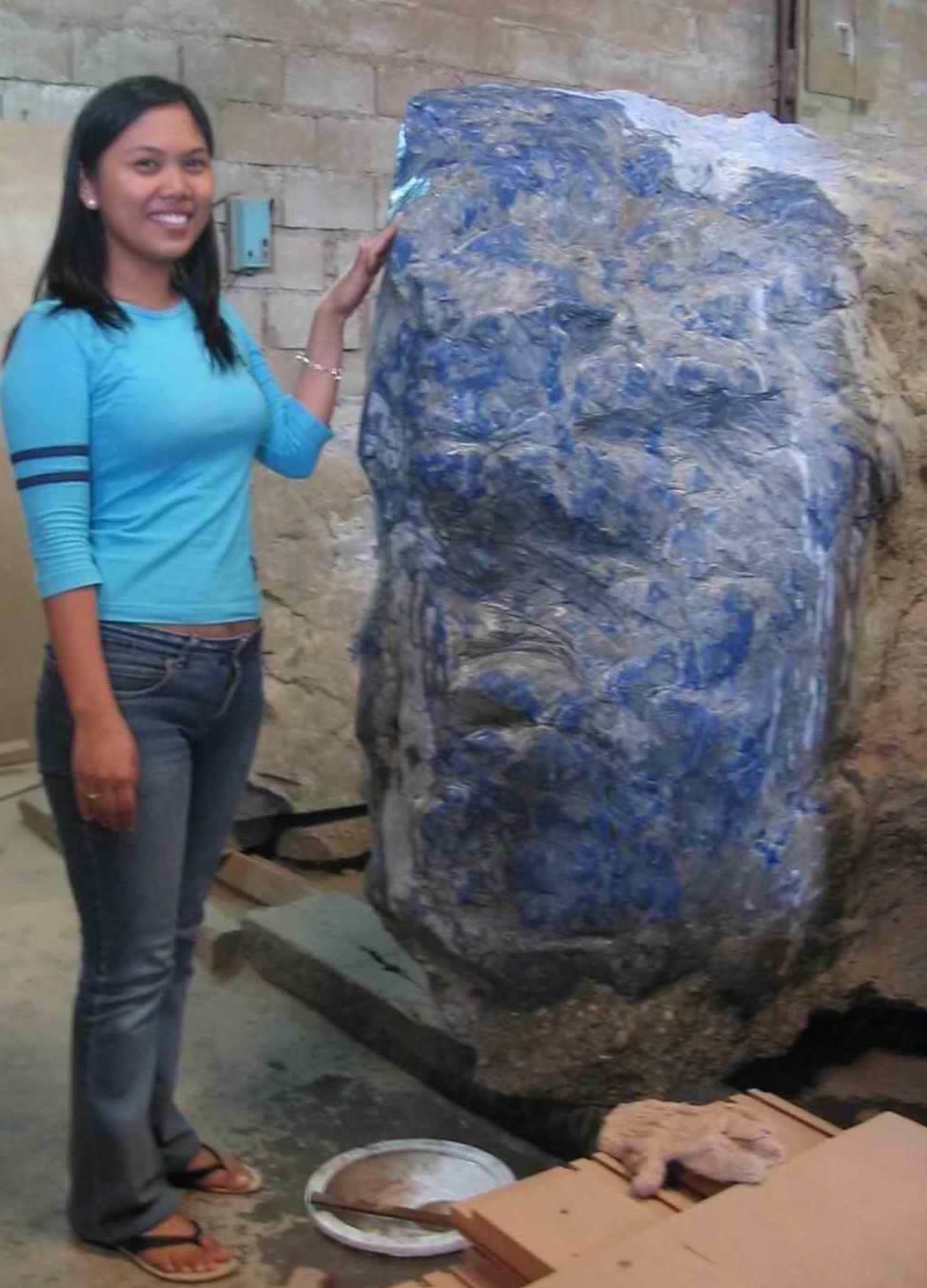
lapis block
Lapis lazuli rock

Research Paper written by London Swaminathan
Post No.1270; Dated 6th September.

What is Lapis lazuli?
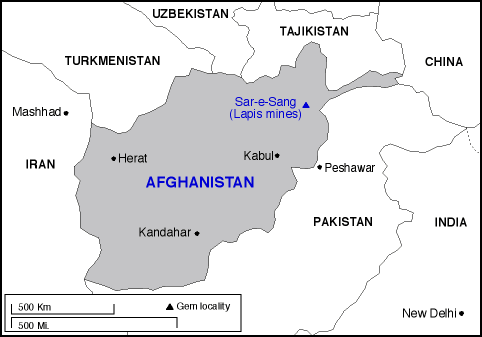
It is a blue colour semi precious stone used in jewellery. Egyptians and Sumerians imported it from India. Afghanistan and Pakistan, parts of ancient Bharat were the main sources for this stone, says the archaeologists.

The contact between Egypt and the Hindu kings of Turkey and Syria is well documented. Thanks to the clay tablets of Amarna letters we know that Dasaratha’s daughter Taduhepa ( Datta shivaa) was married to Amenophis III of Egypt. Dasaratha was ruling Syria and Turkey around 1380 BCE. He was assassinated in 1340 BCE. Mitanni kings followed Vedic religion is confirmed by Bogazkoy inscription where all the four major Vedic gods are mentioned in a treaty. Pratardhana – name in Vishnu sahasranama – was ruling Aleppo now in Syria. Turkey and Syria were ruled by the Vedic kings from 1480 BCE according to the clay tablets. Dasaratha sent Amenophis five chariots, five horses, trinkets of gold, a pair of gold rings and goodly stones, says one of the Amarna letters. We have more Sanskrit names and horse manual with Sanskrit numbers around 1400 BCE in Turkey. Marrying one’s daughter with a king of a neighboring country is a typical Hindu custom followed by kings from Kanyakumari to Kashmir and beyond. Afghan Gandhari and Iranian Kaikeyi were married to Drudharashtra and Dasaratha, because all those countries were ruled by the Hindus in those days.

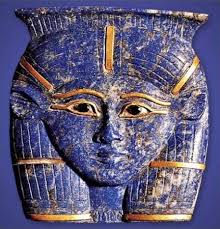
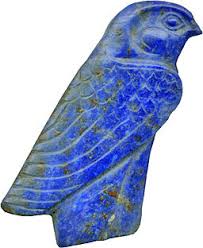
goddess hathor
Egytian Goddess Hathor made up of lapis lazuli

(Mitannian Dasaratha is different from Ramayana Dasaratha. Like Tamils, tamilize Sanskrit words, Mitannians also wrote Dasaratha as Tushratta, Pratardhana as Parartana. Even today Sri Lankan Tamils write Damayanthy as Tamayanthy. Mauritius Tamils are still worse and they write Subramanya as Soupramoniamme due to French influence)

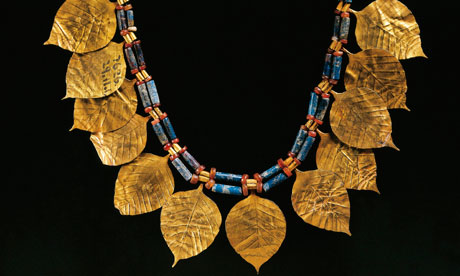
But the actual contacts with India began even before Amenophis period. Egypt and Sumer had jewelry made up of lapis lazuli blue stones from 2500 BCE. The stone is mentioned in the Bible also. Lapiz lazuli means blue stone. It was dug out in the Badakshan area of Afghanistan and Quetta of Pakistan from 4000 BCE. At that time it was part of India. Some of the areas were under Indus valley civilization. Vedas refer to Vanksu River which the Greeks wrote as Oxus. The other name of the river was Amu Darya (Darya in Persian means river).

A-Sumerian-lapis-lazuli-Ur,Iraq
Found in Ur, Iraq.

Egyptians were crazy about blue colour. They powdered the stone and applied blue colour on most of the jewelries and crowns. They made statues of lapis lazuli out of big stones. One of the Sumerian sculptures show Indus (Zebu) bull. The workmen use only Sanskrit words to describe different types of lapis: neeli, asmani and suvci. The general term for lapis lazuli is “lajword” in Persian. All the historians and archaeologists acknowledge the source as Indian subcontinent. Only later other sources of lapis lazuli were discovered.

Michael Rice in his book “Egypt’s Making” says,
“Lapis is, literally, one of the touchstones of sophisticated early civilizations. It was to be found in large quantities in the cities of Sumer whose people valued it highly. It is found extensively in Egypt. Lapis appears in Egypt from late in the fourth millennium, often in association with foreign, specifically Mesopotamian elements. It is found more in rich peoples’ burials”.

lapis_lazuli_map

It is also found in the royal tombs of Sumers at ur in Iraq, dating to 2500 bce.
Egyptian king Kamose, on a stela narrates a military campaign against Avaris. He claims that he has looted hundreds of ships loaded with cedar, lapis lazuli, silver, turquoise and all precious products of Asia.

Vedic seers received hundreds of camels as gifts from the kings according to Rig Veda (8-5-37; 8-46-32). The Vedas talk about 99,000 wagons (RV. 10-98-11) and number of wagon loads (10-98-10). It is no wonder they traveled up to Sumer or Egypt.

“The book of Talismans” by William Thomas and Kate Pavit adds the following information, “It was very popular with the Egyptians, several of their talismans being made up of this gem, particularly the Eye and Heart, specimens of which may be seen in the fourth Egyptian room in the British Museum. On account of its beautiful deep blue colour it has always been dedicated to Venus, and in Christian religions it is regarded as the stone of the Virgin Mary. It was freely used by the Romans and the Greeks for both ornamental purposes and to cure certain diseases”.

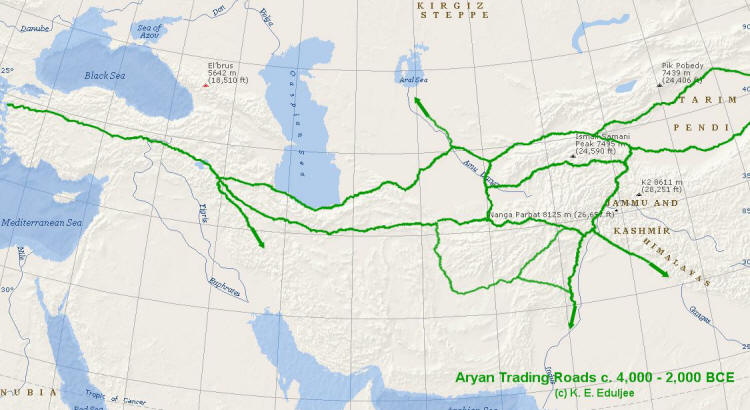
silkroads2000BCE

Chemical composition
It is a rock containing the blue mineral lazurite in a matrix of white calcite with small amounts of other minerals. It occurs in silica poor igneous rocks and metamorphic lime stones found in Afghanistan, Siberia, Iran Chile and Pakistan.

Earlier articles on INDUS VALLEY CIVILIZATION

Indus Valley-Brahmin Connection (Post No 1034, Date 10-5-14)
Bull Fighting: Indus Valley to Spain via Tamil Nadu (posted 21/1/12)
Human Sacrifice in Indus Valley and Egypt (posted on 31/10/12)
Ghosts in Indus Seals and Indian Literature
Flags: Indus Valley- Egypt Similarity
Tiger Goddess of Indus Valley: Aryan or Dravidian?
Indra on Elephant Vahana in Indus Valley
Indus Script Deciphered

caravanseraiEVCAU
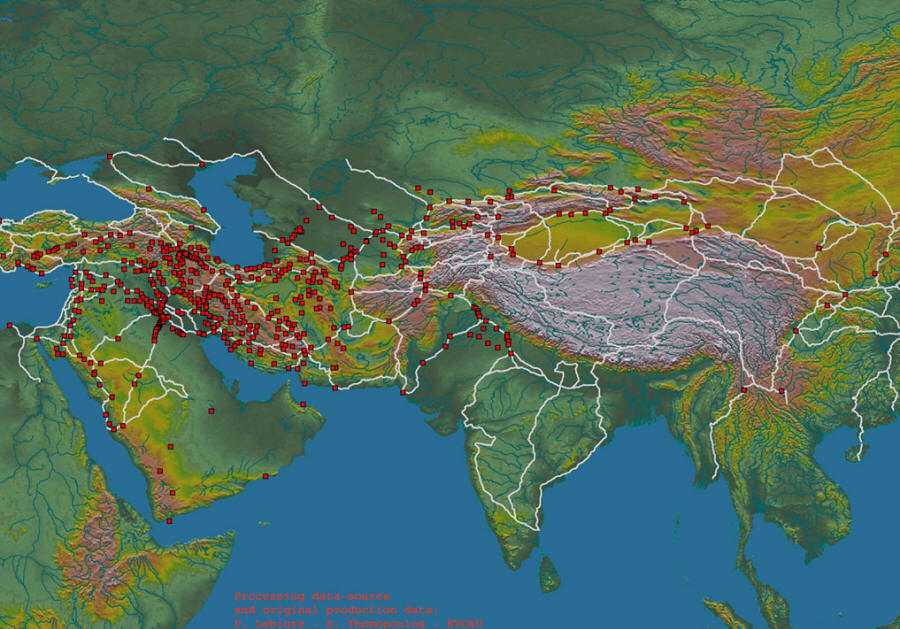
Map of Caravan routes and stopping points

Human sacrifice in Indus Valley and Egypt 0ct.31, 2012
Indus Valley Cities in Ramayana Dec.18, 2012
Open Sesame’: Password to Heaven Post No 756 dated 23rd December 2013
Change ‘’Indus’’ valley civilization to ‘’Ganges’’ valley civilization! Ulta! 29-3-2014
Indus Valley Case: Lord Indra Acquitted Post No 764 dated 28th Dec. 2013
‘Sex Worship’ in Indus Valley
1450 bce

Flags: Indus Valley – Egypt Similarity (15/1012)
The Sugarcane Mystery: Indus Valley and the Ikshvaku Dynasty
Vishnu in Indus Valley Civilization (posted on 19-10-11)
Serpent Queen: Indus Valley to Sabarimalai 18 June 2012
Fall of Brahmin Kingdoms in Pakistan and Afghanistan 23-3-14
Indus Valley Civilization- New Approach , posted on May 29, 2011
Indra-Taranis- Thor in Indus Valley –posted on 5th September 2014.

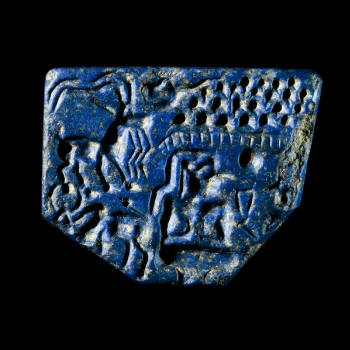
NearEastSealFromBadakshanLapisSeal
Indus animal on Sumer lapis lazuli seal.

contact swami_48@yahoo.com