கம்பன் – சோழன் மோதல் கதைகள் (Post No.5505)

Written by London Swaminathan
swami_48@yahoo.com
Date: 4 October 2018


Time uploaded in London –8-55 am  (British Summer Time)


Post No. 5505


Pictures shown here are taken from various sources including google, Wikipedia, Facebook friends and newspapers. This is a non- commercial blog.


முட்டாள்தனத்துக்கு மருந்தே இல்லை; பர்த்ருஹரி, வள்ளுவர் உடன்பாடு (Post No.5505)


பர்த்ருஹரி எழுதிய 300 ஸம்ஸ்க்ருதப் பாடல்களில் 100 பாடல்கள் நீதி சதகத்தில் இருக்கின்றன. பாடல் 11, 12, 13, 14, 15 ஆகியவற்றின் பொருள் உணர்ந்து தெளிவு பெறுவோம்.


மூர்க்கன் என்றால் தமிழில் முரட்டுப் பயல், ரௌடி என்று நினைப்போம். ஆனால் ஸம்ஸ்க்ருதத்தில் மூர்க்கன் என்றால் முட்டாள் என்று பொருள்;  உண்மைதான்


மூர்க்கர்கள் முட்டாள்கள்;

முட்டாள்கள் மூர்க்கர்கள்.


பர்த்ருஹரி சொல்கிறார்—
शक्यो वारयितुं जलेन हुतभुक्च्छत्रेण सूर्यातपो
नागेन्द्रो निशिताग्कुशेन समदो दण्डेन गोगर्दभौ ।
व्याधिर्भेषजसङ्ग्रहैश्च विविधैर्मन्त्रप्रयोगैर्विषं
सर्वस्यौषधम् अस्ति शास्त्रविहितं मूर्खस्य नस्त्यौषधिम् ॥ 1.11 ॥


சக்யோ வாரயிதும் ஜலேன ஹுதபுக் ச்சத்ரேண சூர்யாதபோ

நாகேந்த்ரோ நிசிதாங்குசேனஸம்தா தண்டேன கோ கர்தபௌ

வ்யாதிர் பேஷஜ ஸங்க்ரஹைர்ஸ்ச விவிதைர் மந்த்ரப் ப்ரயோகைர் விஷம்

ஸர்வஸ்யௌஷதம் அஸ்தி சாஸ்த்ரவிஹிதம் மூர்க்கஸ்ய

நஸ்த்யௌஷதிம் 1-11


பொருள்

நெருப்பை நீரால் அணைக்கலாம்;

சூரிய ஒளியை குடையால் மறைக்கலாம்;

அங்குசத்தால் யானையை அடக்கலாம்;

மாடு, கழுதையை குச்சியால் அடக்கலாம்;

நோய்களை மருந்தால் தீர்க்கலாம்;

விஷக்கடிகளை மந்திரம் மூலம் நீக்கலாம்;

இவை எல்லாவற்ரையும் நூல்கள் செப்புகின்றன.

ஆனால் முட்டாள்தனத்துக்கு மருந்தே இல்லை.

2000 ஆண்டு பழமையான சங்கத் தமிழ் நூல் உரைப்பது என்ன?

நன்னன் என்ற மன்னனின் அரண்மனைத் தோட்டத்தில் கீழே விழுந்த மாம்பழத்தை எடுத்த சிறுமிக்கு மரண தண்டனை விதித்தான் நன்னன். ஊரே கெஞ்சியது- மன்னித்து விடப்பா என்று. ஆயினும் அவன் இணங்க வில்லை. எடைக்கு எடை தங்கக் கட்டிகளைத் துலா பாரம் தருகிறோம் என்றனர். அப்போதும் கேட்கவில்லை முட்டாள் நன்னன்; மூர்க்கன் நன்னன்; உன்னை எங்கள் தலை முறை இனி பாடாது; உன் தலை முறையில் வருவோரையும் பாடோம் என்று சபதம் செய்தனர் தமிழ்ப் புலவர்கள்.


400 ஆண்டுகளுக்கு முன்னர் வாழ்ந்த மொகலாய மன்னன் அவுரங்க சீப் முரடன், வெறியன். இசை, கலைகள் எதுவுமே பிடிக்காது. அக்பருக்கு நேர் மாறானவன்.


இதோ இன்னும் ஒரு பாடல்:


साहित्यसङ्गीतकलाविहीनः
साक्षात्पशुः पुच्छविषाणहीनः ।
तृणं न खादन्नपि जीवमानस्
तद्भागधेयं परमं पशूनाम् ॥ 1.12 ॥

இலக்கியத்தையும் இசையையும் விரும்பாதவன் மிருகம்தான்;

அவனுக்கு கொம்பும் வாலும் இல்லை;

புல்லைத் தின்னாவிட்டாலும் அவனுக்கும் மாட்டுக்கும்

வித்தியாசம் இல்லை

xxx


येषां न विद्या न तपो न दानं
ज्ञानं न शीलं न गुणो न धर्मः ।
ते मर्त्यलोके भुवि भारभूता
मनुष्यरूपेण मृगाश्चरन्ति ॥ 1.13 ॥


யேஷாம் ந வித்யா ந தபோ ந தானம்

ஞானம் ந சீலம் ந குணோ ந தர்மஹ

தே மர்த்யலோகே புவிபார பூதா

மனுஷ்ய ரூபேண ம்ருகாஸ் சரந்தி

தவமோ தானமோ இல்லாமல்

கல்வியோ ஞானமோ இல்லாமல்

குணமும் ஒழுக்கமும் இல்லாமல்

வாழ்பவர்களின் உருவம் வேண்டுமானால்

மனிதன் போல இருக்கலாம்;

ஆனால் அவர்கள் மனித ரூபத்தில் உலவும் மாடுகளே.


வள்ளுவனும் பர்த்ருஹரியும் ஒரே பார்வையுடையவர்கள்:-


விலங்கொடு மக்கள் அனையர் இலங்கு நூல்

கற்றாரோடு ஏனையவர் – குறள் 410


நல்ல நூல்களைக் கற்று விவேகம் அடைந்தோர் மக்கள்;

அவைகளைக் கல்லாதவர் விலங்குகள்.


உலகப் புகழ்பெற்ற கவிஞன் காளிதாஸனை போஜ மன்னன் மதிக்காதபோது அவன் நாட்டைவிட்டு வெளியேறினான். பின்னர் போஜ மன்னன் சிரமப்பட்டு அவனைத் தேடிக் கண்டுபிடித்து நாட்டிற்கு அழைத்து வந்தான்.

கம்பன் பாடுகிறான்

கம்பனுக்கும் சோழ மன்னனுக்கும் நடந்த சண்டை சச்சரவுகளை ஒப்பிட்டுப் பார்க்கலாம்.


கம்பனின் மகனான அம்பிகாபதியை, சோழ மன்னன் கொன்றவுடன்

கம்பன் பாடினான்,


மன்னவனும் நீயோ? வளநாடும் உன்னதோ?

உன்னை அறிந்தோ தமிழை ஓதினேன்? – என்னை

விரைந்து ஏற்றுக் கொள்ளாத வேந்து உண்டோ? சோழா

குரங்கு ஏற்றுக் கொள்ளாத கொம்பு.


இந்த உலகில் நீ ஒருவன்தான் மன்னனா?

உன் நாடு மட்டும்தான் வளமையான நாடு என்று எண்ணுகிறாயா?

உன்னை நம்பித்தான் நான் தமிழ் கற்றேனா?

என்னை ஏற்றுக் கொள்ளாத நாடு உண்டா?

குரங்கை ஏற்றுக் கொள்ளாத மரக்கிளை உண்டா? (இல்லை)


xxx

वरं पर्वतदुर्गेषु
भ्रान्तं वनचरैः सह
न मूर्खजनसम्पर्कः
सुरेन्द्रभवनेष्वपि ॥ 1.14 ॥

வரம் பர்வத துர்கேஷு

ப்ராந்தம் வனசரை ஸஹ

ந மூர்க்க ஜன ஸம்பர்க்கஹ

ஸுரேந்த்ர பவனேஸ்வபி


பொருள்

முட்டாள்களுடன் மன்னனின் அரண்மனையில் வாழ்வதைவிட

காடுகளில் குகைகளில் வன விலங்குகளுடன் வாழ்வதே மேல்.


கொடுங்கோல் மன்னர் வாழும் நாட்டிற்

கடும்புலி வாழும் காடு நன்றே- வெற்றி வேற்கை


xxx

शास्त्रोपस्कृतशब्दसुन्दरगिरः शिष्यप्रदेयागमा
विख्याताः कवयो वसन्ति विषये यस्य प्रभोर्निर्धनाः ।

तज्जाड्यं वसुधादिपस्य कवयस्त्वर्थं विनापीश्वराः
कुत्स्याः स्युः कुपरीक्षका हि मणयो यैरर्घतः पातिताः ॥ 1.15 ॥


சாஸ்த்ரோபஸ்க்ருத சப்த ஸுந்தர கிரஹ சிஷ்யப்ரதேயாகமா

விக்யாதா ஹா கவயோ வசந்தி விஷயே யஸ்யப்ரபோநிர்தனாஹா

தஜ்ஜாட்யம் வஸுதாதிபஸ்ய கவயஸ்வர்தம் விநாபீஸ்வராஹா

குத்ஸ்யாஹா ஸ்யுஹு குபரீக்ஷகா ஹி மணயோ யைரர்கதஹ பதிதாஹா


பொருள்

சீடர்களுக்கு முன்னுதாரணமாகத் திகழும், புகழ்மிகு கற்றோரும் கவிஞர்களும் ஒரு நாட்டில் வறுமையில் வாடினால், ஏழ்மையில் உழன்றால்,

அந்த நாட்டு மன்னனே முட்டாள், உணர்ச்சியற்ற ஜடம்தான்;

பணமே இல்லாத போதும் கற்றோரும் அறிவாளிகளும் பெரியோரே, புகழுடையோரே. திறமையற்ற ஒருவன் ரத்தினக் கல்லுக்கு மட்டமாக விலையை மதிப்பிட்டால் அது ரத்தினத்தின்   பிழையன்று; பொற்கொல்லனின் பிழையே!


கம்பன் பாடுகிறான்

காதம் இருபத்து நான்கு ஒழியக் காசினியை

ஓதக் கடல் கொண்டு ஒளித்ததோ?– மேதினியில்

கொல்லிமலைத் தேன் சொரியும் கொற்றவா! நீ முனிந்தால்

இல்லையோ எங்கட்கு இடம்?


உலகத்தின் சுற்றளவு 25,000 மைல்; உன் சோழ நாடோ 240 மைல்தான் (காதம்= 10 மைல்); மற்ற நாடுகள் எல்லாம் சுனாமி யில் மூழ்கி விட்டது என்று நினைத்தாயா; சோழ நாட்டில் தேன் சொட்டும் கொல்லி மலையை ஆளும் அரசே (மூடா) ! நீ கோபப் பட்டால்  எனக்குப்  போவதற்கு இடமே இல்லையா?


ஆக கவிஞர்கள் யாருக்கும் அஞ்சாத தீரர்கள். ‘மயிர் நீப்பின் வாழாக் கவரிமான்’ போன்றவர்கள்; மூடர்களையோ மூர்க்கர்களையோ ஏற்க மாட்டார்கள்.


வள்ளுவனும் பர்த்ருஹரியும் ஒரே பார்வையுடையவர்கள்:-


குறள் 834, 835


ஓதி உணர்ந்தும் பிறர்க்குரைத்தும் தானடங்காப்

பேதையின் பேதையார் இல்- 834


நூல்களைக் கற்றும், அதிலுள்ள விஷயங்களை அறிந்தும், அதைப் பிறருக்கு எடுத்துரைத்தும் தான் மட்டும் பின்பற்றாத  முட்டாள் போல வேறு முட்டாள் உலகில் இல்லை.


ஒருமைச் செயலாற்றும் பேதை எழுமையும்

தான் புக்கழுந்தும் அளறு-835


ஏழு பிறவிகளில் செய்யும் தவறுகளைச் செய்தால் கிடைக்கும் நரகத்தை, முட்டாளானவன் ஒரு பிறவியிலேயே செய்ய வல்லவன்.


–சுபம்–

அற்புத தத்துவ ஞானி ஜே.கிருஷ்ணமூர்த்தி! (Post No.5504)

WRITTEN BY S NAGARAJAN

Date: 4 October 2018


Time uploaded in London – 5-52 AM (British Summer Time)


Post No. 5504


Pictures shown here are taken from various sources including google, Wikipedia, Facebook friends and newspapers. This is a non- commercial blog.


அற்புத தத்துவ ஞானி ஜே.கிருஷ்ணமூர்த்தி!


.நாகராஜன்

நம்முடைய காலத்திலேயே வாழ்ந்து நமக்கு சுருக்கமான வார்த்தைகளில் பெரிய அரிய உண்மைகளை விண்டுரைத்தவர் ஜிட்டு கிருஷ்ணமூர்த்தி அல்லது ஜே.கிருஷ்ணமூர்த்தி.

பெருத்த சிந்தனையாளர். தத்துவ ஞானி. ஆன்மீகத்தை அள்ளித் தந்தவர். மனம், தியானம், உலகியல் வாழ்வு, சமூக மாற்றம் உள்ளிட்ட ஏராளமான விஷயங்களை எளிமையாக விளக்கியவர்.

அவரது சொற்களிலேயே அவரது தத்துவம் இது தான்:

உன்னை மாற்றிக் கொள் (CHANGE YOURSELF)

நீயே தான் உலகு (YOU ARE THE WORLD)

1895ஆம் ஆண்டு மே மாதம் 12ஆம் தேதி மதனபள்ளியில் தெலுங்கு அந்தணர் குடும்பத்தில் பிறந்த ஜே.கே. தியாஸபி இயக்கத்தில் ஈடுபட்டு பெரும் புகழ் பெற்றார். அவரது உயரிய ஆன்மீகச் சொற்பொழிவுகளைக் கேட்பதே ஒரு அனுபவம் என்ற நிலையில் உலகெங்கும் பல்லாயிரக்கணக்கானோர் அவரது உரைகளைக் கேட்டு இன்புற்றனர்; பயனுற்றனர்.

1986ஆம் ஆண்டு பிப்ரவரி மாதம் 17ஆம் நாள் அவர் மறைந்தார். அவரது வாழ்வு திடுக்கிடும் திருப்பங்கள் நிரம்பிய ஒன்று. பரபரப்பூட்டும் சம்பவங்கள் அடங்கியது. வியப்பூட்டும் உயரிய தியாகங்கள் நிறைந்தது.

90 வயது வாழ்ந்த அவரது நீண்ட வாழ்வில் அவர் எழுதிய நூல்கள் பல. ஆற்றிய உரைகள் பல. அவரது அனைத்துச் சொற்பொழிவுகள், எழுத்துக்கள் 17 தொகுதிகளாகத் தொகுக்கப்பட்டுள்ளன. 1933 முதல் 1967 முடிய உள்ள காலகட்டத்தில் அடங்குபவை இவை.

இது 50 தொகுதிகளை எட்டும் என்று எதிர்பார்க்கப்படுகிறது.

17 தொகுதிகளின் விவரம் இதோ:-

  • Volume 1 (1933–1934): The Art of Listening(1991).
  • Volume 2 (1934–1935): What Is the Right Action?(1991)
  • Volume 3 (1936–1944): The Mirror of Relationship(1991).
  • Volume 4 (1945–1948): The Observer Is the Observed(1991)
  • Volume 5 (1948–1949): Choiceless Awareness(1991)
  • Volume 6 (1949–1952): The Origin of Conflict(1991).]
  • Volume 7 (1952–1953): Tradition and Creativity(1991).
  • Volume 8 (1953–1955): What Are You seeking?(1991).
  • Volume 9 (1955–1956): The Answer is in the Problem(1991).
  • Volume 10 (1956–1957): A Light to Yourself(1991).[
  • Volume 11 (1958–1960): Crisis in Consciousness(1991).
  • Volume 12 (1961): There is No Thinker, Only Thought(1991).
  • Volume 13 (1962–1963): A Psychological Revolution(1992).
  • Volume 14 (1963–1964): The New Mind(1992).
  • Volume 15 (1964–1965): The Dignity of Living(1992).
  • Volume 16 (1965–1966): The Beauty of Death(1992)
  • Volume 17 (1966–1967): Perennial Questions(1992)

இந்தப் பதினேழு தொகுதிகளும் சுமார் 5500 பக்கங்கள் கொண்டவை. ஜே.கே எழுதியவை 2412 நூல்களில் அடங்கும் என்றும் சுமார் 4580 வெளியீடுகளைக் கொண்டது என்றும் இவை 53 மொழிகளில் மொழியாக்கம் செய்யப்பட்டுள்ளன என்றும் தெரிகிறது. 46822 நூலகங்களில் இவரது படைப்புகள் இடம் பெற்றுள்ளன. அவரது படைப்புகள் சுமார் இரண்டு கோடி வார்த்தைகளை உள்ளடக்கியது. 75 புத்தகங்கள், 700 ஆடியோகேஸட், 1200 வீடியோ கேஸட் உள்ளிட்டவை இப்போது கிடைக்கின்றன.  2010இல் எடுக்கப்பட்ட ஒரு கணக்கின் படி 22 மொழிகளில் இவரது படைப்புகள் சுமார் 40 லட்சம் பிரதிகள் விற்கப்பட்டுள்ளன. இப்போது நிகழ்நிலைஆன் லைன் –  மூலம் படிக்கவும் இவரது நூல்கள் கிடைக்கின்றன.

இவரது சிந்தனையால் கவரப்பட்ட அறிஞர்கள், கவிஞர்கள், நடிகர்கள் உள்ளிட்டோரின் பட்டியல் மிக நீண்டது. இடம் கருதி சிலரை மட்டும் இங்கு குறிப்பிடலாம்.

George Bernard Shaw, Henry Miller, Anne Morrow Lindbergh, Alan Ginsburg, Federico Fellini, Khalil Gibran, Pandit Jawaharlal Nehru, Indira Gandhi, Erick Fromm, Prof. David Bohm, Charlie Chaplin, Greta Garbo, John Kenneth Galbraith, Svetlana (Stalin) Peters, Dalai Lama.

இவரது உரையைக் கேட்ட அல்டஸ் ஹக்ஸ்லி,புத்தரின் உரையைக் கேட்பது போல இருக்கிறது. அப்படிப்பட்ட வலிமை, நுட்பம், அதிகாரபூர்வமான கருத்துக்கள் என்றார்.

ஜே.கேயின் கருத்துக்கள் உண்மை ஒளியைக் காண விழைவோருக்கான ஒரு அபூர்வ பொக்கிஷமாகும்.

படிப்போம்; உயர்வோம்!

***


Fools are Beasts without Tails- Bhartruhari and Valluvar agree! (Post No.5503)

Written by London Swaminathan
swami_48@yahoo.com
Date: 3 October 2018


Time uploaded in London –17-11  (British Summer Time)


Post No. 5503


Pictures shown here are taken from various sources including google, Wikipedia, Facebook friends and newspapers. This is a non- commercial blog.


Bhartruhari’s Niti Sataka 11,12,13,14


There are some stories to illustrate the points raised in Bhatruhari’s slokas/verses. I will give some stories from Tamil and Sanskrit books.


शक्यो वारयितुं जलेन हुतभुक्च्छत्रेण सूर्यातपो
नागेन्द्रो निशिताग्कुशेन समदो दण्डेन गोगर्दभौ ।
व्याधिर्भेषजसङ्ग्रहैश्च विविधैर्मन्त्रप्रयोगैर्विषं
सर्वस्यौषधम् अस्ति शास्त्रविहितं मूर्खस्य नस्त्यौषधिम् ॥ 1.11 ॥


11:Fire can be quenched by water

Heat of the sun can be kept off by an umbrella

A wild elephant can be guided by a sharp hook

An or an ass by stick

Sickness can be subdued by the help of doctors

Poison by the charms.

A cure has been ordained by the shastras/scriptures for everything

But there is no medicine for the cure of fools.


Kamban is a great Tamil poet who composed over 10,000 verses to sing the glory of Rama. He lived about 1000 years ago in Tamil Nadu. Now and the he had some quarrels with the Chola King.


Then he composed a verse saying ,


Look! your country is only 24 Katham (appr. a katham is 10 miles). Do you think that the rest of the earth is covered by sea? O Kolli Hill ruler! Haven’t I got any other place to go?


When Kamban’s son Ambikapathy was killed by the Chola king, In another verse he asks,

Is there a tree branch which wont entertain a monkey?


A learned person will be welcomed by all.


Nannan was a cruel and stupid king. Once a teenage girl picked a mango that was fallen on the ground in the royal garden. Immediately she was presented before the king and he passed  death sentence on her. The whole town came together in support of the girl and apologized to the king on her behalf. He was adamant. Then they promised him to give gold equal to the weight f the girl. but yet he insisted that she should be executed. All the Tamil poets cursed him that his generation wont be sung by any Tamil poet. This happened 2000 years ago.


The greatest of the Indian poets, Kalidasa also had quarrels and arguments with his contemporary, king Bhoja. when he migrated to other countries Bhoja begged him to return. he had to use various tricks o bring him back.

साहित्यसङ्गीतकलाविहीनः
साक्षात्पशुः पुच्छविषाणहीनः ।
तृणं न खादन्नपि जीवमानस्
तद्भागधेयं परमं पशूनाम् ॥ 1.12 ॥


12, The man who has no sense of literature and music is like a beast, though he has not got horns and a tail; he may not eat grass, but yet he lives a life exactly like that of the cattle.


(The Mogul emperor Aurangzeb was a man who never liked music or literature; quite opposite to Akbar)


येषां न विद्या न तपो न दानं
ज्ञानं न शीलं न गुणो न धर्मः ।
ते मर्त्यलोके भुवि भारभूता
मनुष्यरूपेण मृगाश्चरन्ति ॥ 1.13 ॥


13.Those in whom is neither wisdom nor penance, nor liberality nor  knowledge, nor good disposition, nor virtue, nor righteousness may live in the world of mortals in the form of men, but pass through the world like beasts encumbering the earth.

वरं पर्वतदुर्गेषु
भ्रान्तं वनचरैः सह
न मूर्खजनसम्पर्कः
सुरेन्द्रभवनेष्वपि ॥ 1.14 ॥


14 it is better to wander in a mountain pass with the wild beasts than to live in the palace of the gods with a fool.


(There is a Tamil Verse: better live in forest infested with tigers than to live under a tyrant king)


शास्त्रोपस्कृतशब्दसुन्दरगिरः शिष्यप्रदेयागमा
विख्याताः कवयो वसन्ति विषये यस्य प्रभोर्निर्धनाः ।
तज्जाड्यं वसुधादिपस्य कवयस्त्वर्थं विनापीश्वराः
कुत्स्याः स्युः कुपरीक्षका हि मणयो यैरर्घतः पातिताः ॥ 1.15 ॥


If the learned and reputed poets, whose literary creations are worth learning and emulating by their disciples, are poor and wealthless in a kingdom, then the king himself must be stupid and insensitive! The wise and the learned are already great and famous even without any wealth. If an incompetent jeweller underestimates the value of a gem, then it is his fault and not of the gem.

Tamil poet Valluvar in the Tamil Veda Tirukkural says

Beasts are lower than men in the scale of creation; even so are fools before those who have delved deep in the mines of knowledge – Kural 410


Valluvar and Bhartruhari agree that ignorant people are like beasts.


In another couplet he says,


A deluded fool is shameless, aimless in life, unfeeling, languid. He does not safeguard anything- Kural 833


He also said,

In one brief birth a fool can gain

Enough hell for seven births of pain- Kural 835


–subham– 

வார விடுமுறையைக் கண்டுபிடித்த இந்துக்கள்! மநு நீதி நூல்- PART 28 (Post No.5502)


Written by London Swaminathan
swami_48@yahoo.com
Date: 3 October 2018


Time uploaded in London –8-50 am  (British Summer Time)


Post No. 5502


Pictures shown here are taken from various sources including google, Wikipedia, Facebook friends and newspapers. This is a non- commercial blog.


மநு நீதி நூல்- PART 28

MANAVA DHARMA SASTRA FOURTH CHAPTER CONTINUED……………..

வார விடுமுறையைக் கண்டுபிடித்த இந்துக்கள்! (Post No.5502)

மநு நீதி நூலின் நாலாவது அத்தியாயத்திலுள்ள சுவையான விஷயங்களை முதலில் பகிர்வேன்; முதல் 26 கட்டுரைகளில் நிறைய அதிசயங்களைக் கண்டோம்.


பள்ளிக்கூட மாணவர்களுக்கு வாரம்தோறும் ஞாயிற்றுக் கிழமை விடுமுறை என்று கிறிஸ்தவ நாடுகள் அமல் படுத்திய வழக்கத்தை இன்று கடைப் பிடிக்கிறோம். ஆனால் கிறிஸ்துவுக்கு 2000 ஆண்டுகளுக்கு முன்னர் வாழந்த, ரிக் வேதம் புகழும், ஸரஸ்வதி நதி பற்றிக் குறிப்பிடும், மநு தர்ம சாஸ்திரமோ மாதத்துக்கு குறைந்தது ஆறு நாட்கள் விடுமுறையை அமல் படுத்தியது. சில மாதங்களில் ஆறுக்கும் மேலான நாட்கள் விடுமுறை. அதிசயத்திலும் மஹா அதிசயம்– 4000 ஆண்டுகளாக இன்று வரை வேத பாடசாலைகள் இதைப் பின்பற்றி வருகின்றன.


மாதத்தில் இரண்டு அஷ்டமிக்கள்

மாதத்தில் இரண்டு சதுர்தஸிக்கள்

மாதத்தில் பௌர்ணமி, அமாவாஸை


முதலியன வேதம்படிக்க விலக்கப்பட்ட நாட்கள்.


இந்தப் பகுதியில் மநு ஒரு விஞ்ஞானி என்பதையும் காட்டுகிறார். அவர் பெரிய ஸவுண்ட் (SOUND ENGINEER) எஞ்சினீயர். இடி இடித்தால், கன மழை பெய்தால், பூகம்பம் ஏற்பட்டால், விண்கற்கள் விழுந்தால் 24 மணி நேரம் பள்ளி விடுமுறை (SLOKAS 103, 104, 105). ஆதாவது வேத அத்தியயனம் கிடையாது.


இன்று லண்டன், நியூயார்க் முதலிய இடங்களில் இருந்து வரும் வானவியல் (ASTRONOMY MAGAZINES) பத்திரிக்கையில் மாதம் தோறும் எந்த நாள் இரவில் வானத்தின் எந்தப்பகுதியில் விண்கற்கள் வீழ்ச்சி (METEORITE SHOWERS) வரும் என்று அட்டவணை தருகிறார்கள். பூமியில் ஒவ்வொரு நிமிடமும் டன் கணக்கில் விண்கற்கள் விழுகின்றன. அவற்றில் 99 சதவிகிதம் காற்று மண்டலத்திலேயே பஸ்மமாகி (சாம்பல்) விடும்.சுமார் 4000 ஆண்டுகளுக்கு முன்னர் பூகம்பம், விண்கல் வீழ்ச்சி முதலியவை குறித்துப் பேசியிருப்பது, அதுவும் சட்டப் புத்தகத்தில் பேசியிருப்பது, ஆச்சர்யமான விஷயம். அவருக்குத் தெரியாத விஷயமே இல்லை போலும்.

அது மட்டுமல்ல; பிராஹ்மணன், பாம்பு, க்ஷத்ரியனைப் (SLOKA 135, 136) பகைக்காதே- உன்னை அடியோடு அழித்து விடுவர் என்று எச்சரிக்கிறார்.

நல்லது செய்பவனுக்கு கெடுதியே வராது என்று (SLOKA 146) கண்ண பிரான் பகவத் கீதையில் (6-40) மொழிந்ததை இவரும் செப்புகிறார்.


சில மிருகங்கள் (SLOKA 113)  குறுக்கே போனால் வேத அத்தியனம் கிடையாது என்றும் உரைக்கிறார். பூனை, பாம்பு, தவளை உள்பட. இது அந்தக் கால (மூட) நம்பிக்கை போலும்.


சில மிருகங்களின் ஒலி கேட்டாலும் வேதப் படிப்பு ‘ஸ்டாப்’!


சுடுகாடு, தீட்டு விஷயங்களைச் சொல்லிவிட்டு, அந்தக் காலங்களில் வேத படிக்காதே என்று ஆணை இடுகிறார்


இன்றைய பகுதியில் எந்தக்  காலங்களில் எப்படி வேதம் படிக்க வேண்டும் என்று இயம்புகிறார்.


அது மட்டுமல்ல மாமிசம் (SLOKA 131) சாப்பிட்டால் வேதம் படிக்காதே என்பார். காரணம்- அந்தக் காலத்தில் மூன்று ஜாதிகள் வேதம் பயின்றன.

வாஹன சவாரியின் (SLOKA 120) போது வேதம் சொல்லக் கூடாது என்று சொன்னவர் குதிரை, ஒட்டக சவாரியுடன் கடற் பயணத்தையும் குறிப்பிடுகிறார். ஆனால் பிராஹ்மணர்கள் வெளி நாடு செல்ல மநு தடை போட்டதையும், தமிழ்ப் பெண்கள் வெளி நாடு செல்ல தொல்காப்பியன் தடை போட்டதையும் முன்னரே எழுதியுள்ளேன். ஆகவே மநு சொல்லுவது மூன்று ஜாதியினருக்கு என்பது என் ஊகம்.


வேதம் என்பது ஒலி அடிப்படையில் அமைந்த அறிவியல் நூல். ஆகையால் அவர் பல சப்தங்கள், அதிர்வுகள் ஏற்படுகையில் வேதத்தைப் பயிலாதே என்று சொல்லுகிறார்.


ஒரு (SLOKA 121) ஸ்லோகத்தில் ரிக், யஜூர், சாம வேதம் ஆகிய மூன்றும் முறையே தேவர்கள், மனிதர்கள், பித்ருக்கள் (இறந்த முன்னோர்) ஆகியோருக்கானவை என்ற புதுக் கருத்தை  முன்வைக்கிறார்.

ஸ்லோகம் 138 மிகவும் பிரஸித்தமான ஸ்லோகம்

உண்மையச் சொல்; இனிமயானதை மட்டும் சொல்; உண்மையே ஆனாலும் கசப்பானதைச் சொல்லாதே


இப்படிப் பல சுவையான விஷயங்களை கீழே உள்ள ஸ்லோகங்களில் காண்க. நாலாவது அத்தியாயத்திலுள்ள வேறு அதிசயங்களை அடுத்த கட்டுரையில் நோக்குவோம்


கீழேயுள்ள இணைப்புகளைக் காண்க—


–subham-

இன்கா நாகரீக அதிசய முடிச்சு மொழி – பகுதி 2 (Post No.5501)

Written by London Swaminathan
swami_48@yahoo.com
Date: 3 October 2018


Time uploaded in London –7-27 am  (British Summer Time)


Post No. 5501


Pictures shown here are taken from various sources including google, Wikipedia, Facebook friends and newspapers. This is a non- commercial blog.


நேற்று வெளியான முதல் பகுதியில் தென் அமெரிக்காவின் பெரு, சிலி நாடுகளில் உள்ள, சூரிய தேவனை வழிபடும், இன்கா நாகரீகத்தின் (Inca Civilization) அற்புதமான நிர்வகத் திறன் பற்றியும் முடிச்சு மொழி இந்தியாவின் ஸரஸ்வதி- ஸிந்து சமவெளி நாகரீகத்தின் புரியாத எழுத்தின் புதிரை விடுவிக்க எப்படி உதவலாம் என்றும் விளக்கினேன்.

இன்கா இளவரசிக்கும் ஸ்பெயின் நாட்டு ஆக்ரமிப்பாளனுக்கும் பிறந்த கவிஞர் கார்ஸிலாஸோ டெ லா வேகா 1609-ம் ஆண்டில் முடிச்சு மொழியின் மூலம் அவர்கள் என்ன என்ன எழுதினர் என்று விளக்கியிருந்தார். அவர் ஒரு துப்புத் தகவல் கொடுத்திருந்தார். இன்காக்கள் கயிற்றில் போடும் முடிச்சு மூலம், அவர்கள் போட்ட சண்டைகள், வாதப் பிரதிவாதங்கள், சம்பாஷணைகள், வரி விதிப்பு வசூல், நிலுவை விவரம், யார் யார் வந்து மன்னர்களைப் பார்த்தனர் என்றும் எழுதிவைத்ததாக 400 ஆண்டுகளுக்கு முன் சொல்லியிருந்தார். முடிச்சுகளில் எண்களைக் காண்பது எளிதாக இருந்தது. ஆனால் வரலாற்றைக் காண்பது இதுவரை புதிராக இருந்தது.


இப்பொழுது ‘கிணற்றில் கல் விழுந்துவிட்டது’- புதிரும் குதிருக்குள் இருந்து வெளியே வந்துவிட்டது!

அவர் பல முரணான தகவல்களைக் கூறியிருந்ததால் இதுவும் ஒரு ‘கப்ஸா’வோ என்று கருதியோரும் உண்டு. ஆயினும் கிடைத்த முடிச்சுக் கயிறுகளில் மூன்றில் ஒரு பகுதி முடிச்சுக் கயிறுகள் வித்தியாசமாக இருந்தன.


1920ம் ஆண்டில் நியூயார்க்கிலுள்ள அமெரிக்க இயற்கை வரலாற்றுக் காட்சியகத்தில் உள்ள முடிச்சுகளை ஒரு மானுடவியல் வல்லுநர் ஆராயத் தொடங்கியதிலிருந்து ஆர்வம் பிறந்தது. ஒரு கயிற்றில் ஒரு முடிச்சு இருக்கும் உயரம் அது 10 அல்லது 100 அல்லது 1000 என்று காட்டுவதை (ரிக் வேதத்தில் உள்ள டெஸிமல் ஸிஸ்டம்/ தஸாம்ச முறை) அவர் கண்டுபிடித்தார்.


அது சரி, 76 என்று இருப்பதாக வைத்துக்கொள்வோம். அது என்ன 76? என்று தெரியவில்லையே என்று ஹர்வர்ட் பல்கலைக்கழக காரி உர்டன் (Gary Urton) 25 ஆண்டுகளாக ஆராய்ந்தார்.


அவர் உலகம் முழுதும் மியூஸியங்கள், தனியார்களிடம் உள்ள 900 கீ பூ (Khipu) முடிச்சுக் கயிறுகளைப் படம் பிடித்தார்; பட்டியலிட்டார்; நுணுகி ஆராய்ந்தார். அப்போது அவருக்கு ஒரு விஷயம் புரிந்தது. முடிச்சுப் போடும் திசை, முடிச்சின் தன்மை, என்ன வண்ன நூலில் முடிச்சு போடப்பட்டிருக்கிறது என்பதெல்லாம் முக்கியம் என்று தெரிந்தது. 2012ஆம் ஆண்டு அவருக்கு ஞானோதயம் பிறந்தது. ஒரு முடிச்சு இருக்கும் திசையை வைத்து அந்தப் பணம் வசூலிக்கப்பட்டதா இல்லையா என்று அவர்கள் ‘எழுதி’ இருந்தது விளங்கியது. இடது பக்கம் முடிச்சு முடிகிறதா, வலது பக்கம் முடிச்சு முடிகிறதா என்பதெல்லாம் ஒரு செய்தி! ஆக 201ம் ஆண்டில், இதில் கொடுத்தவரின் தகுதி  அந்தஸ்து, அவர் பெயர் எல்லாம் இருப்பதை உணர்ந்தார்.

2016 ஆம் ஆண்டில் மேலும் புதியன கண்டார். அவருடைய அதிர்ஷ்டம். 400 ஆண்டுகளுக்கு முன்னர் ஆறு இன/ஜதி மக்களிடையே வசூலித்த பணம் பற்றிய விவரமும் (ஸ்பானிய மொழியில்) ஆறு முடிச்சுக் கயிறுகளும் இருந்தன. அதன் பின் 132 கயிறுகளை ஆரய்ந்ததில் அக்காலத்தில் ஸ்பானிய ஆக்ரமிப்பாளர் எழுதிய விஷயங்களும் முடிச்சுகளும்  ஒரே விஷயத்தைச் செப்பின. 132 பேர் செலுத்திய வரிப்பணம் பற்றிய தகவல் அவை.


அவரிடம் ஒரு மாணவர் படித்து வந்தார். அவர் பெயர் மான்னி மேற்றானோ. அவர் இன்கா ஜாதி. ஆனால் ஆக்ரமிப்பாளரின் ஸ்பானிய மொழி பேசுபவர். ஆக இன்னும் நன்றாக விளங்கியது. அவர் பெரிய முடிச்சவிக்கி!


அந்தக் கயிறுகளில் உள்ள பாணி (ஸ்டைல்/ பேட்டர்ன்) என்ன இனம் என்று காட்டுவதைக் காண்பித்தார்.  இதை வாஷிங்டன் பல்கலைக் கழக கீ பூ முடிச்சு ஆராய்ச்சியளார் பிடித்துக் கொண்டு, இதில் கதை, வரலாறுகளும் இருக்க முடியும் என்ற கோணத்தில் ஆராய்ந்தார். அவரைப் போலவே பிரிட்டனிலுள்ள செயின்ட் ஆன்றூஸ் பல்கலைக் கழக  ஸபீன் ஹைலண்டும் ஆராய்கிறார். அவர் தொலை தூர தென் அமெரிக்க கிராமங்களுக்குச் சென்று படம் எடுத்தார். கீ பூ பயன்படுத்துவோரைப் பேட்டி கண்டார். பெரு நாட்டின் லிமா நகரிலுள்ள ஒரு பெண்மணி தொலைதூர கிராமத்தில் ஒரு சர்ச்சில் பாதாள அறையில் பாதுகாத்து வைக்கப்பட்டுள்ள கீ பூ – கயிறுகள் பற்றித் தகவல் கொடுத்தார்.

பல மாதங்களுக்கு நடந்த பேச்சு வார்த்தையின் முடிவில் அந்த கீ பூ முடிச்சுக் கயிறுகளை தரிசிக்கும் பாக்கியம் அவருக்குக் கிட்டியது. ஆனால் அந்த இனத்தின் தலைவர் ஒரு சமூக விழாவில் கலந்துகொள்ள வேறு ஒரு ஊருக்குப் போவதால் இரண்டு நாட்களுக்குள் என்ன செய்ய முடியுமோ அதை மட்டுமே செய்யலாம என்ற ஆணை பிறந்தது.

ஹைலண்டும் விடாப்பிடியாக அதைப் பல கோணங்களில் படம் பிடித்தார். ஒவ்வொரு பிரதானக் கயிற்றிலிருன்டுந்து பல சின்னக் கயிறுகள் தொங்குவதையும் அவைகளில் முப்பரிமாணத்தில் தகவல் கோர்க்கப்பட்டிருப்பதையும் அறிந்தார். வண்ணங்கள் வெவ்வேறு; முடிச்சின் சிக்கல்கள் வெவ்வேறு; பலவிதப் பிராணிகளின் ரோமமங்கள் வேறு.


அந்தக் கிராம மக்கள் கீ பூ என்பது ‘பிராணிகளின் மொழி’ என்று கூறியதற்கு அவருக்கு விளக்கமும் கிடைத்தது. 95 வகைகளைக் கண்டவுடன் அவற்றில் சில எழுத்துக்களையோ சொற்களையோ

குறிக்கின்றன என்று அறிந்தார். இரண்டு கலர் ரிப்பன்கள் கட்டப்பட்ட கயிறு இரு குறிப்பிட்ட இனத்தைச் சேர்ந்தது என்றவுடன் இவர் ஊகத்தில் அதன் பெயரைக் கண்டுபிடித்தார். கிராம மக்களுடன் பேசியபோது அப்படி ஒரு இனம் இருப்பது உண்மையே என்றும் அறிந்தார்.

சில பட எழுத்துகள் போன்றவை; சில அசைச் சொற்கள் (Ideographic, syllbic) உடையவை; சுருக்கமாகச் சொல்ல வேண்டுமானால் வண்ணங்களும் பின்னப்பட்ட பாணிகளும், முடிச்சின் கன பரிமாணமும் பல எழுத்துக்களையும் சொற்களையும் காட்டின. இன்னும் இரண்டு ஆண்டுகளுக்கு பெரு நாட்டில் தங்கி ஆராயப் போகிறார். ஸ்பானியப் படை எடுப்பாளர் அந்தக் காலத்திலேயே (1530ம் ஆண்டு) கீ பூ மொழியைக் கற்றுக்கொள்ளத் துவங்கியதால் அவர்கள் ஸ்பானிய மொழியில் எழுதியதையும் முடிச்சு மொழியையும் ஒப்பிட்டுப் பார்க்க முடிகிறது. மேலும் பல புதிய விஷயங்கள் கிடைக்க வாய்ப்புகள் உளது.

இது போல இந்தியர்களும் ஆரிய-திராவிட வாதத்தைக் குப்பைத் தொட்டியில் தூக்கி எறிந்து விட்டு புதிய கண்ணோட்டத்தில் ஸரஸ்வதி- சிந்து சமவெளி நாகரீகத்தை ஆராய்தல் அவசியத் தேவை ஆகும்.


நியூ ஸைன்டிஸ்ட் New Scientist வார இதழில் ஆங்கில மூலத்தில் முழு விவரமும் உளது; கண்டு மகிழ்க.


–சுபம்–

THOUGHT POWER- யத் பாவம் தத் பவதி! (Post No.5500)


WRITTEN BY S NAGARAJAN

Date: 3 October 2018


Time uploaded in London – 6-49 AM (British Summer Time)


Post No. 5500


Pictures shown here are taken from various sources including google, Wikipedia, Facebook friends and newspapers. This is a non- commercial blog.


யத் பாவம் தத் பவதி!

ச.நாகராஜன்

!

ஹிந்து மதமும் புத்த மதமும் வலியுறுத்தும் அற்புதமான ஒரு உண்மை : யத் பாவம் தத் பவதி

நீ எதை நினைக்கிறாயோ அதுவாகவே நீ ஆகிறாய்!

புத்தரின் நேரடி உபதேசங்கள் தொகுக்கப்பட்ட அதிகாரபூர்வமான புத்த மத நூல் தம்ம பதம்.

அதில் யமகவக்கோ என்ற பகுதியில் வரும் உண்மை இது:


All that we are is the result of what we have thought it is founded on our thoughts, it is made up of our thoughts. If a man speaks or acts with an evil thought, pain follows him,  as the wheel follows the foot of the ox that draws the carriage.


நாம் எதுவாக இருக்கிறோமோ அது நாம் நினைத்ததன் படியே தான்! அது நமது எண்ணங்களின் அடிப்படையில் அமைகிறது; அது எண்ணங்களால் உருவாக்கப்படுகிறது. ஒரு மனிதன் தீய எண்ணங்களைப் பேசினாலோ அல்லது அதன் படி நடந்தாலோ வண்டி எப்படி அதை இழுக்கும் காளைமாடுகளைத் தொடர்கிறதோ அது போல அவனைத் துன்பம் தொடர்கிறது.


2

எண்ணியர எண்ணியாங்கு எய்து எண்ணியார்

திண்ணியர் ஆகப் பெறின்    (குறள் 666)

என்பது வள்ளுவர் வாக்கு.


3


யோக வாசிஷ்டம் பல ஸ்லோகங்களில் இதை மீண்டும் மீண்டும் வலியுறுத்துகிறது. எடுத்துக்காட்டாக முக்கிய ஸ்லோகம் ஒன்றின் கருத்தை இங்கு பார்க்கலாம்:


The thought that one entertains repeatedly issues forth in the branches of impulses and actions. (IV – 21 -20)


ஒரு மனிதன் திருப்பித் திருப்பி எண்ணும் எண்ணங்கள் அவனைத் தூண்டி விட்டு அவனைச் செயல்பட வைக்கிறது.


மனதையும் எண்ணங்களையும் பற்றி யோக வாசிஷ்டம் நன்கு விளக்குவதோடு அதன் விளைவையும் கூட அற்புதமாகச் சொல்கிறது.


4


புத்த மத உரைகளில் இடம் பெறும் நகைச்சுவை கதை ஒன்று உண்டு.


ஒரு இளம் புத்த பிக்ஷு மடாலய வாழ்க்கை பிடிக்காமல் அதிலிருந்து விடுபட்டு உலகியல் வாழ்க்கையைத் தொடர விரும்பினார்.

அடுத்த மாதத்திலிருந்து நான் உலக வாழ்க்கைக்குத் திரும்பி விடுவேன் என்று அவர் எண்ணலானார்.

அந்தச் சமயம் பார்த்து தலைமை பிக்ஷு அவரை அழைத்தார்.


அப்பா! எனக்குத் தலைவலியாயிருக்கிறது. கொஞ்சம் எண்ணெய் தேய்த்து தலையை மசாஜ் பண்ணி விடேன் என்றார்.


கையில் எண்ணெயை எடுத்துக் கொண்ட இளம் பிக்ஷு தலைமை பிக்ஷுவின் தலையில் தடவினார். பின்னர் மசாஜ் செய்ய ஆரம்பித்தார். அவரது எண்ணங்கள் சிறகடித்துப் பறக்க ஆரம்பித்தன.

முதலில் இங்கிருந்து வெளியேறி விடுவேன். வெளியேறியவுடன் இந்தக் காவி உடையைத் தூக்கி எறிந்து விடுவேன். பின்னர் நல்ல ஒரு வேலையைப் பார்த்து அதில் அமர்வேன். அதன் மூலம் நிறைய பணம் சம்பாதிப்பேன். பணம் வந்தவுடன் ஒரு அழகிய பெண்ணைப் பார்த்து திருமணம் செய்து கொள்வேன். ஆனால் இந்தப் பெண்களை நம்பவே முடியாது. நாம் சொன்னபடி கேட்க மாட்டார்கள். அப்படிச் சொன்னபடி கேட்காவிட்டால் அடிக்க வேண்டியது தான்! எப்படி அடிப்பேன்? இதோ இப்படி அடிப்பேன்! இவ்வாறு நினைத்த அவர் தலைமை பிக்ஷுவின் தலையில் மடேர் மடேர் என்று அடித்தார்.

வலி தாங்க முடியாத தலைமை பிக்ஷு எழுந்து ஓடினார்.


பின்னர் என்ன நடந்தது என்று நாம் சொல்லத் தேவையில்லை!


நகைச்சுவை கதையாக இருந்தாலும் இது தான் நமது வாழ்க்கையில் உண்மையில் ஏற்படுகிறது.


எண்ணங்கள் சாதாரணமாக சிறிய அளவில் முளை விட்டு ஆரம்பித்து பெரிய மரமாக ஆகும் போது விளைவு பெரிதாகிறது.

ஆகவே தான் எண்ணத்தைக் கவனி என்கின்றன நமது அறநூல்கள்.


இதையே புத்த மதமும் ஜைன மதமும் கூறுகிறது!

எண்ணத்தைக் கட்டுப்படுத்த முடியாதவர்களுக்காகவே பல்வேறு சடங்குகளை ஹிந்து மதம் உருவாக்கியுள்ளது. இவை மனதைப் பண்படுத்தி ஒரு லயத்தை உருவாக்கி அதன் மூலம் பண்பட்ட மனிதனாக வாழ வழி வகுக்கிறது.


தம்மபதமோ, திருக்குறளோ, யோக வாசிஷ்டமோ எதுவாக இருந்தாலும் அறநூல்கள் வலியுறுத்துவது ஒரே உண்மையைத் தான் : யத் பாவம் தத் பவதி

நீ எதுவாக நினைக்கிறாயோ அதுவாகவே நீ ஆகிறாய்

***


HINDUS TAUGHT THE WORLD AMAZING WEEKLY HOLIDAYS!! (Post No.5499)

Written by London Swaminathan
swami_48@yahoo.com
Date: 2 October 2018


Time uploaded in London –18-37  (British Summer Time)


Post No. 5499


Pictures shown here are taken from various sources including google, Wikipedia, Facebook friends and newspapers. This is a non- commercial blog.


DONT RECITE VEDAS DURING EARTH QUAKE, THUNDER AND ON PARVA DAYS-MANU

We continue with the fourth chapter of Manu Niti from sloka 101.

MY COMMENTS

1.It is interesting to note that Manu talks about natural catastrophes such as earth quakes and cloud bursts and natural phenomena like meteorite showers and ask the Hindus to stop the study of Vedas for 24 hours.

2.Weekly Holiday:-Manu was the first person in the world who asked the schools to close six days a month. He banned Vedic teaching on at least six days :-


Two ashtamis :– 8th day after new moon and eighth day after full moon.

Two Chaturdasis: one day before full moon; one day before new moon;

Full Moon Day and New Moon Day (two days)

Even today Vedic schools follow this rule

3.He is very keen about the ‘pollution’ from visiting crematoriums etc. So he asked us to stop Vedic recitation


  1. He asked us to stop Vedic recitation during travel (horse ride, camel ride, sea travel); this shows that Vedic Pundits were great travellers.

(But elsewhere he bans Brahmins going abroad by sea like Tamils ban women travelling abroad- See my article on Tolkappiam)

  1. In one of the slokas he talks about stopping Vedic studies on meat eating days. In the olden days, Brahmins, Kshatriyas and Vaisyas were learning basic Vedas. That is why he talks about meat eating and Vedic studies.

6.In sloka 124, he explains  the special role of three Vedas.

7.Sloka 126 is very interesting which gives the superstitious beliefs in the olden times.

8.Sloka 135 warns about offending Brahmana, Kshatria and a snake.


9.Sloka 146 says what Krishna said in the Bhagavad Gita- Good Person never comes to grief ( BG 6-40)


Manu was a great educationist, great planner and a well- informed scientist.

The amazing thing is that he talks about meteorite showers which is given in all astronomical magazines nowadays. He bans the teaching of Vedas for 24 hours on those days.

(Note the slokas in bold letters)


FOURTH CHAPTER OF MANAVA DHARMA SHASTRA CONTINUED


4-101. Let him who studies always avoid reading on the following occasions when the Veda-study is forbidden, and let him who teaches pupils according to the prescribed rule do it likewise.

  1. Those who know the rules of recitation declare that in the rainy season the Veda-study must be stopped on these two occasions, when the wind is audible at night, and when it whirls up the dust in the day-time.
  2. Manu has stated, that when lightning, thunder, and rain are observed together, or when large fiery meteors fall on all sides, the recitation must be interrupted until the same hour on the next day, counting from the occurrence of the event.
  3. When one perceives these phenomena all together in the twilight, after the sacred fires have been made to blaze (for the performance of the Agnihotra), then one must know the recitation of the Veda to be forbidden, and also when clouds appear out of season.
  4. On the occasion of a preternatural sound from the sky, (of) an earthquake, and when the lights of heaven are surrounded by a halo, let him know that the Veda-study must be stopped until the same hour on the next day, even if these phenomena happen in the rainy season.
  5. But when lightning and the roar of thunder are observed after the sacred fires have been made to blaze, the stoppage shall last as long as the light of the sun or of the stars is visible; if the remaining above-named phenomenon, rain, occurs, the reading shall cease, both in the day-time and at night.
  6. For those who wish to acquire exceedingly great merit, a continual interruption of the Veda-study is prescribed in villages and in towns, and (the Veda-study must always cease when any kind of foul smell is perceptible.


FUNERAL CEREMONIES

  1. In a village where a corpse lies, in the presence of a man who lives as unrighteously , while the sound of weeping is heard, and in a crowd of men the recitation of the Veda must be stopped.
  2. In water, during the middle part of the night, while he voids excrements, or is impure, and after he has partaken of a funeral dinner, a man must not even think in his heart of the sacred texts.
  3. A learned Brahmana shall not recite the Veda during three days, when he has accepted an invitation to a funeral rite in honour of one ancestor (ekoddishta), or when the king has become impure through a birth or death in his family (sutaka), or when Rahu by an eclipse makes the moon impure.
  4. As long as the smell and the stains of the (food given) in honour of one ancestor remain on the body of a learned Brahmana, so long he must not recite the Veda.


  1. While lying on a bed, while his feet are raised (on a bench), while he sits on his hams with a cloth tied round his knees, let him not study, nor when he has eaten meat or food given by a person impure on account of a birth or a death,


NOT ON ASHTAMI, CHATURDASI, PORNAMI, AMAVASYA DAYS

  1. Nor during a fog, nor while the sound of arrows is audible, nor during both the twilights, nor on the new-moon day, nor on the fourteenth and the eighth days of each half-month, nor on the full-moon day.
  2. The new-moon day destroys the teacher, the fourteenth day the pupil, the eighth and the full-moon days destroy all remembrance of the Veda; let him therefore avoid reading on those days.


ANIMAL SOUNDS

  1. A Brahmana shall not recite (the Veda) during a dust-storm, nor while the sky is preternaturally red, nor while jackals howl, nor while the barking of dogs, the braying of donkeys, or the grunting of camels is heard, nor while he is seated in a company.
  2. Let him not study near a burial-ground, nor near a village, nor in a cow-pen, nor dressed in a garment which he wore during conjugal intercourse, nor after receiving a present at a funeral sacrifice.
  3. Be it an animal or a thing inanimate, whatever be the (gift) at a Sraddha, let him not, having just accepted it, recite the Veda; for the hand of a Brahmana is his mouth.


24 HOUR STOPPAGE

  1. When the village has been beset by robbers, and when an alarm has been raised by fire, let him know that the Veda-study must be interrupted until the same hour on the next day, and on the occurrence of all portents.
  2. On the occasion of the Upakarman and of the Vedotsarga an omission of the Veda-study for three days has been prescribed, but on the Ashtakas and on the last nights of the seasons for a day and a night.


SEA TRAVEL

  1. Let him not recite the Veda on horseback, nor on a tree, nor on an elephant, nor in a boat or ship, nor on a donkey, nor on camel, nor standing on barren ground, nor riding in a carriage,
  2. Nor during a verbal altercation, nor during a mutual assault, nor in a camp, nor during a battle, nor when he has just eaten, nor during an indigestion, nor after vomiting, nor with sour eructation’s,
  3. Nor without receiving permission from a guest who stays in his house, nor while the wind blows vehemently, nor while blood flows from his body, nor when he is wounded by a weapon.
  4. Let him never recite the Rig-veda or the YaJur-veda while the Saman (melodies) are heard; let him stop all Veda-study for a day and a night after finishing a Veda or after reciting an Aranyaka.


3 VEDAS FOR GODS, HUMANS AND MANES

  1. The Rig-veda is declared to be sacred to the gods, the YaJur-veda sacred to men, and the Sama-veda sacred to the manes; hence the sound of the latter is impure as it were.
  2. Knowing this, the learned daily repeat first in due order the essence of the three Vedas and afterwards the text of the Veda.

FROGS AND SNAKES

  1. Know that the Veda-study must be interrupted for a day and a night, when cattle, a frog, a cat, a dog, a snake, an ichneumon, or a rat pass between the teacher and his pupil.
  2. Let a twice-born man always carefully interrupt the Veda-study on two occasions, viz. when the place where he recites is impure, and when he himself is unpurified.
  3. A twice-born man who is a Snataka shall remain chaste on the new-moon day, on the eighth (lunar day of each half-month), on the full-moon day, and on the fourteenth, even (if they fall) in the period (proper for conjugal intercourse).
  4. Let him not bathe immediately after a meal, nor when he is sick, nor in the middle of the night, nor frequently dressed in all his garments, nor in a pool which he does not perfectly know.
  5. Let him not intentionally step on the shadow of (images of) the gods, of a Guru, of a king, of a Snataka, of his teacher, of a reddish-brown animal, or of one who has been initiated to the performance of a Srauta sacrifice (Dikshita).
  6. At midday and at midnight, after partaking of meat at a funeral dinner, and in the two twilights let him not stay long on a cross-road.
  7. Let him not step intentionally on things used for cleansing the body, on water used for a bath, on urine or ordure, on blood, on mucus, and on anything spat out or vomited.
  8. Let him not show particular attention to an enemy, to the friend of an enemy, to a wicked man, to a thief, or to the wife of another man.
  9. For in this world there is nothing so detrimental to long life as criminal conversation with another man’s wife.


DONT OFFEND SNAKE AND BRAHMANA-

  1. Let him who desires prosperity, indeed, never despise a Kshatriya, a snake, and a learned Brahmana, be they ever so feeble.
  2. Because these three, when treated with disrespect, may utterly destroy him; hence a wise man must never despise them.
  3. Let him not despise himself on account of former failures; until death let him seek fortune, nor despair of gaining it.
  4. Let him say what is true, let him say what is pleasing, let him utter no disagreeable truth, and let him utter no agreeable falsehood; that is the eternal law.
  5. (What is) well, let him call well, or let him say ‘well’ only; let him not engage in a useless enmity or dispute with anybody.

Journey Timings

  1. Let him not journey too early in the morning, nor too late in the evening, nor just during the midday heat, nor with an unknown companion, nor alone, nor with Sudras.
  2. Let him not insult those who have redundant limbs or are deficient in limbs, nor those destitute of knowledge, nor very aged men, nor those who have no beauty or wealth, nor those who are of low birth.
  3. A Brahmana who is impure must not touch with his hand a cow, a Brahmana, or fire; nor, being in good health, let him look at the luminaries in the sky, while he is impure.
  4. If he has touched these, while impure, let him always sprinkle with his hand water on the organs of sensation, all his limbs, and the navel.
  5. Except when sick he must not touch the cavities (of the body) without a reason, and he must avoid to touch the hair on the secret (parts).
  6. Let him eagerly follow the customs which are auspicious and the rule of good conduct, be careful of purity, and control all his organs, let him mutter (prayers) and, untired, daily offer oblations in the fire.
  7. No calamity happens to those who eagerly follow auspicious customs and the rule of good conduct, to those who are always careful of purity, and to those who mutter sacred texts and offer burnt-oblations.


Daily Recital

  1. Let him, without tiring, daily mutter the Veda at the proper time; for they declare that to be one’s highest duty; all other observances are called secondary duties.
  2. By daily reciting the Veda, by the observance of the rules of purification, by (practising) austerities, and by doing no injury to created beings, one (obtains the faculty of) remembering former births.
  3. He who, recollecting his former existences, again recites the Veda, gains endless bliss by the continual study of the Veda.
  4. Let him always offer on the Parva-days oblations to Savitri and such as avert evil omens, and on the Ashtakas and Anvashtakas let him constantly worship the manes.

–to be continued………………..

–subham–


இன்கா நாகரீக அதிசய மொழி: விஞ்ஞானிகள் வியப்பு (Post No.5498)

Written by London Swaminathan
swami_48@yahoo.com
Date: 2 October 2018


Time uploaded in London – 8-40 am (British Summer Time)


Post No. 5498


Pictures shown here are taken from various sources including google, Wikipedia, Facebook friends and newspapers. This is a non- commercial blog.


இன்கா (INCA CIVILIZATION) என்றால் என்ன?

தென் அமெரிக்காவின் பெரு நாட்டில் குஸ்கோ (CUSCO) என்னும் நகரில் இருந்து 5000 கிலோமீட்டர் தூரம் வரை இருந்த பகுதிகளை ஆண்ட நாகரீகம் இன்கா நாகரீகம் என்று அழைக்கப்படும். சுமார் எட்டு லட்சம் சதுரமைல் பரப்பை 1400 முதல் 1600 வரை ஆண்டனர். ஸ்பெயின் நாட்டிலிருந்து வந்த படையெடுப்பாளர்கள் இந்த நாகரீகத்தை முற்றிலும் அழித்து தங்கம் முதலிய செல்வங்களை வெளி நாட்டுக்குக் கொண்டு சென்றனர்


புதிதாக என்ன கண்டு பிடித்தார்கள்?


இன்கா நாகரீக மக்கள் கயிற்றில் முடிச்சுகளைப் போட்டு கணக்கு எழுதினர். முடிச்சுகள் மூலம் வேறு பல விஷயங்களையும் பதிவு செய்தனர். இது பற்றிய புதிய கண்டு பிடிப்புகள் புகழ்பெற்ற விஞ்ஞான சஞ்சிகை நியூ ஸைன்டிஸ்டில் (NEW SCIENTIST) வெளியாகியுள்ளது. அதை படித்தவுடன் எனக்கு நினைவுக்கு வந்த திரு மந்திரப் பாடல்


தன்னை அறிந்திடும் தத்துவ ஞானிகள்


முன்னை வினையின் முடிச்சை அவிழ்ப்பர்கள்


பின்னை வினையைப் பிடித்துப் பிசைவர்கள்


சென்னியில் வைத்த சிவன் அருளாலன்றே


— திருமந்திரத்தில் திருமூலர்


பொருள்:


தன்னை உணர்ந்து அறிந்தவர்கள் தத்துவ ஞானிகள். இந்த மெய்ஞானிகள், பூர்வ ஜன்ம தீவினைப் பயனை தவிர்ப்பர். இனி வரும் வினைகளையும் தகர்த்து விடுவர்; அதாவது வினைக்கான கர்மங்களைச் செய்ய மாட்டார்கள். இவை அனைத்தும் சிவன் அருளாலே கிட்டுவதாகும். அதாவது இறைவன் அருள் இருந்தால் விதியை வெல்லலாம்.


ஆயிரம் ஆண்டுகளுக்கு முன்னரே ‘முடிச்சு’ என்னும் மொழி பற்றித் திருமூலரும் பாடியுள்ளார்!!!

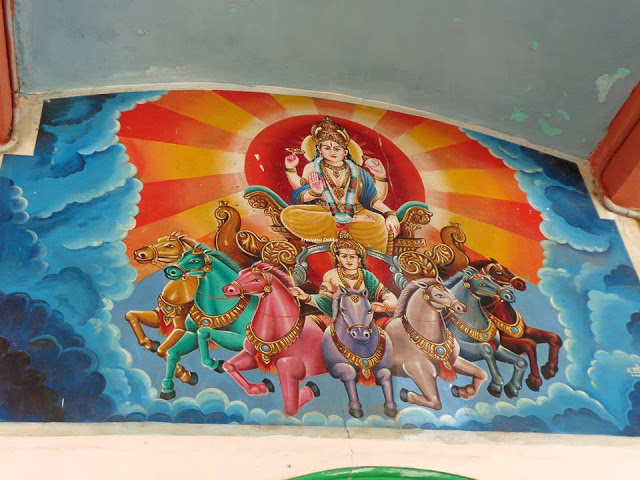
காஞ்சி பரமாசார்ய சுவாமிகள்  75 ஆண்டுகளுக்கு முன்னர் நிகழ்த்திய சொற்பொழிவிலேயே இன்கா நாகரீகம் பற்றிச் சொல்லிவிட்டு ‘இனன்’ என்பது சூரியனின் பெயர் என்று சுட்டிக் காட்டினார். இன்கா நாகரீகத்தின் தங்க சூரிய  கோவில் மிகவும் பிரஸித்தம்.


மேலும் இந்துக்களின் டெஸிமல்  / தஸாம்ச (DECIMAL SYSTEM) முறை கணக்கீட்டை இன்கா பயன்படுத்தியது முடிச்சு ஆராய்ச்சியில் தெரியவந்துள்ளது.


இன்காவுக்கு முன்னர் மத்திய அமெரிக்க நாடுகளிலும், தென் அமெரிக்க நாடுகளிலும் 2000 ஆண்டுகளுக்குக் கொடி கட்டிப் பறந்த அஸ்டெக் (ஆஸ்தீக), ஒல்மெக் (ஒளியன்= நாகர்), மாயன் (மயன்=சிற்பி) ஆகியனவும் இந்து நாகரீகங்களே என்று ஆதாரங்ளுடன் நான் கட்டுரை எழுதியுள்ளேன். எனது எட்டு ஆண்டுக் கட்டுரைகளைப் படித்து இன்புறுக.


பதினைந்தாம் நூற்றாண்டில் அமெரிக்காவின் மிகப் பெரிய சாம்ராஜ்யம்- ஈக்வடார் நாடு முதல் சிலி நாடு வரை பரந்த, தொழிநுட்ப அறிவுமிக்க நாகரீகம்– இன்கா என்பதில் இரு வேறு கருத்துக்கு இடமே இல்லை. மச்சு பிச்சு என்னும் வான்முகட்டைத் தொடும் அரண்மனையையும், நாடு முழுதும் நல்ல நவீன சாலைகளையும், இடையிடையே புல்லினால் ஆன, வலுவான பாலங்களையும்  அமைத்தவர்கள் இன்காக்கள் என்பதிலும் ஐயப்பாடு எழாது. ஆனால் அதிசயத்திலும் அதிசயம் அவர்களுக்கு எழுதத் தெரியாது!!!!


உண்மைதானா????

எழுதிய காகிதங்கள் எதையும் அவர்கள் விட்டுச் செல்லவில்லை என்பது உண்மையே. ஆயினும் அவர்கள் வித விதமான முடிச்சுகள் உள்ள வண்ண, வண்ண கயிறுகளை விட்டுச் சென்றுள்ளனர். இதை கீ பூ (KHIPU) என்று அழைப்பர். இதில் சீன அபெக்கஸ் (ABACUS) (கணக்கீட்டுப் பலகை) போல கணக்கு வழக்குகளை எழுதியது முன்னரே தெரியும். ஒருவேளை இந்த கயிற்று முடிச்சுகள் பழங்கால கதைகளையும் சொல்லுமோ என்ற சம்சயம் ஆராய்ச்சியாளர் இடையே எழுந்தது. அதை மேலும்  ஆராய, ஆராய இவை வெறும் முடிச்சுகள் அல்ல– கதை சொல்லும் முடிச்சுகள்– பாடல் பாடும் முடிச்சுகள்– என்பது தெரிய வந்தது. அதனால்தான் நியூ ஸைண்டிஸ்ட் போன்ற புகழ் மிகு அறிவியல் வார இதழும் கூட 5 பக்கக் கட்டுரையை படங்கள் சஹிதம் வெளியிட்டது..


நூற்றாண்டுக் கணக்கில் முடிச்சு ஆராய்ச்சி நடந்தபோதும் ஐரோப்பியர்கள் சொன்ன அசிங்கமான முடிவுகளே இதுவரை நிலவின. ஆனால் இப்பொழுது ரோஸட்டா (ROSETTA STONE) கற்பலகை போல நமக்கு புதிய கருவிகள் கிடைத்துவிட்டது.


(ரோஸட்டா பலகை என்றால் என்ன? இது லண்டனில் பிரிட்டிஷ் மியூஸியத்தில் இருக்கிறது. இதைக் கண்டுபிடிப்பதற்கு முன்னால், எகிப்து நாட்டின் சித்திர எழுத்துக்கள் பற்றி நிறைய பேர் ஆராய்ச்சி என்ற முறையில் உளறிக்கொட்டி கிளறி மூடினர். அதாவது நாம் சிந்து- ஸரஸ்வதி சமவெளி நாகரீக எழுத்துக்கள் பற்றி இப்பொழுது பிதற்றுவது போல குதறி வந்தனர். மூன்று மொழி லிபிகளில் ஒரே விஷயத்தை எழுதிய ரோஸட்டா கல்வெட்டு கிடைத்த பின்னர் எகிப்து பற்றிய எல்லா உளறல்களையும் பிதற்றல்களையும் இந்து மஹா சமுத்திரத்தில் தூக்கிப் போட்டனர்).


இந்த முடிச்சு ஆராய்ச்சி ஒருவேளை இந்தியாவின் மிகப் பழமையான ஸிந்து-ஸரஸ்வதி நாகரீக ரஹஸியங்களை- முடிச்சு அவிழ்க்க- உதவும். முடிச்சவுக்கிகள் வாழ்க!!!


மேலும் காண்போம்……..

1530 ஆம் ஆண்டை ஒட்டி மஹா கிராதகனான ஸ்பானிய மனிதன் பிரான்ஸிஸ்கோ பிசாரோ (FRANSISCO  PIAZARO) இன்காக்களை எதிர்கொண்டான். பிரம்மாண்டமான கற்சிலைகளையும், கொட்டிக் கிடக்கும் தங்கக் குவியலையும் பார்த்து வாயைப் பிளந்தான் அந்தக் கொள்ளைக்காரன். அவர்களும் இந்துக்களைப் போலவே இளிச்சவாயர்கள். ஸ்பானிய கும்பலை நம்பி மோஸம் போனார்கள். ஆட்சியைப் பிடித்தான் வெள்ளைக்கார கொள்ளைக் காரன். சரி, நாகரீகமற்ற இந்த ‘ஜந்து’க்களுக்கு கொஞ்சம் கிறிஸ்தவ மதம் மூலம் நாகரீகம் புகட்டுவோம் என்று எண்ணி ஸ்பானிய முறைகளை அமல்படுத்த முன்வந்தபோது ஸ்பெயின் நாட்டை விட அற்புதமான வரி வசூல் முறை, சாலை அமைப்பு, தகவல் தொடர்பு முறை இருந்ததைக் கண்டான். வியந்து மூக்கில் விரலை வைத்தான்.


இப்பொழுது பெரு நாட்டில் உள்ள குஸ்கோ என்ற ஒரு தலை நகரில் இருந்து பல லட்சம் சதுரமைல் பரப்பை நிர்வகித்தனர் இன்காக்கள்.

பல மாகாண நிர்வாக சபைகள் அனைத்தும் ஒரு மஹா இணைப்பில் அடங்கும் பெடெரல் முறை அங்கே இருந்தது. ஸ்பெயின் ஜனத்தொகையை விடக் கூடுதலான ஒரு கோடிப் பேரை சுண்டுவிரல் அசைவில் ஆண்டனர் இன்கா மன்னர்கள்!


பணம் ,காசு, நாணயங்கள் இல்லாத மார்க்கெட் பொருளாதாரம். மத்திய நிர்வாகத்தின் கீழ் அனைவருக்கும் உணவு விநியோகம். உழைப்பின் பலன் கிடைக்க அவரவர்களுக்கு நில புலன்களும் இருந்தன. இது ஒரு சோஸலிஸ சமுதாயமா அல்லது எதேச்சாதிகார முடியாட்சியா என்று ஆரய்ச்சியாளர்கள் இன்னும் வாதப் பிரதிவாதங்களில் மண்டையை உடைத்துக் கொண்டு இருக்கிறார்கள். ஆயினும் இன்கா அமைப்பு அற்புத அமைப்பு, கன கச்சித அமைப்பு என்பததை அனைவரும் ஏற்பர்.


இதுபற்றி கருத்து தெரிவித்த ஹார்வர்ட் பல்கலைக் கழக மானுடவியல் வல்லுனர் கார்ரி உர்டன் (GARY URTON) செப்பினார்:

நிர்வாக முறையில் இவர்கள் சிறப்பின் காரணம் மக்கத்தொகை கணக்கெடுப்பு, வரி/  கப்பம் கட்டுதல், ஸ்டோர்ஹவுஸ்/ கிடங்கு பொருள்  அட்டவணை, கையிருப்புக் கணக்குகள் ஆகிய அனைத்தையும் கீபூ என்னும் கயிறு முடிச்சு முறையில் குறித்து வைத்தனர். இதற்காக ஒரு தனி ஜாதி அங்கே இருந்தது. அவர்கள் இதில் விசேஷ பயிற்சி பெற்றனர்.

கீபூ எப்படி இருக்கும்?

ஒரு பென்ஸில் அளவு கனமுள்ள கயிறும் அதிலிருந்து தொங்கும் பல சிறிய கயிறுகளும் இருக்கும். இதை அவர்கள் எப்படிப் பயன்படுத்தினர் என்பதை ஸ்பானிய ஆட்கள் எழுதி வைத்தனர். அதற்குக் காரணம் காதல் திருமணம்!


ஒரு இன்கா இளவரசியும் ஸ்பானிய படை எடுப்பாளனும் திருமணம் புரிந்ததால் அவர்களின் வரி விதிப்பு வசூல்,  இதுவரை வந்தது எவ்வளவு, யார் எவ்வளவு பாக்கி வைத்துள்ளனர் என்பதெல்லாம் ஸ்பானிய மொழியிலும் எழுதப்பட்டது.


இதற்கு மேல் இப்போது நடந்த ஆராய்ச்சியில் தெரிய வந்த அதிசயங்க ளை அடுத்த கட்டுரையில் காண்போம்.


தொடரும்………….


-சுபம்–


My Great grandfather was a Baboon! Dumas outburst! (Post No.5497)

Compiled by London Swaminathan
swami_48@yahoo.com
Date: 2 October 2018


Time uploaded in London – 7-40 am (British Summer Time)


Post No. 5497


Pictures shown here are taken from various sources including google, Wikipedia, Facebook friends and newspapers. This is a non- commercial blog.


Family and Children Anecdotes 

 
The elder Dumas (Alexander Dumas) was once interviewed by an enterprising reporter, who, like many other admirers of the novelist, was curious about his ancestry.
Is it true that you are a quadroon Mr Dumas? He asked.

I am, sir, Mr Dumas replied .
So your father….?
Was a mulatto
And your grandfather?
Was a negro.
Dumas patience was running out but the reporter was a bold man and continued,
May I inquire who your great grandfather was?
A baboon, sir! Thundered Dumas .
A baboon! My ancestry begins where your ends!

quad·roon

/kwäˈdro͞on/

noun

  • a person who is one-quarter black by descent.


mu·lat·to

/m(y)o͝oˈlädō/

noun

  • a person of mixed white and black ancestry, especially a person with one white and one black parent.

Ne·gro

/ˈnēɡrō/

noun

  • a member of a dark-skinned group of peoples originally native to Africa south of the Sahara.

adjective

  • relating to black people.

ba·boon

/baˈbo͞on/

noun

  • a large Old World ground-dwelling monkey with a long doglike snout, large teeth, and naked callosities on the buttocks. Baboons are social animals and live in troops.

Xxx


Marrk Twain’s Ancestors

The story is told that Mark Twain was once a guest of an English man who took him, with some pride, into a manorial hall hung with a huge tapestry depicting the King Charles the First. The host placed his fingers with great pride upon the figure of one of the obscure clerks of the court and said ‘ An ancestor of mine ‘.
Twain, always offended by such ostentation, casually put his finger upon one of the judges seated on the tribunal and remarked,
An ancestor of mine but it is no matter , I have others.

Xxx

May Flower Ship

To a man who had proudly said,
My ancestors came over in the Mayflower, Will Rogers retorted,
My ancestors were waiting on the beach

Xxx

Mark Twain, whenever confronted by people who were haughty about their ancestry, was fond of saying,
My grand father was cut down in the prime of his life. My grandmother always used to say that if he had been cut down fifteen minutes earlier, he could have been resuscitated.

Xxxx

Two Irishmen

Children Anecdotes
Two Irish men were discussing their families. One was boasting about his seven sons, that he had never had any trouble with any of them.

“Yes, indade, he said, they’re just the finest boys in the world. An’ would you believe it, I niivver laid violent hand s on any one of them except in self defence”.

Xxx


Boiled eggs please!

Babies Anecdotes

Mrs K, after expressing her love for her children added tenderly,
And how do you like babies, Mr Lamb?
His answer, immediate, almost precipitate, was
B- b- boiled, Madame

Xxx

Great man Walt Whitman
When a baby in a crowded Washington horse car was screaming, Walt Whitman took it from its mother, into his own arms; the infant stared at him a long time, then snuggled against him and fell asleep. Presently the conductor got off the car to get his supper, and Whitman acted as conductor the rest of the trip, still holding the sleeping baby.

Xxx

Snoring Actress!

Eleanore Duse, the great actress, once offered to look after the year old baby of some friends while the family went for a walk.

What will you do if she cries? They asked.

Do? I will sing to her, said the resourceful Duse
I have lots of tricks to entertain babies .
When the parents returned, they found the baby sitting quietly in her carriage, her eyes fixed with a hypnotic stare upon the sofa. There lay the great actress, her head drooping, her mouth open, her eyes shut. She was snoring — regularly , sonorously snoring.

Slowly she opened her eyes
Sh! She said. If I stop for a second, she will cry .
Then she explained,
I sang for her; I danced for her; I made faces at her; I acted the whole of Paolo and Francesca, to her and she hated it all. But the snoring— from the first faint sign — she loved it.


xxx

Cross Breed is dangerous! Bernard Shaw

I posted 15 anecdotes from the life of Bernard Shaw. Following children anecdote was one of them:-


1.Children


There is a legend about the fervent message Bernard Shaw received from Isadora Duncan expressing the opinion that by every eugenics principle they should have a child.

“Think what a child it would be”, she said, “with my body and your brain.”

Shaw sent the following response, discouraging the preposition, “Think how unfortunate it would be if the child were to have my body and your brain.”

Xxx subham xxxx

ஹிந்து காந்திஜி! – 2 (Post No.5496)

WRITTEN BY S NAGARAJAN

Date: 2 October 2018


Time uploaded in London – 6-08 AM (British Summer Time)


Post No. 5496


Pictures shown here are taken from various sources including google, Wikipedia, Facebook friends and newspapers. This is a non- commercial blog.


ஹிந்துத்வம் வாழ வழி காட்டியவர்

சென்ற ஆண்டு இதே நாளில் ஹிந்து காந்திஜி – 1 வெளியாயிற்று. அதைத் தொடர்ந்து இந்த ஆண்டு காந்தி ஜெயந்தி திருநாளில் அடுத்த கட்டுரை மலர்கிறது.

ஹிந்து காந்திஜி! – 2

ச.நாகராஜன்

1

புனிதமான தினம் அக்டோபர் இரண்டாம் தேதி. இந்தியாவிற்கு மட்டுமல்ல இந்தப் புனித தினம். மனித குலத்திற்கே புனிதமான தினம் காந்திஜியின் ஜென்ம தினம்.

அதில் ஏராளமான சிந்தனைகள் மலர்வதில் வியப்பில்லை. ஆனால் அனைவரும் வாழ வேண்டும். சர்வே ஜனா சுகினோ பவந்து என்ற ஹிந்து மதத்தின் ஆணி வேரான கொள்கையை கைக் கொண்டு அதற்காக தன் வாழ்வை அர்ப்பணித்த மகான் காந்திஜி.

ஹிந்து மதம் பற்றிய தனது கருத்துக்களை வெளியிட அவர் ஒருபோதும் தயங்கியதில்லை.

நையாண்டி செய்து வரும் கடிதங்கள், கேலியாக கேள்வி கேட்கும் கடிதங்கள். உண்மை அறியத் துடிக்கும் கடிதங்கள், மதமாற்றம் செய்யத் துடிக்கும் விஷமிகளின் கடிதங்கள், இந்தியாவை மத அடிப்படையில் துண்டாட நினைக்கும் துரோகிகளின் கடிதங்கள், ஒன்றும் அறியா அப்பாவிகளின் கடிதங்கள் – இதில் எதையும் அவர் துச்சமாகத் தூர எறிந்ததில்லை. அவற்றிற்குத் தக்க பதிலை தொடர்ந்து வழங்கியே வந்தார்.

அருமையான கலைக் களஞ்சியமாக அவர்து பதில்களும், கட்டுரைகளும் திகழ்கின்றன. இவற்றில் சிலவற்றை இங்கு பார்ப்போம். ஹிந்து காந்திஜியைத் தரிசித்து மகிழ்வோம்.


2


சார்லஸ் ப்ராட்லா பிரிட்டனைச் சேர்ந்த நாத்திகவாதி.(Charles Bradlaugh Birth 26-9-1833 death 30-1-1891). சமூக சீர்திருத்தவாதி.

ஒரு சமயம் இவர் பிரிட்டிஷ் பார்லிமெண்டின் உறுப்பினராகத் தேர்ந்தெடுக்கப்பட்டார். ஒவ்வொரு உறுப்பினரும் ‘பைபிள் சாட்சியாக உண்மையாகத் தொண்டு செய்கிறேன்என்று பிரமாணம் எடுத்துக் கொள்ள வேண்டும். அதற்குப் பின்னரே அவர் சபையில் அமர முடியும். இந்த சம்பிரதாயத்தைப் பின்பற்ற முடியாது என்று கூறிய ப்ராட்லா வழக்கு ஒன்றைத் தொடுத்தார்; வெற்றியும் பெற்றார். ஆகவே பைபிளின் பேரால் பிரமாணம் எடுக்காமலேயே சபை உறுப்பினர் ஆனார்.

இவர் 1891ஆம் ஆண்டு மரணமடைந்த போது அவரது இறுதிச் சடங்கில் கலந்து கொண்டவர் மோகன் தாஸ் கரம் சந்த் காந்தி – ஆம், மஹாத்மாவே தான். அப்போது அவருக்கு வயது 21!

பைபிளை ஏற்க மறுத்த ப்ராட்லா அதில் உள்ள தவறுகளைச் சுட்டிக் காட்டத் தயங்கவில்லை. இந்த ப்ராட்லாவைக் குறிப்பிட்டு காந்திஜிக்கு வந்த கடிதம் ஒன்றைப் பார்ப்போம்.


எஸ்.டி.நட்கர்னி என்பவர் வட கானராவைச் சேர்ந்த் கார்வார் நகரைச் சேர்ந்தவர். அவர் 1925ஆம் ஆண்டு மார்ச் 10ஆம் தேதியிட்டு ஒரு கடிதத்தை காந்திஜியின் எங் இந்தியா பத்திரிகைக்கு அனுப்பினார். நீண்ட அந்தக் கடித்தத்தில் அவர் ப்ராட்லாவைச் சுட்டிக் காட்டி கீழ்க்கண்டவாறு எழுதிய பகுதியை மட்டும் இங்கு பார்ப்போம்:


“கடவுளை மறுக்கும் ப்ராட்லாவைப் பற்றி தாங்கள் குறிப்பிடும் போது அவருக்குத் தெரிந்த வகையில் உள்ள கடவுளை அவர் மறுப்பதாகக் கூறுகிறீர்கள். நாம் எல்லோரும் கடவுளைப் பற்றிக் கூறும் விளக்கங்கள் வெவ்வேறு விதமாக இருப்பினும், அவ்விளக்கங்களுக்கு அடிப்படையில் தவறாத ஏதோ ஒரே விதமான கருத்து இருப்பதாக நீங்கள் கூறுகின்றீர்கள். கடவுளை ப்ராட்லா மறுப்பதிலும் இந்தக் கருத்து அடங்கி இருக்கிறதா? ப்ராட்லா அறிஞர்; இவ்விஷயங்களை ஊன்றிக் கவனிக்கும் சக்தியும் அவருக்குப் போதிய அளவு உண்டு, அப்படியிருக்க, அவர் கடவுள் இருப்பதை மறுக்கும்படி செய்வது எது?


இதற்கு காந்திஜி 30-4-1925 தேதியிட்ட எங் இந்தியா இதழில் இப்படி பதில் அளித்தார்:


ஸ்ரீ நட்கர்னியின் சாமர்த்தியமான கடிதத்திற்கு இடம் கொடுக்க நான் மறுக்க முடியாது. எனினும், ஜைன மதமோ அல்லது பௌத்த மதமோ நாத்திக மதங்கள் அல்ல என்ற எனது அபிப்ராயத்தில் நான் உறுதியாக இருக்கிறேன். கடவுளைப் பற்றிய கீழ்க்கண்ட விளக்கங்களை நான் ஸ்ரீ நட்கர்னிக்கு எடுத்துக் கூறுகிறேன். கர்மாவின் மொத்த சாரமே கடவுள் ஆகும். நேர்மையானதைச் செய்யும்படி மனிதனை வற்புறுத்துவது கடவுளே; உயிர் வாழும் அனைத்தின் நிறைவே கடவுள். விதியன் கைப்பொம்மையாக மனிதனை ஆட்டி வைப்பதும் கடவுள் தான். தமக்கு ஏற்பட்ட சோதனைகளையெல்லாம் தாங்கும் சக்தியைப் ப்ராட்லாவுக்கு அளித்தது கடவுளே; நாத்திகவாதிக்கு மறுப்பாக இருப்பதும் கடவுளே தான்


பிரார்த்தனையின் அர்த்தமும் அவசியமும்  பற்றி காந்திஜி உத்தியோக மந்திரைச் சேர்ந்த பிரார்த்தனை மைதானத்தில் ஆற்றிய சொற்பொழிவு 23-1-1930 எங் இந்தியா இதழில் வெளியானது. அதில் ப்ராட்லாவைப் பற்றி காந்திஜி குறிப்பிட்டார்.


அந்தப் பகுதி மட்டும் இங்கு தரப்படுகிறது:

முதல்தரமான சந்தேகவாதியோ அல்லது நாத்திகரோ கூட ஒரு தார்மிகக் கொள்கையின் அவசியத்தை ஒப்புக் கொள்ளுகிறார்கள். அக்கொள்கையை அனுசரிப்பதே நல்லது என்றும் அதை அனுசரிக்காமல் இருப்பது தீங்கு என்றும் கருதுகிறார்கள். ப்ராட்லாவின் நாத்திகம் எல்லோரும் அறிந்ததே. ஆனால் அவர் கூட, உண்மையைப் பேச வேண்டியதன் அவசியத்தை வற்புறுத்தினார். உண்மையைப் பேசியதற்காக மிகுந்த துன்பத்திற்குள்ளானார். அதனால் தான், மதத்தை மறுக்கும் ஒரு மனிதன் கூட மதமின்றி வாழ்வதில்லை, வாழ முடியாது என்று நான் கூறியுள்ளேன்.


ப்ராட்லா அறிந்த மதம் கிறிஸ்தவமே. அதையே அவர் எதிர்த்தார். இதனால், அவர் கிறிஸ்தவ பாதிரிகளின் கடும் எதிர்ப்பை சமாளிக்க வேண்டியிருந்தது; மிகுந்த துன்பத்திற்கு ஆளாக வேண்டியிருந்தது. ஆனால் அப்படிப்பட்ட நாத்திகவாதியும் கூட உண்மையைப் பேச வேண்டியதன் அவசியத்தை வற்புறுத்தியதை காந்திஜி பாராட்டத் தவறவில்லை.


ஹிந்து மதக் கொள்கைகளையும் அது கூறும் பிரார்த்தனை, சத்தியம் உரைத்தல் உள்ளிட்ட அனைத்தையும் ஆயிரக்கணக்கான முறை வாய்ப்புக் கிடைத்த போதெல்லாம் மகாத்மா எடுத்துரைத்து வந்தார்.


30-1-1891 அன்று மறைந்த ப்ராட்லாவின் ஈமச்சடங்கில் கலந்து கொண்ட மகாத்மா 57 வருடங்களுக்குப் பிறகு அதே ஜனவரி 30ஆம் தேதி சுடப்பட்டு இறந்தது ஒரு ஆச்சரியகரமான தற்செயல் ஒற்றுமை தானோ?!


picture by Krishna srinivasan, SFC, USA

3

காந்திஜியை மதமாற்றம் செய்வதற்காகவும் குறைந்த பட்சம் வாதத்தில் வெல்வதற்காகவும் வந்த பாதிரிகள் எத்தனையோ பேர்!

அத்தனை பேரிடமும் தான் ஒரு ஹிந்து என்பதை ஆணித்தரமாக அடித்து உரைத்ததோடு ஹிந்து கொள்கைகளான விக்கிரக வழிபாடு, மறு ஜென்மம் போன்றவற்றை தீவிரமாக ஆதரித்துப் பேசி அதன் உண்மை விளக்கங்களையும் அவர் முன் வைத்தார்.


13-3-1937 தேதியிட்ட ஹரிஜன் இதழில் வெளியாகியுள்ள  விக்கிரக வழிபாடு பற்றிய உரையாடல் ஒன்றைப் பார்ப்போம்.

ஒரு கத்தோலிக்க பாதிரியார் காந்திஜியிடம் வந்தார். அவருக்கும் காந்திஜிக்கும் நடந்த உரையாடல் இது:


காந்திஜி : ஏதாவதொரு விதத்தில் விக்கிரக வழிபாட்டை அனுசரிக்காமல் இருப்பது முடியாத காரியம். ஒரு மசூதியை ஆண்டவனின் இருப்பிடம் என்று முஸ்லிம் கூறுகிறார்; மசூதியைப் பாதுகாப்பதற்காகத் தமது உயிரையே கொடுக்கிறார். அவர் ஏன் அப்படிச் செய்ய வேண்டும்? ஒரு கிறிஸ்தவர் சர்ச்சுக்கு ஏன் போகிறார்? அவர் பிரமாணம் செய்ய வேண்டியிருக்கும் போது பைபிளை வைத்துக் கொண்டு ஏன் பிரமாணம் செய்கிறார்? அவ்விதம் செய்வதை நான் ஆட்சேபிக்கவில்லை. மசூதிகளும், சமாதிகளும் கட்டுவதற்காக ஏராளமான செல்வத்தைக் கொடுப்பது விக்கிரக வழிபாடு அல்லவா? கன்னிமேரியும், மற்ற கிறிஸ்தவ மகான்களும் கல்லிலோ அல்லது ஓவியத்திலோ, திரையிலோ அல்லது கண்ணாடியிலோ உள்ள கற்பனை உருவங்களே அல்லவா? அந்த உருவங்களின் முன் ரோமன் கத்தோலிக்கர்கள் முழந்தாளிட்டுப் பணிவது விக்கிரக வழிபாடு அல்லவா?


கத்தோலிக்கப் பாதிரியார்: நான் என் தாயாரின் புகைப்படத்திற்கு மரியாதையாக அதை வணங்குகிறேன். ஆனால் அதை பூஜிப்பதில்லை.நான் கிறிஸ்தவ மகான்களையும் பூஜிப்பதில்லை. நான் கடவுளை வழிபடும்போது, அவர் சிருஷ்டி கர்த்தா, அவர் எந்த மானிடரையும் காட்டிலும் மேலானவர் என்ற உண்மையை ஒப்புக் கொள்ளுகிறேன்.


காந்திஜி : அது போலவே, நாங்கள் வழிபடுவது கல்லை அல்ல; கல்லிலும் உலோகத்திலும் செய்யப்பட்டுள்ள விக்கிரகங்களிலிருக்கும் கடவுளையே வணங்குகிறோம்.

பாதிரியார்: கிராமவாசிகள் கற்களையே கடவுள் என்று பூஜிக்கிறார்கள்.


காந்திஜி : இல்லை. அவர்கள் கடவுளை மாத்திரமே பூஜிக்கிறார்கள். கடவுளுக்குக் குறைந்த எதையும் அவர்கள் பூஜிப்பது இல்லை. கன்னி மேரியின் முன்னிலையில் முழந்தாளிட்டு வணங்கும் போது நீங்கள் என்ன செய்கிறீர்கள்? அவர் மூலமாக கடவுளுடன் தொடர்பு கொள்ள வேண்டும் என்றே நீங்கள் கோருகிறீர்கள். அதுபோலவே ஒரு ஹிந்து, கல் சிலையின் மூலம் கடவுளுடன் தொடர்பு கொள்ள முற்படுகிறார். முஸ்லீம்கள் மசூதிக்குள் செல்லும் போது  பயபக்தியுடனும் மகிழ்ச்சியுடனும் செல்லுகிறார்கள். உலகம் முழுவதுமே ஏன் ஒரு மசூதியாக இருக்கக் கூடாது? அற்புதமான பரந்த ஆகாயம் ஏன் மசூதியின் விதானமாக இருக்கக் கூடாது? எனினும். நான் முஸ்லீம்களை அறிந்து கொண்டுள்ளேன்; அவர்கள் விஷயத்தில் அனுதாபம் கொள்ளுகிறேன். கடவுளை வணங்குவதற்காக ஒரு மசூதிக்குச் செல்லுவது அவர்களுடைய வழியாகும். கடவுளை வணங்க, ஹிந்துக்கள் அவர்களுடைய சொந்த வழியைப் பின்பற்றுகிறார்கள். நாம் கடவுளை அணுகும் வழிகள் தான் வேறானவையேயன்றி, கடவுள் வெவ்வேறானவர் அல்ல.


பாதிரியார்: கடவுள் தங்களுக்கு உண்மையான வழியைக் காட்டியதாக கத்தோலிக்கர்கள் நம்புகின்றனர்.


காந்திஜி: கடவுளின் சித்தம், பைபிள் என்ற நூலில் மாத்திரமே குறிப்பிடப்பட்டிருக்கிறது என்றும் மற்ற நூல்களில் குறிப்பிடப்படவில்லை என்றும் நீங்கள் ஏன் கூறுகிறீர்கள்? கடவுளின் சக்தியை நீங்கள் ஏன் ஓர் எல்லைக்கு உட்படுத்துகிறீர்கள்?


பாதிரியார் : ஆனால், கடவுளிடமிருந்து நமக்குத் தகவல் கிடைத்தது என்பதை, மனிதர் செய்ய முடியாத அற்புதமான செயல்களின் மூலம் ஏசுநாதர் நிரூபித்தாரே.


காந்திஜி : முகமது நபியும் கூட அவ்விதமே தான் கூறுகிறார். கிறிஸ்தவரின் சாட்சியத்தை நீங்கள் ஒப்புக் கொண்டால், முஸ்லீமின் சாட்சியத்தையும் ஹிந்துவின் சாட்சியத்தையும் கூட ஒப்புக் கொள்ளத்தான் வேண்டும்.


பாதிரியார் : அசாதாரணமான அற்புதங்கள் எதுவும் தம்மால் செய்ய முடியாதென்றும் முகமது நபி கூறினார்.


காந்திஜி : இல்லை; கடவுள் இருப்பதை அசாதாரண அற்புதங்களின் மூலம் நிரூபிக்க அவர் விரும்பவில்லை. எனினும், கடவுளிடமிருந்து தமக்குச் செய்திகள் வருவதாக அவர் கூறிக் கொண்டார்.


4

ஹிந்துத்வம் பற்றிய காந்திஜியின் கட்டுரைகள் ஒரு மிகப் பெரிய பொக்கிஷம். போலி கிறிஸ்தவ பாதிரிகள் மற்றும் போலி இஸ்லாமியர்களின் வாதங்களை அவர் கிழி கிழி என்று கிழித்துத் தூக்கி எறிகிறார். தைரியமாக. மிக தைரியமாக!


அதிர்ஷ்டவசமாக அவரது எழுத்துக்கள் நமக்குக் கிடைத்துள்ளன. அவற்றை வரிவரியாகப் படித்தால் ஹிந்து மதத்தின் பெருமையை உணரலாம்.


நாத்திகவாதியான ப்ராட்லாவுக்கும் அவரால் பதில் கூற முடிகிறது. மதவெறி பிடித்த கிறிஸ்தவ பாதிரிகளுக்கும் அவரால் பதில் கூற முடிகிறது.


அது தான் ஹிந்து காந்திஜியின் மேதைத்தனம். ஹிந்துத்வத்தில் ஊறி புடம் போட்ட தங்கமே தான் ஹிந்து காந்திஜி!

***