MERCURY IN FAMOUS MEN! HAIRY MYSTERY!! (Post No.5395)

COMPILED by London Swaminathan

swami_48@yahoo.com

Date: 5 September 2018


Time uploaded in London – 7-47 am (British Summer Time)


Post No. 5395


Hair contains lot of sulfur-containing amino acids, and these attract mercury and provide a permanent record of the person’s exposure to the element.

It was often the custom in earlier times to preserve locks of hair from those who had died. When these have been analysed by modern methods, curiously high levels of mercury have been found, leading some to suspect that the person was medically treated with calomel because they had syphilis or they had taken part in alchemical experiments and thereby breathed mercury vapour.

The hair of Isaac Newton (1642-1727) contains high levels of mercury, which  almost certainly came from his alchemical work because he was known to have been a celibate all his life; the mercury in the hair of Scottish poet Robert Burns (1759-96) suggests he had been treated for venereal disease. Napoleon’s hair also shows that he was probably given calomel when he was taken ill on St Helena, but this was not the cause of his death.

Mercury in hair does not always imply syphilis or alchemy. One of the saddest deaths of a scientist was that of Danish astronomer Tycho Brahe (1546-1601) who suffered with prostate trouble. At a royal banquet in Prague he dared not leave the table to relieve himself, with the result that his bladder split and he died of urinary poisoning a few days later. Analysis of a strand of hair, which had the root intact, showed that the day before he died he was given  a mercurial medicine in an effort to save his life. It has been tempting  to assume that when famous people were treated with mercury the reason was syphilis. King Henry VIII of England and Ivan the Terrible of Russia were both dosed this way. Charles II almost certainly  died of mercury poisoning  but probably not as a result of medical treatment, although he too might well have needed it as a result of notorious sex life. He was exposed to the metal while doing alchemical experiments which he carried out in poorly ventilated room in the palace.


The alchemists believed that mercury was unique. In their theory it was the element, a component of all metals, and so held the key to transmutation of base metals into gold. It uniquely represented the quintessential property of fluidity. Therefore reports from Siberia , that mercury could freeze solid, and thereby lose its elemental fluidity, were discounted as little more than traveler’s tale.


So it came as a shock to two Russian scientists, A.Braun ad M. Lomonosov, of St Petersburg when, on 26th December 1759, they experimented with snow to see how low a temperature they could achieve. A mixture of ice and salt can produce a temperature drop of many degrees below 0 degree C and they thought that mixing snow and acids might result in even lower temperatures, and so it did. Suddenly the mercury in their thermometer stopped moving, and appeared to have been solidified. Curious to know what had happened, they broke away the glass and found that the mercury in the bulb had become a solid metal ball with mercury  from the tube protruding like piece of wire, which they could bend, just like other metals. The belief that mercury was unique had been destroyed.

Cmemical Properties

Symbol Hg

Atomic Number 80

Atomic weight 200-59

Melting Point  Minus 39 C

Boiling Point 357 C

Oxide HgO


Mercury is a silvery metal and a member of the group 12 of the Periodic Table.


Source- Nature’s Building Blocks, John Emsley,2001

–subam–

வில்லிப்புத்தூராரின் மடக்கணி பாடல்! (5394)

WRITTEN BY S NAGARAJAN

Date: 5  SEPTEMBER 2018


Time uploaded in London – 6-41 AM (British Summer Time)


Post No. 5394


Pictures shown here are taken from various sources including google, Wikipedia, Facebook friends and newspapers. This is a non- commercial blog.


வில்லிபாரதம்

வில்லிப்புத்தூராரின் மடக்கணி பாடல்!


ச.நாகராஜன்


வில்லிப்புத்தூராரின் வில்லி பாரதம் தமிழுக்குப் பெருமை சேர்க்கும் அபூர்வமான காவியம்.


வில்லிப்புத்தூராரின் பாணியே தனிப் பாணி. ஏராளமான கதைகளை அவர் கூறுவது வியப்பூட்டும் ஒன்று. அதுவும் ஒவ்வொரு வரிக்கும் ஒரு கதை சொல்லும் அவரது சொல் சுருக்கம் அபூர்வமானது.


அத்துடன் ஏராளமான அணிகளை ஆங்காங்கே அள்ளித் தெளித்து நம்மை பிரமிப்பூட்டுவதும் அவரது பாணி.

இந்த இரண்டு அம்சங்களையும் ஒருங்கே காட்டும் ஒரு பாடல் ஆதி பருவத்தில் திரௌபதி மாலையிட்ட சருக்கத்தில் இடம் பெறுகிறது. (பாடல் எண் 41)


இது கண்ணபிரானைக் குறித்த பாடல் என்பதால் சுவை இன்னும் சற்றுக் கூடுகிறது.


திரௌபதிக்கு அவளது செவிலித் தாயர் சுயம்வர மண்டபத்தில் கூடி இருக்கும் அரசர்களை இன்னார் என்று அறிமுகப்படுத்தி வைக்கும் போது கண்ணபிரானை அறிமுகம் செய்து வைக்கின்றனர்.


இந்தக் குரிசில் யதுகுலத்துக் கெல்லாந் திலகமெனுமாறு

வந்துற்பவித்துப் பொதுவருடன் வளருங் கள்ள மாமாயன்

முந்தக் கஞ்ச மாமனுயிர் முடித்தானிவற்கு முகிலூர்தி

அந்தப்புரத்திலாராம மந்தப்புரத்திலாராமம்.


இந்தப் பாடலில் உள்ள இறுதி அடியான, “அந்தப்புரத்திலாராம மந்தப்புரத்திலாராமம்” என்பதில் அந்தப்புரம் என்பது வெவ்வேறு பொருளில் வந்தது மடக்கு என்னும் சொல்லணியாகும்.

பாடலின் பொருள் இது:


இந்தக் குரிசில் – இந்த உத்தம புருஷன்


யது குலத்துக்கு எல்லாம் திலகம் எனும் ஆறு வந்து உற்பவித்து – யது வமிசம் முழுவதற்கும் ஒரு திலகம் என்று சொல்லும் படி அலங்காரமாய் அக்குலத்தில் வந்துதித்து

பொதுவருடன் வளரும் – இடையர்களுடனே வளர்ந்த

கள்ள மா மாயன் – எவரும் அறியவொண்ணாத பெரிய மாயையையுடைய கண்ணபிரான் ஆவான்.

முந்த – இளம் பருவத்திலேயே

கஞ்சன் மாமன் உயிர் முடித்தான் இவற்கு – மாமனாகிய கம்ஸனின் உயிரை ஒழித்தவனாகிய இவனுக்கு

முகில் ஊர்தி அந்த புரத்தில் ஆராமம் – மேகங்களை வாகனங்களாக உடையவனான இந்திரனது அந்த அமராவதி நகரத்திலுள்ள கற்பகச் சோலை

அந்தப்புரத்தில் ஆராமம் – தனது மனைவி வசிக்கும் அந்தப்புரத்தில் இருக்கும் சோலையாம்.


இந்தப் பாடலில் ஏராளமான சிறப்புகள் உள்ளன.

முதலில் திலகம் என்ற சொல்! யது குலத்து திலகம் கண்ணன் என்பது அழகிய பிரயோகம். சீதையை வனிதையர் திலகம் என கம்பன் கூறி இருப்பதை இங்கு ஒப்பு நோக்கலாம்.

அடுத்து கண்ணன் பிறந்தது, இடையர்களுடன் வளர்ந்தது, அவன் அங்கு ஆற்றிய லீலைகள், பிறகு கம்ஸனைக் கொன்றது ஆகியவற்றை ஒரு வரியில் சொல்லி விடுகிறார் வில்லிப் புத்தூரார்.


வசுதேவருக்கும் தேவகிக்கும் எட்டாவது கர்ப்பத்தில் உதித்த கண்ணன் ஆயர்பாடி சென்று யசோதையின் மகனாக வளர்கிறான். அங்கு இடையர்களுடன் வளர்ந்து பல லீலைகளைப் புரிகிறான்.. தேவகி புத்திரன் யசோதையிடம் ஒளிந்து வளருதலை நாரதர் சொல்லக் கேட்ட கம்ஸன் மிக்க கோபம் கொள்கிறான். வில்விழா என்கிற வியாஜ்யத்தை வைத்து  கண்ணனை வடமதுரைக்கு வரவழைக்கிறான்.


கண்ணன் வடமதுரை சென்று, கம்ஸ சபையில் வேகமாக எழும்பிக் கம்ஸனது  மஞ்சத்தில் ஏறி அவனது கிரீடம் கழன்று கீழே விழும்படி செய்து  அவனைத் தலைமயிரைப் பிடித்து இழுத்து தரையிலே தள்ளி அவன் மேல் தான் விழுந்து அவனைல் கொன்று ஒழிக்கிறான். இவ்வளவையும் சுட்டிக் காட்டுகிறது பாடலின் மூன்றாம் வரி.


அடுத்து மடக்கணியுடன் கூடிய நான்காம் வரி சுட்டிக் காட்டும் கதை இன்னொரு சுவையான கதை.


கண்ணன் நரகாசுரனை அழித்த பின் அவனால் முன்னொரு சமயம் கவர்ந்து போகப்பட்ட இந்திரன் தாயான அதிதி தேவியின் குண்டலங்களை அவளுக்குக் கொடுக்கும் பொருட்டு சத்யபாமையுடன் கருடன் தோளின் மீதேறி தேவலோகத்திற்குச் செல்கிறான். அங்கு இந்திராணி சத்யபாமையை வரவேற்று சகல உபசாரங்களையும் செய்கிறாள். என்றாலும் தேவலோகப் பெண்டிருக்கே உரித்தான் பாரிஜாதத்தை  கேவலம் மானிடப் பெண்ணாகிய சத்யபாமைக்குத் தருதல் தகாது என்று எண்ணி அதைத் தரவில்லை. சத்யபாமை கண்ணனிடம் இந்த பாரிஜாத மலரரை துவாரகைக்குக் கொண்டு போக வேண்டும் என்ற தனது விருப்பத்தைத் தெரிவிக்க கண்ணன் உடனே அந்த பாரிஜாத மரத்தை வேருடன் பிடுங்கிக் கருடனின் தோள் மீது ஏற்றுகிறான்.அப்பொது இந்திராணியின் தூண்டுதலின் பேரில் இந்திரன் கண்ணனுடன் போருக்கு வருகிறான்.


இந்திரன் உட்பட்ட சகல தேவ் சைனியத்தைத் தன் சங்க நாதம் ஒன்றினாலேயெ பங்கப்படுத்திய கண்ணன் துவாரகைக்கு பாரிஜாத மரத்துடன் வருகிறான். அங்கு சத்யபாமையின் அந்தப்புரத்தில் புறங்கடைத் தோட்டத்தில் அதை நடச் செய்து அருள்கிறான்.


இந்தக் கதையை சுவாரசியமான மடக்கணியுடன் சொல்கிறது நான்காம் வரி. அந்தப்புரம் என்ற சொல் வெவ்வேறு பொருளில் பயன்படுத்தப்படுகிறது.


ஆக வில்லிப்புத்தூராரின் பாணியான ஒரு வரியில் ஒரு கதை என்பதையும் அணிகளை இடத்திற்குத் தக்கவாறு பயன்படுத்துவதில் இங்கு சிறப்பான மடக்கணியைப் பயன்படுத்துவதையும் இந்தப் பாடலில் காண்கிறோம்.

வியாச பாரதம் சுவையானது எனில் அதைத் தமிழில் தரும் வில்லிப்புத்தூராரின் பாரதம் சுவைக்குச் சுவை ஊட்டுவதாக அமைவதைக் கண்டு வியக்கிறோம்..


கள்ள மாமாயன் வில்லிப்புத்தூராரிடம் புகுந்து செய்யும் தமிழ் மாயம் இதுவோ?!

***


குறிப்பு : பாடலின் உரை வை.மு. கோபாலகிருஷ்ணமாசாரியர் இயற்றியதைப் பின்பற்றியதாகும்.

Indian Ivory Antiques in England and Russia! (Post No.5393)

Research article Written by London Swaminathan

swami_48@yahoo.com

Date: 4 September 2018


Time uploaded in London – 21-39 (British Summer Time)


Post No. 5393
Ivory products of India are found in Ancient Egypt, Russia and Britain. Ivorry objects are mentioned in Kalidasa’s works and Sangam Tamil Literature. Harappans of Indus valley exported Ivory combs and other gold and silver ornaments to Sumeria accoording to Mortimer Wheeler. That shows India is one of the oldest countries in the world to make and use ivory products.

It is supported  by later inscripttions and litearature.

The ivory recovered from elephant is referred toby Kalidasa and other poets:

In Tamil there is a proverb “An elephant is worth 1000 gold coins whether it is alive or dead’. This expalins the value of its tusk and the hide. Moreover Hindu literature is full of references to pearls dropping from tusks (though it is scientifically not proved).

Ivory is referred to in Sangam Tamil Literature as well. Through 200 similes of Kalidasa found in Sangam Tamil literature, I have proved Kalidasa, the greatest Indian poet and playwright, lived before Sangam period, may be in first century or second century BCE.

Ivory Throne : Raguvamsam 17-21

King Athithi had the coronation abishekam sitting in Bhadrasana posture and then went to the next room for changing his clothes where he sat on the Ivory seat (Chair or stool)- (Rv 17-61)

Several Sangam Tamil poets used ivory objects in their poems:

Kapilar sings about the women who pounded the grains in the mortar with pestles made up of ivory and sandal (Kalitokai 40-4)

Tol Kapilar sings about a hunter using the ivory tusk to dig the land to get gold. While he was doing it the tusk broke and pearls inside the tusk came out along with the gold! (Akam 282 -Thol Kapilar).

There is an inscrption in Sanchi (200 BCE) which mentions a guild of ivory carvers in the nearby city of Vidhisa (now known as Besnagar). This fully testifies to the craft ivory carving. Ramayana also mentioned ivory craft. The indian stauette found in Herculaneum and the ivory paques found in Begram further testify to the antiquity of ivory trade. Varahamihira’s Brhat Samhita advises people to make legs of the bed with solid ivory. High ivory potal of a courtesan’s house is mentioned in Sudraka’s ‘The Little Clay Cart’ drama. All these refereces are from the first few centuries of moden era.


Chessmen made up of ivory were used in Brahmanabad in Sind. Ivory laid doors of Bijapur Palace was famous in the eighth century. So we have continous refrences from the Indus valley Time.


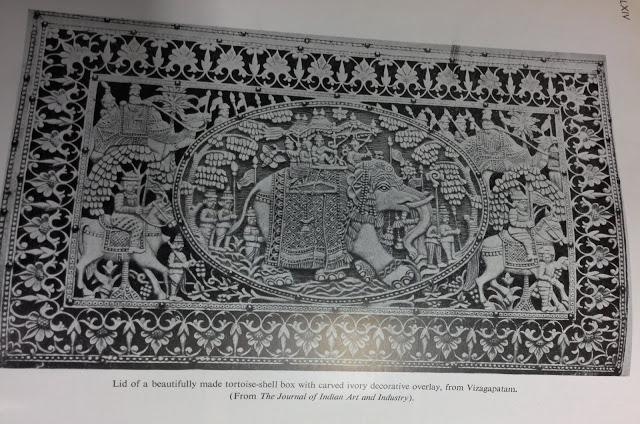
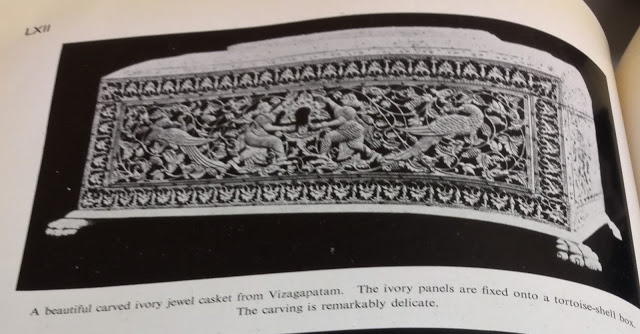
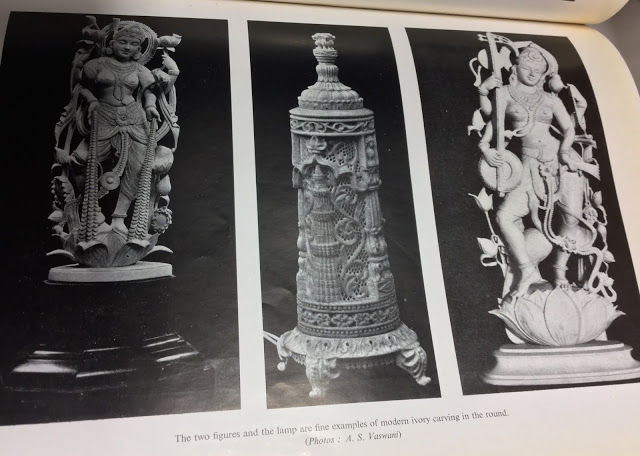
Terry in his’ Voyages to the East Indies’ (1655 CE) tells us of the skill of Indian crafsmen in making cabinet boxes, trunks and stands. He also describes the ivory work on tortise shells. Portugese traveller Paes wrote about a hall made up of ivory in Vijayanagara Empire. Hindu temples in South India has several ivory objects. A nagaswara instrument (Tamil Pipe) made up of ivory is in a Hindu temple in Tiruvarur, Tamil Nadu. Sir George Watt made a deep study in the ivory craft of Indians during the 1903 exhibition in Delhi. He has collected lot of trade secrets of ivory traders. Form Kerala to Himachal, there were several towns famous for ivory craftwork.Till ivory sale was banned, all craft shops in India were selling ivory boxes, caskets, statues and combs.

There is ample evidence that ivory craft was well developed in India before the second century BCE.

Jawaharlal Nehru, former Prime Minisrer, donated a three fold ivory carved screen to Soviet Union in 1955. This is on dispaly in Moscow.

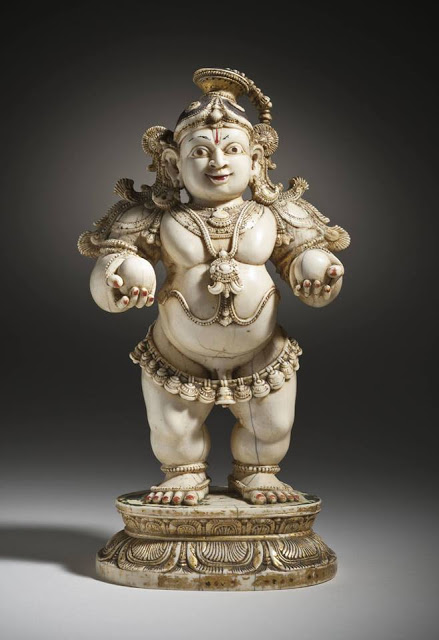
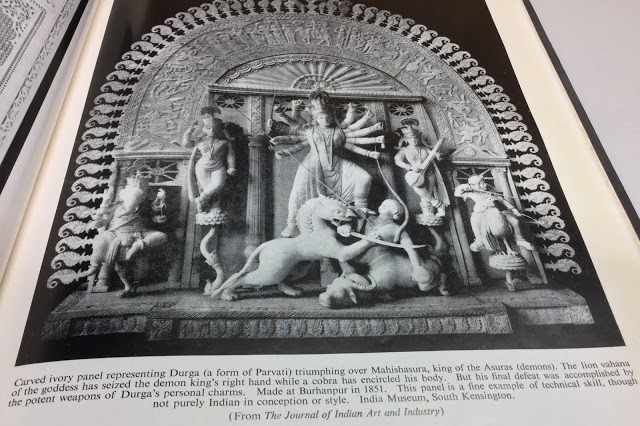
Museum in London has a statue of Durga made in Burhanpur in 1851.


Indian Ivory Throne to Queen Victoria
Edgar Thurston, former superintendent of Madras Government Museum, has related the interesting history of India’s ivory industry of 1800s. When one Maharajah, Rama Varma, saw some five ivory carvings , he became enthusiastic about the craft and began to strongly encourage a broader application. The Maharajah who succeeded him, Marthanda Varma sent to Queen Victoria a new ivory throne, elaborately carved and decorated with inset jewels. After prominent display at the Great Exhibition of 1851 in London, it was installed in the State Apartment at Windsor Castle. Nineteenth century ivory products included individual cases for calling cards, envelopes , gloves, handkerchiefs, bookshelves, chessboards etc.

Also carved in Madras was scent bottles, special talismans for children, ‘howdahs’ for carrying royalty on the back of the elephants.
Especially in western India ladies combs and bangles were very common ivory products

The residual ivory saw dust was sometimes sold to cow and buffalo dealers, who fed it to the female animals to increase their milk yield. In northern India ivory saw dust was considered to be a fortifying medicine. In India, ivory craft was a family trade. Boys learnt from their parents when they were young.

The ancient Indian town of Pali, on the old trade route between Bombay and Delhi, turned ivory bangles for several centuries. Entire streets of crafts men made only this article in sets of graduated sizes, so as to cover a woman’s arm from shoulder down to wrist. They were cut from the tusk as it too decreases from base to Point.

English alphabet sets were also made during British rule for export.


In Madras some children wore special talisman s made of ivory.
Following India n museums have ivory products
Prince of Wales museum in Mumbai
Crafts museum, Thapar House, Delhi
Salar Jung Museum, Hyderabad
Art Museum, Thiruvananthapuram

and abroad:-

Museums in London and Windsor

Museum in Moscow
Ivory Craft In other parts of the World:-

The Old Testament includes references to ivory One passage tells that “King Solomon made great throne of ivory and overlaid it with pure gold”, 1 kings 10:18 and 2 chronicles 9:17
More strikingly Ahab allegedly made a house of ivory, 1Kings 22:39
“And the houses of ivory shall perish”, Amos 3:15

The earliest surviving ivory carvings are mainly from Egypt, Phoenicia, Assyria, China and India.
In pre dynastic Egypt tombs contained ivory and fish hooks, arrowheads pins, bodkin,s spoons, knives, combs, bracelets and necklaces

The British Museum has probably the best collection of the Assyrian ivories, 1200-600 CE from Ancient Nineveh

Elephant tusks were used through out ancient China; in addition walrus tusks were utilised in the north, and hippopotamus tusks in the warm southern regions.
China imported tusks from South East Asia and India. The first Chinese, Shang Dynasty , was already producing animal figures and other items .
Source books

Ivory and its Uses by Benjamin Burack,Tokyo 1984

Handicrafts and Arts in India, Taraporevala

Tamil and Sanskrit Literature

Please read Indian Ivory in Ancient Egypt in the following article:-

  1. Egypt ivory figures | Tamil and Vedas

tamilandvedas.com/tag/egypt-ivory-figures

Posts about Egypt ivory figures written by Tamil and Vedas

GEM STONES IN KALIDASA & TAMIL LITERATURE | Tamil and Vedas

tamilandvedas.com/2012/02/13/gem-stones-in…

The pearl recovered from elephant ivory is referred by Kalidasa and other poets: … //tamilandvedas.com/2012/02/13/gem-stones-in-kalidasa-tamil-literature/

–Subham–


ரிக் வேதத்தில் தமிழ் சொற்கள்! (Post No.5392)

RESEARCH ARTICLE WRITTEN BY LONDON SWAMINATHAN


swami_48@yahoo.com

Date: 4 September 2018


Time uploaded in London – 6-34 am (British Summer Time)


Post No. 5392


TAMIL WORDS IN THE RIG VEDA

உலகின் மிகப்பழைய நூல் ரிக்வேதம். கி.மு 1700 முதல் கி.மு.6000 வரை பலராலும் தேதி குறிப்பிடப்பட்ட நூல். இந்துக்களைப் பொறுத்தமட்டில் இதன் பழமைக்காக மதிக்கவில்லை. வேதம் இன்றி இந்து மதம் இல்லை. இந்தப் பெருமைமிக்க நூலில் நிறைய தமிழ் சொற்கள் இருக்கின்றன. மொழியியல் விதிகளைப் பயன்படுத்திப் பார்த்தால் மறைந்திருக்கும் மேலும் பல தமிழ்ச் சொற்கள் மேலுக்கு வரும்.


எதற்காக இந்த ஆராய்ச்சி?


நிறைய பேர் ரிக் வேத ஸம்ஸ்க்ருதம் பழமையானது என்றும் அதற்குப் பின்னர் வந்த பாணினி-காளிதாசன் கால ஸம்ஸ்க்ருதம் வேறு என்றும் சொல்லுவர். ஓரளவுக்கு அது உண்மைதான். இது எல்லாப் பழைய மொழிகளுக்கும் பொருந்தும். பழங்கால தமிழ், ஆங்கிலம் ஆகிய எந்த மொழியின் பழைய இலக்கணமும் வேறு; சொற்களின் பொருளும் வேறு.

இவ்வளவு பழமை வாந்த நூலில் உள்ள சொற்களை நாம் இன்றும் பயன்படுத்துவது வியப்புக்குரிய விஷயம்!


இதோ சில தமிழ்ச் சொற்கள்:-

எண்கள் பற்றி:-

ரிக் வேதத்தில் பத்து மண்டலங்கள் உள்ளன. அடைப்புக்குறிக்குள் உள்ள எண்களில்முதலில் மண்டலம், பின்னர் மந்திரத் துதியின் எண், அதிலுள்ள மந்திர வரியின் எண் என்ற வரிசையில் கொடுத்துள்ளேன். இந்த எண்களை எடுக்க உதவிய நூல் பகவான் சிங்கின் ‘வேதிக் ஹரப்பன்ஸ்’ Vedic Harappans என்ற நூலாகும்.


உஷ் ட் ர – ஒட்டகம் (ரிக். 1-138-2; 8-5-37;8-6-48)

கர்தப- கழுத (ர=ல)/ கழுதை (1-29-5; 3-53-23)

காகம்பிர- காகம் (6-48-17)

மயூர- மயில் (1-191-4; 3-45-1; 8-1-25)

சிம்ஹ- சிங்கம் (5-44-1)

உட்ச- ஊற்று (2-16-7)

கூப – கூவம்/ கிணறு 1-105-17

குல்யா – குளம் , கால்வாய்

நீர் – நீர்

பூமி-புவி 2-14-7

யூப – 5-2-7 சங்கத் தமிழ்

புஷ்ப/ பூ – அதர்வ 8-712

பலி- 1-70-9

மது- தேன் 1-90-6

மத்ஸ்ய/ மச்ச – 10-68-8

ரத்ன- 1-20-7

ரஜ்ஜுப் பொருத்தம் – ரஜ்ஜு 1-162-8

ராஜசூயம்- அதர்வ – 4-8-1

புறநானூற்றின் அடிக்குறிப்பில் ராஜசூயன் வேட்ட பெருநற்கிள்ளி என்ற பெயர் உள்ளது

சங்கு- அதர்வ 4-10-1

களம்- நெல் அடிக்கும் களம் (10-48-7)

XXXX


சில சொற்களை அப்படியே தமிழ்க் கவிதைகளில் பயன்படுத்தியுள்ளனர். அது ரிக்வேத காலம் முதல் இன்று வரை புழக்கத்தில் இருப்பதும் வியப்புக்குரிய செய்தி. இதோ சில சொற்கள்:


ரிஷபம் (6-16-47) (இடபம்/விடை – தேவாரத்தில்

வாரணம் (யானை) – ஆண்டாள் வாரணம் ஆயிரம்

கபி/கவி – குற்றாலக் குறவஞ்சி (10-86-5)

கோ (3-1-23)- கோவலன்/ கோபாலன் சிலப்பதிகாரம்

xxx

இன்னும் சில சொற்கள் சர்வ சாதாரணமாக பேச்சு வழக்கிலும் பத்திரிக்கைகளிலும் புழக்கத்தில் இருக்கின்றன.

ஸர்ப- சர்ப்பம்/பாம்பு (10-16-6),serpent

ம்ருக (மான்) – மிருகம்

மேஷ- மேட ராசி/ மேஷராசி

வராக – வராஹ அவதாரம்

ஹம்ச- அன்னம் (2-34-5)

ஆரண்யப் பசு – காட்டு மிருகம்/ எருமை (10-90-8) ;ஆரண்யம் (காடு) என்ற சொல் வேதாரண்யம் முதலிய ஊர்ப்பெயர்களில் காணப்படும்

பாச (கயிறு)- 2-27-16)

பஹு அன்ன – நிறைய உணவு


(பஹு என்பது தமிழில் வெகு என்று மாறும் (ப=வ)

அன்னம் – உணவு இப்பொழுதும் புழக்கத்தில் உள்ள சொல் – அன்ன தானம்

அங்குச- அங்குசம் (8-17-10)


கச (கசையடி)- (5-83-3)

தண்ட – தடி (8-33-6)

தடி எடுத்தவன் எல்லாம் தண்டல்காரன் – தமிழ்ப் பழம்ழொழி


பந்தன – கட்டுதல் (5-12-4); ரக்ஷா பந்தன்

தான்ய – தானியம் (5-53-13)

பீஜ – விதை (ப=வ) (5-53-13)

சகன் – சாணம் (அதர்வண வேதம் 3-14-4)

வது/ பெண்5-37-3

ஸ்வப்ன – சொப்பனம் – 2-28-10

வசனம், வாக்கியம், வார்த்தை

இவற்றிலிருந்து என்ன தெரிகிறது?

ரிக் வேதம் என்பது உலகிலேயே பழைய நூலாக இருந்தாலும் அவற்றிலுள்ள சொற்களை இன்றும் நாம் பயன்படுத்துகிறோம். நான் கொடுத்த எடுத்துக் காட்டுகள் தவிர நூற்றுக் கணக்கான சொற்கள் உள்ளன. இன்னும் ஆங்கிலத்தில் நமக்குத் தெரிந்த சாதாரன சொற்களையும் ஒப்பிட்டால் அடுத்த நிமீடமே நமக்கு ஏறத்தாழ ஆயிரம் ரிக்வேதச் சொற்கள் தெரிந்து விடும். முப்பதுக்கும் மேற்பட்ட ஆங்கில, ஜெர்மானிய, பிரெஞ்சு அறிஞர்கள் வேதங்களைப் பற்றி எழுதியுள்ளனர். இப்படி வெளிநாட்டுக்காரர்களே வேதத்தைப் படிக்க இயலுமானால் நம்மால் முடியாதா? இதை உணர்ந்து அனைவரும் முறையாக வேதத்தைப் பயிலல் வேண்டும்.

நிற்க


நான் ஒரு புதிய கருத்தை வெளியிட்டு வருகிறேன். பரஞ்சோதி முனிவர்கள் முதலானோர் மறைமுகமாக வெளியிட்ட கருத்து அது. அதாவது தமிழும் ஸம்ஸ்ருதமும் சிவ பெருமானின் உடுக்கையின் இரண்டு பக்கங்களில் இருந்து பிறந்தன. தமிழும் ஸம்ஸ்க்ருதமும் ஒரு தாயின் இரண்டு பிள்ளைகள்.

வடமொழியைப் பாணினிக்கு வகுத்தருளி அதற்கிணையாத்

தொடர்புடைய தென்மொழியைஉலகமெலாம் தொழுதேத்தும்

குடமுனிக்கு வலியுறுத்தார் கொல்லேற்றுப்பாகர்

கடல் வரைப்பின் இதன் பெருமை யாவரே கணித்தறிவார்


–பரஞ்சோதி முனிவரின் திருவிளையாடல் புராணம்

கடவுள் தந்த தமிழ்

வழக்கினும் மதிக்கவியினும் மரபின் நாடி

நிழற்பொலி கணிச்சி மணி நெற்றியுமிழ் சங்கண்

தழற்புரை சுடர்க் கடவுள் தந்த தமிழ் (கம்ப இராமா.ஆரணி. அகத்தி.41)


அவ்வாறில்லாவிடில் சிவ பெருமான், அகத்தியனை வடக்கிலிருந்து அனுப்பித் தமிழுக்கு இலக்கணம் செய்யக் கேட்டிருக்க மாட்டார். இந்த இரண்டு மொழிகளுக்குள்ள தொடர்பு போன்ற நெருக்கம் வேறு எந்த மொழிக்கும் இடையில் காண முடியாதது. சந்தி இலக்கணம், வேற்றுமை உருபுகள் முதலிய பல அம்சங்களில் இரண்டும் ஒன்றே!

வாழ்க தமிழ்! வளர்க ஸம்ஸ்க்ருதம்!!


–subham–


மூளை நன்கு செயல்பட உடல்பயிற்சி (5391)

WRITTEN BY S NAGARAJAN

Date: 4  SEPTEMBER 2018


Time uploaded in London – 6-17 AM (British Summer Time)


Post No. 5391


Pictures shown here are taken from various sources including google, Wikipedia, Facebook friends and newspapers. This is a non- commercial blog.

திருநெல்வேலியிலிருந்து ஆர்.சி.ராஜா அவர்களை ஆசிரியராகக் கொண்டு மாதம் தோறும் வெளிவரும் ஆரோக்கிய மேம்பாட்டு மாத இதழ் ஹெல்த்கேர். இதில் ஜூலை 2018 இதழில் வெளியாகியுள்ள கட்டுரை. தொடர்பு மின்னஞ்சல் editor@tamilhealthcare.com

மூளை நன்கு செயல்பட எவ்வளவு நேரம் உடல்பயிற்சி செய்ய வேண்டும் ?

மூலம் : கிறிஸ்டோபர் வாஞ்செக்

தமிழாக்கம் : ச.நாகராஜன்

அனைவருக்குமே உள்ள கவலை வயதாக ஆக, மூளையின் செயல்பாடு குறைந்து கொண்டே வருகிறதே, ஞாபகமறதி அதிகமாகிறதே, உடலின் அவயவங்கள் ஒத்துழைக்க மாட்டேன் என்கிறதே என்பன போன்றவை தாம்!

நன்கு உடல்பயிற்சி செய்யுங்கள் என்பது பொதுவான அறிவுரை.

யோகா, தாய்-சி போன்றவற்றையும் பலரும் பரிந்துரை செய்கின்றனர்.

எதைச் செய்வது, எவ்வளவு நேரம் செய்வது என்பதில் ஒரே குழப்பம்.


தினசரி செய்யுங்கள் என்கின்றனர் சிலர். வாரத்திற்கு இவ்வளவு மணி நேரம் என்கின்றனர் சிலர்.

இப்படிச் செய்ய முடியாதவர்கள் கவலைப்படுகின்றனர்.

கவலை போக்கும் விதமாக இப்போது நல்ல செய்தி வந்துள்ளது.


ஆறு மாத காலத்தில் 52 மணி நேரம் உடல் பயிற்சி செய்தால் போதும் என்கிறது நவீன மருத்துவ ஆய்வு ஒன்று! இது மூளையை நன்கு செயல்படுத்த உதவும் என்கிறது ஆய்வு முடிவு!

பொதுவாக உடல்பயிற்சியானது, சிந்தனையாற்றலை நன்கு தூண்டி விடும்; உடலையும் மனதையும் பண்படுத்த உதவும்; மூளை செயல்பாட்டை அதிகரிக்கும்; அல்லது மூளை செயலிழப்பைத் தடுக்கும் என்பன போன்றவற்றை ஆய்வு முடிவுகள் அறிவித்துள்ளன!


நியூராலஜி கிளினிகல் ப்ராக்டீஸ் என்ற பத்திரிகையில் 30-5-2018 இதழில் வெளியாகியுள்ள கட்டுரை அகில உலக ஆய்வு ஒன்றை விரிவாக வெளியிட்டிருக்கிறது.


நடைப்பயிற்சி, ஓட்டம், வெயிட் தூக்குதல், யோகா, தாய்-சி எல்லாமே நலம் பயப்பவையே! இதில் எதைச் செய்தாலும் ஆறு மாதத்தில் 52 மணி நேரம் செய்தால் போதும்!

“இந்த 52 மணி நேரத்தையும் கூட உங்களுக்கு உகந்த முறையில் பிரித்துக் கொள்ளலாம். இப்போது ஒரு மணி நேரம்; பின்னால் இன்னொரு மணி நேரம் என்று” என்கிறார் ஆய்வைச் செய்த மியாமி மில்லர் ஸ்கூல் ஆஃப் மெடிசின் பல்கலைக் கழகத்தைச் சேர்ந்த ஜாய்ஸ் கோமஸ் -ஆஸ்மான் (Joyce Gomes-Osman) என்னும் நியூரோஸயிண்டிஸ்ட் பெண்மணி.


இது அனைவருக்கும் பெரிய ஆறுதல் அளிக்கும் செய்தியாகும். தினசரி ஒரு மணி நேரம் என்பது போன்ற கடுமையான விதி முறைகள் தேவை இல்லை.


குறைந்த தீவிரம் உடையவை யோகாவும் தாய்-சியும்.

அதிக தீவிரப் பயிற்சி என்பது வலுவை அதிகரிக்கும் கடினமான பயிற்சிகளும் ஏரோபிக் பயிற்சிகளும். இவை இரண்டுமே பலனளிக்கின்றன என்கிறார் கோமஸ்.

உடல் பயிற்சி சம்பந்தமாக முன்னர் செய்யப்பட்ட 100 ஆய்வுகளை இந்தப் புதிய ஆய்வு ஆராய்ந்தது. இதில் பங்கு கொண்டவர்கள் மூளை செயல்பாடு பற்றிய ஆய்வுக்கு உட்பட்டவர்கள். மொத்தம் 11000 பேர்கள் இவற்றில் பங்கு கொண்டனர். அவர்களின் சராசரி வயது 73!

ஆய்வு தந்த முடிவின் பொதுவான அம்சம் எந்த முறையில் உடல் பயிற்சி செய்யப்பட்டாலும் ஆறு மாதங்களில் 52 மணி நேரம் செய்தால் அவை மூளை சிந்தனையாற்றலைக் கூர்மைப் படுத்துகின்றன என்பதே!

இந்த 52 மணி நேரத்திற்குக் குறைவாகச் செய்யப்பட்ட பயிற்சிகள் நல்ல முடிவுகளைத் தரவில்லை என்பதே ஆய்வு தரும் செய்தி!

உடல் பயிற்சி சிகிச்சை முறையைத் தருகின்ற நியூரோ ஸயிண்டிஸ்ட் என்ற முறையில் கோமஸ், “என்னுடைய நோயாளிகளுக்கு ஒரு சரியான டோஸை தர ஆசைப்பட்டேன், இப்போது தான் அது சாத்தியமாகி இருக்கிறது” என்கிறார்.


“இன்னும் அதிக செயல்பாட்டுடன் இருங்கள் என்று பொதுவாக நாங்கள் கூறி விடுகிறோம் எங்களிடம் சிகிச்சை பெற வருபவர்களிடம். ஆனால் அதன் அர்த்தம் என்ன? அவருக்கு தினமும் 30 நிமிடப் பயிற்சி தேவையா? அல்லது ஒரு மணி நேரம் தேவையா? எந்த விதமான உடல் பயிற்சி வேண்டும் என்பதைச் சொல்ல முடியாமல் இருந்தது. ஆனால் இப்போது தெளிவாக 52 மணி நேர லட்சியத்தை முன் வைக்க முடிகிறது” என்கிறார் அவர் முத்தாய்ப்பாக!


இதய நோயாளிகளுக்கு அவர்களின் உடல்நலத்தை மேம்படுத்த இதுவே வழி!


டாக்டர் டக்ளஸ் ஷார் என்பவர் ஓஹையோ ஸ்டேட் பல்கலைக் கழகத்தில் வெக்ஸ்னர் மெடிகல் மையத்தில் உள்ள மூளை செயல்பாடு மற்றும் நினைவுத் திறன் குறைப்பாடு பற்றிய மையத்திற்கு டைரக்டர். அவரும் இந்த ஆய்வு முடிவை ஏற்றுள்ளார். “மூளை செயல்திறனுடன் இயங்க உடல் பயிற்சி இன்றியமையாதது என்பதே முக்கிய செய்தி. நீண்ட கால அடிப்படையில் அதைச் செய்யவேண்டும். அவ்வளவு தான்” என்கிறார் அவர்.


ஷார் மேலும் கூறுகையில், “ உடல் பயிற்சியின் போது மூளையானது நன்கு செயலூக்கம் செய்யப்படுகிறது. நமது தசைகளை எப்படிக் கட்டுப்பாட்டிற்குள் வைக்க வேண்டும் என்பதை நாம் கற்க வேண்டும். ஆகவே பயிற்சிகளின் போது அதிக கவனம் தேவை. ‘use it or lose it’ – பயிற்சியைச் செய்யுங்கள்; அல்லது பலனை இழந்து விடுங்கள் என்பதே தாரக மந்திரம் என்கிறார்.


அத்தோடு தொலைக்காட்சியை பார்த்துக் கொண்டே இருந்து யாருடனும் பழகாமல் இருப்பது பயனளிக்காது என்றும் அவர் கூறுகிறார்,

பிரேஸில், ஸ்பெயின் ஆகிய நாடுகளில் உள்ள ஆய்வாளர்கள், உடல் பயிற்சியானது மூளையின் செயல்பாட்டு வேகம், திட்டமிடுதல், கவனம் கொள்ளுதல் ஆகியவற்றை மேம்படுத்துகிறது என்கின்றனர். பொதுவாக வயதாக ஆக, இவைதான் அனைவருக்கும் பொதுவாக ஏற்படும் பிரச்சினை என்பதால் இந்த ஆய்வின் முடிவு ஒரு வரபிரசாதமே.

இனி ஆறு மாதத்தில் 52 மணி நேர பயிற்சி என்பதை மேற்கொள்வோம். செயல்பாட்டுடன் கூடிய முளையால் உடல் இயக்கம் கொண்டு நலம் பெறுவோம்.


***

மூலம் : கிறிஸ்டோபர் வாஞ்செக்

தமிழாக்கம் : ச.நாகராஜன்

நன்றி : லைவ் ஸயின்ஸ்


கொலைகார மூலகம் (THALLIUM) பற்றிய சுவையான தகவல்கள்! (Post No.5390)

WRITTEN BY LONDON SWAMINATHAN


swami_48@yahoo.com

Date: 3 September 2018


Time uploaded in London – 8-43 am (British Summer Time)


Post No. 5390


கொலைகார மூலகம் (THALLIUM) பற்றிய சுவையான தகவல்கள்! (Post No.5390)


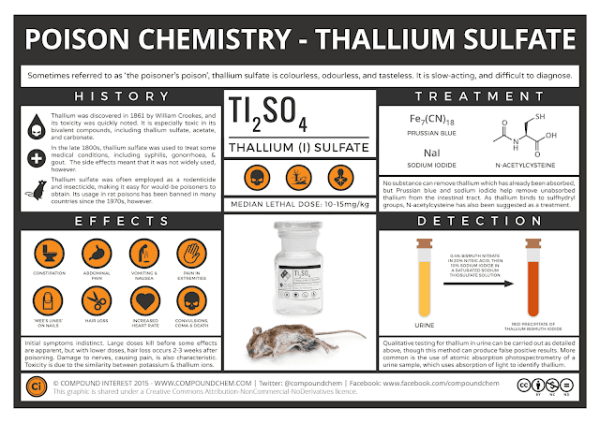
உலகில் கண்டறியப்பட்டுள்ள நூற்றுக்கும் மேலான மூலகங்களில் ஒன்று தால்லியம் (THALLIUM) . இது கொலை வழக்குகளில் அடிபட்டதாலும், துப்பறியும் நாவல் புகழ் ‘அகதா கிறிஸ்டி’ நாவல்களில் அடிக்கடி தலைக் காட்டியதாலும் புகழ் பெற்றுவிட்டது.


இது ஒரு உலோகம். வெள்ளியை விட  அதிகம் கிடைக்கும்  உலோகம். இதன் பிறப்பே சர்ச்சைக்குரியது. அட! கர்ணன் போன்றோரின் பிறப்பில்தான் சர்ச்சை என்று நினைத்தால் ஒரு மூலகத்தின் பிறப்பிலுமா சர்ச்சை?


ஒரு பிரிட்டிஷ் விஞ்ஞானி சோதனைச் சாலையில் சல்ப்யூரிக் அ மிலக் குடுவையில் பச்சைக் கோட்டைக் கண்டார். ஆஹா, இது ஒரு புதிய பொருள் இதற்குத் தல்லியம் என்ற திருநாமாத்தைச் சூட்டுவோம் என்று கருதி நாமகரண சடங்கையும் நடத்தி விட்டார். அவர் பெயர் வில்லியம் க்ரூக்ஸ் WILLIAM CROOKES (1832-1919). இது 1861-இல் நடந்தது.


ஆனால் ப்ரான்ஸ் நாட்டில், 1862-இல் கிளாட் அகஸ்ட் லாமி CALUDE AUGUST LAMY (1820-1878) இதற்கும் ஒரு படி மேலே சென்று தால்லியத்தை வடிகட்டி, உலோகக் கட்டியாக செய்து, லண்டனில் உள்ள ஒரு கண்காட்சிக்கும் அனுப்பி விட்டார். அந்தக் கமிட்டி அவரைப் பாராட்டி ஒரு பதக்கமும் கொடுத்து விட்டது. பிரஞ்சு அகாடமி இவர்தான் இந்த மூலகத்தின் கண்டு பிடிப்பாளர் என்று அறிவித்துவிட்டது


ஒரிஜினல் விஞ்ஞானிக்கு வந்ததே கோபம்! அவருடைய விஞ்ஞான சஞ்சிகை மூலம் விட்டு விளாசினார். ஒவ்வொரு இதழிலும் பிய்த்துக் குதறினார். போகப் போக அது பிரான்ஸ்- பிரிட்டன் ‘ரசாயன’ யுத்தமாகப் பரிணமித்தது. “வாபஸ் வாங்கு, வாபஸ் வாங்கு , கொடுத்த மெடலை  வாபஸ் வாங்கு” என்ற கோஷம் பெரிதானது


நமக்கு வேண்டாமப்பா, இந்த வம்பு என்று சர்வதேச கண்காட்சிக் கமிட்டி அவருக்கும் ஒரு பதக்கத்தைக் கொடுத்தது.

இனித்தான் சுவையான கதைகள்!


விஷம் வைத்து ஆட்களைத் தீர்த்துக் கட்டுவோர், அந்த சடலத்தை எரித்துவிட்டால், கொலைத் தடயம் மறைந்து விடும் என்று தப்புக் கணக்குப் போடுகிறார்கள். பிரிட்டனில் கிரஹாம் யங் என்பவர், ஒரு கொலை வழக்கில் வகையாகச் சிக்கிக் கொண்டார். அவரால் கொலை செய்யப்பட்ட (BOB EGLE) பாப் ஈகிள் என்பவரின் சடலத்தை எரித்த சாம்பல் கிடைத்தது . அதை ஆராய்ந்ததில் தால்லியம் அதிகம் இருந்தது கண்டறியப்பட்டது. இது குற்றம் தொடர்பான (FORENSIC SCIENCE) தடய அறிவியலில் ஒரு புதிய மைல் கல்லாக விளங்குகிறது. ஒரு சோதனையின் பெயர் அடாமிக் அப்ஸார்ப்ஷன் ஸ்பெக்ட் றோமெட்ரி . இந்த சோதனை நடத்தப்பட்ட போது, எந்த ஒரு சடலத்தை எரித்தாலும் காணப்படும் அளவுக்கும் மேலாக அந்த சாம்பலில் தால்லியம் இருந்தது தெரிந்தது. அவர் விஷம் வைத்துக் கொன்றது உறுதியானது.


அகதா கிறிஸ்டியின்  ‘ஆகாத’ நாவல்

அகதா கிறிஸ்டியை (AGATHA CHRISTE) அறியாத ஆங்கிலப் புதினப் பிரியர்கள் கிடையாது. அவர் 1961ஆம் ஆண்டில் தி பேல் ஹார்ஸ்(THE PALE HORSE) என்ற ஒரு துப்பறியும் நவீனத்தை வெளியிட்டார். அதில் தால்லியம் விஷக் கொலை வருகிறது. ஆனால் அப்படிப்பட்ட தடயத்தை எ[ப்படி திசை திருப்பிவிட முடியும் என்றும் எழுதி இருந்தார். அந்தக் கதையில் மந்திர தந்திர சாபங்கள்தான் (MAGIC CURSES) ஆளைக் கொன்றது என்ற பாணியில் கதைப்போக்கு இருந்தது.


1980 முதல் 1990 ஆண்டுகளில் இராக் நாடு, தனது அரசியல் எதிரிகளை ஒழித்துக் கட்ட தாலியத்தைப் பயன்படுத்தியதாக மேலை நாடுகள் செப்புகின்றன. இது இயற்கையில் ஆட்கள் இறந்தது போலவும் காட்டவும் உதவும்.


கிரஹாம் யங் என்ன செய்தார்?

இவர் இங்கிலாந்தில் ஹார்ட்போர்ட்ஷைரில் பொவிங்டன் என்ற ஊரில் வேலை பார்த்தார். தொழிற்சாலையில் சக ஊழியர்களின் ‘காப்பி’யில் தால்லியம் சல்பேட் (THALLIUM SULFATE) என்ற ரசாயனத்தைக் கலந்தார். பல ஊழியர்கள் நோயால் வருந்தினர். இருவர் இறந்தனர். ‘ஏனைய்யா! உமது தொழிற்சாலையில் இந்தக் கோரம் ? என்று வினவியபோது, ‘நுணலும் தன் வாயால் கெடும்’ என்ற பழமொழிக்கு இணங்க அவரே தன்னைக் காட்டிவிட்டார். ‘ஒருவேளை தால்லியம் காரணமாக இருக்கலாம்’ என்று உளறிவிட்டார்.

(நுணல்= தவளை)

பின்னர் டாக்டர்கள் பரிசோதனையில் அவர்கள் தால்லியத்தால் பாதிக்கப்பட்டது உறுதிப்படுத்தப் பட்டது.


யங் கைது செய்யப்பட்டு குற்றம் நிரூபிக்கப்பட்டதால் ஆயுள் தண்டனை 1972-ல் பெற்றார்.   1990-ல் தற்கொலை செய்துகொண்டார்.  இதில் துயரம் என்னவென்றால், அவர் ஏற்கனவே குடும்பத்தினருக்கு விஷம் வைத்த வழக்கில் கைது செய்யப்பட்டு, சிறையில் அடைக்கப்பட்டு, மன நோய்க்கான மருந்தைச் சாப்பிட்டவர். மனநோய் மருந்துகள் நன்றாக வேலை செய்கிறது என்று டாக்டர்கள் பகர்ந்தவுடன் அவர் விடுதலை செய்ய்ப்பட்டிருந்தார் அதற்குப் பின்னர்தான் பெரிய கொலை வழக்கு!


ஆனால் தால்லியம் ரசாயன விஷத்தால் இறந்த எல்லாவற்றையும் கொலை என்றும் கருதிவிடக்கூடாது.  1987ம் ஆண்டில் கயானா ( (GUYANA, தென் அமெரிக்கா) நாட்டில் 44 பேர் மர்மமாக இறந்தனர். நுற்றுக் கணக்கானோர் நோயில் வீழ்ந்தனர். அவர்கள் குடித்தது வெறும் பசுவின் பால். பின்னர் ஆராய்ந்ததில் கரும்புத் தோட்டத்தில் எலிகளைக் கொல்ல வைக்கப்பட்ட தால்லியம் கலந்த வெல்லக் கட்டிகளை அந்த பசுக்கள் மேய்ந்தது கண்டறியப்பட்டது. அதன் உடலில் ஏறியவிஷம் பாலில் கலந்து அப்பாவிகளைத் தப்பாகக் கொன்றது. தப்பாமல்  கொன்றது.


குறி வைத்தது எலியை; கொடுத்ததோ மனித பலியை!


தால்லியம், எலி மருந்து, கண்ணாடித் தொழிற்சாலை  ஆகியவற்றில் பயன்படுகிறது அதன் ஐஸடோப் (ISOTOPE) இருதய நோய்ப் பரிசோதனைகளில் பயன்படுகிறது. ஒரு காலத்தில் தலையில் ஏற்படும் புழுக்களைக் கொல்லவும் (RINGWORMS IN SCALP) பயன்பட்டது. தலை முடியை உதிர வைத்தால்தான் தலையில் சிகிச்சை தரமுடியும் . தால்லியம் கலந்த ரசாயனப் பொருட்கள் அதைச் சுலபமாக செய்து முடித்தமையால் அதற்கு ‘முடி சூடும் பெருமை’ கிடைத்தது.


1930களில் தாலியம் அஸிடேட் ரசாயனத்தை முகத்தில் வளரும் முடியை அகற்றவும் பயன்படுத்தினர்.


‘தலை மயிரும் தால்லியமும்’– கதை முடிந்தது!

வேதியியல் பயிலும் மாணவர்களுக்கு உதவும் குறிப்புகள்:

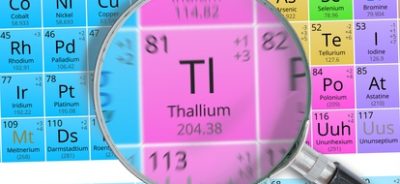
Chemical symbol TI
Atomic number 81
Atomic weight 204.3833
Melting point 304 C
Boiling point 1457 C


–சுபம்–


Element of Murder and Agatha Christie! (Post No.5389)


COMPILED BY LONDON SWAMINATHAN

swami_48@yahoo.com

Date: 3 September 2018


Time uploaded in London – 7-54 am (British Summer Time)


Post No. 5389


Some interesting information about the element Thallium is given below:

Thallium is not a rare element; it is ten times more abundant than silver.
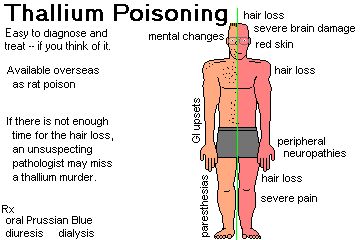
1.Thallium was once part of medical pharmacopeia, being prescribed by doctors as a hair remover and given as a pre treatment for ring worm of the scalp. Thallium did not kill the ringworm, but it caused a patients hair to drop out, so that the condition could be more easily treated.

2.A radio- active synthetic isotope thallium-201, which has the half- life of 73 hours, is used in the diagnosis of heart disease.

3.Murder Mystery
Murderers who poison people may think they are in the clear once their victim has been cremated. However, in the case of Graham Young it provided him with no such protection. His case became a milestone in forensic detection because the ashes of Bob Eagle, one of his victims, were reclaimed and analyse d by a technique known as atomic absorption Spectormetry. This revealed a level of 5 p.p.m. of thallium. This was well above any natural level of this element in cremated remains, and proof that he had been poisoned with it.

4.Agatha Christie’s element of murder

Agatha Christie is often blamed for bringing thallium sulfate to the attention of would be poisoners. Her detective story The Pale Horse, which was published in 1961, described the symptoms of thallium poisoning. It showed how this could easily be attributed to other causes- in this case to black magic curses. In the 1980s and 1990s the Iraqi regime used thallium sulfate to dispose of its opponents, who appeared to die of natural causes.

Agatha Christie s fictional story may also have suggested thallium as a suitable
Poison to Graham Young, who, in 1971, put thallium sulfate into his workmates coffee at a factory at Bovingdon in Hertfordshire, England. Several workers were taken ill and two died of a mysterious illness. It was only when Young himself suggested that the cause might be thallium, that the strange illness was correctly diagnosed.

Young was arrested, tried and found guilty of murder in 1972 and sentenced to life imprisonment. He had been previously on trial for poisoning his family and ordered to be detained in a secure prison for the criminally insane, but he was released after appearing to respond successfully to psychiatric treatment. He committed suicide in 1990.

Rat Poison
5.Not all thallium deaths are malicious. Some are accidental, such as the incident in Guyana in 1987 which affected hundreds of people, of whom 44 died, when they drank the milk from cows that had eaten molasses which had been poisoned with thallium sulfate in order to kill sugar cane rats .

Chemical symbol TI
Atomic number 81
Atomic weight 204.3833
Melting point 304 C
Boiling point 1457 C


6.Who discovered it? Another controversy!

British scientist William crookes,1832-1919 observed some thing in his experiment new and named it thallium .
But French scientist Claude August Lamy did thorough research and extracted thallium metal and so French credited him with the discovery! He was awarded a medal by the London exhibition committee. He sent the metal ingots to London exhibition. Crookes became furious and campaigned to withdraw the medal through his magazine. Eventually the exhibition committee felt obliged to award Crookes a medal also.

— Subham—-

1324 திருப்புகழ் பாடல்களில் 857 சந்தங்கள்! (Post No.5388)

WRITTEN BY S NAGARAJAN

Date: 3  SEPTEMBER 2018


Time uploaded in London – 7-29 AM (British Summer Time)


Post No. 5388


Pictures shown here are taken from various sources including google, Wikipedia, Facebook friends and newspapers. This is a non- commercial blog.


1324 திருப்புகழ் பாடல்களில் 857 சந்தங்கள்! 178 தாள அமைப்புகள்!


ச.நாகராஜன்


அருணகிரிநாதர் இயற்றி அருளியுள்ள திருப்புகழ் பாடல்களின் எண்ணிக்கை 16000 என வரகவி மார்க்க சகாய தேவர் தனது பாடலில்,


“எம் அருணகிரி நாதர் ஓது பதினாயிரத் திருப்புகழழ் அமுதுமே” என்ற வாக்கால் கூறியுள்ளார்.

திருப்புகழ்ச் சிறப்புப் பாயிரம் பாடல்களில் ஒன்று இதை வலியுறுத்துகிறது :


அருணகிரி நாதர்பதி னாறா யிரமென்

றுரைசெய் திருப்புகழை யோதீர் – பரகதிக்கஃ

தேணி யருட்கடலுக் கேற்றம் மனத்தளர்ச்சிக்

காணி பிறவிக் கரம்

பதினாயிரம் திருப்புகழை ஓதி உணர்ந்தால், அது

பரகதிக்கு ஏணி

அருள் கடலுக்கு ஏற்றம்

மனத்தளர்ச்சிக்கு ஆணி

பிறவிக்கு அரம்.

அருணகிரிநாதரே திருப்புகழின் மஹிமையை இப்படி கூறியுள்ளார்:


சந்தம்

தனத்தன தனத்தம் தனத்தன தனத்தம்

தனத்தன தனத்தம் …… தனதான

பாடல்


சினத்தவர் முடிக்கும் பகைத்தவர் குடிக்குஞ்

செகுத்தவர் ருயிர்க்குஞ் …… சினமாகச்


சிரிப்பவர் தமக்கும் பழிப்பவர் தமக்கும்

திருப்புகழ் நெருப்பென் …… றறிவோம்யாம்


நினைத்தது மளிக்கும் மனத்தையு முருக்கும்

நிசிக்கரு வறுக்கும் …… பிறவாமல்


நெருப்பையு மெரிக்கும் பொருப்பையு மிடிக்கும்

நிறைப்புக ழுரைக்குஞ் …… செயல்தாராய்


தனத்தன தனத்தந் திமித்திமி திமித்திந்

தகுத்தகு தகுத்தந் …… தனபேரி


தடுட்டுடு டுடுட்டுண் டெனத்துடி முழக்குந்

தளத்துட னடக்குங் …… கொடுசூரர்


சினத்தையு முடற்சங் கரித்தம லைமுற்றுஞ்

சிரித்தெரி கொளுத்துங் …… கதிர்வேலா


தினைக்கிரி குறப்பெண் தனத்தினில் சுகித்தெண்

திருத்தணி யிருக்கும் …… பெருமாளே.


ஆம்,   சிரிப்பவர் தமக்கும் பழிப்பவர் தமக்கும்

திருப்புகழ் நெருப்பு.


திருப்புகழ் நினைத்ததும் அளிக்கும்; மனத்தையும் உருக்கும்;

நிசிக் கருவறுக்கும் – பிறவாமல்


நெருப்பையும் எரிக்கும்;  பொருப்பையும் இடிக்கும்

நிறைப்புகழே திருப்புகழ்!


இது அருணகிரிநாதர் திருத்தணிகையில் அருளிய திருப்புகழ் வாக்கு.

கண்ட கண்ட ஆராய்ச்சிகளையெல்லாம் செய்யும் தமிழுலகில் உருப்படியான ஆராய்ச்சியைச் செய்துள்ளவர் முனைவர் திருமதி இ.அங்கயற்கண்ணி. திருப்புகழ் பாடல்களில் சந்தக் கூறுகள் பற்றி ஆய்வு செய்து சென்னை பல்கலைக் கழகத்தில் பி.ஹெச்.டி பட்டத்தை  பெற்றுள்ளார்.


திருப்புகழிசை என்ற நூலில் முதல் முயற்சியாக 51 திருப்புகழ் பாடல்களுக்கு சந்த அமைப்பிக்கேற்றவாறு தாளங்கள் அமைத்து  அவற்றிற்குச் சுரதாளக் குறிப்புகளையும் தந்துள்ளார்.

போற்றப்பட வேண்டிய பெரிய முயற்சி. அரிய முயற்சி. வெற்றிகரமான முயற்சி.

திருப்புகழ் அமைப்பைப் பற்றித் தன் அரிய ஆராய்ச்சியின் வாயிலாக இவர் தரும் ஆய்வுத் தகவலில் ஒரு பகுதி இதோ:


“ திருப்புகழ்ப் பாடல்கள் கிருதி, கீர்த்தனை, பதம், ஜாவளி போன்ற இசை உருப்படிகளின் அமைப்பைப் போன்றல்லாது, பெரும்பான்மையான பாடல்கள் எட்டுப் பிரிவுகளைக் கொண்டதாக அமையக் காண்கிறோம். ஒரு குறிப்பிட்ட தலத்தில் உறையும் முருகப் பெருமானை எட்டுப் பிரிவுகளில் புகழ்ந்து பாடப்பெறும் “பதிக” மரபினை இதில் காண முடிகிறது. இதைக் கண்டிகை என்றும், சரணங்கள் என்றும் கூறலாம். சாதாரணமாக, ஒவ்வொரு பிரிவிலும் இரண்டு வரிகள், மூன்று வரிகள் அமைந்துள்ளன. சில பாடல்களில் ஒவ்வொரு பிரிவிலும் ஆறு, ஒன்பது மற்றும் 12 வரிகள் அமைந்துள்ளன.


சான்றுகள் :

விட மடைசு வேலை (4) ஒரு பிரிவில் இரண்டு வரிகள்

உனைத்தினந் தொழுதிலன் (7) ஒரு பிரிவில் மூன்று வரிகள்

சகடத்திற் குழையிட்டெற்றி (146) ஒரு பிரிவில் ஆறு வரிகள்

இதமுறு விரைபுனல் (353) ஒரு பிரிவில் ஒன்பது வரிகள்

விந்துப் புளகித (559) ஒரு பிரிவில் பன்னிரெண்டு வரிகள்


எட்டு வரி மற்றும் நான்கு வரிகளைக் கொண்ட சிறிய பாடல்களும் காண முடிகின்றது.


சான்றுகள் :

சந்ததம் பந்தத் (15)   – எட்டு வரிப்பாடல்

காலனிடத் தணுகாதே (388)  – நான்கு வரிப்பாடல்


திருப்புகழ்ப் பாடல்களில் ஒவ்வொரு பிரிவும் ஒரு குறிப்பிட்ட சந்தம் மூன்று முறை ஒரே சீராக மடங்கி வந்து இறுதியில், “தன தானா” என்னும் சந்த அமைப்புடைய தனிச் சொல்லுடன் முடிவுறுவதாக விளங்குகின்றது. இஃது தங்கப்பதக்கத்தில் அமைந்த ஒரு மதாணியைப் போல் விளங்குகின்றது. இசைமரபில் “தொங்கல்” என வழங்கப்படும்.


திருப்புகழ்ப் பாடல்களின் தனிப்பட்ட சிறப்பிற்கு ‘தொங்கல்’ என்னும் இவ்வமைப்பே காரணமாகும். இவ்வாறான தொங்கலே திருப்புகழை மற்ற இசை இலக்கியப் பாடல்களினின்றும் வேறுபடுத்திக் காட்டுகின்றது. இந்தத் தொங்கல் காணப்படும் இடத்தை வைத்தே பாடல்களில் பிரிவுகள் கணக்கிடப்படுகின்றன. அவ்வாறு கணக்கிடும்போது திருப்புகழில் எட்டுப் பிரிவுகளே வருகின்றன. பெரும்பான்மையான பாடல்கள், “பெருமாளே” என்ற தொங்கலுடன் முடிவுறுகின்றன.”


அடுத்து திருப்புகழில் உள்ள சந்த அமைப்புகளையும் தாள வகைகளையும் நுணுகி ஆராயும் அம்மையார் அங்கயற்கண்ணி தன் முடிவாகக் கூறுவது இது தான்:

“ இவ்வாறு திருப்புகழ்ப் பாடல்களை தாள இலக்கணத்தோடு தொடர்புபடுத்தி, ஆராய்ந்ததன் மூலம் மொத்தமாக 857 சந்தங்களும் அவற்றிலிருந்து 178 தாள அமைப்புகளும் கிடைத்துள்ளன.”


அருமையான இந்தத் தகவலை இவரது ஆய்வு தந்து விட்டது.

நமக்குக் கிடைத்துள்ள 1324 பாடல்களில் 857 சந்த பேதம்; 16000 பாடல்களும் கிடைத்திருந்தால்….!!


தமிழுக்குத் தனியொரு பெருமையைத் தருவது திருப்புகழ்; பொருளாலும் சந்த அமைப்பினாலும், தாள வகைகளாலும், எல்லாவற்றிற்கும் மேலாக வெற்றிக் குமரனைத் தொழும் பக்தி அநுபூதியைத் தருவதாலும் திருப்புகழுக்கு ஈடு இணை இல்லை!


வேதம் வேண்டாம் சகல வித்தை வேண்டாம் கீத

நாதம் வேண்டாம் ஞான நூல் வேண்டாம் – ஆதி

குருப்புகழை மேவுகின்ற கொற்றவன் தாள் போற்றுந்

திருப்புகழைக் கேளீ ர் தினம்!


****


குறிப்பு: திருப்புகழிசை என்ற நூல் 1999 ஆம் ஆண்டு வெளியிடப்பட்டிருக்கிறது. 160 பக்கங்கள் கொண்ட இந்த நூலைப் பற்றி தஞ்சாவூர், தமிழ்ப் பல்கலைக் கழகத்திற்கு எழுதித் தெரிந்து கொள்ளலாம்.

பாடல்களில் பிராக்கட்டுகளில் குறிப்பிடப்பட்டுள்ள எண்கள் பாடலின் எண்ணாகும்.


–subahm–

Tamil and Sanskrit names in Cambodian Inscriptions and Folktales (Post No.5387)

WRITTEN BY LONDON SWAMINATHAN


swami_48@yahoo.com

Date: 2 September 2018


Time uploaded in London – 15-10 (British Summer Time)


Post No. 5387


Tamil and Sanskrit names in Cambodian Inscriptions and Folktales (Post No.5387)
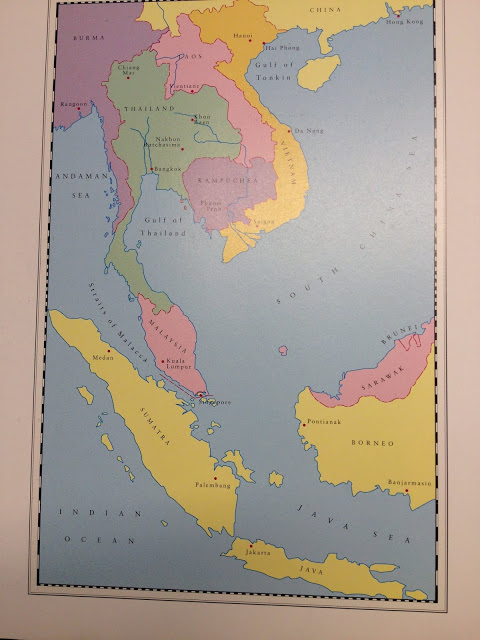
South East Asian countries were ruled by Hindu kings for over one thousand years. Influence of Sanskrit language is seen everywhere, but Tamil influence was not noticed by many. When I read two books written by Judith M Jacob, senior lecturer at SOAS, University of London, I made some marginal notes and I give them below:-

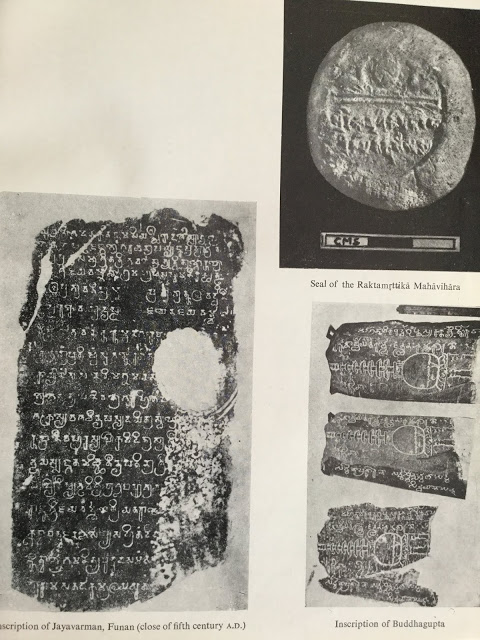
Slave names in Cambodian inscriptions have beautiful Tamil and Sanskrit names. Some musicians and dancers have very poetic names e.g Vasanta mallika, (spring jasmine) in Khmer inscription K 557.

We may compare it with the 400 beautiful names in Rajaraja Choza inscriptions in Thanjavur. He had given the names of all the 400 dancers employed in the big Hindu temple. Some of them are beautiful Tamil names and others were beautiful Sanskrit names.

Xxx


Slaves in Cambodia were treated as ‘goods’ possessed by an owner. They were gifted to temples along with lands and other goods.
A case suggesting two dependent parents is recorded on inscription K904,A1.23,
“me kandan, ta kandan ku Kandan” meaning mother of Kandan, father of Kandan.

Kandan is a Tamil name derivedfrom Sanskrit Skanda.
Va and Ku are used frequently in inscriptions, Va is Mr and Ku is Mrs or Miss.

In folk tales Kandhan , with Tamil spelling, Kam Raj, Krishna Kumar and Suvanna Kumar ( Swarnakumara) are used. Though these names are Tamilized Sanskrit words these are more common in Tamil Nadu than other parts of India.


Order of details in Inscriptions
Pre-Angkor inscriptions followed the same order in giving details like India. Here also we see Indian influence.
The date or name of the reigning king;
The title and name of donors;
The name of the god;
Names of the people from whom the donor obtained land to offer to the foundation;
The extent, location, capacity of the donated rice fields;
The names of the donated slaves with an indication of their duties;
Details of the subsistence given to the religious personnel;
Details of other lands given to the foundation, orchards, market, garden etc
List of precious objects given to the foundation;
The statement s that the revenues are to be combined with those of another foundation ;
Warning of punishment for anyone using or abusing the belongings of the foundation.

King Vikramaditya
‘Satra keng kantrai’ is a collection of legal tales known also in Laos, Thailand and Burma. In each case the dispute cannot be solved by a mere judge and has to be referred to the king. His judgments are wise and fair. When two women claim to be the mother of one child, for example, he settles the case very much as Solomon did.
It is like our Vikramaditya, a wise and just king.


Tamil Anangu
The frequent appearances in the stories of spirits ‘anak ta’ always associated with a specific locality such as a strangely shaped tree trunk or huge rock may be compared with ‘Thaakku Anangu’ in Sangam Tamil literature and Brahmarakshas in Sanskrit literature. This shows clear Indian influence. (Thaaku Anangu= Anak Ta)

When we look at all these stories we come across Sanskrit or Tamil words or parallel Indian stories. That shows even Solomon’s stories are borrowed from India and adapted.

Dhananjay
‘Themen Chey’ is a story known in Cambodia, Burma and Thailand. It is the corrupted form of Dhananjayan, one of the popular names of Arjuna. Also a common name among business community of Tamil Nadu. In the story, he is a poor boy who rises first to be the servant of a rich man, then to attend upon the king, and finally to be the most eminent man in the land.

–subham–


நிழல் அதிசயம்- ஹிந்து விஞ்ஞானம் (Post No.5386)

WRITTEN BY LONDON SWAMINATHAN


swami_48@yahoo.com

Date: 2 September 2018


Time uploaded in London – 7-08 am (British Summer Time)


Post No. 5386


இந்துக்கள் ஏராளமான வழிகளில் எதிர்காலத்தை அறிவர். காஞ்சி பரமாசார்ய ஸ்வாமிகள் (1894-1994), ரிக் வேத பண்டிதர் கூத்தனூர் சிங்கார சுப்ரமண்ய சா ஸ்திரிகளை அழைத்து தன் கையில் அக்ஷதையைப் போடச் சொல்லி, அதை எண்ணி, தானெவ்வளவு காலம் உயிருடன் இருப்பேன் என்று கண்டு பிடித்ததை முன்னர் எழுதியுள்ளேன்.


நாடி ஜோதிடம் உண்மை என்றும் இதை நாஸா (NASA, USA) விஞ்ஞானிகள் ஆராய வேண்டும் என்றும் எழுதினேன். நூற்றுக்கு 90 சதவிகித நாடி ஜோதிடர்கள் பித்தலாட்டக் காரர்கள் என்ற போதிலும், கையின் அமைப்பைப் பார்த்தே ஒருவர் பிறந்த வருடம், இடம்  முதலியவற்றைக் கண்டுபிடிக்கும் விஷயம் நாடி ஜோதிடத்தில் இருப்பதை எழுதினேன்.


பெரிய சைவ ஆசார்யர்களும் கூட புத்தகத்தில் நூலை நுழைத்து (ROPE OR THREAD ASTROLOGY)  அந்தப் பக்கத்தில் வரும் செய்தியைக் கொண்டு, குழந்தை பிறக்கும் என்று சொன்ன செய்தியை ஒரு கட்டுரையில் தந்தேன்.

ஒற்றைத்த் தும்மல் ;போட்டால் ஆகாது; இரட்டைத் தும்மல் கேட்டால் காரியம் சித்திக்கும் என்பதை அறிவோம்.


மீனாட்சி கோவில் போன்ற இடங்களி வரையப்பட்ட தாமரை போன்ற சிற்பத்தில் கைவைத்து காரியம் கைகூடுமா என்று கண்டு பிடிப்பது பற்றியும் எழுதினேன்.


கிளி ஜோதிடம், பஞ்சபக்ஷி சாத்திரம், வராஹமிஹிரரின் கருங்குருவி ஜோதிடம், பல்லி சொல்லுக்குப் பலன், ஸீதாராம சக்ரம், எண் ஜோதிடம், கை ரேகை ஜோதிடம், ஜாதக ஜோதிடம், முகத்தைப் பார்த்து சொல்லும் (FACE READING) ஜோதிடம், குற வஞ்சி குறி சொல்லுதல், சாமி ஆடுவோர் குறி சொல்லுதல்– வெற்றிலையில் மாயக் கறுப்பு மை தடவி பார்த்தல்— இப்படி எண்ணற்ற வகைகளைத் தந்தேன்.


நேற்று மூச்சுக் காற்று ஓடும் திசையை வைத்து நீங்களே ஆரூடம் சொல்லலாம் என்று எழுதினேன்

இப்போது இன்னும் ஒரு அதிசயச் செய்தியக் காண்போம்

கீழ்கண்ட தகவல் பிரபஞ்ச உற்பத்தி என்னும் 1900ம் ஆண்டு நூலில் உளது. விஞ்ஞான ரீதியில் ஆராய்ந்த பார்ப்பது அவஸியம்.


முனிசாமி முதலியார் 1900ல் வெளியிட்ட பிரபஞ்ச உற்பத்தி நூலில்

சாயா தெரிசனக் குறிப்பு


“ஆகாயத்தில் மேக மறைவுகளில்லாமல் பரிசுத்தமாய் வெய்யில் காணும்போது, பூமியில் மேடு பள்ளம் இல்லாத இடத்தில் நின்று கொண்டு, தன்னுடைடைய நிழல் ஐந்து அடி முதல் பத்து அடி நீளத்திற்கு உட்பட்ட தருணத்தில்,  த்னது நிழலின் முகமாக பார்த்தபடி நின்று, , அந்த நிழலின் கை, கால், தலை, கழுத்து இவ்வுறுப்புகளில் ஒன்றை கண் சிமிட்டாமல், கால் அல்லது அரை நாழிகை மட்டும் பார்த்து (ஒரு நாழிகை 24 நிமிடம்), அப்படியே ஆகாயத்தை நோக்கிப் பார்க்கவும்.


ஆகாயத்தில் அவன் உருவம் தோன்றும். அவ்வுருவமானது பொன் நிறமாக இருந்தால் அவனுக்கு செல்வம் வரும்.  வெண்மையாக இருந்தால் பிராண பயமில்லை; ஆயுள் வளரும். செம்மை நிறமாகில் மனக்குறை, சஞ்சலம், அபாண்டம் சம்பவிக்கும். கருமையாகில் தேக நலன் கெடும். அன்றியும் அவ்வுருவில் கை அல்லது  காலாவது தோன்றாமல் இருந்தால் ஆறு மாதத்தில் மரணம் உண்டாம். இதுவுமன்றி தலையே தோன்றாமல் கவந்தமாய் தோன்றினால்  மூன்று மாதத்தில் மரணம்.


இம்மதிரியாய் சந்திரனிலும் பார்ப்பதுண்டு.

இதற்கு ‘சாயா புருஷ தரிசனம் என்று சொல்லுவார்கள்.


இச்சாயா தெரிசனத்தை இடைவிடாமல் 12 வருஷம் பார்த்துக் கொண்டு வந்தால் தன் முன் நிற்கும் நிழல் தன்னுடன் பேசும். அப்படிப் பேசும் பருவம் நேரிடுங்கால்,  அதன் முகாந்திரமாய் அட்ட மா சித்தும் (அஷ்ட மஹா சித்தி) பெறலாகும். பெருவதன்றிப் பின்னும் சில நாட்களில் தன்னிழல் உருவமாகித் தன்னுடனே  திரியும். படுத்தால் தானும் படுக்கும் எழுந்தால் தானும் எழும்பும்; அன்றியும் இவனுக்கு நேரிடும் நன்மை தீமைகளை முன்னதாக தெரிவிக்கும். இன்னும் அநேக அற்புதங்களை விளைவிக்கும் என்று  பெரியோர் சொல்லுகிறார்கள்”.


XXX

இவற்றையெல்லாம் அறிவியல் ரீதியில் ஆராய பணம் வேண்டும். மேலை நாட்டு மருத்துவக் கம்பெனிகள் புதிய மருந்துகளைச் சோதிக்க பெரிய ஆராய்ச்சி அமைப்புகள் வைத்துள்ளன. தனிப்பட்ட முறையில் செய்யும் ஆராய்ச்சிகளையும் விலைக்கு வாங்கி தாங்களும் அதை மெய்யெனக் கண்டு பிடித்து, மருந்து மாத்திரைகளைத் தயாரித்து கோடி கோடியாச் சம்பாதிக்கின்றனர். நம்மிடம் பணம் இருந்தால் நாமும் முறையான ஆராய்ச்சிகளைச் செய்து முடிவுகளை வெளியிடலாம. பல ஊர்களில் தல மரங்கள் (ஸ்தல வ்ருக்ஷங்கள்) இத்தனை ஆயிரம் ஆண்டுப் பழமை என்றெலாமெழுதி வைக்கின்றனர். தற்காலக் கருவிகளைக் கொண்டு இவற்றின் வயதை எளிதில் காணாலாம். புத்தரின் பல் (TOOTH) என்று கண்டி முதலான இடங்களில் வைத்துள்ளனர் . அதை அறிவியல் முறையில் ஆராய்ந்து வயதைக் கண்டு பிடிக்கலாம். புத்தர் வாழ்ந்ததாக கூறப்படும் ஆண்டுகளில் 600 ஆண்டுகள் வரை வேறுபாடுள்ளது. ஒரு தரப்பினர் சொல்லுவது போல அவர் கி.மு 1400 வாக்கில் வாழ்ந்தார் என்று நிரூபிக்கப்பட்டால் இந்திய வரலாறே தலைக் கீழாக மாறும். ஆராய்ச்சி செய்ய மனமும் பணமும் தேவை!

–சுபம்–