On Sugarcane Morals

Sugarcane-

Compiled by London Swaminathan
Post No. 1237; Dated:16th August 2014.

“On umbrella morals” was an English essay written by A G Gardiner. The contents and the style were very good. It was part of my graduate studies thirty years back. When I remembered it, I thought of writing (actually compiling) “On Sugarcane Morals” from Indian literature.

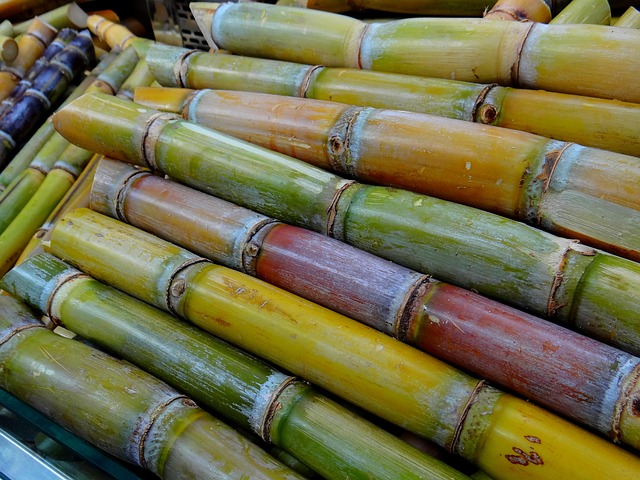
Sugarcane is used by Indian poets to teach several morals. Naaladiyar and Tirukkural are Tamil books of ethical teaching. In the Naladiyar we have 400 verses composed by various poets.

One poet used the sugarcane as a simile to stress the importance of virtues. He says, “having obtained a human body so difficult to attain, act so as to procure great merit by it; for in the next birth, charity will greatly help you just as the juice of sugarcane, while your body will decay like the refuse of that cane.”
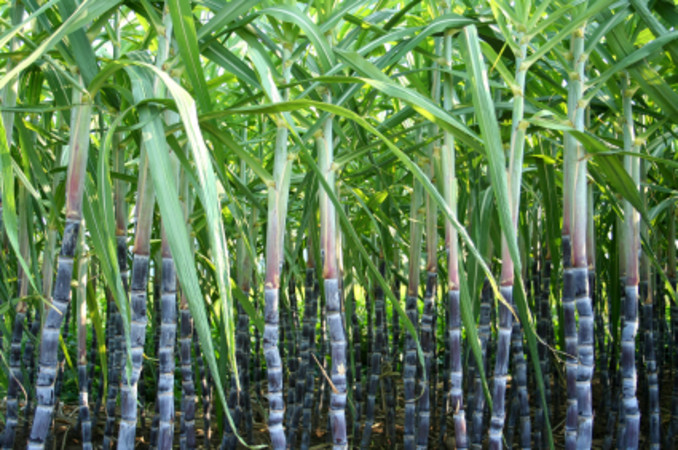
sugar-cane-plantation
Picture of sugar cane plantation

When another poet heard it, he immediately composed another verse using the same sugarcane analogy, “those who have pressed the sugarcane and extracted the jiggery (coarse brown sugar) from it in time will not repent when the refuse rises in burning flames; so will those, who have with much exertion secured the benefits of the body not grieve at the approach of death”.

Under the chapter on Education, another poet used sugarcane to illustrate the benefit of having educated friends: “ The friendship of the learned is like eating the sugarcane from the top (downwards) and the attachment of those who are devoid of any good qualities is like eating it from the root (upwards)”.
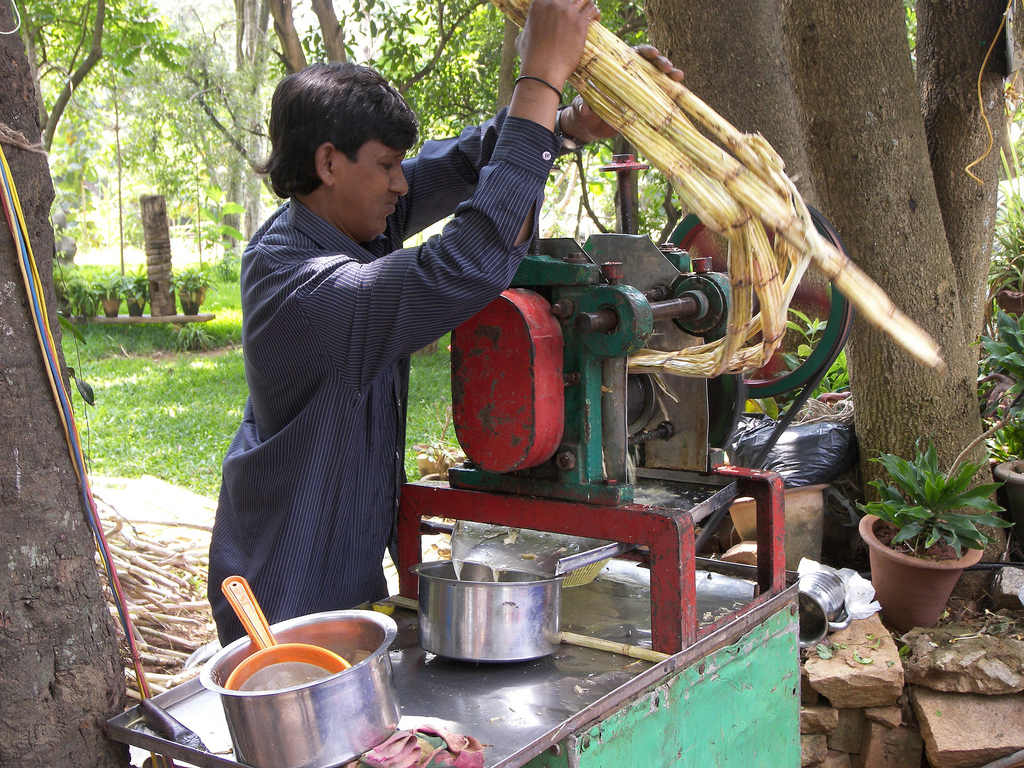
sugarcane machine1
Picture of Sugar cane Juice Machine

Sugarcane is compared with the good people undergoing great difficulties. When one bites a sugar cane or otherwise extracts its juice by pressing or beating it so as to break its joints, it will be still sweet to the taste. In like manner though people should abuse harmfully, the high born will never speak anything that will affect the guilty person.

To illustrate perseverance is good, one of the poets of Naladiyar says, “the hair like flower of the sugarcane is devoid of any fragrance; even so, what will be the good of being born in a highly and lofty family, if there be not that perseverance which can carve out a name for its possessor.

In the chapter on Choice of Friendship
A poet says, “Friendship with the wise whose intelligence divines our thoughts, is like eating the sugarcane from the top; but connection with people devoid of good disposition is like eating it from the opposite end, the root.

A Chinese proverb says, “You can’t expect both ends of a sugarcane are as sweet”.
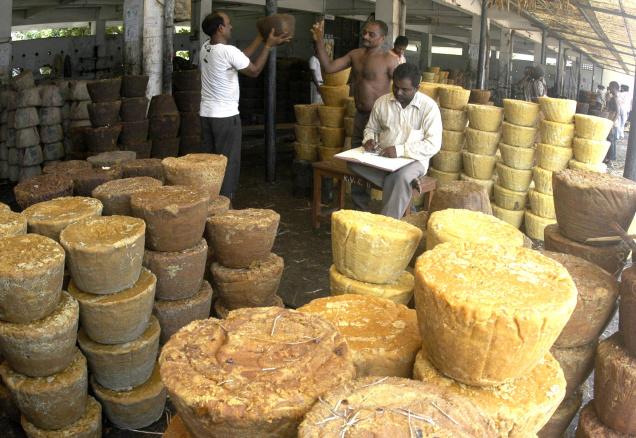
vellam
Jaggery (coarse sugar) shop

Tiruvalluvar’s use of sugarcane simile

Unlike the poets of Naladiyar, Valluvar used the sugarcane with a negative connotation. He says, “At a mere word the good will melt; but the mean, like the sugarcane, yield only under pressure (Kural 1078)

Iksu, the generic name for sugarcane, is first found in the Atharvaveda 1-34-5 and the later Samhitas. Ikshvaku occurs in the Rig Veda 10-60-4
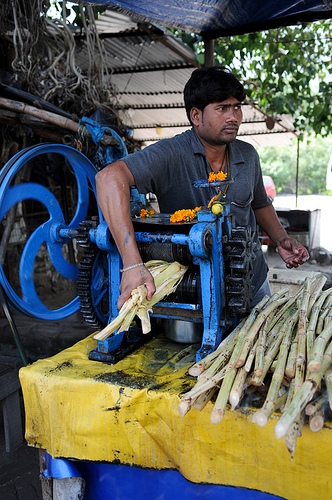
sugarcane-juice1
Extracting sugar cane juice

((I have already written a research paper on Sugarcane Dynasty (Ikshvaku Vamsa) of ancient India. I have mentioned there that Indians invented the method of making sugar. Sugar was also found in Indus valley civilization. A Tamil poetess praised a Tamil king for introducing sugarcane. Probably he also belonged to the Ikshvaku vamsa or he introduced it to Tamils. Please read the full details in my article)).

Contact swami_48@yahoo.com
jaggery
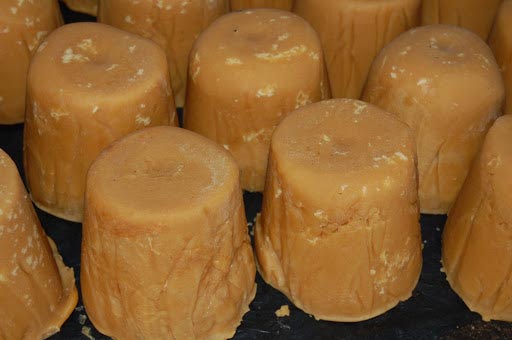
Jaggery blocks

மாம்பழக்கவிச்சிங்க நாவலர்: சதுரங்க பந்தம்-3

தமிழ் என்னும் விந்தை! சதுரங்க பந்தம் -3
By ச.நாகராஜன்
Post No.1236; Dated 16th August 2014.

மிகக் கடினமான சதுரங்க பந்தத்தை நன்கு பாடியவர்களுள் ஒருவர் மாம்பழக் கவிச்சிங்க நாவலர். இவர் மதுரை ஜில்லாவில் பழநி நகரத்தில் கி.பி. 1836ஆம் ஆண்டு முத்தையாசாரியாருக்குப் பிறந்த நற்புதல்வர். மூன்றாம் வயதில் வைசூரி நோயினால் கண்களை இழக்க நேரிட்டது. முருகனது அருளால் அகக் கண் திறந்தது.

எத்தைகைய பெரிய நூலானாலும் ஒரு முறை பாடக் கேட்டால் அப்படியே நினைவில் கொள்ளும் திறன் இவருக்கு வந்தது. அதனால் இவரை ஏகச்சந்தகிராகி என்பார்கள். பல நூல்களைக் கற்றார்.கடல் மடை திறந்த வெள்ளம் போலக் கவி மழை பொழியலானார். சேது சமஸ்தான மன்னராக இலங்கிய முத்துராமலிங்க சேதுபதி அவர்கள் மற்றும் பொன்னுசாமித் தேவர் ஆகியோரது சமூகத்திலும் தமது கவித்திறத்தைக் காட்டி அவர்களால் கவிச்சிங்க நாவலர் என்ற பட்டமும் பெற்றார். சென்னை முதலிய பல இடங்களுக்கும் சென்று அனைவராலும் பாராட்டப் பெற்றார்.

பல்லக்கு முதலிய விமரிசைகளுடன் யாத்திரைகள் செய்து பிரபுக்கள் எதிர்கொண்டழைக்க வாழ்ந்தார்.இது போல சிவிகை மீதூர்ந்து வாழ்ந்த தமிழ்ப் புலவர் இவருக்குப் பின் வேறொருவரும் இல்லை என்றே சொல்லலாம். நாற்பத்தியெட்டே வயது வாழ்ந்த இவர் 1884ஆம் ஆண்டு மறைந்தார். இவர் செய்த நூல்கள் பல. தனிப் பாடல்களோ கணக்கிலடங்கா. இவற்றை எல்லாம் ஒருங்கு சேர்த்து மாம்பழக்கவிச்சிங்க நாவலர் திரட்டு என்ற பெயரில் ஒரு நூலை மார்க்கயன் கோட்டை வித்துவான் எம்.பி. பழநிச்சாமியாசாரியார் அவர்கள் அச்சிட்டார்.

இவர் பாடிய சித்ர கவிகள் பல உண்டு, இவர் இயற்றிய சதுரங்க பந்தம் இது:-

நேம னதிவித காம னனைவர்க்கு நேயகம

சேம சகாயன் சிதபுஞ்சன் சீர் சின வாவிசய

தாமன் மனதிற் சலிக்கா னருட்கல்வி சால்பினொடு

மாமணி நேர வளர்மானு வேல்கன வாசகனே

இந்தச் செய்யுளில் முதல் வரியில் 18 எழுத்துக்களும் இரண்டாம் வரியில் 20 எழுத்துக்களும் மூன்றாம் வரியில் 22 எழுத்துக்களும் கடைசி வரியில் 18 எழுத்துக்களும் வருவதைக் காணலாம். மொத்த எழுத்துக்கள் 78.

இதை சதுரங்க பந்தமாக கீழ்க்கண்ட முறையில் அமைக்கலாம்:-

bandham3

பாடலை எப்படி சதுரங்க பந்தத்தில் படிப்பது? 1, 10, 19, 28, 37, 46, 55, 64, 63, 62, 61, 59, 58, 57, 49, 50, 51, 52, 53, 54, 55, 56, 48, 47, 46, 45, 44, 43, 42, 41, 3, 34, 35, 36, 37. 38. 39, 40, 32, 31, 30, 29, 28, 27, 26, 25, 17, 18, 19, 20, 21, 22, 23, 24, 16, 15, 14, 13, 12, 11, 10, 9, 1, 2, 3, 4, 5, 6, 7, 8, 15, 22,29, 36, 43, 50, 57 என்ற கட்டங்கள் (சதுரங்க அறைகள்) வழியே சென்றால் பாடலைப் படிக்கலாம்.
இப்படி சதுரங்க பந்தம் எப்படி அமைப்பது? அதற்கு ஏதேனும் ரகசிய வழி உண்டா? உண்டு.

என்னிடம் கிட்டத்தட்ட சுமார் நூறு ஆண்டுகள் பழமையான ‘தனிப்பாடல் திரட்டு’ என்ற ஒரு நூல் இருக்கிறது. புத்தகத்தின் முதல் பக்கமும் இல்லை. கடைசிப் பக்கமும் இல்லை. அதை அடிக்கடிப் பிரித்துப் படிப்பேன். சதுரங்க பந்தம் பற்றிய அருமையான ஒரு பாடல் அதில் இருந்தது. மாம்பழக்கவிச் சிங்க நாவலரின் எழுபத்தெட்டு எழுத்துக்கள் கொண்ட சதுரங்க பந்தம் பற்றியும் அதில் ஒரு குறிப்பு இருந்தது. ஆனால் அது என்னெவென்றே விளங்கவில்லை. பல காலம் பிரிப்பதும், படிப்பதும் மூடுவதுமாகக் கழிந்தது. ஆனால் இந்தத் தொடரை எழுதும் போது ஒரு நாள் மாலை திடீரென உள்ளொளி (insight) மின்னியது.

மேலே உள்ள பாடலை சதுரங்க பந்தத்தில் அமைத்து அந்த திறவுகோல் பாட்டையும் அதில் உள்ள “துருவக்குறிப்பையும்” ஒப்பிட்டுப் பார்த்தேன். பளிச்சென அனைத்தும் விளங்கியது.
அதை அடுத்த வாரம் பார்ப்போம்

Hindu Flower Quiz

India_-_Colours_

Compiled by London Swaminathan
Post No. 1235; dated 15th August 2014.

1.What is the national flower of India?

2.What flower did Draupadi ask Bhima to fetch from the forest?

3.What flower tree did come up when the ocean was churned by the Devas and Asuras?

4.What colour flowers Lord Shiva like the most?

5.What colour flowers do we use in the worship of Durga and other goddesses?

flower vendor

6.What are the flowers where Saraswathy and Lakshmi reside?

7.With what flower The Navagraha Stotra associates the sun?

8.Lotus blooms when the sun shines, what flower blooms when the moon shines?

9.What flower did Satyabhma ask Krishna to bring from the heaven?

10.What flower blooms once in twelve years that is associated with God Skanda?

flower-vendor-kolkata-

11.What flower is used to describe the colour of Ketu in The Navagraha Stotra?

12.Tamil Hindus don’t use one particular flower in the worship because it gave false evidence in one competition. What is the name of the flower?

13.What is the divine flower we see in Manasarovar in Kailash area?

14.Which political party in India has Lotus as its election symbol?

15.What is the flower of Kashmir that Adi Shankara uses in his hymns?

pelli_poola_jada

ANSWERS:
1.Lotus 2.Saugandhika 3. Parijatha 4.Mainly White colour flowers 5.Red or Yellow 6.Saraswathy on White Lotus and Lakshmi on Red Lotus 7. Hibiscus rosa sinensis or Shoe flower=Japa kusuma 8.Kumudha or Nilotpala 9.Parijatha 10. Kurinji =Strobilanthes kunthiana11.Palasa Pushpa 12.Pandanus odoratissimus=Ketaki (Thazam Pu) 13. Brahma Kamal 14. Bharatiya Janata Party 15.Kashmira=Saffron flower (Annapurna Stotram)

south-indian-wedding

Please attempt my earlier Quizzes. More than 25 quizzes are in Tamil and English in this blog– all about Indian culture.

_56720720_jasmin

contact swami_48@yahoo.com

(Pictures are used from various sites;thanks)

பூ………., இவ்வளவுதானா?

daisy-italy
National flower of Italy

மலர் – பூ – க்விஸ் (கேள்வி-பதில்)

தொகுத்தவர் லண்டன் சுவாமிநாதன்
கட்டுரை எண்:1234; தேதி: 15 ஆகஸ்ட் 2014

பூ…… இவ்வளவுதானா? என்று சொல்லி ‘’பூ’’–வை அவமதிக்கிறோம்! எங்கே இந்தக் கேள்விகள் எல்லாவற்றுக்கும் பதில் சொல்லுங்கள், பார்க்கலாம். எல்லாவற்றுக்கும் சரியான விடை சொன்னால் என்னைப் பார்த்து, பூ….. இவ்வளவுதானா? என்று சொல்ல உங்களுக்கு மீண்டும் ஒரு ‘சான்ஸ்’ தருகிறேன்:–

iris-croatia
National flower of Croatia

1.இந்தியாவின் தேசிய மலர் எது?

2.பீம சேனனிடம் திரௌபதி கேட்ட மலரின் பெயர் என்ன?

3.பிள்ளையார் சதுர்த்தி அன்று அவருக்கு தமிழர்கள் சாத்தும் பூ, என்ன பூ?

4.சரஸ்வதியும், லெட்சுமியும் அமர்ந்திருக்கும் மலர்கள் யாவை?

5.எந்தப் பூவை பானையில் போட்டால், தண்ணீர் வாசனை பெறும் என்று நாலடியார் செய்யுள் சொல்கிறது?

bunga-raya-malaysia
National flower of Malysia

6.எந்தக் கட்சிக்கு தாமரை தேர்தல் சின்னம்?

7.திருவள்ளுவர் நான்கு குறட் பாக்களில் பயன்படுத்தும் மலர் எது?

8.கடலைக் கடைந்த போது வெளியான மலர் (மரம்) எது?

9.’ஜபாகுசும’ சம்காசம் என்று துவங்கும் நவக்ரஹ ஸ்தோத்திரத்தில் வரும் பூ என்ன?

10.சூரியனைக் கண்டால் மலரும் தாமரை, நிலவைக் கண்டால் மலரும் மலர் என்ன?

shapla-bangladesh
National flower of Bangladesh

11.சிவன் அணியும் மலர் எது என்று நால்வர் பாடுகின்றனர்?

12.சத்யபாமா கேட்ட மலர் எது?

13.போருக்குச் செல்லும்போது தமிழர்கள் அணியும் பூக்கள் எவை?

14. எந்தப் பூ 12 ஆண்டுக்கு ஒரு முறை பூக்கும்? அந்தப் பூ முருகனுக்கும் பிடித்தது.

15.நவக்ரஹ ஸ்தோத்திரத்தில் கேது கிரஹத்தை வர்ணிக்கும் பூ எது?

red-rose-iraq
National flower of Iraq

16.செவ்வாய்க் கிழமைதோறும் அரளி மாலை பெறும் தேவி யார்?

17.அபிராமி பட்டர் …………………. பூ நிறத்தாளை என்று தேவியை வழிபடுகிறார். கோடிட்ட இடத்தை நிரப்புங்கள்

18. சிவ பெருமானுடைய அடி முடி தேடிய கதையில், பொய்ச் சாட்சி சொல்லிய பூ எது?

19. கைலாஷ் மானசரோவர் ஏரியில் பூக்கும் தெய்வீக மலரின் பெயர் என்ன?

20.எந்தப் பூங்கொடிக்கு பாரி மன்னன் தேர் ஈந்தான்?

jasmine-indonesia
National flower of Indonesia

விடைகள்:
1.தாமரை 2.சௌகந்திக மலர் 3. எருக்கம் பூ 4.சரஸ்வதி=வெண்தாமரை, லக்ஷ்மி=செந்தாமரை 5. பாதிரிப் பூ 6. பாரதீய ஜனதா கட்சி 7. அனிச்சம் 8 பாரிஜாத மரம்/மலர் 9.ஜபா குசும= செம்பருத்தி 10. குமுதம், அல்லி 11. கொன்றை (அணிந்தவனே) 12. பாரிஜாத மலர் 13.வெட்சி, கரந்தை, காஞ்சி, வஞ்சி,உழிஞை, நொச்சி, தும்பை, வாகை 14. குறிஞ்சி/ குறிஞ்சி ஆண்டவர் 15.பலாச புஷ்பம் 16.துர்கை 17.மாதுளம் பூ நிறத்தாளை 18. தாழம்பூ 19. பிரம்ம கமலம் 20. முல்லைக் கொடி

magnolia-north-korea
National flower of North Korea

தமிழிலும் ஆங்கிலத்திலும் மேலும் 25 கேள்வி பதில் பதிவுகள் இங்கே உள்ளன. படித்துப் பயன் அடைக!! பதில் கண்டுபிடித்து இன்புறுக!!

Mudgala – Sage who ate Twice a Month

happy-valmiki-day08
Sage Valmiki

Written by London Swaminathan
Post No.1233; Dated 14-8-2014

Story of Mugala is in Mahabharata, the longest epic in the world. Mudgala was a great sage. He ate only twice a month on Full Moon Day and New Moon Day. He used to gather grains from the field and cook it for his family. He lived with his wife Nalayani, his son and daughter in law. There may be many Rishis (seers) with this name; but the common belief is that the Maudgalya Brahmins came from this Vedic Rishi (sage).

Though Mudgala lived in poverty, he used to feed all the Brahmins, saints and others whoever came to him. He gleaned grains like a pigeon, but it never underwent diminution. This was a miracle like Akshaya patra (inexhaustible vessel) of Draupadi. Once sage Durvasa wanted to test his patience. He went in the disguise of a mendicant just before his fortnightly meals. Mudgala gave his share, but it did not satisfy the mendicant’s hunger. He demanded more and consumed all the food in the house. He returned after a fortnight and did the same- devoured all the available food. This happened six times. Mudgala never burst out in anger. He was happy to feed him.

Durvasa, the sage who was notorious for his anger, was extremely happy and revealed his identity. At the same time a messenger from the heaven came to take him to heaven in appreciation of his hospitality and generosity. He did not fall a prey for heavenly pleasures. He asked the messenger the benefits of going to heaven. Messenger told him that he would enjoy all the pleasures there as long as his merits are not exhausted. Once all the merits are used he would have to return to earth. Immediately he refused the offer and told him that he wanted to do more penance. He dismissed the messenger of the gods and began to practise ascetic virtues. He decided to go to the eternal abode where there is no sorrow, nor distress nor change. (3-216 Mbh).

220px-Vyasa_with_his_mother
Sage Vyasa with his mother

Vyasa told this story to Yudhistra during his thirteen year stay in the forest. This simple story throws light on ancient customs and practices:

1.Hindu fasting is severer than other religions. There were people who ate only on Full Moon and New Moon days (fortnightly).

2.Hindus’ hospitality is greater than any other culture in the world. Only Hindu Vedas say Athithi Devo Bhava (Guest is God).

3. Sita Devi and Tamil woman Kannaki both moaned that they could not entertain guests in the conditions where they were forced to live.
4.Patience was practised even when sages were provoked.

5. Permanent pleasure at the feet of God is better than temporary Heavenly pleasure. This concept is in Sangam literature and Valmiki Ramayana also. Rama was so patriotic that he said “mother and motherland are greater than heaven” in Ramayana. A Tamil Purananuru verse says “even if Amrita is obtained (ambrosia, they would not eat it alone (without sharing)”.

6.Name and Fame of sages like Mudgala wins the test of time. They live forever.

Contact swami_48@yahoo.com

இராக் நாட்டில் இந்துமதம்! மயில்வாகனன் வழிபாடு!!

Yazidi_symbol
யாசிதி இன மக்களின் புனிதச் சின்னம்!

ஆராய்ச்சிக் கட்டுரையாளர் லண்டன் சுவாமிநாதன்
கட்டுரை எண்:1232; தேதி 14 ஆகஸ்ட் 2014.

English version of this article is published here on 12th August 2014.

இராக் நாடு முஸ்லீம் நாடு. ஒரு காலத்தில் பாபிலோனிய சுமேரிய நாகரீகங்கள் கொடிகட்டிப் பறந்த நாடு. இப்போது சுடுகாடு என்னும் அளவுக்குச் சண்டை, மண்டை உடைகிறது. இது பற்றி லண்டன் நாளேடுகளில் ஆகஸ்ட் 12ம் தேதி கொட்டை எழுத்துக்களில் செய்தி வெளியானது. ‘’500 பெண்களும் குழந்தைகளும் உயிருடன் புதைப்பு’’ —என்பதுதான் அந்தச் செய்தி. அதாவது முஸ்லீம் தீவிரவாதிகள், மதம் மாற மறுத்த 500 பழங்குடி மக்களை உயிருடன் புதைத்துவிட்டனர். இந்த விஷயத்தை உலகிற்கு அற்வித்தவர் இராக்கிய மந்திரி சுடானி ஆவார்.

புதைக்கப்பட்ட பழங்குடி மக்கள் யாசிதி இனத்தவர். இவர்களைப் பற்றிய செய்திக்கு அருகிலேயே இவர்கள் யார்? இவர்களுடைய நம்பிக்கைகள் என்ன என்ற வியப்பான செய்திகளும் வெளியாகின. அதைப் படித்த உடனே அவர்கள் இந்துக்கள் என்பது புரிந்தது! இதோ அவர்கள் பற்றி பத்திரிக்கைகள் மற்றும் பி.பி.சி. வெளியிட்ட செய்திகளும் அது பற்றிய எனது விளக்கங்களும்:–

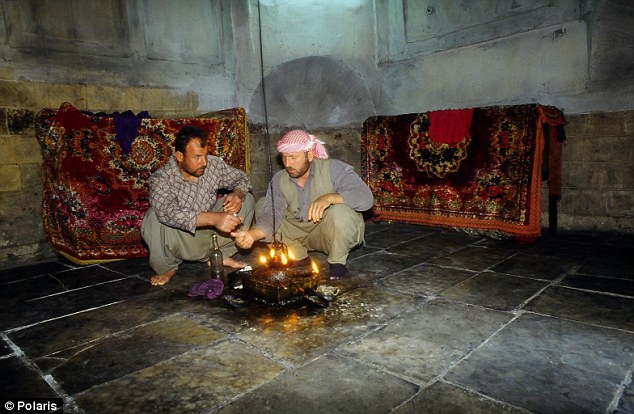
yazidi oil burning for saints

முனிவர்களுக்கு விளக்கு ஏற்றி வழிபாடு!!

யாசிதி இன மக்கள் 4000 ஆண்டுப் பழமையான இனம். இவர்கள் பாரசீக சொராஸ்ட்ரியன் மதம், பழங்கால இரானிய (வேத) மதம், கொஞ்சம் இஸ்லாமிய, கிறிஸ்தவ மத நம்பிக்கைகளை பின்பற்றுகின்றனர். இப்போது 1,60,00 பேர் மட்டுமே வடக்கு இரக் மலைப் பகுதிகளில் வாழ்கின்றனர். இவர்கள் குர்தீஷ் மொழி பேசுகின்றனர்.

கிறிஸ்தவர்களாக இருந்தால் ஜிஸியா வரி கொடுத்தால் வாழலாம் என்றும் யாசிதி இன மக்களாக இருந்தால் இஸ்லாமிய மதத்துக்கு மாற வேண்டும் என்றும் அல்லது படுகொலை செய்வோம் என்றும் ‘ஐஸிஸ்’ இஸ்லாமிய தீவிரவாதிகள் அறிவித்தனர். அதன்படி படுகொலை நீடிக்கிறது என்று லண்டன் ஆங்கிலப் பத்திரிக்கைகள் படங்களுடன் செய்திகள் வெளியிட்டுள்ளன. காரணம் இவர்கள் இந்து மதம் சொல்லும் எல்லா விஷயங்களையும் சொல்லுகிறார்கள். இதோ நீங்களே படித்து முடிவுக்கு வரலாம்:

1.யாசிதி இனமக்களுக்கு மறு பிறப்புக் கொள்கையில் நம்பிக்கை உண்டு: உலகில் மறு பிறப்பை நம்புவோர் இந்துக்களும் அதன் கிளை மதங்களான புத்த, சமண, சீக்கிய மதங்களும் தான். செமிட்டிக் மதங்களான கிறிஸ்தவ, யூத, இஸ்லாமிய மதங்களுக்கு மறுபிறப்பில் நம்பிக்கை இல்லை.

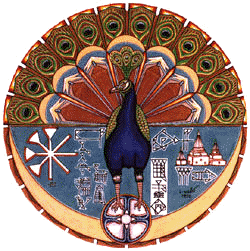
yazidi symbol2

மயிதேவதையைக் குறிக்கும் புனிதச் சின்னம்.

2.யாசிதி இனத்தினர் ஒரே கடவுளை நம்புகின்றனர்: இதுவும் இந்து மதத்தின் கொள்கையே. உலகின் மிகப் பழைய நூலான ரிக் வேதத்தில் —–ஏகம் சத் விப்ராஹா பஹூதா வதந்தி —- என்று சொல்லப்பட்டிருக்கிறது. அதாவது உண்மை ஒன்றே, அதை முனிவர்கள் பல பெயர்களால் அழைப்பர் என்பது இதன் பொருள்.

3.அந்த ஒரே கடவுள் ஏழு தேவதைகள் மூலம் உலகைப் படைத்தார்: இதுவும் இந்து மதக் கொள்கையே! சப்த ரிஷிக்கள் என்னும் அத்ரி, ப்ருகு, குத்ஸ, வசிஷ்ட, கௌதம, காஸ்யப, ஆங்கிரச ரிஷிக்கள் மனித இனத்தைப் படைத்ததை புராணங்கள் கூறும். பிராமணர்கள் நாள் தோறும் மூன்று முறை செய்யும் சந்தியா வந்தனத்தில் இந்த 7 பெயர்களையும் கூறுவர். சங்க இலக்கியமும் ‘’கை தொழு எழுவர்’’ என்று சப்தரிஷிக்களை விதந்து ஓதும். சப்த ரிஷிக்களில் வசிஷ்டர் என்னும் நட்சத்திரம் அருகில் வலம் வரும் அருந்ததி நட்சத்திரத்தை சங்க இலக்கியம் ஆறு, ஏழு இடங்களில் பாராட்டுவதோடு ஒவ்வொரு இந்து தம்பதியும் முதலிரவு அறைக்குள் போவதற்கு முன் அருந்ததியைக் காண வேண்டும் என்பதும் அனைவரும் அறிந்ததே.

4.இவர்கள் வணங்கும் முக்கியக் கடவுள் மாலக தாவூஸ். இவர் மயில் தேவதை என்று யாசிதிக்கள் கூறுவர்: உலகில் மயில்வாகனக் கடவுளான கார்த்திகேயனை (முருகனை) வணங்குவோர் இந்துக்கள் மட்டுமே என்பதைச் சொல்ல வேண்டியதில்லை. மாலக தாவூஸ் என்பதை நான் பால தேவன் என்றே படிப்பேன். ப— வ — ம—என்ற மூன்று எழுத்துக்களும் இடம் மாறும் என்பது மொழி நூலார் அறிந்த உண்மை.

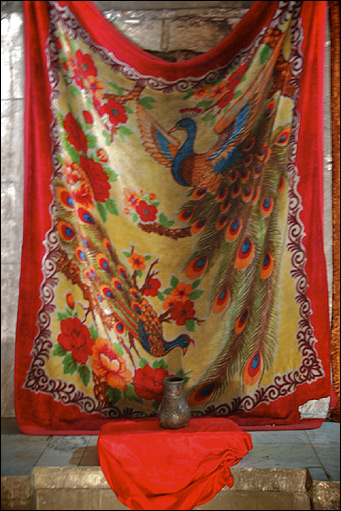
5.அவர்களுக்கு மயில் புனிதச் சின்னம். இந்தியாவின் தேசியப் பறவையான மயில் சிந்து சமவெளிப் பானை ஓடுகளில் கண்டுபிடிக்கப்பட்டதோடு இந்தியாவில் இருந்து ஏற்றுமதி செய்யப்பட்டதை பைபிளும் கூடப் பகர்கிறது.

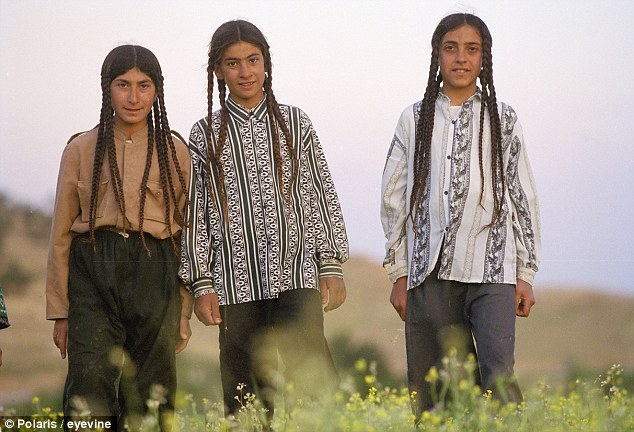
yazid boys plait like girls
இளைஞர்களும் பெண்களைப் போல பின்னல் முடி அணிவர்.

6.அவர்கள் தீயை வணங்குவர்: யாகத் தீயை பிராமணர்களும், பாரசீக மதத்தினரும் இன்றுவரை வணங்குவதை உலகம் அறியும். பிராமண பிரம்மச்சாரிகள் தினமும் தீ வளர்த்து சமிதாதானமும், கிருஹஸ்தர்கள் தீ வளர்த்து அக்னிஹோத்ரம்/ஔபாசனமும் செய்ய வேண்டும் என்பது விதி. ஆனால் விரல்விட்டு எண்ணக் கூடியவர்களே இன்று வரை இதைச் செய்கின்றனர். காலத்தின் கோலம்!!!

7.அவர்கள் சுன்னத்து செய்து கொள்வர், ஐந்து முறை தொழுவர்: இவை இரண்டும் இந்து வழக்கம் அல்ல. இது செமிட்டிக் இன மதங்களின் வழக்கம் அல்லது மத்திய கிழக்கில் செமிட்டிக் மதங்கள் தோன்றுவதற்கு முன்னரே இருந்த வழக்கம் என்று கொள்ளலாம்.

8.யாசிதி இனத்துக்கு அப்பெயர் வரக் காரணம் அவர்கள் யஸ்தான் என்னும் தேவனை வணங்குவதாகும். இது யது நந்தன் (யாதவ குல கிருஷ்ணனின் பெயர்) அல்லது யக்ஞ (யாகம்) என்பதன் மரூஉ — ஆக இருக்கும் என்பது என் ஊகம். வேதத்தில் யக்ஞ சேன, யாக்ஞவல்க்ய, யக்ஞேசு எனப் பல பெயர்கள் வருகின்றன. மேலும் பாரசீக மொழியில் இசட் என்பதன் பொருள் ‘’ஜோதி’’ (தீ/அக்னி) என்பதாகும். இவர்கள் வீடுகளில் விளக்கு ஏற்றி புனிதர்களை வணங்குகின்றனர். சுருங்கச் சொன்னால் இவர்கள் வாழும் இஸ்லாமிய நாட்டுக்கும் இவர்களின் நம்பிக்க்கைகளுக்கும் கொஞ்சமும் தொடர்பு இல்லை!!

9.யாசிதி இன மக்களின் மயில்தேவனான மாலக்தேவூஸை அராபிய மொழியில் சைத்தான் (பேய்) என்பர். முஸ்லீம்களும் கிறிஸ்தவர்களும் தங்கள் தெய்வங்களை ஏற்காதவர்களை சைத்தானை கும்பிடுவோர் (காபிர், பேகன்) என்று அழைப்பதை உலகமே அறியும்.

10.இராக்கில் இந்து மத வாகனங்கள் போல ஏழு கடவுள், வாகனங்களில் பவனி வருவது பற்றிய ஆங்கிலக் கட்டுரையை ஏற்கனவே எழுதி உள்ளேன். அந்தப் பிண்ணனியில் யாசிதி இன மக்களைக் காண்கையில் அவர்கள் இந்து மத எச்ச சொச்சங்களே என்பதில் எள்ளவுக்கும் ஐயம் இருக்காது.

11. இங்கு காஞ்சி பரமாசார்ய சுவாமிகள் (1894—1994) தனது சென்னைப் பிரசங்கத்தில் கூறியதை நினைகூறுதல் பொருத்தம். ஆஸ்திரேலியப் பழங்குடி மக்களின் சிவா நடனம் முதல் துருக்கியில் கண்டுபிடிக்கப்பட்ட கி.மு 1400 சம்ஸ்கிருதக் களிமன் படிவ கல்வெட்டு வரை பல விடயங்களைப் பிரஸ்தாபித்த பின்னர் அவர் ஒரு எச்சரிக்கை விடுக்கிறார்: “ இதை எல்லாம் கேட்டபின்னர் இந்துக்கள் அங்கெல்லாம் சென்று தங்கள் மதத்தைப் பரப்பினர் என்று எண்ணீ விடாதீர்கள். அங்கும் பழங்காலத்தில் இந்து மதமே இருந்தது. அதன் மிச்சம் மீதியைத்தான் நாம் இப்படிக் காண்கிறோம். அதனால்தான் நமது மதத்துக்கு சநாதன மதம் என்று பெயர்” என்றார்.
ஆக அவர் சொன்னதை நூற்றுக்கு நூறு உண்மை என்று நிரூபிக்கிறது இந்த வார இராக்கிய செய்திகள்!!!!

நால்வகைப் படைகள்: மகாபாரதம்- தமிழ் இலக்கிய ஒற்றுமை!!

War formation in MBh

ஆராய்ச்சிக் கட்டுரையாளர்: லண்டன் சுவாமிநாதன்
கட்டுரை எண்:-1231; தேதி 13 ஆகஸ்ட் 2014.

ஆறு பருவங்கள் — நவ ரசம் — நால் வேதம் — எண்வகைத் திருமணம் — நால் ஜாதி — சதி என்னும் உடன்கட்டை ஏறும் வழக்கம் — தென்புல வாழ்நர் (இறந்தோர்)—வேத கால இந்திரன், வருணன் — அறம் பொருள் இன்பம் — முதலிய பல்வேறு இந்து மதக் கொள்கைகளைத் தொல்காப்பியரும் சங்க கலப் புலவர்களும் விதந்து ஓதி இருப்பது குறித்து 1000 கட்டுரைகளில் கண்டோம். இதோ இன்னும் ஒரு கட்டுரை.

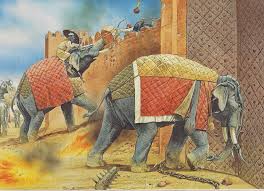
இதில் மஹாபாரதத்தில் காணப்படும் ‘’ரத, கஜ, துரக, பதாதி’’ என்னும் நால் வகைப் படைகளைக் காளிதாசனும், அர்த்தசாஸ்திரம் எழுதிய பிராமணன் சாணக்கியனும், வியாசரும், கிரேக்க வரலாற்று அறிஞன் ப்ளூடார்ச்சும் எப்படி எழுதினரோ அதே போல சங்க காலக் கவிஞர் பெருமக்களும் போற்றிப் பாடி இருப்பதைக் காணலாம்.

இந்தியர்களை 1)ஆரியர்கள், 2)திராவிடர்கள், 3)முண்டா இன மக்கள், 4)சுருட்டை முடி—கரியவிழி—போண்டா மூக்கு ஆதித் திராவிட மலை ஜாதியினர் எனப் பிரித்து இனவெறிக் கொள்கை புகுத்தி, விஷ விதைகளைத் தூவியவர்களைப் புற நானூற்றுப் புலவர்கள் புரட்டிப் புரட்டி அடிப்பதைக் காணலாம். மஹாபாரதத்தில் உள்ள தேர், யானை, குதிரை, காலாட் படைகளை காளிதாசன் பாராட்டிய மாதிரியில் அப்படியே சங்க காலப் புலவர்களும் போற்றுவதில் இருந்து தெரிவது என்ன?

Back to Godhead - Volume 12, Number 05 - 1977

இது ஏக பாரதம்; இங்கு வடக்கு தெற்கு என்னும் வேறு பாடு கிடையா; அங்கு என்ன இருந்ததோ அதேதான் இங்கும் பின்பற்றப்படும்; தமிழ் கலாசாரம், வடக்கத்திய பண்பாடு என்று வேறு பாடு எதுவும் இல்லை; சிறிய வேறு பாடுகள் உண்டு. மணப்பாறையில் முறுக்கு நன்றாக இருந்தால், திருநெல்வேலியில் பெட்டி வெல்லம் நன்றாக இருக்கும்; பம்பாயில் ஹல்வா ருசியாகக் கிடைத்தால் கல்கத்தாவில் ரஸகுல்லாவும் டில்லியில் பூசனிக்காய் அல்வாவும் ருசியாகக் கிடைக்கும். இவ்வளவுதான்! இதெல்லாம் மேம்போக்கான சிறிய வேறு பாடுகள்! ஏனெனில் எல்லாம் சர்க்கரை-வெல்லம்-மாவின் கலப்புதான்!

அலெக்ஸாண்டரை நடுங்க வைத்த இந்தியப் படை: புளுடார்ச் சொன்னது
அலெக்ஸாண்டரை எதிர்த்து தோல்வி அடைந்த இந்திய மன்னன் புருஷோத்தமன் (போரஸ்) ஒரு சின்ன அரசன். அவனை வெல்வதற்கே அலெக்ஸாண்டர் படாத பாடு பட்டார். மகத சம்ராJயத்தின் மாபெரும் படை பலம் உலகியே நடுநடுங்க வைக்கும் அளவு கடலினும் பெரிது. இதைக் கேட்டவுடன் அலெக்ஸாண்டரின் படைத் தளபதிகள் முனுமுனுக்கத் துவங்கினர். மேலும் அலெக்ஸாண்டர் இந்தியாவுக்கு வந்தது நாடு பிடிப்பதற்கு இல்லை. இந்து மத சாமியார்களைச் சந்தித்துப் பேசி அவர்களை கிரேக்க நாட்டுக்கு அழைத்துச் செல்ல வேண்டும் என்பதே அவன் லட்சியம் ( காண்க எனது பழைய கட்டுரை:– நிர்வாண சாமியார்களுடன் அலெக்ஸாண்டர் ).

மகத சாம்ராஜ்யப் படைகள் எண்ணிக்கை பற்றி முதல் நூற்றாண்டில் வாழ்ந்த கிரேக்க வரலாற்று அறிஞன் ப்ளூடார்ச் தரும் தகவல்:

(ரத) தேர் — 7000
(கஜ) யானை — 8000
(துரக) குதிரை – 80,000
(பதாதி) காலாட்படை வீரர்கள்—2,00,000

அந்தக் காலத்தில் இந்தியாவில் 56 தேசங்கள் இருந்தன. இதில் 16 நாடுகள் மஹா சாம்ராஜ்யங்கள். இதில் இரண்டு மூன்று நாடுகள் சேர்ந்தால் போதும். அலெக்ஸாண்டரைக் கதறக் கதற அடித்திருக்கலாம்! கிரேக்கர், சகரர் படைகளை விக்ரமாதித்தனும் இமயவரம்பன் நெடுஞ்சேரலாதனும் அடித்து விரட்டியதை நாம் அறிவோம்.

Battle_at_Lanka,_Ramayana,_Udaipur,_1649-53

சம பல தர்ம யுத்தம் : காளிதாசன் சொன்னது

பத்தி பதாதிதம் ரதினம் ரதேசஸ் துரங்கசாதீதகாசிரூடம்
யந்தா கஜஸ்யாப்யபத கஜஸ்தம் துல்ய ப்ரதித்வந்த்வீ பபூவ யுத்தம்
—ரகுவம்சம் 7—37

காலாட்படை வீரன், மற்றொரு காலாட்படை வீரனையே எதிர்த்தான். தேர்வீரன் தேர்வீரனையும், குதிரை வீரன் இன்னொரு குதிரை வீரனையுமே எதிர்த்தான். யானையை அடக்குபவன் யானை வீரனையே எதிர்த்தான். இவ்வாறு யுத்தம் சமமான பகைவனை உடையதாக இருந்தது (ரகு 7—37). அந்தக் காலத்தில் தர்ம யுத்தம் நடத்தினார்கள். பொதுமக்களைத் தாக்க மாட்டார்கள். புறமுதுகு காட்டி ஓடுவனைக் கொல்ல மாட்டார்கள். சம பலம் உடையவர்கள் சண்டையில் மோதுவார்கள். காளிதாசனும் பல இடங்களில் நால்வகைப் படைகளைப் பகர்வான்

good picture

சங்கப் புலவர்கள் சொன்னது

சங்க இலக்கியத்தில் மஹா பாரத கால நால்வகைப் படை முறையே பின்பற்றப்பட்டது. இது சங்கத் தமிழ் இலக்கியத்தில் நூற்றுக் கணக்கான இடங்களில் வருகிறது. மஹாபாரதத்தில் வரும் ‘’ஆநிறை கவர்தல்’’ தமிழிலும் உண்டு. இதோ நால்வகைப் படை பற்றி வரும் குறிப்புகள்:–

கடுஞ் சினத்த கொல் களிறும்; கதழ் பரிய கலி மாவும்
நெடுங்கொடிய நிமிர் தேரும், நெஞ்சு உடைய புகல் மறவரும்
—-மதுரை மருதன் இளநாகன், புறம் 55

நெடுநல் யானையும், தேரும், மாவும்
படை அமை மறவரும், உடைய யாம் என்று
—நெடுஞ்செழியன், புற நானூற்றுப் பாடல் 72

வளிநடந்தன்ன வாச் செலல் இவுளியொடு
கொடிநுடங்கு மிசைய தேரினர் எனா அ
கடல் கண்டன்ன ஒண்படைத் தானையொடு
மலை மாறு மலைக்கும் களிற்றினர் எனாஅ
–மாடலன் மதுரைக் குமரனார், புற நானூற்றுப் பாடல் 197

பாடல் 239 பேரெயின் முறுவலார், 345 அடைநெடுங் கல்வியார், 351 மதுரைப் படைமங்க மன்னியார், 368 கழாத்தலையார், 377 உலோச்சனார் ஆகியோரும் நால்வகைப் படைகளைப் பாடுகின்றனர். சங்க இலக்கியத்தில் மிகப் பழைய பகுதி என்பதால் புறநானூற்றில் இருந்து மட்டும் எடுத்துக் காட்டினேன். தமிழ் இலக்கியம் முழுதும் உள்ள நால்வகைப் படைகளைக் குறிக்க வேண்டுமானால் தனி நூலே எழுத வேண்டியிருக்கும். மாபாரத கால வழக்கத்தை தமிழர்கள் — அதற்கு 3000 ஆண்டுகளுக்குப் பின் —அப்படியே பயன்படுத்தினர்.

( களிறு=யானை; மா, இவுளி, பரி= குதிரை, மறவர்= காலாட்படை)

Krishna_Narakasura

வியாசன் சொன்னது

மாபாரத யுத்தத்தில் பாண்டவர் தரப்பில் ஏழு அக்க்ஷௌகினி (பட்டாளம்) சேனையும் கௌரவர் தரப்பில் 11 அக்க்ஷௌகினி (பட்டாளம்) சேனையும் மோதின. ஒரு அக்க்ஷௌகினி (பட்டாளம்) என்பதில்

தேர் (ரத) – 21,870
யானை (கஜ) – 21,870
குதிரை (துரக) – 65,610
காலாட்படை (பதாதி) வீரர்கள் – 109,350

இருப்பார்கள். இதை பதினெட்டு என்னும் எண்ணால் பெருக்கினால் வரும் தொகையே மாபாரத யுத்தத்தில் போரிட்டோர் எண்ணிக்கை ஆகும்!!! இவ்வளவு பெரிய எண்ணிக்கை நம்பாதவர்களும் நால் வகைப் படைகள் இருந்ததை மறுப்பதற்கில்லை. இதை மகத சாம்ராஜ்யத்தை ஆண்ட நந்த வம்சம் பற்றி ப்லூடார்ச் கூறுவதோடு ஒப்பிட்டுப் பார்த்தால் உண்மையே என்று தோன்றும். ஏனெனில் பாரத நாடு முழுதும் உள்ள சேனைகள் போரில் பொருதின.

elephant attack

சாணக்கியன் சொன்னது

சாணக்கியன் என்னும் பிராமண அறிஞன் உலகின் முதலாவது பொருளாதார நூலை எழுதிய மாபெரும் அறிஞன். அவன் எழுதாத ராஜாங்க விஷயமே இல்லை. இன்று பல நாடுகள் பின்பற்றும் தூதர், உளவு பார்க்கும் முறை, நட்புறவு, சாம–தான–பேத–தண்டம் என்னும் சதுர்வித உபாயங்கள் முதலிய அத்தனை பற்றியும் அர்த்த சாஸ்திரம் என்னும் நூலில் அற்புதமாக — மிக அற்புதமாக – எழுதிவிட்டான். நால் வகைப் படை அமைப்பு பற்றி எழுதிய அவன் ஒவ்வொரு பதவியில் உள்ளவர்களுக்கும் என்ன சம்பளம் என்றும் எழுதி இருக்கிறான்!!!

சதுரங்கம் என்னும் விளையாட்டைக் கண்டுபிடித்தது இந்தியாதான் என்பதை உலகமே ஒப்புக் கொள்கிறது. இதற்கு இந்த நால்வகைப் படைகளே காரணம். மேலும் நான்கு என்ற எண் இந்துக்களுக்கு மிகவும் பிடித்த எண். —- ‘’ஆலும் வேலும் பல்லுக்கு உறுதி; நாலும் இரண்டும் சொல்லுக்கு உறுதி’’ —- என்பது தமிழ் பழமொழி ( நாலு=வெண்பா, இரண்டு=குறட்பா ). நாலு என்பது உறுதியைக் குறிப்பதால், யுகம், ஜாதி, வேதம், பிரம்மாவின் மானச புத்ரர்,, நால்வர் (சைவப் பெரியார்), படைகள், உபாயங்கள் என்று நூற்றுக் கணக்கான விஷயங்களை இந்துக்கள் நான்காகப் பிரித்தனர் (காண்க: எனது பழைய கேள்வி-பதில் ‘’நீங்கள் நாலும் தெரிந்தவரா?’’)

வாழ்க தமிழ்; வளர்க ஒருமைப் பாடு!!

Four Wings of Hindu Army: Blow to Aryan- Dravidian Theory!

War formation in MBh

Research Paper written by London Swaminathan
Post No.1230 ; Dated 13th August 2014.

The Four Limbs of Army, ‘Chatur Anga’ in Sanskrit , is a Hindu concept found in ancient Tamil and Sanskrit literature. It is in the 2000 year old Sangam Tamil literature and earlier Sanskrit literature including that of the greatest Indian poet Kalidasa (1st century BCE or earlier) and world’s first economist and political scientist Chanakya (3rd Century BCE). This is a severe blow to the supporters of ‘racist theory’ which divide Indians into Aryans, Dravidians ,Mundas and aborigines.

The most famous board game Chess (Chaturanga) was invented in India is a fact acknowledged by everyone. This is based on the four wings of army Ratha, Gaja, Thuraga, Pathadi (Chariot, Elephant, Horse, Foot soldier) that we see in all the Indian wars from the days of Mahabharata, probably earlier.

From the ancient times Hindus from the Himalayas to the land’s end Kanyakumari had the same thought process. Foreign “scholars” who wanted to sow the seeds of division invented (concocted) a theory of dividing Indians which has no basis in Tamil or Sanskrit literature.

Back to Godhead - Volume 12, Number 05 - 1977

Hindus are fascinated with number FOUR for various reasons. Number four is considered strong, long lasting, enduring. They divided the eras (yugas), Vedas, four stages of life (Purushartha), army divisions, castes, four methods of ( Chaturvitha Upaya) winning an enemy etc.

Hindu army was also divided in to four wings of
Ratha= chariots
Gaja= elephants
Thuraga= horses
Patha athi= infantry.

Battle_at_Lanka,_Ramayana,_Udaipur,_1649-53

Powerful Nanda Army!

According to the Greek historian Plutarch (45 CE to 120 CE), Alexander the Great was afraid of the mighty Indian army. Plutarch wrote that Nanda dynasty had 200,000 soldiers, 80,000 cavalry, 8000 chariots and 7000 elephants. Nanda dynasty ruled India in the fourth century BCE.

Kautilya alias Chanakaya gives lot of information about the four wings of army in his Arthashastra (Chapter 10). He even gives the salary for each post. An amazing planning is seen there.

During Mahabahara war 11 divisions of Kauravas and 7 divisions of Pandavas fought in Kurukshetra. One division in Sanskrit is called Akshouhini, which consists of

21,870 chariots
21,870 elephants
65,610 horses
109,350 foot soldiers.

We have to multiply this number by 18 (11+7) divisions!! A huge number indeed! Whether we believe it or not at least we know for sure the four wings of army existed at that time. The war was fought around 3100 BCE!

Krishna_Narakasura

Kalidasa on Equal Fight

The beauty of this fourfold division is that it is found in Sangam Tamil literature as well. They copied it simply from the North. Kalidasa who lived in the first century BCE or earlier says about it in several places including
Raghu Vamsa 7-37:-

Paththi padanim rathinam rathesasthurangasadhi thuragathirudam
Yantha gajasyabhya pathangajastham thulya parathi dwanthvi bhabuva yudhdham
———(Raghu 7-37)

It was a dharma yudhha (war based on rules of equal strength). Infantry fought with infantry only. A charioteer fought with another charioteer only and so do the elephant man and horse man fought with each other. The war was fought between the equals (7-37).

good picture
Tamil Poets on Fourfold Army

Maruthan Ilanagan, a Tamil poet, says it in Purananuru verse 55. It is repeated by Pandya King Neduncheziyan (Puram 72), Adai nedum Kalviyar (Puram 345),Madalan Madurai Kumaranar (Puram 197), Pereyin Muruvalar (Puram 239), Madurai Padai Manga Manniyar (Puram 351),Ulochanar (Puram 377) and Kazaththalaiyar (Puram 368).

There are innumerable references in the Tamil literature. Since Purananuru verses are considered very old poems in the Sangam corpus, I quoted only from the Purananuru. All the above poets lived in the first few centuries of our era.

Sangam Tamil poets shattered the Aryan- Dravidian ‘Racist theory’ with countless references like this. Whatever we find in the North we find in the South of India. There is no difference between the south and the north in the culture or beliefs. People who did not know both Tamil and Sanskrit wrote lot of rubbish in the past. It will take years to clear that Himalayan quantity of Aryan – Dravidian rubbish!!
elephant attack

God Bless India, that is Bharat!

கழகத்தில் சேராதே: தமிழர்களுக்கு எச்சரிக்கை!!

mahabharata-game-of-dice

ஆராய்ச்சிக் கட்டுரையாளர்: லண்டன் சுவாமிநாதன்
கட்டுரை எண்:- 1229 ; தேதி 12 ஆகஸ்ட் 2014.

1500 அண்டுகளுக்கு முன்னால் வாழ்ந்த பேரறிஞன் திருவள்ளுவன் தமிழர்களைக் கடுமையாக எச்சரிக்கிறார்:

பழகிய செல்வமும் பண்பும் கெடுக்கும்
கழகத்துக் காலைப் புகின் (குறள் 937)

கழகத்தில் காலத்தைக் கழித்தால் பரம்பரையாக அவனுக்குக் கிடைத்த செல்வமும் தொலையும். அவனிடமுள்ள எல்லா நல்ல குணங்களும் அழிந்து போகும்!
கழகம்= சூதடும் இடம்.

கவறும் கழகமும் கையும் தருக்கி
இவறியார் இல்லாகியார் ( குறள் 935)

கழகத்தை நம்பி பொருள் எல்லாவற்றையும் கோட்டை விட்டவர் பலர் உண்டு! காரணம்? சூதாடும் இடம் (கழகம்), சூதாடும் கருவி, தனது சூதாட்டத் திறமை —- இவற்றை எல்லாம் நம்பி, ‘’இல்லாமல்’’ போனவர்கள் பலர்!

சுருக்கமாகச் சொன்னால் கழகத்தில் சேராதே, கழகத்துக்குப் போகாதே, போனால் நீ அழிந்து போவாய்!
வாழ்க வள்ளுவன்! வளர்க அவன் அறிவுரை!!

இதற்கு முன்னும் பின்னும் உள்ள எட்டு குறள்களில் முத்து முத்தாய் உதிர்க்கிறான் வள்ளுவன்:

sokkattan

புல்லட் பாயிண்ட் 1:
மீனைப் பார்த்தாயா? தூண்டிலைப் பார்த்தாயா? என்ன தெரிந்தது. உன் கதியும் அதே கதிதான் (குறள் 931)

புல்லட் பாயிண்ட் 2
நேற்று லட்டரியில் பத்து ரூபாய் விழுந்ததா? இனிமேல் உனக்கு நூறு முறை தோல்விதான், நீ ஒரு ஏமாளி (குறள் 932)

புல்லட் பாயிண்ட் 3
காயை உருட்டினால் பொருள் கிடைக்கும் என்று சொன்னாயா? உன் கிட்ட நல்ல வழியில் வந்த பொருளும் உருளப் போகுது! (குறள் 933)

புல்லட் பாயிண்ட் 4
டேய்! மண்டு! ‘பெட்’ கட்டினாயா? ரேசுக்குப் போனாயா? லாட்டரி சீட்டாய் வாங்கிக் குவிக்கிறாயா? இனிமேல் உனக்கு வறுமை, சிறுமை ஒன்றுக்கும் குறைவே இல்லை, போ! (குறள் 934)

புல்லட் பாயிண்ட் 5
சூதாட்டத்துக்கு இன்னொரு பெயர் முகடி (மூதேவி). அவள் உன்னை விழுங்கினால் சோற்றுக்கே லாட்டரிதான் (குறள் 936)

புல்லட் பாயிண்ட் 6
சூதாடினாயா? இனிமேல் உன் வாயில் பொய் நிறையவே வரும், அருள் எல்லாம் ஓடிப்போகும் (குறள் 938)

புல்லட் பாயிண்ட் 7
உனக்கு இனிமேல் —- “ரோடி, கப்டா அவ்ர் மகான்” — கிடைக்காது. அதாவது உணவு, புகழ், கல்வி, உடை, செல்வம் ஆகிய ஐந்தும் ‘அவுட்’! (குறள் 939)

புல்லட் பாயிண்ட் 8
நோய் வந்தவுடன் உடம்பின் மேலே கூடுதல் காதல் வருது இல்ல! அதே போல சூதாட்டத்தில் பொருளை இழக்க இழக்க அதன் மேல உனக்கு “லவ்” அதிகரிக்கும், ஜாக்கிரதை! (குறள் 940)

banu karnan 2

ரிக்வேதம் என்ன சொல்கிறது?

சூதாடாதே, நிலத்துக்குப் போய் சோளம் விதை!
கொஞ்சம் ஜெயித்தவுடன் அதைப் பற்றி உயர்வாக எண்ணி விடாதே!
உன்னுடைய ஆடு மாடுகளை எண்ணிப் பார், உனக்கு மனைவியும் உண்டு!
இதுதான் சாவித்ரியே என் கிட்ட சொன்னாள்!
(மண்டலம் 10-34-13)

உலகின் மிகப் பழைய சமய நூல் கூறிய அறிவுரை இது!
கவச ஐலூசர் என்ற முனிவர் காதில் ஒலித்த மந்திரம் இது. வேத மந்திரங்களை சங்க காலப் புலவர்கள் ‘’கேள்வி’’ (காதில் விழுந்தது) என்றும் ‘’மறை’’ (ரகசியம்) பாடுகின்றனர்.

கம்பன் என்ன சொன்னான்?

வள்ளுவனுக்கு சளைத்தவனா கம்பன்? அவன் என்ன சொல்கிறான் என்று பார்ப்போம்?

சூது முந்துறச் சொல்லிய மாத்துயர்
நீதி மைந்த! நினக்கிலை ஆயினும்
ஏதம் என்பன யாவையும் எய்துதற்கு
ஓதும் மூலம் அவையென ஓர்தியே (கம்ப ராமாயணம், மந்தரை-2)
ஒப்பிடுக : குறள் 934

banu karnan

அறநெறிச்சாரம் (147) என்ன சொல்கிறது?

ஓதலும் ஓதி உணர்தலும் சான்றோரால்
மேதை எனப்படும் மேன்மையும் – சூது
பொருமென்னும் சொல்லினால் புல்லப்படுமேல்
இருளாம் ஒருங்கே இவை
ஒப்பிடுக: குறள் 939.

பாரதி என்ன சொன்னான்?

“கோயிற் பூசை செய்வோர் சிலையைக் கொண்டு விற்றல் போலும்
வாயில் காத்து நிற்பான் வீட்டை வைத்து இழத்தல் போலும்
ஆயிரங்களான நீதி அவை உணர்ந்த தருமன்
தேயம் வைத்து இழந்தான் — சீச்சீ! சிறியர் செய்த செய்கை செய்தான்”
என்ற பாரதியாரின் பாஞ்சாலி சபதப் பாடல் சூதாடிய தர்மபுத்திரனைச் சாடுகிறது!

வள்ளுவன் வாழ்க ! (சூதாட்டக்) கழகங்கள் அழிக !!

Hindu Vestiges in Iraq!

Yazidi_symbol
Yazidi Symbol

Research paper written by London swaminthan
Post No.1228; Dated 12h August 2014.

A shocking news item appeared in London newspapers under the title WOMEN AND CHILDREN BURIED ALIVE, Islamic extremists place 500 devil worshippers in mass graves in Iraq. (Please see Metro, Page 1 dated 11th August 2014). It was about burying 300 women and 200 children of Yazidi tribe who refused to convert to Islam. The news was reported by Mohamed Shia al-Sudani, a minister for the Iraqi government. This article is not written to condemn or criticize the ISIS extremists. This is about the Yazidi Tribe. The news papers have described who they were and what they believe in. Most of their customs and beliefs are from Hinduism!!!

yazidi oil burning for saints
Yazidis burn oil lamps for one the saints.

Kanchi Paramacharya (1894-1994) in his talk pointed out that lot of Hindu customs around the world from Shiva dance of Australian aborigines to Sanskrit Inscription in Turkey dated 1400 BCE with ht names of Vedic Gods are Hindu relics. He cautioned us with the following words: Don’t say that Hindus went there and spread their religion. It was the Hindu religion that existed in every part of the world. That is why this religion is called Sanatan Dharma. What you see is only the vestiges of Hindu religion”.

I strongly believe in his comments. He is 100 percent right. Following news item that is occupying more space in London News Papers is another proof:

Yazidis are part of an ancient religion. From 11th century they organised themselves as a religious group. But they are a pre Islamic community. They are 4000 year old community. They have beliefs borrowed from multi traditions including Zoroastrianism, ancient Iranian religion (Vedic Hindu!!), Christianity and Islam. They speak Kurdish. There are 700,000 Yazidis in the world and most of them live in Northern Iraq. Their heartland is the north western city of Sinjar ( Now they are driven out by the ISIS extremists).

1.The Yazidis believe in One Supreme Being: Rig Veda says “Ekam Sat Vipra: Bahuda Vadanti “, meaning Truth is one, sages call it by different names.

2.Yazidis say, “Supreme being Yasdan created the earth with the help of Seven Angels”: Hindus say that Brahma created the world with Seven Rishis (Sapta Rsis) who were the forefathers of human race. As a Brahmin I do worship Saptarisis every day in the ‘thrice a day Sandhya Vandhana’ (Tri Kla Sandhya Vandhana) ritual. I recite the mantra with the names of sevensages: Atri, Brhu, Kutsa, Vasishta, Gautham, Kasyapa and Angirasa.

The word Yasdan may be the corrupted form of Yadunandan (Yadava Krishna) or lot of Hindu names beginning with Yagna or Yajna. In the Vedas we find names like Yajna Vacas, Yajna Sena, Yahna Valkya, Yajnesu and many more.

yazid boys plait like girls
Yazidi boys plait hair like girls.

3. Most important of their gods is Peacock Angel. Hindus worship Kartikeya who rides on a Peacock. His names like Mayura Vahana, Mayil Vahana, Siki Vahana and several other names are associated with the Indian national Bird peacock. It is primarily an Indian bird exported to West Asia from Biblical days.

4.Yazidis believe in reincarnation: No Semitic religion believes in reincarnation. Only Hindus and its offshoots like Buddhism, Jainism and Sikhism believe in Reincarnation. This shows very clearly that Yazidis are Hindus.

5.Peacock angel is known as Malak Tawous. It may be the corrupted form of Palak= Bala Deva or Palaka Deva. P < M<V are interchangeable is well known to linguists.

6.They worship five times a day; they do circumcision: This is the local custom followed by ancient people in that region which is taken by other Semitic religions. Circumcision is not followed by the Hindus.

7. Malak Tawoo means “devil” in Arabic. All idol worshippers were called as Devil worshippers by Semitic religions. This is another proof to believe that they are Hindus.

yazidi symbol2
Peacock is sacred to them like Hindu devotees of Lord Skanda

8. Yazidi means Worshippers of God. They are fire worshippers like the Vedic Hindus and Iranians. They keep oil lamps burning at their homes for saints. This like Brahmins Three Fire worship at home (Three Fires: Dakshinagniyam, Gargapatyam and Ahavaniyam). Ized means God in Persian. Yazdis derived from this word, they believe. Ized arrived from Jyothi (Light/Fire), I believe.

9. Why they were buried alive? Metro Newspaper published from London added this on page 5: “Unlike Christians, who have been given the choice of paying a tax to the Islamic organisation – known as Jizya — the Yazdis have been given a stark choice: Convert to Islam or be murdered”.

The news is reported by the BBC, Reuters, Daily Mail and several other mass media in addition to Metro news paper quoted above.

One can find more information about Yazdis by googling.

Contact swami_48@yahoo.com

Pictures are taken from newspapers; thanks.