பிராமணர்களை இந்திரன் கொலை செய்தது ஏன்?

Indra (1)

கட்டுரையாளர்:– லண்டன் சுவாமிநாதன்
கட்டுரை எண்:- 1071; தேதி:- 29 May 2014.
(இக் கட்டுரை ஏற்கனவே ஆங்கிலத்தில் என்னால் வெளியிடப்பட்டது)

வெற்றி எட்டு திக்கும் எட்ட கொட்டு முரசே
வேதம் என்றும் வாழ்க என்று கொட்டு முரசே — பாரதியார்

உலகின் மிகப் பழைய நூலான ரிக்வேதத்தில் இந்திரனின் சாகச் செயல்கள்தான் அதிக இடத்தைப் பிடிக்கின்றன. நாலில் ஒரு பகுதி துதிகள் இந்திரனைப் (250 துதிகள்) பற்றியதே. தமிழினத்தின் மிகப் பழைய நூலான தொல்காப்பியமும் இந்திரனை , தமிழர் கடவுளாகப் போற்றுகிறது. கரிகால் சோழன் நடத்திய பெரிய விழா இந்திர விழா! ஆனால் சங்க இலக்கிய த்தின் 18 நூல்களில்– 27,000 வரிகளில்— இல்லாத ஒரு அபாண்டப் பொய்யை வெள்ளைக்காரகள் சொன்னதை இன்றுவரை பல தமிழக அறிவிலிகள் பரப்பி வருகின்னர்.

இந்திரன் என்பவன் ஆரிய இனத் தலைவன் என்றும் அவன் தஸ்யூக்கள் என்னும் கருப்பர்களைக் கொன்றதாகவும் வெளி நாட்டு ‘’அறிஞர்கள்’’ எழுதிவருகின்றனர். உலகிலேயே அதிகமான பழைய நூல்களைக் கொண்டது சம்ஸ்கிருத மொழி. தமிழைப் போல பன்மடங்கு இலக்கியம் உடைய, சம்ஸ்கிருத மொழியில் ஒரு நூலிலும் ஆரிய ,திராவிட இனவாதக் கொள்கை இல்லை.தமிழிலும் இல்லை.

வெளிநாட்டுக்காரர்கள் எழுதியதற்கு நேர் மாறான விஷயங்கள்தான் நம் இலக்கியத்தில் இருக்கின்றன.
1.அசுரர்களுக்கும், தேவர்களுக்கும் பிராமணர்களாகிய பிருஹஸ்பதியும் சுக்ராசார்யாரும்தான் ஆசிரியர்கள். இதை சங்க இலக்கியப் பாடல்களும் உறுதி செய்வதை ஏற்கனவே கொடுத்துவிட்டேன்.

2.அசுரர், தேவர், நாகர் முதலிய யாவரும் ஒரு தாய் வயிற்றுப் புதல்வர்கள்.
3.தஸ்யூகளைக் கொன்ற இந்திரன் பிராமணர்களையும் கொன்றான். அவன் இப்படிப் பிராமணர்களைக் கொன்றதை, இந்தியா முழுதும் உள்ள ஸ்தல புராணங்களும் ,ராமாயண மஹாபாரத, புராணங்களும் பக்கம் பக்கமாக எழுதி இருக்கின்றன. முப்பதுக்கும் மேலான அசுரர்களைக் கொன்ற இந்திரனின் மிகப் பெரிய வெற்றி– விருத்திராசுரனைக் கொன்றதுதான். அவன் ஒரு பிராமணன். அவனது அண்ணன் திரிசிரஸ் இந்திரனால் கொல்லப்பட்டான். அவனும் ஒரு பிராமணன்.

4.இந்திரனால் மானபங்கப்படுத்தப்பட்ட அஹல்யையும் பாப்பாத்தி.! இந்திரனால் எத்தி உதயப்பட்ட முனிவன் அகத்தியனும் பார்ப்பனன். இந்திரனைப் பிடித்துக்கொண்ட மிகப்பெரிய பாவம்—பிரம்மஹத்தி. அதாவது பிராமணனைக் கொன்றால் வரும் பாபம். இதற்காக அவன் இந்தியா முழுதும் சென்ற கோவில் குளம், ஆறு, மலை, ஏரி பற்றி உள்ள ஸ்தல புராணங்கள் ஆயிரம் ஆயிரம்!!

18 Banteay Srei Indra on Airavata, photograph by Anandajoti Bhikkhu
Indra in Cambodia

இவ்வளவு ஆதாரங்கள் இருக்கையில் வெள்ளைக்கார, வெளிநாட்டுக்கார ‘’அறிஞர்கள்’’ எப்படி முழுப் பூசணிக்காயைச் சோற்றில் மறைத்தார்கள்? அவர்களுக்கு ஒரு உண்மை தெரியும். இந்து மத நூல்கள் கடல் போலப் பெருகியவை. மற்ற மத நூல்களையோ ஒரே மூச்சில் சில மணி நேரத்தில் படித்து முடித்து விடலாம். அவை எல்லாம் நேற்று வந்தவை. ஆனால் காலத்தைக் கடந்து நிற்கும் இந்து மதத்திற்கோ பல்லாயிரம் நூல்கள். ஆங்கிலம் படித்த ‘அரைவேக்காடு’கள், இந்துமத ராமாயணத்தையோ, மஹாபாரதத்தையோ ‘’ஒரிஜினலில் ‘’முழுக்க படித்ததே இல்லை. அவர்கள் படிப்பதெல்லாம் ஆங்கிலத்தில் எதிர்மறையில் எழுதப்பட்ட கட்டுரைகள் அல்லது வெற்று வேட்டுப் பட்டிமன்றங்கள்தான். மாதா, பிதா, குரு ஆகியவர்களை விட அதிகம் மதிக்கப்பட வேண்டியவர்கள் ஆங்கிலத்தில் எழுதப்படும் கட்டுரை யாளர்களே என்பது அந்த அறிவிலிகளின் ஏகோபித்த முடிவு.

இந்த பலவீனங்களை அறிந்த வேற்று மத, வெளிநாட்டு ‘’அறிஞர்கள்’’ இந்து மதத்தில் எந்தப் புத்தகத்தில் எந்த வரியை வேண்டுமானலும் எடுத்து எப்படி வேண்ண்டுமானாலும் ஒட்டுப்போட்டு என்ன வேண்டுமானாலும் எழுதி நம்மிடமே பி.எச்டி. பட்டம் வாங்க முடியும் என்பதையும் தெரிந்து கொண்டார்கள். பிரபல வெளிநாட்டுப் புத்தக பதிப்பாளர்கள் மூலம் கோடிக் கணக்கில் பணம் பெற முடியும் என்றும் தெரியும். அவர்கள் வேற்று மதங்களைப் பற்றி இப்படிப் புத்தகம் எழுதுவதும் இல்லை. எழுதினாலும் விற்காது. இந்து ஒருவன் தான் ஏமாந்த சோணகிரி! ஊருக்கு இளத்தவ பிள்ளையார் கோவில் ஆண்டி!!

நம்முடைய இலக்கியம், இலக்கிய கர்த்தாக்கள் ஆகியவர்களுக்கு அவர்களே பொய்மையான ஒரு காலத்தையும் எழுதி– ‘இது முதல், அது பின்னது’– என்று சொல்லவும் கற்றனர். நமது சங்கத் தமிழ் இலக்கியத்தையோ, தேவார திருவாசக, திவ்வியப் பிரபந்தங்களையோ வாழ்நாளில் தொட்டுப் பார்க்காத தமிழ் அஞ்ஞானிகள், கேள்விகளை மட்டுமே கேட்கப் பழகிக்கொண்டார்கள். இதனால் இந்திரன், பிராமணர்களைக் கொன்றதையோ, இராம பிரான் ராவணன் என்னும் பிராமணனைக் கொன்றதையோ பெரிது படுத்தாமல், இதற்கு எதிர்மறையான கருத்துக்களை மட்டும் பிரபலப்படுத்தினர்.

Bangkok_Indra_Erawan
Indra in Thailand

திரிசிரஸ், விருத்திரன் கொலை
த்வஷ்டா என்ற முனிவருக்கு திரிசிரஸ் என்ற மூன்று தலை உடைய முனிவர் பிறந்தார். அவர் ஒரு தவ சீலர், மகா முனிவர். தனது பதவிக்கு ஆபத்து வரும் என்று அஞ்சிய இந்திரன் அவரைக் கொன்றான். அவன் தந்தை கோபம் அடைந்து, விருத்திரன் என்பவனை யாகத்தீயில் உண்டாக்கினான். அவனைக் ‘’கடல் நுரை’’ மூலம் இந்திரன் கொன்றான். இதுதான் சுருக்கமான கதை. இருவரும் பிராமணர்கள். அவனைப் ப்ரம்மஹத்தி பற்றிக்கொண்டது.

வேதங்களில் பல விஷயங்கள் ரகசிய, சங்கேத மொழியில் சொல்லப்பட்டிருப்பதால் தமிழர்கள் வேதங்களுக்கு ‘’மறை’’ என்று அழகான பெயர் வைத்தனர். இங்கே விருத்திரன் என்பது மனிதனா, இயற்கை நிகழ்ச்சியா (வறட்சி) என்று பல அறிஞர்களுக்குக் குழப்பம். வேத, இதிஹாசபுராணம் முழுதும் வரும் இந்திரன் ஒருவரா? பலரா? என்பதிலும் எல்லோருக்கும் குழப்பம்.

இந்திரன் என்பது ஒரு ஆள் அல்ல, அது ஒரு ‘’டைட்டில்’’—அதாவது பிரதமர், ஜனாதிபதி, சக்ரவர்த்தி, மன்னர், தலாய் லாமா, சங்கராச்சார்யார், போப்பாண்டவர் என்பது போல அவ்வப்போது பதவிக்கு வருவோர் பெறும் பட்டமா என்பதும் விளக்கப்படவில்லை. மேலும் வேதம் முழுதும் ஆங்கிலத்தில் மொழிபெயர்த்த வெள்ளைக்காரர்கள் அவன் எப்போது வாழ்ந்தான் என்பதிலும் குழப்பம் அடைந்ததால் பேசாமல் இருந்து விட்டனர். அப்படி ஒரே இந்திரன் தான் என்று யாராவது நினைத்தால் உலகிலேயே அதிகமாக இலக்கியத்தில் அடிபட்ட பெருமை இந்திரன் ஒருவனுக்கே கிட்டும்!!

ஒரே இந்திரன் இவ்வளவு பாடல்களுக்கு முதற்பொருளாக அமைந்திருக்க முடியாது. இந்திரன் என்பது பல பொருள்களில் பயன்படுத்தப்பட்டிருக் கலாம் அல்லது இந்திரன் என்பது மன்னன் போன்ற ஒரு பட்டம். ஆகையால் யார் அந்தப் பதவிக்கு வருகிறார்களோ அவர் இந்திரன் என்றும் கொள்ளலாம்.

மூன்றுதலை திரிசிரஸ் என்பதெல்லாம் சில தத்துவங்களை விளக்கும் சொற்களாக இருக்கலாம். உண்மையில் இப்படிப்பட்ட விளக்கங்களை சாயனர், சங்கராசார்யார், பட்டபாஸ்கரர், அண்மைக் காலத்தில் ஆரிய சமாஜ ஸ்தாபகர் தயானந்த சரஸ்வதி ஆகியோர் கொடுத்துள்ளனர். வேதம் முழுதும் உள்ள விஷயங்களைக் கூறவே தேவாரமும் திருவாசகமும், திவ்வியப் பிரபந்தமும் பாடப்பட்டதாக அவற்றை யாத்தவர்களே திருவாய் மலர்ந்திருக்கின்றனர்.. இதற்குப் பின்னரும் வீம்பு பிடித்து நான் பிடித்த முயலுக்கு மூன்றே கால்தான், நான் ஆரிய திராவிடச் சகதியில்— பன்றியைப் போல தொடர்ந்து உழல்வேன்— என்பவரை இறைவனே வந்தாலும் கரையேற்ற முடியாது!!
indra_td58
Indra in painting

Also read my other posts:-
Brahmins deserve an entry into Guinness Book of Records (Jan.26, 2012)

No Brahmins, No Tamil!! (Jan. 14, 2012)
Foreign Travel Banned for Brahmins! (26 Nov.2013)
Fall of Brahmin Kingdoms in Pakistan & Afghanistan (23 Mar.2014)
Indus valley –Brahmins connection (10th May 2014 ,Post No.1034)

Why did Indra kill Brahmins? (25th May 2014,Post No.1064)

உலகம் கெட்டுப்போனதற்கு பிராமணர்களே காரணம்? 4-3-2014 (885)
சிந்துசமவெளி—பிராமணர் தொடர்பு 10-5-14 ( 1033)
1500 ஆண்டு பிராமணர் ஆட்சியின் வீழ்ச்சி 24-3-14
பிராமணர்களை இந்திரன் கொன்றது ஏன்? 29-5-14 (1071)

Three Stories on Amazing Memory Power

memory

Written by London Swaminathan
Post No:–1070; Dated 28th May 2014.

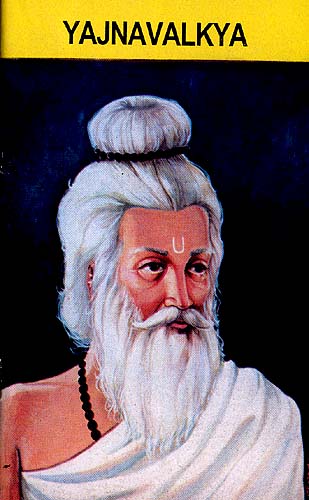
A strange story about Yajur Veda is repeated like parrots by all the scholars. Nobody has explained the meaning behind it. Yajnavalkya and his Guru Vaisampayana had difference of opinion. As a result of a quarrel, Vaisampayana ordered him to return whatever he learnt from him. Immediately Yajnavalkya “vomited out” the knowledge he possessed. Other students who were present there became Tittiris (parrots) and “ate all the vomit”. Then Yajnavalkya prayed to the Sun God and received a new Yajur Veda what is known as Shukla Yajur Veda. After giving this story, all the scholars proceed to explain the great philosophy in the Upanishads. Nobody explained the meaning of the story. Probably they thought the meaning is obvious and there is no need to explain. Actually it is a story of an amazing memory feat.

Vaisamapayana and Yajnavalkya had an argument. Yajnavalkya decided to leave his Guru. Guru asked him to teach his fellow students before he left. But Yajnavalkya would have told him that he had no time for it, but ready to recite only once .This would allow anyone to pick up whatever possible, if one has an amazing memory. In the Vedic days students had an amazing memory power. That is what happened. When Yajnavalkya recited it for the last time all the students became parrots and grasped it (Tittiri= parrots, vomit= recitation, ate the vomit= grasped and memorised.). So this must have been the greatest memory feat in the ancient India.
yajnavalkya_idh111

Parrots are famous for learning human voice. We have many stories of parrots reciting Vedas in Brahmins’ houses in the history of Adi Shankara and Tamil saint Tirujnana Sambanda. So the Vedic story of Tittiri eating the vomit of Yajnavalkya is nothing but memorising it as and when the Veda is recited! Such people are known as Ekata or Ekagrahi.
ganapathy2
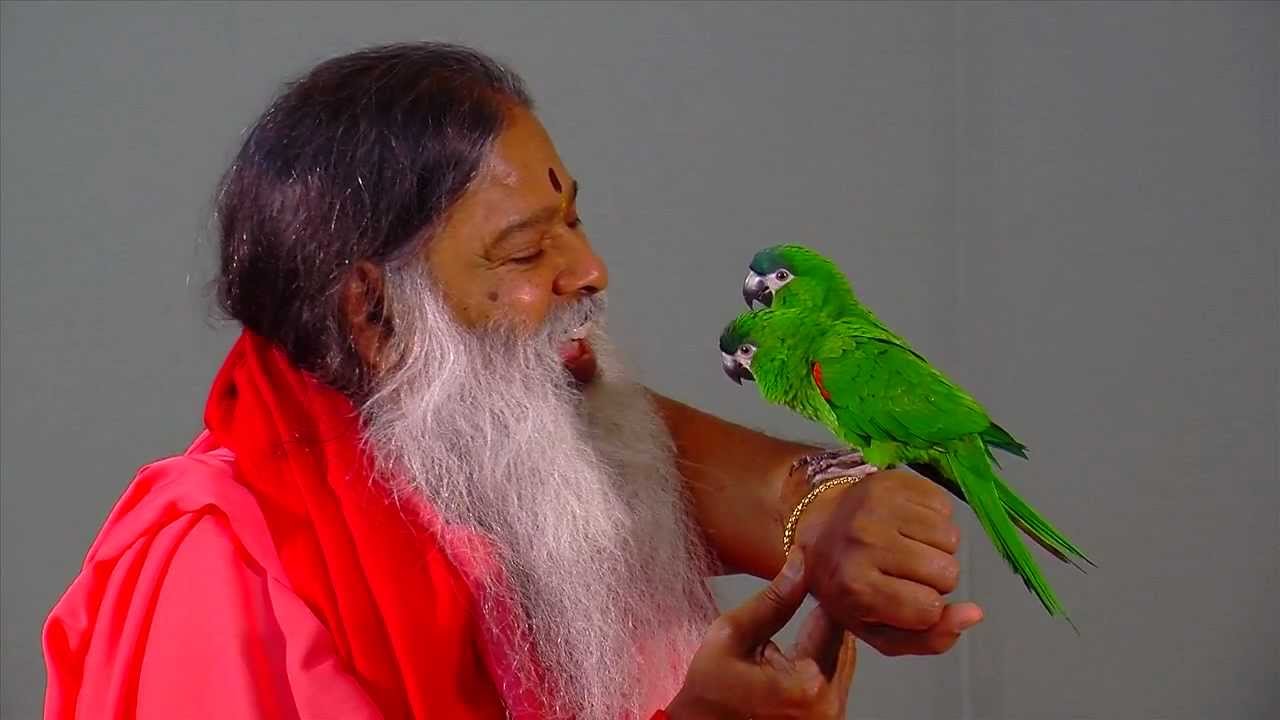
Sri Ganapathy Sachidananda Swamy with hsi parrots.

Hindus in ancient India, learnt by rote a lot of things. Vedas are taught and learnt by word of mouth until today. Ancient scholars were famous for their superhuman memory. In Tamil Nadu there were scholars who can remember eight or ten tasks done at the same time. They were known as Ashtavadanis or Dasavadanis.

Second Story : Nyaya Sastra
Pandit Vasudeva Sarvabhauman who wanted to get mastery over Nyaya Sastra approached the top most people in the field. Mithila was a great centre of Nyaya Studies (Logic). The professor who had the best logic book there did not allow anyone to copy it. So Pandit Vasudeva went there and learned the whole text book by heart and started his own institution in Navadweepa to teach logic.

prashna20upanishad

Third Story: Intelligent Poet
Dharana matrka is one of the ancient arts of India. Dharana means to remember. To make everything easy to remember, Hindu saints gave most of the science in Sutra (aphorism) form or in verses. There is an interesting story about it. A king had announced a reward of thousand gold coins to the poet who would satisfy him with a new, self composed verse. He had in his court seven scholars who were masters of memory. The first could reproduce anything on hearing it only once, the second twice, and the third thrice and so on. When any poet came to the royal court with his newly composed verse and recited it aloud, the first pundit stood up, challenged its originality and reproduced the whole verse himself. The second pundit then stood up, challenged and reproduced for he had already heard it twice; then the third and the fourth and so on. All the poets who came to the court left the court without getting any reward and they were utterly confused as well.

ganapathy sachi

One day a poet came and recited a verse which meant that the king’s father had borrowed hundred thousand gold coins from his father. The king was completely taken aback and asked his pundits if they knew anything about it. Then the poet smiled and said, “You must admit that this is an original verse, though the purport is not true. Now give me the promised amount”. The king was highly satisfied and gave him the reward.

Contact: — swami_48 @yahoo.com

வித்தியாசமான விஞ்ஞானி யுங்! -5

synchronicity

ச.நாகராஜன்
Post no 1069; Dated 28th May 2014

(கார்ல் ஜங் என்று ஆங்கிலத்தில் இருப்பதை கார்ல் யுங் என்று உச்சரிக்க வேண்டும்)

52 சீட்டுகள் உள்ள ஒரு சீட்டுக்கட்டில் 13 கார்டுகளை ஒருவர் தான் நினைத்த வரிசைப்படி எடுக்க வேண்டுமெனில் 635,000,000,000 தடவைகளில் ஒரே ஒரு முறை தான் இப்படி வர வாய்ப்பு உண்டு என்கிறது புள்ளி இயல் துறை அறிவியல். ஒரே ஒரு முறை ஒருவர் சீட்டுக்கட்டைக் குலுக்கிப் போட்டுத் தான் நினைத்த 13 சீட்டுகளை எடுத்து நம்மிடம் காட்டினால் வியப்பினால் விழிகள் பிதுங்கி விடும் இல்லையா!

இப்படி நம்ப முடியாத விஷயங்கள் திடீரென்று ஓரிடத்தில் நடந்தால் அதை வெறும் தற்செயலான ஒற்றுமை சம்பவம் என்று ஒதுக்கி விட முடியாது என்று யுங் கூறிய சிங்க்ரானிசிடி தத்துவத்தை ஒப்புக் கொண்ட ஏராளமானோர் இதை ஆராயத் தொடங்கினர். இதன் விளைவாக ஆயிரக்கணக்கான சிங்க்ரானிசிடி சம்பவங்கள்

அதிகாரபூர்வமாக சரிபார்க்கப்பட்டு இப்போது பதிவு செய்யப்பட்டுள்ளன.

பிரபல கணித மேதையான வாரன் வீவர் தான் எழுதியுள்ள லேடி லக்: தி தியரி ஆஃப் ப்ராபபலிடி என்ற நூலில் ’லைஃப்’ இதழில் வெளியான ஒரு சம்பவத்தைக் குறிப்பிடுகிறார்.

நெப்ராஸ்காவில் பீட்ரிஸ் என்ற இடத்தில் உள்ள ஒரு சர்ச்சில் தேவாலய இசைப்பாடல் ஒத்திகைக்காக 15 பேர் குழுமத் திட்டமிட்டனர். 1950ஆம் ஆண்டு மார்ச் முதல் தேதியன்று மாலை ஏழு மணி இருபது நிமிடங்களுக்கு அவர்கள் அங்கு வர வேண்டும் என்று தீர்மானிக்கப்பட்ட்து. அங்கு வர வேண்டிய 15 பேரும் சற்று தாமதமாக வந்தனர். பாதிரியாரும் அவரது மனைவி மற்றும் மகளும் தாமதமாக வந்த்தற்கான காரணம் பாதிரியாரின் பெண்ணின் உடையை அயர்ன் செய்ய பாதிரியாரின் மனைவி சிறிது நேரம் கூட எடுத்துக் கொண்டார் என்பது தான்.

dreams

வரவேண்டியவர்களுள் ஒரு பெண் தன் ஜாமெட்ரி வரைபடத்தை முடிக்கச் சிறிது நேரம் ஆனது. இன்னொருவரின் கார் ஸ்டார்ட் ஆக தாமதமாகி விட்டது. இரண்டு பேர் அவர்களுக்குப் பிடித்த ரேடியோ புரோகிராமில் லயித்து ஈடுபட்டு அது முடிந்தவுடன் வந்தனர்.

ஒரு தாய் தன் மகளை குட்டித் தூக்கத்திலிருந்து எழுப்ப நேரமாகவே இருவரும் கிளம்பி வரச் சற்று தாமதமானது. இப்படியே ஒவ்வொருவருக்கும் ஒவ்வொரு சின்னக் காரணம் அவர்கள் வருகையை தாமதப்படுத்தியது.

அவர்கள் எழு மணி இருபது நிமிடங்களுக்கு வருவதற்குப் பதிலாக ஐந்து நிமிடங்கள் தாமதமாக ஏழு மணி இருபத்தைந்து நிமிடங்களுக்கு சர்ச்சுக்கு வந்து சேர்ந்தனர். அப்போது ஒரு பெரிய வெடி விபத்து ஏற்பட்டு சர்ச் இடிந்து விழுந்தது. அனைவரும் அதிசயமாக உயிர் தப்பினர். ஒவ்வொரு சின்னக் காரணத்தை வைத்துத் தங்களை தாமதப் படுத்தியது கடவுளே என்று அவர்கள் நம்பினர்..

இந்தச் சம்பவத்தைத் தன் நூலில் குறிப்பிட்ட வாரன் வீவர் அறிவியல் ரீதியாகப் பார்த்தால் பத்து லட்சத்தில் ஒரு தரமே அனைவரும் தாமதமாக வரக்கூடிய இப்படிப்பட்ட சம்பவம் நடைபெறக் கூடும் என்று வியந்து எழுதினார்.

jung_redbook02
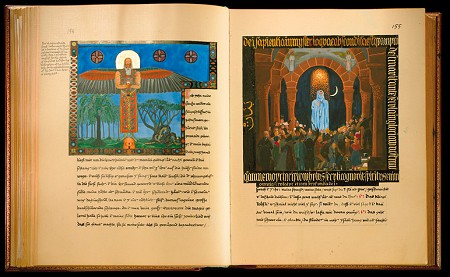
Carl Jung’s Red Book

உலகில் உள்ள அனைத்துமே பிரபஞ்சத்துடன் ஒன்றி இருப்பதால் மட்டுமே இப்படிப்பட்ட தற்செயல் ஒற்றுமைகள் ஏற்படுகின்றன என்பது ஜங்கின் முடிவு. பிரபஞ்சத்தில் அனைத்தும் ஒன்றை ஒன்று சார்ந்து இருக்கின்றன என்று ஜங் நம்பினார். இதைத் தொடர்ந்து சீன முறையான் ‘ஐ சிங்’கை ஆராய்ந்த அவர் துல்லியமாக அனைத்தையும் இறுதி வினாடி வரை கணித்து செயல்களை உள்ளது உள்ளபடி ‘ஐ சிங்’ விளக்குகிறது என்றார்.

ஜோஸப் ஐனர் என்பவர் ஆஸ்திரியாவில் 19ஆம் நூற்றாண்டில் வாழ்ந்த புகழ் பெற்ற ஓவியராவார். தனது வாழ்க்கையில் ஏற்பட்ட கசப்பான அனுபவங்கள் காரணமாக அவர் பலமுறை தற்கொலை செய்து கொள்ள முயன்றார். 18 வயது ஆன போது அவர் முதன்முறையாக தூக்குப் போட்டுக் கொண்டு தற்கொலை செய்து கொள்ள முயன்றார். ஆனால் அப்போது கத்தோலிக்க சர்ச்சை சேர்ந்த கபுசின் மாங்க் என்ற பிரிவிலிருந்து வந்த ஒரு மர்மமான துறவி அவர் முன் தோன்றி அவரைத் தடுத்து விட்டார். இருபத்தியிரண்டாம் வயதில் மீண்டும் அவர் தற்கொலை செய்ய முயன்ற போது அதே துறவி மீண்டும் தோன்றி அவரை மறுபடியும் தடுத்து விட்டார். எட்டு வருடங்கள் கழித்து அவரது அரசியல் நடவடிக்கைகள் காரணமாக அவருக்குத் தூக்கு தண்டனை விதிக்கப்பட்ட்து. அப்போதும் அதே துறவி வந்து அதைத் தடுத்தார். கடைசியாக அவரது 68ஆம் வயதில் தனது கைத்துப்பாக்கி மூலம் சுட்டுக் கொண்டு அவர் இறந்தார்.அவரது இறுதிச் சடங்குகளை அதே துறவி வந்து நட்த்தினார். ஜோஸப் ஐனருக்கு அந்தத் துறவி யாரென்றே தெரியாது!!

ஆயிரத்தி தொள்ளாயிரத்து முப்பதுகளில் ஜோஸப் பிக்லாக் என்பார் ஒரு தெரு வழியே நடந்து சென்று கொண்டிருந்தார். அப்போது மாடி வீடுகளில் ஒன்றின் ஜன்னலிலிருந்து ஒரு குழந்தை தவறிக் கீழே விழுந்தது. சரியாக அந்த விநாடியில் அங்கு வந்த பிக்லாக் அந்தக் குழந்தையைக் கையில் ஏந்திப் பிடித்துக் கொண்டார்.குழந்தை அதிர்ஷ்டவசமாக உயிர் தப்பியது. இதில் இன்னொரு அதிசயமும் உள்ளது. ஒரு வருடம் கழித்து அதே பிக்லாக் அதே தெருவில் நடந்த போது அதே மாடிவீட்டிலிருந்து அதே ஜன்னலிலிருந்து அதே குழந்தை மீண்டும் கீழே விழுந்த்து.பிக்லாக் இந்த முறையும் குழந்தையைப் பிடித்துக் கொண்டார். குழந்தை மீண்டும் ஒரு முறை உயிர் தப்பியது.

இதே போல ஏராளமான இரட்டையர்கள் வாழ்வில் சம்பவங்கள் ஒரே விதமாக இருந்த்தையும் அவர்கள் மரணம் ஒரே சமயத்தில் நிகழ்ந்ததையும் ஆய்வாளர்கள் பதிவு செய்துள்ளனர்.
scheme-jung

யுங் தனது வாழ்க்கை வரலாற்றில் இப்படிப்பட்ட அமானுஷ்யமான சம்பவங்கள் ஒருவர் வாழ்வில் நிகழவில்லை என்றால் அவர் நிச்சயமாக ஏதோ ஒன்றை இழந்து விட்டார் என்று தான் அர்த்தம் என்கிறார். ஒரு மர்மமான உலகத்தில் நாம் வாழ்ந்து வருகிறோம் என்பதை அனைவரும் உணர வேண்டும் என்று கூறும் ஜங் தான் வாழ்ந்த வாழ்க்கையும் வாழ்ந்த விதமும் திருப்திகரமான ஒன்று என்று கூறித் தன் நூலை முடிக்கிறார்.

வியப்பான பல நூறு சம்பவங்கள் அடங்கிய வித்தியாசமான விஞ்ஞானி யுங்கின் சுயசரிதை அனைவரையும் நிச்சயம் ஆச்சரியத்தில் ஆழ்த்தி விடும் ஒன்று!

I Ching Theory
Picture of I Ching and Synchronicity

சின்ன உண்மை!
தனது பேரன், பேத்திகளுடன் வாழ்ந்து வந்த யுங்கின் வீட்டின் வாயில் கதவில் பொறிக்கப்பட்டிருந்த லத்தீன் மொழி வாசகங்கள் இவை:- VOCATUS ATQUA NON VOCATUS DEUS ADERIT. இதன் பொருள் :-கூப்பிட்டாலும் சரி, கூப்பிடாவிட்டாலும் சரி கடவுள் இருக்கிறார்.

அறிவியல் அறிஞர் வாழ்வில் .. ..

பிரபல விஞ்ஞானியான பாஸ்கலுக்கு வேடிக்கையான சோதனைகளை அனைவருக்கும் முன்னால் நிகழ்த்திக் காட்டி அவர்களை வியப்படைய வைப்பதில் அலாதி பிரியம்.ஒரு நாள் முந்நூறு லிட்டர் கொண்ட ஒரு பீப்பாயில் அனைவரின் முன்னாலும் நீரை நிரப்பினார். பின்னர் அதை மூடி, மூடியில் ஒரு சதுர சென்டிமீட்டர் குறுக்களவுள்ள ஒரு துவாரத்தைப் போட்டார்.பின்னர் 10 மீட்டர் நீளமுள்ள குழாயைச் செருகி அதில் நீரை நிரப்பினார். குழாயில் நீர் முழுவதுமாக நிரப்பப்பட்ட போது அதிக அழுத்தம் தாளாமல் பீப்பாய் வெடித்துச் சிதறியது. அனைவரும் அதிசயத்துடன் அலறினர்.

பாஸ்கலின் தந்தையான எடியனுக்குக் கல்வி கற்பிப்பதில் விநோதமான கொள்கைகள் உண்டு. 15 வயதுக்கு முன்னால் யாருக்கும் கணிதம் சொல்லித் தரக் கூடாது என்பதும் அவரது கொள்கைகளில் ஒன்று. பாஸ்கல் கணிதத்தை முன்னதாகவே கற்றுவிடக் கூடாது என்ற நோக்கத்தில் வீட்டில் இருந்த கணிதப் புத்தகங்களை அவர் மிகவும் கவனமாக அகற்றினார். ஆனால் அபார அறிவு படைத்த பாஸ்கல் தன் தகுதியை அவரிடம் காண்பிக்கவே அவர் அசந்து போனார். கணிதத்தைக் கற்க அவருக்கு அனுமதியும் தந்தார்.

30 Sanskrit Quotes on Truth (Satyam)

yagnavalkya smriti

Good Thoughts Calendar 2014 (June)

Post No. 1068; Date: 27 May 2014
Prepared by London swaminathan (copyright)
30 important Sanskrit Quotes on TRUTH (Satyam) are given in this month’s calendar; Source for quotes: Suktisudha by Chinmaya International Foundation.

Important Dates: June 11 Wednesday- Vaikasi Visakam; Auspicious Days: 2,8,18,30. Full Moon day 13th June ; New Moon (Amavasya) 26th June; Ekadasi 9 & 23rd June.

June 1 Sunday
Truth alone triumphs, never falsehood! — Mundaka Upanishad 3-1-6
SatyamEva jayatE naanrtam.

June 2 Monday
Truthfulness supersedes a thousand horse sacrifices PadmaPurana 5–18-43,Hitopadesa 4-1-36
asvamEdha sahasraaddhi satayamEvaatirichyatE.

June 3 Tuesday
Experts on the science of righteousness aver that Truth is the ultimate Dharma- -Valmiki Ramayana 2-14-3
Aahu satyam hi paramam dharmam dharmavidO janaah.

June 4 Wednesday
It is not praiseworthy to adopt wrong means ever for accomplishing good ends – Jatakamala
Kaaryaarthamapi na srEyah saatyayaapanayh kramah.

June 5 Thursday
Truth alone does not confer the wealth of welfare – -Brhat Katha Manjari
kEvala satEna na bhavanti hitarriyah.

June 6 Friday
On can’t determine truth from falsehood sans enquiry — Kahavatratnakar.p 164
gavEsanaam vinaa naiva satyaa satya vininayah

June 7 Saturday
Righteousness flourishes with truth — Manu Smrti 8-83
Dharmah satyEna vardhatE.

June 8 Sunday
There is no merit in truth alone, for, it can wreak havoc – – Brhat Katha Manjari
Na punyam satyamaatrEna satyaannaasOsti kEvalaat.

June 9 Monday
Though difficult, the upright do not like to forsake truth – Jataka Mala
Na hi krcchrEpi santyaktum satyamicchanti saadhavah.

June 10 Tuesday
Those, whose lives are based on truth, remain immortal — Pancatantra 3-25
mrtrEpi naraah sarvE satyE trishanti tishtati.

June 11 Wednesday
Relating verbatim as to what occurred is the characteristic of Truth — Sushasitavali
Yathaa bhuuta pravaadittvame tat satyasya lakshanam.

June 12 Thursday
The actual truth evolves from constant discussion
vaadE vaadE jaayatE tattvabOdhah.

June 13 Friday
Who is capable of overpowering truth? — Katha Sarit Sagara
Satyam kascaativartatE.

June 14 Saturday
Truth excels pilgrimages, penance, charity, and sacrifices too — Ramayana Manjari 3-6-257
Satyam tirtatapO daanayajnEbhyOpi visisyatE.

June 15 Sunday
Utter the truth, yet utter it unpleasantly, and utter not an unpleasant truth Manu Smrti 4-138
Satayam bruuyaat priyam bruuyaanna bruuyaat satyamapriyam.

guru shishya.fb

June 16 Monday
Can there ever exist real water in a mirage? — Katha Sarit Sagara
Satyam bhavati kim jaatu jalam marumariicissu

June 17 Tuesday
That alone is truth which speaks the good of all, and not what is said as is! –Kahavat Ratnakar.p 383
Satyam bhutahitam prOktam na yatharthaabi bhasanam.

June 18 Wednesday
Tell the truth, practise Dharma – Taittiriya Upanishad
Satyam vada, dharmam cara.

June 19 Thursday
Truth is the treasure of the honourable — Ramayanamanjari 6-26-816 p.354
Satyam vitam hi maaninaam.

June 20 Friday
Those who deem their word as vow do not regret promises made —- Ramayanamanjari 1-17-744 p.61
Satyam satyapratinjaanaam naanutaapah pratisrutEh.

June 21 Saturday
Truth is the root of the Dharma tree with its thousand branches!
Bharata Manjari 1-25-1119 p.90
Satyam hi dharmavrkshasya muulam saakhaasahasrinah.

June 22 Sunday
Truth is the supreme Dharma
Satyam hi paramO dharmah.

June 23 Monday
The fear of death does not plague those who are steadfast in truth and righteousness — Valmiki Ramayana 6-46-33
Satya dharmaabiraktaanaam naasti mrtyukrtam bhayam.

June 24 Tuesday
Utter words anointed by truth — Manu Smrti 6-46
Satyapuutaam vadEdvaniim.

June 25 Wednesday
In Kaliyuga, the truthful suffer and the hypocritical flourish Kahavat Ratnakar
Satyavaktaa kalau dukhii mithyaavaadi pramOdatE.

June 26 Thursday
The celestials are truth bound– Brhat Katha Manjari
satyavaacO hi khEcharaah.

June 27 Friday
The dutiful truthful never suffer a debacle –Bharata Manjari 13-11-333 p566
Satyasiilaah svadharmasthaa labhantE na paraabhavam

June 28 Saturday
Those committed to truth find their wishes fulfilled –Brhat Katha Manjari
Satyasampannaah praapnuvanti samiihitam

June 29 Sunday
No fear for one who lives truth –Kahava Ratnakar p.208
(satyE naasty bhayam kvacit)

June 30 Monday
Everything is established in truth –Canakya Niti 2-28
Sarvam satyE prathistitam.

ஆந்தைகள் அலறல்: நல்ல சகுனமா? – பகுதி 2

owl (1)coin
owl on Greek coin

கட்டுரையாளர்:- லண்டன் சுவாமிநாதன்
கட்டுரை எண்:- 1067; தேதி:- மே 27, 2014.
(This article is posted in English as well)

முதல் பகுதியில் சங்க இலக்கியத்தில் ஆந்தை பற்றிய பாடல்களைக் கொடுத்தேன். ஆந்தையை மரணத்துடன் தொடர்பு படுத்துவது, இசையுடன் தொடர்பு படுத்துவது பற்றியும், பல நாட்டுக் கலாசாரங்களில் உள்ள நம்பிக்கைகள் பற்றியும் பார்த்தோம்.

கல்வி நிறுவனங்களில் ஆந்தைச் சின்னம்
மேலை நாடுகளில் ஆந்தையை ஞானத்தின் சின்னமாக, அறிவின் சின்னமாகக் காண்கின்றனர். கிரேக்க நாட்டு சரஸ்வதி அதீனாவின் சின்னம் ஆந்தை. கிரேக்க நாட்டுத் தபால் தலைகளிலும், பழைய நாணயங்களிலும் ஆந்தையைக் காணலாம். லண்டன்,அமெரிக்கா போண்ர இடங்களில் உள்ள க்லவி நிறுவனங்கள் ஆந்தையை தங்கள் சின்னங்களில் பொறித்துள்ளன.

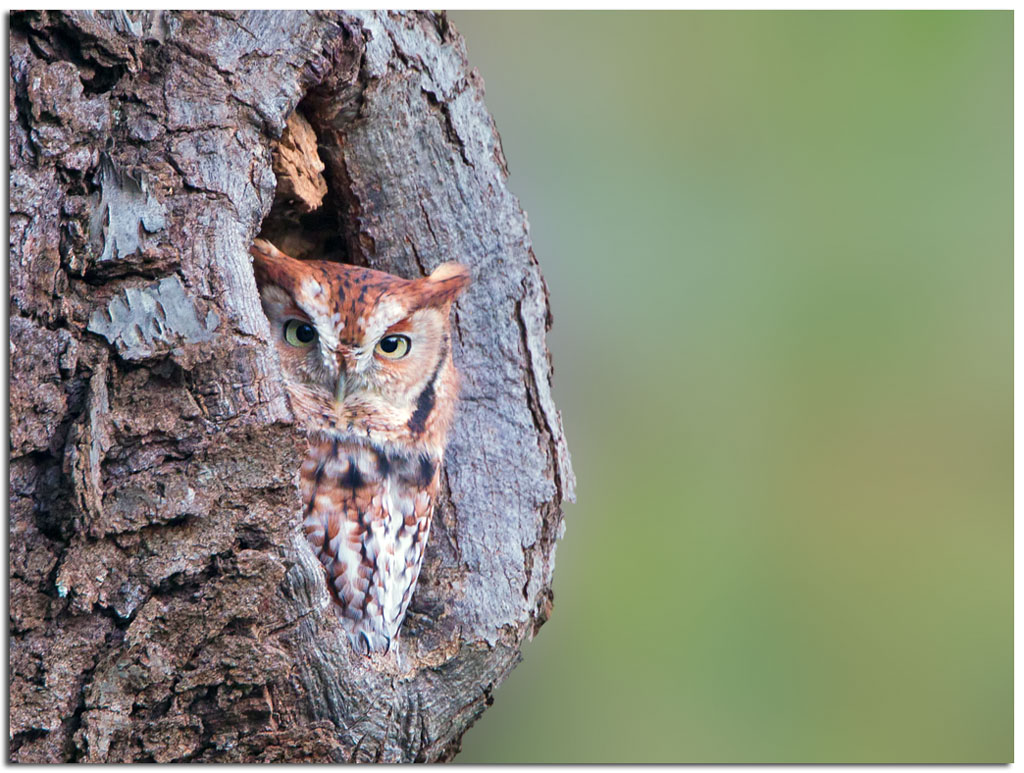
owl tree1

ஆந்தையும் ஜெங்கிஸ்கானும்

மங்கோலிய தார்தார் இனத்தைச் சேர்ந்த ஜெங்கிஸ்கான சூறாவளித் தாக்குதல் நடத்தி உலகின் பலபகுதிகளைப் பிடித்தான். அவனது படையினர் உடைகளில் ஆந்தைச் சின்னத்தைப் பொறித்துக் கொண்டனர். இதற்குக் காரணம், அந்த சாம்ராஜ்யத்தை நிறுவிய ஜெங்கிஸ்கானை ஒரு ஆந்தை காப்பாற்றியதாகும். பல போர்களைப் புரிந்து முன்னேறிவந்த ஜெங்கிஸ் கானின் குதிரையை எதிரிகள் தாக்கிக் கொன்றனர். அவன் உயிருக்குத் தப்பி ஓடினான்.. ஒரு பெரிய மரத்துக்கு அடியில் போய் ஒளிந்து கொண்டான். எதிரிகள் துருவித் துருவி தேடிக் கொண்டிருந்தனர். அப்போது ஒரு பெரிய ஆந்தை அந்த மரத்தின் மேல் உட்கார்ந்தது. ஆந்தை அமைதியாக உட்கார்ந்து இருப்பதால் அந்தப் புதர்ப் பகுதியில் மனித நடமாட்டம் இருக்க வாய்ப்பில்லை என்று கருதி எதிரிகள் எதிர்த் திசையில் தேடச் சென்றனர்.
இவ்வாறு ஆந்தையே வந்து தன்னைக் காப்பாற்றியதால் அவன் ஆந்தைச் சின்னத்தைத் தன் படைகளில் பொறிக்கச் செய்தான்.

மந்திர தந்திரத்தில் ஆந்தை

தீபாவளிப் பண்டிகை காலத்தில் ஆயிரம் ஆந்தைகள் வரை கொல்லப்படுவதாகப் பத்திரிக்கை செய்திகள் கூறும். ஆந்தைகளைப் பலி கொடுத்தால் செல்வம் கிடைக்கும், அபூர்வ சக்திகள் கிட்டும் என்ற நம்பிக்கையே இதற்குக் காரணம். இரவு நேரத்தில் ஓசையின்றி பறப்பதாலும், பாழடைந்த கட்டிடங்களில் பயமின்றி உலவுவதாலும் ஆந்தையை மாய, மந்திரத்தில் தொடர்புடையதாகக் கருதி இருக்கலாம்.
மேலும் ஆந்தை இறைச்சி, குழந்தைகளின் வியாதிகளைத் தீர்க்கும் என்ற நம்பிக்கை காரணமாகவும் ஆந்திகள் கொல்லப்படுகின்றன.

birbeck college,London
London Birkbeck College Emblem with owl.

வேதத்தில் ஆந்தை
உலகின் மிகப் பழமையான மத நூல் ரிக் வேதம். இதிலும் ஆந்தை இடம் பெறுகிறது. உலூக (10-165-4; 7-104-17) என்ற பெயரில் ஆந்தையைக் குறித்தனர். தீய சகுனமாகவே வருணிக்கிறது (அதர்வ வேதம் 6-19-2)வாஜசனேய சம்ஹிதையில், அஸ்வமேத யாகத்தில் அக்னியில் போடப்பட்ட பட்டியலில் ஆந்தையை வனதேவதைகளுக்கு என சொல்லி இருக்கிறது.

பஞ்ச தந்திரக்கதைகளில் ஆந்தை
காகங்களுக்கும் ஆந்தைகளுக்கும் இடையே ஏற்பட்ட மோதல் பஞ்ச தந்திரக்கதைகளில் முக்கிய இடத்தைப் பிடிக்கிறது. ‘காகோலூகீயம்’ (காகம்+ உலூகம்) என்ற தத்துவத்தில் எப்படிப் பகைவர்களை அழிப்பது என்பது மிக விரிவாகக் கூறப்பட்டுள்ளது. கூகைக்குப் பகலில் கண் தெரியாது என்பதால் ஆந்தைகள் வாழும் மரங்களைச் சுற்றி காகங்கள் சுள்ளிகளை வைத்து அவைகளை எரித்டுக் கொன்றதை விஷ்ணுசர்மன் விரிவாக கூறுகிறார். பறவை இயல் நிபுணர் தவே எழுதிய புத்தகத்தில் இப்படி காகங்களை மட்டும் விரும்பிச் சாப்பிடும் ஆந்தை வகை இமயமலையில் இருக்கின்றன என்று புத்தகம் எழுதியுள்ளர். ஆகையால் ஆந்தை—காகம் மோதல் என்பது உண்மையில் நடந்ததே.
வள்ளுவனும் இந்த பஞ்சதந்திரக் கதையை ஒரு குறளில் தருகிறான்:–

பகல் வெல்லும் கூகையைக் காக்கை இகல்வெல்லும்
வேந்தர்க்கு வேண்டும் பொழுது (குறள் 481)

பொருள்: பகற்பொழுதில் பெரிய கோட்டானை சிறிய காகம்கூட வென்றுவிடும். பகைவர்களை வெல்ல அரசர்களும் இவ்வாறு உரிய காலத்தைத் தேர்ந்தெடுக்க வேண்டும்.
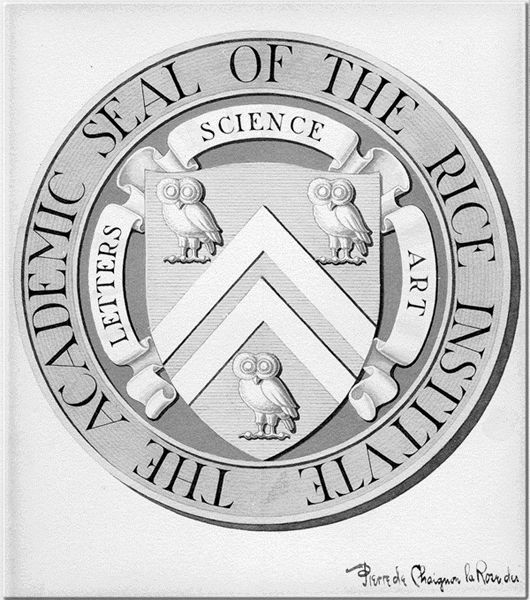
rice seal
University Emblem with owl (Bird of Wisdom)

அஸ்வத்தாமன் கொலைகளும் ஆந்தையும்

கௌரவர்கள் அடியோடு அழிந்தவுடன் அன்றிரவில் துரோணரின் புதல்வன் அஸ்வத்தாமனுக்குக் கொலைவெறி வந்துவிடுகிறது. கிருபர் அவனை எவ்வளவோ தடுத்துப் பார்க்கிறார். ஆயினும் அவன் பாண்டவர் கூடாரத்துக்குச் சென்று அவர்களுடைய புதல்வர்களை வஞ்சனையாகக் கொன்றுவிடுகிறான். இதற்குக் காரணம் ஆந்தைகல்தான். அவைகள் இரவு நேரத்தில் காகங்களைத் தாக்கிக் கொன்றதைப் பார்த்தவுடன அவனுக்கு கொலைவெறி ‘ஐடியா’ கிடைக்கிறது. இதில் ஆந்தைகளுக்குரிய பங்கு பணியல் மஹாபாரதம் தெளிவாக விளக்கியுள்ளது.

ராமாயணத்தில் ஆந்தை

ராவணனைக் கைவிட்டு ராமபிரான் கட்சியில் சேரவந்த விபீஷணன் பற்றி சுக்ரீவன் எச்சரிக்கையில்இவன் ஆந்தை போல தந்திரம் உடையவ்னாக இருக்கலாம் என்பான்.
ஆந்தை, கூகை, கோட்டான் பற்றிய பழமொழிகள்
ஆந்தை அலறல் கெட்ட சகுனம்
ஆந்தைக் காதலை பொய்க்காது
ஆந்தை சிறிது கீச்சுப் பெரிது
ஆந்தை பஞ்சையாய் இருந்தாலும் சகுனத்தில் பஞ்சை இல்லை
ஆந்தை விழிக்கிறது போல விழிக்கிறான்
கூகைக்குப் பகலில் கண் தெரியாது
கூகை விழித்தாற் போல விழிக்கிறான்
கோட்டானை மடியிற் கட்டிக் கொண்டதுபோல
owl in tree

பஞ்சாங்கத்தில் ஆந்தை

பஞ்சாங்கத்தில் ஐந்து பறவைகளின் படங்களைப் போட்டு அதற்கான பலன்களை எழுதி இருப்பர். அவைகளில் ஆந்தையும் ஒன்று. இது தவிர அவை பறக்கும் திசை, எழுப்பும் ஒலி, எத்தனை முறை ஒலி எழுப்பின என்பனவற்றின் அடிப்படையிலும் ஆரூடம் கூறுவர். மயில் வல்லூறு, சேவல்,காகம் ஆகிய நான்குடன் ஆந்தையையும் சேர்த்துக்கொண்டது இதன் முக்கியத்துவத்தைக் காட்டுகிறது. நேரத்தையும் பறவைகளின் அடிப்படையில் பிரிப்பர்.

முடிவுரை: 1. ஆந்தைக்கும் கெட்ட சகுனங்களுக்கும் (மரணத்துக்கும்) உள்ள தொடர்பு, வேத காலம் முதல் சங்க இலக்கிய காலம் வரை ஒரே மாதிரியாக இருக்கிறது. ஆரிய-திராவிட இனவாதம் பேசும் அறிவிலிகளுக்கு இது அடி கொடுக்கிறது. 2,லிங்க புராணமும் சங்க இலக்கியமும் ஆந்தைக்கும் இசைக்கும் உள்ள தொடர்பை நிலை நாட்டுகின்றன. இது ஆரிய-திராவிடக் கொள்கையினருக்கு அடி கொடுப்பதாக அமைகிறது. 3. பஞ்சதந்திரக் கதையை வள்ளுவனும் குறள் 481ல் தருகிறார். 4.மாயன் முதலிய மத்திய அமெரிக்க நாகரீகங்களில் ஆந்தை பற்றிய இந்து மதக் கருத்துகள் இருப்பது நோக்கற்பாலது. இந்திய நாகர்களே, மாயா நாகரீக அடிகோலிகள் (ஸ்தாபகர்கள்) என்று நான் எழுதிய பல கட்டுரைகளை இது மேலும் உறுதிப் படுத்துகிறது.யூத மதத்தினரும் ஆந்தைகளை மரணத்துடன் தொடர்புபடுத்துவது ஆய்வுக்குரியது 4. காகம் தின்னும் (Dusky Horned Owls) ஆந்தை, நீண்ட காது ( Long eared owl ) ஆந்தை முதலிய பலவகை ஆந்தைகள் பற்றிய தற்கால அறிவு மஹாபாரத (M.Bh.10-1-36), பஞ்சதந்திர, ராமயணக் கதை உவமைகளை உண்மை என்று உறுதிப் படுத்துகிறது. 5. சங்க இலக்கியம், காளிதாசனின் மேகதூதம், ரிக்வேதம் ஆகியவற்றில் புள் நிமித்தமும் ஒரே மாதிரியாக இருப்பதும் ஆரிய திராவிட இன வாதத்தை ஆட்டம் காண வைக்கிறது.6.ஆந்தையின் சம்ஸ்கிருதப் பெயர்களாகிய கௌசிக, உலூக, ரிஷி என்பனவற்றை சங்கப் புலவர்களான பிசிர் ஆந்தையார், ஓதல் ஆந்தையார், கூகைக் கோழியார் ஆகியோர் பயன்படுத்தி இருப்பது வேத காலப் பண்பாடும் தமிழர் பண்பாடும் ஒரே நாணயத்தின் இரண்டு பகுதிகளே என்பதை உறுதிப்படுத்துகிறது.

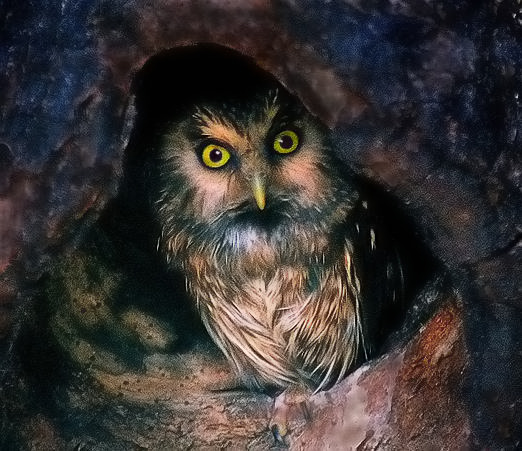
owl-uluka and Lakshmi

“வெற்றி எட்டு திக்கும் எட்ட கொட்டு முரசே
வேதம் என்றும் வாழ்க என்று கொட்டு முரசே” – பாரதியார்

“தமிழில் பழமறையைப் பாடுவோம்” — பாரதியார்

வாழ்க தமிழ்!! வளர்க வேதம்!!

True Art is Never Made to Order

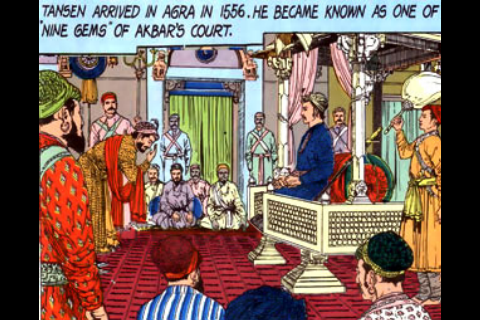
Akbar_and_Tansen_visit_Haridas
Akbar and Tansen visiting Swami Haridas (Picture from Wikipedia)

Compiled by London Swaminathan
Post No. 1066; Dated 26th May 2014.

Art comes as a result of irresistible inner urge. A story is told of Tansen the great bard of Akbar’s court, which illustrates this point vividly. Moghul Emperor Akbar (1542—1605 CE) was very fond of music. One day when Tansen was in particularly good form and Akbar was all in ecstasy and asked Tansen, “What is the secret of this sweet concord of notes which takes me as if it were out of this world and transports me to Divine regions? I have not heard anyone else do it”.

The great bard replied, “Sir, I am only a humble pupil of my master, Swami Haridas; I have not mastered even a fraction of my master’s technique and grace and charm. What am I beside him whose music is a rhythmic flow of Divine harmony, beauty and charm in sound?”

1556 tansen

Akbar was greatly intrigued; he wanted to hear Haridas but he could not get Haridas to his court. So he and Tansen went to the Himalayas where Haridas was living. Tansen had already warned Akbar that swami would not sing except at his own leisure. Several days passed and Swami did not sing. One day Tansen sang a song taught by Swami and deliberately introduced a false note. It had almost had an electric effect on the saint; he turned to Tansen and rebuked him saying, “What happened to you, a pupil of mine, should commit such a gross blunder?”

He then started singing the piece correctly; the mood came to him and, as it were, enveloped him. He forgot himself in the music which filled the earth and heaven. Akbar and Tansen forgot themselves in the sheer melody.

It was a unique experience. When the music stopped, Akbar turned to Tansen and said, “You say that you learnt music from this saint and yet you seem to have missed that living charm of it all. Yours seems to be chaff beside this soul stirring music”.

tansen1

“It is true, Sire”, said Tansen. I sing to emperor’s bidding, but my Master sings to no man’s bidding but only when the prompting comes from his innermost self. That makes all the difference”.
True art is never made to order!

Source: Facets of Indian Culture by R Srinivasan, B V Bhavan, Mumbai.

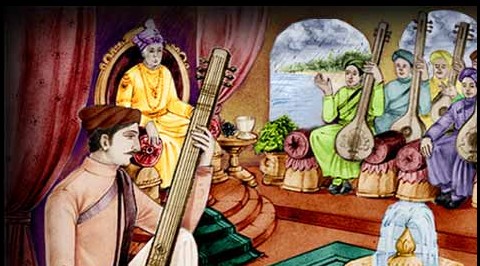
haridas
Picture of Swami Haridas, Tansen’s Guru.

ஆந்தைகள் அலறல்: நல்ல சகுனமா? கெட்ட சகுனமா?- பகுதி 1

owl-uluka and Lakshmi
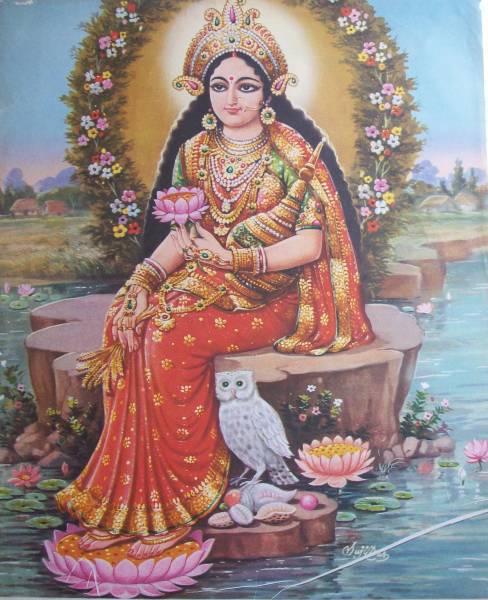
Lakshmi with owl.

கட்டுரையாளர்:- லண்டன் சுவாமிநாதன்
கட்டுரை எண்:-1065 ; தேதி:- மே 26, 2014.

(This article is posted in English as well)

பகல் வெல்லும் கூகையைக் காக்கை இகல்வெல்லும்
வேந்தர்க்கு வேண்டும் பொழுது (குறள் 481)

ஆந்தைகள் பற்றி ரிக்வேத காலம் முதல் இன்றுவரை பல நம்பிக்கைகள் இருந்து வருகின்றன. மேலை நாடுகளில் ஆந்தைகளுக்கு நல்ல பெயர். கீழை நாடுகளிலோ கெட்ட பெயர். ஏன் இப்படி? சகுன சாஸ்திரம் பற்றி ஆராய்வோம்

கிரேக்க நாட்டின் தேவதை அதீனாவுக்கு ஆந்தை வாகனம் அல்லது பிரியமான பறவை. இதேபோல இந்துக்களின் தெய்வங்களான சாமுண்டிக்கும் லெட்சுமிக்கும் ஆந்தை வாஹனம். இப்படி தெய்வ வாஹனமாக இருந்தபோதிலும் ஆந்தைகள் அலறலைக் கண்டு அஞ்சுவது ஏன்?
முதலில் சங்கத் தமிழ் இலக்கியத்தில் உள்ள பாடல்களைப் பார்ப்போம்:

“எம்மூர் வாயில் உண்டுறைத் தடை இய
கடவுள் முதுமரத்து உடனுறை பழகிய
தேயா வளைவாய்த் தெண்கண் கூருகிர்
வாய்ப்பறை அசாஅம் வலிமுந்து கூகை
மையூன் தெரிந்த நெய்வெண் புழுக்கல்
எலி வான்சூட்டொடு மலியப் பேணுதும்
எஞ்சாக் கொள்கைஎங் காதலர் வரல்நசைஇத்
துஞ்சாது அலமரும் பொழுதில்
அஞ்சுவரக் கடுங்குரல் பயிற்றாதீமே”–( நற்றிணை 83 )

பொருள்: வலிமைமிகு கூகையே! ஊர்வாசலில் நீர்த்துறையில் நிற்கும், கடவுள் இருப்பதாகக் கருதப்படும் மரத்தில் இருப்பாய். வளைந்த வாய், தெளிந்த கண்கள், கூரிய நகங்கள் உடைய நீ, உன் வாயால் பிறரை வருத்துகிறாய்.. உனக்கு ஆட்டு மாமிசத்தோடு நெய் கலந்த சோறு தருவோம். வெள்ளெலியின் சூட்டிறைச்சியும் தருவோம். என் காதலர் வரும் இரவு நேரத்தில் பயமுறுத்தும் சப்தத்தைப் போடாமல் இரு.

ஆந்தையும் இசையும்

“மரந்தலை மணந்த நனந்தலைக் கானத்து
அலந்தலை ஞெமையத்து இருந்த குடிஞை
பொன்செய் கொல்லனின் இனிய தெளிர்ப்ப”– (நற்றிணை 394, அவ்வையார்)

பொருள்:–மரங்கள் உள்ள அகன்ற காட்டில் வாடிய ஞெமை மரத்தில் பேராந்தை இருந்தது. அது பொற்கொல்லன் தொழில் செய்யும்போது ஏற்படும் ஒலி போல இனிய ஒலியை எழுப்பியது.

“உருள்துடி மகுளியின் பொருள்தெரிந்து இசைக்கும்
கடுங்குரல் குடிஞை” –(அகம் 19)

பொருள்: உருளும் இழுகு பறையின் ஓசையினைப் போல பொருள் தெரிய ஒலிக்கும் கடுமையான குரலை உடைய ஆந்தைகள் உள்ள பெரிய மலை.
OWL

ஐம்பெருங் காப்பியங்களில் ஒன்றான சீவக சிந்தாமணியில் ஆந்தையின் பாட்டு நல்ல நிமித்தம் எனப் பாடப்பட்டுள்ளது. இதற்கு உரை எழுதிய ‘’உச்சிமேற் புலவர் கொள்’’ நச்சினார்க்கினியர், “மணம் பரப்பும் கோங்கின் உச்சியிலே குவிந்த அரும்பின் முகட்டிலே தேன் போல இனிமை பொருந்திய ஒலியையுடைய யாழினைப் போல ஆந்தை அமர்ந்து பாடும்” – என்று கூறுகிறார். அதன் குரல் யாழின் ஒலிக்கு உவமையாக்கப் பட்டுள்ளது.

இதையே சம்ஸ்கிருதத்தில் உள்ள லிங்க புராணமும் கூறுகிறது.
ஆந்தைகள் எழுப்பும் ஒலி, சங்கீத ஸ்வரம் போல இருப்பதாக இந்துமத நூல்கள் சில கூறும். (Brown Wood Owl is said to consist of four deep musical syllables, who—hoo—hoo—hoo) மர ஆந்தையின் குரல் 4 ஸ்வரங்களை உடையது. லிங்க புராணத்தில் நாரத முனிவரை இமய மலையில் மானசரோவர் ஏரிக்கரையில் வசிக்கும் ஆந்தையிடம் சங்கீதம் கற்கச் சொன்னதாக எழுதி இருக்கிறது. ஆகவே ஆந்தையில் ஒருவகை எழுப்பும் இசை ஒலியை இந்துக்கள் போற்றினர் என்று இந்தக் குறிப்புகளில் இருந்து அறிய முடிகிறது.

அசுணம் என்னும் இசையறி பிராணியை மிருகம் என்றும் பறவை என்றும் தமிழ் இலக்கியம் கூறும். சிலர் ஆந்தையில் ஒருவகை அசுணம் (ஆசிரிய நிகண்டு) என்றும் கருதுவர். அசுண மா பற்றிய எனது கட்டுரையில் விவரம் காண்க)

சில வகை ஆந்தைகள் எழுப்பிய ஒலி கர்ண கடூரமாக இருந்ததும் தெரிகிறது:–
“அத்தக் குடிஞைத் துடிமருள் தீங்குரல்” (புறம் 370)
பொருள்: கூகைகள் எழுப்பும் துடி போன்ற கடிய குரல் ஓசை……

“கூகைச் சேவல் குராலோழடேறி
ஆரிருஞ் சதுக்கத் தஞ்சுவரக் குழறும்
அணங்கு கால் கிளருங் மயங்கிருள் நடுநாள்”–-(அகம் 260)

பொருள்: முதிய மரத்தில் எப்போதும் இருக்கும் முழங்கும் பெரிய வாயை உடைய பேராந்தை வாய்குழறி ஒலிப்பதும் பேய் திரிவதும் ஆகிய பாதி இரவில்……………………….

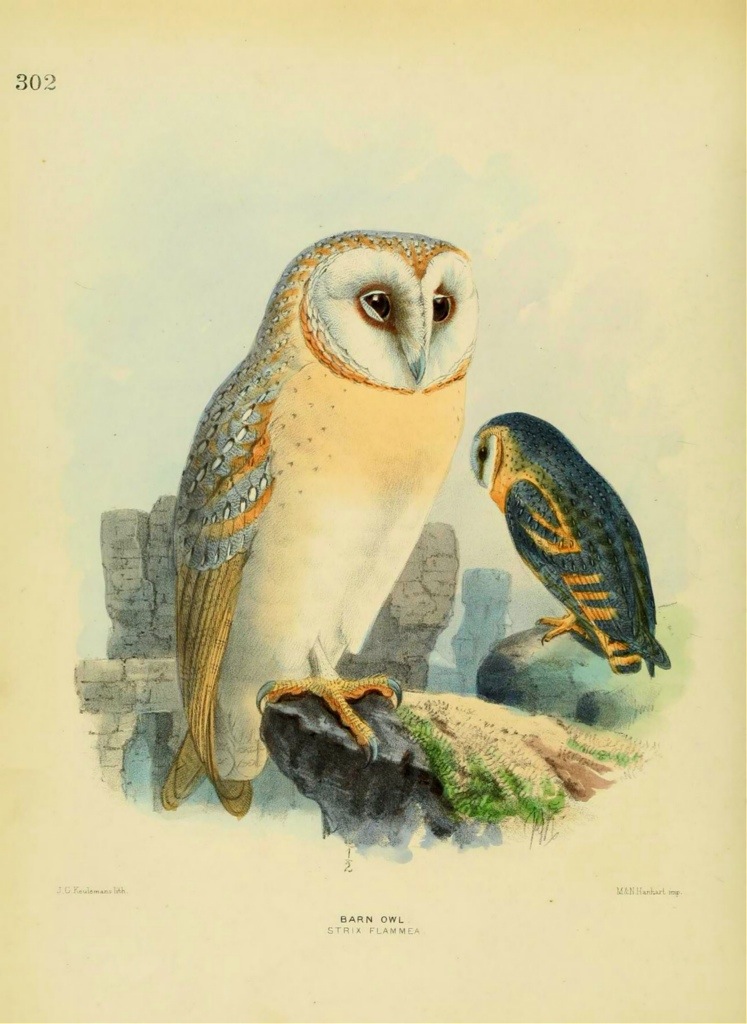
barn owl

சாவுக்கும் ஆந்தைக்கும் தொடர்பு
புறநானூற்றுப் பாடல்கள் ஆந்தையை மரணத்துடனும் இடுகாடு–சுடுகாட்டுடனும் தொடர்புபடுத்திக் காட்டுகின்றன. தமிழர்களுக்கு சகுன சாத்திரத்தில், அதாவது புள் நிமித்தத்தில் மிகுந்த நம்பிக்கை உண்டு. ஆந்தையின் கூக்குரல் பற்றி அவர்கள் பயப்படுகின்றனர். மரணத்தோடு தொடர்பு படுத்தும் மூன்று புறநானூற்றுப் பாடல்களே இதற்குச் சான்று கூறும்.

“திங்கள் கல்சேர்பு கனையிருள் மடியின்
இல்லெலி வல்சி வல்வாய்க் கூகை
கழுது வழங்கு யாமத்து அழிதகக் குழறும்”– (அகம் 122)

பொருள்: நிலவானது மேற்குத் திசையில் மறைந்து இருளைப் பரப்பும் நேரத்தில் வீட்டில் வாழும் எலிகளை இரையாக உண்ணும் கூகை— பேய்கள் உறங்கும் நள்ளிரவில் அழிவு உண்டாகக் குழறும்.

“பொத்த அறையுள் போழ்வாய்க் கூகை
சுட்டுக்குவியென செத்தோர்ப்பயிரும்
கள்ளியம் பறந்தவை” – (புறம்.240)

பொருள்: ஆயண்டிரன் இறந்தவுடன் அவனது உரிமை மகளிரும் தீப்பாய்ந்து மாய்ந்தனர். பிளவுபட்ட வாயுடைய பேராந்தைகள், ‘சுட்டுக்குவி’ என்று செத்தோரை அழைப்பது போலக்கூவும். கள்ளிச் செடிகளை உடைய சுடுகாட்டில்,,,,,,,,,,,,,,,

பல் ஆ தழீஇய கல்லா வல்வில்
உழைக்குரற் கூகை அழைப்ப ஆட்டி–(புறம்.261)
இப்போது பல பசுக்கூட்டங்களைக் கைப்பற்றிய கல்லாத வன்மையான வில்வீரனை கூகையானது தன் இனத்தாரை அழைப்பது போல அலைத்து துரத்தும்
முதுமரப் பொத்தின் கதுமென இயம்பும்
கூகைக் கோழி ஆனாத்
தாழிய பெருங்காடெய்திய ஞான்றே (புறம்.364, கூகைக் கோழியார்)
பொருள்:
முதிய மரத்தின் பொந்துகளில் இருந்து கதும் எனக்கூவும் பேராந்தைகள் நீங்காத தாழிகளை உடைய இடுகாட்டை………………………..

குடும்பங்கள் வாழும் கூடாரத்தின் மேல் கோட்டான்கள் உட்கார்ந்தால் பழங்குடி மக்கள் சில பரிகாரங்களைச் செய்வர். சிலநேரங்களில் புதுக் கூரையே வேய்ந்துவிடுவர் என்று பிலோ இருதயநாத் கூறுவார். இவர் பழங்குடி இனங்களை ஆராய்பவர்.
மாயன் நாகரீகத்திலும்…………

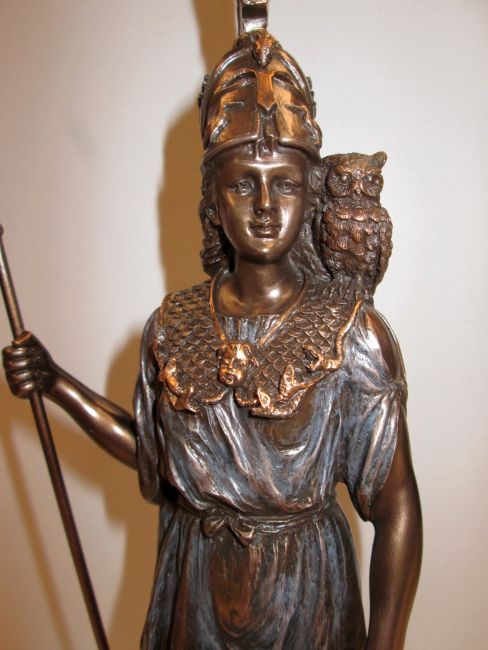
athena-owl-spear-face-tl-3196
Greek Goddess Athena with an owl

இன்னொரு வியப்பான ஒற்றுமையும் இருக்கிறது:
புறநானூற்றில் எப்படிப் புலவர்கள் ஆந்தையை மரணத்துடனும் சுடுகாட்டுடனும் தொடர்புபடுத்தினரோ அதே போல மாயன் நாகரீக மரணக் கடவுள் ஹூனாஹுவும் ( God Hunahau) ஆந்தையுடன் தொடர்புடையது. இதனுடைய தலை ஆந்தைத் தலைபோலவே காட்டப்பட்டிருக்கும். சாவு பற்றிய ஒற்றுமையுடன் நின்றுவிடவில்லை. எப்படி இதற்கு ஆந்தையின் தலை (long eared owl )இருக்கிறதோ அதே போல கந்தனுடைய சேவகர்களில்(M.Bh. 9-45-79) ஒருவனுக்கு ஆந்தைத் தலை என்றும் மாத்ரீகளில் ஒருவர்க்கும் இப்படி இருப்பதாகவும் கந்தபுராணம் கூறும்.

மெக்சிகோவில் அஸ்டெக் நாகரீகத்துக்கு முந்தைய நாகரீகம் ஆந்தையைப் புனிதப் பறவையாகக் கருதியது. ஆனால் அஸ்டெக் நாகரீகத்தில் இது தீய பறவையாகக் கருதப் பட்டது. சீனாவிலும் இப்படித் தீய பறவையாகவே கருதப் பட்டது.

இந்தியாவில் பொதுவாக மரணத்துடன் சம்பந்தப்பட்ட பறவை, எப்படி செல்வத்துகு அதிதேவதையான லெட்சுமிக்கு வாகனமாகியது என்பது மர்மமாகவே நீடிக்கிறது.

ஆந்தையின் பல பெயர்கள்
ஆண்டலை, ஆந்தை, இருடி, உலூக, ஊமன், கின்னரம், கின்னரி, குரால், குடிஞை, கௌசிக, கூகை,கூன், கோட்டான், பிங்கலை, கேகயம், (அசுணமா, இசையறி பறவை:– ஆசிரிய நிகண்டு)
ஆந்தையின் வடமொழிப் பெயாரான உலூக என்பதில் இருந்தே ஆங்கிலச் சொல்லான ‘’அவுல்’’ வந்தது. உலூக, கௌசிக, இருடி என்பதெல்லாம் ரிஷிகளின் பெயர்கள். இந்தப் பெயரில் பழங்காலத்தில் ரிஷிகள் இருந்தனர். தமிழில் பிசிர் ஆந்தையார், ஓதல் ஆந்தையார், கூகைக் கோழியார் என்பன ஆந்தையின் பெயர்கள் உடையன.பெருங் கௌசிகன் என்ற புலவரும் சங்க இலக்கிய காலத்தில் இருந்தனர்.
கட்டுரையின் இரண்டாவது பகுதியில் ராமாயணம், மஹாபாரதம், வேதங்களில் ஆந்தைகள் பற்றி என்ன இருக்கிறது என்பதையும் பழமொழிகள், பஞ்சாங்கத்தில் உள்ள பக்ஷி சாஸ்திரம் பற்றியும் பஞ்ச தந்திரக் கதை, ஜெங்கிஸ்கான் கதை பற்றியும் காண்போம் — தொடரும்

Why did Indra kill Brahmins?

Indra (1)

Written by London Swaminathan
Post No. 1064 ; Dated 25th May 2014.

“Foreign Scholars never tell LIES; they always tell you HALF TRUTHS. Half truths are more dangerous than lies”.

A half truth is the most cowardly of lies – Mark Twain

A half truth is a whole lie- Yiddish Proverb

The biggest problem for the supporters of Aryan Dravidian Divisive Racist Theory is Indra’s killing of Brahmins. So instead of discussing it openly they simply hid the facts. So is Ravana’s death in the hands of Rama. Ravana was a Brahmin! They also concealed the fact that both Asuras and Devas had Brahmins Brihaspati and Sukracharya as their Gurus! They also hid that fact that Asuras and Devas were born to the same parents. Whenever such facts come, they will hide them or make a passing reference to them as if they are not important. The simple reason for their strange and cunning behaviour is these facts are against their fanciful and concocted theories.

Bangkok_Indra_Erawan
Indra in Thailand

Foreigners have never highlighted these facts or discussed them in their research papers. Their tactic is to tell half truths and confuse the general public. They know that Hindu scriptures are so vast that they can quote from anywhere the facts which are convenient for them. They will set their own chronology for Hindu scriptures or Hindu saints and write “scholarly” articles. They know that the English educated Hindus never read their scriptures in original in full, but only read the English write ups. With other religions, their books can be read in a few hours time and so the “scholars” cannot bluff. But even with very minimal writing, other religions have one thousand questions raised by the Doubting Thomasses.
Indra’s greatest and most celebrated heroic act was the killing of Vritra. Though Indra killed over thirty demons, Vritra’s killing was the one that was found in innumerable places in the oldest scripture Rig Veda and the post Vedic scriptures.

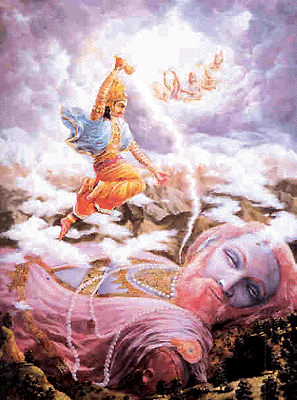
indra_td58

Foreigners were confused about the number of Indras that existed. Did one and the same Indra kill all the demons and involve himself in the Ahalya episode? The Vedas mentioned Indra more than anyone else. One fourth of the Rig Vedic hymns are addressed to Indra. Are all these about one and only person? Or is it like a title such as Prime Minister, President, Pope, Dalai Lama, Shankaracharya, Emperor, King? Are they talking about all the episodes that happened in one man’s life time or many Indras spanning over hundreds of years? Why did he kick the Brahmin saint Agastya? Why did he kill Brahmin saint Trisiras? Why did he Kill Brahmin Vritra? Was he an anti Brahmin or Anti Dasyus ? Because foreigners did not have answer for all these questions, they confused Hindus hoping that they would confuse their English educated colleagues. And Lord Mecaulay predicted that India and Hinduism would be finished with the spread of English education. But God was merciful. He sent a few saints like Swami Vivekanada to deal with the English educated ignorant lot.

If you open any foreign encyclopaedia, they will project Indra as the warrior of ‘’Aryan race’’ which is not found in ancient Sanskrit or Tamil literature. Oldest Tamil book Tolkappiam claimed Indra as their own God! The Choza king celebrated Indra festival on a grand scale! Buddha mentioned him in Dhammapada and other Buddhist scriptures with reverence! Some encyclopaedias described him as ‘anti Varuna, anti Krishna’ quoting one or two incidents as proof. But no where he was described as anti Brahmin by a foreigner! With more incidents like Anti Ahalya, Anti Agastya, Anti Trisiras and Anti Vritra, they should have projected him as Anti Brahmin. They dare not do it, because it would go against their own Aryan-Dravidian racist theory! You will have a good number of jokes under INDRA in every English encyclopaedia!
Who was Vritra?
18 Banteay Srei Indra on Airavata, photograph by Anandajoti Bhikkhu
Indra in Cambodia

Describing Vritra was difficult for foreigners. In some places they described him as natural force and in other places as a demon! Whenever and wherever they want they will take some reference from later literature, in other places they will say they are later additions. In short, they can’t hold for long in discussions with a well educated Vedic Pundit.

Tvashtri was a powerful Brahmin. He was doing a penance and a three headed son (Tri Siras) was born to him. He became a pious and humble ascetic. Indra was scared that he would be replaced by him. So he went and killed him. Even after death his head was radiating glorious light. Then Tvashtri created another son from Yagna fire and named him Vritra. He defeated Indra in the battles. But he was killed by ‘’foam’’ as Vritra had a boon not to be killed by any weapon. By killing him Indra carried the burden of a great sin Brahmahatti, which comes to anyone who kills a Brahmin.

vrtrasura
Indra killing Vritra

Indra visited numerous shrines, lakes, rivers, hills in India to relieve him from Braahmahatti.
Foreigners have conveniently forgotten to discuss these things in their ‘’research papers’’, but never forgot to depict Lord Krishna as Anti Indra. This is what they did to Vedic Shiva too. Because he destroyed the forts (Purandhara), they divided Shiva in to Aryan Shiva and Dravidian Shiva!! Anyone who reads the Tamil hymns Thevaram and Tiruvasagam would laugh at Aryan -Dravidian essays. There is no Aryan or Dravidian Shiva! Only one undivided Shiva in Tamil literature From Sangam period!

indra

வித்தியாசமான விஞ்ஞானி யுங்! -4

jung1

கட்டுரை எண்:-1063; தேதி:- 25 மே 2014

வித்தியாசமான விஞ்ஞானி யுங்! -4
ச.நாகராஜன்
(கார்ல் ஜங் என்று ஆங்கிலத்தில் எழுதினாலும் யுங் என்றே சொல்ல வேண்டும்)

யுங்கிற்கு ஏழு வயதிலிருந்தே பல்வேறு ஆவிகளின் காட்சிகள் தென்படலாயின.ஆகவே ஆவிகளுடன் பேசும் மீடியங்கள் பற்றிய ஆராய்ச்சியில் அவர் மனம் விழைந்தது அவரது நெருங்கிய உறவுக்காரப் பெண்மணி இப்படிப்பட்ட சிறந்த மீடியமாகத் திகழ்ந்தார்.

அப்போது ஆரம்பித்த அவரது ஆராய்ச்சி சுமார் 30 வருட காலம் தொடர்ந்தது. 1905ஆம் ஆண்டிலேயே அவர் எட்டு மீடியங்களைப் பற்றி நன்கு ஆராய்ந்து முடிந்து விட்டார்.

1907ஆம் ஆண்டு அவர் சிக்மண்ட் ப்ராய்டுடன் நெருங்கிய தொடர்பு கொண்ட போது ப்ராய்டுக்கு இந்த விதமான அதீத உளவியல் விவகாரம் ஒன்றும் பிடிபடவில்லை, பிடிக்கவும் இல்லை. ஆனால் ஒரு நாள் இந்த விவாகரம் விவாதம் என்ற அளவுக்கும் மீறி முற்றி விட்டது.அன்று மாலை தான் ப்ராய்ட் “உன்னை எனது சுவீகார புத்திரனாக மூத்த மகனாக ஏற்றுக் கொண்டேன்.நீயே எனது வாரிசு மற்றும் இளவரசன்” என்று யுங்கிற்கு எழுதிய கடித்த்தில் தெரிவித்திருந்தார்.

ஆனால் இரவு நெருங்கிய போது விவாதம் உச்சகட்டத்திற்குச் சென்று விட்டது! அப்போது திடீரென்று ப்ராய்ட் வைத்திருந்த புத்தக அலமாரியில் ஒரு பெரும் வெடிச் சத்தம் கேட்டது. ஜங் இதை அதி மானுஷ சம்பவங்களின் வரிசையில் சேர்த்து அதற்கான விளக்கத்தைத் தரமுற்பட்டார்.ஆனால் இது ப்ராய்டுக்குச் சற்றும் பிடிக்க வில்லை.ஆனால் யுங்கோ விடாப்பிடியாக ப்ராய்ட் இதை நம்ப மறுத்தாலும் கூட இதே போல இன்னொரு சம்பவம் நடக்கப் போகிறது என்று உரைத்தார். என்ன, ஆச்சரியம், அதே போல வெடிச்சத்தம் உடனே கேட்டது. ப்ராய்ட் பயந்தே போனார்! இதைத் தொடர்ந்து இருவரின் பாதைகளும் பிரிந்தன. ஆனால் ப்ராய்டின் தொடர்பு அறுந்த நேரத்தில் இரு பெரும் உளவியலாளர்களான தியோடர் ப்ளர்நாய் மற்றும் வில்லியம் ஜேம்ஸ் ஆகிய இருவர் யுங்கின் முயற்சிகளுக்கு பெரும் ஆதரவு தந்து அதீத உளவியல் ஆராய்ச்சிக்குக் கை கொடுத்தனர்.

யுங்கின் கனவில் ஒரு நாள் ஆழ் மன நிலையிலிருந்து ஒரு தோற்றம் உருவானது. அதை யுங், பிலமோன் என்று பெயரிட்டு அழைக்கலானார்.பிலமோன் யுங்குடன் அடிக்கடி பேச ஆரம்பித்தது. பிலமோன் ஒரு குரு ஸ்தானத்தில் இருந்து ஜங்கை வழிகாட்ட ஆரம்பிக்க அதை ஜங் மகிழ்ச்சியுடன் வரவேற்றார். இப்படி ஒரு “கனவு குரு” இருப்பது சாத்தியம் தானா?

15 வருடங்களுக்குப் பின்னர் ஜங்கிற்கு இதற்கான விடை கிடைத்தது. மஹாத்மா காந்திஜியின் நண்பர் ஒருவர் யுங்கைக் காண வந்தார். மிக உயரிய பண்பு உடைய அவர் பாரதத்தின் கல்வி முறையைப் பற்றிப் பேச ஆரம்பித்தார். பேச்சு குரு-சிஷ்ய உறவைப் பற்றித் திரும்பியது. சற்று தயக்கத்துடன் அவரிடம் ஜங்,” உங்கள் குருவைப் பற்றிக் கொஞ்சம் சொல்ல முடியுமா? அவர் குணாதிசயங்கள் எப்படி?” என்று கேட்டார்.

“ஓ! சொல்கிறேனே. எனது குரு சங்கராசாரியர்” என்றார் அவர்.
“யார்? வேதங்களுக்கு பாஷ்யம் (உரை) எழுதியவரையா சொல்கிறீர்கள். அவர் பல நூற்றாண்டுகளுக்கு முன்னாலேயே மறைந்து விட்டாரே!” என்றார் யுங்.

“ஆமாம்! அவரையே தான் சொல்கிறேன்!” என்றார் அவர். ஜங் ஆச்சரியத்தின் எல்லைக்கே சென்று விட்டார்.
“அதாவது அவரது ஆவியைச் சொல்கிறீர்களா?” என்றார் ஜங்.
“ஆமாம்! அவரது ஆவியைத் தான் சொல்கிறேன்” என்றார் அவர்!
உடனே ஜங் பிலமோனை நினைத்துக் கொண்டார்.
“ஆவி ரூபத்தில் கூட குருமார்கள் வருவதுண்டு. சிலர் வாழ்ந்து கொண்டிருக்கும் குருமார்களைக் கொண்டிருப்பார்கள். சிலர் ஆவி ரூபத்தில் உள்ள குருமார்களைக் குருவாகக் கொள்வதும் உண்டு” என்றார் அவர்.

இந்த உரையாடல் யுங்கிற்குப் பெரும் ஆறுதலைத் தந்தது. தன்னைப் போலவே இன்னும் பலரும் ஆவிரூபத்தில் வழி காட்டுதலை அடைந்து வருகின்றனர் என்பதில் அவருக்கு மகிழ்ச்சி ஏற்பட்டது. நாளடைவில் பிலமோனின் வலிமை அதிகரிக்கவே இன்னொரு தோற்றம் ஏற்பட்டது. அதை பழைய கால எகிப்திய மன்னர் பரம்பரையையொட்டி ஏற்பட்ட உயரிய ஆத்மாவான ‘கா’ என்று அழைக்கலானார் யுங்.

நாளடைவில் இரசவாத வித்தையில் யுங்கிற்கு நாட்டம் ஏற்பட உலகில் இருந்த பழம் பெரும் புத்தகங்களைத் தேடிக் கண்டு பிடித்துப் படித்தார். ரஸவாதத்தில் தேர்ந்த சித்தர்கள், ஞானிகள் ஆகியோரையும் அவர் சந்தித்தார்,இந்த இரசவாத அறிவின் மூலம் தனது கனவு குருக்களான பிலமோனையும் ‘கா’வையும் ஒன்றாக இணைத்து தனது வழிகாட்டுதலைத் தொடர்ந்து பெறலானார் யுங்.
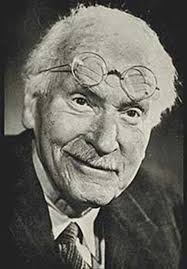
Carl_Jung_by_wallflower_studios

ஜோதிடத்தின் மீது அளவிலாத ஆர்வத்தை இளமையிலிருந்தே யுங் கொண்டிருந்தார். ஜோதிடத்தில் அவருக்கு ஏற்பட்ட ஏராளமான அனுபவங்களை வைத்தே அவர் தனது சிங்க்ரானிசிடி கொள்கையை உருவாக்கினார். இதனால் விஞ்ஞானிகள் அவரைத் தவறாகப் புரிந்து கொண்டனர். ‘இவர் விஞ்ஞானியே அல்ல; ஒரு ஜோதிடர்’ என்ற கடும் விமரிசனத்திற்கும் ஆளானார். வெகு சிலர் மட்டுமே அவரைப் புரிந்து கொண்டனர்.

அவர் பெங்களூரைச் சேர்ந்த பிரபல ஜோதிடரான பி,வி.ராமனுக்கு எழுதிய 6-9-1947 தேதியிட்ட கடிதம் ஒன்றில், “ஜோதிட உண்மைகளை விஞ்ஞான ரீதியாக நிரூபிப்பதற்கான புள்ளியியல் அடிப்படையிலான ஒரு வழிமுறை ஜோதிட இலக்கியங்களில் எனக்குக் கிடைக்கவில்லை” என்று எழுதினார். 480 ஜோடிகளின் திருமணப்பொருத்தத்தை ஆராய்ந்த அவர் சந்திரனுக்கும் திருமணத்திற்கும் உள்ள தொடர்பை ஆய்வு செய்தார்.

கடைசியில் ஜோதிடம் பற்றிய தனது ஆராய்ச்சி முடிவை அறிவித்தார் இப்படி: “ முடிவுகள் தற்செயலாக இருப்பதற்கான புள்ளி விவர எல்லைக்குள் வருவதால் ஜோதிடம் முற்றிலும் சரியே என்று கூறுகின்ற கூற்றை நான் ஆதரிக்கவில்லை. தற்செயலாக அவை ஜோதிடம் எதிர்பார்க்கும் முடிவுகளைப் போலவே அமைந்துள்ளன. ஆனாலும் அவை அப்படிச் சரியாக அமைந்திருப்பது பொருள் படைத்த ஒன்றாக இருக்கிறது. இதையே தான் நான் சிங்க்ரானிசிடி என்கிறேன்” என்றார்.

யுங்கின் புகழ் உலகெங்கும் நாளடைவில் பரவ ஆரம்பிக்கவே அவரை அறிஞர்களின் கூட்டங்களிலும் விஞ்ஞானிகளின் மாநாடுகளிலும் பேச அழைத்தனர். அங்கெல்லாம் அவர் அதீத புலனாற்றல் பற்றியும் இதுவரை எதற்கெல்லாம் விஞ்ஞானிகள் முகம் சுளித்தார்களோ அந்தக் கொள்கைகளான கனவுகளின் விளக்கம், ஆவிகளின் உலகம், அர்த்தமுள்ள தற்செயல் ஒற்றுமை, உலகெங்கும் இருக்கும் பிரபஞ்ச மனம் ஆகியவை பற்றி விளக்கி அனைவரையும் கவர்ந்தார்.

சின்ன உண்மை!
1938-ஆம் ஆண்டு இந்தியாவிற்கு வந்த யுங் பல ஆச்சரியமான அனுபவங்களை அடைந்தார். கோனார்க் கோவிலையும் அங்குள்ள பெரிய ரதத்தையும் பார்த்து ஆச்சரியப்பட்டார். சாஞ்சியில் புத்தர் உபதேசம் செய்த இடத்தை நெருங்கியவுடன் அவருக்கு ஆச்சரியகரமான ஒரு உயரிய உணர்வு தோன்றியது. தனது இந்திய அனுபவங்களை அவர் சுயசரிதையில் இந்தியப் பயணம் என்ற பகுதியில் பதிவு செய்திருக்கிறார்.

அறிவியல் அறிஞர் வாழ்வில் .. ..

கிரேக்க தத்துவ ஞானியும் விஞ்ஞானியுமான தாலஸ் (கி.மு.625-547) கி.மு. 584ஆம் ஆண்டு மே மாதம் 28 ஆம் தேதி நிகழ்ந்த சூரிய கிரகணத்தை சரியாகக் கணித்து அனைவரும் வியக்கும் படி முன்னதாகவே சொன்னார். பிரமிடுகளின் நிழல்களின் நீளத்தை அளந்து அவற்றின் உயரத்தைச் சரியாகச் சொன்னார். அந்தக் காலத்திலேயே பல வடிவியல் (ஜாமெட்ரி) தேற்றங்களையும் நிரூபித்தார். இன்றும் ஒரு தேற்றத்தைத் தாலஸ் தியரம் என்று சொல்லி அவரை கௌரவிக்கின்றனர்.

ஒரு முறை எப்போதும் போல வானத்தை அண்ணாந்து பார்த்தவாறே நடந்து கொண்டிருந்தவர் ஒரு ஆழமான படுகுழியில் விழுந்து விட்டார். ‘உதவி, உதவி’ என்று பெருத்த குரலில் அவர் கூவியதைக் கேட்ட ஒரு கிழவி குழிக்கு அருகில் வந்து பார்த்தார். தாலஸின் நிலைமையைப் பார்த்த அவர்,” தரையிலேயே என்ன இருக்கிறது என்று பார்த்து சரியாக நடக்க உனக்குத் தெரியவில்லை. இந்த லட்சணத்தில் வானத்தில் என்ன நடக்கிறது என்று அறிய விரும்புகிறாயே” என்று கிண்டல் செய்தாள்.

தாலஸின் போதாத நேரம் கிழவியிடம் ‘வாங்கிக் கட்டிக்’ கொண்டு குழியிலிருந்து வெளியேறிப் பிழைத்தார்!

***********************
தொடரும்

OWLS : Are they Good or Bad Omens?

lakshmimod
Lakshmi and her Vahana Uluka/owl

Written by London Swaminathan
Post No. 1062; Dated 24th May 2014.

Owls are nocturnal birds. They are known as very intelligent and good birds in the Western World. As a symbol of knowledge and of erudition that can see through obscurity, the owl appears in the emblems of educational institutions, book stores and publishing houses. In Greece owls are associated with Goddess Pallas Athena/Minerva, the Goddess of Wisdom.

In India and China owls are not liked by the people because of its demonic gaze. They consider them as the harbinger of misfortune. Owls have earned a bird name in Indian mythology and folk lore. People associate their calls with the God of death.

Goddess Lakshmi and Chamunda have owls as their Vahanas. In Judaism, the female night demon Lilith is described in the company of the owl; Mayan death God Hunahau is often depicted with a head like an owl’s.
In the pre –Aztec civilization of ancient Mexico (Teotihuacan), the owl was the sacred animal of the rain god. But Aztecs considered it an evil omen.

birbeck college,London
Emblem of Birbeck college,London

Owls have negative associations in popular thinking: with their nocturnal habits, solitude, silent flight and plaintive cry they came to symbolize evil and death. Hooting of the owls was regarded an ill omen.

In India the famous fable book Panchatantra has a long story of a fight between the crows and owls. At the end, the owls are burnt with their nests by the clever crows. Indians who practise black magic kill owls during Deepavali to ward off evil or to gain magical powers. Villagers kill owls for their meat thinking that it would cure many diseases.

In the Vedas
“Uluka is the ordinary word for owl from the Rig Veda (10-165-4) onwards. The bird was noted for its cry and was deemed the harbinger of (nairrta) ill fortune (AV 6-19-2;Taittiriya samhita 5-5-18-1;Vajasaneyi samhita 24-38). Owls were offered at the horse sacrifice to the forest trees (Vajasaneyi Samhita 24-23; Maitrayani Samhita 3-14-4)”.
(page 102, Vedic Index of Names and Subjects, A A Macdonell & AB Keith)

athena-owl-spear-face-tl-3196
Greek Goddess Athena with owl

Narada and owl
Scriptures refer to calls of owls as having the character of songs i.e. one note or or a simple combination of notes repeated at various intervals. Thus the call of the Brown Wood Owl is said to consist of four deep musical syllables, who—hoo—hoo–hoo. There is a story that narrates how sage Narada was advised to learn music from an owl residing near the Manasarovar lake on the Himalayas (Lingapuranam). This shows that the ancient Indians also appreciated the musical calls of the hated bird. (Tamils also had the same belief; see below for more details).

The long eared owl is distinguished by long tufts, usually borne erected and is most probably the ‘sasoluka’ which has served as a model for the face of a particular attendant of Lord Skanda (M.Bh. 9-45-79). One of the Matris of the same deity is said to have a face like that of the sasoluka (ch 30)
(Mayans also had the same description; see above)

rice seal
University seal with owl.

Crow killing owls
A particular species of owl has the habit of killing crows. ‘Kakolukiya’ section of the Panchatantra describes it in detail. They live in the Himalayan region. They are the species of Dusky Horned Owls. Mahabharata describes them as Pravarakarna and long lived (3-199-4). There is also a reference in the Ramayana. When after a break with Ravana, Vibhishana goes to Rama, the latter’s ally Sugriva warns him against the owl like tactic of the enemy (96-17-19).

Again after seeing this owl work havoc among the crows at night, Aswaththamam decided to kill Pandavas while asleep during the night time ( M.Bh 1-2-296) and the epic gives an interesting description of the bird:
Ulukam ghora darsanam
Mahasvanam mahakayam haryaksham bhabrupidangalam
Sudhirgagonanakaram suparnamiva veginam
Suptanjagana subahun vayasan dayasantaka: (M.Bh.10-1-36)

The Skandapurana also relates the above incident and calls the owl the powerful bearded vulture a (31-44/45)
Page 179 of Birds in Sanskrit Literature by K.N Dave.

My Comments:

1.It is interesting to note that the Jews and Hindus believed that owls are messengers of death. Sanskrit literature and Sangam Tamil literature associate owls with death (See Tamil Purananuru verses 240, 261,364)

2.It is equally interesting that owl like face of Lord Skanda’s attendant and one of the Matri’s is like Mayan Death God Hunahau, who has owl like face.

3.It is also interesting God Indra is called Uluka and several Rishis have the name Uluka and Kausika ,another name of owl. It is same in Tamil literature, as many of the Sangam age poets have Andhai (owl) attached to their names. Previously it was thought they were from the towns with the name of owl (Andhai). So we can conclude that both the positive and negative notions existed side by side. Otherwise we cannot have many Rishis with the name Uluka, Kausika and many Tamil names like Kukai Koziyaar, Pisiranthaiyaar, Othal andhaiyaar etc.

4. It is amazing to read that Tamils and their counterparts in the North has the same belief the owls have musical skills.
OWL

All these debunk the racist Aryan – Dravidian divisive theories created by foreigners with a motive to stabilise their rule and spread their religion.
We also have various types of demons named after large birds like Uluka (owl), Suparna (Eagle) and Grudhya (RV: 7-104-17)

We can also conclude that Hindus are very good observers of nature. There are lot of references to owls in the epics Ramayana and Mahabharata.

Tamil References:
The shriek of the owl in the Nemai tree in the desert tract is like the sound of the smithy (Natrinai 394)
A stanza in Natrinai (verse 83) is an apostrophe to the owl that has its abode in the deep recess of a tree on the bank of the village tank. Its shriek at night is said to be alarming and the lady-companion promises it a fine pleasant dish of meat boiled in ghee and fried flesh of rats if only it kept silent at nights when the hero comes on visit.

One description is of a night bright with the moon light and full of disturbances with the barking of dogs and the hooting of owls (Aka.122)

owl (1)coin
Greek Coin with owl

Owl’s Music
The owl’s harsh hooting is heard like the tune of the instrument called Makuli and seems to have some signification (Aka.351)
(Compare it with Narada learning music from owl :Linga Purana)
Jeevaka Chintamani, one of the Five Tamil Epics, says that the owl emitted sweet music like a lyre. It is in Nachinarkiniyar commentary on the epic.

In a rare reference in the epic, owl is praised as giving a positive message about the hero. But in other places the negative image is projected like other epic Manimegalai where the owl is described as the messenger of death. The oldest section of Sangam Tamil literature associated the bird with death and crematorium (See Purananuru verses 240, 261,364).

Kukai koziyar says that the shrill cry of the owl breaks the eerie silence of the graveyard (Pura.364)
The owl with nocturnal habits living in the burning grounds and other wastelands is said to make the sound ‘’cuttukkuvi ‘’and is imagined to call the dead (Pura. 240)

Owls hoot and keep time to peacock’s dance, says a poet (Aink.291)
Bilo Irudayanath, who has done research with the tribal peoples, says that if an owl sits on top of the hut, they will dismantle the old thatched roof and do a new roof.

barn owl
Barn Owl.

Owl has several names in Tamil such as Aandhai,Aandalai, Kuukai, Kuraal, Kutinjai. But some names in Tamil Nigandu/Dictionary have the Sanskrit names Kinnara, Kinnari, Kausika, irudi (Rishi),Uluka and Pingalai. The words Kinnara, Kinnari are linked with musical skills.

Owl who saved Genghis Khan
The arms of the Tartar rulers contain a black night owl in a golden shield, because the first of them, Genghis Khan was saved his life with the help of such a bird. They believed that the barn owl saved his life. When his horse was shot in one of the battles he ran for his life and hid under a bush. His enemies were looking for him. At that time a white owl came and sat on the tree under which he was hiding. They did not even come near that tree thinking that he would definitely not be there. His enemies thought the owl would not have sat there if any man had been hiding under the tree. So owl earned a permanent place in their emblems!
owl-uluka and Lakshmi
Goddess Lakshmi with Uluka

Contact swami _ 48 @yahoo.com