வேதத்தில் கபிஞ்ஜலா பறவை மர்மம்!

kapinjala2

Written by London Swaminathan
Post No 1061; Dated 24th May 2014.
(This article is posted in English already)

“ரிக் வேதத்தில் ஒரு பறவைப் பாட்டு” என்ற கட்டுரையை நேற்று வெளியிட்டேன். அதனுடைய இரண்டாவது பகுதி இது.

கபிஞ்ஜலா என்ற பறவையை சாதகப் பட்சி என்று பிற்கால இலக்கியங்கள் வருணித்தன. தமிழர்கள் இதை ‘துளி நசைப் புள்’ –(மழைத் துளிகளுக்காக ஏங்கும் பறவை)– என்று புறநானூற்றிலும் ஏனைய சங்க இலக்கிய நூல்களிலும் வருணித்து இருப்பதை முதல் பகுதியில் கண்டோம்.
இந்தப் பறவை பற்றி இரண்டு சுவையான கதைகள் பிற்கால இலக்கியத்தில் உள்ளன. அவைகளை அறிந்தால், உலகின் மிகப் பழைய மதப் புத்தகமான ரிக் வேதத்தில் இதை ஏன் இந்திரனுக்கு ஒப்பிட்டனர் என்பது விளங்கும்.

2400 ஆண்டுகளுக்கு முன்னர் பௌத்தர்கள் 547 ஜாதகக் கதைகளைத் தொகுத்தனர். இவை ஒவ்வொன்றிலும் போதிசத்வர் (புத்தர்) முன் ஜன்மத்தில்என்ன மிருகமாக, பறவையாக, அரசனாக, தொழிலாளியாகப் பிறந்தார் என்று கதை ரூபத்தில் இருக்கும். ஆனால் உண்மையில் இவை எல்லாம் இந்து மதக் கதைகள். பௌத்த மதத்தைப் பரப்புவதற்காக பஞ்ச தந்திரக் கதைகள், ராமாயண, மஹாபாரத, புராணக் கதைகள் முதலியவற்றை ‘’பவுத்தமயமாக்கி’’ வெளியிட்டனர். அதாவது கதையை கொஞ்சம் மாற்றி தந்திரமாக வெளியிட்டனர். அகத்தியர் வரலாற்றைக் கூட இதில் ‘’அகித்தி’’ என்று பெயரை மற்றி எழுதி வைத்துள்ளனர். இந்த ஜாதகக் கதைகளில் மேலும் கொஞ்சம் மாற்றம் செய்து திபெத்தியர்கள் வெளியிட்டனர்.

பூர்வ ஜாதகக் கதைகளில் தித்திரி ஜாதகம் என்று உள்ளதை திபெத்தியர்கள் கபிஞ்ஜலா ஜாதகம் என்பர். தித்திரி என்பதை தமிழில் தத்தை (கிளி) என்பர். கபிஞ்ஜலா என்பது சாதகப் பட்சி என்று நான் எழுதியுள்ளேன். இதற்கு காளிதாசன் படைத்த மேகதூதக் காவியத்தில் இருந்து சகுனம் (புள் நிமித்தம்) பற்றிய நம்பிக்கைகளை ரிக் வேதக் கவிதையுடன் (ரிக் 2-42, 2-43) ஒப்பிட்டும் காட்டினேன்.

இனி சுவையான திபெத்திய ஜாதகக் கதையைக் காண்போம்:
kapinjala

புத்த ஜாதகக் கதை

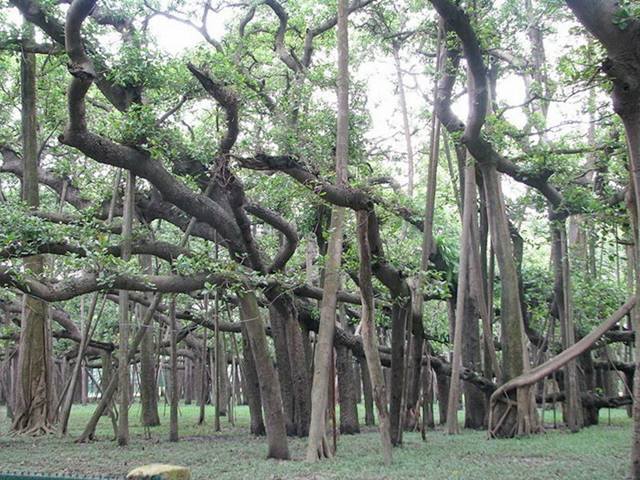
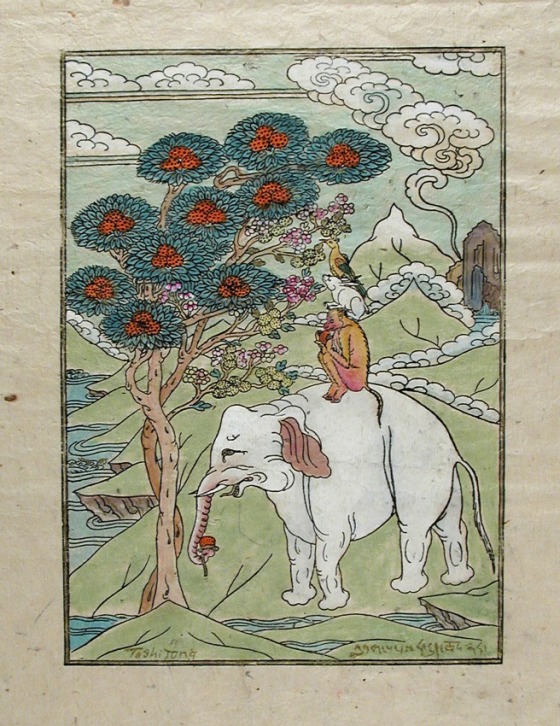
முன்னொரு காலத்தில் ஒரு காட்டில் பெரிய ஆலமரம் இருந்தது. ஒரு யானை வந்து அதன் இலைகளைத் தின்றுகொண்டு அதன் நிழலில் வசித்தது. அதற்குப் பின் அங்கே ஒரு குரங்கு வந்து தங்கியது. உடனே யானை எதிர்ப்பு தெரிவித்தது. நான் தான் முதலில் வந்தேன் என்று அதற்குக் காரணமும் சொன்னது. குரங்கு கேட்டது, ’இந்த மரத்தின் பழங்களை நீ பார்த்து இருக்கிறாயா?’. யானை நான் பார்த்ததில்லை என்று சொன்னது. அப்படியானால் நான் உனக்கு முன்னால் வந்தேன். அந்த பழங்களை எல்லாம் சாப்பிட்டேன். இப்போது இலை மட்டுமே எஞ்சியிருக்கிறது. உடனே யானை. ‘’குரங்காரே நீரே மூத்தவர். நாம் இருவரும் சேர்ந்து வாழ்வோம்’’ என்று சொன்னது.

கொஞ்ச நாள் கழித்து ஒரு முயல் வந்து அங்கே உட்கார்ந்தது. யானையும் குரங்கும் ஆட்சேபம் தெரிவித்தன. முயல் கேட்டது, ‘’நீங்கள் இந்த மரத்தின் கன்றைப் பார்த்தது உண்டா?’’ என்று. அவை இரண்டும் இல்லை என்று சொன்னவுடன், ‘’நான் வந்த போது மரக் கன்றுதான் இருந்தது. என் உயரம்தான் மரமே வளர்ந்து இருந்தது. ஆகையால் இந்த மரம் எனக்கே உரியது’’ என்றது. யானையும் குரங்கும் அதனை நண்பனாக ஏற்று நீயே, ‘சீனியர்’. நாங்கள் உன்னுடன் வாழ்கிறோம் என்றன.

இவர்கள் இப்படிப் பேசி முடிப்பதற்குள் மரத்தின் உச்சியில் இருந்து கபிஞ்ஜலா பறவை கூச்சல் போட்டது. ‘’நிறுத்துங்கள், உங்கள் பேச்சை. நான் பழம் தின்று ஒரு கொட்டையைத் துப்பினேன் அதுதான் இந்த மரமாக வளர்ந்தது’’ என்றவுடன் யானை, குரங்கு, முயல் ஆகிய மூன்றும் அந்தப் பறவையின் தலைமையை ஏற்றுக் கொண்டு சுகமாக நண்பர்களாக வாழ்ந்தன. ‘’இந்த நாலு பேரில் கபிஞ்ஜல பறவை என்பது புத்தரின் முந்தைய பிறப்பில் போதிசத்துவர்’’ — என்று கதை முடிகிறது.
ஆக கபிஞ்ஜல என்பது புத்தர். இப்படிப் பறவையை ஆன்மாவுக்கு ஒப்பிடுவது புத்தருக்கும் முந்தைய உபநிஷத்துகளிலேயே இருக்கிறது வள்ளுவனும் ஆத்மாவை பறவைக்கு ஒப்பிடுவான்:
குடம்பை தனித்து ஒழியப் புள் பறந்தற்றே
உடம்போடு உயிரிடை நட்பு (338)
(குடம்பை= கூடு, புள்=பறவை).
paint kapinjala

தேவிபாகவதக் கதை

தேவிபாகவதத்தில் ஆறாவது பகுதியில் விருத்ராசுரனை இந்திரன் வதை செய்த கதை உள்ளது. மூன்று தலைகளை உடைய விஸ்வரூபனை இந்திரன் கொன்றபோது ஒரு தலையில் இருந்து கபிஞ்ஜலப் பறவையும், மற்றொன்றிலிருந்து குருவிகளும், மூன்றாவது தலையில் இருந்து கிளிகளும் வந்ததாக தேவி பாகவதம் கூறும். இவைகள் சோம பானம், சுராபானம், அன்னம் ஆகியவற்றைச் சாப்பிட்ட மூன்று தலைகள் என்றும் அவை முறையே தேவர், அசுரர், மனிதர் ஆகியோரைக் குறிப்பதாகும் என்றும் அறிஞர்கள் விளக்கம் தருவர். இதற்குப் பின்னர் விருத்திராசுரனை அவனது தந்தை யாகத் தீயில் இருந்து உருவாக்கவே, விருத்திரனையும் இந்திரன் கொல்கிறான்.

ஆக இந்த இரண்டு கதைகளிலும் ஒரு ஒற்றுமையைக் காணலாம். கபிஞ்ஜல பறவை என்பது தேவர் (கடவுள்). அதுதான் உயர்ந்தது. இது க்ருத்சமடர் பாடிய ரிக்வேதப் பாடலில் உள்ள கருத்து. இந்த வேதக் கதையையே பிற்காலத்தில் பர்த்ருஹரி, காளிதாசன், சங்ககால தமிழ்ப் புலவர்கள், பௌத்தர்கள், தேவிபாகவதம், ஆதிசங்கரர், ராமகிருஷ்ண பரமஹம்சர் ஆகியோர் சாதகப் பட்சி என்ற பெயரில் பயன்படுத்தினர்.

ஆன்மீகத்தின் உச்சநிலையை நாடும் ஞானியைக் குறிக்கவோ, கடவுளைக் குறிக்கவோ கபிஞ்ஜல பறவையை உவமையாகப் பயன்படுத்தினர். இந்த நோக்கில் ரிக் வேதப் பாடலைப் பார்த்தோமானால் உண்மை புலப்படும். மேலோட்டமாகப் படித்தால் அது ஒரு அழகான பறவைப் பாட்டு!
பெரிய தத்துவங்களைப் போதிக்க இயற்கையில் உள்ள பறவைகள், மிருகங்கள், ஆறு, மலை முதலியவற்றைப் பயன்படுத்துவதை உபநிஷத காலத்தில் இருந்தே காண முடியும்.

இது தொடர்பாக முன்னர் வெளியான கட்டுரைகளையும் படிக்கவும்:
1.இயற்கை போதிக்கும் 13 பாடங்கள், 2.காடுகள் பற்றி கேள்வி- பதில், 3.சிந்துசமவெளியில் அரச மரம், 4. சோம பானமும் சுரா பானமும் 5. காளை வாகனம் எப்படிக் கிடைத்தது? 6.கா கா! கா கா!! 7.கழுதைக்குத் தெரியுமா கற்பூரவாசனை 8.சிந்து சமவெளியில் ஒரு புலிப் பெண் 9.தேள் தெய்வம் 10. எந்தக் கடவுளுக்கு என்ன வாகனம் 11. சங்க இலக்கியத்தில் வாகனங்கள் 12. உலகம் முழுதும் இந்து வாகனங்கள் 13. வாகனங்கள் தோன்றியது எங்கே? 14. நீண்டகாலம் வாழும் ரகசியம் 15.சுமேரியாவில் தமிழ் பறவை 16.அதிசய பறவைத் தமிழன் 17.மழை அற்புதங்கள் 18.பாம்புராணி 19.அருகம்புல் ரகசியங்கள் 20.சிட்டுக் குருவியிடம் பாரதி அற்ற பாடங்கள் 21.இளநீர் மகிமையும் தென்னையின் பெருமையும் 22.நாலு கடல் நீரில் ஒரே நாளில் குளிக்கமுடியுமா? 23.யானை பற்றி நூறு பழமொழிகள் 24.நல்லோர் அவைபுக்க நாகமும் சாகா 25.கிணற்றுத் தவளை: அப்பரும் விவேகாநந்தரும் சொன்ன கதைகள் 26.கொக்கைப்போல இருப்பான், கோழிபோல இருப்பான் 27. திருமூலர் சொன்ன யானைக் கதை 28. வேதத்தில் வெள்ளரிக்காய் 29.சப்தம் கேட்டால் இறந்துவிடும் அசுணமா
3 proportions

ஆங்கிலக் கட்டுரைகள்:
The connection between William Wordsworth and Dattatreya (posted 10 November 2011), 13 saints in nature (posted on 7 November 2013)
The Mysterious Vedic Homa Bird: Does it Exist? (posted on 10 December 2011), Can Birds Predict your Future?, Hindu Eagle Mystery Deepens (Posted on 16-2-2013), A Tamil bird in Sumerian Double headed Eagle in Sumeria, Double Headed Eagle: Sumerian- Indian Connection, Karikal Choza and Eagle Shaped Fire Altar, Bird Migration in Kalidasa and Tamil Lterature, Friends of Birds, Four Birds in One Sloka, Can Parrots recite Vedas?, Gods and Birds

Kapinjala Bird Mystery in Rig Veda

kapinjala

Written by London swaminathan
Post No.1060; dated 23rd May 2014.

This article is the second part of “Ode to Skylark: Shelley, Kalidasa and Rig Vedic Poet Grtsamada” that was posted yesterday.

I have made the following points in my article posted yesterday:
1.Grtsamada’s poems/hymns on Kapinjala in the Rig Veda (2-42,2-43) are the oldest Ode to a bird, at least 3500 years before Shelley’s ‘Ode to a Skylark’.

2.Kapinjala bird is not francolin partridge but Jacobin cuckoo which is identified with Cataka bird, that which longs for and drinks rain drops. Bhartruhari, Adi Shankara, Kalidasa, Sangam Tamil poets and others used it in their poems.

3.The hymn says it was sung in praise of Indra in the form of a Kapinjala bird. Since Vedic hymns have hidden meaning or allegorical or symbolic, it is possible that Supreme God (Indra) is compared with a bird.

4. Birds’ omens have been followed by our fore fathers from Vedic days. Kapinjala i.e. Cataka was used for this purpose according to Grtsamada and Kalidasa.

Two Interesting Stories

The soul is identified with a bird in the Upanishads. Tamil Veda Tirukkural also confirms it (Tirukkural 338).

There are two interesting stories about the Kapinjala bird and one of them is in the Sixth book of Devi Bhagavatham. When Indra killed Three headed Viswarupa, three groups of birds came from his three heads Kapinjala (who drinks water), Kalavingka (sparrows) and Tittiri (partridges). Birds are always used as symbols in Hindu mythology. Here, the Kapinjala stands for the soul that drinks the rays of spiritual sun. Three heads were drinking Soma ,Sura and Anna representing Devas, Asuras and Human beings respectively. So Kapinjala was associated with Indra in the Rig Veda.

kapinjala2

Buddha also identified himself with Kapinjala bird in one of the stories. This Jataka story has two versions one as Kapinjala and another as Partridge (Tittiri Jataka). The Tibetan version which is followed in Bhutan goes like this: once upon a time an elephant came to take rest under a banyan tree. After some time a monkey came to the tree. The elephant objected to monkey being there. Elephant argued that the tree belonged to it because it came first.

The monkey asked the elephant whether it had seen any fruits on the tree. When the elephant said it did not see any fruits, the monkey said when it came for the first time it ate the fruits of the tree and so the tree belongs to it. After some time a rabbit hopped and said it belonged to him because when it came the tree did not even have shoots and it was only a sapling. Then both the elephant and the monkey bowed to the rabbit saying it was their friend and a senior. Before they finished their conversation, a Kapinjala bird on top of the tree shouted that it belonged to it because the tree actually grew out of the seed that it spat a long time ago. Then all the three animals bowed to the bird accepting it as their Big Brother. All the four became friends and helped one another to get the fruits of the tree. The story finishes saying that the bird Kapinjala was Bhodisatva in its previous birth.

paint kapinjala

It is a known fact that the Buddhists around Fourth Century BCE wrote about 547 Jataka tales using all the ancient Hindu tales. All the Hindu characters or Hindu Kings or the Hindu fables were ‘’Bhuddaized’’ by them just to spread their religion. Even the Ramayana and Mahabharata stories were used by them by altering the stories. Agastya was turned into Akitti! Some of the stories were distorted so that no one could recognize them. So Bhodisatva here replaces the Supreme God of Hinduism. Ultimately Kapinjala means Supreme God or the Soul or the most intelligent spiritual aspirant.

Hindus always use Nature, particularly animals and birds, to teach higher values. We can see the swan in Chandogya Upanishad, numerous birds and animals in Adi Shankara’s poems and animate and inanimate things in the Dattatreya episode of Bhagavata. We have Taittiriya Upanishad in the name of Tittiri (Parrot or partridge) and the Buddha’s original Jataka was Tittiri Jataka which the Tibetans changed to Kapinjala.

3 proportions

Please read my earlier posts:
The connection between William Wordsworth and Dattatreya (posted 10 November 2011)
13 saints in nature (posted on 7 November 2013)
The Mysterious Vedic Homa Bird: Does it Exist? (posted on 10 December 2011)
Can Birds Predict your Future?
Hindu Eagle Mystery Deepens (Posted on 16-2-2013)
A Tamil bird in Sumerian Double headed Eagle in Sumeria
Double Headed Eagle: Sumerian- Indian Connection
Karikal Choza and Eagle Shaped Fire Altar
Bird Migration in Kalidasa and Tamil Lterature
Friends of Birds
Four Birds in One Sloka
Can Parrots recite Vedas?
Gods and Birds

ரிக் வேதத்தில் ஒரு பறவைப் பாட்டு!

cataka 1
Written by London Swaminathan
Post No.1059 : dated 23rd May 2014.

உலகிலேயே மிகப் பழமையான சமயப் புத்தகம் ரிக் வேதம். அது பத்து மண்டலங்களாகப் பிரிக்கப்பட்டுள்ளாது. இரண்டாவது மண்டலத்திலுள்ள பாடல்களுக்கான ரிஷி க்ருத்சமடர். அதிகம் கேள்விப்படாத ரிஷி. இவர் இந்திரனை கபிஞ்ஜல என்ற பறவையாக உருவகித்துப் பாடிய இரண்டு பாடல்கள் (2-42. 2-43) சுவையானவை. உலகில் பறவைக்காக முதல் முதலில் ஒரு பாடல் பாடியது க்ருத்சமடர்தான். இந்தப் பறவையை சம்ஸ்கிருத இலக்கியங்கள் சாதக பட்சி (Jacobin cuckoo) என்றும் தமிழ் இலக்கியங்கள் ‘’துளி நசைப் புள்’’ என்றும் வருணிக்கும்.

முதலில் இந்தப் பறவையின் பெயரில் ஜலம்= நீர் என்ற சொல் இருப்பதைக் காணலாம். இந்தப் பறவையும் சாதக பட்சியும் மழை நீருக்காக ஏங்கிக் காத்திருக்கும் .ஏனெனில் இது மழைத் தண்ணீரை மட்டுமே பருகும். இது விஞ்ஞான ரீதியில் உண்மையா என்று ஆராயப்படவில்லை. ஆயினும் ஆதிசங்கரர், உலக மகா கவிஞன் காளிதாசன், புறநானூற்றுப் புலவர் வடமவண்ணக்கண் பேரிசாத்தனார் (பாடல் 198) மற்றும் பலர் இந்தப் பறவையைப் பாடிப் பரவியுள்ளனர்.

ஆதி சங்கரர், ராமகிருஷ்ண பரமஹம்சர் போன்ற மகான்கள் ஆன்மீக வேட்கையுடைய ஞானிக்கு இந்தப் பறவையை உவமையாகப் பயன் படுத்தினர். சுய மரியாதை, கர்வம் ஆகியவற்றின் அடையாளமாகவும் இதை வடமொழி இலக்கியங்கள் கையாண்டன.

சம்ஸ்கிருத தமிழ்ப்புலவர்களுக்கு அடுத்தபடியாக இதே போல கவிபாடியவர் ஆங்கிலப் புலவர் பி.பி.ஷெல்லி (P.B Shelley) ஆவார். அவர் வானம்பாடி பற்றிப் பாடிய (Skylark-ஸ்கைலார்க்) பாடல் மிகவும் புகழ்பெற்றது. வானம்பாடி சிறகடித்து மகிழ்ச்சியாகப் பறப்பதைப் பாடும் அவர் அந்த மகிழ்ச்சியின் ரகசியத்தைத் தனக்கும் தர வேண்டுகிறார். இவருக்கு 3500 ஆண்டுகளுக்கு முன் கபிஞ்ஜல பறவை பற்றிப் பாடிய க்ருத்சமடரும் அதே போலப் பாடியிருக்கிறார். ஆக உலகில் முதல் முதலில் பறவைக் கவி பாடிய புகழ் வேத கால ரிஷியையே சாரும். ரிக் வேதத்தின் இரண்டாம் மண்டலம் காலத்தால் பழமையான மண்டலம் என்றும் கி.மு.1700 வாக்கில் எழுதப்பட்டிருக்கலாம் என்றும் வேத அறிஞர்களின் இப்போதைய ஆய்வுகள் காட்டுகின்றன.

04-willem-jacobin-cuckoo

வேத காலத்தில் சோதிடம்: சகுனம் பார்க்கும் வழக்கம்

இந்தப் பாட்டில் இன்னும் ஒரு சுவையான விஷயமும் உண்டு; பறவைகளைக் கொண்டு சகுனம் பார்க்கும் வழக்கம் அப்போதே தோன்றிவிட்டது தெரிகிறது. நல்ல சகுனத்தைக் காட்டுவதாக கிருத்சமடர் பாடியதைக் காளிதாசனும் அவனது மேகதூதப்பாடலில் சாதகப் புள் விஷயத்தில் உறுதி செய்கிறான். இடது பக்கம் சாதகப் புள் பறப்பது சுப சகுனம் (பாடல் 9) என்பான் காளிதாசன். பறவைகளுக்கு ‘’சகுன’’ என்று வடமொழியில் பெயர். ஆகையால்தான் ‘’சகுனம் பார்ப்பது’’ என்று நாம் சொல்லுகிறோம். தமிழர்களுக்கு இதில் அபார நம்பிக்கை உண்டு என்பது சங்க இலக்கியப் பாடல்கள் முழுவதும் விரவிக்கிடக்கிறது.

தமிழர்கள் ஆங்கிலத்தில் (பேராசிரியர் மு.வரதராஜன்) மொழிபெயர்த்த போது சாதகப் புள்ளை ‘’ஸ்கைலார்க்’’ Skylark என்று மொழிபெயர்த்தனர். ஆனால் ‘’ஸ்கைலார்க்’’ என்னும் வானம்பாடி வேறு; சாதகப்பட்சி வேறு இருந்தபோதிலும் பாடும் விஷயத்தில் இரண்டுக்கும் ஒப்புமை உண்டு.

(இந்தக் கட்டுரையின் ஆங்கில வடிவில் (Ode to Sky Lark: Shelley, Kalidasa and Vedic Poet Grtsamada) எல்லாப் பாடல்களையும் விரிவாகக் கொடுத்துள்ளேன். கட்டுரையைச் சுருக்கவேண்டி தமிழ்ப் பகுதியையும் வேதப் பாடலையும் மட்டும் இதில் தருகிறேன். இந்தப் பறவை பற்றிய மர்மங்கள், இது பற்றி புத்தர் கூறிய கதை ஆகியவற்றை தனியே காண்போம்)

க்ருத்சமடர் பாடல் (இருக்கு வேதத்தின் இரண்டாம் மண்டலம், துதி 2-42)
“ஒரு படகோட்டி நீரில் படகு செலுத்துவது போல இரைச்சல் உண்டாக்கும் ஒலி எழுப்பும் ஓ, அதிர்ஷ்டம் தரும் மகிழ்ச்சியான பறவையே! பருந்து, கழுகு, வேடனின் அம்பு ஆகியவற்றில் இருந்து, உனக்கு ஒரு ஆபத்தும் நேரிடக் கூடாது.

தந்தையர் பகுதியில் இருந்துகொண்டு நீ எழுப்பும் மங்கள ஒலியை முழக்கட்டும்.
(தந்தையர் பகுதி என்பது இறந்துபோன முன்னோர்கள் வாழும் தென் திசை என்று கிரிப்பித் மொழிபெயர்த்துள்ளார். தென் திசை என்பது வலப்பக்கம். ஆனால் காளிதாசன் இடப்பக்கம் என்று மேகதுதத்தில் கூறுகிறான். சகுனப் பறவை என்பதை இருவரும் உறுதி செய்தாலும் திசையிலோ, மொழி பெயர்ப்பிலோ தடுமாற்றம் இருப்பதை அறியமுடிகிறது.)

ஓ, மங்களச் செய்தி அறிவிக்கும் பறவையே! எங்கள் வீடுகளுக்கு வலப் புறத்தில் இருந்து ஒலி எழுப்பு. திருடர்களும், பாவம் செய்வோரும் எங்களைத் தாக்காமல் இருக்கட்டும். பொதுச் சபையில் நாங்கள் உரத்த குரலில் (உன்னைப் போல) பேசுவோமாக.

01-chatakpakshi2

பாடல் 2-43
பருவ காலங்களில் உரிய பாடல் பாடும் பறவை போல வலது புறத்தில் இருந்து இசை எழுப்பு.
சாமவேதம் பாடுவோர் போல காயத்ரி, த்ருஷ்டுப் இரண்டு வகையிலும் பாடு.
சாமகானம் பாடும் வேத விற்பன்னர் போல துதி பாடு; பிரம்மனின் மகன் போல பாடு; ஆண்குதிரை பெண் குதிரையை நோக்கி வரும்போதும் நல்ல செய்திகளை அறிவி. ஓ, பறவையே, எல்லா பக்கங்களிலும் நல்லதிர்ஷ்டம் ஒலிக்கச்செய்.

(வேதகால ரிஷிகள் நாங்கள் ரகசிய (coded language) மொழியிலேயே எதையும் சொல்லுவோம் என்று இரண்டு இடங்களில் பாடி இருக்கின்றனர். ஆக இதை நேரடியாகப் பொருள் கொள்ளாமல் பாரத நாட்டு அறிஞர்கள் என்ன சொல்கிறார்களோ அதையே நாம் கேட்கவேண்டும் .ஆனால் மறை பொருளில் ஏதேனும் சொல்லவந்தாலும் அந்தக் காலத்தில் நம் கண் முன்னால் உள்ள பொருள்களைப் பயன்படுத்தியோ எல்லோரும் அறிந்த வழக்கங்களைச் சொல்லியோதான் விளக்கமுடியும். அந்த வகையில் இந்த பறவைப் பாட்டு இந்திரனைக் குறித்துப் பாடப்பட்டாலும் கவிதைச் சுவையுடையது மட்டுமின்றி ஷெல்லி முதலிய கவிஞர்களுக்கு எல்லாம் முன்னோடியாகத் திகழ்ந்தது என்பது என் வாதம்)

சங்க இலக்கியத்தில் சாதகப் பட்சி

“நீடு வாழிய ! நெடுந்தகை ! யானும்
துளி நசைப் புள்ளின் நின் அளி நசைக்கு இரங்கி, நின்
கடுமான் மாற ! மறவாதீமே”.
பாண்டியன் இலவந்திகைப் பள்ளித் துஞ்சிய நன்மாறனை வடம வண்ணக்கன் பேரிசாத்தனார் பாடியது—புறநானூறு பாடல் 198

பொருள்: நீ நீண்ட காலம் வாழ்க! பெருந்தகுதி உடையவனே! நானும் நாள்தோறும் மழைத் துளியை விரும்பும் வானம்பாடி போல நின் கொடைத் தன்மை கருதி உன் நிழலில் வாழ்வேன். விரைவான ஓட்டத்துடைய குதிரையுடைய நன்மாறனே! நீ எனக்குச் செய்த செயலை மறவாதே!

மழைத்துளிக்காக ஏங்கும் பறவைக்கு மேகம், வாரி வழங்குவதை ரகு என்ற மன்னனின் கொடைத்தனமைக்கு உவமையாகப் பயன்படுத்துகிறான் காளிதாசன். குதிரை பற்றி பேரி சாத்தன் பாடியது போல க்ருத்சமடரின் பாடலிலும் வருகிறது. ஆக இந்திய கலாசாரம் ஆ சேது ஹிமாசலம்= இமயம் முதல் குமரி வரை ஒன்றே. ஆரிய- திராவிடப் பொய்மை வாதம் பேசுவோருக்கு பேரிசாத்தனும் காளிதாசனும் கொடுக்கும் அடி இது.

சங்க இலக்கியப் புலவர்கள், காளிதாசனின் ஆயிரத்துக்கும் மேலான உவமைகளில் 200க்கும் மேலான உவமைகளிப் பயன்படுதுவதால் காளிதாசனின் காலம் விக்ரமாதித்தன் காலமே (கி.மு.முதல் நூற்றாண்டு) என்ற எனது வாதமும் மேலும் உறுதியாகிறது.

jacobin-cuckoo_

மேலும் சில மேற்கோள்கள்:
துளிநசை வேட்கையான் மிசைபாடும் புள் (கலி. 46)

வானம்பாடி வறங்களிந்து ஆனாது
அழிதுளி தலை இய புறவு (ஐங்குறு. 418)

பொறிவரி
வானம் வாழ்த்திப் பாடவும் அருளாது
உறை துறந்து எழிலி நீங்கின் (அக. 67,நோய்பாடியார்)

தளியுணவின் புள் (பட்டின.3,உருத்திரன்கண்ணனார்)

இந்த மேற்கோள் அனைத்திலும் மேகம்- பறவை உறவு காட்டப்பட்டுள்ளது. இதே கருத்தைக் காளிதாசனும் மொழிவான்:
மேகதூதம்:–10,23,113; விக்ரம.2-3/1; சாகு:7-7; குமார:6-27; மாள.2; ருது:2-3; ரகு:5-17, 17-60
(கட்டுரையின் இரண்டாம் பகுதியில் கபிஞ்ஜலா (Jacobin cuckoo) பறவை மர்மம் குறித்துக் காண்போம்).

yaham

Please read my earlier posts
The Mysterious Vedic Homa Bird: Does it Exist? (posted on 10 December 2011)
Can Birds Predict your Future?
Hindu Eagle Mystery Deepens (Posted on 16-2-2013)
A Tamil bird in Sumerian Double headed Eagle in Sumerian
Double Headed Eagle: Sumerian- Indian Connection
Karikal Choza and Eagle Shaped Fire Altar
Bird Migration in Kalidasa and Tamil Literature
Friends of Birds
Four Birds in One Sloka
Can Parrots recite Vedas?
Gods and Birds

contact swami_48@yahoo.com

Ode to Sky Lark: Shelley, Kalidasa and Vedic Poet Grtsamada

cataka 1

Written by London Swaminathan
Post No. 1058; Dated 22nd May 2014.

It is very interesting to study and compare the poems on birds by Rig Vedic sage Grtsamada, India’s greatest Sanskrit poet Kalidasa, Sangam Tamil poets and English poet P.B Shelley. Among these poets, Shelly is always associated with the sky lark. But singing odes to birds started several thousand years before Shelly, that too on the banks of River Saraswati. The author of Second Mandala of the Rig Veda is sage Grtsamada. This Mandala is considered one of the oldest Mandalas of the Veda. Some scholars dated it to 1700 BCE. Life of Grtsamada is itself mysterious. He is said to belong to two Gotras. His poem about a bird called Kapinjala is more mysterious. I will discuss the mystery of Kapinjala separately. But in the following article I will simply compare Kapainjala with sky lark and Cataka bird.

Nearly 2000 years after Grtsamada, Kalidasa, Adi shanakara and the Sangam Age Tamil poets sang about the sky lark. Nearly 1500 years after these poets, PB Shelley came on the scene to sing about the same bird.

04-willem-jacobin-cuckoo
Picture of Jacobin Cuckoo (cataka bird)

Is Kapinjala of R.V. a sky lark?
What is Kapinjala? It is a bird identified by early scholars as francolin partridge. I don’t agree with this identification. Going by the words and description, it is the Cataka bird of Sanskrit and Tamil literature. Kapinjala means that which drinks water.

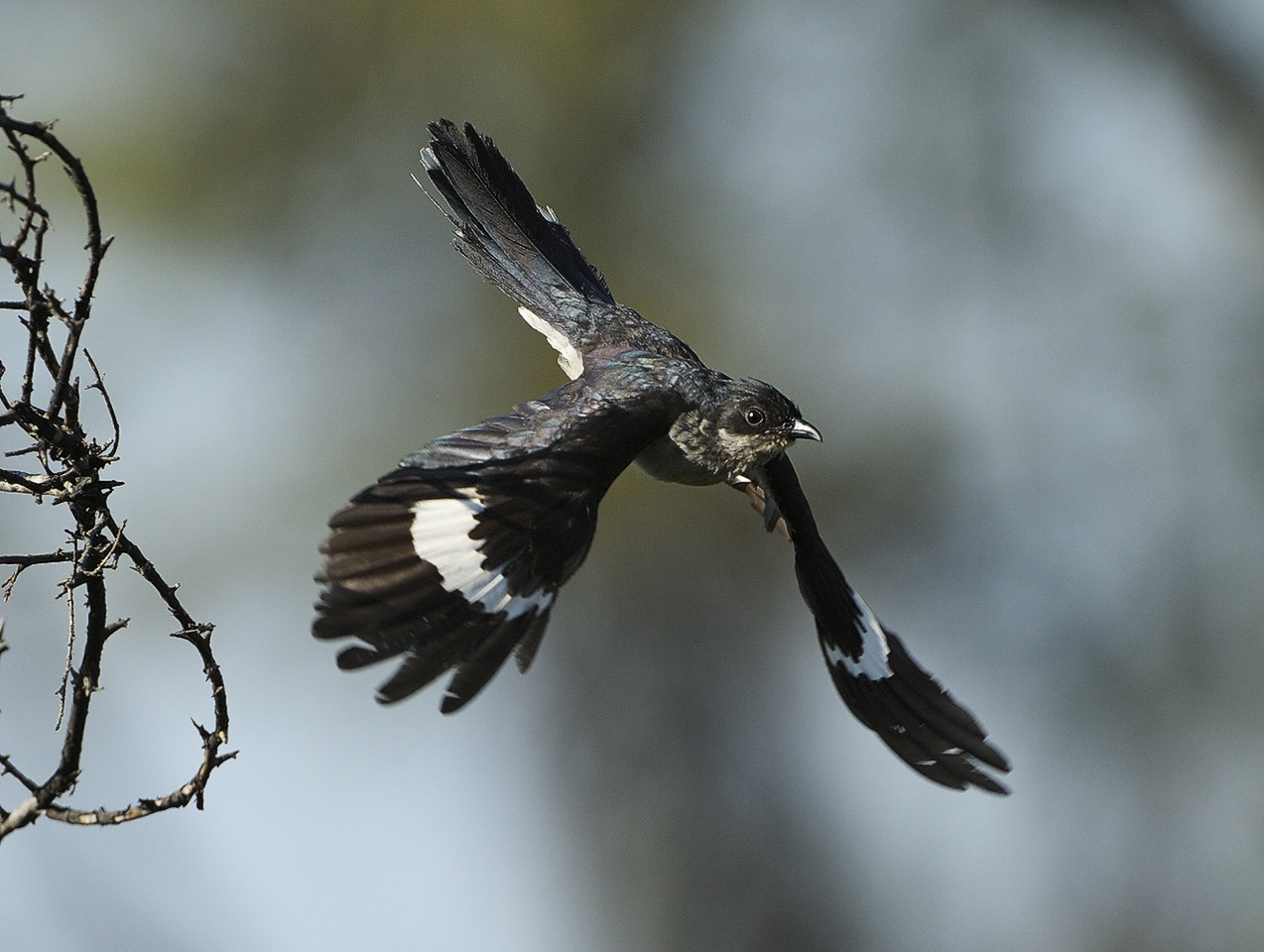
Cataka : “Some people identify it with the Jacobin cuckoo (Family- Cuculidae, Genus-Clamator). Because of its persistent and peculiar call, it is also known as the brain fever bird. The cataka is believed to subsist only on rain drops; as it disdains to drink any other water, it has become a symbol in literature of pride and self respect; it is associated with clouds and rain; to see a cataka on the left is a good omen; in stanza 9 of Maghadutam, three good omens are listed: the cataka bird on the left, a gentle breeze and hen cranes eager for mating.” (from Kalidasa -The Loom of Time by Chandra Rajan)

Meghadutam of Kalidasa :–

“as you loiter along, and here on your left
The cataka in its pride sings sweetly” (verse 9)

“Siddhas watching catakas
Skilled catching falling rain drops” (verse 23)

“Without a sound you offer catakas
The water they crave” (verse 113)

Implored by catakas tormented by great thirst
And hanging low weighed down by large loads of water (Rtusamharam 2-3)
There many more references in sakuntalam , Raghuvamsam and Vikramorvasiyam)

01-chatakpakshi2
Picture of Chataka Pakshi (Kapinjala)

The Kapinjala is also associated with water and omens. So it is not francolin partridge, but it is Cataka.

What is the Mystery?
The second part of this article will deal with the mystery of this bird. Why Indra is called a Kapinjala? Why Buddha was called a Kapinjala in the Jataka story? Why Devi Bhagavatham Purana says that Kapinjala came from the head of Vritrasura? Was astrology (Bird predictions) practised in the Vedic period?

First, let us read the poem from the R.V.
“The hymn is addressed to Indra in the form of a Kapinjala, the bird which we call the Francoline partridge”: Ralph T H Griffith in book The Rig Veda

vedabhasya
Mandala 2, Hymn 42
1.Telling his race aloud with cries repeated, he sends his voice as his boat a steersman.
O Bird, be ominous of happy fortune; from no side may calamity befall thee.
Let not the falcon kill thee, nor the eagle; let not the arrow bearing archer reach thee.
Still crying in the region of the fathers, speak here auspicious, bearing joyful tidings.
3.Bringing good tidings, Bird of happy omen, call thou out loudly southward of our dwellings,
So that no thief, no sinner may oppress us, Loud may we speak, with heroes in assembly.

Mandala 2, Hymn 43

1.Here on the right sing forth chanters of hymns of praise, even the winged birds that in due season speak.
He, like a Sama chanter utters both the notes, skilled in the mode of Trstup and of Gayatri.

2.Thou like the chanter priest chantest the Sama,Bird; though singest at libations like a Brahman’s son.
Even as a vigorous horse when he comes near the mare, announce to us good fortune, Bird, on every side, proclaim in all directions happy luck, O Bird.

3.When singing here O Bird, announce good luck to us, and when thou at sittest still think on us with kind thoughts

When flying off thou singest thou art like a lute. With brave sons in assembly may we speak aloud.

From the above hymn three things are clear:
1.It is a song bird 2.It is a bird of omen 3)It is in the region of fathers (sky)
When we compare this with cataka of Kalidasa it is matched without any difficulty. The very name Kapinjala makes it clear that it longs for water. Sangam Tamil literature copied Kalidasa in several places. Following are the descriptions of Cataka in Tamil literature:

jacobin-cuckoo_

Skylark in Sangam Tamil Literature
A bard awaiting with hopes the kind of munificence of a benefactor compares himself to the skylark that longs for drops of rain – Puram 198 sung by Vatamavannakkan Perisatan

The skylark sings while soaring in the sky longing for rain – Kali 46
It suffers in the absence of seasonal rain – Aink. Line 418

There is a reference to the skylark that longs for rain and the poet mentions it as “tuli nasai pul”( puram 198 vatamavannakkan perisatan)
Aink-418, aka.67, kali 46, pura 196, Patina-3/4

So far I have made it clear that Grtsamada,Kalidasa and Sangam Tamil poets sing about the same bird Kapinjala=Sataka= Thuli Nasai Pul in Tamil.

Now compare it with the beautiful poem by P B Shelley:

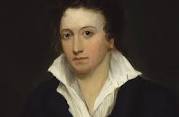
Ode to a Skylark by Percy Bysshe Shelley (1792-1822)
Sky lark is a different bird, but the approach of the poet to the bird is same as Grtsamada’s Kapinjala. So we can boldly say that Grtsamada started this genre:

Hail to thee, blithe Spirit!
Bird thou never wert-
That from Heaven, or near it,
Pourest thy full heart
In profuse strains of unpremeditated art.

Higher still and higher
From the earth thou springest
Like a cloud of fire;
The blue deep thou wingest,
And singing still dost soar, and soaring ever singest.
Skylark 08 (Shay Connolly)

In the golden lightning
Of the sunken sun,
O’er which clouds are brightening,
Thou dost float and run,
Like an unbodied joy whose race is just begun.

The pale purple even
Melts around thy flight;
Like a star of Heaven,
In the broad day-light
Thou art unseen, but yet I hear thy shrill delight–

Keen as are the arrows
Of that silver sphere,
Whose intense lamp narrows
In the white dawn clear
Until we hardly see, we feel that it is there.

All the earth and air
With thy voice is loud,
As, when night is bare,
From one lonely cloud
The moon rains out her beams, and Heaven is overflowed.

What thou art we know not;
What is most like thee?
From rainbow clouds there flow not
Drops so bright to see
As from thy presence showers a rain of melody:-

Like a poet hidden
In the light of thought,
Singing hymns unbidden,
Till the world is wrought
To sympathy with hopes and fears it heeded not:

Like a high-born maiden
In a palace-tower,
Soothing her love-laden
Soul in secret hour
With music sweet as love, which overflows her bower:
shelley
Picture of P B Shelley

Like a glow-worm golden
In a dell of dew,
Scattering unbeholden
Its aerial hue
Among the flowers and grass, which screen it from the view:

Like a rose embowered
In its own green leaves,
By warm winds deflowered,
Till the scent it gives
Makes faint with too much sweet those heavy-winged thieves:

Sound of vernal showers
On the twinkling grass,
Rain-awakened flowers,
All that ever was
Joyous, and clear, and fresh, thy music doth surpass.

Teach us, Sprite or Bird,
What sweet thoughts are thine:
I have never heard
Praise of love or wine
That panted forth a flood of rapture so divine.

Chorus hymeneal,
Or triumphal chant,
Match’d with thine would be all
But an empty vaunt,
A thing wherein we feel there is some hidden want.

What objects are the fountains
Of thy happy strain?
What fields, or waves, or mountains?
What shapes of sky or plain?
What love of thine own kind? what ignorance of pain?

With thy clear keen joyance
Languor cannot be:
Shadow of annoyance
Never came near thee:
Thou lovest: but ne’er knew love’s sad satiety.

Waking or asleep,
Thou of death must deem
Things more true and deep
Than we mortals dream,
Or how could thy notes flow in such a crystal stream?

We look before and after,
And pine for what is not:
Our sincerest laughter
With some pain is fraught;
Our sweetest songs are those that tell of saddest thought.

Yet if we could scorn
Hate, and pride, and fear;
If we were things born
Not to shed a tear,
I know not how thy joy we ever should come near.

Better than all measures
Of delightful sound,
Better than all treasures
That in books are found,
Thy skill to poet were, thou scorner of the ground!

Teach me half the gladness
That thy brain must know,
Such harmonious madness
From my lips would flow
The world should listen then, as I am listening now—P B Shelley

yaham

Please read my earlier posts:

The Mysterious Vedic Homa Bird: Does it Exist? (posted on 10 December 2011)
Can Birds Predict your Future?
Hindu Eagle Mystery Deepens (Posted on 16-2-2013)
A Tamil bird in Sumerian Double headed Eagle in Sumeria
Double Headed Eagle: Sumerian- Indian Connection
Karikal Choza and Eagle Shaped Fire Altar
Bird Migration in Kalidasa and Tamil Lterature
Friends of Birds
Four Birds in One Sloka
Can Parrots recite Vedas?
Gods and Birds

வித்தியாசமான விஞ்ஞானி யுங்! -3

jung

Post No.1057; Dated: 22 May 2014.
ஐந்து பகுதிகள் கொண்ட கட்டுரையில் இது பகுதி

((குறிப்பு: ஆங்கிலத்தில் ஜங் என்று எழுதியபோதிலும் சரியான உச்சரிப்பு யுங்)).

வித்தியாசமான விஞ்ஞானி யுங்! -3
ச.நாகராஜன்

பிற்பகல் நேரம். நல்ல சூரிய ஒளியில் யுங் ஒரு பள்ளத்தாக்கில் நடந்து கொண்டிருக்கிறார். அருகே ஒரு செங்குத்தான மலை. அந்த மலையின் மீது ஒரு கோட்டை. அந்தக் கோட்டையின் மேலிருந்த உயரமான கோபுரம் ஒன்றில் ஒரு பெண்மணி சுவர் தடுப்பின் அருகில் அமர்ந்து கொண்டிருக்கிறார். அவரைப் பார்ப்பதற்காக ஜங் கழுத்தைப் பின்னால் மிக நீட்டிப் பார்க்க வேண்டி இருக்கிறது. ஜங் கழுத்தை நீட்டிய போது……

க்ரிக் என்ற சத்தம் கழுத்தில் கேட்க யுங் உறக்கம் கலைந்து எழுந்தார். தன் கனவில் பார்த்த பெண்மணி மறு நாள் பேச நிச்சயித்திருந்த அதே பெண்மணி தான். ஜங்கிற்கு இப்போது விஷயம் புரிந்து விட்டது. அவரை அவ்வளவு தூரம் கழுத்தை நீட்டிப் பார்க்க வேண்டி இருக்கிறதென்றால்…..

யுங் மறுநாள் தன் கனவை அந்தப் பெண்மணியிடம் அப்படியே சொன்னார். அபாரமான புத்திசாலியான அந்தப் பெண்மணியும் தான் உள்ளபடியே விஷயங்களைச் சொல்லாமல் மறைப்பதை ஜங் கண்டு பிடித்து விட்டார் என்பதைப் புரிந்து கொண்டார். அந்தக் கணத்திலிருந்து அனைத்தையும் ஒழுங்காகச் சொல்ல ஆரம்பித்தார். சிகிச்சை நல்ல முறையில் தொடங்கியது.

நனவு நிலைக்கும் கனவுகளுக்கும் நெருங்கிய தொடர்பு உண்டு. ஒரு நோயாளி ஒரு கனவைச் சொல்கிறார் என்றால் அது எப்படி தன்னைப் பாதிக்கிறது என்று பார்ப்பார் ஜங். பாதிப்பே இல்லை என்றால் ஏதோ ஒரு தவறு இருக்கிறது என்று அர்த்தம். ‘காயப்பட்ட டாக்டர் தான் சரியான சிகிச்சை தர முடியும்’ என்ற பொருள் பொதிந்த வாக்கியத்தை உளவியல் சிகிச்சையாளரான யுங் அடிக்கடி சொல்வார்!

உளவியல் டாக்டராக இருந்தாலும் ஜங்கிற்கு ஏராளமான அமானுஷ்யமான அனுபவங்களும் எதிர்காலத்தைச் சுட்டிக்காட்டும் அபூர்வமான கனவுகளும் அடிக்கடி வந்தன.

1913ஆம் ஆண்டு அக்டோபர் மாதம் ஒரு நாள் யுங் தனியாக பயணித்துக் கொண்டிருந்தார். அப்போது திடீரென்று அவருக்கு ஒரு காட்சி தோன்றியது. வட கடலுக்கும் ஆல்ப்ஸ் மலைக்கும் இடையில் உள்ள பகுதியில் பிரம்மாண்டமான வெள்ளம் வடக்குப் பகுதியில் உள்ள தாழ்வான நிலப்பகுதியில் பிரவாகமாகப் பாய்வது போன்ற காட்சியை அவர் கண்டார். அது ஸ்விட்சர்லாந்தை நோக்கி நகர்ந்து வரும் போது தனது நாட்டைக் காப்பாற்றுவதற்காக அங்கிருந்த மலை உயரமாக வளர்ந்து கொண்டே போவதையும் அவர் பார்த்தார். ஒரு பேரபாயம் நிச்சயமாக வரப் போகிறது என்பதை யுங் உணர்ந்தார்.

மஞ்சள் அலைகளில் அடித்துச் செல்லப்பட்ட சடலங்களின் எண்ணிக்கை ஆயிரக்கணக்கில் இருந்தது. பிறகு வட கடல் முழுவதும் இரத்தமாக ஆனது. இந்தக் காட்சி ஒரு மணி நேரம் வரை நீடித்தது. யுங் குழம்பிப் போய் மயக்கமடைந்தார்.
இரண்டு வாரங்கள் கழித்து அதே காட்சி திரும்பவும் தோன்றியது. இப்போது காட்சி மிகவும் தெளிவாக இருந்தது, அவருக்குள் ஒரு குரல் தெளிவாகப் பேசியது:” இதோ பார் இது நிச்சயமான உண்மை, இப்படித் தான் நடக்கப் போகிறது. நீ சந்தேகப்படாதே!

அந்த ஆண்டு குளிர் காலத்தில் ஒருவர், ‘சமீப காலத்தில் உலகின் அரசியல் நிலவரம் எப்படி இருக்கும்’ என்று யுங்கிடம் கேட்டார்,”தனக்கு அது பற்றி ஒன்றும் தோன்றவில்லை என்றும் ஆனால் ரத்த ஆறு ஓடுவதைப் பார்ப்பதாகவும்” ஜங் பதில் கூறினார்,

தான் கண்ட காட்சி ஒரு புரட்சியைக் குறிக்கிறதோ என்று சந்தேகப்பட்ட யுங் அப்படி எல்லாம் ஒன்றும் நடக்காது என்று தனக்குத் தானே சொல்லிக் கொண்டார்.

இதே போல 1914ஆம் ஆண்டு கோடை காலத்திலும், வசந்த காலத்திலும் ஆர்க்டிக்கில் குளிர் அலை அடித்து நிலமெல்லாம் பனிப்பாறைகளாக ஆவதாக அவர் மூன்று முறை கனவு கண்டார்.
இப்படி எல்லாம் கனவுகள் வருகிறதே, ஒரு வேளை தனக்கு சைக்கோஸிஸ் வியாதி வந்து விட்டதோ என்று கூடஅவர் எண்ணலானார்.

ஆனால் நடந்தது என்ன? பல்லாயிரக்கணக்கான உயிர்களை பலி கொண்ட முதலாம் உலகப் போர் அந்த ஆண்டே ஆகஸ்ட் முதல் தேதி அன்று தொடங்கியது.

இப்படித் தமது கனவுகள் எல்லாம் பலிப்பதைக் கண்ட அவர் தீவிர ஆராய்ச்சியை மேற்கொண்டு அவற்றின் மூலம் பல்வேறு உண்மைகளைக் கண்டார்.

கனவுகளுக்கும் நனவு நிலைக்கும் ஒரு நெருங்கிய தொடர்பு இருக்கிறது என்பதைக் கண்ட அவர், நோயாளிகளைக் குணப்படுத்த அவர்களின் கனவுகளைக் கேட்டு அதற்கு உரிய உண்மைப் பொருளை அவர்களிடம் விண்டுரைத்து அவர்களைக் குணப்படுத்தினார்.

carl-jung-four-functions

கள்ளம் கபடமற்ற எளியவர்களை அவரால் சுலபமாகக் குணப்படுத்த முடிந்தது, அவரே ஒரு முறை கூறினார் இப்படி:” எனது நோயாளிகளிலேயே நன்றி கெட்டவர்களும் குணப்படுத்துவதில் மிகுந்த கஷ்டங்களைத் தந்தவர்களும் (வழக்கமாகப் பொய் சொல்பவர்களைத் தவிர அவர்களுக்கு அடுத்ததாக உள்ள) புத்திசாலிகள் தாம்! அவர்களின் ஒரு கை என்ன செய்கிறது என்று அடுத்த கைக்குக் கூடத் தெரியாது!”

அவர்களிடம் ஒரு “கம்பார்ட்மெண்ட் சைக்காலஜி” இருப்பதை அவர் அனுபவரீதியாக உணர்ந்தார். எதையும் அறிவு ரீதியாகச் சமாளிக்க முடியும் என்று நம்பும் அவர்கள் உணர்ச்சி கைமீறிப் போகும் சமயத்தில் மிகவும் கஷ்டப்படுகின்றனர் என அவர் கண்டார்.

எளிதில் மனதில் எந்த எண்ணம் ஓடுகிறது என்பதைக் கண்டுபிடிக்க அரிய முறை ஒன்றை யுங் வகுத்தார். நூறு வார்த்தைகளை அவர் சொன்னவுடன் எதிரில் இருப்பவர் உடனடியாக அந்த வார்த்தைகளுடன் தொடர்பு கொண்ட தனக்குத் தோன்றும் வார்த்தைகளைச் சொல்ல வேண்டும். பதில் சொல்ல எடுத்துக் கொண்ட நேரம், சொன்ன வார்த்தை இவற்றின் மூலமாக எதிரில் இருப்பவரின் உண்மையான எண்ணம் என்ன என்பதை ஜங்கால் கண்டுபிடிக்க முடிந்தது. இன்று பரவலாக நடைமுறைக்கு வந்து விட்ட இந்த ‘வோர்ட் அசோசியேஷன் டெஸ்டை’ முதலில் வகுத்தவர் ஜங் தான்!

ஜோதிடத்தையும் ஆவிகளோடு பேசும் மீடியத்தையும் கூட அவர் விடவில்லை. அந்த ஆராய்ச்சியிலும் இறங்கினார்……

சின்ன உண்மை!
மனதிற்கு நான்கு முக்கிய பண்புகள் உண்டு என்பதை முதலில்
சொன்னவர் யுங் தான்! ஐம்புலன்கள் முலமாகச் சுற்றுப்புறத்தை
அறிதல் (SENSING), சிந்தித்தல்(THINKING), உணர்தல்(FEELING),
உள்ளுணர்வு மூலமாக ஆழ்மன ரீதியாக விஷயங்களைப் பகுத்துப்
பார்த்தல் (INTUITING) ஆகிய நான்கு பண்புகள் மனதிற்கு உண்டு
என்பதை அவர் வலியுறுத்தினார்.

அறிவியல் அறிஞர் வாழ்வில் .. ..

மாமன்னன் அலெக்ஸாண்டரின் குருவான அரிஸ்டாடில் பல கேள்விகளுக்கு “எனக்குத் தெரியாது” என்று விடை கூறுவது வழக்கம். இதனால் எரிச்சல் அடைந்த சிலர் அவரை நோக்கி, “எதற்கெடுத்தாலும் எனக்குத் தெரியாது, எனக்குத் தெரியாது என்று பதில் சொன்னால் என்ன அர்த்தம்! இதற்குத் தானா மன்னர் உங்களுக்கு இவ்வளவு பணம் கொடுக்க வேண்டி இருக்கிறது?” என்று ஏளனமாகக் கேட்டனர். அதற்கு அரிஸ்டாடில் உடனே,” எனக்கு என்ன தெரியுமோ அதற்குத் தான் மன்னர் பணம் அளிக்கிறார். எனக்குத் தெரியாததற்கெல்லாம் அவர் பணம் கொடுக்க வேண்டும் என்றால் அவர் கஜானா காலி ஆகி விடும்” என்று பதில் சொன்னர்.கேள்வி கேட்டவர்கள் அரண்டு போய் நகர்ந்தனர்.
அலெக்ஸாண்டர் இசையில் மிக்க ஆர்வம் கொண்டவர். அவர் லைர் என்ற நரம்பிசைக் கருவியை வாசிப்பதைக் கேட்ட அரிஸ்டாடில் அவரை நோக்கி,” இன்னமும் நன்கு பயிற்சி செய்யலாமே” என்றார்.
நன்கு பயிற்சி செய்தால் அதில் நிபுணன் ஆகி விடுவேன் என்று பயந்து தான் அதை நன்கு பயிற்சி செய்யவில்லை” என்று பதில் சொன்னார் அலெக்ஸாண்டர். விஞ்ஞானியின் கேள்விக்கு ஏற்ற மாமன்னனின் பதில் இது!

உலகத்தை வெல்ல ஆசைப்பட்டவர் லைர் இசைக்கருவியின் எல்லைக்குள் தன்னை அடக்கிக் கொள்ள முடியுமா என்ன?
***********************

contact: swami _ 48 @ yahoo.com

Vedic Poet Medhathithi’s Quotations

rveda

Post No:- 1056; Dated 21st May, 2014.

Rig Veda, the oldest religious scripture in the world, is full of mysteries. Even the foreign “scholars” who tried to translate the hymns very often added in the foot note, “the meaning is not clear”, “the meaning is obscure” etc. Some deliberately misinterpreted the hymns to suit their fanciful Aryan-Dravidian Race theories and sex fantasies. One must always read what Indian saints like Shankaracharya, Dayananda Saraswati, Sayana and Bhatta Baskara say about Vedas. We must respect our mother, father, Guru and what they have believed in the past thousands of years. The Vedic sages said they love to speak in mysterious language. Some hymns may be allegorical, some may be symbolic, some may be open statements and others may be in coded language.

The hymns 12 to 23 in the First Mandala are ascribed to sage Medhathithi, Son of Kanva. Following are some of the quotations from his hymns:

1.Fire kindles fire and so does poetry, youth and home life (RV 1-12-6 & 1-14-7)

2.The Valiant perishes not (1-18-4)

3.He is longing to send fortune to those who deserve (1-17-6)

4.The works of Gods are mysterious (1-18-6)

5.Not verily is there a God nor a man to know all your great wisdom and deeds. Supreme is your glory (1-19-2)

6.Noble causes on which wealth may be spent (1-17-6)
7.Fight against sin, ignorance, illness (1-18-2)

8.Ribhus: young and elderly (matured), who have truth in their thoughts and straightforwardness in their actions (1-20-4)

9. Asvins: Beautiful combination of honey and truth (1-22-3)
(This reminds us of Truth and Beauty sung by Keats and Sweetness and Light sung by Mathew Arnold; also Satyam, Sivam, Sundaram by Hindi poet Jai Shankar Prasad, great poet of Bengal Rabindranath Tagore; and in the recent days propagated by Sri Sathya Sai Baba)

Source: Rig Veda- A Scientific and Intellectual Analysis of the Hymns by Dr J.K.Trikha.

four vedas

Manu even went to the extent of saying Vedas contain that was needed in the past, and for present and future. We have to wait for a great intellectual –a new Adi Shankara– to tell us what is going to happen in future with the help of the Vedas.

contact swami_48@yahoo.com

ரோகிணி நட்சத்திர மர்மம்! தமிழர் திருமணம் நடத்தியது ஏன்?

Taurus_constellation
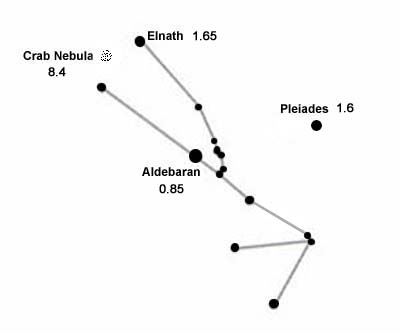
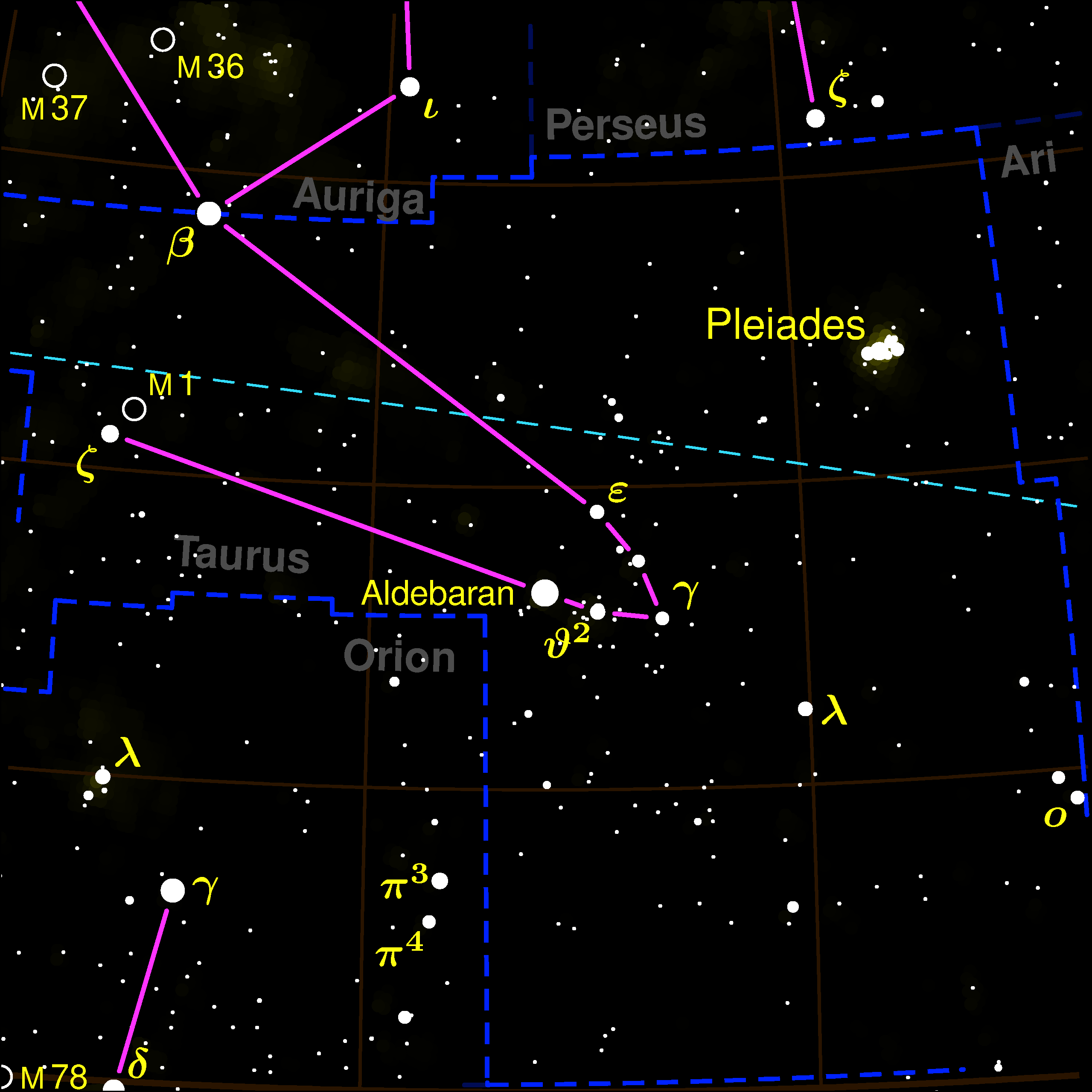
படம்: ரிஷப ராசி, ரோகிணி நட்சத்திரம்

கட்டுரையாளர்- லண்டன் சுவாமிநாதன்
கட்டுரை எண்:-1055; தேதி:– மே 21, 2014.

தமிழர்கள் ரோகிணி நட்சத்திர நாளில் திருமணம் செய்ததாக அகநானூற்றில் இரண்டு பாடல்களும் கண்ணகி- கோவலன் திருமணம் ரோகிணி நட்சத்திரத்தில் நடந்ததாக சிலப்பதிகாரமும் கூறும். ரோகிணி நட்சத்திரத்தில் திருமணம் ஏன்?

தமிழர்களுக்கு சோதிடத்திலும் பல்லி சொல்லும் பலனிலும், புள் (பட்சி) நிமித்தத்திலும், தும்மல்,கண் துடிப்பு விஷயத்திலும், அபார நம்பிக்கை இருந்ததை சங்க இலக்கியத்தில் நூற்றுக்கணக்கான இடங்களில் காண முடிகிறது. இந்த ரோகிணி நட்சத்திர நம்பிக்கை வட இந்தியாவிலும் உண்டு. தமிழ் இலக்கியத்தில் இது இடம்பெறும் 500, 600 ஆண்டுகளுக்கு முன்னரே இது சம்ஸ்கிருத இலக்கியத்தில் இருக்கிறது.

இந்துக்கள் வட இமயம் முதல் தென் குமரி வரை (‘ஆ சேது ஹிமாசலம்’) — ஒரே நம்பிக்கை வைத்திருந்ததை இது காட்டுகிறது. அது மட்டுமல்ல, ஆரிய – திராவிட இனவாதம் பேசி நாட்டைப் பிரிக்க, இந்து மதத்தை ஒழிக்க முற்பட்டோரின் பொய்மை வாதத்தையும் வெளிச்சம் போட்டுக் காட்டுகிறது.

போதாயன கிருஹ்ய சூத்திரம், மனுதர்ம சாஸ்திரம், வால்மீகி ராமாயணம், காளிதாசனின் படைப்புகள் முதலியன நிலவு- ரோகிணி நெருக்கத்தைப் புகழ்ந்து உரைக்கின்றன. கணவன் – மனைவி, காதலன் – காதலி அன்புக்கு உவமையாகப் பயன்படுவது ‘’நிலவு – ரோகிணி’’ நெருக்கம்தான். சங்க இலக்கியத்திலும் இந்த நெருக்கம் பல இடங்களில் உவமையாகப் பயன்படுத்தப்படுகிறது.
அகநானூற்றில் இரண்டு கல்யாணப் பாடல்கள் இருக்கின்றன. இரண்டும் தமிழர் திருமண முறையைப் படம்பிடித்துக் காட்டுகின்றன. இதை விட்டால் அடுத்தபடியாக சிலப்பதிகாரத்தில்தான் கல்யாணக் காட்சி. அதையும் விட்டால் ஆண்டாளின் வாரணம் ஆயிரத்தில்தான் அடுத்த கல்யாணக் காட்சி வருகிறது.

taurus-constellation-new-3
ஆல்டிபாரன் என்பது ரோகிணியின் அராபிய பெயர்

அகநானூறு 86 (நல்லாவூர்க் கிழார்) பாடிய பாடலில்

“கனை இருள் அகன்ற கவின்பெறுகாலை
கோள்கால் நீங்கிய கொடுவெண் திங்கள்
கேடுஇல் விழுப்புகழ் நாள் தலைவந்தென……….”
பொருள்:- வெண்மையான சந்திரனை குற்றமில்லாத சிறந்த புகழினை உடைய உரோகிணி என்ற நாள் (நட்சத்திரம்) அடைந்தது…………………………

அகநானூறு 136 (விற்றூற்று மூதெயினனார் பாடிய பாடல்)
“மைப்பு அறப்புழுக்கின் நெய்க்கனி வெண்சோறு
வரையா வண்மையொடு புரையோர்ப்பேணி
புள்ளுப் புணர்ந்து இனிய ஆக, தெள் ஒளி
அம்கண் இருவிசும்பு விளங்கத் திங்கட்
சகடம் மண்டிய துகள்தீர் கூட்டத்து………………”
(திங்கள்=சந்திரன், சகடம்=ரோகிணி நட்சத்திரம்)

இந்த இரண்டு பாடல்களும் தரும் பொருளின் சுருக்கம்: கல்யாணம் என்பது சந்திரன் ரோகிணி நட்சத்திரத்தை அடைந்த நாளில் நடைபெறும். அந்த வீட்டில் ‘’வெஜிட்டேரியன்’’ சாப்பாடு (வெண்சோறு+ நெய் அல்லது உளுந்து கலந்த பொங்கல்) கிடைக்கும். சுமங்கலிகள் கூடி நின்று மங்கள முழக்கம் செய்வர். வீடு பந்தல் போட்டு, மணல் தூவி அலங்கரிக்கப்பட்டிருக்கும். சுவற்றில் தெய்வ ஓவியங்கள் இருக்கும்.புத்தாடைகள் உடுத்தி இருப்பர் முதலிய பல விஷயங்களை நீண்ட பாடலில் காணலாம்.

taurus_constellation_map

வால்மீகி ராமயணத்தில் பல இடங்களில் சந்திரனைச் சேர்ந்த ரோகிணி போல என்ற உவமை வருகிறது. காளிதாசனும் விக்ரம ஊர்வசீயம், சாகுந்தலம் நாடகங்களிலும், ரகுவம்ச காவியத்திலும் இந்த உவமைகலைப் பயன்படுத்துகிறான். ஆனால் இவைகளுக்கெல்லாம் முன்னர் படைக்கப்பட்ட போதாயன க்ருஹ்ய சூத்திரத்திலும், மனு தர்ம சாஸ்திரத்திலும் ரோகிணி நட்சத்திர நாள் திருமணத்துக்கு உரிய நாள் என்று தெளிவாகவே எழுதப்பட்டுள்ளது. அதை இளங்கோவும் நல்லாவூர்க் கிழாரும் விற்றூற்று மூதெயினனாரும் பின்னொட்டிச் செல்வது பாரதீய கலாசாரத்தின் செல்வாக்கைக் காட்டுவதாக அமைந்துள்ளது.

தமிழ் இலக்கியத்தில் மணநாள் குறிப்பு தவிர, பொதுவாக ரோகிணி-நிலவு உறவு பற்றிக் கூறும் செய்யுள்கள்: திருமுருகாற்றுப்படை வரி 87/ 88, நெடுநல்வாடை-163, புறம் 60, 160 பாடல்கள்.

சம்ஸ்கிருத இலக்கியத்தில்:- ஐதரேய பிராமணம், சதபத பிராமணம் மற்றும் போதாயன, மானவ க்ருஹ்ய சூத்திரங்கள்; வால்மீகி ராமாயணம்(5-33-7;5-24-10;5-37-24;5-15-22 etc). காளிதாசனின் விக்ரம ஊர்வசீயம்3-4, 3-12
சாகுந்தலம் 7-22; ரகு வம்சம்-14-40.

புராணக் கதை

தக்ஷன் என்ற ரிஷியுனுடைய 27 பெண்களை சந்திரன் திருமணம் செய்துகொண்டார். அவர்களில் ரோகிணியிடம் மட்டும் அதிகம் அன்பு செலுத்தவே பற்ற மனைவியர் தந்தையிடம் முறையிட்டனர். அவர் சந்திரன் தேய்ந்து அழியட்டும் என்று சாபமிட்டார். எல்லா மனைவியரும் அவ்வளவு கடுமையான சாபம் வேண்டாம் என்று மன்றாடினர்.

இந்துமதத்தில் கடவுளேயானாலும் ஒரு வரமோ சாபமோ கொடுத்துவிட்டால் அதைத் திரும்பி எடுக்கவே முடியாது ஏனெனில் இது சத்தியத்தின் அடிப்படையில் அமைந்த மதம். ஆனால் குறைக்கவோ, கூட்டவோ முடியும். உடனே நிலவு என்பது 15 நாள் தேய்ந்து (கிருஷ்ண பட்சம்) அடுத்த 15 நாள் வளரட்டும் என்றார் தக்ஷன்.

உண்மையில் இது வான சாஸ்திர உண்மை. அந்தக் காலத்தில் விஞ்ஞானப் பாடங்களை இப்படிக் கதையாகச் சொல்வது மரபு. ஆக நிலவின் சுக்ல பட்சம், கிருஷ்ண பட்சம் பற்றி விளக்க இப்படிக் கற்பனைக் கதை உற்பத்தி செய்தனர்.

ஆயினும் ரோகிணிக்கு அதிக அன்பு காட்டியது என்ன விஞ்ஞான நிகழ்ச்சி என்று இப்போது சொல்ல முடியவில்லை. ஒருவேளை முன்னொரு காலத்தில் நிலவு ரோகிணிக்கு மிக அருகில் வந்திருக்கலாம். அல்லது அந்த இடத்தைக் கடக்க கூடுதல் நாட்கள் எடுத்திருக்கலாம். இப்போது நிலவு 29 நாட்களுக்கு ஒருமுறை பூமியைச் சுற்றுகிறது.

Taurus web

இதே போல பூமியே நடுங்கும்படியான ஒரு நிகழ்ச்சிக்குப் பின்னர் புதன் பிறந்ததாகவும் இன்னொரு புராணக் கதை கூறுகிறது. இதில் பிருஹஸ்பதியும் சம்பந்தப்படுவதால் இதுவும் ஒரு விண்வெளி விஞ்ஞானக் கதையே. பூமி, நிலவு மோதலால் அல்லது குரு (வியாழன் கிரக ஈர்ப்பால்) ஈர்ப்பால் புதன் உருவாகி இருக்கலாம். எதிர்காலத்தில் புதன் கிரகம் பற்றி புதிய தகவல் வரும்போது நம் புராணக் கதைகள் விஞ்ஞானக் கதைகளாகக் கருதப்படும்.

கிரகணம் பற்றி நாம் நன்கு அறிந்து, அதைக் கணக்கிட்டு பஞ்சாங்கத்தில் குறித்தபோதும் பாமர மக்களுக்கு இதெல்லாம் விளங்காது என்பதால் சந்திரனை பாம்பு விழுங்குகிறது என்று கதை சொல்லுவது போலத்தான் நிலவு- ரோகிணி கதையும்.

நிலவு பூமியை ஒரு முறை வலம் வர 27 நாட்கள் ஆகும். பூமியும் சூரியனைச் சுற்றுவதால் 27 நாட்களுக்குள் பூமி இரண்டரை நாள் தூரம் முன்னேறி இருக்கும். இதனால் நிலவு ஒரு முறை பூமியை வலம் வர ஆகும் நாட்கள் 29-5 (இருபத்தொன்பதரை) நாட்கள். இதை ஒரு சாந்திர மாதம் என்பர். நிலவு போகும் பாதையில் தெரியும் 27 நட்சத்திரங்களை அவனது மனைவியர் என்று பாமர மக்களுக்காக கதை சொன்னார்கள்.

நிலவுக்கு ‘’அருகில்’’ ரோகிணி நட்சத்திரம் வருகிறது என்பதெலாம் மாயத்தோற்றமே. ஏனெனில் நட்சத்திரங்கள் கோடி கோடி மைல்கள் அப்பால் இருக்கின்றன. நிலவு அவைகளைக் கடந்து போவது போலத் தோன்றினாலும் நிலவுக்கும் அவைகளுக்கும் இடையில் கோடானு கோடி மைல்கள் இருக்கின்றன.

பாலகங்காதர திலகர் என்ற சுதந்திரப் போராட்ட வீரர் ரிக் வேதத்தில் உள்ள வான சாத்திரக் குறிப்புகளை வைத்து அதன் காலம் கி.மு.6000 என்று கணித்தார். இவர் ஆராய்வது தெரியாமல், தனியாக ஆராய்ந்த ஜெர்மானிய அறிஞர் ஜாகோபியும் வான சாஸ்திரத்தை வைத்து ரிக் வேதம் கி.மு.4500 என்று கூறினார்.

பகவத் கீதையில் கண்ணன்– ‘’மாதங்களில் நான் மார்கழி’’– என்று கூறுவது போல கி.மு.ஏழாம் நூற்றாண்டில் வாழ்ந்த பாணினியும் மார்கழியே வருடத்தின் முதல் மாதம் என்கிறார். அப்போதைய கோள் நிலை கொண்டு கணிக்கப்பட்ட கணக்கில் ரோகிணி, கார்த்திகை நட்சத்திரங்களுக்கு அதிக முக்கியத்துவம் இருப்பது தெரிகிறது. எதிர்காலத்தில் தமிழர்களும் வடவர்களும் ஏன் ரோகிணியில் கல்யாணம் செய்தார்கள் என்பது தெரியவரலாம்.

contact swami _48@yahoo.com

Why did Sangam Tamils marry on Rohini Star day?

taurus_constellation_map
ALDEBARAN= ROHINI

Written by London Swaminathan
Post No.1054; Dated-20th May 2014.

Tamil Sangam Literature which is 2000 year old is full of Hindu stories and Hindu beliefs. Even if all the Sanskrit scriptures disappear overnight, Tamil Sangam literature with over 2000 poems by 400+ poets is enough to give all the Vedic and Upanishidic thoughts. The oldest anthology Purananuru is full of Hindu customs. But we have more Tamil anthologies on sex and family life than war and day today life. One among them is Akananuru which has got two beautiful poems on ancient Tamil weddings.

Akananuru verses say that the Tamil marriages were celebrated on Rohini star (Star Aldebaran in conjunction with the moon) days. Tamils strongly believed in astrology and Hindu mythology. This belief is found in Vedic literature, Valmiki Ramayana and dramas of Kalidasa. This also debunks the Aryan-Dravidian Race theory. Indian culture has been the same from the Himalayas to the southernmost Kanyakumari from time immemorial!

Tamils might have borrowed it from the works of Kaliadsa who lived in the first century BCE. (See my earlier six posts on the topic of Kalidasa and Tamil literature).

Moon goes around earth and completes one full circle in 27 days. Ancient Hindu astronomers noticed that there are 27 star clusters in its path. Just to explain it to laymen they told some allegorical stories. They told that the moon has 27 wives meaning 27 ‘nakshatras’ i.e star clusters or constellations. Whenever the moon is “near a star” (not in real terms; it looks like it is near a particular star) we call that is the asterism of the day. Rohini is one of the 27 stars.

Though the moon takes only 27 days for one circle, we must remember that the earth is also going around sun and it goes forward by two and half days in that period. So it takes 29.5306 days what we call a lunar month. We have divided this period into two parts as Krishna/black Paksha and Sukla/white paksha.
Taurus web

Rohini is called Alpha tauri or Aldebaran. It is very bright red in colour. It can be seen near the Pleiades constellation. Pleiades is Krittika nakshatra with six stars. No one can miss it. Rohini is called the dearest wife of moon in Hindu mythology. Today we can’t see why it was called the dearest. But at one time in the past, probably the paths of the earth and the moon in the backdrop of the fixed stars in the heavens were such that the time taken by the moon to cross the “home of Rohini” (constellation) used to take a little more time or it might have come “very close to Rohini”.

In Vedic times the sky looked differently. Balagangadhara Tilak has explained it in detail in his book ‘’The Arctic Home in the Vedas’’ and said that the Vedas were composed sometime in 6000 BCE. According to the ancient writers like Panini, the month Markazi/Margasheersa was the first month of the year at one time.
(Stars are billions and billions of miles away from the earth and the moon. What we describe is the way it ‘appears’ when we look up in the night time)

Hindus have another story about why the moon is increasing and decreasing in size every fifteen days (Sukla Paksha and Krishna Paksha). The gods were angry with the moon for being partial to Rohini and cursed the moon would wax for 15 days and wane for 15 days (actually it is 29 and half days). Hindus teach all astronomy lessons through allegorical stories such as Rahu devouring moon (eclipse) etc. This is their way of teaching science. (I have already explained it in “Is Brahmastra a Nuclear Weapon?” and “Ancient Engineers of India”).

Taurus_constellation
TAURUS= RISHABHA RASI

ROHINI in Valmiki Ramayana and Kalidasa
Rohini, as an auspicious star for weddings, is already in the Vedic literature: Bodhayana Grhyasutra and Manava Grhyasutra. Aithareya and Satapata Brahmana mention Rohini asterism (Vedi Index Vol.1,page 415). Valmiki Ramayana has many similes such as ‘Rohini sasinam yatha’ and ‘Chandramso Rohini’ in several places (5-33-7;5-24-10;5-37-24;5-15-22 etc).

Kalidasa also mentions the conjunction of Rohini with moon in several places:
“By Fortune’s grace, you now stand before me,
O,Lady of the most gracious face!
Like Rohini in conjunction with the Moon
Appearing at the end of an eclipse” (Sakuntala, 7-22)
Other references are in Ragu14-40, Vikrama Urvasiyam 3-4, 3-12
Tamils have reference to Rohini with the moon in Tirumurugu-7/88; Nedu.163; Puram60 and 160)

Tamil Weddings ( I give below an excerpt from my previous post)
Two thousand year old Sangam Tamil literature describes Tamil Hindu weddings in two beautiful verses in Akananauru (verses 86 and 136). The poets bring the wedding ceremony in front of our eyes. Anyone who reads those poems can visualise that day. It is like a live running commentary.

In the first verse (86), poet Nallavur Kizar describes the food and the dress. There was a huge heap of rice cooked with black gram (Pongal). There was a wooden shed (pandal) with fresh sand from the river banks spread. Since they believed in astrology and auspicious days, it was celebrated on the day when Rohini star was with the moon. Since they were orthodox Hindus they lighted lamps even though it was celebrated in the day time. Bridegroom and bride were adorned with flower garlands. Some women were carrying the pots on their head, others bearing new, broad bowls, handed them one after another, while fair elderly dames were making noise. Mothers of sons, with bellies marked with beauty spots, wearing beautiful ornaments, poured water on the bride, so that her black hair shone bright with cool petals of flowers and rice grains (probably yellow rice called Akshatai). They blessed her saying ,’do not swerve from the path of chastity, be serviceable in various ways to your husband who loves you and live with him as his wife. They greeted her ‘Dirgha Sumangali Bhava: in Tamil– Per Il Kizaththi Aguka’–.On the night after the marriage ceremony was over, the neighbouring ladies assembled and sent her to the arms of her lover, to which she went with trepidation ( This is the Shanti Muhurtham alias First Night).
taurus-constellation-new-3

Aldebaran= Alpha tauri = Rohini

In another verse136, poet Vitrutru Mutheyinanar says, white rice well cooked with plenty of ghee was served generously to the elders. Since Tamils believed in astrology, the poet remarks, the omens shown by the birds were propitious. It was a bright morning. The moon was in faultless conjunction with the Rohini star. The marriage house was decorated. They worshiped God. The big drums sounded with wedding tunes. Excited women were peeping without a wink with their flower like eyes at the bride who had been bathed. The image (to be worshiped) was made of big flower petals. Clear like a gem that has been well washed, was placed on the soft Vagai flower with the double leaf and the Arukam grass. It was decked with cool, sweet flower buds and white thread clothed with holy cloth, so as to look grand. The bride was seated on the fresh sand under the Pandal ( A thatched shed made over a row of wooden poles). The bride was perspiring with loads of ornaments. They fanned her to dry the wet.( I have used the translations given in History of the Tamils by PT Srinivasa Iyengar).

What is very clear in the above two Sangam Tamil verses is the Tamils believed in God and astrology. They used lot of vegetarian food and flowers during weddings. Ornaments and decorations, respect for elders are all like modern day weddings. The bride wore a thread (protective Kaappu) and new dress after a shower. Music was part of Tamil Hindu weddings.

Tamil epic Silappadikaram says that the marriage of Kannanki and Kovalan took place on the day moon approaching Rohini(Mankala vazthu patal).

Please read my earlier posts:
Kannaki and Andal Weddings (Posted on Sept2, 2012)
Three beautiful Tamil Hindu Weddings (Sept.2, 2012)

வித்தியாசமான விஞ்ஞானி யுங்! -2

jung-red-book

Post No.1053; Dated: 20 May 2014.
ஐந்து பகுதிகள் கொண்ட கட்டுரையில் இது இரண்டாம் பகுதி
((குறிப்பு: ஆங்கிலத்தில் ஜங் என்று எழுதியபோதிலும் சரியான உச்சரிப்பு யுங்)).

வித்தியாசமான விஞ்ஞானி யுங்! -2
ச.நாகராஜன்

நிறை வாழ்வு வாழ்ந்தவரான யுங் 1957ஆம் ஆண்டு வசந்த காலத்தில் ஒரு நாள் தனது வாழ்க்கை வரலாற்றை தனது சகா ஒருவரிடமும் அனீலா ஜஃபே என்ற பெண்மணியிடமும் சொல்லலானார். சில சமயம் சில அத்தியாயங்களை அவரே தன் கைப்பட எழுதிக் கொடுத்தார். அவர் 1961ஆம் ஆண்டு ஜூன் மாதம் 6ஆம் தேதி மரணமடைந்தார். அது வரை தனது வாழ்க்கையில் நடந்த அனைத்தையும் சொல்லி வந்தார். மிக சுவாரசியமான சம்பவங்கள் அடங்கிய அவரது வரலாறு மெமொரீஸ், ட்ரீம்ஸ், ரெஃப்ளக் ஷன்ஸ் (Memories Dreams Reflections ) என்ற பெயரில் புத்தகமாக வெளியிடப்பட்டது.

யுங் தனது ஹிப்நாடிஸ மருத்துவ முறையை ஆரம்பித்த காலத்தில் நடந்தது இது;
ஒரு நாள் 58 வயதான பெண்மணி ஒருத்தி ஊன்று கோலை ஊன்றிக் கொண்டு அவரிடம் சிகிச்சைக்காக வந்து சேர்ந்தார். அவருக்குக் கடந்த 17 வருடங்களாக பக்க வாதம். இடது காலை அசைக்கக் கூட முடியாது. யுங் அவரை வசதியாக ஒரு நாற்காலியில் அமர வைத்தார்.

அவரிடம் என்ன விஷயம் என்று மெதுவாக விசாரித்தார். அவ்வளவு தான், அந்தப் பெண்மணி கடகடவென்று நிறுத்தாமல் பேச ஆரம்பித்தார். தனது நோயைப் பற்றிப் புலம்பினார். ஜங்,”போதும். நான் இப்போது உங்களை ஹிப்நாடைஸ் செய்ய்யப் போகிறேன்”, என்றார். அவர் சொல்லியவுடன் அந்தப் பெண்மணி கண்களை மூடினார். யுங் ஒன்றும் செய்யாமலேயே ஆழ்ந்த ஹிப்நாடிஸ நிலைக்குச் சென்று விட்டார். அத்தோடு தனது கனவுகளை விவரிக்க ஆரம்பித்தார். அப்போது யுங்கிற்கு அதன் அர்த்தம் புரியவில்லை.பின்னால் பல ஆண்டுகள் கழித்து அவருக்கு அந்தப் பெண்மணி சொன்ன கனவுகள் புரிந்தன. அப்போது அந்தப் பெண்மணி ஏதோ உளறுகிறார் என்று நினைத்துக் கொண்டார்.

சற்று நேரம் கழிந்தது. நிலைமை சற்று தர்மசங்கடமாக ஆனது. ஏனெனில் ஜங் என்ன செய்கிறார் என்பதை அங்கிருந்த இருபது மாணவர்கள் கவனித்துக் கொண்டிருந்தனர்..அரை மணி நேரம் கழிந்தது. மாணவர்கள் முன்னர் தனது நடுக்கத்தைக் காண்பிக்காமல் யுங் அந்தப் பெண்மணியை எழுப்ப ஆரம்பித்தார். பத்து நிமிடங்கள் கழிந்தன. திடீரென்று விழிப்பு நிலைக்கு வந்த அந்தப் பெண்மணி பெரிதாகக் கத்த ஆரம்பித்தார்.

“ஆஹா! இப்போது என் வியாதி குணமாகி விட்டது”! என்று கூவிய அவர் ஊன்றுகோல்களைத் தூக்கி எறிந்தார். நடக்க ஆரம்பித்தார். அங்கிருந்த அனைவரும் அசந்து போய் பிரமித்து விட்டனர்!
“பார்த்தீர்களா! இது தான் ஹிப்நாடிஸம் ஏற்படுத்தும் நல்ல விளைவு “ என்று மாணவர்களை நோக்கிக் கூறிய ஜங் உள்ளுக்குள் குழம்பினார். தான் ஒன்றுமே செய்யாமல் இருந்த போது எப்படி அந்தப் பெண்மணி குணமானார்? அவருக்குப் புரியவே இல்லை.

“சரி, இது நீடித்து நிலைக்காது. சீக்கிரமே அவர் பழைய நிலைக்குச் சென்று விடுவார்” என்று நினைத்தார் யுங். ஆனால் அந்தப் பெண்மணி குணமானது நிலைத்திருந்தது.அடுத்த ஆண்டு கோடைக்கால லெக்சர்களை ஜங் ஆரம்பித்தார். அதற்கான அறிவிப்புகள் செய்தித் தாள்களில் வெளியாயின.

முதல் லெக்சர் ஆரம்பிக்கும் நாளன்று அந்தப் பெண்மணி மீண்டும் வந்து யுங்கைப் பார்த்தார். தனக்கு முதுகு வலி என்றார். வலி தாளவில்லை என்று அலறிய அவரைப் பார்த்த ஜங் எப்போது எப்படி அந்த வலி ஆரம்பித்தது என்று கேட்டார். அவருக்கு இப்போது நன்கு புரிந்து விட்டது. தனது லெக்சர் ஆரம்பம் என்று செய்தித் தாளில் படித்த அந்தக் கணம் தான் அவருக்கு வலி ஆரம்பித்திருந்தது.

“சரி,உங்களை ஹிப்நாடைஸ் செய்கிறேன்” என்று சொன்ன அந்தக் கணமே அந்தப் பெண்மணி ஆழ்ந்த உறக்க நிலைக்குத் தானாகவே சென்று விட்டார்! சிறிது நேரத்தில் அவரது வலி போயே போய் விட்டது.

அவரைப் பற்றிய செய்திகளைச் சேகரிக்க ஆரம்பித்தார் யுங்.

ஜங்கின் பிரிவிலேயே அந்தப் பெண்மணியின் மனவளர்ச்சி குன்றிய மகன் சிகிச்சைக்காக அனுமதிக்கப்பட்டிருந்தான். பெண்மணியின் முதல் கணவனுக்குப் பிறந்திருந்ததால் அவனது பெயரை இந்தப் பெண்மணியின் பெயருடன் சேர்த்துப் பார்க்க முடியாமல் இருந்தது. அவனைப் பெரிய ஹீரோவாக ஆக்க நினைத்திருந்த அந்தப் பெண்மணி அது முடியாமல் போனதால் ஜங்கைத் தன் அபிமான புத்திரனாக எண்ணிக் கொண்டாள். அவரைப் பார்த்தவுடன் அவருக்கு 17 வருட வியாதி குணமாகி விட்டது! அதை ஊர் முழுவதும் பரப்பி யுங்கிற்குப் பெரும் புகழை அவர் சேர்த்து விட்டார்.

carl jung

யுங் பின்னால் சொன்னார் இப்படி:” எனது உளவியல் சிகிச்சையின் முதல் கேஸ் இப்படி ஆச்சரியகரமாக் அமைந்தது.தனது தாய்ப்பாசத்தால் தன் மனவளர்ச்சி குன்றிய மகனுக்குப் பதில் என்னை தன் மகனாக பாவித்து தத்து எடுத்துக் கொண்டதால் அந்தப் பெண்மணி குணம் அடைந்தாள்”

யுங் ஹிப்நாடிஸ சிகிச்சை செய்வதைப் பின்னர் விட்டு விட்டார். ஏனெனில் அந்த சிகிச்சை தரும் குணம் எத்தனை காலம் நீடித்திருக்கும் என்பதை அவரால் உறுதி செய்ய முடியவில்லை.

.
பின்னர் யுங் கனவுகளைப் பற்றித் தீவிரமாக ஆராய ஆரம்பித்தார். ஏராளமான சுவாரசியமான கேஸ்களை அன்றாடம் அவர் சந்திக்க வேண்டி இருந்தது. ஒரு சுவையான கேஸ் இது:

ஒரு பெண்மணி அவரிடம் சிகிச்சைக்காக வந்தார். அபாரமான புத்திசாலிப் பெண் அவர்.தனது கனவுகளை யுங்கிடம் விவரிக்க ஆரம்பித்தார். அவற்றை எல்லாம் பொறுமையாகக் கேட்டார் ஜங்.
ஆனால் அவரிடம் பேசுவதிலிருந்து உருப்படியாக ஒன்றையும் அவரால் தெரிந்து கொள்ள முடியவில்லை. அவர் கனவுகளுக்கு அவரால் விளக்கமும் கண்டு பிடிக்க முடியவில்லை. ‘சம்திங் ராங்.ஒரு வெறுமை இருக்கிறது’ என்பதை அவர் புரிந்து கொண்டார். ஜங் இப்படிப் புரிந்து கொண்டதை அந்தப் புத்திசாலிப் பெண்மணியும் புரிந்து கொண்டார்.

இதைப் பற்றிப் பேசி விட வேண்டியது தான் என்று யுங் தீர்மானித்தார். பேச வேண்டிய தினத்திற்கு முந்தைய நாள் அவர் ஒரு கனவு கண்டார். அந்தக் கனவு ……

சின்ன உண்மை!
உளவியல் ரீதியாக மனிதரில் இரு வகை உண்டு என்பதை முதலில் சொன்னவர் யுங் தான்! தன்னைப் பற்றியும் தன் உணர்சிகளைப் பற்றியுமே சிந்தித்துக் கொண்டிருக்கும் உள்முகச் சிந்தனையாளர்
(introvert) ஒரு வகை. பரந்த மனம் கொண்டவர் (extrovert) இன்னொரு
வகை. இவை இரண்டும் கலந்தே மனிதர்கள் இருந்தாலும் ஒரு வகை
அவ்வப்பொழுது அவர்களிடம் வெளிப்படுகிறது. Introvert, Extrovert ஆகிய
இரு வார்த்தைகளை முதலில் உருவாக்கியவர் யுங் தான்!

அறிவியல் அறிஞர் வாழ்வில் .. ..

பிரான்ஸ் நாட்டைச் சேர்ந்த கணித மேதையான பாஸ்கல் (1623-1662)
ஹைட்ராலிக் ப்ரஸ்ஸைக் கண்டு பிடித்தவர். குறைந்த விசை மூலம் அதிக கனமான பொருள்களைத் தூக்க வழி வகுத்தவர் அவர். அழுத்தம் பற்றிய அளவீடான பாஸ்கல் அவர் பெயரால் தான்
அழைக்கப்படுகிறது.

ஒரு நாள் இரவு வெகு நேரம் கழித்துத் தன் வீட்டிற்கு வந்த பாஸ்கல் கதவைத் தட்டினார். அரைத் தூக்கத்தில் இருந்த அவரது பணியாளர் கதவைத் திறந்து தூக்கக் கலக்கத்தில் பாஸ்கலை நோக்கி,’ நீங்கள் யாரைப் பார்க்க வேண்டும்?” என்று கேட்டார்.

மறதி மன்னரான பாஸ்கல்,”மிஸ்டர் பாஸ்கலைப் பார்க்க வேண்டும்!” என்றார்.

“அவர் இல்லையே! வெளியே போயிருக்கிறார்” என்றார் பணியாளர்.
“சரி, அப்புறம் வந்து பார்த்துக் கொள்கிறேன்” என்று கூறிவிட்டு பாஸ்கல் நடையைக் கட்டினார்.

விஞ்ஞானிகளுக்கும் மறதிக்கும் நெருங்கிய சம்பந்தம் உண்டு போலும்!

contact swami _ 48 @yahoo.com
*****

133 Beautiful Quotations of Bhasa – Part 2

vidusaka
Vidusaka in Sanskrit drama

Post No. 1052; Dated 19th May 2014
(First part was posted yesterday 18th May 2014.)

DHARMA
76.Dharma is the foundation of universe.
77.Who in this world can ultimately survive his own misdeeds?
78.A deed of shame destroys one’s hard earned reputation as a forest fire does an ancient forest.
79.As fire dies out for lack of fuel, so does charity for lack of means.
80.Only a fool prays for hereditary poverty.

SERVICE
81.A good man considers his body as given to him for service to others (Paropakaram Idam Sariram).
82. A generous man is like a banyan tree or papal tree which harbours all the birds of the air, and animals and even reptiles.

BELLY
83.Many a man becomes criminal to fill his belly.
84.We do many things only for the sake of the belly.
85.This one span belly controls the other seven spans of our body.
86.The belly adjusts itself according the means of its owner.
87.An overfilled belly, rolling like a cuckoo’s eye, is generally filled by others.

pusani, sundaikay
Picture shows man with a big belly

PROSPERITY
88.In prosperity people invite us; in adversity we invite ourselves.
89.When a rich man becomes poor, his light is put out; when a poor man become’s rich, the darkness of his life is relieved by light.
90.A poor man is like a dried up well, a tree struck by lightning, aruined house, a walking corpse.
91.A poor man’s kindness and magnanimity pass unnoticed. His friends leave him without any fault of his. People attribute to him the crimes and evil deeds of others.
92. A rich man becoming poor by his charity deserves honour like a tank by becoming empty by irrigating fields and by slaking men’s thirsts.
93.We esteem or hate as our interests dictate.

SICKMAN & MEDICINE
94.Which sick man will reject a sure remedy for his disease, in whatever system of medicine or incantation it is found?
95.As our strength decreases, the strength of disease and old age increases.
96.The consumptives spit out phlegm as trees drop dry leaves in autumn.
97.Taking care of the ward is the most difficult of things.
98.Sleep creeps over us unconsciously, like old age, and is on us before we are aware of it.
99.A man who pretends sleep cannot face a powerful light.

SamskritaBalakendram

SAGES & HERMITAGE
100.A hermitage is like one’s own house to everyone.
101.Breaking into a stranger’s house at night is a risky thing.
102.A man understands his own thoughts first; others only next.
103.Sages retire to the forest to avoid the noise and bustle of the towns.
104.Imitate a tortoise withdrawing its limbs into its shell by withdrawing your senses into the mind.
105.A sage should be learned but not pedantic, dignified but not aloof, charming but not conscious of his charm, piercing but not polite, calm and collected and easy to please. He should readily forget injuries done to him, but should remember for all his life the smallest benefit.

ASTROLOGY
106.Astrologers predict by looking at one star, forgetting the rest. They predict events of this world by looking at the other world. What wonder if they go wrong?
107.People are afraid of the unknown.

sanplayb1
A scene from a Sanskrit play

FATE
108.Men cannot defeat fate, be he ever so vigilant.
109.Most things attributed to fate can be conquered by rightly-directed efforts. Even a rock can be made to yields water and a barren field beautiful crops.

HEAVEN & HELL
110.Heaven is not a distant world; it is here, in this world, for us to make good by work for universal welfare. Hell is not a distant world; it is here, in this world, if we do not make good by work for universal welfare.

LEADERSHIP

111.Leadership is acquired by half by hereditary talents and half by effort, and half by fate.
112.Hard words break no bones.

TRAINING
113.Even elephants and horses get their full skill and speed only by training. How much more so man?
114.Break bad news gently.
vasantasena
Vasantasena in Charudatta drama

GOOD & BAD PEOPLE
115.Don’t grind what is already ground.
116.Discharge your duties as if death comes tomorrow.
117.Life is sapless without good health, good food and affectionate relatives and friends.
118.Leave a difficult task to an honest expert.
119.Politicians bow to each other insincerely like peacocks.
120.The bricks fall from a decaying wall and power from nerveless fingers.
121.The most precious possession of a man is happy and contented mind.
122.Great ones shower favour on the needy without counting them.
123.Men of the frontier tracts are troublesome, turbulent and lawless and change their sovereigns according to convenience.

MOTHER EARTH & NATURE
124.Mother Earth protects those who protect her children.
125.How infinitely beautiful is the world! The beauty of the sunset, the moon and the star-vaulted sky is spiritual and ennobles us.
126.Give like the sun and rain, without expecting anything in return.

alamaram
Picture of a Banyan Tree.
TREES
127.The trees we plant soon outgrow us.
128.The twilight is the Siva in his Ardhanareeswara form (half man, half woman) half day, half night.
129.If you cut the trunk, the branches will fall off by themselves.
130.If you cut all the branches of a tree, you cannot expect it to give you shade from the heat of the sun.
131.Some men make the forest as noisy as a city by their presence.
132.A sandal wood tree is as rare among trees as a good man among men.
133.Trees are beautiful and flowers even more so; but the fruits are more useful.
Source: Bhasa – A study by A D Pusalker and Bhasa by A S Panchapakesa Ayyar, Madras, 1957

Contact swami_48@yahoo.com