Pictures are taken from various sources for spreading knowledge; this is a non- commercial blog.
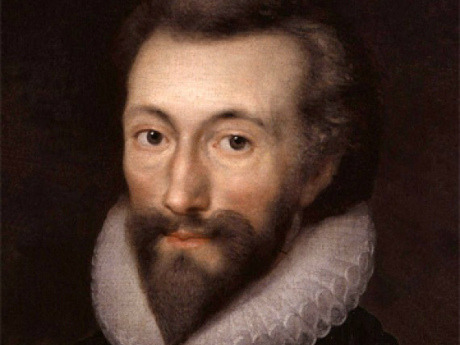
ஜான் டன் (John Donne 1572-1631) என்பவர் பிரபல ஆங்கிலக் கவிஞர். அவர் மரணப் படுக்கையில் கிடந்தார். அவருக்கு டாக்டர் சைமன் பேக்ஸ் (Dr Simon Faxe) சிகிச்சை அளித்து வந்தார் . இனிப்பு மருந்துகள் தருகிறேன். அத்துடன் 20 நாட்களுக்கு தொடர்ந்து பசும் பால் குடியுங்கள். உடம்பு தேறி விடும் என்றார் . ஆனால் ஜானுக்கு பால் அறவே பிடிக்காது.கஷ்டப்பட்டு கொஞ்சம் குடித்துப் பார்த்தார். ஆயினும் முடியவில்லை. “டாக்டர்! பால் குடிப்பதை விட எனக்கு மரணமே மேல். நான் சாவதற்குத் தயார்” என்று சொல்லிவிட்டார்.
(அவரது காலத்தில் பாலில் இப்போதுள்ள அசுத்தங்கள் கிடையாது. ஆயினும் அவர் மறுத்தார்.) இப்போது மேலை நாடுகளில் வேகன் VEGAN என்னும் பால் பொருள் வெறுப்பு அணியினர் பெருகி வருகின்றனர். பிரபல உணவு விடுதிகளான கென்டகி ப்ரைட் சிக்கன், மேக் டொனால்ட் , சப் வே Mac Donald, Kentucky Fried Chicken, Sub Way) முதலியன vegan வேகன் உணவுப் பொருட்களை விளம்பரப்படுத்தி வாடிக்கையாளர்களைத் தக்கவைத்துக்கொள்கின்றன.
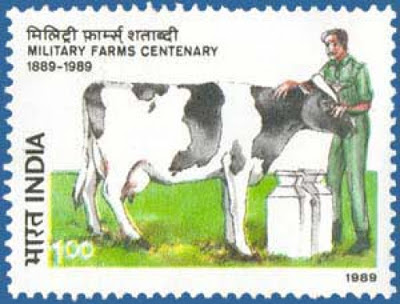
காரணம் என்னவெனில் மேலை நாட்டிலுள்ள பெரும்பாலோருக்கு பாலில் உள்ள லாக்டோஸ் (Lactose) பொருட்கள் ஒத்துக் கொள்ளாது . மேலும் தேன், பால் முதலியன தேநீக்களையும் பசு மாடுகளையும் கொடுமைப்படுத்துவதாகும் என்றும் பிரசாரம் செய்யப்படுகின்றன. ஆனால் வேத காலம் முதல் இன்று வரை ஆசாரமான ஹிந்துக்கள் கூட இவற்றைப் பூஜையிலும் பயன் படுத்தி உணவாகவும் சாப்பிடுகின்றனர்.
அந்தக் காலத்தில் பிராணிகளுக்கு மிஞ்சியது போக இருந்ததை இந்துக்கள் எடுத்தனர். இப்போதோ மேலை நாடுகளில் இயந்திரங்களை வைத்து மாடுகளில் இருந்து பாலை ஒட்டப்பிழிந்து விடுகின்றனர். யார் வீட்டிலாவது மைக்ராஸ்க்கோப் என்னும் கருவி இருந்தால் மேலை நாட்டுப் பாலில் மிதக்கும் மாட்டின் முடி, கொழுப்பு , ரத்தம் மிதப்பதைக் காணலாம்.இதனால்தான் மஹாத்மா காந்தி, ஆட்டுப் பாலுக்கு மாறினார் என்ற ஒரு தகவலும் உண்டு.
பால் மற்றும் பால் பொருட்களைத் தவிர்க்கும் ‘வேகன்’கள் இதையெல்லாம் அறிவர். மேலும் மேலை நாட்டு பசுமாடுகள் சித்திரவதை செய்யப்படுகின்றன. அவை தலையைக் கூட ஆட்டமுடியாத படி நெருக்கமாகக் கூண்டுகளில் அடைக்கப்படுகின்றன. கொழுப்புச் சத்தைக்கூட்டி மாமிசத்துக்கு வெட்டுவதற்காக பலவகை ஊசி மருந்துகள் ஏற்றப்படுகின்றன. மாமிசப் பொடி கலந்த உணவு ஊட்டப்படுகின்றன. இந்தியாவில் ‘நாய்ப் பிழைப்பு’ என்று சொல்லுவர் . ஆனால் மேலை நாட்டில் ‘பசு மாட்டுப் பிழைப்பு’ என்றே சொல்ல வேண்டும். அவ்வளவு கேவலமாக மாடுகள் வாழ்கின்றன. நாய்கள் ‘சோபா’ (Sofa) வில் தூங்குகின்றன . கார்களில் பவனி வருகின்றன. மாடுகளோ அடைக்கப்பட்ட லாரிகளில் கசாப்புக்கு கடைக்குச் செல்கின்றன. சூப்பர் மார்க்கெட்டுகளில் விற்கும் ‘பால்’களுக்கு 15 நாளைக்குப் பின்னர் எக்ஸ்பைரி டேட்Expiry Date (பயன்படுத்தக் கூடாது என்ற ) முத்திரை குத்துகின்றனர். இவ்வளவு காலம் இது கெடாமல் இருப்பதற்கு இதில் பல பொருட்கள் கலக்கப்படுகின்றன.
இப்பொழுது கொரோனா வைரஸ் (Corona Virus) மக்கள் உயிரைப் பறிப்பது போல மாடுகளுக்கு பைத்திய நோய் (Mad Cow Disease) பரவியவுடன் லட்சக்கணக்கான மாடுகளை எரித்துப் புதைத்தனர். கொடுமைகளுக்கு அளவில்லை என்ற அளவுக்கு பால் பண்ணைத் தொழில் நடக்கிறது . இந்தியாவிலாவது இத்தகைய கொடுமைகள் நிகழா வண்ணம் பாதுகாப்பது மக்களின் கடமை. மாட்டு மாமிசத்தை இந்துக்கள் தடை செய்ததற்கு இந்த MAD COW DISEASE ‘மேட் கவ் டிஸீஸ்’ ஒரு காரணம் போலும் . இது மனிதர்களுக்கும் பரவ முடியும் என்று மருத்துவர்கள் ஏசிசரித்தவுடன் அத்தனை பசுமாடுகளையும் கொட்டிலுடன் எரித்தனர். இது போல பல முறை கோடிக்கணக்கான கோழிக் குஞ்சுகளையும் முட்டைகளையும் அழித்தனர் சால்மோனெல்லா (SALMONELLA) வைரஸ் பரவுகிறது என்று அச்சுறுத்தினர்.
இதன் ஆங்கில வடிவம் இந்த ‘பிளாக்’கில் வந்தவுடன் திரு நஞ்சப்பா என்ற நேயர் எழுதிய விமர்சனத்தில் எல்லா மிருகங்களும் குழந்தைப் பருவத்தில் மட்டும் பால் குடித்துவிட்டு பின்னர் நிறுத்திவிடுகின்றன. ஆ னால் மனிதன் மட்டும் தாய்ப்பாலை விட்டவுடன் பசும்பாலை குடிப்பது அவசியமில்லையே என்று எழுதினார். இந்து சிந்தனையைத் தூண்டும் பதில்; பாலில் உள்ள கால்சியம் போன்ற சத்துக்கள் நமக்குத் தேவை என்றாலும் பசு மாடுகளைக் கொடுமைப்படுத்தக் கூடாது என்பது நியாயமே.
Pictures are taken from various sources for spreading knowledge; this is a non- commercial blog.
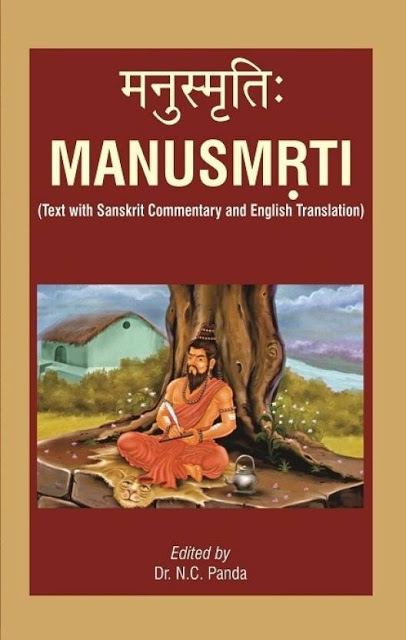
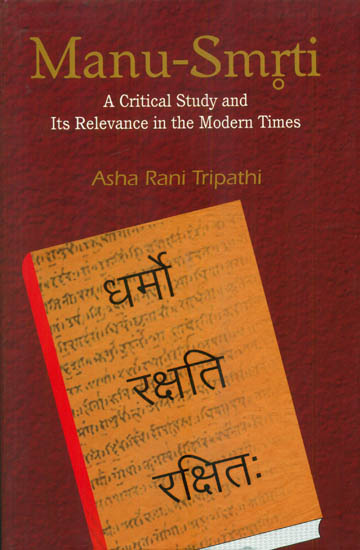
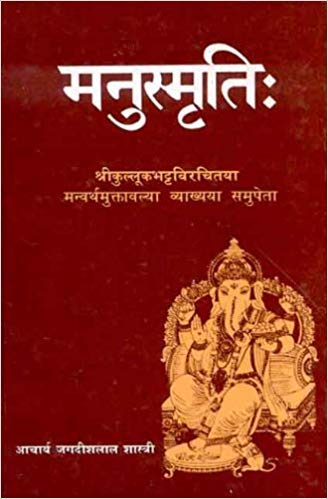
We have covered ten out of 12 chapters of Manava Dharma Shastra so far. Today let us investigate chapter 11. Manu, as usual, gives very interesting rules regarding Brahmins in this chapter.
I am covering up to 100 slokas in chapter 11 of Manu Smriti (Popular Hindu Law Book).
MOST OF THE RULES APPLY TO BRAHMINS ONLY.
The rule about River Sarasvati shows original Manu Smriti is Pre Indus Valley Civilization work . It was updated up to Sunga period (2nd century BCE) who were fanatically pro Brahmin.
The rule against cutting trees shows that ancient Hindus were concerned with environmental issues.
The rules against killing animals show that the ancient Hindus were friends of animals
The strict punishments for brahmins for drinking and other offences show brahmins must be purer than aall others.
First let me give interesting/important bits in bullet points-
1.sloka 11-1,2- nine types of brahmins must be supported
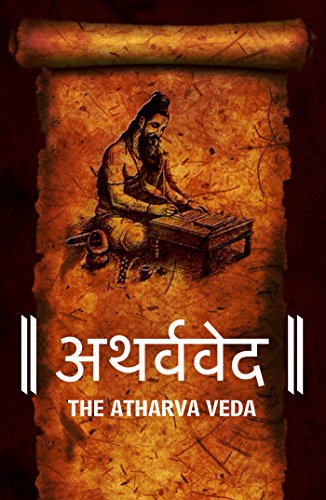
2.sloka 11-33- Brahmin’s weapon is Atharva Veda.
3.sloka 11-36- who can officiate as priest
4.sloka 11-49- gold theft
5.sloka 11-55- killing a priest
6.sloka 11-60 killing a cow
7.sloka 11-65- cutting trees
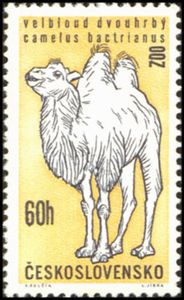
8.sloka 11-69- killing donkey, camel etc.
9.sloka 11-73- skull flag/ pirate’s flag
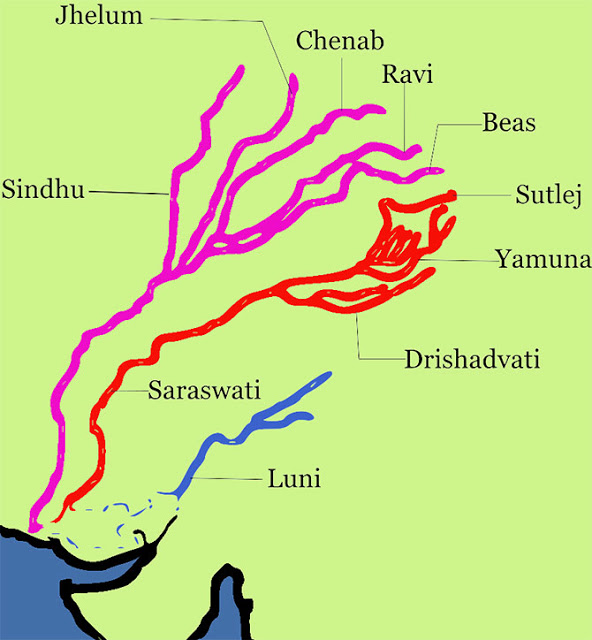
10.sloka 11-78- Sarasvati river
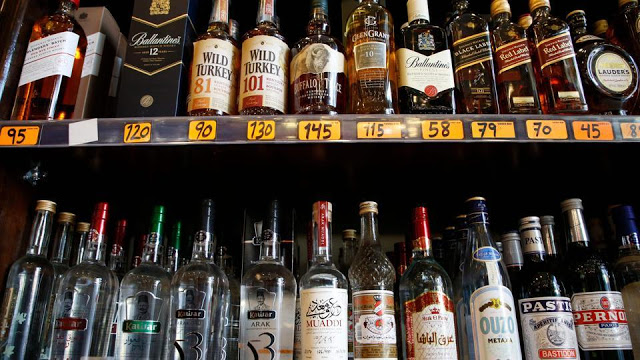
11.sloka 91- 99 severe punishments for Drinking
12.Sloka 11-15- violence against misers
Tirukkural, the Tamil Veda, supports violence against misers – see Kural 1077, 1078
13.SLOKA 11-19- ROB THE RICH, GIVE IT TO THE GOOD PEOPLE- BECOME A ROBIN HOOD
14. slokas 11-49-54 – what diseases one gets for Gold theft, Drinking, Sex offence (Doctors wont agree!!)
11-1. Him who wishes (to marry for the sake of having) offspring, him who wishes to perform a sacrifice, a traveller, him who has given away all his property, him who begs for the sake of his teacher, his father, or his mother, a student of the Veda, and a sick man,
2. These nine Brahmanas one should consider as Snatakas, begging in order to fulfil the sacred law; to such poor men gifts must be given in proportion to their learning.
3. To these most excellent among the twice-born, food and presents (of money) must be given; it is declared that food must be given to others outside the sacrificial enclosure.
4. But a king shall bestow, as is proper, jewels of all sorts, and presents for the sake of sacrifices on Brahmanas learned in the Vedas.
5. If a man who has a wife weds a second wife, having begged money (to defray the marriage expenses, he obtains) no advantage but sensual enjoyment; but the issue (of his second marriage belongs) to the giver of the money.
6. One should give, according to one’s ability, wealth to Brahmanas learned in the Veda and living alone; (thus) one obtains after death heavenly bliss.
SOMA JUICE
11-7. He who may possess (a supply of) food sufficient to maintain those dependant on him during three years or more than that, is worthy to drink the Soma-juice.
8. But a twice-born man, who, though possessing less than that amount of property, nevertheless drinks the Soma-juice, does not derive any benefit from that (act), though he may have formerly drunk the Soma-juice.
9. (If) an opulent man (is) liberal towards strangers, while his family lives in distress, that counterfeit virtue will first make him taste the sweets (of fame, but afterwards) make him swallow the poison (of punishment in hell).
11-10. If (a man) does anything for the sake of his happiness in another world, to the detriment of those whom he is bound to maintain, that produces evil results for him, both while he lives and when he is dead.
11. If a sacrifice, (offered) by (any twice-born) sacrificer, (and) especially by a Brahmana, must remain incomplete through (the want of) one requisite, while a righteous king rules,
12. That article (required) for the completion of the sacrifice, may be taken (forcibly) from the house of any Vaisya, who possesses a large number of cattle, (but) neither performs the (minor) sacrifices nor drinks the Soma-juice;
13. (Or) the (sacrificer) may take at his pleasure two or three (articles required for a sacrifice) from the house of a Sudra; for a Sudra has no business with sacrifices.
14. If (a man) possessing one hundred cows, kindles not the sacred fire, or one possessing a thousand cows, drinks not the Soma-juice, a (sacrificer) may unhesitatingly take (what he requires) from the houses of those two, even (though they be Brahmanas or Kshatriyas);
TAMIL VEDA ALSO SUPPORTS VIOLENCE AGAINST MISERS
11-15. (Or) he may take (it by force or fraud) from one who always takes and never gives, and who refuses to give it; thus the fame (of the taker) will spread and his merit increase.
16. Likewise he who has not eaten at (the time of) six meals, may take at (the time of) the seventh meal (food) from a man who neglects his sacred duties, without (however) making a provision for the morrow,
17. Either from the threshing-floor, or from a field, or out of the house, or wherever he finds it; but if (the owner) asks him, he must confess to him that (deed and its cause).
18. (On such occasions) a Kshatriya must never take the property of a (virtuous Brahmana; but he who is starving may appropriate the possessions of a Dasyu, or of one who neglects his sacred duties.
BECOME A ROBINHOOD – ROB THE RICH, GIVE IT TO THE POOR
11-19. He who takes property from the wicked and bestows it on the virtuous, transforms himself into a boat, and carries both (over the sea of misfortune).
20. The property of those who zealously offer sacrifices, the wise call the property of the gods; but the wealth of those who perform no sacrifices is called the property of the Asuras.
21. On him (who, for the reasons stated, appropriates another’s possessions), a righteous king shall not inflict punishment; for (in that case) a Brahmana pines with hunger through the Kshatriya’s want of care.
22. Having ascertained the number of those dependent on such a man, and having fully considered his learning and his conduct, the king shall allow him, out of his own property, a maintenance whereon he may live according to the law;
23. And after allotting to him a maintenance, the king must protect him in every way; for he obtains from such (a man) whom he protects, the part of his spiritual merit.
24. A Brahmana shall never beg from a Sudra property for a sacrifice; for a sacrificer, having begged (it from such a man), after death is born (again) as a Candala.
BRAHMIN BECOMES A VULTURE
11-25. A Brahmana who, having begged any property for a sacrifice, does not use the whole (for that purpose), becomes for a hundred years a (vulture of the kind called) Bhasa, or a crow.
26. That sinful man, who, through covetousness, seizes the property of the gods, or the property of Brahmanas, feeds in another world on the leavings of vultures.
27. In case the prescribed animal and Soma-sacrifices cannot be performed, let him always offer at the change of the year a Vaisvanari Ishti as a penance (for the omission).
28. But a twice-born, who, without being in distress, performs his duties according to the law for times of distress, obtains no reward for them in the next world; that is the opinion (of the sages).
29. By the Visve-devas, by the Sadhyas, and by the great sages (of the) Brahmana (caste), who were afraid of perishing in times of distress, a substitute was made for the (principal) rule.
30. That evil-minded man, who, being able (to fulfil) the original law, lives according to the secondary rule, reaps no reward for that after death.
31. A Brahmana who knows the law need not bring any (offence) to the notice of the king; by his own power alone be can punish those men who injure him.
32. His own power is greater than the power of the king; the Brahmana therefore, may punish his foes by his own power alone.
SPEECH IS THE WEAPON- USE BLACK MAGIC
11-33. Let him use without hesitation the sacred texts, revealed by Atharvan and by Angiras; speech, indeed, is the weapon of the Brahmana, with that he may slay his enemies.
34. A Kshatriya shall pass through misfortunes which have befallen him by the strength of his arms, a Vaisya and a Sudra by their wealth, the chief of the twice-born by muttered prayers and burnt-oblations.
35. The Brahmana is declared (to be) the creator (of the world), the punisher, the teacher, (and hence) a benefactor (of all created beings); to him let no man say anything unpropitious, nor use any harsh words.
AGNI HOTRA
36. Neither a girl, nor a (married) young woman, nor a man of little learning, nor a fool, nor a man in great suffering, nor one uninitiated, shall offer an Agnihotra.
37. For such (persons) offering a burnt-oblation sink into hell, as well as he to whom that (Agnihotra) belongs; hence the person who sacrifices (for another) must be skilled in (the performance of) Vaitana (rites), and know the whole Veda.
38. A Brahmana who, though wealthy, does not give, as fee for the performance of an Agnyadheya, a horse sacred to Prajapati, becomes (equal to one) who has not kindled the sacred fires.
39. Let him who has faith and controls his senses perform other meritorious acts, but let him on no account offer sacrifices at which he gives smaller fees (than those prescribed).
40. The organs (of sense and action), honour, (bliss in) heaven, longevity, fame, offspring, and cattle are destroyed by a sacrifice at which (too) small sacrificial fees are given; hence a man of small means should not offer a (Srauta) sacrifice.
ATONEMENT
11-41. A Brahmana who, being an Agnihotrin, voluntarily neglects the sacred fires, shall perform a lunar penance during one month; for that (offence) is equal to the slaughter of a son.
42. Those who, obtaining wealth from Sudras, (and using that) offer an Agnihotra, are priests officiating for Sudras, (and hence) censured among those who recite the Veda.
43. Treading with his foot on the heads of those fools who worship a fire (kindled at the expense) of a Sudra, the giver (of the wealth) shall always pass over his miseries (in the next world).
44. A man who omits a prescribed act, or performs a blamable act, or cleaves to sensual enjoyments, must perform a penance.
45. (All) sages prescribe a penance for a sin unintentionally committed; some declare, on the evidence of the revealed texts, (that it may be performed) even for an intentional (offence).
UNINTENTIONAL SIN
11-46. A sin unintentionally committed is expiated by the recitation of Vedic texts, but that which (men) in their folly commit intentionally, by various (special) penances.
47. A twice-born man, having become liable to perform a penance, be it by (the decree of) fate or by (an act) committed in a former life, must not, before the penance has been performed, have intercourse with virtuous men.
48. Some wicked men suffer a change of their (natural) appearance in consequence of crimes committed in this life, and some in consequence of those committed in a former (existence).
GOLD THEFT, DRINKING, KILLING AND DISEASES ONE GETS
11-49. He who steals the gold (of a Brahmana) has diseased nails; a drinker of (the spirituous liquor called) Sura, black teeth; the slayer of a Brahmana, consumption; the violator of a Guru’s bed, a diseased skin;
50. An informer, a foul-smelling nose; a calumniator, a stinking breath; a stealer of grain, deficiency in limbs; he who adulterates (grain), redundant limbs;
51. A stealer of (cooked) food, dyspepsia; a stealer of the words (of the Veda), dumbness a stealer of clothes, white leprosy; a horse-stealer, lameness.
52. The stealer of a lamp will become blind; he who extinguishes it will become one-eyed; injury (to sentient beings) is punished by general sickliness; an adulterer (will have) swellings (in his limbs).
53. Thus in consequence of a remnant of (the guilt of former) crimes, are born idiots, dumb, blind, deaf, and deformed men, who are (all) despised by the virtuous.
11–54. Penances, therefore, must always be performed for the sake of purification, because those whose sins have not been expiated, are born (again) with disgraceful marks.
WORST SINS/MAHA PATAKAS
11-55. Killing a Brahmana, drinking (the spirituous liquor called) Sura, stealing (the gold of a Brahmana), adultery with a Guru’s wife, and associating with such (offenders), they declare (to be) mortal sins (mahapataka).
56. Falsely attributing to oneself high birth, giving information to the king (regarding a crime), and falsely accusing one’s teacher, (are offences) equal to slaying a Brahmana.
57. Forgetting the Veda, reviling the Vedas, giving false evidence, slaying a friend, eating forbidden food, or (swallowing substances) unfit for food, are six (offences) equal to drinking Sura.
58. Stealing a deposit, or men, a horse, and silver, land, diamonds and (other) gems, is declared to be equal to stealing the gold (of a Brahmana).
59. Carnal intercourse with sisters by the same mother, with (unmarried) maidens, with females of the lowest castes, with the wives of a friend, or of a son, they declare to be equal to the violation of a Guru’s bed.
KILLING COWS AND OTHER PROHIBITED ACTIVITIES
11-60. Slaying kine, sacrificing for those who are unworthy to sacrifice, adultery, selling oneself, casting off one’s teacher, mother, father, or son, giving up the (daily) study of the Veda, and neglecting the (sacred domestic) fire,
61. Allowing one’s younger brother to marry first, marrying before one’s elder brother, giving a daughter to, or sacrificing for, (either brother),
62. Defiling a damsel, usury, breaking a vow, selling a tank, a garden, one’s wife, or child,
63. Living as a Vratya, casting off a relative, teaching (the Veda) for wages, learning (the Veda) from a paid teacher, and selling goods which one ought not to sell,
64. Superintending mines (or factories) of any sort, executing great mechanical works, injuring (living) plants, subsisting on (the earnings of) one’s wife, sorcery (by means of sacrifices), and working (magic by means of) roots, (and so forth),
DON’T CUT TREES
65. Cutting down green trees for firewood, doing acts for one’s own advantage only, eating prohibited food,
66. Neglecting to kindle the sacred fires, theft, non-payment of (the three) debts, studying bad books, and practising (the arts of) dancing and singing,
67. Stealing grain, base metals, or cattle, intercourse with women who drink spirituous liquor, slaying women, Sudras, Vaisyas, or Kshatriyas, and atheism, (are all) minor offences, causing loss of caste (Upapataka).
68. Giving pain to a Brahmana (by a blow), smelling at things which ought not to be smelt at, or at spirituous liquor, cheating, and an unnatural offence with a man, are declared to cause the loss of caste (Gatibhramsa)
KILLING DONKEYS, CAMELS – DON’T KILL ANIMALS
11-69. Killing a donkey, a horse, a camel, a deer, an elephant, a goat, a sheep, a fish, a snake, or a buffalo, must be known to degrade (the offender) to a mixed caste (Samkarikarana).
70. Accepting presents from blamed men, trading, serving Sudras, and speaking a falsehood, make (the offender) unworthy to receive gifts (Apatra).
71. Killing insects, small or large, or birds, eating anything kept close to spirituous liquors, stealing fruit, firewood, or flowers, (are offences) which make impure (Malavaha).
72. Learn (now) completely those penances, by means of which all the several offences mentioned (can) be expiated.
12 YEARS PUNISHMENT FOR BRAHMIN KILLERS
73. For his purification the slayer of a Brahmana shall make a hut in the forest and dwell (in it) during twelve years, subsisting on alms and making the skull of a dead man his flag.
74. Or let him, of his own free will, become (in a battle) the target of archers who know (his purpose); or he may thrice throw himself headlong into a blazing fire;
75. Or he may offer a horse-sacrifice, a Svargit, a Gosava, an Abhigit, a Visvagit, a Trivrit, or an Agnishtut;
1000 MILE WALK; AND WALK IN SARASVATI RIVER
11-76. Or, in order to remove (the guilt of) slaying a Brahmana, he may walk one hundred yoganas (Yojana= ten miles) , reciting one of the Vedas, eating little, and controlling his organs;
77. Or he may present to a Brahmana, learned in the Vedas, whole property, as much wealth as suffices for the maintenance (of the recipient), or a house together with the furniture;
78. Or, subsisting on sacrificial food, he may walk against the stream along (the whole course of the river) Sarasvati; or, restricting his food (very much), he may mutter thrice the Samhita of a Veda.
79. Having shaved off (all his hair), he may dwell at the extremity of the village, or in a cow-pen, or in a hermitage, or at the root of a tree, taking pleasure in doing good to cows and Brahmanas.
80. He who unhesitatingly abandons life for the sake of Brahmanas or of cows, is freed from (the guilt of) the murder of a Brahmana, and (so is he) who saves (the life of) a cow, or of a Brahmana.
81. If either he fights at least three times (against robbers in defence of) a Brahmana’s (property), or reconquers the whole property of a Brahmana, or if he loses his life for such a cause, he is freed (from his guilt).
82. He who thus (remains) always firm in his vow, chaste, and of concentrated mind, removes after the lapse of twelve years (the guilt of) slaying a Brahmana.
83. Or he who, after confessing his crime in an assembly of the gods of the earth (Brahnanas), and the gods of men (Kshatriyas), bathes (with the priests) at the close of a horse-sacrifice, is (also) freed (from guilt).
CONFESSION
11-84. The Brahmana is declared (to be) the root of the sacred law and the Kshatriya its top; hence he who has confessed his sin before an assembly of such men, becomes pure.
85. By his origin alone a Brahmana is a deity even for the gods, and (his teaching is) authoritative for men, because the Veda is the foundation for that.
86. (If) only three of them who are learned in the Veda proclaim the expiation for offences, that shall purify the (sinners); for the words of learned men are a means of purification.
87. A Brahmana who, with a concentrated mind, follows any of the (above-mentioned) rules, removes the sin committed by slaying a Brahmana through his self-control.
88. For destroying the embryo (of a Brahmana, the sex of which was) unknown, for slaying a Kshatriya or a Vaisya who are (engaged in or) have offered a (Vedic) sacrifice, or a (Brahmana) woman who has bathed after temporary uncleanness (Atreyi), he must perform the same penance,
89. Likewise for giving false evidence (in an important cause), for passionately abusing the teacher, for stealing a deposit, and for killing (his) wife or his friend:
90. This expiation has been prescribed for unintentionally killing a Brahmana; but for intentionally slaying a Brahmana no atonement is ordained.
FOR DRINKING – SEVERE PUNISHMENT
11-91. A twice-born man who has (intentionally) drunk, through delusion of mind, (the spirituous liquor called) Sura shall drink that liquor boiling-hot; when his body has been completely scalded by that, he is freed from his guilt;
92. Or he may drink cow’s urine, water, milk, clarified butter or (liquid) cowdung boiling-hot, until he dies;
93. Or, in order to remove (the guilt of) drinking Sura, he may eat during a year once (a day) at night grains (of rice) or oilcake, wearing clothes made of cowhair and his own hair in braids and carrying (a wine cup as) a flag.
94. Sura, indeed, is the dirty refuse (mala) of grain, sin also is called dirt (mala); hence a Brahmana, a Kshatriya, and a Vaisya shall not drink Sura.
95. Sura one must know to be of three kinds, that distilled from molasses (gaudi), that distilled from ground rice, and that distilled from Madhuka-flowers (madhvi); as the one (named above) even so are all (three sorts) forbidden to the chief of the twice-born.
96. Sura, (all other) intoxicating drinks and decoctions and flesh are the food of the Yakshas, Rakshasas, and Pisakas; a Brahmana who eats (the remnants of) the offerings consecrated to the gods, must not partake of such (substances).
97. A Brahmana, stupefied by drunkenness, might fall on something impure, or (improperly) pronounce Vedic (texts), or commit some other act which ought not to be committed.
98. When the Brahman (the Veda) which dwells in his body is (even) once (only) deluged with spirituous liquor, his Brahmanhood forsakes him and he becomes a Sudra.
11-99. The various expiations for drinking (the spirituous liquors called) Sura have thus been explained; I will next proclaim the atonement for stealing the gold (of a Brahmana).
Pictures are taken from various sources for spreading knowledge; this is a non- commercial blog.
ச.நாகராஜன்
தனக்கென ஒரு தனிப்பாணியை வகுத்துக் கொண்டு சொற்பொழிவுகள் ஆற்றியவர் ஸ்வாமி ராமதீர்த்தர்.
ஏராளமான உவமைகளை அடுக்கடுக்காகச் சொல்வது அவர் வழக்கம். அறநெறி போதிக்கும் parables எனப்படும் குட்டிக்கதைகளை அவர் அடிக்கடி கூறுவதுண்டு. இந்தக் குட்டிக் கதைகள் புரிந்து கொள்வதற்குச் சிரமமான பல பெரிய உண்மைகளை அனாயாசமாக விளக்கி விடும்.
உதாரணத்திற்கு ஒரு குட்டிக்கதையைப் பார்க்கலாம் :
ஆண்டி ஒருவர் தனது சணலால் ஆன கம்பளியை இழந்து விட்டார். ஆண்டியை சோதனை செய்வதற்காகவோ என்னவோ ஒரு கான்ஸ்டபிள் அதைத் திருடி விட்டார். போலீஸ் ஸ்டேஷன் அருகே தான் அந்த ஆண்டி வசித்து வந்தார். நேரடியாக போலீஸ் ஸ்டேஷன் சென்ற அவர் அங்கு இருந்த தானேதாரிடம் (போலீஸ் ஸ்டேஷன் பொறுப்பு அதிகாரி – பழைய கால பதவியின் பெயர் இது) புகார் அளித்தார்.
தானேதார் : எதை இழந்து விட்டீர்கள்?
ஆண்டி : என்னுடைய எல்லாமே போச்சு. முதலில் என் மெத்தை போச்சு.
தானேதார் : அப்புறம் வேற என்ன?
ஆண்டி : என்னோட படுக்கை
தானேதார் : அப்புறம் வேற என்ன?
ஆண்டி : என்னோட போர்வை
தானேதார் : அப்புறம் வேற என்ன?
ஆண்டி : என்னோட கோட்டு மற்றும் மேலங்கியும் போச்சு
தானேதார் : அப்புறம் வேற என்ன?
ஆண்டி : என்னோட தலகாணியும் போச்சு
தானேதார் : அப்புறம் வேற என்ன?
ஆண்டி : என்னோட தரை விரிப்பும் போச்சு
தானேதார் : வேற ஏதாவது உண்டா?
ஆண்டி : ஆமாம், உண்டு. என்னோட குடையும் போச்சு
தானேதார் : அவ்வளவு தானா, இன்னும் இருக்கா?
ஆண்டி : இருக்கு சார், என்னோட வேஷ்டி, அதுவும் போச்சு
தானேதார் : வேற ஏதாவது போச்சா, யோசனை பண்ணி சொல்லுங்க
ஆண்டி : அப்புறம்.. அப்புறம்.. அப்புறம்…
அருகில் நின்று கொண்டிருந்த கான்ஸ்டபிள் விழுந்து விழுந்து சிரித்தார். ஆண்டியை நோக்கி ஏளனமாக அப்புறம்..அப்புறம் . அப்புறம் என்று கேலி செய்தார் அவர். “உன்னோட குடிசை ஒரு பெரிய வணிக கோடவுனா என்ன, எல்லாம் போறதுக்கு” என்றார் அவர்.
பின்னர் ஆண்டியினுடைய மெத்தையை அவர் மேல் தூக்கி எறிந்த கான்ஸ்டபிள் தானேதாரை நோக்கி, “சார்! இது மட்டும் தான் அங்கே திருடு போனது” என்றார்.
ஆண்டி அந்த மெத்தையைத் தன்னுடையது தான் என்று அடையாளம் காட்டி அதைப் பெற்றுக் கொண்டார். போலீஸ் ஸ்டேஷனிலிருந்து நகர ஆரம்பித்தார்.
ஆனால் தானேதார் அவரை அரெஸ்ட் செய்தார் – பொய் புகார் அளித்த காரணத்திற்காக!
ஆண்டி புன்முறுவல் பூத்தார். தான் ஒரு பொய்யையும் சொல்லவில்லை என்றார்.
மெத்தையை தன் மேல் போட்டுக் கொண்டு இதோ என் மெத்தை என்றார். பின்னர் அதைத் தரையில் விரித்து அதன் மேல் உட்கார்ந்து, “இதோ எனது படுக்கை” என்றார்.
பிறகு அதைத் தன் தலை மேல் விரித்துக் காண்பித்து, “இதோ, எனது குடை” என்றார்.
இப்படி ஒவ்வொரு விளக்கமாக அவர் கொடுத்துக் கொண்டே போனார்.
பிரபஞ்சத்தை சிருஷ்டித்த பிரம்மத்தை உணர்ந்த ஒருவனுக்கு பிரம்மம் தான் எல்லாமே! அவனது உறவெல்லாம் பிரம்மம் தான். அவனை ஆள்வதும் பிரம்மமே; ஆளப்படுவதும் பிரம்மமே. அவனது நண்பர்களும் பிரம்மமே, எதிரிகளும் பிரம்மமே. அவனது தந்தை, தாய், சகோதரன், சகோதர் எல்லாமே பிரம்மமே. அவனுக்கு பிரம்மம் தான் ஆண்டியினுடைய மெத்தை!
ஸ்வாமி ராமதீர்த்தர் பிரம்மத்தை எப்படி விளக்கி விட்டார் பாருங்கள், ஒரு சின்னக் குட்டிக் கதையின் மூலமாக!
இதை ஆங்கிலத்தில் படிக்க விரும்புவோருக்காக ஆங்கில மூலம் கீழே தரப்படுகிறது :-
The Fakir’s Gudri
A fakir lost his gudri (rags stitched together to form a quilt). It was stolen by a constable (in order, probably, to test the fakir). The fakir lived near the police station. He went and made a report to the police.
The Thanedar asked him, “What have you lost?”
The fakir replied, “ My all. First a quilt.”
Thanedar : “What else?”
The fakir : “My bed.”
Thanedar : “What else?”
The fakir : “My sheet.”
Thanedar : “What else?”
The fakir : “My coat and angarkha.”
Thanedar : “What else?”
The fakir : “My pillow.”
Thanedar : “What else?”
The fakir : “My carpet.”
Thanedar : “Anything else?”
The fakir : “yes, My umbrella.”
Thanedar : “Is that all?”
The fakir : “No sir, also my dhoti.”
Thanedar : “Just recollect if you have lost anything else?”
The fakir : “And.. and.. and..”
The constable who was standing by, laughed at his long list, and abusing the fakir, said “And.. and.. and… as of thy cottage is a merchant’s godown..” and throwing the gudri at him said to the Thanedar, “Sir, this is all that was stolen.”
The fakir identified the gudri as his; took and walked out of the police station. But the Thandedar had him arrested for making a false report. The fakir smiled and said that he had not told a lie. He covered himself with the gudri and said, “Here is my quilt.” Spreading it on the ground, he sat on it and said, “This is my bed.”. Protecting himself from the son with it, he said, “Look, here is my umbrella.”. And so on.
To him who has realized Brahma the support of the universe, Brahma is all in all, his relations are Brahma, his ruler and his ruled are Brahma, his friends and enemies are Brahma, his father, mother, brother, and sister are Brahma. To him Brahma is the fakir’s gudri.
Pictures are taken from various sources for spreading knowledge; this is a non- commercial blog.
More Death bed Anecdotes
Cough Practice!
When Curran, the witty English lawyer of the eighteenth century, lay on his death bed, he was told by his physician that he coughed rather easier than before,
“In faith, so I think I ought , for I have been practicing all night”.
Xxx
Lord Holland
When Lord Holland was on his death bed, his friend George Selwyn called to enquire how his Lordship was, and left his card. This was taken to Lord Holland who said,
If Mr Selwyn calls again, show him into my room. If I am alive, I shall be glad to see him. If I am dead I am sure he will be delighted to see me.
Xxx
Politest Message
An old French Countess of the most exquisite politeness was about to breathe her last, when she received a call from acquaintance ignorant of her mortal illness. The answer sent down from the chamber of the departing sufferer was eminently unique.
“The Countess de Rouen sends her compliments to Madame de Calais , but begs to be excused , as she is engaged in dying”.
Xxx
Apologizing for Dying Late
Louis XIV lingered in a prolonged death bed agony, during the whole of which, the courtiers of his chamber were required to the in attendance. After some days of his slow decrease, the King opened his eyes and remarked faintly
“Gentlemen, I must apologise for being such an unconscionable time dying”.
Xxx
Death is better than drinking Milk
When John Donne, the English poet, was dying, the great physician Dr Simon Faxe told him he might be restored by cordials and drinking milk twenty days together; but the Dean loathed milk and passionately refused to drink it. Upon the doctor’s insisting, he did try it for ten days, then said he would rather die than continue since he didn’t fear death.
Pictures are taken from various sources for spreading knowledge; this is a non- commercial blog.
பழமொழிக் கதைகள்
ஒரு ஊரில் ஒரு ஏமாந்த சோணகிரி இருந்தான்; அவனைப் பார்த்ததாலேயே அசல் கூமுட்டை என்பது தெரியும். அவனைப் பார்த்தால் எருதும் கூட மச்சான் முறை கொண்டாடும். tamilandvedas.com, swamiindology.blogspot.com
‘இளிச்சவாயனைக் கண்டால் எருதும் மச்சான் முறை கொண்டாடும்’ என்பது பழமொழி அல்லவா?
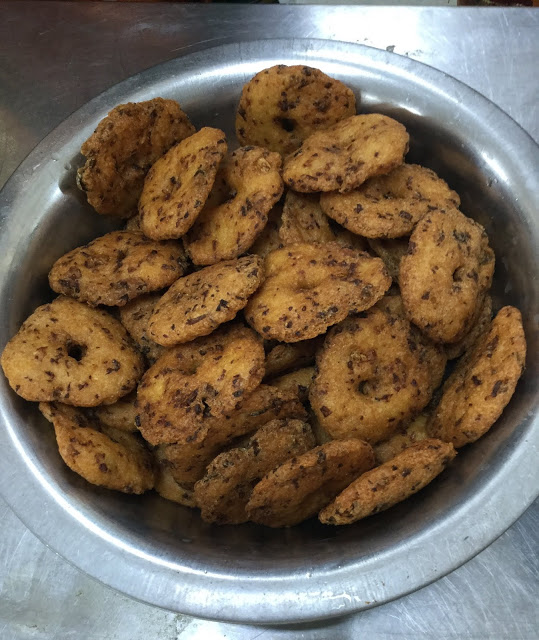
ஒரு நாள் அவனுக்கு சூடான வடை சாப்பிட வேண்டும் என்று ஆசை வந்தது. அந்தக் கிராமத்திலோ உடுப்பி ஹோட்டல், ஐயர் மெஸ் உணவு விடுதி, சரவண பவன் எதுவும் கிடையாது. அந்த ஊரில் வடை சுட்டு விற்கும் ஒரு கிழவி இருந்தாள் ; அவளுக்கு இப்போதெல்லாம் (Business) ‘பிஸினஸ் கொஞ்சம (Dull) டல் . ஆகையால் பண முடை ; அந்த நேரத்தில் இந்த இளிச்சவாயன் போய், பாட்டி வடை சுட்டுத் தருவாயா ? உனக்கு என்ன கூலி ? என்று கேட்டான்.
“அட மவனே! உன்னைப் பார்த்து எவனாவது கூலி கேட்பானா? 15 வடைக்கு இவ்வளவு மாவு, எண்ணை , மற்றும் தேவையான மளிகை சாமான்களைக் கொண்டுவா , அதுவே போதும்” என்றாள்.
கெட்டிக்கார துஷ்ட! அவனும் மறு நாள் காலையில் அப்படியே கொணர்ந்தான் ; அதை வாங்கிக் கொண்ட கிழப் “பாட்டி மவனே! மத்தியானம் வாடா” – என்றாள் .
அவன் நாக்கில் ஜலம் ஊற மத்தியானம் திரும்பி வந்தான் ஒரு இலையில் அவனுக்கு பாட்டி, ஒரு வடையை வைத்து “சாப்பிடடா மவனே! “ என்று சொன்னாள் .
“ஏ கிழவி! என்ன, ஒன்னு தான் இருக்கு? மீதி வடை எல்லாம் எங்கே?” என்று சத்தம் போட்டான் .
“மவனே ; உப்பு போதுமா உரைப்பு போதுமா என்று ருசி பார்க்க நான்தாண்டா மிச்சத்தை எல்லாம் தின்னேன்” என்று கூசாமல் மொழிந்தாள் .
“அடிப் பாவி! கிழவி! எப்படி அவ்வளவையும் சில மணி நேரத்துக்குள் சாப்பிட்டாய் ? இது என்ன அக்கிரமம் ! அநியாயம்<” என்று திட்டிக்கொண்டே இருந்தான்.
அந்தக் கிழவி. இருந்த ஒரு வடையையும் வாயில் போட்டுக்கொண்டே “இப்படித்தான்டா சாப்பிட்டேன் என் அருமை மவனே !” என்று ஏப்பம் விட்டாள் .
Xxx
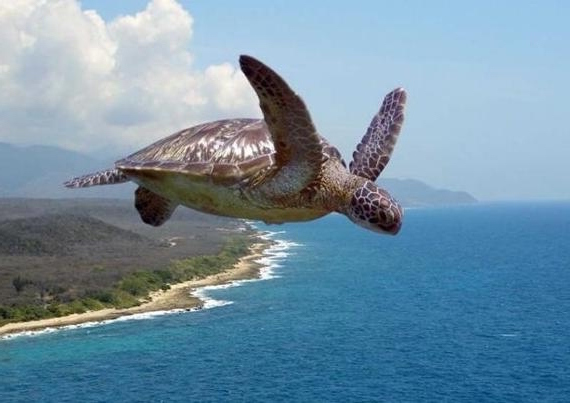
ஆமைக்கு இறக்கை உண்டா ?
ஒரு ஊரில் ஒரு ராஜா ; அவனுக்கு ஒரு பெண்ணரசி பிறந்தாள் ; பேரழகி ; வயதும் வந்தது . ராஜாவும் நல்ல இளவரசனைத் தேடினார் .
அப்பா, எனக்கு புத்திசாலியாகவும் அழகாகவும் உள்ள ஆண்மகன் வந்தால்தான் நான் கல்யாணம் செய்துகொள்வேன் என்று சொல்லிவிட்டாள் . tamilandvedas.com, swamiindology.blogspot.com
செய்தி பரவியது. பலரும் வந்தனர். இளவரசி கேள்விக்குப் பதில் சொல்ல முடியாமல் போய்விட்டனர் ஒரு நாள் ஒரு ஆண் அழகன் வந்தான் . அட இவன் நமக்கு வாய்த்தால் நன்றாக இருக்குமே என்று நினைத்து கேள்விக் கணைகளைத் தொடுத்தாள் .
அந்த நேரத்தில் பல்லி சொல் கேட்டது .
அந்த அழகன் கேட்டான் – “இது என்ன க்ளிக் க்ளிக் (Click, click) சப்தம்?
அவள் சொன்னாள் – ஓ அதுவா , வேறு ஒன்றும் இல்லை, சுவற்றில் உள்ள பல்லி போட்ட சப்தம் .
அப்படியா , உடனே போய் எனக்கு ஒரு இறக்கையை பிய்த்துக் கொண்டு வா என்றான் .
அவன் சரியான முட்டாள் பயல் என்று தெரிந்தது. போய் வா மகனே போய் வா என்று வெளியே தள்ளி கதவை சாத்தினாள்
இன்னும் கொஞ்சம் நாட்கள் உருண்டோடின . இன்னும் ஒரு ஆண்மகன் வந்தான் . நம் நேரத்தை வீண் அடிக்காமல் இந்த ஆளுக்கு முதலிலேயே டெஸ்ட் (Test) வைத்து விடுவோம் என்று நினைத்து சம்பாஷணையைத் துவக்கினாள் .
கொஞ்ச நாளுக்கு முன்னாலே ஒரு ஆள் வந்தான். பார்க்க நல்ல அழகு . ஆனால் பல்லி சொல் கேட்டும் அவனுக்கு பழக்கமில்லை. நான் பல்லி சப்தம் அது என்று சொன்னவுடன் , அப்படியா , அதிலிருந்து ஒரு இறக்கை கொண்டு வா என்றான் முட்டாள்- என்றாள்
இதை அவள் சொல்லி முடிப்பதற்குள் புதிதாக வந்த ஆண்மகன் வெடிச் சிரிப்பு சிரித்து விட்டு , tamilandvedas.com, swamiindology.blogspot.com
ஓ , அந்த முட்டாள் , அதை ஆமை என்று நினைத்து விட்டான் போல இருக்கு. அதான் ரெக்கை கேட்டிருக்கான் என்று சொல்லி மேலும் சிரித்தான்.
அவளும் போய் வா மகனே !போய் வா ! என்று பாடிக்கொண்டே அவனை வெளியே தள்ளி கதவை சாத்தினாள்.
‘ஈயத்தைப் பார்த்து இளித்ததாம் பித்தளை’ என்ற பழமொழி சரிதான் என்று முனுமுனு த்தாள் .
தமிழில் பேசுங்கள், கணினி திரையில் எழுத்து வடிவில் அதைக் காணலாம்! (Post 7637)
Written by S Nagarajan
Post No.7637
Date uploaded in London – 1 March 2020
Contact – swami_48@yahoo.com
Pictures are taken from various sources for spreading knowledge; this is a non- commercial blog.
ச.நாகராஜன்
காலிங் பெல் அடித்தது.கதவைத் திறந்தேன். திரு கணேஷ் கோபாலன் வந்திருந்தார். வரவேற்றேன்.
முன்பே வரப்போவதாகச் சொல்லி இருந்ததால் கணினியை (மாக் லேப்டாப் Mac LapTop) தயாராக வைத்திருந்தேன்.
அவரது மென்பொருளைக் காட்டினார். தமிழ், தெலுங்கு, கன்னடம் என்று இருந்த பட்டியலிலிருந்து உங்கள் மொழியைத் தேர்ந்தெடுங்கள் என்றார். தமிழைத் தேர்ந்தெடுத்தேன்.
பேசுங்கள் என்றார் அவர்.
திரு கணேஷ் அவர்களை வரவேற்கிறேன். நல்வரவு என்றேன்.
என்ன ஆச்சரியம். நான் பேசப் பேச அப்படியே எழுத்துக்கள் கணினியில் தோன்ற ஆரம்பித்தன.
நல்ல ஒரு கண்டுபிடிப்பு.
இது எப்படி சாத்தியமானது என்று அவரைக் கேட்டேன்.
விவரித்தார்.
“ஆர்டிபிஷியல் இண்டெலிஜென்ஸ் எனப்படும் செயற்கை நுண்ணறிவு மூலம் இது சாத்தியமானது. பல ஆண்டுகள் டெக்ஸாஸ் இண்ஸ்ட்ருமெண்ட்ஸ் மற்றும் ஐ.பி.எம் ஆகிய நிறுவனங்களில் பணியாற்றிய் அனுபவமும் எனது சகா அனந்த் நாகராஜ் அவர்களுடன் இணைந்து ஆய்வு மேற்கொண்டதும் தான்
இந்த மென்பொருள் உருவாகக் காரணம். தமிழில் பல்வேறு குரல்களை தமிழ்நாட்டின் பல மாவட்டங்களிலிருந்தும் சேகரித்தோம். எந்தப் பிழையும் வந்து விடக் கூடாது என்பதால் பொறுமையுடனும் கவனத்துடனும் இதை உருவாக்கினோம். வெற்றி கிடைத்தது.”
“இதில் என்ன விசேஷ அம்சங்கள்?”
“முதலாவதாக துல்லியம். அப்படியே பேச்சு எழுத்தாக மாறுகிறது. இரண்டாவது விரைவு. பேசப் பேச எழுத்துக்கள் உருவாகும்.”
“இப்போது இது எங்கு பயன்பாட்டில் இருக்கிறது? யார் யாருக்கெல்லாம் இது உதவும்?”
“இப்போது போலீஸ் துறையில் இதைக் கொடுத்திருக்கிறோம்.
இதர பயன்பாடு பற்றி நீங்கள் தான் சொல்ல வேண்டும்….”
சற்று யோசித்தேன். பிறகு சொல்ல ஆரம்பித்தேன். சாதாரண இல்லத்தரசி முதல் சுப்ரீம் கோர்ட் ஜட்ஜ் வரை இது பயன்படுமே. செய்ய வேண்டிய வேலைகளை நினைத்த போதெல்லாம் கம்ப்யூட்டரில் சொல்லி விட்டால் அது எழுத்தாக மாற்றுகிறது. அதை பிரிண்ட் எடுத்தால் போதுமே. எழுத்தாளர்கள், ஸ்கிரிப்ட் ரைட்டர்களுக்கு இது பெரிய உதவி சாதனமாக இருக்கும். டப்பிங் கலைஞர்களுக்கு, தான் எதைப் பேசினோம், எந்த இடத்தில் தவறு வந்துள்ளது என்பதை பிரிண்ட் அவுட் சுட்டிக் காட்டி விடும்.
போலீஸ் விசாரணை, கோர்ட் விசாரணையின் போது வக்கீல்கள், சாட்சிகள் பேசுவது துல்லியமாகப் பதிவு செய்யப்படும். ஆகவே யாரும் முன்னுக்குப் பின் முரணாகப் பேச முடியாது. உண்மைகள் விரைவில் வெளிப்படும். பேசியதை பதிவு செய்து உடனுக்குடன் கையெழுத்து வாங்கி விடலாம். இப்படி சொல்லிக் கொண்டே போகலாமே.
சி.இ.ஓக்கள் மற்றும் ஏராளமானோருக்கு வேலையைப் பங்கிட்டுத் தர வேண்டிய நிறுவன உரிமையாளர்கள் முன்பே பேசி அதை உதவியாளரிடம் தந்து விடலாம்.
எனது பேச்சைக் கேட்டு கணேஷ் புன்னகை பூத்தார்.
“இன்னும் டிடிபி பப்ளிஷர்கள், டைரக்டர்கள் போன்றோரை விட்டு விட்டீர்களே. நினைத்த படி காட்சியை விவரித்து அதை அஸிஸ்டண்ட் டைரக்டர்கள், காஸ்ட்யூம் டிசைனர், செட்டை நிர்மாணிப்பவர்கள், பாடலாசிரியர், வசனகர்த்தா ஆகியோருக்குக் கொடுத்து விட்டால் திட்டமிட்டு காட்சிகளைப் படம் பிடிக்கலாம்; மீண்டும் மீண்டும் டேக் எடுக்காமல் செலவு குறையும், இல்லையா?”
“சரி, இதை உருவாக்க எப்படி நிதி கிடைத்தது?”
“சாம்சங் வெஞ்சர்ஸ் (Samsung Ventures) இதை உருவாக்க உதவும் வகையில் போதுமான நிதியை அளித்து உதவியுள்ளனர். எங்கள் நிறுவனத்தில் 30 பேருக்கு மேல் வேலை பார்க்கின்றனர். அவர்கள் அனைவருக்கும் இது போன்ற ஆய்வுகளைச் செய்து புதிய மென்பொருளை உருவாக்க வழி வகுக்கிறோம்.”
“சரி,முக்கியமான விஷயத்திற்கு வருவோம். உங்கள் நிறுவனத்தின் பெயர் என்ன? உங்களுடன் எப்படித் தொடர்பு கொள்வது, அதைச் சொல்லுங்கள்”
“ எங்கள் நிறுவனத்தின் பெயர் ஞானி இன்னோவேஷன் பிரைவேட் லிமிடட். (Gnani Innovations Private Limited (gnani.ai)).
இதைப் பயன்படுத்த விரும்புவோருக்கு ஒரு வாரம் இலவசமாக இந்த மென்பொருளை அளிக்கிறோம். இதைப் பயன்படுத்தி திருப்தி அடைந்த பின்னர் அவரவர் தேவைக்குத் தக்கபடி ஒரு வருடத்திற்கு 999 ரூபாயிலிருந்து பல்வேறு திட்டங்களின் படி அதற்குரிய தொகையில் இதைப் பெறலாம்.
இதைப் பெற விரும்புவோர் அணுக வேண்டிய எங்களது தளம் மற்றும் தொலைபேசி எண்ணைச் சொல்கிறேன்.
தொடர்பு கொள்ள வேண்டியவர்கள் : கணேஷ் கோபாலன் மற்றும் அனந்த் நாகராஜ் (நிறுவனர்கள்)
நிறுவனம் : gnanidhwani.com (part of Gnani Innovations Private Limited), பெங்களூரு, இந்தியா
அதிசயமான ஒரு கண்டுபிடிப்பின் டெமோவைப் பார்த்தபின் சொன்னேன் இப்படி:
“இந்த நல்ல கண்டுபிடிப்பிற்கு நாடு முழுவதும் அந்தந்த மொழி பேசுவோரிடம் நல்ல வரவேற்பு இருக்கும். குறிப்பாக இந்திய மொழிகளில் ஃபாண்ட் பற்றிப் பல்வேறு சங்கடங்கள் உள்ளன. இப்படி பேசுவதை எழுத்து வடிவத்தில் மாற்றுவது பல புதிய பரிமாணங்களைச் சுட்டிக் காட்டுகிறது.உங்களுக்கு எனது வாழ்த்துக்கள்!”.
Pictures are taken from various sources for spreading knowledge; this is a non- commercial blog.
HOW MANY MAHABHARATA CHARACTERS CAN YOU FIND IN THE100 WORDED SPIRAL? (post No.7636)
To help you find the famous personalities I have given the first two letters of each person with the number where they are in the spiral. Answers are at the bottom.
Pictures are taken from various sources for spreading knowledge; this is a non- commercial blog.
Death bed scenes
Shortly before his death, Judge John Marshall Harlan of the U S Supreme Court became partly conscious and spoke his farewell words to those who were at his bedside,
“Good bye, I am sorry to have kept you all waiting so long”.
Xxx
Last Touch
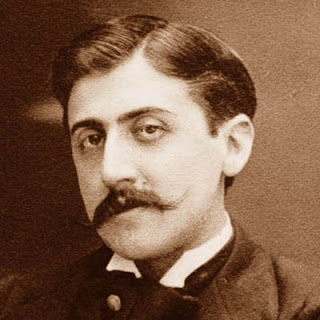
A few hours before his death Marcel Proust asked his servant to bring to his bed a certain page from his manuscript wherein the death agony of one of his characters was described— because
I have several retouching to make here, now that I find myself in the same predicament.
He wrote like a maniac to the end.
Xxx
Painting while Dying!
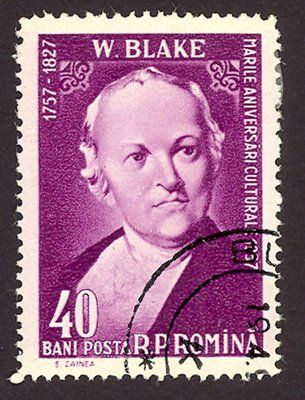
Three days before Blake’s death he was working on the ‘Ancient of Days’. He sat bolstered up in bed , and tinted it with his choicest
colours and in his happiest style. He touched and retouched it— held it at arm’s length and then threw it from him, exclaiming,
There! That will do! I cannot mend it.
He saw his wife in tears…
Stay! Kate! Cried Blake, Keep just as you are—
I will draw your portrait— for you have ever been an angel to me
And so he did — and it was his last work.
Xxx
Singing while Dying!
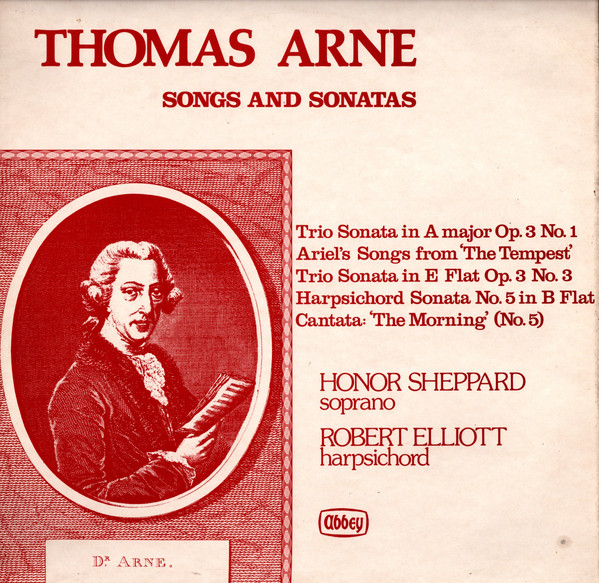
Dr Arne, the Eighteenth-Century English composer, died as he had lived. His intimate friend ,Vernon , the favourite singing actor of Drury Lane Theatre described his end,
— I was talking on the subject of music with the doctor, who suffered much from exhaustion, when in attempting to illustrate what he had advanced, he in a very feeble and tremulous voice sang part of an air, during which he became progressively more faint until he breathed his last! Making, as our immortal Shakespeare expresses it
‘A swan like end, fading in music’.
tags- death bed, Dr Arne, William Blake, Marcel Proust,














 Tamil and Vedas