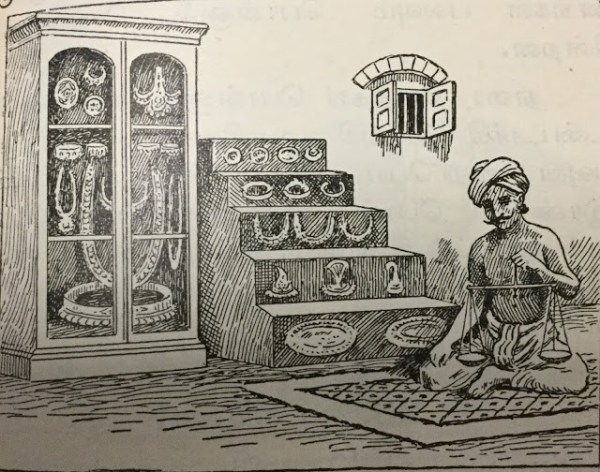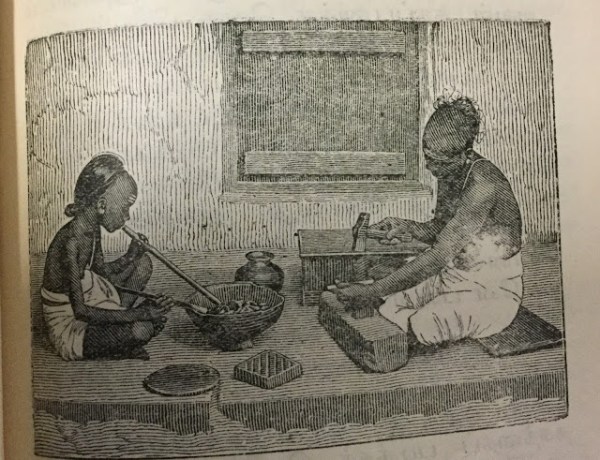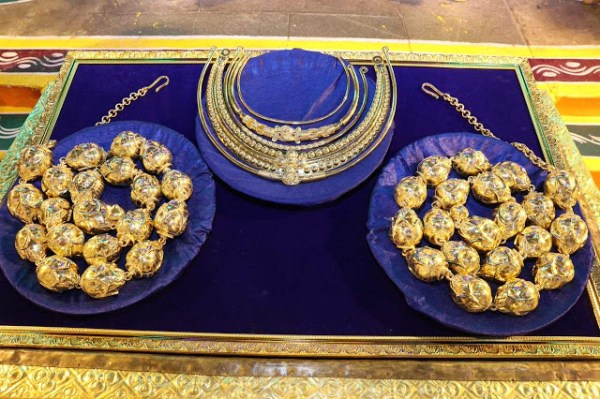
VEDAS ARE MOSTLY ‘CHILDISH’: MAX MULLER (Post No.4246)

Written by London Swaminathan


Date: 25 September 2017


Time uploaded in London- 14-32


Post No. 4246


Pictures are taken from various sources such as google, Facebook friends, newspapers and Wikipedia for non-commercial use; thanks.


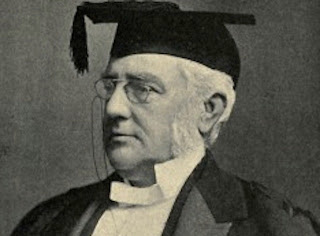
I Have earlier shown in my articles that Max Muller was like a poisonous snake with a split tongue; he would blow hot and cold; he would praise the Vedas whenever he wanted to identify himself with the Aryans “who travelled from Germany to India” to establish that nobody lived in India and any foreigner could occupy it like the British.  At other times he dubbed the Vedas as childish blabbers, pastoral, ridiculous and the Aryan people were nomads.


This he did for two reasons. He got a collie from the East India Company to say so and the Oxford professorship has a condition that they should show to the world that Christianity is the only civilized religion. In fact, all the Sanskrit professors appointed under a chair in Oxford fall under this category. That is what they were paid for. In simple language, coolies. For money, they would do anything.


Here is more proof to show the true colures of Prof. Max Muller. He was a poisonous snake and along with Bishop Caldwell and other foreigners they coined a new term ‘Aryan race’. Neither the Tamil Sangam literature nor the Vedas has that racial connotation for ‘Arya’.

Subrahmanya Bharati, the greatest Tamil poet of modern times used the word ARYA in scores of places in his poems with the correct meaning: civilized, cultured, who recites Mantras in Sanskrit at the foot hills of the Himalayas. Bharati deliberately used the word ARYAN and deliberately avoided the word Dravidian in his poems. Probably to give a slap on the faces of Caldwells and Max Mullers and such cunning dirty fellows.


Max Muller describes the conclusion arrived at by intelligent Indians: “The friends of Rammohan Roy, honest and fearless as they have always proved themselves to be, sent some young scholars to Benares to study the Vedas and to report on their contents. As soon as their report was received, Debendranath Tagore, the Head of the Brahma Samaj, said at once that, venerable as the Vedas might be as relics of a former age, they contained so much that was CHILDISH, ERRONEOUS and impossible as to make their descent from a divine source utterly untenable” (another group of collies).

(Biographical essays pp 163, 169)


Prof. Max Muller has spent many years, editing the Rig Veda, with commentary of Sayana (MM must be the biggest fraud in the field. He did not translate Sayana’s. Because Sayana never said that there was a race called Aryan and they came from Europe).


Max Muller says the following in his “Preface to the Sacred Books of the east”:-

“Scholars also who have devoted their life either to the editing of the original texts or to the careful interpretation of some of the sacred books, are more inclined, after they have disinterred from a HEAP OF RUBBISH some solitary fragments of pure gold, to exhibit these treasures only than to display all the REFUSE from which they have to extract them. I do not blame them for this, perhaps I should feel that I was open to the same blame myself, for it is but natural that the scholars in their joy at finding ONE or TWO fragrant fruits or flowers should gladly forget the BRAMBLES and THORNS that had to be thrown aside in the course of their search”.


xxx
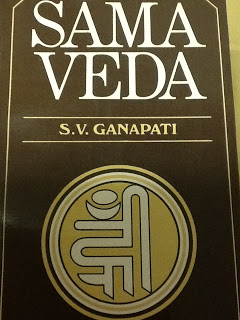
In his Lecture on the Vedas he expresses the following opinion of the hymns:-

“ The historical importance of the Veda can hardly be exaggerated but its intrinsic merit, and particularly the beauty or elevation of its sentiments, have by many been rated far too high. LARGE NUMBER OF THE VEDIC HYMNS ARECHILDISH IN THE EXTREME: TEDIOUS, LOW, COMMON-PLACE. The gods are constantly invoked to protect their worshippers to grant them food, large flocks, large families and a long life; for all which benefits they are to be rewarded by the praises and sacrifices offered day after day, or certain seasons of the year. But hidden in this RUBBISH there are precious stones.


“ I remind you again that the Veda contains a great deal of what is CHILDISH and FOOLISH, though very little of what is bad and objectionable. Some of its poets ascribe to the gods sentiments and passions unworthy of the deity such as anger, revenge, delight in material sacrifices; they likewise represent human nature on a low level of SELFISHNESS and WORDLINESS. Many hymns are utterly UNMEANING and INSIPID and we must search patiently before we meet, here and there, with sentiments that come from

the depth of the soul, and with prayers in which we could join ourselves.”


(Sayana never expressed such an opinion. Tamil Sangam literature praised the Vedas sky high. For two thousand years Tamil devotional poets praised them. Tamils translated he word Veda as ‘secret’. because they knew literal meaning should not be looked at.)

Western fellows never talk about other or their religious books. If Vedas are rubbish there more rubbish in their very short books!


Not even Buddha, not even Mahavira criticised the Vedas.  They praised Indra. They criticised only doing Yagas without understanding the meaning or purpose. Oldest Tamil book  Tolkappiam said that INDRA, VARUNA, VISHNU and DURGA are Tamil gods


When all other old religions died and their gods gone into museums, Hinduism is still a vibrant religion and Vedic Gods are worshipped every day. How and Why?


If there is so much RUBBISH in the Vedas, why did MM spend 60 years in Vedic studies and publish 51 Volumes of Sacred Books of the East? Was he a fraud or a faithful collie and did all these things for money to belittle Hinduism? Because of his Aryan Race theory, Hitler picked up Arya and Swastika and killed millions. Because of this America killed one million innocent Buddhists and Shintoism followers by throwing atom bombs on their heads. They never nuked a Jew or a Muslim or a Christian.

Caldwell says: “If any person reads the hymns of the Vedas for the first time, he will be struck with surprise at the utterly WORLDLY, UNETHICAL, UNSPIRITUAL tone by which they are generally pervaded.”

MM did another fraud by praising Dyaus Pita and comparing him with European gods and dubbing it as he oldest God. he never proved it. He never proved that those hymns in the Rig Vedas as the oldest portions. No scholar in the world proved it. Most of the things said by one idiot is repeated by other idiots. Because all of them belong to the same bandwagon.

Readers can pass a judgement on MM and his bed mates.


–Subham–
31 சுந்தர காண்டப் பொன்மொழிகள் (Post No.4245)

COMPILED by London Swaminathan


Date: 25 September 2017


Time uploaded in London-  6-05 AM


Post No. 4245


Pictures are taken from various sources such as google, Facebook friends, newspapers and Wikipedia for non-commercial use; thanks.


அக்டோபர் 2017 காலண்டர்


முகரம்-1, காந்தி ஜயந்தி- 2, வால்மீகி ஜயந்தி-5,  தீபாவளி-18/19

கந்த சஷ்டி-25.

ஏகாதசி – 1, 15, அமாவாசை – 19, பௌர்ணமி – 5

சுபமுகூர்த்த தினங்கள்- 27, 30.

அக்டோபர் 1 ஞாயிற்றுக் கிழமை

கடல் உறு மத்து இது என்ன கார் வரை திரியும் காலை

மிடல் உறு புலன்கள் வென்ற மெய்த்தவர் விசும்பின் உற்றார்

(அனுமன் புறப்பட்ட வேகத்தில் முனிவர்கள் வானில் பறந்தனர்)


அக்டோபர் 2 திங்கட் கிழமை

கீண்டது வேலை நல் நீர் கீழ் உறக் கிடந்த நாகர்

வேண்டிய உலகம் எல்லாம் வெளிபட மணிகள் மின்ன

(கடலடி நாகங்கள் நாகரத்தினத்தைக் கக்கின)


அக்டோபர் 3 செவ்வாய்க் கிழமை

துள்ளிய மகர மீன்கள் துடிப்பு அற சுறவு தூங்க

ஒள்ளிய பனை மீன் துஞ்சும் திவலைய ஊழிக்காலின்

(முதலைகள், சுறாமீன்கள், டால்பின்கள் தூக்கி எறியப்பட்டன)


அக்டோபர் 4 புதன் கிழமை


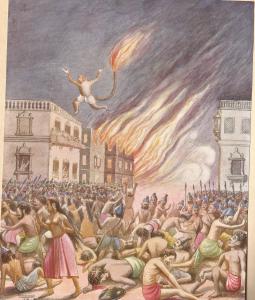
புட்பக விமானம்தான் AIR PLANE அவ் இலங்கை மேல் போவது ஒத்தான்

(இலங்கையை நோக்கி ஒரு புட்பக விமானம் பறப்பது போல அனுமன் பறந்தான்)


அக்டோபர் 5 வியாழக் கிழமை

ஆணி ஆய் உலகுக்கு எல்லாம் அறம் பொருள் நிரப்பும் அண்ணல்

(உலகத்துக்கு அடிப்படையாய் விளங்கும் அறத்தைத் தழைக்கச் செய்யும் அனுமன்)

அக்டோபர் 6 வெள்ளிக் கிழமை

ஊழிநாள் வடபால் தோன்றும் உவா முழு மதியும் ஒத்தான்

(உலகம் அழியும் நாளில் வடதிசையில் தோன்றும் பவுர்ணமி போல)


அக்டோபர் 7 சனிக் கிழமை

தேசமும் நூலும் சொல்லும் திமிங்கிலங்களோடும்

ஆசையை உற்ற வேலை கலங்க

(உலக மக்களும் புத்தகங்களும் சொல்லும் திமிங்கிலத்தைச் சாப்பிடும் திமிங்கிலங்கள் இறந்து கடலில் மிதந்தன)


அக்டோபர் 8 ஞாயிற்றுக் கிழமை

நூல் ஏந்து கேள்வி நுகரார் புலன் நோக்கல் உற்றார்

போல் ஏந்தி நின்ற தனியாள் மெய் பொறாது நீங்க

(ஞான நூற்பொருளை கல்லாது புலன் இன்பத்தில் மனதைச் செலுத்தும் சிறியார் போல பூமாதேவியும் உடல்வலி தாங்காமல் விலகினாள்)


அக்டோபர் 9 திங்கட் கிழமை

பெருந்தேன் பிறிசாலும் நின் அன்பு பிணித்தபோதே

இருந்தேன் நுகர்ந்தேன் நுகர்ந்தேன் இதன்மேல் இனி ஈவது என்னோ?

(உன் அன்பைக் காட்டியதே விருந்து உண்டது போல ஆய்விட்டேன். இதற்கும் மேல் நீ தருவதற்கு என்ன இருக்கிறது– மைநாக பர்வதத்திடம் அனுமன் சொன்னது)


அக்டோபர் 10 செவ்வாய்க் கிழமை

நீண்டான் உடனே சுருங்கா நிமிர்வாள் எயிற்றின்

ஊர்ந்தான் என உற்று ஓர் உயிர்ப்பு உயிராத முன்னா

(திடீரெனச் சுருங்கிய உடலுடன் சுரசையின் வாய்க்குள் புகுந்த அனுமன், அவள் ஒரு முறை சுவாசிப்பதற்குள் வெளியே வந்தான்)


அக்டோபர் 11 புதன் கிழமை

சாகா வரத் தலைவரில் திலகம் அன்னான்

ஏகா ரக்கிகுடர் கொண்டு உடன் எழுந்தான்

(இறவா வரம் பெற்றவர்களில் திலகம் போன்ற அனுமன் அங்காரதாரகை என்னும் அரக்கியின் வாயுள் புகுந்து குடல்களைச் சுற்றிக்கொண்டு மேலே எழுந்தான்)


அக்டோபர் 12 வியாழக் கிழமை

இராம! என எல்லாம்

மாறும் அதின்மாறு பிறிது இல் என வலித்தான்

(இது போன்ற கஷ்டங்கள் நீங்க ராம நாமத்தைச் சொன்னால் போதும்; அ தைத் தவிர வேறு வழி இல்லை- அனுமன்)


அக்டோபர் 13 வெள்ளிக் கிழமை


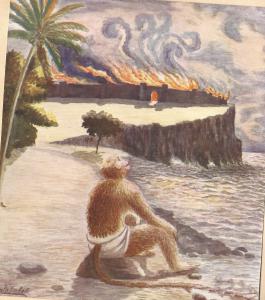
விண்ணிடை உலகம் என்னும் மெல்லியல் மேனி நோக்கக்

கண்ணடி வைத்தது அன்ன இலங்கையைத் தெரியக் கண்டான்

(தேவலோகம் ஆகிய மங்கை தன் வடிவழகினைப் பார்க்க ஒரு கண்ணாடி வைத்தது போலத் திகழ்ந்த இலங்கையை அனுமன் உற்றுப் பார்த்தான்)


அக்டோபர் 14 சனிக் கிழமை

நுண்புலம் நுணங்கு கேள்வி நுழைவினர் எனினும் நோக்கும்

கண்புலம் வரம்பிற்று ஆமே? காட்சியும் கரையிற்று ஆமே?

(நுண்ணிய அறிவினால் நுட்பமான கேள்வி ஞானத்தை ஆராய்ந்து தெளிந்தவர்களுக்கும் காணும் கட்புலன் வரம்பெற்றதாய் நீண்டிருக்குமோ? இலங்கையில் உள்ள காட்சிகளும் அளவுக்கு உட்பட்டவையா? இரண்டும் இல்லை).


அக்டோபர் 15 ஞாயிற்றுக் கிழமை

குழலும் வீணையும் யாழும் என்று இனையன குழைய

மழலை மென் மொழிகிளிக்கு இருந்து அளிக்கின்ற மகளிர்

(மாளிகையில் உள்ள மங்கையர், தாம் வளர்க்கும் கிளிகளுக்கு, புல்லாங்குழலும் வீணையும் யாழும் தோற்கும் அளவுக்கு மழலைச் சொற்களைக் கற்றுக் கொடுத்தனர்)


அக்டோபர் 16 திங்கட் கிழமை

மூவர் தம்முளும் இருவர் என்றால் இனி முயலின்

தாஇல் மாதவம் அல்லது பிறிது ஒன்று தகுமோ?


மும்மூர்த்திகளையும்   விட இராவணன் உயர்ந்திருக்க, அவனது மாபெரும் தவமே காரணம்)


அக்டோபர் 17 செவ்வாய்க் கிழமை

நரகம் ஒக்குமால் நல்நெடுந்துறக்கம் இந்நகர்க்கு

(இலங்கையின் வளத்தைப் பார்த்தால் சுவர்கமும் நரகம் போலக் காட்சிதரும்!)


அக்டோபர் 18 புதன் கிழமை

ஆரியம் தனி ஐங்கரக் களிறும் ஓர் ஆழிச்

சூரியன் தனித் தேருமே இந்நகர் தொகாத

(ராவணன் நகரில் இல்லாத ஒரு யானை மேன்மைபெற்ற விநாயகன்; அவன் ஊரில் இல்லாத ஒரே தேர் சூரியனின் தேர்)


அக்டோபர் 19 வியாழக் கிழமை

தெய்வத் தச்சனை புகழ்துமோ?செங்கண் வாள் அரக்கன்

மெய் ஒத்து ஆற்றிய தவத்தை வியத்துமோ?

(இலங்கையின் இத்தகைய சிறப்புக்கு அதை உருவாக்கிய மயன் என்னும் தெய்வத் தச்சனைப் புகழ்வதா? அல்லது ராவணனின் மாதவத்தைப் புகழ்வதா. எனக்குத் தெரியவில்லையே- கம்பன் அங்கலாய்ப்பு)


அக்டோபர் 20 வெள்ளிக் கிழமை

ஏனை மணியாலும் இயற்றியவேனும் யாவும்

தேனும் மலரும் கனியும் தரச் செய்த செய்கை?

(இது என்ன உலக அதிசயம்? இலங்கையில் உள்ள எல்லா காடுகளும் சோலைகளும் நவரத்தினக் கற்களால் செய்யப்பட்டவை. ஆனால் இயற்கையான தேனும் , மலரும் ,கனியும் கிடைக்கிறதே)

அக்டோபர் 21 சனிக் கிழமை

திறம்பு காலத்துள் யாவையினும் சிதையா

அறம்புகாது இந்த அணி மதில் கிடக்கை நின்று அகத்தின்

(கம்பன் பயங்கரக் கிண்டல்:- தேவர்கள் இலன்கையில் புக முடியாது. உலகமே அழியும் போது, தான் மட்டும் அழியாமல் நிற்கிறதே அந்த தர்மம் கூட இந்நகருக்குள் புக முடியாது!!)


அக்டோபர் 22 ஞாயிற்றுக் கிழமை

செங்குருதி அன்ன செறி குஞ்சியர் சினத்தோர்

பங்குனி மலர்ந்து ஒளிர் பலாச வனம் ஒப்பார்

(இலங்கை வாழ் அரக்கர்களுக்கு செம்பட்டை முடி; கோபத்தால்வேறு முகம் சிவக்கும்; இது பங்குனி மாதத்தில் செம்முருங்கை மரங்கள் உள்ள காடு பூத்துக் குலுங்கியது போலச் செக்கச் செவேல் என்று இருந்தது)


அக்டோபர் 23 திங்கட் கிழமை

எட்டுத் தோளாள் நாலு முகத்தாள் உலகு ஏழும்

தொட்டுப் பேரும் சோதி நிறத்தாள் சுழல் கண்ணாள்

( அனுமனை முறைத்துப் பார்த்த இலங்காதேவி என்னும் நகர காவல் தேவதைக்கு 8 தோள்கள், 4 முகங்கள், ஏழு உலகங்களுக்கும் சென்று திரும்பும் ஒளி படைத்தவள்; அவ்வளவு பிரகாசம்! சுழலும் கண்களை உடையவள்! சி சி டி வி C C TV காமெராக்கள் தோற்றுப் போகும்!)


அக்டோபர் 24 செவ்வாய்க் கிழமை

அளியால் இவ் ஊர் காணும் நலத்தால் அணிகின்றேன்

எளியேன் உற்றால் யாவது உனக்கு இங்கு இழவு? என்றான்

ஊரைக் காணவேண்டும் என்ற ஆசையால் வந்தேன். எளியவனாகிய நான் இவ்வூருக்குச் செல்வதால் உனக்கு என்ன நஷ்டம்? இலங்காதேவியிடம் அனுமன் சொன்னது

அக்டோபர் 25 புதன் கிழமை

அறம் வெல்லும் பாவம் தோற்கும்

அறம் வெல்லும், பாவம் தோற்கும்- என்பதை இன்னும் சொல்ல வேண்டுமா?


அக்டோபர் 26 வியாழக் கிழமை

பூரியர் இலங்கை மூதூர்ப் பொன்மதில் தாவிப் புக்கான்

சீரிய பாலின் வேலைச்சிறு பிரை தெறித்தது அன்னான்

(இழிந்தவர் வாழும் இலங்கையின் பொன்மதிலைத் தாவி அனுமன் புகுந்தது பாலிலே சிறிதளவு மோர் சிந்தியது போல இருந்தது.)


அக்டோபர் 27 வெள்ளிக் கிழமை


சந்தப் பூம்பந்தர் வேய்த்த தமனிய அரக்கில் தம்தம்

சிந்தித்தது உதவும் தெய்வ மணிவிளக்கு ஒளிறும் சேக்கை

(அவரவர் நினைத்ததைக் கொடுக்கும் சிந்தாமணி என்னும் தெய்வ விளக்கு ஒளிர்ந்தது.)


அக்டோபர் 28 சனிக் கிழமை

தேன் உகு சரளச் சோலை தெய்வ நீர் ஆற்றின் தெண் நீர்

வானவர் மகளிர் ஆட்ட மஞ்சனம் ஆடுவாரை

(தேன் பருகும் இனிய சோலையில், தேவ மகளிர், ஆகாய கங்கையின் தெய்வ நீரினால் அரக்க மகளிரை நீராட்டினர்)


அக்டோபர் 29 ஞாயிற்றுக் கிழமை


சந்தப் பூம்ப்பந்தர் வேய்த்த தமனிய அரக்கில் தம்தம்

சிந்தித்தது உதவும் தெய்வ மணிவிளக்கு ஒளிறும் சேக்கை

(அவரவர் நினைத்ததைக் கொடுக்கும் சிந்தாமணி என்னும் தெய்வ விளக்கு ஒளிர்ந்தது.)

அக்டோபர் 30 திங்கட் கிழமை

சங்கொடு சிலம்பும் நூலும் பாத சாலகமும் தாழ

பொங்கு பல்முரசம் ஆர்ப்ப இல்லுறை தெய்வம் பேணி


(அரக்க மகளிர் சிலம்பு, மேகலை, பாதரசம் ஆகிய அணிகலன்களை அணிந்து உண்டாக்கிய ஒலிகளை ஒடுக்கும் அளவுக்கு முரசுகள் முழங்கின. அப்போது அரக்க மகளிர், இல்லத்தில் உள்ள தெய்வங்களை மலரால் பூஜித்தனர்)


அக்டோபர் 31  செவ்வாய்க் கிழமை

தடைபுகு மந்திரம் தகைந்த நாகம்போல்

இடைபுகல் அரியது ஓர் உறக்கம் எய்தினான்

கடை யுக முடிவு எனும் காலம் பார்த்து அயல் புடை பெயரா நெடுங்கடலும் போலவே

(மந்திரத்தால் கட்டுண்ட நாகம் போலவும், ஊழிக்காலத்தில் சீறி எழ தயாராகக் காத்திருக்கும் கடல் போலவும் கும்பகர்ணன் தூங்கினான்)


–சுபம்–


ஏனடி கோபம் என் மேல்? சம்ஸ்கிருதச் செல்வம் (Post No.4242)

Written by S.NAGARAJAN


Date: 25 September 2017


Time uploaded in London- 5-18 am


Post No. 4242

Pictures shown here are taken from various sources such as Facebook friends, Books, Google and newspapers; thanks.


சம்ஸ்கிருதச் செல்வம்

ஏனடி கோபம் என் மேல்! கவர்ச்சிப் பாவையே!! – ஒரு காதலனின் புலம்பல்!!!


ச.நாகராஜன்


காதலன் ஒருவன் தவிக்கிறான். ஏனெனில் அவனது காதலி திடீரென்று முகத்தைத் தூக்கி வைத்துக் கொண்டிருக்கிறாள்.

கோபம்.ஏனென்று தான் தெரியவில்லை.

அவனோ இன்னொரு பெண்ணை வார்த்தையால் கூடத் தொட்டதில்லை.

அவனது புலம்பல் கவிதையாக மலர்கிறது.

சார்தூலவிகிரிதிதா சந்தத்தில் அமைந்த அழகிய கவிதை இது:


உக்தம் துர்வசனம் மயா ந சுபகே ஹாஸ்யேபி துக்கப்ரதம்

த்யக்த்வா ஸ்வாமபி மாஷிதைரபி மயா நான்யாங்கனா லாலிதாI

ஸ்வாமேகாமனவத்யம் பூஷணபரை: சம்பாவயாமி த்வயா

ஹே! நிஷ்காரணகோபனே வ்த க்ருத: கிமர்த்தம் மயி II


கவிதையின் பொருள் இது தான்:


வலியைத் தரும் சுடுசொல் ஒன்றைக் கூட ஒருபொழுதும் நான் பேசியதில்லை;

ஓ! கவர்ச்சிப் பாவையே!


விளையாட்டாகக் கூடப் பேசியதில்லையே!

நீ இல்லாத போதும் கூட எந்த ஒரு பெண்ணையும் வார்த்தைகளினால் கூட நான் தொட்டதில்லை!

குற்றமற்ற குணங்களென்னும் செல்வத்தால் அலங்கரிக்கப்பட்டிருக்கும் உன்னை நான் போற்றுகிறேன்.


ஓ!அன்பே!

எந்த விதக் காரணமும் இன்றி என் மீது கோபம் கொண்டிருக்கிறாயே,

என்னிடம் நீ ஏன் கோபம் கொண்டிருக்கிறாய் என்று சொல்லேன்.


அருமையான இந்தக் கவிதையை ஆங்கிலத்தில் தருகிறார் திரு ஏ.ஏ,ஆர் (A.A.R. – A.A.Ramanathan)


Never have I spoken a harsh word which may give pain,

Oh, Charming one, Even during jokes;

Even in your absence no other girl was carassed by me even in words;

I honour you alone adorned with a wealth of faultless merits;

Oh, Dear who get angry for no cause,

Tell me why you are angry with me.


**

இன்னொரு கவிதை

தன் விருப்பத்திற்குகந்த காதலியை எப்படி அணுக வேண்டும்.

யோசனை தருகிறார் ஒரு கவிஞர் இப்படி:


உக்தம் தே ருதிரேணாஹம் ஸ்ப்ருஷ்டம் தே மஸ்தகம் மயா I

இத்யேதாஞ் சபதான் க்ருத்வா சா வை கம்யா புன:புன: II


விதவிருத்தம் என்ற சந்தத்தில் அமைந்த கவிதை இது.

பொருள்:


“உனது ரத்தத்தால் நனைக்கப்பட்டவன் நான். உனது தலை என்னால் வருடப்பட்ட ஒன்று” என்று இப்படி உறுதி மொழிகள் சொல்லிக் கொண்டே மீண்டும் மீண்டும் நெருக்கமாக அவளை அணுக வேண்டும்.


“I have been wetted by your blood, your head has been touched (fondled)by me” – swearing words such as these, she must be approached closedly again and again.

(Translation by A.A.Ramanathan)


சம்ஸ்கிருதத்தில் காதல் கவிதைகள் என்று எடுத்துக் கொண்டால் ஆயிரக் கணக்கில் உள்ளன.

சம்ஸ்கிருதத்தை –

வேத மொழி என்பர் சிலர்;

தெய்வ மொழி என்பர் சிலர்.

வித்தக ஞான மொழி என்பர் சிலர்.

ராஜ நீதி மொழி என்பர் சிலர்

இசை மொழி என்பர் சிலர்.

புராண இதிஹாஸ தர்ம சாஸ்திர மொழி என்பர் சிலர்.

கம்ப்யூட்டருக்கான மொழி என்பர் சிலர்.

ஆனால் மேலே உள்ளது போன்ற கவிதைகளைப் படிப்போர்

சரஸ சல்லாப மொழி என்பர்.


எல்லாம் சரி தான்.


சம்ஸ்ருதம் அறிவோம்! சுகமாய் வாழ்வோம்!!

****


Gold! Gold! Yellow Metal in the Rig Veda! (Post No.4241)

Research Paper written by London Swaminathan


Date: 24 September 2017


Time uploaded in London-  14-26


Post No. 4241


Pictures are taken from various sources; thanks.


The Yellow metal – GOLD—figured in scores of hymns in the Rig Veda, the oldest religious book in the world. The Vedic seers talk about gold in big quantity. This shows that the Vedic society was a rich and civilized society. In Sangam Tamil literature, which came several thousand years later than the Rig Veda, we hear about poets getting lot of gold from the Chera (Kerala) Kings in the book Patitruppathu. In the post Sangam Silappadikaram we read about Tulabharam where gold was given to a Brahmin equal to the weight of mighty Chera king Senkuttuvan. We knew that the Roman gold poured into Tamil Nadu and they took black pepper and Indigo colour in exchange of gold coins. But several thousand years before this, where did the Vedic people get that much gold? It is a mystery.


In the later Mahabharata and Puranas we read about a mysterious country called UTTARA KURU where Arjuna and Yuthisthira got gold. But in the Vedic times Hindus talk about gold in their Dhana (Donation Hymns) stuthis!


( I have written five articles here in this blog several years ago to prove the INDIA IS THE RICHEST COUNTRY IN THE WORLD even today.

The amount of gold with the Hindu women and  the amount of jewellery with the temples and Maharajas (ex) are huge.

Let me give some hymns where we see the Gold:-


1.HIRANYA

Hiranya in the Rig Veda and later denotes Gold. Perhaps they got it from the bed of rivers. Certain rivers are called Gold (Sone= swarna). Indus is also described as a golden stream. Extraction of gold and washing of gold are recorded in the Vedic literature!


Gold is the object of the wishes of the Vedic singer and golden treasures are mentioned as given by the patrons along with thousands of cows and horses!


Gold was used for ornaments for neck and breast (Niska), for ear rings (Karna Sobhana) and even for CUPS!!!. Gold is always associated with the gods.


Gold in the RV: 1-43-5; 3-34-9, 4-10-6, 17, 11

Gold in the Atharva Veda:- 1-9-2; 2-36-7; 5-28-6; 4-38-2

Golden River Indus – RV 10-75-8; 6-61-7; 8-26-18


Extraction and Purification of gold: RV 1-117-5; AV 12-1-6, 26, 44 and Taittiriya Samhita and satapata Brahmana


Gold Ornaments: Taittiriya Samhita, Taittiriya Brahmana, Satapata Brahmana.

OLDEST GOLD CURRENCY IN THE WORLD!

A gold currency was known to Vedic people; definite weights of gold are mentioned (astaa-prud)- Taittiriya Samhita, Kathaka Samhita


Satamana =Weight of 100 Krishnalas (Gundu Mani in Tamil) is found in the Brahmanas and samhitas.


If we take the Vedic period to a time then mighty Sarasvati was flowing, then the oldest gold coin is from India.


Even today the Brahmin priests in all the weddings say in the mantra satamanam Bhavatu!

Rajata (silver) is also mentioned in the Vedas


Megasthanes bears testimony to the richness in gold of India in his time (see Diodorous Siculus 2-36; Strabo pp 703, 706.)

Hiranyakara is goldsmith and his work is mentioned in the Yajur Veda (Vajasaneyi Samhita 30-17; Taittiriya Brahmana 3-4-14-1


2.HARITA

Harita is also gold mentioned in the Atharva Veda (AV) 5-28-5-9; Kathaka Samhita- 8-5

3.SUVARNA

Suvarna ( Sona, Sone etc) is gold and used through out India even today. It is the name of the girls as well.

It is found in Taiitiriya Samhita, Atharva Veda and several Brahmanas.


Those who read foreigners’ accounts of describing Vedic Aryans as nomads, uncivilized, pastoral will know those writers were Pukka idiots and wrote with a motive of belittling Hinduism. Since Vedic society was a well advanced, civilized society, we read a lot about a good number of ornaments and gold coins and their weights.

Coinage is known to the civilised world only rom the sixth century BCE in Europe. If Vedic Niska is a coin then India is the first country to issue coinage. The word Satamanam (100) is used from Vedic days to date.

4.NISKA

Niska is frequently found in the RV (2-33-10;8-47-15 etc) and later (AV 5-14-3, 7-99-1, 20-131-8).

Kalidasa used coinage in the first century BCE


Niska is considered a neck ornament, may be made of coins (Kasu Mali in Tamil); even today women in South India is fond of Coin Necklace. So it might have meant both coin and necklace made up of coins.

Words such as niska-kantha, Niska-griva (having a gold ornament on the neck) are found in several places ( RV 5-19-3; AV 5-17-14) in the  Vedic books.

A Niska of silver is also mentioned in the Panchavimsa Brahmana.

As early as the Rig Veda traces are seen of the use of Niskas as a sort of currency, says Keith and Macdonell in the Vedic Index. A singer celebrates the receipt of 100 Niskas and a hundred steeds; he could hardly require the Niskas merely for the purpose of personal adornment. Later use of Niskas as currency is quite clear (AV 20-127-3)


This shows the Vedic society was an Economic Super Power. Several thousand years before he Greeks Hindus used he first coinage, that too, gold coinage!!!

5.CANDRA

Candra appears to denote gold in a certain number of passages from the Rig Veda onwards (RV 2-2-4; 3-31-5;AV 12-2-53).


The number of words in the Veda for gold also indicate that they were using this in enormous quantity.

6.JATARUPA
Jatarupa (possessing native beauty) is the name of gold in the later Brahmanas and sutras (Aitareya 8-13; Brahdaranyaka Upanishad 6-4-25) etc.

7.KRSNALA (Gundumani)= Abrus Precatorius

Krsnala denotes the berry of the Abrus precatorius, used as a weight according to the later authorities (Manu 8-134), one Maasa (bean) being equated to four Krsnalas. In the sense of a weight it occurs in the Taittiriya and other Samhitas and later.


This is another proof that they wieighed gold and valued. So it is possible that Niska is a proper gold currency.


One important factor is that gold occurs from the oldest portions of the Rig Veda Mandalas.

8.SIX DIFFERENT GOLD FEES (DAKSHINA)

In the description of the observance of the catur-hotra fire ceremony given in the tait. Brah 3-12-5 (11, 12) ,as many as five or six different gold fees are described under the common name of dakshina, including perpetual fees, GOLD BRICKS, sugar mixed with clarified butter when gold is not forthcoming, and cows equal in number to the bricks.


With regard to a gold gift to the priest, it is in sata Bra 3-4-24/27

There are four kinds of sacrificial gifts
Gold- Thereby indeed he preserves his own life

Then the cow, thereby he preserves his own breath also is food

Then cloth, thereby he preserves his own skin

Then the Horse,  for the horse is thunderbolt; he therefore makes a leader……

9.ORIGIN OF GOLD

Agni is at one time cast his eye on the waters- May I pair with them, he thought.

He came together with them, and his seed became gold. For this reason, the latter shines like fire, it being Agni’s seed.

–Sata Br 2-1-1-5


In sat Br 2-2-3-28 the above is given as a  reason why the priests’ fee for a particular sacrifice is gold!

10.Danastutis ( Donation Hymns)

GOLDEN CHARIOT!!!

Brahmatithi says

As Kasu, Chedi’s son, gave me a hundred head of buffaloes, and ten thousand cows

He who hath given me for mine own ten kings like gold to look upon

No man, not any, goes upon the path on which the Chedis walk

No other prince, no folk is held more liberal of gifts than they.

RV 8-5- 37 to 39


The Rishi Vasa Asvya thus praises the liberality of Prithusravas, the son of Kanita:

Now let the godless man approach who hath received so great

As Vasa Asvya, when this light of morning dawned, received from Prithusravas, from Kanita’s son

Steeds 60,000 and 10000 kine and 20,000 camels I obtained

Ten hundred brown in hue and other ten red in three spots;

in all 10,000 cows

Ten browns that make my wealth increase, fleet steeds whose tails are long and fair

Turn with swift whirl my chariot wheel

The gifts which Prithusravas gave, Kanita’s son munificent

HE GAVE A CHARIOT WROUGHT OF GOLD; the prince was passing beautiful, and won himself lofty fame

And now to Vasa Asvya here this stately woman is led forth

ADORNED WIT ORNAMENTS OF GOLD

(Stately woman= probably the wife of the conquered king)


11.Golden Fort in Aitareya Brahmana (1-23)

The gods and demons were engaged in warfare

The evil demons, like to mighty kings

made these worlds castles, then they formed the earth

into an Iron citadel, the air

Into a silver fortress, and the sky

Into a fort of gold. Where at the gods

said to each other, Frame we other worlds

In opposition to these fortresses

Then they constructed sacrificial places

Where they performed, a triple burnt oblation.

By the first sacrifice they drove the demons

Out of their earthly fortresses, by the second

Out of the air, and by the third oblation

Out of the sky. Thus were the evil spirits

Chased by the gods in triumph from the worlds.


Monier Williams gave the above in metrical rendering from the Brahmana.

Perhaps this lead to the story of destruction of Tripura, hanging in the sky, in later Puranas.


There are lot more references to gold in the Vedas. This shows the richness of the society. They aimed high and thought about  only positive things.

Reference: Vedic Index of Names and Subjects, Keith and Macdonell

The Vedas and Brahmanas, Caxton Publications

Rig Veda by Griffith


-Subham-


கோழி மிதித்து குஞ்சு முடமாகுமா? கோழி பற்றிய பழமொழிகள் (Post No.4240)

Compiled by London Swaminathan


Date: 24 September 2017


Time uploaded in London-  6-21 AM


Post No. 4240


Pictures are taken from various sources; thanks.


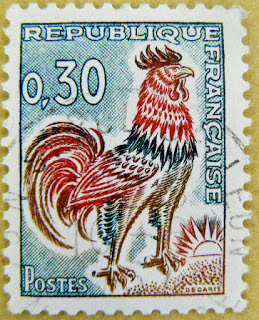
1.கோழி அடிக்கிறதுக்கு குறுந்தடியா?

2.கோழி களவு போக ஆடுவெட்டிப் பொங்கல் இடுகிறதா?

3.கோழி கறுப்பானால் அதன் முட்டையும் கறுப்பா?

4.கோழி கறுப்போ சிவப்போ அதன் முட்டை வெள்ளைதானே?

5.கோழி கூப்பிட்டு விடிகிறதா? நாய் குலைத்து விடிகிறதா?

6.கோழி கூவிப் பொழுது விடிந்தது

7.கோழி கொடுத்துக் குரலும் அழுகிறதா?

8.கோழிக்கறி என்றதும் கொண்டாடிக் கொண்டதும்,கீரைத் தண்டாணம் அடா சுப்பா கீரைத் தண்டாணம் அடா!

9.கோழிக் கறி கொடுத்து குயில் கறி வாங்கினாற் போல

10.கோழிக் காய்ச்சலும் குண்டன் காய்ச்சலும் விடாது

11.கோழிக் குஞ்சுக்குப் பால் கொடுத்தது போல

12.கோழி சிறகால் குஞ்சுகளைக் காப்பது போல

13.கோழி தட்டிக் கூவுமா?

14.கோழி திருடியும் கூடிக் குலாவுகிறாள்

15.கோழி தின்ற கள்ளனுடன் கூடி நின்று உலாவுகிறான்


16.கோழி போனதும் அல்லாமல் குரலும் போச்சுது

17.கோழி மிதித்துக் குஞ்சு முடம் ஆகுமா?

18.கோழி முடத்துக்குக் கடா வெட்டி காவு கொடுக்கிறதா?

19.கோழி முடத்துக்கு கடா வெட்டிப் பலியிட்டது போல

20.கோழி முட்டைக்குத் தலையுமில்லை, கோயிலாண்டிக்கு முறையுமில்லை


21.கோழி முட்டைக்கு மயிர் பிடுங்குதல்

22.கோழியின் காலில் கச்சையைக் கட்டினாலும் குப்பையைச் சீக்கும்

23.கோழியைக் கேட்டோ ஆணம் காய்ச்சுகிறது?

24.குப்பையும் கோழியும் போலக் குருவும் சீடனும்

25.குருட்டுக் கோழி தவிட்டுக்கு வீங்கினது போல

26.பெட்டைக் கோழி கூவி பொழுது விடியுமா?

27.பெட்டைக் கோழி தட்டிக் கூவுமா?

28.ஆடி கழிஞ்ச அஞ்சாம் நாள் கோழி அடிச்சுக் கும்பிட்டானாம்


ஒவ்வொரு பழமொழியையும் ஆழ்ந்து படித்தால், தொட்டனைத்து ஊறும் மணற்கேணி போல, புதுப்புது பொருள்கள் புலப்படும்!

இது தவிர, உங்களுக்குத் தெரிந்த கோழி, சேவல் பற்றிய பழமொழிகளை, கருத்துப் பதிவு செய்யும் (Comments Column) இடத்தில் பதிவு செய்தால் தமிழ் கூறும் நல்லுலகம் உங்களுக்கு என்றென்றும் கடமைப் பட்டிருக்கும்.

—Subham–
 

கே.என்.சிவராஜ பிள்ளையின் கம்பன் கவி இன்பம்-4 (Post No.4239)

Written by S.NAGARAJAN


Date: 24 September 2017


Time uploaded in London- 5-29 am


Post No. 4239

Pictures shown here are taken from various sources such as Facebook friends, Books, Google and newspapers; thanks.


கம்பன் கவி இன்பம் :கே.என்.சிவராஜ பிள்ளையின் கம்பராமாயண கௌஸ்துப மணிமாலை

4082 – 15-7-17; 4088 – 17-7-17; 4103 – 22-7-17 – இந்த மூன்று கட்டுரைகளின் தொடர்ச்சியாக வெளியாகும் நான்காவது கட்டுரை இது.


பண்ணின் சுவை, பாவையரைக் கண்ட களிப்பு, ஞானியர் பெற்ற  இன்பம்- இவற்றைப் பொலிவிழக்கச்  செய்யும் கம்பன் கவிதை!


ச.நாகராஜன்

கம்ப ரஸிகர் கே.என்.சிவராஜ பிள்ளையின் அற்புதக் கவி உள்ளம் கம்பனின் பாக்களில் களித்ததோடு நம்மையும் களிக்க வைக்கிறது அழகிய் இனிய பாக்களால்.அவர் தரும் கவிதை வரிசையைத் தொடர்வோம்.


பாடல் 6


வேரி மாமணம் வீசும் தமிழணங்

காரும் ஆரமோ? ஆய்முத்தின் ஆரமோ?

பாரில் வானில் பயில்அழ கும்எழில்

சேரப் பூணும் செழுமணிப் பேழையோ?


உரை: (அன்றி இக்கம்பராமாயணத்தைத்) தேனையும் பெருமை பொருந்திய மணத்தையும் வீசுவதும் தமிழன்னை (தன் குழலில்) முடிப்பதுமாய ஒரு பூவாரத்தோடு ஒப்பிடுவேனோ? அன்றி  அம்மாதா ஆய்ந்தெடுத்துத் தன் மார்பில் அணியும் ஒரு முத்து வடத்தோடு ஒப்பிடுவேனோ? அன்றி, உலகத்தினிடத்திலும், வானத்தினிடத்திலும் நிரம்பிய அழகெல்லாம் (திரண்டு ஓர் உருவாய பாவை) தன்னை அலங்கரித்துக் கொள்ளப் பூணும் இரத்நாபரணங்களைச் சேமித்து வைக்கும் ஒரு பெட்டியோடு ஒப்பிடுவேனோ?


பாடல் 7

ஓசை இன்பம் ஓர் ஊற்றெடுத் தேமனம்

மாச யின்றிடா வாறு வருதலால்

பூசை இன்பப் புனிதர்க்கும் மேற்புலன்

ஆசை இன்ப அமுதினை ஊட்டுமால்


உரை: (இக் கம்பராமாயணக் கவியில் அமைந்த அழகிய) ஓசையினால் வரும் இன்பம் ஒரு ஊற்றெடுத்துப் பாய்ந்து (மனிதர்களுடைய) மனதில் அழுக்கே படியாத வண்ணம் (அதனைப் புனிதமாக்கிச்) செல்லுவதால் சரீர இன்பங்களைப் புல்லியவெனத் தள்ளி தெய்வ வணக்கமே தமக்கு இன்பமாகக் கருதும் பரிசுத்த மஹான்களுக்கும் கூட கண் காது என்னும் இரண்டு உயரிய கலைப்புலன் வழி பருகும் இன்னமுதப் பாய்வில் அஃது ஆசையை உண்டு பண்ணா நிற்கும்.


பாடல் 8


கூறில் அண்டரும் கொண்ட அமுதினால்

ஈறில் வாழ்க்கையை எய்தினரே னும்கைம்

மாறில் லாமகிழ் மீறுகம் பன்கவிப்

பேறிலா தின்றும் பேதுற் றழுங்கினார்


உரை: (இவ்வுலகத்தாரையும் வானுலகத்தாரையும் ஒப்பிட்டுச்) சொல்லுமிடத்து தேவர்கள் தாம் பெற்றுக் கொண்ட அமிர்தத்தினால் மரணமில்லாப் பெரு வாழ்க்கையை அடைந்தனரேயாயினும், இவ்வுலகத்தார் பெற்றுக் கொண்டது போல அவ்வாழ்க்கையை மகிழ்ச்சியாற் சிறப்புறும்படி செய்யக் கம்பனுடைய காவியம் என்னும் பெருஞ்செல்வத்தைத் தாமும்  பெற்றுக் கொள்ளவில்லையே என்று இன்றும் மனம் குழைந்து அலக்கண் உறுகின்றனர்.

பாடல் 9


பூவின் மென்மை பொலிவற் றிழிவது

காவின் தண்மை கனன்று தெறுவது

கோவின் தேசெதிர் கூசிக் குலைவது

பாவிற் பாவெனும் கம்பன்மெய்ப் பாட்டினால்


உரை: உண்மையான கவியினிமை ஒழுகிக் கவிக்கும் கவியாய் விளங்கும் கம்பன் கவித்தொகையின்  முன்னிலையில் பூவின் மெல்லிய குணமும் அழகிழந்து கீழடைகின்றது; செறிமரக்காவின் குளிர்ச்சியும் கொதித்துச் சூடா நிற்கின்றது; விலையுயர்ந்த ரத்தினங்களின் ஒளியும் ஒளியிழந்து மழுக்கம் அடைகின்றது.

குறிப்பு:- ‘மெய்ப்பாட்டினால்’ என்னும் தொடருக்கு உத்தம கவிஞனாம் கம்பன் தன்னுள்ளக் கருத்தை அல்லாது மனதிற் கற்பிதம் செய் பொருளைத் தன் கவியை வாசிப்போருக்கு அதில் நிரப்பும் சொற்களினால் கண்கூடாதல் செய்யும் வல்லமையும் பெற்று விளங்கினன் என்றும் பொருள் கொள்ளலாம்.


பாடல் 10


பண்ணில் வந்த சுவையையும் பாவைமார்

கண்ணில் வந்த களிப்பையும் ஞானியர்

எண்ணில் வந்தநல் லின்பையும் கம்பன்பா

நண்ணி வந்த நலம்நனி தீய்க்குமால்


உரை:- கம்பனுடைய கவியோடு பொருந்தி விளங்கும் அழகு, இராகங்களில் நின்றெழும் ஒலியின்பத்தையும், வனப்பு வாய்ந்த மாதர்களைக் கண்ணுறுவதாற் பொறிவழிப் புகுந்து பெருகும் இன்பத்தையும் தத்துவ ஞானிகள் தமது அந்தக்கரண வாயிலாய் அடைந்து அனுபவிக்கும் உயரிய இன்பத்தையும் அழகு கெட்டு இன்பிழக்கச் செய்கின்றது.

*

சொல்லின்பத்தையும் பொருளின்பத்தையும் ஓசையின்பத்தையும் தரும் ஐந்து பாடல்களில் கம்ப ரஸிகர் கே.என்.சிவராஜபிள்ளை

கம்பனது கவி தமிழன்னையில் கூந்தலில் முடிக்கப்பட்டிருக்கும் பூவாரமா என வியக்கிறார்.

அவனது கவிதையில் எழும் ஓசை தரும் இன்பம்  ஐம்புலனை வென்ற மஹான்களுக்கும் கூட கண் மற்றும் செவியின் மீது ஆசையை உருவாக்கும், என அறுதியிட்டு உறுதி கூறுகிறார்.


மரணமிலாப் பெருவாழ்வைப் பெற்ற தேவர்களும் கூட இவ்வுலகில் பிறந்து கம்பனுடைய காவியத்தை ரஸிக்க முடியவில்லையே என்று ஏங்குவர் என்று கூறுகிறார்.


பூவின் மென்மை பொலிவை இழக்கும்;  காட்டின் குளிர்ச்சி போய் விடும்; ரத்தினங்கள் ஒளி இழக்கும் – கம்பன் பாட்டின் முன்னே என்று வியந்து கூறுகிறார்.


பண்ணில் வந்த சுவை, அழகிய மகளிர் கண்ணில் பட அதனால் ஒருவன் பெறும் இன்பம்,  ஞானியர் அந்தக்கரணத்தில் அனுபவிக்கும் இன்பம் ஆகிய அனைத்தும் கூடக் கம்பன் கவிக்கு முன்னர் அழகு கெட்டு இன்பத்தை இழக்கும் என்று கம்பனை ரஸித்துக் கூறுகிறார்.


சும்மா சொல்லி விடவில்லை கவிஞர் கே.என்,சிவராஜ பிள்ளை; அனுபவம் பேசுகிறது; அதில் கம்பனின் மஹத்தான தமிழ் தாண்டவம் ஆடுகிறது!

ரஸியுங்கள். அமரரும அடைய முடியா இன்பம் பெறுங்கள்.

கம்ப ரஸிகரின் பாடல்கள் தொடரும்

***

31 quotations of Friendship (Post No.4238)

OCTOBER 2017 GOOD THOUGHTS CALENDAR
Compiled by London Swaminathan


Date: 23 September 2017


Time uploaded in London-  14-17


Post No. 4238


Pictures are taken from various sources; thanks.


Festival Days: Oct.1-MUHARAM, 2 GANDHI JAYANTHI, 5- VALMIKI JAYANTHI, 18/19- DEEPAVALI, 25- SKANDHA SASHTI.

EKADASI -1, 15, FULL MOON- 5, NEW MOON- 19

AUSPICIOUS DAYS- 27, 30

OCTOBER 1 SUNDAY

Friendship with those whose minds are not open-hearted sours to enmity – Kalidasa’s Sakuntala 5-24


OCTOBER 2 MONDAY

Imbibe only the merits of a companion and never the demerits- KR 186


OCTOBER 3 TUESDAY

Befriending a cruel serpent tantamount to extinction of the frog community– Panchatantra


OCTOBER 4 WEDNESDAY

Abusive language spells the death knell of friendship – Panchatantra 5-72

OCTOBER 5 THURSDAY

Live up to the words of a friend –Satopadupadesa prabandha

OCTOBER 6 FRIDAY

Do not disrespect a friend’s words – Sakunatalam ,first act


OCTOBER 7 SATURDAY

A friend indeed is a friend in need -Panchatantra 2-115


OCTOBER 8 SUNDAY

Better cordiality with a helpful foe than with a faithless friend – Hitopadesam 4-16


OCTOBER 9 MONDAY

Friendship begets help, and an enemy is known by disservice – Valmiki Ramayana 4-8-21


OCTOBER 10 TUESDAY

The pure hearted strike friendship at first sight –Yogavasistha 3-78-35

OCTOBER 11 WEDNESDAY

When sad or glad, a friend alone is a sanctuary – – Valmiki Ramayana


OCTOBER 12 THURSDAY

Ever avoid a foolish friend – Sushasitavali


OCTOBER 13 FRIDAY

The one with a companion achieves his objects-  Panchatantra 2-26


OCTOBER 14 SATURDAY

A traitor of a friend is the worst of men – Mahabharata


OCTOBER 15 SUNDAY

A friend who is angry without justification does create anxiety -– Valmiki Ramayana 15-32-6

OCTOBER 16 MONDAY

Elephants do not ever befriend foxes – Kiratarjuniya 14-2


OCTOBER 17 TUESDAY

Betraying friends never yields prosperity – Jataka mala


OCTOBER 18 WEDNESDAY

Friends alone do not make for joy nor enemies alone for sorrow- Mahabharata


OCTOBER 19 THURSDAY


The sin of betraying a friend is erased not even in a hundred births- BKM


OCTOBER 20 FRIDAY

It is declared that comradeship of the noble commences with seven steps walked together – Panchatantra 2-47, Rig Veda, Sangam Tamil Literature

OCTOBER 21 SATURDAY

Friends and foes originate only in transactions – Hitopadesam 1-72


OCTOBER 22 SUNDAY

Friendship- easy to build, difficult to sustain – Valmiki Ramayana 4-32-7


OCTOBER 23 MONDAY

Friendship blooms between those of the same loom and gloom – Panchatantra 1-285


OCTOBER 24 TUESDAY

Bond with those of the same melancholy – Satopadesaprabandha


OCTOBER 25 WEDNESDAY

Proximity, though it be to the inanimate, leads to companionship- Valmiki Ramayana 2-8-28

OCTOBER 26 THURSDAY

Enemies scorch when they meet and friends too when they depart -SRB 3-110


OCTOBER 27 FRIDAY

Attachment to friends makes prosperity, not so with women! Katha sarit Sagara


OCTOBER 28 SATURDAY

Comradeship occurs in communion – Valmiki Ramayana 4-127-47


OCTOBER 29 SUNDAY

In prosperity, all are one’s friends -Kahavatratnakar


OCTOBER 30 MONDAY

Share your grief with your buddies – Satopadesaprabhandha

OCTOBER 31 TUESDAY

He is friend who sees you through woe – Panchatantra 1-341

xxx

Source – Suktisudha, Chinmaya International Foundation, Ernakulam, Kerala, 2010

For original Sanskrit sentences, please see the book.


–SUBHAM–


ரிக் வேதத்தில் உலகம் வியக்கும் அறிவியல் சிந்தனை! (Post No.4237)

Written by London Swaminathan


Date: 23 September 2017


Time uploaded in London-  7-12 am


Post No. 4237


Pictures are taken from various sources; thanks.


உலகிலேயே பழமையான சமய நூல் ரிக் வேதம் என்பதில் யாருக்கும் கருத்து வேறுபாடு இல்லை; உலகிலேயே மிகப்பெரிய பழங்கால கவிதைத் தொகுப்பு ரிக் வேதம் என்பதிலும் யாருக்கும் கருத்து வேறுபாடு இல்லை. சரஸ்வதி நதி  கி.மு 2000க்கு முன்னரே மறைந்துவிட்டது என்று பாபா அணுசக்திக் கேந்திர விஞ்ஞானிகளும், நா ஸா (NASA) விண்வெளியிலிருந்து எடுத்த புகைப்படமும் காட்டியதால் ரிக் வேதத்தின் காலம் கி.மு 2000-க்கு முன் என்பது உறுதியாகிவிட்டது. அது மட்டுமின்றி துருக்கியில் கிடைத்த களிமண் க்யூனிபார்ம் கல்வெட்டில் ரிக்வேதத்தில் தெய்வங்கள் எந்த வரிசைக் கிரமத்தில் இருக்கிறதோ அதே வரிசைக் கிரமத்தில் இருப்பதை கி.மு.1400ல்  கண்டுபிடித்தவுடன் ரிக்வேதம் கி.மு.1400லேயே துருக்கிவரை சென்றதும் உறுதியாகிவிட்டது.


சரஸ்வதி நதி பற்றித் துதிக்கும் பாடல்கள் ரிக் வேதம் முழுதும் ஐம்பதுக்கும் மேலான இடங்களில் விரவிக் கிடக்கின்றன. ஆக ரிக் வேதத்தின் எந்தப் பகுதியையும் எவரும் .கி.மு2000க்குக் குறைத்து மதிப்பிட முடியாது. அதாவது மொஹஞ்சதாரோ, ஹரப்பாவுக்கு முந்தையது வேத கால நாகரீகம் (இதற்கு ஆட்சேபம் எழுப்பியோர் குதிரை, இரும்பு பற்றிக் கூறியவற்றுக்கு எனது முந்தைய ஆராய்ச்சிக் கட்டுரைகளில் பதில்கள் உள்ளன. கண்டு மகிழ்க).


இது பழைய மாக்ஸ்முல்லர் கொள்கையையும், மார்கஸீயவா(ந்)திகளின் கொள்கையையும் காற்றில் பறக்கவிட்டுவிட்டது.


மாபெரும் வெடிப்பு BIG BANG!


இந்த பிரபஞ்சம் எப்படித் தோன்றியது? என்பதற்கு அண்மைக் காலத்தில் விஞ்ஞானிகள் விளக்கம் கண்டு பிடித்துள்ளனர். அவர்கள் சொல்கிறார்கள்– 1500 கோடி ஆண்டுகளுக்கு முன்னர் திடீரென்று ஒரு வெடிப்பு ஏற்பட்டது. அப்போது முதல், நட்சத்திரங்கள், பூமி, கிரஹங்கள் எல்லாம் கொஞ்சம் கொஞ்சமாக உற்பத்தியாகின. அந்தப் பிரபஞ்சம் இன்னும் பலூன் ஊதுவது போல பெருகிப் பரந்து விரிந்து கொண்டே போகிறது. முடிவு என்ன ஆகும் என்று எங்களுக்குத் தெரியாது. இந்த மாபெரும் வெடிப்பு (BIG BANG) ஏன் ஏற்பட்டது, எப்படி ஏற்பட்டது என்பதும் எங்களுக்குத் தெரியாது – என்று அறிவியல் நூல்கள் செப்பும்.


இதில் ஒரு பெரிய விந்தை என்னவென்றால் ஒரு பிரம்மாவின் யுகக்கணக்கில் 1500 கோடி ஆண்டுகளுக்கு முன்னர் இப்போதைய பிரபஞ்சம் தோன்றியதாக இந்து சமய நூல்களும் பகர்கின்றன. அது மட்டுமின்றி காலம் என்பது வட்ட வடிவில் (Cyclical, not linear) பயணம் செய்யும் ; ஆகையால் இது மீண்டும் சுருங்கி, மீண்டும் விரிவடையும் என்றும் இந்து சமய நூல்கள் விரித்துரைக்கின்றன. இனி நாசதீய சூக்தத்தில் உள்ள  அதிசய விஷயத்தைக் காண்போம்.


இப்பேற்பட்ட ரிக் வேதத்தில் கடைசி பாடலில் உலக சமாதானம் , உலக மக்கள் நலம் பற்றிய பாடல் இருப்பது – 6000, 7000 ஆண்டுகளுக்கு முன்னரே — வேத கால ரிஷிகள் ஆடிப்பாடி ஆனந்தக் கூத்தாடி இருப்பது உலகையே வியக்க வைக்கிறது. ஐக்கிய நாடுகள் சபை உருவாகும் முன்னரே இப்படி ஒரு சிந்தனை எழுந்தது வேத கால நாகரீகம் ஒன்றே முதன்மையானது என்பதைக் காட்டிவிட்டது.


இப்படி பசு மாடு, குதிரை, டெஸிமல் சிஸ்டம் , உலக மக்கள் நலம் என்பதில் எல்லாம் முன்னொட்டியில் நிற்கும் விஞ்ஞானத்திலும் முன்னனியில் இருப்பது  எல்லோர் மூக்கிலும் விரலை வைக்கவைத்து விட்டது.


இதைப்படித்த வெளிநாட்டு “அறிஞர்கள்” வேதம் பற்றிய எல்லாப் புத்தகத்திலும் இதைச் சேர்த்துவெளியிட்டனர். நூற்றுக்கும் மேலான “அறிஞர்கள்” இது பற்றி பிரெஞ்சு, ஜெர்மன், ஆங்கில, லத்தீன் மொழிகளில் உரை- வியாக்கியானம்- கருத்துக்களை மொழிந்துள்ளனர்.


இந்த துதியின் பெயர் நாஸதீஅய சூக்தம். ரிக் வேதத்தின் பத்தாவது மண்டலத்தில் உள்ளது (10-129)


சரஸ்வதி நதி தீரத்தின் கரையில் 6000, 7000 ஆண்டுகளுக்கு முன்னர் உட்கார்ந்திருந்த ஒரு முனிவர் இரவு நேரத்தில் பல்லாயிரக் கணக்கான நடசத்திரங்கள் வான வீதியில் பவனி வருவதைக் கண்டார். உடனே இவை எப்படித் தோன்றின என்று ஞான திருஷ்டியில் கண்டார். அதை ஒரு பாடல் மூலம் வெளியிட்டார். அதுதான் நாசதீய சூக்தம் என்னும் துதி.


ஒரு விஞ்ஞானியோ நாஸ்தீக வாதியோ, மாபெரும் வெடிப்புக்கு (Before The Big Bang) முன்னர் என்ன இருந்தது? அதை யார் தோற்றுவித்தார்? அவர் எப்படி வந்தார் அல்லது அது எப்படி வந்தது என்று கேள்வி கேட்டுக் கொண்டே போனால் விடையே கிடைக்காது. ஒரு நேரத்தில் இப்படி யோசிப்பதை நிறுத்தாவிடில் வேட்டி சட்டையைக் கிழித்துக் கொண்டு பைத்தியம் பிடித்து அலைவார்.


ஆனால் ரிக் வேத ரிஷியோ மாபெரும் வெடிப்பை வர்ணித்துவிட்டு இது கடவுளின் இச்சையால் ஏற்பட்டது என்று மொழிகிறார். விஞ்ஞானிகள் காரணமே தெரியாது என்று சொன்ன இடத்தில் கடவுள் என்பவரையும் அவரது விருப்பத்தையும் பகர்ந்தவுடன் விடை கிடைத்துவிடுகிறது.


அதெல்லாம் சரிதான், ஐயா? 7000 ஆண்டுகளுக்கு முன்னர் ஒரு வேத கால இந்துவுக்கு எப்படி இப்படி ஒரு அபூர்வ, அதிசய, அற்புத சிந்தனை பிறந்தது? அப்படியானால் அவர்கள் நாகரீகத்தின் சிகரத்தில் அல்லவா வாழ்ந்திருக்க வேண்டும்? மார்கஸீய வா(ந்)திகளும் வெள்ளைத் தோல் :அறிஞர்களும்” செப்பியது தவறு அன்றோ! கைபர் கணவாய் வழியாக மாடு மேய்த்து வந்த நாகரீகமற்ற நாடோடிகள் ஆரியர்கள் என்று கற்பனையை எழுதிய கயவர்களைக் கண்டு நாம் இன்று கைகொட்டிச் சிரிக்கலாமே!


இதோ அற்புதமான நாசதீய சூக்தம்:–


1.அப்போது எதுவுமே இல்லை; இல்லாமலும் இல்லை; ஏதுனும் இருந்ததுமில்லை; இல்லாமலும் இல்லை. அப்போது விண்வெளியோ ஆகாயமோ இல்லை; அதற்குப் பின்னரும் எதுவுமே இல்லை. என்ன நேர்ந்தது? எங்கே? யார் இதைக் கவனித்தார்? ஆழம் தெரியாத அளவுக்கு அப்போது தண்ணீர் இருந்ததா?


2.சாவு என்பதே அப்போது கிடையாது; மரணமில்லப் பெருவாழ்வு என்பதும் இல்லை. பகல் இரவு என்பதே இல்லை. ஆனால் ஒன்றுமட்டும் உயிர்மூச்சுடன் இருந்தது; காற்றே இல்லாவிடினும் அது தனது சக்தியால் சுவாசித்துக் கொண்டிருந்தது. அதைத்தவிர எதுவுமே இல்லை.

3.ஆரம்பத்தில் இருளை இருட்டு வளைத்துப் பிடித்துக் கொண்டிருந்தது. எதையும் பிரித்துக் காட்டுவதற்கு எதுவுமே இல்லை. எங்கும் தண்ணீரோ! எல்லா இடமும் வெற்றிடம். அப்போது தவ சக்தியால், தவ (Heat) வெப்பத்தால் ஒன்று மட்டும் எழுந்தது (மாபெரும் வெடிப்பு BIG BANG இதுதான்)


4.துவக்கத்தில் அதற்கு ஆசை எழுந்தது. அதுதான் மனதில் விதைக்கப்பட்ட முதல் விதை; ஒன்றுமே இல்லாததில் ஒன்று இருந்ததை ஞானத்தை நாடும் தெய்வீக கவிஞர்கள் கண்டார்கள்.


5.அந்தக் கயிறு– இணைப்பு- எங்கும் சென்ற து ஆனால் கீழ், மேல் என்று ஏதாவது அப்போது உண்டா? விதைகள் தூவப்பட்டன. எங்கும் சக்தி. உயிர்த்துடிப்பு மேலும் கீழும்.


யாருக்குத் தெரியும்? யார் இதைச் சொல்ல முடியும்? அது எப்போது தோன்றியது? இந்த படைப்பு என்பது எப்போது ஏற்பட்டது ?படைப்புக்குப் பின்னரே (நாம் இன்று வணங்கும்) கடவுளர் வந்தனர். அப்படி இருக்கையில் இது எப்போது தோன்றியது என்பதை எவர் அறிவார்?


  1. எப்போது இந்தப் படைப்பு ஏற்பட்டது? அதுவே ஏற்பட்டதா? இல்லையா? யார் இதை மேலிருந்து கவனித்தாரோ அந்த உயர்ந்த சுவர்கத்துக்கே அது தெரியும்; தெரியாமலும் இருக்கலாம்.


இதை இந்துக்கள் கடவுள் உலகைப் படைத்தார் என்ற கருத்தில் எடுத்துக் கொள்ளுவர். நாஸ்தீகவாதிகள் இங்கு சந்தேக த்வனி இருப்பதாவும் எடுத்துக் கொள்ளுவர். இவ்விருவர் கோணத்தில் பார்த்தாலும் இப்படி ஒரு ரிஷி முனிவருக்கு ஒரு சிந்தனை 6000, 7000 ஆண்டுகளுக்கு முன் தோன்றியதும், அதை வாய்மொழியாக 7000 ஆண்டுகளாக இந்துக்கள் பாடிப் பாதுகாத்து வைத்திருப்பதும் உலக மஹா அதிசயம். ஏனெனில் வேதங்க ளை எழுதக்கூடாது. வாய்மொழியாக மட்டுமே மூன்று ஜாதியினர் கற்காலாம். சங்கத் தமிழ் நூல்கள் வேதங்களை எழுதாக் கிளவி, எழுதா மறை, எழுதாக் கற்பு என்று போற்றுகின்றன.


மாபெரும் எடிப்பு என்பதை இறைவனின் தவ வலிமையில் பிறந்த இச்சை- காமம்- விருப்பம் -ஆசை என்று அற்புதமாக வருணிக்கிறார் வேத காலப் புலவர். கவிஞருக்கே உரித்தான பாணியில் சந்தேகக் கேள்விகளை எழுப்பி—அதாவது தடை எழுப்பி விடை காண்கிறார்.


நாகரீகத்தின் உச்சானிக் கொம்பில் இருந்தால்தான் இப்படி ஒரு சிந்தனை பிற க்கும் அல்லது பாபிலோனியாவில் உள்ளது போல ஒரு லட்சம் கல்வெட்டுகளிலும் உப்பு, புளி, மிளகாய், எண்ணை வாங்கிய பழங்கால கணக்குகளை  எழுதி இருப்பார்கள். அல்லது ஜில்காமேஷ் “காவியம்” போல ஏதாவது பிதற்றி இருப்பர்!


சில வெளிநாட்டு அரை வேக்காடுகள் – ‘கடவுளரே படைப்புக்குப் பின்னர் தோன்றியதாக’ வரும் வரியை எடுத்துக் கொண்டு – படைப்புக்குக் கடவுள் காரணம் அல்ல – என்று பகர்ந்து தன் அறியாமையை வெளிப்படுத்துவர். ஏனெனில் இதே துதியில் “அந்த ஒன்று” உயிர்த்துடிப்புடன் இருந்தது; அது தவத்தினால் ( தவம்= வெப்பம்), இச்சையினால் இதைத் தோற்றுவித்தது — என்பது தெளிவாகச் சொல்லப்பட்டிருக்கிறது.


கவிகளுக்கே உரித்தான பாணியில் எழுதும் போது இப்படிக் கேள்விகளை எழுப்பி – உளதோ இலதோ — என்று புகல்வர். மாணிக்க வாசகரின் திருவாசகத்தைப் படித்தவர்களுக்கு இது இன்னும் நன்றாக விளங்கும்.


உருவம், அருவம் அருஉருவம் எல்லாம் உடையவன் அவன்!


TAGS: -மாபெரும் வெடிப்பு, நாசதீய சூக்தம், வேதத்தில் விஞ்ஞானம்

–சுபம்–


விதுரர் கூறும் விதுர நீதி – 3 (Post No.4236)

Written by S.NAGARAJAN


Date: 23 September 2017


Time uploaded in London- 4-24 am


Post No. 4236

Pictures shown here are taken from various sources such as Facebook friends, Books, Google and newspapers; thanks.


by ச.நாகராஜன்


3

அடுத்தவன்

அடுக்கிறவன்

நான் உன்னைச் சேர்ந்தவனாகிறேன் என்று கூறிச் சரணமடைகிறவன்

ஆகிய இம்மூவரையும் தனக்குக் கஷ்டம் நேரிட்ட காலத்திலும் கூடக் கைவிடக் கூடாது.


4

வரம் பெறுதல்

அரசனாதல் *

மகனைப் பெறுதல்

கஷ்டப்பட்டு எதிரியிடமிருந்து  விடுபடுதல்

இந்த நான்கும் ஒன்றுக்கு ஒன்று சமமானவை.

(* அரசன் என்பதற்கு இந்தக் காலத்தில் முக்கிய் உயரிய பதவி என்று எடுத்துக் கொள்ளலாம்.)


அரசன் விலக்க வேண்டிய கர்ரியங்கள் நான்கு.

புல்லறிவினர்

விரைந்து  செய்ய வேண்டிய காரியத்தைத் தாமதமாகச் செய்கிறவன்

சோம்பேறிகள்

முகஸ்துதி செய்பவர்கள்

இவர்களுடன் ஆலோசனை நடத்தக் கூடாது. இதைப் பண்டிதனானவன் தெரிந்து கொள்ள வேண்டும்.


செல்வத்துடன் கூடிய ஒரு இல்லறத்தான் கீழ்க்கண்ட நான்கு நபர்களுக்கும் பூரண வசதி அளித்து தன் வீட்டில் தங்கச் செய்ய வேண்டும்.

வயதான ஞாதி (அவன் நமக்குக் குல தர்மங்களை உபதேசிப்பான்)

தற்காலம் கஷ்ட தசையில் இருக்கும் நல்ல குலத்தில் பிறந்த ஒருவன் ( அவன் வீட்டிலுள்ள சிறுவர் சிறுமியர்க்குக் நல்ல ஒழுக்கங்களைக் கற்றுக் கொடுப்பான்)

ஏழையான ஒரு நண்பன் (அவன் நமது நன்மைகளை எடுத்துச் சொல்வான்)

குழந்தையில்லாத ஒரு சகோதரி (அவல் நமது சொத்தை நன்கு பாதுகாப்பாள்)


உடனே பலிக்கின்ற நான்கு எவை என்று இந்திரன் கேட்க பிரஹஸ்பது (குரு பகவான்)) கீழ்க்கண்ட நான்கை எடுத்துரைத்தார்.

தேவதைகளுடைய சங்கல்பம்

புத்திமான்களுடைய மகிமை

அறிஞர்களுடைய வினயம்

நாச கர்மம் ( நாசம் விளைவிக்கும் திருட்டு, வெடிகுண்டு வைத்தல், தீவிரவாதிகளின் இதர குற்றச் செயல்கள் என்று கொள்ளலாம்)

ஆகியவை உடனே பலன் அளிக்கும்.


அக்னிஹோத்ரம்

மௌனம்

அத்தியயனம்

யாகம்

ஆகிய் இந்த நான்கும் முறைப்படி அனுஷ்டிக்கப்பட்டால் மோக்ஷம் வரை உள்ள பயனை அளிக்கும்.

இவற்றை கௌரவத்திற்காக முறை தவறி ஆடம்பரமாகச் செய்தால் தீங்கையே விளைவிக்கும்.


PICTURE FROM WIKIPEDIA

5

எப்போதும் போற்ற வேண்டியவர்கள் ஐவர்

தாய்

தந்தை

அக்னி

ஆத்மா

குரு

இந்த ஐவகையினரையும் பூஜிக்கின்றவன் மிகுந்த புகழை அடைவான்


தேவர்கள்

பித்ருக்கள் (முன்னோர்)

பெரியோர்

சந்யாசிகள்

அதிதி (விருந்தினர்)

ஆகிய் இந்த ஐவரையும் கொண்டாட வேண்டும்


நண்பர்கள்

விரோதிகள்

நடு நிலைமையில் உள்ளவர்கள்

உன்னால் போற்றப்பட வேண்டிய குரு

உன்னை அண்டுகின்றவர்கள்

ஆகிய் இந்த ஐவரும் நீ போகும் இடமெல்லாம் கூடவே தொடர்ந்து வருவர்.


கண், காது, மூக்கு, நாக்கு, த்வக் (மெய்)  என்ற ஐந்து இந்திரியங்களுடன் கூடிய மனிதன் எந்த ஒரு புலனையும் சரியாகப் பாதுகாக்காமல் இருந்தாலும் அதன் வழியே அவனது புத்தி ஓட்டைப் பாத்திரத்தின் வழியே ஒழுகும் ஜலம் போல அழிந்து விடும்.

ஆதலால் ஒருவனது புத்தி சரியான நிலையில் இருக்க எல்லாப் புலன்களையும் சரியாகப் பாதுகாக்க வேண்டும்.

விதுர நீதி தொடரும்

***


Big Bang in the Rig Veda! (Post No.4235)

Written by London Swaminathan


Date: 22 September 2017


Time uploaded in London- 16-28


Post No. 4235


Pictures are taken from various sources; thanks.


What is the Big Bang?

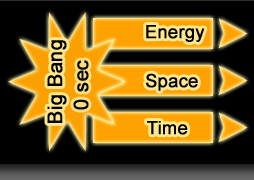
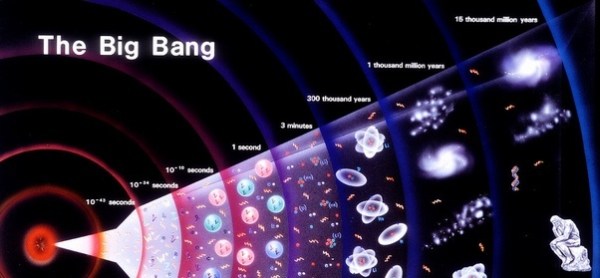
Big Bang in astronomy, is the hypothetical explosive event that marked the origin of the universe as we know it. At the time of the Big  Bang, the entire universe was squeezed into a hot , super dense state. The Big Bang event threw this composite material outwards producing the expanding universe. The cause of the Big Bang is unknown; observations of the current rate of expansion of the universe suggests it took place about 10-20 billion years ago —Hutchinson Encyclopaedia


According to Hindu Yuga calculation, it happened about 15 billion years ago.

The Big Bang is described in the Rig Veda 6000 or 7000 years ago. Cosmologists wonder that such a thought occurred to one or two seers on the banks of River Sarasvati in India. Hindus are great cosmologists that the same creation is described in several Brahmanas, Puranas and Manau Smrti as well.

Creation Hymn: Nasadiya Sukta

The following remarkable passage from the Rig Veda (10-129) describes the creation of the universe.


“There was then (in the beginning) neither non-entity nor entity; there was no atmosphere, nor sky above. What enveloped all? Where in the receptacle of what (was it contained)? Was it water, the profound abyss? Death was not there, nor immortality; there was distinction of day or night. That one breathed calmly, self-supported; there was nothing different from, or above it.


In the beginning darkness existed, enveloped in darkness. All this was undistinguishable water. That one which lay void, and wrapped in nothingness, was developed by the power of fervour. Desire first arose in it. which was the primal germ of mind; and which sages, searching with their intellect, have discovered it in their heart to be the bond which connects entity with non-entity.


The ray (cord) which stretched across these worlds, was it below or above? There were there impregnating powers and mighty forces, a self-supporting principle beneath and energy above. Who knows, who here can declare, whence has sprung this creation?”


A beautiful description of the Big bang and the later water enveloped earth. So I see two stages here; one is the Big Bang. Scientists say that they don’t know the cause of the Big Bang. But Hindu seers say that the DESIRE in the god made it happen. The second stage is water every where , of course billions of years after he Big bang. Now we all know that there was only sea and then land emerged and the life first appeared in water.


The Hindu scriptures clearly say that the water had the life seeds, impregnated ny the rain god.


How did the Hindu seers get such a thought about cosmology (Big bang) 6000 years before the Western cosmologists/astronomers? Did they find it by intuition? They also knew that TIME is cyclical. It happens again and again. Western scientists still do not know it.


Manu also says in the first chapter of Manava Dharma Shastra:

“This universe was enveloped in darkness, uperceived, undistinguishable, undiscoverable, unknowable, as it were entirely sunk in sleep. Then the irresistible , self-existent Lord, undiscerned, causing this universe with the five elements and all other things to become discernible, was manifested, dispelling the gloom. He who is beyond the cognisance of the senses, subtle, undiscernible and eternal, who in the essence of all beings, and inconceivable, himself shone forth. He, DESIRING, seeking to produce various creatures from his own body, first created the waters, and deposited in them the sed. This became a golden egg, resplendent as the sun, in which he himself was born as Brahma, the progenitor of all the world. That Lord having continued one year ( not our year Brahma’s year), divided it into two parts by his mere thought. With these two shells, he formed the heaven and earth, and in the middle placed the sky (atmosphere), the eight regions and the eternal abode of waters.”

Wherever science said unknown, there Hindus introduced God. The Five elements (Pancha Bhuta) concept, The Floods (Pralaya) concept, Life from the water concept,  Heaven and earth concept—all these things spread to Babylonia and Greece from India. Vedas were the earliest literature to describe anything in the universe is globular. Now we know that the earth and other planets are globular or round and the universe itself is expanding as a round balloon! So this is also a Hindu discovery. How did they know it? That is the greatest mystery. And they say that there will be a Big Shrink and then it starts again with another Brahma.


If a scientist or an atheist begin to think what was there before the Big Bang? How did or where did it come from? he will become mad and stop thinking at one stage. Because if you something came from something then one would question how did that something came? and where from did it come? So it is a never ending enquiry. Hindus said that its God’s will or desire. So, they recognised the existence of God before the Big bang or the creation. And they told the world that God is eternal. So, no more questions arose!


Nasadiya Suktam in the Rig Veda shows that the Vedic Hindus were well advanced in Astronomy and cosmology. They were great mathematicians and used decimal system in almost all the hymns 6000 0r 7000 years ago! Now if anyone says that the Vedic Hindus were nomads and pastoral people we can have a good laugh. The foreign “scholars” look like pukka idiots in front of this Vedic seer who gave us the Nasadiya (creation) sukta.


The Nasadiya Hymns (RV 10-129) traces the creation of the existent to the non-existent. One must read much between the lines to fit it in a true metaphysical pattern. But from the text itself it is obvious that the poet succeeded in stretching his imagination to a point of time when creation had not yet come into being ( before the Big Bang!). He can visualize the primal darkness of non-existence and the complete void in Time and Space. He has a dim misty vision – but a powerful and gripping one all the same – of being slowly emerging of non being. The power of the hymn lies in this vision.


In another essay, we will see what the great scholars say about this creation hymn.

Long Live the Vedas! Long Live the Vedic seers!!


–Subham–