Five Types of Hindu Bath, French Bath and Sponge Bath!

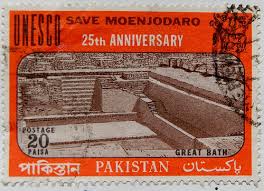
indus-greatbathsouth

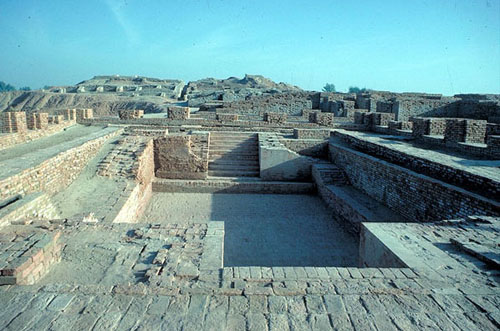
Great Bath (big tank) in Mohenjadaro

Research Article No.1998

Written  by London swaminathan

Date 16th July 2015

Time uploaded in London:  19-56

Hindus are born with water and die with water; that is no ceremony is done without water. From birth to death water is essential. This is proved from the oldest book Rig Veda to the Great Bath in Mohenja daro. This torpedoes the racist Aryan-Dravidian theory put forth by the foreigners. The scholars who wrote this theory seldom take a bath; whereas Hindus must take a bath every day for daily prayers. Moreover the tropical climate force everyone to take a shower. Their holy rivers and festivals like Kumbha melas held once in four years and Maha Kumba mela held once in 12 years are proof for their love of water.

But every rule has an exception; there are circumstances where one can’t have a bath because of travel or non-availability of clean water or illness. Old people may be bed ridden at the end of their lives. They cant stand in the bath room or near the well or temple tank. Hindus have five types of bath:-

Bath= Snana

Aagneyam = Smearing ash (Vibhuti)

Vaarunam = punging in river or lake or tank

Braahmam = sprinkling water with the recitation of Mantras

Vaayavyam = smearing with gorajas (dust from the cattleshed/Gosala

Divyam = Bathing in rain with Sun in the sky

This is found in Parasara Smrti (12-9)

Snanaani pancha punyaani kiirtitaani manishiibih

Aagneyam vaarunam braahmam vaayavyam divyameva cha

stamp great bath

Manu smrti also has several couplets on bathing; but they are not about different types of bathing.

If anyone is unable to wash his cloth he can shake it in front of the Sun by saying “Vastraya fat” and it can be used as a clean cloth. All these are used only when other normal means are not available.

French bath is dousing oneself with perfume or after shave lotions without bathing. This is ironically named for the French’s well known hatred for bathing and personal hygiene. One in 29 people only take a shower once a week. Other western countries are not far behind which is evident from their racist Aryan- Dravidian theory. Had the Hindus come from far off colder places as Max Muller and Bishop Caldwell said they would not have so many water rituals and water festivals like Indra Festival.

bath tubshower

Sponge bath is used in hospitals for elderly patients and babies if they are not able to enter the bath tub or shower room. Using a sponge or a wet cloth the body is cleaned in this method.

In short, Hindus are the only people in the whole wide world who are asked to take a bath every day for religious reasons and personal hygiene.

Swami_48@yahoo.com

கிறிஸ்தவ மதத்துக்கு எதிரான இரண்டு பழந்தமிழ் நூல்கள்- பகுதி 1

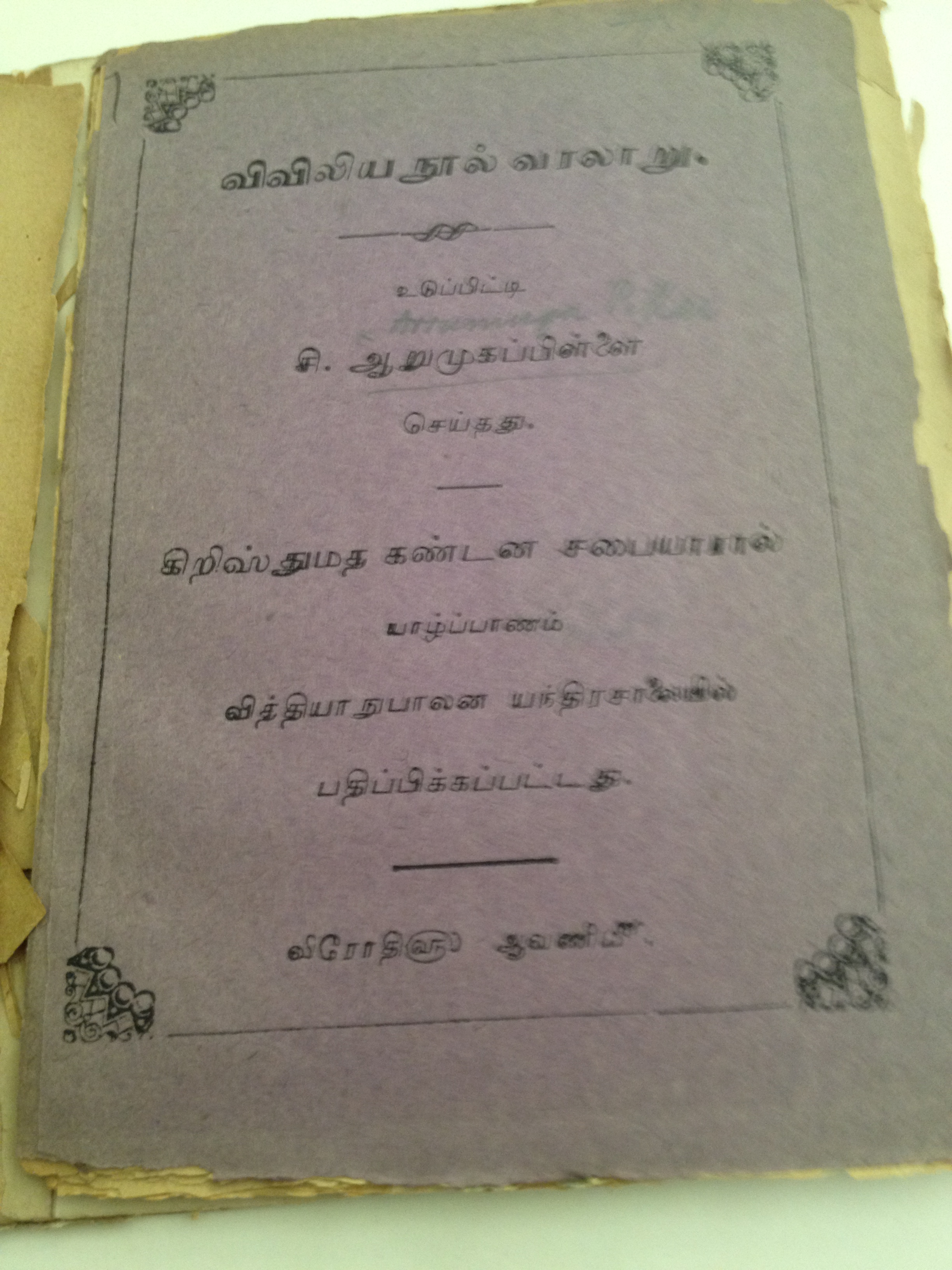
IMG_5071

எழுதியவர்:-உடுப்பிட்டி ஆறுமுகபிள்ளை, யாழ்ப்பாண கிறிஸ்தவ மத கண்டன சபை


Article No.1997

Compiled  by London swaminathan

Date 16th July 2015

Time uploaded in London: 8-48 


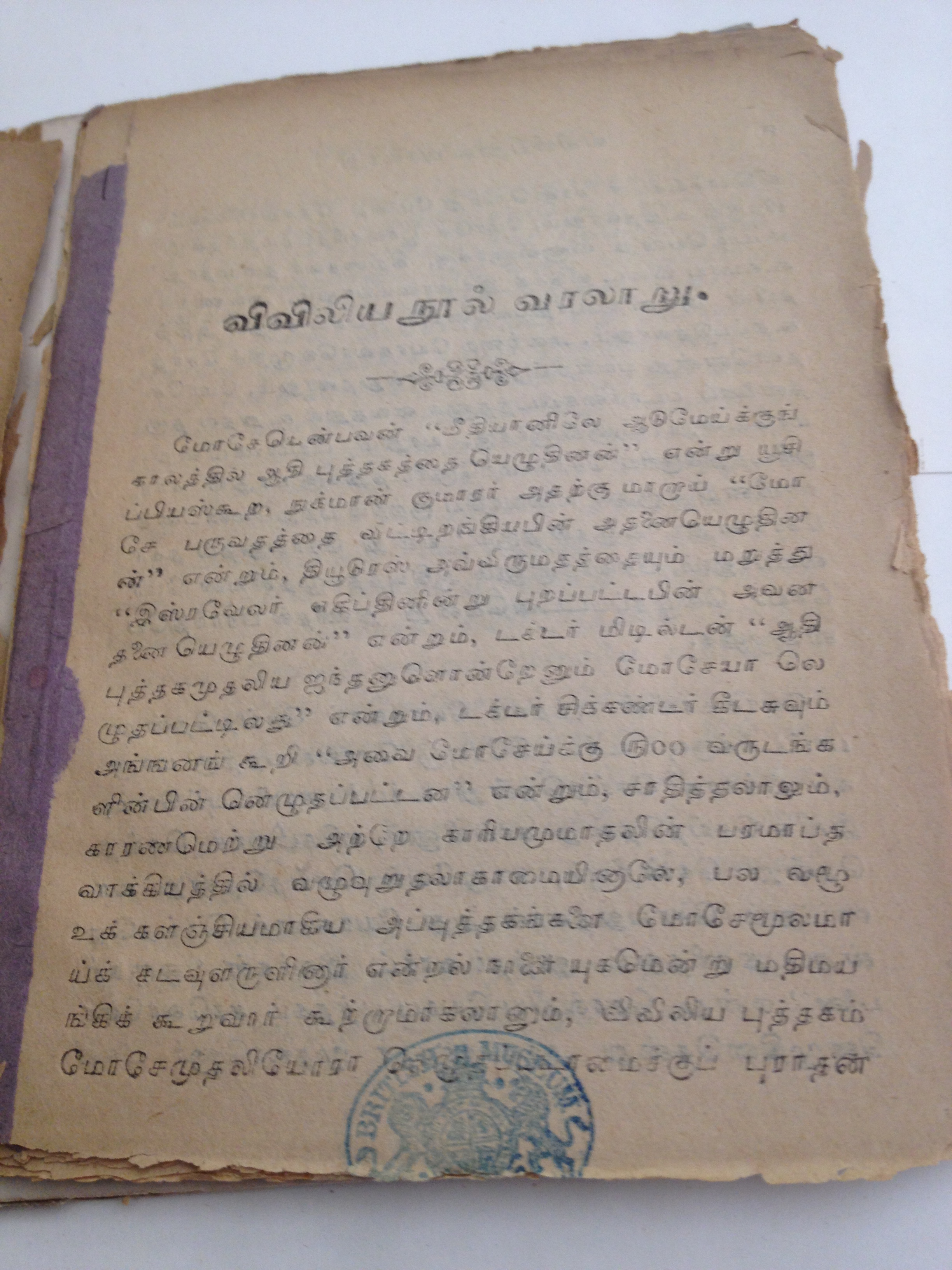
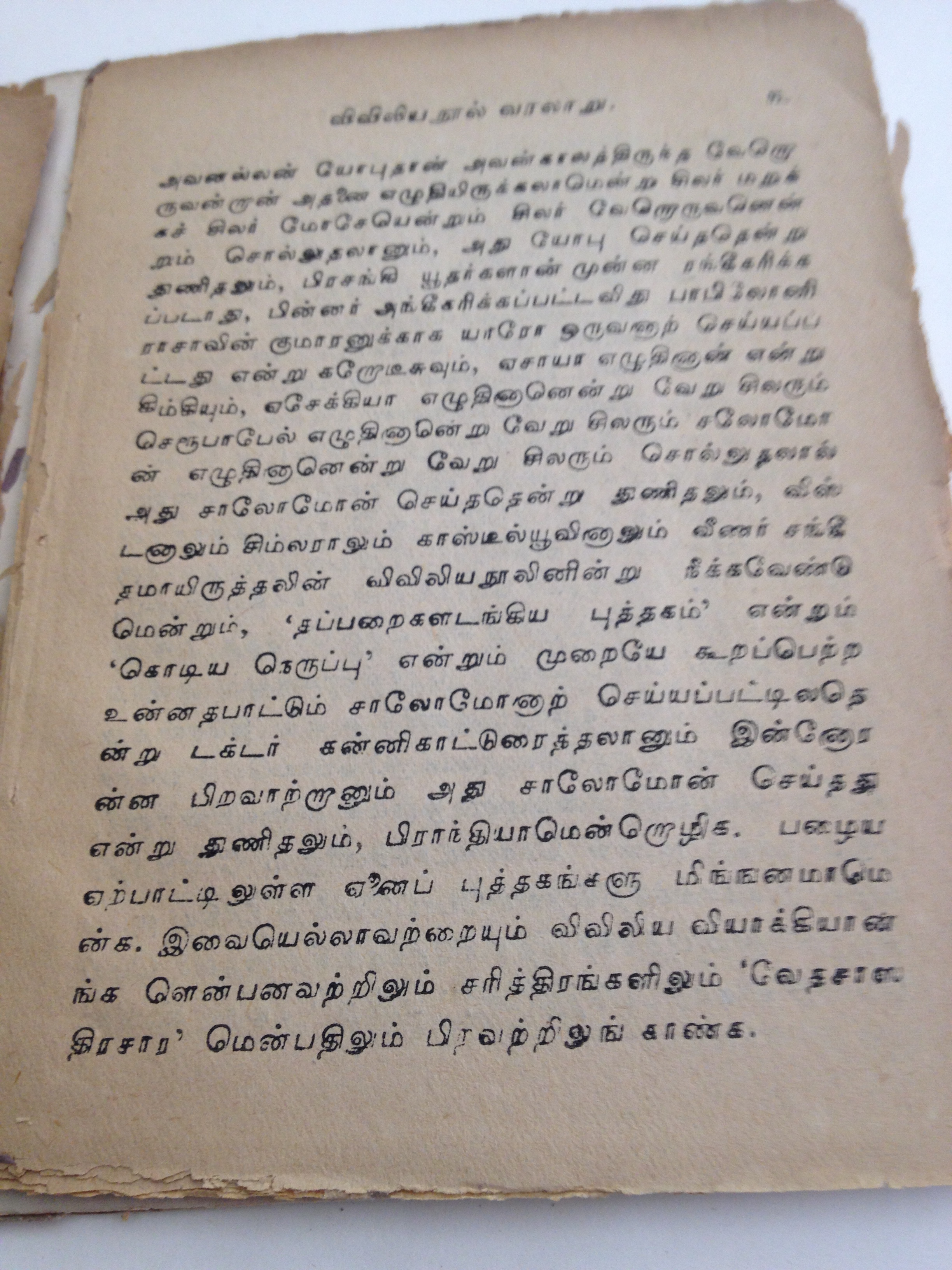
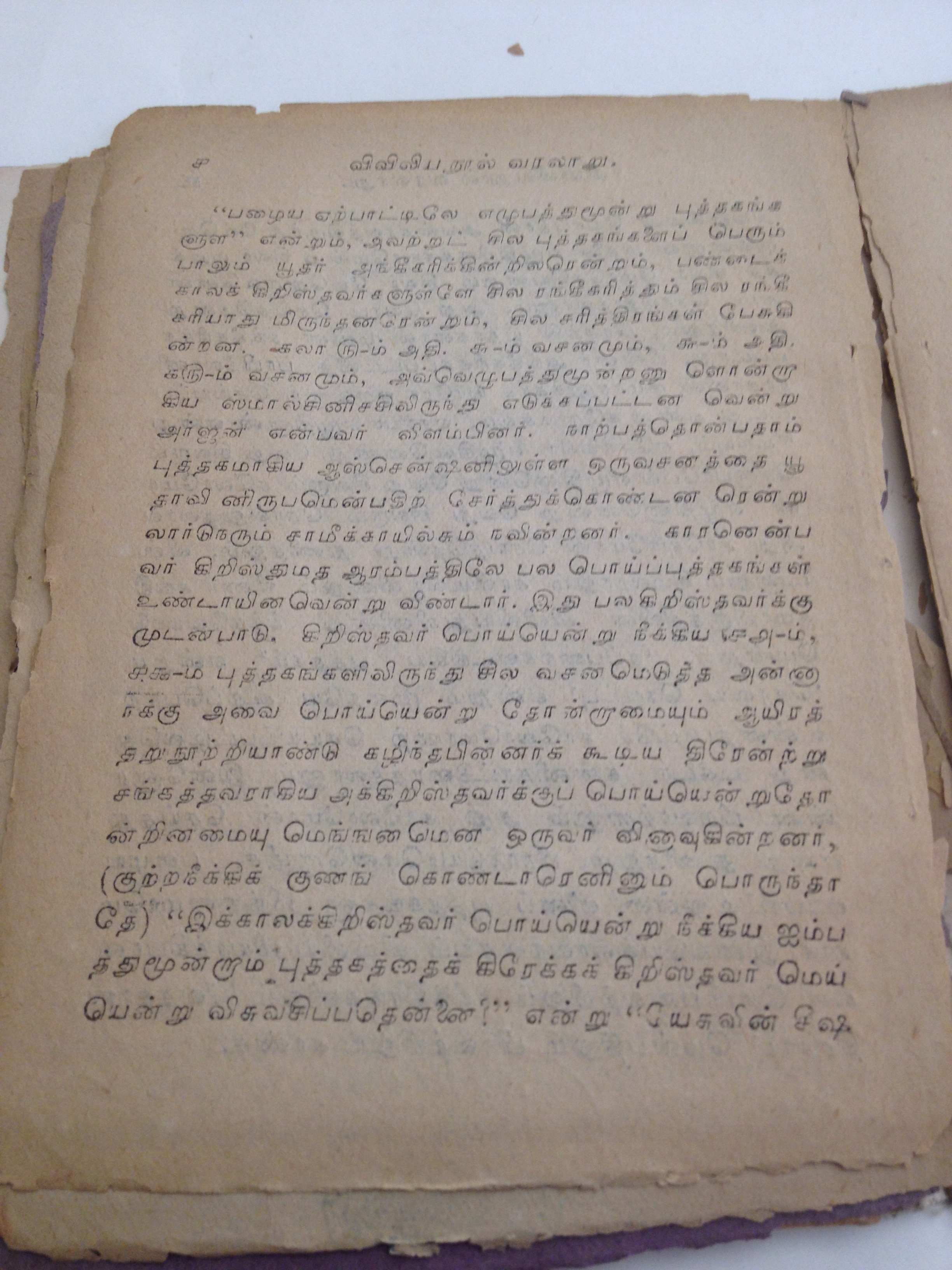
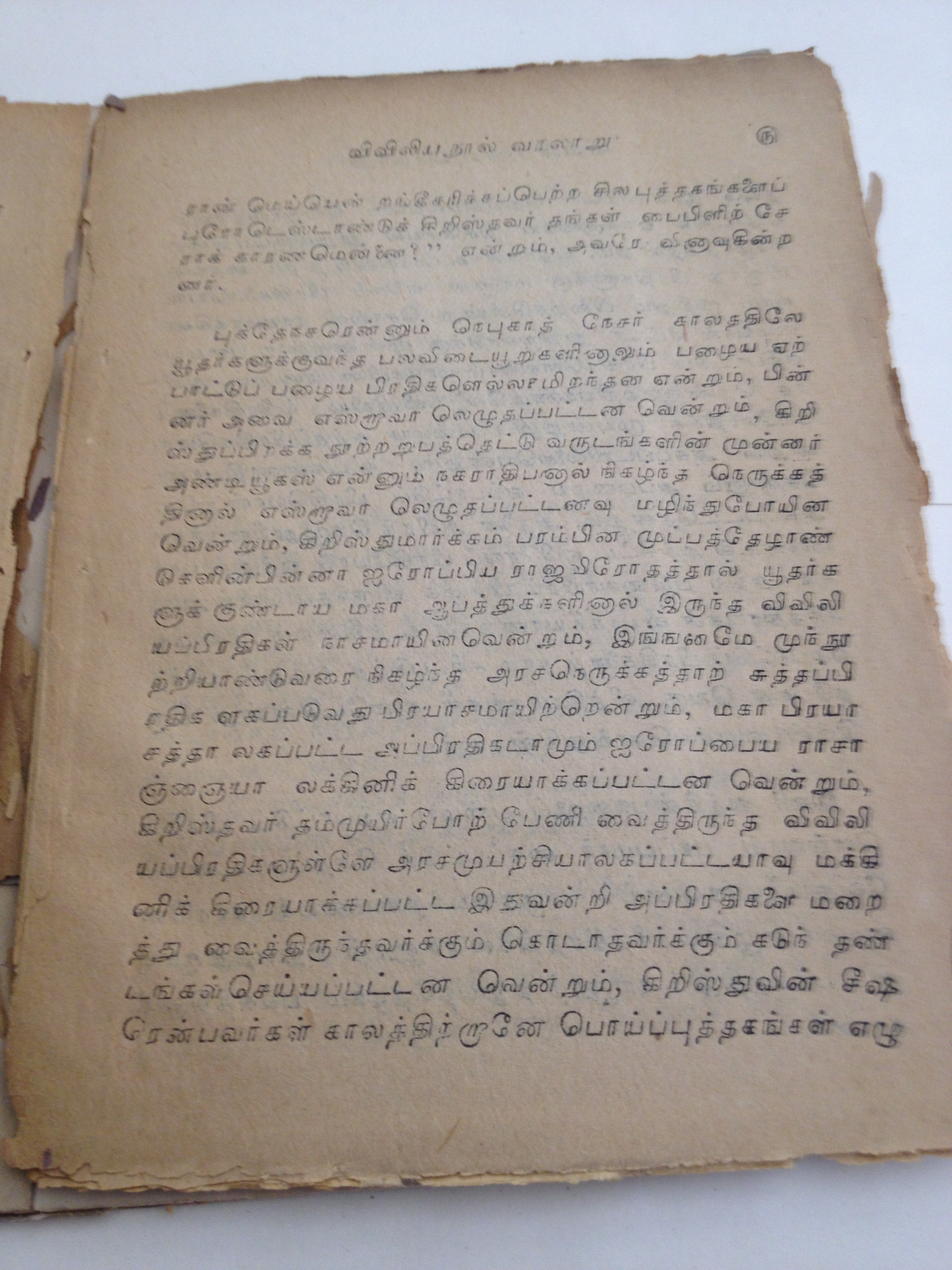
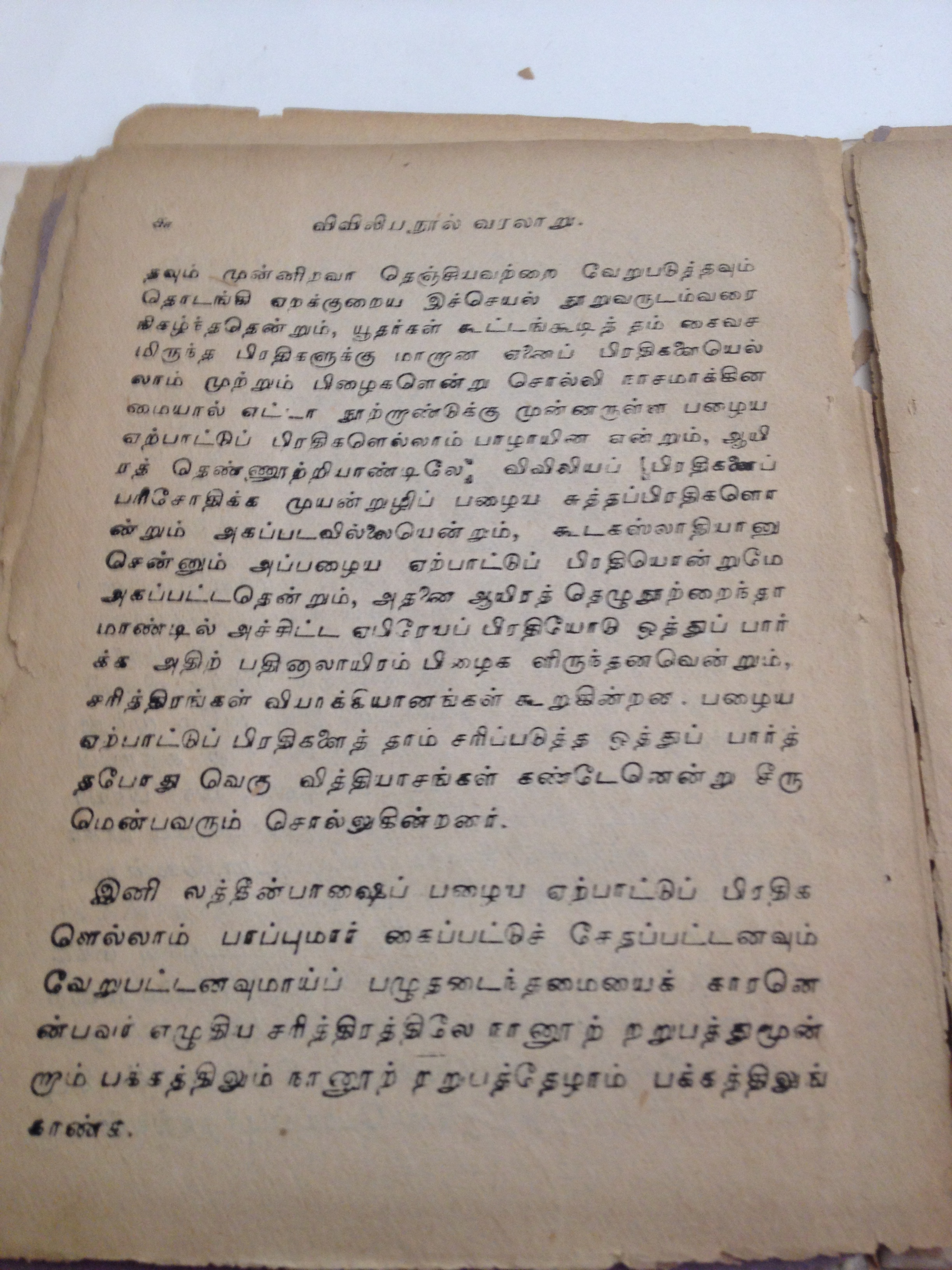
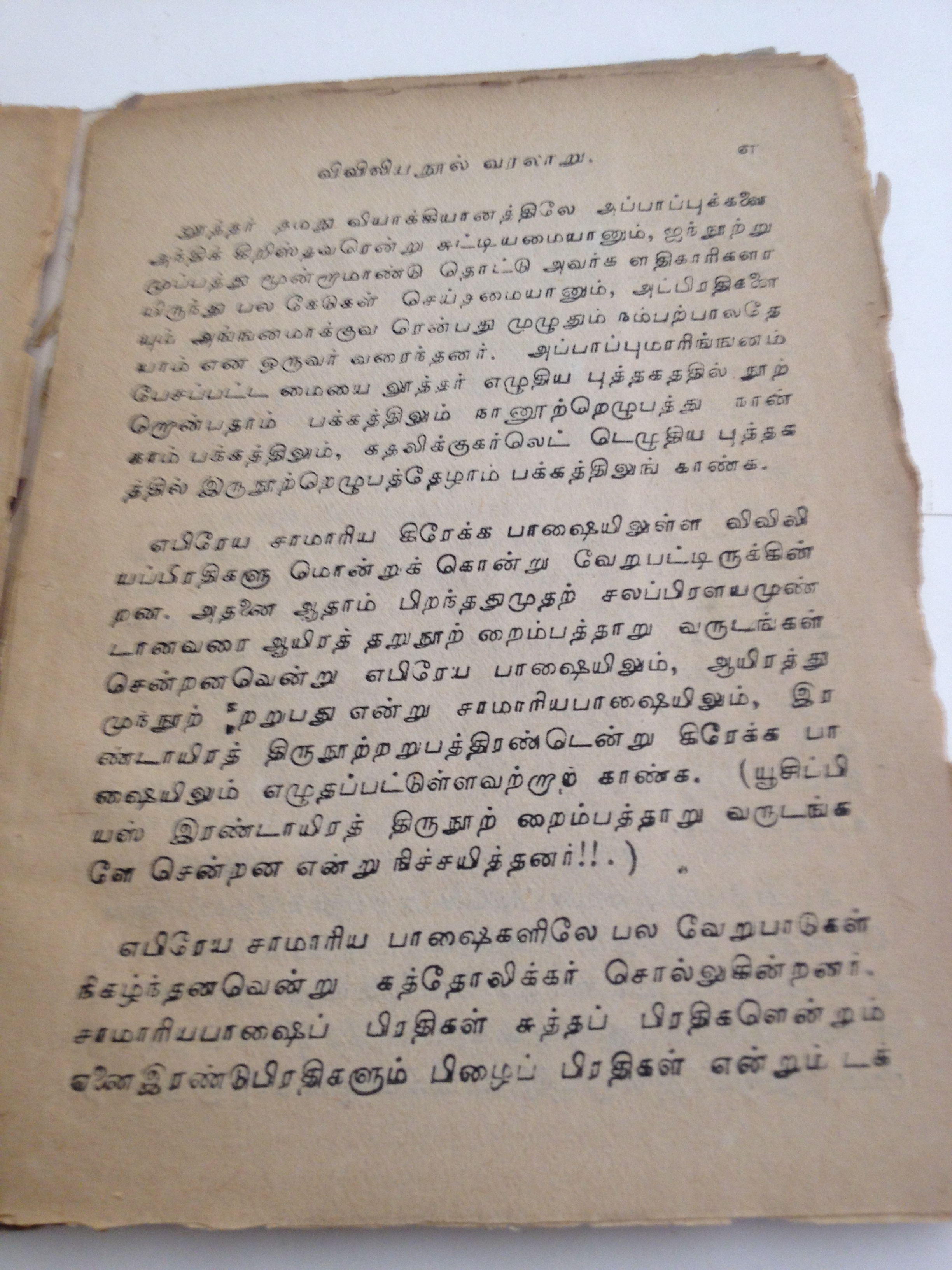
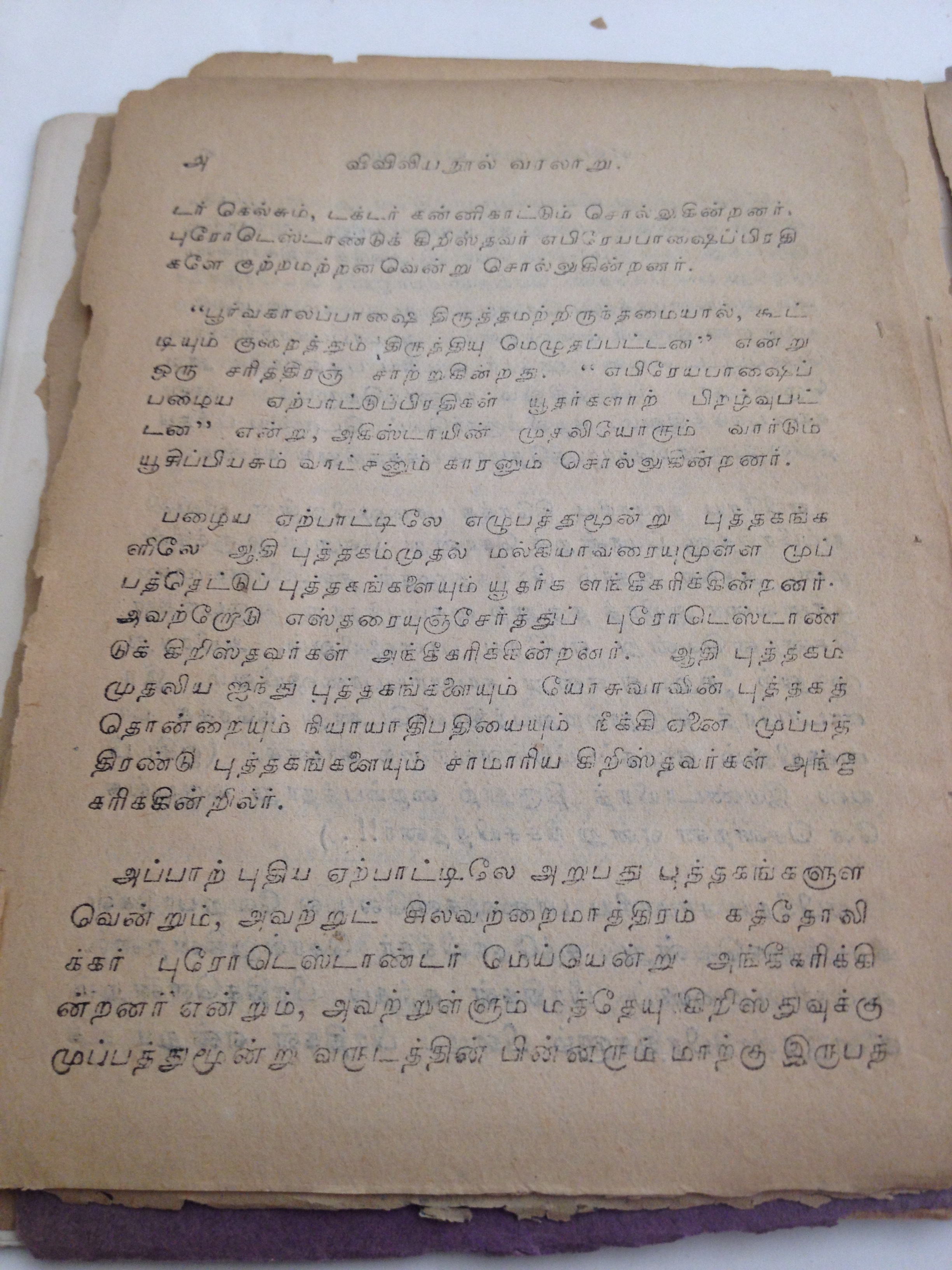
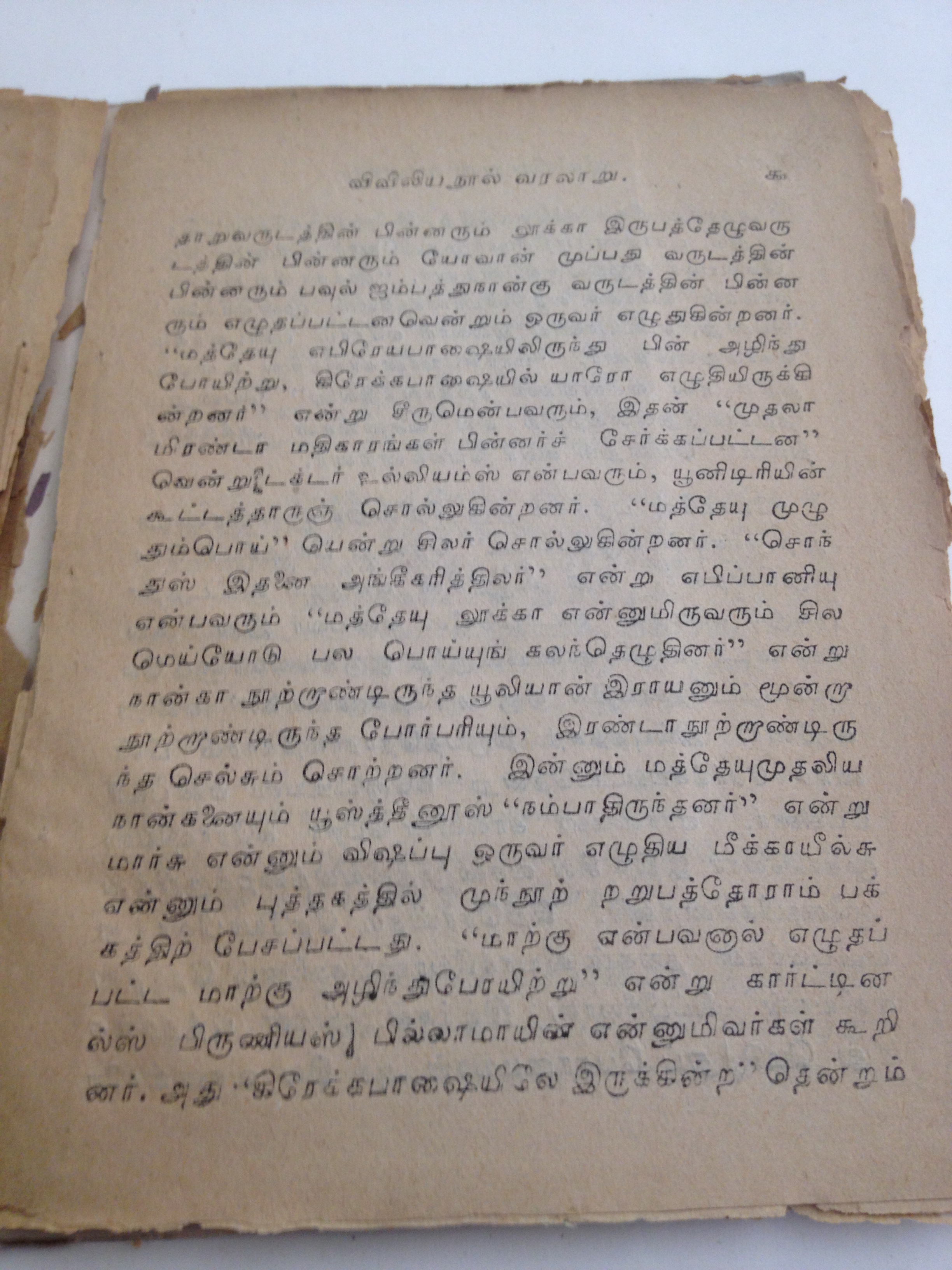
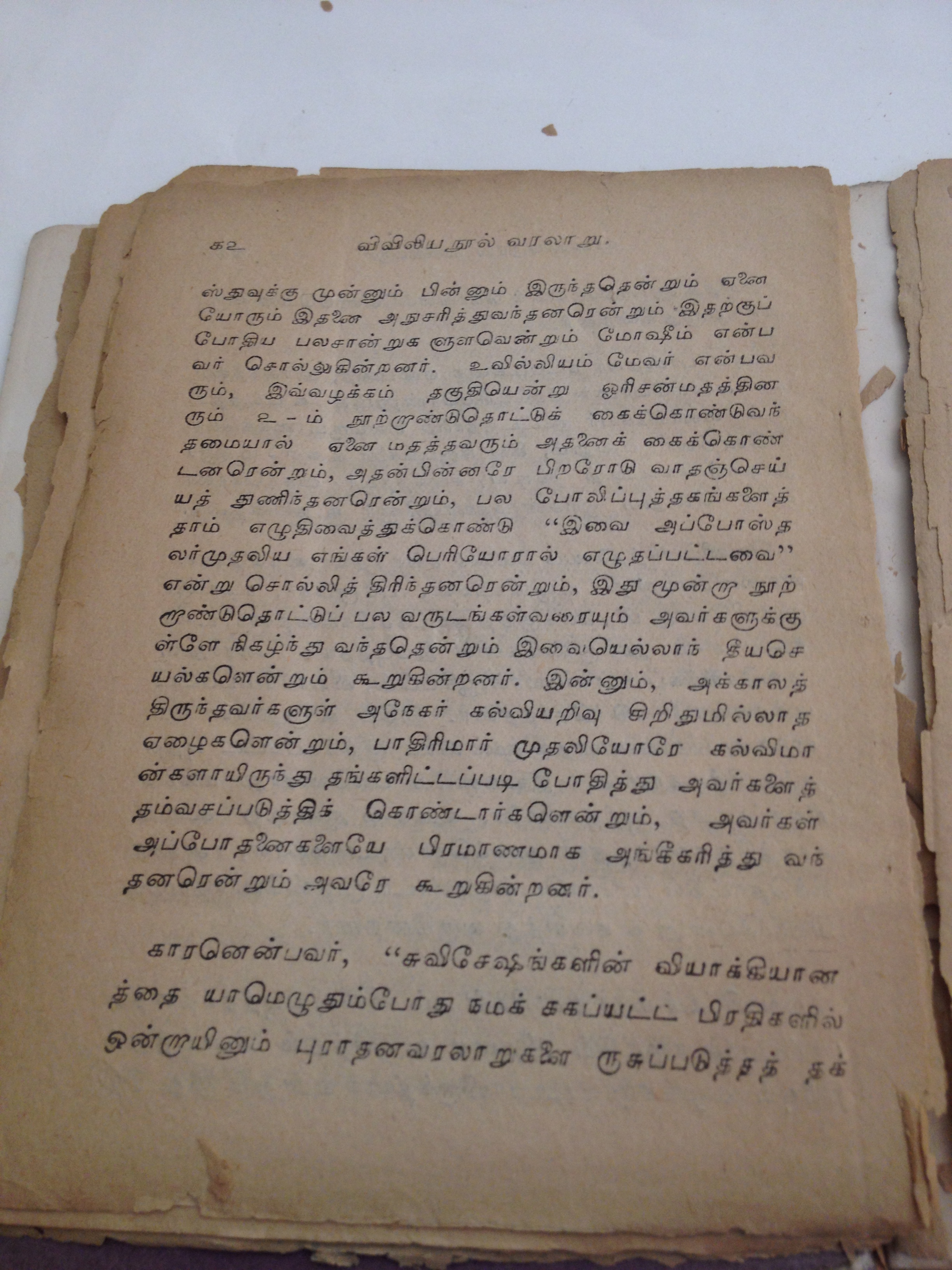
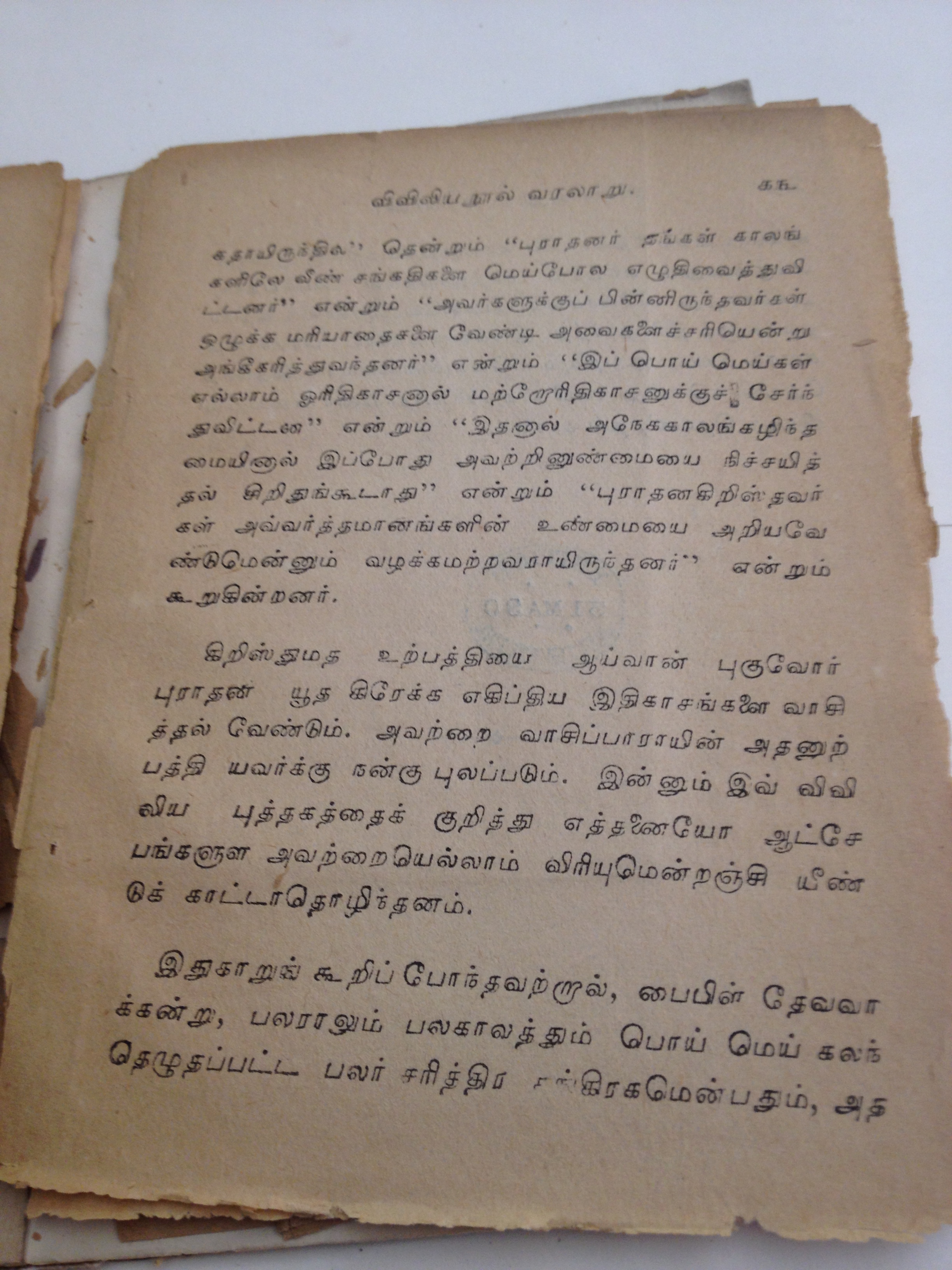
I found three very old Tamil books in the British Library,London, which were in very bad condition. Two of them are Anti- Christian booklets published in 1829 or 1889 from Jaffna, Sri Lanka. The pages were brittle and brownish. The library authorities cautioned me about it and asked me to handle them with care. These are interesting booklets that came out at the height of Anti Hindu propaganda by the Christian missionaries against Linga worship and Krishna worship. To read it you have to zoom and enlarge the pages.

IMG_5072 IMG_5073 IMG_5074

IMG_5075 IMG_5076 IMG_5077

IMG_5078 IMG_5079 IMG_5080

IMG_5081 IMG_5082 IMG_5083

Another booklet will be uploaded separately.

swami_48@yahoo.com

Greek Philosopher Diogenes lived like a Hindu Yogi!

Diogenes_looking_for_a_man_

Research Article No.1996

Written  by London swaminathan

Date 15th July 2015

Time uploaded in London: 20-33

Diogenes (410- 320 BC) was a Greek philosopher. He belonged to Sinope in modern Turkey, an ancient Greek colony. He came to Athens (now capital of Greece) and founded the Cynic sect with his Guru Antisthenes. The English word Cynic (doggish) came from this sect. People who belonged to this sect lived like Hindu ascetics sacrificing all comforts. Greeks thought it is a dog’s life.

Diogenes life was like a Hindu ascetic. He was like Seshadri Swamikal, a sage who lived in Tiruvannamalai during Ramana Maharishi’s time. Many of his acts were categorised as a mad man’s activities. But he was a great saint and senior to Ramana Maharishi. Diogens was also like him.


I wrote a post in 2013 with the title “Philosopher who carried Lantern in day Time!” posted here on June 17, 2013 .


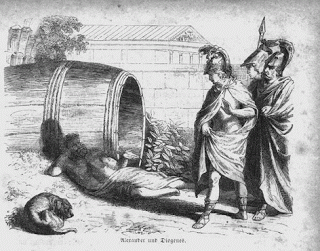
Diogenes was said to have lived in a big broken jar. When Alexander the Great came to him and asked what he could do for him, Diogenes asked him to move away so that his shadow would not block the sunlight!

He wandered through Athens with a lamp in day time! When people laughed at him, he told that he was looking for an honest man!

ed914-diogenes-statue-sinop

Here are more anecdotes about the great philosopher:

Diogenes was a prominent citizen of Sinope. He was exiled about the middle of the fourth century BCE, allegedly for defacing the currency. He lived in Athens and Corinth, becoming the prototype of cynicism.

Plato said about Diogenes, “He is a Socrates gone mad”

Diogenes embraced bronze statues in winter to train the body in hardship and eradicate physical desire. He would court insult to test the subjugation of emotion in his mind.

Diogenes’ own life as a stateless beggar sleeping where he could in Athens was a practical demonstration of endurance of hardship. His nickname was Dog, from which the word Cynicism.

FLATTERY

The politic philosopher Aristippus, by paying court (praise) to the tyrant Denys, had acquired a comfortable living and looked down upon his less prosperous fellow sages with no small degree of contempt. Seeing Diogenes washing some vegetables, he said to him disdainfully, “If you would only learn to flatter King Denys you would not have to be washing lentils”.

“And you,” retorted Diogenes in the same tone, “if you had only learned to live on lentils, would not have to flatter King Denys.”

PRIDE

Diogenes visited Plato one day and perceiving that the floors were beautifully covered with carpets of the richest wool and finest dye, stamped his foot in scorn exclaiming:

“Thus do I tread on the pride of Plato!”

“With greater pride”, mildly added Plato.

9d055-alexander_diogenes

Alexander meeting Diogenes

HOME LIFE

An Athenian (as was customary with that people) had caused the following inscription to be placed over the door of his house:

“Let nothing enter here but what is good”

Diogenes asked, “Then where will the master of the house go in?”

LEARNED MEN

“Bury me on my face”, said Diogenes, and when he was asked why, he replied, “ Because in a little while everything will be turned upside down.”

When the mighty Alexander the Great asked the ragged philosopher Diogenes what favour he could grant him, the cynic who was reclining on the ground, remarked quietly:

“Now please little out of my sun.”

DIOGENES QUOTE

LAWYERS

A lawyer and a doctor having a dispute about precedence, referred it to Diogenes, who gave it in favour of the lawyer in these terms:

“Let the thief go before and the executioner follow.”

PICTURES ARE USED FROM VARIOUS SOURCES;THANKS.

swami_48@yahoo.com

இந்துக்கள் கருத்து: டாக்டர்கள், வழக்கறிஞர்கள் பற்றி!

doctor

Research Article No.1995

Written  by London swaminathan

Date 15th July 2015

Time uploaded in London: 18-49

நீதிபதிகள் பாரபட்சமின்றி, விதிப்படி கடமையைச் செய்ய வேண்டும்; அப்பொழுதுதான் மக்களின் நம்பிக்கையைப் பெறுவார்கள் – அர்த்த சாஸ்திரம் 3-20-24

எந்த ஒரு அரசன் சட்டப்படி, நியாயமாகக் குடிமக்களைப் பாதுகாக்கிறானோ அவன் சொர்க்கத்துக்குச் செல்லுவான்; அநியாய தண்டனைகள் விதிக்கும் அரசன்/நீதிபதி சொர்க்கத்துக்குச் செல்லமாட்டான் – அர்த்த சாஸ்திரம் 3-1-41

குற்றத்துக்கு ஏற்ற தண்டனை தருவதும், தவறு செய்தவர்களைத் தண்டிப்பதும்,  தன் மகனேயானாலும் தண்டிப்பதுமே இவ்வுலகத்தையும் மேலுலகத்தையும் காக்கின்றன – அர்த்த சாஸ்திரம் 3-1- 42

டயோஜெனிஸ் என்ற கிரேக்க தத்துவமேதை 2300 ஆண்டுகளுக்கு முன்னர், டாக்டர்களைப் பற்றியும், வழக்கறிஞர்கள் பற்றியும் என்ன சொன்னார் என்று நேற்று பார்த்தோம். அதாவது,

டாக்டர்கள் = உயிர் பறிக்கும் யம தர்மர்கள்

வக்கீல்கள் = பணம் பறிக்கும் கொள்ளைக்காரர்கள்

என்ற கருத்து அந்தக் காலத்திலேயே அங்கு இருந்தது.

நமது நாட்டில் டாக்டர்கள் பற்றியும், நீதித் துறை அறிஞர்கள் பற்றியும் மிக உயர்ந்த கருத்தும் மரியாதையும் இருந்தது. நீதித்துறையில் வழக்கறிஞர்கள் என்ற பிரிவு இருந்ததற்கான குறிப்புகள் எனக்குக் கிடைக்கவில்லை. நீதித்துறை பற்றி மனுதர்ம சாத்திரத்தில் எட்டாவது அத்தியாயத்தில் நிறைய குறிப்புகள் கிடைக்கின்றன. கௌடில்யர் ( சாணக்கியர்)  எழுதிய அர்த்தசாஸ்திரத்தில் மூன்று, நான்காவது அத்தியாயங்களில் டாக்டர்கள் பற்றிய குறிப்புகள் கிடைக்கின்றன. மிகவும் அதிசய விஷயம் அந்தக் காலத்திலேயே நுகர்வோர் பாதுகாப்பு இருந்திருக்கிறது. இதெல்லாம் இப்பொழுதுதான் மேலை நாட்டில் நடைமுறைக்கு வந்துள்ளது. நிறைய பேர் டாக்டர்கள் மீதும், ஆஸ்பத்திரிகள் மீதும் மில்லியன் கணக்கில் பணம் கேட்டு வழக்குப் போட்டபின்னர் இதையெல்லாம் மேலை நாட்டில் கொண்டுவந்தனர்.

இந்துக்களின் யஜூர் வேதத்தில் ருத்ரம் என்னும் பகுதியில், சிவபெருமானையே டாக்டர் (பிஷக்) என்று போற்றுகின்றனர். இது போல மற்ற கடவுளருக்கும் அடைமொழி இருப்பதை முன்னரே கொடுத்துள்ளேன்.

medicalstamps1

அர்த்தசாத்திரம் சொல்லுவதாவது:

2000 ஆண்டுகளுக்கு முன்னர் இந்தியாதான் உலகிலேயே நாகரீகம் வாய்ந்த நாடு- பணக்கார நாடு என்று எனது 1800 கட்டுரைகளிலும் ஏராளமான சான்றுகலைக் கொடுத்துவிட்டேன். புறச் ச்சுழல், நுகர்வோர் பாது காப்பு என்பதெல்லாம் அப்போதே நாம் விவாத்தித்த தலைப்புகள்:

“நோயாளியின் உயிருக்கு பங்கம் விளைவிக்கக்கூடிய சிகிச்சையாக இருந்தால் முதலில் அதிகாரிகளுக்குத் தெரிவித்த பின்னரே சிகிச்சையைத் துவக்க வேண்டும்.சிகிச்சை காரணமாக நோயாளி இறந்தாலோ, உடலூனம் அடைந்தாலோ டாக்டருக்கு தண்டணை கொடுக்க வேண்டும்” – 4-1-56

“நோயாளிக்கும் இது பற்றி சொல்லவேண்டும் அல்லது மேற்கண்டவாறு டாக்டருக்கு தண்டனை உண்டு. ஒருவரைத் தாக்கிக் காயப்படுத்தினால் என்ன தண்டனையோ அதே தண்டனை தரவேண்டும்”

காயமடைந்த அல்லது விஷ உணவினால் பாதிக்கப்பட்ட ஒரு நோயாளிக்குச் சிகிச்சை தருவதற்கு, ஒரு வீட்டிற்கு டாக்டர் சென்றால், அது பற்றி கண்காணிப்பு அதைகாரிகளான கோப அல்லது ஸ்தானிக- ருக்கு அறிவிக்க வேண்டும் – 2-36-10

இது போன்ற கடுமையான விதிகள் 2300 ஆண்டுகளுக்கு முன்னரே நடைமுறையில் இருந்ததால், டாக்டகள் எல்லோரும் ஒழுங்குக் கட்ட்டுப்பாட்டுடன் நடந்து கொண்டனர்.

21  Pirmoji širdies operacija

சில பழமொழிகள்:

வைத்யே க்ருஹச்தே ம்ரியதே கதன்னு

டாக்டர் வீட்டில் இருக்கும்போது மரணம் எங்கே வரும்?

ஆனால் அனுபவமில்லாத , தாமதமாக வரும் டாக்டர்கலைக் கண்டிக்கும் பழமொழிகளும் இருந்தன:

அனுபவ ரஹிதோ வைத்யே  லோகே நிஹந்தி ப்ராணின: ப்ராணான்

அனுபவமில்லாத மருத்துவன் உயிரை வாங்கிவிடுவான்

சீர்ஸே ஸர்ப: தேசாந்தரே வைத்ய:

தலைக்கு மேலே பாம்பு தொங்குகிறது, மருத்துவரோ எங்கோ இருக்கிறார்.

ஹத்வா ந்ருனாம் சஹஸ்ரம் பஸ்ச்சாத் வைத்யோ பவேத் சித்த:

ஆயிரம் பேரைக் கொன்றவனே (அரை) வைத்தியன்.

அதாவது மருத்துவர்கள், தவறுகளின் மூலமும், அனுபத்தின் மூலமும் பாடம் கற்கிறார்கள்.

judiciary 2

நீதித்துறை பொன்மொழிகள்

சாணக்கிய அர்த்த சாஸ்திரத்தில் தவறிழைப்போருக்கான (3-11) தண்டனைகள் பற்றிச் சொல்லப்பட்டிருக்கிறது.

நீதி மன்றத்துக்கு விசாரணைக்கு வரும் அரசன் புரோகிதர்களுடனும் ஆலோசகர்களுடனும் தகுத உடையில் வரவேண்டும் (மனு ஸ்மிருதி 8-1)

18 வகையான குற்றங்கள் இருக்கின்றன (இந்தப் பட்டியல் எட்டாம் அத்தியாயத்தில் உள்ளது). அரசன் நீதி வழங்கவரவில்லையானால், புரோகிதர்களையும், மூன்று நீதிபதிகளையும் அனுப்ப வேண்டும்(மனு ஸ்மிருதி.

பொய்ச்சாட்சியம் கொடுப்பவன் குற்றவாளி

அகத்தின் அழகு முகத்தில் தெரியும். கண், வாய் ஆகிய உறுப்புகளில் ஏற்படும் மாற்றம்,தனை அறியாது செய்யும் சேட்டைகள், அபிநயம், பேச்சு, நடை ஆகியன குற்றவாளியைக் காட்டிவிடும். (மனு ஸ்மிருதி 8-25/26)

அரசனோ அல்லது அவனது சுற்றத்திலுள்ள ஒருவரோ வழக்கு தொடர முடியாது. அதுபோல பிறர் கொண்டுவந்த வழக்கையும் விசாரிக்காமல் ஒதுக்கமுடியாது.

வேட்டைக்குச் செல்லுபவன் எப்படி, காலடிச் சுவடு, ரத்தக் கறை ஆகியவற்றைக் கொண்டு மிருகத்தைக் கண்டுபிடிப்பானோ அதுபோல அரசனும் ஊகத்தின் மூலம் உண்மையைத் தொடரவேண்டும்.

அரசனே விசாரிக்கையில், சாட்சியங்கள், வழக்கின் தன்மை, இடம், பொருள், ஏவல் ஆகியவற்றை அறியவேண்டும். (மனு ஸ்மிருதி 8-44/46)

judiciary

அந்தக் காலத்தில் நீதித்துறை அதிகாரிகள், கண்காணிப்பாளர்கள், தண்டனை வழங்குவோர், போலீஸ் ஆகியோர் இருந்தனர். ஆனால் வழக்கறிஞர்கள் என்பவர்கள் இருந்ததாகத் தெரியவில்லை. மருத்துவத் துறையில் டாக்டர், நர்ஸ், கம்பவுண்டர்கள் இருந்தது திருக்குறளில் மருந்து என்னும் அதிகாரம் மூலம் தெரியவருகிறது.

swami_48@yahoo.com

HINDU VIEW OF DOCTORS AND LAWYERS!

doctor

Research Article No.1994

Written  by London swaminathan

Date 14th July 2015

Time uploaded in London: 19-43

“Judges shall discharge their duties objectively and impartially so that they may earn the trust and affection of people.” (Arthasastra 3-20-24)

“ A king who observes his duty of protecting his people justly and according to law will go to heaven, whereas one who does not protect them or inflicts unjust punishments will not.” (Arthasastra 3-1-41)

“It is the power of punishment alone, when exercised impartially in proportion to the guilt, and irrespective of whether the person punished is the king’s son or an enemy, that protects this world and the next.” (Arthasastra 3-1-42)

21  Pirmoji širdies operacija

Greek View

Lawyers = Robbers (Thief)

Doctors =  Yama Dharma (Executioner)

I gave fifteen interesting anecdotes about doctors and lawyers yesterday to illustrate the western view of these professionals. Diogenes, the Greek philosopher, who lived 2300 years ago, called the lawyer a thief and a physician an executioner. Today, even Indians say this. But 2000 years ago, Hindus, unlike Greeks, had very high respect for  these professions. Here are some quotes about the lawyers and physicians:-

Earlier in my posts I quoted  the Rudra (Yajur Veda) mantra where Lord Shiva is called a doctor (Bhishak). He is a doctor to our physical illness and mental illness.

Popular Sanskrit proverb says

Vaidye grhaste mriyate kathannu

Whence death when the doctor is at home?

But it is true that there are sayings against inexperienced doctors and doctors running late:–

Anubhava rahito vaidyo loke nihanti praaninah praanaan

An inexperienced physician snuffs out the life of the living

Siirse sarpah desaantare vaidyah

The serpent dangles over the head and the doctor is miles away

Both in Tamil and Sanskrit we have a proverb

Hatvaa nrnaam sahasram pascaat vaidyo bhavet siddhah

It is only after finishing off a thousand that a doctor becomes proficient.

The hidden meaning is that doctors too learn by mistakes.

medicalstamps1

Kautilya’s Arthashastra

India was the most civilized country and the richest country in the world  2000 years ago. I have given enough proof for these in my 1800 articles so far. In all the fields that we know of, India stood first, whether it is environmental science or consumer protection, etymology or grammar, aeronautical engineering or nuclear physics.

Kautilya (Chanakya), who lived 2300 years ago, wrote the first economic treatise. It gives a list of punishments and fines for all the mistakes or errors or blunders committed by various workers or professionals:

“Physicians shall inform the authorities before undertaking any treatment which may involve danger to the life of the patient. If, as a result of the treatment, the patient dies or physically deformed, the doctor shall be punished (Arthasastra 4-1-56)

Doctors not giving prior information about treatment involving danger to life with the consequence of physical deformity = same punishment as for causing similar injury”.

Only after patients sued the hospitals or the doctors claiming millions in damages, the consumer/patient protection rules came into Western countries. Nowadays they inform the patient about the risks involved in a treatment and then get the signature of the patient in a consent form. Kautilya thought about it 2300 years ago!

Because of these strict rules, the standard of physicians was very high. They were treated like angels.

“Any doctor who is called to a house to treat a severely wounded person or one suffering from unwholesome food or drink shall report the fact to the ‘gopa’ and the ‘sthanika’. If he does not report, he will be charged” – Arthasastra 2-36-10

Gopa and sthanika were like supervising officers.

judiciary 2

Judiciary

There are clear guidelines to judges about testimony of witnesses and punishments in 3-11 (Chanakya’s Arthasastra)

Manu says

“A king who wishes to hear legal cases should enter the court-room modestly with priests and counsellors who know how to counsel” (Manu smrti 8-1)

There are 18 causes of legal action. When the king could not sit in the court he must ask a priest to sit there with three judges.

A man who gives false evidence is an offender.

How to find an offender?

“The king or judge should discover the inner emotion of men from the outward signs, by their voice, colour, involuntary movements, and facial expressions, by their gaze and their gestures.

The inner mind and heart is grasped by facial expressions, involuntary movements, gait, gesture, speech, and changes in the eye and the mouth.” (Manu 8—25/26)

This shows that there was no lawyer in those days. But the ministers or judges used various methods to find the true criminal.

Chapter eight of Manu Smrti gives lot of information about the judicial procedures. They were very careful not to punish the innocent.

“Neither the king nor even one of his men should start a law suit himself, nor ever swallow up a case brought by anyone else.

Just as a hunter traces the track of a wild animal by the drops of blood, even so the king should trace the track of justice by inference.

When he is engaged in a legal proceeding, he should examine the truth, the object of the dispute, himself, the witnesses, the time and place, and the form of the case.”  (Manu. 8-44/46)

judiciary

swami_48@yahoo.com

டாக்டர்களும் வழக்கறிஞர்களும் — சில சுவையான சம்பவங்கள்!

intl_court_stamp

Article No.1993

Compiled by London swaminathan

Date 14th July 2015

Time uploaded in London:  காலை 9–36

டாக்டர்களையும் நீதித்துறை நிபுணர்களையும் மனுவும் வள்ளுவனும் கண்ட முறையை நாளைக்குச் சொல்லுகிறேன். இன்று மேலை நாட்டினர் அவர்களை எப்படி நோக்கினார்கள் என்பதைக் காண்போம்.

அன்புடையீர்,

ஆங்கிலக் கட்டுரையில் 15 சம்பவங்களைத் தொகுத்து வழங்கியிருக்கிறேன். அத்தனையும் கொடுத்தால் இடம் போதா, நேரம் போதா! ஆக ஒரு சில மட்டும் இங்கே:–

டயோஜெனிஸ் (Diogenes)  எனவர் 2300 ஆண்டுகளுக்கு முன் கிரேக்க நாட்டில் வாழ்ந்த ஒரு தத்துவ மேதை. ஒரு டாக்டரும் வழக்கறிஞரும் அவரிடம் சென்று எங்களிடையே ஒரு வாக்குவாதம், சர்ச்சை! யாருக்கு முதல் மரியாதை? வரிசையில் யார் முதலில் செல்ல வேண்டும்?

தத்துவ வித்தகர் சொன்னார்:

திருடன் (Thief) முதலில் போகட்டும்; அவன் பின்னால் மரணதண்டனையை நிறை வேற்றுபவன் (executioner) செல்லட்டும்!

உடனே வக்கீல் சந்தோஷத்துடன் முதலில் சென்றார். அவரைப் பின் தொடர்ந்தார் டாக்டர்!

Xxxx

அயர்லாந்தின் தலைநகரான டப்ளினில் ஒரு ஏழை வழக்கறிஞர் இறந்து போனார்.

எல்லா சட்டத்தரணிகளும் சேர்ந்து ஆளுக்கு ஒரு ஷில்லிங் வசூல் செய்து சவ அடக்கம் செய்ய முன் வந்தனர்.

வழக்கறிஞர் குழு ஒன்று, அந்த ஊரின் தலைமை நீதிபதியிடம் போய், “ஐயன்மீர்! நீவீர் ஒரு ஷில்லிங் கொடுத்தால் நன்றிக் கடற்பாட்டுடையராய் இருப்போம்” என்று நவின்றனர்

அதற்கு அவர் மறுமொழி கொடுத்தார்:

ஒரு ஷில்லிங்! ஒரே ஷில்லிங் தானா? ஒரு வழக்கறிஞரைப் புதைக்க ஒரே ஷில்லிங் என்றால் இந்தாருங்கள் ஒரு ‘கினி’ தருகிறேன். இன்னும் 20 வழக்கறிஞர்களை அடக்கம் செய்யுங்கள்.”

ஒரு கினி = 21 ஷில்லிங்

ஷில்லிங், கினி என்பதெல்லாம் பழைய பிரிட்டிஷ் நாணயங்கள். நம்மூர் அணா, தம்பிடி போன்றவை

Xxxx

ஒரு வழக்கறிஞர் தன்னுடைய படத்தை வரையச் சொல்லி பணம் கொடுத்தார். அவர் தனது ஒரு கையை ‘பேண்ட் பாக்கெட்’டுக்குள் வைத்துக் கொண்டு நிற்பது போல ‘போஸ்’ கொடுத்தார். படம் தத்ரூபமாக வந்தது. அதைப் பார்த்த aவரது நண்பர்கள் புகழ்ந்தனர்:

ஐயா, படத்தைப் பார்த்தால் உங்களைப் பார்ப்பது போலவே இருக்கிறது. அதே ‘ஸ்டைல்”! அதே தோற்றம்! என்று புகழ்ந்து தள்ளினர்.

பக்கத்தில் ஒரு வயதான விவசாயி நின்று கொண்டிருந்தார்.அவர் சொன்னார்;

“எல்லாம் தத்ரூபமாக, அச்சடித்த மாதிரி அப்படியே இருக்கிறது. ஆனால் அந்த வழக்கறிஞரின் கை, மற்றொருவர் பாக்கெட்டில் இருப்பது போல வரைந்திருந்தால் இன்னும் அழகாக இருந்திருக்குமே!”

Xxxxxx

அமெரிக்காவில், ஒரு நகரத்தில், ஊரிலேயே மிகவும் பிரபலமான ஒரு செல்வந்தர் ஒரு படுகொலை செய்துவிட்டார். சாட்சியங்கள் எல்லாம் அவருக்கு எதிராகவே இருந்தன. கட்டாயம் மின்சார நாற்காலியிலிருந்து (மரண தண்டணை) தப்பிக்கமுடியாது என்று தெரிந்துவிட்டது. அவரே தான் கொலைகாரன் என்று ஒப்புக் கொண்டார். ஆனால் அவருக்கோ ஏராளமான நண்பர்கள். அவரை எப்படியும் காப்பாற்றுவது என்று கங்கணம் கட்டிக்கொண்டனர்.

மேலை நாடுகளில் இதுபோன்ற வழக்குகளில் ஜூரர் எனப்படும் நடுவர் பன்னிருவர் இருப்பர். அவர்களே ஒருவர், குற்றம் இழைத்தாரா அல்லது இல்லையா என்பதை தீர ஆராய்ந்து முடிவு செய்வர். பின்னர் நீதிபதி தண்டனை என்ன என்பதை அறிவிப்பார்.

விவாதம் முடிந்து ஜூரிகளின் அறிவிப்பு வெளியாகும் நாள் வந்தது. அவர்கள் ஒருமித்த முடிவு எடுத்து குழுத்தலைவர் மூலம் அறிவித்தனர்:

“அவர் குற்றவாளி அல்ல!”

நீதிபதிக்கு வியப்பு ஒரு புறம்; ஆத்திரம் மறுபுறம்!

அட! பாவிப்பயல்களா! குற்றவாளியே தான் கொலைகாரன் என்று ஒப்புக் கொண்டுவிட்டானே! எப்படியப்பா, இப்படிப்பட்ட முடிவை எடுத்தீர்கள்? என்று கேட்டார்.

“கனம் நீதிபதி அவர்களே! இந்தக் குற்றவாளி இருக்கிறானே, அவன் மஹா பொய்யன். அவன் உண்மை பேசியதே இல்லை. அவன் கொலைகாரன் என்று சொல்வதை நாங்கள் நம்பமுடியாது!”

நீதிபதியும் வாய் பேசாது அந்த செல்வந்தரை விடுதலை செய்து, வீட்டுக்கு அனுப்பிவைத்தார்.

Xxxx

Dumas1970FR

இதோ டாக்டர்கள் பற்றி………………

ஆபரேஷன் தியேட்டருக்குள் செல்வதற்குத் தயாராக ஒரு நோயாளி காத்திருந்தார். அவர் படுக்கை வண்டி அருகே மற்றொரு அழகிய இளம் பெண் நின்று கொண்டிருந்தாள். அவளை நோக்கி நோயாளி:

“எனக்கு மிகவும் பயமாக இருக்கிறது. உடம்பெல்லாம் நடுங்குகிறது. ஏனெனில் என் வாழ்க்கையில் இதுதான் முதல் ஆபரேஷன்@.

அந்த இளம் பெண் சொன்னாள்:

“எனக்கும் மிகவும் பயமாக இருக்கிறது. உடம்பெல்லாம் நடுங்குகிறது. என் கணவர்தான் இன்று ஆபரேஷன் செய்யும் டாக்டர். அவருக்கும் இதுதான் முதல் ஆபரேஷன் கேஸ்!”

Xxxx

அலெக்ஸாண்டர் டுமா (Alexander Dumas) என்பவர் பிரபல பிரெஞ்சு நாவலாசிரியர். அவருடைய ஊரான (Marseilles) மார்செய்க்கு பிரபல டாக்டர் (Dr.Gistal) ஒருவர் வந்து குடியேறினார். ஒருநாள் நாவலாசிரியரை விருந்துக்கு அழைத்தார். விருந்தும் முடிந்தது. அந்த டாக்டர் பெருமையாக தனது புகைப்படத் தொகுப்பை எடுத்து மேஜையில் வைத்தார். டுமாவும் அதை ஆவலோடு பார்த்துக் கொண்டிருந்தார்.

டாக்டர் சொன்னார்

அன்பரே! உங்கள் எழுத்துகளும் படைப்புகளும் எனக்கு மிகவும் பிடிக்கும். நகைச் சுவையாக எழுதுவதில் கைதேர்ந்தவர் நீவீர்! எங்கே என் புகைப்படத்தில் ஏதாவது எழுதுங்கள் பார்ப்போம்?

நாவலாசிரியர் பேனாவைக் கையில் எடுத்தார்; எழுதினார்:–

“டாக்டர் கிஸ்டார் ஊருக்கு வந்தார்

நோய்களை எல்லாம் தீர்க்க ஆசை!

மருத்துவ மனைக்கு தேவையே இல்லை!

தரைமட்டம் ஆக்கிவிட்டோம்”

இபடி ஒரு கவிதையை அவர் எழுதியவுடன் டாக்டருக்கு மிகவும் மகிழ்ச்சி!

“எழுத்தாளர்களுக்கு மற்றவர்களைப் புகழ்வது ஒன்றே தொழில்” என்று டாக்டர் பாராட்டி முடிவதற்குள் டுமா, இன்னும் ஒருவரியைச் சேர்த்தார்:

ஆனால் இடுகாடு (cemetery) எல்லாம் பெரிதாப்போச்சு!

ஆக, டயோஜெனிஸ் காலம் முதல் டாக்டர்கள் என்றால் யம தர்மன்கள், வக்கீல்கள் என்றால் கொள்ளைக்காரன்கள் என்ற கருத்து மேலை நாடுகளில் இருந்து வருகிறது. நாளைக்கு நமது பண்பாட்டில் எப்படி? என்பதைப் பகிர்வோம்.

Doctors and Lawyers: Western View

ICJ-and-palestine

Article No.1992

Compiled by London swaminathan

Date 13th July 2015

Time uploaded in London:  20-21

Following anecdotes will show how the lawyers and doctorswere projected in the western world 100 years ago. The anecdotes were taken from the Thesarus of Anecdotes.

ANECDOTE 1

A lawyer and a doctor having a dispute about precedence, referred it to Diogenes, who gave it in favour of the lawyer in these terms:

“Let the thief go before and the executioner follow.”

Diogenes: Greek Philosopher 412 BCE to 323 BCE

XXXX

ANECDOTE 2

A certain lawyer had his portrait done in his favourite attitude, standing with one hand in his pocket. His friends that it was an excellent picture of him. An old farmer remarked that the portrait would have looked much more like the lawyer if it had represented him with his hand in another man’s pocket instead of his own.

XXXX

ANECDOTE 3

A stranger, arriving in a small New England town, approached the first native he saw and asked:

“Have you a criminal lawyer in this town?”

“Well”, replied the native cautiously, “we think we have, but so far we can’t prove it on him.”

XXXX

ANECDOTE 4

A Dublin Attorney died in poverty and many barristers of the city subscribed to a fund for his funeral. Toler, later Lord Chief Justice of  Orbury, was approached for a shilling. “Only a shilling?” said Toler. “Only a shilling to bury an attorney? Here is guinea; go and bury 20 of them”.

Old British Currency: One guinea= 21 shillings.

XXXX

ANECDOTE 5

A man came to Newark (USA) one day and asked a landlord to direct him to a first rate lawyer

“Well”, said the landlord, “if you have a good cause, go to Frelinghysen; he is honest lawyer and never undertakes any other kind; but if you want a keen, sharp lawyer, who sticks at nothing, go to a lawyer So and so.”

He watched the stranger and he went straight to So and so.

XXXX

intl_court_stamp

ANECDOTE 6

In Kansas (USA) court a witness, a tall awkward fellow, was called to testify. The counsel for the defence said to him, “Now, sir, stand up and tell your story like a preacher”.

“No, sir”, roared the judge. “None of the; I want you to tell the truth”.

XXXX

ANECDOTE 7

The coroner’s jury was pretty thoroughly baffled as to the cause of death in a certain case. Unable to come to any conclusion, they at last officially termed the case, “An act of God under very suspicious circumstances.”

XXXX

ANECDOTE 8

The community was shocked by a killing in its midst, doubly shocked because of the fact that the killer was one of the most popular and well-liked men in the town. Realizing that the evidence against him was conclusive, the man entered his plea of guilty. No means of saving him from the electric chair could be seen.

But the jurors, all friends of his, determined to save him in spite of his plea of guilty. When, at the conclusion of the case, they were asked to give their verdict, it was “Not Guilty.”

“Now how in the world,” said the judge, “can you bring in such a verdict when the defendant pled guilty?”

“Well, your honour”, said the foreman of the jury, “the defendant is such a liar that we can’t believe him, even under oath.”

Dumas1970FR

And the Doctors……………………………

ANECDOTE 9 

Alexander Dumas, the French novelist, being the guest one day of Dr Gistal, an eminent doctor of Marseilles, was asked by his host after dinner to enrich his album with one of his witty improvisations.

“Certainly,” replied Dumas with a smile, and drawing out his pencil he wrote under the eyes of the doctor, the following lines:

“Since Dr.Gistal came to our town,

To cure diseases casual and hereditary,

The hospital has been pulled down” –

“You flatterer!”, exclaimed the doctor, mightily pleased.

But the poet went on —

“And we have made a larger cemetery.”

XXXX

ANECDOTE 10

The patient was lying on the stretcher waiting to be pushed into the operating room. “I am so nervous,” he remarked to a sympathetic young woman standing by.

“This is my first operation.”

“So am I,” said the young lady, “my husband is the doctor and it is first too.”

XXXX

ANECDOTE 11

Stephen Leacock tells this story:

“Years ago when I first got my Ph.D. degree, I was inordinately proud of it and used to sign myself ‘Dr.Leacock’ in season and out. On a trip to the Orient I put my name down that way on the passenger list of the liner (ship).

I was getting my things straight in my cabin when a steward knocked and said: Are you Dr.Leacock?

“Yes, I answered.”

“Well, the captain’s compliments, doctor, and will you please come and have a look at the second stewardess’s leg?”

I went off like a shot, realizing the obligations of a medical shot. But I had no luck. Another fellow got there ahead of me. He was a Doctor of Divinity.”

XXXX

Hospital-operation-t

ANECDOTE 12

A doctor was aroused in the middle of the night by a phone call from a man whose family he had not had occasion to render medical services for some time.

“Doctor,” said the excited man, “please come over right away. My wife is in great pain and I am sure it is appendicitis.” The doctor had been sleepily mulling over the medical history of the family and said, “Well, now, it probably isn’t like anything like that. I will come around first thing in the morning. Don’t worry. Probably just indigestion.”

“But, doctor, you have got to come. I am positive it is appendicitis,” protested the alarmed the husband.

“Oh come, Mr.Johnson”, the doctor said, somewhat irritably, “I took your wife’s appendix almost two years ago. You know as well as I do that she hasn’t got another one.”

“That is alright”, said the husband, “but I have got another wife.”

XXXX

ANECDOTE 13

Dr.Samuel Garth, the celebrated physician of Pope’s time, loved wine to excess. At a favourite club of which he was a member, he once remained to drink to a late hour. A companion said to him, ”Really, Garth, you ought to quit drinking and hurry off to your patients.”

“It is no great matter”, replied Garth, “whether I see them tonight or not.; for nine of them have such a bad constitutions that all the physicians in the world cant save them; and the other six have such good constitutions, that all the physicians in the world cant kill them.”

XXXX

ANECDOTE 14

A certain person coming to a doctor said, “Sir, when I awake from sleep I have a dizziness for half an hour, and then I feel alright.”

“Get up after the half hour,” the physician replied.

XXXX

ANECDOTE 15

Senator Beveridge told this story:

“I once saw two famous physicians introduced at a reception. They were deservedly famous, but they were of opposing schools; and the regular, as he shook the other by the hand, said loudly:

“I am glad to meet you as a gentleman, sir, though I cant admit that you are a physician.”

“And I”, said the Homoeopathist smilingly faintly, “am glad to meet you as a physician, although I cant admit you are a gentleman.”

–END–
கோவில்களில் கபட நாடகம்: இரண்டு கதைகள்

church stamp

Article No.1991

Compiled by London swaminathan

Date 13th July 2015

Time uploaded in London:  காலை 10-00

மஹாபரதத்திலுள்ள குலிங்கப் பறவையின் கதை, பஞ்சதந்திரக் கதைளிலும், மாமல்லபுரம் சிற்பத்திலுமுள்ள ருத்திராட்சப் பூனை கதை ஆகியவற்றை இதற்குமுன்னர்  பார்த்துவிட்டோம். இன்று வேறு இரண்டு சுவையான விஷயங்களைப் பார்ப்போம்.

சர்ச்சில் கபட நாடகம்

ஒரு மாதாகோவிலில் கிறிஸ்தவப் பாதிரியார் தனது பிரசங்கத்தை முடிக்கையில் “அன்பர்களே, அடுத்த ஞாயிற்றுக் கிழமை சொற்பொழிவில் நான் “கபட வேடம் போடுவோர்” பற்றி உரையாற்ற எண்ணியுள்ளேன். அதை நன்கு புரிந்து கொள்ளும் முகத்தான் நீங்களும் ஒன்று செய்ய வேண்டுகிறேன். புனித பைபிளில் மார்க் சுவிசேஷத்தில் உள்ள 17ஆவது அத்தியாயத்தை அனைவரும் படித்து வருக–என்றார்.

அடுத்த ஞாயிற்றுக் கிழமையும் வந்தது. எல்லோரும் கபடவேடதரிகள் பற்றிய சுவையான சொற்பொழிவுக்காகக் காத்திருந்தனர். பாதிரியார் பேச்சைத் துவங்கினார்: “அன்பர்களே சென்ற ஞாயிறன்று உங்களுக்கு நான் விடுத்த வேண்டுகோள் நினைவிருக்கும் என்று நம்புகிறேன். எத்தனை பேர் நான் சொன்னது போல, “மார்க் சுவிஷேச”த்தின் 17ஆவது அத்தியாயத்தைப் படித்தீர்கள்? தயவுசெய்து படித்தவர்கள் மட்டும் கையை உயரத்தும்படி பணிவன்புடன் கேட்டுக் கொள்கிறேன்” – என்றார். மாதாகோவிலில் உட்கார்ந்திருந்த அத்தனை பேரும் கையை உயர்த்தி தாம் படித்ததை பட்டவர்த்தனமாக அறிவித்தனர்.

பாதிரியாருக்கு ஒரே சிரிப்பு. அன்பர்களே! மார்க்-கில் 17-ஆவது அத்தியாயமே கிடையாது. உங்களைப் போன்றோருக்குதான் இதுபோன்ற நல்லுபதேசங்கள் அவசியம். ஆகவே அமைதியாக இருந்து கேளுங்கள் என்று உபந்யாசத்தைத் துவக்கினார்!

எல்லோர் முகத்திலும் அசடு வழிந்தது!

–ஆதாரம்: திசாரஸ் ஆப் அனெக்டோட்ஸ்

20 armed ganesh,chicago

பிள்ளையார் கோவில் பூசாரி கதை

ஒரு ஊரில் ஒரு பிள்ளையார் கோவில் இருந்தது. பக்தர்கள் கூட்டம் நெருக்கித் தள்ளியது. பூசாரிக்கு ஒரே மகிழ்ச்சி. இதுதான் நல்ல தருணம் என்று “மைக்”-கைக் கயில் எடுத்து ஒரு முக்கிய அறிவிப்பு என்றார். ஊசி விழுந்தால்கூட கேட்கும் அளவுக்கு நிசப்தம்.”

“மெய்யன்பர்களே! அடுத்த வெள்ளிக் கிழமை சதுர்த்தி வருகிறது. பிள்ளையாருக்கு மிகவும் விசேஷமான நாள்; அது மட்டுமல்ல; வெள்ளிக் கிழமையும் சேர்ந்து வருவது அபூர்வம். ஆகையால் பெரிய பாலாபிஷேகம் நடைபெறவுள்ளது. பக்தர்கள் எல்லோரும் தங்களாலியன்ற அளவுக்கு பால் கொண்டு வரவேண்டும். இதற்காகவே க.மு..செ.து.வ.அ.ப.ம.ரா. செட்டியார் அவர்கள் மூடியுடன் கூடிய பெரிய தொட்டி (டேங்க்) ஒன்றைத் தானம் கொடுத்துள்ளார். அன்பர்கள் அனைவரும் அதிகாலையில் பால் கொண்டுவந்து அதில் கொட்டினால் போதும். உங்கள் அனைவருக்கும் இறையருள் கிட்டி எண்ணியதெல்லாம் நடைபெறும் என்றார்.

பக்தர்களுக்கு மிகவும் சந்தோஷம். இந்த வாய்ப்பை நழுவவிடக்கூடாது என்று எண்ணினர். கோவிலுக்கு வெளியே வந்ததுதான் தாமதம்! அவர்களின் சுபாவ குணங்கள் என்னும் பூதங்கள் அவர்களைப் பிடித்துக்கொண்டன. உடனே எண்ணம் மாறியது.

நான் பெரிய குடத்தில் தண்ணீர் கொண்டுபோய் பொழுது விடிவதற்குள் தொட்டியில் விட்டுவிடுவேன். இருட்டில் யாருக்கும் தெரியாது. மேலும் மூடி இருப்பதால் அதை யாரும் அறியார் என்று ஒவ்வொருவரும் எண்ணினர்.

வெள்ளிக்கிழமயன்று எள் போட்டால் எண்ணையாகிவிடும் அளவுக்குப் பக்தர் கூட்டம். எல்லாரும் “பயபக்தி”யுடன் பொழுது விடிவதற்குள், இருள் சூழ்ந்திருக்கும் போது குடம் குடமாகத் தொட்டியில் கொட்டினர் – பால் அல்ல – அத்தனை குடங்களிலும் தண்ணீர்!!!

பூசாரி வந்தார். தொட்டி முழுவதும் நிரம்பியிருப்பதை அறிந்தார். கோவிலுக்குச் சொந்தமான நிறைய வெள்ளிக் குடங்களை வரிசையாக வைத்து எல்லா பக்தர்களும் வரிசையாக பாலை நிரப்பி வந்து கொடுக்கலாம் என்றார். “அந்த கைங்கரியத்தைச் செய்ய பகதர்களுக்குள் போட்டா போட்டி. ஆனால் ஒவ்வொரு குடத்திலும் நீர் மட்டுமே வந்தது. பால் வரவில்லை. ஒருவர் முகத்தை மற்றொருவர் பார்த்துக்கொண்டனர். அசடு மட்டுமா வழிந்தது? கூடவே விளக்கெண்ணையும் சேர்ந்து வழிந்தது.

பூசாரிக்கு மஹா கோபம்! பிள்ளையாருக்கோ மனதுக்குள் பெரிய சிரிப்பு. சிலையைப் பார்த்தோருக்குக் கூட ஒரு புன்னகை பளிச்சிட்டது போலத் தோன்றியது!

பூசாரி உரத்த குரலில் பிருஹத் ஆரண்யக உபநிஷத் மந்திரத்தைச் சொன்னார்:

“அஸதோ மா சத் கமய” — (அறியாமையிலிருந்து என்னை அறிவொளிக்கு அழைத்துச் செல்)

“தமஸோ மா ஜ்யோதிர் கமய” — (இருளிலிருந்து என்னை ஞான ஒளிக்கு அழைத்துச் செல்)

“பக்தர்கள்” கூட்டம் கலைந்தது! ஆனால் பிரசாதம் வாங்க மறக்கவில்லை!!

ஆதாரம்: பள்ளியில் தமிழ் ஆசிரியர் சொன்னாரா அல்லது வாரியார், கீரன் போன்றோர் சொற்பொழிவினில் கேட்டதோ நினைவில்லை.

abrus

வள்ளுவரின் மூன்று அற்புதமான உவமைகள்:

கபட நாடகம் பற்றி பத்து குறட்பாக்களே பாடிவிட்டார் வள்ளுவர்.

தவம் மறைந்து அல்லவை செய்தல் புதல் மறைந்து

வேட்டுவன் புள் சிமிழ்த்தற்று – குறள் 274

பொருள்: சந்யாசி வேஷத்தில் பாவம் செய்பவன்= புதரில் ஒளிந்திருந்து பறவைகளைப் பிடிக்கும் வேடன்

வலியில் நிலைமையான் வல் உருவம் பெற்றம்

புலியின் தோல் மேன் போர்த்து மேய்ந்தற்று – குறள் 273

பொருள்: – போலி சந்யாசி = புலித் தோலைப் போர்த்திக்கொண்டு மேயும் கபட பசு

புரங்குன்றி கண்டனையரேனும் அகங்குன்றி

மூக்கிற் கரியார் உடைத்து — குறள் 277

சந்யாசியின் வேடம் = குன்றிமணியின் (குண்டுமணி விதை) சிவப்பு நிறம்

போலி சந்யாசியின் மனம் = குன்றிமணியின் கரிய மூக்கு

வஞ்ச மனத்தான் படிற்றொழுக்கம் பூதங்கள்

ஐந்தும் அகத்தே நகும் — குறள் 271

போலி ஒழுக்கசீலனைக் கண்டு அவன் உடலில் இருக்கும் பஞ்சபூதங்களும் (நிலம், நீர், தீ, வான், வளி) நகைக்கும். அதாவது ஒருவன் மனைவி, கணவன், அப்பா, அம்மா, உறவினர், நண்பர்களை ஏமாற்றலாம். ஆனால் அவன் மனச் சாட்சி அவனைப் பார்த்துச் சிரிக்கும். அதை ஏமாற்றவே முடியாது!

Two Stories: Lying and Hypocrisy in Hindu Temples and Churches!

church stamp

Article No.1990

Compiled by London swaminathan

Date 12th July 2015

Time uploaded in London:13-58

“Agora tapasi, Vipareeta chorah”

“All saint without, all devil within”

“Hypocrisy is a sort of homage that vice pays to virtue”

A minister (in church) wound up the services one morning by saying, “Next Sunday, I am going to preach on the subject of liars. And in this connection, as a preparation for my discourse, I should like you all to read the 17th chapter of Mark.”

On the following Sunday, the preacher rose to begin, and said, “Now then, all of you who have read the 17th Chapter of Mark, please raise your hands.”

Nearly every hand in the congregation went up. Then said the preacher, “You are the very people want to talk to. There is no 17th Chapter of Mark!”

20 armed ganesh,chicago

Ganesh Temple Abhishek

In a Ganesh temple in Tamil Nadu, the priest announced, “ Dear devotees,  tomorrow being an auspicious day for the Hindus and a day favourable to worship Lord Ganesh, I would like every one of you to bring milk for Abhisheka (bathing the statue). I don’t want to know who brought what quantity of milk. All are equal in the presence of God. So, please pour all the milk into the tank specially constructed for the day”.

Most of the devotees were hypocrites and cheats. All of them thought let me take water in a big pot and pour it into the tank. Who would know whether I poured water or milk into the tank? All of them pretended pouring milk into the tank, but poured only water, when it was dark!

And the most important day arrived. A big crowd assembled there in the temple to witness the great MILK Abhishek. The priest came to know that the tank was full. So he prepared hundreds of pots to take the milk from the tank. Devotees competed with one another to take the milk to the statue and earn Punya (merit).

To the surprise of the priest and the “devotees” only WATER came out! Milk Abhishek ended into water Abhishek. Everyone looked sheepish and shamefaced.

The priest prayed for the devotees loudly, “Asato Ma Sat gamaya; Tamaso Ma Jyotir gamaya” meaning “From the unreal lead me to the Real; From darkness lead me to Light”.

abrus

Tamil Quotations on Hypocrisy

“At the hypocritical conduct of a false-hearted man

Even the five elements inside will laugh derisively” – Tirukkural 271

“One who is incapable of mastering himself, trying to put on an air of strength

Is like a cow grazing on forbidden pasture, under cover of tiger’s skin” – Kural 273

“One who indulges in vice under cover of a saint’s trappings

Is like a bird-catcher lying in wait behind a bush” –Kural 274

“Like the Kundri seed, there are some people, who shine red all over

But are inwardly black as the nose of the same seed” – Kural 277

(Gundumani= Gunja seeds=Abrus seeds=Kundri seeds)

swami_48@yahoo.com

செய்நன்றி:- நன்றியுள்ள யானையும், குடிகாரப் பாம்பும்!

panchatantra

கட்டுரை எண் –.1989

Compiled by London swaminathan

Date 12th July 2015

Time uploaded in London: காலை 6-46


கைம்மாறு வேண்டா கடப்பாடு மாரி மாட்டு

என ஆற்றுங்கொல்லோ உலகு –குறள் 211

இவ்வளவு மழை பெய்து பூமியை வளப்படுத்துகிறதே மழை. அதற்கு நாம் என்ன நன்றி செய்யமுடியும்? அதே போல பலனை எதிர்பார்க்காமல் செய்ய்யும் உதவியே சிறந்தது.

எந்நன்றி கொன்றார்க்கும் உய்வுண்டாம் உய்வில்லை

செய்நன்றி கொன்ற மகற்கு – குறள்- 110

என்ன தப்பு செய்தாலும் அதற்கு எல்லாம் பரிகாரம் உண்டு. நன்றியை மறந்த ஜீவன்களுக்கு விமோசனமே இல்லை.

 9129e-elephant2b1


நமது பஞ்ச தந்திரக் கதைகளிலும், ஈசாப் கதைகளிலும் நன்றியுள்ள பிராணிகள் பற்றி நிறையவே படித்து இருக்கிறோம். இப்பொழுது பேஸ்புக், யூ ட்யூப் வீடியோ பதிவுகளைப் பார்க்கையில் அவை எல்லாம் கதை அல்ல, உண்மையே என்று தெரிகிறது. கிழக்கு ஆப்பிரிக்காவில் ஒரு யானை முதலையின் வாயில் சிக்கியவுடன் குரல் கொடுத்தது. உடனே மற்ற யானைகள் வந்து அதைக் காப்பாற்றியது நமது கஜேந்திர மோட்சக் கதையை நினைவு படுத்தியது. ஜப்பானின் தலைநகரான டோக்கியோவில் ஒரு பேராசிரியர் வளர்த்த ஹசிகோ என்ற பெயருடைய நாய் தினமும் பேராசிரியருடன் ஸ்டேஷனுக்குப் போய் அவரை வழியனுப்பிவிட்டு வரும். அவர் திடீரென இறக்கவே அதை அறியாத நாய் ஒன்பது ஆண்டுகள் ஒன்பது மாதம் அதே ஸ்டேஷனுக்கு அதே நேரத்தில் சென்று காத்திருந்துவிட்டு இறந்து போனது. டோக்கியோவில் இதற்கு வைத்த சிலையை அறியாத ஜப்பனியர் யாருமிலர். இப்படி எத்தனையோ கதைகளையும் ரிக் வேதத்தில் வரும் சரமா என்னும் நாய் பற்றியும் மஹாபாரதத்தில் தர்மனைப் பின்பற்றிச் சென்ற நாய் பற்றியும் முன்னரே எழுதிவிட்டேன். இரண்டு புதிய சம்பவங்களைப் பார்ப்போம்.

மவுன்ட் வில்சன் வானாராய்ச்சிக்கூட விஞ்ஞானி டாக்டர் வால்டர் ஆடம்ஸ் கூறிய விநோத சம்பவம்:

ஒரு காட்டில் வேட்டையாடச் சென்ற வேட்டைக்காரர் ஒரு யானை மிகவும் கஷ்டப்பட்டு நொண்டிக்கொண்டே செல்வதைப் பார்த்தார். அதைப் பின் தொடர்ந்து சென்றார். அது திடீரென்று கீழே சாய்ந்து விழுந்தது. அருகில் சென்று பார்த்தபோதுதான் தெரிந்தது அதன் காலில் பெரிய முள் குத்தி காயம் புரையோடிப் போயிருந்தது. உடனே அவர் முள்ளை எடுத்துவிட்டு காயத்துக்கு மூலிகை மருந்து தடவி காட்டிற்குள் போக விட்டார்.

நீண்ட காலத்துக்குப் பின்னர் அந்த வேட்டைக்காரர் அந்த ஊருக்கு வந்த சர்கசுக்குச் சென்றார். கையில்  அதிகம் காசு இல்லாத வேட்டைக்கரர் தானே. மிகவும் விலை குறைவான டிக்கெட் வாங்கி பின்னால் அமர்ந்திருந்தார். அந்த சர்கஸில் யானைகள் சாஹசம் செய்யும் காட்சி வந்தது. அதில் ஒரு யானை திடீரென்று கூட்டத்தில் பாய்ந்து அந்த வேட்டைக் காரரை துதிக்கையினால் அலாக்காகத் தூக்கி வந்து அதிக பணம் கொடுப்போர் அமரும் ஆசனத்தில் உட்காரவைத்துவிட்டு ஒரு சலாம் போட்டது. பின்னர் சர்கஸ்காரன் கொடுத்த பணியை செவ்வனே செய்தது. மறு நாள், காரணம் அறிந்த பத்திரிக்கைக்காரர்கள், அந்தச் செய்தியை கொட்டை எழுத்தில் முதல் பக்கத்தில் வெளியிட்டனர். (உ.வே.சாமிநாத அய்யர் சொன்ன யானைக் கதைகளை, காஞ்சி மஹாசுவாமிகள் சமாதானப்படுத்திய யானை பற்றிய கதைகளை முன்னரே எழுதி இருக்கிறேன். கட்டுரையின் கடைசியில் உள்ள பட்டியலைக் காண்க).

46f37-snake-frog

நன்றியுள்ள பாம்பு!

ஒரு மீனவர் மீன் பிடிக்கச் சென்றார். கொஞ்ச நேரத்துக்குள் தூண்டிலில்மாட்டும் புழுக்கள் தீர்ந்துவிட்டன. அதிக மீன்களோ பிடிக்கவில்லை. ஏது செய்வதென்று அறியாது திகைத்தார். அப்பொழுது பூட்சுக்குப் பக்கத்தில் ‘உஸ்’ என்ற ஓசை கேட்டது. ஒரு குட்டிப் பாம்பு ஒரு சின்ன தவளையை வாயில் வைத்துக் கொண்டு நின்றது. மீன்பிடிக் கம்பால் அதைப் பிடித்து வாயிலிருந்த தவளையை எடுத்துக் கொண்டு அதைத் துண்டு துண்டாக்கி மீன் பிடிக்கத் துவங்கினார். பாம்போ அதே இடத்தில் நின்றது.

அடப் பாவமே! நம் உணவுக்காக அதன் உணவைப் பறித்துவிட்டோமே என்று பரிதாபபட்டு, தான் அவ்வப்போது சுவைத்துக் கொண்டிருந்த விஸ்கி மதுபானக் குப்பியிலிருந்து இரண்டு சொட்டு விஸ்கியை அதன் வாயில்விட்டார். பாம்பும் சென்றுவிட்டது

சிறிது நேரத்துக்குப் பின்னர் அதே பாம்பு மூன்று தவளைகளை வாயில் வைத்துக் கொண்டு அங்கே நின்றது!!

 hachiko

Picture of the most famous dog Hachiko  of Japan. The statue is in Tokyo. The dog went looking for his master every day for nine years and nine months.

I have given the famous stories of grateful dogs in my post, VEDIC DOG AND CHURCH DOG, posted on 18 January 2013(வேத நாயும் மாதாகோவில் நாயும்)

.Nature-India---Snakes---Gliding-Snake

Please read other animal stories posted earlier in this blog:

  1. Animal Einsteins (Part 1 and Part 2)
  2. Can parrots recite Vedas?
  3. Why do animals worship Gods?
  4. Mysterious Messengers for Ajanta, Angkor Wat and Sringeri
  5. Elephant Miracles

6). 45 Words for Elephant

  1. Can Birds Predict your Future?
  2. Two Little Animals That Inspired Indians
  3. Three Wise Monkeys from India
  4. Mysterious Tamil Bird Man

11.Alexander’s Dog and Horse, posted November 24, 2014

12.Vedic Sarama and Greek Hermes, posted on 24 June 2015

(இவை எல்லாம் தமிழிலும் மொழி பெயர்க்க ப்பட்டுள்ளன.)

Contact London Swaminathan at swami_48@yahoo.com