Two Animal Anecdotes: Gratitude and Ingratitude

panchatantra

Article No.1988

Compiled by London swaminathan

Date 11th July 2015

Time uploaded in London:19-50

The benevolent man should serve society seeking no return, for,

How can the earth recompense the bounty of the rain clouds?

—Tamil Poet Tiruvalluvar, Kural 211

For help rendered, not as return for benefits already received

All the gifts of the earth and heaven cannot compensate

Kural 101 by Tiruvalluvar

There may be salvation for those who have killed all other virtues

But not for the one who has killed gratitude – Kural 110

Indians are very familiar with the stories of gratitude. We have such stories in the Panchatantra fables. But I am not going to repeat those fables. Here is a real life story:

Dr.Walter Adams, astronomer at Mount Wilson Observatory told a story of gratitude:

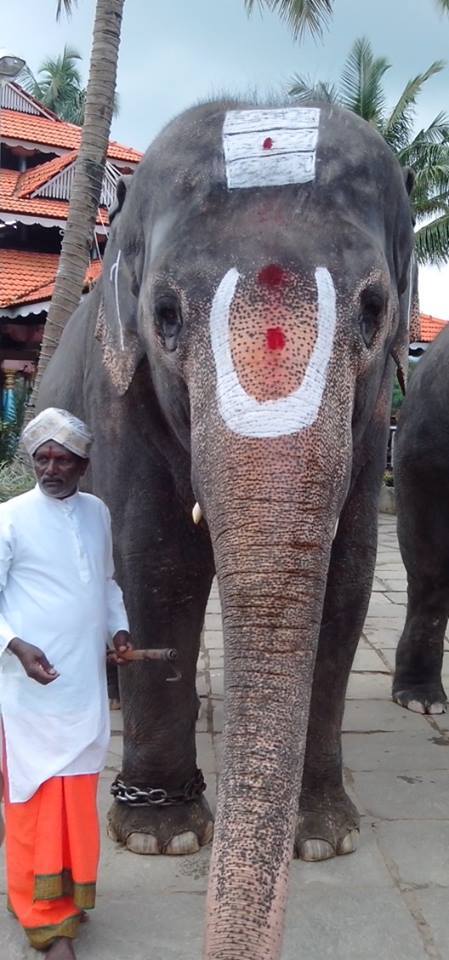
“A hunter in the jungle came across an elephant limping. The hunter followed it. Finally it toppled over. The hunter examined its feet. In one there was a large thorn. This he removed

Years passed and the hunter was in a cheap seat at a circus. A turn was given by a troupe of performing elephants. One of these elephants reached in its trunk, encircled his waist, and lifted from his cheap seat and set him down in a seat in a private box.

Nature-India---Snakes---Gliding-Snake

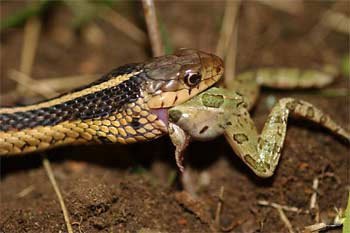
Snake and Frog

While fishing one day, said the old timer, I ran short of bait and and temporarily at loss as to what to do. Upon looking down near my feet, I noticed a small snake which held a frog in its mouth I removed the frog and cut it up for bait, feeling very fortunate that my eyes had lighted on the snake at that moment.

I did, however feel a bit guilty at relieving the poor reptile of his meal, and in order to give him a slight recompense for my supply of bait, I poured a few drops of whisky into its mouth. Fortunately for my conscience, the snake seemed to leave in a contented mood, and I turned and went on fishing.

Sometime had passed when something hitting against the leg of my boot. Looking down I saw the identical snake, laden with three more frogs.

I have given the famous stories of grateful dogs in my post, VEDIC DOG AND CHURCH DOG, posted on 18 January 2013.

hachiko

Picture of the most famous dog Hachiko  of Japan. The statue is in Tokyo. The dog went looking for his master every day for nine years and nine months.

Please read other animal stories posted earlier in this blog:

  1. Animal Einsteins (Part 1 and Part 2)
  2. Can parrots recite Vedas?
  3. Why do animals worship Gods?
  4. Mysterious Messengers for Ajanta, Angkor Wat and Sringeri
  5. Elephant Miracles

6). 45 Words for Elephant

  1. Can Birds Predict your Future?
  2. Two Little Animals That Inspired Indians
  3. Three Wise Monkeys from India
  4. Mysterious Tamil Bird Man

11.Alexander’s Dog and Horse, posted November 24, 2014

12.Vedic Sarama and Greek Hermes, posted on 24 June 2015

Contact London Swaminathan at swami_48@yahoo.com

இந்துக்கள் உலக மஹா புத்தகப் பிரியர்கள்!

IMG_3384

Article No.1987

Compiled by London swaminathan

Date 11th July 2015

Time uploaded in London: 18-33

உலகில் பல அறிஞர்கள் பிராணிகளையும் தாவரங்களையும் வகை வகையாகப் பிரித்தனர். இதிலும் இந்துக்கள்தான் முதலில் நிற்கின் றனர். தொல்காப்பியத்திலும் உயிரினங்களை ஆறு வகை யாகத் தொல்காப்பியர் பிரித்தார். அதற்கு முன் வடமொழி நூல்களில் பல வகையாகப் பிரித்தனர். விஷ்ணு சஹஸ்ரநாமத்தில் கூட ஆலமரம், அரசமரம், அத்திமரம் ஆகியன ஒரே வரியில் விஷ்ணுவின் பெயர்களாக வரும். இவை மூன்றும் ‘பைகஸ்’ என்னும் ஒரே ‘ஜீனஸ்’ என்று 17ஆம் நூற்றாண்டில்தான் தாவரவியல் அறிஞர்கள் பிரித்தனர். யாகத்துக்கு வேண்டிய சமித்துக் குச்சிகள், நவதான் யங்கள், பத்துவகைப் புற்கள் என்று எங்கு பர்த்தாலும் பிரித்து வைத்திருப்பதை சம்ஸ்கிருத நூல்களில் நாம் சர்வ சாதாரண மாகக் காணலாம்.

கலைக் களஞ்சியங்களில் பார்த்தால் ஐரோப்பியர்கள் பெயர்கள் மட்டுமே இருக்கும். ஐரோப்பியர்களுக்கு 17-ஆம் நூற்றாண்டுக்கு முன்னர் சம்ஸ்கிருதம் தெரியாததால் நம் நூல்களில் இருப்பது தெரியவில்லை. அவர்கள் சொல்லும் அரிஸ்டாடில் போன்றோரும் அவருக்கு  முந்தைய பிதகோரஸ் போன்றோரும் உபநிஷத உண்மைகளை அப்படியே ஒப்புவித்திருப்பதால் அவர்களுக்கு இந்திய புத்தகங்கள் கிடைத்ததும் புலப்படும்.

IMG_3382

மேலும் வேதங்களில் மட்டும் யாரும் கை வைக்கக்கூடாது. அதில் இலக்கணப் பிழை இருந்தாலும் கூட திருத்தக்கூடாது என்ற மரபு இன்றுவரை இந்தியாவில் இருந்து வருகிறது. மற்ற எல்லா நூல்களையும் அவ்வப்போது திருத்தி, புதிய பகுதிகளைச் சேர்த்துப் புதுமைப் படுத்தியதால், வெள்ளைக்காரர்கள் அந்த கடைசியாகச் சேர்த்த பகுதியின் அடிப்படையில் நம் நூல்களுக்குப் புதுத் தேதியை முத்திரை குத்தினர்.

நம்முடைய பங்களிப்பை ஒத்துக் கொள்ளாவிடிலும் உலகில் புத்தக விஷயத்தில் நம்மை மறுதளிக்க எவரும் இல்லை. உலகில் எல்லா வகைப் புத்தகங்களும்—சமயம் முதல், இலக்கணம், அகராதி, இண்டெக்ஸ், நிகண்டு, செக்ஸ், பெண்களுக்கான சிலபஸ் (64 கலைகள்) வரை எல்லாம் சம்ஸ்கிருதத்தில்தான் முதல் முதலில் காணப்படுகின்றன. இது பற்றி முன்னரே எழுதிவிட்டேன். இப்போது புத்தகங்களை வகைப் படுத்திப் பிரித்திருப்பதை மட்டும் காண்போம்.

IMG_2789

வேதங்கள் நான்கு:

திருணதூமாக்கினி இயற்றிய தொல்காப்பியத்துக்கு முன்னுரை (பாயிரம்) எழுதிய பனம்பாரனார் கூட, அதங்கோட்டு ஆச்சார்யார் என்னும் நான் மறை முற்றிய வேதப் பிராமணன் தான் அதை ஏற்றுக் கொள்ளுங்கள் என்று நிலந்தரு திருவிற் பாண்டியனுக்கு சிபாரிசு செய்தார் என்று சொல்லியி ருக்கிறார். இந்த தொல்காப்பியத்துக்கு 3000 ஆண்டுகளுக்கு முன்னர் வாழ்ந்த வேத வியாசர் என்பவர்தான் இப்படி வேதங்களை ருக், யஜூர், சாமம், அதர்வணம் என நான் மறையாக வகுத்தவர். ஆக உலகில் முதல் முதலில் புத்தகங்களை வகைப் படுத்தியவர் வியாசரே. அவரே புராணங்களை 18 ஆகவும் பிரித்து வைத்தார்.

தமிழர்களும் அதையே செய்தனர்:

வியாசர் என்னென்ன செய்தாரோ அதைத் தமிழர்கள் அப்படியே செய்தனர்; அவ்வளவு மதிப்பு அவர் மீது! அவர் 4 என்ற நம்பரில் வேதங்களைப் பிரித்ததைப் பார்த்து அவர்களும் 4, 40, 400 என்னும் “லக்கி நம்பரை” எல்லா நூல்களுக்கும் சூட்டினர். அது மட்டுமல்ல. வேத வியாசருக்கும் பல ஆயிரம் ஆண்டுகளுக்கு முன்னர் வேதங்கள் தோன்றியதால் அவருக்கே பல புலவர்கள் பெயர் தெரியவில்லை. ஆகவே அந்தப் புலவர் பயன்படுத்திய சொற்றொடரைவைத்து புதுப்பெயர் கொடுத்தார். இதையும் தமிழர்கள் தேய்புரிப்பழங்கயிறு, செம்புலப்பெயல்நீர் என்று புலவர்களின் பெயர்களாகச் சேர்த்தனர். தமிழர்களும் வேதவியாசர் புராணம், வேதம் முதலியவற்றைத் தொகுத்தது போலவே பல நூல்களைத் தொகுத்தனர்.

அதுமட்டுமல்ல புத்தகங்களுக்கு எண்களின் பெயர்களைக் கொடுத்தனர். உலகில் முதல் இலக்கணப் புத்தகம் எழுதிய பாணினி என்னும் புலவர் தனது நூலுக்கு அஷ்டாத்யாயி – (எட்டு அத்தியாயம்) என்று பெயர் உண்டாக்கியது போல தமிழர்களும் எல்லாப் புத்தகங்களின் பெயரிலும் எண்களைச் சேர்த்தனர் (பதிற்றுப் பத்து, ஐங்குறுநூறு). சம்ஸ்கிருதத்தில் அஷ்டகம் (8), சதகம் (100), சஹஸ்ரநாமம் (1000) முதலியன மிகவும் அதிகம்.

வேத வியாசரைப் பின்பற்றி தமிழர்களும் 18- என்ற எண்ணைக் கெட்டியாகப் பிடித்துக் கொண்டனர். வியாசர் செய்தது போலவே சங்க இலக்கியத்தை 18 மேல் கணக்கு நூல்கள் என்றும் சங்க இலக்கியத்துக்குப் பிற்காலத்தில் வந்த திருக்குறள் போன்ற 18 நூல்களைக் கீழ்க் கணக்கு நூல்கள் என்றும் பிரித்தனர். அது மட்டுமல்ல சம்ஸ்கிருதத்தில் பஞ்ச மஹா காவியங்களைப் பிரித்தது போல ஐம்பெருங் காப்பியங்களைப் பிரித்து அவைகளுக்கு காப்பியம் என்ற சம்ஸ்கிருதப் பெயரையும் சூட்டினர். சுருங்கச் சொன்னால் அவர்களுக்கு தமிழும் சம்ஸ்கிருதமும் இரு வேறு மொழிகள் அல்ல. ஒரே உடலின் இரண்டு கண்கள்!

பிரஸ்தானத்ரயம் (3)

இந்து மதத்தின் அஸ்திவாரமாக அமைந்துள்ள மூன்று புத்தகங்கள்:

உபநிஷத்துகள், பிரம்ம சூத்திரம், பகவத்கீதை. இதை பிரஸ்தானத்ரயம் என்பர். அதில் மூன்று என்ற எண் உள்ளது.

தசோப(10)நிஷத்துகள்

150–க்கும் மேலான உபபநிஷதங்கள் இருந்தபோதிலும் பத்து உபநிஷத்துகளே முக்கியமானவை:பிருஹத் ஆரண்யக, ஈச, ஐதரேன கேன, கதோ, சாந்தோக்ய, முண்டக, மாண்டூக்ய, தைத்ரீய என்று பத்து நூல்களை ஒன்றாக வகைப்படுத்தினர். அதை தச (பத்து) உபநிஷத் என்ற எண்ணால் குறிப்பர்.

IMG_3383

18 புராணங்கள்

வேத வியாசர் தொகுத்த புராணங்கள்:- அக்னி, பாகவத, பிரம்ம, பிரம்மாண்ட, பிரம்மவைவர்த்த, கருட, ஹரிவம்ச, கூர்ம, லிங்க, மார்க்கண்டேய, மத்ஸ்ய, நாரத, பத்ம, சிவ, ஸ்கந்த, வாமன, வராஹ, விஷ்ணு (வாயு=சிவ புராணம்) ஆகிய 18 புராணங்கள்


18 உபபுராணங்கள்

சிறிய, முக்கியமற்ற புராணங்களை 18 ஆகத் தொகுத்தனர்:-சநத்குமார, நரசிம்ம, பிருஹந்நாரதீய,சிவரஹஸ்ய, துர்வாச, கபில, வருண, காலிக, சம்பா, நந்தி, சௌர, பராசர, மஹேச்வர, பார்கவ, வசிட்ட, தேவிபாகவத, முத்கள, கணேச என்பன 18 உப புராணங்கள். சிலர் இதில் வேறு சில பெயர்களைச் சேர்த்து சிலவற்றை விடுப்பர்.

பஞ்ச (5) மஹா காவ்யங்கள்

காளிதாசனின் ரகுவம்சம், குமாரசம்பவம், மாகனின் சிசுபாலவாதம், பாரவியின் கிராதர்ஜுனீயம், ஹர்சனின் நைசத சரிதம்

தமிழர்கள் சாதனை

தமிழர்கள் சங்க இலக்கியத்தை 18 மேல் கணக்கு நூல்களாகப் பிரித்தனர்; அவையாவன:–

எட்டுத் தொகை (8)

புறநானூறு(400), அகநானூறு (400), நற்றிணை400, குறுந்தொகை400, ஐங்குறுநூறு (500), பதிற்றுப்பத்து (10×10=100), கலித்தொகை, பரிபாடல்

(தமிழர்களின் 4,40, 400 எண் மோஹம் குறித்து முன்னரே ஒரு கட்டுரை எழுதினேன்)

1995 ஆம் ஆண்டுத் தஞ்சை உலகத் தமிழ் மாநாட்டில் “சங்க இலக்கியத்தில் எண்கள்”, “சங்க இலக்கியத்தில் நிறங்கள்” என்ற இரண்டு ஆய்வுக் கட்டுரைகளையும் சமர்ப்பித்தேன்.

பத்துப்பாட்டு (10)

திருமுருகாற்றுப் படை , பொருநர் ஆற்றுப் படை, பெரும் பாணாற்றுப் படை, சிறுபாணாற்றுப் படை, பட்டினப்பாலை, முல்லைப் பாட்டு, நெடுநல்வாடை, மதுரைக் காஞ்சி, குறிஞ்சிப்பாட்டு, மலைபடுகடாம்

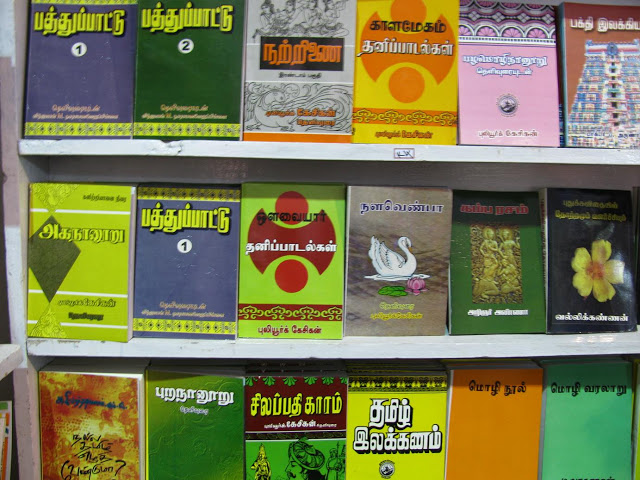
தமிழ் புத்தகங்கள்

ஐம்பெருங் காப்பியங்கள்

சிலப்பதிகாரம், மணிமேகலை, சீவக சிந்தாமணி, வளையாபதி, குண்டலகேசி

18 கீழ்க் கணக்கு நூல்கள்

திருக்குறள், நாலடியார்400, பழமொழி400, நான் (4) மணிக்கடிகை, திரி(3) கடுகம், ஏலாதி, கார் நாற்பது40, களவழி நாற்பது 40, இன்னா நாற்பது40, இனியவை நாற்பது40, திணைமாலை நூற்றைம்பது 150, ஐந்திணை ஐம்பது 50, ஐந்திணை எழுபது70, திணைமொழி ஐம்பது 50, இன்னிலை, சிறுபஞ்ச (5)மூலம், முதுமொழிக்காஞ்சி,ஆசாரக் கோவை.

இவை எல்லாம் இந்துக்களின் மேதாவித்தனத்துக்கு ஓர் எடுத்துக்காட்டு. ரிக்வேதத்திலேயே டெசிமல் சிஸ்டத்தை பயன்படுத்தி ஆயிரம், லட்சம் என தசமஸ்தானத்தில் எண்களை அடுக்கி தங்களுக்கு உள்ள எண் அன்பை, நியூமெராலஜி மோஹத்தைக் காட்டிவிட்டனர்.

swami_48@yahoo.com

படங்களுக்கு நன்றி

Golden sayings in Ayurveda Books

india medical

Article No.1986

Compiled by London swaminathan

Date 10th July 2015

Time uploaded in London: 20-54

Charaka and Susruta were great Ayurvedic experts. Their books serve as the foundations of Ayurveda, the popular  Indian Medical System. Both of them wrote in Sanskrit and they lived at least 2300 years ago; but they have only written what is passed to them by their predecessors. Because of constant updating of Indian literature we take the latest date. Yet they stand unique in the world of medicine.

Both of them cover a lot of things in the field of medicine. It is amazing to see that even the burns are classified like we classify today as first degree, second degree and third degree burns. They talk about psychic treatments. Studying was stopped on New moon and Full moon days due to the bad effect of moon. They discuss pre-operative and post-operative care like modern day hospitals.

Let us look at some of the golden verses:

21  Pirmoji širdies operacija

1.Sastra  karma =Surgical Operation

Purva karma = Pre operative; Pradhaana = Operation; Pascaat = Post  operative

Trividhyam karma – Puurva karma, Pradhaanakarma, Paschaatkarmaeti tadvayaadhim pratyupadekshyaamah

–Susruta Sutara 5-3

2.Agnidagdham – Fiery Burns

Plustam = scorched; Durdagdham =Blistered; Samyakdagdham = Superficially burnt; Atidagdham = Deeply burnt

Plushtam durdagdham – Samyakdagdham   Atidagdham cheti chaturvidham Agnidagdham  -Susruta Sutra  12-16

fire

3.Bad Effect of Moon- Cessation from Study= Anadhyayana Dina

Astami – eigth day of the fortnight; Amaavaasyaa –New Moon day; Caturdasai- Fourteenth day of the lunar fortnight; Purnima ardhadina – Half day on full moon day

No Veda Class or any study on the above days.

Ashtamii cha hyamaavaasyaa varjaniiyaa chaturdasii

Puurnimaardhadhinam yaavannishidhdham sarvakarmasu

–Vasisthadanurvedasamhita 30-11

Moon-Postage-Stamps-37609

4.Symptoms of Mild Poisoning =Alpavisa Chihnaani

Lohita (rajju)- reddish streak; Nila(rajju) – Bluish streak; Piita (rajju) – yellow streak; Sita (rajju) – whitish streak

Raajya salohitaa yatra niilaah piitaah sitaastatahaa

Vnjeyam raditam tattu njeyamalpavisham cha tat

–Susruta (kalp) 4-17

5.Branches of Ayurveda

Hetu; Laksana; Ausadha

Hetulingaushadhanjanam svastahsturaparayanam

Trisutram sasvatam punyam babudhe yam pitamahah

-charaka sutra 1-24

6.Esana= desire

Desire are of three types: Prana=life, Dhana= wealth; Paraloka = heavens

Trisa esanaah paryastavyaa bhavanti

Tadyathaa praanaisanaa dhanaisanaan paralokaisaneti

-charaka sutra 11-3

7.Ausadham – Therapy

Daiva vyapaasrayam = spiritual therapy

Yukti vyapaasrayam= therapy based on reasoning (physical properties)

Satvaavajaya = Psychic therapy

Trividhamausshadhamiti – daivavyapaasrayam

Yuktivyapaasrayam satvaavajayascha

-charaka sutra 11-54

8.Types of pysique/deha

Sthula = obese; Krsa= lean; Madhya= medium

Dehah sthula krso Madhya iti praagupadhishtah

9.Drugs according to Ayurveda

Dosprasamanam = alleviation of diseases

Dhatupraduusanam = vitiation of kapha, pitta and vaayu

Svasthavrttam = maintenance of positive health

Kinchitdhoshaprasamanam Kinchitdhoshapraduusanam

Svastavruttau matham kinchit trividham dravyamuchyate

Charka sutra 1-67

herb 2Medicinal-Plants-of-India---Amla-Emblica-officinalis

10.Source of Drugs

Jangama = From animals; Audbhida = From vegetables; Parthiva = From the earth

Tat punastrividham proktam jangamaudbhidapaarthivam

-Charaka Sutra 1-68

11.Balam = Strength

Sahajam = constitutional; Kaalajam = temporal;Yuktikrtam =acquired

Trividham baklamiti – sahajam kaalajam yuktikrtancha

Charaka sutra 11-36

12.Types of Diseases= Roga

Nija = Endogenos

Aagantu = Exogenous

Maanasa = Psychic

Trayo rogaa iti – nijaagantumaanasaah –Charaka sutra 11-45

13.Roga Ayatanaani = Causes for disease

Atiyoga = excessive utilisation; Ayoga = non utilisation; Mithyaayoga = wrong utilisation (of artha, karma, Kaala)

Arthaanaam karmanah kaalasya cha atiyoga – ayoga – mithyaayogaah

—Charaka sutra 11-37

microscope

14.Rogamaarga – Path of Disease

Saakhaa – Peripheral system; marmaasthisandhi – vital orgas, bones and joints; Kostha – Central system

Trayo rogamargaa iti – sakhaamamaarsthisandhayah koshtascha –Charaka sutra 11-48

15.Sariiradosasangraha = Pathogenic factors in the body

Vaayu =air/wind; Pitta = Fire/Bile; Kapha = water/Phlegm

Vaayuh pitam kapaschoktah saariirodosasangraha: —Charaka sutra 1-57

Contact:–  swami_48@yahoo.com

சாக்ரடீசும் அவ்வையாரும்!

GREECE - CIRCA 1998: A postage stamp printed in the Greece shows bust of ancient Greek Tragedian Sophocles, circa 1998

GREECE – CIRCA 1998: A postage stamp printed in the Greece shows bust of ancient Greek Tragedian Sophocles, circa 1998

Article No.1985

Compiled by London swaminathan

Date 10th July 2015

Time uploaded in London: காலை 8-21

((தமிழன்பர்களுக்கு அன்பான வேண்டுகோள்: மற்றவர் கட்டுரைகளை எடுக்கையில் அவர்தம் பெயரையும், அவருடைய பிளாக்–கின் பெயரையும் அப்படியே வெளியிடுங்கள். என் கட்டுரைகளில், படங்கள் என்னுடையதல்ல. அதைப் பயன்படுத்துவோர் சட்டபூர்வ வழக்குகளைச் சந்திக்க நேரிடும்.))

சாக்ரடீஸ் என்பவர் புகழ்பெற்ற கிரேக்க ஞானி; தத்துவ வித்தகர். அவருக்கு வாய்த்த மனைவியோ சரியான அடங்காபிடாரி; ராக்ஷஸி. அவ்வையார் புகழ்பெற்ற தமிழ் கவிஞர், அறிஞர், இறையன்பர். சங்க காலம் முதல் தற்காலம் வரை ஆறு அவ்வையார்கள் இருந்தனர்; சிலர் மூவர் என்பர். மொழியியல் அடிப்படையில் கட்டாயம் முவர் அல்லது அதற்கு மேலும் இருந்திருக்கலாம் என்பது எனது கணிப்பு. ஆனால் எந்த அவ்வையார் படியதாக இருந்தாலும் சரி அவை அத்தனையும் ஆனி முத்து; தமிழர்களின் சொத்து. ஆத்திச் சூடி பாடிய கடைசி அவ்வையாரா, அதியமானைக் கண்ட சங்க கால அவ்வையாரா என்று ஆராய வேண்டிய அவசியமில்லை.

அதிசயம் என்னவென்றால் அவ்வையாரும் சாக்ரடீசும் ஒரே கருத்தைச் சொல்லியுள்ளனர்.

ஒருமுறை சாக்ரடீஸ் தத்துவச் சொற்பொழிவு ஆற்றிக் கொண்டிருந்தார். அவரது மனைவியோ ஞான சூன்யம். மேல் மாடியில் இருந்து எட்டிப் பார்த்து, பேச்சை நிறுத்தச் சொல்லி இடி முழக்கம் செய்தார். சாக்ரடீஸோ நிறுத்தவில்லை. ஒரு வாளி தண்ணீரை மேலேயிருந்து கொட்டினார். யார் தலையில்? சாக்ரடீஸ் தலையில்! அவர் அசரவில்லை; அவர் சொன்னார்:

“அன்பர்களே! இவ்வளவு நேரம் இடிமுழங்கியது; இப்பொழுது மழை பெய்கிறது!”

சாக்ரடீஸின் மனைவியை பற்றி நன்கு அறிந்தவர் ஒருவர் சாக்ரடீஸிடம் சென்று திருமணம் செய்துகொள்வது பற்றி தங்கள் கருத்து என்னவோ? என்று கேட்டார்.

அவர் சொன்னார்:

எந்த முடிவு எடுத்தாலும் இறுதியில் வருத்தப்படுவாய்!

இன்னொரு முறை அவர் சொன்னார்:

“நல்ல மனைவி கிடைத்தால் நன்கு மகிழ்ச்சியாக வாழலாம்; கெட்ட மனைவி கிடைத்தாலோ தத்துவ வித்தகர் ஆகலாம்.”

Adhiyaman_wiki

Avvaiyar with Athiyaman; picture from wikipedia

அவ்வையாரும் இதையே சொல்கிறார்:

பர்த்தாவுக்கு ஏற்ற பதிவிரதை உண்டானால்

எத்தாலும் கூடி வாழலாம்; — சற்றேனும் ஏறுமாறாக

இருப்பாளே யாமாகில்

கூறாமல் சந்யாசம் கொள்


பொருள்: கணவனுக்கேற்ற பதிவிரதையாக இருந்தால், எவ்வளவு கஷ்டம் வந்தலும் அவளை விட்டு விடாதே. அவள் பிடாரியாக இருந்தாலோ, அவளிடம் போகிறேன் என்று சொல்லக்கூட வேண்டாம். பேசாமல் போய் சந்யாசம் வாங்கிக் கொள்.

பழைய முறத்தால் அடி!

சாக்ரடீஸ் மனைவி போலவே ஒரு கொடுமைக்காரியை மனைவியாகப் பெற்ற ஒரு சாதுவின் வீட்டுக்கு அவ்வையார் போனார். பாவம், அவர்தான் அவ்வையாரை சாப்பிட அழைத்தார். அவ்வையை வாசல் திண்ணையில் அமரவைத்துவிட்டு உள்ளே சென்று மனைவியின் முகத்தை நன்கு துடைத்து, பொட்டு வைத்து அலங்கரித்து, தலையில் உள்ள ஈரும் பேனும் எடுத்துவிட்டு, தலைவாரிவிட்டு, மெதுவாக அவ்வையாருக்கு அமுது இடும்படி  கொஞ்சும் மொழியில் கெஞ்சினார். அவளோ எடுத்தால் அருகிலிருந்த பழைய முறத்தை! புடைத்தாள் நைய அவனை. பேயாட்டம் ஆடினாள்; வசை மொழிகளை வாரி இரைத்தாள். அவன் வெளியே ஓடிவந்தான்; அப்பொழுதும் அந்த நீலாம்பரி முறத்தைக் கையில் ஓங்கியவாறு ஓடி வந்தாள்: அவ்வையாருக்கு ஒரு புறம் சிரிப்பு; மறுபுறம் அனுதாபம். அவனுக்கோ ஒரே பதைபதைப்பு.

அவ்வையார் பாடினார்:

இருந்து முகம் திருத்தி, ஈரோடு பேன் வாங்கி

விருந்து வந்தது என்று விளம்ப – வருந்திமிக

ஆடினாள், பாடினாள்; ஆடிப் பழமுறத்தால்

சாடினாள் ஓடோடத்தான்.

அவ்வையாருக்கு பிரம்மா மீதே கோபம் வந்து விட்டது. இப்படி நல்ல சாதுவுக்கு இவ்வளவு மோசமான மனைவியா என்று. இது பெண்ணா? பேயா? வறண்ட மரம் போன்ற பெண்ணை இந்த மகனை முடிச்சுப்போடச் செய்தானே என்று நினைத்து பிரம்மா மட்டும் என் முன்னே வரட்டும் நான்கு தலைகளையும் திருகிவிடுகிறேன் என்றார்.

உடனே பாடினார்:

அற்றதலை போக அறாத தலை நான்கினையும்

பற்றித் திருகிப் பறியேனோ? – வற்றும்

மரம் அனையாட்கு இந்த மகனை வகுத்த

பிரமனையான் காணப்பெறின்.

அற்றதலை= ஏற்கனவே பிரம்மாவின் ஐந்து தலைகளில் ஒன்றை சிவன் கிள்ளி எறிந்த கதை புராணத்தில் உள்ளது.

-சுபம்-

swami_48@yahoo.com

Hindu Classification of Books

IMG_3382

Article No.1984

Compiled by London swaminathan

Date 9th July 2015

Time uploaded in London: 21-25

Ancient Hindus were very clever. They classified not only plants and animals for the first time in human history but also the books. Since they were mathematical geniuses they used the numbers for all their anthologies, poetry, books, verses etc. They had very high numeracy and literacy skills that was not seen in any other part of the world. They have called their scriptures after numbers Chatur (4)Veda, Ashtadyayi (Eight Chapters or Paniniyam), Sahasranamam (1000 names), Satakam (100 verses), Dasakam (10 verses), Ahtakam (8 verses). Most of the popular books were named after numbers! Each chapter of Mahabharata finisheas with the lines “thus ends the XYZ chapter in the book of 100,000 verses!”

But for two reasons they were not given due credit for their achievements:

1.Western Ignorance

Westerners were ignorant of Hindu scriptures. They did not know about Sanskrit before 17th century. Not only that, Greece was one of the countries which was not ruled or subdued by the big colonial powers. So the Greeks commanded some respect.

2.Constant Updating of Hindu scriptures

Hindu scriptures like Puranas, Charka Samhita, Susruta Samhita, Manu Smrti, and Mahabharata were constantly updated with the latest matters. Westerners who came to India as rulers looked at the latest additions and gave the latest date on the basis of new materials. Only Vedic literature was left untouched by those Hindu enthusiasts.

This type of addition is there in Greek, Hebrew and Latin literature but the westerners ignored the additions and gave them the oldest date. They had absolute loyalty to Old and New Testaments of the Bible. Even the original Bible was in Greek language though Jesus used Aramaic language.

In short, they followed double standards. Max Muller’s theory of “a language changing every 200 years” was not applied to any other literature in any other part of the world. He applied it only for Vedic Samhitas (1200 BCE), Brahmanas (1000 BCE) and Aranyakas (800 BCE) and Upanishads (600 BCE). If we apply the same rule for Tamil literature all the dates in the books will fall flat.

IMG_3384

Hindus must start some constructive work like listing all the plants in the Atharva Veda, Saraka Samhita, Susruta Samhita, Vatsyayana’s Sex manual Kama sutra etc. Even Vishnu Sahasranama has three plants belonging to the Ficus family (Asvatta, Banyan and Fig). They were the pioneers of modern classification. In the same way they have grouped Nava Dhanyas, Ten types of Grasses etc. Even the medicines were classified as Tri phala, Tri Katuka, Ashta Churna (all have mostly herbal ingredients). Tamils even named their books after these Sanskrit words Trikatuka, Pancha mula (five roots).

The classification of books show that they had reached the highest intellectual calibre in the whole world. This is supported by the decimal system and highest numbers found in the Vedas.


Chatur (4) Veda

The pioneer in classification of books was Veda Vyasa. Traditional dating is around 3150 BCE and modern scholars’ dating is around 1500 BCE. He was the one who classified the Vedas into four and named them Chatur Veda (Four Vedas) and entrusted the responsibility of spreading it to four of his students. A great administrator! But for him we would have lost all the Vedas. Rik, Yajur, Sama and Athrvana Vedas are the four Vedas.
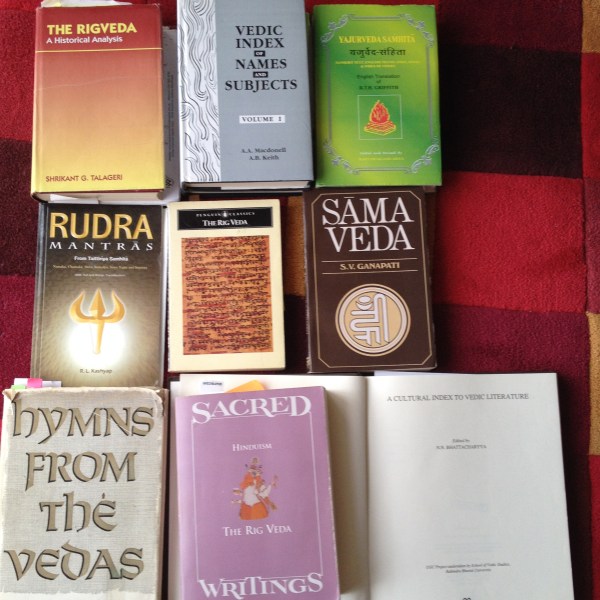
IMG_2789

Prasthanatrayam 3  (Trinity of Books)

Hindus consider three (set of) books as the three pillars of Hinduism: Brahmasutra, Upanishads and the Bhagavad Gita

Dasopanishad 10

Ten Upanishads were grouped together as primary Upanishads (Philosophical treatises):- Aitareya, Brihadaranyaka, Chandogya, Isa, Kena, Katha, Prasna, Mundaka, Mandukya, Taittiriya.

They had over 150 Upanishads! But these are the ten important Upanishads.

18 Puranas were grouped together:

Agni, Bhagavata, Brahma, Brahmanda, Brahmavaivarta, Garuda, Harivamsa, Kurma, Linga, Markandeya, Matsya, Narada, Padma, Siva, Skanda, Vamana, Varaha, (Vayu), Vishnu.

Purana means Pura api Nava (Old story but ever New/fresh); great leaders of India Shivaji and Gandhiji were inspired by the Puranic (mythological) stories.

18 Upa Puranas:

Sanat kumara, Narasimha, Brihna Naradiya, Siva Rahasya, Durvasana, Kapila, (Manava, Ausanasa), Varuna, Kalika, Samba, Nandi, Saura, Parasara, (Aditya), Mahesvara, Bhargava, Vasistha, Devi Bhagavata,Ganesa, Mudgala (and Hamsa).

Upa puranas wthin brackets are found in some versions replacing some from the list.

Ashtadyayi /8 Chapters (750 BCE)

Even the world’s greatest grammarian Panini named his book Eight Chapter (Ashta Adhyaya)

Pancha (5) Maha Kavyas

Raghuvamsa and Kumarasambhava of Kalidasa, Kiratarjuniya of Bharavi, Sisupalavadha of Magha and Naisadha Sarita by Sri Harsha.
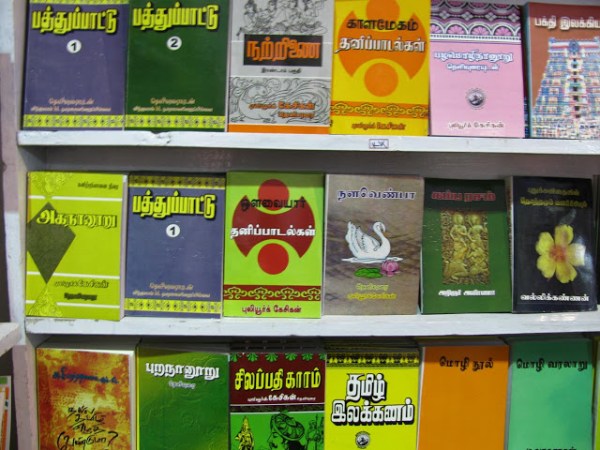
தமிழ் புத்தகங்கள்

Tamil Classification

Tamils followed Veda Vyasa and did whatever Vyasa did for Hindu scriptures. They also divided their books into groups and named them after numbers. They also gave some poets some peculiar names after their famous epithets or phrases like Vyasa did in the Rig Veda. They also elevated their poets to divine level like Divine Valluvar. In the North even Panini was called Divine Panini (Bhagavan Panini by Patanjali). All the 450+ poets of the Rig Veda were called sages/seers!

Five (5) Tamil Epics:

Like Pancha Maha Kavyas of Sanskrit literature, Tamils divided their Kavyas into five and used the Sanskrit word Kavya=Kappiyam; they are Silappadikaram, Manimekalai, Seevaka (Jeevaka) Chintamani, Valaiyapathy, Kundalakesi

One can easily notice the Sanskrit words in each of the above five names.

Eight (8) Anthologies:

Part of 2000 year old Sangam Literature; they are Pura nanuru/ 400, Aka nanuru/400, Natrinai/400, Kuruntokai/400, Pathitruppathu (10×10), Kalitokai, Paripatal and Ainkurunuru (5×100)

You can see the numbers in almost all the collections.

Ten (10) Idylls:

Porunar atruppadai,Tirumuruka atruppadai,Perumpana atruppadai,Sirupana atruppadai,Kurinjippattu, Malaipadukatam, Nedunalvatai, Maduraikanchi, Mullaippattu. Pattinappalai
 IMG_3383

18 Didactic Poetry Books/ 18 Minor Poems:

Tirukkural, Naladiyar 400, Pazamozi 400, Nanmanikadikai, Iniyavai Narpathu 40, Inna Narpathu 40, Kar Narpathu 40, Kalavazi Narpathu 40,Ainthinai Aimpathu 50, Ainthinai Ezupathu 70, Thinaimozi aimathu 50, Thinaimalai Nutraimpathu 150, Tirikatukam 3 , Acharakovai, Sirupancha mulam 5, Mudumozikanchi, Innilai, Elathy

I have already written about the Tamil’s obsession with Numbers, 4, 40, 400 etci.in a separate article a few years ago (I have also submitted two articles at the World Tamil Conference held in Thanjavur in 1995:  NUMBERS SANGAM IN TAMIL LITERATURE and COLOURS IN SANGAM TAMIL LITERATURE)

This is the Hindu genius. Most of the books were memorised! Not only the Vedas but also dictionaries! Vedas are themselves world wonders; SPREAD BY WORD OF MOUTH FOR OVER 4000 YEARS! No book with over 1000 hymns is spread like this. I myself knew 200 lines of Amarakosa (Sanskrit Thesaurus) by heart when I was a school student. Later I discontinued studying Sanskrit. Recently I read a professor’s account of memorising a whole book because his Sanskrit teacher never allowed any modern tools in the class room. That book was not available in any library. Later he published it for the use of general public.

Contact swami_48@yahoo.com

Pictures are taken from various sources;thanks.
கெட்ட மனைவியும் விஷப் பாம்பும்!

snake

Article No.1983

Compiled by London swaminathan

Date 9th July 2015

Time uploaded in London: 8-44 am


இதுவரை ஆயிரத்துக்கும் மேலான சம்ஸ்கிருத பழமொழிகள், பொன் மொழிகளையும், ஆயிரத்துக்கும் மேலான தமிழ் பழமொழிகள், பொன் மொழிகளையும் இந்த பிளாக்-கில் கொடுத்திருக்கிறேன். கூடிய மட்டிலும் அதைத் தலைப்பு (சப்ஜெக்ட்) வாரியாக வகைப் படுத்தி இருக்கிறேன். மேலும், அது குறிப்பாக எந்த இடத்தில் இருக்கிறது என்றும் புத்தகம், அத்தியாயம், வரிசை எண் ஆகியவற் றையும் கொடுத்திருக்கிறேன். இதோ மேலும் 20 அழகான பழமொழிகள்:–

1.தண்டேன ச ப்ரஜா ரக்ஷ மா ச தண்டமகாரணே – ராமாயணம்

சட்டத்தால் குடிகளைக் காக்க வேண்டும்; காரணமில்லாமல் தண்டிக்காதே.

2.துஷ்டா பார்யா சடம் மித்ரம் ப்ருத்யசசோத்தரதாயக:சமர்பே ச க்ருஹே வாஸோ ம்ருத்யுரேவ ந சம்சய: — ஹிதோபதேசம், சாணக்ய நீதி தர்பணம்

பாம்புள்ள வீட்டில் இருப்பவனுக்கு மரணம் ஏற்படும்; அதே போல கெட்ட மனைவி, முட்டாள் நண்பன், கீழ்ப்படியாத வேலைக் காரன்  ஆகியோருடன் இருப்பவனுக்கும் மரணமே மிஞ்சும். சந்தேகமே யில்லை.

3.ந கச்சேத் ப்ராம்மணத்ரயம்

மூன்று பிராமணர்கள் சேர்ந்து போகக்கூடாது

(சகுன சாஸ்திரப்படி ஒற்றைப் பிராமணன் – அபசகுனம்)

4.ந நக்னோ ஜலம் ப்ரவிசேத்

நிர்வாணமாக நீரில் இறங்கக்கூடாது

5.ந நிஷ்ப்ரயோஜனம்  அதிகாரவந்த: ப்ரபுபிராஹூயந்தே- முத்ரா ராக்ஷசம்

அதிகார வர்கம், காரணமில்லாமல், பிரபுக்களை அணுகுவதில்லை.

6.ந யுக்தம் ப்ராக்ருதமபி ரிபுமவஞாதும்  – முத்ரா ராக்ஷசம்

சாதாரண எதிரிகளையும் புறக்கணிக்காதே

(எந்தப் புற்றில் எந்தப் பாம்பு இருக்குமோ?)

2natarajan

7.நவாங்கானானாம் நவ ஏவ பந்தா: – சுபாஷிதரத்ன பாண்டாகாரம்

இளம் யுவதிகளின் நடை, உடை பாவனை எல்லாமே புதுமைதான்

8.ந வ்யாக்ரம் ம்ருகசிசவ: ப்ரதர்ஷயந்தி – ப்ரதிமா நாடகம்

மான் குட்டிகள், புலியை ஒன்றும் செய்ய முடியாது


9.நாங்கிக்ருதேஷு குணதோஷ விசாரணா ஸ்யாத்

ஏற்றுக் கொண்ட இடத்தில் குணமும் குற்றமும் காணக் கூடாது

10.நிகடஸ்தம் கரீயாம்சமபி லோகோ ந மன்யதே – ஹிதோபதேசம்

பெரியவர்கள் பக்கத்தில் இருந்தால் மதிக்கப்படுவதில்லை

(உள்ளூர் சரக்கு விலை போகாது)

11.நிஜமதனநிவிஷ்ட: ஸ்வா ந சிம்ஹாயதே கிம்

தன்னுடைய வீட்டில் நுழைந்த நாய் சிங்கம் போல இருக்காதா?

12.நிரஸ்தபாதபே தேசே ஏரண்டோபி தூமாயதே – ஹிதோபதேசம்

மரங்கள் இல்லாத இடத்தில் புதர்கள் கூட மரமாகக் கருதப்படும்

(ஆலை இல்லாத ஊரில் இலுப்பைப் பூ சர்க்கரை)

aaddu

13.கதானுகதிகோ லோக:– ஹிதோபதேசம்

ஒருவன் சென்ற பாதையை பின்பற்றிச் செல்வதே உலகம்

(மக்கள் ஆட்டு மந்தை)

14.ஜலபிந்து நிபாதேன க்ரமச: பூர்யதே கட: — ஹிதோபதேசம், சாணக்ய நீதி தர்பணம்

ஒவ்வொரு சொட்டுச் சொட்டினாலும் பானையே நிரம்பிவிடும்.

(சிறு துளி பெரு வெள்ளம்)

15.தஸ்தபதி தர்மாம்சௌ கதமாவிர்பவிஷ்யதி – சாகுந்தலம்

சூரியன் பிரகாசிக்கையில் இருட்டு எங்கே வர முடியும்?

16.நிர்குண: ஸ்வஜன: ஸ்ரேயான், ய: பர: பர ஏவ ச: — ராமாயணம்

நமக்கு வேண்டியவர்கள் குணமில்லாதவரானாலும் சிறந்தவனே

17.நிர்வாணதீபே கிமு தைலதானம் – சுபாஷித ரத்ன பாண்டாகாரம்

அணைந்து போன தீபத்துக்கு எண்ணை ஊற்றி என்ன பயன்?

(கண் கெட்ட பிறகு சூரிய நமஸ்காரமா?)

LION KING

18.நைகஸ்மின் காந்தாரே சிம்ஹயோர் வசதி: க்வசித்

ஒரு காட்டில் 2 சிங்கங்களின் வசிப்பிடம் இருப்பதில்லை

(ஒரே உறையில் இரண்டு வாட்கள் இருக்காது)

19.பங்கோ ஹி நபஹி க்ஷிப்த: க்ஷேப்து: பததி மூர்தனி – கதா சரித் சாகரம்

வானத்தைப் பார்த்து சேற்றை எறிந்தால் அது அவன் மீதே விழும்

(சேற்றில் கல்லை எறியாதே, உன் மீதுதான் தெறிக்கும்)

(யானை தன் தலையிலே மண்ணைப் போட்டுக் கொள்ளும்)

20.பயசா சிஞ்சிதம்  நித்யம் ந நிம்போ மதுராயதே

எலுமிச்சை மீது தினமும் பால் வார்த்தாலும் அது தித்திக்காது.

(நாயைக் குளிப்பாட்டி நடு வீட்டில் வைத்தாலும் வாலைக் குழைத்துக் கொண்டு — —  — தின்னதான் போகும்)

படங்கள் என்னுடையவை அல்ல; பேஸ் புக் நண்பர்கள், பல வெப் சைட்டுகளில் இருந்து எடுத்தவை: பஹு தன்யவாத்! ரொம்ப ரொம்ப நன்றி!!

-சுபம்-

Animals in the Bhagavad Gita!

elephants

Research Article No.1982

Written by London swaminathan

Date 8th July 2015

Time uploaded in London: 19-41

Bhagavad Gita is a philosophical work and to look for animals in the holy book may sound a little bit unholy act. It is like looking for recipe for Potato curry in Organic Chemistry book!

But I view it from a different angle. The similes or the few references also reflect their belief in the society. We don’t expect Lord Krishna to talk about a penguin or an albatross or a kangaroo. But we can expect something about a lion or a tiger or an elephant. This shows who the audience he is addressing. We know that Krishna is addressing a person living in a tropical country. Let us straight away go into the references to animals and birds.
I have listed all the things that he mentioned in the Vibhuti Yoga (Chapter 10) two years ago on 3rd June 2013. The birds, the animals and the amphibians  that are mentioned are as follows:
cows and calves kandrus

Of horses I am Uchchaisrvas

Of cows I am Kamaduk (wish fulfilling cow)

Of elephants I am Airavata

Of serpents I am Vasuki

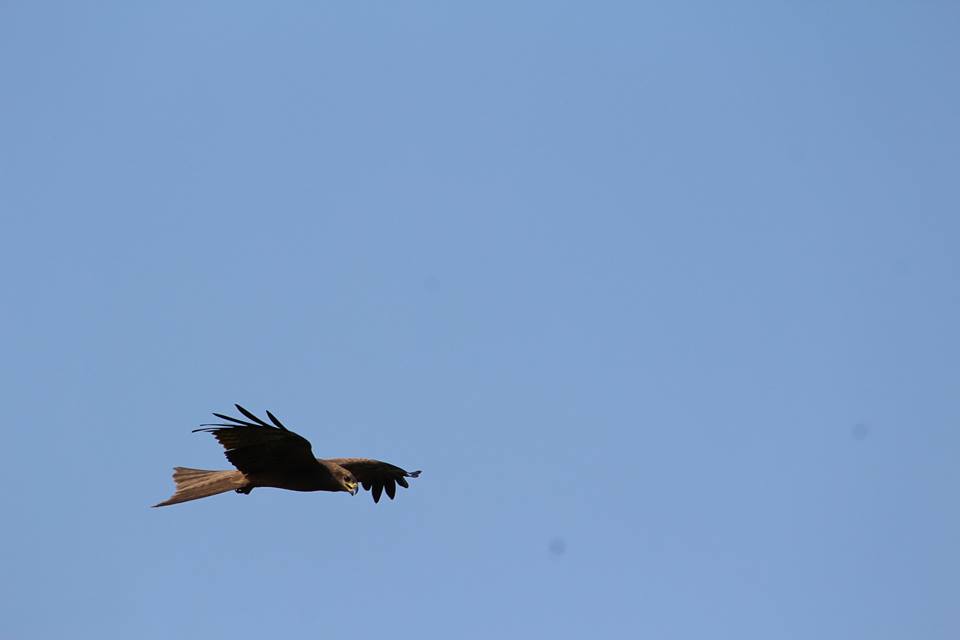
Of birds I am Garuda (eagle)

Of animals I am lion

Of water animals I am Makara (alligator)

—-Chapter-10

But there are many more interesting references:

tortoise

Tortoise

He who draws away the senses from the objects of sense on every side as tortoise draws in his limbs (into the shell), his intelligence is firmly set in wisdom (2-58). This is a very popular simile. Several Sanskrit and Tamil poets have used the simile for emphasizing self-control.

Moths

As moths rush swiftly into a blazing fire to perish there, so do these men rush in to your mouths with great speed to their own destruction (11-29)

moth

Elephant, Cow and Dog

Sages see with an equal eye, a leaned and humble Brahmin, a cow, an elephant or even a dog or an outcaste (5-18).

This is the most interesting verse to find out Hindus’ respect for certain animals and disrespect for others.

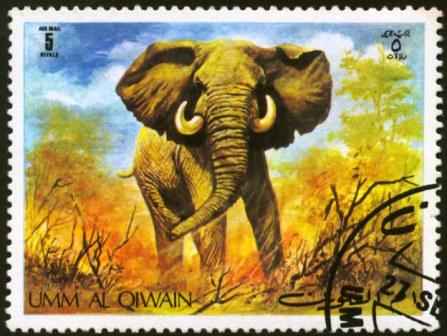
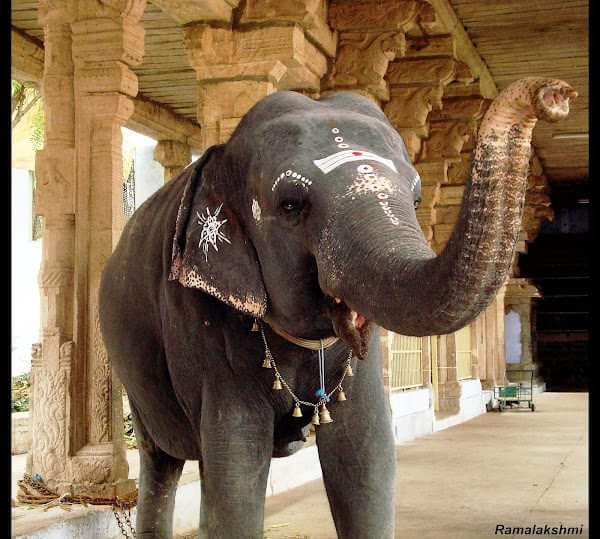
Elephants and cows are respected very much. Go Puja (cow) and Gaja Puja (elephant) are part of many temples and Mutts. They are worshipped every morning. Both are herbivorous. The dog is occupying the lowest rank, because it was considered an unclean animal eating left over food and all non- vegetarian food. But all these are the views of the laymen and the learned men look at them with an equal eye. That is, nothing is high or low. They are equal. This is confirmed by the lines like ‘Sarva Bhuta Hiteratah’ (5-25) and ‘sarvabhutanam suhrutam’ (5-28) in the same chapter.

elephant good

PANDITAH SAMA DARSINAH; SAGES SEE WITH AN EQUAL EYE

Sarvabhuta hiteratah (5-25) = holy men doing good to all creatures

Suhrdam sarvabhutanam (5-28) = the friend to all beings

Samoham sarvabhutesu (9-29) = I am the same in (alike to) all beings

Nirvairah sarvabhutesu (11-55) = free from enmity to all creatures

Sarvabhuta hiteratah (12-4) = rejoicing in the welfare of all creatures

Hindus are friends of all creatures from ants to elephants. Hindu scholars view all the living beings as equal.

eagle2

Earlier articles on Krishna posted by me:

1.ONE MINUTE BHAGHAVAD GITA

2.Krishna’s Diamond in USA?

3.Atom bomb to Zoo (A to Z) of Bhagavad Gita

4.Krishna’s Restaurant in Dwaraka: Hot Satwic Food Sold

5.ஸ்ரீ கிருஷ்ணனுடன் 60 வினாடி பேட்டி (Tamil))

6.கண்ணன் வழி….தனீ…..வழி! (Tamil)

7.கொலவெறி வைரம்

8) 45 Commentaries on Bhagavad Gita

9.Jesus Name in Bhagavad Gita ( Posted on September 10, 2014)

10.Interesting Words in the Bhagavad Gita (Posted on March 20, 2014)

11.Doing Business with God (June 6, 2014)

(Pictures are taken from other websites. Thanks)

Swami_48@yahoo.com

“பிரிட்டனில் 4500 ஆண்டு பழமையான இந்து கோவில்!”

IMG_1596

ஆராய்ச்சிக் கட்டுரை எண் : 1981

தேதி : ஜூலை 8, ஆண்டு 2015

லண்டனில் பதிவு ஏற்றப்பட்ட நேரம்: காலை10-00

1990 ஆம் ஆண்டு லண்டனிலுள்ள சவுத் இந்தியன் சொஸைட்டி ஏற்பாடு செய்த கோச் டூரில் போர்ன்மவுத், ப்ளிமவுத் கடற்கரைக்குச் செல்லுகையில் ஸ்டோன்ஹெஞ்ச் சென்றோம். 25 ஆண்டுகளுக்குப் பின்னர் சென்ற திங்கட்கிழமை மீண்டும் சென்றேன். சில விஷயங்களை உங்களுடன் பகிர்ந்து கொள்ள ஆசை எழுந்தது.முன்னை விடக் கூட்டம் கூடியிருக்கிறது. குறிப்பாக ஜப்பானிய சுற்றுலாப் பயணிகள் அதிகம் காணப்பட்டனர்.

ஸ்டோன்ஹெஞ்ச் என்றால் என்ன?

15 பவுண்ட் நுழைவுக் கட்டணம் செலுத்துவோருக்கு ஒரு துண்டுப் பிரதி கொடுப்பார்கள். அதில் எழுதப்பட்ட விஷயம்:” ஸ்டோன்ஹெஞ்ச் என்பது ஒரு பழங்கால கோவில்; சூரியனுடைய சஞ்சாரத்தின் அடிப்படையில் 4500 ஆண்டுகளுக்கு முன்பு, மிகவும் நவீன விஷயங்களை அறிந்தோரால் எழுபப்பட்டது”.

இது லண்டனிலிருந்து 100 மைல் தொலைவில் ஏமிஸ்பரியில் இருக்கிறது. (பிரிட்டனில் பல ஊர்களின் பெயர்கள் “பரி” என்று முடியும். இதுசம்ஸ்கிருதச் சொல்= புரி. அதுவே தமிழில் ஊர் ஆனது. மேலும் பல ஊர்கள் “ஹாம்” என்று முடியும். இது கிராமம் எனும் சம்ஸ்கிருதச் சொல்லின் மரூஉ. பர்மிங்ஹாம், ஈஸ்ட் ஹாம், லூயிஸ் ஹாம் என்பர்.)

துண்டுப் பிரதிலுள்ள இரண்டு சொற்களைக் கவனியுங்கள்: கோவில், சூரியனுடைய செலவு/சஞ்சாரம்.

இதனாலும், இந்த இடத்தை “ட்ரூய்ட்ஸ்” என்னும் இனத்தாருடன் தொடர்பு படுத்துவதாலும் இதை இந்துக்களின் சின்னம் என்று நான் எண்ணுகிறேன். முதலில் “ஸ்டோன்ஹெஞ்ச்” பற்றிப் பார்ப்போம். படத்தைப் பாருங்கள். பிரம்மாண்டமான கற்கள் மீது அதே அளவுள்ள கற்களை ஏற்றி வைத்துள்ளனர். இது வட்ட வடிவில் அமைக்கப்பட்டுள்ளது. இப்பொழுது சில கற்கள் (பாறைகள்) அங்கு இல்லை.

இதில் மர்மம் என்ன வென்றால், எங்கிருந்து இந்த பிரம்மாண்டமான பாறைகள் வந்தன? எப்படி அதைக் கொண்டு வந்தனர்? எதற்காக அதை சிரமப்பட்டு ஏற்றி வைத்தனர்? அதை ஏன் வட்ட வடிவில் அமைத்தனர்? யார் இதைச் செய்தனர்? எப்போது இப்படிச் செய்தனர்? அருகில் மலைகளே இல்லையே!

இதே கேள்விகளை நாம் ராஜ ராஜன் கட்டிய தஞ்சைப் பெரிய கோவில் விஷயத்திலும் எழுப்பினோம். விடைகளைக் கண்டோம். அது போல ஸ்டோன்ஹெஞ்ச் விஷயத்திலும் தடைகள் எழுப்பி விடையும் கண்டுவிட்டனர். எனது கட்டுரை ஸ்டோன்ஹெஞ்சின் பெருமையைப் பேச எழுந்த கட்டுரை இல்லை. இந்துக்களுக்கும் இதற்கும் தொடர்பு உண்டா என்று ஆராயும் கட்டுரை.நிற்க.

உலகில் இன்றுவரை சூரியனை வழிபடும் இனம் இந்து இனமே. போன ஆண்டு இராக் நாட்டு யஸீதி என்னும் பழங்குடிகள் பற்றி ஒரு கட்டுரை எழுதினேன். அதில் அவர்களும் இந்துக்களைப் போலவே மயில், அக்னி, சூரியன் ஆகியவற்றை வழிபடுவதைக் குறிப்பிட்டிருந்தேன். அவர்கள் எல்லோரும் ரிக்வேதத்தில் குறிப்பிடப் படும் ஐந்துவகை மக்களின் (பஞ்ச ஜனாஹா) ஒரு குழுவான த்ருஹ்யூ குழுவாகும். ரிக் வேதத்தில் வரும் பத்து ராஜா யுத்தத்துக்குப் பின்னர் அவர்கள் எல்லோரும்  — அதாவது தோற்றுப்போன ராஜாக்களின் மக்கள், ஐரோப்பாவில் குடியேறினர். யது (யாதவ) என்னும் குலத்தை சேர்ந்த சிலர் அங்கு சென்று யூதர் ஆயினர். த்ருஹ்யூ குலத்தினர் ட்ரூய்ட்ஸ் ஆயினர்.

IMG_4788 IMG_4792

கட்டுரையாளர் லண்டன் சுவாமிநாதன்

சூரிய வழிபாடு

உலகில் சூரியனுக்குப் பல இடங்களில் கோவில்கள் உண்டு ஆனால் ஒரிஸ்ஸாவில் கொனாரக், காஷ்மீரில் மார்த்தாண்ட், குஜராத்தில் மதெரா முதலிய 13 சூரியன் கோவில்களில் பூஜைகள் நடைபெற்றன. இவைகளில் பல முஸ்லீம்களின் தாக்குதலால் அழிந்தன; பூஜைகள் நின்றன. ஆயினும் இந்துக்களின் சூரிய வழிபாடு நிற்கவில்லை.

1.பிராமணர்கள் நாள்தோறும் மூன்று முறை வேத மந்திரங்களைச் சொல்லி சூரியனை வழிபடுகின்றனர். அதற்கு த்ரி கால சந்தியா வந்தனம் என்று பெயர்.

2.சூரியனார் கோவில் முதலிய கோவில்களில் இன்றும் வழிபாடு நடக்கிறது. எல்லா தென்னிந்திய கோவில்களிலும் சூரிய, சந்திரர், நவக் கிரஹ சந்நிதிகள் உண்டு.

3.சூரிய சஞ்சாரம்: இது எல்லா ஜாதியினருக்கும் முக்கியமானது. சூரியனின் வடதிசைப் பயணத்தை (உத்தராயண புண்ய காலம்/மகர சங்கராந்தி/ பொங்கல்)  எல்லோரும் கொண்டாடுகிறோம். சூரியனின் தென் திசைப் பயணத்தையும் (தட்சிணாயன புண்ய காலம்) எல்லோரும் கொண்டாடுகிறோம். இந்த இரண்டு நேரங்களில் தை, ஆடி அமாவசைகளில் எல்லா ஜாதியினரும் புனித நதி, கடற்கரைகளில் நீத்தாரை நினைந்து நீர்க்கடன் செலுத்துவர். தமிழர்கள் இன்று வரை இதைச் செய்துவருகின்றனர்.

இதே தான் ஸ்டோன்ஹெஞ்ச்சிலும் நடை பெற்றது. பிரிட்டன் என்பது குளிர் நாடாகையால் தட்சிணாயன புண்ய காலத்தை (தென் திசைப் பயணம்) பெரிதாகக் கொண்டாடினர். இப்பொழுதும் மிக நீண்ட பகல் பொழுதுடைய ஜூன் 21–ஆம் தேதி த்ரூய்ட்ஸ் என்ற பெயரில் வெள்ளாடை தரித்த ஒரு குழு விநோதச் சடங்குகளைச் செய்கின்றது.

IMG_4767 IMG_4773

இதுபற்றி கி.மு நாலாம் நூற்றாண்டில் ஒரு குறிப்பும் கிடைத்திருக்கிறது. பிரிட்டனில் ஓரிடத்தில் வட்ட வடிவக் கற்கோயில் இருப்பதாகவும் அது அப்பலோ கடவுளுக்கு அர்ப்பணிக்கப்பட்டது என்றும் எழுதியுள்ளனர். அப்பலோ என்பது விஷ்ணுவைக் குறிக்க, கிரேக்கர்கள், வேறு சில இடங்களில் பயன்படுத்தியுள்ளனர். ஸ்டோன்ஹெஞ்ச் போல ஏவ்ஸ்பரியிலும் வட்டவடிவப் பாறைகள் உள.

ஆகவே, சூரியனுடைய போக்கின் அடிப்படையில், சூரியன் கோவில் கட்டப்பட்டிருப்பதாலும், அங்கே சூரிய வழிபாடு நடைபெற்றதாலும் இது இந்துக்களுடன் –- வேத கால த்ருஹ்யூக்களுடன் — தொடர்புடையது என்பது எனது துணிபு.

நாம் எல்லோரும் சூரிய நமஸ்காரம் என்று மந்திரத்துடன் பயிற்சியும் செய்கிறோம். அழிந்து போன இந்தப் பண்பாட்டை, ஆர்.எஸ்.எஸ். இயக்கம் நன்கு பரப்பியமையால் இப்பொழுது புத்துயிர் பெற்றுள்ளது.

இந்தக் கட்டுரையின் ஆங்கில வடிவத்தைப் படித்து விட்டு லண்டன் வாழ் திருச்சி கல்யாண குருக்கள் தொலைபேசியில் சில விஷயங்களைச் சொன்னார்:

இந்துக் கோவில்கள் பெரும்பாலும் சூரியன் உதிக்கும் கிழக்கு திசையாஇ நோக்கியே இருக்கும்.

நவக்கிரஹ சந்நிதிகள் வரும் முன்னரே சூரியன், சந்திரன் சந்நிதிகள் நம் கோவில்களில் உள.

மேலும், ஒரு கோவில் தட்சிணாயணத்திலோ, உத்தராயணத்திலோ கட்டப்பட்டால் அதற்குத் தக முகப்பு, சந்நிதிகளை அமைக்கும் வழக்கமும் உண்டு.

யாக சாலை பூஜைகளில் காலையில் துவங்கும் போது சூரிய பூஜை முதலில் செய்ய்ப்படும்.

இவை அனைத்தும் இன்று வரை நாம் செய்யும் சூரியவழிபாட்டுக்கு சான்று பகரும்.

IMG_1542 IMG_1540

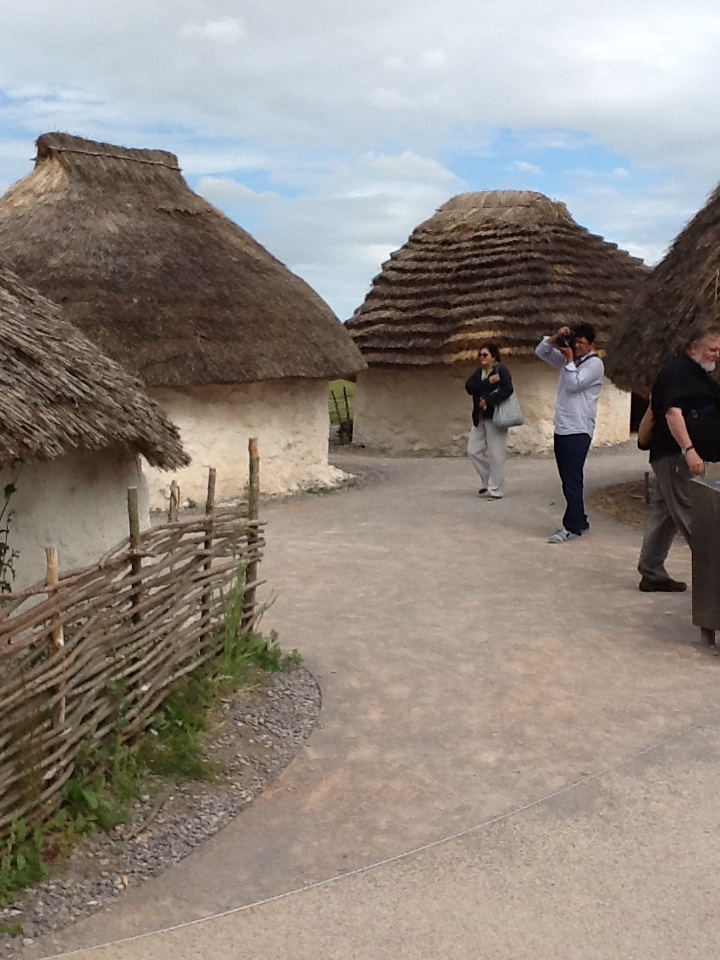
நூற்றுக் கணக்கான எடையுடைய கற்கள்; பழங்காலக் குடிசைகளின் மாதிரி.

ட்ரூயிட்ஸ் – இந்து தொடர்பு

சில அறிஞர்கள் ஸ்டோன்ஹெஞ்ச் வட்டக் கற்பாறை அமைப்பையும் ட்ரூயிட்ஸ் இனத்தாரையும் தொடர்பு படுத்துவது கால வழூஉ ஆகும் என்பர். ஏனெனில் ஸ்டோன்ஹெஞ்சின் எல்லா அம்சங்களும் கி.மு. 1200 க்கு முந்தியவை. ட்ரூயிட்ஸ் இனக் குழுவோ கி.மு 4 அல்லது 5ஆம் நூற்றாண்டு முதலே அறியப்பட மக்கள் என்பது அவர்களுடைய வாதம். ஆனால் இதற்கு மறுப்புச் சொல்ல பல வாதங்கள் உள. மோசஸ் என்பவருக்கு இதுவரை வரலாற்று,  தொல்பொருட் சான்றுகள் உலகில் கிடைக்கவில்லை. ஆயினும் அவரை அஸ்திவாரமாக வைத்து யூத மதம் என்ற மதமே இருக்கிறது!!! ஆகையால் தொல்பொருட் துறைச் சான்றுகள் இல்லை என்ற பெயரில் ட்ரூயிட்ஸ்களை ஓரம் கட்டுவதில் எந்த நியாயமும் இல்லை. நிற்க.

IMG_4772 IMG_4777

ட்ரூயிட்ஸ்கள் யார்?

அயர்லாந்து மற்றும் பிரான்ஸ், பிரிட்டன் ஆகிய நிலப்பரப்புகள் ஒரு காலத்தில் கெல்டிக் (செல்டிக் என்றும் சொல்லுவர்) இனத்தின் கீழ் இருந்தது. இதில் பிராமணர்களைப் போல புரோஹிதர்களாக இருந்தவர்களே ட்ரூயிட்ஸ்கள். இவர்களைப் பற்றி ரோமானியர்களும், கிரேக்கர்களும் நிறைய எழுதிவைத்துள்ளனர். கி.மு. மூன்றாம் நூற்றாண்டு முதல் கி.பி.முதல் நூற்றாண்டு வரையிருந்த அலெக்ஸாண்டர் பாலிஹிஸ்டர், தியோதரஸ் சிகுலஸ், ஜூலியஸ் சீசர், மூத்த பிளினி ஆகியோர் எழுதிய குறிப்புகளில் இருந்து நாம் அறிவது யாதெனின்:

1.இவர்கள் மறு பிறப்பில் நம்பிக்கை உடையோர்.

2.ஆத்மா நிரந்தரமானது; அழிக்கவொணாதது என்பர்

3.கடவுளருக்கு உயிர்ப் பலி, மனித பலி கொடுப்பர்

4.ஓக் மரங்களையும் மிசல்டோ மூலிகையயும் புனிதமாகக் கருதுவர்.

மேற்கூறிய அனைத்தும் வேதங்களில் உள்ளன. புருஷமேத யக்ஞம் என்னும் நரபலி சிந்து சமவெளி முத்திரையில் இருப்பது பற்றி சில ஆண்டுகளுக்கு முன்னரே தனிக் கட்டுரை வரைந்துள்ளேன். ஆயினும் நாம் மாயன் நாகரீகம் போலவோ மத்தியக் கிழக்கு போலவோ இதை பெருமளவு நடத்தியமைக்கு ஆதாரம் இல்லை .பஹ்ரைன் முதலிய மத்தியக் கிழக்கு நாடுகளில் பீனீஷியர்கள் முதலியோர் லட்சக்கணக்கில் குழந்தைகளைப் பலிகொடுத்ததையும், பல்லாயிரக் கணக்கில் குழந்தைகள் கல்லறைகள் கண்டு பிடிக்கப்படுவருவது குறித்தும் வேறு ஒரு கட்டுரையில் தந்து விட்டேன்.

ஆக மேற்கூறிய சில அம்சங்களில் ட்ரூயிட்ஸ் இனம் இந்துக்களுடன் தொடர்புடைத்தே.

கடைசியாக ட்ரூயிட்ஸ் என்ற சொல்லின் பொருளும் இதை இந்துக்களுடன் தொடர்பு படுத்துகிறது. சிலர் இந்தச் சொல்லை ரிஷிகள் (மந்த்ர த்ருஷ்டா= ட்ரூயிட்ஸ்) என்பர். இன்னும் சிலர் தருவை (மரத்தை) வழிபட்டவர்கள் (தரு=ட்ரீ=டரு=ட்ரூயிட்ஸ்=மரம்) என்பர். ஆக த்ருஷ்ட (பார்வை), தரு (மரம்) என்பன எல்லாம் சம்ஸ்கிருதச் சொற்கள். இன்னும் சிலர் இது ‘ரென்’ இனப் பறவை, அல்லது மந்திரவாதி என்பர்.

druids_stonehenge

ஆகவே ட்ரூயிட்ஸுக்கும் ஸ்டோன்ஹெஞ்சுக்கும் தொடர்பு இருந்தாலும் இல்லாவிட்டாலும் இந்துக்களுடன் அவர்களுக்குள்ள தொடர்பு அவர்தம் புனர் ஜன்மம், ஆத்மாவின் அழியாத் தன்மை ஆகிய கொள்கையாலும் மெய்ப்பிக்கப்பட்டுவிட்டது. ஜூலியஸ் சீசர் முதலியோர் இவர்களை ‘பிதகோரியன்’ என்பர். அதாவது கிரேக்க நாட்டு தத்துவவித்தகண் பிதகோரஸின் கொள்கைகலைப் பின்பற்றுபவர்கள் என்பது பொருள். பிதகோரஸ், இந்திய உபநிஷதக் கொள்கைகளைக் கற்று கிரேக்க நாட்டில் பரப்பியதால் சாக்ரடீஸ், பிளாட்டோ, அரிஸ்டாடில் , அலெக்ஸாண்டர் ஆகியோர் இந்து மதத்தில் பேரார்வம் செலுத்தியதை முன்னர் வேறொரு கட்டுரையில் கண்டதால் விரிவஞ்சி விடுக்கிறேன்.

படங்கள் திங்கட்கிழமை என்னால் எடுக்கப்பட்டவை; வெள்ளாடைதரித்தோர் படம் என்னுடையதன்று.

Was Stonehenge in England a Hindu Temple?

IMG_1596

Research Article No.1980

Written by London swaminathan

Date 7th July 2015

Time uploaded in London: 20-33

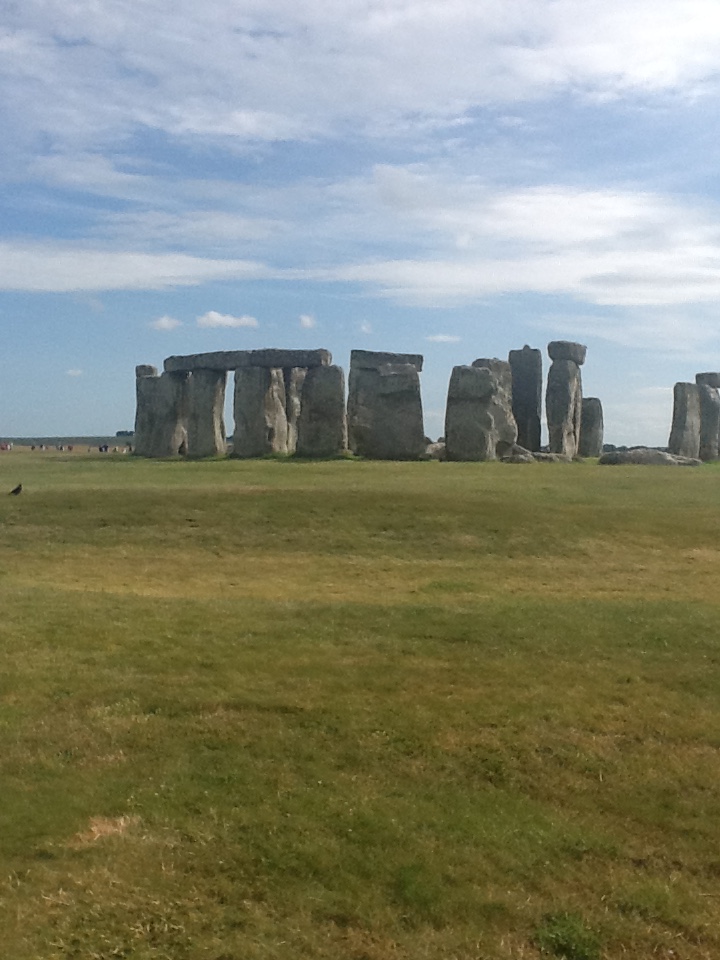
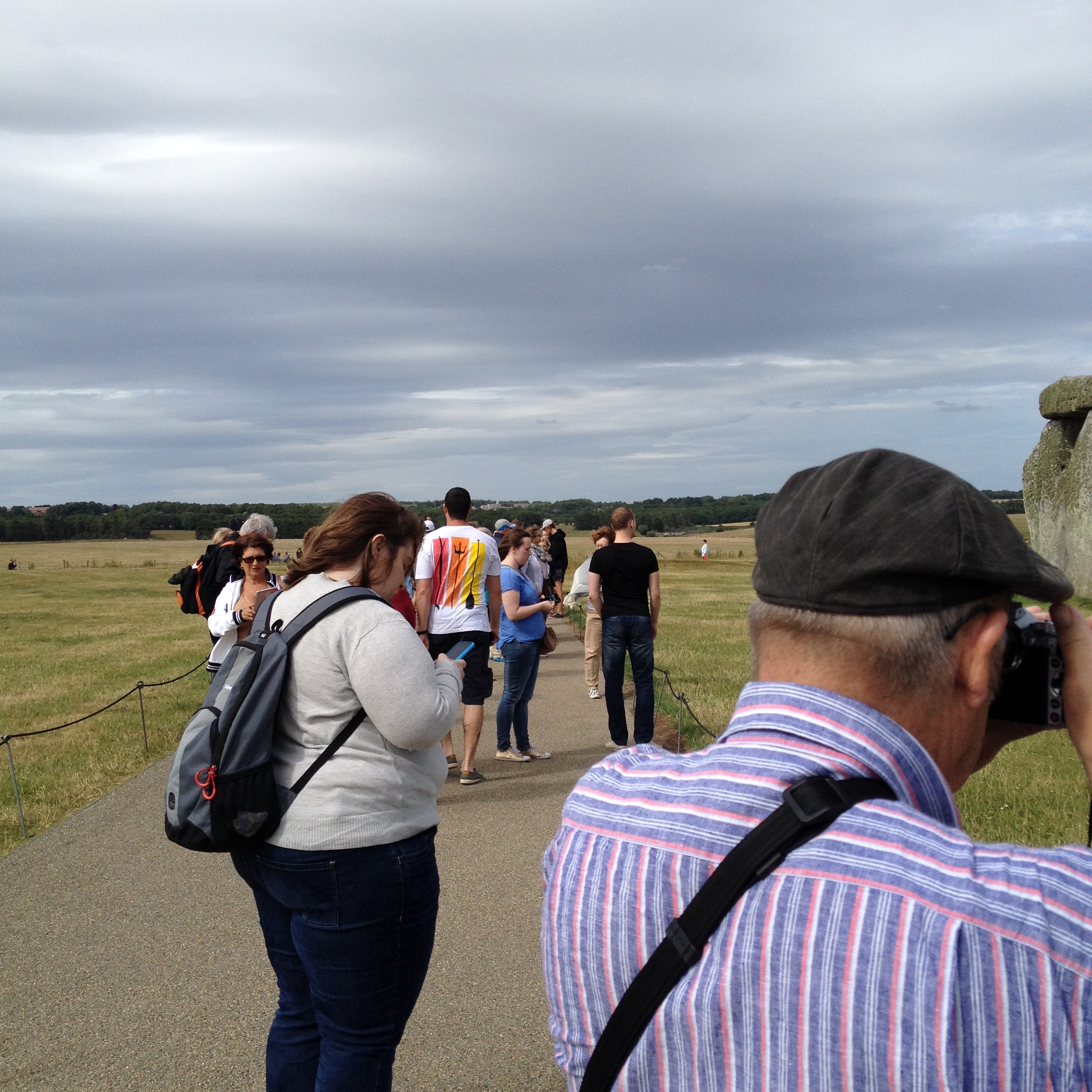
I went to see Stonehenge in Amesbury, England, United Kingdom yesterday. This was my second trip. I went there in 1990 in a coach trip organised by the South Indian Society, UK. After quarter of a century, during my second visit yesterday, I did not find much change because it was huge rocks which withstood weather for 4500 years. But I saw more crowd now, particularly Japanese tourists, and an increase in the entrance fee; now it is fifteen pounds per head!

IMG_4788 IMG_1542

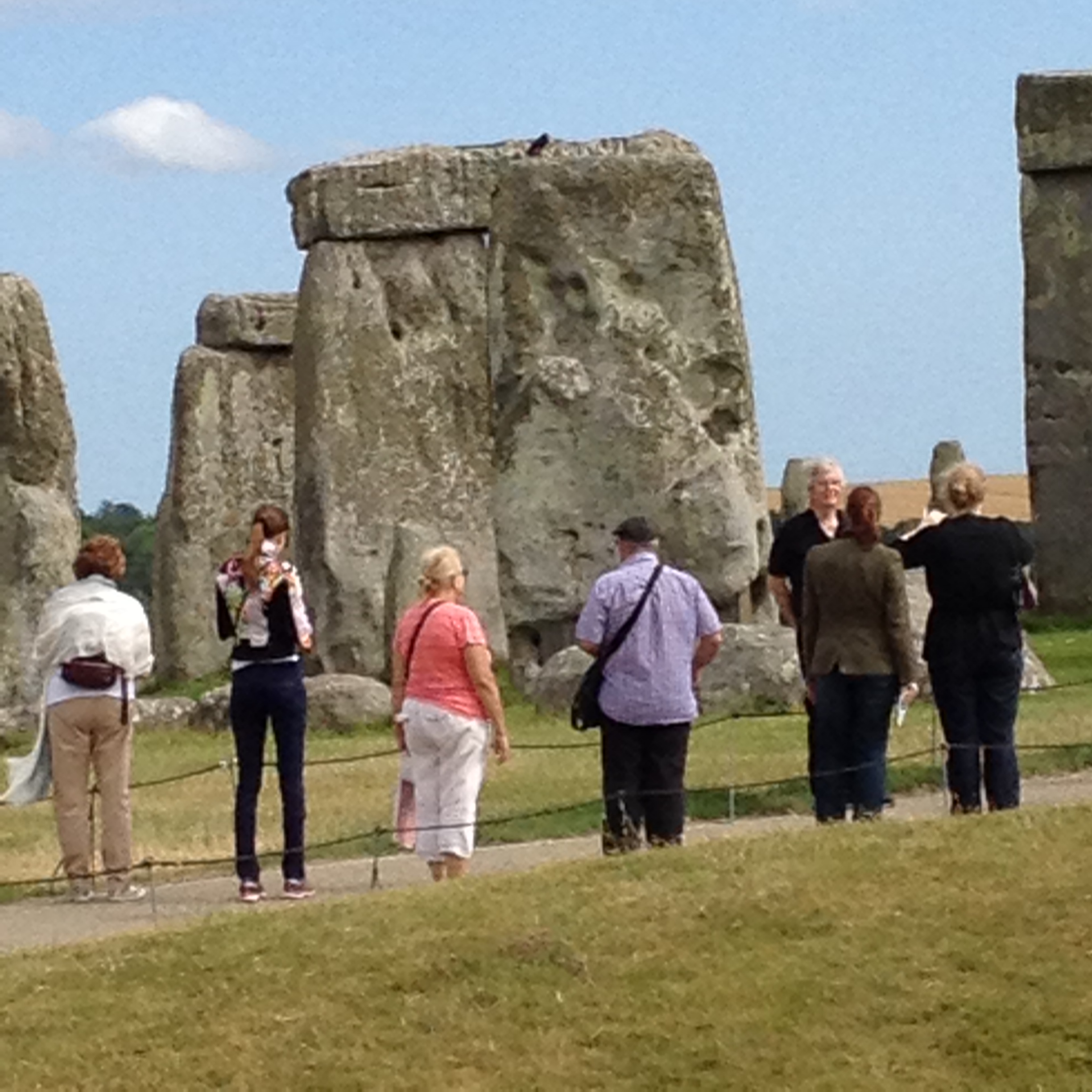
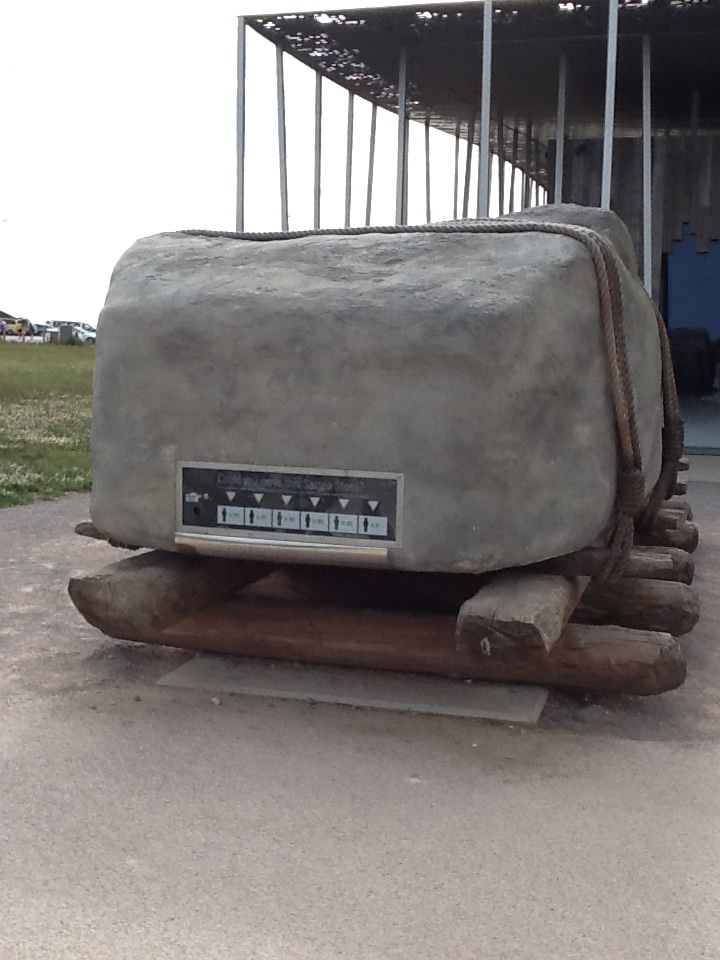
Writer london swaminathan at Stonehenge; each stone weighed several hundred tons

What is Stonehenge?

The official leaflet given to every ticket buyer says,

“Stonehenge is an ancient temple aligned on the movements of the sun. The stones were raised 4500 years ago by sophisticated pre historic people”.

Now it is maintained by English Heritage which manages over 400 historic monuments in Britain. In short, Stonehenge is a pre historic monument.

I would like to point out two key words in the leaflet: ‘Temple’ and ‘Movements of the Sun’. Both these words are used by Hindus only. Sun is worshipped ritually only by the Hindus today. Even today Brahmins worship Sun three times a day. Apart from the Hindu Brahmins we came to know that Iraq Yazidis also worship sun. They hit the headlines recently because of the attack of Muslim terrorists on them. They worshipped fire, peacock and sun like the Hindus. All of them went there from India thousands of years ago.

(Please read my earlier article —  HINDU VESTIGES IN RAQ — posted on 12 August 2014)

Now as part of the same emigration, another group of Hindus went up to Europe. They were the known as Celts. Though scholars knew the connection between Hindu Gods and Greek/Roman gods, the connection between Sanskrit and other major languages of the world, they guessed that they migrated from Europe to India. But the latest dating of Rig Veda by most of the scholars and the advanced civilisation seen in the Rig Vedic age disproved all their guesses. On the contrary Shrikant G Talageri proved that the Hindus migrated to Europe from India. Druhyus were one of them and they were called celts and their priests were called drhyus.

Sun worship is done by al the Hindus. Konarak in Orissa, Marthanda in Kashmir, Modhera in Gujrat were famous Sun Temples. There are ten more Sun Temples in different parts of India. Once again they were damaged or destroyed by the invaders.

Apart from the Sun temples, there are special shrines for Sun and Moon in most of the South Indian Temples. All the Hindus irrespective of their caste salute their departed souls on the banks of rivers and sea coasts on the day Sun takes Northward Movement (Uttarayana Punyakala) and Southward Movement (Dakshina Punyakala). This is what Stonehenge also was used for. Druids were the people who did such worship according to one group of scholars.

druids_stonehenge

Druids and Stonehenge

Every year on the Summer solstice day, the neo-Druids gather at the Stonehenge and do some rituals. But the scholars who studied the Stonehenge say that the Druids came into picture long after the Stonehenge. Stonehenge finished by 1200 BCE. But we hear about the Druids only from fourth century BCE. But whether there is a connection between the Druids and the Stonehenge or not there is a connection between the Hindus and the Stonehenge and between the Hindus and the Druids. Let us look at it in two topics:

IMG_4767 IMG_4773

Hindus and Druids

Alexander Polyhistor (First Century BCE), Julius Caesar (50 BCE), Diodorous Siculus (36 BCE), Pliny the Elder (23-79 CE) and other Greek and Roman writers give us lot of information about the Druids. They were the Celtic Priests, like the Brahmins of India. They believed in

Reincarnation

Immortality of the Soul

Animal sacrifice

Ritual of Oak Tree and Mistletoe Plant (Tree Worship)

All these are Vedic beliefs. Some people say that they sacrificed human beings as well. Vedas also talk about human sacrifice (Purusamedah Yajna) and Indus Valley seal shows us human sacrifice. But no sacrificed human bones are excavated anywhere. The well known sacrifice of human beings happened only in the Middle East where hundreds and thousands of Children were sacrificed. In places like Bahrain we have excavated thousands of graves of children. But nothing like that is found in India or the Druid area.

Druids were Celtic people. They occupied Ireland, France, Britain and other European countries.

The word DRUID is interpreted in various ways. Hindus believe that they were Druhuys who were mentioned in Rig Veda very often along with four more groups. They were known as Pancha janaah (Five Peoples). They migrated to Europe via Iraq after the Dasarajna Yuddha (Ten Kings War) which is mentioned in the Rig Veda in several places.

Other explanations are Druid meant Seer, Sorcerer, a kind of Bird (wren), Tree People. Because of their belief in Atma and Punar janma, they were called Pythagorean by the Roman and Greek scholars. Greek philosopher Pythagoras repeated whatever the Upanishads said.

Another interesting point is Tree People and Seers are Sanskrit words:

Daru = Tree= Druid

Mantra Drsta/ Seer of Mantras= Druid (drus=see)

Tree worship was part of Vedic culture and Indus Valley Civilisation. Since Peepal Tree and Banyan Tree were not available in the West they adopted Oak tree.

In short, language wise, religion wise they were closer to Hindus than any other people. But like Greeks they merged their Gods with local Irish/Celtic gods and created a jumbled mythology. But still the underlying Hindu thread is discernible. People believe that the Druids worshipped sun or they did some rituals on the solstice days like the Hindus.

IMG_4777 IMG_4792

Stonehenge and Druids

A writer in the fourth century BCE refers to the existence in Britain of a magnificent circular temple dedicated to Apollo according to new Larousse Encyclopaedia of Mythology. As teachers and judges they exerted considerable influence. (Apollo is compared to Vishnu)

People who believe in Druidism go to Stonehenge and offer some rituals on 21 June every year. There were no archaeological proofs available from the Stonehenge site or from that period. But there is a religion – Judaism— based on Moses even without any historical or archaeological proof for Moses anywhere in the world. Only literary references are there. If it can be believed Druid – Stonehenge connection also can be believed.  Hindusim is older than any other religion in the world. So if the Druhyu- Druid connection is true then there is a possibility that Stonehenge- Druid connection. Rig Veda is the oldest scripture in the world. No one can ignore it because of the archaeological proof in Bogazkoy, Turkey, clay tablet with the names of  Vedic Gods which is dated to 1400 BCE.

IMG_4772 IMG_1540

4500 years ago Celts lived in huts like this.

ஆண்டியைக் கண்டால் லிங்கன், தாதனைக் கண்டால் ரங்கன்!

Article No.1979

Date: 7 July 2015

Compiled by London swaminathan

Uploaded from London at  11-01 am


‘அகத்தின் அழகு முகத்தில் தெரியும்’ என்ற தலைப்பில் மே 28 ஆம் தேதி 50 பழமொழிகளுக்கு இணையான ஆங்கிலப் பழமொழிகள் கொடுத்தேன். இதோ மேலும் 25 பழமொழிகள்:–

51.To dance to everyman’s pipe

ஆண்டியைக் கண்டால் லிங்கன், தாதனைக் கண்டால் ரங்கன்

52.A hasty man never wants woe

ஆத்திரக் காரனுக்கு புத்தி மட்டு

53.ஆபத்தும் சம்பத்தும் ஆருக்கும் உள்ளவை

Sadness and gladness succeed each other

54.Of evil seed no good grain can come

ஆமணக்கு விதைச்சால் ஆச்சா முளைக்குமா?

55.What is pound of butter among kennel of hounds?

ஆயிரம் பாம்புக்குள் அகப்பட்ட தேரை போல

56.Experience is the mother of science

ஆயிரம் பேரைக் கொன்றவன் அரை வைத்தியன்

57.Empty vessels make most sound

ஆயிரம் பணமுடையான் அமர்ந்திருக்கும், அரை பணமுடையான் ஆடி விழும்

நிறைகுடம் தழும்பாது, குறைகுடம் கூத்தாடும்

58.Time will bring out the truth of every transaction

ஆராத்தாள் செத்ததும் பொழுது விடிந்தால் தெரியும்

59.A fool’s tongue is clean enough to cut his own throat

ஆரால் கேடு, வாயால் கேடு

நுணலும் தன் வாயால் கெடும்

யாகாவாராயினும் நா காக்க

60.Among ignorant people, Scoogin is a doctor

ஆலையில்லாத ஊரில் இலுப்பைப்பூ சர்க்கரை

Among the blind, the one eyed is the king

61.Death devours lambs as well as sheep

ஆறிலும் சாவு, நூறிலும் சாவு

62.The street of Bye and Bye leads to the house of Never

ஆறின கஞ்சி பழங்கஞ்சி

63.Vows made in! storms are forgotten in calms

ஆறு கடக்கிற மட்டும் அண்ணன் தம்பி, அப்புறம் நீ யார், நான் யார்?

64.You can afford to be free with another man’s pottage

ஆற்றிலே போற தண்ணீரை அம்மா குடி! அப்பாகுடி!

கடைத்தேங்காயை எடுத்து வழிப்பிள்ளையாருக்கு உடை

ஊரான் வீட்டு நெய்யே, என் பெண்டாட்டி கையே

65.ஆற்றிலே போட்டாலும், அளந்து போடு

Weight and measure take away strife

66.ஆனைக்கும் அடி சறுக்கும்

Great Homer sometimes nods

67.ஆனைக்கொரு காலம், பூனைக்கொரு காலம்

Every dog hath its day, every man has his hour

68.இக்கரை மாட்டிற்கு அக்கரை  பச்சை

Distance lends enchantment to the view

69.இடத்தைக் கொடுத்தால் மடத்தைப் பிடுங்குவான்

Give him an inch he will take an elf

70.இடுவது பிஷை, ஏறுவது மோக்ஷம்

The poor furnish the ladder up which the rich ascends to heaven

71.இட்ட உறவு எட்டு நாளைக்கு, நக்கின உறவு நாலு நாளைக்கு

A friend that you buy with presents will be bought from you

72.இட்டுகெட்டார் எங்குமே இல்லை

Good deeds are never lost

73.இரப்பவனுக்கு பஞ்சம் என்றுமே இல்லை

Beggars can never be bankrupts

74.இரவற் சேலையை நம்பி இடுப்புக் கந்தையை எறியாதே

அரசனை நம்பிப் புருஷனை கைவிடாதே

Quit not certainty for hope

A bird in hand is worth two in the bush

75.ஆனை வரும் பின்னே, மணி ஓசை வரும் முன்னே

Coming events cast their shadows before.

((Pictures are taken from face book and other websites;thanks.))

swami_48@yahoo.com