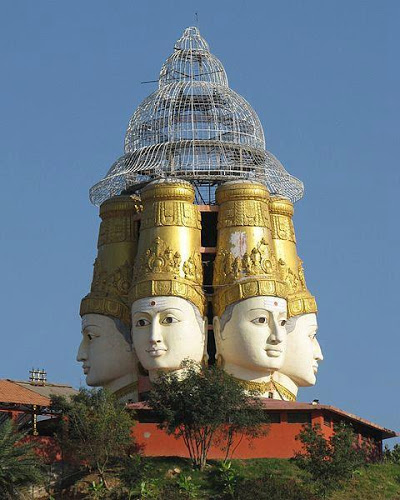
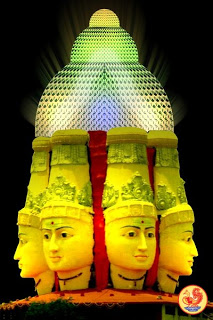
Hindu God with 1000 Heads

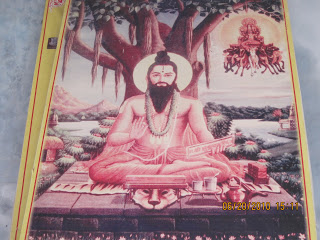
Picture Shanmuka Temple, Bangaluru

Head Count: 3 for Trisiras, 4 for Brahma, 5 for Siva, 6 for Skanda, 10 for Ravana, 1000 for God; Why?

Purushasuktam is one of the most popular Vedic hymns. It is in the Tenth Mandala of the oldest scripture in the world Rig Veda. It is recited in almost all the temple and domestic rituals. Orthodox Hindus who have studied Vedas recite it every day. The first few verses describe the omnipresence and omnipotence of the God

“ The Purusha (Supreme Being) who has thousands of heads, thousands of eyes and thousands of feet enveloped the earth on all sides and stood beyond it in ten directions of space. All this is Purusha only. All that has been and all that will be. And he is the Lord of Immortality which grows by food”.

In short he is all pervading. He was there and he will be there. He is the giver of immortality. God is projected in cosmic form.

Four Faces of Brahma

Brahma is the creator of the universe, the father of gods and men and he is the lord of wisdom from whose heads the four Vedas said to have sprung. Brahma is worshipped as the first member of the Hindu trinity. He is depicted with four Faces/Heads and four arms, holding a sceptre, Akshamala/rosary, Vedas and a bow. Four faces represent Four Vedas Rig, Yajur, Sama and Atharvana

Brahma originally had five heads and lost one head according to the mythology. He is called Prajapathi/Pitamaha. He created a beautiful daughter Satarupa and fell in love with her. When she walked around him he looked at her and one face grew for each direction. When she went to the sky a fifth head emerged to look at her. Brahma’s fifth head was burnt off by the fire of Siva’s third eye because he had spoken disrespectfully.

Five Faces of Lord Shiva

Shiva had many forms and formless Linga as well. His five faces are described in Vedas and Agamas. They are Satyojata, Vamadeva, Agora, Tatpurusha and Isana. Five faces/heads represent five elements and five senses. Five faced Shiva is called Panchanana Shiva and a hymn is also there. Four faces look at four different directions and the fifth looks at the sky. Each is attributed with different colour and action.

The gigantic Trimurti statue at Elephanta caves near Mumbai is actually five faced (Panchanana ) Shiva, but two faces are not carved because of its close position to rocky walls of the caves.

Six Faces of Lord Skanda

Lord Skanda, son of Shiva, is the most popular god in South India, particularly in Tamil Nadu. Six of his famous temples are there. He is projected as a god with six heads. In fact one of his names is Six Faced (Shan Muka). From Sangam Tamil age until today people have been composing poems on him. Tirumurukatrupadai is one of the Ten Lyrics of Sangam age. Nakkiran was the poet who sang the praise of the lord approximately 2000 years ago. He is describing his six faces as follows:

His faces blossom out from the hearts of devotees, practising austere Tapas

Of these, one face sheds rays of light brightening fully the world shrouded in great darkness

One face lovingly gives boons, being gladdened by the praise of his loving devotees.

One face takes care that no harm befalls the Yagnas performed by Brahmanas according to strict Vedic tradition

One face, like the full moon, spreads light in all quarters removing the doubts of Maharishis, after teaching the truths of science difficult of reach

One face performs the battle sacrifice crushing the hostile hosts, with thoughts dark with revenge and biased against them

One face smiled with joy on his young highland bride with the creeper like waist

In consonance with these various functions of these six faces

On his broad towering shoulders………………………………
Arunagiri’s Praise

Arunagirinathar, a poet of fifteenth century sang Tiruppugaz in praise of Lord Skanda. He praised Lord Murugan/Skandan with six faces as follows:

One face mounted the peacock and flew sportively

One face preached the True Knowledge to Lord Shiva

One face removed the past deeds of devotees who sang your praise

One face stoically directed the spear to pierce through the Mount Krauncha

One face that destroyed the rebellious demons

One face that came forward to marry Valli in wedlock

How come you are known as Lord with the Six Hallowed faces?

Oh Lord you are seated in the old town of Tiruannamalai, oh great one.

Inner meaning:

Sri Gopalasundaram who has translated Arunagiri’s Thiruppugaz into English gives the inner meaning for the six faces:

1.Mounting the Peacock that is my mind you fly around sportively

2.Coming as my Master, Kindly preach me the true knowledge

3.Kindly destroy all my past deeds (bad Karma)

4.Wield your spear to destroy my delusion and attachments

5.Kindly suppress my two slag: egoism and possessiveness

6.Take me over to keep me affixed to your Hallowed feet

In this manner kindly shower compassion from all your six hallowed faces, Oh, Lord Muruga.


Ravana: Ravana’s Ten Heads/Faces mean he had control over ten directions. He has conquered all his enemies in the ten directions. Another explanation is that he mastered Four Vedas+Six Shastras; the third explanation is that he has created an illusion that he was everywhere i.e. in all directions.

Hindus divide directions into ten. This means eight cardinal points in the compass+up and down.

Trisiras:  It means Three headed. He was the son of Twashta. Trisiras had another name Viswarupa.He was killed by Indra. Twashta then created another son Vritrasura to take revenge against Indra.

Dattatreya: There are other gods shown with many heads and they are only symbolic. Several virtues are attributed to them through each head. Dattareya is portrayed with three heads to show the three aspects of Creator, Preserver and Destroyer i.e. Brahma, Vishnu and Shiva.

Brahma from Cambodia, Paris Museum

References for Tamil Readers:

முருகனின் ஆறுமுகம், திருப்புகழ், அருணகிரிநாதர்

ஏறுமயில் ஏறி விளையாடும் முகம் ஒன்றே

ஈசருடன் ஞான மொழி பேசும் முகம் ஒன்றே

கூறுமடியார்கள் வினை தீர்த்த முகம் ஒன்றே

குன்றுருவ வேல் வாங்கி நின்ற முகம் ஒன்றே

மாறுபடு சூரரை வதைத்த முகம் ஒன்றே

வள்ளியை மணம் புணர வந்த முகம் ஒன்றே

ஆறுமுகமான பொருள் நீயருளல் வேண்டும்

ஆதி அருணாசலம் அமர்ந்த பெருமாளே.

——-

திருமுருகாற்றுப்படை (நக்கீரர்)

மாயிருள் ஞாலம் மறுவின்றி விளங்கப்

பலகதிர் விரிந்தன்று ஒருமுகம் ஒருமுகம்

ஆர்வலர் ஏத்த அமர்ந்தினிது ஒழுகி

காதலின் உவந்து வரம் கொடுத்தன்றே ஒருமுகம்

மந்திர விதியின் மரபுளி வழா அ

அந்தணர் வேள்வி ஓர்க்கும்மே  ஒருமுகம்

எஞ்சிய பொருள்களை ஏமுற நாடித்

திங்கள் போல திசை விளக்கும்மே ஒருமுகம்

செறுநர் தேய்த்து செல் சம முருகி

அறுவுகொள் நெஞ்சமொடு களம் வேட்டன்றே ஒருமுகம்

குறவர் மடமகள் கொடிபோல் நுசிப்பின்

மடவார் வள்ளியொடு நடையமர்ந்தன்றே
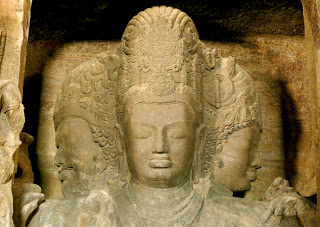
Picture; Shiva in Elephanta caves.

**************
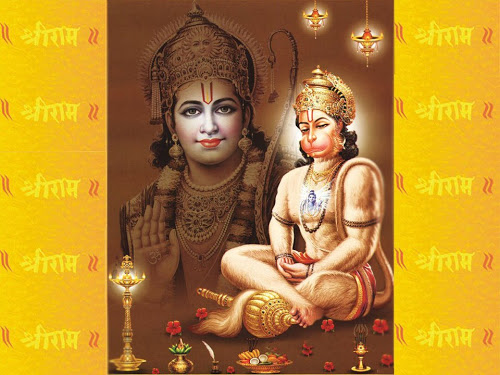
ராமன் சொன்ன புறாக் கதை

ராமாயண வழிகாட்டி

அத்தியாயம் – 10 by ச.நாகராஜன்


சரணடைந்தோரைக் காக்கும் விரதம் கொண்ட அதிசய புருஷன் ராமன்!


ராமாயணத்தில் உயிர்நாடியாக விளங்கும் ஒரு ஸ்லோகம் யுத்தகாண்டத்தில் 18ஆம் ஸர்க்கத்தில் 33வது ஸ்லோகமாக அமைகிறது:


ஸக்ருதேவ ப்ரபன்னாய தவாஸ்மீதி ச யாசதே I

அபயம் சர்வபூதேப்யோ ததாம்யேதத் வ்ரதம் மம II


ப்ரபன்னாய – கஷ்டமடைந்து

தவ அஸ்மி –“உனது பொருள் நான்”

இதி – என்று

யாசதே – வேண்டுகிறவனுக்கு

சர்வபூதேப்ய: ச – எல்லா பிராணிகளிடத்திருந்தும்

அபயம் – அபயத்தை

ததாமி –கொடுக்கிறேன்.

ஏதத் – இது

மம – எனது

வ்ரதம் – சங்கல்பம்


ராமர் கூறும் இந்த அற்புதமான உறுதி மொழி அனைவருக்கும் சந்திர சூரியன் உள்ளவரை பொருந்தக் கூடிய ஒன்று.

விபீஷணன் சரணாகதி அடையும் போது அவனைக் கொல்வதே உசிதம் என சுக்ரீவன் கருத்துத் தெரிவிக்கிறான். ஆனால் ராமரோ அதை மறுக்கிறார்.


ஸ்ரூயதே ஹி கபோதேன சத்ரு:சரணமாகத:

அர்சிதஸ்ச யதாந்யாயே ஸ்வைஸ்ச மாம்ஸை நிமந்த்ரித:


சத்ரு – எதிரி

சரணம் ஆகத: – சரணமடைந்தவனாகி

கபோதேன ஹி – ஒரு புறாவினாலேயே

யதாந்யாயே – சாஸ்திரவிதிப்படி

அர்ச்சித: ச- அர்ச்சிக்கப்பட்டவனாய்

சை:-தனது

மாம்ஸை ச- மாமிசங்களைக் கொண்டே

நிமந்த்ரித: – விருந்துண்ண வரிக்கப்பட்டான் என்று

ஸ்ரூயதே – வழங்கப்படுகிறது


அருமையான பழைய கதை ஒன்றை ராமர் இங்கு சுக்ரீவனிடம் நினைவு படுத்துகிறார். அவரே, “இப்படி ஒரு சம்பவம் வழங்கப்படுகிறது” என்றால் அது எவ்வளவு பழமை பொருந்தியதாகவும் அனைவருக்கும் ஊக்கம் கொடுப்பதாகவும் இருக்க வேண்டும்!


ஒரு வேடன் வனமொன்றில் விலங்குகளையும் பறவைகளையும் வேட்டையாடிக் கொன்று வாழ்ந்து வந்தான். ஒரு நாள் மழையுடன் கூடிய கடும் புயல் அடித்தது. அப்போது மழையால் மதி மயங்கிக் கிடந்த பெண் புறா ஒன்றைக் கையில் எடுத்துக் கூண்டில் அடைத்துக் கொண்டு குளிர்காயவும் பசி தீரவும் வழி தெரியாதவனாகி அருகில் இருந்த ஒரு மரத்தடியை அடைந்தான். அங்கு தன் பெண் துணையைக் காணாமல் வாடும் ஆண் புறாவைக் கண்டான். கூண்டில் இருந்த பெண்புறா தன் ஆண் துணையான ஆண் புறாவை நோக்கி,” இதோ பார், நான் சத்துரு வசப்பட்டேன். என்னைப் பற்றி வருந்தாதே. சத்துருவாக இருந்தாலும் குளிர் காயவும் உணவை வேண்டியும் நமது மரத்தடிக்கு இவன் அதிதியாக வந்திருக்கிறான். இவனை உபசரித்து நலம் அடைவாய்” என்று கூறியது. அதைக் கேட்ட ஆண் புறா விறகுச் சுள்ளிகளைச் சேகரித்து தீ மூட்டி  வேடனைக் குளிர் காய வைத்து உணவின் பொருட்டுத் தன் உடலையும் தீக்கு இரையாக்கியது.


இப்படிப்பட்ட அருமையான   தியாக சரிதத்தை எடுத்துக் கூறிய பின்னர் ராமர் கூறும் பொருள் பொதிந்த ஸ்லோகம் தான் “ஸக்ருதேவ ப்ரபன்னாய தவாஸ்மீதி ச யாசதே”I

அபயம் சர்வபூதேப்யோ ததாம்யேதத் வ்ரதம் மம II


என்னும் சரணாகதி அடைந்தோருக்கு அபயம் அளிப்பேன் என்னும் தன் விரதத்தைக் கூறும் ஸ்லோகம்.


இதே சரணாகதி தத்துவத்தைத் தான் கம்பன் தனது ராமாயணத்தின் முதல் செய்யுளாக அமைத்தான் என்பது நினைந்து நினைந்து இன்புறுதற்குரிய ஒன்றாகும்.

உலகம் யாவையும் தாம் உளவாக்கலும்

நிலை பெறுத்தலும் நீக்கலும் நீங்கலா

அலகிலா விளையாட்டுடையார் அவர்

தலைவர் அன்னவர்க்கே சரண் நாங்களே


என்ற சரணாகதி தத்துவத்தை விளக்கும் செய்யுளே ராமாயணத்தின் முதல் செய்யுளாக அமைக்கப்பட்டுள்ளது!


உலகம் அனைத்தையும் படைத்துக் காத்து அதை நீக்கும் இடையறா விளையாட்டைக் கொண்ட அந்தத் தலைவனுக்கே நாங்கள் சரண் என்று கூறிப் பெரிய தத்துவத்தை நான்கே அடிகளில் தெளிவுபட விளக்கி விட்டான்  மஹாகவி  கம்பன்.


இதுவே தைத்திரீய உபநிடதத்தில் பிருகு மஹரிஷி தன் தந்தையும் குருவுமான வருணரிடம் சென்று “தலைவனை”ப் பற்றித் தெரிவிக்க வேண்டிய போது அவர் கூறிய கருத்தாக அமைகிறது. அதைக் கம்பன் இந்தச் செய்யுளில் அமைத்திருப்பதை ஒப்பு நோக்கி மகிழலாம்.

கீதையில் கண்ணன்,


“ஸர்வ தர்மான் பரித்யஜ்ய மாம் ஏகம் சரணம் வ்ரஜ

அஹம் த்வாம் சர்வ பாபேப்யோ மோக்ஷயிஷ்யாமி மாசுச”:


என்று கூறும் சரணாகதித் தத்துவ ஸ்லோகமும் இங்கு நினைவு கூரத் தக்கது. (கீதை 18ஆம் அத்தியாயம் 66வது ஸ்லோகம்)

“அனைத்துத் தர்மங்களையும் துறந்து விட்டு என் ஒருவனையே சரணாக அடை. நான் உன்னை அனைத்துப் பாவங்களிலிலிருந்தும் விடுவிப்பேன். வருந்தாதே” என்ற கண்ணனின் வாக்கு முந்தைய அவதாரமான ராம அவதாரத்தில் அவன் செய்த பிரதிக்ஞை தான் என்பது தெளிவாக இங்கு விளங்குகிறது.


ராமாயணத்தின் முக்கிய தத்துவத்தை விளக்கும் இந்த ஸ்லோகத்தை சுந்தர காண்டம் பாராயணத்தை அன்றாடம் செய்வோர் தினமும் கடைசியில் கூறி பாராயணத்தை முடிப்பது தொன்று தொட்டு இருந்து வரும் சம்பிரதாயமாக இருந்து வருகிறது.


ராமாயணம் காட்டும் ஒரே வழி சரணாகதி தான் என்பதை அறிவோம்; உய்வோம்!

**********************
Tale of Two Cities: Complaint & Compliment

Tale of Two Cities: Complaint & Compliment

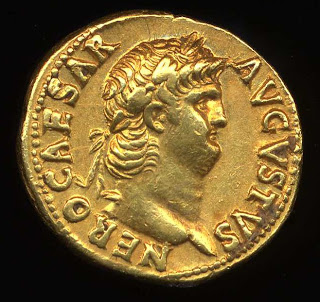
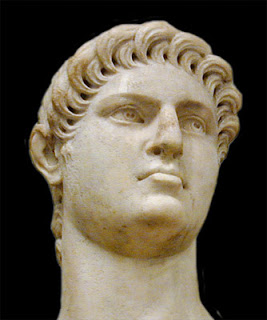
Rome burned, Nero fiddled; Mithila burned, Janaka Unperturbed.

Tale of Two ‘Burnt’ Cities indeed! Rome and Mithila!


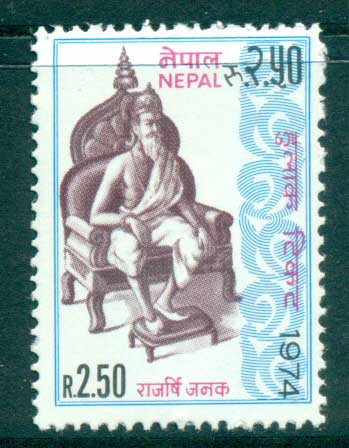
Lord Krishna in Bhagavad Gita (III-20) praised Janaka as an illustrious king. Tamil poet Subramanya Bharathi praised him sky high for being unperturbed while his capital city Mithila burned. All compliments!!Mithila is identified with the modern Janakpur in Nepal. Janaka ruled the country of Videha with Mithila as its capital at least 2600 years ago.


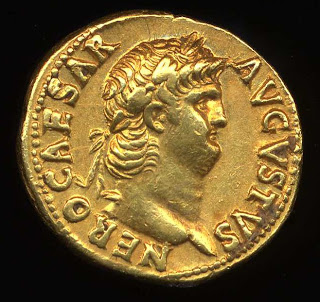
While Rome burned, Nero fiddled. This expression is used in English with a negative connotation. It is used for heedless and irresponsible behaviour in the midst of a crisis! All complaints!! Nero ruled Rome in the first century. Rome burned in 64 AD.

What is the logic? One king is accused of inaction and another was complimented for inaction .First, we must know the truth behind the anecdotes. Rome burned in 64 AD for six days. Nero took action to control the fire and to mitigate the miseries of the people according to Tacitus. There is no truth in the saying that he ‘’fiddled’’. Because there was no fiddle in the world at that time!! It was invented 1500 years after Nero. But he did play on some instrument. Cassius Dio said that Nero sang  “Sack of LLium’’ in the stage costume when the city burned. But Tacitus says it was a rumour that he played his lyre at that time. One thing is clear that he annoyed the people by doing something. There is no smoke without fire.

If someone doesn’t take decisive action to control the fire and avoid the miseries of people, one will be condemned. We hear this type of complaint even today during major fire accidents.

What about Janaka who ruled from Mithila? Let us hear the story in the words of Swami Sivananda:

Raja Janaka was a full-blown Jnani though he worked in the world. His Jnana was tested. He was in the Durbar hall when a messenger brought the news that there was fire in the city. Janaka said: “My wealth is unlimited, and yet I have nothing. Even if the whole of Mithila is burnt, yet nothing is lost to me.”

The name of Raja Janaka is always associated with Karma Yoga and Karma Nishtha. In the Gita also Lord Krishna speaks to Arjuna: ‘Janaka and others indeed attained perfection by action; then, having an eye to the welfare of the world also, thou should perform action. Whatever a great man does, that other men also do; the standard he sets up, by that the people go. Therefore, without attachment, constantly perform action which is duty, for by performing action without attachment, man verily reaches the Supreme.’ Ch. III- 19, 20, 21.

Another scholar Sri Chinmoy of Bengal narrated the same anecdote in the following words:

“Possession is no satisfaction, so long as ego breathes in us. The great King Janaka knew it. No wonder Janaka was loved by the Sage Yagnyavalka most. His Brahmin disciples felt that Janaka received preference just because he was king. It is obvious that God would not let the Sage Yagnyavalka suffer such foul criticism. So, what happened? Mithila, Janaka’s capital, began to burn in mounting and devouring flames. The disciples ran, left their preceptor, hurried to their respective cottages. What for? Just to save their loin-cloths. All fled save Janaka. He ignored his riches and treasures burning in the city. Janaka stayed with his guru, Yagnvavalka, listening to the sage’s ambrosial talk. “Mithilayam pradagdhayam namekincit pranasyati”.. “Nothing do I lose even though Mithila may be consumed to ashes.” Now the disciples came to learn why their Guru favoured Janaka most. This is the difference between a man of wisdom and a man of ignorance. An ignorant man knows that what has is the body. A man of wisdom knows that what he has and what he is the soul. Hence to him the soul’s needs are of paramount importance.

Sri Krishna disclosed to Arjuna the secret of Janaka’s attainment to Self-realisation and Salvation. Janaka acted with detachment. He acted for the sake of humanity, having been surcharged with the light and wisdom of divinity. Indeed, this is the path of the noble”.


Of course no loss of life was reported from both the fires. Officials in charge would have taken the necessary action. This shows the different approaches for the same problem. Even in the case of Nero, no one can blame him if he was as serene and calm as Janaka; as  detached as Janaka.


If one knows the background of Janaka, one can appreciate his approach more: “Raja Janaka once commanded a Brahmin who committed a serious crime to leave his dominion at once. The Brahmin said: “O Rajan, kindly tell me the extent of your dominion. Then I will leave your state and settle down in the dominion of another Rajan”. Janaka did not say anything in reply. He sobbed heavily. He reflected seriously. Then he swooned suddenly. He came back to his senses after fifteen minutes. He then said: “I have inherited the state of my father. It is under my control, but nothing belongs to me exclusively. I cannot find my exclusive dominion anywhere, not even in Mithila and in my own progeny. Now real wisdom has dawned in me. I am now under the impression that either I have no dominion at all or all is my dominion. Either this body is not mine or the whole world is mine, and similarly that of others too. O best of the twice-born! This is my firm conviction. Stay in my dominion as long as you like and enjoy.”

The Brahmin asked: “O king! What has made you regard this kingdom as not yours or all as yours? How have you renounced the feeling of ‘mine-ness’ in this kingdom of your ancestors, which you are ruling?” Janaka replied: “Everything is perishable on the physical plane. Life is evanescent. Everything passes away. I could lay my finger on nothing which I could call as mine. I remembered the Vedic text: ‘It was anybody’s property.’ I reflected in this manner and so I have given up the idea of ‘mine-ness’. Hearken carefully now as to how I see my dominion everywhere. I have no desire for the objects that give good smell: so I have conquered the earth. I have no desire for tasty things, beautiful forms, soft cushions or beds, or music: therefore I have conquered water, fire, air and ether. I do not desire anything for the mind, it is therefore under my perfect control. I do actions for the Devas, ancestors, for all beings and for those who come to my door.”


Then the Brahmin smiled and said: “O king! I am Dharma in disguise. I have come to learn something about you. You are the only person to turn this wheel, the name of which is Brahman, the spoke of which is reason, which never turns back and which is kept to its course by the quality of goodness as its circumference.” (Anugita: Ch. 17). (Excerpt is from Swami Sivananda)

******


ஜனகனுக்கு ஒரு நீதி! நீரோ மன்னனுக்கு வேறொரு நீதி?


ஜனகனுக்கு ஒரு நீதி! நீரோ மன்னனுக்கு வேறொரு நீதி?

ரோம் நகரமும் மிதிலை நகரமும் எரிந்தன!! வயலின் ஒலியும் வேத ஒலியும் கேட்டன!! நீரோவைத் திட்டினார்கள், ஜனக மஹாராஜாவைப் பாராட்டினார்கள்! இது என்ன நியாயம்?

இரட்டை நகரங்களின் கதையும் புரியாத புதிராக இருக்கிறதல்லவா? இதன் பின்னால் சுவையான பல விஷயங்கள் இருக்கின்றன. சுருக்கமாகத் தருகிறேன்.


மிதிலை எரிந்திட வேதப் பொருளை

வினவும் சனகன் மதி—தன்

மதியினிற் கொண்டதை நின்று முடிப்பது

வல்ல நம் அன்னை மதி       (சுப்ரமண்ய பாரதி)


‘’ஜனகன் முதலானோர் கர்மத்தாலேயே உயர்ந்த சித்தியை அடைந்தனர் அன்றோ! மேலும் உலகை நல்வழிப் படுத்தவும் கர்மத்தைச் செய்வதற்கே நீ உரியவன் ஆகிறாய்’’. (பகவத் கீதை ,அத்தியாயம் 3, ஸ்லோகம் 20).

கண்ணனும் பாரதியும் ஏன் இப்படி ஜனகனைப் புகழ்ந்தார்கள்?


நீரோ மன்னனின் கதை

ரோம் நகரை தலை நகராகக் கொண்டு நீரோ ஆட்சி செய்த நாளில், கி.பி.64ல், பெரிய தீ விபத்து நடந்தது. இந்தத் தீ ஆறு நாட்களுக்கு எரிந்ததாகவும் நீரோ மன்னன் வெளியூரில் இருந்து ரோம் நகருக்கு ஓடி வந்து தீ அணைப்பு வேலைகளைச் செய்ததாகவும் மக்களின் குறைகளைத் தீர்த்ததாகவும் டேசிட்டஸ் என்பவர் எழுதி வைத்துச் சென்றுள்ளார். மன்னர் யாழ் போன்ற ஒரு வாத்தியத்தை வாசித்துக் கொண்டிருந்ததாகச் சொல்வது தவறு, அது ஒரு வதந்தி என்றும் அவர் எழுதியுள்ளார். ஆனால் காசியஸ் டியோ என்பவர் அவர் பாட்டு பாடிக்கொண்டிருந்ததாக எழுதி இருக்கிறார்.

உண்மையில் அந்தக் காலத்தில் வயலின் (பிடில்) கண்டுபிடிக்கப்படவே இல்லை! ஆனால் யாழ் போன்ற ‘லைர்’ என்னும் வாத்தியம் இருந்தது. கிறிஸ்தவர்களுக்கு எதிராக அவர் நிறைய சட்ட திட்டங்களைக் கொண்டுவந்ததால் அவரை கொடுங்கோலனான சித்தரித்துவிட்டர்கள் என்பது ஒரு சாராரின் விளக்கம். எது எப்படியாகிலும் இன்று ஆங்கில மொழியில் ஒரு சொல்லடைவு இருக்கிறது. ஒருவர் நெருக்கடியான காலத்தில் பொறுப்பற்ற செயல்களைச் செய்தால் ‘’ரோம் பற்றி எரியும்போது நீரோ பிடில் வாசித்தத்து போல’’ என்று சொல்லுவர் (While Rome burned, Nero fiddled= heedless and irresponsible behaviour in the midst of a crisis).


ஜனகர் என்ன செய்தார்?

மிதிலாபுரியை தலைநகராக கொண்டு ஜனகர் என்னும் மன்னன் ஆண்டான். சீதா தேவியின் தந்தை பெயரும் ஜனகர் தான். ஆனால் பல ஜனக மன்னர்கள் இருந்தது ஆராய்ச்சியில் தெளிவாகத் தெரிகிறது. வேதகால ஜனகர் மாபெரும் தத்துவ ஞானி. ஜீவன் முக்தர். தாமரை இலைத் தண்ணீர் போல, பட்டும் படாமல், ஒட்டி உறவாடாமல் வாழ்க்கை நடத்திய அறிஞன். அவருடைய குரு யாக்ஞவக்யர் என்ற மஹரிஷி. ஜனகர் பால் பேரன்பு பூண்டவர்.

குருவின் அன்பில் சிலருக்கு சந்தேகம். ஜனகன் ஒரு மன்னன் என்பதால் அவருக்கு குரு அதிக சலுகை காட்டுவதாக அவர்களுக்கு ஒரு நினைப்பு. இதைப் பொய் என்று காட்ட ஒரு சம்பவம் நடந்தது. ஒரு நாள் பாடம் நடந்து கொண்டிருந்தபோது ஒரு சேவகன் ஓடோடி வந்து மிதிலை நகரம் தீப்பிடித்து எரிவதாகப் பதறினான். எல்லா சிஷ்யர்களும் மூட்டை முடிச்சை எடுத்துக்கொண்டு ஓடினார்கள். ஜனகர் அசையவில்லை. என்னுடைய உடைமை எதுவும் அங்கு இல்லை, இங்கும் இல்லை என்றார். அவர் ஆத்ம ஞானி என்பதால் பற்றறவராக இருந்தார்.

ரோம் விபத்திலும் சரி, மிதிலை விபத்திலும் சரி, உயிர்ச்சேதம் எதுவும் இல்லை. ஆனால் பொருட்சேதம் இருந்திருக்கும். அந்நாட்டு அதிகாரிகள் தக்க நடவடிக்கை எடுத்திருப்பர் என்பது கண்கூடு.

ஞானியானவர்கள் துக்கம் இன்பம் என்பவைகளைக் கடந்தவர்கள் ஆயினும் உலக நன்மைக்காக எப்போதும் செயல்பட்டுக் கொண்டிருப்பார்கள். அவரை முன் உதாரணமாகக் காட்டி செயலில் ஈடுபடு என்று அர்ஜுனனுக்கு அறிவுரை கூறுகிறான் கண்ணன்.

ஜனகரின் வாழ்வை முழுதும் அறியாமல் நாம் தீ விபத்து சம்பவத்தை மட்டும் வைத்துக்கொண்டு அவரை எடை போட்டுவிடக் கூடாது. அவர் வாழ்வில் மேலும் பல சுவையான சம்பவங்கள் உண்டு.

மேலும் 2 குட்டிக் கதைகள்

ஒருமுறை ஒரு பிராமணர் குற்றம் இழைத்ததற்காக அவரை நாட்டை விட்டு வெளியேறுமாறு ஜனகர் உத்தரவிட்டார். அந்தப் பிராமணர், மன்னா, முதலில் உன் ஆட்சி எல்லையைக் கூறு. பின்னர் நான் போகிறேன் என்றார். ஜனகனுக்கு மிகவும் பெரிய அதிர்ச்சி, வருத்தமும் கூட. சிந்திக்கத் துவங்கினார். கால் மணி நேரத்துக்குப் பின்னர் அறிஞரே! எமது உடைமை ராஜ்யம் என்று எதுவும் இல்லை. எல்லாம் பரம்பரைச் சொத்து. இந்த ஆத்ம ஞானம் என் மனதில் இப்போது உதித்துவிட்டது. நீர் இந்த நாட்டில் தொடர்ந்து இருக்கலாம் என்றார்.

ஆதிசங்கரரைப் பார்த்து நான்கு நாய்களுடன் வந்த புலையன் கேட்ட கேள்வி, அவருக்கு ஆன்ம ஞானம் கொடுத்த சம்பவத்தை இதனுடன் ஒப்பிடலாம்.

இதே போல ஒரு சந்யாசி ஜனகரை கபட வேடதாரி என்று குறைகூறினார். அவருக்குப் பாடம் புகட்ட விரும்பிய ஜனகர், அந்த சந்யாசிக்கு ஏழு நாட்களுக்குப் பின் தூக்கு தண்டனை என்று உத்தரவு போட்டார். மேலும் உப்பு சர்க்கரை இல்லாமல் எல்லா உணவுகளையும் படைக்கவும் உத்தரவிட்டார். ஏழு நாட்கள் சென்றன. சந்யாசியை அழைத்துவரச் சொன்னார். உப்பு சர்க்கரை முதலியவற்றுடன் சுவையான உணவு வகைகள் அவருக்குக் கொடுக்கப்பட்டன.

இப்போது எப்படி இருக்கிறது உணவின் ருசி? என்று ஜனகர் கேட்டார். நீங்கள் தூக்கு தண்டனை என்று சொன்னவுடன் நான் சாப்பிட்ட உணவின் ருசி அப்போதும் தெரியவில்லை, இப்போதும் தெரியவில்லை, என் சிந்தனை எல்லாம் தூக்கு தண்டணப் பற்றிய பயம் ஒன்றுதான் என்றார்.

ஜனகர் சொன்னார்: ஒரு ஆத்ம ஞானியின் நிலையும் இதுதான். அவர்கள் செயல்களைச் செய்தபோதும் அதில் பற்று அவர்களுக்கு இல்லை. உனக்கு எப்படி உணவு ருசி இல்லையோ அப்படியே அவர்களுக்கும் லோக ருசி கிடையாது. அவர்களின் சிந்தனை முழுதும் இறை அருள் ஒன்றே.

ஜனகரின் இந்த உபதேசம் சந்யாசியின் கண்களைத் திறந்தன. மஹாத்மா காந்தி வாழ்வில் நடந்த ஒரு சம்பவமும் இதைப் போன்றதே. ஐயா, காந்தியாரே! ஊருக்கு எல்லாம் உபதேசம் செய்கிறீரே, இரண்டு இளம் பெண்களின் தோளில் கையைப் போட்டவாறே தினமும் பிரார்த்தனைக் கூட்டத்துக்கு வருகிறீரே? இது என்ன நியாயம்? என்று ஒருவர் ரோட்டில் இடை மறித்துக் கேட்டார்.

காந்தி சொன்னார், ’’அன்பரே, உமது கேள்வி மிகவும் நியாயமானதே, நான் என்ன பதில் சொன்னாலும் உங்களுக்குத் திருப்தி தராது. என்னுடன்  ஆஸ்ரமத்துக்கு வாருங்கள். என்னுடன் சில காலம் தங்கி இருங்கள். அப்போது நீங்களே உண்மையை உணர்வீர்கள் என்று. ஆகவே ஜீவன் முக்தர்களின், ஆன்ம ஞானிகளின் வெளித் தோற்றத்தையோ, செயல்பாட்டையோ, செயலின்மையையோ வைத்து அவர்களை எடைபோடக் கூடாது.

*********


தமிழ் சிறைச்சாலையில் சமூக சேவை

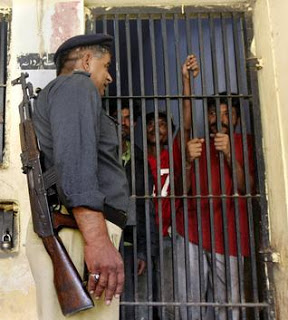
Inmates in Mumbai Prison

தமிழ் சிறைச்சாலையில் சமூக சேவை

சமூக சேவை என்பது இந்தியாவுக்கு புதிதல்ல. தாதியர்/ நர்ஸ்கள் என்றால் உடனே ப்ளரன்ஸ் நைட்டிங்கேலை நினைக்கிறோம். குற்றம் புரிந்தோரை நல்ல மனிதர் ஆக்கியவர் என்றால் மணிமேகலையை நினைக்க வேண்டும். யார் அந்தப்பெண்மணீ?

சிறைச் சாலையில் சமூக சேவை செய்து கைதிகளைத் திருத்தி நற்குடி மக்களாக மாற்றும் புரட்சிகர கருத்தை முன்வைத்தவர் மணிமேகலை என்றால் மிகையாகா. ஈராயிரம் ஆண்டுகளுக்கு முன் புத்த மதக் கருத்துக்களை முன்வைத்து எழுதப்பட்டது மணிமேகலை. ‘’நெஞ்சை அள்ளும் சிலப்பதிகார’’த்துடன் இரட்டைக் காப்பியங்களகத் தொன்றியது இந்நூல். சீழ்தலைச் சாத்தனாரின் கைவண்ணத்தில் மிளிர்ந்த மணிமேகலையின் காவியத்தலைவி–,கதாநாயகி மணிமேகலை என்னும் இளம் பெண் ஆவார்.

மாதவியின் மகளாக அவதரித்துப் பேரெழிலுடன் விளங்கிய மணி, ஒரு கட்டத்தில் சிறைச் சாளைக்கு விஜயம் செய்து அங்குள்ள கைதிகளைச் சந்திக்கிறார். அமுதசுரபி என்னும் வற்றாத உணவளிக்கும் அற்புத பாத்திரம் மூலம் அங்குள்ள கைதிகளுக்கு அறுசுவை உணவு படைக்கிறார். வயிற்றுக்குச் சோறிட்டதோடு நில்லாமல் மனதுக்கும் ஆறுதல் தரும் அன்பு மொழிகளையும்  நல்ல வாழ்க்கை நடத்தத் தேவையான அறிவுரைகளையும் வழங்குகிறார். அற்புதம்! அனைவரும் மனம் மாற்றம் அடைந்துவிடுகின்றனர். இதை அறிந்த சோழ மன்னன் அவளை அரண்மனைக்கு அழைக்கிறார். சிறைக் கைதிகளை உடனே விடுவிக்கும் படியும் சிறச்சாலைகளை சாது சந்யாசிகள தங்கும் திரு மடங்களாக மாற்றவும் ஆலோசனை வழங்குகிறார். மன்னனும் அதை ஏற்று செயல் படுத்துகிறான்.

சிறைக் கைதிகள் சீர்திருத்தம் Prisoners rehabilitation என்பது மேலை நாட்டில் புதிதாகப் பின்பற்றப்படும் கருத்து. இதை 2000 ஆண்டுகளுக்கு முன்பு செயல்படுத்திக் காட்டியவர் மணிமேகலை!

பெரிய புராண, மஹா பாரத தண்ணீர் பந்தல் கதைகள்

12 ஆண்டுக்கு ஒரு முறை வரும் வறட்சி பற்றி வேதங்கள் முதல் திருவிளையாடல் புராணம் வரை பிரஸ்தாபிகின்றன. அத்தகைய காலங்களில் அக்ஷய பாத்திரம், அமுதசுரபி, காமதேனு, கற்பக விருக்ஷம், உலவாக்கிழி என்ற அற்புத கலயங்களும் சின்னங்களும் இந்திய மக்களைக் காப்பாற்றி வந்துள்ளன. இதை நம்பாதோரும் கூட கஷ்ட காலங்களில் மனிதர்களைக் காப்பாற்றவேண்டும் என்ற சிந்தனை மலர்ந்த பூமி இப் புனித பாரதம் என்பதையாவது ஒப்புக் கொள்ளவேண்டும்.

பெரியபுராணத்தில் வரும் அப்பூதி அடிகள் கதையும் மஹாபாரதத்தில் வரும் சல்லியன் கதையும் நாம் அறிந்ததே. அப்பர் என்னும் திருநாவுக்கரசர் நால்வரில் ஒருவர். சம்பந்தராலும் போற்றப்பட்ட புனிதர். ஆனால் அந்தணர் அல்ல. அவர் திங்களுர் சென்றபோது அவர் பெயரில் திருமடங்களும் தண்ணிர் பந்தலகளும் இருந்ததைக் கண்டு வியந்தார். யார் என்று வினவியபோது அப்பூதி அடிகள் என்னும் அந்தணர் இவ்வாறு செய்ததை அறிந்தார். அவரிடமே சென்று ஏனைய்யா இப்படி அப்பர் பெயரை வைத்தீர்? அவர் என்ன சாதனை செய்து கிழித்துவிட்டார் என்று வினவ, அப்பூதி அடிகள் புலி எனச் சீறி அப்பர் தம் பெருமையை விளக்கி வந்தவரை விரட்டப் பார்த்தார். தாம்தான் அப்பர் என்று அவர் தம்மையே அறிமுகப் படுத்தியபோது அப்பூதி அடைந்த ஆனந்தத்துக்கு அளவே இல்லை. நாம் இங்கே கவனிக்கவேண்டியது தாகம் தீர்க்கும் தண்ணீர் பந்தல் 1300 ஆண்டுகளாக இன்றும் தமிழகத்தில் நீடித்திருக்கும் ஒரு சமூகப் பணி என்பதாகும்.

இதற்கு பல ஆயிரம் ஆண்டுகளுக்கு முன்னர் மஹாபாரத காலத்தில் இப்படி ஒரு கதை வருவதைப் பார்த்தால் இமயம் முதல் குமரி வரை 5000 ஆண்டுகளாக இப்படி நற்பணி நடந்திருப்பது உள்ளங்கை நெல்லிக்கனி என விளங்கும். பாண்டவ சகோதரர் நகுலன் சகாதேவனின் மாமன் மாத்ர தேச அதிபதி சல்லியன். மாபாரத போருக்கு முன் இவனை தம் பக்கத்தில் இழுத்துக் கொள்ளவேண்டும் என்று பாண்டவர்களும் கவுரவர்களும் முனைப்புக் காட்டினர். கள்ளத்தனத்தில் கெட்டிக்காரன் துரியோதணன். சல்லியன் வரும் வழியில் தண்ணீர் பந்தல்கள் வைத்து அவன் தாக சாந்தி செய்யவே அவனிடம் உதவி கேட்டனர். உண்டி கொடுத்தோர் உயிர் கொடுத்தோரல்லவா? அவனும் அப்படியே உதவி தருவதாக வாக்களித்தான். கர்ணனின் தேரோட்டியாக அமர்ந்த சல்லியன், 18ஆம் நாளில் உயிர் துறக்கிறான். வாக்கிற்குக் கட்டுப்பட்ட சத்திய சீலன்!

ஆக தண்ணிர் பந்தல், அன்ன தானம் என்பன பாரதீய வாழ்வில் இரண்டறக் கலந்த அம்சங்கள். வட இந்தியாவில் காளி கம்பளவாலா சத்திரங்கள் என்று வழி நெடுகிலும் உண்டு. அந்தக் காலத்தில் இமய மலையின் புனிததலங்களுக்குச் செல்லுவோருக்கு கம்பளி ஆடைகளை கொடுத்துதவிய ஒரு தர்மாத்மாவின் பெயரில் அமைந்த சத்திரங்கள் அவை. நம் தமிழ் நாட்டிலும் வழி நெடுகிலும் அன்ன சத்திரங்கள் இருந்த காலம் ஒன்று உண்டு.

எறும்புக்கும் கொசுவுக்கும் கூடத் தீங்கு செய்யாத சமண சமயத்தினர் பறவைகளுக்கும் மிருகங்களுக்கும் மருத்துவ மனை நடத்திய நாடு இது!

Prisoners in Amritsar Women’s Prison

சிறுகுடிக் கிழான் பண்ணன்

பிராமணர்களுக்கும் கோவில்களுக்கும் நிலம் தானம் கொடுத்த ஆயிரக் கணக்கான கல்வெட்டுகள் தமிழ் நாட்டில் உள்ளன. புலவர்களுக்கு பொற்காசுகளையும் உணவையும் கொடுத்த சங்க கால மன்னர்களையும் வள்ளல்களையும் நாம் அறிவோம். இவை சமூக சேவை ஆகா. பலனை எதிர்பார்த்தோ, துதி பாடலை எதிர்பார்த்தோ செய்யப்பட்ட உதவி இவை. ஆயினும் ஜாதி மதம் இனம் , குலம் கோத்திரம் என்று பாராது உணவு படைதோரும் உண்டு. சோழமன்னன் கிள்ளிவளவனும் போற்றிய ஒரு வள்ளல் சிறுகுடிக் கிழான் பண்ணன். புறநானூறு 173ஆம் செய்யுளில் எறும்பு முட்டை கொண்டு சாரை சாரையாக செல்லுவது போல பண்ணன் வீட்டை நோக்கிமக்கள் செல்லுவதைப் படித்து இன்புறலாம்.

விருந்தோம்பல், தேவதானம், புலவரை ஆதரித்தல் என்பது வேறு. சமூக சேவை என்பது வேறு. தண்ணீர் பந்தல் கதைகளும் மணிமேகலை சிறைச் சாலைச் சேவைகளும் தனி ரகம். பாரதத்தின் வழி தனி வழி. எல்லோருக்கும் முன் உதாரணமாகத் திகழும் தனி வழி!

Contact swami_48@yahoo.com

Prisoners Rehab in Ancient India!

Community Service in Ancient India

Helping poor people or donating clothes to the needy people, serving food to the hungry or feeding the travellers is not new to India. It has been going on for at least three thousand years. We can boldly say this because we have enough documents to support our statement. Jains had even hospitals for birds and animals. We may think that serving prisoners or rehabilitating them is a Western concept. No, that is not correct. Tamils did this 2000 years ago!


Chatrams/Choultries ( Community buildings) were constructed along the traveller’s routes to provide them food and shelter. Certain donations like lands and gold coins were made only to Brahmins and temples to serve the religious needs. Poets who praised the kings were also amply rewarded. So we don’t see them as community service. But food and shelter were given to all, irrespective of the caste or creed. We have some interesting information about Water Distribution Centres (in Tamil Thanneer Pandhal) in Periyapuranam in Tamil and Mahabharata in Sanskrit.

We have information about magical vessels called Amutha Surabhi and Ulavaa Kizi in Tamil. They were like Draupadi’s  Akshaya patra. The magical vessels will feed any number of people at times of drought. They were always full with food. Even those who don’t believe in such magical things, must admit that the intention to help the needy was there. Otherwise they would not have recorded it thousands of years ago and left it for the posterity.

Apputhi Adikal was a great admirer of Appar, one of the four great Tamil Saivite saints. So Adikal installed water (donation) Distribution centres on the main roads to give water for the thirsty during hot summer. Even today Tamils do it during summer. People in North India know about the philanthropist Kali Kampaliwala who provided woollen clothes for the people travelling to Himalayan shrines.

When Appar alias Tirunavukkarasar visited Thingalur of Apputhi Adikal he was surprised to see his name in all the places like water donation centres or Dharma Chatras. People told him it was Adikal who did all these charities. When Tirunavukkarau went to Adikal’s house he asked who that Tirunavukkarasu was without revealing his identity. He even belittled him. Apputhi adikal was enraged by that remark. At that time Tirunavukkarasu revealed his true ID. Adikal’s enthusiasm was boundless.

Community Service in Mahabharata

Mahabharata also provide some information about water (donation) Distribution Centres. Salyan, King of Madra Desa was the uncle of Nakula and Sahadevan.  Both Kauravas and Pandavas were trying to enlist his support in the great war. But Duryodhanan tricked him by providing water from his water supply centre along his route. Once he drank water from his shed, he was indebted to him and promised to help Duryodhana. He became the charioteer of Karna and was killed on the last day of the 18 day war. The point here is the water supply along the main routes and then honouring words. Once you eat at a place and give your word, then it is inviolable.  Even if we take Mahabharata time as 1500 BC instead of 3100 BC, then this type of service has been there for at least 3500 years.

Manimekalai’s service in the prison

Prisoners’ rehabilitation is a new concept in the western countries. Manimekalai, the heroine of the Tamil epic ‘Manimekalai’, did this service 2000 years ago and transformed all the prisoners as good citizens. Prisons were converted into charitable homes.

When Manimekalai went to the prison she spoke to the prisoners kindly with gentle words of advice and comfort. She gave them all a hearty meal from her magic bowl Amuthusurabhi. The inmates became penitent and their behaviour was reformed beyond recognition. When the prison guards informed the king he asked Manimekalai to come to the palace. She advised him to release all the prisoners and convert all the prisons in to charitable houses for saints and sages. The king readily agreed to do it. This type of service was unheard of in any other countries till modern days.

Sirukudi Kizan Pannan and Ant line

Sangam Tamil King Killivalavan praised Sirukudi pannan in Puranananuru verse 173: ‘’May Pannan live as long as I live. You bards, note the distress of the relatives of this man. We hear the noise of men feeding, as great as that of birds on a tree which has newly borne fruit. We see boys go in all directions along with their relatives with cooked food in their hands, as the small ants, when they know that the cloud which rains in the proper season is going to rain, take their eggs (in their mouths) and resort to high ground.’’

People were going from Pannan’s place with food in their hands like ants carrying food in a line. There are number of poems like this in Sangam Tamil literature.


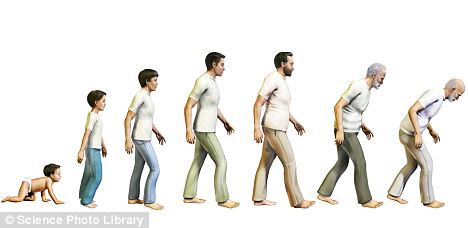
Four Stages of Life and Seven Ages of Man

Four Stages of Life and Seven Ages of Man

Most us know how many hours we spend on watching TV, working on the Internet, Facebook, going to films etc. Periodical statistics are published by the newspapers. In 24 hours of a day we spend 8 to 10 hours in sleep. So one third of our life is spent in sleeping. Women have an extra item-dressing and make up. Men always complain about it. Men ‘waste’ their time in different ways like watching games (Cricket, Foot Ball !) etc-


A funny poem puts our life this way:

At ten, we have just fun

At twenty, we are still naughty

At thirty, we think lofty

At forty, we get shifty

At fifty, we confront reality

At, sixty, we seek serenity


There are lot of thought provoking sayings by our saints. They have divided our life into different stages. Hindu sages divided a man’s life in to four stages:

Brahmacharya (Student Life)

Grahasthasrama (Married life)

Vanaprastha (Secluded/ Forest life)

Sanyasa (Renouncement)

Tamils divided a woman’s life into seven stages (I have already given them in one of my posts.)

Seven Ages of Man

Shakespeare divided a man’s life into seven stages or seven ages.


“ All the world’s a stage,
And all the men and women merely players,
They have their exits and entrances,
And one man in his time plays many parts,
His acts being seven ages. At first the infant,
Mewling and puking in the nurse’s arms.
Then, the whining schoolboy with his satchel
And shining morning face, creeping like snail
Unwillingly to school.  And then the lover,
Sighing like furnace, with a woeful ballad
Made to his mistress’ eyebrow. Then a soldier,
Full of strange oaths, and bearded like the pard,
Jealous in honour, sudden, and quick in quarrel,
Seeking the bubble reputation
Even in the cannon’s mouth. And then the justice
In fair round belly, with good capon lined,
With eyes severe, and beard of formal cut,
Full of wise saws, and modern instances,
And so he plays his part. The sixth age shifts
Into the lean and slipper’d pantaloon,
With spectacles on nose, and pouch on side,
His youthful hose well saved, a world too wide,
For his shrunk shank, and his big manly voice,
Turning again towards childish treble, pipes
And whistles in his sound. Last scene of all,
That ends this strange eventful history,
Is second childishness and mere oblivion,
Sans teeth, sans eyes, sans taste, sans everything”.
(From As You Like It)

We can summarise these lines into INFANT, STUDENT, LOVER, SOLDIER, JUSTICE, OLD MAN and AGAIN LIKE A CHILD.

When we buy tickets for travel or films they have only three categories! Ticket Classification:

Child , Adult and (Old Age Pensioner)Senior citizen

Appar and Adi Shankara

Two thousand years ago saints like Appar/Thirunavukkarasu and Adi Shankarar also divided the age of a man roughly in to Infant, Married and Old Man.

Great Philosopher Adi Shankara in his Bhaja Govindam sings:

When a boy, one is attached to sport; when a youth,  one is attached to a young woman; when old, one is attached to anxiety; to the Supreme Brahman, no one, alas, is attached !

“Balas tavat kridassaktas

Tarunastavat tarunisakthah,

Vrdhastavac cintasaktah

Pare brahmani, ko pi na saktah” (Bhaja Govindam in Sanskrit)


Saivite saint Appar alias Thirunavukkarasu says

“I spent my life without setting a goal. Spent my time aimlessly like an infant, like a married man and like a man with walking stick (old man)”.

Appar’s Thevaram in Tamil:

பாலனாய்க் கழிந்த நாளும் பனிமலர்க் கோதைமார்தம்
மேலனாய்க் கழிந்தநாளும் மெலிவோடு மூப்புவந்து
கோலனாய்க் கழிந்த நாளும் குறிக்கோள் இலாது கெட்டேன்
பாலனாய் இருந்த பொழுதும், மங்கையர் மேல் காதல் கொண்டு

We can see a clear difference in the approach of Western and Eastern scholars to life.

Another interesting comparison is a sloka of Raghuvamsa of Kalidasa with a funny poem about a barber. When Dasaratha became too old to rule, no one dared to suggest that he should place Rama on his throne. Kalidasa says they were probably afraid of Kaikeyi. But his grey hair silently approached his ears and told him it is time for him to go. Kalidasa knew that the grey hair starts near the ear for men (Raguvamasa 12-2).

Compare Kalidasa’s with the following English poem on a barber:

“My barber reliably informs me
There is no bald spot up there
He says I am not going thin on top
I’m just growing through my hair”.

***************


சொல்லத்தான் நினைக்கிறேன் முடியவில்லை


சொல்லத்தான் நினைக்கிறேன் முடியவில்லை

என் பெயர் புலவர் நக்கீரன். “சொல்லத்தான் நினைக்கிறேன் முடியவில்லை, அதைச் சொன்னாலும் கேட்பவர்க்கு புரியவில்லை’’ என்ற தலைப்பில் பேச வந்திருக்கும் உங்கள் அனைவர்க்கும் முதல் கண் நன்றி கலந்த வணக்கங்கள். சென்ற மூன்று வாரங்களில் ‘மன்னிக்க வேண்டுகிறேன்”, “ரொம்ப நாளாக எனக்கு ஒரு ஆசை”, ‘’கறுப்புதான் எனக்கு பிடிச்ச கலரு” என்ற தலைப்புகளில் பேசினீர்கள். கன கச்சிதமாக இருந்தது. அதே போல இன்றும் தலைப்பை ஒட்டி மட்டுமே பேசவேண்டும். வெளி நாட்டுக்காரர்களும் அரசியல்வாதிகளும் ‘’ஆரிய, திராவிட’’ என்ற சொற்களால் மக்கள் எல்லோரையும் குழப்பி வைத்துவிட்டனர். நீங்கள் எல்லோரும் இது பற்றிக் கொஞ்சம் சொன்னால் நன்றாக இருக்கும்.


*முதலில் நான் பேசுகிறேன். என் பெயர் பரஞ்சோதி முனிவர். என்னுடைய திருவிளையாடல் புராணம் தமிழர்களுக்கு நன்கு தெரியும். நான் அப்போதே சொல்லிவிட்டேன் தமிழும் வடமொழியும் சிவ பெருமான் கொடுத்த கொடை என்று:

‘’வடமொழியை பாணிணிக்கு வகுத்து அருளி

தொடர்புடைய தென்மொழியை உலகமெலாம்

தொழுதேத்தும் குடமுனிக்கு வலியுறுத்தார் கொல்லேற்றுப் பாகர்

கடல் வரைப்பினிதன் பெருமை யாவரே கணித்து அறிவார்’’

திருவிளையாடல் புராணம்

‘’கண்ணுதற் பெருங்கடவுளும் கழகமொடு அமர்ந்து

பண்ணுறத் தெரிந்து ஆய்ந்த இப்பசுந்தமிழ் ஏனை

மண்ணிடைச் சில இலக்கண வரம்பிலா மொழிபோல்

எண்ணிடைப்படக் கிடந்ததா எண்ணவும் படுமோ’’


என்றும் பாடிவிட்டேன்


*என் பெயர் மாணிக்க வாசகன், என் திருவாசகத்தில்

‘தென் நாட்டுடைய சிவனே போற்றி’ என்றும்

‘பாசமாம் பற்று அறுத்து பாரிக்கும் ஆரியனே’ – என்றும் பாடியுள்ளேன்.


*என் பெயர் சிவஞானசுவாமிகள். நான் காஞ்சிப் புராணத்தில்

‘’இரு மொழிக்கும் கண்ணுதலார் முதற்குரவரியல் வாய்ப்ப

இரு மொழியும் வழிப்படுத்தார் முனிவேந்தரிசை பரப்பு

மிருமொழியுமான்றவரே தழீஇயனாரென்றாலிவ்

விருமொழியு நிகரென்னு மிதற்கையமுளதேயோ’’ என்று சொல்லிவிட்டேன்


என் பெயர் அப்பர். வாகீசர் என்றும் திருநாவுக்கரசு என்றும் என்னை அழைப்பர். நானும் தேவாரத்தில்…….

ஆரியந்தமிழோடு  இசையானவன் (6-132-3)

வானவர் காண்; வானவர்க்கும் மேல் ஆனான் காண்

வடமொழியும் தென் தமிழும் மறைகள் நான்கும் ஆனவன் காண் (6-8-60)

கோல மா நீலமிடற்றான் தன்னை

செந்தமிழோடு ஆரியனை சீரீயானை (6-46-7)

இன்னடியார்க்கின்பம் விளைப்பான் கண்டாய்

ஆரியன் கண்டாய் தமிழன் கண்டாய்

அண்ணாமலையுறயெம் அண்ணல் கண்டாய் (திருமறைக்காடு)


என்று எல்லாம் பாடி தமிழும் சம்ஸ்கிருதமும் தேவ பாஷை என்று உணர்த்திவிட்டேன். ஆரிய என்ற சொல்லை நான் சிவனுக்குப் பயன்படுத்திய பின்னரும் என்ன சந்தேகம்?

*என் பெயர் சம்பந்தன். சிறு வயதுப் பாலகன் என்று நினைத்துவிடாதீர்கள். நான் அப்பரின் ‘’டியர் ப்ரண்ட்’’. நான் கொஞ்சம் கடுமையான சொற்களைப் பிரயோகித்து இருக்கிறேன்:

“மந்தி போல் திரிந்து ஆரியத்தொடு செந்தமிழ் பயன் அறிகிலா

அந்தகர்க்கு எளியேன் அலேன்”

தமிழ், வடமொழி நூல்கள் கூறும் கருத்துக்களை அறியாதோரை குரங்கு, குருடன் என்று சொல்லிவிட்டேன். இன்னுமா புரியாது?


*என் பெயர் கம்பன். நான் எழுதிய ராமாயணத்தைப் பட்டிமன்றங்களில் அலசுவதை நக்கீரன் அறிந்திருப்பீர்கள். நானும்

பல இடங்களில் ‘’நீண்ட தமிழால் உலகை நேமியின் அளந்தான்’’ (அகத்தியன்) என்றும், ‘’தழல்புரை சுடர்க்கடவுள் (சிவன்) தந்த தமிழ் தந்தான்’’ என்றும்  ‘’என்றுமுள தென் தமிழ் இயம்பி இசை கொண்டான்’’ என்றும் பாடிவிட்டேன் தமிழ், மொழி, அகத்தியன், சிவன் ஆகியோருக்குமுள்ள தொடர்பை தெளிவு படுத்திவிட்டேன்.


*என் பெயர் திருமூலர். நானும் எவ்வளவோ இது பற்றிப் பாடிவிட்டேன்

அவிழ்க்கின்றவாறும் அதுகட்டுமாறும்

சிமிட்டலைப் பட்டுயிர் போகின்றவாறும்

தமிழ்ச்சொல் வடசொல் எனும் இவ்விரண்டும்

உணர்த்தும் அவனை உணரலும் ஆமே! (திருமந்திரம்)


*என் பெயர் ஈசானதேசிகர். நான் இலக்கணக் கொத்துரையில்

‘’வடமொழி தமிழ் மொழி எனும் இரு மொழியினும்

இலக்கணமொன்றே என்றே எண்ணுக’’


என்று அப்போதே சொல்லிவிட்டேன். நான் தமிழும் சம்ஸ்கிருதமும் ஒரே மூலத்தில் இருந்து வந்தவை என்று சொன்னபோது என்னை ஓரம்கட்டிவிட்டார்கள்.


என் பெயர் சுப்பிரமணிய தேசிகர். நானும் 70 முதல் 80 சதம் தமிழும் சம்ஸ்கிருதமும் ஒன்றே என்று காட்டிவிட்டேன். என்னுடைய பிரயோக விவேகம் நூலைப் படிக்காமலேயே திட்டுகிறார்கள்.


என் பெயர் சுந்தரம் பிள்ளை. தமிழில் நாடகமே இல்லை என்ற குறையைப் போக்க  ஒரு ஆங்கில நாடகத்தைத் தழுவி மனோன்மணீயம் என்ற நாடகத்தை எழுதினேன். நான் சம்ஸ்கிருதத்தைக் குறைகூறி எழுதியதை தமிழ்நாடு அரசே நீக்கிவிட்டது. சிதைக்கப்பட்ட தமிழ் மொழி வாழ்த்தை எல்லோரும் பாடிக் கொண்டிருக்கிறார்கள்: ‘’ஆரியம் போல் உலக வழக்கொழிந்து சிதையாவுன்’’ என்ற வரிகளை நீக்கி என் பாட்டையே சிதைத்துவிட்டார்கள். எனக்குக் கொஞ்சம் வருத்தம்தான். ஆனால் திராவிட (தமிழ் நாடு) அரசே இப்படிச் செய்திருக்கிறது. போகட்டும்.


எல்லோருக்கும் நன்றி. அடுத்த வாரத் தலைப்பு : ‘’கா, கா, கா! கா, கா, கா!!’’ சங்கப் புலவர் பாடல்கள் முதல் பராசக்தி திரைப் பாடல் வரை எதைப் பற்றி வேண்டுமானாலும் பேசலாம். மீண்டும் சந்திக்கும் வரை வணக்கம் கூறி விடை பெறுவது நக்கீரன்..

Techniques of Secret Writing in India

Techniques of Secret Writing in India

During war times and military expeditions, army personnel use coded language so that the enemies wouldn‘t understand the message. But in the ancient world this secret language was used for different purposes. According to encyclopaedias it was used in Egypt 5000 years ago followed by Greece. Though the Vedic seers sang that they delight speaking in secret language we are not able to give concrete examples. Scholars have acknowledged the symbolism in the Vedas, but not the encrypted language.


When Vyasa requested Lord Ganesh to write the longest epic in the world, Lord Ganesh agreed to do it on a condition. He will have to write it without stopping. If it all Vyasa couldn’t compose the couplets that fast, he has to find another person to do the job. Clever Vyasa agreed to do it, but put one condition to Lord Ganesh that he should write only when he understood what he wrote. There started the puzzles, encrypted language etc. Once again we have no proof for the puzzles or encrypted language from Mahabharata, though this story is popular. Ancient Hindus followed a system called Katapayadi system to remember the words  and numbers easily. This system assigned letters to numerals. No 18= JaYa (old name of Mahabharata).

Personally I think the coded language evolved in India and I will attribute the above facts as a proof for this.

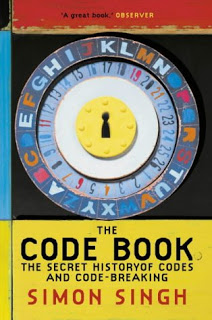
But Dr.Simon Sing, a London based author, gives concrete example of encrypted language in his book ‘The Code Book’. It is very interesting that we have the first example in the sex manual- Kama Sutra!

64 Arts for Women

Following is an excerpt from his book:

“ One of the earliest descriptions of encryption by substitution appears in the Kama Sutra, a text written in the fourth century AD by the Brahmin scholar Vatsyayana, but based on manuscripts dating back to fourth century BC. The Kama sutra recommends that women should study 64 arts, such as cooking dressing, massage and preparation of perfumes. The list also includes some less obvious arts, namely conjuring, chess, book binding and carpentry. Number 45 on the list is Mlechita-vikalpa, the art of secret writing, advocated in order to help women conceal the details of their liaisons. One of the recommended techniques is to pair letters of the alphabet at random, then substitute each letter in the original message with its partner. If we apply the principle to the Roman alphabet, we could pair letters as follows:

A D H I K M O R S U W Y Z

V X B G J C  Q L  N E  F P  T

Then, instead of MEET AT MIDNIGHT, the sender would write CU UZ VZ CGXSGIBZ. This form of secret writing is called a substitution cipher because each letter in the plaintext is substituted for a different letter, thus acting in a complimentary way to the transposition of cipher. In transposition each letter retains its identity but changes its position, where as in substitution each letter change its identity but retains its position.


The first documented use of substitution cipher for military purposes appears in Julius Caesar’s Gallic Wars. Caesar describes how he sent a message to Cicero, who was besieged and on the verge of surrendering”.

Lot of interesting anecdotes are in the book. Simon Sing’s another popular book is The Fermat’s Last theorem.

Please read my earlier posts

  1. Hindu’s Magic Numbers 18, 108, 1008
  2. Love Letters from Ancient India
  3. பார்ப்பனிக்கு வடமொழிச் சீட்டு


காதல் கடிதம் எழுத ரகசிய சங்கேத மொழி

காதல் கடிதம் எழுத ரகசிய சங்கேத மொழி

போர்க் காலங்களிலும், படை மற்றும் ராணுவ தளவாட நகர்த்தல் பற்றித் தளபதிகளுக்கு தகவல் அனுப்பும் போதும் படைத் தலைவர்கள் ரகசிய சங்கேத மொழிகளைப் பயன்படுத்துவர். இது எகிப்தில் துவங்கியதாகக் கலைக்களஞ்சியங்கள் கூறியபோதும் இந்தியாவில் துவங்கியது என்றே எனக்குத் தோன்றுகிறது. ஏனெனில் பெண்கள் கற்றுக் கொள்ளவேண்டிய கலைகள் 64 (ஆய கலைகள் 64) என்று பட்டியலிட்டு அதில் இதையும் ஒன்றாகச் சேர்த்திருக்கின்றனர். இது 2400 ஆண்டுகளுக்கு முன்பு ! பெண்கள் படிப்பதையே பழங்கால உலகு ஆதரிக்கவில்லை. ஆனால் இந்தியாவில் வேதகாலப் புலவர்களில் குறைந்தது 20 பேரும் சங்க காலப் புலவர்களில் குறைந்தது 20 பேரும் பெண் புலவர்கள்.


இது மட்டுமல்ல.

வேத கால ரிஷிகள் தங்களுக்கு ரகசிய மொழிகளில் பாடுவதுதான் பிடிக்கும் என்று ஆடிப் பாடி கூத்தாடி இருக்கிறார்கள். ஆக அவர்கள் 3500 முதல் 5000 ஆண்டுகளுக்கு முன்னரே ரகசிய மொழி பற்றிப் பேசி இருக்கிறார்கள். ஆனால் இன்றைய வேதங்களில் என்ன ரகசிய மொழியில் அவர்கள் என்ன ரகசியம் கூறி இருக்கிறார்கள் என்று தெளிவாகக் காட்டமுடியவீல்லை.

மஹாபாரதம் எழுதிய கதையும் எல்லோரும் அறிந்ததே. விநாயகப் பெருமான் தான் இக்காரியத்தைச்  செய்யவல்லவர் என்று அறிந்த வியாச மா முனிவர் அவரை வேண்டிக் கொள்ளவே பிள்ளையார் ஒரு நிபந்தனை போட்டார். நீவீர் நிறுத்தாமல் பாடல்களைச் சொன்னால் நான் எழுதத்தயார் என்று. மஹா பரதமோ உலகிலேயே மிகப் பெரிய நூல். ஒரு லட்சம் ஸ்லோகங்களை உடையது. புத்திசாலி வியாசர் உடனே எதிர் நிபந்த்னை போட்டார். அது சரிதான், நான் நிறுத்தாமல் கவி புனைகிறேன். நீவீர் அர்த்தம் புரியாமல் எதையும் எழுதக் கூடாது என்று. பிள்ளையார் நன்கு மாட்டிக் கொண்டார். வியாசர் பல விடுகதைகள், ரகசிய மொழிகள் அடங்கிய கவிதைகளை வீசவே கணேசர் மெள்ள நடை போட நேரிட்டது என்பது கதை. ஆக அப்போதே விடுகதை, புதிர், ரகசிய மொழிகள் தோன்றியது என்று சொல்லலாம்.


ஈதன்றி இந்துக்கள் ஆதிகாலம் முதலே ‘’கடபயாதி முறை’’ என்ற ஒரு சங்கேத மொழியைப் பயன்படுத்தினர். இதன் மூலம் சொற்களையும் எண்களையும் எளிதில் நினைவு வைத்துக் கொண்டனர். ஒவ்வொரு எண்ணுக்கும் பல எழுத்துக்களை ஒதுக்குவது இம்முறையாகும். மேலும் அதை வலம் இடமாகப் படிப்பர். உதாரணமாக மஹாபாரதத்தின் பழைய பெயர் ‘’ஜய’’. இது 18 என்ற எண். மஹா பாரதத்துக்கும் 18க்கும் உள்ள தொடர்பை முன்னரே ஒரு கட்டுரையில் விளக்கி இருக்கிறேன்

இது ஒரு புறம் இருக்க, உண்மையிலேயே வியத்தகு ஒரு உதாரணம் கிடைத்துள்ளது. கி.மு நாலாம் நூற்றாண்டில் தோன்றிய காம சூத்திரம் என்னும் பாலியல் நூலை வாத்ஸ்யாயனர் என்ற பிராமண அறிஞர் கி.பி. நாலாம் நூற்றாண்டில் எழுத்து வடிவில் கொடுத்தார். இதில் உள்ள ஒரு பகுதியை லண்டனில் இருக்கும் அறிஞர் சைமன்சிங் சங்கேத மொழி என்னும் புத்தகத்தில் கொடுத்திருக்கிறார். பெண்கள் கற்றுக் கொள்ளவேண்டிய ஆய கலைகள் 64ல் நாற்பத்தைந்தாவது கலை ரகசிய மொழியில் எழுதுவதாகும். காதல் விஷயங்களைப் பெண்கள் பகிரங்கமாக எழுத முடியாதே?

வாத்ஸ்யாயனர் கூறிய முறை மாற்று எழுத்து முறையாகும். எடுத்துக் காட்டாக 26 ஆங்கில எழுத்துக்களை கீழ்கண்டவாறு அமைத்தால்

A D H I K M O R S U W Y Z

V X B G J C  Q L  N E  F P  T

MEET AT MIDNIGHT =நள்ளிரவில் என்னைச் சந்தியுங்கள் என்பதற்கு,  CU UZ VZ CGXSGIBZ என்று எழுதுவார்கள். எம் என்பது சி, ஈ என்பது யு என்று வரும்.

2400 ஆண்டுகளுக்கு முன்னரே பெண்கள் இவ்வளவு அறிவு உடையவர்கள் என்றால் எந்த அளவுக்கு கல்வித் திறன் இருந்திருக்கவேண்டும்? கிருஷ்ணனுக்கு சத்யபாமா எழுதிய காதல் கடிதம், கோவலனுக்கு மாதவி எழுதிய காதல் கடிதங்களை ஏற்கனவே இதே பிளாக்கில் படித்திருப்பீர்கள். கஜுராஹோவில் பெண்கள் காதல் கடிதம் எழுதும் அழகான சிற்பமும் உள்ளது.


ராணுவ பயன்களுக்கு ரகசிய சங்கேதக் கடிதம் அனுப்பிய பெருமை ஜூலியஸ் சீசரைச் சேரும். அவர் சிசரோ என்பவருக்கு இப்படி ஒரு கடிதம் அனுப்பினார்.

Please read my earlier posts

  1. Hindu’s Magic Numbers 18, 108, 1008
  2. Love Letters from Ancient India

3.பார்ப்பனிக்கு வடமொழிச் சீட்டு