காக்க காக்க ரகசியம் காக்க!

11.சம்ஸ்கிருதச் செல்வம்


காக்க காக்க ரகசியம் காக்க!

ச.நாகராஜன்  


‘நுணலும் தன் வாயால் கெடும்’ என்பது பழமொழி.எதைச் சொல்ல வேண்டும் எதை யாரிடமும் சொல்லக் கூடாது என்பதை அறிந்து கொள்வதே பேசுவதற்கு முன் ஒருவர் தெரிந்து கொள்ள வேண்டிய அடிப்படை விஷயம். இதை நன்கு உணரச் செய்யும் விதத்தில் கவிஞர் பாடுகிறார் இப்படி:-


ஆயுர்வித்தம் க்ருஹசித்ரம் ரஹஸ்யம் மந்த்ரபோஷதம் I

தயோ தானாவமானௌ ச நவ கோப்யானி காரயேத் II


ஆயுர் – ஒருவனின் வயது (ஆயுள்)

வித்தம் – செல்வம்

க்ருஹசித்ரம் – வீட்டின் (மோசமான) நிலை

ரஹஸ்யம் – ரகசியமாக வைத்திருக்க வேண்டியவை

மந்த்ரம் – தான் ஜெபிக்கும் அல்லது தான் பெற்ற உபதேச மந்திரம்

போஷதம் – தான் உண்ணும் மருந்துகள்

தயா – தவம்

தானம் – ஒருவன் கொடுக்கும் தானம்

அவமானம் – ஒருவன் பெற்ற அவமானம்

ச நவ – இந்த ஒன்பதும்

கோப்யானி காரயேத் – ரகசியமாகக் காக்கப்பட வேண்டும்.


இதே போல ஒரு காரியத்தை ஆரம்பிக்கும் முன்னர் ஊரெங்கும் தம்பட்டம் அடிக்கக் கூடாது.மனதில் நினைத்ததை எல்லாம் எல்லோரிடமும் வெளியில் சொல்லக் கூடாது.

  (நுணலும் தன் வாயால் கெடும்: நுணல்=தவளை)

மனஸா சிந்திதம் கார்யம் வசஸா ந ப்ரகாஷயேத் I

அன்யலக்ஷித கார்யஸ்ய யத: சித்திர்னம் ஜாயதே II


மனஸா சிந்திதம் கார்யம் – மனதில் சிந்தித்திருக்கும் ஒரு காரியத்தை

வசஸா ந ப்ரகாஷயேத் – வார்த்தைகளால் வெளியில் சொல்லக் கூடாது


ஏனெனில் அந்த லக்ஷியத்தை மற்றவர்கள்  புரிந்து கொண்டு விட்டால் அதில் ஒருவர் வெற்றியடைய முடியாது.

நினைத்ததை எல்லாம் வெளிப்படையாகச் சொன்னால் அதை மற்றவர்கள் தாமே முடிக்கப் பார்ப்பார்கள் அல்லது அதற்குத் தடையை எழுப்புவார்கள்.ஆகவே ஒரு கருமத்தை எண்ணித் துணிய வேண்டும். நினைத்ததை நன்கு திட்டமிட்டு முடிக்க வேண்டும்.


*************

ஐங்குறு நூற்றில் வேதக் கருத்துகள்

இரண்டாயிரம் ஆண்டுப் பழமையுடைய சங்க நூல்களில் இந்துமதக் கருத்துக்களை ஆங்காங்கே காணமுடிகிறது. எட்டுத் தொகை நூல்களில் ஒன்றான ஐங்குறு நூற்றில் 500 பாடல்கள் உள்ளன. மருதத் துறை பற்றி ஓரம் போகியாரும் நெய்தல் துறை பற்றி அம்மூவனாரும் குறிஞ்சித் துறை பற்றி கபிலரும் பாலைத் துறை பற்றி ஓதல் ஆந்தையாரும் முல்லைத் துறை பற்றி பேயனாரும் பாடியுள்ளனர். இதில் ஓரம்போகியார் பாடிய 100 பாடல்களில் முதல் பத்துப் பாடல்களை வேட்கைப் பத்து என்று கூறுவர். ஒவ்வொரு பாடலிலும் உள்ள வரிகள்  வேதங்களிலும் ஏனைய இந்து மத நூல்களிலும் உள்ள கருத்துக்கள் ஆகும்.

இமயம் முதல் குமரி வரை பாரதப் பண்பாடு ஒன்றே என்பதற்கு இதுவும் ஒரு சான்று. தமிழ்ப் பண்பாடு என்பது இமயம் முதல் குமரி வரை பாரதம் முழுதும் நிலவிய ஒரே பண்பாடுதான்.

கீழ்கண்ட வடமொழி வாழ்த்துப் பாடல்களில் வரும் கருத்துகள் அழகிய, குறுகிய தமிழ் சொற்றொடர்களில் மந்திரம் போலவே ஓரம்போகியாரால் கொடுக்கப்பட்டுள்ளது. முதலில் வடமொழி வாழ்த்துப் பாடல்கள்:

1.ஸ்வஸ்தி ப்ரஜாப்ய பரிபாலயந்தாம் ந்யாயேன மார்கேன மஹீம் மஹீசா:

கோப்ராஹ்மணேப்ய சுபமஸ்து நித்யம் லோகா சமஸ்தோ சுகினோ பவந்து

சுருக்கமான பொருள்: ஆட்சி செய்வோர் மக்களை நல்ல முறையில் ஆளட்டும்; பசுக்கள் பிராமணர்கள் உள்பட உலகிலுள்ள எல்லோரும் சுகமாக இருக்கட்டும்


2.காலே வர்ஷது பர்ஜன்ய: ப்ருதுவி சஸ்ய சாலினீ

தேசோயம் க்ஷோப ரஹிதோ ப்ராஹ்மண சந்து நிர்பயா:

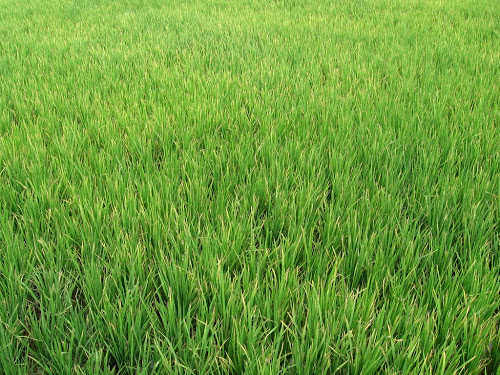
பொருள்: காலத்தில் மழை பெய்யட்டும், வயல்கள் நெற்பயிர்களுடன் குலுங்கட்டும், நாடு முழுதும் வளம் பெருகட்டும், பிராமணர்கள் பயமின்றி வாழட்டும்.


3.அபுத்ரா: புத்ரிண சந்து புத்ரிண சந்து பௌத்ரிண:

அதனா: சதனா: சந்து ஜீவந்து சரதாம் சதம்

பொருள்: குழந்தைகள் இல்லாதோருக்கு குழந்தைகள் பிறக்கட்டும், பிள்ளைகள் எடுத்தோர் பேரப் பிள்ளைகள் பெறட்டும், செல்வமில்லாதோருக்கு செல்வம் கொழிக்கட்டும், நூறாண்டு காலம் வாழ்க, நோய் நொடியில்லாமல் வாழ்க.


இதோ ஓரம் போகியாரின் வாழ்த்து:


1.நெற்பல பொழிக பொன் பெரிது சிறக்க

ப்ருதுவி சஸ்ய சாலினீ

தேசோயம் க்ஷோப ரஹிதோ


2.விளைக வயலே வருக இரவலர்

ப்ருதுவி சஸ்ய சாலினீ

புஞ்ஜதே தே த்வகம் பாபா யே பசந்தி ஆத்மகாரணாத் (கீதை 10-13 எவர்கள் தமக்காகவே சமைக்கிறார்களோ அவர்கள் பாவிகள்)


3.பால்பல ஊறுக பகடு பல சிறக்க

கோ ப்ராம்மணேப்ய சுபமஸ்து நித்யம்


4.பகைவர்புல் ஆர்க பார்ப்பார் ஓதுக

ப்ராஹ்மண சந்து நிர்பயா:


5.பசியில்லாகுக பிணிகேன் நீங்குக

அதனா: சதனா: சந்து ஜீவந்து சரதாம் சதம்


ஜன்ம, ம்ருத்யு, ஜரா, வ்யாதி, பயம் நைவோப ஜாயதே

(விஷ்ணு சஹஸ்ர நாமம்)


6.வேந்துபகை தணிக யாண்டுபல நந்துக

ந்யாயேன மார்கேன மஹீம் மஹீசா:

ஜீவந்து சரதாம் சதம் (பஸ்யேம சரதச் சதம் என்று துவங்கும் வேத மந்திரமும் இங்கே ஒப்பிடற்பாலது)


7.அறம்நனி சிறக்க அல்லது கெடுக

பரித்ராணாய சாதூணாம் விநாசாய துஷ்க்ருதாம் (பகவத் கீதை)


8.அரசுமுறை செய்க களவில் லாகுக

ஸ்வஸ்தி ப்ரஜாப்ய பரிபாலயந்தாம்

ந்யாயேன மார்கேன மஹீம் மஹிசா:


9.நன்றுபெரிது சிறக்க தீதில் ஆகுக

லோகாஸ் சமஸ்தோ சுகினோ பவந்து


10.மாரிவாய்க்க வளம்நனி சிறக்க

காலே வர்ஷது பர்ஜன்ய:

தேசோயம் க்ஷோப ரஹிதோ
பாடல் 62ல் இவர் இந்திர விழா பற்றியும் குறிப்பிடுகிறார். ஆதன் அவினி என்ற சேர மன்னனை வாழ்த்திய பாடல்களில் இந்தக் கருத்துகள் வருகின்றன. வாழ்த்தும் முறையும் வேத கோஷங்களில் வரும் முறையில் உள்ளது. ஒவ்வொரு பாடலிலும் மூன்றாம் வரி ஒரே மாதிரியாக இருக்கும் (எனவேட் டோளே யாயே யாமே). ஓரம்போகியார் பாடிய பாடல்கள் புறநானூற்றிலும் உண்டு.

திருஞான சம்பந்தர் தேவாரப் பாடலில் இதே பொருளைப் பாடி இருப்பதும் படித்து இன்புறத்தக்கது:

வாழ்க அந்தணர் வானவர் ஆனினம்

வீழ்க தண்புனல் வேந்தனும் ஓங்குக

ஆழ்க தீயது எல்லாம் அரன் நாமமே

சூழ்க வையகமும் துயர் தீர்கவே.


தொல்காப்பிய செய்யுள் 109ல் வாழ்த்தப்பட வேண்டிய விஷயங்கள் எவை எவை என்றும் தொல்காப்பியர் கூறுகிறார். இதற்கு உரையாசிரியர்கள் எழுதிய கருத்துக்கள் பாரதம் முழுதும் நிலவிய கருத்துகளே. எல்லா கல்வெட்டுகளும் ஸ்வஸ்தி என்ற மங்களச் சொல்லுடன் துவங்கும். பல கல்வெட்டுகளில் இதை ஸ்வஸ்திகா அடையாளம் மூலமும் குறிப்பிட்டனர்.
வேதங்களை ஏற்றுப் போற்றும் தமிழ் இலக்கியங்கள் என்ற அருமையானதொரு நூலை திரு.கே.சி. லட்சுமிநாராயணன் எழுதி இருக்கிறார். அதில் நான் மேலெ ஒப்பிட்டுக் கூறிய கருத்துகள் இல்லை. பார்ப்பார் ஓதுக என்ற ஒரு வரியை மட்டும் அவர் மேற்கோள் காட்டியுள்ளார். அனைவரும் படிக்க வேண்டுய நூல் அது.

Read related Previous Posts

புறநானூற்றில் பகவத் கீத—பகுதி 1, பகுதி 2

வள்ளுவன் ஒரு சம்ஸ்கிருத அறிஞன்
Donkeys in Tamil and Sanskrit Literature

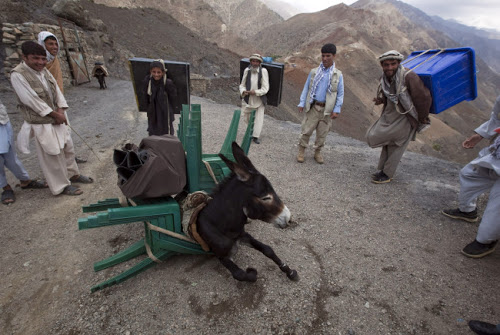
Picture: No sympathy for the collapsed donkey, laughing at it in Afghanistan.

Donkeys in Tamil and Sanskrit Literature

Donkey is the animal that got most negative publicity in classical Indian literature. Some animals like cow and elephant are elevated to the position of sacred animal. Lion is the unquestionable king of the forest. Bull, Tiger and Lion are used in addressing Vedic and Epical characters. Rama is called the Tiger among men in Venkateswara Subrabatham. Kings called themselves lions (sing or Kesari which became Caesar in Europe). But poor vegetarian donkey is considered a dirty animal. George Orwell is right when he said ‘’All animals are equal, but some are more equal than others’’ in his novel Animal Farm.

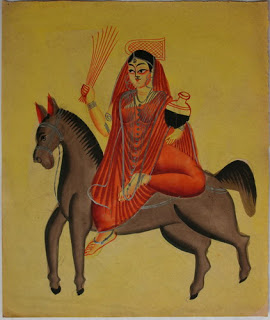
The strange thing about donkeys is that they were vehicles of Vedic gods Indra and Agni in Atharva Veda. But later became the vehicle of Jyeshta (Muthevi) and Shitala Devi (Goddesses of poverty and disease). They were relegated to back stage. Greek gods Dionysus and Hephaestus used donkey as their vehicles. Jesus rode into Jerusalem victoriously on a donkey according to Gospel of Mathew.

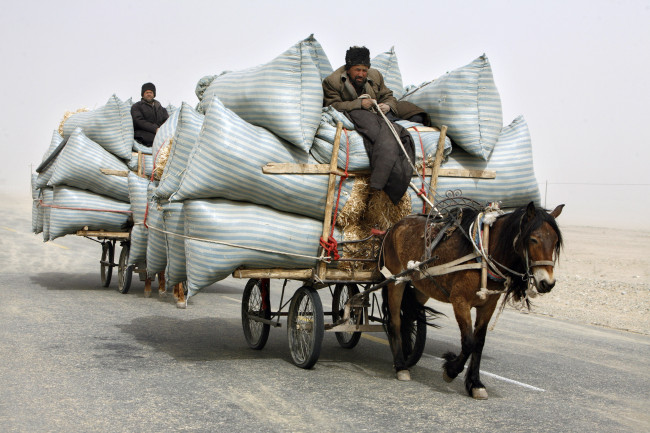
Picture of overloaded donkey cart in Gaza Strip, Plaestine.

Donkey plough of Tamil and Orissa Kings

2000 year old Sangam Tamil literature and Kharavela’s Hathikumbha inscription have some strange coincidence. When the kings conquer some new countries, they destroy the towns and plough the land with donkeys. This strange custom existed throughout India. Sangam Tamil books Purananuru (verse 15, 392), Pathitru pathu (25) say that the Pandya king Muthukudumi Peuvazuthi , a local chieftain Pokuttezini and Cheran Selkezu Kuttuvan defeated their enemies and ploughed their lands with donkey ploughs. Avvaiayar, Palai Gauthamanar and Nettimaiyar sang in praise of those kings. According to Kalinga (Orissa) King Kharavela’s inscription, he did the same in Pataliputra and Rajagiri. He broke the 100 year old Tamil Federation and did use a donkey plough in a Tamil port. Pandya king sent him gems, elephants and horses as tribute.

Kharavela (2nd century BC) was one of the just kings of India who commanded respect from every one. He was a Jain and ruled a large part of India. Through his inscriptions we know a lot about ancient India.

kalighat_shitala

Picture of Shitala Devi

Donkey procession for Criminals

Now and then we read news items in Indian news papers about criminals taken in procession around the town on donkeys with red and black spots painted on their faces. This is also an ancient punishment followed by Indians for thousands of years. We read about it in Sanskrit literature. Nowadays it is followed in North Indian villages.

Even the Tamil proverbs are against donkeys. Parents use the names of donkeys and dogs to scold their children. From ancient times these animals are used to carry heavy luggage such as salt and pepper and Sangam books Akananuru (verse 89) and Perumpanatrupadai ( line 80) confirm this. But in other parts of the world even Jesus used it because it was considered a humble animal compared to  arrogant horse.


Donkey Curses

Another interesting area is the curses in the epigraphs and inscriptions. Those who violate the instructions or damage the gifted articles are cursed to go to hell that is meant for copulating with donkeys. Unnatural sexy sculptures and diagrams accompany such inscriptions.

Donkey demons are painted in Mycenaean culture. The frescoes of demons with donkey heads belong to 1500 BC.

Picture of Jesus riding a donkey into Jerusalem.

Donkeys in Vedic period

I have already written about it in one of my posts on Vahanas (Mounts of Gods). I am reproducing it here:

Hephaistos is an Olympian God in Greece. He rides a donkey. Donkey is Vahana for Hindu Gods and Goddesses as well:

Donkey Vahana for Indra: A.V. 9-6-4

Donkey vahana for Agni: Aitareya Brahmana 4-9-1

Donkey Vahana for other Gods: AV 8-8-22

Jyeshta or Muthevi or Seetala Devi have donkey has her Vahana.

In western countries, people have started charities for abandoned donkeys. They look after them well.

Contact: swami_48@yahoo.com

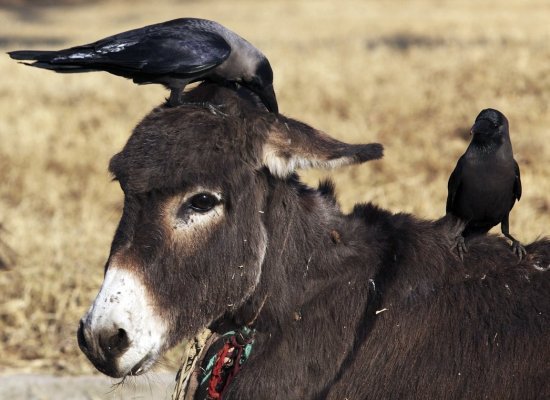
DonkeyRavens

கழுதைக்குத் தெரியுமா கற்பூர வாசனை?

Picture of Jesus riding into Jerusalem on a donkey


கழுதைக்குத் தெரியுமா கற்பூர வாசனை?

‘’எல்லா மிருகங்களும் சமம்; ஆனால் சில மிருகங்கள் மற்ற மிருகங்களை விட கூடுதல் சமம்’’ (‘’All animals are equal, but some animals are more equal than others—George Orwell’s Animal Farm) என்று ஆங்கிலத்தில் ஒரு சொற்றொடர் உண்டு. எல்லா மிருகங்களும் சமம்தான். ஆனால் சிங்கத்துக்கு ஏன் ராஜா பதவி? கழுதைக்கு ஏன் இந்த இழி நிலை? பழமொழிகளிலும் சரி, கல்வெட்டுகளிலும் சரி, சங்க இலக்கியத்திலும் சரி—கழுதை என்றால் கொஞ்சம் இளக்காரம் தான். ஆனால் வெளிநாடுகளில் கழுதைக்கு கொஞ்சம் மதிப்பு அதிகம். இவ்வளவுக்கும் இது ஒரு ‘வெஜிடேரியன்’.


உலகப் பேரழகி கிளியோபாட்ரா, தனது அழகைப் பராமரிக்க கழுதைப் பாலில் குடித்ததாகப் படிக்கிறோம். ஏசு கிறிஸ்து ஜெரூசேலம் நகருக்குள் கழுதை மீது வெற்றிகரமாக ஊர்வலமாக வரும் படத்தைப் பார்த்துள்ளோம். மத்தேயு சுவிசேஷத்தில் படித்டுள்ளோம். ஆனால் இந்தியாவில் இதற்கு நேர்மாறான நிலை.

கழுதைக்குத் தெரியுமா கற்பூர வாசனை?

கழுதை கெட்டால் குட்டிச் சுவரு

இப்படிப் பல பழமொழிகள். எல்லாம் ‘கழுதை எதிர்ப்புப் பழமொழிகள்’தான். இது இன்று நேற்று துவங்கியது அல்ல. 2000 ஆண்டுகளுக்கும் மேலாக இப்படி ‘கழுதை எதிர்ப்பு உணர்வு’ இருப்பதை சம்ஸ்கிருத, தமிழ் காவியங்களும், கல்வெட்டுகளும் காட்டுகின்றன. சில சுவையான எடுத்துக் காட்டுகளை மட்டும் பார்ப்போம்.


சங்க இலக்கியத்தில் கழுதை

பாண்டியன் பல்யாகசாலை முதுகுடுமிப் பெருவழுதியை புலவர் நெட்டிமையார் பாடிய பாடலில் கழுதையைப் பூட்டி ஏர் உழுதல் பற்றிப் பாடுகிறார். இதையே காரவேலன் ( 193 BC to 170 BC) கல்வெட்டும் கூறுகிறது.

கடுந்தேர் குழித்த ஞெள்ளல் ஆங்கண்

வெள் வாய்க் கழுதைப் புல் இனம் பூட்டி

பாழ் செய்தனை, அவர் நனதலை நல் எயில்;

(புறம் பாடல் 15, நெட்டிமையார்)

முது குடுமிப் பெருவழுதி தன் பகைவர் நாடுகளை வென்று, தேரோடிய தெருக்கள் வழியாக ஏர்பூட்டிய கழுதைகளை நடத்திச் சென்று உழுதான் என்று புலவர் பாடுகிறார்.

அதியமான் நெடுமான் அஞ்சியின் மகன் பொகுட்டெழினியின் புகழ் பாடிய அவ்வையாரும் இதையே கூறுகிறார்:

அணங்குடை மரபின் இருங்களந்தோறும்,

வெள் வாய்க் கழுதைப் புல் இனம் பூட்டி

வெள்ளை வரகும் கொள்ளும் வித்தும்

வைகல் உழவ!  (புறம் 392, அவ்வையார் )


இதன் பொருள்: திறை கொடாத மன்னரின் மதில்களை வஞ்சனையின்றிப் பொருது அழித்துப், போர்க்களத்திலே கடும் போர் இயற்றிக், கழுதை பூட்டி உழுது, கவடியும் வேலும் விதைக்கும் இடையறாத போர் வெற்றி நிறைந்த வேந்தனே!

இதிலிருந்து ஒரு மன்னனை அவமானப்படுத்த, அவன் ஊரைப் பாழ்படுத்துவதோடு, அங்கே கழுதைகளை அனுப்பி ஏர்பூட்டி உழுதல் வழக்கம் என்றும் அதிலும்  வெள்ளை வரகு, கொள்ளு பயிரிடுதல் வழக்கம் என்றும் தெரிகிறது. இது நாடு முழுதும் இருந்த பாரதீய பண்பாட்டின் ஒரு அம்சம்.

எல்லோரும் வெறுக்கும் மூதேவியின் வாஹனம் கழுதை!

Shitala Devi on donkey

ஹத்திகும்பா கல்வெட்டு

கலிங்க நாட்டு மன்னன் காரவேலன் சமண மததைப் பின்பற்றிய ஒரு மாமன்னன். அவனுடைய ஹத்திகும்பா கல்வெட்டு அரிய தகவல்களை அளிக்கிறது. 2200 ஆண்டுகளுக்கு முன் மூன்று தமிழரசர்களும் வடக்கத்திய படைஎடுப்பைத் தடுக்க வைத்திருந்த கூட்டணியை முறிஅடித்ததாகப் பெருமை பேசுகிறான். அப்போதைய தமிழ்நாட்டின் அரசியல் நிலையை இவன் கல்வெட்டு எடுத்துக் காட்டுகிறது. காரவேலன் சத்தியம் தவறாத நீதிக்கும் நேர்மைக்கும் பெயர்போன ஒரு தலைவன். சுநீதிமான் என்று நூல்கள் போற்றிய மன்னன்.. ஆன்றோராலும் சான்றோராலும் போற்றப்பட்ட பெருந்தகை. அவனுடைய ஹத்திகும்பா கல்வெட்டும் பாடலிபுத்ரம், ராஜகிரி, தமிழர்களின் துறைமுக நகரம் ஆகியவற்றை கழுதையில் ஏர்பூட்டி உழுததைக் கூறுகிறது. பாண்டிய நாடு வரை அவன் ஆட்சி பரவியதையும் கல்வெட்டு குறிப்பிடுகிறது. குதிரைகள், யானைகள், ரத்தினக் கற்களை பாண்டிய மன்னன் அனுப்பினான்.


கரும் புள்ளி செம்புள்ளியுடன் ஊர்வலம்

பழைய காலத்தில் குற்றவாளிகளையும், பெண்களுக்கு எதிராக தவறிழைத்தோரையும் கழுதை மீது உட்கார வைத்து, அவன் முகத்தில் கருப்பு, வெள்ளை வர்ணங்களால் புள்ளிகளை வைத்து நகர் வழியாகக் கூட்டிச் செல்வர். இப்போதும் வட இந்தியாவில் இது நடக்கிறது. கழுதைகளை பாரம் சுமக்கப் பயன்படுத்தியதும் நீண்ட காலமாக வழக்கத்தில் உள்ளது. அக நானூறு (89) இது பற்றிப் பாடுகிறது பதிற்றுப்பத்து, பெரும்பாணாற்றுபடையிலும் கழுதையின் ‘’புகழ்’’ உள்ளது. மிளகு பொதி சுமக்கும் கழுதை பற்றியும் கழுதை பூட்டிய ஏர் (ப.பத்து 25) உழுதல் பற்றியும் பாடுகின்றனர்.

Napolean was exiled to Elba; a cartoon makes fun of his exile.


கல்வெட்டுச் சாபங்களில் கழுதை

பல கல்வெட்டுகளில் கழுதைச் சாபமும் காணப்படுகிறது. கல்வெட்டுகளில் சொன்ன விஷயங்களை மீறினாலோ, பின்பற்றாவிடிலோ அவர்கள் கழுதைகளைப் புணர்ந்த பாபத்தை அடைவார்கள் என்றும் கல்வெட்டுகளில் எழுதப்பட்டுள்ளன.


வேத காலத்தில் கழுதை

வேத காலத்தில் கழுதைக்கு மதிப்பு இருந்ததாகத் தோன்றுகிறது. அதர்வ வேதமும் (9-6-4), ஐதரேய பிராமணமும் (4-9-1) முறையே இந்திரனும் அக்னியும் கழுதை வாகனத்தில் சென்றதகக் கூறும். கிரேக்க நாட்டில் ஒலிம்பிய தெய்வமன ஹெபைஸ்டோஸ், டயோனிசிஸ் இந்திய கிராம தேவதையான சீதளா தேவி ஆகியோருக்கும் கழுதையே வாகனம்.


இனிமேலாவது பெற்றோர்கள் தங்கள் பிள்ளைகளைக் கூப்பிடும்போது ‘’அடச் சீ, கழுதை, இங்கே வா, புத்தகத்தை எடுத்துப் படி ’’ என்று சொல்லாமல் இருப்பார்களாக!!

swami_48@yahoo.com

Tamil Miracle Cure for Flu


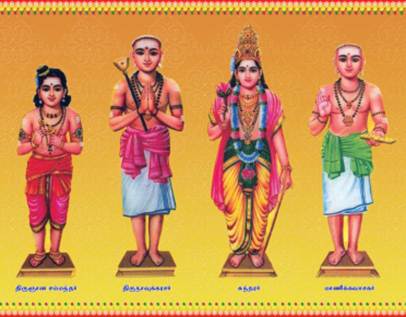
Picture of Saivite saints and Sambandhar is standing first.

Tamil Miracle Cure for Flu

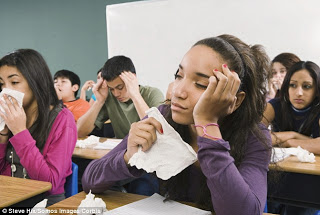
Flu epidemic has killed 37 children in the U.S. says a latest news story. This infectious disease reaches epidemic proportions in winter.  Elderly people, Children and pregnant women are more vulnerable and are advised to take Flu jab well in advance. It is caused by a virus. Getting flu vaccine every year is still the best way to protect against influenza (flu). It reduces the risk of illness and complications .This is what we read in news papers and medical journals. 1300 years  ago, Tamil Nadu was also in the grip of a flu epidemic. But they had a miraculous cure according to Tamil Hymns Thevaram and Paeriyapuranam.

A boy wonder known as Thiru Gnana Sambandhar did a lot of miracles in Tamil Nadu in the eighth century. A few of them were medical miracles curing diseases with Tamil hymns.


Anti Flu Hymn

The boy genius was touring Tamil Nadu visiting different temples. He came to Kongunadu region to worship Shiva at Tiruchengodu temple. That was during severe winter months. The flu that was prevalent spread to all the devotees who accompanied the young poet. Devotees who were very familiar with many miracles of the saintly boy were looking for some miraculous cure. In those days there was no flu jab. Feeling the pulse of his followers he sang a decad (ten verses) beginning with ‘’Avvinaik kivvinai’’ in Tamil. Immediately all were cured of Flu. It was reported in later day books that all the people of the town were also cured of the illness. Even today devotees, who visit temples in the early morning after a shower, wear holy ash by reciting this verse. They are in good health. It is a miracle cure.

Picture: Flu attack in US Schools.

Epileptic Attack

Sambandhar did another miracle with a girl who was suffering from epileptic attacks (Muyalakan in Tamil). When he visited Mazanadu, the daughter of the chieftain Kolli Mazavan was having fits. One day she fainted and Kolli Mazavan took his daughter to Tiruppachchilasrama temple. Sambandhar happened to be there at that time. He asked about her condition and Kolli Mazavan told him that all the medicine men have washed their hands off  this young woman. He sang a decad beginning with ‘’Thuniva Thingal…..’’. Immediately the woman stood up and went near her dad. He was extremely happy. She was completely cured of her illness.

Tamil literature has numerous incidents of deaths due to snake bites. There were several cases where the ‘dead’ were revived by Godly men or miraculous cure. Native medicine men suck the poisoned blood with cocks and hens. Though the animals die at the end, humans survived. Saivite saints applied holy ash and revived many of them. Sambandhar revived one business man at Tirumarugal by singing a hymn.

contact: swami_48@yahoo.com

Tamil references for Tamil readers:

திருச்செங்கோடு பதிகம் (Anti Flu Hymn)

அவ்வினைக் கிவ்வினை யாமென்று சொல்லு மஃதறிவீர்

உய்வினை நாடாதிருப்பதும் உந்தமக் கூனமன்றே

கைவினை செய்தெம் பிரான்கழல் போற்றுதும் நாமடியோம்

செய்வினை வந்தெமைத் தீண்டப் பெறா திருநீலகண்டம்


திருப்பாச்சில் பதிகம்

துணிவார் திங்கள் துளங்கி விளங்கச் சுடர்ச்சடை சுற்றி முடித்துப்

பனிவளர் கொள்கையர் பாரிடம் சூழ ஆரிடமும் பலிதேர்வர்

அணிவளர் கோலமெல் லாஞ்செய்து பாச்சில் ஆசிரமத்துறைகின்ற

மணிவார் கண்டரோ மங்கையை வாட மயல் செய்வதோ இவர் மாண்பே.


திருமருகல் விஷம் தீர்த்த பதிகம்

சடையாய் எனுமால் சரண் நீ எனுமால்

விடையாய் எனுமால் வெருவா விழுமால்

மடையாய் குவளை மலரும் மருகல்

உடையாய் தருமோ இவளுண் மெலிவே

மாண்டவர் மீண்டுவந்த 3 அதிசய நிகழ்ச்சிகள்

Ramayana

மாண்டவர் மீண்டுவந்த 3 அதிசய நிகழ்ச்சிகள்

உலகப் புகழ் பெற்ற இதிஹாசங்களான ராமாயணத்திலும் மஹா பாரதத்திலும், நெஞ்சை அள்ளும் தமிழ் காப்பியமான சிலப்பதிகாரத்திலும் மூன்று அற்புத நிகழ்ச்சிகள் உள்ளன. வால்மீகி, வியாசர், இளங்கோ ஆகிய மூவரும் பொய் சொல்லவோ, மிகைப் படுத்திக் கூறவோ இல்லை. இந்த நிகழ்ச்சிகள் வரும் இடங்களையும் அவை விவரிக்கப்பட்ட முறையையும் பார்கையில் எவரும் நம்புவார்கள்.

இறந்த பின் நாம் எங்கே போகிறோம்? எவ்வளவு காலத்துக்குப் பின் மீண்டும் பிறப்போம்? இறந்தவர்கள் பலருக்குக் கனவில் வருகிறார்கள். சிலர் நீண்ட காலத்துக்கு முன் இறந்த மஹான்களைப் பார்த்ததாகக் கூறுகிறார்கள். ராகவேந்திரர் போன்றோர் 600 ஆண்டுக் காலம் அங்கே சமாதியில் இருந்து அருள் புரிவதாகப் படிக்கிறோம். இப்படி மாண்டவர்கள் மீண்டும் வர முடியுமா? அதற்கு 2000, 3000 ஆண்டுப் பழமையான இலக்கியங்களில் சான்று உண்டா என்று பார்க்கையில் ‘’உண்டு’’ என்றே சொல்லவேண்டும்.

இந்தக் கட்டுரையாளர் வாழ்விலும் இப்படி ஒரு உண்மைச் சம்பவம் நடந்தது. எங்களுக்கு எல்லாம் மந்திர உபதேசம் செய்த ஆயக்குடி சுவாமிஜி கிருஷ்ணா அவர்கள், மதுரையில் ஒரு வீட்டில் கணபதி ஹோமம் செய்து முடித்த பின்னர், திடீரென்று ஒரு திசையை நோக்கி எல்லோரையும் கீழே விழுந்து நமஸ்காரம் செய்யச் சொன்னார். வெற்றிடத்தை நோக்கி ஏன் நமஸ்காரம் செய்யச் சொல்கிறார் என்ற கேள்வியை யாரும் கேட்பதற்கு முன் அவரே விளக்கமும் கொடுத்தார். அந்த வீட்டில் ஒரு மஹான் இருந்ததாகவும், அவர் இன்று நடந்த பூஜையைப் பார்க்க வந்ததாகவும் கூறினார். பிறகு அந்த வீட்டுச் சொந்தக் காரர் சுவாமிஜியை மாடிக்கு அழைத்துச் சென்று அவர்களுடைய கொள்ளுத் தாத்தாவின்  படத்தைக் காட்டி அவர் ஒரு பெரிய மஹான் என்று கேள்விப்பட்டதாகச் சொன்னார்.. மஹா கணபதி பற்றி யார் சந்தேஹம் கேட்டாலும் காஞ்சிப் பெரியவரே இவரிடம்தான் அனுப்புவார்.

ராமாயணத்தில் ஒரு காட்சி

(வால்மீகி ராமாயணம், யுத்த காண்டம், அத்தியாயம் 121)

ராமரைப் பார்க்க தசரதர் இந்திரலோகத்திலிருந்து வருகிறார். அவருடைய விமான ரதம் வானில் அந்தரத்தில் நிற்கிறது. அன்போடு ராமரையும் லெட்சுமணரையும் அழைத்து மடியில் உகாரவைத்து அரவணைத்துக் கொள்கிறார். பின்னர் சீதை உள்ளிட்ட மூவருக்கும் ஆசிகள் வழங்கிவிட்டு சீதையிடம் ராமர் மீது கோபம் கொள்ளவேண்டாம் என்றும் அவன் செய்ததெல்லாம் (அக்னிப் பரீட்சை) மக்களின் முன்னிலையில் சீதை உத்தமி என்று காட்டவே என்றும் விளக்குகிறார்.

தசரதர் போவதற்கு முன் ராமர் ஒரு அற்புதமான வேண்டுகோள் விடுக்கிறார். தந்தையே, நீங்கள் கோபத்தில் கைகேயி ‘’என் மனைவி இல்லை என்றும் பரதன் என் பிள்ளை இல்லை’’ என்றும் தலைக்கு முழுக்குப் போட்டுவிட்டு உயிரை விட்டீர்கள். இன்று முதல் மீண்டும் அவர்களை உங்கள் மனைவி, மகன் என்ற நிலைக்கு உயர்த்த வேண்டுகிறேன் என்றவுடன் தசரதரும் அவ்வாறே அருள் புரிந்தார். அத்தியாயத்துக்கு அத்தியாயம், ராமன் உலக மஹா உத்தமன், மனிதருள் மாணிக்கம் என்று காட்டுகிறது ராமாயணம். இதனால் தான் ராமாயணம் காலத்தால் அழியாத காவியமாகத் திகழ்கிறது.

மஹா பாரதத்தில் ஒரு காட்சி

போரில் இறந்தவர்கள் எங்கே போகிறார்கள் என்று ‘ஸ்த்ரீ பர்வ’த்தில் திருதராஷ்டிரனும் யுதிஷ்டிரனும் (தர்மர்) விவாதிக்கிறார்கள். இதற்கு தர்மர் கொடுத்த விளக்கம் கவனிக்கப் படவேண்டியது. போரில் முழு மனதுடன் வீரராக உயிர் இழந்தோர் இந்திர லோகத்துக்கும், அரைகுறை மனதுடன் போரிட்டோர் கந்தர்வலோகத்துக்கும் போகிறார்கள். உயிர்ப் பிச்சை கேட்டவர்களும் புறமுதுகு காட்டியவர்களும் யக்ஷர்களாகிறார்கள் என்று யுதிஷ்டிரர் கூறுகிறார்.

சங்கத் தமிழ் நூலான புறநானூறு மற்றும் பகவத் கீதை முதலியன போரில் இறப்பவர்கள் சொர்க்கலோகத்தை அடைகிறார்கள் என்று திட்டவட்டமாக கூறுகின்றன. இதை ‘’புறநானூற்றில் பகவத் கீதை-பகுதி 1, பகுதி 2’’ மற்றும் ‘’வீரத் தாயும் வீரமாதாவும்’’ என்ற கட்டுரைகளில் முன்பே விளக்கி இருக்கிறேன்.

மஹாபாரதத்தை ஜனமேஜயன் சபையில் வாசித்தபோது போரில் இறந்த பீஷ்மர், துரோணர், அபிமன்யு, துர்யோதணன் ஆகியோர் மீண்டும் வந்ததை ஜனமேஜயனே நம்பவில்லை. இடை மறித்து அப்படியானால் என் தந்தை பரீட்சித்தையும் இப்போது காட்ட முடியுமா? என்று கேட்கிறார். உடனே வியாச மஹரிஷி , பரீட்சித்து மன்னரையும் உயிரோடு காட்டுகிறார்.

கங்கை நதியில் ஒரு அதிசயக் காட்சி (ஆஸ்ரம வாசிக பர்வம்)

காந்தாரி, குந்தி, திருதராஷ்டிரன் ஆகியோர் போரில் மடிந்த தனது மகன்களையும் உறவினர்கலையும் பார்க்க துடியாய்த் துடிக்கிறார்கள். வியாச மஹரிஷி இந்தத் துடிப்பை அறிந்து ஒரு நாள் எல்லோரையும் கங்கை நதிக்கு வரச் சொல்கிறார். ஊர் மக்கள், அரச குடும்பத்தினர், மா முனிவர்கள் எல்லோரும் அதிசயத்தைக் காண பெரும் கூட்டமாகக் கூடவே, வியாசர் ஒவ்வொருவர் பெயராகச் சொல்லி அழைக்கிறார். துரோணர், பீஷ்மர் தலைமையில் மிகப் பெரிய போர் வீரர் கூட்டம் பெரும் சப்தத்துடன் கங்கை நதியில் இருந்து எழுந்து வருகின்றனர். ஆயிரக் கணக்கில் யுத்தத்தில் இறந்த வீரர் அனைவரும் நதிக்கு மேலே காட்சி தருகின்றனர். எல்லோரும் மகிழ்ச்சியோடு காணப்பட்டனர். இரவு முழுவதும் குடும்பத்தோடு சேர்ந்து சந்தோஷமாக உரையாடுகின்றனர். பழைய பகைமை எல்லாம் மாயமாய் மறைந்தோடிவிட்டன.

இந்த உரையாடல் முடிவதற்குள், வியாசர் ஒரு அறிவிப்பை வெளியிடுகிறார். யார் யாருக்கெல்லாம் விருப்பம் இருக்கிறதோ அவர்கள் எல்லோரும் இறந்தவர்கள் திரும்பிச் செல்லும்போது அவர்களுடன் போகலாம் என்று அறிவிக்கிறார். உடனே பல க்ஷத்ரிய குலப் பெண்கள், முன்னர் இறந்த தங்களுடைய கணவர்களோடு சேர்ந்து மேல் உலகம் சென்றனர். மாண்டவர்களின் உருவங்கள் கங்கை நதிக்குள் சென்று மறையும் போது உறவினர்களும் அவர்களுடன் சென்றதாக மஹா பாரதம் கூறுகிறது. இது எல்லாம் போர் முடிந்து 15 ஆண்டுகளுக்குப் பின் நடந்தது.

இந்த நிகழ்ச்சிகள் நமக்குப் புலப்படுத்துவது சில உண்மைகள்: 1.இறந்த பின்னர் பழைய பகைமை மறைந்துவிடும். 2.இறந்தவர்கள் மகிழ்ச்சியான ஒரு உலகத்தில் வசிக்கிறர்கள். 3.வியாசர் போன்ற மந்திர பலம் உடைய மஹரிஷிகள், இறந்தவர்களோடு தொடர்பு கொள்ளமுடியும், அவர்களை பூமிக்கு திரும்ப அழைக்கவும் முடியும். 4.திதி கொடுக்கும் போது இறந்தவர்கள் வந்து பிண்டத்தை வாங்கிக்கொள்வது எல்லாம் உண்மையே என்பதற்கு இது ஒரு சான்று.

தமிழில் சிலப்பதிகார அதிசயம்

தமிழ் காவியமான சிலப்பதிகாரத்தில் கோவலன் கொலையுண்ட 14ஆம் நாளில் ஒரு அதிசயம் நடந்தது. கண்ணகி கேரள தேசத்திலுள்ள திருச் செங்குன்றத்தில் ஒரு வேங்கை மரத்தின்  கீழே நின்று கண்ணிர் விடுத்தாள். அப்போது விண்ணோரும் வியக்கும் வண்ணம் கோவலன் ஒரு விமானத்தில் வந்து கண்ணகியை மேல் உலகத்துக்கு அழைத்துச் செல்கிறான். இதை கண்ட கானக மக்கள் வியந்து போற்றுகின்றனர். அத்தோடு நில்லாமல் இந்த அற்புதக் காட்சியை சேர மன்னனிடம் வியப்போடு விளக்கினர்.

சேர மன்னன் செங்குட்டுவன், இதைக் கேட்டு அகம் மகிழ்ந்து, உளம் குளிர்ந்து அந்தப் பத்தினித் தெய்வத்துக்கு இன்றே கோவில் கட்ட ஏற்பாடு செய் என்று மந்திரிகளுக்கு உத்தரவு இடுகிறான். புனித இமய மலையில் கல் எடுத்து புனித கங்கையில் அதைக் நீராட்டி அந்தக் கல்லில் கண்ணகி சிலை வடிக்க இமயம் நோக்கிச் செல்கிறான். பின்னர் அவன் எடுத்த சிலைக்கு புனித நீராட்டுகையில் ‘கடல் சூழ் இலங்கைக் கயவாகு வேந்தன்’ உள்பட பல நாட்டு மன்னர்களும் வருகை தந்து சிறப்பிகிறார்கள் என்று சிலப்பதிகாரம் கூறும் (குன்றக் குரவை காதை, சிலப்பதிகாரம்)

*******

Miracles by the Departed Souls

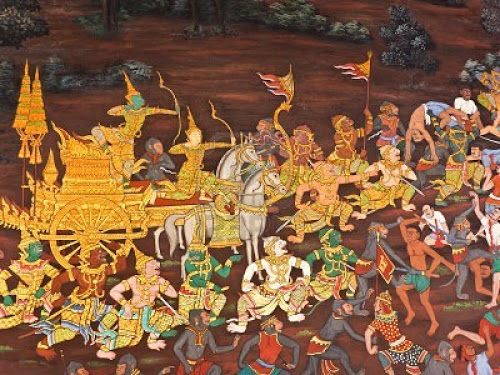
Picture of Ramayana Painting in Thailand

Miracles by the Departed Souls 

Ramayana and Mahabharata are two great Hindu epics. They are treasure houses of Hindu Wisdom. The more you read them, the more meanings you get.  The deeper you go, you come up with new interpretations. If you want to compare those incidents and anecdotes with Big bang theory or Theory of Evolution, Quasars or Quantum Physics, Theory of Relativity or highest philosophy it gives scope for all those things.


What happens to us after death? Where do we go from here if you believe in rebirth? Is there any place where you spend your time before rebirth?– are few of the questions that come to our minds. Some people claim that they see the departed souls in their dreams and some others say that they saw great people who have died long ago. Can the departed souls come back to earth in the same form after some time?


(It is true that great saints visit earth now and then. I myself had one such experience. When Swamiji Krishna of Ayakkudi, Tenkasi was doing Ganapathy Homa in one of the houses in Madurai, he suddenly asked everyone to prostrate in one particular direction showing a vacant space up above, near the roof. Later he told that one of the great souls who lived in the house came to bless everyone. Later the owners of the house took Swamiji upstairs and showed the picture of their great grandfather.  He was a saint who died at least 50 or 60 years ago).

Two incidents in the Ramayana and Mahabharata give some interesting information about these things. Dasaratha came back in flesh and blood to earth and embraced Rama and Lakshmana long back after his death. In the Mahabharata Duryodhana, Bheeshma, Abimanyu and others came back to earth 15 years after their death in the battle and took some of the living people with them to the heaven! Read about these interesting things in more details below:

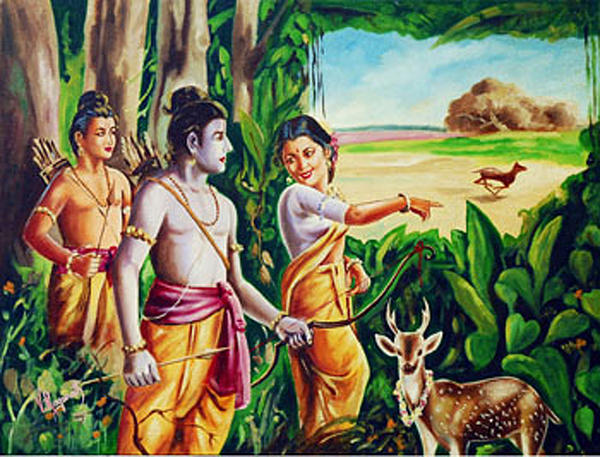
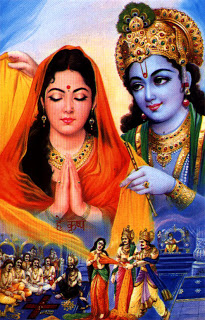
Picture of Ramayana characters

Dasaratha appears to Rama (chapter 121,Yudda Kanda, Valmiki Ramayana)

Dasaratha stood in his chariot. He came back from Indraloka. Rama and Lakshmana bowed before him who was standing in his aerial car in the sky. Dasaratha took Rama and Lakshmana and embraced them. They mutually praised each other. Dasaratha even told Sita not to mistake him for sending her to Agni pareeksha (Fire Test). After addressing all the three he ascended to Indraloka in his chariot. Mounted on his aerial car, full of majesty, his body blazing with effulgence, Dasaratha returned to the abode of the Sovereign of the Gods.

Before Dasaratha left, Rama requested him to forgive Kaikeyi and Bharatha and accept them as his wife and son. Dasaratha told Kaikeyi before dying that she was not his wife anymore and Bharatha was not his son.

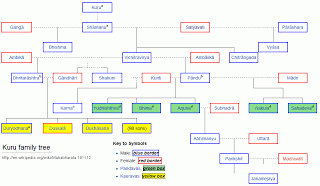
Picture of Kuru Family Tree

Mahabharata Miracle

When Mahabharata was recited in the assembly of King Janamejaya he also did not believe that the dead came back to earth. He asked whether he could see his dad Pariksheet, immediately Vyasa brought him to earth.

Mahabharata gives more information about different levels of living places for the departed. In the Sthree Parva of the epic, there is a discussion about the people who died in the war. When Dhritarashtra asked about them, Yudhishtra told him those who fought valiantly and whole heartedly, they all went to Indraloka. Those who fought unwillingly, went to Gandarvaloka and  those who fought and backed out or killed when begged for life, they all went to the place of Yakshas.


Bhagavad Gita and Tamil Sangam Anthology ‘Purananuru’ say in clear cut terms that those who are killed in war go to heaven.

Please read my Tamil articles on ‘Gita in Pura Nanuru’ Part 1 (புறனானுற்றில் பகவத் கீதை-பகுதி 1, பகுதி-2, வீரத்தாயும் வீர மாதாவும்).

Reappearance of those who died in the great Bharata war is narrated in chapter3 of Asramavasika Parva in Mahabharata. I summarise only the important points:

  1. At the request of Gandhari, Dhritarashtra and Kunthi, the great Rishi of miraculous powers Vyasa did this. He asked everyone to assemble on the banks of Ganges.
  2. When Vyasa called the names of the dead people, they all came out of Ganges water and appeared just above the water. The Pandava and Kaurava armies rose up with big uproar. Bheeshma and Drona came out first. Thousands of dead people appeared with them. Dhritarashtra’s sons, Pandava’s sons, army commanders from both the sides, all appeared in front of the assembled Rishis, general public and the royal families on the banks of River Ganga.
  3. Dhritarashtra and Gandhari got divine vision by the grace of Vyasa. All of them spoke with the dead throughout night. Everyone was happy. There was no enmity.
  4. Women who have lost their husbands and sons were happy to see them back alive. Vyasa told the Kshatriya ladies, they can accompany their husbands if they wanted to. Several women came forward and went to heaven with their husbands. They entered the Ganges water along with their husbands.
  5. All of them disappeared in the water. Then Vyasa told Dhritarashtra that his sons are ever happy like he saw them today.
  6. Three years after this incident Dhritarashtra, Gandhari, Kunthi – all died in a forest fire. In fact, they refused to move away from forest fire and sacrificed their lives voluntarily.

This narration proves that people live after their death in various planes till the time of their rebirth comes. They are happy and there is only love in the heaven and no hatred even between born enemies. Only great Rishis (seers) like Vyasa can bring the dead back to earth for a short period. In the Ramayana we heard about physical touch and embrace. Here no such embracing was reported. There was always a distance between the dead and the alive. Mahabharata has more on this topic of the departed souls in different places. Anyone interested can do a deeper study.

Ramayana

Departed Souls in Tamil Epic Silappadikaram

Tamil epic Silappadikaram also has one such story. Kovalan, the hero of the epic was sentenced to death by the Pandya king under the false accusation of stealing the queen’s anklet. Fourteen days after this execution, his wife Kannaki was standing under a tree and Kovalan came back to earth in an aerial car and took Kannaki to heaven. The tribal women in the hill watched this in awe. They praised her as goddess and reported the incident to the Chera King Senguttuvan. The story of what women had seen under the Venkai tree at the top of the hill Tiruchenkunru astonished all who heard it. The wonder struck king decided to erect a s temple for Kannaki and marched all the way to Himalayas with an army and brought back a holy stone from the Himalayas. He bathed the stone in the Ganges and made it holier. This episode shows that 2000 years ago the values and beliefs were same throughout India.

Contact swami_48@yahoo.com


அனைத்தும் பெற ஆறு கேள்விகள் !


சம்ஸ்கிருதச் செல்வம்-10


10. அனைத்தும் பெற ஆறு கேள்விகள் !


ச.நாகராஜன்

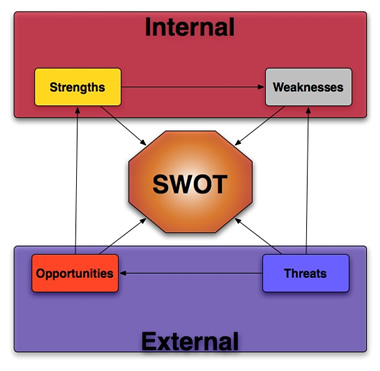
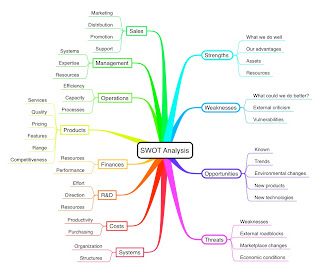
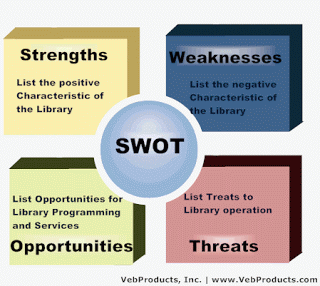
   வாழ்க்கையில் வெற்றி பெறவும் ஒரு திட்டத்தில் வெற்றி பெறவும் ஒரு பொருள் அல்லது இடம் அல்லது நிறுவனம் அல்லது ஒரு தனி நபர் பற்றி மதிப்பீடு செய்ய SWOT analysis என்ற உத்தியை நிபுணர்கள் இன்றைய நவீன உலகில் கடைப்பிடிக்கின்றனர். SWOT  என்றால்  Strengths, Weaknesses, Opportunities,Threats என்று அர்த்தம். பலம், பலஹீனம், வாய்ப்புகள், எதிர் வரும் அபாயங்கள் ஆகிய நான்கை நன்கு அலசி ஆராய்ந்தால் வெற்றி நிச்சயம் என்கிறது ஆல்பர்ட் ஹம்ப்ரி என்பவர் கண்டுபிடித்த ஸ்வாட் அனாலிஸிஸ்.


ஆனால் வெகு காலம் முன்பே நமது அறிஞர்கள் “ஆறு கேள்வி அனாலிஸிஸைக்” கண்டு பிடித்துள்ளனர். கவிஞர் அழகுற அதை இரண்டே வரிகளில் கூறுகிறார்:


க: கால: கானி மித்ராணி

    கோ தேஷ: கௌ வ்யயாகமௌ I

கோஹம் கா சைவ மே 

    ஷக்திரிதி சிந்தயம் முஹுர்முஹு: II


க: கால: – என்ன நேரம் இது? (What time is this?)

கானி மித்ராணி – எனது நண்பர்கள் யார் யார்? (Who are my friends?)

கோ தேஷ: – இது என்ன இடம்? (Which is this place?)

கௌ வ்யயாகமௌ – இதில் செலவுகள் என்ன? ஆதாயங்கள் என்ன? (What are expenses an gains?)

கோஹம் – நான் யார் (Who am I ?)

கா சைவ மே ஷக்திரிதி – எனது பலம் என்ன? (What is my strength?)


“ஒருவன் எப்போதுமே என்ன காலம் இது? எனது நண்பர்கள் யார், யார்? இது என்ன இடம்? இதில் செலவுகள் என்னென்ன, ஆதாயங்கள் என்னென்ன? நான் யார்? எனது பலம் என்ன? என்பனவற்றைச்  சிந்திக்க வேண்டும்.” என்பது இந்தச் செய்யுளின் பொருள்.


       இதில் நான் யார் (கோஹம்) என்று எப்போதும் சிந்திப்பது பெரிய சித்திகளை அருளி முக்திக்கே வழி வகுக்கும் என்பது பகவான் ரமணரின் அருளுரை.


ஆக இந்த ஆறு கேள்விகளை எப்போதும் சிந்திக்கும் எவருக்கும் அபாயம் ஒரு நாளும் இல்லை என்பதோடு வெற்றி நிச்சயம் என்பதில் சந்தேகமே இல்லை.


சிந்தனீயா ஹி விபதாம் ஆதாவேவ ப்ரதிக்ரியா I

ந கூபகனனம் யுக்தம் ப்ரதீப்தே வஹ்னினா க்ருஹே II


“ஒரு ஆபத்தான நிலையை அடையும் முன்னரே ஒருவன் முன்னெச்சரிக்கை நடவடிக்கைகளை எடுக்க வேண்டும்.வீடு தீப்பற்றி எரியும் போது கிணறு வெட்டும் வேலையை ஆரம்பிக்கக் கூடாது!” என்பது இந்த ஸ்லோகத்தின் பொருள்.


வீடு தீப்பற்றி எரியும் போது  கிணறு வெட்ட ஆரம்பிக்கும் மூடன் அழியாமல் இருப்பது எப்படி? எப்பொழுதும் முன் ஜாக்கிரதையுடன் அனைத்து விஷயங்களையும் அலசி ஆராய்ந்து வாழ்க்கைத் திட்டங்களை வகுக்க வேண்டும் என்பது கவிஞரின் அறிவுரை.


வெற்றி பெற வழி வகுக்கும் ஆறு கேள்விகளைக் கேட்டு பதிலைப் பெற்றுத் திட்டங்களை வகுத்தாலே வாழ்க்கையில் ஆபத்தே வராது வந்தாலும் அவற்றை “மா சம்பத்தாக” மாற்றி விடலாமே!


*************************************

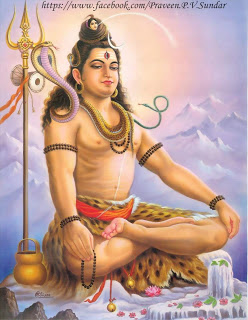
Master of Boons & God of Languages-Lord Shiva

Picture shows 12 ft high Shivling is bathed with milk in Thanjavur Temple ,Tamil Nadu.


 Master of Boons & God of Languages-Lord Shiva

‘if an ocean is made the inkpot, the branch of the Parijata tree made the pen and Goddess Saraswati embarks to write the glory of Lord (Shiva) it still will be impossible to comprehend the greatness of the Lord fully’ – Shiva Mahimna Stotra of Pushpadanta.


Shiva is known by many names and one of them is Asutosh. That means he ‘can be pleased easily’ and made happy quickly. So people found it easier to pray to Shiva and obtain a number of boons. Shiva means ‘auspicious one’. So he gave many boons for the betterment of his devotees, but yet it was left to them to use the boons in the way they wanted.


Shiva is associated with languages and grammar as well. India’s two ancient languages Sanskrit and Tamil originated from Lord Shiva. Sanskrit language follows the grammar written by Panini. Panini says that the letters and its sounds came from the beats of Shiva’s kettle drum ‘Damarukam’.  The language formula is called Maheswara Sutrani. Tamil sage Agastya is also said to have learnt Tamil from Shiva and his son Murugan/Kartikeya. 17th century Tamil poet Paranjothy Muni sang that Shiva taught Sanskrit and Tamil to both. He said that from one side of the kettle drum came Sanskrit and from the other came Tamil.


Shiva not only gave language and grammar but also helped the world by giving all the good things when the milky ocean was churned by the Devas and Demons. When 14 good things came out of the ocean, poison also came out as a by product. All were scared to death. But Shiva swallowed it to save the mankind, stopped by his wife Uma half way through his throat. His neck became bluish in colour and he was known as Neela kanta (blue necked).This is also one of his acts of mercy.


His acts of compassion were too many to narrate here. He gave Lord Vishnu his wheel called Sudarsana. This wheel is like a boomerang. It will hit the target and return to Vishnu. When Vishnu fell short of one lotus flower while he was doing Puja, he offered one of his eyes to Shiva. Shiva was pleased and gave him discuss called Sudarsana wheel.

The best example of his compassion was the boon he gave to Pasmasura. That ‘Ash demon’ asked for a boon to kill anyone by placing his hand on the head of his victims. When Shiva gave him the boon, he tried to test it on Shiva’s head. Shiva had to run for his life and ultimately rescued by Vishnu. When Vishnu came like a beautiful girl, Pasmasura fell for her. She asked him to learn dance from her and asked to put his hand on his head as part of learning Abhinaya gestures. He was killed when he put his hand on his own head forgetting the boon he got.

Another act of mercy was giving Pasupathastra to Arjuna, the hero of Mahabharata. When Shiva came in the guise of a hunter a severe fight followed and then Shiva revealed himself. Tamil Saivaite poets gave a long list of his compassionate acts in their poems Thevaram and Thiruvasagam. He favoured a person who hit him with his shoes (Kannappa Nayanar), he blessed another person who hit him with stones (Sakkiya Nayanar) and he gave Pasupata Astra to one who shot him with arrow (Arjuna). He gave ocean of milk when a boy cried for a glass of milk (Upamanyu).

Madurai has the world famous Shiva temple (Please read my post THE WONDER THAT IS MADURAI MEENAKSHI TEMPLE). Shiva’s compassionate acts are enacted in every day festival at the Madurai temple. The list is a long list of 64 Divine Games (Tiru Vilaiyadal in Tamil). Tamils are very familiar with those beautiful stories. Even birds and animals including cranes, bees, pigs, elephants, cows, monkeys, eagles, spiders, ants and snakes were blessed by him.


He favours good and bad equally. He is even called the lord of the thieves, ‘taskaranam pati’. But the inherent weaknesses in the bad people bring their own downfall. Ravana, King of Sri Lanka, was a great devotee of Shiva. But he suffered when he could not control his passions.

Wikipedia picture of Thanjavur temple

Shiva in his Nataraja form was the most attractive form. In his cosmic capacity he appears as Nataraja. As the Lord of Dance ( Nata Raja), Shiva’s steps follow the rhythm of the universal forces. He dances in the circle of fire, treading upon a dwarfish figure who is the personification of ignorance.


Hinduism is a religion where God can be your child, your lover, your lady love, your mother, your master or your servant. In other religions God is a reverential ‘HE’ who lives far away in the sky, not even a ‘SHE’. But Hindus go to the extent of poking fun about God out of intimacy and not out of disrespect. One saint called him ‘one and a half eyed’ (When he split into two in Ardhanari form, his three eyes were shared by him and Uma). Another saint challenged him asking who is clever You or me. I only gave my love, but you gave me the entire world. God is compassionate. Shiva is more compassionate.


Let us pray to HIM who gives us instant (and constant) benefits!

contact: swami_48@yahoo.com


Lord Shiva is “Dead”!

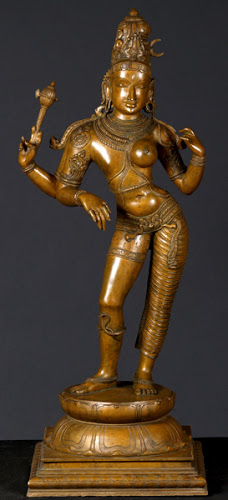
Picture shows Ardhanari and Sankaranarayana forms.

Lord Shiva is “Dead”!

King Bhoja Raja was an erudite scholar and a poet. He was famous for his generosity and financial help for the poets. Though India had many kings in the name of Bhoja and Vikramaditya one Bhoja who ruled at the time of Kalidasa was part of many interesting stories.

A poor poet wanted to make some money by writing some poems. But the poets of his days dealt with almost all the subjects in the world. So he thought of something very novel. “ Let me write a poem saying Shiva is dead, Bhoja will show much interest because he is a great devotee of Shiva”, he thought. So he went to Bhoja and read his revolutionary piece of poem saying ‘Shiva is dead’.


When he read the poem Bhoja asked him to explain the meaning. The poet did explain: Half of Shiva’s body was taken by Uma (in Ardhanari form); the other half was taken by Narayana ( in Sankara Narayanan form). So Shiva is dead! He explained.


Bhoja was not happy. He put a few clever questions to the poet: What happened to the moon on his head, snake in his neck, the great Ganges on the hair, his begging bowl in the hand and above all his good virtues?

The poet was taken by surprise. He thought he could make easy money. In a short time he recomposed himself and gave a suitable answer: Oh Ye King, I forgot to tell you. The river Ganges merged into the sea; crescent moon went up above in the sky, snake had gone in to the hole in the earth; Shiva’s begging bowl came in to my hand; his generosity and other great virtues had gone to King Bhoja Raja.

The king was very happy to hear this and he admired the poet’s wisdom and presence of mind. He gave him lot of gold coins and honoured him suitably. Ancient Indian poets were famous for their wit and wisdom and repartees. Sense of humour earned them good reputation and much money. (This verse is in the collection of Tamil anonymous poems).


Tamil verse for Tamil readers:

ஒரு பாதி மால் கொள மற்றொரு பாதி உமையவள் கொண்

டிருபாதியாலும் இறந்தான் புராரி இரு நதியோ

பெரு வாரிதியில் பிறை வானில் சர்ப்பம் பிலத்திற் கற்ப

தருவான போச கொடையுடன் கையோடென்கை தந்தனனே (தனிப்பாடல்)


Please read earlier Bhoja Raja stories in this blog:

1.Strange Link between Shiva, Socrates and Thiruvalluvar

2. Who is Dhananjayan?

3. World’s Largest Story Collection

4.போஜராஜன் செய்த தந்திரம் ( in Tamil)