Pictures are taken from various sources for spreading knowledge;
this is a non- commercial blog. Thanks for your great pictures.
tamilandvedas.com, swamiindology.blogspot.com
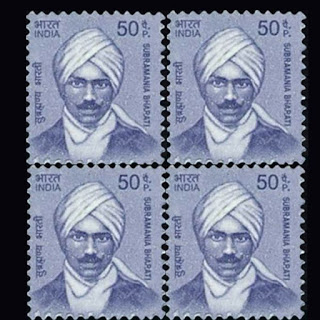
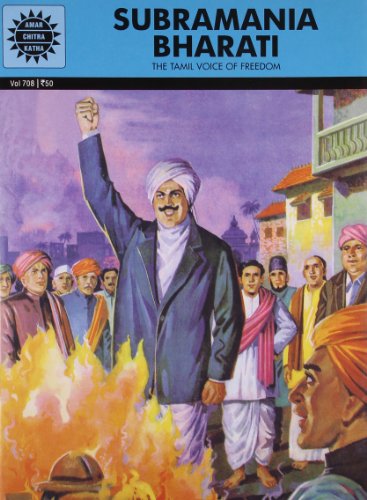
நானும் எனது சகோதரர் நாகராஜனும் எழுதிய 150-க்கும் மேலான பாரதியார் பற்றிய கட்டுரைகள் எங்களுடைய இரண்டு பிளாக்குகளிலும் உள்ளன. அன்பர்கள் அனைவரும் படித்துப் பயன்பெறவேண்டும் ; 150+ கட்டுரைகளையும் கொடுக்காமல் ஆங்காங்கே எடுத்த தலைப்புகளை மட்டும் கொடுத்துள்ளேன். பாரதியார் எழுதிய ஆங்கிலக் கட்டுரைகளும் இந்த பிளாக்கில் உள்ளன.
tamilandvedas.com
swamiindology.blogspot.com
ஞானமயம் சார்பில் சென்ற மாதம் பாரதி நினைவு நூற்றாண்டு விழா துவக்கியுள்ளோம். அவருடைய நூற்றாண்டு (Bharati Centenary Memorial Celebrations) நினைவுதினம் 2021 செப்டம்பரில் வருவதற்குள் குறைந்தது 54 பாரதி பாடல்களுக்கு புதிய ராகத்தில், இசையமைத்து பாட வேண்டும் என்பது எங்கள் நோக்கம். லண்டன் திருமதி ஹரிணி ரகு இசையமைத்துக் கொடுத்த ‘வாழ்க நிரந்தரம் வாழ்க தமிழ் மொழி வாரம் தோறும் எங்கள் ஒலிபரப்பில் இடம்பெற்றுவருகிறது அனைவரையும் இந்த திட்டத்தில் பங்கு கொண்டு புதிய ராகத்தில் பாரதியின் பயன்படுத்தாத பாடல்களை பயன்படுத்த அழைக்கிறோம்.
வாழ்க பாரதி! வளர்க தமிழ்!!
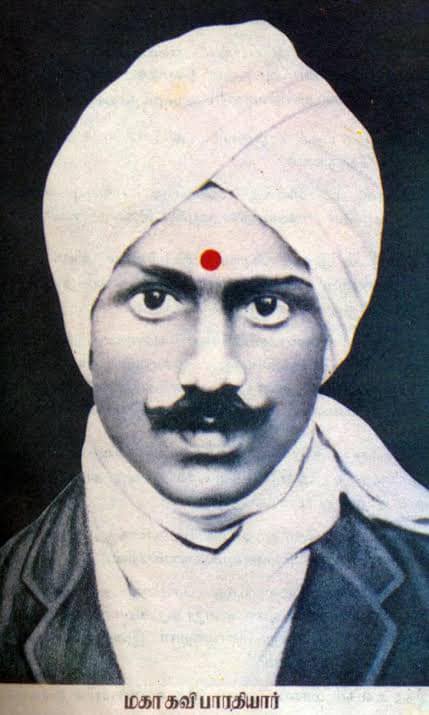
பாரதியார் நூற்றாண்டு விழாவினை ஒட்டி பாரதியார் பா நலம் வழங்க வருகிறார் சந்தானம் நாகராஜன்.
சுமார் 50 ஆண்டுகளுக்கும் மேலாக பாரதியார் பற்றிய கட்டுரைகளையும் கவிதைகளையும் எழுதி வரும் இவர் ஏராளமான கூட்டங்களில் பாரதியார் பற்றி விரிவுரை ஆற்றியுள்ளார்.
பாரதியார் பற்றிய புத்தகங்கள், அரிய கட்டுரைகள், பத்திரிகைகளை இவர் சேகரித்து வந்துள்ளார். பாரதியார் பற்றி எழுதப்பட்ட மிக முக்கியமான் அரிய நூல்களைப் பற்றி மஹாகவி பாரதியார் பற்றிய நூல்கள் என்ற தலைப்பில் 58 நூல்கள் பற்றிய கட்டுரைகளை இவர் எழுதியுள்ளார். இவை அனைத்தும் www.tamilandvedas.com இணையதளத்தில் வெளியிடப்பட்டுள்ளன. செல்லம்மாள் பாரதி, சகுந்தலா பாரதி, வ.ரா., அமுதன், யதுகிரி அம்மாள், வெ.சாமிநாத சர்மா, ரா.அ.பத்மநாபன், கு.ப.ரா. சிட்டி, கல்கி, பி.ஸ்ரீ. பெ.நா.அப்புசாமி உள்ளிட்ட பலரது புத்தகங்கள், வானொலி உரைகள் பற்றிய அரிய விவரங்களை இந்தக் கட்டுரைகளில் காணலாம்.
பாரதியாரைப் போற்றிப் பாடிய கவிஞர்களின் கவிதைகளில் சிறப்பான ஆயிரம் பாடல்களை பாரதி போற்றி ஆயிரம் என்ற தலைப்பில் தொகுத்து அவற்றை www.tamilandvedas.com இணையதளத்தில் வெளியிட்டுள்ளார்.
நாமக்கல் கவிஞர், கவிமணி தேசிக விநாயகம் பிள்ளை, சங்கு சுப்ரமணியன், பாரதி தாசன், கண்ணதாசன் உள்ளிட்ட ஏராளமான கவிஞர்கள் பாரதியைப் போற்றிப் பாடிய பாடல்களின் தொகுப்பாக இது அமைகிறது.
30 Oct 2016 — Compiled by London Swaminathan Date: 30 October 2016 Time uploaded in London: 13-29 Post No.3303 Pictures are taken from various …
பாரதி நான் கண்டதும் கேட்டதும் …
tamilandvedas.com › 2015/11/10
10 Nov 2015 — பாரதி நான் கண்டதும் கேட்டதும்:பி.ஸ்ரீ. ப்ஹரடி2. எழுதியவர்:– ச.நாகராஜன். Date: 10 November 2015. Post No:2316. Time uploaded in London :– காலை- 4-56.
Chellammal | Tamil and Vedas
tamilandvedas.com › tag › chellammal
26 Aug 2015 — இத்தொகுப்பில் இடம் பெறும் இது புத்தகம் அல்ல. வானொலி உரை. மகாகவி பாரதியாரின் மனைவி திருமதி செல்லம்மா பாரதி 1951ஆம் …
சிட்டுக்குருவி … – Tamil and Vedas
tamilandvedas.com › 2012/06/17
17 Jun 2012 — தேசிய கவி சுப்ரமண்ய பாரதி உயிர் வாழ்ந்த காலத்தில் மிகவும் வறுமையில் வாடினார். அவரது மனைவி சமைக்க அரிசி இல்லாமல் …
You’ve visited this page 2 times. Last visit: 08/12/20
பாரதி, திருவெம்பாவை பாடிய …
tamilandvedas.com › 2019/12/12
12 Dec 2019 — பாரதி, திருவெம்பாவை பாடிய சுவையான சம்பவம் (Post No.7333). COMPILED BY LONDON SWAMINATHAN. swami_48@yahoo.com. Date: 12 DECEMBER 2019. Time in London – 13-27.
பாரதி நூல்கள்-4 | Tamil and Vedas
tamilandvedas.com › tag › பாரத…
27 Aug 2015 — ஐயர், சுப்ரமணிய சிவா, பாரதியார் ஆகியோரிடையே நிலவிய நட்பை நன்கு உணர முடியும். திரு வி.க. ஆசிரியராக இருந்த தேசபக்தன் …
‘பாரதியும் திலகரும்’ (Post No.3428) | Tamil …
tamilandvedas.com › 2016/12/08
8 Dec 2016 — மஹாகவி பாரதியார் பற்றிய நூல்கள் என்று இது வரை 12 நூல்கள், கட்டுரைகள், வானொலி உரைகள் … சிட்டி ஆகியோர் எழுதிய நூல்; பாரதி நான் கண்டதும், கேட்டதும் – பி.ஸ்ரீ எழுதிய நூல்; பாரதி பிறந்தார் – கல்கி எழுதிய நூல்.
பாரதி நினைவுகள் | Tamil and Vedas
tamilandvedas.com › tag › பாரத…
24 Aug 2015 — Time uploaded in London :– 10-10. ச.நாகராஜன். பாரதி நினைவுகள். பாரதி பற்றிய இந்த நூலை எழுதியவர் யதுகிரி அம்மாள். இதன் முதற் பதிப்பு …
மஹாகவி பாரதியார் பற்றிய …
tamilandvedas.com › 2016/12/09
9 Dec 2016 — பாரதி இயல். மஹாகவி பாரதியார் பற்றிய நூல்கள் – 14. பாரதியை ஒட்டிய நினைவுகள் – பெ.நா.அப்புஸ்வாமியின் பல கட்டுரைத் …
10 Sept 2014 — எழுதியவர் லண்டன் சுவாமிநாதன் Post No.1278; Dated 10th September 2014. September 11 is Bharati Memorial Day. (( நிலாசாரலில் வெளியிட்ட தேதி 16-1-2012 ) …
Pictures are taken from various sources for spreading knowledge;
this is a non- commercial blog. Thanks for your great pictures.
tamilandvedas.com, swamiindology.blogspot.com
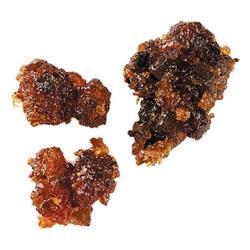
What is Guggulu?
It is a resin extracted from a plant.
What is the name of the plant?
It is a tree called Commiphora wightii or mukul
Where does this grow?
India, Arabia and Africa (Somalia)
What is it used for?
In Ayurveda, it is used to cure several diseases; it reduces cholesterol and cures arthritis. Indeed, it is a panacea to various ailments.
It is also used in incense and perfumes
It is similar to other incenses like myrrh and frankincense.
Where do we find the references?
The oldest reference to Guggulu comes from the Atharvaveda and the world uses this word until today.
What are the names in Indian languages?
It is called Kungiliam in Tamil. Other languages have words similar to Guggul.
Other plants belonging to different plant families also have similar resins which can be used as incense. Sal, Deodar are some of them. One should not confuse them.
What is the mystery?
2000 year old Greek book Periplus of Erythraean Sea says that it is exported from Barbaricae, an Indus River port, which is located near Karachi of modern Pakistan. New Testament also says that the three Magis from the EAST took Myrrh as gifts to Baby Jesus.
It shows India as the origin of this plant. From India it spread to East Africa and Arabian Peninsula.
At least 1000 years before the Greek book, is dated the Atharva Veda, the Fourth Veda of the Hindus. Atharva Veda also says what Periplus said- It is produced by the Sindhu and by the sea. It confirms that it was exported from India from the Indus port. This shows the sea borne trade existed between India and Babylonia around 1000 BCE.
AV.19-38-2; 2-36-7
Later it occurs in old Ayurvedic books from 600 BCE.
xxx
Bdellium
Though another word bdellium from Hebrew literature is used to similar substance, scholars couldn’t agree whether it meant a precious stone or incense
The word frankincense is of Sanskrit origin. Frankin came from old French which meant PARAM in Sanskrit meaning supremely pure , super. ‘Incense’ came from ‘to be burn’t, found in ‘incen’diary bombs etc. it is derived from AGNI in Sanskrit meaning fire (compare words like ignite, igneous etc)
If we think deeper and analyse why three Magis went to Bethlehem to see baby Jesus and why they took Myrrh(Incense) as a gift, we will come to the conclusion that it was exported from India to Babylonia and they valued it much.
xxx
VARTIKA ON PANINI SUTRA 4-1-71 gives
GUGGULU IN THE VEDAS AS AN EXAMPLE
Xxx
INTERESTING STORY OF GUGGULU SAINT OF TAMIL NADU
The history of Holy Servants of Lord Siva , popularly known as Periya Puranam in Tamil , has 63 stories of Saivite Tamil saints. One of them is called Guggulu Pot Nayanar. Two miracles happened in his life.
KATAVUR in the Choza country has a famous shrine where lord Siva killed Yama with a kick to save his devotee Markanteyar from the jaws of death.
In the prosperous town there lived a brahmin by name Kalayar, literally Mr Pot. He used to worship the feet of Siva everyday and he burnt fragrant Guggulu, Kungilyam in Tamil, in the temple. As the days went by Kalayar was known by the name Guggulu Pot man. He fell into poverty at one time had no money to buy the basic provisions for his family. When they had nothing to eat for two whole days his wife gave him her Thali, golden sacred trinket of married Hindu women, to sell and get some provisions.
He got the golden Thali and on his way saw a merchant with Guggulu. He became very happy and bought all the Guggulu by giving him the golden thali. He went to the temple and offered his service to the lord and slept in the temple out of tiredness. His wife and children were eagerly waiting at home for him to return with lot of money. But he didnt come home.
In the meantime, lord Siva appeared in his dream and asked him to go home. Before he went home Lord Siva did transform the entire house by providing them enormous wealth. When Mr Pot returned home, he saw incredible treasure and lived happily ever after.
Once the big Siva Linga statue at Tiruppanantal temple , which is near Tiru Katavur, started leaning down. The Choza monarch sent an army of elephants to pull the statue and make it straight. But nothing worked and the king felt sad. Hearing the plight of the king, our hero Mr Gugguu Pot Nayanar (Kungiliya Kalaya Nayanar) went and tried, but in vain. At last he tied a rope around the statue and put the other end around his neck like a garland and pulled the statue. It stood upright because Lord Siva obey his loving servant. What an army of elephants couldn’t do he did it with the bond of love. Choza monarch thanked him and showered him with lot of gold coins.
Kungiliya Kalayanar was a contemporary of another great saint Jnana Sambandar who lived 1400 years ago. So from the day of Atharva Veda (1000 BCE) we have the history of Guggulu in India, from the Indus river to Kaveri river. No wonder India exported it to Babylonia and got references in Greek and Roman works.
India’s relationship with Iran and Iraq goes back to thousands of years and Guggulu and camels are some of the proofs.
கவி பாட வல்லவராக இருந்த அவர் தனது பாடல்களுக்கு உரிய ராகங்களைக் கண்டு இசை அமைப்பவராகவும் திகழ்ந்தார்.
பாஞ்சாலி சபதம் நூலுக்கு அவர் எழுதிய முகவுரையில்,
“எளிய பதங்கள், எளிய நடை, எளிதில் அறிது கொள்ளக் கூடிய சந்தம், பொது ஜனங்கள் விரும்பும் மெட்டு இவற்றினையுடைய காவியமொன்று தற்காலத்திலே செய்து தருவோன் நமது தாய்மொழிக்குப் புதிய உயிர் தருவோனாகின்றான்” என்று குறிப்பிடுகிறார்.
புகழ் பெற்ற ஒரு கவிதை அல்லது பாடல் எப்படி இருக்க வேண்டும், அதன் சந்தம், மெட்டு எப்படி இருக்க வேண்டும் என்பதைப் பற்றிய அவரது கண்ணோட்டம் இதிலிருந்து புலப்படுகிறது.
இதை ஒரு வரையறுப்பு (Definition) வாக்கியமாகவே கொள்ளலாம்.
அவரது பாடல்களுக்கு அவர் தேர்ந்தெடுத்த ராகங்கள் அவரை ஒரு இசை மேதை என்பதைச் சுட்டிக் காட்டும்.
இங்கு சில பாடல்களுக்கு அவர் தந்துள்ள ராகங்களைக் காணலாம்.
1)வந்தே மாதரம் என்போம் என்ற பாடல்
தாயுமானவர் ஆனந்தக் களிப்பு மெட்டு
ராகம் – நாதநாமக்கிரியை தாளம் – ஆதி
2)வந்தே – மாதரம் – ஜய
வந்தே மாதரம் என்ற பாடல்
ராகம் – ஹிந்துஸ்தானி பியாக் தாளம் – ஆதி
3) சுதேச வந்தனம் – எந்தையுந் தாயும் பாடல்
ராகம் – காம்போதி தாளம் – ஆதி
4) பாரத நாடு – பாருக்குள்ளே நல்ல நாடு பாடல்
ராகம் – ஹிந்துஸ்தானி தோடி தாளம் – ஆதி
5) பாரத தேசம் – பாரத தேசமென்று பெயர் சொல்லுவார்
ராகம் – புன்னாகவராளி பியாக்
6) எங்கள் நாடு
ராகம் – பூபாளம்
7) பாரத மாதா – முன்னை யிலங்கை
சந்தம் – தான தனதந்தன தான தனதந்தன
தானனத் தானானே
8) பாரத தேவியின் திருத்தசாங்கம்
நாமம் – காம்போதி
நாடு – வஸந்தம்
நகர் – மணிரங்கு
ஆறு – சுருட்டி
மலை – கானடா
ஊர்தி – தன்யாசி
படை – முகாரி
முரசு – செஞ்சுருட்டி
தார் – பிலகரி
கொடி – கேதாரம்
9) மாதாவின் துவஜம் – தாயின் மணிக்கொடி பாரீர்!
தாயுமானவர் ஆனந்தக் களிப்பு வர்ணமெட்டு
10) எங்கள் காவடிச் சிந்து – தொன்று நிகழ்ந்த தனைத்தும்
சிதம்பர பதவியாகிய முக்தியிலே, நந்தனார் அடங்காத தாகம் கொண்டிருந்தார். அது அவரை அடிமை கொண்டிருந்த ஆண்டைக்கும் மனமில்லை. அவன் நந்தனாரைப் பலவித இம்சைகளுக்கு உட்படுத்தினார்; அதுவுமின்றிச் சேரியிலிருந்த நிதானப் பறையர்கள் பலர் நந்தனார் சிதம்பரத்தைப் பற்றி நினைக்கலாகாதென்று போதனை செய்தார்கள். அந்த நிதானஸ்தர்களிலே ஒருவர் பாடிய பாட்டின் கருத்தையும் வர்ணமெட்டையும் தழுவிப் பின்வரும் பாடல் செய்யப்பட்டிருக்கிறது. (ஓய் நந்தனாரே, நம்ம ஜாதிக்கடுக்குமோ, நியாயந்தானோ, நீர் சொல்லும்” என்ற வர்ணமெட்டு
22) பெண்கள் விடுதலைக் கும்மி – பெண்கள் விடுதலை பெற்ற மகிழ்ச்சிகள்
கும்மிப் பாட்டு
23) தமிழ்த் தாய் ஆதிசிவன் பெற்று விட்டான்
தாயுமானவர் ஆனந்தக் களிப்பு சந்தம்
24) தமிழ் மொழி வாழ்த்து – வாழ்க நிரந்தரம் வாழ்க தமிழ் மொடி
தான தனத்தன தான தனத்தன்
தான தந்தன
மேற்கண்ட பாடல்களிந்ன் ராகங்கள், சந்தம், வர்ண மெட்டு ஆகியவை தேசீய கீதங்கள் (பகுதி 1) என்ற நூலிலிருந்து எடுக்கப்பட்டுள்ளது. இந்த நூலில் 58 பாடல்கள் உள்ளன. இது 1936ஆம் ஆண்டு ஐந்தாம் பதிப்பைக் கண்டது. முதல் நான்கு பதிப்புகளில் 9000 பிரதிகளும் ஐந்தாம் பதிப்பில் 1000 பிரதிகளும் அடிக்கப்பட்டன.
மிகத் தெளிவாக ராகம், தாளம், வர்ணமெட்டு, சந்தம் ஆகியவை குறிப்பிடப்பட்டுள்ளதை இதில் காணலாம்.
பல ராகங்களும் மெட்டுகளும் பாரதியாரிந்ன் இசைத் திறமையை நன்கு உணர்த்துகின்றன.
Pictures are taken from various sources for spreading knowledge;
this is a non- commercial blog. Thanks for your great pictures.
எந்த வியாதியை எந்த ராகம் குணப்படுத்தும்?
ச.நாகராஜன்
ராகங்கள் வியாதியைக் குணப்படுத்தும் என்பது மிகப் பழைய செய்தி. பல்வேறு நவீன் ஆய்வுகள் இந்தச் செய்தியைத் தங்கள் ஆய்வுகள் மூலம் நிரூபித்துள்ளன.
அதிக களைப்புடனும் மனச் சோர்வுடனும், ஏமாற்றத்துடனும் இருக்கும் மனிதர்கள் தங்களையே மறந்து இசையிலே லயித்தால் அவர்களது களைப்பு தீரும்; மனச் சோர்வு போகும். ஏமாற்றங்கள் மறக்கப்படும்.
இனிய பழைய கால நினைவுகளை இசையின் மூலம் உடனே மனதில் கொண்டு வர முடியும் என்பது அனைவரது அனுபவமும் ஆகும்.
இனி எந்த வியாதியை எந்த ராகம் குணப்படுத்தும் என்பதைப் பார்ப்போம்;
காச நோய் (Tubercuosis) – மேகமல்ஹார் (Meghmalhar)
தொடர்ந்த தலைவலி – தர்பாரி, ஜெய்ஜய்வந்தி, குன்ஹா (Gunkah)
உயர் இரத்த அழுத்தம் – கோரக் கல்யாண்(GorakhKalyan), பீம்ப்ளாஸ் (Bhimpalas), பூரியா (Puriya)
தோல் சம்பந்தமான வியாதிகள் (Skin disorders) – அசாவேரி
இந்த ராகங்களில் அமைந்துள்ள பாடல்களை ஒருவர் முழு ஓய்வுடனும், இசையில் லயித்த மனதுடனும், தனது முழுக் கவனத்துடன் பாட்டுடன் ஒன்றிய நிலையில் கேட்டால் வியாதிகள் அகலும்.
இசையைப் பற்றிய ஆய்வுகளை இந்தியாவில் பல நிறுவனங்கள் நடத்தியுள்ளன.
குறிப்பிடத்தகுந்த இரு ஆய்வகங்களாக சென்னையில் உள்ள ராகா ரிஸர்ச் செண்டரும் (Raga Research Centre RRC) பரோடாவில் உள்ள இசைக் கல்லூரியும் (Music College, Vadodara) அமைகின்றன.
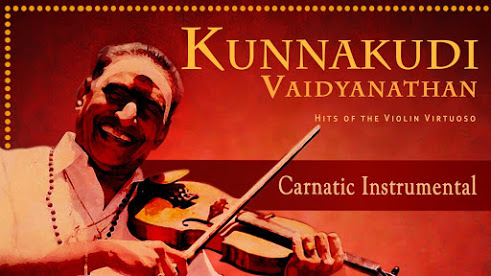
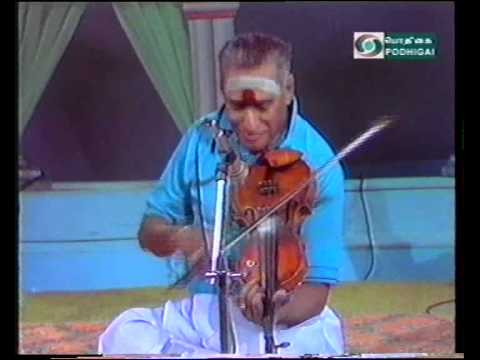
குன்னக்குடி வைத்யநாதன் இந்த இசை ஆராய்ச்சியில் மிகவும் ஆர்வத்துடன் ஈடுபட்டிருந்தார். பைரவி ராகம் சக்தியைத் தரும் ராகம் என்பதை பல வித ஆய்வுகள் மூலமும் அதனால் ஏற்பட்ட அனுபவங்கள் மூலமும் கண்டறிந்து அதை உலகிற்கு அறிவித்தார்.
ஆர் ஆர் சி ஒரு பெரிய குழுவைக் கொண்டுள்ளது. மருத்துவர்கள், மூளை இயல் நிபுணர்கள், இசை வல்லுநர்கள் ஆகியோர் ஒரு குழுவாக ஒருங்கிணைந்து தங்கள் முழுத் திறமையையும் ஒத்துழைப்பையும் தருவதால் இந்தக் குழு பல நல்ல முடிவுகளைக் கண்டறிந்து வந்துள்ளது.
அசாவேரி ராகம் நம்பிக்கை தரும் ராகம். இது காலையில் கேட்கப்பட வேண்டிய ராகம்.
தூக்க வியாதி எனப்படும் இன்ஸோம்னியாவை குணப்படுத்தும் ராகம் பாகஸ்ரீ. (Bageshri – Insomnia). இது இரவில் கேட்கப்பட வேண்டிய ராகம்
சிறுநீரகக் கற்களை அகற்றி குணப்படுத்தும் ராகம் வசந்தவிஹார். (Basant Bahar – Gall stones). இது காலையில் கேட்கப்பட வேண்டிய ராகம்.
உயர் ரத்த அழுத்தம், கவலை முதலியவற்றை நீக்க வல்லது பீம்ப்ளாஸ் (Bhim palas – Anxiety, Hypertension). இது பகல் நேரத்தில் கேட்கப்பட வேண்டிய ராகம்.
இரவில் தூக்கத்தைத் தரும் அருமருந்தான ராகம் தர்பாரி.
குர்ஜரி தோடி (Gurjri Todi) இருமலை நீக்கும். இது காலையில் கேட்கப்பட வேண்டிய ராகம்.
கேதார் (Kedar) ராகம் தலைவலி, ஜலதோஷம், ஆஸ்த்மா ஆகியவற்றைப் போக்கும். இது இரவில் கேட்கப்பட வேண்டிய ராகம்.
பூரியா ராகம் பெருங்குடல் அழற்சி, உயர் ரத்த அழுத்தம், ரத்த சோகை ஆகியவற்றை நீக்கி விடும். (Puriya – Colitis, Anaemia, Hypertension). இது மாலையில் கேட்கப்பட வேண்டிய ராகம்.
யமன் ராகம் முடக்கு வாதத்தை நீக்க வல்லது (Yaman). இது மாலையில் கேட்கப்பட வேண்டிய ராகம்.
Pictures are taken from various sources for spreading knowledge;
this is a non- commercial blog. Thanks for your great pictures.
tamilandvedas.com, swamiindology.blogspot.com
2700 ஆண்டுகளுக்கு முன்னர் தமிழ், ஆங்கில சொற்கள் – பகுதி 1
IN THE PAST FEW WEEKS I EXPLAINEDIN 43 PARTS, THE ROOTS OF SANSKRIT, ENGLISH AND TAMIL ARE SAME. IN THE CURRENT SERIES I AM GOING TO SHOW EVIDENCE FOR MY THEORY FROM ASHTADHYAYI OF PANINI.
PANINI’S WORK “ EIGHT CHAPTERS” ALSO KNOWN AS “PANINIAM” IS 2700 TO 2800 YEARS OLD ACCORDING TO GOLDSTUCKER AND FAMOUS INDIAN SANSKRIT SCHOLARS.
THE REASONS FOR THIS CONCLUSION ARE SIMPLE—
1.KATYAYANA VARARUCHI SUGGESTED 10,000 CORRECTIONS, OMISSIONS AND ADDITIONS TO ASHTADHYAYI AND YET THE WORLD ONLY PRAISES PANINI AS THE FIRST GRAMMARIAN. AS GOLDSTUCKER POINTED OUT KATYAYANA IN HIS VARTIKA ‘BEAT’ PANINI IN WRITING MARGINAL NOTES, CALLED VARTIKA, BECAUSE HE LIVED AT LEAST 300 YEARS AFTER PANINI.
2.MORE OVER PANINI HIMSELF SHOWED THE DIFFERENCES BETWEEN THE EASTERNERS AND NOTHERNERS IN CODIFYING THE RULES. SO KATYAYANA MIGHT HAVE TAKEN EVEN FROM THE SOUTH.
3.THERE IS A VAST DIFFERENCE IN MEASUREMENTS, COINAGE, TAXES, RULES AND REGULATIONS OF GOVERNANCE BETWEEN THE ARTHASHSTRA AND PANINI. ARTHASASTRA BELONGS TO MAURYA PERIOD.
4. PANINI MENTIONED LOT OF THINGS WHICH ARE NOT FOUND IN ARTHSHASTRA. PROBABY THEY ALL DISAPPEARED UNDER THE POWERFUL MAURYA RULE IN WHICH PERIOD CHANAKYA OF ARTHA SASTRA LIVED.
5.PANINI WROTE A BOOK ON GRAMMAR AND CHANAKYA/ KAUTILYA WROTE A BOOK ON ECONOMICS AND ADMINISTRATION. PANINI NEVER MENTIONED BUDDHA OR MAHAVIRA.
6. LOT OF RULES IN PANINI’S WORKS ARE ABOUT VEDIC GRAMMAR. SO HE LIVED CLOSER TO VEDIC AGE WHICH CAME TO AN END AROUND 1000 BCE. WHY DID PANINI WRITE ABOUT VEDIC GRAMMAR/CHANDAS ALONG WITH GRAMMAR FOR BHASA/ SANSKRIT?
NOW I GET MORE EVIDENCE TO MY THEORY
1.WORLD GOT CIVILISED BY THE SPREAD OF LANGUAGE FROM INDIA.
2.ALL THE GREEK AND LATIN ROOTS CAN BE TRACED BACK TO SANSKRIT OR TAMIL. SO, THE CLASSIFICATION OF LANGUAGES IS WRONG.
3.PROTO INDIAN LANGUAGE DEVELOPED OR BRANCHED OUT IN TWO WAYS- TAMIL WAY AND SANSKRIT WAY. IN SOME EUROPEAN LANGUAGES, WORDS HAVE CLOSE SIMILAIRITY WITH TAMIL. SANSKRIT’S CONNECTION WITH INDO-EUROPEAN GROUP IS ALREADY ACCEPTED.
ABOUT THE AGE OF ENGLISH AND TAMIL LITERATURE
ENGLISH IS KNOWN ONLY FROM EIGTH CENTRY CE.
TAMIL LITERATURE IS KNOWN ONLY FROM FIRST CENTURY BCE; INSCRIPTIONS FROM 3RD CENTURY BCE.
SANSKRIT LITERATURE IS AVAILABLE FROM 1500 BCE. INSCRIPTIONS ARE AVAILABLE FROM 1400 BCE
WHEN I SAY TAMIL AND ENGLISH WERE THERE, I MEAN THE WORD ROOTS WERE THERE. BUT GIVE A RANGE OF 500 YEARS BECAUSE THE ROOTS OR EXAMPLES FOR PANINI’S RULES ARE TAKEN EVEN FROM PATANJALI WHO LIVED IN SECOND CENTURY BCE.
HERE ARE THE SUTRAS FROM PANINI’S WORKS WHICH GIVE BIRTH TO TAMIL, AND ENGLISH WORDS:-
PANINI SUTRA 1-1-8
NASIKA – NOSE
MUKHA – MOUTH
XXX
1-1-23
BAHU/MANY – IN TAMIL VEHU, MIKU VEGU; B/P=V=M
பஹு =வெகு=மிகு
(I HAVE GIVEN MANY EXAMPLES TO SHOW B-V-M ARE INTER CHANGEABLE.
GANA/CLASS/GROUP – IN TAMIL GANA AS IN 18 GANAS, BHUTA GANAS OF SHIVA; GANA PATI IN TEVARAM ETC; AT LEAST 1500 YEARS BEFORE
XXX
1-1-24
PANCHA – 5- FIVE – IN TAMIL ANJU பஞ்ச= அஞ்சு
SASH- 6- SIX= 6 ஷஷ்டி
SAPTA -7- SEVEN; AS IN SEPTEMBER- ORIGINALLY SEVENTH MONTH IN CALENDAR . பழைய காலண்டரில் 7-ஆவது மாதம்
ASHTA — 8- EIGHT – IN TAMIL IT IS ETTU- IN ENGLISH WE HAVE IT IN OCTOBER- PREVIOUSLY EIGHTH MONTH NOW 10TH MONTHபழைய காலண்டரில் 8- ஆவது மாதம்
DASA – 10- AS IN DECEMBER – 10TH MONTH BEFORE THE CALENDARS CHANGED தச – டிசம்பர் – பழைய காலண்டரில் 10 ஆவது மாதம்
XXX
1-1-30 AND 1-1-31
THRUTHIYA – THREE – 3 த்ருதியை = 3
DWANTVA – TWO – 2 த்வ -2
XXX
1-1-33 AND 1-1-34 PRATHAMA, PURVA, APARA
PRE IN ENGLISH- PURVA, PRATHAMA பூர்வ, பிரதம
AFTER – APARA , அபர
XXX
1-1-34 DAKSIHNA – DEXTRUOUS
KNJATHI – PROPERTY
IN TAMIL NAATHI KETTA PAYAL – FIT FOR NOTHING- NO RELATIONS OR MONEY
Contact – swami_48@yahoo.com Pictures are taken from various sources for spreading knowledge; this is a non- commercial blog. Thanks for your great pictures. tamilandvedas.com, swamiindology.blogspot.com
TALK BY KATTUKUTY SRINIVASAN IN FACEBOOK.COM/GNANAMAYAM ON 7-12-2020. VOICE RECORDING IS AVAILABLE AT GNANAMAYAM AND YOUTUBE.COM/GNANAMAYAM
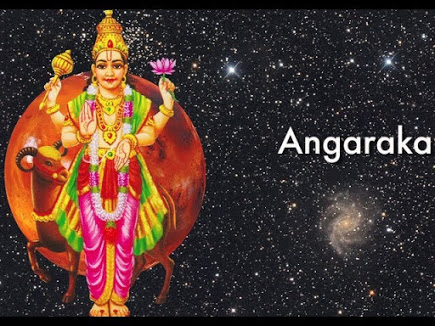
செவ்வாய் MARS/ ANGARAKA தோஷம் ஒரு ஜாதகத்தில், 1,2,4,7,8,12 இடங்களில் செவ்வாய் இருந்தால் அது செவ்வாய் தோஷ ஜாதகமாகும். இதை “பாவம்” என்றும்கணக்கிடுவார்கள். பாவம் என்றால் ஏதோ கொலைக் குற்றம் செய்த மாதிரி என்று நடுங்க வேண்டாம். பாவம், தோஷம் என்றால்
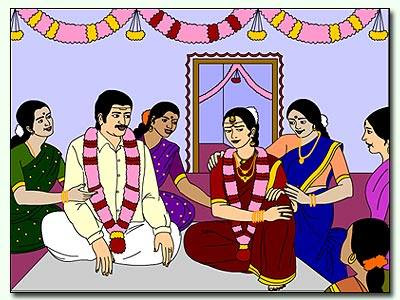
“TEMPERAMENT” என்று அர்த்தம் . ஒருவருக்கொருவர் விட்டுக் கொடுக்கும் மனப்பான்மை இருக்கிறதா…….ஒருவர் எகிறினால், மற்றொருவர் adjust செய்து போவாரா, என்று பார்ப்பதே பாவசாமியம் பார்ப்பது என்று பெயர். இதில் ராகு, கேது அவர்களும் சேர்வார்கள்!! பாவ சாம்யம் பார்க்காமல் திருமணம் நடந்தால், விவாக ரத்து, மனைவியோ, புருஷனோ ஒருவரை ஒருவர் பிரிதல், அல்லது வீட்டை விட்டு ஓடிப்போதல், அல்லது மரணம் வரை சம்பவிக்கும்.
எப்படி இருந்தால் செவ்வாய் MARS தோஷம் இல்லை??? ஒருவரின் ஜாதகத்தில், மேஷம்,கடகம், விருச்சிகம்,மகரம் ராசிகளில் செவ்வாய் இருந்து அந்த இடம் 8 வது, 12 வது இடமாக இருந்தாலும் தோஷம் இல்லை. ஒருவருடைய ஜாதகத்தில் சிம்மம், கும்பத்தில்,செவ்வாய் இருந்தால் தோஷம் இல்லை. செவ்வாய் குருவோடு சேர்ந்து எந்தக் கட்டத்திலிருந்தாலும் தோஷமில்லை. செவ்வாய் சனி, ராகு, கேது உடன் சேர்ந்திருந்தால், தோஷமில்லை.
ஜாதகத்தில், 7- ம் இடம் கடகமாகவோ, மகரமாகவோ இருந்து அதில் செவ்வாய் இருந்தால் தோஷம் கிடையாது. செவ்வாய் சுக்கிரனுடன் சேர்ந்து சிம்மம் , கும்ப ராசியில் இருந்தாலும் தோஷமில்லை. ஆண்கள் இரண்டாம் திருமணத்திற்கும், விதவையின் மறுமணத்திற்கும் செவ்வாய் தோஷம் பார்க்கத்தேவையில்லை.
MARS விஞ்ஞான விவரங்கள்
சூரியனுக்கும் செவ்வாய்க்கும் இடையில்உள்ள தூரம். 14, கோடியே, 60 லட்சம் மைல்கள் சூரியனைச்சுற்றி வர 687.9 நாட்கள் பூமிக்கும் செவ்வாய்க்கும் இடையில் உள்ள தூரம். 5கோடியே,46 லட்சம் மைல்கள் செவ்வாய் தன்னைத்தானே சுற்றி வரும் நேரம். 24 மணி,37 நிமிடம்,27 நொடிகள்
செவ்வாய் பற்றிய மற்ற விவரங்கள்
மனைவிகள் – மாலினி, சுசீலினி மகன் – மிருத்யு ஜாதி – க்ஷத்திரியன் லிங்கம் – புருஷன் காரகம் – சகோதர காரகன் நிறம் – செம்மை கலந்த வெண்மை குணம் – தாமசம் உத்யோகம் – சேனாதிபதி அதி தேவதை – பூமி ப்ரயதி தேவதை – ஷேத்ர பாலகன் திசை – தெற்கு
பூதம் – தீ வித்தை – மந்திரம் உடல் பகுதி – மஜ்ஜை, ரத்தம் அவஸ்தை – கௌமாரர் வாஹனம் – அன்னம் இஷ்ட காலம். – பகல் சுவை – கைப்பு சுபாவம் – குரூரம் தான்யம் – துவரை சமித்து – கருங்காலி
புஷ்பம் – செண்பகம், சிவப்பு அரளி ரத்தினம் – பவழம் உலோகம் – செம்பு வஸ்திரம் – சிவப்பு ஆடை ஆசனம் – முக்கோணம் இயற்கை – பாபி ஸ்வரம் – ப பறவை – சேவல், கழுகு மிருகம் – பெண் பாம்பு சொந்த வீடு – மேஷம், விருச்சிகம்
பரிகாரம் செய்ய சிறந்த இடம் மயிலாடுதுறை அருகில் உள்ள ஸ்தலங்கள். வைத்தீஸ்வரன் கோவில்( அங்காரகனின் வியாதி தீர்ந்த இடம்,) சித்தாமிர்த தீர்த்தத்தில் உப்பு, மிளகு , போட்டு வெல்லம் கரைக்க வேண்டும். நவக்கிகங்களும் வரிசையாக நிற்கும் இடம் இது.
”தையல் நாயகியைத் தொழுவார் தொங்க தொங்க தாலியணிவார்” (செவ்வாய்தோஷம் நீங்கி)! பழனி மலை முருகன். சென்னை அருகில் பூந்த மல்லியில் உள்ள வைத்தீஸ்வரன் கோவில், நவதிருப்பதியான திருக்கோளூர், நவகைலாசமான கோடக நல்லூர், வட பழனி முருகன். இடம், வீடு தேவைக்கு சிறுவா புரி முருகன்
செவ்வாய் தோறும் முருகனுக்கு சிவப்பு மாலை அணிவித்தல், துவரை தானம் செய்தல். செவ்வாய் என்றாலே அலறி புடைத்துக்கொண்டு ஓடும் தமிழ்நாட்டு மக்களுக்கு நேர் எதிரிடை வட நாட்டு மக்கள் !!! செவ்வாயை “மங்கள் வார்”எனப்பெயரிட்டு, அன்று கடை திறப்பதும், திருமணம் செய்வதும் முக்கிய காரியங்கள் செய்வதுமாக மிக மிக சிறப்பாக கொண்டாடுகிறார்கள்!!! வீரத்திருமகன், பூமி காரகன், தாலி பாக்கியம் தரும் மங்கள காரகனை வணங்கி வாழ்வில் வளம் பெறுவோமாகுக!!!!
அன்பர் அனைவருக்கும் ஓர் வேண்டுகோள்- செவ்வாய்கிரகத்தையும், செவ்வாய் தோஷத்தையும், தோஷ நிவர்த்தியும் பற்றி நன்றாக தெரிந்து கொள்ள தயவு செய்து tamilandvedas ஐ கண்டிப்பாக பார்த்து நண்பர்களிடமும் பகிரவும்.