31 நாலடியார் பொன் மொழிகள் (Post No.4785)


31 நாலடியார் பொன் மொழிகள் (Post No.4785)

Written by London Swaminathan 


Date: 25 FEBRUARY 2018


Time uploaded in London – 17-40


Post No. 4785

Pictures shown here are taken from various sources such as Facebook friends, Books, Google and newspapers; thanks.


WARNING: PLEASE SHARE MY ARTICLES; BUT DON’T SHARE IT WITHOUT AUTHOR’S NAME AND THE BLOG NAME. BE HONEST; OTHERS WILL BE HONEST WITH YOU


மார்ச் 2018  ‘நற்சிந்தனை’ காலண்டர்

(ஹேவிளம்பி- மாசி/ பங்குனி மாதம்)

இந்த மாத காலண்டரில் நாலடியார் நானூறு என்னும் நீதி நூலில் இருந்து 31 பொன்மொழிகளைத் தந்துள்ளேன். படித்து இன்புறுக.


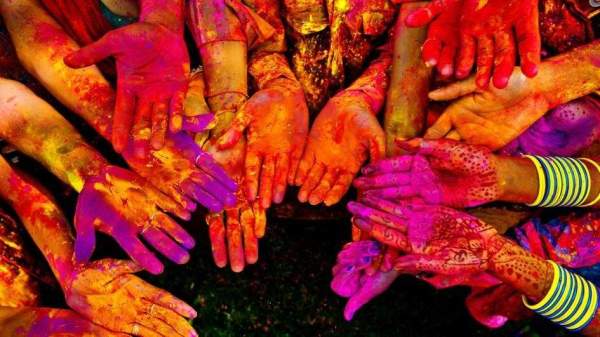
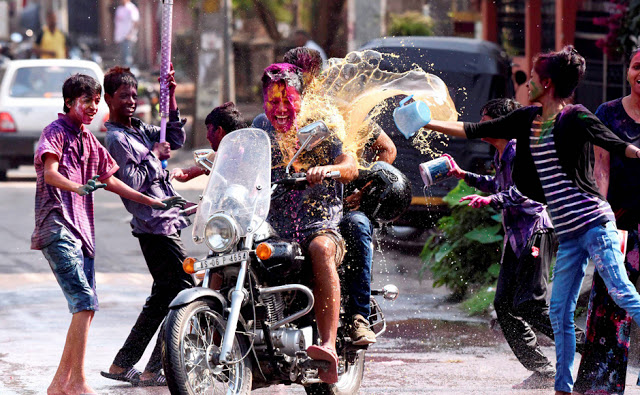
முக்கிய விழாக்கள் – மார்ச் 1 ஹோலி, மாசி மகம் ;  14-காரடையான் நோன்பு; 18- யுகாதி/ தெலுங்கு வருஷப் பிறப்பு, வஸந்த பஞ்சமி ஆரம்பம்; 22- வஸந்த பஞ்சமி; 25- வஸந்த பஞ்சமி முடிவு, ஸ்ரீ இராமநவமி, ஷீர்டி சாய் பாபா பிறந்த தினம்; 29- மஹாவீர் ஜயந்தி’;  30- புனிதவெள்ளி, பங்குனி உத்திரம்.

பௌர்ணமி– 1, 31; அமாவாசை– 17  ; ஏகாதஸி விரதம்-13, 27;

சுப முகூர்த்த தினங்கள்:- 4, 5, 26, 30


மார்ச் 1 வியாழக்கிழமை


பகடு நடந்த கூழ் பல்லாரோடு உண்க,அகடுற யார் மாட்டு நில்லாது செல்வம் சகடக்கால் போல வரும் (காளை உழுது பெற்ற உண்வை பகுத்து உண்க; செல்வமானது, நடு நிலையுடன், வண்டிச் சக்கரம் போல மாறி மாறி வரும்)

மார்ச் 2 வெள்ளிக்கிழமை


நின்றன நின்றன நில்லாவென உணர்ந்து

ஒன்றின ஒன்றின வல்லே செயிற் செய்க (நிலையாக இருக்கும் என்று எண்ணப்பட்டவை நிற்காது; ஆகையால் உங்களுக்குப் பொருந்திய அறப்பணிகளை உடனே செய்க)


மார்ச் 3 சனிக்கிழமை

அறம் செய்து அருளுடையீர் ஆகுமின், யாரும் பிறந்தும் பிறவாதாரில் (தர்மம் செய்து கருணை உடையவராக இருங்கள்; அப்படி செய்யாவிடில் பிறந்தும் பிறவாதவரே)

மார்ச் 4 ஞாயிற்றுக்கிழமை

ஒருநன்றி செய்தவர்க் கொன்றி யெழுந்த

பிழை நூறுஞ் சான்றோர் பொறுப்பர் (ஒரு நன்மை செய்தாலும் கூட அதற்காக சான்றோர் 100 பிழைகளையும் பொறுப்பர்)


மார்ச் 5 திங்கள் கிழமை

வழும்பில்சீர் நூல்கற்றக் கண்ணு நுணுக்கமொன் றில்லாதார் தேர்கிற்கும் பெற்றி யரிது (குற்றமில்லாத நூல்களைக் கற்றும், அதன் உட்கருத்தை அறியமாட்டார் புத்தி இல்லாதவர்)
மார்ச் 6 செவ்வாய்க் கிழமை

மைதீர் பசும்பொன்மேன் மாண்ட மணியழுத்திச்

செய்ததெனினுஞ் செருப்பும்தன் காற்கேயா

மெய்திய செல்வத்த ராயினுங் கீழ்களைச்

செய்தொழிலாற் காணப்படும் (தங்க, ரத்ன செருப்பானாலும் காலில்தான் பயன்படும். கீழ்களுக்குச் செல்வம் இருந்தாலும் அவர்களின் செயல்களே அவர்களைக் காட்டிவிடும்)


மார்ச் 7  புதன் கிழமை


தினையனைத்தே யாயினுஞ் செய்தநன் றுண்டால்

பனையனைத்தா வுள்ளுவர் சான்றோர் (கொஞ்சம் உதவி செய்தாலும் உயர்ந்தோர் அதைப் பெரிதாகப் பாராட்டுவர்)


மார்ச் 8 வியாழக்கிழமை


முந்திரிமேற் காணி மிகுவதேற் கீழ்தன்னை

யிந்திரனா வெண்ணி விடும் ( முந்திரி என்னும் சிறு தொகைக்கும் சற்று மாகாணி செல்வம் அதிகரித்தவுடன் கீழ்மட்ட மக்கள் தங்களை இந்திரன் என்று எண்ணுவர்)


மார்ச் 9 வெள்ளிக்கிழமை

நுண்ணர்வினாரொடு கூடி நுகர்வுடைமை

விண்ணுலகே யொக்கும் ( நுட்பமான அறிவு உடையோருடன் அமர்ந்து புசிப்பது தேவ லோகம் போல இன்பம் தரும்)


மார்ச் 10 சனிக்கிழமை

காம நெறி படரும் கண்ணினாற்கு இல்லையே

ஏம நெறி படருமாறு (வயதான காலத்திலும் காமம் உடையோருக்கு

நிலையான இன்பம்/ பாதுகாப்பு இல்லை)
 

மார்ச் 11 ஞாயிற்றுக்கிழமை


பாய்திரைசூழ் வையம் பயப்பினு மின்னாதே

ஆய்நல மில்லாதார் பாட்டு (உலகமே கிடைப்பதானாலும் நல்ல குணம் இல்லாதார் நட்பினை விரும்பமாட்டார்கள் சான்றோர்)


மார்ச் 12 திங்கள் கிழமை

கொடாஅ ரெனினு முடையாரைப் பற்றி

விடாஅ ருலகத் தவர் ( செல்வம் உடையோர் ஒரு காசு தராதபோதிலும், மக்கள் அவரைச் சுற்றி வட்டம் இடுவர்)


மார்ச் 13  செவ்வாய்க் கிழமை


அருளினற முரைக்கு மன்புடையார் வாய்ச்சொற்

பொருளாகக் கொள்வர் புலவர் (பெரியோர் சொல்லும் புத்திமதியை நல்லோர் பெரும்பேறாக கொள்வர்)

மார்ச் 14  புதன் கிழமை

நாப்பாடஞ்சொல்லி நயமுணர்வார் போற்செறிக்குந்த்

தீப்புலவர் சேரார் செறிவுடையார் (வாய்க்கு வந்தபடி பாடம் சொல்லும் நேர்மையற்ற புலவருடன் அடக்கமுடைய நற்புலவர் சேர மாட்டார்கள்.)


மார்ச் 15 வியாழக்கிழமை


தம்மை மருண்ட மனத்தார்பின் செல்பவோ தாமுந்

தெருண்ட வறிவினவர் (தானே பெரியவன் என்று கருதும் செல்வரிடத்து, தெளிந்த அறிவுடையார் செல்ல மாட்டார்கள்)
 

மார்ச் 16 வெள்ளிக்கிழமை


வானகங் கையுறினும் வேண்டார் விழுமியோர்

மான மழுங்க வரின் (சுவர்க்கமே கிடைப்பதாயினும் , மானம் கெட்டுப்போக நேரிட்டால் , மானமுள்ள பெரியோர் அதை நாட மாட்டார்கள்)


மார்ச் 17 சனிக்கிழமை

கடையெலாங் காய்பசி யஞ்சுமற்றேனை

இடயெலா மின்னாமை யஞ்சும்….தலையெல்லாம் சொற்பழி யஞ்சிவிடும் (பயத்தின் வகை: கடைத்தரத்தில் உள்ளோர் பசிக்கு பயப்படுவர்; இடைத் தரத்தில் உள்ளோர் துன்பத்துக்கு பயப்படுவர் ; முதல் தரத்தில் உள்ளோர் சொல்லால் வரும் பழிக்கு பயப்படுவர் )


மார்ச் 18 ஞாயிற்றுக்கிழமை


புறங்கடை வைத்தீவர் சோறு மதனால்

மறந்திடுக செல்வர் தொடர்பு (செல்வந்தர் நம் வீட்டுக்கு வந்தால் மனைவியை அறிமுகம் செய்து, சோறு படைப்போம்; நாம் அவர்கள் வீட்டுக்குப் போனால் மனைவியின் கற்பழிந்துவிடுவது போல நம்மை வாசலில் வைத்தே சோறு போடுவர்; அவர்களை மறப்பதே நலம்)


மார்ச் 19 திங்கள் கிழமை


உள்ளூர்

இருந்துயிர் கொன்னே கழியாது தான்போய்

விருந்தினனா நாதலே நன்று (ஒருவர்க்கு சோறு போட முடியாவிட்டால், உள்ளூரில் இருந்து காலத்தைக் கழிக்காமல் நாமே பிச்சை எடுத்தல் நன்று)


மார்ச் 20  செவ்வாய்க் கிழமை

வாழாதார்க்கில்லை தமர் ( பொருள் இல்லாமல் வாழ்வோருக்கு சுற்றத்தார் இல்லை)
 

மார்ச் 21 புதன் கிழமை

கலா அற் கிளிகடியுங் கானக நாட

இலாஅ அர்க் கில்லைத் தமர் ( கல் கொண்டு கிளி ஓட்டும் காடுகளைக் கொண்ட மன்னவா! செல்வம் இல்லாதவர்களுக்கு உறவினர் இல்லை)

மார்ச் 22 வியாழக்கிழமை


இரப்பிடும்பை யாளன் புகுமே புகையும்

புகற்கரிய பூழை நுழைந்து (பிச்சை எடுக்கும் துன்பம் உள்ளவன், புகை போக முடியாத இடத்திலும் புகுந்துவிடுவான்)

மார்ச் 23 வெள்ளிக்கிழமை


இரவலர் கன்றாக வீவார வாக

விரகிற் சுரப்பதாம் வண்மை (பிச்சை எடுப்போர் கன்று; பிச்சை இடுவோர் பசு; இப்படி, தானே அன்புடன் சுரப்பதே கொடுக்கும் குணம்)


மார்ச் 24 சனிக்கிழமை

அட்டதடைத்  திருந்துண்டொழுகு  மாவதின் மாக்கட்

கடைக்குமா மாண்டைக் கதவு (சமைத்ததைத் தாமே சாப்பிடும் குணமில்லாத மனிதருக்கு மேலுலகத்தின் கதவானது மூடப்படும்)


மார்ச் 25 ஞாயிற்றுக்கிழமை

ஓதியுமோதா ருணர்விலா ரோதாதும்

ஓதியனையா ருணர்வுடையார் (பகுத்தறிவு இல்லாதவர்கள் படித்தும் படியாதவர்களே; பகுத்தறிவு உடையோர், ஓதாமலும் படித்தவர்களுக்குச் சமமானவர்கள் ஆவர்;பகுத்தறிவு = விவேகம்)
 

மார்ச் 26 திங்கள் கிழமை

வலவைகளல்லாதார் காலாறு சென்று

கலவைகளுண்டு கழிப்பர் (பேய்த்தனம் இல்லாத நல்லோர் தூர இடங்களுக்குச் சென்று பல விதமான உணவு வகைகளை உண்டு மகிழ்வர்; வலவை= இடாகினி, காளி ஆகியோருக்கு ஊழியம் செய்யும் பேய்கள்)


மார்ச் 27 செவ்வாய்க் கிழமை

செல்வம் பெரிதுடையாராயினுங் கீழ்களை

நள்ளா ரறிவுடையார் ( மிகுந்த செல்வம் படைத்திருந்தாலும் கீழ் மக்களாக இருந்தால், அவர்களை அறிவுள்ளவர்கள் விரும்ப மாட்டார்கள்; கீழ்கள்= குணத்தினால் கீழானவர்கள்)

மார்ச் 28 புதன் கிழமை


கோலாற் கடாஅய்க் குறினும் புகலொல்லா

நோலா வுடம்பிற் கறிவு ( கோல் கொண்டு அடித்துச் சொன்னாலும்  புண்ணியம் செய்யாத உடம்புக்கு ஞானம் புக மாட்டாது/ வராது)

மார்ச் 29 வியாழக்கிழமை


கடாஅயினுஞ் சான்றவர் சொல்லார் பொருண்மேற்

படாஅ விடுபாகறிந்து (கேட்டால் கூட, எங்கு தன் சொல் எடுபடாதோ, அங்கே அறிஞர்கள் பதில் சொல்ல மாட்டார்கள்; மூடர்கள் சபையில் பேசார்)


மார்ச் 30 வெள்ளிக்கிழமை


நாவின் கிழத்தி யுறைதலாற் சேராளே

பூவின் கிழத்தி புலந்து (சரஸ்வதி தேவி உறைவதால், அவ்விடத்தில் பிணங்கி, லெட்சுமி தேவி சேர மாட்டாள்; பணமுள்ள இடத்தில் அறிவு இராது)
மார்ச் 31 சனிக்கிழமை


உணர வுணரு முணர்வுடை யாரைப்

புணரப் புணருமா மின்பம்

(நம்மை நன்கு அறிந்த, நம் குணத்தைப் பாராட்டும் விவேகம் உள்ளவர்களை சந்தித்து அளாவும்போது இன்பம் ஏற்படும்)


(தமிழை வளர்க்க விரும்புபவர்கள், தன் மனைவி, மகன்கள், கணவர்கள் , ஆளும் அரசாங்கத்தினர் ஆகியோர் தன்னிடம் நேர்மையாக இருக்க வேண்டும் என்று எண்ணுவோர் என் எழுத்துக்களைத் திருட மாட்டார்கள். எழுதியவர் பெயருடன் பகிர்வார்கள்; பிளாக் பெயரை நீக்க மாட்டார்கள்)


–SUBHAM–
 

ஜோதிடர் மோசடியும் 114 மோசடி முறைகளும் (Post No.4784)

Date: 25 FEBRUARY 2018

Time uploaded in London- 8-16 am

Written by London swaminathan

Post No. 4784

PICTURES ARE TAKEN from various sources. They may not be directly related to the article. They are only representational.

WARNING: PLEASE SHARE MY ARTICLES; BUT DON’T SHARE IT WITHOUT AUTHOR’S NAME AND THE BLOG NAME. BE HONEST; OTHERS WILL BE HONEST WITH YOU.


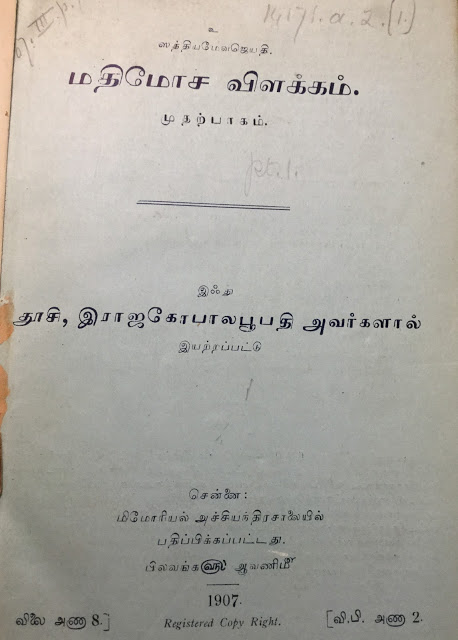
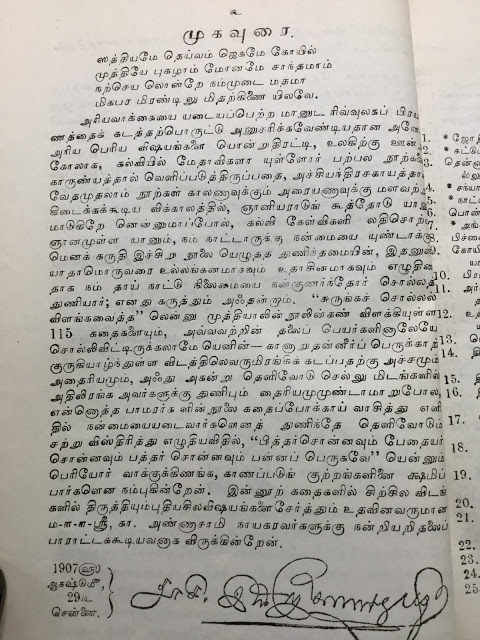
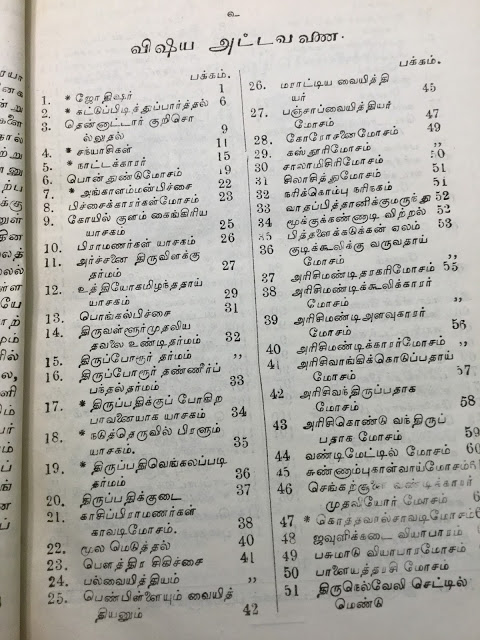
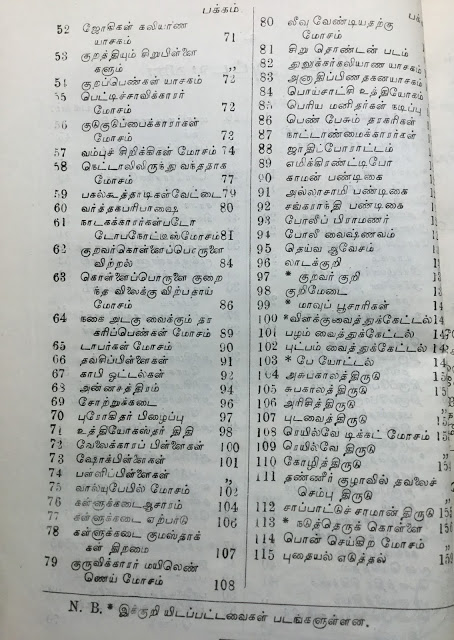
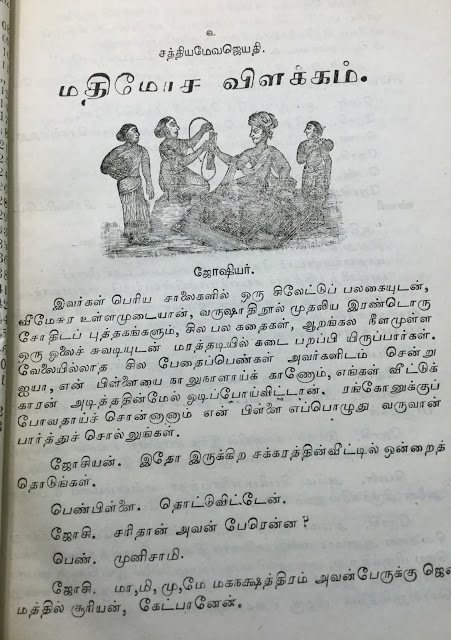
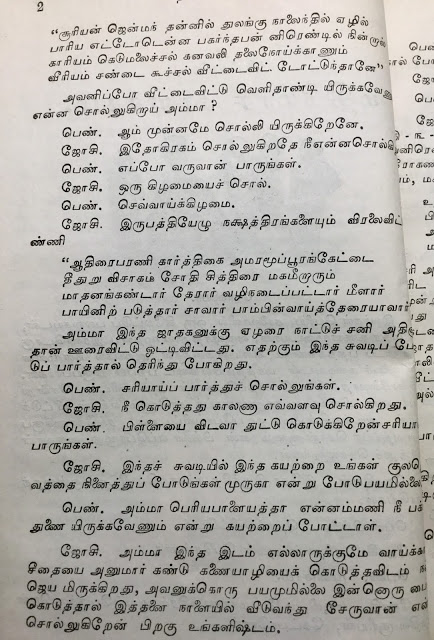
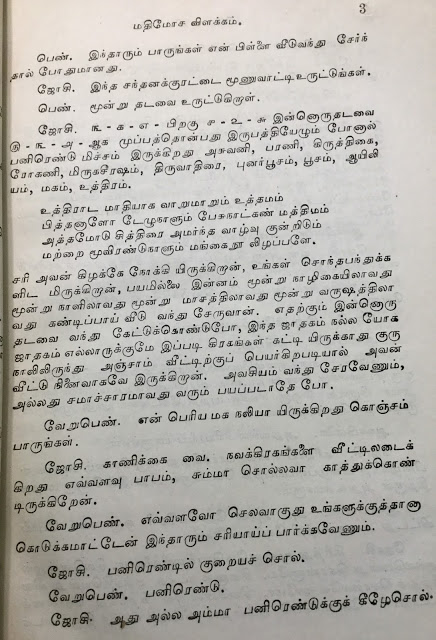
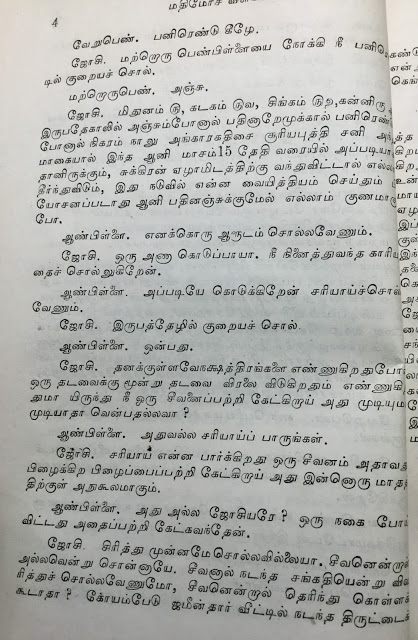
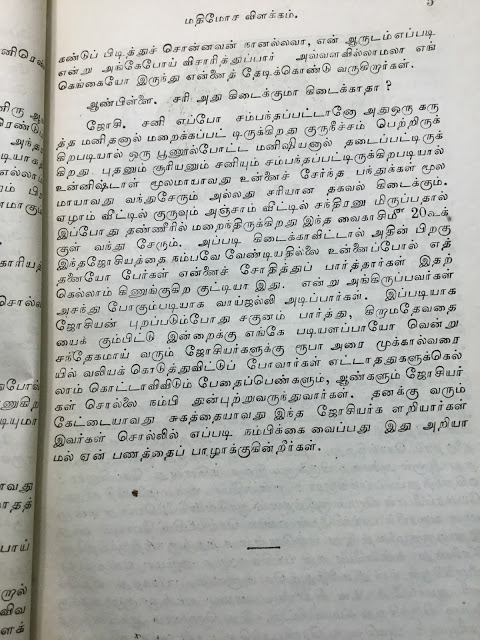
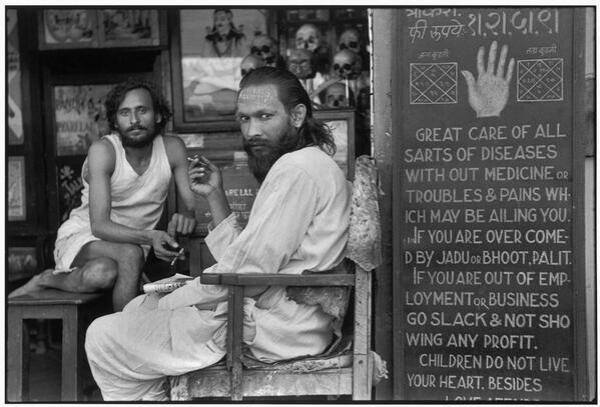
பிரிட்டிஷ் லைப்ரரி (இலண்டன்) யில் ஒரு பழைய நூலைக் கண்டேன். 1907-ஆம் ஆண்டில் தூசி. இராஜகோபால பூபதி என்பவர், 115 விதமான மோசடிகளைப் பற்றி எழுதியுள்ளார். எல்லாமே சுவையான விஷயங்களே. இது சென்னையிலிருந்து வெளியான நூல். இதில் முதல் மோசடி ஜோதிட மோசடி ஆகும்; ஜோதிடர்கள் எப்படி, வாடிக்கையாளரிடம் இருந்தே விஷயத்தைக் கறந்து ஏமாற்றுகிறார்கள் என்பதை இதில் காணலாம்.


புஸ்தகத்தின் பெயர் மதிமோச விளக்கம்

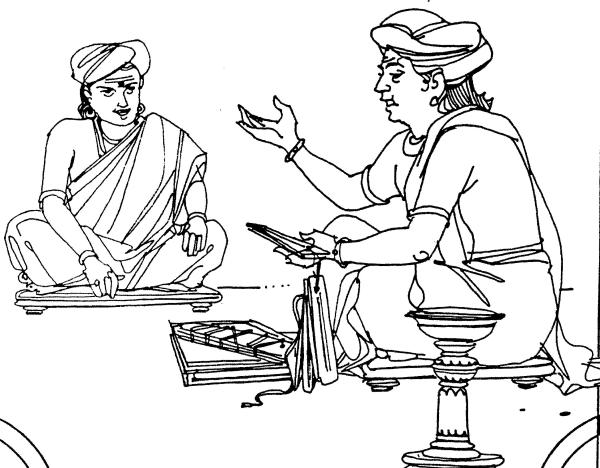
இந்த நூல் தமிழ் மொழி ஆராய்ச்சியாளர்களுக்கும் உதவும்;  ஒரு நூறு ஆண்டுகளுக்கு முன்னர், ஒவ்வொரு தொழில் செய்வோரும் பயன்படுத்திய சொற்களும், அவர்கள் பேசும் முறையும் அப்படியே உள்ளது. இப்பொழுது தமிழ் கற்போருக்கு அது எவ்வளவு புரியும் என்பது கேள்விக்குறியே. இதோ ஜோதிடர்கள் ஏமாற்றும் முறை:


–SUBHAM–

ZODIAC MAN & RARE PICTURES OF HUMAN BODY IN LONDON (Post No.4708)

Date: 6 FEBRUARY 2018


Time uploaded in London- 8-53 am


Compiled by London swaminathan


Post No. 4708


PICTURES ARE TAKEN BY LONDON SWAMINATHAN


WARNING: PLEASE SHARE MY ARTICLES; BUT DON’T SHARE IT WITHOUT AUTHOR’S NAME AND THE BLOG NAME. BE HONEST; OTHERS WILL BE HONEST

WITH YOU.


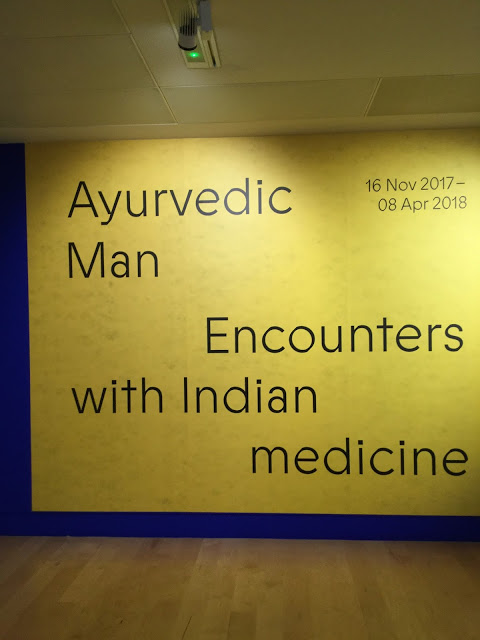
Fourth Part of Ayurveda Exhibition


There are some rare pictures of human body displayed in the Ayurveda Man exhibition at Wellcome Centre in London (next to Euston square Underground Station).

1.Zodiac Man

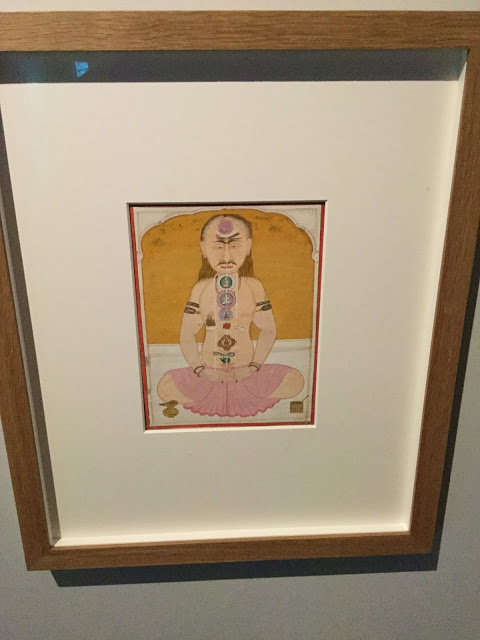
2.Human body with Six Chakras

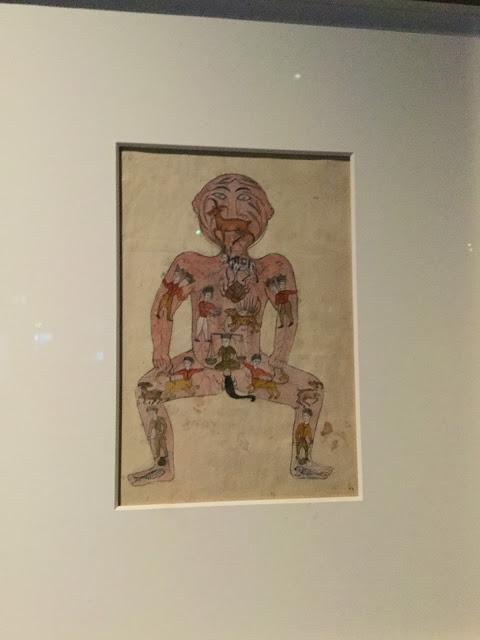
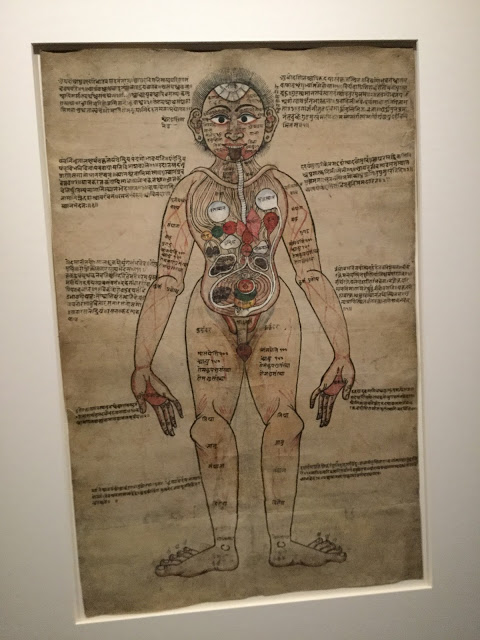
3.Nepali painting of Ayurveda Man

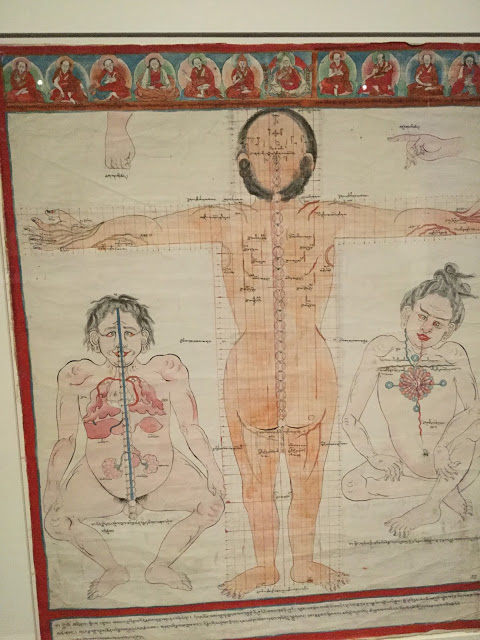
4.Tibetan Painting of Human anatomy

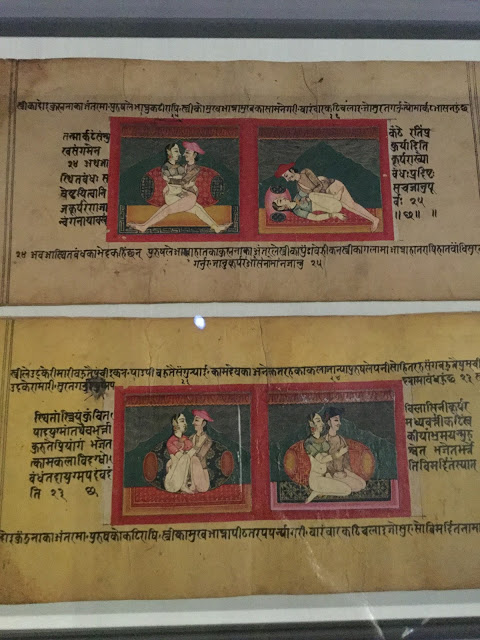
5.Sex Manual of 15th Century


1.What is Zodiac Man?


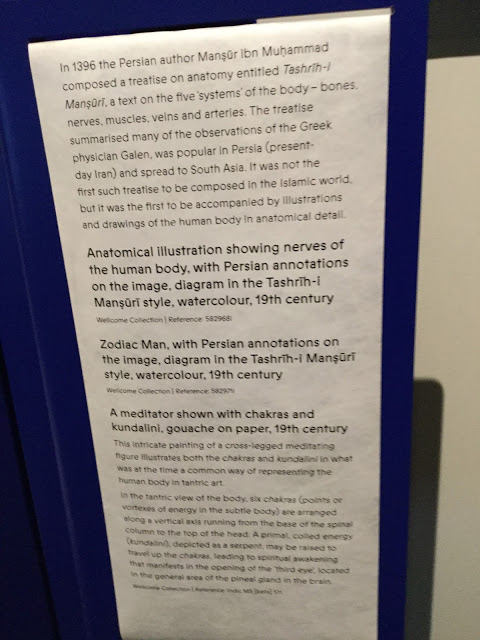
in 1396, the Persian author Mansur Ibn Muhammad composed a treatise on anatomy entitled Tashrih I Mansuri—a text on the five systems of the body: bones, nerves, muscles, arteries and veins. The treatise summarised many of the observations of the Greek physician Galen, that was popular in Persia (Iran) and spread to South Asia. It was not the first treatise that was composed in the Islamic world, but it was the first one to come with illustrations and drawings of human body.

My comments: Hindus were far advanced in this filed several centuries before the Islamic world.


This is a diagram from 19th century in Tashriq in Mansuri style with Persian annotations. The body parts are marked with zodiac signs in the water colour painting.


My comments: Probably the painter means that different body parts controlled by different signs. Hindu astrologers believe that the body parts are controlled by planets e.g. Sun=eye, Venus=genital organs.


2.Human body with Six Chakras


Hindu Yogis believe that there are six points called chakras (literally wheels) along the spine. At the bottom of the spine is the sleeping/ dormant energy, usually shown in the shape of a coiled snake. Those who can raise this Kundalini energy and take it through the six chakras can attain salvation. It will result in spiritual awakening and opening of the Third Eye. This will give rise to many miraculous powers. The cross-legged meditating figure is from 19th century.


My comments: This Indian knowledge of coiled (dormant) energy is unknown to science or any other culture. A day will come when someone will prove it scientifically. Even then it will remain inaccessible for common people. Once such miraculous powers are in the hands of common people it may result in abusing such powers. We read in Hindu Puranas that the demons got boons to do impossible tasks and created utter chaos.


3.Nepali Painting of Ayurvedic Man


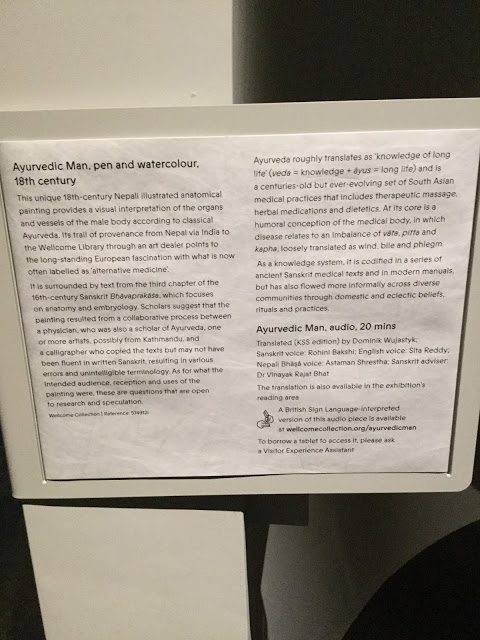
This is the painting that gave the title to the current exhibition running until 8th April. This is a pen and water colour painting from Nepal showing all the body organs and vessels of the male body. The painting is from 18th century; but is surrounded by texts in Sanskrit, which are taken from the 16th century work Bhavaprakasa. It focuses on anatomy and embryology. The mistakes in Sanskrit show that the calligrapher was not familiar with Sanskrit. It is drawn according to Ayurveda- the ancient Indian medical system. Ayur Veda means Knowledge of Long Life.


4.Tibetan Paintings

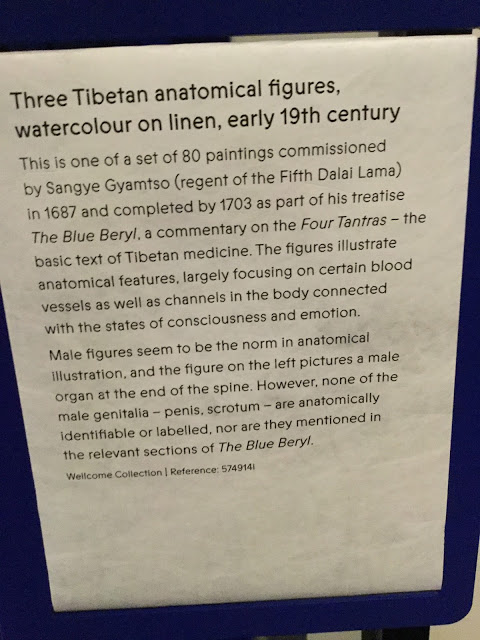
There are water colour paintings on linen. 80 paintings were commissioned by the regent of the Fifth Dalai Lama and they were completed in 1703. He go them for his book Blue Beryl which was a commentary on the four Tantras- the basis of Tibetan medicine. Blood vessesls are shown in the pictures.


  1. Ananga Ranaga – Sex Manual

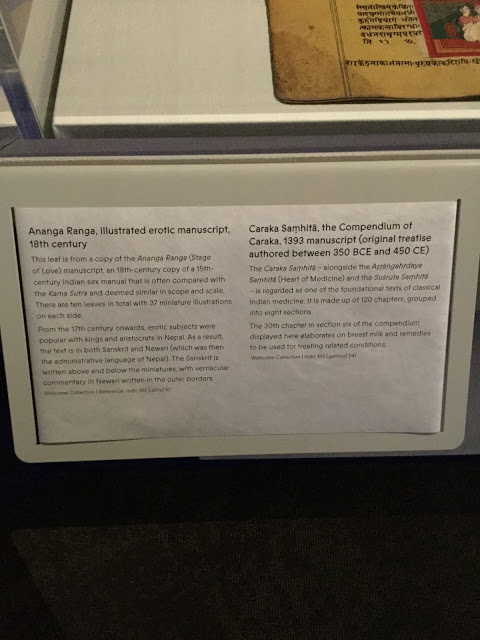
This was a fifteenth century book written in Sanskrit and Newari of Nepal, because of the Nepalese interest in sex books. Ten pages contain 37 pictures each. This is compared with the Kama Sutra of Vatsyayana which is 2000 year old- the first sex book in the world.


–SUBHAM–


எந்தக் கேள்விக்கும் இதோ பதில்! (Post No.4703)

Devotee

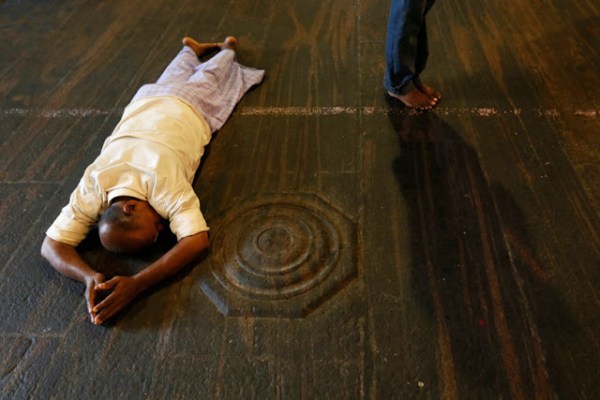
Devotee in Sri Lankan Temple

Date: 5 FEBRUARY 2018


Time uploaded in London- 6-17 am


WRITTEN  by S NAGARAJAN


Post No. 4703


Pictures shown here are taken from various sources such as Facebook friends, Books, Google and newspapers; thanks. Pictures may not be related to the story. They are only representational.


சென்னையிலிருந்து மாதந்தோறும் வெளியாகும் ஞான ஆலயம் பத்திரிகை சிறந்த ஆன்மீகக் கட்டுரைகளை வெளியிடும் சிறந்த பத்திரிகை. இதன் ஆசிரியர் திருமதி மஞ்சுளா ரமேஷ். பிப்ரவரி 2018 இதழில் வெளியாகியுள்ள கட்டுரை இது.


எந்தக் கேள்விக்கும் இதோ பதில்! ஹிந்து மதம் வழங்கும் சம்வாதங்கள்!!


ச.நாகராஜன்


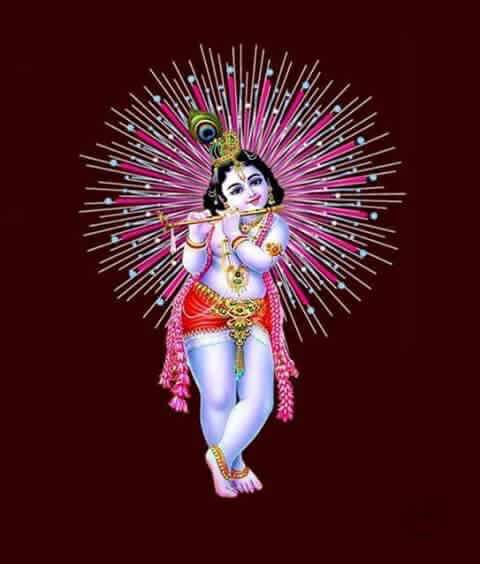
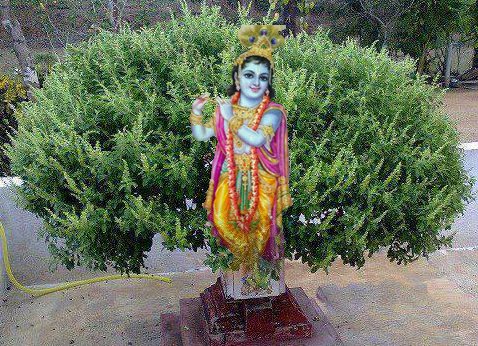
Krishna Picture from Facebook friend

1

ஹிந்து மதத்தின் பெரும் சிறப்பியல்புகளில் ஒன்று அது மனித மனத்தில் தோன்றும் எந்தக் கேள்விக்கும் சரியான விடையைத் தருவது தான்!


உலகில் தோன்றுவதிலிருந்து (அதாவது காலிருந்து) மறைவது வரை (அதாவது மரணம் முடிய), அதற்கு அப்பால் மரணத்திற்குப் பின் உள்ள வாழ்க்கை, அதற்கும் அப்பாலாய் ஜனன, மரணச் சுழலிலிருந்து விடுபட்டு முக்தி அடைவது உள்ளிட்ட எதைப் பற்றியும் எந்தக் கேள்வியையும் யார் வேண்டுமானாலும் கேட்கலாம்.


அதற்கு பதில் ரெடி!


வேதங்கள், உபநிடதங்கள், இதிஹாஸங்கள், புராணங்கள், ஸ்மிருதிகள் உள்ளிட்ட இவையே பொதுவாக சாஸ்திரங்கள் எனப்படுகின்றன.


இவற்றில் ஆயிரக்கணக்கான சம்வாதங்களைப் பார்க்கலாம்.

சம்வாதம் என்றால் அர்த்தமுள்ள உரையாடல் என்று பொருள்.  சிரத்தையுள்ள ஒருவர், ஒரு விஷயத்தில் தனக்கு ஏற்பட்டுள்ள சந்தேகத்திற்கான பதிலை, நிஜமாகவே தெரிந்து கொள்ள வேண்டுமென்ற எண்ணத்துடன், அதில் நிபுணராக உள்ள ஒருவரை அணுகித் தெளிவு பெறுவதே சம்வாதம் ஆகும்.

இந்த சம்வாதங்களில் முக்திக்கான பாதை உண்டு, செக்ஸ் சம்பந்தமான கேள்விகளுக்குப் பதில்கள் உண்டு, பொருளை எப்படிச் சம்பாதிக்க வேண்டும், வெற்றிகரமாக வாழ்க்கையை எப்படி நடத்துவது (இன்று செல்ஃப் இம்ப்ரூவ்மெண்ட் என்ற பெயரில் நாம் அறிந்து கொள்பவை) என்பது போன்ற பொருளாதார மேம்பாட்டிற்கான சந்தேகம் போக்கும் பதில்கள் உண்டு, தர்மம் என்றால் என்ன, அதையொட்டி ஏன் நம் வாழ்வு அமைக்கப்பட வேண்டும், ஒருவர் உயரவும் இன்னொருவர் தாழவும் (தர்மம் அனுஷ்டிப்பது) காரணமாவது எப்படி என்பன போன்ற சிக்கலான கேள்விகளுக்கும் பதில் உண்டு.

இந்த சம்வாதங்களைத் தொகுத்தால் அது உலகின் தலை சிறந்த அறிவுக் கருவூலத்தின் கலைக் களஞ்சியமாகத் திகழும்.

ஆயிரக் கணக்கான சம்வாதங்களில் நமக்குப் பிடித்தமான நூற்றெட்டைத் தேர்ந்தெடுத்துப் படித்தாலேயே போதும் – மன அமைதியுடனும், செல்வத்துடனும், குடும்ப வளத்துடனும் தர்ம அடிப்படையில் உலகில் வெற்றிகரமாக வாழ்வதற்கு.
இங்கு சில சுவையான சம்வாதங்களைப் பார்ப்போம்.


2

மஹாபாரதத்தில் தொட்ட இடங்களில் எல்லாம் சுவையான ஒரு சம்வாதம் இடம் பெறும்.


நாரதர் – ஸமங்கர் சம்வாதம்: நாரத மஹரிஷி  ஸமங்கரை ஆச்சரியத்துடன் பார்க்கிறார். எப்போதுமே சந்தோஷத்துடன் இருக்கிறார்; துக்கமே இல்லாதவர்! எப்படி இது சாத்தியம்.

அர்த்தமுள்ள ஒரு உரையாடல் (சம்வாதம்) ஆரம்பிக்கிறது.

ஸமங்கர் நாரதருக்கு விரிவாக பதில் கூறுகிறார். (சாந்தி பர்வம், 292ஆம் அத்தியாயம்)


காலவருக்கும் நாரதருக்கும் நடந்த சம்வாதம் ச்ரேயஸுக்கான காரணத்தை விளக்குகிறது (சாந்தி பர்வம் 293ஆம் அத்தியாயம்)


எதிரிகளை வெல்வது எப்படி? இந்திரனுக்கும் பிரஹஸ்பதிக்கும் நடந்த அர்த்தமுள்ள உரையாடல் எதிரியை வெற்றி கொள்வது பற்றி விவரிக்கிறது. (சாந்தி பர்வம் 103ஆம் அத்தியாயம்)


சத்யபாமா த்ரௌபதியைச் சந்திக்கும் போது எப்படி த்ரௌபதி ஐந்து கணவர்களையும் மனம் கோணாதபடி இணங்கி நடக்கச் செய்கிறாள் என்ற தன் சந்தேகத்தைக் கேட்க, த்ரௌபதி அவளைக் கடிந்து கொள்கிறாள் – கேட்கத் தகாத முறையால் அதைக் கேட்டதால்! இருந்தாலும் தனது கடுமையான ஸ்தீரி தர்மமே  ஐந்து கணவர்களையும் தன்னுடன் இணக்கத்தோடு வாழ வைக்கிறது என்று கூறி தனது ஸ்தீரி தர்மத்தை விரிவாக விளக்குகிறாள். பெண்களுக்கான அருமையான இரகசிய விளக்கம் இது. ( வன பர்வத்தில் திரௌபதி சத்யபாமா சம்வாத பர்வம்)

கர்ம பலன் பற்றி ஒவ்வொருவருக்கும் ஒவ்வொரு விதமான சந்தேகம். எனக்கு மட்டும் ஏன் இப்படி இருக்கிறது என்பது ஒரு பொதுவான கேள்வி. அன்னை பார்வதி சிவபிரானை நோக்கி ஏராளமான கேள்விகளைக் கேட்க சிவபிரான் பொறுமையாக பல்வேறு கர்மங்களுக்கு அதற்கான உரிய பலன்களை விரிவாக விளக்குகிறார். (அநுசாஸன பர்வம் அத்தியாயம் 218 )


தார்க்ஷ்யருக்கும் ஸரஸ்வதிக்கும் இடையே நடக்கும் சம்வாதம் தானம், அக்னிஹோத்ரம், மோக்ஷம் ஆகியவற்றை நிரூபிக்கிறது.

(வன பர்வம்- மார்க்கண்டேய ஸமஸ்யா பர்வம்)


இன்னும் க்ருஷ்ணார்ஜுன சம்வாதமே உலகம் போற்றும் பகவத் கீதை; தர்மருக்கும் யட்சனுக்கும் நடந்த சம்வாதமே யட்சப் ப்ரஸ்னம் என்பதை அறிவோம்.

கிருஷ்ணருக்கும் ஜராசந்தனுக்கும் இடையே நடந்த சம்வாதம்; அனுமன் – பீமசேனன்; த்ருதராஷ்டிரன் – சஞ்சயன்;ராவணன் – சீதா; பரத்வாஜர்- ப்ருகு; கிருஷ்ணர்- உக்ரசேனர்; சூரியன் – கர்ணன்; ஜனகர்- அவர் மனைவி (சாந்தி பர்வம் அத் 18-19): ஒரு பக்ஷி- ரிஷி; தர்மர்- இந்திரன்; ஆக இப்படி இருவருக்கு இடையே நடக்கும் சம்வாதங்கள் ஒரு குறிப்பிட்ட விஷயத்தைப் பற்றிய கேள்வியை எழுப்பி அதற்கான சரியான விடையைத் தருகின்றன.


3

பாகவதத்தை எடுத்துக் கொண்டால் அதிலும் ஏராளமான சம்வாதங்கள் உண்டு.

ரிஷிகள் சௌனகரை அணுகி 6 கேள்விகளைக் கேட்க அவர் அருமையான பதிலை அளிக்கிறார் (முதல் ஸ்கந்தம்; 2ஆம் அத்தியாயம்) ஒவ்வொருவருக்கும் உண்மையான, நிலைத்திருக்கும், மிகச் சிறந்த நன்மை எது, சாஸ்திரங்களின் சாரம் என்ன, ஏன் பகவான், கிருஷ்ணராகத் தானே நேரில் வந்தார்?, கிருஷ்ண லீலைகள் எவை, பத்து அவதாரங்களில் ஒவ்வொன்றுக்கும் தனித்தனியே உள்ள காரணம் என்ன?, கிருஷ்ணரின் மறைவுக்குப் பின்னர் தர்மம் யாரிடம் தஞ்சம் புகுந்திருக்கிறது என்பன போன்ற கேள்விகளுக்குப் பதிலை இந்த சம்வாதமே தருகிறது.


வியாஸருக்கும் நாரதருக்கும் இடையே நடந்த அர்த்தமுள்ள உரையாடலை முதல் ஸ்கந்தத்தில் காணலாம்.

விதுரருக்கும் உத்தவருக்கும் இடையேயான உரையாடலை மூன்றாம் ஸ்கந்தம் விளக்குகிறது.

நிமிக்கும் ஜெயந்தேயனுக்கும் நடந்த உரையாடல் ஜெயந்தேய கீதையாக பதினொன்றாம் ஸ்கந்தத்தில் மிளிர்கிறது.


4

புராணங்களில் வரும் நூற்றுக் கணக்கான சம்வாதங்கள் பொருள் பொதிந்தவை; சுவையானவை; வேறு எந்த நூல்களிலும் காணக்கிடைக்காதவை!

அருந்ததிக்கும் சாவித்திரிக்கும் இடையேயான சம்வாதம் சூரிய புராணத்தில் இடம் பெறுகிறது.

பீஷ்மர் – புலஸ்த்யர் – பத்ம புராணம்

அம்பரீஷன் – நாரதன் – பத்ம புராணம்

நாரதர் – மஹாதேவர் – பத்ம புராணம்

உமா தேவி – நாரதர் – பத்ம புராணம்

சஞ்ஜயன் – வியாஸர் – பத்ம புராணம்

பூமி – வராஹம் – வராஹ புராணம்

சுக்ரன் – தேவயானி – மத்ஸ்ய புராணம்

தேவயானி – கச்ச – மத்ஸ்ய புராணம்

ப்ரஹ்மா – நாரதர் – ஸ்கந்த புராணம்

ஸ்வேத – கால – ஸௌர புராணம்

மரணத்திற்குப் பின்னர் உயிர் செல்லும் பாதையும், மறு பிறப்பு ரகசியமும், கர்ம பலன்களின் காரணமும் ரிஷிகளின் அருள் வாக்கின் மூலம் அர்த்தமுள்ள உரையாடலில் விளக்கப்படும் போது கேட்டவர் மட்டும் பயன் பெறவில்லை; இன்றளவும் உலகில் உள்ள அனைவரும் பயனடைகின்றனர்.

ஆகவே தான் ஸ்வாமி விவேகானந்தர், “முதலில் இந்த நாட்டில் புராணங்களை வெள்ளமெனப் பாய்ச்சுங்கள்” என்று அருளுரை பகர்ந்தார்.


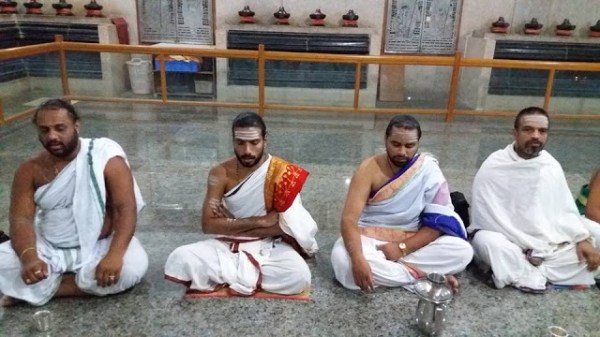
Yajur Veda Parayan, picture posted by Krishna Ganapatigal

5


வசிஷ்டருக்கும் ராமருக்கும் நடந்த நீண்ட உரையாடலே யோக வாசிஷ்டமாக மலர்கிறது.

அபூர்வமான இரகசியங்களை விவரிக்கும் இதை உலகின் தலை சிறந்த நூல்களில் முதலிட வரிசையைப் பிடிக்கும் நூல்களில் ஒன்றாகக் கூறலாம்.


நோய் வரக் காரணம், கர்ம பலன் காரணம், விதியா, மதியா எது பெரிது, எப்போதும் மகிழ்ச்சியாக இருப்பதற்கான வழிகள், எண்ணங்களின் ரகசியம், முக்திக்கு வழி என்று இந்த நூல் தொடாத பொருளே இல்லை. உலகின் தலை சிறந்த மேலை நாட்டு அறிஞர்கள், விஞ்ஞானிகள், கீழை நாட்டு மேதைகள் உள்ளிட்டோர்களின் சிறந்த கொள்கைகளைப் பட்டியலிட்டுப் பார்த்தால் அவை யோக வாசிஷ்டத்தில் இருப்பதைக் கண்டு பிரமிக்கிறோம். இப்படி ஒரு பட்டியலை “யோக வாசிஷ்ட ஸ்லோகம் – அறிஞரின் கூற்று” என்று எதிர் எதிராகப் போட்டு பட்டியலிட்டிருக்கிறார் பி.எல்.ஆத்ரேயா என்ற அறிஞர். (Yoga Vasistha and Modern Thought – B.L.Atreya -1934 Publication) அயர வைக்கும் பட்டியல் இது!


ரிக் வேதத்தில் விஸ்வாமித்திர மஹரிஷிக்கும் நதிக்கும் நடந்த உரையாடல் வியக்க வைக்கும் ஒன்று.

விஸ்வாமித்திரர் நதியைக் கடக்க வேண்டி நதியிடம் வழி விடுமாறு கேட்கிறார். நதியோ இயற்கை தர்மமமான தன் பிரவாகத்தை விட்டு விட முடியாது என்கிறது. தொடர்ந்து விஸ்வாமித்திரர் வெகு தூரத்திலிருந்து வரும் தனக்கு வழி விட்டே ஆக வேண்டும் என்கிறார். நதி சம்மதித்து வழி விடுகிறது. ஒரு பிரச்சினை. அதில் எதிர் கொள்ள வேண்டிய விஷயங்கள், பின்னர் ஒரு உடன்பாடு என்று இப்படி இன்றைய மாடர்ன் மேனேஜ்மெண்ட் சிக்கலைத் தீர்ப்பதை, உலகின் ஆதி நூலான ரிக் வேதத்தில் காண முடிகிறது என்று சம்வாதத்தைப் பற்றிய ஆராய்ச்சியில் ஈடுபடும் மேலை நாட்டோர் வியந்து கூறுவது பொருள் பொதிந்த ஒன்று.


இன்னும் அகஸ்த்யர் – லோபாமுத்ரா; இந்திரன் – இந்திராணி; ஸரமா – பணி; வசிஷ்டர் – சுதாஸ் ஆகியோரது சம்வாதங்களை ரிக் வேதம் விளக்குகிறது.


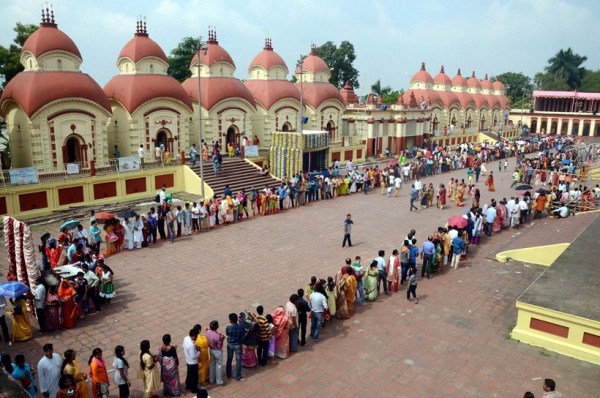
Dakshineswar Kali Temple, Kolkata

6

இராமாயணம் தரும் சம்வாதங்கள் அறத்தின் அடிப்படையிலானவை. படிக்க வேண்டியவை.

ராம – லட்சுமணர்;  நாரதர்- ஸனத்குமாரர்; (வால்மீகி ராமாயணம்) வசிஷ்டர் -அருந்ததி (மணிரத்ன ராமாயணம்) அஞ்சனா-ஹனுமான் (ஸௌர்ய ராமாயணம்) ஹனுமான் -சந்திரன் (சாந்த்ர ராமாயணம்) ஆகியவை சுவாரஸ்யமானவை.

சீதை இராமனின் செயலான சமுத்திரத்தில் சேதுவைக் கட்டியது ஏன் என்பதற்கு, பரிந்து கொண்டு லோபாமுத்ரைக்கு விடை தரும் சம்வாதம் மிகவும் சுவையான ஒன்று. பாணத்தால் வற்ற வைத்தால் கடல் வாழ் உயிரினங்களுக்கு தீங்கு நேரும் என்பதில் ஆரம்பித்து ராமர் ஏன் ஹனுமான் போலப் பறக்கவில்லை (அவர் மனிதர் என்பதே காரணம்) என்பது உள்ளிட்ட வெவ்வேறு காரணங்கள் அலசப்படுகின்றன. சமத்காரமாக புதிர் போன்ற கேள்விகளைக் கேட்டவர் சீதையின் பதிலால் மிகவும் திருப்தியுறுகிறார்.

அத்யாத்ம ராமாயணத்தில் இடம் பெறும் உமா-மஹேஸ்வர சம்வாதம் குறிப்பிடத் தகுந்த ஒன்று.

இறைவனின் திருவிளையாடலில் பொதிந்துள்ள அம்சங்களைக் கண்டு வியக்கிறோம்.


7

விநாயக சம்ஹிதாவில் வரும் பார்கவ- ஈஸ்வர சம்வாதம், உமா யாமளத்தில் வரும் ஹரகாரி சம்வாதம், காத்யாயனி தந்திரத்தில் வரும் சிவ- கௌரி சம்வாதம், ப்ருஹதாரண்யக உபநிடதத்தில் வரும் புகழ் பெற்ற யாக்ஞவல்க்யர் –  மைத்ரேயி சம்வாதம், நரசிம்ம புராணத்தில் வரும் யம-யமி சம்வாதம், கர்ம விபாக சம்ஹிதாவில் வரும் பார்வதி- சிவ சம்வாதம் ருத்ர யாமளத்தில் வரும் பைரவ-பைரவி சம்வாதம் ஆகியவை ஒவ்வொன்றும் ஆழ்ந்த ரகசியங்களை விளக்கி அருள்பவை.


8

இன்றைய நவீன கால ஆராய்ச்சியாளர்கள் பிளேட்டோவின் உரையாடலை எடுத்துக் கொண்டு Dialogue எனப்படும் உரையாடலின் மேன்மையை உச்சி மேல் வைத்துக் கொண்டாடுகிறார்கள்.


“Words are events, they do things, change things”  (வார்த்தைகள் நிகழ்வுகளே, அவைகள் அனைத்தையும் செய்யும், எல்லாவற்றையும் மாற்றும்) என்று இன்று வாழ்ந்து கொண்டிருக்கும் பிரபல அமெரிக்க நாவலாசிரியையான அர்சலா கே. லா குவின் (Ursula k. Le Guin) இப்போது சொல்வதைப் பார்க்கும் போது ஏற்கனவே ஆயிரக்கணக்கான அர்த்தமுள்ள உரையாடல்களைக் காலம் காலமாகத் தம் கை வசம் வைத்திருக்கும் ஹிந்துக்களுக்கு புன்முறுவல் தோன்றுவது இயல்பே.


முன்னோர்களின் சரித்திரத்தைக் கேட்போம் என்று வரிந்து கட்டிக் கொண்டு முனிவர்கள் நைமிசாரண்யத்தில் குழுமி உரையாடல் மூலம் அனைத்தையும் உணர்த்திய, உணர்ந்து கொண்ட பரம்பரை வழி வந்தோர் நாம்.


சம்வாதம் என்பது நமக்கு வாழ்க்கை முறையின் ஒரு சிறந்த அம்சம்.


இன்று அதை மறந்து விட்டோம், பல்வேறு குழப்பங்களினால் தவிக்கிறோம் எனில், அதை ஞாபகப் படுத்திக் கொள்ள வேண்டிய தக்க தருணம் இதுவே.


ஒவ்வொரு சம்வாதமாக எடுத்துப் படிப்போம். இனி எந்தக் கேள்வி கேட்டாலும் இதோ பதில் என்று சொல்லும் வலிமையைப் பெறுவோம்; சந்தேக விளக்கத்தின் அடிப்படையில் கிடைக்கும் தெளிவினால்  வாழ்க்கையை அமைத்து வளம் பெறுவோம்.

***

ஞான ஆலயம் பத்திரிகையின் வருடச் சந்தா ரூ360/ 5 ஆண்டுச் சந்தா ரூ1750/ முகவரி: ஸ்ரீ ஆலயம் பப்ளிகேஷன், பழைய எண் 7, புதிய எண்32, அருணாசலபுரம் 2-வது தெரு, அடையாறு,சென்னை 600 020.


பக்திப் பாடல்கள் கேள்வி பதில் Quiz(Post No.4681)

Date: 30 JANUARY 2018


Time uploaded in London- 7-46 am


Written  by LONDON SWAMINATHAN


Post No. 4681


Pictures shown here are taken from various sources such as Facebook friends, Books, Google and newspapers; thanks. Pictures may not be related to the story. They are only representational.


WARNING: PLEASE SHARE MY ARTICLES; BUT DON’T SHARE IT WITHOUT AUTHOR’S NAME AND THE BLOG NAME. BE HONEST; OTHERS WILL BE HONEST

WITH YOU.


((நல்லவர்களை எப்படி அறியலாம்? பிறர் எழுதியதை, பிறர் எடுத்த படங்களை அவர்களுடைய பெயர்களுடன் வெளியிடுவார்கள். கெட்டவர்களை எப்படிக் கண்டுபிடிக்கலாம்? பிறர் எழுதியதை, அது வெளியான பிளாக், பத்திரிக்கை பெயர்களை நீக்கிவிட்டு , தங்களுடையது போல வெளியிடுவார்கள்; கெட்டவர்களைக் கண்டுபிடிப்பது மிகவும் எளிது))


நீங்கள் பக்திப் பாடல்களைக் கேட்டிருந்தாலோ பாடியிருந்தாலா கீழ்கண்ட கேள்விகளுக்கு கட்டாயம்  பதில் சொல்ல முடியும்; முயன்று பாருங்கள். பக்திப் பாடல்களுடன் சில இலக்கிய நயம் மிக்க பாடல்களும் உள்ளன

Old books, Picture posted by A Sugumaran

  1. நாடும் பொருட்சுவை சொற்சுவை தோய்தர நாற்கவியும்
    பாடும் பணியில் பணித்தருள்வாய் பங்கயாசனத்தில்


  1. நாய்க்குண்டு தெண்டு, நமக்குண்டு பிச்சை, நமனை வெல்ல
    வாய்க்குண்டு மந்திர பஞ்சாட்சரம், மதியாமல் வரும்
    பேய்க்குண்டு நீறு —


3.அன்பு சிவம் உலகத்துயர் யாவையும்

அன்பினில் போகுமென்றே – இங்கு

முன்பு மொழிந்துலகாண்டதோர் புத்தன்

மொழி எங்கள் அன்னை மொழி


4.அப்பன் இரந்து உண்ணி; ஆத்தாள் மலை நீலி;ஒப்பறிய மாமன் உறி திருடி- சப்பைக்கால் அண்ணன் பெருவயிறன்


5.எவ்வழி நல்லவர் ஆடவர்

அவ்வழி நல்லை! வாழிய நிலனே!


Picture of london pathmanabha iyer

6.அன்னமும் மீனுருவும் ஆளரியும் குறளும்

ஆமையும் ஆனவனே! ஆயர்கள் நாயகனே

என் அவலம் களைவாய்!


  1. துதிப்போர்க்கு வல்வினைபோம், துன்பம் போம் நெஞ்சிற்
    பதிப்போர்க்கு செல்வம் பலித்து கதித்து ஒங்கும்
    நிஷ்டையுங் கைகூடும்,


  1. தீது இலா வடமீனின் திறம் இவள் திறம்


  1. காதன் மடப்பிடியோடுங் களிறு வருவன கண்டேன்

கண்டேன் அவர் திருப்பாதங் கண்டேன்


  1. நன்மையும் செல்வமும் நாளும் நல்குமே

தின்மையும் பாவமும் சிதைந்து தீயுமே

சென்மமும் மரணமும் இன்றித் தீருமே

இம்மையே இராம என்ற இரண்டு எழுத்தினால்


  1. அன்பும் சிவமும் இரண்டென்பர் அறிவிலார்

அன்பே சிவமாவதுயாரும் அறிகிலார்


  1. அந்தணர் என்போர் அறவோர்


  1. அழகிய மயிலே!அழகிய மயிலே!

உனது தோகை புணையாச் சித்திரம்

ஒளிசேர் நவமணிக் களஞ்சியம் அதுவாம்


  1. எல்லை யில்லா ஆனந் தம்அளித்(து)

அல்லல் களைந்தே அருள்வழி காட்டிச்

சத்தத்தின் உள்ளே சதாசிவம் காட்டிச்

சித்தத்தின் உள்ளே சிவலிங்கம் காட்டி


  1. பிறக்கும்பொழுது கொடுவந்ததில்லை பிறந்து மண்மேல்
    இறக்கும்பொழுது கொடுபோவதில்லை இடை நடுவில்
    குறிக்கும் இச்செல்வம் சிவன் தந்ததென்று கொடுக்கறியா
    திறக்கும் குலாமருக்கு என் சொல்லுவேன்கச்சி ஏகம்பனே

 xxxxx


ANSWERS

1.குமர குருபரர், சகல கலா வல்லிமாலை, 2. பட்டினத்தார் பாடல்கள், 3. பாரதியார் பாடல்கள், 4. காளமேகப் புலவர் பாடல்கள் , 5. சங்க கால அவ்வையார் ,புறநானூறு, 6. பெரியாழ்வார் திருமொழி, திவ்யப் பிரபந்தம், 7.தேவராய சுவாமிகள், கந்த சஷ்டிக் கவசம், 8. இளங்கோ, சிலப்பதிகாரம், 9. அப்பர் தேவாரம், நாலாம் திருமுறை, 10. கம்பன், கம்ப ராமாயணம், 11.திருமூலர் எழுதிய திருமந்திரம், 12. திருவள்ளுவர் எழுதிய திருக்குறள், 13. பாரதிதாசன் பாடல்கள், 14. தற்கால அவ்வையார், விநாயகர் அகவல்,  15. பட்டினத்தார் பாடல்கள்


–Subham–


ஆரோக்கியத்துடன் வாழ சரகர் கூறும் அறிவுரை! – 2 (Post No.4671)

Date: 28 JANUARY 2018


Time uploaded in London- 6-23 am


Written  by S NAGARAJAN


Post No. 4671


Pictures shown here are taken from various sources such as Facebook friends, Books, Google and newspapers; thanks. Pictures may not be related to the story. They are only representational.


WARNING: PLEASE SHARE MY ARTICLES; BUT DON’T SHARE IT WITHOUT AUTHOR’S NAME AND THE BLOG NAME. BE HONEST; OTHERS WILL BE HONEST WITH YOU


(என் வாசகர்கள் தமிழர்கள்; அதாவது நல்லவர்கள்; எல்லோரும் நேர்மையாக இருக்க வேண்டும் என்று எண்ணுவர். ஆகையால் என் எழுத்துக்களைத் திருட மாட்டார்கள். எழுதியவர் பெயருடன் பகிர்வார்கள்; பிளாக் பெயரை நீக்க மாட்டார்கள்)


ஆயுர்வேத மஹிமை

திருநெல்வேலியிலிருந்து வெளியாகும் ஹெல்த்கேர் மாத இதழில் வெளியாகியுள்ள கட்டுரை  இரண்டாம் பகுதி.

முதல் பகுதி கட்டுரை எண்  4187 வெளியான தேதி 6-9-2017


நீடித்து ஆரோக்கியத்துடன் வாழ சரகர் கூறும் ஏழு மூன்றுகள் பற்றிய அறிவுரை! – 2


ச.நாகராஜன்


மூன்று விதமான வியாதிகள் வரும் வழிகள்:


  • ஷாகா – புறத்தில் வருவன
  • மர்மாஸ்திசந்தி – முக்கியமான உடல் உறுப்புகள், மூட்டுகள் மற்றும் எலும்பு சம்பந்தப்பட்டவை. இது மத்திம வழி எனப்படுகிறது.
  • கோஷ்டா – உடலின் மைய அமைப்பு

இரத்தம் தோல் உள்ளிட்டவை புறத்தில் அடங்கும்

முக்கிய உறுப்புகள் என்பதில் சிறுநீரகப் பை,இத்யம், தலை உள்ளிட்டவை அடங்கும். மூட்டு இணைப்புகள், இணைந்துள்ள எலும்புகள் ஆகியவையும் இதில் அடங்கும்

மைய அமைப்பு என்பது மஹா ஸ்ரோதா – அதாவது பெரு வழி;

சரீர மத்யம் – உடலின் மையப் பகுதி,

மஹாநிம்ன – உடலில் ஆழ்ந்து உள்ளிருக்கும் பகுதி,

ஆமபக்வஷய – வயிறு மற்றும் குடல்கள் ஆகியவை ஆகும்.


மூன்று வகை வியாதிகளுக்கான எடுத்துக்காட்டுகள்:


புறத்தில் வருவன் : பரு, கட்டி, தழுப்பு,  குஷ்ட ரோகம் போன்றவையாகும்

பாரிச வாயு, முக வலிப்பு,மூட்டு வலி,  மத்திம அமைப்பில் வருபவை.

தலை, இதயம், சிறு நீரகம் போன்ற முக்கிய உறுப்புகளில் வரும் வியாதிகள், ஜ்வரம், இருமல் உள்ளிட்ட பல்வகை வியாதிகள் மைய அமைப்பில் வருபவை.


மூன்று விதமான வைத்தியர்கள்


போலி வைத்தியர்கள்

ஒன்றும் அறியாத வைத்தியர்கள்

நல்ல வைத்தியர்கள்

இப்படி வைத்தியர்கள் மூன்று விதமாக உள்ளனர்.

மருத்துவப் பெட்டியைத் தூக்கிக் கொண்டு சில மருத்துவ உபகரணங்களை எடுத்துக் கொண்டு எல்லாம் தெரிந்தவர்கள் போல வரும் ஒன்றும் அறியாத போலிகளை போலி வைத்தியர் எனலாம்.


புகழ் பெற்றவர்கள், செல்வந்தர்கள், பண்டிதர்கள் ஆகியோருடன் நெருங்கிப் பழகி அதை மட்டுமே தகுதியாகக் கொண்டு மருத்துவம் பற்றி ஒன்றுமே அறியாத மருத்துவர்கள் இரண்டாம் வகையைச் சேர்ந்தவர்கள்.

வியாதிகள், அதைத் தீர்க்கும் முறைகள், மருந்துகள் பற்றிய அறிவையும் அனுபவத்தையும் கொண்டவர்கள் ந்ல்ல வைத்தியர்கள்.

மூன்று விதமான சிகிச்சை முறைகள்


இந்த வைத்தியர்கள் ஆன்மீக ரீதியிலான சிகிச்சை, அறிவு சார்ந்த தர்க்க ரீதியிலான சிகிச்சை மற்றும் உ:ளவியல் அடிப்படையிலான சிகிச்சை ஆகிய மூன்று முறைகளைக் கடைப்பிடிக்கின்றனர்.

மந்திரம் ஓதுதல், தாயத்து அணிதல், நவரத்தினங்களை அணிதல், விரதம் அனுஷ்டித்தல், பரிகாரங்களைச் செய்தல் தானம் கொடுத்தல், தல யாத்திரைகள் போன்றவை ஆன்மீகத்தின் அடிப்படையில் செய்யப்படுப்வை.

சரியான உணவை உட்கொள்ளச் செய்தல், சரியான

மருந்துகளை அளித்தல் ஆகியவை தர்க்க ரீதியிலான சிகிச்சை முறையாகும்.


தீங்கு தருவனவற்றிலிருந்து மனதை விலக்கல் உளவியல் ரீதியிலான சிகிச்சை முறையாகும்.

உடலில் இருக்கும் தோஷங்களின் அடிப்படையில் பொதுவாக மூன்று விதமான சிகிச்சை முறைகள் தேவைப்படுகின்றன.


உட்புற சுத்தம்

வெளிப்புற சுத்தம்

அறுவை சிகிச்சை


என இப்படி மூன்று வித சிகிச்சை முறைகள் உள்ளன.

முறையற்ற உணவுகளை உட்கொள்ளல் போன்றவற்றால் உடலில் ஏற்படும் வியாதிகளுக்கு உட்புற சுத்தம் தேவை.

மசாஜ், ஒத்தடம் கொடுத்தல்,களிம்பு அல்லது தைலம் தடவுதல், நீரைப் பீய்ச்சி அடித்து காய்ச்சலைக் குறைத்தல், பிசைந்து விடுதல் போன்றவற்றால் வியாதிகள் குறையச் செய்தலை வெளிப்புற சுத்தம் எனலாம்.

அறுவை சிகிச்சை என்பது உட்புறம் அறுத்தல், வெளிப்புறம் அறுத்தல், துளையிடல், தேய்த்து விடுதல் போன்றவையாகும்.


மூன்று மூன்றாகச் சொல்லப்பட்ட இந்த அனைத்தையும் ஒருவன் நன்கு அறிந்து கொண்டால் அவன் நீடித்து வாழ முடியும்.

அடிப்படை ஆசைகள்

துணை உதவிகள்

வலிமை

வியாதிகள் ஏற்படுவதற்கான காரணங்கள்

வியாதிகள்

அது வரும் வழிகள்

வைத்தியர்கள்

சிகிச்சை முறைகள்

ஆகிய இந்த எட்டு காரணிகள் இங்கு விளக்கப்பட்டுள்ளன.

இதைக் கூறியவர் ரிஷி க்ருஷ்ணாத்ரேயர் ஆவார்.

அவர் அறிவாளி.உலக இச்சைகளைத் துறந்தவர்.

புண்ணியம்,செல்வம்,ஆசை ஆகியவை இந்த எட்டு காரணிகளின் அடிப்படையிலேயே அமைந்துள்ளன.


மேற்கூறியவற்றுடன் இந்த அத்தியாயம் முடிகிறது.

இதில் கூறியவற்றை அறிந்தவர்கள் நோயற்ற வாழ்வை அடைவர்.


நோயால் பீடிக்கப்படுவோர் அதிலிருந்து நிவாரணம் அடைவர்.


“அதாதோ தீர்க ஜீவிதீயம் அத்யாயம் வ்யாக்யாஸ்யாம்:”

தீர்க ஆயுளுடன் வாழ்வது எப்படி என்ற அத்தியாயத்தை இப்போது விவரிக்கிறோம் என்று ஆரம்பிக்கும் சரக சம்ஹிதை அற்புதமாக பல இரகசியங்களை வெளிப்படுத்துகிறது.


நூலின் பதினொன்றாம் அத்தியாயத்தில் உள்ள விவரங்களையே நாம் இங்கு பார்த்தோம்.

நூல் முழுவதையும் படித்து சரகரின் நெறியில் நின்று நூறாண்டு வாழ்வோமாக!

**** (இந்தத் தொடர் நிறைவுறுகிறது)


TIT FOR TAT- CHANAKYA’S ADVICE (Post No.4661)

Written by London Swaminathan 


Date: 25 JANUARY 2018


Time uploaded in London – 17-55


Post No. 4661

Pictures shown here are taken from various sources such as Facebook friends, Books, Google and newspapers; thanks.


WARNING: PLEASE SHARE MY ARTICLES; BUT DON’T SHARE IT WITHOUT AUTHOR’S NAME AND THE BLOG NAME. BE HONEST; OTHERS WILL BE HONEST WITH YOU


‘Cut a diamond with a diamond’, ‘take a thorn with another thorn’ are some of the proverbs in many Indian languages. We have many stories of ‘Tit for Tat’ in Indian folk tales. Chanakya also advocates this policy.


Every South Indian child has heard the story that elephant and pots are equal. If you have not heard that story, here it is in short : A person hired an elephant for a procession and unfortunately it died while it was in the procession. When the owner came and demanded the elephant the person was ready to give its price saying it was dead during the procession. But the owner harassed him saying that he wanted the elephant alive and not the money. The person who hired it was struggling to convince him. But he had a wise friend who whispered something into his ear. Then he asked the owner of the elephant to come to his house next day morning to get the elephant.


The stupid owner went to his house the next morning. When the door did not open, he broke it open and entered the house. Behind the door were several mud pots staked into several rows. All those pots were broken because of his gate crashing. And yet he demanded his elephant.


Now the person inside the house cried, “ Oh my god, my pots with big antique value were all crushed into pieces’. He demanded that the owner of the elephant should return all those pots intact. When he told that he would give the money for the pots he refused to accept it. He told him , “ you refused to accept my money for the elephant and wanted the dead elephant to come back alive. In the same way, I  want my pots with antique value to come back ‘alive’.


When the argument grew louder and louder they went to the court and the judge told that you lost your elephant and he lost the valuable mud pots. Both of you refused to accept money and the lost elephant and the lost antique pots were equal and so no one need to give anything to the other party. Case was settled.


This is what we call ‘Tit for Tat’.

Chanakya says,

“A good turn is to be repaid by good turn and the violence by counter-violence. There is nothing wrong in it. One should behave in a wicked manner with the wicked.”

-Chanakya Niti, Chapter 17, Sloka 2

krute pratikrutam kuryaad himsane pratihimsanam

tatra dosho na patati dushte dushtam samaacharet


xxx

At bad time, Mind goes astray!

He also added that one’s mind go astray when one’s end is near i.e Vinaasa Kale Vipareetha Buddhi


“The golden deer was not made by some one, nor was it seen earlier, nor it heard about. When adversity is round the corner, mind goes astray.”

-Chanakya Niti, Chapter 16, Sloka 5

na nirmitah kena na drushtapuuvah

na sruuyate hema mayah kurangah

tathaapi thrushnaa raghunandanasya

vinaasa kale vipareeta budhdhih


(This is a reference to the golden deer anecdote in the Ramayana)


–Subham–


WHY DO WE LIGHT LAMPS AT HOME? (Post No.4657)

Written by London Swaminathan 


Date: 24 JANUARY 2018


Time uploaded in London – 17-53


Post No. 4657

Pictures shown here are taken from various sources such as Facebook friends, Books, Google and newspapers; thanks.


WARNING: PLEASE SHARE MY ARTICLES; BUT DON’T SHARE IT WITHOUT AUTHOR’S NAME AND THE BLOG NAME. BE HONEST; OTHERS WILL BE HONEST WITH YOU


There are two stories in Tamil Nadu about lighting a lamp in the house when the sun sets. Even today most of the Tamils follow it despite electric lights in every room of a house. We do follow it in London despite the fire hazards.


In the days before electricity came to Indian towns and villages it was a must. But even today people follow the ancient custom of lighting the traditional lamp in the prayer room or a corner of a house.


To illustrate the importance of it there are some folk tales. Mr Natesa Sastri was a scholar who collected them from old people and published them in 1886 in Tamil and English. But I give below my own translation.


There was a farmer in a village who had two daughters. One of them got married locally and another was married to a Sozian ( a man form Chola country) in a nearby town. The eldest one who was married locally lost her husband and father in course of time. She had no issue. She made her living by working in the paddy fields. She had an unusual habit of consuming a large quantity of food i.e two measures of rice every day. Actually, ten people can eat in two measures of rice. (A Tamil measure is bigger than one litre). She was very shy and so she did not tell anyone about it and never sought a reason for it.

One day the eldest one felt sick. Sozian’s wife visited her elder sister. It was getting darker and the sun had set. The eldest one started cooking by adding an extra half a measure  because of her younger sister’s visit.


Two things surprised her younger sister. Firstly, two and half measures of rice for two people! Secondly, cooking in a pitch dark place. She slowly spoke to her elder sister. She asked why she was cooking in a pitch-dark place and why she cook for ten to twelve people. Her elder sister answered her saying that she had no money to buy oil and more over she was eating two measures of rice every day and she did not know why.

Then her younger sister insisted she must go and get some oil for the lamp, otherwise she could not stay there for night. At last she went out and got some oil for half a measure of rice and lighted the lamp and finished the cooking. When both of them felt contented after eating they saw three fourth of their rice was still in the cooking pot. While both of them were wondering how was it that after eating little they felt full in stomach.

At that time they heard a loud noise. One voice asked the other voice, ‘Oh Sokka, do we get food or not tonight?’ The other voice replied ‘Oh, No, Sozian came and spoiled it’. Both the sisters were puzzled by that noise because no one else was in that house. When they gathered enough courage, they asked who they were. One voice replied that he was a ghost and came to this house every day to take the food because it was dark. Today the Sozian made her to light the lamp and so they were running away from the place. Now the younger one reasoned out that was why her elder sister consumed two measures of rice every day. When the ghosts went out of the house the eldest daughter returned to her normal eating schedule.

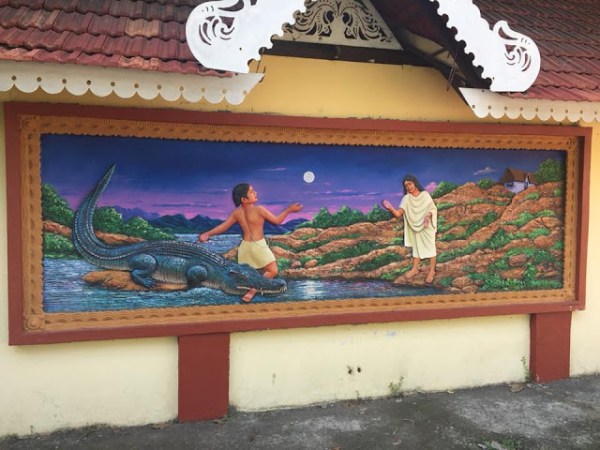
Picture by Karthik Raghavan sent from Kaladi in Kerala


A crocodile story

There was a Brahmin youth in a village. He got married to a woman in a village nearby. After the traditional four day marriage, the first night was arranged. The newly married Brahmin youth went to the nearby tank (pond) for evening prayers and water ablution. The tank had several man eating crocodiles. No one warned the bridegroom. Suddenly a crocodile pulled him into water.


The bridegroom had the shock of his life. But in a moment, he managed to say a few words. ‘Oh Crocodile Unlce! leave me alone for this night. I am newly married and my wife is waiting for the first night meeting. Let us have our honey moon tonight and I will definitely come tomorrow morning and then you may eat me. If you swallow me  now, my wife and her aged father would die of sorrow and you would incur the sin of killing three Brahmins.”


The crocodile said to him, “Ok, you may go now and return tomorrow. Because you are a Brahmin who never go back on his words, I trust you”.

The young Brahmin returned home and went to bed with his wife. In the middle of night he explained everything that happened on that day. His wife told him, “Oh, My Darling! Don’t wait till tomorrow morning; others may not allow you to go to die; So go to the tank now!”


He was shocked to hear such horrible words from his new wife. He thought women must be devils; so, it is better to die in the pond by the crocodiles instead of living with this cruel woman. He came back to the tank and called the crocodile. The crocodile sprang upon him. At that moment, a sudden flash of light appeared in the place and disappeared. The crocodile said to him, Oh No, I can’t eat you. The light has gone out. No living being eats if the lights go out. Sorry, You may go home”.


When he turned back he saw his wife coming running with tears of joy in her eyes. She said to him,

“Oh My Darling I prayed to all the Gods in the world that my plan should work. I lighted a lamp in a pan ad covered it. When the crocodile sprang upon you I showed it to him and put it off. You know what happened then”

Then he hugged his wife and said to her, “Darling You are the most beautiful woman in the world. You are the most intelligent woman in the world;  all the people in the world would come to know the significance of lighting a lamp in the house through you”. From that day onwards village folk lighted lamps inside the house and put one lamp in the niche on the outside wall.


Both these stories are in wide circulation among villagers in South India.


–Subham–


பாரதி போற்றி ஆயிரம் – 33


Date:- 22 January 2018

Time uploaded in London- 7-55 am

Compiled by S Nagarajan

Post No.4646

Share it, but with author’s name and blog name; Dont use it without author’s name or blog name; pictures are noot ours; they are mostly from Facebook friends and newspapers. Beware of copy right laws.

பாடல்கள் 188 முதல் 193


கவிதை இயற்றியோர்: பல்வேறு கவிஞர்கள்

தொகுப்பு : ச.நாகராஜன்

கண்ணதாசன் பாடல்கள்

பாரதியும் பாரதிதாசனும் (தொடர்ச்சி)

பாரதி பாரதி தாசன் – இரு

     பைந்தமிழ்ப் பாவலர் தம்மிடை யேயும்

பாரதி பல்லவி சொன்னான் – தாசன்

     பாக்கியைப் பாடித்தன் பாட்டை முடித்தான்!


பாரதி பாட மறந்த – ஒரு

     பக்கம் திராவிட நாட்டின் எழுச்சி

யாரதைப் பாடிய வீரன்? – வேறு

    யாரவன், பாரதி தாசனல் லாமல்!


இன்றைய மாந்தரின் எண்ணம் – நன்(கு)

     ஏற்றமு றத்தந்த பாரதி தாசன்

பின்றைய நாளில் தனக்கே ஒரு

     பேரிடம் தந்தனன் மூடுதற் கில்லை!


பெண்கள் விடுதலை காதல் – திறம்

     பேசுந் தமிழின் கனிரசம், இன்பம்

மண்ணில் அனைவரும் ஒன்றே – என

    வாழ்த்தும் புதுக்குரல் வாழ்க்கையின் நீதி!


சாத்திரம் பொய்யெனும் சூது – தண்டச்

     சாகசப் பார்ப்பனர் செய்கையின் – மீது

ஆத்திரங் கொள்ளும் குணங்கள் – இவை

     யாவிலும் பாரதி மூத்தவன் என்பேன்!


இந்த வகைகளில் ஒன்றை – தாசன்

      எப்படிப் பாடி எழில்தந்த போதும்

‘தந்தையர் பாரதி’ என்றால் – அவன்

      தாச னுரைத்தது தானிந்த வார்த்தை!

                                    ****                           (இக்கவிதை முடிந்தது)

தொகுப்பாளர் குறிப்பு: இந்தக் கவிதையில் உள்ள ‘திராவிட எழுச்சி’ மற்றும் ‘பார்ப்பனர் எதிர்ப்பு’ போன்ற கருத்துக்களை பின்னாளில் கவிஞர் கண்ணதாசன் மாற்றிக் கொண்டுள்ளார்.

கவிஞர் கண்ணதாசன்: கவிஞரைப் பற்றிய குறிப்பு ஏற்கனவே தரப்பட்டுள்ளது.


‘***

IS SILAPPADIKARAM A BRAHMANA KAVYA? (Post No.4609)- Part 1

Cheran Senkuttuvan picture from World Tamil Conference Souvenir


Research Paper Written by London Swaminathan 


Date: 12 JANUARY 2018


Time uploaded in London  6-57 AM


Post No. 4609

Pictures shown here are taken from various sources such as Facebook friends, Books, Google and newspapers; thanks.


WARNING: DON’T SHARE IT WITHOUT AUTHOR’S NAME AND  BLOG NAME. BE HONEST; OTHERS WILL BE HONEST WITH YOU.


ROLE OF BRAHMINS IN SILAPPADIKARAM


Abstract

Introduction and Background Premise

Issues Addressed in Paper

CONTENT ( the 3 docs can be combined appropriately)

Conclusion

References


(This research article was submitted to Swadeshi Conference held in December 2017 in Chennai)


Abstract:

A Brahmin by name Matala Maraiyon plays an important role in the Tamil epic Silappadikaram. It is amazing to see that Ilango Adikal, considered to be a Jain by some scholars, has not only introduced Matala Maraiyon, but gives him a commanding role. He commands the mighty Chera King Senkuttuvan to do good things such as Vedic rituals and the king readily obeys him. The Brahmin is amply rewarded by the king. Matala Maraiyon is the one who fills in the gaps in the epic by telling the king what happened to Madhavi and others. He is the main link in the story. Another Brahmin Alamar Selvan (Dakshinamurthy) is introduced by the author Ilango to show the state of Vedic education in those days. Apart from this, Brahmins play the role of ambassador and actor. This shows the respect Brahmins commanded in the second century CE Tamil Nadu. This paper goes into the details with supporting information from the epic.


Introduction

it is very interesting to see that Ilango, author of most famous Tamil epic Silappadikaram, has introduced several Brahmin characters from the very first chapter to the last chapter.


Matala Maraiyon is the most interesting character in the epic. He commands a great influence over the mighty Chera Emperor Cheran Senkuttuvan. The king gave him gold weighing his body weight. He listened to the advice and performed Vedic Yajnas according to the instructions of the Brahmin.


Silappadikaram praised the Brahmins as chaste Tamil speakers (Vandamiz Maraiyor). That proved that Brahmins were sons of the soil.


The Parasaran- Dakshinamurthy (Aalamar selvan) episode is another Brahmin episode which  showed that the Vedic education among the Brahmins of second century CE was of very high standard.


Tollkappiam says that one of the roles of Brahmins is the job of an ambassador. Ilango introduced a Brahmin (Kosikan= Kausikan) ambassador.

(English translation of prof. V R Ramachandra  Dikshitar in his book The Cilappatikaram , 1978 is used in this article with some spelling changes)


Contents:


1.Wedding with the help of a Brahmin Priest

Silappadikarm is the first ancient book to show that marriages were conducted by Brahmin priests in the Second century CE Tamil Nadu.


“That was the day on which the moon moving in the sky approached the Star Rohini, when Kovalan who walked  around the holy fire in accordance with the scriptural injunctions as directed by the revered Brahmin priest, approached his bride, divinely fair resembling the star Aruntati. How fortunate were those who enjoyed such a splendid sight!

–Mankala valtup patal

Akananuru verses 86,136 and Vedic literature say that the Hindus conducted marriages under the Rohini asterism. But Akananuru verses did not mention the Brahmin priests or the sacred fire.

Picture by Maniam Selvan


2.Here comes Matala Maraiyon!

Ilango introduced the Brahmin Matala Maraiyon in the Ataikkala Katai, in the following words:


“Kovalan went outside the gates of the Madurai fortress, into the grove wherein dwelt monks engaged in in imparting of Dharma.

And while he was narrating to the sage Kavunti the undiminishing prosperity of Madura and the prowess of the Pantyan king, MATALAN OF TALAICCENKANAM, THE FIRST AMONGST BRAHMANAS, WELL VERSED IN THE FOUR VEDAS, APPEARED AT THEIR RESIDENCE IN THE GROVE SORROUNDED BY A SHALLOW MOAT. He had come there to obtain relief from the fatigue of his journey while returning to his own family, after circumambulating the hill (Potiyil, sacred to the sage Agastya).

To him Kovalan prostrated himself, while the Brahmana skilled in speech, on being addressed, replied as follows.


Ilango deliberately puts some incidents into the mouth of Matalan, praising the Brahmins:


3.Kovalan Saves a Brahmin

The first incident was about a shipwreck and the person saved by the deity of the sea, Manimekalai, whose name was given to courtesan Matavi’s daughter. So Matalan gives some new information about what happened to Matavi after Kovalan left her.

Matalan continues: “On that day when you sat with that happy lady Matavi, and showered gifts of gold with your beautiful hands, a Brahmana, with bent body, having attained the very limits of knowledge and good conduct, came feebly along with the aid of a stick in order to receive the gifts. Seeing him in the clutches of a fast and furious elephant which had thrown its mahout and was rushing in all directions to the loud noise of the drum, O merciful hero, you stepped forth instantly with a cry, after rescuing the man of high birth, you released yourself from its curved hollow trunk and remaining between the white tusks, stood on its nape like a Vidhyadhara on a dark hill, and curbed the still furious elephant

One should note the high sounding respectful epithets given to the Brahmana.

4.Kovalan Helps a Brahmin Lady

Matalan continues: “on another occasion, a Brahmana left for the north abandoning his wife who had caused the death of a young mongoose. When she followed him, the Brahmana said “it is not proper for me to eat food served by your hands. You give this note containing a Sanskrit verse to people leading a virtuous life”. With this the Brahmana lady went through the bazars where the tall mansions of the wealthy merchants were, and showed the note from house to house proclaiming, “ O will no one relieve me of my sins and enjoy the fruits of s doing? At once you called to her and asked “What is your trouble and what is this note? The lady narrated to you the great distress she was in, and said “take this leaf on which has been written the verse, and by giving me money absolve me from my great sin.” You replied to her, “ Do not fret. Do not be afraid. I shall relieve you of your difficulty” and in order that her sinful deed might be atoned for, you made gifts in accordance with the instituted rules and relieved the lady of her worry. O wealthy man of imperishable riches! Then you made her husband, who had left for the forest come back and live with her in the right path by giving them copious wealth of out of your limitless riches.


5.Bhutam Devours a bad man!

The last incident is about a Bhutam (goblin or ghost) devouring a man who gave false evidence and Kovalan supporting the chaste lady and her family for several years.

Then Matalan continues: I know all the good things you have done in this birth, but owing to your deeds in the past birth, O Gopala (Kovalan is the Tamil version of Gopala) of ripe knowledge, you have fallen into incredible suffering along with your gem like young wife who is like Lakshmi herself.”


Then Kovalan narrated a nightmare he had in the previous night portending the bad events.


Ilango cleverly used Matalan to show that Gopalan’s help to Brahmins and his knowledge in Sanskrit etc.

to be continued……………………………

–Subham–