Marriage between Heaven and Earth (Post No.4301)

Written by London Swaminathan


Date:14 October 2017


Time uploaded in London- 18-59


Post No. 4301

Pictures shown here are taken from various sources such as Facebook friends, Books, Google and newspapers; thanks.


The Heaven Father and the Earth Mother are two of the ancient deities in the Rig Veda. They are revered as primitive pair from whom the rest of the Vedic gods sprung. They are described in the Vedas as ‘wise, great and energetic’. They ‘promote happiness and lavish gifts upon their worshippers’. Their marriage is a most poetic conception. In the Aitareya Brahmana (4-27) the marriage of Heaven and Earth is mentioned:

“The gods then brought the two, Heaven and Earth together, and when they came together they performed a wedding of the gods.”

“The Vedas set before us a world of rich and vigorous life, full of joyous fighting men”, says Huxley.

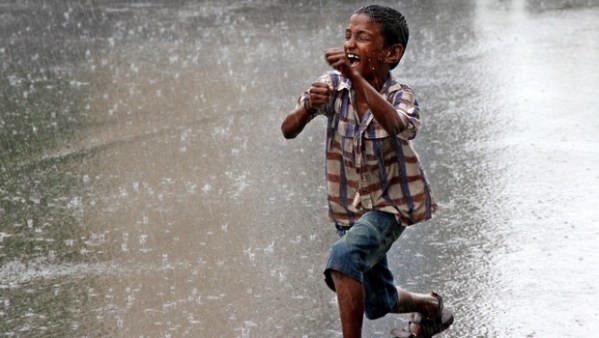
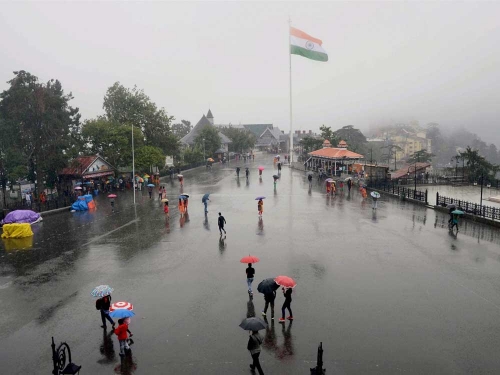
“These two worlds were once joined (subsequently) they separated. (After their separation) There fell neither rain, nor was sunshine.

This marriage of heaven and earth were found in many cultures. They have borrowed it from the Vedic Hindus. The Greeks addressed the Earth, ‘as the Mother of the gods and starry heavens’.

In the 41st fragment of Aezchylus (from the Danaides), Aphrodite is introduced as saying, “The pure heaven loves to inflict upon earth an amorous blow; and desire seizes the Earth to obtain the nuptial union. Rain falling from the moist Heaven impregnates the Earth, who brings forth for mortals the food of sheep, the sustenance of Demeter (Deva Mata= demeter). The verdure of the woods also is perfected by the showers preceding from this marriage. Of all these things I (Aphrodite) am in part of the cause”

French author Albert Reville says, that “the marriage of Heaven and Earth form the foundation of hundred mythologies”.
 

Max Muller Bluff

Max Muller and Wilkins spread wrong information that Dyaus (Sky father) and Prithvi (Mother Earth) as ‘the most ancient deities of the Aryans and they were replaced by Indra and Agni later’. But there is no proof for it. All the references to marriage of Dyaus (sky) with Prthvi (earth) come from later part of the Vedas. Greeks borrowed it from us and pronounced it as Zeus.


Moreover, in the early Mandalas Agni and Indra are praised more than the Dyaus and Prithvi. The early Suktas divided it into three Sky, Atmosphere and Earth. Even the parents of Earth and Heaven (Pusan) are mentioned. So his concocted story that the Earth and the Heaven are ‘the most ancient deities’ has no basis.


If one idiot says something 1000 idiots repeat it without verifying the fact. With very great enthusiasm, he identified himself with those ‘’marching Aryans’’ who entered India .
Dyaus in Rig Veda :

“At the festivals ( I worship) with offerings, and celebrate the praises of Heaven and Earth, the promoters of righteousness, the great, the wise, the energetic, who, having gods for their offspring, thus lavish with the gods the choicest blessings in consequence of our hymn”

“With my invocations I adore the thought of beneficent Father, and that mighty inherent power of the mother. The prolific parents have made all creatures, and through their favours (have conferred) wide immortality on their offspring”—Rig Veda 1-159-1


One must be careful about English translation of the Vedas. No two foreign authors agree on the meanings of the Vedic mantras. And these people add ‘Sayana said’, ‘Sayana thinks’, ‘Sayana believed ‘and then add “Aryan” as a race. Sayana never used it in that sense. He used it like the ancient Tamils used Arya in Sangam literature and Greatest Tamil poet Bharati used Arya throughout his poems; in short, no racial connotation! They meant ‘cultured’, ‘who believed God’. Even Buddha used Arya (Ajja= ayya= ayyar in Tamil) in the right sense. Those who use English translations of the foreign authors must be very careful; there are over 40 interpretations on the word Asura and origin of Asuras!!!
Dyaus Pita | Tamil and Vedas

https://tamilandvedas.com/tag/dyaus-pita/

In the hymns there are various speculations about the origin of Dyaus and Prithvi. A Perplexed poet enquires, “Which of these was the first, and which the last?


–Subham–

ரஹசியம்! பரம ரஹசியம்! எல்லா மதத்திலும் உண்டு! (Post No.4300)

Written by London Swaminathan


Date:14 October 2017


Time uploaded in London- 7-43 am


Post No. 4300

Pictures shown here are taken from various sources such as Facebook friends, Books, Google and newspapers; thanks.


பாரசீக நாட்டில் (ஈரான்) ஜொராஸ்டர் (Zoroaster or Zarathusthra) என்பவர் பின்பற்றிய மதம், வேத கால சமயம் போன்றது. அவர்களும் தீயை (யாக, யக்ஞம்) வணங்கினர். ஆயினும் சில கருத்துக்களில் மாறுபட்டார். ஒற்றுமை அம்சங்களே அதிகம்; அதில் ஒன்று மந்திரங்களை எல்லோருக்கும் கற்றுத் தராதே என்பதாகும். இது எல்லா சமயங்களிலும் உள்ள உண்மை.


நான் தினமும் படிக்கும் விநாயகர் கவசத்தில் கடைசியில் வரும் வரிகள் பல்லாயிரக் கணக்கான ஆண்டுகளாக உளது என்பது எனக்கு வியப்பை ஏற்படுத்தியது!

அன்பு உறுதி ஆசாரம் உடையார்க்குக்கிக்

கவசத்தை அறைக அல்லார்க்கு

என்பெறினும் உரையற்க எனக்கிளந்து

மரீசி தனது இருக்கையுற்றான்

என்று விநாயக கவசம் முடியும். அதாவது அன்பு, உறுதி, ஆசாரம் ஆகியன எவருக்கு இருக்கிறதோ, அவர்களுக்கு மட்டும் இக்கவசத்தைச் சொல்லிக்கொடு; மற்றவர்கள் என்ன கொடுத்தாலும், அவர்களுக்குச் சொல்லி விடாதே என்று கூறிவிட்டு மரீசி முனிவர் அவருடைய இருப்பிடத்தை அடைந்தார் என்பதாகும்.


புத்தரும் ஒரு சொற்பொழிவில், எனக்கு நிறைய விஷயங்கள் தெரியும்; அவைகள் எல்லாவற்றையும் நான் சொல்லித் தரப்போவதில்லை என்று கூறுகிறார். அதிக விடயங்களைச் சொல்லச் சொல்ல குழப்பம் அதிகரிக்கும் என்பது அவருக்கும் தெரியும்.


ஜொராஸ்டர் சொல்லிய கருத்துக்கள் ஜெண்ட் அவஸ்தா (Zend Avesta) என்ற புனித நூலில் உள்ளது. சந்தஸ் என்ற சம்ஸ்கிருதச் சொல்லே ஜெண்ட் (ZEND) என்று திரிந்ததாக ஆன்றோர் கூறுவர். இந்தப் புனித நூலில் மூன்று இடங்களில் இந்த மந்திரங்களை யாருக்குச் சொல்லித் தரவேண்டும்,எப்படி சொல்லித் தர வேண்டும் என்று எழுதப்பட்டுள்ளது.


தந்தை ஒருவர் மகனுக்குக் கற்பிக்கலாம்; அல்லது சஹோதரன் ஒருவன் மற்ற சஹோதரனுக்கு உபதேசிக்கலாம்; அல்லது அதர்வண் (புரோஹிதர்) தனது சீடனுக்குச் சொல்லித் தரலாம் என்று ஜொராஸ்டருக்கு அஹுரமஸ்தா (AHURA MAZDA அசுர மஸ்தா= பெரிய கடவுள்) சொன்னதாக ஆறாவது அமேஷா ஸ்பெண்டாவில் (Sixth Amesha Spenta) வருகிறது. இதே போல யாஸ்ட் 14, 46 (Yasht 14, 46) ஆகியவற்றிலும் சொல்லப்பட்டுள்ளது.

இந்து மதத்தில் எல்லா மந்திரங்களும் குரு மூலமாகவே கற்பிக்கப்படுகிறது. பிராமனர் உள்பட மூன்று வருணத்தார் பூணுல் போடும்போதும் அவர்களுக்கு தந்தைதான் காயத்ரீ மந்திரத்தை உபதேசிப்பார். அப்பொழுது மகனையும் தந்தையையும், புரோஹிதரையும் ஒரு பட்டு வேஷ்டியால் போர்த்தி மறைத்து விடுவர். இதன் பொருள் இது ரஹசிய மந்திரம்; அந்த ரஹசியத்தைக் காக்க வேண்டும் என்பதாகும்.

பிருஹத் ஆரண்யக (பெருங் காட்டு) உபநிஷதத்திலும் (6-3-12), சாந்தோக்ய உபநிஷத்திலும் (3-2-5-6) இவ்வாறு எழுதப்பட்டுளது. அதாவது மகனோ அல்லது தனது மாணவரோ இல்லாவிடில் மந்திரங்களைக் கற்பிக்காதே என்பது கட்டளை.


மதத்தில் தீட்சை பெற்றவர்களுக்கே ரஹசிய ஞானம் கிடைக்கும் என்று கிறிஸ்தவ புனிதர் பால் (St.Paul) கூறுகிறார்.


பாபிலோனியா, எகிப்து போன்ற நாகரீகங்களிலும் சில விஷயங்கள் எல்லோருக்கும் கிடைக்காது என்றும் அதில் சேர்ந்தவர்களுக்கு (Initiated)  மட்டுமே கிடைக்கும் என்றும் வரலாற்று அறிஞர்கள் எழுதியுள்ளனர்.


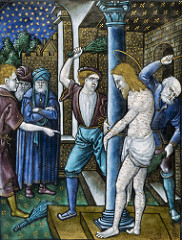
ரோமானிய சாம்ராஜ்யத்தில் பரவிய மித்ர (Mithra Cult) வழிபாடு நிலத்து அடியிலுள்ள குகைகளில் கற்பிக்கப்பட்டது. அது மட்டுமல்ல அந்த வழிபாட்டில் தீட்சை எடுத்துக் கொள்வோர் சவுக்கடியும் (flagellation) பெறவேண்டும்.

மித்ரனைப் போற்றும் ஒரு மந்திரத்தில் (யாஸ்ட் Yasht 10-122) சவுக்கடி விதிகள் கூறப்படுகின்றன. மூன்று பகல், மூன்று இரவில் குளித்த பின்னர் 30 சவுக்கடி அல்லது சாட்டை அடி பெறும், சாத்திரங்களைக் கற்ற அறிஞர்களே மித்ர பானத்தை அருந்தலாம் என்று ஜோராஸ்டருக்கு அசுர மஸ்தா கூறுகிறா

ர் என்று இந்த யாஸ்ட் சொல்கிறது. சில சந்தர்ப்பங்களில் இரண்டு பகல் இரண்டு இரவுகளில் குளித்து விட்டு இருபது கசையடிகள் வாங்கிய பின்னர் மித்ரனுக்காக தயாரிக்கப்பட்ட பானத்தை அருந்தலாம் என்றும் அதே மந்திரம் சொல்லும்.


ஐயப்ப விரதம் இருப்போர் குருமார்களிடம் தீட்சை பெறுவது இப்போதும் உள்ளது.  அதற்கு 41 நாள் விரதம் இருக்க வேண்டும். இதே போல விஜயாவாடவில் பவானி விரதம் இருப்போர் 41 நாட்களுக்கு சிவப்பு ஆடைகளை அணிந்து கோவில் குருமாரிடம் தீட் சை பெறுகின்றனர்.


ஏன் இந்த ரஹசியம்?

கண்ட கண்ட தோழான் துருத்திகளுக்கு மந்திர உபதேசம் செய்தால், அவர்களுடைய நடை உடை பாவனைகள் அந்த மந்திரத்தின் மதிப்பைக் குறைத்து விடும்; மக்கள அதில் நம்பிக்கை இழந்து விடுவர். எல்லா மதங்களிலும் போலி சாமியார்கள் உண்டு; அவர்கள் எல்லாம் நாஸ்தீகவாதிகளுக்கு உதவி செய்யவும் மதங்களின் மதிப்பைக் குறைக்கவும் பிறந்தவர்கள். மந்திரத்தின் மதிப்பையும் சக்தியையும் காப்பாற்ற ரஹசியம், பரம ரஹசியம் அவசியம்!

Source: M P Khareghat Memorial Volume-1, Bombay, 1953 (A Symposium on Indo-Iranian Subjects)

TAGS: ரகசியம், ரஹசியம், பரம, மந்திரம், ஜொராஸ்டர்

இது தொடர்பான எனது பழைய கட்டுரைகள்:–

போலி சாமியார் பற்றிய பழந்தமிழ்ப் …

https://tamilandvedas.com/…/போலி-சாமியார்-பற…

2 days ago – போலி சாமியார் பற்றிய பழந்தமிழ்ப் பாடல்கள் (Post No.4294) … கூடா ஒழுக்கம் என்னும் அதிகாரத்தில், போலி வேடம் போடும் ஆட்கள் …

மந்திரங்களை யாரும் கற்கலாமா? | Tamil and …

https://tamilandvedas.com/…/மந்திரங்களை-யாரு…

6 Nov 2013 – ஏன் சில மந்திரங்களை ஒரு சில வகுப்பினர் மட்டுமே கற்கலாம் என்று … எல்லோருக்கும் முன்பாக மன்னர் தனக்கும் காயத்ரீ மந்திரம் …

மந்திரங்களை யாரும் கற்கலாமா? | Swami’s …

swamiindology.blogspot.com/2013/11/blog-post_6.html

6 Nov 2013 – ஏன் சில மந்திரங்களை ஒரு சில வகுப்பினர் மட்டுமே கற்கலாம் என்று … எல்லோருக்கும் முன்பாக மன்னர் தனக்கும் காயத்ரீ மந்திரம் …


–SUBHAM–


கம்பன் கவி இன்பத்தில் வம்பு-3 (Post No.4299)

Written by S.NAGARAJAN


Date:14 October 2017


Time uploaded in London- 5–31 am


Post No. 4299

Pictures shown here are taken from various sources such as Facebook friends, Books, Google and newspapers; thanks.


வர்ஜிலையும், ஹோமரையும், மில்டனையும் வம்பிக்கிழுக்க வேண்டாமே! – 3

.நாகராஜன்


6

அரவிந்த இலக்கியம் பெரிய கடலைப் போன்றது. அதில் நீந்திக் கரையேற முடியுமா? முடியாது.

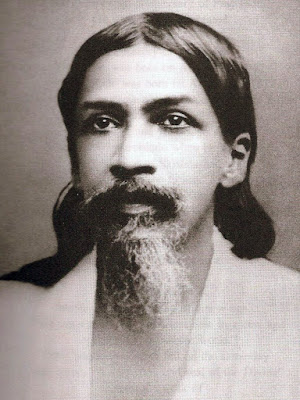
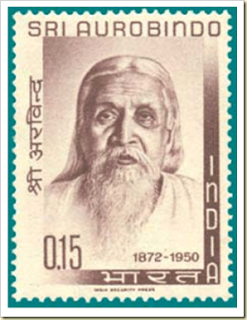
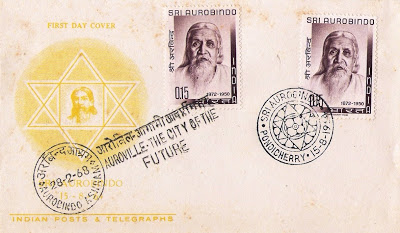
அரவிந்தர் (1872-1950) கிங்ஸ் காலேஜ், கேம்பிரிட்ஜில் படித்தவர்.1893இல் இந்தியாவிற்குத் திரும்பியவுடன் அவர் பரோடா காலேஜில் ஆங்கில, பிரெஞ்சு இலக்கியத்தைக் கற்பித்தார்.

வால்மீகி, ஹோமர், மில்டன் பற்றி அவர் ஏராளமான அருமையான கருத்துக்களைச் சொல்லி இருக்கிறார். அவற்றில் ஓரிரண்டு கருத்துகளை மட்டுமே இங்கு பார்க்க முடியும் – இடம் கருதி!

அரவிந்தர் நூல்கள் அனைத்தையும் தரவிறக்கம் செய்து கொள்ளலாம். அன்பர்கள் சிறிது நேரம் ஒதுக்கி அவர் இந்திய பண்பாட்டைப் பற்றி என்ன சொல்கிறார் என்று படித்து மகிழலாம்.

இந்தியக் கலை, இந்திய இலக்கியம் பற்றிய அவரது அருமையான கருத்துக்களை The Renaissance in India and other Essay on Indian Culture என்ற நூலில் காணலாம்.

விண்ணை அளக்கும் கம்பீரமான வார்த்தைகளால் அவரது புகழாரத்தைப் படிக்கும் போது உள்ளம் குளிர்கிறது.

அதில் இலக்கியம் பற்றிய மூன்றாவது கட்டுரையில் ஆரம்பத்திலேயே திருவள்ளுவர், கம்பன் உள்ளிட்ட கவிஞர்களைப் பெருங்கவிஞர்கள் வரிசையில் சேர்க்கிறார்.

பின்னர் அவர் கூறுவது:

The pure literature of the period is represented by the two great epics, the Mahabharata, which gathered into its vast structure the greater part of the poetic activity of the Indian mind during several centuries, and the Ramayana.


These two poems are epical in their motive and spirit, but they are not like any other two epics in the world, but are entirely of their own kind and subtly different from others in their principle.


It is not only that although they contain an early heroic story and a transmutation of many primitive elements, their form belongs to a period of highly developed intellectual, ethical and social culture, is enriched with a body of mature thought and uplifted by a ripe nobility and refined gravity of ethical tone and therefore these poems are quite different from primitive edda and saga and greater in breadth of view and substance and height of motive — I do not speak now of aesthetic quality and poetic perfection — than the Homeric poems, while at the same time there is still an early breath, a direct and straightforward vigour, a freshness and greatness and pulse of life, a simplicity of strength and beauty that makes of them quite another kind than the elaborately constructed literary epics of Virgil or Milton, Firdausi or Kalidasa.


This peculiar blending of the natural breath of an early, heroic, swift and vigorous force of life with a strong development and activity of the ethical, the intellectual, even the philosophic mind is indeed a remarkable feature; these poems are the voice of the youth of a people, but a youth not only fresh and fine and buoyant, but also great and accomplished, wise and noble.

This however is only a temperamental distinction: there is another that is more far-reaching, a difference in the whole conception, function and structure.


அடுத்து உலக கவிஞர்களை நுணுகி ஆராய்ந்த அவர் வால்மீகி, வியாஸர், ஹோமர், ஷேக்ஸ்பியர் ஆகிய நால்வரை முதல் வரிசையில் வைத்தார்.

அடுத்து இரண்டாவது வரிசையில் தாந்தே, காளிதாஸர், Aeschoylus, Sophocles, வர்ஜில், மில்டன் ஆகியோரை வைத்தார். கதே மட்டும் மூன்றாம் வரிசை இடத்தைப் பெற்றார்.

இப்படி சொல்லிக் கொண்டே போகலாம்.

Vyasa and Valmiki, Foundations of Indian Culture, Talks with Nrod Baran உள்ளிட்ட பல நூல்களை அன்பர்கள் படித்தால் இலக்கிய சிகரத்தில் ஏறலாம்; கம்பன், வால்மீகி, வர்ஜில், ஹோமர், மில்டன் ஆகியோர் பற்றிய அவர் கருத்துக்களை அறியலாம். இது ஒரு தனி நூலுக்குரிய ஆய்வாக அமைகிறது என்பதால் இந்த அளவில் இதை முடித்துக் கொள்வோம்.

7

மில்டனின் கவிதைத் திறத்தை மெச்சுவோர் இருளைப் பற்றி வர்ணிக்கும் அவனது அருமையான சொற்றொடரான, ‘Palpable darkness’ – தொட்டு உணரலாகும் இருட்டு என்பதை மேற்கோளாகக் காட்டுவர்.

கம்பனது காவியத்திற்கு வருவோம்.

ஆரணிய காண்டத்தில் மாரீசன் வதைப் படலத்தில் (வை.மு. கோபாலகிருஷ்ணமாசாரியர் பதிப்பு) வரும் செய்யுள்களைப் பார்ப்போம். (138 முதல் 142 முடிய உள்ள பாடல்கள்)

சீதை மேல் மையல் கொண்ட ராவணன் ‘கன்னக் கனிய இருள் தன்னை பார்ப்போம். சூரியனை விட சந்திரன் சுடுகிறான்’ என்று கூறி சந்திரனை வரவழைக்கிறான். “நீ நீங்கு” என்றவுடன் இருள் வருகிறது.

அது எப்படி இருந்தது?

“ஆண்டப் பிறை நீங்கலும் எய்தியது அந்தகாரம்           தீண்டற்கு எளிதாய்ப் பல தேய்ப்பன தேய்க்கலாகி           வேண்டில் கரபத்திரத்து ஈர்த்து விழுத்தல் ஆகிக்        காண்டற்கு இனிதாய்ப் பல கந்து திரட்டல் ஆகி”

என்று ஆரம்பித்து இன்னும் மூன்று பாடல்களில் இருளை வர்ணிக்கிறான்.

அடுத்த பாடலில் ‘அம்பும் அனலும் நுழையா கன அந்தகாரத்து’ என்று வர்ணிக்கிறான்.

அதாவது பாணமும் அக்கினியும் உள்ளே சென்று பிளக்க முடியாத அடர்ந்த இருள் என்று வர்ணிக்கிறான்.

தீண்டற்கு எளிதாக – தொட்டு உணருவதற்கு எளிதாக இருந்த இருள், அம்பும் அனலும் நுழையா கடும் அடர் இருளாக மாறியது.

மில்டனை விட ஒரு படி மேல் சென்று எப்படி தண்ணீர் அடர்த்தியான ஐஸ்கட்டி போல ஆகிறதோ அது போல இருள் கெட்டியான கட்டி ஆகி விட்டதாகக் கூறுகிறான்.

எப்படிப்பட்ட வர்ணனை?

புராணம் கூறும் கிருஷ்ண சரித்திரத்திற்கு வருவோம்.

தனது குருவின் இறந்த புதல்வனை மீட்க கிருஷ்ணனது சஹஸ்ர கோடி சூர்யனுக்குச் சமமான சுதர்ஸன சக்கரம் அடரத்த இருளே குகை போல (கெட்டியாக, அடர்த்தியாக) இருந்ததை ஊடுருவிச் சென்றது என்பதைப் படிக்கிறோம்.

(இந்த உவமையைப் பல காலும் படித்து மகிழ்ந்து பிரமித்திருக்கிறேன்.)

ஆக காவியம் இயற்றிய் இரு பெரும் கவிஞர்களின் ம்னோ சஞ்சாரம் பற்றி அறிய இருள் பற்றிய இந்த உவமை வெளிச்சம் தருகிறது இல்லையா?

இப்படி நுணுகிப் படித்து மகிழ்ந்தால் பல முத்துக்களைப் பெறலாம்.

8

திரு ஆர்.நஞ்சப்பா அவர்களும் திரு டிஎஸ்கே ரகு அவர்களும் பதிவு செய்த கருத்துக்களினால் டாக்டர் எஸ்.ராமகிருஷ்ணன், வ.வே.சு.ஐயர், மஹ்ரிஷி அரவிந்தர் உள்ளிட்டோரின் நூல்களை மீண்டும் படிக்கும் வாய்ப்பு கிடைத்தது. மகிழ்ச்சி.

அன்பர்களுக்கு எனது நன்றி.

****

இது வம்புத் தொடர் அல்ல; கரும்புத் தொடர் என்று ஆகி விட்டது. இத்துடன் தொடர் நிறைவுறுகிறது.


STRANGE VEDIC RITUALS AND MANTRAS TO OBTAIN RAIN (Post No.4298)

Written by London Swaminathan


Date:13 October 2017


Time uploaded in London- 18-42


Post No. 4298

Pictures shown here are taken from various sources such as Facebook friends, Books, Google and newspapers; thanks.


Vedic seers (rishis) believed in the extraordinary powers of the sound. They believed that certain intonations can do miracles. They were highly civilized and cultured and used metres in the poems to derive power. It is amazing to see such thinking before other civilizations never wrote poems following prosody or a set of grammar rules.

Following articles posted by me have the full details:

Vedic metrs | Tamil and Vedas

https://tamilandvedas.com/tag/vedic-metrs/

Translate this page

These are the Vedic metres, part of prosody (the study of versification, especially, the systematic study of metrical structure). Vedic Hindus paid so much attention …


Vedic grammar | Tamil and Vedas

https://tamilandvedas.com/tag/vedic-grammar/

So they named all the Vedic metres after women starting from Gayatrimetre (24 syllables) and the speech as Vac or Sarasvati or Bharati. Some stanzas of the …


Vedas and science | Tamil and Vedas

https://tamilandvedas.com/tag/vedas-and-science/

Posts about Vedas and science written by Tamil and Vedas. … The term ‘Chandas’ (metre) normally sets a limit to the number of words used in a ‘Rik’; at a …


Vedic riddle | Tamil and Vedas

https://tamilandvedas.com/tag/vedic-riddle/

Posts about Vedic riddle written by Tamil and Vedas. … Seven hands are explained as seven metres of the Vedas. Triple bonds are Mantra, Kalpa and …


Satapata Brahmana has very interesting information   regarding this. Unless we do proper scientific research, we would not know the full significance of it. Even though Sayana and several others before him tried to interpret Vedas, traditionalists never acknowledged it. They believed mantras have sound effect and there is no need to know the meaning.

Looking at the mantras in the Brahmana literature we would also think the same, because many of them have no meaning literally or the meaning would be ‘silly’.


Here are some passages from the Brahmanas:

“On account of the metres of the first three days being ascending, the fire blazes up, for the upper regions belong to fire. On account of the metres of the middle three days being crossed, the wind blows across. The wind moves across the other regions, and the waters flow also across; for the region which is across the others belong to the wind. On account of metres of the last three days being descending, that one (i.e. the sun) burns downwards, the rain falls down, and the constellations in the heaven sends their light down. For the region which goes down belongs to the sun”.


“The strength of the metres was exhausted by the gods, for it was by the metres that the gods attained the world of heaven.   And the response song is ecstasy – what ecstasy there in the Rik and that is there in the Saman, that is sap. This sap now he lays in the metres and thus makes the metres of restored strength, and with them of restored strength, they perform the sacrifices”—Satapata Br. 4-3-2-5


The science of the Vedas is most intimately connected with  the rhythm and metres of the Vedas. Vedic Hindus had great faith in the stupendous powers of different metres, employed in the several mantras  recited at the sacrifices, the number of feet in each, the variety of the feet, and the manner in which these occurred, as stated above, for example.

In the Aitareya Brahmana we have the following: –

“Which has its analogy in the fact that great people, when travelling to a distant place, yoke to their carriage at every station fresh horses or oxen which are not fatigued. Just in the same way the sacrificers travel to the celestial world by employing at every station fresh metres representing the horses or oxen which are not fatigued”.


Here is another way of obtaining rain: On the fourth day of the Dvadasa Sacrifice, the singers make ‘Nyunkha’ of the syllable ‘Vach’ by pronouncing it with a tremulous voice increasing and decreasing the tone. This serves to make the fourth day particularly important. Because the ‘Nyunkha’ (the special mode of intoning vach) produces food for the singers seeking a livelihood, wander about to make food grow by their singing for rain’- Aitareya Br. Haugh Vol. bii. P 323


Food and rain are thus produced by making Nyunkha. The power of Nyunkha to bring rain must be explored scientifically. I believe that the sound waves and water were used by the Vedic Hindus to give one a boon or throw a curse.

The power of Kusa/Dharba grass is also known only to Vedic Hindus. We must do scientific research.


–Subham–


‘முடி மன்னர், பிடி சாம்பல் ஆவர்’ (Post No.4297)

Written by London Swaminathan


Date:13 October 2017


Time uploaded in London- 7-37 am


Post No. 4297

Pictures shown here are taken from various sources such as Facebook friends, Books, Google and newspapers; thanks.


பட்டினத்தாரும் நம்மாழ்வாரும் பாடியது:

முடி மன்னர், பிடி சாம்பல் ஆவர்

இரண்டு பெரிய பக்தர்கள், ஒரே கருத்தைச் சொல்லும்போது, அதை நம் மனதில் வைப்பது எளிதாகிறது; மேலும் ஒருவர் வைணவர்கள் போற்றும் நம்மாழ்வார், மற்றொருவர் சைவர்கள் போற்றும் பட்டினத்தார் என்பதைக் காணுகையில் நம் ஆர்வம் கொப்புளிக்கிறது.


இருவரும் என்ன சொல்கிறார்கள்?

நீ எவ்வளவு பெரிய ஆள் ஆனாலும் இறுதியில் ஆண்டியும் அரசனும் சந்திக்கும் இடம் ஒன்றே.


நம் வாழ்வில் காணா சமரச இடம்

சுடுகாட்டிலோ, இடு காட்டிலோதான் நாம் அனைவரும் வித்தியாசமின்றி சந்திக்கிறோம்

ரம்பையின் காதல் என்ற தமிழ் திரைப்படத்தில் ஒரு அருமையான பாடல்:–


சமரசம் உலாவும் இடமே நம் வாழ்வில் காணா

சமரசம் உலாவும் இடமே நம் வாழ்வில் காணா

சமரசம் உலாவும் இடமே.


ஜாதியில் மேலோர் என்றும் தாழ்ந்தவர் தீயோரென்றும் பேதமில்லாது

எல்லோரும் முடிவில் சேர்ந்திடும் காடு

தொல்லையின்றினே தூங்கிடும் வீடு

உலகினிலே இது தான் நம் வாழ்வில் காணா

சமரசம் உலாவும் இடமே நம் வாழ்வில் காணா

சமரசம் உலாவும் இடமே.


ஆண்டி எங்கே அரசனும் எங்கே

அறிஞன் எங்கே அசடனும் எங்கே

ஆவி போன பின் கூடுவார் இங்கே

ஆகையினால் இது தான் நம் வாழ்வில் காணா

சமரசம் உலாவும் இடமே


பட்டினத்தார் பாடல்

பாமர மக்களுக்குப் புரியும் வகையில் எழுதப்பட்டது திரைப்படப் பாடல். இலக்கிய நயம்பட எழுதப்பட்டது பக்திப் பாடல்; மேலும் பக்திப் பாடல்களைப் பாடுவோர் அதை அடிமனதில் தோன்றும் ஆன்மீகப் பேரூற்றில் இருந்து தருகையில் நாம் மிகவும் ரசிக்கிறோம்; பருகுகிறோம். ஆகையால் காலா காலத்துக்கும் அப்பாடல்கள் அழிவதில்லை. அதே கருத்து திரைப்பாடல்களில் வருகையில் அது அழிந்துவிடுகிறது. ஏனெனில் அவர்கள் காசு, பணத்துக்கு எழுதுகிறார்கள்.


இதோ பட்டினத்தார் பாடல்:–


முடிசார்ந்த மன்னரும் மற்றுமுள்ளோரும் முடிவில் ஒரு
பிடி சாம்பராய் வெந்து மண்ணவதுங் கண்டு பின்னும் இந்தப்
படிசார்ந்த வாழ்வை நினைப்பதல்லால் பொன்னின் அம்பலவர்
அடிசார்ந்து நாம் உய்யவேண்டும் என்றே அறிவாரில்லையே.


பொருள் மிகவும் எளிது:

பெரிய  வைர, ரத்தின, தங்க கிரீடங்களை (மணி முடி) தாங்கி பாரையே ஆண்ட அரசர்களும் இறுதில் இறந்த பின்னர் எரிக்கப்பட்டு ஒரு கைப்பிடி சாம்பல் ஆகிவிடுவர். இதைப் பார்த்த பின்னரும், பலரும் போகும் வழிக்குப் புண்ணியம் சேர்க்காமல், மேலும் மேலுமாசைகளைப் பெருக்கி வாழ மக்கள் விரும்புகின்றனர். திருத் தில்லை அம்பலத்தில் ஆடும் இறைவனின் அடிகளை நாடும் நாட்டம் வரவில்லையே!


இது பட்டினத்தாரின் ஏக்கம்.

இதோ நம்மாழ்வார் பாசுரம்:

அடிசேர் முடியினர் ஆகி அரசர்கள் தாம் தொழ

இடிசேர் முரசங்கள் முற்றத்து இயம்ப இருந்தவர்

பொடிசேர் துகளாய்ப் போவர்கள் ஆதலில் நொக்கெனக்

கடிசேர் துழாய் முடிக்கண்ணன் கழல்கள் நினைமினோ

–திருவாய் மொழி, திவ்வியப் பிரபந்த பாடல் எண் 3009


பொருள்:-


பேரரசர்கள் ஒரு சமயம். மற்ற சிற்றரசர்களின் முடிகள் தங்கள் காலில் படும்படி (காலில் விழுந்து வணங்கும்போது) ஆட்சி புரிந்தனர். இடி போன்ற முரசங்கள் ஒலிக்கும்படி சபை வீற்றிருந்தனர். ஆனால் அவர்களே பின்னொரு நாளில் இவை அழியும்படி, போரில் தோற்று பொடியாக, துகளாக ஆனார்கள். ஆகவே மணம் பொருந்திய துளசி மாலையை அணிந்த கண்ணன் திருவடிகளை நினை மனமே; இப்போதே நினை மனமே.


ஆக நம்மாழ்வாரும் பட்டினத்தாரும் பேசும் பெரிய மன்னர்கள் தகுதி நமக்கு இல்லை. ஆனால் அவர்களுகே அந்தக் கதி என்றால் ஊர் பேர் தெரியாத நமக்கு எந்த கதியோ?


இறைவன் சந்நிதியில் மட்டுமே நாம் அனைவரும் சமம்.


–சுபம்–

கம்பன் கவி இன்பத்தில் வம்பு-2 (Post No.4296)

Written by S.NAGARAJAN


Date:13 October 2017


Time uploaded in London- 6–08 am


Post No. 4296

Pictures shown here are taken from various sources such as Facebook friends, Books, Google and newspapers; thanks.


வர்ஜிலையும், ஹோமரையும், மில்டனையும் வம்பிக்கிழுக்க வேண்டாமே! – 2

.நாகராஜன்


4

இனி அடுத்து கவிதா ரஸிகரான வ.வெ.சு. ஐயர் எப்படி வர்ஜில், ஹோமர், கம்பன், வால்மீகி, கம்பன் ஆகியோரின் கவிதையை ரஸித்தார் என்று பார்ப்போம்.

கம்பன் கவிதை என்ற தொகுப்பு நூல் பிரமாதி (1939), பங்குனி 8,9,10 ஆகிய நாட்களில் காரைக்குடியில் நடைபெற்ற கம்பன் திருநாளில் வெளியிடப்பட்டது. அதில் முதல் கட்டுரையாக ‘கம்ப ராமாயண ரசனை’ என்ற தலைப்பில் வ்.வெ.ஸுப்ரஹ்மண்ய ஐயர் எழுதிய கட்டுரை இடம் பெற்றுள்ளது. வ.வெ.சு, ஐயரின் கம்பராமாயண ரசனை நூலை தில்லி தமிழ்ச் சங்கமும் பின்னாளில் வெளியிட்டது.

102 பக்கங்கள் உள்ள அந்த நூலில் சில பகுதிகளை மட்டும் இங்குக் காண்போம்.

5

வ.வே.சு. ஐயரின் கட்டுரை, அவரது சொற்களில் :

இது மாத்திரமில்லை, கம்ப ராமாயணமானது ஹோமர் எழுதிய இலியாதையும், விர்க்கிலீயன் எழுதிய ஏனயிதையும், மில்டனுடைய சுவர்க்க நஷ்டம் என்ற காவியத்தையும், வியாஸ பாரதத்தையும், தனக்கே முதல் நூலாக இருந்த வால்மீகி ராமாயணத்தையும் கூட பெருங் காப்பிய லட்சணத்தின் அம்சங்களுள் அநேகமாய் எல்லாவற்றிலும் வென்று விட்டது என்று சொல்லுவோம். இவ்விமரிசனத்தைத் தொடர்ந்து வாசிப்போருக்கு எமது இவ்வபிப்ராயத்தை மெய்ப்பிக்க முயலுவோம்.  (பக்கம் 4)

கவிதை என்னும் அணங்கு இலக்கண வித்துவானைத் தந்தையென மதித்து அவனை அணுகாள். தார்க்கிகளைச் சகோதரன் என்று பாவித்து அவனை நெருங்காள். வேதாத்தியயனம் செய்தவனை (யும், சந்தத்தையே கவனிப்பவனையும்) விட்டுச் சண்டாளர்களிடம் நின்று ஓடுகிறவர்கள் போல ஓடியே போய் விடுகிறாள்.; மீமாம்சையை ஆராய்பவனை நபும்ஸகன் என்று நினைத்து அவமதித்து விடுகிறாள்; காவியாலங்கார சாஸ்திரமறிந்தவனைக் கண்டதும் அவனையே தன் கொழுநனாகப் பாவித்து அவனைச் சேருகிறாள்…….. வால்மீகியைச் சாமானிய கவியாக நாம் பாவிக்கவில்லை. உலகத்திலுள்ள முதல் ஏழெட்டு மகா கவிகள் என்று கணக்கிட்டு எந்த ஜாதி அறிஞர் எண்ணினாலும் அந்தக் கணக்கில் வால்மீகியின் பெயரைச் சேர்க்காதிருக்க முடியாது. எமது சொந்த அபிப்ராயத்தில் உலகத்தின் ஒரு தனிக் காவியம் என்று சொல்லத் தகுந்தது கம்பராமாயணம் தான் என்றும், வால்மீகி ராமாயணம் அதற்கு அடுத்த ஸ்தானத்தை வகிக்கும் என்றும் சொல்லுகிறோம்.   (பக்கம் 10,11)

ஹோமர் எழுதிய ஒதூஸியத்தில் வரும் குக்ளோப உபாக்கியானம், விர்க்கீலியனுடைய ஏனையத்தில் வரும் ஹார்ப்பியரின் செய்தி, ஆகிய இவைகளோடு தான் இந்த விராதன் கதையையும் இக்காண்டத்தின் கடைசியில் வரும் அயோமுகியின் கதையையும் ஒப்பிடலாகும். (The episode of Polyphemus the Cyclops in the Odyssey of Homer and the account of the Harpius in Virgil’s Eneid.) (பக்கம் 14)


மகாகவிகளெல்லாம் இத்தகைய மகா சந்தர்ப்பங்களில் பிரகிருதி மனித உணர்ச்சியோடு நடப்பது போல எழுதுவது சகஜமாயிருப்பது என்பது குறிப்பிடத்தக்கது. இலியாதின் 30-வது சருக்கத்தில் ஹோமர் பின்வருமாறு பாடுகிறார்:

“போர்க்கடவுள் துரோயா மீது வட்டமிட்டுக் கொண்டு தன் பயங்கரமான உருவத்தைப் ப்யற்காற்றாலும் மழை வேகத்தாலும் போர்த்தி மறைத்துக் கொண்டு, அத்துரோயாவின் உன்னதமான கோபுரங்களின் மீது நின்று கர்ஜித்துத் தன் வேகத்தைத் துரோயா நெஞ்சில் ஊற்றினான்.”

“பூதேவி புண்பட்டாள்; முடிவு வந்துற்றதென்று பகுதியாளும் தான் நிற்கும் அனைத்துப் பொருள்களினும் உயிர்த்துக் கொண்டு பொருமினாள், துடித்தாள் “ –

“Earth felt the wound and nature from her seat

Sighting through all her works, gave signs of woe

That all was lost” என்று மில்தனும் கற்பித்தெழுதுகிறான். எந்த ஜாதியினராயினும் பெருங் கவிகளின் இதயத்தில் ஒரே  மகாநாதம் ஒலிக்குமன்றோ? (பக்கம் 37)


உபாக்கியானங்கள் அமைப்பதில் ஹோமரைத்தான் – அவனும் இலியாதைப் பாடுகையில்தான் மிக சாமர்த்தியசாலி என்னலாம். அவன் எழுதிய ஒதூஸியம் என்னும் காவியத்தை உண்மையாக மகா காவியமென்று சொல்லக் கூடாது. அதை அநேகமாக உபாக்கியானங்களின் சேர்க்கையென்று சொல்லுவதே முறையாகும். ஆனால் இலியாதிலுள்ள அவனுடைய உட்கதைகள் சிறியனவாயும் அவய்வயங்களுக்கு அளவில் பொருத்தமாயும் இருக்கின்றன. கதையும் உபாக்கியானங்களும் ஒன்றோடொன்று பின்னிக்கொண்டு, கதைக்கு இடைஞ்சற்படுத்தாமல் பெரும்பாலும் எடுக்க முடியாதனவாய் இருக்கின்றன. ராமாயணத்தில் உபாக்கியான அமைப்பு இலியாதின் அமைப்புக்குத் தாழ்ந்ததன்று. (பக்கம் 39)


இவ் யுத்தகாண்டம்  ஒன்று மாத்திரம் அளவில் மேனாட்டுப் பெரிய மகா காவியங்களுக்கு ஏறத்தாழச் சரியாக இருக்கிறது. சாதாரணப் பதிப்புகளில் யுத்த காண்டத்தில் 4,358 விருத்தங்கள் காணப்படுகின்றன. இலியாதில் 15,693 அறுசீர் வரிகளே இருக்கின்றன என்று கணக்கிடுகிறார்களாதலால் கம்பனது யுத்த காண்டம் இலியாதை விடப் பெரியதாகவே இருக்கிறது. அவ் இலியாதில் உள்ள சகல சுவைகளையும் இக் காண்டத்தில் நாம் காணலாகும். (பக்கம் 53)


போரை வர்ணிப்பதில் ஹோமரே தான் சிறந்த கவி என்று மேனாட்டு ஆசிரியரின் கூற்றுக்களைக் கண்டும், ஹோமரின் உத்கிருஷ்டமான யுத்த வர்ணனைகளைப் படித்துப் பார்த்தும் நாம் மயங்கிப் போய், ஹோமரின் போர்ச் சித்திரங்களை விட உயர்ந்த சித்திரங்கள் கிடையா என மதித்திருந்தோம். ஆனால் கம்ப ராமாயணத்தின் யுத்த காண்டத்தைப் படித்துப் பார்த்ததும், கம்பன் போர் வர்ணனையில் ஹோமருக்குத் தாழ்ந்தவனில்லை என்றும், சில இடங்களிலும் சில விஷயங்களிலும் ஹோமரது போர் வர்ணனையை வென்றிருக்கிறானென்றும் கண்டு கொண்டோம். ஹோமரில் ஓர் குற்றம் இங்கு எடுத்தற்பாலது….. (பக்கம் 60)

தொடர்ந்து ஹோமரின் மீதான குற்றத்தை வ்.வெ.சு. ஐயர் விரிவாக விளக்குகிறார்.

மொத்தத்தில் சுவையான நூல்.

கம்பனின் காவியத்தை சிகரத்தில் நிறுத்தும் நேர்மையான விமரிசனம்.

அனைவரும் படிக்க வேண்டிய அற்புதமான நூல்.

கட்டுரையை முடிக்க வேண்டுமென்று நினைத்தாலும் அரவிந்த ரிஷியின் கருத்துக்களைப் பார்க்கவில்லை என்பதால் அடுத்த கட்டுரை தொடரும். அத்துடன் இந்த விமரிசனம்  பற்றிய தொடர் முடியும்.

***


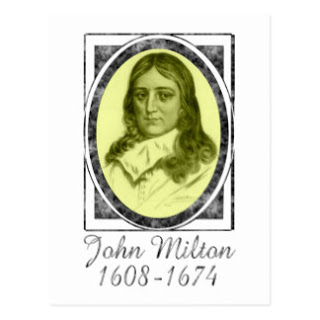
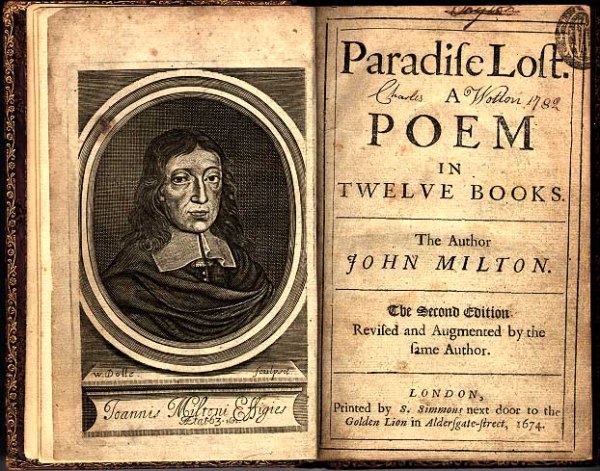
MILTON’S VIEWS SIMILAR TO HINDU VIEWS! (Post No.4295)

Written by London Swaminathan


Date:12 October 2017


Time uploaded in London- 20-32


Post No. 4295

Pictures shown here are taken from various sources such as Facebook friends, Books, Google and newspapers; thanks.


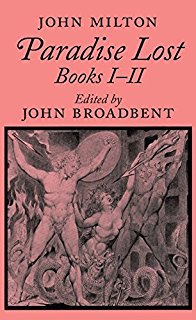
Hindus believe that spirits or angels live everywhere in nature- from sea to the hill top. They are the guardians of hills, groves, streams, fountains, paths, trees, rivers, paths and cities. Sangam Age Tamils called them Anangus. They are cognisant of every human action. In considering the domination of the above, compare Milton’s lines:-


Millions of spiritual creatures walk the earth

Unseen, both when we wake and when we sleep

—Paradise Lost


Xxx


Worship of Earth by the Hindus


They always ask for forgiving before stepping on it or ploughing or digging a well. The worship of the earth assumes many forms. The pious Hindu does reverence to her when he rises from his bed in the morning and even the indifferently religious man worships her when he begins to plough or sow.


Pious Hindu recites a couplet saying, please forgive me for stepping on you, Vishnu patni namastubhyam padas sparsam kshmasvame


In Punjab when a cow or a buffalo  is first bought, or when she gives milk after calving, the first five streams of milk drawn from her allowed to fall on ground in honour of the goddess Mother Earth, and at every time of milking the first stream is so treated.


The dying man is laid on the earth at the moment of dissolution and so is the mother at the time of parturition.


Milton in his Paradise Lost says

………till like ripe fruit thou drop

Into thy mother’s lap- 9-273


Earth again is regarded as a remedy for disease. It is used frequently as a poultice, and an application for the cure of wounds and sores.


Xxxx

Earth in Wedding Ceremony of Lower Castes


Following incident is mentioned by Rev. Osborne Martin in his book Gods of India, year 1914


At the side of a Mission compound in North India is a tank which during half the year is dried up. The women of a neighbouring Chamar village, before any wedding, go in a procession to the dry tank to fetch from it sacred earth used to make the marriage altar and fire place on which the wedding feast is cooked.  The ground close to which the earth is taken is smeared away with vermillion, and marigold flowers are scattered here and there, while puja is offered before the soil is removed. The earth is always given by the digger to a maiden, and married women are not allowed to touch it. The maiden receives it in her sari and heads the procession on its return to the village. This rite is performed with secrecy, and usually at nightfall. This is part of ancient earth worship.

xxx

Valluvar and Milton


Tamil poet Tiru Valluvar says,


If one exercises self-restraint with knowledge and intent

He will gain distinction among the wise (Kural couplet 123)


If one practises self-control in respect of thought, word and deed, he will certainly come to be counted among the good people of the world. In fact as the great English poet Milton would say


“The command of one’s self is the greatest

Empire one can aspire to”


Lord Krishna says in the Bhagavad Gita about the Self-Restrained:

“But the self-controlled man, moving among objects with senses under restraint, and free from attraction or aversion, attains tranquillity- Gita 2-64


xxx

Milton says

The Ionian Gods – of Javan’s issue held

Gods, yet confessed later than Heaven and Earth

Their boasted parents – Paradise Lost 1-508


Vedic Rishis also give queer notions of their gods.


xxx

In the Vedas there is a hymn called the Bhumi Sukta and that is the oldest hymn by a community to Mother Earth. I Have already written about it:-


 Bhumi Sukta | Tamil and Vedas

https://tamilandvedas.com/tag/bhumi-sukta/

Posts about Bhumi Sukta written by Tamil and Vedas.

–SUBHAM—

போலி சாமியார் பற்றிய பழந்தமிழ்ப் பாடல்கள் (Post No.4294)

Written by London Swaminathan


Date:12 October 2017


Time uploaded in London- 11-26 AM


Post No. 4294

Pictures shown here are taken from various sources such as Facebook friends, Books, Google and newspapers; thanks.


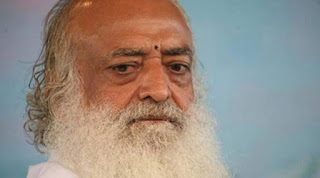
Asaram Bapu, accused in several cases


அறநெறிச்சாரம் என்பது அருமையான கவிதை நூல்;

226 வெண்பாக்களைக் (வெண்பா= நான்கு அடிகள்) கொண்டது.

இதை இயற்றியவர் முனைப் பாடியார். இது 600, 700 ஆண்டுகளுக்கு முன்னர் சமண சமயத்தில் நம்பிக்கை உடையவரால் இயற்றப்பட்டத்து, அருகக் கடவுள் பற்றிய பாடல்களில் இருந்து தெரிகிறது.


நம் எல்லோருக்கும் எது நல்லது எது கெட்டது என்பது அனுபவ அறிவாலும் அப்பா, அம்மா, ஆசிரியர் சொற்களாலும் தெரியும். இருந்த போதிலும், போலீசும், ராணுவமும், கோர்ட்டுகளும், வக்கீல்களும் எதற்கு? ஏன் என்றால் பெரும்பாலோர் நல்லனவற்றைப் பின்பற்றுவதில்லை. இதனால் சிறைச் சாலைகள் நிரம்பி வழிகின்றன.


ஆகையால் நல்ல விஷயங்களை எத்தனை முறை படித்தாலும் நன்மையே; ‘எனைத்தானும் நல்லவை கேட்க’– என்பார் வள்ளுவப் பெருமான்; அடக் கடவுளே! கொஞ்சமாவது நல்லதைக் கேளுங்களென்பதே வள்ளுவன் வாக்கு.


கூடா ஒழுக்கம் என்னும் அதிகாரத்தில், போலி வேடம் போடும் ஆட்கள் பற்றி வள்ளுவன் மூன்று அருமையான விஷயங்களைச் சொல்கிறார்:-


  1. ஒருவன் பொய் ஒழுக்கத்தைக் கடைப் பிடிக்கையில் அவன் உடலில் உள்ள பஞ்ச பூதங்களும் தமக்குள்ளேயே சிரித்துக் கொள்ளுமாம் ( kural 271)


  1. ஒரு பசு மாடு புலித்தோலைப் போர்த்திக் கொண்டு மேய்கிறதாம். அதாவது, தவ வலிமை அற்றவன், சந்யாசி வேடம் போற்று நடிக்கிறானாம். (273)


3.சந்யாசி போல வேடம் போட்டுவிட்டு, இரவு நேரத்தில் அல்லது ரகசிய இடத்தில் பாவம் செய்பவன், புதர் மறைவில் நின்று பறவைகளைப் பிடிக்கும் வேடனாம் (274).

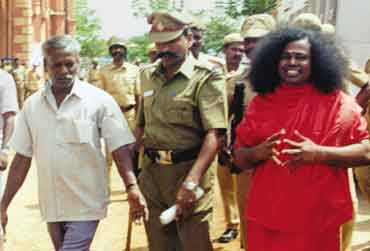
Premananda arrested

என்ன அற்புதமான உவமைகள்!

இது போல அறநெறிச்சாரம் நூலிலும் மனதில் பதிய வைக்கும் விதத்தில் பாக்கள் அமைந்துள்ளன. இதோ அந்தப் பாடல்கள்:


பாசண்டி (போலித் துறவி- புறச்சமயி) மூடம்


தோல் காவி சீரைத்துணிகீழ் விழவுடுத்தல்

கோல்காக் கரகம் குடை செருப்பு — வேலொடு


பல்லென்பு தாங்குதல் பாசண்டி மூடமாய்

நல்லவரால் நாட்டப்படும்


முனைப்பாடியாரின் அறநெறிச்சாரம்


பொருள்:-

தோல் காவி சீரைத் துணிகீழ் விழவுடுத்தல்= மான் தோல், கல்லாடை/காவிஉடை, மரவுரி இவைகளை கீழே புரளுமாறு அணிவதும்


கோல்காக் கரகம் குடை செருப்பு – வேலொடு பல்லென்பு தாங்குதல் = தண்டு, காவடி, கமண்டலம், குடை, செருப்பு, வேல், எலும்பு/கபாலம், புலிப் பல் ஆகிய இவற்றை அணிந்து கொள்ளுதலும்


பாசண்டி மூடமாய் நல்லவாரால் நாட்டப்படும் – போலி வேடதாரிகள் அல்லது புறச் சமயத்தைச் சார்ந்தோரது அறியாமை என்று பெரியோர்கள் சொல்லுவர்.

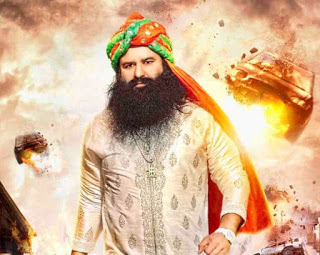
Gurmeet Ram Rahim

கழுதை மேல் உட்கார்ந்தவன் தலை மேல் மூட்டை!


ஆவரணமின்றி அடுவாளும் ஆனை தேர்

மாவரணமின்றி மலைவானும் — தாவில்

கழுதையி லண்டஞ் சுமந்தானும் போலப்

பழுதாகும் பாசண்டியார்க்கு


ஆவரணமின்றி அடுவாளும்= கேடயம் இல்லாமல் போரில் பகைவரைக் கொல்லும் வாளும்,


ஆனை தேர் மாவரணமின்றி மலைவானும் =  யானை, தேர், குதிரை, முதலிய படைகளும், அரணும் இல்லாமல் போர் செய்யும் வீரன் செயலும்


தாவில் கழுதையி லண்டஞ் சுமந்தானும் போலப்= கழுதையின் மேல் உட்கார்ந்துகொண்டு அவன் தலையில் சுமையைச் சுமப்பவன் செயலும் போல


பாசண்டியார்க்கு பழுதாகும் = போலித் துறவிகளுக்கு அவர்கொண்ட வேடமும் பயனற்றதாகும்


று

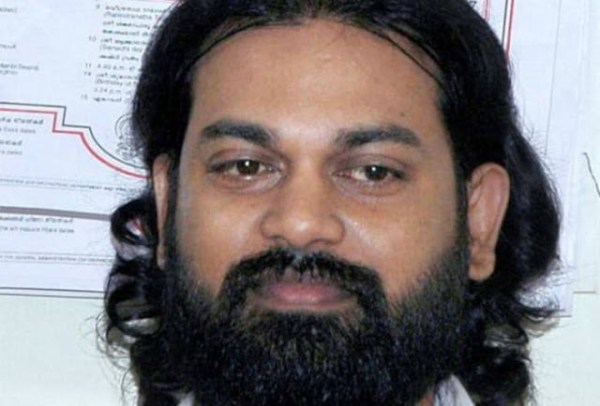
Amrita Chaitanya, accused in several cases

வேறு பொருள்:

கழுதை + இலண்டம் = கழுதை விட்டை

தா இல் கழுதை = கோவேறுக் கழுதை


நல்ல உவமை! இப்போதாவது இந்தச் செய்தி நம் மனதில் பதிந்தால் முனைப்பாடியார் சந்தோஷப்படுவார்.


–சுபம்–


வர்ஜிலையும், ஹோமரையும் வம்பிக்கிழுக்க வேண்டாமே! -1 (Post No.4293)

Written by S.NAGARAJAN


Date:12 October 2017


Time uploaded in London- 67-16 am


Post No. 4293

Pictures shown here are taken from various sources such as Facebook friends, Books, Google and newspapers; thanks.


கம்பன் கவி இன்பம்


வர்ஜிலையும், ஹோமரையும், மில்டனையும் வம்பிக்கிழுக்க வேண்டாமே! -1

.நாகராஜன்

1

கட்டுரை எண்4272 – பிரசுரமான தேதி :5-10-2017

கம்ப ரஸிகர் திரு கே.என். சிவராஜ பிள்ளையின் கம்பராமாயண கௌஸ்துப மணி மாலை என்ற நூலின் பாடல்கள் வெளியிடப்பட்டுள்ளன. அதில் இறுதியில் வரும் பாடல் இது>

நாமகள் அருள் நண்ணும் வரகவி

ஹோமர் வர்ஜில் மில்ற்றன் என்ன ஓதுவார்

வாமமார் வடதேச வான்மீகர் தென்

சீமையத் தமிழ்க் கம்பர்த் தெரியலார்


பொருள்: ஸரஸ்வதி கடாக்ஷம் பெற்று விளங்கும் வரகவிகள் ஹோமர், வர்ஜில், மில்ற்றன் என்னும் மூவரே என்று மேற்றிசையோர் கூறுகின்றனர். ஆனால் அவர் அங்ஙனம் கூறுவதற்குக் காரணம் வடதேசத்தில் அழகிய ஆரியப் புலவனாம் வான்மீகியையும் தென் தேசத்தில் இனிய தமிழ்க்கவியரசனாம் கம்பனையும் அறியாமையேயன்றி வேறன்று.


கட்டுரையைப் படித்த அன்பர் திரு ஆர்.நஞ்சப்பா அவர்கள் தன் கருத்துக்களைப் பதிவு செய்துள்ளார். அவர் நல்ல ஒரு அறிஞர். பல நூல்களைக் கற்றறிந்தவர். யார் மனதும் நோகாதபடி தன் கருத்துக்களைப் பதிவு செய்யும் வல்லமை படைத்தவர்.. அதில் சில பகுதிகளைக் கீழே பார்க்கலாம்.


கவிஞர் சிவராஜபிள்ளையின் கம்பர்-வால்மீகி பக்தியும் பற்றும் போற்றுதற்குரியன. ஆனால், அதற்காக வர்ஜிலையும், ஹோமரையும் மில்டனையும் வம்புக்கிழுக்கவேண்டாமே !
ஒவ்வொரு சமுதாயத்திலும் உயர்ந்த தெய்வீகக் கவிகள் இருந்திருக்கிறார்கள். உயர்ந்த விஷயங்களைப்பற்றி எழுதியிருக்கிறார்கள். பண்பாட்டு மலர்ச்சிக்கும் வளர்ச்சிக்கும் வழிவகுத்திருக்கிறார்கள். அவரவர்கள் பண்பாட்டிற்கும் மொழி நடைக்கும் ஏற்றவகையில் பாடியிருக்கிறார்கள். வெவ்வேறு மரபுகளைச் சார்ந்த, மொழிகளில் உள்ள உயர்ந்த காவியங்களை ஒப்பிடுவது சரியாகுமா என்பது சந்தேகத்துக்கிடமானது. ஆனால் சில உயர்ந்த, ஆன்மீகக் கருத்துக்கள் மனித குலம் முழுமைக்கும் பொதுவாக இருக்கின்றன. இவற்றை சிறந்த கவிகள் சிறப்பித்தே இருக்கிறார்கள். Great minds think alike.


சிவராஜபிள்ளையவர்கள் வர்ஜில், ஹோமர், மில்டன் நூல்களை அந்தந்த மொழிமூலத்திலேயே பயின்றாரா என்பது தெரியாது! அப்படிப் பயிலாமல் ஒப்பிடுவது எப்படிச் சரியாகும்?………….

ஹோமர் பார்வையற்றவர். அவர் அகக்காட்சியில் கண்டு எழுதினார். இது ஒரு தெய்வீக உந்துதலால் நடந்தது. [ இதை மேலை நாட்டினரை விட நாம் எளிதாகப் புரிந்து கொள்ளலாம்! ] மில்டன் ” Paradise Lost ” காவியம் எழுதியபோது பார்வை இழந்திருந்தார் ! ஆனால் ஓர் உயர்ந்த காவியம் படைக்கவேண்டும் என்ற உந்துதலால் , கங்கணம் கட்டிக்கொண்டபடி, எழுதினார் ! இதுவும் தெய்வீக அருளால் நடந்ததே! அவரவர் மரபுக்குத் தக்கபடி எழுதினார்கள். ஹோமரும் வர்ஜிலும் தேசீயக்கவிகளாக போற்றப்படுகிறார்கள்., மில்டன் அத்தகைய இடத்தைப் பெறாவிட்டாலும் உயர்ந்த கவிஞராக மதிக்கப்படுபவர்.,

நமக்கு வால்மீகியும் கம்பரும் இரு கண்கள். அதற்காக பிற மொழி கவிஞர்களை என் குறைத்து மதிப்பிடவேண்டும்? It looks uncharitable.

இதே கட்டுரைக்கு அன்பர் டி.எஸ்,கே. ரகு அவர்கள் தனது கருத்துக்களைப் பதிவு செய்துள்ளார். அதில் சில பகுதிகளைக் கீழே பார்க்கலாம்.

tskraghu


I have enjoyed and been enlightened by your posts, thank you.

While I don’t see you doing it much, but I do come across in blogs and fb posts that leads me to perceive this: we tamils seem to labour under an enormous inferiority complex that we feel compelled to shout at every turn how we are ‘better,, ‘superior’, ‘cultured’ than others. Isn’t it possible to enjoy the treasure available to us peaceably without putting others down or drawing odious comparisons? Isn’t time we look at it more maturely and let the beauty speak for itself instead of thirsting for endorsements?

இந்த இரு அன்பர்களும் பொதுவாகக் குறிப்பிடும் கருத்து மற்ற கவிஞர்களைத் தாழ்த்தித் தான் வால்மீகியையும் கம்பனையும் உயர்த்த வேண்டுமா?


பதில் : வேண்டாம்.


ஆனால் திரு சிவராஜ பிள்ளை வாழ்ந்த காலம் சென்ற நூற்றாண்டு. அநத பழைய நாட்களில் பலரும் ஆங்கிலத்தில் எதை எழுதினாலும் புகழ்வதோடு உடனடியாக ‘டமிளில் என்ன இருக்கிறது’ என்று ஏளனம் செய்வது வழக்கம்.

அதையொட்டி மனதில் எழுந்த எண்ணத்தின் விளைவாக இப்படி எழுதி இருக்கலாம்.


2

இதே கால கட்டத்தில் வாழ்ந்தவர் மஹரிஷி அரவிந்தர். ஆங்கில பேராசிரியராக ஆரம்ப காலத்தில் பணியாற்றியவர். லத்தீன், சம்ஸ்கிருதம், ஆங்கிலம் உட்பட்ட பல மொழிகளை அறிந்தவர்.

அதே போல வ.வே.சு. ஐயர் கம்ப ராமாயணம். வால்மீகி ராமாயணம், மில்டனின் பெருங் காப்பியங்கள், வர்ஜில், ஹோமரின் காவியங்களை நன்கு படித்தவர். அலசி ஆராய்ந்தவர்.

அவர்களது கருத்துக்களை மிக மிகச் சுருக்கமாக தர விழைகிறேன்.

அத்துடன் பேராசிரியர் மதுரையைச் சேர்ந்த திரு எஸ்.ராமகிருஷ்ணன் அவர்களின் கம்பனும் மில்டனும் நூலின் சில முக்கிய கருத்துக்க்ளையும் இங்கு தர விழைகிறேன்.


3

டாக்டர் எஸ்.ராமகிருஷ்ணனின் கம்பனும் மில்ட்டனும் – ஒரு புதிய பார்வை என்ற நூல் 1978 நவம்பரில் முதல் பதிப்பைக் கண்டது.407 பக்கங்களைக் கொண்ட விரிவான புத்தகம்.

இதில் ஒரு வார்த்தை கூட இவரை உயர்த்தியோ அவரைத் தாழ்த்தியோ இல்லை.

மில்ட்டன் மற்றும் கம்பனின் காவியப் போக்கு, சுவை, உத்தி உள்ளிட்டவற்றை விளக்குகிறார் நூலாசிரியர்.

ஹோமர் இயற்றிய இலியத் ஆடிசி என்னும் கிரேக்க காவியங்களும் வான்மீகி இயற்றிய இராமாயணமும் வியாச பாரதமும் இயற்கைக் (கேள்விக்) காவிய இனத்துக்கு எடுத்துக் காட்டுகளாகும். (பக்கம் 19)

கொள்கையளவில் கருதினால் கம்பனும் மில்ட்டனும் த்த்தம் காவியத்தை மூன்றில் ஒரு வகையில் அமைக்கலாம்.


  1. இருபாகக் கதையை ஒரே ஒரு நிகழ்ச்சியாக ஐக்கியப்படுத்தி அதனைக் காலமுறையில் நடத்துவது.
  2. அவ்வாறு ஒன்றிய நிகழ்ச்சியை இடையில் தொடங்கி முந்திய செயலைப் பின்னோக்கு உரையாக அமைப்பது.
  3. கதையின் பிற்பகுதியிலிருந்து நிகழ்ச்சியை உருவாக்கிக் கொண்டு முற்பகுதியை ஏதாவது ஒரு வகையில் தொடர்புடைய கிளைக் கதையாக அமைப்பது.

கம்பன் முதல் முறையையும் மில்ட்டன் மூன்றாம் முறையையும் பின்பற்றுவர். (பக்கம் 71)


துறக்க நீக்கம் போலவே தமிழ் இராமாயணமும் கதையின் இடையிலும் நிகழ்ச்சியின் தொடக்கத்திலும் ஆரம்பமாகிறது. விண்ணகப்போரை மிலட்டன் ஒதுக்கியதைப் போலவே, கம்பனும் இராவணன் அருந்தவம் செய்து வரம்பிலா ஆற்றல் பெற்றதையும் அதைக் கொண்டு எல்லா உலகங்களையும் வென்று கொடுங்கோலோச்சியதையும் எடுத்துச் சொல்லாது விடவேண்டியிருக்கிறது. (பக்கம் 76)


கம்பனுக்கு முதனூலாக வான்மீகமும் முன்மாதிரியாக சிலப்பதிகாரமும் பயன்பட்டன. ஆனால் மில்ட்டனுக்கு இன்னும் வளமான காவிய மரபு கை கொடுத்தது.

எளிய நிகழ்ச்சியையும் விசாலமான வீச்சையும் சாத்ரியமாக இணைப்பதில் மில்ட்டனுக்கு முன் மாதிரியாக அமைந்தது இலியத். (பக்கம் 85)


ஒன்பதாம் நூற்றாண்டுத் தமிழ்க் கலைஞனின் மனோபாவனையில் இலட்சியக் கோசலம் உயிர்த்தெழுந்ததென்றால் பதினேழாம் நூற்றாண்டு ஆங்கிலக் கவிஞனின் ஒளிக் காட்சியில் ஆதாமும் ஏவாளும் ஈடன் சோலையில் நடத்திய வாழ்வு துவங்கியது. கம்பன் காவியத்தில் கோசலம் பெறு சிறப்பிடத்தை மில்ட்டன் காவியத்தில் ஈடன் பெறும். (பக்கம் 121)


உயிரினங்களுக்குப் பெயரிட்டவன் ஆதாமாக, மலர்களுக்குப் பெயர் சூட்டியவள் ஏவாளே; நாள்தோறும் காலையும் மாலையும் பூக்களைப் பேணும் பணியும் புரிந்தாள் அவள் (XI: 273-77)


கம்பனும் மறுப்புவமைகளை ஆளத் தயங்கான். எடுத்துக் காட்டாக, அயோத்தி மாளிகையின் மிகுந்த வெண்மை, நிலவு பொழியும் சந்திரனையும் கரிது எனச் சொல்லும்படி இருந்தது என்பான். (பக்கம் 142)

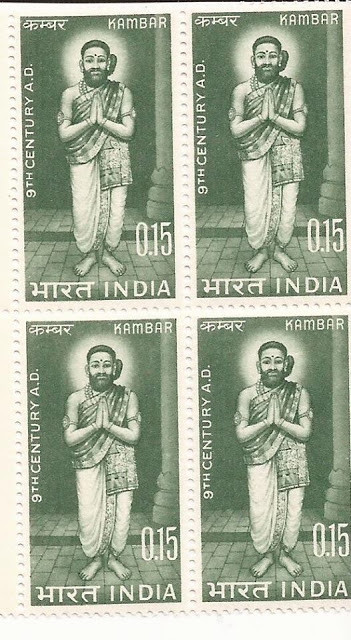
Kamban image from wikipedia

இப்படி பக்கத்திற்குப் பக்கம் மில்ட்டனையும் கம்பனையும் அரவணைத்துச் செல்கிறார் நூலாசிரியர்.

அருமையான நூல் இரு கவிஞர்களையும் உயரத்தில் ஏற்றி வைத்துப் பார்த்து மகிழ்கிறது.


(என் தந்தையின் நெருங்கிய நண்பர் திரு எஸ்.ராமகிருஷ்ணன். மதுரையில் வடக்குமாசி வீதியில் எங்கள் வீட்டிலிருந்து ஐந்தாவது வீடு அவருடையது. பல வருடங்கள் அடிக்கடி திரு ராமகிருஷ்ணன் எங்கள் வீட்டிற்கு வருவார்; அல்லது நாங்கள் அவர் வீட்டிற்குச் செல்வோம். அந்த இனிய நாட்கள் மறக்க முடியாதவை)


அருமையான இந்த நூலைப் படிப்போர் கம்பனையும் மில்ட்டனையும் ஒருசேரப் பாராட்டுவர்.

  • கட்டுரை நீண்டு விட்டதால் வ.வேசு. ஐயர், அரவிந்தர் ஆகியோரின் கருத்துக்களை அடுத்த கட்டுரையில் பார்க்கலாம்..
  • அடுத்த கட்டுரையுடன் இந்த வம்பு முடியும்.

–SUBHAM–

Interesting Anecdote about Shaalagraama (Fossil) Marriage (Post No.4292)

Written by London Swaminathan


Date:11 October 2017


Time uploaded in London- 16-26


Post No. 4292

Pictures shown here are taken from various sources such as Facebook friends, Books, Google and newspapers; thanks.


Interesting Anecdote about Shaalagraama (Fossil) Marriage (Post No.4292)

What is a Shalagrama?

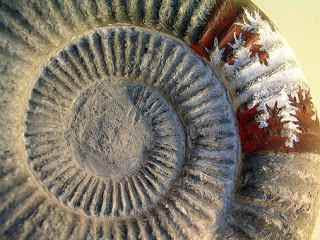
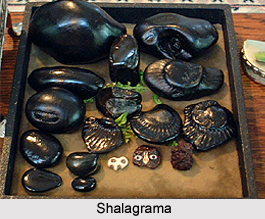
Hindus worship fossils with several designs made by the impressions of dead animals. Such stones are millions of years or thousands of years old. Devotees of Lord Vishnu regard them as a most sacred objects. They see the symbols of Lord Vishnu (Chakra=wheel, Shank= Conch) in it. Normally other stone images of Gods must be consecrated in a special ceremony by a priest before they can be used; but with Shalagrama (Fossil stone) you can worship straight away. This stone is inherently sacred and is worshipped as a part of deity himself. It is a round black ammonite and is found in River Gandaki in Nepal. They are valued according to their size, hollowness, and inside colouring and impression. For rarer kind big amount of money is given.


Hindus believe that whoever keeps this celebrated stone in the house can never become poor; they never want to part with it. It is passed from one generation to another generation for Puja/worship.

Bhagavata Purana has a story about Shalagrama:

Vishnu created nine planets (celestial objects) to preside over the fates of men. Sani/Saturn commenced his reign by requesting Brahma to become subject to him for 12 years. Brahma referred him to Vishnu, who asked him to call on him next day. When he called, he found that the god, dreading the influence of the inauspicious planet, had transformed himself into a mountain. Sani them became a worm, and ate into the vitals of the mountain for twelve years. At the expiration of that time Vishnu resumed his proper shape, and ordered henceforth the stones of this mountain Gandaki should be worshipped as the representatives of himself.


Hindus worship this form of Vishnu in homes. They first bathe or wash the stone, reciting the mantras and then offer flowers, incense, light sweetmeats and water, repeating the mantras. After the worship the offerings ae eaten by the family.


In the hot months, to cool the sacred stone,  a vessel is suspended over it, as in the case of the Linga/ Shiva, and a small hole is bored into the bottom of the vessel. The water poured into the vessel drips over the Shalagrama stone/s. The water is collected and used as holy water. The marks of the stone are shown to dying men, in the belief that the concentration of the mind on this object will ensure the soul a safe passage to Vaikund, Vishnu’s abode.

A separate room or a particular spot in the Hindu houses is kept for the worship of the gods.


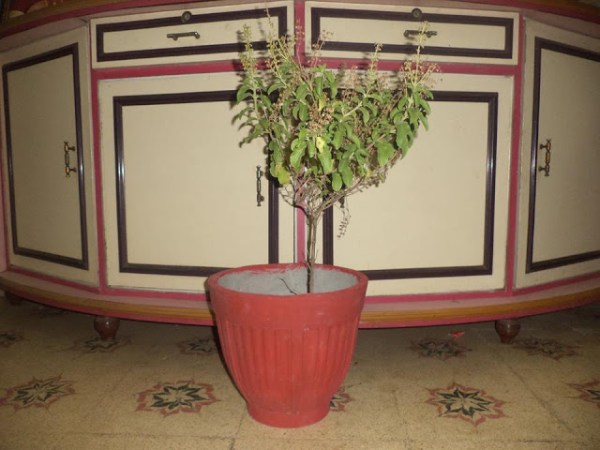
Shalagrama – Tulsi Plant Wedding


There is a very interesting account of a marriage of Shalagrama with Tulsi (Holy Basil) plant in a 100 year old book:


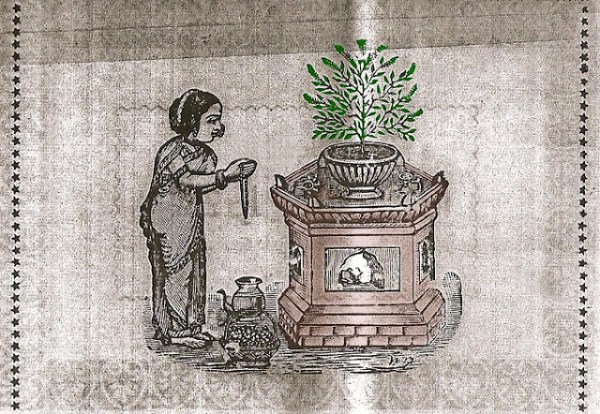
“The king of Orrcha in Central India, used to spend three lakhs of rupees (100 years ago) on this marriage. The officiating priests get good fees. A procession of 8 elephants, 1200 camels and 6000 horses, all mounted and elephants caparisoned. On the leading elephant of this cortege was carried the Pebble God (shalagrama/ fossil). He was carried to pay his bridal visit to the little shrub goddess/Tulsi.


All the ceremonies of a regular marriage were gone through, and when completed the bride and bridegroom were left to repose together in the temple of Ludhaura till the next year. Over one lakh people were present, and they were feasted at the king’s expenses”.


In addition to the black ammonites (shalagrama), white agates, typifying Shiva in his linga form and red stones, as symbolising Ganesa with certain forms of coral, are also worshipped.


Shashthi, protectress of married women and of children has no temples or idols, but her proper representation is  a rough stone, smeared with red paint and set up at the foot of a banyan tree. Lord Shiva is worshipped by the well known Linga (formless) stone.

Source: The Gods of India by Rev Osborne Martin, 1914


–SHUBAM–