சிரியா நாட்டில் நயன்தாரா கோவில்! (Post No.3800)

f6325-ain_dara_crop

Research Article Written by London swaminathan


Date: 8 APRIL 2017


Time uploaded in London:- 17-59


Post No. 3800


Pictures are taken from various sources; thanks.


contact; swami_48@yahoo.com


சிரியா, துருக்கி ஆகிய இரண்டும் முஸ்லீம் நாடுகள். ஆனால் இரண்டு நாடுகளும் சுமார் 1000 ஆண்டுகளுக்கு காஸைட்ஸ், ஹிட்டைட்ஸ், மிடன்னி என்று (Kassites, Hittites, Mitanni) மூன்று வம்சங்களின் கீழ், இந்துக்களின் ஆட்சியில் இருந்தன.


இப்பொழுது ஹிட்டைட்ஸ் (HITTITES) பற்றி நிறைய விவரங்கள் அடங்கிய பெரிய புத்தகம் (துருக்கி, ஆங்கில மொழிகளில்) வெளியாகியுள்ளது. அதில் மூன்று இந்து தெய்வங்களை எளிதில் அடையாளம் காண முடிகிறது. இதோ எனது ஆராய்ச்சி முடிவுகள்:–

e15c6-800px-syrie_295

1.நயந்தாரா கோவில்

2.துவாதச ஆதித்யர்/ 12 ஆதித்யர்கள்

3.வருணன்


நயனதாரா:–

சிரியாவின் அலெப்போ (Aleppo, Syria) நகருக்கு அருகில் அயன தாரா (Ayn Dara) என்று உலகின் பழமையான கோவில் ஒன்றைக் கண்டுபிடித்துள் ளனர். இது பழைய செய்தி. ஆனால் இங்கிருந்த தெய்வம் யார் என்று ஆராய்ச்சியாளர்களுக்குத் தெரியவில்லை. வெறும் ஊகங்கள் மட்டுமே உள்ளன. எனது ஆராய்ச்சி யில் இது நயனதாரா என்ற தேவியின் கோவில் என்று தெரிகிறது. எப்படி?


1.மொழியியல் ரீதியில் சில சொற்களின் முதல் எழுத்து கீழே உதிரும் என்பது ஆராய்ச்சியாளர் அறிந்ததே.  சிரியாவில் அவர்கள் சொல்லும் அய்ன் தாரா (Ayn Dara) என்பது நயன தாராவின் சிதைந்த வடிவமே.

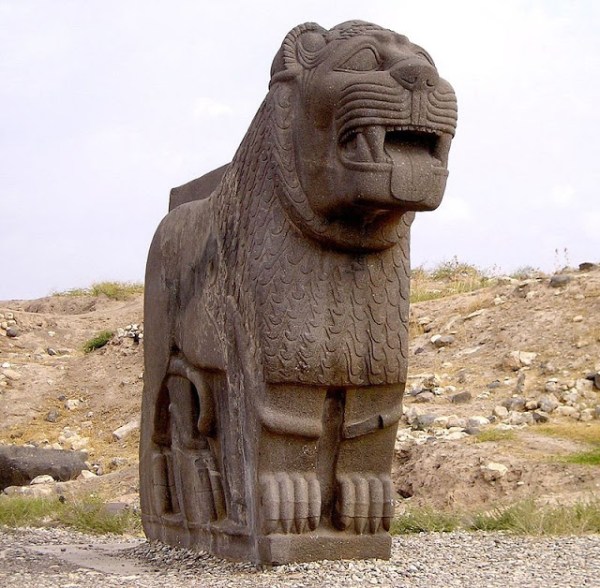
2.முதல் முதலில் இந்தக் கோவில் இருக்கும் இடமே, ஒரு மிகப் பெரிய சிங்கத்தின் சிலை கிடைத்ததால் தெரிய வந்தது. சிங்கம் என்பது, துர்கை முதலிய தேவியர்களின் வாஹனம் ஆகும்.

  1. நயனதாரா என்றால் கண்ணின் கருமணி, கண்மணி (Star of Eye, Iris) என்று பொருள். இதே போல கண்ணை வழிபடும் கோவில் ஹிமாசல பிரதேசத்தில் நைனா தேவி (Nainadevi) என்ற பெயரில் உள்ளது. அதன் பெயர் நயன தேவி. அங்கே நயனம் (கண்) வழிபாட்டிலுள்ளது. 51 சக்தித் தலங்களில் இதுவும் ஒன்று. இதே போலத்தான் நயன தேவி கோவில் சிரியாவிலும் இருந்திருக்க வேண்டும்.

4.நயனதாரா என்ற தேவியின் வடிவம் நேபாளம், பஞ்சாப், ஹிமாசல பிரதேசம் , காச்மீர் முதலிய பிரதேசங்களில் வழிபடும் தேவியின் உருவம்; இந்தியாவின் முதல் பிரதமர் ஜவஹர்லால் நேரு ஒரு காஷ்மீரிப் ப்ராமணன். அவருடைய தங்கை விஜயலெட்சுமி பண்டிட்டின் மகள் பெயர் நயந்தாரா சஹல்; சர்ச்சைக்குரிய, புகழ்பெற்ற ஆங்கில நாவலாசிரியை.


  1. நாம் எப்படி 51 சக்திக் கேந்திரங்களில் துர்க்கைக்கு பல பெயர் சொல்லி, ஊர் தோறும் புதுக் கதைகள் சொல்லி ஒரே தேவியை வழிபடுகிறோமோ அதே போல மத்தியக் கிழக்கு நாடுகளில் அஷ்டார்த்தி, இஷ்டார், அஷ்டோரத் என்று பல பெயர்களில் தேவியரை வணங்கி வந்தனர். அங்கே 3000 தெய்வங்கள் வழிபட்டது பற்றி ஒரு கட்டுரை எழுதியுள்ளேன் அதில் விவரம் காண்க

be35c-img_2212

  1. மேலும் அய்ன் தாரா கோவிலுக்கு முன்னர் மர்மமான இரண்டு காலடிச் சுவடுகள் (Massive Foot Prints) உள்ளன. அதைத் தவிர வலது கால் ஒன்று கோவிலின் படிக்கட்டில் உள்ளது. இது ஆரய்ச்சியளர்களைத் திகைப்படையச் செய்யும் விஷயம். ஆனால் இந்துக்களுக்கு இதில் புதுமை இல்லை. மணமகளே, மணமகளே வா வா, உன் வலது காலை எடுதுவைத்து வா என்று நாம் பாடுகிறோம். அதே போல அங்கே வலது கால் கோவிலின் படிக்கட்டில் இருக்கிறது. மேலும் இபோதும் நாம் க்ருஷ்ணன் பிறந்த நாளன்று வாசலிலிருந்து பூஜை அறை வரை க்ருஷ்ணரில் கால்களை வரைந்து கோலம் போடுகிறோம். அதாவது க்ருஷ்ணனை வீட்டிற்குள் அழைக்கிறோம். இதுபோல நயனதாரா கோவிலிலும் செய்திருப்பார்கள். இப்பொழுதும் சிரியாவில் பெரிய காலடிச் சுவடுகள் உள்ளன. காலடிச் சுவடுகள், பாத வழிபாடு பற்றி எனது ஆராய்ச்சிக் கட்டுரையில் இலங்கையின் சிவனொளி பாத மலை முதல் விஷ்ணு கோவில்களில் தலையில் வைக்கும் சடாரி வரையுள்ள காலடிச் சுவடுகள் பற்றி எழுதியுள்ளேன்.


7.நாம் சஹஸ்ரநாமம் என்று சொல்வது போல ஹிட்டைட்ஸ் மக்களும் “கடவுளின் ஆயிரம் நாமங்கள்” என்று சொல்வர். நம்முடைய விஷ்ணு, லலிதா, சிவ சஹஸ்ரநாமங்கள் போல அங்கும் தேவிக்கு சஹஸ்ரநாமம் இருந்திருக்க வேண்டும்

  1. இதைவிட இந்தக் கோவில் உள்ள நாடு சிரியா என்பதே சூர்ய என்ற (SYRIA=SURYA) சொல்லிலிருந்து வந்ததே. அதற்குச் சான்றாக அங்கு சூரிய வழிபாடு முதன்மையில் இருந்ததை புதிய புத்தகமும் விளக்குகிறது.

27909-shri-naina-devi-temple_1414660449

Nainadevi Temple, Himachal Pradesh, India

9.சிரியா–துருக்கி பகுதியில்தான் உலகின் மிகப்பழைய சம்ஸ்கிருதக் கல்வெட்டு கிடைத்துள்ளது. அதாவது கி.மு.1350 ஆம் ஆண்டுக்குரிய க்யூனிபார்ம் களிமண் பலகைக் கல்வெட்டில் ரிக்வேத தெய்வங்களின் பெயரைச் சொல்லி உடன்படிக்கை செய்துள்ளனர். கிக்குலி என்பவரின் குதிரைப் பயிற்சி நூல் வடமொழி எண்களுடன் கிடைத்துள்ளது. இது துருக்கி- சிரியா பகுதியில் கிடைத்தது. ஆக அதே கி.மு1300-ம் ஆண்டுக்குரிய அய்ன் தார கோவில் இந்துக் கோவில் என்பதும் பொருத்தமே.


12 துவாதச ஆதித்யர்

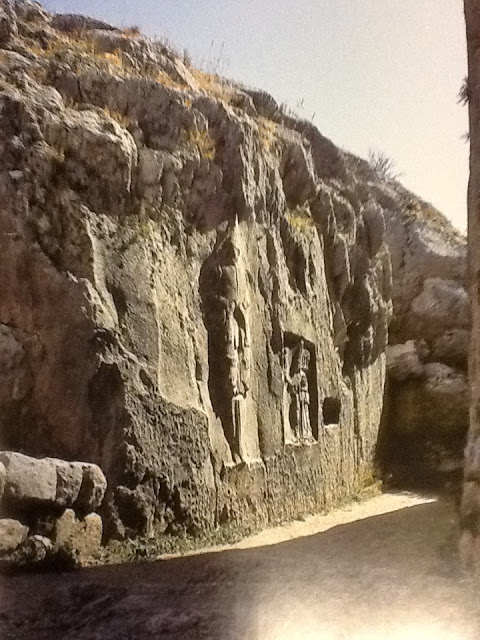
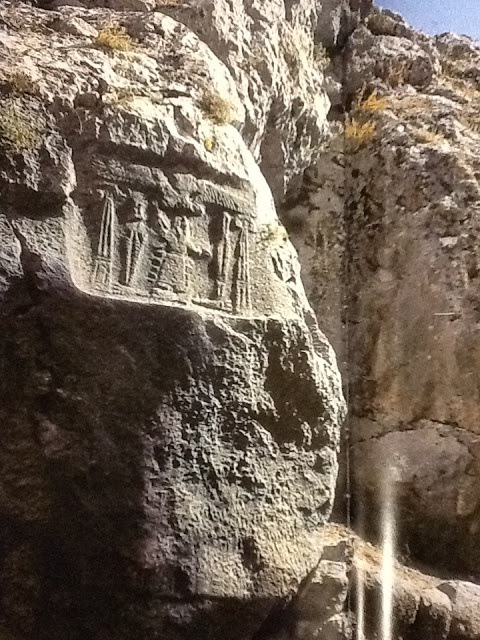
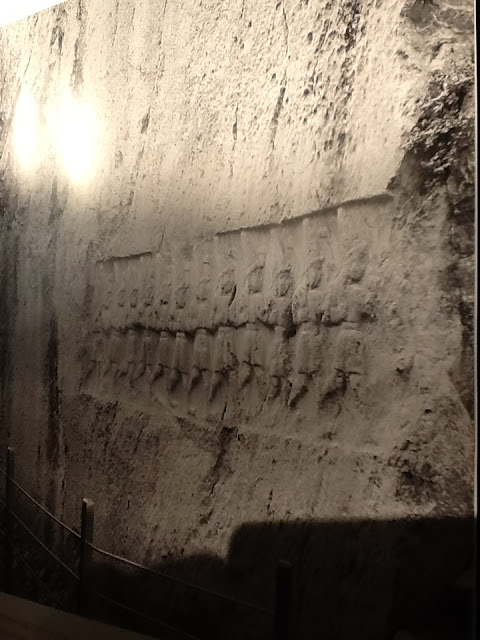
சிரியா எல்லையில் துருக்கி நாட்டிற்குள் எழிலிகாயா (Yazikaya) என்னும் இடத்தில் 12 பெரிய உருவங்கள் பாறை

மீது பொறிக்கப்பட்டுள்ளன. இவர்களும் ஹிட்டைட்ஸ் தொடர்புடையனவே. வேதத்தில் 12 ஆதித்யர்கள் என்று சூரியனின் வடிவங்கள் போற்றப்படுகின்றன. இது சூரியனின் பாதையிலுள்ள 12 மாதங்கள், 12 ராசிகள் என்று பொருள்படும். இதைச் சிறப்பிக்கும் வகையில் அங்கே 12 பெரிய உருவங்கள் உள்ளன. நாட்டின் பெயரே சூர்ய (சிரியா) என்று இருக்கும்போது இதில் வியப்பொன்றும் இல்லை.

ee544-1024px-yazilikaya_b_12ergruppe

வருணன் வழிபாடு


சிரியாவின் மிக முக்கிய தெய்வம் தருணாஸ் (Tarhunas) என்று புதிய புத்தகம் கூறுகிறது. நூற்றுக் கணக்கான களிமண் கல்வெட்டுகளைப் படிக்கப் படிக்க புதுப் புது விஷயங்கள் வெளியாகி வருகின்றன. தருணாஸ் (Tarhunas) என்பது வருணன் என்பதன் சிதைந்த வடிவம். இதை புயல், இடி, மின்னலின் தெய்வம் என்று ஹிட்டைட்ஸ் அறிஞர்கள் (Hittitologists) வருணிக்கின்றனர். நாம் இந்திர, வருணன் பற்றிச் சொல்லும் விஷயங்கள் இவை. மழைக்குக் கூட நாம் இந்திர ஜபம் செய்வதில்லை; வருண ஜபம்தான் செய்கிறோம். ஆகவே இடி, மழை தெய்வமான தாருணாஸ்– வாருண –என்பதன் மறு வடிவமே.


ஹிட்டைட்ஸ் பேசிய மொழி சம்ஸ்கிருதத் தொடர்புடைய மொழி (Indo-European) என்பது எல்லா ஆராய்ச்சியாளரும் ஒப்புக்கொள்வதே. அவர்களை அடுத்துவந்த மிடன்னி மன்னர்களின் பெயர்கள் தசரத, பிரதர்தன என்று இருப்பதால் இதில் வியப்படையத் தேவை இல்லை.


மேலும் காசைட்ஸ் நாகரீகம் பற்றி அதிகம் தெரியவில்லை. இவர்களைப் பற்றிய விஷயங்கள் வெளி வருகையில் மேலும் பல புதுமைகள் வெளியாகலாம்.
e0cb8-img_2228

வேதத்தின் காலம் பற்றி மாக்ஸ்முல்லர் முதலியோர் சொன்னதெல்லாம் தவறு என்பது தெளிவாகி வருகிறது. துருக்கியிலேயே ரிக்வேத மந்திர தெய்வங்கள் பெயரில் கி.மு.1350 வாக்கில் உடன்பாடு கையெழுத்தானதும், ரிக்வேதத்தில் கங்கை யமுனை நதிகள் வரை குறிப்பிடப்பட்டதும் உலகின் பிரம்மாண்டமான நிலப்பரப்பில் வேத முழக்கம் ஒலித்ததை உறுதி செய்கிறது. இந்தியா, பாகிஸ்தான், ஆப்கனிஸ்தான், சிரியா, துருக்கி, ஈரான் ஆகிய பல நாடுகள் ஒரே காலத்தில் — அதாவது கி.மு.1600க்-கு முன்னரே- வேத தெய்வங்களைப் போற்றுவோர் கையில் இருந்ததைக் காட்டுகிறது.

–subham–
Nayan Tara Temple in Syria with Mysterious Foot Prints! (Post No.3799)

Written by London swaminathan


Date: 8 APRIL 2017


Time uploaded in London:- 13-47


Post No. 3799


Pictures are taken from various sources; thanks.


contact; swami_48@yahoo.com


The latest book on The Hittite Civilization has new information on Hittites Gods. They ruled Parts of modern Syria and Turkey.

The very name of the country SYRIA comes for the Sanskrit word Surya. Sun God worship is the most popular in ancient Syria. Hittites who ruled for 400 years between 1600 BCE and 1200 BCE spoke old form of Sanskrit (Indo-European) and worshipped Sun God (Surya).


I have identified at least three Hindu Gods in the pantheon.

 Lion from the temple (wikipedia picture)


My research shows they worshiped

(1).  Twelve Adityas (12 forms of Surya)

(2).Goddess Nayanatara (Ayn Dara in Hittite language)

(3).Varuna (Tarunhas)

Linguistics show that some time the initial letters are dropped (Nayn Dara= Ayn Dara) and initial letters are changed (T=V; tarunhas=Varuna)


The oldest religious book Rig Veda has all the three gods and goddesses.


Nayanatara= Ayn Dara

Nayan Tara means Star of the eyes (iris). It is a popular Hindu name for girls. Nayantara saghal, novelist, related to Jawaharlal Nehru (India’s first prime minister) is one example. Nayan Tara got corrupted and became Ayn Dara in Syria. Hindus worship goddess in different forms. One of them is Eye of the Goddess; It is worshipped even now in the Naina Devi temple in Himachal Pradesh, India (Naina=Nayana=Eye)  . It is a very popular temple attracting thousands of devotees with EYE of the goddess as the main symbol. It is one of the 51 Shakti Kendras (51 Centres of Goddess Parvati).


Ayn Dara Temple near Aleppo in Syria

Ain Dara temple in Syria belongs to 1300 BCE. It is mentioned in the Hebrew Bible. It is similar to Solomon temple (Word Solomon is also Sanskrit word meaning Surya; Solar=Surya=Solomon=Sulaiman in Arabic).

Nayantara statues are available in Nepal.

As Hindus worship the same Goddess Durga with 51 different names in 51 Goddess temples on the Indian Sub Continent, Middle East people worshipped goddess as Ishtar, Ashtarte (to the Babylonians), Ashtoreth (to the Hebrews), Douga/Durga (in Tunis), Kathayee (in Carthage ) and several other names. If one reads the attributes of the gods, one wold find out that it is one and the same. (Douga and Carthage are place names – named after goddess).


In the Middle East there 3000 gods and goddesses like we find in Hinduism. For a Hindu, it is easy to understand. Same God Shiva is having 1000s of names around India and it is same with Lord Vishnu. Each one has got one special story in these places. For a layman, everything looks different. For a scholar, it is the same God with different names. It is same in the West Asia.

Nayana Devi (nainadevi) Temple in Himachal Pradesh.


There are some proofs to conclude that Ayn Dara was a Hindu temple.

1.Big Lion statues are excavated; lion is the vahana (mount) of Hindu Goddess Durga; even today all the temples take the goddess on lion statue during Hindu festivals in India.

  1. The second proof is the discovery of Massive Foot Prints in front of the temple. I have already explained the worship of foot prints and sandals in my two research articles (see below for the links).

3.One foot step goes into the temple; that is right foot; Hindus are supposed to put the right foot first into the house; newlywed Hindu brides must use her right foot when she comes into the house.

4.Hindus use Foot prints even today to show that god is coming into the house. All the Hindus draw the symbol of foot prints of Lord Krishna on the Birth day of Krishna (Janmashtami) from the gate up to the prayer room inside the house.

5.The whole region of Syria and Turkey were under Hindu rule for 1000 years under the Kassites, Hittites and Mitanni. The world has recognised Mitannian civilization as the Hindu Civilization because of the clay tablets showing Rig Vedic Gods and Sanskrit numbers and Sanskrit names Dasaratha (tushratta), Pratardhana, Sathya Sila =hattusa=hattusili

( Please read my article about Bogazkoy; it is available in all encyclopaedias.)

6.Hindu Girls were married to Egyptian Pharaohs (Please read Amarna letters, Dasaratha letters; Kikkuli’s horse manual;available in all encyclopaedias and in my articles)

7.Hindus have thousand names/Sahasranama for all the gods. Most famous are of Vishnu, Lalita and Shiva. Hittites also used the word THOUSAND GODS OF HATTI. Hittites were polytheists. (hatti=Hittite=Kshatri/ya).


Hittite religion is an amalgam of beliefs, cults and traditions drawn from different regions and cultures.

12 Adityas from Wikipedia; location Yazilikaya, Turkey

Varuna:

The main deity of the Hittite Kingdom was the Storm God TARHUNA. It is the Vedic God Varuna , changed as Taruna. He was considered king of all gods. He was a celestial God that brought storms and therefore thunder and lightning were his attributes. It looks similar to Vedic God INDRA. But even in India, when they need rains, they do Varuna Japa (Prayers to Varuna) and not to Indra. His consort was the Sun Goddess of Arinna. It is similar to Gayatri (Sun Goddess). Apart from these Gods, local and regional deities  joined the Hittite pantheon and new names and new stories were created.


Like Hindus, the Hittites considered the sun ,the moon and the stars as Gods. They believed in astrology, predictions and foecasts.


Dwadasa (12) Adityas at Yazilikaya

Dwadasa means Twelve; Aditya means Suns. The twelve Adityas represent 12 months of Sun’s orbit. They are Vedic deities. 12 Adityas were sculptured on huge rocks of Yazilikaya Rock Temple (Please see the picture).


My Old Articles:

Hindu Wonders in a Muslim Country!

Posted on 12 May 2012

Why Do Hindus Worship Shoes?

Posted on 15 August 2012

The Sandals- posted on 24 April 2013


–Subham–

மின்னல் வேகத்தில் கணக்கிட்ட மேதை ஜெடிடியா பக்ஸ்டன்! (Post No.3798)

Written by S NAGARAJAN


Date: 8 April 2017


Time uploaded in London:-  6-19 am


Post No.3798


Pictures are taken from different sources; thanks.


contact: swami_48@yahoo.com


பாக்யா இதழில் அறிவியல் துளிகள் தொடரில் வெளியாகியுள்ள கட்டுரை

மின்னல் வேகத்தில் கணக்கிட்ட மேதை ஜெடிடியா பக்ஸ்டன்!

by ச.நாகராஜன்


“ஒரு மேதை என்பவன் சிக்கலான விஷயங்களை எடுத்துக் கொண்டு அதை சாதாரணமானது என்று காட்டுபவன். ஒரு கல்வியாளனோ அதற்கு நேர் எதிர்மாறானவன்.” – ராபர்ட் ஃபேனி


     வரலாறை எடுத்துக் கொண்டு ஆராய்ந்தால் தொன்று தொட்டு கணித மேதைகள் ஏராளம் பேரைக் காணலாம். கணித மேதைகளாக அல்லாமல் கணக்கிடுவதில் மட்டும் திறமை கொண்ட மின்னல் வேகக் கணக்கிடும் நிபுணர்களையும் பார்க்கலாம்.


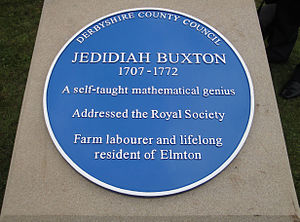
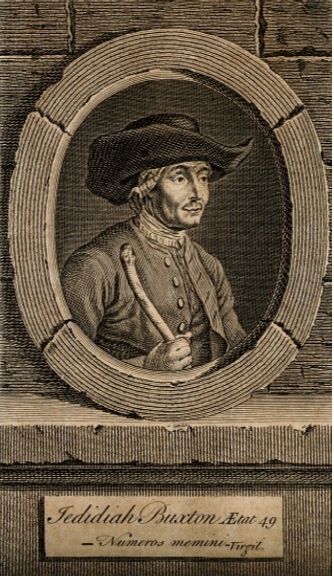
     நமக்குத் தெரிந்து விரிவான ஆதாரபூர்வமான பதிவுகளைக் கொண்ட ஒரு கணக்கிடும் மேதையின் பெயர் ஜெடிடியா பக்ஸ்டன். (Jedediah Buxton).  பிரிட்டனில் டெர்பிஷைரில் எலிண்டன் என்னும் இடத்தில் 1707ஆம் ஆண்டு பிறந்த இவர் 65 ஆண்டுகள் வாழ்ந்து 1772இல் மறைந்தார்.

     சிறிய கிராமம் ஒன்றில் பள்ளி வாத்தியார் ஒருவரின் மகன் அவர்.  படிக்கவும் இல்லை; எழுதவும் தெரியாது,  அவருக்கு! வாழ்க்கையில் பெரிதாக குறிக்கோள் அல்லது ஆசை என்று எதுவும் கூட அவருக்கு இல்லை. சாதாரண விவசாயத் தொழிலாளியாக வாழ்ந்து மறைந்தார்.


   பெரிய எண்கள் என்றால் அவருக்கு லட்டு போல! 39 இலக்கம் கொண்ட ஒரு எண்ணை இன்னொரு  39 இலக்கம் கொண்ட் எண்ணால் பெருக்கச் சொன்னால் நமக்குத் தலை சுற்றும். அவரோ உடனே பதில் கூறி விடுவார்.


   தன்னிடம் இருந்த அற்புத ஆற்றலை வைத்து அவர் பொருள் சம்பாதிக்கவும் இல்லை. பெரிதாகப் புகழும் பெறவில்லை!

     யாரேனும் இவரது அதிச்யத் திற்மையைக் கேட்டு அவரிடம் வந்து எதையாவது கேட்டால் உடனே பதில் கூறி அவரை அசத்தி விடுவார். தன்னால் இதை எப்படிச் செய்ய முடிகிறது என்பதையும் அவரால் கூற முடியவில்லை.

     ஒரு பொருளின் பிரம்மாண்டமான அளவைச் சொன்னால் அதில் எத்தனை அங்குலம் உள்ளது என்பதை ஒரு வினாடியில்  சொல்லி விடுவார். பெரிதாக ஒரு கால அளவைச் சொன்னால் அதில் எத்தனை நிமிடங்கள் உள்ளன என்று சொல்வார். நாம் தான் நெடுநேரம் கணக்கிட்டு அதைச் சரி பார்த்து வியக்க வேண்டும்! ஒரு பெரிய உரையைச் சொன்னால் அதில் எத்தனை எழுத்துக்கள் உள்ளன என்பதை அவர் கூறும் போது வியக்காதவரே இல்லை.


       கோணல் மாணலாக உள்ள ஒரு பெரிய நிலப்பரப்பைக் காண்பித்தால் உடனே அது மொத்தம் எத்தனை ஏக்கர் என்று அவர் கூறியதைப் பார்த்து வியந்து போனவர்கள் பலர்.

426 அடி நீளமும் 263 அடி அகலமும் இரண்டரை அடி ஆழமும் உள்ள ஒரு குளத்தை வெட்டினால் அதிலிருந்து எத்தனை கன அடி மண் வெளியே போடப்படும்? 15 நிமிடங்களில் அவ்ர் இதற்குப் பதிலைத் தந்தார்.


     ஒரு விநாடிக்கு 1142 அடி என்ற வேகத்தில் ஒலியலை சென்றால் 5 மைல் கடக்க எவ்வளவு நேரம் ஆகும்? இதற்கும் 15 நிமிடங்களில் அவர் பதில் அளித்தார்.

    இதனால் அவரிடம் ‘குண்டக்க மண்டக்க’ கேள்விகளைக் கேட்போர் ஏராளம் பேர் வந்தனர்.


    23,145,789 கஜ நீளமும் 5,642,732 கஜ அகலமும்  54,595 கஜ கனமும் உடைய ஒரு பெரிய கல்லில் உள்ள கன அங்குலம் எவ்வளவு?


     202,680,000,360 கன மைல்கள் உள்ள ஒரு தொட்டியில் எத்தனை தானியம் போட்டால் அது நிறையும்?

இப்படி விதவிதமான கேள்விகள் அனைத்திற்கும் அவர் பொறுமையாக உடனுக்குடன் பதில் கூறினார்.


      இவரது புகழ் மெதுவாக லண்டன் வரை பரவியது. ஒரு கணக்கை மனதில் போட்டுக் கொண்டிருக்கும் போது அதைப் பாதியில் நிறுத்தி விட்டு இன்னொரு வேலையைச் செய்து விட்டு மீண்டும் வந்து தனது கணக்கைத் தொடர்வது அவரது அசாத்தியமான திறமைகளில் ஒன்று. அந்தக் காலத்தில் கால்குலேட்டர்களும் கிடையாது, கம்ப்யூட்டர்களும் கிடையாது. ஏன், பில்லியன், ட்ரில்லியன் போன்ற பெரிய எண்களைக் கூட யாரும் அறிந்திருக்கவில்லை.


    ஆகவே பிரம்மாண்டமான எண்கள் கூறப்படும் போது அப்பாவியான அவர் தனக்குத் தானே பெரிய எண்களுக்கு ஒரு பெயரைச் சூட்டிக் கொண்டார்.  ஒன்றுக்கு அடுத்து பதினெட்டு பூஜ்யங்களைப் போட்டால் வரும் பிரம்மாண்டமான எண்ணுக்கு அவர் டிரைப் (Tribe) என்று பெயர் சூட்டினார். ஒன்றை அடுத்து 36 பூஜ்யங்களைப் போட்டால் வரும் எண்ணுக்கு அவர் அளித்துக் கொண்ட பெயர் க்ராம்ப் (Cramp)!


     1754ஆம் ஆண்டு இந்த அதிசய மனிதரை லண்டனில் இருந்த ராயல் சொஸைடி பரிசோதித்தது. பல விஞ்ஞானிகளும் அங்கு திரண்டனர். இவரது திறமையைப் பார்த்து அதிசயித்த அவர்கள் இது உண்மையான திறமையே என்று நற்சான்றிதழ் அளித்தனர்.


    லண்டன் வரை வந்து விட்ட அவரை அவரது நண்பர்கள் சிலர் புகழ்பெற்ற ட்ருரி லேன் தியேட்டர் என்ற நாடக அரங்கிற்கு அழைத்துச் சென்றனர். அங்கு நடந்த கேர்ரிக் (Garrick)  என்ற நிகழ்ச்சியைக் காண்பித்த பின்னர் அவரது நண்பர்கள் அவரது விமரிசனம் என்னவாக இருக்கும் என்பதை அறிய ஆவல் கொண்டு நிகழ்ச்சி எப்படி என்று கேட்டனர்.


     நாடகத்தைப் பற்றி ஒன்றுமே அறியாத அப்பாவியான பக்ஸ்டன் அந்த நாடகத்தில் வந்த ஒவ்வொரு நடிகரும் நடிகையும் பேசிய வசனங்களில் காட்சிவாரியாக எத்தனை வார்த்தைகள் இருந்தன என்பதைத் துல்லியமாகக் கூறியதோடு நடிகைகள் ஆடிய நாட்டியங்களில் ஒவ்வொருவரும் எத்தனை ஸ்டெப் எடுத்து வைத்தனர் என்பதையும் கூறினார். விமரிசனம் கேட்டவர்கள் இப்படிப்பட்ட பதிலால் பிரமித்து நின்றனர்!


    இதிலிருந்து நுண்ணறிவுக்கும் கணிதத் திறமைக்கும் சம்பந்தமில்லை என்றே தோன்றுகிறது என்றார் ஒரு நிபுணர்.

    பெரிய திறமையைக் கொண்டிருந்தும் புகழோ அல்லது செல்வமோ இல்லாத வாழ்க்கையை வாழ்ந்து மறைந்தார் ஜெடிடியா பக்ஸ்டன்.


அறிவியல் அறிஞர் வாழ்வில்!


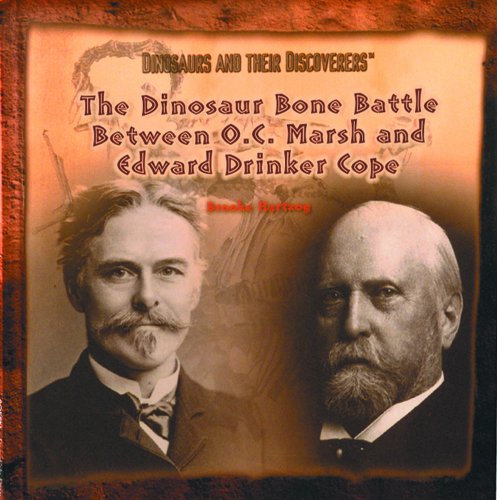
    ஆயிரத்தி எண்ணூறுகளின் இறுதியிலும் ஆயிரத்தி தொள்ளாயிரத்தின் ஆரம்ப ஆண்டுகளிலும் டைனோஸர் பற்றிய ஆராய்ச்சி தீவிரம் அடைந்தது. இந்த ஆராய்ச்சிக் களத்தில் இரு விஞ்ஞானிகள் போட்டி போட்டுக் கொண்டு  குதித்தனர். ஒருவர் ஒத்னியல் சார்லஸ் மார்ஷ் (Othniel Charles Marsh) என்பவர். இவர் யேல் பல்கலைக்கழகத்தில் பிபாடி மியூஸியத்தில் Paleontologist எனப்படும் புதைப்படிமவியல் ஆராய்ச்சி நிபுணராகப் பணியாற்றி வந்தார். இன்னொருவர் எட்வர்ட் ட்ரிங்கர் கோப் (Edward Drinker Cope) என்பவர்.  இவர் பிலடெல்பியாவில் அகாடமி ஆஃப் நேச்சுரல் ஸயின்ஸில் பணியாற்றி வந்தார்.


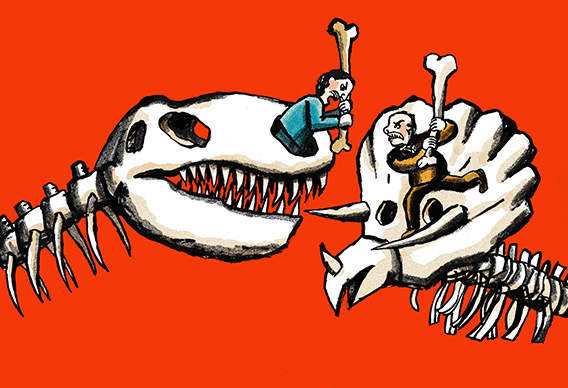
    இருவருக்கும் இடையே இருந்த கடும் போட்டி விரும்பத்தகாத வகையில் திரும்பியது.  புதைப்படிமங்களைக் கண்டுபிடிக்கும் வேட்டை ஒன்றில் மார்ஷ் அங்கு பணியாற்றும் உதவியாளர்களுக்கு லஞ்சம் கொடுத்து கோப்பின் ஆய்வைத் திசை திருப்பும் வேலையில் ஈடுபட்டார். இன்னொரு சமயம் உளவாளிகளை அனுப்பி கோப் என்ன ஆய்வில் ஈடுபட்டிருக்கிறார் என்று தெரிந்து கொள்ள முயன்றார்.


    இருவரும் ஒருவரை ஒருவர் விஞ்ச அடுத்தவர்களின் புதைப் படிமம் கண்டுபிடிப்பதற்காகத் தோண்டிய  குழிகளில் டைனமைட்டை வெடிக்கச் செய்கின்றனர் என்ற அளவில் வதந்தி பரவியது. இருவரும் பல வருட் காலம் பத்திரிகைகளில் ஒருவரை ஒருவர் திட்டிக் கொண்டும் மட்டம் தட்டிக் கொண்டும் கட்டுரைகளை எழுதி வந்தனர்.


    என்றாலும் கூட இந்த இருவரின் ஆராய்ச்சியும் புதைப்படிமவியலில் ஒரு பெரும் முன்னேற்றத்தை ஏற்படுத்தியது என்னவோ உண்மை தான்!

##


‘Day of the Mother’ was Inauspicious in the Ancient World! (Post No.3797)

Written by London swaminathan


Date: 7 APRIL 2017


Time uploaded in London:- 20-52


Post No. 3797


Pictures are taken from various sources; thanks.


contact; swami_48@yahoo.com


Hittites who ruled Turkey and Syria 3500 years ago practised both burial and cremation like the Hindus. The graves were simple, not like the Egyptian tombs. But the buried food, horses and donkeys with the dead.


But whether they buried the dead or cremated the dead, they believed that the soul would travel t the world of the dead, a bleak and muddy place in the dark earth.


The Hittites thought that that the deceased would be accompanied on this journey by his or her pre-deceased mother who would from the nether world to meet her child; thus, one of the Hittite euphemisms for the day of death was “the day of mother”.


Like the Egyptians, Hittites also believed Kings wold become Gods after death. Statues of the deceased Royals were installed and living king made offerings.

The corpse of the king was burned in the night and the following morning, ashes and bones were collected by women after extinguishing the remaining embers by

pouring beer and wine on it. Statue of the dead king was taken in a procession. Agricultural tools and products are brought and burned. They deposit in the place where the heads of oxen and horses had been before hand. Thus, the decease Hittite king was provided with cattle and horses, grazing grounds, fields, water and all the tools for working the land and harvesting its wealth.


Source book:- Hittites, An Anatolian Empire, YKY, 2013

அதிதி தேவோ பவ; உண்டி கொடுத்தோர் உயிர் கொடுத்தோரே! (POST NO.3796)

Written by London swaminathan


Date: 7 APRIL 2017


Time uploaded in London:- 14-55


Post No. 3796


Pictures are taken from various sources; thanks.


contact; swami_48@yahoo.com


விருந்தோம்பல் என்னும் பண்பை தமிழ், சம்ஸ்கிருத இலக்கியம் வலியுறுத்துவது போல உலகில் வேறு எங்கும் காணமுடியாது.

காளிதாசனும், சங்க இலக்கியப் புலவர்களும் இந்தப் பண்பை எப்படி வலியுறுத்துகின்றனர் என்று ஒரு சில எடுத்துக்காட்டுகளின் மூலம் காண்போம்.


ஆரிய-திரவிடப் பிரிவினைகள் பொய்மையானவை என்பதும்  இந்திய கலாசாரம் 2000 ஆண்டுகளுக்கு முன்னரே ஒரே கலாசாரம்தான் என்பதும் இந்த ஒரு பண்பில் — விருந்தோம்பல் — என்னும் பண்பில் தெரிந்துவிட்டது. விருந்தினர்களைக் கவனிக்க முடியாத நிலை வந்துவிட்டதே என்று சீதையும் கண்ணகியும் வருத்தப்பட்டதை நமது இலக்கியங்கள் அடிக்கோடிட்டுக் காட்டியதிலிருந்தே நமது பண்பாடு ஒன்று என்பது விளங்கும். அதுமட்டுமல்ல தைத்ரீய உபநிஷத் (1-20) காலத்திலிருந்து இதற்காக பல மந்திரங்களும் பாடல்களும் இருப்பது போல உலகில் வேறு எந்த இலக்கியத்திலும் காணமுடியாது. வள்ளுவர் எழுதிய திருக்குறள் போன்ற நீதி நூல்களில் இதற்கென்று ஒரு அத்தியாயத்தையே ஒதுக்கியதிலிருந்தும் இது விளங்கும்.


அதிதி தேவோ பவ– விருந்தினரைக் கடவுளாகக் கருதுக – தைத்ரீய உபநிஷத் (1-20)

காளிதாசரின் ரகுவம்சத்தில்


“காட்டில் விளையும், ஆரோக்கியத்தைத் தரும் ‘செந்தினை’ எனும் தானியத்தில் ஒரு பகுதி விருந்தினர்களுக்காக ஒதுக்கப்படுகிறதா? அவைகளை மாடுகள் முதலியன மேய்ந்து சேதமாக்காமல் இருக்கின்றனவா? “(ரகுவம்சம் 5-9)


“கருணையுள்ள உமது குரு, உங்களை இல்லற வாழ்வுக்குச் செல்ல அனுமதித்தாரா? ஏனெனில் எல்லா ஆசிரமத்திலுள்ளவர்களுக்கும் உதவுவது இல்லற தர்மம்தான்” (ரகு.5-10)


नीवारपाकादि कडंगरीयैरामृश्यते जानपदैर्न कच्चित्|
कालोपपन्नातिथिकल्प्यभागं वन्यं शरीरस्थितिसाधनं वः॥ ५-९

nīvārapākādi kaḍaṁgarīyairāmṛśyate jānapadairna kaccit
kālopapannātithikalpyabhāgaṁ vanyaṁ śarīrasthitisādhanaṁ vaḥ || 5-9


अपि प्रसन्नेन महर्षिणा त्वं सम्यग्विनीयानुमतो गृहाय|
कालो ह्ययं संक्रमितुं द्वितीयं सर्वोपकारक्षममाश्रमं ते॥ ५-१०

api prasannena maharṣiṇā tvaṁ samyagvinīyānumato gṛhāya
kālo hyayaṁ saṁkramituṁ dvitīyaṁ sarvopakārakṣamamāśramaṁ te || 5-10


இதே கருத்து திருக்குறளிலும் உள்ளது:—

இல்வாழ்வான் என்பான் இயல்புடைய மூவர்க்கும்

நல்லாற்றின் நின்ற துணை

பொருள்: இல்லறம் நடத்துபவன் மற்ற மூவர்க்கும் ( பிரம்மச்சாரி, வானப்ரஸ்தன், சந்யாசி) ஒரு துணையாவான்.


இன்னொரு இடத்தில், “ரகுவம்சத்தில் பிறந்தவர்கள் உயிரையே கேட்டாலும் கொடுப்பார்கள். ஆகவே விஸ்வாமித்ரர் கேட்டபடி ராமரையும் லெட்சுமணரையும் அவருடன் அனுப்பிவைத் தார் தசரதர்”(11-2) காளிதாசன் சொல்கிறான்.


இந்தக் கருத்து புறநானூற்றிலும் வருவது குறிப்பிடத்தக்கது:-


……… இந்திரர்

அமிழ்தம் இயைவது ஆயினும், இனிது எனத்

தமியர் உண்டலும் இலரே; முனிவு இலர்;

துஞ்சலும் இலர்; பிறர் அஞ்சுவது அஞ்சி,

புகழ் எனின் ,உயிரும் கொடுக்குவர்; பழி எனின்,

உலகுடன் பெறினும், கொள்ளலர்

–புறம் 182, க.மா.இளம்பெருவழுதி


சங்க இலக்கியத்தில் விருந்தோம்பல் பற்றி வரும் இடங்கள் கணக்கிலடங்கா; இதோ ஒரு சில எடுத்துக் காட்டுகள்;-

புறம்.173-ல் சிறுகுடி கிழான் பண்ணனை ‘பசிப்பிணி மருத்துவன்’ என்று சோழன் குளமுற்றத்துத் துஞ்சிய கிள்ளிவளவன் பாராட்டுகிறான்.

புறம்.18-ல் பாண்டியன் நெடுஞ்செழியனை குடபுலவியனார் பாரரட்டுகையில் உண்டிகொடுத்தோர் உயிர்கொடுத்தோரே; என்ற வரியைப் பாடுகிறார்; இதே வரி பின்னர் மணிமேகலையிலும் வருகிறது.

கோவூர்க்கிழார் பாடிய பாடலில் (புறம்.46), விருந் தின் சிறப்பு தி காட்டப்படுகிறது. பகுத்துண்டு பல்லுயிர் ஓம்புதல்- தமிழரின் பண்பாடு என்பது கோவூர்க் கிழார் கருத்து; இது குறளிலும் வரும் (322).


புறம்.141 (பரணர்), புறம்134 (முடமோசி)-ல் மறுமைப் பயனை மனதிற் கொள்ளாமல்,மக்களின் வறுமையைத் தீர்க்கவே ஈத்துவப்பர் என்று கூறப்படுகிறது.


அகம்.203, புறம்.177 முதலிய பாடல்களில் வந்த விருந்தினரை உபசரித்துவிட்டு, அடுத்தவர்க்காக காத்திருக்கும் செய்தி வருகிறது!

மணிமேகலையில் சீழ்தலைச் சாத்த்னார் சொல்லுவது:


ஆற்றுனர்க்கு அளிப்போர் அறவிலை பகர்வோர்


ஆற்றா மாக்கள் அரும் பசி களைவோர்


மேற்றே உலகின் மெய்ந்நெறி வாழ்க்கை


மண்தினி ஞாலத்து வாழ்வோர்க் கெல்லாம்


உண்டி கொடுத்தோர் உயிர் கொடுத்தோரே (மணி.11-92)


xxxx

FROM MY OLD POST:–


கிருஷ்ணர் வணங்கும் ஆறு பேர்:–


நித்யான்ன தாதா தருணாக்னிஹோத்ரி


வேதாந்தவித் சந்திர சஹஸ்ர தர்சீ


மாஸோபாவாசீச பதிவ்ரதா ச


ஷட் வந்தனீயா மம ஜீவ லோகே


பொருள்: இந்த மனிதர்கள் வாழும் பூமியில் நான் ஆறு வகையான மக்களை வணங்குகிறேன்: தினமும் அன்னதானம் செய்வோர், தினமும் அக்னிஹோத்ரம் செய்வோர், வேதம் அறிந்தவர்கள், சஹஸ்ர சந்திர தரிசனம் செய்து—சதாபிஷேகம் செய்துகொண்டோர் – மாதா மாதம் உபவாசம் இருப்போர், பதிவ்ரதையான பெண்கள்.


–subham–

ஆரோக்கியம் பற்றிய சில தவறான தகவல்களும் நம்பிக்கைகளும்! – 2 (Post No.3795)

Written by S NAGARAJAN


Date: 7 April 2017


Time uploaded in London:-  6-36 am


Post No.3795


Pictures are taken from different sources; thanks.


contact: swami_48@yahoo.com


பிப்ரவரி 2017 ஹெல்த்கேர் இதழில் வெளியான கட்டுரை

ஆரோக்கியம் பற்றிய சில தவறான தகவல்களும் நம்பிக்கைகளும்! – 2


by ச.நாகராஜன்


7) நீங்கள் சாப்பிடும் சூயிங் கம் உங்கள் வயிற்றில் ஏழு வருடங்கள் தங்கி இருக்கும்.


சூயிங் கம்மில் இருக்கும் எலாஸ்டமர்கள், ரெசின்கள், வேக்ஸ் போன்ற  இடு பொருள்கள் ஜீரணிக்க முடியாதவையே. ஆனால் அதற்கு அவை ஏழு வருடங்கள் உங்கள் வயிற்றில் தங்கி இருக்கும் என்று அர்த்தமில்லை. அனைவராலும் பரிந்துரைக்கப்ப்டும்  பைபர் உள்ளிட்ட உணவு வகைகளும் கூட ஜீரணிக்க முடியாதவையே. ஆனால் ஜீரண அமைப்பானது வலிமை வாய்ந்த ஒன்று.  உட்கிரகிக்க முடியாதது என்று ஒன்று இருந்தாலும் கூட் அது தொடர்ந்து தன் வேலையைச் செய்யத்தான் செய்யும். சூயிங்கம்மின் ஒட்டுப் பசை போன்ற விசித்திரமான  இயல்பு பற்றிக் கவலைப்பட வேண்டாம்.. அது ஜீரணப் பாதை வழியே சென்று நேராக டாய்லட்டைத் தான் அடையும்.


8) இருட்டில் படித்தாலோ அல்லது டிவியின் அருகில் இருந்து பார்த்தாலோ உங்கள் பார்வை பழுதுபடும்.

மங்கிய வெளிச்சத்தில் பார்ப்பதோ அல்லது பலவண்ணம் கொண்ட டிவி டியூபை அருகிலிருந்து  பார்ப்பதோ நிச்சயமாக உங்கள் கண்களை அதிகம் உழைக்க வைக்கும் என்பதில் ஐயமில்லை. ஆனால் அது நீண்டகால சேதத்தை விளைவிக்கும் என்பதற்கு இது வரை ஆதாரங்கள் ஏதுமில்லை. ஆயிரத்தி தொள்ளாயிரத்து அறுபதுகளில் இது ஒருவேளை உணமையாய் இருந்திருக்கக் கூடும் ஏனெனில் அப்போது சில டிவி பெட்டிகள் அதிக கதிரியக்கத்தை வெளிப்படுத்தும் தன்மை உடையனவாக தயாரிக்கப்பட்டு வந்தன. ஆனால் இந்தப் பிரச்சினைக்குத் தீர்வு காணப்பட்டு பல காலம் ஆகிறது. இன்றைய டிவி பெட்டிகளும் கம்ப்யூட்டர்களும் பாதுகாப்பானவையே.

உங்கள் குழந்தைகள் டிவி அல்லது கம்ப்யூட்டரின் அருகில் இருந்து பார்த்தால், அது அவர்களின் கண்களுக்குத் தீங்கு விளைவிப்பதாகத் தோன்றினால் ஒரு டாக்டரிடம் சென்று கண் பார்வையைப் பரிசோதிப்பது நல்லது. தான். என்றாலும் கூட டிவி அருகிலிருந்து பார்ப்பது கண்ணாடி அணியும் தேவையை உருவாக்காது..


9) ஒரு நாளைக்கு நீங்கள் எட்டு டம்ளர் தண்ணீர் அருந்த வேண்டும்.

பொதுவாகப் பார்த்தால் உடலில் நீர்ச்சத்தே இல்லாமல் நாம் நடப்பதில்லை. அத்துடன் நமது உடல் பொதுவாகவே தனது திரவத்தின் அளவை சீராக்கிக் கொண்டே இருக்கும். ஒரு நாளைக்கு எட்டு டம்ளர் தண்ணீர் குடிக்க வேண்டும் என்பது 1945ஆம் ஆண்டு கிளப்பி விடப்பட்ட ஒரு தகவல். நேஷனல் ரிஸர்ச் கவுன்ஸிலைச் சேர்ந்த  ‘ஃபுட் அண்ட் நியூட்ரிஷன் போர்ட்; என்ற அமைப்பானது  வயதுக்கு வந்தவர்கள் ஒரு நாளைக்கு இரண்டரை லிட்டர் நீர் அருந்த வேண்டும் (எட்டு டம்ளர் நீருக்குச் சமம்) என்று தெரிவித்தது. ஆனால் இதில் பரிதாபம் என்னவென்றால் அனைத்து ஊடகங்களும் இந்த வரியுடன் நிறுத்திக் கொண்டது. அடுத்த வரியைக் கவனிக்கவே இல்லை. அடுத்த வரியில் அது, இந்த இரண்டரை லிட்டர் நீரும் உங்களுக்கு உங்கள் உணவிலிருந்தே கிடைக்கும் என்று தெரிவித்திருந்தது.

ஆகவே இப்போது இந்த வரி இப்படி திருத்தப்பட வேண்டும். எட்டு டம்ளர் தண்ணீரை ஒரு நாளைக்கு குடியுங்கள் அல்லது அந்த அளவு நீரைத் தரும் உணவைச் சாப்பிடுங்கள்!


10) சாப்பிட்ட பின்னர் ஒரு மணி நேரம் கழித்துத் தான் நீச்சல் அடிக்கச் செல்ல வேண்டும்


இந்தத் தவறான தகவல் ஏராளமானோரின் பொன்னான மணி நேரங்களை வீணாக்கியது தான் மிச்சம். சாப்பிட்ட பின்னர் ஒரு மணி நேரம் கழித்துத் தான் நீச்சலுக்குச் செல்ல வேண்டும் என்று சொல்வதற்கான ஒரு காரணமும் உண்மையில் இல்லை. ஒரு பிரமாதமான விருந்திற்குப் பின்னர் எந்த விதமான உடல் ப்யிற்சியும் மேற்கொள்ளக் கூடாது என்பது பொதுவான உண்மை  தான்.   ஆனால் அப்படிப்பட்ட விருந்தை தினமும் ஒருவர் சாப்பிடுவதில்லை.

தினமும் சாதாரண உணவு வகைகளைத் தான் சாப்பிடுகிறோம். இன்னொன்று, விருந்தோ சாதாரண சாப்பாடோ அதிக வேகமாகப் பாயும் நீர் எப்போதுமே ஒருவருக்கு ஆபத்துத் தான்! அப்படிப்பட்ட நீரை விட்டுப் பாதுகாப்பான இடத்திற்குத் தான் நீங்கள் நீந்தச் செல்ல வேண்டும்.


11) இறந்த பிறகும் கூட விரல் நகங்களும் முடியும் வளரும்


இந்தத் தவறான தகவல் பல வருடங்களாக இயற்பியல் நிபுணர்கள் மறுக்க முடியாத ஒன்றாக இருந்தது. இதை அவர்களால் காரணத்துடன் மறுக்கவும் முடியவில்லை. இப்போது சரியான தகவல் தெரிய வருகிறது. இறந்த பின்னர் உடலில் உள்ள தோல் வறள ஆரம்பிக்கிறது. மெலிதான திசுக்கள் பின்னடைவு அடைகிறது. தோல் வறளும் போது நகங்கள் பார்ப்பதற்குத் தெளிவாகவும் பிரதானமாகவும் இருக்கிறது. இதுவே தான் முடி வளர்வது போலத் தோன்றுவதற்கும் காரணமாக ஆகிறது. தோல் சுருங்க ஆரம்பிக்கவே முடி மிகவும் பிரதானமாக ஆகிறது.வளர்வது போன்ற ஒரு பிரமையைத் தோற்றுவிக்கிறது!


12) ஷேவ் செய்யப்பட்டவுடன் முடி வேகமாகவும், சொர சொரப்பாகவும், கறுப்பாகவும் ஆகிறது

இந்த தகவல் தவறு என்பதை நீங்களே உங்கள் முடியின் மீது அதிக கவனம் செலுத்துவதன் மூலம் அறிய முடியும். புதிய முடி வளரும் போது அதன் நுனி மழுங்கி இருக்கும். நாட்பட நாட்பட, அது நலிந்து மெலிதானது போலத் தோன்றும். அது சரி, அது ஏன் கறுப்பாகக் காணப்பட வேண்டும். மற்ற இடங்களைப் போல சூரிய வெளிச்சத்தால்  ப்ளீச் செய்யப்படாததால் தான்!

இது சம்பந்தமாக ஒரு ஆய்வு கூட இருக்கிறது. 1928இல் நடந்தது இது. ஷேவ் செய்த போதும் ஷேவ் செய்யப்படாத போதும் உள்ள முடி வளர்ச்சி பற்றி செய்யப்பட்ட ஆய்வில்  அது கறுப்பாகவும் இல்லை, சற்று கனமாகவும் இல்லை, அது வேகமாகவும் வளரவில்லை என்பது கண்டுபிடிக்கப்பட்டது! சமீப காலத்திய ஆய்வுகளும் கூட இதை நிரூபிக்கின்றன.


12) காரமான உணவு வகைகள் மற்றும் மன அழுத்தம் அல்சர் என்னும் வயிற்றுப் புண்ணை உருவாக்குகின்றன

இரவு சாப்பிட்ட கார உணவு தான் வயிற்றுப்புண்ணை உருவாக்கி விட்டது என்று மறுநாள் காலையில் எண்ணினால் அது தவறு. ஒரு காலத்தில் டாக்டர்கள் மன அழுத்தம், வாழ்க்கை முறை மற்றும் கார வகை உணவுகளே அல்சருக்கு காரணம் என்று நம்பினர். ஆனால் இப்போதோ அல்சருக்கு காரணம் Helicobacter pylon  என்ற பாக்டீரியா என்பதைத் தெரிந்து கொண்டனர்.

வயிறில் சிறு குடலில் ஏற்படும்  புண்கள் சில சமயம் சில மருந்துகளினால் கூட வருகின்றன. ஆஸ்பிரின் இரும்புச் சத்துக்கான அயர்ன் மாத்திரைகள் ஆகியவையே வயிற்றுப் புண் ஏற்பட முக்கிய காரணம் என்று டாக்டர் அருண் சுவாமிநாத் என்பவர் கண்டு பிடித்துள்ளார். இவர் நியூயார்க் நகரில் உள்ள லெனாக்ஸ் ஹில் மருத்துவமனையில் இன்ஃப்ளேமெடரி பவல் டிசீஸ் திட்டத்திற்கான டைரக்டர் ஆவார்.


13)உங்கள் உடலில் உஷ்ணத்தின் பெரும் பகுதி தலை வழியே செல்கிறது.

இந்தத் தகவல் தவறானது என்று 2006ஆம் ஆண்டு நிரூபிக்கப்பட்டது. மனித உடலில் உள்ள மொத்த உஷ்ணத்தில் தலை வழியே செல்லும் உஷ்ணமானது 7 முதல் 10 சதவிகிதம் அளவே என்பது கண்டுபிடிக்கப்பட்டது. அதாவது  தலையின் வழியே செல்லும் உஷ்ணமானது மொத்த உடலில் உள்ள தோல் பரப்பில் தலையில் உள்ள தோல்பரப்பின் விகிதாசார அளவிலேயே இருக்கிறது!


14) குளிரில் ஈரத் தலையுடன் வெளியில் சென்றால் ஜலதோஷம் பிடிப்பது நிச்சயம்


குளிர் காலத்தில் தலையை உலர்த்த நேரமில்லை என்று ஈரத் தலையுடன் வெளியில் செல்கிறீர்கள்,! ஜலதோஷம் வந்து விடும் என்று கவலைப் பட வேண்டாம்.

எல்லோரும் ஈரத் தலை ஜலதோஷத்தைத் தரும் என்று சொல்கிறார்கள். ஆனால் நிபுணர்களின் கருத்துப் படி வைரஸ் மற்றும் பாக்டீரியா தான் ஜலதோஷத்தைத் தருகின்றனவே தவிர காலநிலையில் உள்ள உஷ்ண நிலை மாறுபாடு அல்ல. ஆகவே தலை சிறிது ஈரமாக இருந்தாலும் கூட ஜலதோஷம் வந்து விடுமோ என்று கவலைப்படுவதை இனி விட்டு விடலாம்.

(அடுத்த இதழில் முடியும்)

. *************


ஆதாரம் : லைவ் ஸயின்ஸ் இதழ்

நன்றி: லைவ் ஸயின்ஸ்


‘யாயும் ஞாயும் யார் ஆகியரோ?’ (Post No.3794)

Written by London swaminathan


Date: 6 APRIL 2017


Time uploaded in London:- 20-27


Post No. 3794


Pictures are taken from various sources; thanks.


contact; swami_48@yahoo.com


காளிதாசனும், செம்புலப்பெயநீராரும்

சங்கத் தமிழ் நூல்களில் ஒன்று குறுந்தொகை. அருமையான காதல் பாடல்கள் உள்ள நூல். அதில் ஒரு அருமையான பாடல். காதலர் மனம் ஒன்றுபடுவதற்கு செம்மண் நிலத்தில் பெய்த மழை நீர் உவமையாக கூறப்பட்டுள்ளது. செம்மண் நிலத்தில் மழை நீர் புரண்டு ஓடுவதை நேரில் கண்டவர்களுக்கு இந்த உவமையின் பொருள் நூறு மடங்கு கூடுதலாகவே விளங்கும்.


இதை எழுதிய புலவர் பெயர் தெரியாததாலோ அல்லது உவமை மிகவும் பிரசித்தமடைந்ததாலோ அவருக்கு செம்புலப் பெயனீரார்  என்றே நூலில் பதிவு செய்துவிட்டனர். இது போல சுமார் 20 புலவர்களின் பெயர்கள் இப்படி அவர்களுடைய சொற்றொடர்களைக் கொண்டே சூட்டப்பட்டுள்ளது. ரிக்வேதத்தைத் தொகுத்தவர்கள் கையாண்ட முறை இது. அதிலும் இவ்வாறு பல புலவர்களின் பெயர்கள் சொற்றொடரின் மூலம் அறியப்படுகின்றது.


யாயும் ஞாயும் யார் ஆகியரோ

எந்தையும் நுந்தையும் எம் முறைக் கேளிர்

யானும் நீயும் எவ்வழி அறிதும்

செம்புலப் பெயல் நீர் போல

அன்புடை நெஞ்சம் தாம் கலந்தனவே

–குறுந்தொகை 40, செம்புலப்பெயனீரார்


பொருள்:

காதலன் கூறுகிறான்: “என்னுடைய தாயும் நின்னுடைய தாயும் ஒருவருக்கொருவர் எத்தகைய உறவினர்? என் தந்தையும் நின் தந்தையும் எந்த முறையில் உறவினர்? இப்பொழுது யானும் நீயும் ஒருவரை ஒருவர் எவ்வாறு முன்பு அறிந்தோம்? செம்மண் நிலத்தே பெய்த மழை நீர், அம்மண்ணோடு கலந்து அத்தன்மையை அடைவது போல நமது உள்ளங்கள் (தாமாகவே) ஒன்றுபட்டன.


காதலர்களின் மனம் ஒன்று பட்டதற்கு இப்படி ஒரு உவமையைப் பயன்படுத்தியது போல, சங்க காலத்துக்கு முன் வாழ்ந்த காளிதாசரும் மழை நீர் உவமையைப் பயன்படுத்தியுள்ளார்.


ஒரே சுவையுடைய மழை நீர் எங்கெங்கு விழுகின்றதொ அந்தந்த நிலத்தின் சுவையைப் பெறுவதுபோல சத்வம் என்ற ஒரே குணமுடைய இறைவன், கைக்கொள்ளும் குணங்களுக்கு ஏற்ப தொழில்களையும் பெயர்களையும் ஏற்கின்றீர் (சத்வ குணம் காரணமாக விஷ்ணுவாகவும், ரஜோ குணம் காரணமாக பிரம்மனாகவும், தமோ குணம் காரணமாக ருத்திரத் தனமையையும் அடைகின்றீர். எப்படி நீர் என்பது ஒன்றுதானோ அதே போல இறைவன் ஒருவனே.

ரசாந்தராண்யேகரசம் யதா திவ்யம் பயோஸ்ச்னுதே

தேசே தேசேகுணேஷு  ஏவம் யதாத்வம்அவிக்ரியஹ

— ரகு வம்சம் 10-17


செம்புலப் பெயனீரார் மன ஒற்றுமை பற்றி சொன்னார்; காளிதாசன் மும்மூர்த்திகளும் ஒருவரே என்ற பேருண்மையைச் சொன்னார்; இருவரும் பயன்படுத்திய உவமை– மழை நீர்.


சுவாதி நட்சத்திரத்தன்று பெய்யும் மழை நீர், முத்துச் சிப்பிகளின் வாயில் விழுந்தால் அது எப்படி முத்தாகி றதோ அது போல ,ஆசிரியர் சொல்லும் சொல், நல்ல மாணவன் காதில் விழுந்தால் முத்தாகும் என்று மாளவிகாக்னிமித்ரம் நாடகத்தில் காளிதாசன் சொல்லும் உவமை தமிழில் உள்ளதையும், காடக விதைகள் எப்படி கலங்கிய நீரை தெளிவாக்குமோ அதுபோல முட்டாள்களும்   அறிவாளிகளுடன் இருக்கையில் மனத் தெளிவு பெறுவர் என்ற  உவமை தமிழில் உள்ளதையும் முன்னர் இரண்டு கட்டுரைகளில் எழுதிவிட்டேன்.


பெண்களின் கொப்பூளை (நாபியை) நீர்ச் சுழலுக்கு ஒப்பிடுவதைக் காளிதாசன் காவியங்களிலும் சங்க இலக்கியப் பாடல்களிலும் காணலாம்.


காளிதாசன் கையாண்ட 1300 + உவமைகளில் சுமார் 250 உவமைகள் சங்க இலக்கியத்தில் காணப்படுவதால் சங்க காலத்துக்கு முன் வாழ்ந்தவன் காளிதாசன் என்று முந்தைய பல கட்டுரைகளில் காட்டியுள்ளேன்.


காளிதாசன் சொல்லும் இன்னொரு அருமையான உவமை ரகுவம்சத்தில் வருகிறது (5-54). பிரியம்வதன் என்பது என்பெயர் . என்னை, யானையாகப் போகும்படி மதங்க முனிவர் சபித்தார். நான் அவரை வணங்கிய பின்னர் அவரது கோபம் தணிந்தது. சாந்தமாகிவிட்டார். நீர் என்பது வெந்நீர் ஆவது தீயின் சேர்க்கையாலோ அல்லது சூரிய ஒளியின் சேர்க்கையாலன்றோ! தண்ணீரின் இயற்கையான குணம் குளுமைதானே! (முனிவர்களின் இயற்கைக் குணம் சாந்தம்தானே).

–Subham–

Water Images in Kalidasa and Tamil Sangam Literature (Post No.3793)

Written by London swaminathan


Date: 6 APRIL 2017


Time uploaded in London:- 18-09


Post No. 3793


Pictures are taken from various sources; thanks.


contact; swami_48@yahoo.com


Great men think alike. Kalidasa, the most famous poet of India and a Sangam Tamil poet Sempulapeyarnirar use the water image in a beautiful way.


Kalidasa in Raghuvamsa says,


Water from the sky which is originally of one taste gains diversity of flavours in different regions. Similarly, Hari, being immutable assumes different conditions in different qualities (RV 10-17). The image gives the idea of monism.


Sempulap peyal nirar, Tamil poet who lived nearly 2000 years ago, says in Kuruntokai (verse 40):


“What are my mother and your mother to each other?

What is the relationship between my father and your father?

How did we come to know each other?

Like the (rain) water which falls on a field with red soil,

(mingle with it and becomes red)

the loving hearts have blended with each other.


Kalidasa used it illustrate monism; Tamil poet used it to illustrate the union of hearts.


(I have been emphasizing through several articles that Kalidasa lived before the Sangam age, probably around 1st century BCE. I am using 250 plus similes of Sangam poets to illustrate my point and those similes are already in Kalidasa’s seven works).

In the Kumara sambhava (2-25), he says that “the speed of the Wind Gods Maruts can be guessed from their faltering motion as is the stoppage of their current from the refulgence of waters.


As the sprouting of a seed requires water before it can make its appearance, similarly, the work of gods can be accomplished by the Cupid in diverting the mind of Siva from meditation towards Parvati (K.S.3-18)


Siva, on account of suspension of the vital airs is imagined to be a reservoir of water unruffled with ripples, a cloud not blustering up to burst into a shower, or like a lamp steady in a place free from wind (K.S.3-48)


Cupid who died leaving Rati whose very life depends upon him, is imagined as the torrent of water abandoning a lotus after breaking down a dam (K.S. 4-6)


The mind already firmly resolute and bent on its desired object cannot be diverted and is so imagined to be like downward flowing water which cannot be drawn back (K S 5-5). So Menaka’s advice to Parvati whose mind already leaned to Siva went amiss.


Seeing the moon-like face of Parvati, Siva had the water of his mind rendered clear (K S 7-74).

Water is always cool; seers are always kind!


In the Raghuvamsa (RV 5-54) Matanga cursed Pri yamvada to turn into an elephant. He fell at his feet and the sage relented afterwards. The hotness of water is due to its contact with the fire or the solar heat; what is coolness is but the natural property of water. This indicates that abut is the sage was kind-hearted.


स चानुनीतः प्रणतेन पश्चान्मया महर्षिर्मृदुतामगच्छत्|
उष्णत्वमग्न्यातपसंप्रयोगाच्छैत्यं हि यत्सा प्रकृतिर्जलस्य॥ ५-५४

sa cānunītaḥ praṇatena paścānmayā maharṣirmṛdutāmagacchat
uṣṇatvamagnyātapasaṁprayogācchaityaṁ hi yatsā prakṛtirjalasya || 5-54

“But, when I prostrated before his feet and importuned that great sage matanga relented to modify the curse as above… for the heat of water is owing to its contact with either fire or solar heat… what is coolness is but the natural property of water… isn’t it… [5-54]


The Sanskrit poets describe navel as a mark of beauty and it therefore, compared to the watery eddy (RV 6-52)

नृपम् तमावर्तमनोज्ञनाभिः सा व्यत्यगादन्यवधूर्भवित्री|
महीधरम् मार्गवशादुपेतम् स्रोतोवहा सागरगामिनीव॥ ६-५२

nṛpam tamāvartamanojñanābhiḥ sā vyatyagādanyavadhūrbhavitrī |

mahīdharam mārgavaśādupetam srotovahā sāgaragāminīva || 6-52

She who has a navel as beautiful as an eddy, and who is scheduled to become another man’s wife, that princess indumati moved past that prince susheNa of shUrasena kingdom, just as an ocean bound river moves past a mountain met by chance on its way. [6-52]


The family of Raghu with the child King comparable to the water with a lotus in the condition of a bud in it (RV 18-37). This indicates the tender and lovely heart of King Sudarsana.


नवेन्दुना तन्नभसोपमेयम्
शाबैकसिंहेन च काननेन।
रघोः कुलम् कुट्मलपुष्करेण
तोयेन चाप्रौढनरेन्द्रमासीत्॥ १८-३७

navendunā tannabhasopameyam
śābaikasiṁhena ca kānanena |
raghoḥ kulam kuṭmalapuṣkareṇa
toyena cāprauḍhanarendramāsīt || 18-37


That dynasty of Raghu with this young king sudarshana obtained similitude to the sky with new moon, a forest with a single lion-cub, and a lake with solitary bud of lotus. [18-37]


Thus Raghu’s line, whose chief was now a child,/Showed like the night while still the Moon is young,/Or like a forest where one Lion-cub/Alone doth range, or as a silent lake/Before its lilies bloom.


In the Malavikagnimitram (M.M.1-6), the skill of teacher which when communicated to a worthy student, attains greater excellence, is likened to the water of a cloud, which when dropped into a sea-shell, acquires the nature of a pearl.


Just as a stupid person becomes wise by association with the wise, similarly, the turbid water becomes clear by contact with the purifying fruit of the Kataka tree (M M 2—7)


(Rain drops falling on the day of Swati star becoming pearl in the oysters and the Kataka seed purifying water are used by Tamil poets as well; I have written about it already).


Source books :–Kuruntokai

Raghuvamsa.sansrit documents.com

The Imagery of Kalidasa by Dr Mrs Vinod Aggarwal

xxx

My Old articles on the same subject:

1.Kalidasa’s simile in Tamil ‘Kalitokai’ about Water Purification! (Post No.3775); posted on 31 March 2017

2. Women and Rivers in Kalidasa and Tamil literature; posted on 10 November 2014
3. Kalidasa’s age: Tamil works confirm 1st century BC. Posted on 22 January 2012
4. Nature’s Orchestra in the Forest: Sanskrit Tamil Poets’ Chorus (Post No. 3489); 27 December 2016
5. Pearls in the Vedas and Tamil Literature

Posted on Post No. 1048 ; dated 17th May 2014.

  1. Gem Stones in Kalidasa and Tamil Literature (13 February 2012)


–Subham–


உள்ளம் பெருங் கோயில்–‘சரீரமாத்யம் கலு தர்மசாதனம்’ (Post No.3792)

Written by London swaminathan


Date: 6 APRIL 2017


Time uploaded in London:-9-57 am


Post No. 3792


Pictures are taken from various sources; thanks.


contact; swami_48@yahoo.com


உள்ளம் பெருங் கோயில்; ஊனுடம்பு ஆலயம்

வள்ளற் பிரானார்க்கு வாய் கோபுரவாசல்

தெள்ளத் தெளிந்தார்க்குச் சீவன் சிவலிங்கம்

கள்ளப் புலனைந்தும் காளா மணி விளக்கே


திருமந்திரம், பாடல் எண் 1823


பொருள்:-


மனமே இறைவன் இருக்கும் கருவறை/கோயில். கோபுர வாசல் நம்முடைய வாய். இதற்குள் குடி கொண்டிருக்கும் கடவுள் நமக்கு அருட் கருணைஅயை வாரி வழங்கும் கள்ளல்- கருணைக் கடல். சமய நூல்களைக் கற்றுத் தெளிந்தோர்க்கு ஆத்மாவே சிவலிங்கம். இந்தக் கோவிலில் எரியும் ஐந்து விளக்குகள் நம்முடைய ஐம்புலன்களாகும் எளிதில் தீய வழிகளில் செல்லக்கூடியவை என்பதால் கள்ளப் புலன்கள் என்றார் திருமூலர்.


“ஆத்மலிங்கம் பஜரே, அதி அத்புத லிங்கம் பஜரே” — என்று பஜனையில் பாடல்கள் பாடுவதும், உள்ளே உறையும் இறைவனை நினைத்தே.


சுவரை வைத்துத்தான் சித்திரம் என்று தமிழில் ஒரு பழமொழி உள்லளது. ஆரோக்கியமான உடலின்றி மனிதன் ஆன்மீக முன்னேற்றம் அடைய முடியது. பலவீனமான உடலினால் ஆத்ம முன்னேற்றம் அடைய முடியாது என்பதால்தான், பகவத் கீதையைப் படிப்பதைவிட காலபந்து விளையாடுவது மேல் என்று சுவாமி விவேகாநந்தரும் சொன்னார்.

அப்பர்  பெருமான் அருளுரை


அப்பரும் தேவாரத் திருப்பதிகத்தில் இந்தக் கருத்தை வலியுறுத்துவார்:


காயமே கோயிலாகக் கடிமனம் அடிமையாக

வாய்மையே தூய்மையாக மனமணி யிலிங்கமாக

நேயமே நெய்யும்பாலா நிறையநீ ரமையவாட்டிப்

பூசனை ஈசனார்க்குப்  போற்றவிக் காட்டினோமே

-நாலாம் திருமுறை, தேவாரம்


பொருள்:

இவ்வுடம்பைக் கோயிலாகவும்,  நல்ல நினைவுகளை உடைய மனத்தை அடிமையாகவும் கொண்டு, வாய்மையைத் தூய்மையாகவும் வைத்து, மனதிற்குள் ரத்தினம் போல ஜொலிக்கும் ஆன்மாவை இலிங்கமாகப் பாவித்து, அன்பை நெய்யும் பாலாய் நிறைய வைத்துப் பூசித்து, இறைவனைப் போற்றினேன்.


இந்தப் பாடல்களுக்கு பலவகையில் பொருள் கொள்ளமுடியும்:


1.இறைவன் எல்லோரிடமும் உள்ளான். ஆகவே எல்லோரையும்

நல்ல ஆத்மாவாகக் காண வேண்டும்

2.நாமே இறைவன்; அஹம் பிரம்மாஸ்மி– என்னும் உபநிஷத் கருத்து. எல்லோரிடமும் இறைவன் இருக்கிறான். அவனைக் காணும் பக்குவம்நமக்கு வேண்டும்.

3.மூன்றாவது பொருள்- இறைவனைத் தேடி ஆறு, கடல், கோயில், குளம், மலை, காடு என்று யாத்திரை போக வேண்டிய அவசியமில்லை அவனை உள்ளத்தில் பார்க்கத் தெரிந்து கொண்டால்.

  1. நாலாவது பொருள் — இறைவனை உணர வேண்டுமானால், உடலைச் சரிவரப் பாதுகாக்கவேண்டும். பலவீனனால் ஆத்மாவை உண்ர முடியாதென்று உபநிஷத் கூறும்.

‘சரீரமாத்யம் கலு தர்மசாதனம்’


காளிதாசனும் உடலைப் பராமரிக்கவேண்டியதன் அவசியத்தை ஒரு பொன்மொழியால் உணர்த்துகிறான்.

சரீரமாத்யம் கலு தர்மசாதனம்– குமார சம்பவம் 5-3


சிவனை அடைய தவமியற்றும் பார்வதியை ஒரு யோகி சந்த்தித்துச் சொல்கிறார்: உன் உடலின் சக்திக்கேற்ற தவத்தை மேற்கொண்டிருக்கிறாயா? ஏனெனில் தர்ம காரியங்களைச் செய்வதற்கு மூல நம்முடைய உடல்தான் ;அதாவ்து உடலை வருத்தி தவம் இயற்றுதல் அவசியமன்று.


உடலில் உயிர் துடிப்பு இருக்கும்வரை எந்தப் புருஷார்த்தத்தைத்தான் அடைய முடியாது? என்று கதாசரித் சாகரம் சொல்லும் (நான்கு புருஷார்த்தம்: அறம், பொருள், இன்பம், வீடு

சரீரே சதிகோ நாம புருஷார்த்தோ ந சித்யதி


நாமும் உடலை ஆலயமாகக் கருதி உள்ளத்தே ஆண்டவனைக் காண முயற்சியும் பயிற்சியும் செய்வோம்.


—சுபம்–

Meticulous Details of Funerals of Vali, Jatayu and Ravana (Post No.3791)

Written by London swaminathan


Date: 5 APRIL 2017


Time uploaded in London:-19-37


Post No. 3791


Pictures are taken from various sources; thanks.


contact; swami_48@yahoo.com


First part of this article, “Interesting Funerary Customs during Ramayana Period” (Post No.3782) was posted on 2nd APRIL 2017


Valmiki amazes us by giving us very minute details.


Following is the second and final Part:-


“On the 11th day of the funeral of Dasaratha, Bharata donated gold and gems to the Brahmins. The donation list includes cows and goats, male and female servants, chariots and special mansions!


When Bharata broke the news of Dasaratha’s death to Rama in the forest Rama fainted and looked like an elephant crushed by a landslide. Another simile Valmiki used was Rama fell like a tree with its flowering branches that is severed by an axe in the forest.


Sita also felt sad and Rama consoled her. Then he said to Lakshmana, “ Bring the pressed pulp of the Ingudi tree and fresh bark so that we may proceed with the water rite for our magnanimous father. Let Sita go first, you follow her and I will be the last in the funeral procession. Sumatara, Chief Minister, held Rama’s hand and led them to the Mandakini River. There they offered the water to Dasaratha, saying ‘Father, may this prove agreeable to you.’ Then Rama turned towards south and offered water again saying, ‘I offer it to you. Let it reach you in the region of your ancestors. Then Rama offered Pinda. He placed the pulp of the Ingudi tree mixed with Badari fruits on the Dharba grass.


( Though we don’t use Ingudi pulp and Badari fruits nowadays, Dharba grass is used until now.)


Then Rama killed demon Viradha, by throwing his body into a pit, at his request. We didn’t know what happened to his body. Viradha was the one ho suggested that he must be thrown into a pit


Jatayu cremated! (Aranya Kanda)


When Jatayu died half way through his speech, Rama decided to give the honour by cremating him. He instructed Lakshmana to bring the fuel. Then Rama himself placed the King of Winged Creatures on the funeral pyre and ignited the flame. Then Rama went into the forest with his brother, killing a few fat Rohi deer, stewed the flesh on the green grass as an oblation to the bird. Tearing off the flesh of those deer and kneading it into balls, he offered it. He recited those sacred formulas uttered by the Brahmins so as to send Jatayu’s soul to heaven. Both the brothers went to the river, bathed and did Udaka ceremony (ritual presentation of water to the ancestors).


Vali’s Funeral Rites (Kishkinda Kanda)


Vali (Bali) was the monkey king. When he was killed by Rama, Sugriva, Tara and others were grief stricken. Lakshmana says to Sugriva, “Inaugurate obsequies without delay with the assistance of Tara and Angada. Issue the order that a large quantity of dry would be gathered together with the sacred sandal wood, for the funeral pyre. Let Angada bring garlands and robes of every kind, together with butter, oil, perfumes and all that is requisite. O Tara, you do find a palanquin without delay. Let those who are skilful and strong, accustomed to palanquins, hold themselves in readiness to bear Vali away.

Vali’s body was placed in a chariot with beautiful carvings. Priceless ornaments, strings of pearls and splendid crowns gave it a dazzling appearance; it was covered with clay, painted red and sprinkled with sandal paste. Festooned with wraths of lotuses, shining like the dawn, it was strewn with innumerable flowers.


“ Having laid the corpse on its couch, Sugriva covered the body with ornaments of every kind together with wreaths and cloths. The great monkey leader preceded the litter, scattering jewels of every kind in profusion. All the wives of Vali accompanied the procession. Angada ignited the funeral pyre. He circumambulated it. Rama officiated at the funeral rites.


Valmiki gave all the minute details of the funeral ceremony. Normally people consider it inauspicious to talk about it. But Valmiki was very descriptive. Thanks to him, now we know how it was done several thousand years ago. For great saints like Valmiki, life and death are like changing worn-out clothes.


Ravana’s Funeral (Yuddha Kanda)


When Ravana was killed by Rama in the final battle, his brother Vibhishana refused to do the cremation. But Rama asked him to do it saying, “ Death brings enmity to an end”.


At these words of Raghava, Bibishana hastened to carry out the funeral rites.


Entering the City of Lanka, that Indra began to prepare for the Agnihotra Ceremony in honour of his brother. Carts, wood of varying essences, fire utensils, sandal, logs of every kind, fragrant gums, perfumes, cloths, jewels, pearls and coral were all assembled by him and he soon returned surrounded by titans, whereupon accompanied by Malyavan, he initiated the sacrifice.

Having placed Ravana, the Supreme Lord of the titans, wrapped in linen cloth, s on a golden bier, the Twice born with Bibishana at their head, their eyes suffused with tears, raised the litter decorated with many fragrant and divine symbols to the sound of innumerable music instruments and funeral chants and all, turning their faces towards the south took up pieces of wood which had been distributed among them.


Then the Brahmins, versed in the Yajur Veda, bearing flaming brands went forward and those who had taken refuge with them and the women of the inner apartments followed sobbing with tottering steps, running hither and thither. And Ravana was placed in a spacious ground, amidst profound lamentation and a great pyre was built with pieces of sandal and Padmaka wood and grass, according to tradition; and he was covered with antelope skins.


Thereafter in honour of the King of the Titans, a rare offering was made to the ancestors and the altar was installed to the south-west with the sacred fire in its proper place. Then curd and clarified butter were poured on Ravana’s shoulder and a wooden mortar placed at his feet with one between his thighs. Vessels of wood and the lower and upper sticks, with a spare pestle, were set there to the prescribed rules.


Now the titans sacrificed a goat in honour of their king, according to tradition, as taught by the great Rishis, and, dipped a cloth in butter, they covered the face of their sovereign, who was adorned with garlands and sprinkled with perfumes. Thereafter Bibisbana’s companions, their faces bathed in tears, covered the body with cloths and every kind of roasted grain, whereupon Bibishana kindled the fires according to the sacred rites and, having laved him with a cloth which had been previously wetted with water and mingled with linseed and sacrificial grass, be bowed down to him; then he addressed the consorts of Ravana again and again in order to console them, finally entreating them to return home. And when they had all re-entered the City of Lanka, that Indra among the Titans, took up his place by Rama in an attitude of reverence.


A lot of details are here about the funeral of a Rakshasa King. It differs in many ways with the modern funeral. But in a vast country like India with thousands of castes and sub castes the funeral rites differ widely from area to area.

In Dasaratha’s funeral Sama Veda was used and here in Ravana’s funeral Yajur Veda was used.


Earlier in Aranya Kanda, we came across the shapeless demon Kabandha who was killed by Rama and Lakshmana. he was also cremated by the brothers; though he melted like butter in the fire, he rose up from the ashes, wearing spotless raiment ad a celestial garland. Now he looked very handsome and wore ornaments in his limbs and ascended a chariot drawn by swans. Before ascending to heaven he instructed Rama and Lakshmana to meet Sabhari, a female ascetic.

The chapters on funerals raise many questions. If Vyasa was the one who divided Vedas into four, how come Valmiki mentioned two different Vedas. Probably the Vedas were known as Rik, Sama and Yajjur already and Vyasa allocated the portions to his four disciples for preservation. Why two different Vedas were used in two different funerals is also another debatable matter.


The funeral processions were pompous, but we must remember they were ones for kings like Dasaratha,Bali (Vali) and Ravana


Lot of Dhanams (gifts) were given to Brahmins. Bird Jatayu, Demon Ravana, Monkey Vali/Bali and Human Dasaratha were cremated according to the scriptures. So there were no caste differences among them. Thanks to Valmiki we learnt a lot which can be compared with the funeral rites in the Smrtis and other cultures.


–Subham–