பெண்களும் மரங்களும் : உதைத்தால், சிரித்தால்……………(Post No.3578)


Written by London swaminathan


Date: 26 January 2017


Time uploaded in London:- 9-24 am


Post No.3578


Pictures are taken from different sources; thanks.


contact: swami_48@yahoo.com


பெண்களுக்கும் மரங்களுக்கும் நெருங்கிய தொடர்பு உண்டு என்று சம்ஸ்கிருத, தமிழ்ப் பாடல்கள் சொல்கின்றன.. கீழ்க் கண்ட தமிழ், சம்ஸ்கிருதப் பாடல்கள் பெண்கள் என்ன செய்தால் மரங்கள் என்ன செய்யும் என்று விளக்குகின்றன.


மகளிரால் மலரும் மரங்கள்:-


மகளிர் சுவைத்தால் மலர்வது- மகிழம்

நட்பாட மலர்வது- ஏழிலைப் பாலை

நிந்திக்க மலர்வது – பாதிரி

நகைக்க மலர்வது- முல்லை

ஆடுவதால மலர்வது புன்னை

அணைக்க மலர்வது- குரா

உதைக்க மலர்வது- அசோகு

பாட மலர்வது- குருக்கத்தி

பார்க்க மலர்வது- மரா

நிழல்பட மலர்வது – சண்பகம்


இவைகளை விஞ்ஞான ரீதியில் ஆராய்ந்து உண்மையை அறிதல் நலம் பயக்கும்.


எண்மா தவிசண் பகம்பாலை புன்னை யெழிற்படவி

கொண்மா மகிழ மராவொ டசோகு குராமுல்லையின்

பண்பாட னீழற் படனட்ட லாடற் பழித்தலுண்ணல்

கண்ணோக்கு தையனைணத் தல்சிரித்  தற்கலர்க் காடுருமே

—உவமான சங்கிரஹம்-ரத்தினச் சுருக்கம்


எண்- மதிக்கத் தக்க

மாதவி- குருக்கத்தி

சண்பகம், பாலை, புன்னை-சண்பகம், பாலை, புன்னை

எழில் படலி- அழகிய பாடலி (பாதிரி)

கொள்மா – கொள்ளுதர்க்குரிய மா மரம்

மகிழ் – மகிழ்

அம் மராவுடனே- அழகிய மரா உடனே

அசோகு – அசோகம்

குரா- குரா

முல்லை-முல்லை

மின் (ஆகிய இவைகள் முறையே)


பண்பாடல்- இருக்கத்தக்க

னீழல்படல்- சண்பக மரம்

நட்டல்- ஏழிலைப் பாலை மரம்

ஆடல் – புன்னை

பழித்தல் -பாதிரி

உண்ணல்-மகிழ மரம்

கண்ணோக்கு- மரா,

உதை- அசோகு

அணைத்தற்கு- குரா

சிரித்தல்- முல்லைக்கொடி

அலர்க் காடுருமே – மலர்கள் பூத்துக் குலுங்கும்.


ஐந்தாண்டுக்கு முன் நான் எழுதிய கட்டுரையின் ஒரு பகுதி

பொம்பளை சிரிச்சா, உதைச்சா, பார்த்தா போச்சு (Posted on 23 June 2012)


சம்ஸ்கிருதத்தில் ஒரு செய்யுள் இருக்கிறது. அது பெண்களுக்கும் மரத்துக்கும் உள்ள நெருங்கிய தொடர்பு பற்றிப் பேசுகிறது. அசோக மரத்தைப் பெண்கள் உதைத்தால் அது பூக்கும் என்று 2000 ஆண்டுகளாக வடமொழிப் புலவர்கள் பாடினர். இதோ அவர்கள் தரும் பட்டியல்:

பெண்கள் உதைத்தால் பூக்கும் அசோக மரம்
பெண்கள் சிரித்தால் பூக்கும் செண்பக மரம்
பெண்கள் பேசினால் பூக்கும் நமேரு மரம்
பெண்கள் தழுவினால் பூக்கும் குராபக மரம்
பெண்கள் பார்த்தால் பூக்கும் திலக மரம்

நாலிங்கிதக் குரபகஸ் திலகோ ந த்ருஷ்டோ
நோ தாடிதஸ்ச சரணை சுத்ரசாம் அசோக:
சிக்தோ ந வக்த்ரம் அதுனா பகுளாஸ் ச சைத்ரே
சித்ரம் ததாபி பவதி ப்ரஸவ அவகீர்ண என்பது சம்ஸ்கிருதப் பாடல்.


-SUBHAM-


Satiric Verses in Sanskrit Language (Post No.3577)

Written by S NAGARAJAN


Date: 26 January 2017


Time uploaded in London:-  6-20 am


Post No.3577


Pictures are taken from different sources; thanks.


Contact: swami_48@yahoo.com


by Santhanam Nagarajan


According to the Oxford Dictionary the meaning of the word Satire is, “The use of humor, irony, exaggeration or vices, particularly in the context of contemporary politics and other topical issues.

We know very well that Benjamin Franklin was the first to bring out cartoons to criticize the social happenings constructively. But in literature very few such poems or verses are available in most of the languages.

But in Sanskrit literature we find hundreds of satiric verses in the great works of poets for the past many centuries.


Take the case of son-in-law. Here is a verse!

More oft than not he’s crooked-true                                                                                                           And ever and anon adverse too;

In Virgin’s house he always stands

And austere worship ever demands,

Friends! What should be this object Pshaw!

A planet tenth, the son-in-law        (Sanskrit verse translated by Dr Velluri Subba Rao)


In the above verse the virgin’s house has two meanings. One is the house of the Virgin whom the son-in-law marries. The second meaning is the Virgin’s house indicates the Virgo of the Zodiac. And rightly the son-in-law is called as the tenth planet. Everybody normally fearfully worship the nine planets namely Sun, Moon, Mars, Mercury, Jupiter, Venus, Saturn, Rahu and Kethu. Now we have to fearfully respect the tenth planet also, the son-in-law.

The poet drives his point in a satire manner here.

We have one whole work of the great poet Nilakantha Dikshita titled KaliVidambana containing 100 satiric verses in Sanskrit.

Nilakantha Dikshita lived in the seventeenth century. He was the son of Narayana Dikshitha and        grandson of Accan Dikshita II, brother of the well-known poet Appaya Dikshita. He moved to the temple city Madurai and the great king Thirumalai Nayaka was attracted to him. He was the Prime Minister to this great king. He was a prolific writer. As many as eighteen works are known to have been composed by him.

In Kalividambana we may enjoy the satiric verses on various social characters in the family and outside, as well as quacks, doctors, poetasters, astrologers etc.

Adverting to the astrologers Nilakantha says that they are very clever in interpreting or forecasting things. If a man asks about the sex of the future child, the astrologer should reply that a son would be born: for a lady, the reply should be in favor of a daughter.  This is the clue for the astrologer’s success.

If one asks about one’s span of life, the reply should be that one would live for long. By such a reply, those who are alive will naturally be pleased. Even if the person concerned dies, there is no harm because those who are dead will never ask the astrologer as to why prediction went wrong.

Regarding the creditors, he says that even the God of death waits for the time of death to demand the life of persons; but there is no time-limit whatever for the creditor to demand back the debt owed to him.

Coming to poets, with a slight dig at the indiscriminate descriptions of poets, he says that in their descriptions even blind men become lotus-eyed, misers become Kalpa trees (wish full-filling trees) and even cowards become Vikramadidtyas ( the king Vikramaditya is considered to be the greatest Heroic King in Indian history)

It is indeed a great pleasure to read all the hundred verses of Nilakantha. Once we come through such verses we will know that the satire is not new to Indian literature. It is as old as that of Sanskrit language.

***

This article first appeared in www.ezinearticles.com on 24-12017 You may read it in the following link http://ezinearticles.com/?Satiric-Verses-in-Sanskrit-Language&id=9627078


Stinginess Anecdotes (Post No.3576)

Compiled by London swaminathan


Date: 25 January 2017


Time uploaded in London:- 20-17


Post No.3576


Pictures are taken from different sources; thanks.


contact: swami_48@yahoo.com


Good Man, but……………..

Jock said to his wife one night,

“Weel, Maggy, I think I will go and pay my respects to the new neighbour”.

Upon his return sometime later, Maggie said,

“Weel, Jock, what kind of a mon is the new neighbour?”

“He is a guid mon”, replied Jock

“A guid mon and verra liberal with his liquor. But verra bad quality. In fact, Maggie, it was that bad, I nearly left some.”.


Xxx


Funeral Speech!

The story is told of the hard-bitten old Quaker who had died. At the funeral service, those who had gathered were standing silently by, waiting, as was the custom, for anyone who might wish to do so, make some tribute to the departed. At last one old man spoke and said,

Well, I can say one good thing about William. He wasn’t always as mean as he was sometimes.


Xxx

'You have to spend money to make money, and Walter just HATES it.'

Mountain of Gold

Two friends were walking down the street .

“If you could have any wish”, asked one of them.

“What would it be ?”

“A mountain of gold, said his friend.”

And, said his questioner,

“If you had your mountain of gold , surely we are such old friends , you would give me half?”

“I would not, said the other firmly , Nothing would I give.”

His friend was deeply hurt.

“What?, he demanded, all these years our friendship  and this is what I get?”

“Look, the other said practically, “wish yourself a mountain of gold and leave me alone.”


Xxx

Wordsworth Vs Godwin

When Godwin in 1822 was on the point of being sold out to his creditors a fund was started for him, to which Lamb, Crabbe, Byron, Robinson and Scott contributed, Wordsworth refused to subscribe. The inference is that, while generous enough to inferiors who would be duly grateful, Wordsworth was indifferent to an equal, however needy, especially an arrogant equal like Godwin from whom no gratitude was expected.


Xxx

Duke Cigarettes

James Duke, founder of the tobacco fortune, was one of those eccentrically miserly character s whose accumulation of wealth is a vast storing up and no giving out. When he already begun to earn an income of more than $50000 a year he took pride in living in the cheapest hall bedroom in New York and eating his meals at a Bowery restaurant. At that time he would permit no one associated with the Duke tobacco business, other than himself, to earn more than $1000 a year.

XxxSubhamxxx


சீவக சிந்தாமணியில் ஐந்து அமிர்தம்! (Post No.3575)

Written by London swaminathan


Date: 25 January 2017


Time uploaded in London:- 8-43 am


Post No.3575


Pictures are taken from different sources; thanks.


contact: swami_48@yahoo.com


தமிழில் ஐம்பெரும் காப்பியங்கள்:

சிலப்பதிகாரம், மணிமேகலை, சீவக சிந்தாமணி, வளையாபதி, குண்டலகேசி

இவைகளில் சீவக சிந்தாமணியை எழுதியவர் திருத்தக்க தேவர். அதில் ஒரு பாடலில் அவர்  நாட்டில் அமிர்தம் எது, காட்டில் அமிர்தம் எது என்று வரிசைப் படுத்துகிறார். அதற்கு உரை எழுதிய உச்சிமேற் புலவர் கொள் நச்சினார்ர்கினியர் (மதுரை நகர பாரத்வாஜ கோத்திரப் பார்ப்பனன்) நமக்கு அரிய பெரிய தகவல்களை அளிக்கிறார்.


அமிர்தம் என்பது சம்ஸ்கிருதச் சொல்; சங்க இலக்கியத்தில் மூன்றுவித ஸ்பெல்லிங் SPELLING  உடன் இச்சொல்லைப் பயின்றுள்ளனர்.


இனி சீவக சிந்தாமணியின் அற்புதப்பாடலைக் காண்போம்:


வீட்டிடந் தோறும் வில்லக விரல்போற்
  பொருந்திநின் றொருங்கெதிர் கொள்கென்
றேட்டின்மேற் றீட்டித் திருவெழுத் திட்டாங்
  கிறைவனுந் தமர்களைப் பணிப்ப
நாட்டகத் தமிர்து நளிகட லமிர்து
  நல்வரை யமிர்தமு மல்லாக்
காட்டகத் தமிர்துங் காண்வரக் குவவிக்
  கண்ணகன் புறவெதிர் கொண்டார்.


பாடல் 2110-ன் பொருள்


அந்நாட்டு மன்னன் உத்த்ரவுக்கு இணங்க சீவகனை எப்படி வரவேற்றனர் என்பதில் நாட்டில் கிடைக்கும், கடலில் கிடைக்கும், காட்டில் கிடைக்கும், மலையில் கிடைக்கும் ஐந்து ஐந்து வகையான பொருள்களுடன் சீவகனை வரவேற்றனர்.


அவை யாவை:

நாட்டில் கிடைக்கும் ஐந்து அமிர்தங்கள்: நெல், பயறு, இளநீர்,கரும்பு, வாழை

கடலில் கிடைக்கும் ஐந்து அமிர்தங்கள்

முத்து, பவளம், சங்கு, உப்பு, ஓர்க்கோலை (ஆம்பர் எனப்படும் திமிங்கிலக் கழிவுப் பொருள்)


மலையில் கிடைக்கும் ஐந்து அமிர்தங்கள்

தக்கோலம் (வால் மிளகு அல்லது சிறுநாவல் பூ), தீம்பூ (வாசனைத் திரவியங்களில் ஒன்று அல்லது கிராம்பு) ஏலம், கற்பூரம், ஜாதிக்காய்


காட்டில் கிடைக்கும் கிடைக்கும் ஐந்து அமிர்தங்கள்

தேன், அரக்கு, சந்தனம் ,மயில் பீலி, நாவி (கஸ்தூரி அல்லது புனுகு)


இதோ பாடல் வடிவில்:–


நாட்டிலமிர்து :’செந்நெல் சிறுபயறு செவ்விள நீர், செழுங்

கன்னல் கதலியோ டைந்து’

கடலமிர்து :’ஓர்க்கோலை சங்கம் ஒளிர்பவளம் வெண்முத்தம்

நீர்ப்படும் உப்பினோ டைந்து’


வரையமிர்து :’தக்கோலம் தீம்பூத் தகைசால் இலவங்கம்

கர்ப்பூரம் சாதியோ டைந்து’

காட்டிலமிர்து :’அரக்கிறால் செந்தேன் அணிமயிற் பீலி

திருத்தகு நாவியோ டைந்து’


-subham-

நூறு வயதை எட்டிய ஹாலிவுட் கதாநாயகன், கதாநாயகி! (Post No.3574)

Written by S NAGARAJAN


Date: 25 January 2017


Time uploaded in London:-  5-49 am


Post No.3574


Pictures are taken from different sources; thanks.


Contact: swami_48@yahoo.com


பாக்யா வார இதழில் வெளியாகியுள்ள கட்டுரை

நூறு வயதை எட்டிய ஹாலிவுட் கதாநாயகன், கதாநாயகி!

ச.நாகராஜன்


கவர்ச்சிகரமான திரைத்துறையில் வெற்றிகரமாக கொடி கட்டிப் பறந்தவர்களில் நூறு வயதை எட்டியவர் யார்?

இந்திய திரைப்படத் துறையை எடுத்துக் கொண்டால் நிறைய பேரைச் சுட்டிக் காட்டுவது சாத்தியமில்லை.

ஆனால் ஹாலிவுட் நடிக நடிகையரில் 34 பேருக்கு மேல் நூறு வயதைத் தாண்டி விட்டனர் அல்லது நெருங்கிக் கொண்டிருக்கின்றனர். இவர்கள் அனைவருமே ஒரு காலத்தில் ஓஹோ என்று உச்சத்தில் இருந்தார்கள். இன்றும் ரசிகர்கள் உள்ளங்களில் ஓஹோ நிலையை விட்டு நழுவிக் கீழே இறங்கி விடவில்லை.

இவர்களில் பலரும் நான் திரையில் தோன்றினால் அதைப் பார்க்க லட்சோப லட்சம் ரசிகர்கள் இன்றும் தயார் என்கின்றனர். உண்மை தான்! திரைப்படத்தின் பல்வேறு துறைகளிலும் செயலூக்கத்துடன் இருக்கும் இவர்களுக்கு 2017இல் ஒரு பெரிய சல்யூட்!


சிலரைப் பார்ப்போம்.

டோரிஸ் டே


‘கே சரா சரா’ என்ற பாடலை முணுமுணுக்காதவர் இல்லை என்று ஒரு காலம் இருந்தது. இந்தப் பாடலின் புகழ் இன்றும் மறையவில்லை.  ஒரு போதும் மறையாது. ஆல்ஃப்ரட் ஹிட்ச்காக்கின் ‘தி மேன் ஹூ க்நோஸ் டூ ம்ச்’ என்ற படத்தில் ந்டித்த டோரிஸ் டே-ஐ (Doris Day) யாராலாவது மறக்க முடியுமா?

இந்தப் பாடலின் மெட்டுக்குத் தக அமரர் பட்டுக்கோட்டை கல்யாணசுந்தரம் ஆரவல்லி படத்திற்காக ஒரு அற்புதமான பாடலை எழுத அதற்கு ஜி.ராமநாதன் இசை அமைத்தார்.


பெண்: சின்னப் பெண்ணான போதிலே

அன்னையிடம் நான் ஒரு நாளிலே

எண்ணம் போல் வாழ்வு ஈடேறுமா? – அம்மா

நீ சொல் என்றேன் (சின்ன)


வெண்ணிலா நிலா – என்

கண்ணல்லவா கலா – உன்

எண்ணம் போல் வாழ்விலே

இன்பம் தான் என்றாள் (வெண்ணிலா)


இப்போது ஞாபகம் வந்திருக்கும் கே சரா சரா பாடல்! உலகில் கடந்த நூறு ஆண்டுகளில் தேர்ந்தெடுக்கப்பட்ட காலத்தை வென்ற முதல் நூறு பாடல்களில் 48வது இடத்தைப் பிடித்திருக்கும் பாடல் இது!


இதில் நடித்த பிரபல பாடகியும் நடிகையுமான டோரிஸ் டேக்கு ஏப்ரல் 3, 2016இல் 92வது பிறந்த நாள் விழா நடந்தது.

இப்போது அவர்  விலங்கு நல அமைப்பில் சிறப்பான பொறுப்பை வகித்து மிருகங்களின் பாதுகாப்பில் அக்கறை செலுத்துகிறார்.

வயதானாலும் சுறுசுறுப்பு குறையவில்லை!


ஒலிவியா டி ஹவிலேண்ட் (Olivia de Haviland)

‘கான் வித் தி விண்ட்’ (Gone with the wind)  என்ற படத்தை யாராலும் மறக்க முடியாது. காலத்தை வென்ற இந்தப் படத்தின் நாயகி ஒலிவியா டி ஹவிலேண்டும் காலத்தை வென்ற புகழைப் பெற்று நூறு வயதை எட்டியுள்ளார். சுறுசுறுப்பாக பழைய நாட்களைப் பற்றி 2016இல் பகிர்ந்து கொண்டிருக்கிறார்.


கான் வித் தி விண்டின் பட டைரக்டர் ஜார்ஜ் குகோர் 1938இல் 22 வயதான ஒலிவியாட்ம்  சட்டத்தை மீறி நடக்க உன்னால் முடியுமா என்று கேட்ட போது என்ன விஷய்ம் என்றார் அந்த அழகிய இளம் மங்கை. வார்னர் பிரதர்ஸுடன் போட்டிருந்த காண்ட்ராக்டை மீறித் தன் படத்தில் நடிக்க வர முடியுமா என்று தெளிவாகக் கேட்டார் பிரபல டைரக்டர்.


ஒலிவியா தனது பாஸின் மனைவியிடம் சென்றார். வார்னரின் மனைவியான ஆன் வார்னர் கான் வித் தி விண்ட் நாவலைப் படித்து அதைத் திரையில் பார்க்கத் துடித்துக் கொண்டிருந்தார். பிறகென்ன,விஷயம் சுலபமாக முடிந்தது.

மெலனி என்ற கதாபாத்திரமாக நடித்து புகழேணியில் ஏறிய ஒலிவியா இன்றளவும் இறங்கவில்லை. அமெரிக்க ஜனாதிபதி ஃப்ராங்க்ளின் ரூஸ்வெல்ட் இவரை வொய்ட் ஹவுஸுக்கு அழைத்து கௌரவித்தார். பிரான்ஸ், அமெரிக்கா ஆகிய இரு தேசங்களின் உயரிய விருதைப் பெற்ற இவர் இன்றும் சுறுசுறுப்புடன் இயங்குகிறார்.

கிர்க் டக்ளஸ் (Kirk Douglas)


கிர்க் டக்ளஸ் தனது நூறாவது பிறந்த தினத்தை 2016 டிசம்பர் 9ஆம் தேதி கோலாகலமாகக் கொண்டாடினார்.

பேட்டியின் போது தனது சோபாவிலிருந்து இருமுறை எழுந்து உட்கார்ந்து காண்பித்தார். பேட்டியாளர் விஷயத்தைப் புரிந்து கொண்டார். அவரது மூட்டுகள் இரண்டும் அறுவை சிகிச்சையில் புதிதாகப் பொருத்தப்பட்டிருந்தன.


தான் ஆரோக்கியமாக் இருப்பதைக் காண்பிக்கவே அவர் எழுந்து உட்கார்ந்து காண்பித்தார்.


1952இல் வெளியான ‘தி பேட் அண்ட்

தி பியூடிஃபுல்’ (The Bad and the Beautiful)  என்ற படத்தில் நடித்ததற்காக இரண்டாம் முறை நாமினேஷனைப் பெற்ற நாளிலிருந்து இவர் புகழ் இறங்கவில்லை. அதிக ஆஸ்கார் விருதைப் பெற்ற படம் என்ற பெருமையையும் இந்தப் படம் பெற்றது.


1954 இல் வெளியான ‘20000 லீக்ஸ் அண்டர் தி ஸீ’ படத்தில் காப்டன் நெமோவாக நடித்து சக்கை போடு போட்டார் டக்ளஸ்.


. மூன்று முறை நாமினேஷனைப் பெற்ற டக்ளஸ் வாழ்நாள் சாதனைக்காக ஆஸ்கார் விருதைப் பெற்றவர்.

சுறுசுறுப்பாக வாழ்நாட்களைக் கழிக்கும் டக்ளஸ் 1991ஆம் ஆண்டு மோசமான ஒரு ஹெலிகாப்டர் விபத்தில் உயிர் பிழைத்தார். 1996இல் பக்கவாத நோய் தாக்கியதிலிருந்தும் மீண்டார்.


பத்து நாவல்களையும் தனது நினைவலைகளையும் புத்தகமாக எழுதியுள்ளார். அமைதியான ஆன்மீக வாழ்க்கையின் பக்கம் அவர் கவனம் இப்போது திரும்பியுள்ளது


ஜேம்ஸ் பாண்டாக நடித்த ரோஜர் மூருக்கு இப்போது வயது 89 (பிறந்த தேதி:அக்டோபர் 14, 1927)


ஜேம்ஸ் பாண்டாக நடித்த சீன் கானரிக்கு இப்போது வயது 86 (பிறந்த தேதி: ஆகஸ்ட் 25, 1930)


பிரபல அழ்கி சோபியா லாரனுக்கு இப்போது வயது.82 (பிறந்த தேதி செப்டம்பர் 20 1934)

இப்படி பட்டியல் நீள்கிறது.


ஹாலிவுட்டில் எண்பதையும் தாண்டிய ஏராளமான நடிக, நடிகையரில் பெரும்பாலானோர் சுறுசுறுப்பாக திரைத் துறை சார்ந்த பணிகளில் இன்றும் கவனம் செலுத்துவது ஒரு சுவையான செய்தி! திரைக் கலைஞர்களுக்கு வயது ஒரு வரம்பே இல்லை!

**********


Never reveal Your Weakness (Post No.3573)

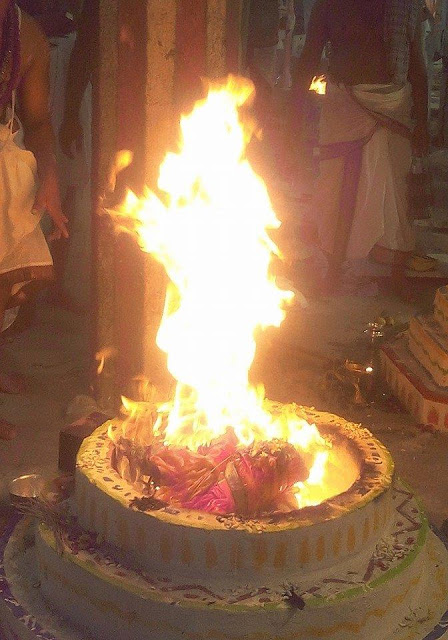
Picture: Lord Krishna appearing in Havan (Homa) fire

Written by London swaminathan


Date: 24 January 2017


Time uploaded in London:- 22-09


Post No.3573


Pictures are taken from different sources; thanks.


contact: swami_48@yahoo.com


Hindu epics Ramayana and Mahabharata teach us how to win in our life.  If one follows those qualities or instructions, one can succeed easily.  Whether it is an examination or a job interview these rules will be very useful. I learnt it by the hard way. When the BBC World Service recruited me for a broadcaster job in 1987, I had worked as a Senior Sub Editor on a language newspaper for sixteen years. I did not have any annual review of my performance in India. But in western countries it is a ritual. Only when we gave a misleading heading or missed an important news item or committed an editorial error we were called to the Editors desk and given a hard-hitting sermon in front of other staff. We sweated a lot and gasped for breath before returning to our seats. This happened to every one of us on the editorial desk.

When I came to BBC, I had my first annual review meeting in 1988. They praised me for all the work I did and pointed out some minus points. I elaborated on those negative things and gave them more ammunition. They always write everything we say and then ask our opinion on their report. Since I had no experience of such an annual review I told my boss that everything they said was correct. During the second year annual review they asked me probing questions on those negative things. Though all those were minor issues, I felt like an offender standing in a witness box. If one is not in the good books of one’s boss this is enough for them to write all against you. There is nepotism, favouritism and sycophancy in the BBC as we have in India.
Since then I have been advising my sons and friends not to talk about their weaknesses or mistakes. If they ask you specific questions about something that went wrong, then you must be honest. But be positive. You may say “Yes I had these problems earlier and now I have tackled all those issues or you can say yes to surmount that problem I have already joined such and such a course or training etc”.

When Arjuna was mentally weak and shivering and shaking, Lord Krishna told him

uddharet aatmanaa tmaanam

naa tmaanam avasaadayet

aatmai va hy aatmano bandhur

aatmai va ripur aatmanah (B Gita 6-5)


Let a man lift himself by himself; let him not degrade himself; for the Self alone is the friend of the self and the Self alone is the enemy of the self.


Buddha’s ‘Dhamapada’ also repeated this,”The Self is the Lord of the self (attaa hi attano naatho)


Valmiki’s advice

Valmiki, author of Ramaayana,says that four qualities are required by anyone to perform a task successfully. They are
Karma nah man avasyakata (Effectual Qualities for performing action)
Smruti -Memory
Dhrti-Resolution
Mati-Application of Mind
Daakshyam-Skill
Yasya tvetani catvari vanarendra yatha tava
Smrtidhrtirmatirdaakshyam sa karmasu na sidati

–Valmiki Ramayana Sundara Kanda -198

Tamil Saint Tiruvalluvar went one step further and said that even if the God is not helpful one’s efforts will give one the benefits of his action. That is there is a universal law that every effort will have some positive effect proportionate to one’s quantity and quality of the efforts.

Though God stands in the way, strenuous effort yields ready fruit. Labour recompenses what god or fate denies (Kural  619)

so, never tell anyone about your weakness and say positive things, even if one finds your weakness.

–subham—

வாழ்க்கையில் முன்னேறுவது எப்படி? ராமாயண அறிவுரை (Post No.3572)

Written by London swaminathan


Date: 24 January 2017


Time uploaded in London:- 9-53 am


Post No.3572


Pictures are taken from different sources; thanks.


contact: swami_48@yahoo.com


வாழ்க்கையில் முன்னேறுவது எப்படி என்பதற்கு ராமாயண, மாபாரத இதிஹாசங்களில் நிறைய அறிவுரைகள் உள்ளன. இதோ ஒரு ஸ்லோகம்:

ஒருவன் நன்ங்கு செயல்பட நான்கு குனங்கள் இருக்க வேண்டும். அவை யாவன?


ஸ்ம்ருதி – நினைவாற்றல்

த்ருதி – லட்சியத்தில் உறுதி

மதி – அறிவு

தாக்ஷ்யம் – திறமை

யஸ்ய த்வேதானி சத்வாரி வானரேந்த்ர யதா தவ

ஸ்ம்ருதித்ருதிர்மதிர்தாக்ஷ்யம்  ச கர்மசு ந சீததி

–வால்மீகி ராமாயணம், சுந்தர காண்டம், 1-198


இவை நான்கும் இருந்தால் தேர்வில் நல்ல மதிப்பெண்கள் எடுக்கலாம். வேலை வாய்ப்பு இன்டெர்வியூக்களில் எளிதில் வெற்றி பெறலாம். இதில் இரண்டவதாகச் சொல்லப்பட்ட லட்சிய உறுதி இருந்தால் மற்ற மூன்று குணங்களும் தன்னாலே யே அதிகரிக்கும். தன்னைத் தானே தாழ்த்திக் கொள்ளக்கூடாது.


யாராவது ஒருவரிடம் ஒரு உதவியோ, வேலையோ கேட்டுச் சென்றீர்களானால், உங்கள் பலவீனத்தைச் சொல்லக்கூடாது. உங்களுக்கு எதில் எதில் பலம் அதிகம், திறமை அதிகம் என்பதைப் பட்டியலிடுங்கள். எந்த இன்டர்வியூவிலும் பொய்யும் சொல்ல வேண்டாம்; உங்கள் பலவீனத்தையும் சொல்லவேண்டாம்.


எங்கள் லண்டனில், சிலர் குறிப்பாக உன் பலவீனம் என்ன? என்று இன்டெர்வியூவில் கேட்பார்கள் அப்பொழுது உண்மையைச் சொல்லிவிட்டு அதிலிருந்து நீங்கள் என்ன கற்றுக் கொண்டீர்கள், அல்லது எப்படி அந்த பலவீனதை உடைத்தெறிவீர்கள் என்றும் சொல்லிவிடுங்கள்.


இதோ பகவத் கீதையில் கண்ணனும் சொல்கிறான்:-


உத்தரேதாத்மனாத்மானம் நாத்மானமவசாதயேத்

ஆத்மைவ ஹ்யாத்மனோ பந்துராத்மைவ ரிபுராத்மனஹ (கீதை 6-5)


தன்னால் தன்னை உயர்த்திக்கொள்ளவேண்டும். தன்னை தாழ்த்திக் கொள்ளக் கூடாது. தனக்குத் தானே நண்பன், தனக்குத்தானே பகைவன் என்பது நிச்சயமான (உண்மை).


ஆத்மனா- தன்னாலேயே

ஆத்மானம் – தன்னை

உத்தரேத் – உயர்த்திக் கொள்ள வேண்டும்

ஆத்மானம் – தன்னை

ந அவசாதயேத் – தாழ்த்திக் கொள்ளக் கூடாது

ஹி – நிச்சயமாக

ஆத்மா ஏவ – தானே

ஆத்மனஹ – தனக்கு

பந்துஹு – உறவினன்

ஆத்மா ஏவ- தானே

ஆத்மனஹ – தனக்கு

ரிபுஹு – பகைவன்.


தம்மபதத்தில் (380) புத்தர் பிரானும், “அத்தாஹி அத்தனோ கதி” (தனக்குத் தானே எஜமானன்) என்பார்.


திருவள்ளுவன் இதற்கும் ஒரு படி மேலே சென்று, கடவுளே உனக்குத் தரமாட்டேன் என்றாலும், முயற்சிக்கு ஏற்ற பலன் கிடைக்கும் என்பது இயற்கை நியதி; அதவது கடவுளே மீற முடியாத விதி என்பார்


தெய்வத்தான் ஆகாதெனினும் முயற்சி தன்

மெய்வருத்தக் கூலி தரும் (619)


நசிகேதன், சாவித்ரி, மார்கண்டேயன் கதைகள் இதற்கு நல்ல எடுத்துக் காட்டுகள்.


முயற்சி திருவினை ஆக்கும்!


–சுபம்-


The Secret of Sri Yantra (Post No.3571)

Written by S NAGARAJAN


Date: 24 January 2017


Time uploaded in London:-  7-26 am


Post No.3571


Pictures are taken from different sources; thanks.


Contact: swami_48@yahoo.com


Santhanam Nagarajan


Yantra can be simply explained as a divine geometry. There are many yantras. The most powerful yantra is called as Sri Yantra. It is also called as Sri Chakra.

This has been worshipped in a specified manner from time immemorial in India. This is a symbol of both the Universe and its cause.

Sir John Woodroffe (1865-1936) in his book, Shakti and Shakta has explained it in detail thus:

It is composed of two sets of Triangles. One set is composed of four male or Shiva triangles called Shrikanthas denoting four aspects of evolved or limited Consciousness-Power, and the five female or Shakti trainagles denote the five vital functions, the five senses of knowledge, the five senses of action, and the five subtle and the five gross forms of matter.

These two sets of triangles are superimposed to show the union of Shiva and Shakti. As so united they make the figure within the eight lotus petals in the full Yantra. Outside these eight lotuses there are sixteen other lotuses. There are some more lines which is called as Bhupura. It serves as a fence.

The Sri Yantra should not be hanged on a wall. It must be kept flat or horizontal to the ground and must be worshipped daily with due offerings. It should not be drawn on ground, wall, or plank.

Even there is a prescribed way to draw the Yantra to the correct proportion.

Sri Chakra drawn on a plate, foil or disc of gold, silver, copper or any other material can be worn on person as talisman.

Sri Chakra can be worshipped by one and all irrespective of religion, caste or creed, sex or age, young or old, high or low, the learned or ignorant and the rich or poor.

The secret of Sri Yantra worship is that It will bestow wealth, health and above all salvation.

We may find Srichakra in all states of India, namely Andhra Pradesh, Assam, Gujarat, Himachal Pradesh, Kerala, Karnataka, Madya Pradesh, Pondicherry, Tamilnadu, Uttar Pradesh etc.


Swami Pranavananda has visited almost all the places where Sri Yantra has been installed. He has given details of one hundred and eighty places in detail in his fantastic book titled ‘A Treatise on Sricakra’

It is interesting to note that Sankara the great master of advaita visited Kashmir and built a temple there on a hillock. He has installed one Srichakra also there after which the capital of Kashmir was named Srinagara another name of Srichakra.

Knowing the full details of all the one hundred and eighty places where these capsules of cosmic energy were installed will inspire each and every one.

Whoever interested in Sri Yantra should also read the findings of the scientist Alexi Kulaichev.

In my next article I will explain the scientific findings as well as the Scriptures version

***********                                                                                                                                                                          Note: This article first appeared in http://www.ezinearticles.com  on 22-1-2017

இலக்கிய தசாங்கமும் பூஜை தசாங்கமும் (Post No.3570)

Written by London swaminathan


Date: 23 January 2017


Time uploaded in London:- 10-37 am


Post No.3570


Pictures are taken from different sources; thanks.


contact: swami_48@yahoo.com


இலக்கியத்தில் தசாங்கம் என்பது பத்து அம்சங்களை வைத்துப் பாடுவதாகும். இந்து சமயத்தில் பூஜை முதையவற்றில் இறுதியில் காட்டும் தூப, தீபாரதனையில் தசாங்கம் என்னும் தூபம் பத்து வாசனைத் திரவியங்களினால் ஆன வாசனைப் பொடியை எரித்து நறுமனப் புகை உண்டாகுவதாகும்


முதலில் இலக்கியத்தில் தசாங்கம் என்னும் சிற்றிலக்கிய வகையைக் காண்போம்.


வரையாறு நாடு நகரூர் துரக மதகரியே

விரையாரு மாலை முரசம் பதாகை மெய்யாணையென்னு

முரையார் தசாங்கத்தினொவ்வொன்றை நாடியுற வகுத்தே

தரையாளு மன்னர் முதலா யெவருக்கும் சாற்றுகவே


–உவமான சங்கிரகம், இரத்தினச் சுருக்கம்

பொருள்:-

தச+அங்கம்=தசாங்கம், அதவது பத்து பகுதிகள்/உறுப்புகள். அவையாவன

வரை = மலை

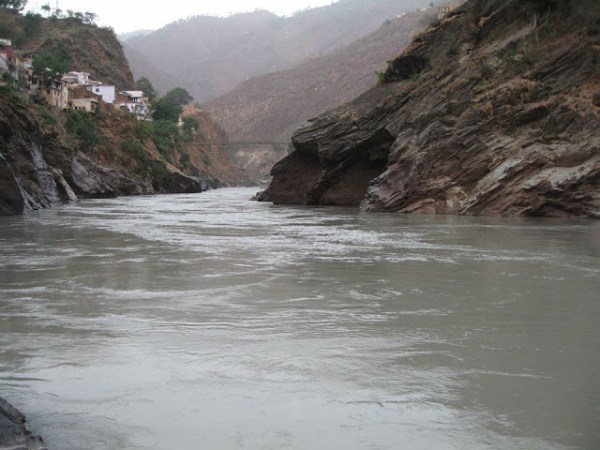
யாறு= நதி

நாடு = நாடு

நகர்= நகரம்

ஊர் துரகம்= ஊர்ந்து செல்லும் குதிரை

மதகரி= யானை

விரையாருமாலை = நறுமணம் வீசும் பூமாலை

முரசம் = முரசு

பதாகை = கொடி

மெய் ஆணை = அரச கட்டளை

என்னும் உரை ஆர்= என்று சொல்லப்பட்ட


தசாங்கத்தில் = பத்து உறுப்புகளில்

ஒவ்வொன்றை நாடி = ஒவ்வொன்றையும் ஆராய்ந்து

வகுத்தே = கூறியவற்றை

தரை ஆளும் மன்னர் முதலா= ஆட்சி செய்யும் மன்னர் முதலானோருக்கு

சாற்றுகவே= சொல்லுக

இந்த அமைப்பை பாரதியாரின் பாடல் ஒன்றிலும், மாணிக்க வாசகரின் திருவாசகப் பாடலொன்றிலும் காணலாம்;


பாரதியார் பாடிய பாரத தேவியின் திருத் தசாங்கம் என்னும் பாடலில் பாரததேவி மீது நாமம்/ பெயர், நாடு, நகர், ஆறு, மலை, ஊர்தி/வாஹனம், படை, முரசு, தார்/மாலை, கொடி என்ற வரிசையில் பாடியிருக்கிறார்.


திருவாசகத்தில் மாணிக்க வாசகர் திருத் தசாங்கம் என்ற பகுதியில் சிவபெருமான் மீது பாடிய பாடலில் தலைவனுடைய பெயர், நாடு, ஊர், ஆ,று, மலை, குதிரை, படை, பறை/முரசு, மலை, கொடி என்ற பத்துறுப்புக, ளையும் வைத்துப் பாடி இருக்கிறார். இது அவர் தில்லைச் சிதம்பரத்தில் பாடிய பாடல்.


பத்து உறுப்புகள் விஷயத்தில் சிறிது தளர்வு உண்டு. ஓரிரு அம்சங்களுக்குப் பதிலாக வேறு சில அம்சங்கள் இடம்பெறுவதும் உண்டு.


பூஜையில் தசாங்கம்


இந்துக்களின் வீடுகளிலும் கோவில்களிலும் நடைபெறும் பூஜைகளின் இறுதியில் தூப, தீபங்கள் காட்டப்படும் அதில் ஒரு மந்திரம், உனக்கு தசாங்கத்தைச் சமர்ப்பிக்கிறேன் என்று வரும்.


தசாங்கம் குக்குலோ பேதம் சுகந்தம் ச மநோஹரம்

தூபம் தாஸ்யாமி தேவேச க்ருஹான த்வம் கஜானன/ அல்லது அவரவர் இஷ்ட தேவதை வரும்.


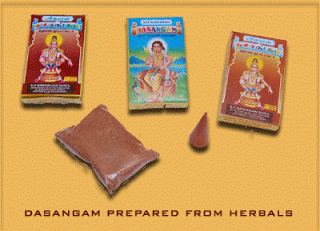
அந்த தசாங்கம் என்பது நறுமணத் தூள் ஆகும். அதை எரியும் அனலில் போட்டு, நறுமணப் புகை எழுப்புவர். அதை முகர்ந்தால் நோய்கள் அகலும்; மேலும் எங்கும் நறுமணம் பரவி  நல்ல சூழ்நிலை ஏற்படும்.


அந்த தசாங்கப் பவுடரில், சந்தனம், வெள்ளை அகில், குங்கிலியம், கோரைக் கிழங்கு, சாம்பிரானி, கார் அகில், மட்டிப்பால், தேவதாரு மரத்தூள் முதலிய பொருட்களின் பொடிகள் இருக்கும்.


–சுபம்–


Who invented Camouflage Technique? (Post No.3569)

Written by London swaminathan


Date: 23 January 2017


Time uploaded in London:- 10-37 am


Post No.3569


Pictures are taken from different sources; thanks.


contact: swami_48@yahoo.com


Hindus invented the Camouflage technique and taught the world. As keen observers of animals, they watched them  and used their camouflage wherever necessary. Colour changing chameleon and crocodile are part of their literature and proverbs.

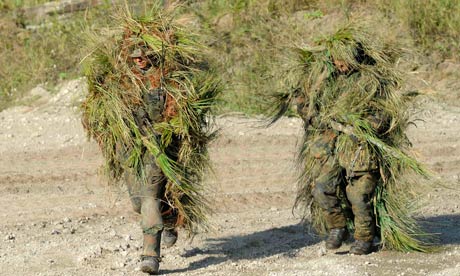
Camouflage means colours or structures that allow an animal or structures to blend with its surroundings to avoid detection by others. Camouflage can take the form of matching the background colours. It is widely used in military as a technique disguising either an equipment, troops or a position in order to conceal them from an enemy- Hutchinson Encyclopaedia


Aristotle (Born in 384 BCE) referred to it. But We have older references in our literature. The greatest poet of India Kalidasa (First or Second Century BCE) has referred to it in at least two places in his Raghuvamsa. Let us look at it :


ग्रथितमौलिरसौ वनमालया तरुपलाशसवर्णतनुच्छदः।
तुरगवल्गनचञ्चलकुण्डलो विरुरुचे रुरुचेष्टितभुमिषु॥ ९-५१

grathitamaulirasau vanamālayā tarupalāśasavarṇatanucchadaḥ |
turagavalganacañcalakuṇḍalo viruruce ruruceṣṭitabhumiṣu || 9-51

grathitamaulirasau vanamAlayA tarupalAshasavarNatanucChadaH |


9-51. vana-mAlayA grathita mauliH = with garden, creepers, intertwined, headgear; taru palAsha sa-varNa tanu cChadaH= trees, leaves, equalling, body, covered – hisbodycovered  with agarment  having the colour of theleavesof trees;  turaga valgana ca~ncala kuNDalaH= by horses, galloping, moving, eardrops – one who has such ear-ornaments;  asau= he that Dasharatha;  ruru-ceShTita-bhumiShu= black-striped antelopes, moving, in such places;  vi-ruruce = shone forth.

This King Dasharatha camouflaged with his headgear tied up with a string of wild flowers and leaves,his body covered with a garment having the colour of the leaves of trees, and while his earrings moving about by the galloping of his horse, shone forth on the hunting grounds frequented by the ruru antelopes. [9-51]

–sanscritdocuments.com
Though Kalidasa came after Aristotle, he said that Dasaratha adopted this technique and we knew for sure that Dasaratha lived thousands of years before Aristotle.


Kalidasa also spoke about Animal Camouflage in another place:


Like the crocodile merges with its surroundings and waits to attack its prey, Aja’s enemies gave him prizes merging with the happy atmosphere, but was waiting to attack him.

लिङ्गैर्मुदः संवृतविक्रियास्ते ह्रदाः प्रसन्ना इव गूढनक्राः।
वैदर्भमामन्त्र्य ययुस्तदीयाम् प्रत्यर्प्य पूजामुपदाछलेन॥ ७-३०

liṅgairmudaḥ saṁvṛtavikriyāste hradāḥ
prasannā iva gūḍhanakrāḥ |
vaidarbhamāmantrya yayustadīyām
pratyarpya pūjāmupadāchalena || 7-30

li~NgairmudaH sa.nvR^itavikriyaaste hradaaH
prasannaa iva guuDhanakraaH |
vaidarbhamaamantrya yayustadiiyaam
pratyarpya puujaamupadaaChalena || 7-30

7-30. mudaH li~NgaiH= smiles, [as an outward] mark – hence with pseudo smiles; sa.nvR^ita vikriyaaH= concealed, change of feeling – wrath; prasannaa= [outwardly] unruffled – lake; guuDha nakraaH= with hidden, alligators; hradaaH iva = lake, as with; [sthitA= those kings who are there]; te= those kings; vaidarbham aamantrya= from king of Vidarbha, taking leave; tadiiyaam puujaam= his – Bhoja’s, hospitality by presents and gifts etc; upadaaChalena= by return gifts; pratyarpya= by requiting; yayuH= went away.

As with a lake hiding alligators under its serene sheet of waters, those suitor-princes concealing their irritation with feigned expressions of joy, bade farewell to the Lord of Vidarbha and went away, but only after having requited the worth of honour done to them, in the pretext of wedding presents. [7-30]
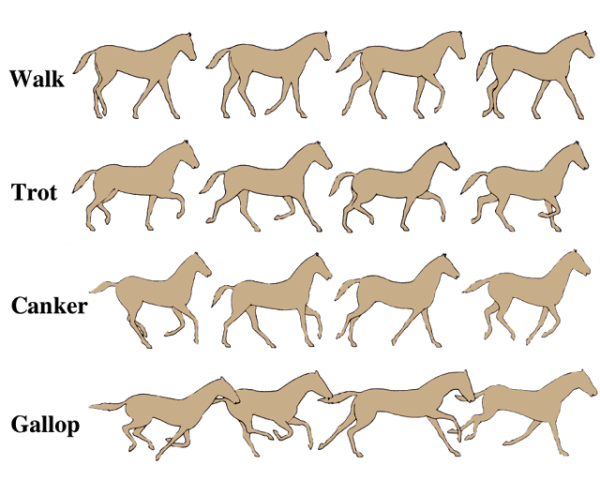
 

1cb16-horsegaits_med_hr

Gaits of Horses

In the first verse (quoted above) Kalidasa (Rv 9-51) used beautiful words to describe the gait of Dasaratha’s horse: Turaga Valgana Sanchala Kundala. Valgana is one of the five gaits of horse. Horse and cow are biggest contribution of Hindus to the civilization. Both figured in the Rig Veda, the oldest scripture in the world (dated between 6000 BCE and 1500 BCE). Latest discoveries show that horse and rhino originated in India illions of years ago. Hindus domesticated themand trained the entire world.Hindu Yakshas (Hyskos) took it to Egypt and from where It spread to other civilised parts of the world. Kikkuli’s training Horse training manual in Sanskrit was discovered in Turkey. It is dated 1300 BCE.


Following couplets show that Hindus were well advanced in the Horse training. The very word Horse came from Sanskrit Hrasva=Asva. Since Indian horse has different number of ribs, which is clearly mentioned in the Rig Veda, the Aryan migration was also thrown into dustbin by the latest research.
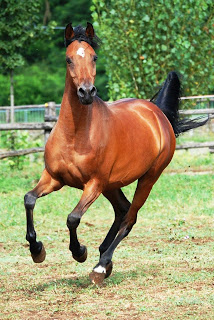
 

ed4ae-galloping_arabian_front_view_stock_by_folipoo-d4v84dz

Asvagati

Aaskanditam – Leaping

Dhoritakam – Trot

Recitam -Canter

Valgitam – Space

Plutam – Caper

asskanditam dhoritakam recitam valgitam plutam gatayo amuuh pancha dhaara  – Amarakosham 2-8-48


Asvakrama (Training of Horse)

Mandala – circular

Caturasra – square

Gomutra – cow urine shaped

Ardhacandra- Crescent shaped

Naagapaasa – Snake shaped


mandalam caturasranca gomutrancardhacandrakam

nagapasakramenaiva bramayet katapanchakam

-Vasishta Dhanurveda Samhita page 72
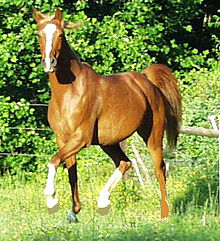
e95ca-220px-trot

Asva Types in Mahabharata

Saibya; Sugriiva, Meghapuspa, Balaahaka


vajibhih saibyasugrivameghapuspabalahakaih

snatah sampadayamasuh sampannaih sarvasampada- M.Bh.(Udyogaparva 4-21)


–Encyclopaedia of Numerals, Vol.1, Kuppuswami Sastri Research Institue, Chennai, 600004, Year 2011

–subham–