Four More Shrewdness Anecdotes (Post No.3092)

CORNELIA

Compiled by London Swaminathan


Date: 25  August 2016


Time uploaded in London: 17-07


Post No.3092


Pictures are taken from various sources; thanks for the pictures.


1.Autograph Sale!

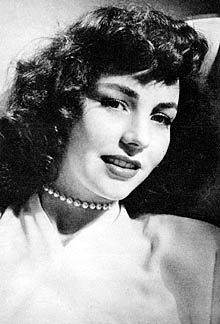
Cornelian Otis Skinner (American author and actress) declares that as a child she was so ugly that her mother used to weep.  “But I did have a genius for something even then”, she says.

I was good at trade and I made money from dad. He thought I was a good correspondent; I was; for every letter I wrote him, I received an answer. I cut the Cornelia from the address on the envelope containing his reply, and sold the Otis Skinner as my father’s autograph. Sometimes it brought a dime, sometimes a quarter”.


Xxx

2.Otto Kahn

Otto Kahn, the well-known financie , was one day driving through the East Side of New York when he saw a large sign reading,

“Samuel Kahn, cousin of Ottoman Kahn”

He immediately called up his lawyer, instructing him to have the sign changed, sparing no expense.  A few days later Kahn drove by the place again. The offending sign had been changed. It read, Samuel Kahn, formerly cousin of Otto Kahn.


Xxxx

(3)Thousand Dollars a Week!

When the films were in their infancy, David Freedman claimed to have arranged a splendid contract for Francis X Bushman by a well-conceived stratagem. Bushman had been playing in Chicago at 250 dollars a week. Freedman brought him to New York and met him at grand central to take him across the Broadway to the office of Metro. Freedman carried a sack of 2000 pennies. He stewed these along behind him in a thin trickle as they walked.


First children and then curious adults began to follow. By the time they had crossed 42nd street to Broadway and entered the office of Metro, a vast throng was surging in their wake. Looking out the window, the executive of Metro was easily induced to sign Bushman at a thousand dollars a week.


Xxx

4.Boy and the Blacksmith

A boy, generally known about the village as being not too bright was annoying the busy blacksmith. Hoping to scare him away, the blacksmith finally held a red hot piece of iron under the boys nose.

“If you give me half a dollar I will lick it” , said the simple looking youngster.

The smith held out the coin. Without a word the boy took the coin and licked it, dropped it in his pocket, and whistling softly walked away.


— Subham–
Strange Caste Customs in Cochin and Travancore (Post No. 3091)

IMG_5596

Compiled by London Swaminathan


Date: 25  August 2016


Time uploaded in London: 11-57 AM


Post No.3091


Pictures are taken from various sources; thanks for the pictures.


From the book

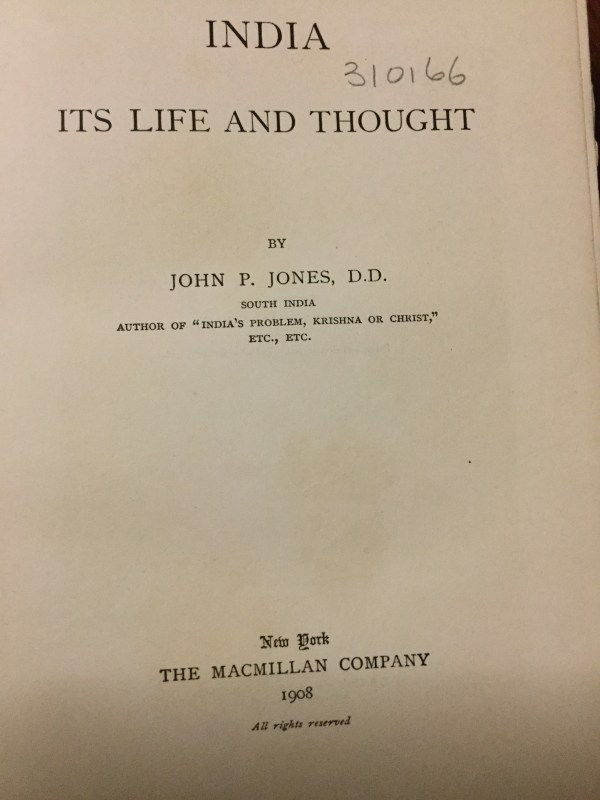
INDIA – ITS LIFE AND THOUGHT

By John P.Jones D.D.

The Macmillan Company, 1908


“The relation of the Maharajah of Travancore to his Prime Minister, who is a Brahman, is an interesting illustration. The Rajah is not a born Brahman; he is by many of his people regarded as a manufactured Brahman. But His Highness himself does not regard himself as equal to his Brahman Prime Minister; hence he will never be seated in his presence. Nor will the Brahman Dewan deign to sit in the presence of his royal master, the Maharajah. Hence all the business of the State (sometimes requiring conferences of three hours a day) is transacted by them while standing in each other’s presence.


Rajah of Cochin


The Rajah of Cochin, who lives temporarily near the writer, and who is evidently a sticker for caste observances, receives calls from European friends only before nine o’clock in the morning, for the obvious reason that is the hour of his daily ablution.


The Maharajah of Travancore bathes at 7 am daily; hence intending European guests find reception only before that early hour. In the state of Travancore, in which Brahmanical influence is great, even the high caste Nair cannot touch, though may approach a Nambudiri Brahmin. A member of the artisan casts will pollute his holiness 24 feet off; cultivators at 48 feet off; the beef eating Pariah at 64 feet. Like the Palestinian leper of old, the low caste man of that part of India was, until recently, expected to leave the road when he saw a Brahman come, and remove his polluting person to be required number of feet from his sacred presence.


Low caste witnesses were not allowed to approach a court of justice, but standing without, at the requisite distance, to yell their testimony to the Brahman judge who sat in uncontaminated purity within. The falling of the shadow of a low caste person upon any Brahman in India necessitates an ablution on the part of the latter.

IMG_5597

Hinduism Digests and Absorbs Everything!

Page 71

“In this extended pilgrimage, during which we have sought ancient and modern expressions of the many faiths which have dominated, or which now dominate, the people of this land, we have come to touch not only with those tolerant faiths which have found their origin here, or which have found refuge and popularity in this peninsula, – such as Hinduism, Demonolatry, Buddhism, Jainism, Zoroastrianism and Sikhism. We have also come into touch with the three most intolerant faiths of the world, — Christianity, Mohammedanism, and Judaism. There is no land where these religions have suffered less of opposition than in India. Indeed, it is not from persecution and opposition that they have stood in most danger, but from fraternal contact, growing appreciation, and ultimate absorption. The Hindu mind, like the Hindu faith, has a fatal facility for accepting, semi-assimilating, and finally absorbing, all of religious belief and conviction that may come into contact with it. And this never necessarily involves the abandoning of the old beliefs.”


–subham–


புத்தி கூர்மை: பலே! பலே! ரபலே!!! (Post No.3090)

gargantua-252683

Written by London Swaminathan


Date: 25  August 2016


Time uploaded in London: 8-06 AM


Post No.3090


Pictures are taken from various sources; thanks for the pictures.


பிரான்ஸ் நாட்டின் புகழ்பெற்ற எழுத்தாளர்களில் ஒருவர் பிரான்ஸ்வா ரபலே. அவர் சுமார் 500 ஆண்டுகளுக்கு முன் மறுமலர்ச்சி காலத்தில் வாழ்ந்தார். கிறிஸ்தவ மத போதகராகவும், அங்கத எழுத்தாளராகவும், நகைச்சுவை எழுத்தாளராகவும், கிரேக்க மொழி அறிஞராகவும் திகழ்ந்தவர். அவர் எழுதிய ‘கார்காங்டுவா’ என்ற நூல் பிரெஞ்சு அரசியலையும் வாழ்க்கை முறையையும் கிண்டல், கேலி செய்யும் புகழ்மிகு புத்தகம் ஆகும்.


ஒரு முறை அவர் தெற்கு பிரான்ஸில் ஓரிடத்தில் பணமே இல்லாமல் மாட்டிக்கொண்டார். தலைநகரான பாரீசுக்குத் திரும்பிவருவதற்கு அவர் கையில் தம்பிடிக் காசு (பைசா கூட) இல்லை.


அந்தக் கிராமத்திலுள்ள ஒரு சத்திரத்தில் ஒரு அறையை வாடகைக்கு எடுத்தார். அதை நடத்தும் பெண்மணியிடம் தான் முக்கிய விஷயங்களை எழுதவிருப்பதால் தனக்கு ஒரு எழுத்தர் தேவை என்றார்.

அப்பெண்ணும், அதற்கென்ன? என் மகன் கெட்டிக்காரன்; 12 வயது என்றாலும் அச்சுப்பொறித்தாற் போல எழுதிக் கொடுப்பான். அவனை சம்பளத்துக்கு வைத்துக் கொள்ளுங்கள் என்று அனுப்பிவைத்தார்.


பையனும் வந்தான். ரபலே பேசினார்: டே! பையா! மிக முக்கியமான ஒரு காரியத்தைச் செய்யப்போகி றேன். ஆகையால் கவனமாகக் கேட்டு எழுது என்று சொல்லி துவங்கினார்; முதலில் எழுது:


ராஜாவுக்கான விஷம்

இதையும் எழுது

மஹாராணிக்கான விஷம்

ஆர்லியன்ஸ் நகர பிரபுவுக்கான விஷம்


இதையெல்லாம் கொட்டை எழுத்தில் எழுது. ஏனென்றா ல் இவை எல்லாம் டப்பா மீது ஒட்டும் அடையாள வில்லை என்றார்.

Gargantua_GF

பையனுக்கு பயம்! இருந்தாலும் அச்சுப்பொறித்தாற் போல, மாக்கோலம் போல எழுதினான்.


இதற்கிடையில் ரபலேயோ ஒரு பெட்டியிலிருந்த சாம்பலைச் சுரண்டினார். அதைத் தன் மூக்குப்பொடி டப்பிக்குள் போட்டுக் குலுக்கினார். முகத்தை மிகவும் கடுமையாக வைத்துக் கொண்டு காகிதத்தில் போட்டார்.


இதைப் பார்த்த எழுத்தருக்கு — 12 வயது பாலகனுக்கு — மேல் மூச்சூ கீழ் மூச்சு வாங்கியது. அலறி புடைத்துக்கொண்டு மாடியிலிருந்து இறங்கி அம்மா, அம்மா! இவன் ஒரு கொலைகாரன்,  ராஜா ராணியை விஷம் வைத்துக் கொள்ள விஷம் தயாரித்துக் கொண்டிருக்கிறான் என்று எல்லாவற்றை யும் சொல்லி முடித்தான்.


உடனே அப்  பெண் போலீசுக்கு ஆள் அனுப்பினாள்; அவர்களும் விரைந்தோடி வந்து ஆளை க் கையும் களவுமாகப் பிடித்து,

யாரடா நீ, அயோக்கியா? என்றனர்.


பிரபல ரபலேயை அவர்களுக்குத் தெரியவில்லை. அவரும் பதில் சொல்லாமல் பேந்தப் பேந்த முழித்தார். ஆளை அலாக்காகத் தூக்கி ஒரே கட்டாக கட்டி வண்டியில் பாரீசுக்குக் கொண்டு சென்றனர். போலீசுக்கு மிகவும் பெருமிதம். பிரான்ஸு நாட்டின் ராஜத்  துரோகியைக் கண்டுபிடித்து  விட்டோ ம்; நமக்குப் பரிசு கிடைக்கும்; இவனுக்கு மரண தண்டனை கிடைக்கும் என்று கணக்குப் போட்டனர்.

rabelais 1

பாரீஸ் நகரத்துக்கு வந்து சேர்ந்தவுடன் அவசரமாக மன்னர் தலைமையில் நீதிமன்றம் கூடியது. மன்னருக்கோ ரபலேயைப் பார்த்தவுடன் அதிர்ச்சி! திகைப்பு! ரபலே நடந்தவற்றை அப்படியே விவரித்தார். மன் னரும் புன்சிரிப்புடன் ரபலேயை விடுவித்தார்.


வாயுள்ள பிள்ளை பிழைக்கும் ! கத்தியை விட பேனா வலிமை வாய்ந்தது அல்லவா!


தொல்காப்பியத்தில் கார்த்திகைத் திருவிழா (Post No.3089)

kartikai annamali

Written by London Swaminathan


Date: 24  August 2016


Time uploaded in London: 19-50


Post No.3089


Pictures are taken from various sources; thanks for the pictures.


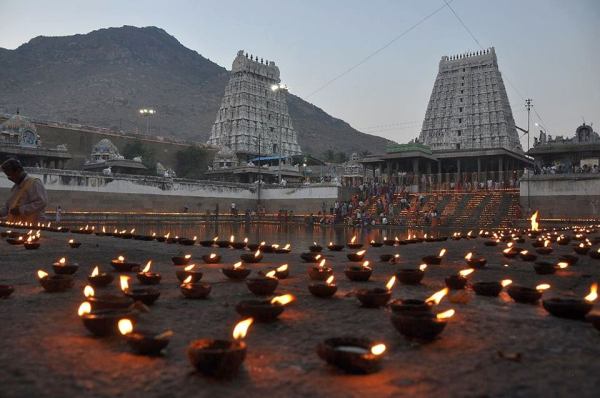
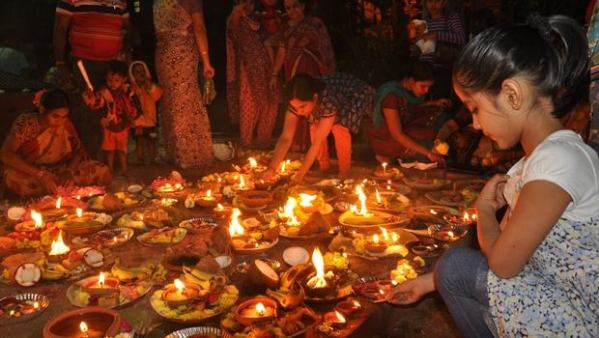
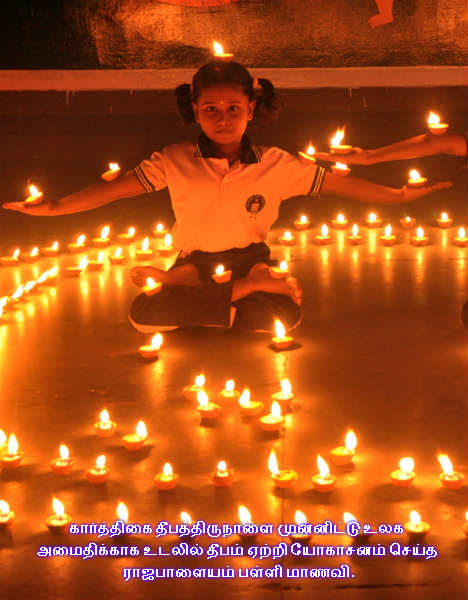
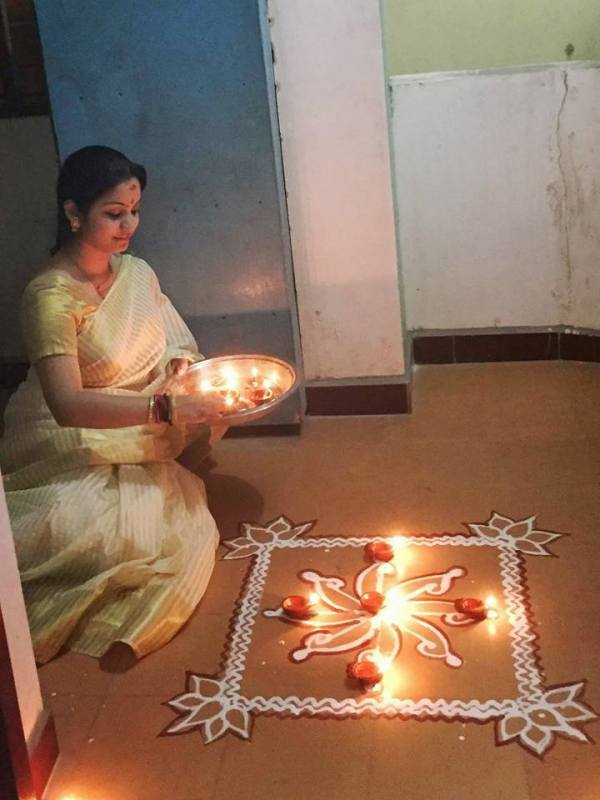
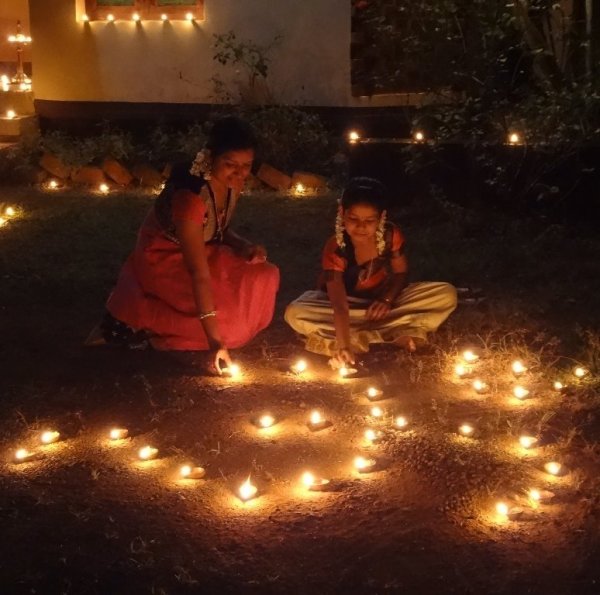
தமிழ்நாட்டில் ஆண்டுதோறும் கார்த்திகை பௌர்ணமி அன்று நடைபெறும் கார்த்திகைத் திருநாள் கண்கொள்ளாக் காட்சியாகும். மூன்று நாட்களுக்கு ஜாதி, இன வேறு பாடின்றி அனைவர் வீட்டு வாசலிலும் தண்ணீர் தெளித்து சுத்தப் படுத்தி, கோலமிட்டு, அகல் விளக்குகளை வரிசையாக ஏற்றி வைப்பர். கண்ணுக்கெட்டிய தூரம் வரை எங்கு பார்த்தாலும் ஒரே விளக்கொளிதான்!


கோவில்களிலும் இது போலவே ஆயிரக் கணக் கான விளக்குகள் ஒளிரும். இதற்காகவே அன்று இலுப்பை எண்ணை   கொண்டு விளக்கு ஏற்றுவர்.

அதைப் பார்த்தவுடன் தீப மங்கள ஜோதி நமோ நம: — என்னும் அருணகிரியின் திருவாக்கு நினைவுக்கு வரும் ( நாதவிந்துகலாதீ நமோ நம: என்ற திருப்புகழ் ).


திருவண்ணாமலையில் நடைபெறும் கார்த்திகை தீபம், பரணி தீபம் என்பன மிகவும் பிரசித்தமானவை. லட்சக் கணக்காணோரைக் கவர்ந்திழுக்கும் திருவிழாவாகும்.

karthikai deepam

தமிழ்நாட்டின் எல்லாக் கோவில்களிலும் சொக்கப்பனை கொளுத்துல் நிகழ்ச்சியும் அன்று இரவில் நடைபெறும். ஐப்பசி கார்த்திகை மாதங்களில் பயிர்களை அழிக்கும் வெட்டுக்கிளி முதலிய பூச்சிகள் பெருகி இருக்கும் என்பதால் இப்படிச் சொக்கப்பனை கொளுத்துவர். அதில் பூச்சிகள் விழுந்து இறந்துவிடும். வீடுகளிலும் பழைய பொருட்களை வெளியே போட்டு சொக்கப்பனை கொளுத்தும் வழக்கம் இருந்திருக்க வேண்டும்.


கார்த்திகை பற்றி சங்க இலக்கிய நூல்களில் இடம்பெற்ற குறிப்புகளைப் பலரும் அறிவர். ஆனால் தொல்காப்பியத்தில் இது பற்றிய குறிப்பு இருப்பது பலருக்கும் தெரிந்திராது.


தொல்காப்பியத்தில்


வேலி நோக்கிய விளக்கு நிலையும்–

தொல்.பொருள்.புறத்திணை இயல்-35


வேலி நோக்கிய விளக்கு நிலையும்– என்ற சூத்திர வரிகளுக்குப் பொருள் கூறுகையில் “கார்த்திகைத் திங்கள் கார்த்திகை நாளில் ஏற்றிய விளக்கு” என்று உச்சிமேற் புலவர்கொள் நச்சினார்க்கினியர் உரை வகுத்துள்ளார்.

kartik deep

தொல் காப்பியத்தில் வரும் இந்திரன், வருணன், அக்னி, துர்கை முதலிய குறிப்புகளுடன் இதையும் வைத்துப் பார்க்கையில் தொல்காப்பிய உரை சரியே என்று தெளிவுபெறலாம்.

அகநானூறு,  நற்றிணை போன்ற அகத்துறை நூல்களில் கூட  கார்த்திகை விழா பற்றிய குறிப்புகள் இருப்பது, இதன் புகழைக் காட்டும்.


தீபாவளிக்கு இப்பொழுது  எப்படி எல்லோரும் குடும்பத்தினரைப் பார்க்கப் போய்விடுகிறார்களோ, அது போல அந்தக் காலத்தில் கார்த்திகை திருவிழாவுக்கு எல்லோரும் சொந்த ஊருக்குப் போய்விடுவர்.


தொழில் விஷயமாக வெளியூர் என்ற கணவன், கார்த்திகை விழாவுக்கு வரட்டும் என்று மனைவி சொல்லும் பாடல் அகநானூற்றில் (141) இருக்கிறது


குறுமுயல் மறுநிறம் கிளர, மதி நிறைந்து

அறுமீன் சேரும் அகல் இருநடுநாள்

அறுகு விளக்குறுத்து, மாலை தூக்கி (அகம்.141)


இதே போல அகம்.185, 11, நற்றிணை 202 ஆகிய பாடல்களிலும் கார்த்திகை விழா சிறப்பிக்கப் படுகிறது.


சிலர் சிந்து சமவெளி நாகரீகத்தில் காணப்படும் ஆறு கோடுகள் எல்லாம் முருகனை வளர்த்த ஆறு கார்த்திகைப் பெண்கள் என்றும் நம்புவர்.


வேதத்திலும், குமார சம்பவம் முதலிய நூல்களிலும் கார்த்திகைப் பெண்களும், அவர்களைக் குறிக்கும் விண்மீன்களும் இடம் பெற்றிருகின்றன. ஆக வேத காலக் கார்த்திகை இன்று வரை வழிபடப் படுகிறது.


கார்த்திகை பௌர்ணமி அன்று இந்த ஆறு நட்சத்திரங்களும் நிலவுடன் நெருங்கி நிற்கும்.


வானவியல் கணக்குப்படி கார்த்திகை நட்சத்திரங்கள் ஏழு ஆகும். நாமும் அதை முருகன்+ ஆறு கார்த்திகைப் பெண்கள் என்று சொன்னாலும் தவறில்லை.

KARTIKAI DINDIGUL

முத்தொள்ளாயிரம் என்னும் நூலில்.

குடத்து விளக்கேபோல் கொம்பன்னார் காமம்

புறப்படா பூந்தார் வழுதி — புறப்படின்

ஆபுகும் மாலை அணிமலையில் தீயே போல்

நாடறி கௌவை தரும்


என்றும்

சீவக சிந்தாமணி ஆசிரியர் திருத்தக்க தேவர்


“குன்றிற் கார்த்திகை விளக்கீட்டென்ன”

என்றும்


பொய்கையார், கார் நாற்பதில்

“கார்த்திகைச் சாற்றிற் கழி விளக்கைப் போன்றனவே”

என்றும் கார்த்திகை தீபத்தைப் போற்றுவர்.


kartikai1

தொல்காப்பியம்  தொடர்பான எனது முந்தைய கட்டுரைகள்:—


தொல்காப்பிய அதிசயங்கள்- Part 2, 24-12-2014

தொல்காப்பிய அதிசயங்கள், 14-11-2014

தொல்காப்பியர் காலம் தவறு-1, 9 செப்டம்பர் 2012

தொல்காப்பியர் காலம் தவறு–பகுதி 2, தேதி-10 செப்டம்பர் 2012

பகுதி4-தொல்காப்பியர் காலம் தவறு, 13 செப்டம்பர் 2012

தொல்காப்பியர் காலம் தவறு–பகுதி3, 12 செப்டம்பர் 2012

தொல்காப்பியத்தில் துர்கை, அக்னி!, 31 மார்ச் 2014

தொல்காப்பியத்தில் எட்டுவகைத் திருமணங்கள்!!, 9 ஏப்ரல் 2015

தொல்காப்பியர் காலம் தவறு—பகுதி1, 2, 3, 4 (posted 9-9-12 முதல் 13-9-12 வரை)

தொல்காப்பியத்தில் இந்திரன் posted on 14 ஜூன் 2013

தொல்காப்பியத்தில் வருணன் posted on 8 ஜூலை 2013

மூன்று தமிழ் சங்கங்கள் கட்டுக்கதையா? (25-2-2012)

தமிழ், சம்ஸ்கிருத இலக்கியங்களில் மங்கலச் சொற்கள் (Post No.2826), 20-5-2016

தீபாவளிக் கட்டுரை: தீப மங்கள ஜோதீ நமோ நம! , 10 நவம்பர், 2015

kartikai, sai babu.jpg

No Brahmins ! No Tamil ! (posted on 12/1/2012)

Tolkappian- A Genius ( posted on 12/9/2012)

Indra in the Oldest Tamil Book

Varuna In the Oldest Tamil Book

Did TOLKAPPIYAR copy from Sanskrit Books?, 10-9-2012

WHO WAS TOLKAPPIYAR?,9-9-2012


–Subham–


Rabelais and Shrewdness Anecdotes (Post No.3088)

rabelais 1

Compiled by London Swaminathan


Date: 24  August 2016


Time uploaded in London: 18-33


Post No.3088


Pictures are taken from various sources; thanks for the pictures.


gargantua-252683

A sidewalk pitchman was disgusted by his failure to elicit any profitable response from the large crowd assembled around him.

“You pikers, he said in disgust, are too tight to offer me 50 cent for a dollar”.

“I will”, someone spoke up.

“All right, said the pitch man, handover the fifty cents.”

“I am not taking any chances. Take it out of the buck and hand me the change”.


Xxx


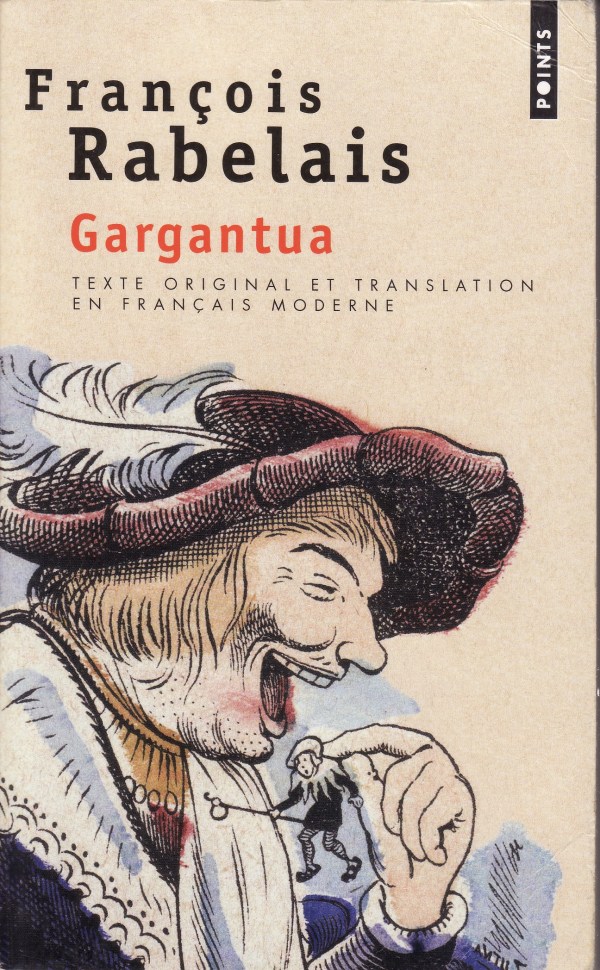
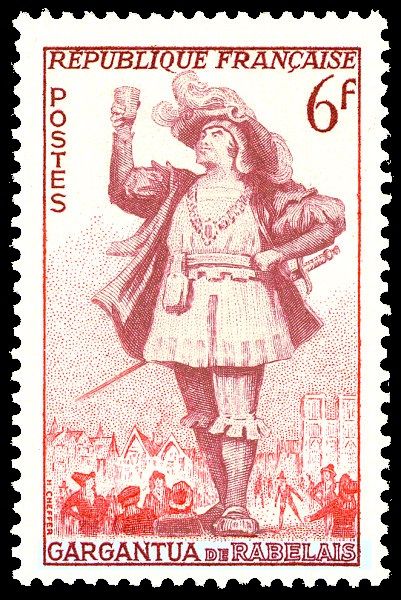
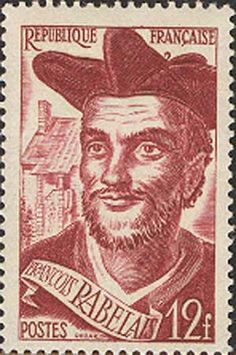
(Francois Rabelais (1494-1553) was a French writer. He wrote Gargantuan and Pantagruel, a hilarious classic of French literature and one of the greatest books ever written.  He was a Greek scholar and joined a monastery.)


Rabelais once found himself stranded in a village in southern France without a sou (a former French coin of low value) to get him back to Paris.  He took this means to obtain quick and easy passage to the French capital.


He engaged a room in the only tavern in the town and asked for a secretary to assist him in some writing. The mistress of the inn sent him her son, a sharp lad about twelve years old.


Rabelais said to his ‘secretary’, “My boy, we are about to undertake a very serious business here. I want you to sit down here and print these labels for me. Poison for the King, Poison for the queen, Poison for the Duke of Orleans etc While you are doing this I shall be preparing the poison.


While the terrified youngster was busy at his task of printing, RABELAIS Scrapped up the ashes from the grate, mixed them with the contents of his snuff box  and wrapped up the contents in several neat packages, on which he pasted his labels.

Gargantua_GF

He then dismissed his ‘secretary’ with a solemn warning and the boy at once rushed downstairs and breathlessly told his mother of the whole business. The woman summoned the gendarmes (French Police) who came to the inn and caught the dangerous guest with his damning evidence.  As the suspect could not give an account of himself he was bundled off to Paris. Hence he was brought to court and recognised by the King who heard his case and of course set him free.


–Subham–


எவரெஸ்ட் வெற்றியும் உயிர் தியாகங்களும்! (Post No.3087)

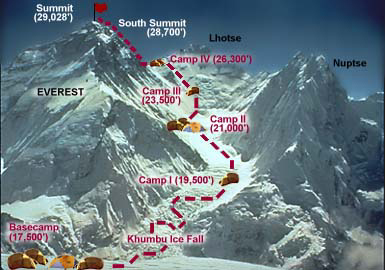
everestroutemap

Article Written S NAGARAJAN

Date: 24th  August 2016

Post No. 3087

Time uploaded in London :– 5-29 AM


(Thanks for the Pictures)


DON’T REBLOG IT AT LEAST FOR A WEEK! DON’T USE THE PICTURES; THEY ARE COPYRIGHTED BY SOMEONE.


(for old articles go to tamilandvedas.com OR swamiindology.blogspot.com)


பாக்யா 19-8-16 இதழில் அறிவியல் துளிகள் தொடரில் வெளியாகியுள்ள கட்டுரை


எவரெஸ்ட் வெற்றியும் உயிர் தியாகங்களும்!

ச.நாகராஜன்

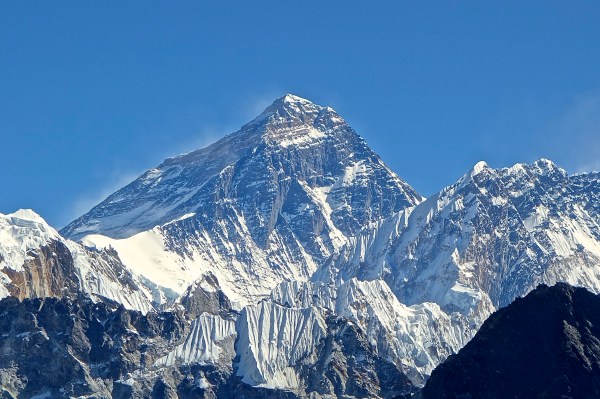
Mt._Everest_from_Gokyo_Ri_November_5,_2012

“மேலை நாட்டினரின் மலையேறும் நோக்கமும் நமது மலையேறும் நோக்கமும் முற்றிலும்  மாறுபட்டது” –ஜம்லிங் டென்சிங் (எவரெஸ்டை வெற்றி கொண்ட டென்சிங்கின் மகன்)


எவரெஸ்ட் சிகரத்தில் ஏறி வெற்றி கண்ட முதல் மனிதர் டென்சிங் நார்கே. (தோற்றம் 29-5-1914 மறைவு 9-5-1986) இருபதாம் நூற்றாண்டின் செல்வாக்குள்ள போற்றப்படும் நூறு பேர்களில் அவரையும் சேர்த்துக் கொண்டாடியது டைம் பத்திரிகை.

1953ஆம் ஆண்டு மே மாதம் 29ஆம் தேதி எவரெஸ்ட் சிகரத்தின் உச்சியில் சர் எட்மண்ட் ஹிலாரியுடன் அவர் ஏறினார்.


மேலை நாட்டினருக்கு  மலை ஏறுவது என்பது ஒரு விளையாட்டான பொழுது போக்கு. ஆனால் இந்தியா, திபத் மற்றும் நேபாளத்தில் உள்ள ஷெர்பாக்களுக்கோ அது ஒரு வழிபாடு போல. எவரெஸ்ட் அருகில் உள்ள இடத்தை அவர்கள் புனிதத் தாய் என்று போற்றி வழிபட்டு வருகின்றனர்.


எவரெஸ்ட் வெற்றியைப் பற்றி டென்சிங் கூறுகையில், “நான் முயன்றேன். ஏழு  முறை முயன்றேன். தாயின்  மீது தவழத் துடிக்கும் சேயைப் போல. முடிவாக அவள் வெற்றியை அருளினாள்” என்று கூறினார்.


எவரெஸ்ட் சிகரத்தில் ஏற முயன்று பலியானோர் எண்ணிலடங்காத பேர்கள்.


1996ஆம் ஆண்டு மே மாதம் 10 மற்றும் 11ஆம் தேதிகளில் பனிப்புயலில் சிக்கி எட்டு பேர் உயிரிழந்தனர். கோரமான விபத்து என்ற பெயரை இது பெற்றது. எவரெஸ்ட்  மீது ஏறுவதில் வருடா வருடம் பலர் உயிரிழப்பது வழக்கமாக ஆனது.


1924 ஆம் ஆண்டு ஜூன் மாதம் 4ஆம் தேதி பிரிட்டனைச் சேர்ந்த மலையேறும் வீரர்களான ஜார்ஜ் மல்லாரி மற்றும் ஆண்ட்ரூ இர்வின் ஆகியோர் எவரெஸ்ட் சிகரத்தின் மிக உயரத்தில் உள்ள முகாமிற்குச் சென்று தங்கினர்.


நான்கு நாட்கள் கழித்த பின்னர் அவர்கள் வடகிழக்கே சிகரத்தின் கீழ் செங்குத்தாக 800 அடிக்குக் கீழாக இருப்பதைக் கண்டதாக சிலர் பின்னர் கூறினர். ஆனால் அப்போது பிரம்மாண்டமான மேகக் கூட்டம் அவர்களை மூடியது.

பின்னர் அவர்கள்  இருவரையும் யாரும் காணவே இல்லை.

அவர்கள் என்ன ஆனார்கள்? புரியாத புதிராக இருந்தது.

அறிவியல் ஆய்வாளர்கள் அந்த இருவரும் 29029 அடி உயரத்தில் மலை உச்சியை அடைந்து கீழே இறங்கி வரும் போது ஜூன் 9ஆம் தேதி இறந்திருக்கலாம் என்று கருத்துத் தெரிவித்தனர்.


1933ஆம் ஆண்டு இர்வினின் ஐஸ் கோடரி 28907 அடியில் கண்டு பிடிக்கப்பட்டது. 1999ஆம் ஆண்டு மலாரியின்  உடலை எவரெஸ்டின் வடக்குப் பகுதியில் ஒரு மலையேறும் குழு கண்டது. சில நாட்களில் அதே பகுதியில் இன்னொரு உடல் கண்டுபிடிக்கப்பட்டது. அது இர்வினா என்ற சந்தேகமும் எழுந்தது.


ஆனால் அவர்கள் எவரெஸ்ட் உச்சியை அடைந்தனரா என்பதை யாராலும் உறுதி செய்ய முடியவில்லை.

எவரெஸ்டில் டென்சிங்கின் வெற்றியைக் கொண்டாட வெற்றி கண்ட 50ஆண்டு விழாவின் போது டென்சிங்கின் மூன்றாவது  மனைவிக்குப் பிறந்த டென்சிங்கின்  மகன், ஜம்லிங் டென்சிங் (Jamling Tenzing) எவரெஸ்ட் மீது ஏறினார். அவருக்குத் துணையாக சர் எட்மண்ட் ஹிலாரியின் மகனும் கூடச் சென்றார். தன்னை ஒரு நாளும் மலை ஏறுவதை தன் தந்தை ஊக்குவிக்கவில்லை என்று கூறிய ஜம்லிங், “ஆனால் அவன் ஒரு நாள் நிச்சயம் எவரெஸ்ட் மீது ஏறி விடுவான்” என்று மற்ற அனைவரிடமும் டென்சிங் தன்னைப் பற்றிக் கூறியதாகத் தெரிவித்தார்.


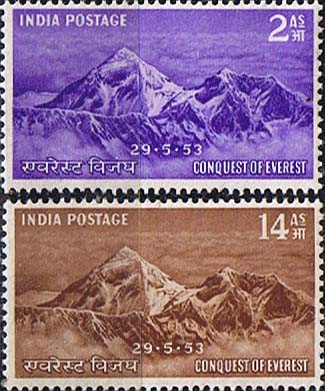
 india-1953-conquest-of-mount-everest-set-fine-mint-20096-p

டென்சிங் பற்றிய ‘எவரெஸ்ட்’ என்ற ஆங்கிலத் திரைப்படம் இமேஜ் மேக்ஸிமம் என்பதன் சுருக்கமான ஐமேக்ஸ் உத்தியில் 1998ஆம் ஆண்டு தயாரிக்கப்பட்டது. இதைத் தயாரிக்க ஜம்லிங் எவரெஸ்ட் பெரிதும் உதவினார். அவருக்கு 25000 டாலர்கள் தரப்பட்டது. ‘பணம் பெரிதல்ல, ஷெர்பாக்களைப் பற்றி உலக மக்கள் அறிய அது உதவியதே, அதைத் தான் பெரிதாக நினைக்கிறேன்’, என்று கூறி மகிழ்ந்தார் ஜம்லிங்.

45 நிமிடமே ஓடும் எவரெஸ்ட் படம் ஐமேக்ஸ் உத்தியில் தயாரிக்கப்பட்ட படங்களிலேயே அதிக வசூலை அள்ளிக் குவித்தது.


‘டச்சிங் மை ஃபாதர்ஸ் சோல்’ (Touching  my Father’s Soul) என்ற புத்தகத்தை அவர் எழுதி 2001 ஆம் ஆண்டில் வெளியிட்டார். புத்தகம் அமோகமாக விற்பனையைக் கண்டது, 18 மொழிகளில் மொழிபெயர்க்கப்பட்டது. ஜம்லிங் இப்போது மலையேறும் வீரர்களுக்கான பயிற்சியைத் தருவதற்கான ஒரு மையத்தை அமெரிக்காவில் நடத்தி வருகிறார்.

அத்துடன் உத்வேகம் ஊட்டும் சிறந்த மோடிவேஷனல் பேச்சாளராகவும் திகழ்கிறார்.


தந்தைக்கு ஏற்ற பிள்ளை என்று உலகம் அவரை பாராட்டுகிறது.


புனிதமான அன்னை எனக்கு வெற்றியை அருளினாள் என்று ஜம்லிங்கும் இமய மாதாவைத் தொழுது போற்றி வணங்குகிறார்!


rod2

அறிவியல் அறிஞர் வாழ்வில் .. ,,


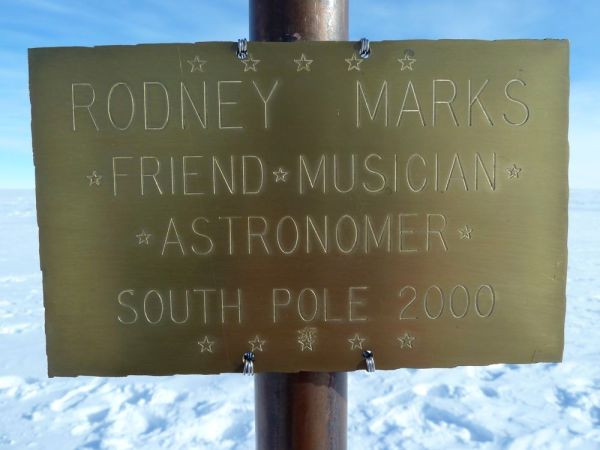
தென் துருவத்தில், அண்டார்டிகா குளிர் என்பது பயங்கரமான குளிர்! வான்பௌதிக இயலாளரான ரோட்னி  மார்க்ஸ் (astro physicist – Rodney Marks) என்பவர் ஆஸ்திரேலியாவைச் சேர்ந்தவர். அண்டார்டிகாவில் உள்ள அமெரிக்க ஆய்வு மையமான அமுண்ட்ஸென் ஸ்காட் நிலையத்தில் தென் துருவ ஆய்வுப் பணிக்காகச் சென்றார்.


2000ஆம் ஆண்டு மே மாதம் 12ஆம் தேதியன்று திடீரென்று அவர் மரணமடைந்தார். யாருக்கும் ஒன்றும் புரியவில்லை.


குளிரோ கடும் குளிர். விமானம் பறப்பது என்பது எளிதான காரியமல்ல.ஆகவே அவரது உடல் வசந்த காலம் வரும் வரை அங்கேயே பாதுகாப்பாக வைக்கப்பட்டு பின்னர் நியூஜிலாந்திற்கு பருவநிலை சீரடைந்த பிறகு கொண்டு வரப்பட்டது. பிரேத பரிசோதனையில் அவர் மெதனால் விஷத்தால் மரணமடைந்திருப்பது கண்டுபிடிக்கப்பட்டது.


 உடனடியாக தீவிர விசாரணை மேற்கொள்ளப்பட்டது. அந்த நிலையத்தில் இருந்த 49 பேரிடம் நியூஜிலாந்து போலீஸ் விசாரணையை மேற்கொண்டது. அவர் நிச்சயம் தற்கொலையும் செய்து கொள்ளவில்லை, யாரும் அவருக்கு மெதனால் கொடுக்கவும் இல்லை என்றும் கண்டுபிடிக்கப்பட்டது. அவர் தனக்குத் தெரியாமலேயே தற்செயலாக மெதனாலை சாப்பிட்டிருக்கலாம் என்று  முடிவு செய்யப்பட்டது. 2008ஆம் ஆண்டு மீண்டும் ஒரு அறிவியல் ஆய்வை பிரேத பரிசோதனை நிபுணர் ஒருவர் மேற்கொண்டு முந்தைய முடிவை உறுதி செய்தார்.

 rodney marks


அறிவியல் அறிஞர் ஒருவரின் முடிவு தென் துருவத்தின் முதல் கொலை கேஸாக அமைந்து பிரபலமானது.

********************


List of Tamil Kings who performed Yagas and Yajnas -Post No. 3086

IMG_5587

Compiled by London Swaminathan


Date: 23  August 2016


Time uploaded in London: 20-59


Post No.3086


Pictures are taken from various sources; thanks for the pictures.


(Posted already the Tamil Version of this article)


Sangam Age Tamil kings were ardent Hindus who followed all the rituals prescribed in the scriptures. Thanks to the poets who sang the praise of Tamil kings we come to know the views prevailed 2000 years ago in Tamil Nadu. Aswamedha Yagam, Rajasuya Yanjam and Soma Yagam were performed during the Sangam Age by the Tamil Kings. Apart from the poems , copper plates from Sinnamanur, Dalavaipuram and Velvikkudi provide us lot of details.


Dr R Nagasamy, former Diretor of Archeaology, Tamil nadu Government and Former Vice Chancellor of Kancheepuram niversity has listed the Vedic rituals and Yajnas performed by the tamil Kings 2000 years ago. Kanchi Paramacharya has pointed out in one of his lectures that they have special words for many of the Vedic terms. This shows that the Tamils knew all thse things well before i1st century BCE.

IMG_5588

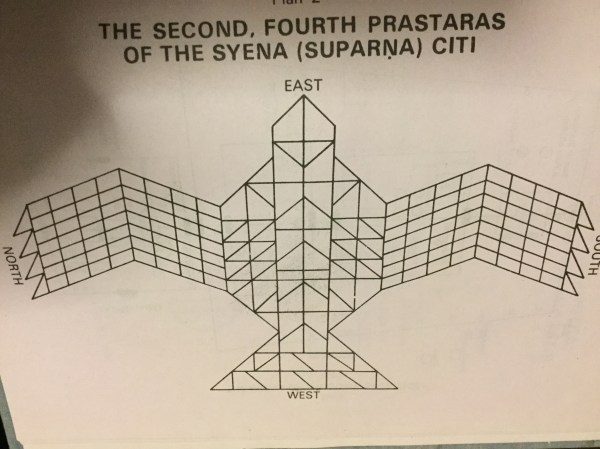
Falcon/eagle shaped Vedic altar ; Choza King Karikalan did construct like this.


Words for Brahmins, Vedas, Dhanam, Yaga are alsready in Tamil in hundreds of verses. Kings also weighed themselves equal to gold or other things (Tula Bharam); they did Go Sahasram, Bahu swarnam etc.


Now let me give what Dr R Nagasamy, eminent historian and archaeologist say about the Yagas and Yagnas ( I am attempting a rough translation in English of his write up in Tamil):


“Kings did two types of sacrifices, one in the field of Dharma and the other in in the battle field. The ceremonial sacrifice in the battle field was done with the head of the enemy as oven, blood as boiling water for the cooking and the hands of the slained enemy as fuels sticks. Neduncheziayan who won the battle of Talai alangaanam did this according to Mankuti Kizaar and mankuti marudanaar.

rudra-baba

Sathya Sai Baba who performed Athi Rudra  Maha Yajna

The other sacrifice done to propitiate the gods is done according to the scriptures. Same Nedunchezian did the fire sacrifice for the gods according to Mankuti Kizar (Puram.29)

Another Pandya Mudukudumi Peruvazuthi had the epithet ‘he who had done many yagas’ (Puram.15).


Karikal Peruvalathan did a yaga in the fire altar constructed in the shape of an eagle or falcon. He constructed the Yupa pillar as well. All his wives stood by his side (puram.224)


Perunarkilli who came in the same line of Karikala did Rajasuyam and he was called Perunarkilli who had done Rajasuyam.


Chera 9Kerala) kings also did not lag behind in performing Vedic yajnas.

Palyanai Selkezukuttuvan did ten sacrifices for Gauthaman (pathitrupathu).


Peruncheral Irumporai found out all the rules for observing the fast and finished the Yaga according to scriptures.


swathi homam, narasimhar, injimedu

picture  that looks like Narasimha.

Ilancheral Irumporai did Vedic yagas.


Seran Senguttuvan constructed the thatched shed for Vedic rituals in the coolest part of the capital city Vanji.


Forefathers of Athiyaman Anji, a chieftain, did fire sacrifices accordinto verses in the Sangam books. Velirs are supposed to have originated from the fire altar.

Among the later Pandyas, Arikesari Maravarman did the rituals off Hiranyagarbam, Tuabharam, Bahusuvarnam. Thermaran did these and Gosahasram as well.


Maravarman Rajasimhan alsodid the same according to inscriptions.

radha krishna in jwala

Picture of Radha, Krishna in fire.

Pallava kings did fire sacrifices according to scripture. Sivaskanda varman did Agnistomam, Asvamedham, Vajapeyam. Kumara Vishnu did Asvamedham.


All the Pallava Kings did Somayaga. There was noeception.

Among the later Choza kings, Parantakan and and Rajaraja did Tulabharam (weighing themselves against gold or grains or some valuables.)


Rajathi raja I did Asvamedha yagam according to his epigraphs. Later Vijyanagara Kings also followed suit”.


Source Book:–

Yaavarum Kelir (Tamil) by Dr R Nagasamy, Vasagar Vattam Publication, Chennai -17, year 1973

IMG_5585

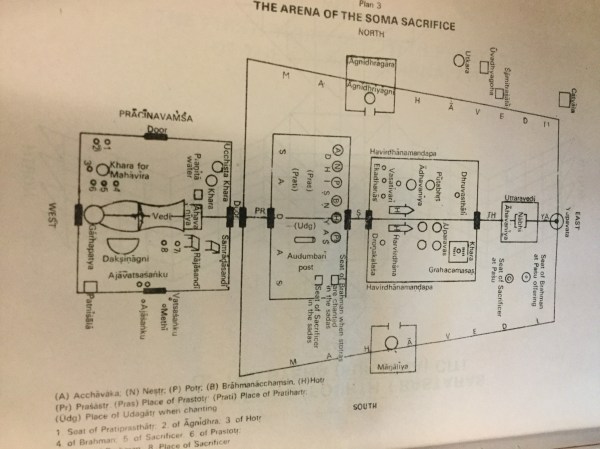
Spoons and ladles used in the fire cerwemonies

–Subham–


தமிழ் மன்னர்கள் செய்த யாகங்கள்! (Post No.3085)

radha krishna in jwala

Radha and Krishna appear in Yaga Fire

Compiled by London Swaminathan


Date: 23  August 2016


Time uploaded in London: 13-48


Post No.3085


Pictures are taken from various sources; thanks for the pictures.


பாரதீய கலாசாரம், இமயம் முதல் குமரி வரை ஒன்றுதான் என்பதற்கு சங்கத் தமிழ் இலக்கியமும், பிற்கால இலக்கியங்களும், கல்வெட்டுகளும் பட்டயங்களும் சான்று பகர்கின்றன.


தமிழ் மன்னர்கள் செய்த யாக யக்ஞங்கள் பற்றி இரண்டு கட்டுரைகளில் சொன்னேன். ஒன்று கரிகால் சோழனின் பருந்து வடிவ யாக குண்டம் பற்ற்றியது. மற்றொன்று சோழன் பெருநற்கிள்ளியின் ராஜசூய யக்ஞம் பற்றியது.


காஞ்சிப் பல்கலைக்கழகத்தின் முன்னாள் துணை வேந்தரும், தமிழ்நாடு தொல்பொருட் துறையின் முன்னாள் டைரக்டருமான டாக்டர் இரா. நாகசாமி எழுதிய ஒரு நூலில் தமிழ்நாட்டு வேந்தர்கள் செய்த யாக யக்ஞங்களைப் பட்டியலிட்டுள்ளார்.

எத்தனை மன்னர்கள் யாகம் அல்லது வேள்விகளில் நம்பிக்கை வைத்து , ஆர்வத்தோடு அவைகளைச் செய்தார்கள் என்பதைப் பட்டியலைப் படித்தால் புரியும்.


நூலின் பெயர்:- யாவரும் கேளிர்

ஆசிரியர் – இரா.நாகசாமி

வாசகர் வட்டம், சென்னை-17

1973

swathi homam, narasimhar, injimedu

Narasimha appear in Swathi Homam


“அரசர்கள் இருவகை வேள்வி வேட்டனர். அறக்கள வேள்வி என்றும் மறக்கள வேள்வி என்றும் அவை அழைக்கப்பட்டன. போரில் வெற்றி கண்ட காலத்து துணித்த மாற்றானின் தலையை அடுப்பாக அமைத்து, குருதியை உலையகவும், துண்டிக்கப்பட்ட கரத்தை துடுப்பாகவும் கொண்டு போர்க்களத்தில் வேள்வி செய்வது ஒரு மரபு. இதையே மறக்கள வேள்வி என்பர். பாண்டியன் தலையங்கானத்துச் செருவென்ற நெடுஞ்செழியன் களவேள்வி வேட்டான் என்று மாங்குடிக்கிழார் கூறுவார். இதே நிகழ்ச்சியை மதுரைக் காஞ்சியில்  மாங்குடி மருதனாரும் கூறியுள்ளார்.


தேவர்களை வேண்டி தீயில் வேட்பது அறக்கள வேள்வி.

நான்மறையாளரைச் சுற்றமாகக் கொண்டு, அடிபணிந்த அர்சர் ஏவல் செய்ய, தலையங்கானத்துச் செருவென்ற பாண்டியன் நெடுஞ்செழியன் அறக்கள வேள்வி செய்தான் என மாங்குடிக்கிழார் கூறுவார் (புறம்.29)


பாண்டியன் முதுகுடுமிப் பெருவழுதி பல யாகங்களைச் செய்ததால் பல்யாகசாலை முதுகுடுமிப் பெருவழுதி எனப்பெயர் பெற்றான் (புறம்.15)


இதுபோன்று சங்ககாலப் பேரரசர்கள் அனைவரும் வேள்வி வேட்டனர். கரிகால் பெருவலத்தான் பருந்து வடிவில் செய்யப்பட்ட வேள்விக் குண்டத்தில் யூபத்தை நாட்டி வேத வேள்வித் தொழிலாகிய யாகத்தை முடித்தான். அப்போது குற்றமற்ற அவாது குலமகளிர்கள் அவனருகே நின்றனர் (புறம்.224)


தூவியற் கொள்கை துகளறு மகலிரொடு

பருதியுருவிற் பல்படைப் புரிசை

எருவை நுகர்ச்சி யூப நெடுந்தூண்

வேத வேள்வித் தொழில் முடித்த தூஉம் (புறம்.224)


இவனது குலத்தில் வந்த பெருநற்கிள்ளி, இராஜசூயம் என்னும் அரசர்க்குரிய சிறந்த வேள்வி வேட்டு, இராஜசூயம் வேட்ட பெருநற்கிள்ளி எனப் பெயர் பெற்றான்.

பல சேர மன்னர்கள் வேள்வி வேட்டனர்

charles-yaga

Prince Charles in Rishikesh

பல்யானை செல்கெழுகுட்டுவன் கௌதமனாருக்காக பார்ப்பாரில் பெரியோரைக் கேட்டு பத்து பெருவேள்வி வேட்பித்தான். (பதிற்றுப்பத்து, பதிகம் 3)


பெருஞ்சேரல் இரும்பொறை வேள்விக்குரிய விதிகளைக் கேட்டு வேள்வி வேட்பதற்கு முன், தான் இருக்க விரதங்களை முறைப்படி முடித்து வேள்வி முடித்தான். (பதிற்றுப்பத்து, பதிகம் 74-1-20


இளஞ்சேரல் இரும்பொறை முறைப்படி சாந்தி வேட்டான். சேரமான் செங்குட்டுவன் வஞ்சிமாநகரின் குளிர்ந்த பொழில்கள் சூழ்ந்த இடத்தில் வேள்விச்சாலை அமைத்தான். வேள்விமாக்களை கேட்டு  உரிய முறையில் ராஜசூயம் வேட்டான. அதை ஒட்டி சிறையிருந்த எல்லாக் கைதிகளையும் விடுதலை செய்தான். வந்திருந்த மன்னருக்கேற்ப வரிசை முடித்தான்


பேரிசை வஞ்சிமூதூர்ப்புறத்து தாழ்நீர் வேலி தண் மலர்ப்பூம் பொழில் வேள்விக்கான மாளிகை கட்டி நன் பெரு வேள்வி முடித்த பின் — என சிலம்பு (28–196-199) கூறுகிறது.

அதியமான் நெடுமான் அஞ்சியின் முன்னோர்கள் “அமரர் பேணியும் ஆவுதி அருத்தியும்” சிறப்பெய்தினர் (புறம்.99) வேளிர்கள் வேள்விக் குண்டத்தில் தோன்றியவர் என்ற வரலாறு உண்டு. சங்க காலத்தில் அரசர் வேள்வி வேட்டலை மிகச் சிறப்பாகக் கருதினர்.

rudra-baba

Sathya Sai baba in Adhi Rudra Yaga

சங்க காலத்திற்குப்பின் வந்த பல்லவரும் பாண்டியரும் வேள்வியில் ஈடுபாடு நிறைந்து விளங்கினர். ஒரு பாண்டிய மன்னன் காலையிலும் மாலையிலும் அக்னியில் ஹோமம் செய்தான் என்று தளவாய்புரம் செப்பேடு கூறுகிறது.


பாண்டியர்களில் அரிகேசரி மாறவர்மன் ஹிரண்யகருப்பம், துலாபாரம், பகு சுவர்ணம் என்பவற்றைச் செய்தான்


தேர்மாறன் என்னும் பாண்டியனும் எண்ணிறைந்த கோசஹஸ்ரமும், ஹிரண்யகருப்பமும், துலாபாரமும்,  செய்தான் என்று வேள்விக்குடி செப்பேடுகள் குறிக்கின்றன.

மாறவர்மன் இராஜசிம்மன் துலாபாரம் செய்தான் என்றும் சின்னமனூர் செப்பேடு கூறுகிறது.


பல்லவர்கள் முறைப்படி பல வேள்விகளை வேட்டவர்கள் என்று அவர்களது கல்வெட்டுகள் கூறுகின்றன. சிவ ஸ்கந்தவர்மன் என்பான் அக்னிஷ்டோமம், அச்வமேதம், வாஜபேயம் ஆகிய வேள்விகளை வேட்டான்.


குமார விஷ்ணு அச்வமேத யாகம் செய்தான். சோமயாகம்

செய்யாதவரே பல்லவ குலத்தில் கிடையாது என ஒரு செப்பேடு குறிக்கிறது. அவர்கள் பல வேள்விகளை வேட்டதால்  பிரும்மண்யம் நிறைந்தவராய் இருந்தனர். அதனால் பரம பிரும்மண்யர் என்று அழைக்கப்பட்டனர்.


சோழர்களில் முதல் ராஜாதி ராஜன் அச்வமேத யாகம் செய்தான் என அவன் கல்வெட்டுகள் கூறுகின்றன. விஜயாலயன் வழிவந்தவர்களில் இராஜாதி ராஜன் ஒருவனே அச்வமேத யாகம் செய்தவன்”.


–சுபம்–


Tamil King’s Rajasuya Yagna! (Post No.3084)

IMG_5583

Research Article written by London Swaminathan


Date: 23  August 2016


Time uploaded in London: 6-35 AM


Post No.3084


Pictures are taken from various sources; thanks for the pictures.


(Tamil version of this article is posted yesterday)

Dharma’s Rajasuya Yagna in the Mahabharata, the longest epic in the world, is well known. But very few people knew about the great Rajasuya Yagna performed by a Choza king 2000 years ago. Four Sangam Tamil Poets sang in praise of the great King Peru Nar Killi.

Pandarang Kannan (Krishna), Vadama vannakkan Perunchaththan (Maha Sastha),Avvaiyaar and Lochana (Ulochanar). Their verses are in the oldest part of Sangam Literature in Puranaanuru verses 16, 125, 367, 377.

(A Yagna is a fire ceremony in which Soma juice, melted butter (ghee) and certain types of wood were placed in the fire as offerings to Vedic Gods).


Tamil Kings always fought among themselves. Tamil poets tried to calm them down, but yet the wars continued. So when Tamil poetess Avvaiyar saw three great Tamil Kings of three Kingdoms at one place she was very happy. Chera King Maari Venko and Pandyan King Ugra Peruvazuthi attended and approved the Rajasuyam conducted by Choza Perunar Killi. She wished them a long life – as many  years as the number of rain drops or the number of stars in the sky.


Ancient Tamil Nadu had three Kingdoms Chera (Kerala), Choza (East coast and Rice bowl areas) and the Pandya (Southern Tamil Nadu) kingdoms. Lot of chieftains and local leaders were under them.


Mahabharata has a very detailed description of the Rajasuya Yajna performed by the eldest of the Five Pandavas- Dharma alias Yudhistra. But Tamil verses give only the minimum details.


We came to know from Avaiyar’s verse (Puranaanuru 367) that Brahmins were given gold coins on that occasion as Dhanam (fees and donation). Avvaiyar says, “Whatever good you do in this birth only will help you like a boat ( to cross to the next world).

IMG_5584

Interesting Facts about Rajasuya:-

The fees for the Rajasuya was amazing number of cows! This is recommended by the scriptures. No one would know how many were actually given.


32,000 cows for each of the four principal priests.

16,000 cows each for the second line priests.

8000 cows for the third liners and 4000 each for others.

I guess Brahmins would have received gold instead of cows, because maintaining them would have been a big problem.

What is Rajasuya?

Rajasuya means birth of a king (generate a king). Actually this is a rite of royal consecration. All the minor kingdoms would approve him as the chief. It was performed only by the Kshatriyas – the ruling caste.

The time required for Rajasuya was two years. The king had to undergo lot of rituals and fasting during this period. There were many smaller Yagnas (fire ceremonies) involving Soma plant and Ghee (melted butter).


Rajasuya consisted of several events:

Soma rite (performed with a mysterious plant from the Himalayas. Please read my article on the Soma plant for more details).

Abhiseka (pouring or bathing the king with holy waters accompanied by Mantra)

Chariot Race

Seizing the cows and releasing the cows (Ancient Hindu kings will raid the cows in the nearby country first. This means “Let us fight”. This was practised by all the rulers from Kanyakumari to Kashmir). In the Rajasuya it was done only symbolically.

King ascending the throne.

Followed by ritual dice play

Reciting of Sunashepa (Dog’s tail) story

Avabhrta snana (bathing)

King observing certain vows for a year.

One more concluding fire ceremony (Atiratra Type)

Stepping on the tiger skin


The details of this Yagna is found in Srauta Sutras of Asvalayana, Latyayana, Katyayana and Apastambha.


In Rajasuya the king is praised as the protector of the Brahmins, sacker of the cities (in war).

IMG_5585

Spoons and laddles used in Vedic Rituals


Vedic Index by Macdonell and Keith gives the following information:

“Raja-suya is the name in the Atharva veda and later literature of the ceremony of the royal consecration. The rite is described in great length in the Sutras, but its main features are clearly outlined in the Brahmanas, while the verses used in the ceremony are preserved in the Yajurveda.


Besides priestly elaboration, the ritual contains popular ceremonial. For example, the king is clothed in the ceremonial garments of his rank and provided with bow and arrow as emblems of sovereignty.  He performs a mimic cow raid or engages in a sham fight with a royal. In a game of dice, he symbolically ascends the quarters of the sky as an indication of his universal rule; and steps on a tiger skin, thus gaining the strength and the pre-eminence of the tiger.

My Comments: –

Tiger is found in the Indus Valley seals. The number of cows as sacrificial fees corresponds with the Indus valley weights (in proportion). The dices are found in the Indus valley too. All these point towards a Vedic Culture in the Indus/Sarasvati valley Civilization.

-subham-


சோழ மன்னன் செய்த ராஜசூய யக்ஞம் (Post No.3083)

IMG_5583

Research Article written by London Swaminathan


Date: 22  August 2016


Time uploaded in London:  21-18


Post No.3083


Pictures are taken from various sources; thanks for the pictures.


சோழ மன்னன் பெருநற்கிள்ளி ராஜசூய யக்ஞம் என்ற பெரிய வேள்வியைச் செய்ததை புறநானூறு மூலம் நாம் அறிகிறோம் அவனைக் குறித்து நான்கு பாடல்கள் 16, 125, 367, 377) உள்ளன. அவற்றை முறையே பாண்டரங் கண்ணனார், வடம வண்ணக்கன் பெருஞ்சாத்தனார், ஔவையார், உலோச்சனார் ஆகியோர் பாடினர்.


இராஜசூய வேள்விக்கு சேரமான் மாரி வெண்கோவும், பாண்டியன் கானப்பேர் தந்த உக்கிரப் பெருவழுதியும் வந்திருந்தனர். அவர்கள் மூவரும் ஒருங்கே உட்கார்ந்திருந்ததைப் பார்த்த ஔவையாருக்கு பெரிய மகிழ்ச்சி. நீங்கள் வானத்தில் தோன்றும் நட்சத்திரங்களைவிட, மழைத் துளிகளைவிட அதிக நாட்கள் வாழுங்கள் என்று வாழ்த்துகிறார்.

IMG_5584

ராஜசூய யக்ஞம் என்றால் என்ன?

இது குறித்து லாத்யாயன ஸ்ரௌதசூத்ரம் சொல்கிறது. அரசர்கள் ஜாதியான க்ஷத்ரியர்கள் மட்டுமே இதைச் செய்யலாம். ராஜ சூய என்றால் அரசனை ‘உற்பத்தி செய்தல்’, ‘கடைந்தெடுத்தல்’ என்று பொருள். அதாவது ஒரு மாமன்னனை உருவாக்குதல்.


இந்த வேள்வியைச் செய்த, பெருநற்கிள்ளி தன்னுடைய பெயருக்கு முன்பாக ராஜசூயம் வேட்ட பெருநற்கிள்ளி என்று பட்டம் வைத்துக் கொண்டதிலிருந்தே இதன் பெருமையும் மகிமையும் விளங்கும்.


இதைச் செய்து முடிக்க இரண்டு ஆண்டுகள் தேவை!

பங்குனி மாத சுக்லபட்ச முதல்நாளில்  தீட்சை எடுத்துக்கொள்வர்.

முதலில் சோமரசம் தொடர்பான சடங்குகள் ஐந்து நாட்களுக்கு நடக்கும். பின்னர் ஓராண்டுக்கு சிறிய யாகங்கள் நடக்கும்.


அதன் பிறகு 12 நாட்களுக்கு நீடிக்கும் சடங்குகள் நடைபெறும்.


அரசனுக்கு அபிஷேகம் செய்து முடிசூட்டுதலே முக்கியமான — முத்தாய்ப்பான — நிகழ்ச்சி. பல புண்ய நதிகளிலிருந்து கொண்டுவரப்பட்ட நீரை மந்திரம் சொல்லி அரசனின் தலையில் ஊற்றுவர் பிராமணர்கள். அபோழுது பிராமணர்களுக்கு நிறைய தானங்கள் வழங்கப்படும்


இதை ஔவையார் பாராட்டுகிறார்:-

வாழச் செய்த நல்வினை அல்லது

ஆழுங்காலைப் புணை பிறிது இல்லை — என்பார்.


ஒருவர் செய்த நல்வினைதான் அவர் இறந்த பின்னர் அவருக்கு துணையாக வரும் – என்பதே இதன் பொருள்.


ஆகையால் பிராமணர்களுக்கு கைநிறைய தங்கக் காசுகள கொடு என்கிறரர்.


ஏற்ற பார்ப்பர்க்கு ஈர்ங்கை நிறையப்

பூவும் பொன்னும் புனல்படச் சொரிந்து


வாழ வேண்டும் என்று அறிவுரை பகர்கிறார். (Puram.367)


இதற்குப் பிறகு தேரோட்டும் பந்தயம் (ரேஸ்) நடக்கும்

அதைத் தொடர்ந்து ஆநிரை கவர்தல், ஆநிரை மீட்டல் நடக்கும்.

இதில் சுமார் 100 பசுக்கள் இருக்கும்


(தமிழ் நாகரீகம், பண்பாடு என்று எதுவும் தனியாக கிடையாது. ஆநிரை மீட்டல், கவர்தல் ஆகியன மஹா பாரதத்திலும் உண்டு. சங்க இலக்கியத்திலும் உண்டு. பிராந்தியத்துக்கு பிராந்தியம் உலகம் முழுதும் சில விநோத வழக்குகள், இசை நடனம் முதலியன இருக்கும் அது போல இந்தியாவிலும் 25 மாநிலங்களில் 25 விதமான பழக்க வழக்கங்கள் , நடை உடை பாவனைகள் இருக்கும்.)

IMG_5585

மன்னன் , தேரிலிருந்து இறங்கிய பின்னர் முடி சூட்டு வைபவம் நடக்கும்.


இறுதியாக சொக்கட்டான் ஆட்டம் நடைபெறும். இதில் மன்னர்தான் வெற்றி  பெ றுவார்.  சொக்கட்டான் ஆட்டம் புற நானூற்றிலும், திருக்குறளிலும் உள்ளதே.


இதற்குப் பிறகு சுனஸ்சேபன் கதை உபந்யாசம் நடக்கும்.

அடுத்த பத்து நாட்களுக்கு சிறிய யாகங்கள் நடத்தப்படும். இதற்குப் பின் மன்னன், ஓராண்டு காலத்துக்கு சில விரதங்களைக் கடைப்பிடிக்க வேண்டும்.


இவ்வளவையும் சோழ மன்னன் பெருநற்கிள்ளி செய்தது ம் அதை மற்ற புலவர்களும், புரவலர்களும் போற்றியது ம் எதைக் காட்டுகிறது?


தமிழ் மன்னர்களுக்கு யாக யக்ஞங்கள் மீதுள்ள நம்பிக்கையைக் காட்டுகிறது. பார்ப்பனர் பற்றியும், வேள்வி பற்றியும், நான்மறைகள் குறித்தும், யூப நெடுந்தூண்கள் (வேள்வித் தூண்) பற்றியும் சங்க இலக்கியத்தில் ஏராளமான குறிப்புகள் காணப்படுகின்றன.


32,000 பசு, 16000 பசு 8000 பசு தானம்!


ராஜ சூய வேள்வியை செய்வதற்கு 4 புரோகிதர்கள் தேவை. அவர்கள் ஒவ்வொருவருக்கும் 32,000 பசுக்கள் தட்சிணை!

இரண்டாம் நிலையிலுள்ள 4 ஐயர்களுக்கு தலா 16,000 பசுக்கள் தட்சிணை.


மூன்றாம் நிலையிலுள்ளோருக்கு தலா 8000, அதற்கடுத்த நிலையிலுள்ளோருக்கு தலா 4000 பசுக்கள் தட்சிணை என்று சாத்திரங்கள் செப்புகின்றன.

ஆச்வலாயன, பாரத்வாஜ, ஆபஸ்தம்ப, காத்யாயன ச்ரௌத சூத்ரங்களில் இதன் விவரங்களைக் காணலாம்.


சிந்து சமவெளி நாகரீகம்


சிந்து சமவெளி நாகரீகத்திலும் எடைக்கற்கள் இதே வீதத்தி ல்தான் இருக்கின்றன.4, 8, 16, 32, 64 ….


வேத கால தட்சிணையும் இதே வீதாசாரத்தில்தான் இருக்கும். ஆக வேத கால நாகரீகமும் சிந்து சம்வெளி நாகரீகமும் ஒன்றே.


இப்போதுள்ள ரூபாய்க்கு முன் இந்தியாவில் தம்பிடி, அணா, ரூபாய் என்ற முரை இருந்தது மூன்று தம்பிடி= காலணா, நான்கு காலணா = ஒரு அணா, 16 அணா = ஒரு ரூபாய் (அதாவது 64 காலணா அல்லது 192 தம்பிடி). இதுவும் சிந்து சம்வெளி விகிதாசாரமே!


–subham–