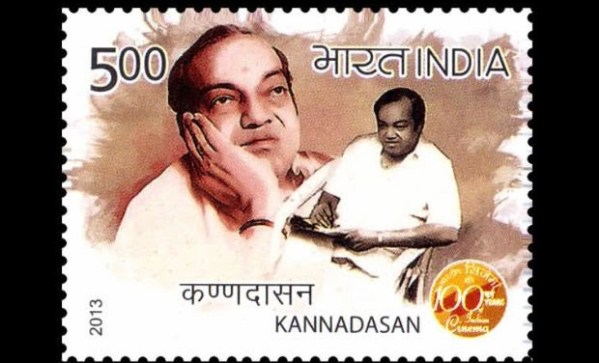
கண்ணதாசனைப் புரிந்து கொள்வது எப்படி?

Written by S NAGARAJAN

Research Article No.1868; Dated 16 May 2015.

Uploaded in London at 6-35 am

By ச.நாகராஜன்

கவியுளம் காண்க!

“அணிசெய் காவியம் ஆயிரம் கற்கினும்                            ஆழ்ந்திருக்கும் கவியுளம் காண்கிலார்”


என மஹாகவி பாரதியார் பாடியிருப்பது எத்துணை ஆழ்ந்த பொருள் படைத்தது!

ஆயிரம் காவியம் கற்பார்கள்; ஆனால் கவிஞன் என்ன சொல்ல வந்தான், எப்படிச் சொல்லி உள்ளான் என்பதைப் புரிந்து  கொள்ளாமல் தன் மனதில் தோன்றியதைக் கவிஞன் கூறியதாக நினைத்துக் கொள்வார்கள். இப்படிப்பட்டவர்களின் ‘மனத்தடைகள்’ பல்வேறு காரணங்களால் ஏற்படுகிறது.

இந்த ‘மனத்தடைக்காரர்கள்’ கவியரசு கண்ணதாசனைக் கொண்டாட நினைக்கும் போது சங்கடம் தான் ஏற்படுகிறது; ஏற்படும்.

தனக்குப் “பிடித்தவர்களுக்குப் பிடிக்காத விஷயங்களைக்’ கவியரசு கண்ணதாசன் கூறும் போது ஒன்று, அதை மறைத்து விடுகிறார்கள், இல்லை, மாற்றி விடுகிறார்கள்! இரண்டுமே தவறு!

காலத்தை வென்ற ஒரு கவிஞனாக ஒருவன் எப்படி மிளிர முடியும்? சமகாலத்தவரான இந்தத் தலைமுறையினர் தன்னை என்ன சொல்வார்கள், அடுத்த தலைமுறையினர் என்ன சொல்வார்கள் என்றெல்லாம் நினைத்து பயந்தா கவிஞன், கவிதை எழுதுகிறான்!

எல்லா குறுகிய எல்லைகளையும் மீறி அவன் படிப்படியாக வளர்கிறான்; பல்வேறு பரிமாணங்களைக் கொள்கிறான்.

பக்குவம் வாய்ந்த இறுதி வடிவமே அவனது முகிழ்ச்சி.


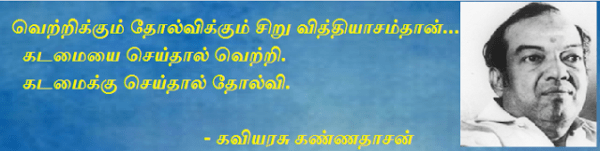
தன்னைப் பற்றிக் கண்ணதாசன்

உண்மையைச் சொல்ல மிகுந்த நெஞ்சுரம் வேண்டும்! அதுவும் தன்னைப் பற்றி விமரிசித்து உண்மையைச் சொல்வதென்றால் இன்னும் அதிக தைரியம் வேண்டும்!

காந்திஜியின் சோதனை, அதனால் தான், ‘சத்திய சோதனை’ ஆனது.

கவியரசு கண்ணதாசனும் இந்த சத்தியத் தீயில் தன்னைப் புடம் போடவே நினைத்தார். அதன் வெளிப்பாடாகவே அவர் தன்னைப் பற்றி இப்படிக் கூறியுள்ளார்:-

“கவிஞன் ஒருவன் அரசியல்வாதியாகவும் இருந்தால் கவிதைக் கருத்துக்கள் எவ்வளவு முரண்படும் என்பதற்கு இந்தத் தொகுப்புகளே சான்று.

யார் யாரைப் போற்றியிருக்கிறேனோ அவர்களைக் கேலி செய்தும் இருக்கிறேன்.

யார் யாரைக் கேலி செய்திருக்கிறேனோ அவர்களைப் போற்றியும் இருக்கிறேன்…

கருத்து எதுவாயினும் கவிதை என்னுடையது .. ..

கருத்து உங்களைக் குழப்பும்; கவிதை உங்களை மயக்கும். .. ..

என்னை மையமாக வைத்தே எல்லோரும் சண்டை போட்டுக் கொள்ளலாம்.

எந்தத் தலைவரையும் பழிப்பதிலும் புகழ்வதிலும், என் தமிழ் எப்படி விளையாடி இருக்கிறதென்பதை இப்போது படியுங்கள். விமர்சனங்களை அடுத்த தலைமுறைக்கு விட்டுவிடுங்கள்.”

கண்ணதாசன் கவிதைகள் – முதல் இரண்டு தொகுதிகள் நூலுக்கு  25-9-1968 இல் அவர் தந்த ‘என்னுரை’யில் உள்ள சில பகுதிகளே மேலே தந்திருப்பவை.

ஒரு தலைமுறையை சுமார் 30 ஆண்டுகள் என்று எடுத்துக் கொண்டால் இந்த முன்னுரையை எழுதியே ஒன்றரை தலைமுறைகள் கடந்தாகி விட்டது. (கவிதைகள் இன்னும் முன்னாலேயே படைக்கப்பட்டிருக்க வேண்டும்)

ஆனால் இன்றைய விமர்சனத்தில் காழ்ப்புணர்ச்சி எதுவுமற்ற தேசிய தமிழ் கவிஞராக அவர் ஒளிர்கிறார்.

தனது கவிதைகளை அப்படியே மாற்றாமல் அவரே வெளியிட்டு அதனை விமரிசிப்போர் விமரிசிக்கட்டும் என்று அவரே கூறியுள்ளதைக் கவனிக்க வேண்டும். ஆக நமக்குப் ‘பிடித்தவர்களுக்குப் பிடிக்காத விஷயங்களை” – புராணங்கள், ராமாயண, மஹாபாரத இதிஹாஸங்கள், சம்ஸ்கிருதம், அதில் தோன்றிய நூல்கள், தொன்மங்கள், நம்பிக்கைகள் உள்ளிட்டவற்றை அவரே கூறியிருக்கும்போது அதை மறைக்கக் கூடாது; மாற்றக் கூடாது.

கவிஞனின் வழியில் சென்று அவன் கூறும் சாசுவத உண்மைகளைப் புரிந்து கொள்ள வேண்டும்.

கண்ணதாசனை முழுமையாகப் படித்தால் மட்டும் போதாது, முழுவதுமாகப் படித்துப் புரிந்து கொள்ள வேண்டும்.திறந்த மனதுடன் படிக்க வேண்டும். அப்போது தான் அவரது முழுப் பரிமாணங்களையும், அவனது “ஆழ்ந்திருக்கும் கவி உள்ளத்தையும்” காண முடியும்!

செம்மொழி என்ற சிறப்பு அடைமொழிக்கும் மேலான தெய்வ மொழியாம் தமிழ் மொழியைப் புரிந்து கொள்ள சங்க இலக்கியம் மற்றும் அதற்குப் பின்னால் தோன்றிய பக்தி இலக்கியம் ஆகியவற்றைப் படிக்க வேண்டும்.

அதில் தோய்ந்திருக்கும் மனம் கண்ணதாசனை அணுகும் போது ஆனந்தப்படும்; மகிழ்ச்சிக் கூத்தாடும்.
அங்கே ராமனும், கண்ணனும்,தமிழும், சம்ஸ்கிருதமும், சத்தியக் கொள்கைகளும், நித்திய உண்மைகளும் அற்புதமாக நடனமாடும்.

காழ்ப்பு உணர்ச்சி, ஜாதி உணர்ச்சி, குறுகிய மொழிவெறி, அரசியல் கலந்த, அதில் தோய்ந்த தமிழ்ப் பற்று ஆகியவற்றை உதறி எறிந்தால் கண்ணதாசன் முழுமையாக இறுதி வடிவில் நம் முன் வருவார்.

பார்வை நேராக இருக்க வேண்டும்; நேரடியாக இருக்க வேண்டும்!

மஞ்சள் கண்ணாடி போட்டுப் பார்த்தால், “மஞ்சள் பத்திரிக்கையே” கண்ணுக்குப் புலப்படும்!

கண்ணதாசனோ திறந்த வெள்ளைக் காவியம்! அவரை அணுக வெள்ளை மனம் – பிள்ளை மனம் – வேண்டுமல்லவா!
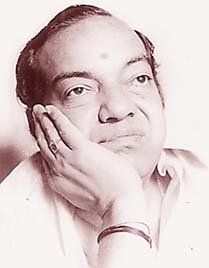
01kannadasan

கண்ணதாசனை –

அனைத்துக் குறுகிய எல்லைகளையும் மீறி, தடை கடந்த நிலையில் திறந்த மனதுடன் அணுகுவோம்; புரிந்துகொள்வோம்; ஆனந்திப்போம்!

***********

Earth Quake in Rig Veda

Written by London swaminathan

Research Article No.1867; Dated 15 May 2015.

Uploaded in London at 21-20

Three years ago on 22nd January 2012, I posted an article “Ravana trapped and Sita Devi died in Earth Quake” in my blogs. I interpreted both Ravana shaking the Himalayas (Kailash) and Sita Devi entering the earth when Bhuma Devi opened to receive her, were actually earth quakes. I also cited the references to earth quakes from Sangam Tamil literature and post Sangam Tamil literature.

The earliest reference to an earth quake is in the Rig Veda (2-12-2). Throughout our Puranas and classical Sanskrit literature we read about flying mountains and Indra clipping their wings. The origin of this story is in the Rig Veda where Grtsamada sings in a hymn on Indra:

“He who fixed fast and firm the earth that staggered, and set at rest the agitated mountains.

Who measured out the air’s wide middle region and gave the heaven support, He, men, is Indra”

Later Valmiki in his Ramayana (1-23-27) and Kalidasa in his Kumarasambhava (1-20) allude to this incident. All these are nothing but the natural phenomena that our ancients observed several thousand years ago. These natural catastrophes are mythicized in later Sanskrit literature.

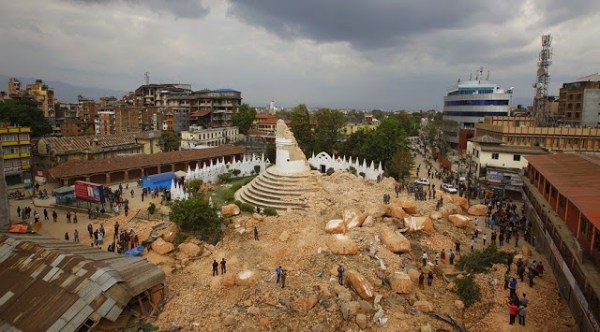
Earth quake in Nepal

Varahamihira’s Starnge and Funny accounts

Anyone who reads the Brhat Samhita of Varahamihira would be amazed to see the topics he has covered 1500 years ago. He covered lot of subjects including perfume making, rain bows, meteors, comets, sun dogs, and sun and moon halos. He did not stop there and there are 100 more topics. He was humble enough to tell us he had given only the summary of what was written in volumes by twenty of his predecessors!

Though the ancient’s accounts of meteors and earth quakes are strange and funny we must appreciate their scientific quest. I don’t think any other culture has a book with so many topics devoting once chapter each. Now I will summarise what Varahamihira says in his chapter on Earth Quakes:

1.Some sages hold that an earth quake (abbreviated as EQ  here afterwards) is brought about by the huge animals in the oceans, while others like Garga opine that is caused by the elephants of eight quarters. When they become tired by the weight of the earth they cause this.

(This has some scientific truth in it. The Ashta Dig Gajas/ Eight elephants of Eight directions may be compared to tectonic plates. Alternately the weight factor may be taken into account. Several theories are there about local reservoirs causing a chain of events including tremors.)

2.Yet other sages like Vasistha declare that it is caused by the atmospheric wind colliding with another and falling to the earth with a booming (This is what one watches after a big EQ). There are still others like Vrdha Garga who maintain that it is occasioned by some unseen power (This may be interpreted as the tectonic plate movements).

3.There are some more sages like Parasara who declare as follows: In bygone days, the earth being shaken by severely by the winged mountains which flew up and came down heavily, spoke to the Creator (Brahma), in the Assembly of the Gods: “My Lord, You have given me the name Acala (Immovable), which is falsified by the flying mountains and I am unable to put up with this suffering. Hearing these words, Mother Earth shed tears. Immediately the Creator said, “Indra, remove this humiliation of Mother Earth; chop off the wings of the mountains with your thunderbolt”. At this Indra said, ‘so be it’.

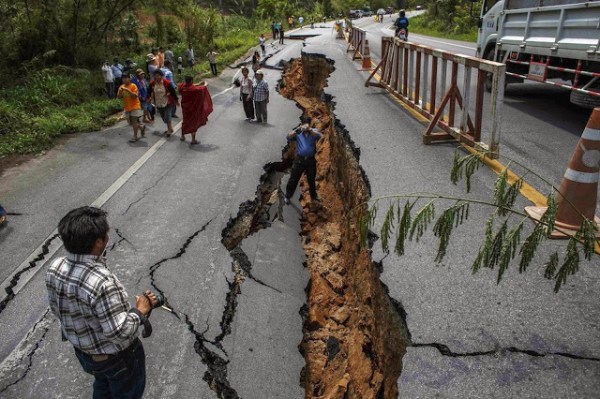
Earth quake in San Francisco

4.Another couplet/sloka says that EQs are caused by the eclipses and deities in charge of the divisions of the day.

5.Scores of couplets give astrological reasons for the EQ. They have divided the 27 stars into groups for this.

6.According to Garga, persons in whose natal asterisms EQs occur must do propitiatory rituals to the deities to avoid troubles.

7.The reference to repeated earth quakes show that they have observed them for long.

Though the sages’ accounts are not scientific, still we can appreciate their thirst for knowledge and their long observation.

On the chapter on Meteors also there are many funny explanations. We can only appreciate that Varahamihira compiled all the facts and summarised them for future generations.

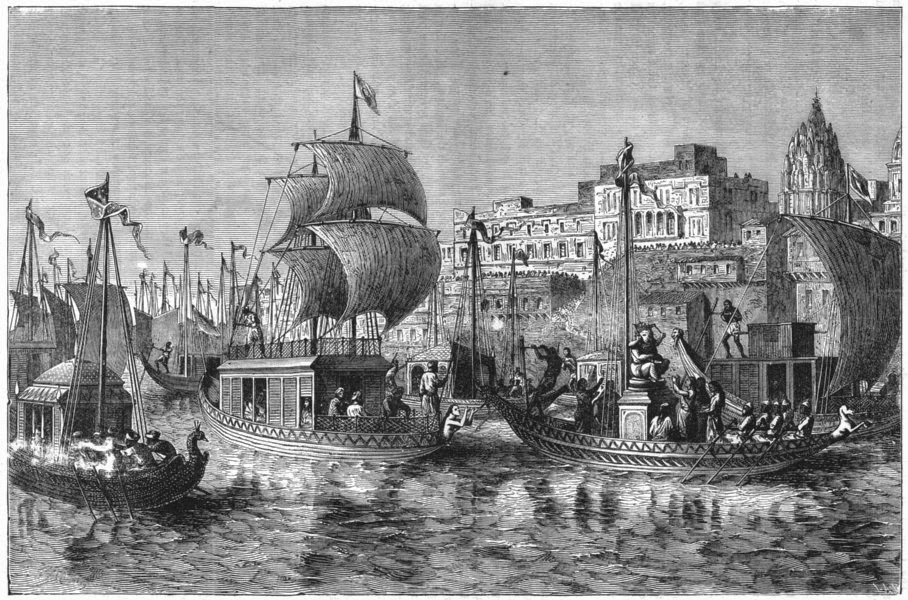
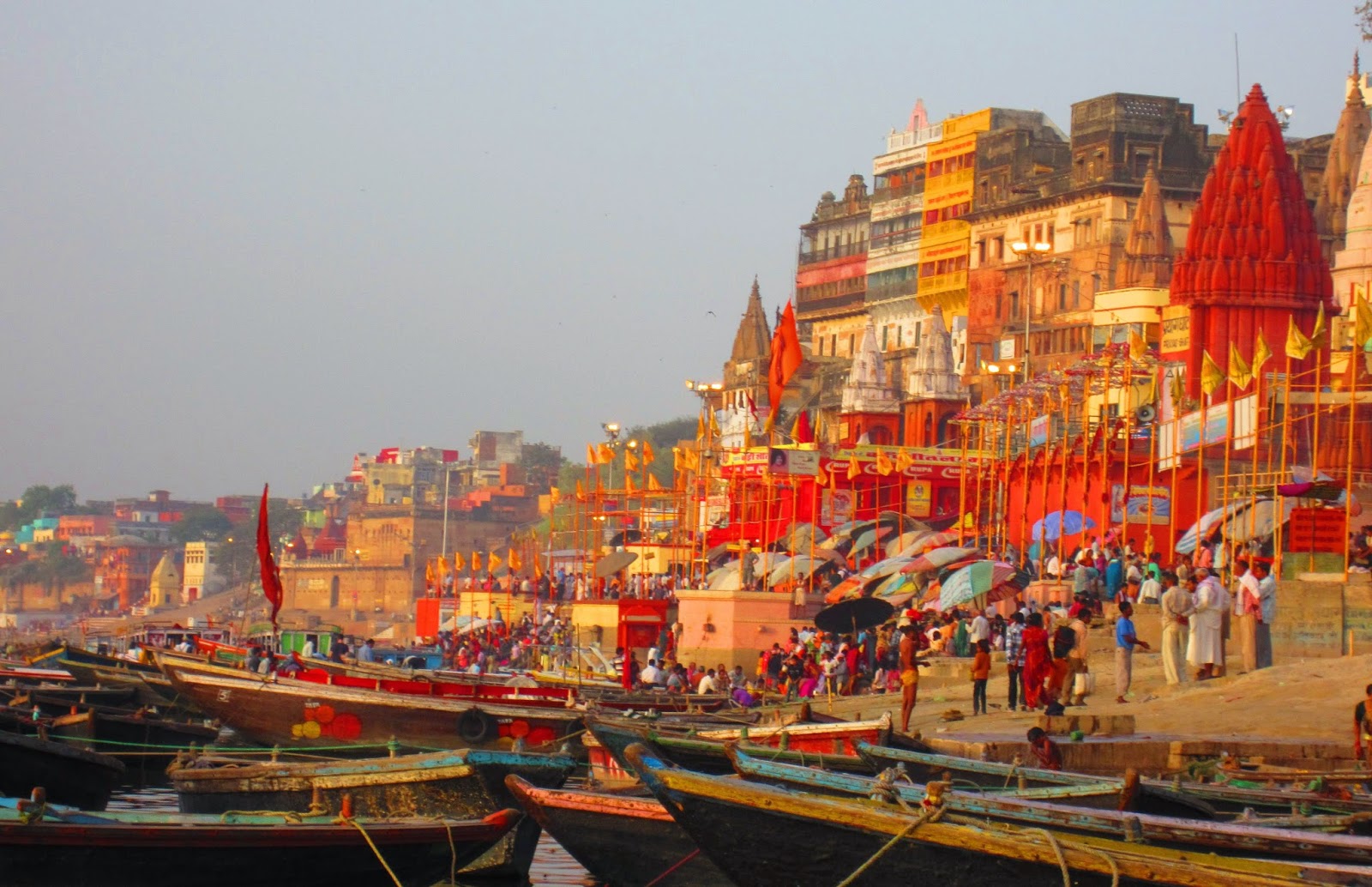
உலகின் மிகப் பழைய நகரம் – காசி/வாரணாசி!

26abc-festival-at-varanasi

Written by London swaminathan

Research Article No.1866; Dated 15 May 2015.

Uploaded in London at 10-21

உலகின் மிகப் பழைய நகரம் எது?

காசி என்றும் வாரணாசி என்றும் அழைக்கப்படும் இந்துக்களின் புனித நகரமே உலகின் மிகப் பழைய நகரம் ஆகும். இதுவரை கிடைத்த தொல் பொருட் துறை கி.மு.900 வரையே இந்த நகரின் பழமையைக் காட்டும். ஆனால் கங்கைச் சமவெளியில் கி.மு 1200 வரை பழமையான பானை ஓடுகள் கிடைத்துள்ளன. சிலர் இதை 1400 வரை கொண்டு செல்வர். ஆயினும் இலக்கியச் சான்றுகள் இதுதான் உலகின் மிகப் பழைய நகரம் என்று காட்டும்.

அண்மையில் ஏற்பட்ட வெள்ளத்தில் கேதார்நாத் கோவில் சேதமானதையும், நேபாள பூகம்பத்தில் முக்திநாத் கோவில் சேதமானதையும் கண்டோம். தனுஷ்கோடி கோவில் கொஞ்சம் கொஞ்சமாகக் கடலுக்குள் போகவே, எங்கு கரை இருக்கிறதோ அதை தனுஷ்கோடி என்று சொல்லுகிறோம். இந்தியாவின் பருவக்காற்றும், வெய்யிலும் மாறி மாறி அடிப்பதால் கட்டிடச் சின்னங்கள் அழிந்துவிட்டன. முஸ்லீம்படை எடுப்பாளர்கள் அவர்களால் முடிந்த மட்டும் அழித்துவிட்டுச் சென்றனர். இதற்குப் பின் எஞ்சியுள்ள சின்னங்களையே நாம் இன்று காண்கிறோம்.

1).இந்துக்கள் நம்பிக்கை

மஹாபாரத யுத்தம் முடிந்த பின்னர் கலியுகம் துவங்கியதாக (கி.மு.3102) இந்துக்கள் ஆயிரக் கணக்கான ஆண்டுகளாக நம்பிவருவதை பஞ்சாங்கங்களும் கல்வெட்டுகளும் உறுதி செய்கின்றன. அந்த மஹாபாரத காலத்தில் பீஷ்மர் என்னும் நித்திய பிரம்மச்சாரி, பாண்டவர் குலம் தழைக்க பெண்களைத் தேடிக்கொண்டிருந்தார். காசி மகாராஜன் அம்பா, அம்பிகா, அம்பாலிகா என்ற மூன்று புதல்விகளுக்கும் ஸ்வயம்வரம் ஏற்பாடு செய்தான். அதில் பீஷ்மர் தோன்றி, மூன்று பெண்களையும் கடத்தி வந்தார் என்பது உங்களுக்குத் தெரியும். அப்போதே காசி சாம்ராஜ்யம் மிகவும் புகழ் பெற்றிருந்தது.

கலியுகத்தை நம்பாதவர்கள் கூட மஹாபாரத யுத்தம் கி.மு.1500 வாக்கில் நடந்திருக்கும் என்று ஒப்புக் கொள்வர். கல்ஹணரோ மாபாரத காலத்தை கி.மு.2500 வாக்கில் வைக்கிறார். எப்படியாகிலும் காசியின் பழைய வரலாறு உறுதியாகிறது.

bcc3e-varanasi-ganga-ghat2

2).பௌத்தர்களும் சமணர்களும் கூறுவது என்ன?

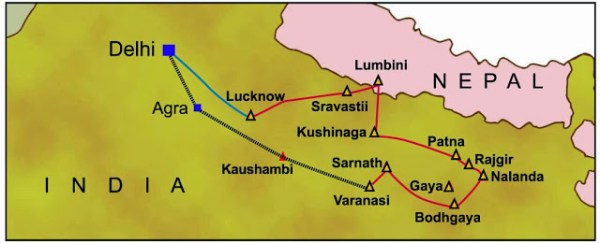
பௌத்தர்களும் சமணர்களும்கூட காசியே பழைய நகரம் என்பதை எழுதி வைத்துள்ளனர். நேபாளத்தில் உள்ள கபிலவஸ்துவில் பிறந்து பீஹாரில் உள்ள புத்த கயாவில் ஞானோதயம் அடைந்த புத்தர், ஏன் உத்தரப்பிரதேசத்தில் உள்ள காசிக்கு வந்து முதல் சொற்பொழிவை நடத்தினார்? அவர் உபதேசம் செய்த சாரநாத், காசியின் புறநகர்ப் பகுதியாகும். ஏன் என்றால் காசிதான் நாட்டின் புனித, பழைய தலம்.

அந்தக் காலத்தில் யாரேனும் புதிய தத்துவம்/கொள்கை கண்டு பிடித்தால் அதை காசிக்குச் சென்று நிரூபிக்கவேண்டும். அங்கே தெரு மூலைகளில் அறிஞர்கள் நிற்பார்கள். அவர்கள் எல்லோரையும் வாதத்துக்கு அழைப்பார்கள். அதில் வென்றால் அவர்கள் சித்தாந்தம் அங்கீகாரம் பெறும். அதாவது அந்த நகரமே ஒரு பல்கலைக் கழகம்!

3.வேத இலக்கியங்களிலும் காசியின் பெயர் உள்ளது. காசி என்பது பன்மைப் பொருளில் அதர்வண வேதத்தில் பயிலப்படுகிறது. ஆதிகாலத்தில் அந்தந்த குழுக்களின் பெயரே அந்த தேசத்தின் பெயராகக் கொள்ளப்பட்டது. சோழர் வாழ்ந்த இடம் சோழநாடு. தமிழர் இருப்பிடம் தமிழ்நாடு; ஆங்கிலோ-சாக்ஸன் இனம் இருந்த இடம் ஆங்கிலாந்து (இங்கிலாந்து). இந்த காசி இனத்தாலேயே காசி என்றழைக்கப்பட்டது.

வருண, அஸ்ஸி என்ற கங்கையின் இரண்டு உபநதிகளுக்கு இடைப் பட்ட நகரம் என்பதால் வாரணாசி என்று பெயர் பெற்றது. உலகம் முழுதும் உள்ள பெயர்களை உருக்குலைக்கும் ஐரோப்பிய இனத்தால் வாரணாசி என்னும் பெயர், பனாரஸ் என்று உருமாறிப்போனது.

4.பாபிலோனியாவில் காசி இன மக்கள்

4காசி இனமக்கள் மத்திய கிழக்கு நாடுகளுக்குச் சென்று ஒரு சாம்ராஜ்யத்தை நிறுவினர். பாபிலோனியாவில் கி.மு.1800 முதல் காசைட் இன மக்கள் காணப்படுகின்றனர். இவர்களை அடுத்து கி.மு.1400 முதல் மிடன்னிய இனம் துருக்கி-சிரியாவில்,   ஆட்சியைப் பிடித்தது. அவர்கள் தூய சம்ஸ்கிருதப் பெயர்களுடன் ரிக்வேத மந்திரத்தின் மேல் சத்தியம் செய்து உடன் படிக்கை செய்த கி.மு.1400 கல்வெட்டும் கிடைத்திருக்கிறது. காசைட் இன மக்களும் சம்ஸ்க்ருதம் தொடர்பான மொழையையே பேசினர். இவ்வளவையும் ஒப்புக் கொள்ளும் வெள்ளைக்காரகள் இன்றுவரை அவர்களுடைய “ஆரிஜின்” (மூலம்) தெரியவில்லை என்று புத்தகம் எழுதி மழுப்பி வருகின்றனர். இவர்கள் அனைவரும் கங்கைச் சமவெளியில் இருந்து வெற்றி விஜயம் மேற்கொண்ட இந்துக்களாவர்.

சௌராஷ்டிரர் என்பவர் (ஜொராஸ்தர்) ஈரான் வரை சென்று வேதத்துக்கு ஏட்டிக்குப் பூட்டியாக ஒரு மதம் தாபித்தார்.அவர் குஜராத்தில் உள்ள சௌராஷ்டிர பிரதேசத்தில் இருந்து சென்றவர். அதை ஈரானியர்கள் “ஜொராஸ்தர்” என்று எழுதிவிட்டனர். இதை காஞ்சிப் பெரியவர் (1894-1994) தனது உபந்யாசங்களில் கூறியுள்ளார். அதே குஜராத்தில் உள்ள கிருஷ்ணரின் துவாரகை கடலுக்கடியில் கண்டு பிடிக்கப்பட்டதும், கிருஷ்ணர் மறைந்த பின்னர் அது கடலில் மூழ்கியதை  பாகவத புராணம் உறுதி செய்வதும் கலியுகத்தையும் மஹாபாரத காலத்தையும் உண்மையாக்குகின்றன.

34dfa-pilgrimage-map

6.பௌத்ததில் காசி

புத்த மதத்தினர் ஜாதகக் கதைகள் என்ற பெயரில் பாலி மொழியில் நிறைய பழைய கதைகளைத் தொகுத்து வைத்துள்ளனர். இது எழுதப்பட்டது 2300 ஆண்டுகளுக்கு முன். அதில் புத்தரின் பூர்வ ஜன்ம அவதாரங்களைப் பற்றிப் பேசுகையில் “முன்னொரு காலத்தில் காசியில் பிரம்மதத்தன் அரசாளுகையில், போதிசத்துவர் …………….” என்று எழுதுகின்னர். 2300 ஆண்டுகளுக்கு முன் கதை எழுதியவர்கள் “முன் ஒரு காலத்தில் “என்று சொன்னால் அதற்கும் முன்னர் ஒரு ஆயிரம் ஆண்டுகளாவது ஆகியிருத்தல் வேண்டும்.

7.சமணத்தில் காசி

சமணமதத்தைச் சேர்ந்த 24 தீர்த்தங்கரர்களில் கடைசி தீர்த்தங்கரரான மாஹாவீரர், புத்தருக்கும் சிறிது முந்தையவர். அவர்களில் ஏழாவது தீர்த்தங்கரர் பிறந்தது காசியில்! 23ஆவது தீர்த்தங்கரரான பார்ஸ்வநாதர், கிருஷ்ணர் காலத்தில் வசித்தவர். இதையெல்லாம் கணக்கில் சேர்த்தால் ஏழாவது தீர்த்தங்கரர் மஹாவீரருக்கும் சில ஆயிரம் ஆண்டுகளுக்கு முன்னால் வசித்திருக்க வேண்டும்!! காசியின் கதையும் அவருடன் பின்னால் போகும்!

8.வேதத்தில் காசி

பௌத்த, சமண மத இலக்கியங்களுக்கு எல்லாம் முந்தையது வேத கால இலக்கியம் என்பதில் இரு வேறு கருத்துக்கு இடமே இல்லை. அதர்வண வேதத்தில் (5-22-14) காசி மக்கள் இடம் பெறுகின்றனர். வருணாவதி என்னும் ஆறும் (4-7-1) இடம்பெறுகிறது. இதுவே பின்ன வருண+ அஸ்ஸி= வாரணாசி ஆயிற்று. சதபத பிராமணத்திலும் உபநிஷதங்களிலும் காசியை ஆண்ட தார்தராஷ்ட்ர, அஜாத சத்ரு போன்ற பழங்கால மன்னர்கள் பெயர் இடம் பெறுகின்றன.

9.காசி-கௌசல்ய, காசி- விதேக முதலிய சொற்றொடர்கள் பிராமணங்களில் இடம் பெற்றுள்ளன. அக்காலத்தில் சாம் ராஜ்யங்களுக்கு இடையில் நிலவிய நட்புறவுக்கு இவை சான்று தரும். கௌசல்ய என்பது கோசல நாட்டின் அடியாகப் பிறந்த உரிச்சொல். கோசலத்தின் தலைநகரான அயோத்தியில், முதல் சமண மத தீர்த்தங்கரர் பிறந்ததும், ராமனுக்கு எல்லாம் மூத்த இக்ஷ்வாகு வம்சத்தினர் ஆண்டதும் அயோத்தியின் பழமையையும் பறை சாற்றும்

10.கபல என்னும் பானை ஓடுகள் பற்றி ஆஸ்வலாயன கிருஹ்ய சூத்திரம் ( 4-3-5) முதலிய வேத கால இலக்கியங்களில் வருகின்றன. இதை இறந்தோர் சடங்குகளில் பயன்படுத்துவர். மஸ்கி என்னும் கங்கைச் சமவெளி ஊரில் ஒரு குழந்தையின் புதைகுழி கண்டுபிடிக்கப்பட்டது. இந்துக்கள் குழந்தைகள் இறந்தால் எரிக்க மாட்டார்கள். அந்தக் குழந்தையின் சடலத்தின் மீது ஒரு கபல பானை ஓடு இருந்தது. இது அந்தக் குழந்தையின் விளையாட்டுச் சாமான் என்று ஆங்கிலம் படித்த “அறிஞர்கள்” எழுதினர். பின்னர் வேதம் படித்த அறிஞர் இது விளையாட்டுச் சொப்பு அல்ல, கபல என்னும் ஈம ஓடு என்று எடுத்துக் காட்டினர். நமது கலாசாரமே தெரியாமல் ஆங்கிலத்தில் கட்டுரை எழுதுவோர் என்ன என்ன கேடுகளை விளைவிக்க முடியும் என்பதற்கு இதுவும் ஒரு எடுத்துக் காட்டு!!

காசி வாழ்க! வாரணாசியின் புகழ் வளர்க!

சம்ஸ்கிருத பொன் மொழிகளும் இணையான தமிழ்ப் பழமொழிகளும்

தொகுத்தவர்—லண்டன் சுவாமிநாதன்

கட்டுரை எண்: 1865; தேதி 14 மே 2015

லண்டனில் பதிவு ஏற்றப்பட்ட நேரம்: 20-29

1.அஞ்ஞாத குல சீலஸ்ய வாஸோ தேயோ ந கஸ்யசித் – ஹிதோபதேசம்

குல ஒழுக்கங்களை அறியாமல் எந்த ஒருவருக்கும் இடம் தரக்கூடாது.

“குலத்து அளவே ஆகும் குணம்”- அவ்வையார்/மூதுரை

“ஆழம் தெரியாமல் காலை விடாதே”

2.அதரே பயசா தக்தே தக்ரம் பிபதி ப்பூத்க்ருத்ய

பாலால் சுடப்பட்ட பின்னால், மோரைக் கண்டால் கூட பூ.. பூ.. அன்று ஆற்றிக் குடிப்போம்.

“பட்டால்தான் தெரியும் பார்ப்பானுக்கு”

“சூடு கண்ட பூனை”

3.அதிகஸ்யாதிகம் பலம் – சுபாஷித ரத்ன பாண்டாகாரம்

எவ்வளவுக்கு எவ்வளவு அதிகமோ அவ்வளவுக்கு அவ்வளவு பலன்.

முயற்சி தன் மெய்வருத்தக் கூலி தரும் – குறள்

“அடிக்க அடிக்க அம்மியும் நகரும்”

“எறும்பூரக் கல்லும் தேயும்”

4.அத்ருவாத் துருவம் வரம்

நிச்சயமில்லாமல் இருப்பதைவிட நிச்சயமாக இருப்பதே சிறந்தது

“துணிந்தவனுக்கே உலகம் கிடைக்கும்”

“வெட்டு ஒன்று, துண்டு இரண்டு!”

5.அனதிக்ரமணீயானி ஸ்ரேயாம்சி- அபிக்ஞான சாகுந்தலம்

உயர்ந்த விஷயங்களை மீறக்கூடாது

பெரியவாள் சொன்னால் பெருமாள் சொன்ன மாதிரி

மூத்தோர் சொல்லைத் தட்டாதே

வழியே ஏகுக, வழியே மீளுக—வெற்றி வேற்கை

6.அனார்யஜுஷ்டேன பதா ப்ரவ்ருத்தானாம் சிவம் குத: -கதா சரித் சாகரம்/கதைக்கடல்

பண்படற்றவர்களால் வழிநடத்தப்படுவோருக்கு நற்கதி ஏது?

“தீயாரைக் காண்பதுவும் தீதே; திரு அற்ற தீயார் சொல் கேட்பதுவும் தீதே” – அவ்வையாரின் முதுரை

7.அநார்யப் பரதார வ்யவஹார: – அபிக்ஞான சாகுந்தலம்

பிறர் மனைவியுடன் தொடர்பு வைத்திருப்பது அநாகரீகமாகும் (ஆரியர் அற்றவர்/ பண்பாடாதல்லவர் வழக்கு)

“பிறன்மனை நோக்காத பேராண்மை சான்றோர்க்கு அறன்”– குறள்

8.அந்யாயம் குருதே யதி க்ஷிதிபதி: கஸ்தம் ந்ரோத்தம் க்ஷம: — சுபாஷித ரத்ன பாண்டாகாரம்

அரசனே தவறு செய்தால் அதைத் தடுக்க யாருக்கு சக்தி உண்டு?

“வேலியே பயிரை மேய்ந்தால்?”

9.அபி சாஸ்த்ரேஷு குசலா லோகாசார விவர்ஜிதா:  சர்வே தே ஹாஸ்யதாம் யாந்தி – பஞ்சதந்திரம்

சாத்திரங்களில் எவ்வளவு கெட்டிக்காரனாக இருந்தாலும், உலக விவகாரம் தெரியாவிட்டால் பிறரின் நகைப்புக்கு உள்ளாக நேரிடும்.

உலகத்தோடு ஒட்ட ஒழுகல் பல கற்றும் கல்லார் அறிவில்லாதார் – குறள்

படகு உடைந்தபோது நீந்தத் தெரியாத சந்யாசிக்கு நேர்ந்த கதி—ராமகிருஷ்ண பரமஹம்சர் சொன்ன கதை

10அபூஜ்யா யத்ர பூஜ்யந்தே பூஜ்யாம் து விமானனா

த்ரீணி யத்ர ப்ரவர்த்தந்தே துர்பிக்ஷம் மரணம் பயம் – –பஞ்சதந்திரம்

மதிக்கப்படக் கூடாதோர் எங்கு மதிக்கப்படுகிறார்களோ, மதிக்கப்பட வேண்டியவர்கள் எங்கு அவமதிக்கப்படு கிறார்களோ அங்கே மூன்று வரும்: வறுமை, சாவு, பயம்.

வேங்கை வரிப்புலி  நோய் தீர்த்த விடகாரி

ஆங்கு அதனுக்கு ஆகாரம் ஆனால் போல் – பாங்கு அறியாப்

புல் அறிவாளர்க்குச் செய்த உபகாரம்

கல்லின் மேல் இட்ட கலம் – மூதுரை/அவ்வையார்

நிரில் தத்தளித்த தேளைக் காப்பாற்றினாலும் அது கொட்டதான் செய்யும் – ராமகிருஷ்ண பரமஹம்சர் சொன்ன கதை

Oldest City in the World: Varanasi/Kasi/Benares

Written by London swaminathan

Research Article No.1864; Dated 14 May 2015.

Uploaded in London at 12-07

“There is hardly any city in the world that can claim greater antiquity, greater popular veneration than Banaras”- P V Kane

Varanasi also known as Kashi and Benares is the oldest city in the world. Those who believe that Mahabharata war was fought just before the dawn of Kaliyuga in 3102 BCE would agree with me. King of Kasi is also mentioned in the Mahabharata. Before Mahabharata, we have references to Varanasi in the Vedic literature as well. Those who believe in encyclopaedias written by English only knowing lot may dis agree with me.

The archaeological proof we could get so far from Varanasi region takes us back to 900 BCE only. Those who witnessed the recent floods that destroyed Kedarnath temple and the Nepal earth quake that destroyed the Muktinath temple could understand that the enemies of Indian civilization are the floods and earth quake in addition to Muslim invaders. The changing course of Rivers Sarasvati, Sindhu, Ganga and Yamuna destroyed the oldest parts of our civilization. The monsoon rains coupled with the scorching sun make everything crumble into dust.

Three tributary rivers Varuna, Assi and Rajapur of Ganga contributed significantly to the make up of Varanasi. The city’s name came from the two rivers Varuna and Assi.

Following are the evidence for Kasi to enter the Records Book, as the oldest city in the world:

1.Why did Lord Buddha choose Kasi (Saranath is its suburb) to deliver his first lecture, particularly when he attained enlightenment in Buddha Gaya? He avoided all the places such as Kapilavastu (Nepal), Pataliputra/Patna, Gaya in Bihar, Rajagriha and came all the way to Saranath, part of Kashi area to deliver his most famous lecture. This is because Kashi was the holiest city in the whole of India and the oldest.

2.Kassites who ruled Babylonia from 1500 BCE, but settled there from 1800 BCE bore names in a language related to Sanskrit. Like Mitanni, who have very pure Sanskrit names (from 1400 BCE), they also spoke a language related to Sanskrit. All the encyclopaedias “dodge and escape” by saying that their origins were not known. The fact is that they migrated from Gangetic plain, like Saurashtra (Zoaraster) migrated to Iran from Saurashtra coast of Gujarat (Please read Kanchi Paramacharya’s (1894-1994) talk on Zoaraster/Saurashtra.

3.Most of the Jataka stories are centred around Kashi and the previous births of the Buddha are attributed to that city, because that was the oldest city in the world. Several stories begin with ,”Once upon a time when Brahmadatta was reigning in Kashi”. They wrote this “once upon a time” story 2300 years ago! So once upon a time for them meant at least 1000 years ago!

4.Jain literature also supports that Kashi was one of the oldest cities. Mahavira was the 24th Tirthankara who was Buddha’s senior. Before Mahavira there 23 were Tirthankaras and the seventh one Suparsvanath was born in Benares. Jains believe that the 23rd Tirthankara Parasvanath, also born in Benares, was Krishna’s contemporary in 3200 BCE. So seventh must be well before that period!

5.Ancient Varanasi was a famous education centre. Anyone who follows a new philosophy must go to Kashi and win over the scholars there in philosophical debates. It was an unofficial University – a unique Indian institution. Scholars used to stand in street corners and invite others for debates. We have to compare this with other cities of the world where prostitutes or beggars were standing in the street corners!

Scholars and “Scholars”

6.If one doesn’t know the culture of a country and write something, then the person’s ignorance will be revealed. At Maski, a megalithic deposit, a burial of a child was found with a pottery disc on the chest of the child’s body. Earlier “Scholars” described it as the play object of the child. But actually the Vedic rituals say that a kapala should be offered on the body of the diseased (AvalayanaGrihya Sutra 4-3-5). Kapala is a mud disc. Other Grihya sutras also describe the Kapalas as offerings in Vedic rituals. Literal meaning of Kapala is ‘broken piece of clay pot or a pot shred’. Such kapalas are discovered in various places in the Gangetic plain establishing its antiquity.

7.The earliest human occupation in Varanasi is found in the Atharvaveda (5-22-14) according to which Kasis are the indigenous people wo lived in Varanasi region. The name Kasi came from these people.

8.The name Kasi denotes (in the plural) the people of Kasi (Satapatha Brahmana 13-5-4-19). The Satapatha Brahmana tells of Dhrtarashtra, King of Kashi, who was defeated by Satanika Satrajita. We hear also of Ajatasatru as a king of Kasi (Brhadaranyaka Upanishad) and another king Bhadrasena Ajatasatrava of Kasi.

The River Varnanavati is referred to in the Atharva Veda (A.V. 4-7-1). It was known as Varuna in later literature.

9.Compound words Kasi-Videha and Kasi-Kausalya occurring in Brahmanas indicate the friendship between these kingdoms. Ayodhya, Capital of Kosala (Kausalya) is also one of the oldest cities in the world which is linked with the first Jain Tirthankara, Rishaba/Adinath.

10.Amba, Ambika and Amabalika are the three daughters of King of Kashi. They were abducted by Bhisma in a swayamvara ceremony. Abduction is one of the eight types marriages approved by Smritis (Hindu Law Books). Oldest Tamil work Tolkappiam also lists this type of marriage. It is well known from this story that several kingdoms including Kashi existed at the time of Mahabharata war. Conservative estimates date the war to 1500 BCE. Kalhana dates it to 2600 BCE. Hindu scriptures date it to 3150 BCE.

Hindus’ holiest city has a glorious history!

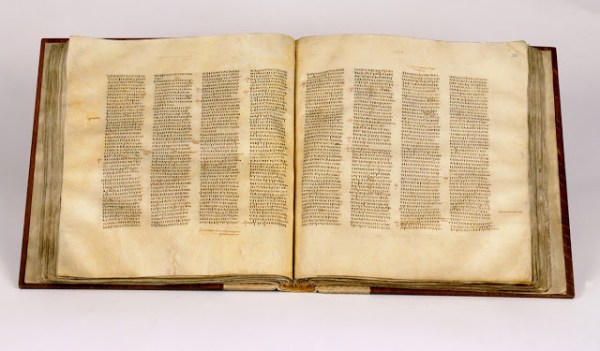
பைபிள் தோன்றியது எப்போது?

பழைய பைபிள்- கோடெக்ஸ் சைனடிகஸ்

தொகுத்தவர்- லண்டன் சுவாமிநாதன்

கட்டுரை எண்- 1863; தேதி 13 மே 2015

லண்டன் நேரம்: 19-55 

இப்பொழுது கிறிஸ்தவ மதத்தினர் போற்றிவரும் பைபிள் எனும் கிறிஸ்தவ வேதப் புத்தகம் இன்றைய நிலையில் உருவாக்கப்பெற்றது கிறிஸ்து இறந்து 633 ஆண்டுகளுக்குப் பின்னர்தான்! டோலிடோ என்னும் இடத்தில் கி.பி.633-ல் நடந்த கூட்டத்தில் இது இறுதி வடிவம் பெற்றது. அதற்கு முன் பலவிதமான கதைகளும், ஏசுவின் வாழ்வு பற்றி பல வாக்குவாதங்களும் நடந்திருக்கின்றன.

பழைய ஏற்பாட்டைக் குறித்து 2048 பாதிரிமார்களும், புதிய ஏற்பாட்டைக் குறித்து 50 சுவிசேஷங்களும் ஒன்றுக்கொன்று ஒவ்வாத முறையில் தர்க்கமிட்டுக் கொண்டிருந்ததை அறிந்து கான்ஸ்டன்டைன் மன்னர் கி.பி.335-ஆம் ஆண்டில் நைஸ் என்னும் இடத்தில் ஒரு மாபெரும் மகாநாட்டினைக் கூட்டி அதில் 1730 பாதிரிமார்களின் கூற்றுகளையும், 46 பாதிரிமார்கள் வைத்திருந்த சுவிசேஷங்களையும் நெருப்பிலிடும்படி ஆணையிட்டார். பாக்கியிருந்தவற்றில் அந்த மன்னர் ஒப்புகொள்ளும் விஷயங்களை மட்டும் அங்கீகாரம் செய்து அதைக் கடவுளின் வாக்கியம் என்றும் அனைவரும் பின்பற்றவேண்டும் என்றும் கட்டளையிட்டார். இது கிறிஸ்தவ வேதப் புத்தகம் பற்றிய சரித்திரச் சான்றுகள் அடிப்படையில் எழுதப்பட்ட உண்மையாகும். இதன் முழு விவரத்தை ஹெரால்டு ஷெர்மன் எழுதிய நீ இறந்த பின் வாழ்கிறாய் (You Live After Death) என்ற புத்தகத்தில் 104ஆம் பக்கம் முதல் 115ஆம் பக்கம் வரை காண்க—திருஞான சம்பந்தர் மடத்தின் ஆதீன கர்த்தர் வெளியிட்ட பிரசுரம், 1-9-1966

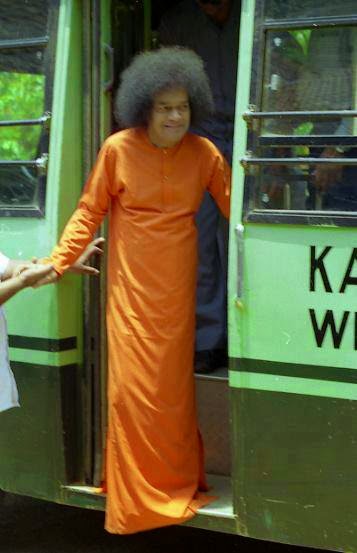
அஷ்டமி, நவமி பற்றி சத்ய சாய் பாபா

தொகுத்தவர்- லண்டன் சுவாமிநாதன்

கட்டுரை எண்- 1862; தேதி 13 மே 2015

லண்டன் நேரம்: 19-12

வளர்பிறையின் எட்டாவது, ஒன்பதாவது நாட்களாகிய அஷ்டமி, நவமி திதிகளை நல்லவை அல்ல என்று மக்கள் கருதுவது மிகவும் தவறாகும். ஏனெனில் உண்மை இதற்கு நேர் மாறானது. இவ்விரு நாட்களும் இவ்வுலகில் அவதாரங்கள் தோன்றிய திரு நாட்களைக் குறிப்பனவாகும். கண்ணன் எட்டாம் நாளாகிய அஷ்டமியிலும், ராமன் ஒன்பதாம் நாளாகிய நவமியிலும் தோன்றினர்.

கண்ணன் தோன்றிய ரோகிணி நட்சத்திரம் யோக ஆற்றலைப் பெறுவதோடு தொடர்புடையது. இராமர் தோன்றிய புனர்பூசம், சரணாகதி நெறியோடு தொடர்புடையது. அதாவது இந்த நட்சத்திரத்தில் தோன்றியவன் எளிதில் இரக்கம் கொண்டு, தன்னிடம் அடைக்கலமாக வந்த யாருக்கும் தன்னால் முடிந்த அளவுக்கு உதவி செய்யும் இயல்பினன்.

சாதனையைத் தொடங்குவதற்கு இந்த நாட்களைத் தேர்ந்தெடுங்கள்; பூசை செய்யவும், வழிபாடு செய்யவும், நீங்களே தேர்ந்தெடுத்த கடவுள் வடிவத்தை நாடுவதற்கும் இந்நாட்களைத் தேர்ந்தெடுங்கள். இந்நாட்களுடனும், நட்சத்திரங்களுடனும் கெட்டவற்றைத் தொடர்பு படுத்தாதீர்கள். நீங்கள் இவற்றை மதித்து வழிபடுங்கள். இந்நாளில் இதுவே என் அறிவுரையாகும்

–பிரசாந்தி, அக்டோபர் ,1965

Comets in Brhat Samhita!

Written by London swaminathan

Research Article No.1861; Dated 13 May 2015.

Uploaded in London at 10-38 am

It is amazing to read about the chapter on Comets in the Brhat Samhita which Varahamihira wrote 1500 years ago. No modern astronomer can appreciate it with today’s knowledge of comets. But if you consider the knowledge that existed 1500 years ago, Varahamihira’s knowledge was far better than others. He quotes his predecessors who might have lived at least a few hundred years before him. First let us look at what today’s scientists say about the comets:-

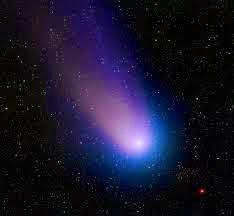
Comet Halebopp

What is a Comet?


Comets are essentially piles of rock, gravel, and dust held together by various kinds of ice – essentially water and carbon dioxide ice.

As the comet nears the sun, its icy tail turns into a gas and blows away – due to pressure from the solar wind and sunlight.

They also release dust and gravel which tend to follow the comet around the sun – and if the Earth’s orbit intersects this material, it results in annual meteor showers.

According to the latest count there are over 5000 comets.

Varahamihira’s Chapter on Comets:

Varahamihira wrote over sixty couplets about comets. He did not have the modern facilities like Telescope or other electronic equipment. He says that sages Garga, Parasara, Asita, Devala and others had already written about the comets. They must have observed the sky for hundreds of years to write so much about it.

Now scientists are warning about Dark Comets crashing on to earth which would not glow because they lost its ice. This means that our knowledge is growing slowly with all the modern equipment. Two centuries ago astronomers thought that there are only 500 comets. But Garga told us that there are 1000 comets!

I will just summarise the ancients’ thoughts on Comets:

1.It is not possible to determine by calculation the rising or setting of the comets. (It is true even today. Now and then amateur astronomers discover new comets and now there over 5000 comets. Unless we know the orbits, we can’t say whether it will come back to earth or not. Halley’s Comet is a regular visitor which appears every 85 years).

2.There are three categories of comets as celestial, atmospheric and terrestrial (It would not make any sense in modern astronomy).

3.The atmospheric Ketus (Dhumaketu=comet) are those that are sighted on flagstaff, buildings, trees, horses elephants and other animals. The celestial ones are seen amidst the constellations, and the terrestrial ones are those that do not come under either of the two categories (I honestly don’t know what Varahamihira means by these three categories).

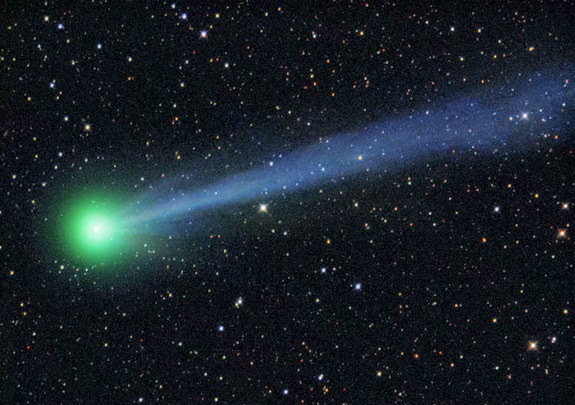
Comet Mcnaught

4.Some sages like Parasara speak of 101 Ketus (comets), while others such as Garga of 1000 Ketus (comets). However sage Narada declares that there is only one Ketu which appears in many forms and places (Probably Narada means to say that all comets are made of same materials).

5.Next Varahamihira gives his opinion: “What difference does it make whether there is a single Ketu or many? Under any circumstance, its effects ought to be declared through the positions of its appearance and setting, contact with planets or asterisms, smoky mantle and colours.

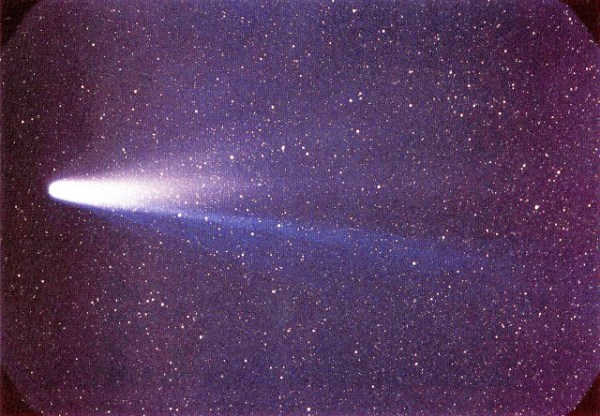
Halley’s Comet

6.The effects of Ketu (comet):- The effects of comet (Ketu) would be felt for so many months as the number of days during which it remains visible. Similarly its effect would last for so many years as the number of months during which it remains visible. However the effects in all cases would come to pass only after the first three fortnights of its appearance (This verse has got different interpretations from Bhattotpala. Al Biruni also commented on this verse)

7.All Ketus are not evil. There are some which augur well for the world. If a Ketu be short, slender, clear, glossy, straight, white and visible and if its appearance is followed by rain, there would be abundance of food crops and happiness.

8.A comet whose form is contrary to what has been described above, is considered as Dhumaketu – a portentous comet – that has risen; and it is disastrous in its effects, all the more so when resembles the rainbow or is possessed of two or three crests.

My comments: These couplets show that the Hindus have been observing comets for several hundreds of years or thousands of years before 500 CE. Otherwise they could not write about different colours and different types. It is scientifically true that comets appear in different colours and shapes. But its effects are not proved scientifically. Tamils also believed in its effects. Sangam Tamil Literature confirmed the death of a king within seven days of the appearance of a comet. I have already given the full details from Purananauru verse in one of my articles.

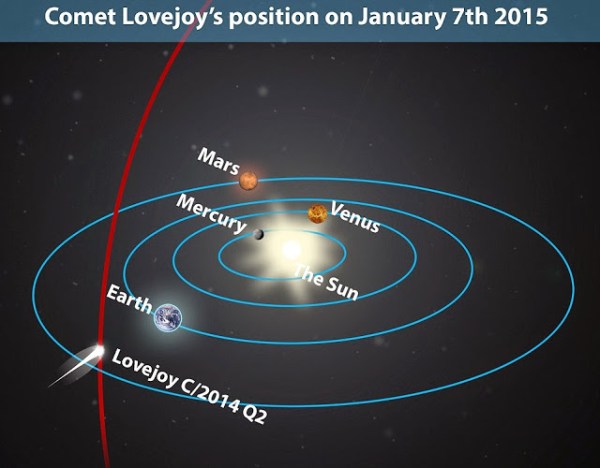
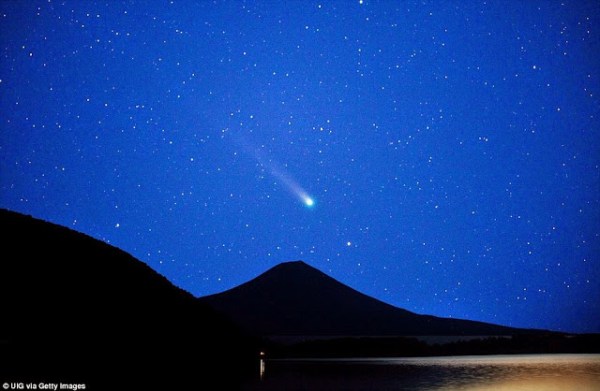
Comet Lovejoy seen from Japan.

  1. Varahamihira introduces a new element in to the Study of comets. He had written about the effects of comets appearing in different directions from East to North

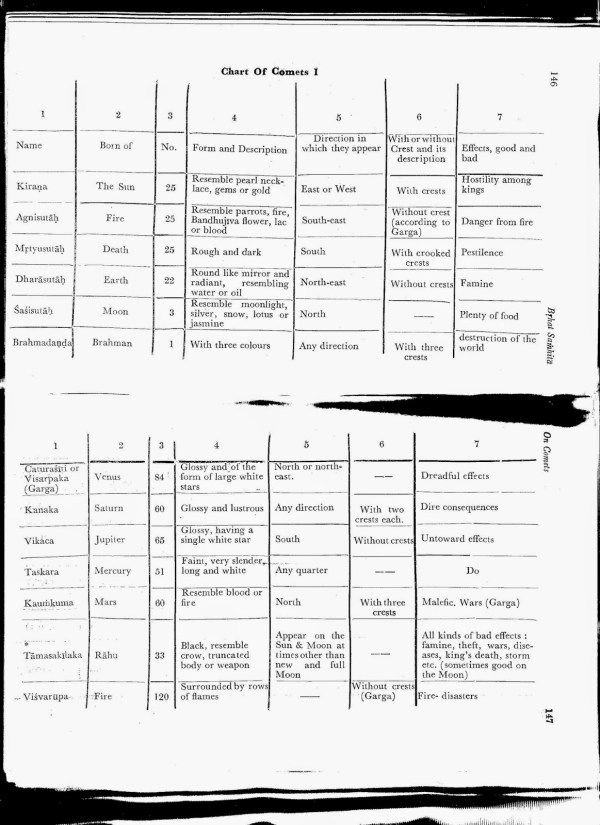
10.He described the types of comets in many verses which would not be understood by modern astronomers (Please see the charts).

  1. It requires lot of research by astronomers to see whether any of the information given by Varahamihira is useful today. We must appreciate that he had summarised the ancient Hindus’ knowledge in over 50 couplets 1500 years ago. The world was without much knowledge about comets at that time. Comets only created fear among the public in the ancient past.

I have followed Brhat Samhita translated in to English from Sanskrit by Prof. M Ramakrishna Bhat.


Comet Chart 1

Comet Chart 2.

Subham.

கி.மு.1700-இல் ஒரு பெண் எம்.பி.! இந்திய அதிசயம்!!

025c5-parliament

Written by London swaminathan

Research Article No.1860; Dated 12 May 2015.

Uploaded in London at 16-42

உலகின் மிகப் பழைய நூல் ரிக் வேதம். இதை இந்து மதத்தைக் குறைகூறுவதையே வாடிக்கையாகக் கொண்ட அமெரிக்க “அறிஞர்களும்” கி.மு.1700 என்று தேதி குறித்துள்ளனர். இதில் சபா, சமிதி என்ற இரண்டு ஜனநாயக அமைப்புகள் பற்றி நிறைய துதிகளில் பாடப்படுகிறது. இதில் உறுப்பினர்களாக இருந்தவர்களில் பெண்களும் உண்டு!! உலகில் பெரும்பாலான நாடுகளில் நாகரீகம் என்பதே தெரியாமல் இருந்த காலத்தில்—அப்படியே நாகரீகம் இருந்த இடத்திலும் பெண்களுக்கு உரிமை தரப்படாத காலத்தில் – பெண்களும் உறுப்பினர் என்றும் அவர்கள் சிறந்த பேச்சாளர்கள் என்றும் ரிக் வேதம் கூறுவது எல்லா இந்தியர்களும் பெருமைப்பட்வேண்டிய விஷயம்.

இது உண்மை-வெறும் புகழ்ச்சி அல்ல- என்பதற்கு “உலகிலேயே மிகவும் புத்திசாலியான பெண்” என்ற கட்டுரையில் வேறு ஒரு உதாரணத்தையும் முன்னரே தந்தேன். 2850 ஆண்டுகளுக்கு முன்னர் மாபெரும் அகில இந்திய தத்துவ மாநாட்டை ஜனக மாமன்னன் கூட்டினான். அதில் யாக்ஞவல்கியர் என்பவர் ஆயிரம் பொற்காசுகள் பரிசை எடுத்துச் செல்ல முயல்கையில் செல்வி கார்க்கி வாசக்னவி என்ற பெண் தடுத்து நிறுத்தி தத்துவ விஷயங்களை அலசியதை முன்னரே நீங்கள் அறிவீர்கள். ஆக ரிக்வேதம் சொல்லுவது மிகைப்படுத்தப்பட்ட கூற்று அல்ல.

8dbc0-tn2bassembly

சபை, சமிதி என்ற சொற்கள் இன்று இமயம் முதல் குமரி வரை, தமிழ், ஆங்கிலம் உள்பட பல மொழிகளில் அப்படியே பயன்படுத்தப் படுகின்றன. தொல்காப்பியர் ச- என்னும் எழுத்தைத் தமிழர்கள் முதல் எழுத்தாகப் பயன்படுத்தக் கூடாது என்று தடை போட்டு விட்டதால் நாம் “சபை” என்ற சொல்லை “அவை” என்று மாற்றிக் கொண்டோம். மற்ற மாநிலங்களில் விதான் சபா என்பர் ; நாம் சட்டப் பேரவை (சபை=அவை) என்போம். சமிதி என்ற சொல் கமிட்டீ (சமிட்டி=சமிதி=கமிட்டி) என்ற ஆங்கிலச் சொல்லாக மருவி உலகம் முழுதும் நிலவுகிறது.

நூற்றுக் கணக்கான ரிக் வேதச் சொற்களை இந்தியர்கள் தினமும் அன்றாடப் பேச்சு வழக்கில் பயன்படுத்துகிறோம் அதில் இந்த சபையும் சமிதியும் அடக்கம்.

இவை இரண்டும் அர்த்தம் மாறாமல் இன்றும் லோக் சபை, ராஜ்ய சபை, விதான் சபை என்ற சொற்களில் பயன்படுகின்றன. அதர்வ வேதமானது இவ்விரு சபைகளையும் பிரஜாபதியின் இரண்டு மகள்கள் என்று வருணிக்கும்.

e225f-bihar2bvidhan

பீஹார் சட்ட சபை

சபை சமிதி சம்பந்தமாகப் புழங்கும் சொற்களைப் பட்டியலிட்டால் இன்றைய தினம் போலவே அன்றும் சபாநாயகர், சபைத் தலைவர், பெண் அங்கத்தினர், சட்டம் இயற்றல், மக்களைக் கலந்தாலோசித்தல் முதலியன இருந்தது புலனாகிறது.

சபையை விடச் சமிதிக்கு குறைவான அதிகாரங்கள் இருந்தன. ஆனால் சமிதி என்பது போர்க்கால கவுன்சில் என்று சாயனர் பாஷ்யம் சொல்லும்.சபைக்கும் சமிதிக்கும் ராஜாவும் வந்தை வேதம் குறிப்பிடும்.

இன்றும் கூட பிரிட்டன் முதலிய நாடுகளில் அரசின் கொள்கைகளை அறிவிக்கவும், பார்லிமெண்டைத் துவக்கிவைக்கவும் ராணி அல்லது ராஜா வருகிறார். இதெல்லாம் அக்கால வழக்கை ஒட்டியதே.

ராஜாவே தனது மகனை அடுத்த ராஜாவாக நியமிக்கும் அதிகாரம் இருந்தபோதிலும் மக்களில் முக்கியமான தரப்பினரை அழைத்து ஒப்புதல் பெறுவது வழக்கம். தசரதனும் தனது முடிவை நாட்டு மக்களுக்கு அறிவிப்பதற்கு முன்னர் முக்கியப் பிரமுகர்களை அழைத்து ஆலோசித்த பின்னரே ராமனுக்கு முடிசூட்ட முடிவு செய்வதாகப் படிக்கிறோம். விஜயன் என்பவன் செய்த கெட்ட செயல்களால் நாடு கடத்தப்பட்டு இலங்கையில் ஒரு புதிய அரசை நிறுவியதை மஹாவம்சம் மூலம் நாம் அறிவோம். மனு ஸ்மிருதியும் தீய செயல்களால் பதவி இழந்த மன்னர்களின் பட்டியலைத் தருகிறது.

276ca-rajasthan_vidhansabha

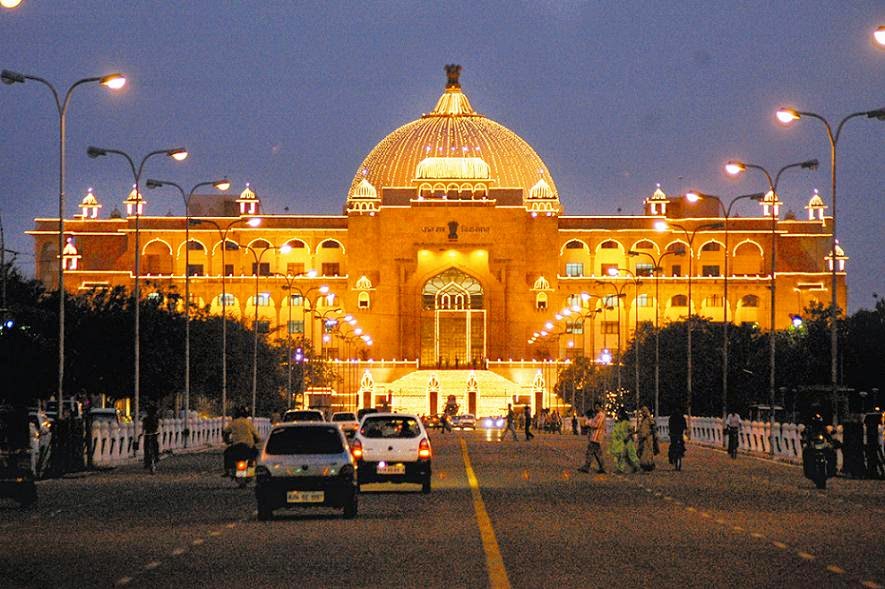
ராஜஸ்தான் சட்ட சபை

இனி வேதத்தில் இருந்து சில குறிப்புகள்:

1.சபையின் பெண் உறுப்பினர்கள் சபாவதி என்று அழைக்கப்பட்டனர் (RV 1-167-3) அவர்கள் சபையில் உரிய சொற்களையே பேசுவர். சட்டத்தைப் பாதுகாக்கும் பெண் மூன்று முறை சபைக்கு வருவார் என்றும் ஒரு மந்திரம் (RV 3-56-5) சொல்லும். இன்று நாம் இதன் முழுப் பொருளையும் உணரமுடியாது.

2.சபையில் முக்கிய உறுப்பினர்கள் சந்தித்து, முக்கிய விஷயங்களை விவாதித்தனர். அதை ஏற்பாடு செய்பவர் சபாஸ்தாணு (அவையின் தூண்) என்று அழைக்கப்பட்டார் (RV.6-28-6; 8-4-9; 10-34-6; 7-12-1; 8-10-5; 12-1-56; 19-55-6 etc). சபையில் சண்டை, சச்சரவுகளும் தீர்த்துவைக்கப்பட்டதாக மஹீந்தரா என்பவர் வாஜசனேயி சம்ஹிதை உரையில் சொல்லுகிறார். கிராம சபை கூடும் இடம் என்றும், செல்வந்தர்கள் அங்கம் வகித்ததாகவும் குறிப்புகள் உள (பிரிட்டனில் இப்பொழுதும் செல்வந்தர்கள், பிரபுக்கள் இடம்பெறும் ஹவுஸ் ஆப் லார்ட்ஸ் உள்ளது!)

3.முக்கியப் பங்காற்றியவர்கள் ‘சபேயர்கள்’ என்று அழைக்கப்பட்டனர்.சபையில் தரமான உயர்ந்த சொற்கள் பேசுவதை ஒரு மந்திரம் குறிப்பிடுகிறது (RV 2-24-13; AV 20-12-8; VS 22-22)

a179a-tn2bseats

4.சமிதி, சபைக்கு ராஜா வருவது பற்றியும் மந்திரங்கள் உள்ளன. அவர்களுடைய கருத்துக்களை ராஜா கேட்டறிந்தார். பிற்கால தமிழ், சம்ஸ்கிருத இலக்கியங்களில் இது பற்றிய குறிப்புகள் மற்றும் எண்பேராயம் (எட்டு பேர் அமைச்சரவை), ஐம்பெருங்குழு ( ஐந்து பேர் ஆலோசனைக் குழு), அஷ்ட திக் கஜங்கள், நவரத்னங்கள் முதலிய பல அமைச்சர்/அறிஞர் குழுக்கள் பற்றியும் தகவல்கள் கிடைக்கின்றன.

5.வேதத்தில் சபை, சமிதி பற்றி வரும் குறிப்புகளையும், அது தொடர்பாக உண்டாக்கப்பட்ட சொற்றொடர்களையும் பார்க்கையில் கி.மு.1700-க்கும் நீண்ட நெடுங்காலத்துக்கு முன்னரே சபையும் சமிதியும் உண்டாகி இருக்கும் என்பதை ஊகிப்பது கடினமில்லை. சுமேரிய, எகிப்திய, மினோவன், மைசீனிய, கிரேக்க சாம்ராஜ்யங்களில் கி.மு 1700ஐ ஒட்டி இத்தகைய அமைப்புகள் எதுவுமில்லை. ஆகவே உலகின் முதல் ஜனநாயக நாடு இந்தியாதான். பெண்களையும் உறுப்பினர் ஆக்கும் மனப்பக்குவம் உலகில் வேறு எங்கும் காணக்கிடைக்காதது! அரசன் மனைவியோ, மகளோ அதிகாரம் பெறுவதில் வியப்பில்லை. அது குல முறைப்படி அல்லது ராஜா வகித்த பதவி வழியாகக் கிடைக்கக்கூடியது. செல்வி வாசக்னவி, மைத்ரேயி போன்ற தனிநபர் ஒரு சபைக்குச் செல்வது அறிவு முதிர்ச்சியின் உச்சம் ஆகும்!

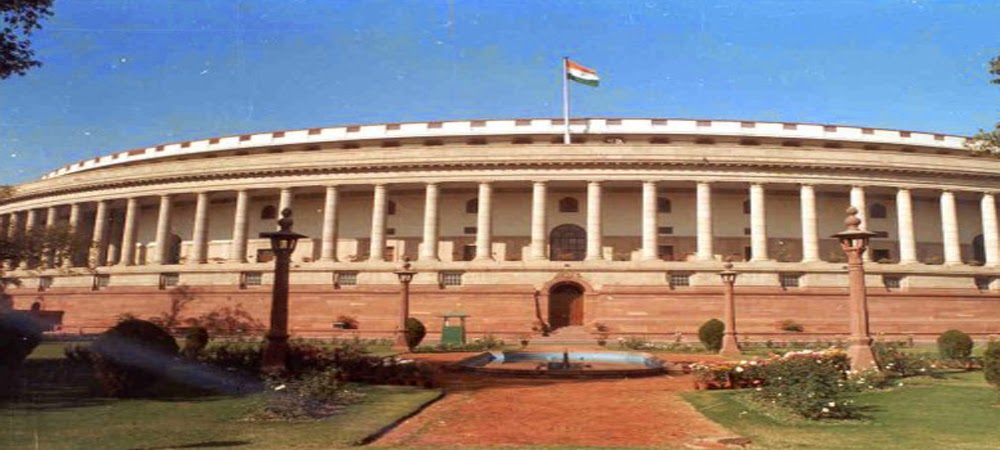
கீழே மக்களவையின் படம் (லோக் சபா)

பாட்டுக்கு பத்து ரூபாய்! ஞானியார் அடிகள் கதை

ஞானியார்  அடிகள் படம்

Written by London swaminathan

Article No.1859; Dated 12 May 2015.

Uploaded in London at 14-32

செங்குந்தர் ஜாதியில் பிறந்து பின்னர் துறவறம் மேற்கொண்ட ஞானியார் அடிகள் பல மொழிகளைக் கற்றுத் தேர்ந்தார். அவர் தெலுங்கு மொழியை சென்னை கேசவுலு நாயுடுவிடம் இருந்தும் சம்ஸ்கிருத மொழியை ராமநாத சாஸ்திரிகள் இடமிருந்தும் தமிழ் மொழியை சி.மு.சாமிநாத அய்யர் என்னும் பெரும் புலவரிடமிருந்தும் கற்றார்.

சாமிநாத அய்யர் தினமும் பாடம் சொல்லி முடித்தவுடம் ஒரு பாடலை எழுதி வீட்டுப் பாடமாகக் (ஹோம் ஒர்க்) கொடுப்பார். அந்தச் செய்யுளில் என்ன “சீர், தளை” இருக்கிறது என்பதை ஞானியார் அடிகள் எழுதி வைப்பார். மறுதினம் வரும் போது அதைச் சரிபார்த்துவிட்டு, ஐயர் மேலும் ஒரு பாடல் எழுதுவார்.

ஒருமுறை அவருக்கு பொருள் தட்டுப்பாடு போலும்.அது மனதை வாட்டியதாலோ என்னவோ கீழ்கண்டவாறு ஒரு கவிதையை ‘ஹோம் ஒர்க் நோட்புக்’கில் எழுதிக் கொடுத்துவிட்டுப் போய்விட்டார்.

“நற்பாடலிபுரத்து நாதனே! நாயினேன்

பொற்பாம் நினதடியைப் போற்றினேன் தற்போது

வேண்டுஞ் செலவிற்கு வெண்பொற்காசுப் பத்து

ஈண்டு தருக இசைந்து”—

என்னும் வெண்பாவினை எழுதி வைத்துவிட்டுச் சென்றார். இந்தச் செய்யுளுக்கு இலக்கணக் குறிப்பு எழுத வேண்டியது அடிகளார் வேலை.

மறுநாள், ஐயர் வழக்கம்போல பாடம் கற்பிக்க வந்தார். அன்றைய பாடம் முடிந்த பின் மேலும் ஒரு செய்யுளை எழுதுவதற்காக குறிப்புப் புத்தகத்தைத் திறந்தார். அதில் பத்துரூபாய் பணமும் இருந்தது கண்டு வியந்தார்.

“இது என்ன? நான்பாட்டுக்கு (அதாவது என் மனம் போனவாறு) ஏதோ கவிதை எழுதி வைத்தேன். பொருள்மட்டும்தானே எழுதச்சொன்னேன்” என்றார். உடனே அடிகாளாரும் “நான் பாட்டுக்குப் பொருள் தந்தேன்; வேறு எதுவும் இல்லை” என்றார்.

தமிழ் நயம் உணர்ந்தோர் இதில் வரும் “பாட்டுக்கு”, “பொருள்” என்ற சொற்கள் சிலேடையாகப் பயன்படுத்தப்பட்டிருப்பதைக் அண்டு இன்புறுவர்.

(இதை 1958-ஆம் ஆண்டு சிங்கப்பூர் தமிழ் முரசு ஆண்டு மலரில் படித்தேன்)