The Story of ‘Juggernaut!’

Compiled by London swaminathan

Post no.1878, Date: 20 May 2015.

Most of us know that the word ‘juggernaut’ in the English dictionary is derived from Lord Jaganatha of Puri, Odisha.

If you look at Oxford Dictionary you will get two meanings:-

1.A very large Lorry/Truck

2.A large powerful force or institution that cannot be controlled

British News Paper The Guardian has published the following matter under its question and answer column (Notes & Queries, Vloume 5)

Question: What is the origin of the word Juggernaut?

Answer:

JUGGERNAUT is derived from Sanskrit and modern North Indian languages like Hindi ‘Naut’ here is Lord(nath) of the universe (jagat), the compound Jagannath, is a title for the Hindu god Vishnu, especially in his eighth incarnation as Krishna. Huge Lorries are called juggernauts because the epithet of the deity had come in English to be associated with the enormously heavy chariot (rath) which bears Jagannath in procession at the annual festival (Rathayatra) at the town of Puri (Jagannath Puri) in Orissa in North East India.

This has been reported by European travellers since about 1321 and reports mentioned worshippers dying, crushed under the massive wheels. Western observers’ usually disparaging  accounts led to an intermediate usage of juggernaut for any institution to which persons are ruthlessly sacrificed (OED 1933) before it was applied to ‘a very large lorry for transporting goods by road, especially one that travels throughout Europe’ Collins Dictionary of the English Language 1979). During the past 150 years, juggernaut served in a derogatory as a verb and an adjective as well as a noun.

–Eleanor Nesbit, Senior Research Fellow, Religious Education, University of Warwick.

Brewer’s Book of Myth and Legend add…

The chief festival is the car festival when Jagannath is dragged in his car (35 feet square, 45 feet high) to another temple. The car has sixteen wheels, each seven feet in diameter. The belief that fanatical pilgrims cast themselves under the wheels of the car to be crushed to death on the last day of the festival is largely without foundation. However it has led to the phrase the car of the juggernaut, used to denote customs, institutions etc., beneath which people are ruthlessly and unnecessarily crushed.

My comments: Actually the Christian missionaries published pictures of Jagannath Rath in bad light (throwing people under the wheels) and women thrown into husband’s funeral pyre etc. to justify their conversion agenda.

காலம் பற்றிய ஐந்து அற்புதக் கதைகள்!-2

akrura vision

படம்: தண்ணீருக்கடியி்ல், அக்ரூரர், கண்ட  காட்சி

எழுதியவர்- லண்டன் சுவாமிநாதன்

ஆராய்ச்சிக் கட்டுரை எண்- 1877

தேதி-20 May 2015  நேரம்- 8-30 am

காலம் என்பது சுழன்று கொண்டே இருக்கும்- என்னும் கருத்தை வலியுறுத்தும் மூன்று கதைகளை நேற்று கண்டோம். இன்று மேலும் இரண்டு சுவையான கதைகளைக் காண்போம்.

கதை-4

பாகவத புராணத்தில் உள்ள ஒரு கதை: நாரதர் ஒரு முறை கிருஷ்ணரைப் பார்ப்பதற்காக துவாரகைக்குச் சென்றார். கிருஷ்ணருக்குப் பல மனைவியர்கள் உண்டு. முதலில் மூத்த மனைவியிருக்கும் அரண்மனைக்குச் சென்று வணக்கம் சொல்லுவோம் என்று உள்ளே நுழைந்தார். அவள் அன்பாக கணவனுக்கு விசிறி வீசிக் கொண்டிருந்தாள். என்ன நாரதரே! சௌக்கியமா? நலம்தானா? என்று இருவரும் அன்பாக குசலம் விசாரித்தனர். இவரும் உரிய மரியாதை வசனங்களைப் பரிமாறி விட்டு அடுத்த மனைவியிருக்கும் அரண்மனைக்குச் சென்று உள்ளே நுழைந்தார். அங்கே இரண்டாவது மனைவியுடன் கிருஷ்ணர், தாயக் கட்டம் விளையாடிக் கொண்டிருந்தார். நாரதரைக் கண்டவுடன், அப்போதுதான் முதல் தடவை பார்ப்பது போல குசலம் விசாரித்தார். நாரதருக்கு வியப்பாக இருந்தது. மூன்றாவது மனைவியிருக்கும் அரண்மனைக்குச் சென்று உள்ளே எட்டிப் பார்த்தார். அங்கே அவள், கிருஷ்ணரின் கால்களைப் பிடித்துவிட்டுக் கொண்டிருந்தாள் (முன் காலத்தில் இப்படியெல்லாம், கணவன்மார்களுக்கு மனைவிமார்கள் சேவகம் செய்வதுண்டு!!!!)

இப்படியாக நாரதர் பல மாளிகைகளுக்குள் கிருஷ்ணன் பல இடங்களில் இருப்பதையும் ஒவ்வொருமுறையும் அவர், அப்போதுதான் நாரதரை முதல் முறையாகக் காண்பது போல நடந்துகொள்வதையும் கண்டு வியந்தார். கடவுளை எல்லாம் அறிந்தவன், எங்கும் நிறைந்தவன், எதையும் செய்ய வல்லவன் (Omniscient, Omnipresent, Omnipotent) என்பர். ஒரே காலத்தில் அவரை எங்கும் காண முடியும்.

வெள்ளைக் காரனுக்கு இந்தக் கருத்து எல்லாம் புரியாது. இப்போதுதான் கொஞ்சம் கொஞ்சமாக விஞ்ஞானப் புனைக் கதைகளில் (Science fiction stories) இதை எல்லாம் கதை போல எழுதத் துவங்கியுள்ளனர்.!

IMG_3526

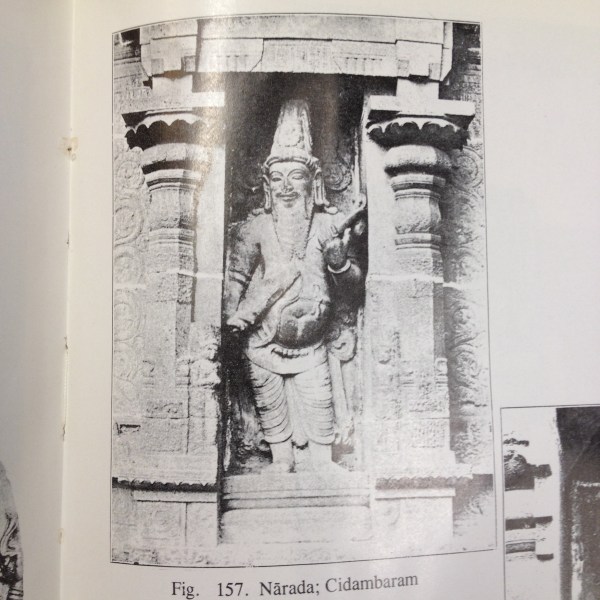
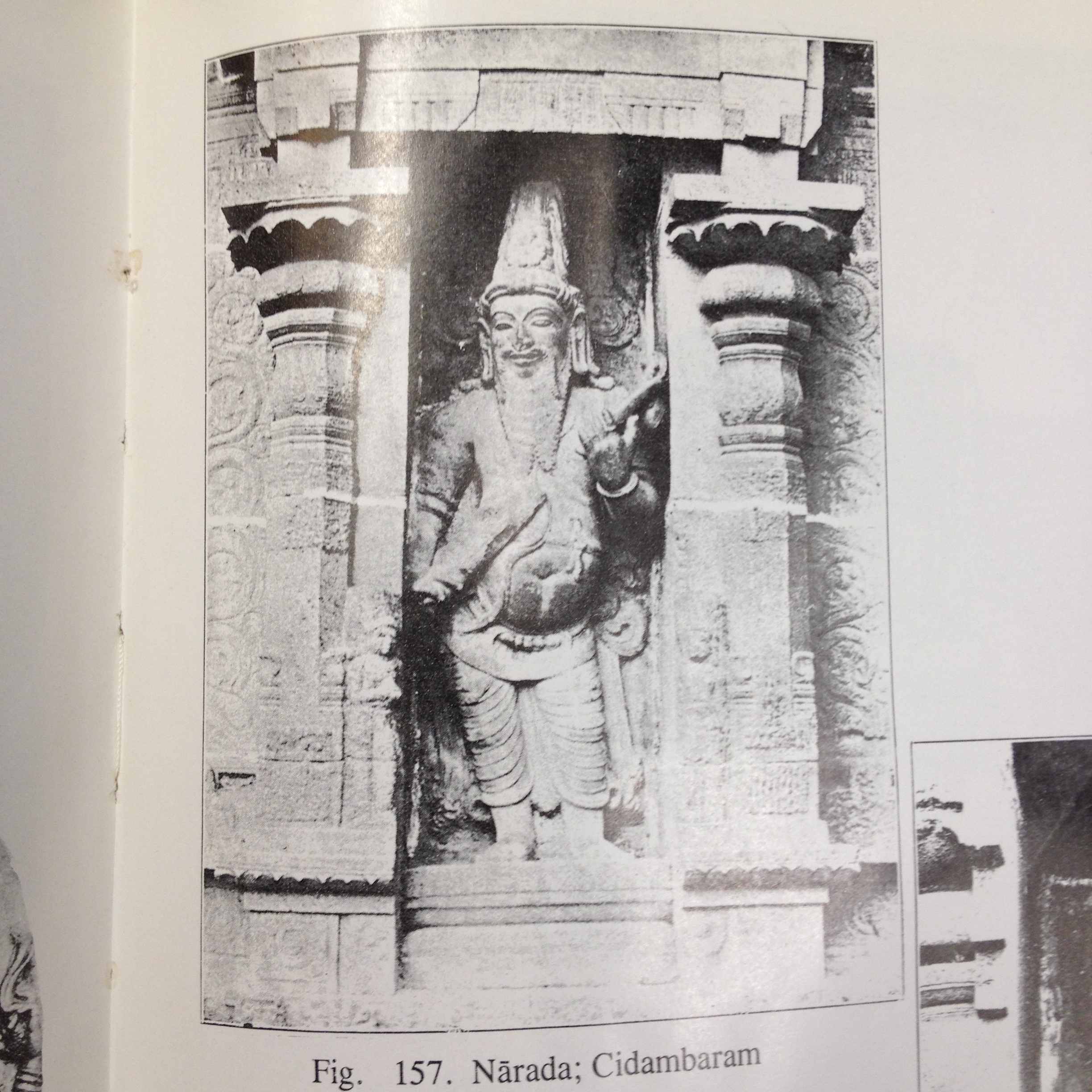
படம்: நாரதர்

கதை-5

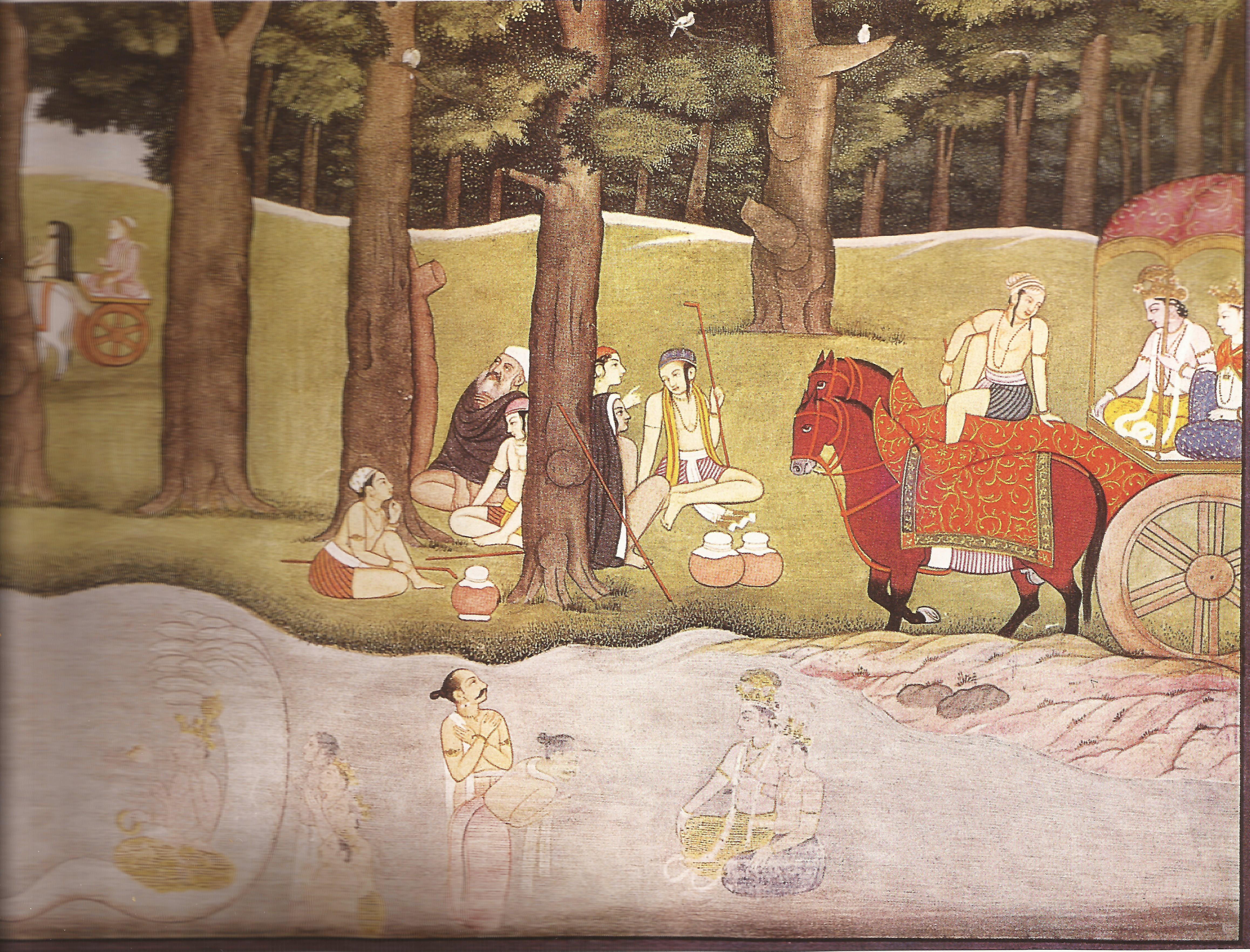
பாகவத புராணத்தில் உள்ள மேலும் ஒரு கதை: கிருஷ்ணனும் அவனது அண்ணன் பலராமனும் கட்டிளம் காளைகள். இருவரும் உத்தரப் பிரதேசத்தில் உள்ள மதுரா நகரில் இருந்து குஜராத் மநிலத்தில் உள்ள துவாரகைக்குச் செல்ல திட்டமிட்டனர். அந்தக் காலத்தில் இந்துக்களில் பெரிய எஞ்சினீயர்கள் இருந்ததால் சாலைப் போக்குவரத்து செம்மையாக நடந்தது.– (இது போலவே ஈரான்- ஆப்கனிஸ்தான் எல்லையில் உள்ள கேகய நாட்டில் இருந்து பரதன் வந்த பாதையையும் வால்மீகி ராமாயணத்தில் காணலாம்) — உடனே அக்ரூரர் என்ற குடும்ப நண்பர் – கிருஷ்ண பக்தர் — அவர்களை ரதத்தில் அழைத்துச் சென்றார். ரதத்தை ஓட்டி வந்த டிரைவர் அக்ரூரருக்கு களைப்பு. உடனே இரண்டு சகோதரர்களையும் ரதத்திலேயே உட்காரவைத்துவிட்டு அவர்கள் அனுமதியுடன் குளிக்கச் சென்றார். யமுனை ஆற்றுத் தண்ணீரில் தலையை முக்குகிறார். நீருக்கு அடியில் ரதத்தில் கண்ணனும் பலராமனும் இருக்கக் கண்டார். வியப்புடன் நீருக்கு வெளியே வந்து எட்டிப் பார்த்தார். கிருஷ்ணனும் பலராமனும் சிரித்து மகிழ்ந்து உரையாடிக் கொண்டிருப்பதைக் கண்டார்.

மீண்டும் தலையை நீருக்குள் முக்கினார். அப்பொழுது கிருஷ்ணன், விஷ்ணுவாக ஆதிசேஷன் என்னும் பாம்பின் மீது படுத்திருப்பதைக் கண்டார். மீண்டும் வியப்பு. தண்ணீருக்கு வெளியே தலையை நீட்டிப் பார்த்தால் இரண்டு சகோதரர்களும் அதே இடத்தில் ரதத்தில் இருந்தனர். இப்போது அக்ரூரருக்கு கண்ணன்- பலராமன் அவதார புருஷர்கள் என்பது விளங்கிற்று.

கடவுள் என்பவன் காலத்தைக் கடந்தவன் என்பது தெளிவாயிற்று. விஷ்ணுவின் மறு அவதாரம் கிருஷ்ணன் என்றும் ஆதிசேஷனின் மறு அவதாரம் பலராமன் என்றும் இந்துக்கள் நம்புகின்றனர்.

–சுபம்–

Old Languages Never Die!

Written by London swaminathan

Research Article No.1876; Dated 19 May 2015.

Uploaded in London at 19-21

Origin of the word “TAMIL (THAMIZ)” has been debated for long by scholars. Several scholars said the word Tamil came from:–

Dravida=Dramila=Tamil

Some countered this argument by saying it worked the other way round:–

Tamil=dramila= Dravida

But those who study the following answer will have to accept that the first argument is correct i.e. Tamil came from Dravida. Since dra, bra, pra, gra sounds don’t exist in Tamil they always write it as da, ba, pa,kira in Tamil as in the words Thamiz, Piraman(Brahma), Padimam (Pratima),Kirantham (Grantha) (Following answer shows that the sound change works in only one direction)

The second point is that one can understand from the following answer how Sanskrit words/sounds changed into European languages in course of time. The oldest Indo-European language is Sanskrit. All the European languages are very much younger than Sanskrit. Their literature came into existence at least 1000 year after the Vedas.

Question and Answer from a British News Paper

Question:How do we know the correct way to pronounce a dead language?

(From the Notes and Queries- volume 4 of The Guardian News Paper)

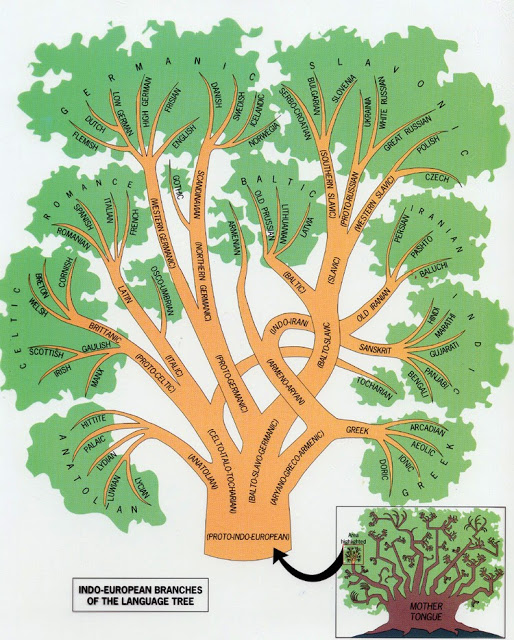
Answer: Old languages don’t die. They just fade into new languages (at least most of them do). While the entire sound system of an ancient language rarely survives intact, fragments can usually found scattered around its daughter languages.

For example many traits of Latin pronunciation are directly observable in Italian, French, Spanish and Romanian languages. The job of the linguistic historian is try to piece these various bits together. The most tried and tested technique is comparative reconstruction, which focusses on    systematic sound correspondences that emerge when we compare the same words in different sister languages. Where this exercise turns up different sounds, it is usually possible to trace them back to a common historical source.

For example many English words beginning with ‘t’ corresponds to words beginning with ‘ts’ – spelt tz – in the sister language German; compare English ten, to, time with zehn, zu, zeit. On the basis of this and many similar correspondences, we can reconstruct a common Germanic parent language in which the older sound in this particular instance is the knowledge that each type of sound change takes place in one direction only. On the strength of what happens in other languages, we know that ‘t’ at the beginning of a word  can turn into ‘ts’ but not vice versa. The more widely we cast our comparative net, the further we can reach back into the mists of time.

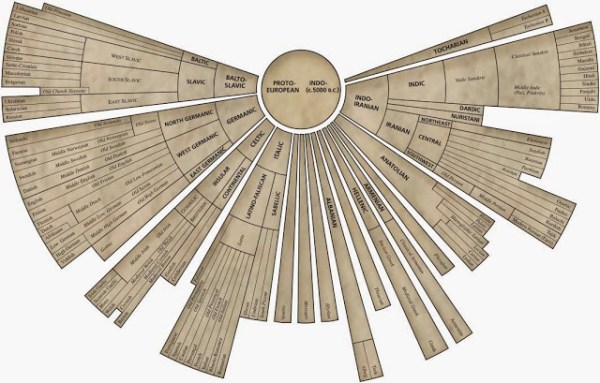
The ‘t’ of early Germanic itself derives from  an even older ‘d’ – contrast English two and tooth with, say, Italian ‘due’ and ‘dente’. Ultimately we arrive at the sound system of an ancient indo – European tongue, the common ancestor of languages as apparently diverse as English, French, Russian, Irish, Greek and Urdu.

John Harris, Department of Phonetics and Linguistics, University College, London

காலம் பற்றிய ஐந்து அற்புதக் கதைகள்!-1

க்ரிஷ்ன ஈட்டி

Written by London swaminathan

Research Article No.1875; Dated 19 May 2015.

Uploaded in London at காலை 8-45

Already posted in English

காலம் என்பதை இந்துக்கள் தெரிந்துகொண்ட அளவுக்கு, புரிந்துகொண்ட அளவுக்கு,வேறு எந்த கலாசாரமும், நாகரீகமும் அறியவில்லை. இந்துக்களுக்கு ‘காலச்சக்கரம்’ என்ற சொல் நன்கு தெரிந்த சொல். அதாவது காலம் என்பது சுழன்றுகொண்டே இருக்கும்—காலம் என்பது வட்டப் பாதையில் செல்லும் என்பது அவர்கள் கணிப்பு. நான்கு யுகங்கள் முடிந்தவுடன் மீண்டும் கிருத யுகம் துவங்கி நான்கு யுகங்கள் வரும்—இவ்வாறு பல கோடி ஆண்டுகள் ஆனபின்னர் ஒரு பிரம்மாவின் ஆயுள் முடியும் என்பதெல்லாம் இந்துக்களுக்கு அத்துபடியான விஷயம். இந்த மாதிரி பெரிய எண்கள், சுழற்சி முதலியவை வேறு எங்கும் காணப்படா.

மேற்கத்தியர் கணக்குப்படி காலம் என்பது சக்கரம் போல சுழலாது—அது நீண்ட ஆறு ஓடுவது போல ஒரே திசையில் முடிவில்லாமல் சென்று கொண்டிருக்கும் என்பர். அவர்கள் இப்பொழுது கருந்துளைகள் (Black holes) என்னும் விண்வெளி அதிசயம் பற்றி ஆராய, ஆராய புதுப்புது தகவல்கள் வந்து கொண்டே இருக்கின்றன. அதன் முடிவில் இந்துக்கள் சொன்னதே சரி என்று உணர்வர்.

இந்துக்களின் கடவுளுக்குக் கூட காலத்தின் பெயர்கள் இடப்பட்டன. சிவனை ‘மஹா கால’ (Maha Kala) என்றும், ‘காலாக்னீ ருத்ராய’ (Kalagni Rudraya) என்றும் மந்திரங்கள் சொல்லுகின்றன. அதாவது மாபெரும் காலம், இறுதி நேரத்தில் எல்லோரையும் விழுங்குபவன், காலம் என்னும் தீயில் அனைத்தும் கருகி சாம்பல் ஆகும்—விபூதி ஆகி விடும் என்பதை இந்துக்கள் உணர்வர். அதே போல விஷ்ணுவையும் ‘பூத, பவ்ய, பவத் பிரபு’ (விஷ்ணு சஹஸ்ரநாமம்) என்று அழைப்பர். அதாவது அவனே “கடந்த, வரும், நிகழ் காலம்”. எல்லா கடவுளரையும் “குணத்ரயாதீத, காலத்ரயாதீத” என்றும் இந்துக்கள் போற்றுவர். அதாவது இறைவன் என்பவன் குணத்தையும் காலத்தையும் கடந்தவன். அவனை நமது காலம் கட்டுப்படுத்தாது. இதெல்லாம் மேல்நாட்டினருக்குப் புரியாத விஷயம்!

காலத்தின் தன்மையை விளக்க ஐந்து அருமையான கதைகள் உள. அவற்றை இரண்டு பகுதிகளில் தருவேன்.முதல் பகுதியில் மூன்று கதைகளைக் காண்போம்.

1.விஷ்ணு புராணக் கதை

விஷ்ணுவும் நாரதரும் ஒரு காட்டின் வழியே பயணம் செய்து கொண்டிருந்தனர். விஷ்ணுவுக்குத் திடீரென தாகம் எடுத்தது. தூரத்தில் ஒரு கிராமம் தெரிந்தது. அங்கே சென்று கொஞ்சம் தண்ணீர் வாங்கி வருமாறு நாரதரிடம் விஷ்ணு கேட்டுக் கொண்டார். உடனே நாரதர் அந்த கிராமத்துக்குச் சென்று ஒரு வீட்டின் கதவைத் தட்டினார். அழகிய பெண் கதவைத் திறந்தாள். கண்டதும் காதல் மலர்ந்தது. அது கல்யாணத்தில் போய் முடிந்தது. நாரதர் மிகவும் மகிழ்ச்சியாக குடும்பம் நடத்தி குழந்தைகளையும் பெற்றெடுத்தார்.

ஒரு நாள் பெரிய வெள்ளம் வந்தது. அந்த கிராமமே வெளத்தில் அடித்துச் செல்லப்பட்டது. நாரதர் குடும்பமும் வெள்ளத்தில் சென்றது. நாரதர் செய்த புண்ணியம் அவர் காட்டில் போய் ஒதுங்கினார். எந்த இடத்தில் விஷ்ணுவிடம் விடை பெற்றாரோ அதே இடத்தில் கரை ஒதுங்கினார். விஷ்ணு, “என்ன நாரதரே! தண்ணீர் கிடைத்ததா?” என்று கேட்டார். நாரதருக்கு ஒரே வியப்பு. இது என்ன, நான் கல்யாணம் செய்து கொண்டு குடும்பம் நடத்தி குழந்தைகளையும் பெற்று வயசும் ஆகிவிட்டதே, இவர் ஏதோ ஒரு மணி நேரத்துக்கு முன்னர் தண்ணீர் கொண்டுவரச் சொன்னது போலப் பேசுகிறாரே என்று எண்ணி விஷ்ணுவிடமே போய் விளக்கம் கேட்டார். அப்போது விஷ்ணு சொன்னார், நாரதரே உமது பூவுலக நேரம் வேறு, எமது தேவலோக நேரம் வேறு என்று.

இது போன்ற கதைகள் இந்து மதத்தில் ஏராளம் உண்டு. அர்ஜுனனை மாதலி என்பவன் இந்திர லோகத்துக்கு அழைத்துச் சென்று ஐந்து ஆண்டு விருந்தினராக வைத்திருந்த போது நடந்தவையும், ரேவதி நட்சத்திரக் கதையும் இது போன்றவையே. சம்பந்தரும் சுந்தரரும் காலப் பயணம் செய்து எப்போதோ இறந்த இருவரை உயிர்ப்பித்தனர் என்று முன்னரே ஒரு கட்டுரையில் விளக்கி இருக்கிறேன்.

இந்த அளவுக்கு வேறு கலாசாரங்களில் கதைகளும் இல்லை. கதைகள் இருந்தாலும் அதை விளக்க எந்த கொள்கைகளும் இல்லை.

அவர்களுக்கு சிறிய எண்கள் மட்டுமே தெரிந்திருந்தன. இதே காலத்தில் வேத மந்திரங்களோ பிரம்மாண்டமான எண்களைப் பயன்படுத்தின.

IMG_3526

கதை 2: இன்னும் ஒரு கதையைக் காண்போம்

லீலாசுகரின் “பால கோபால ஸ்துதி”யில் ஒரு நிகழ்ச்சி வருகிறது. கிருஷ்ணன் குழந்தையாக இருந்தகாலையில், யசோதா அவனைத் தொட்டிலில் போட்டு ஆட்டி தூங்கச் செய்கிறாள். அப்பொழுது தாலாட்டுப் பாட்டில் ராமாயணக் கதையைப் பாட்டாகப் பாடிக் கொண்டிருந்தார். மாரீசன், மாய மான் வேடத்தில் வந்து, அதை ராமன் துரத்திச் செல்லும் கட்டத்தை யசோதா பாடிக் கொண்டிருந்தாள். திடீரெனக் குழந்தைக்கு –அதாவது குழந்தைக் கிருஷ்ணனுக்கு — தூக்கிவாரிப் போட்டது. லட்சுமணா! என் வில் எங்கே? என்று கிருஷ்ணன் (குழந்தை) உரத்தகுரலில் கத்தினான். அதாவது பூர்வ ஜன்ம நினைப்பு வந்தது. இதில் அவர் காலத்தில் பின்னோக்கிப் பயணம் செய்தது தெரிகிறது.

கதை 3: இந்திரனும் எறும்பு வரிசையும்

பிரம்ம வைவர்த்த புராணத்தில் இந்திரனின் மமதை, அஹங்காரம் அடக்கப்பட்ட ஒரு கதை வருகிறது. இந்திரன் கம்பீரமாக அவனது சபையில் அமர்ந்திருந்த போது,  திடீரென எறும்புகள் ஒரு நீண்ட வரிசையில் சபைக்குள் நுழைந்தன. எல்லோரும் வியப்புடன் பார்க்கின்றனர். ஒருவர் மட்டும் குபீரெனச் சிரித்துவிட்டார். “ஐயா, இதில் சிரிக்க என்ன இருக்கிறது?” என்று இந்திரன் கேட்டார். “இந்த ஒவ்வொரு எறும்பும் முந்தைய ஜன்மத்தில் ஒரு இந்திரனாக இருந்தது” என்று அவர் பதில் சொன்னார். இதில் காலச் சுழற்சி என்னும் கருத்து இருக்கிறது.

ants

மேலும் இரண்டு சுவையான கதைகளை நாளை காண்போம்

இலக்கியப் பணியில் கண்ணதாசன்!-1

Art-350

Written by ச.நாகராஜன்

Research Article No.1874; Dated 19 May 2015.

Uploaded in London at காலை 8-19

ச.நாகராஜன்

கண்ணதாசனின் பல் பரிமாணங்கள்!

தமிழ் இலக்கியம் அகன்றது, விரிந்தது, ஆழமானது, அதிசயமானது! காலத்திற்கேற்றவாறு கவிஞர்கள் தோன்றி தமிழுக்கு அளித்த காணிக்கைகளைப் பார்த்தால் அவை பல்வேறு சுவையைக் கொண்டிருப்பதோடு சம காலத்தில் வாழ்ந்த மனிதர்களை உத்வேகப்படுத்தியதோடு அடுத்து வரும் தலைமுறைகளுக்கும் அவை ஏற்றவையாகவும் ஏற்றம் பெற்றவையாகவும் இருப்பதைக் காணலாம்.


கண்ணதாசன் என்ற கவிஞனும் இதற்கு விதி விலக்கல்ல!

கவியரசர் கண்ணதாசன் வாழ்ந்த ஆண்டுகள் 54 ஆண்டுகள் தான். என்றாலும் கூட அவர் பல பரிமாணங்கள் கொண்டு ஒளிர்ந்தார். அவர் ஒரு கவிஞர். கட்டுரையாளர். நாவல் ஆசிரியர். பத்திரிக்கை ஆசிரியர். திரைப்படப் பாடலாசிரியர். திரைக்கதை வசனகர்த்தா. மொழிபெயர்ப்பாளர். இப்படிப் பல பரிமாணங்கள்.


4000க்கும் மேற்பட்ட கவிதைகள், சுமார் 5000 திரைப்படப் பாடல்கள், சுவையான ஐம்பதுக்கும் மேற்பட்ட நூல்கள் என அவரின் படைப்புப் பட்டியல் நீளும்.

வாழ்ந்த ஆண்டுகளையும் படைத்த படைப்பின் எண்ணிக்கைகளையும் வைத்து பொதுவாக ஒருவன் வாழ்த்தப்படுவதில்லை; மதிக்கப்படுவதில்லை.

இருந்த காலத்தில் இருளை அகற்றி ஒளியையும், சோகத்தை அகற்றிச் சுகத்தையும்,  காலம் விதிக்கும் தடைகளுக்கு விடைகளையும் தந்தானா என்பதை வைத்தே காலம் ஒருவனை எடை போடுகிறது.


26 வயதே வாழ்ந்த ராஜம் ஐயர் (1872-1898) கமலாம்பாள் சரித்திரம் உள்ளிட்ட பேர் சொல்லும் படைப்புகளைப் படைத்தவர். 39 வயதே வாழ்ந்து மறைந்த உலக மஹாகவி பாரதியார் (1882-1921) தமிழில் பல்வேறு பரிமாணங்களைக் காட்டியவர். காலத்தை வென்ற கவிதைச் சித்திரங்களைத் தீட்டியவர். 29 வயதே ஆன பட்டுக்கோட்டை கல்யாணசுந்தரம் திரைப்படப் பாடல்கள் மூலமாக ஒரு தனி தாக்கத்தை ஏற்படுத்தியவர். இப்படிப் பலரையும் சுட்டிக் காட்டலாம்.

 images


அனைவருக்கும் ஒரு பாட்டு!

கர்ப்பத்தில் இருந்து ஆரம்பித்து காடு சென்று முடிபவர் வரை அனைவருக்கும் அனைத்து சமயங்களுக்கும் ஏற்ற பாடல்களை வெகுஜன ஊடகம் மூலமாகத் தந்தவர்; சமகால அரசியலை – குறிப்பாக அதிலிருக்கும் சாக்கடை நாற்றத்தை அம்பலப்படுத்தியவர்; கவிதைகளில் தமிழை விளையாட விட்டு அனைவரையும் ரசிக்க வைத்தவர். ஆன்மீகப் பணியில் ஈடுபடுத்திக் கொண்டு இந்து மதத்திற்கு ஒரு சுகமான அர்த்தத்தைத் தந்தவர். அனைவரும் திடுக்கிடும்படியான சுய விமரிசனத்தை உண்மை வழுவாது தந்து அனைவரையும் அதிசயக்க வைத்தவர். பல பலஹீனங்களுக்கு – மது, மாது – உட்பட்டிருந்தாலும் கூட, அவற்றிலிருந்து விடுபட முயன்று, தமிழ் இலக்கிய பலத்தால் தன் வாழ்க்கையில் ஒரு அர்த்தம் காண முற்பட்டவர் . சுருக்கமாக இது தான் கண்ணதாசன்.


காப்பியம் செய்ய, தமிழ் மட்டும் போதாதே!

கவிஞர் நாஞ்சில் ஷா, சென்னை – 48 அவரை இப்படி ஒரு கேள்வி கேட்கிறார்:-

மலை போன்ற தத்துவத்தை                                                                     

மலை வாழைப் பழமே யாக்கி                                                        

நிலையான தமிழ்த்தேன் பாகில்                                                    

நியமமுடன் சேர்த்து நல்கும்                                                           

கலைஞானக் கவிதை வேந்தே!                                                   

காப்பியங்கள் ஆர்த்து ஞாலத்                                                           

தலைமேலே அமரப் போகும்                                                          

சாதனை தான் எப்போ தென்பீர்?

காப்பியங்கள் பல செய்து புவித் தலமை கொள்ளப் போவது எப்போது என்பதற்கு அவரது பதில் இது:-

நோகாத மனம் வேண்டும் காலம் வேண்டும்                                

நோயில்லா உடல் வேண்டும் சூழல் வேண்டும்                                     

ஆகாத தொடர்பெல்லாம் அறுதல் வேண்டும்                                       

அன்றாடச் செலவுக்குப் பணமும் வேண்டும்                                       

சாகாத காப்பியங்கள் செய்வதென்றால்                                               

தமிழ் மட்டும் போதாதே! என்ன செய்ய?                                         

வாகான தெய்வத்தை வரங் கேட்கின்றேன்                                        

வளமான உடல்வாழ்க்கை வழங்கு மாறே!

ஜனவரி 1978, கண்ணதாசன் இதழில் வெளி வந்த ‘ஐயம் அகற்று’ (கேள்வி– பதில்) பகுதியில் கேள்வி ஒன்றும் அதற்கான பதிலும் தான் இது!

இவற்றில் பல இல்லாத போதும் கூட அவர் கவிதை யாத்தார்; காப்பியங்கள் செய்தார்.


 Kannadasan birth chart south indian type

தனக்கு ஆகாத தொடர்பெல்லாம் அறுதலை அவர் விரும்பினாலும், அந்தத் தொடர்புகள் இவரைச் சுற்றி வந்து கும்மாளம் போட்டன! நோயுள்ள உடல், நொந்த மனம், கலி காலம், வெறுப்பான சூழல் இவையெல்லாம் அவரைப் பரந்த அளவில் இலக்கியப் பணி செய்யவிடாமல் எதிரில் வந்து குறுக்கிட்ட தடைகளாய் அமைந்தன.

விதி சதி செய்தாலும் சாதித்தது ஏராளம்! 


காலத்தை வீணாக்கி விட்டேன்!

பேராம்பட்டு கே.சந்திரசேகரன் கேட்கிறார் (இதே கண்ணதாசன் ஜனவரி 1978 இதழில்) இப்படி:-

“தாங்கள் இப்பொழுது துவங்கியிருக்கும் எழுத்துப் பணியை சுமார் பத்து ஆண்டுகளுக்கு முன்பு துவங்கியிருந்தால், இன்னும் நிறைய சேவை செய்திருக்கலாமே!”

அதற்கு கண்ணதாசனின் பதில் இது:-

“கடவுள் இந்த புத்தியை அப்போது எனக்குக் கொடுக்கவில்லையே! இதை நீங்கள் நினைத்துப் பார்க்கிறீர்கள்; நானோ எண்ணி எண்ணி அழுகிறேன். காலங்களை வீணாக்கி விட்டேன். பத்து ஆண்டுகளுக்கு முன்னே இந்தப் பணியை நான் துவக்கியிருந்தால், என் பிள்ளைகளுக்கு  வேறு சொத்து எதற்கு?”

காலம் கடந்த புத்தி! கடவுள் செய்த ஜாலம்! இதில் வரும் ‘என் பிள்ளைகள்’ என்பதை அவரது சொந்தக் குழந்தைகள் என்று எடுத்துக் கொள்ளாமல் தமிழ்ப் பிள்ளைகள் என்று அகண்ட அர்த்தத்தில் எடுத்துக் கொள்ள வேண்டும்!

தமிழுக்கு வந்து சேர்ந்திருக்க வேண்டிய பெரிய சொத்து, சுருங்கிய சொத்தாகவே வந்தது!

  • தொடரும்


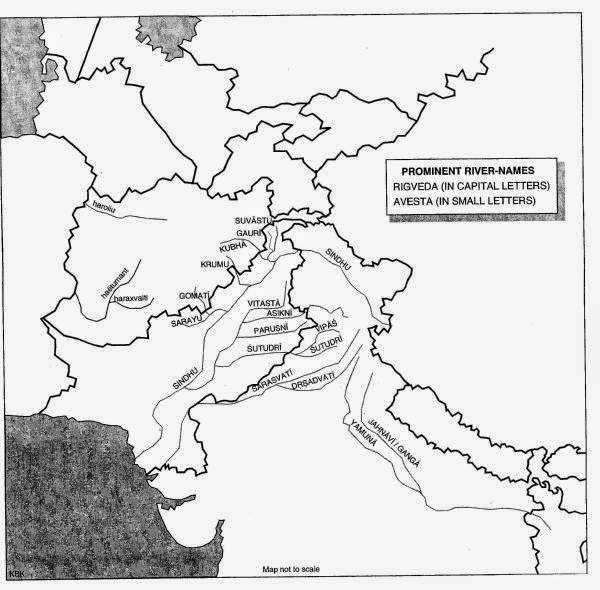
Amazing Geographical Knowledge of the Vedic Hindus!!

Written by London swaminathan

Research Article No.1873; Dated 18 May 2015.

Uploaded in London at 16-51

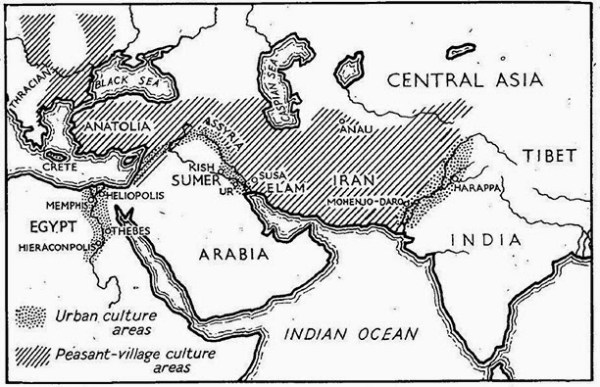
Vedic Hindus’ knowledge of geography is amazing. We know that the Vedas are books of hymns and not a book on history and geography of India. And yet we find names of scores of rivers, mountains and countries. It covers a vast area from Iran to the Vindhyas. They knew the seas on both sides of the Indian subcontinent. They ventured into seas and rescued shipwrecked Bhujyu (mentioned in at least ten places in the RV) and others. They relate the names of 30 plus rivers from EAST of India showing that they were born and brought up on the banks of Ganges. Indra is allocated direction EAST and Varuna the west indicating they marched from the Gangetic plains to the seas in the west spreading the Vedic civilization. We have already archaeological proof of Vedic gods from Turkey –Syria area dated circa 1400 BCE.

Kings of Iran are mentioned in the eighth Mandala of the Rig Veda. Dasaratha (Amarna) letters of Egypt is another archaeological proof to show that the Vedic kings sent their daughters up to Egypt. So the Vedic Hindus knew the areas covering Iran, Turkey, Syria, Iraq in the Middle East and Egypt in Africa. Indisputable archaeological proof is there to support this. The Vedas mention lot of names of kingdoms in India, but the early translators of the Vedas, who believed that the Hindus came from outside India translated the kingdoms names as “tribes”!!

Later Mahabharata mentioned 30 kingdoms! Just to suit their theory of migration into India they translated those Vedic Kingdoms’ names as “tribes”! The Samhitas, Brahmanas, Aranyakas and the Upanishads were all composed even before the Greeks started writing! No primitive civilization can have vast literature like this. They have very clear cut ideas of geography which we knew from their coinage of the word Sapta Sindhava (RV.8-24-27). Names of hundreds of kings are available in the Vedic literature. And we know that they are not tribal leaders because there is a long list of kings who did Aswamedha Yaga. The horse covered several kingdoms and all were taken by the emperor who did the Yaga.

The great war – War of the Ten Kings—Dasarajna Yuddha in the Rig Veda—clearly show that there were at least ten kingdoms by the time. But foreign “Scholars” described them as tribes! The Great War was described in detail in several hymns in the Rig Veda, but not mentioned in the epics which show the lapse of time between the epics and the Vedas. We know that the Vedas were vast which made Vyasa of Mahabharata to compile them and divide them into four Vedas.

Later epics like Ramayana and Mahabharata spoke about Swayamvaras attended by lot of kings from different countries. Krishna’s travel from Mathura in Uttar Pradesh to Dwaraka in Gujarat show how advanced was the road transport in those days. Before Krishna, Bharata travelled all the way from Iran-Afghanistan ( Kekaya) border to Ayodhya in Uttarpradesh quickly. The route is explained clearly in the Ramayana. By around 3rd century BCE, Hindus were using the monsoon wind to travel to Patna from Sri Lanka. It took only seven days. Ravana and his cousins used the Godavari river region as their playground. He travelled all the way to Kailash from Sri Lanka by using the monsoon wind (sea route up to Bengal).

Agastya took 18 groups with him and came to Tamil Nadu by 1000 BCE according to Sangam Tamil Literature. The Purananuru (201) verse very clearly refers to 49 generations before first century CE.

If we look at the Vedic terms with this information in the  background, then we can understand where foreign “Scholars” went wrong!

The Satapatha Brahmana (SB 17-3-8) mentions the Eastern people (Pracyas) and the Bahlikas (people of the Western regions). One must remember these are not geography books and yet hundreds of geographical terms occur! The same book refers to Udichya Brahmanas (SB 11-4-1-1; GB 1-36). Aitareya Brahmana (AB 8-14) refers to Madyamadis (Middle Zone) and Pracya (East), South (Dakshna), the West (Pradichya) and the North (Udichya). Hindus always mention the directions in the same clock wise direction. Until this day people go round the temples in the same way!

They even mention the King Bhoja of the South and the northern most mystical Uttarakuru region. Though South India was full of forests and unoccupied areas they still knew about the South.

Now let us look at the Vedic materials:

Nadi Stuti ( RV.10-75) gives the names of the rivers from East to West. (Westerners translated the names according to their pre conceived notions. If the river names don’t suit their theories they translated differently! In several places they don’t even know whether it is a river or something else! Griffith who said the meaning is ‘obscure’, ‘not clear’ in every page, translated according to his whims and fancies. The main reason for this is all the foreign “scholars” were taught by third rate Sanskrit Pundits in North India. True Vedic scholars refused to teach them the Vedas or Sanskrit. Now thousands of mistakes are being discovered.)

Andhra: People mentioned with the Pundras, Sabaras, Pulindas and Mutibas (AB 7-18)

Alina: They ruled Kafiristan (The current name indicates that it was once ruled by Non-Muslims)

Anga: AV 5-22-14, GB 2-9 as Anga-Magadhas

(This is one of the 16 Big Empires in Buddhist literature)

Bahlika :It is a Western Kingdom mentioned in SB 1-7-3-8 and earlier AV (5-22-5), 5-7-9). The name got corrupted to Bactria in later literature.

Bhalanas (RV 7-18-7) along with Pakthas (Pakhtoonistan), Alinas, Visanins, and Sivas are other kingdoms that took part in the Ten King War (Dasarajna Yuddha) They all had their own kingdoms in and around present Afghanistan. A person would not be called KING without a kingdom! They are mentioned as TEN KINGS throughout the RV!

Bharata: The king who gave the name Bharata for India. They ruled the Sarasvati River Region. Like the later Magadha Samrajya, they were the most powerful empire during the  Rig Vedic Time.

Cedi : Their king Kasu (RV 8-5-37) ruled either Iran or Bugelgund region in India. Later Cedi kingdom was near the Matsya kingdom.

Matsya : They ruled Rajasthan region. RV mentioned them (RV 7-18-6). Their king name Dhvasan Dvaitavana is mentioned as a performer of Aswamedha in SB 13-4-5-9. Only powerful kings who wanted to conquer the neighbouring kingdoms did Aswamedha. This shows that a lot of kingdoms existed at the time of Brahmanas which are dated around 1000 BCE even by a conservative estimate.

Pulindas : They are mentioned along with Andhras in South India in Brahmana literature (AB7-18)

Pundra:They ruled Northern Bengal (AB 7-18)

Purus, Anus, Druhyus, Turvasas and Yadus are the five groups mentioned in several hymns.

The holiest of the holy rivers Sarasvati is mentioned in 80 places in the Vedas.

My list is not a comprehensive list. It is only a sample. Though the foreign “scholars” translated Raja/Ranja as Kings, they made their kingdoms “tribes”!

Since we have got archaeological proof from 1400 BCE with kings names in Sanskrit in inscriptions (Bogazkoy and Amarna letters of Dasaratha in Egypt), we are sure that the tribes are not tribes, but kingdoms or empires. Those who do Aswamedha proclaimed themselves as Maharaja (Emperor).

A proper study of all the mountains, rivers, towns (Hariyupa=Harappa), kings, kingdoms, trees, animals and birds will throw more light on the Vedas and Vedic Hindus. Even during the Vedic days it was the largest country in the world from Iran to Andhra in India!

நூறு ஆண்டுகள் வாழ 100 ஆண்டுகள் வாழ்ந்தோர் கூறும் ஆலோசனை!

Compiled by S NAGARAJAN

Article No.1872; Dated 18 May 2015.

Uploaded in London at 9-15


By ச.நாகராஜன்


  ” கிழக்கில் பரிசுத்தமாக உதிக்கும் சூரியனை நூறாண்டு கண்டு வணங்குவோம். நூறாண்டு வாழ்வோம். நூறாண்டு உறவினருடன் கூடிக் குலவுவோம். நூறாண்டு மகிழ்வோம். நூறாண்டு கீர்த்தியுடன் விளங்குவோம். நூறாண்டு இனியனவற்றையே கேட்போம். நாறாண்டு இனியனவற்றையே பேசுவோம். நூறாண்டு தீமைகளால் ஜெயிக்கப்படாதவர்களாக வாழ்வோம்”

                                                – வேத பிரார்த்தனை

நூறு ஆண்டுகள் ஆரோக்கியமாக செயலூக்கத்துடன் வாழ ஆசைப்படாதவர் யாருமே இருக்க முடியாது. இன்றைய நவீன காலத்தில் முப்பது வயதிலேயே மாரடைப்பு, கான்ஸர், எய்ட்ஸ் போன்ற வியாதிகளால் அவஸ்தைப் படுவோர் பெருகி வரும் வேளையில் பன்றிக் காய்ச்சல் உள்ளிட்ட புதுப் புது வியாதிகள் வேறு வந்து பயமுறுத்துகின்றன.

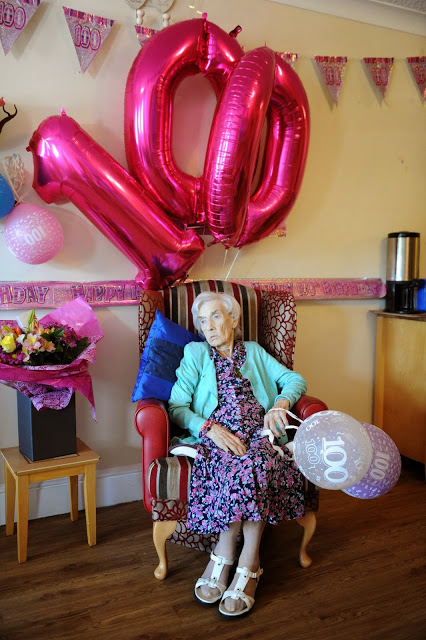
டீயன்னா கெர்லி என்ற எழுத்தாளர் பல்வேறு பத்திரிக்கையாளர்கள் பேட்டி கண்ட நூறு வயது அல்லது நூறு வயதை நெருங்கும் பெரியோர்கள் தரும் ‘செல்லமான’ அறிவுரைகளைத் தொகுத்துள்ளார். அவற்றில் சில:

ருத் என்ற பெண்மணி நூறு ஆண்டை எட்டிப் பிடிப்பவர். அவரது நீடித்த வாழ்நாள் இரகசியத்தை அறிய, ஹஃப்பிங்டன் போஸ்ட் என்ற பத்திரிக்கை அவரைப் பேட்டி கண்டது.

அவர் தந்த டிப்ஸ்:-

1) காலண்டரை தினமும் பார்க்காதீர்கள்! ஒவ்வொரு நாளையும் நன்கு கொண்டாடி மகிழுங்கள்

2) எனது வீட்டைச் சுற்றியாவது தினசரி நடக்கிறேன். இயக்கம் என்பது மிகவும் முக்கியமானது. நடந்து கொண்டே இருங்கள். இயங்கிக் கொண்டே இருங்கள்!

3)தரமான எதிலும் முதலீடு செய்யுங்கள். அவற்றை எந்த புது ஸ்டைல் வந்தாலும் வெல்ல முடியாது.

என்பிசி தொலைக்காட்சி நூறு வயது ஆன டாக்டர் ஒருவரைப் பேட்டி கண்டது. அவர் தினசரி தனது க்ளினிக்கிற்கு வந்து நோயாளிகளை நன்கு பரிசோதித்து பிரிஸ்கிரிப்ஷன் தருகிறார். அவர் கூறும் அறிவுரை இதோ:-

1)வைட்டமின் மாத்திரைகளா? அவை வேண்டவே வேண்டாம். நிறைய டாக்டர்களைப் பார்த்துக் கொண்டே இருக்கிறீர்களா? அதையும் வேண்டாம் என்கிறேன் நான்!

2) திருமணம் செய்து கொள்ளுங்கள். செக்ஸ் உறவு இன்றியமையாதது. நலமுடன் ஜோடியாக வாழுங்கள்!

3) யாரையாவது வெறுத்தீர்கள் என்றாலும் கூட, அதை மனதிலேயே வைத்துக் கொள்ளுங்கள். யாரையும் மனம் புண்படும்படி வெளிப்படையாகப் பேசி விடாதீர்கள். அன்பு பாராட்டுவதை மட்டும் நிறுத்தி விடாதீர்கள்.

4) யாரையும் உங்களை கண்ட்ரோல் செய்வதை அனுமதிக்காதீர்கள்,

5) கொஞ்சம் அழுது மன ஆறுதல் பெறவும் நேரத்தை ஒதுக்குங்கள்.

6) இளமையாக இருக்கும் போதே நிறைய பயணம் செய்யுங்கள். பணம் செலவாகுமே என்று தயங்காதீர்கள். சமாளித்து பல இடங்களுக்குச் செல்லுங்கள். இதில் கிடைக்கும் அனுபவத்தை எந்தப் பணமும் ஈடு செய்ய முடியாது.

7) யாருடனும் உங்களை ஒப்பிட்டுப் பார்க்காதீர்கள். இப்படி ஒப்பிட்டால் உங்களால் மகிழ்ச்சியாக வாழவே முடியாது. தூரத்துப் பச்சை கண்ணுக்கு அழகு என்பதை மனதில் கொள்ளுங்கள்.

8) ஒரு சமயத்தில் ஒரு வேலை என்ற கொள்கையைக் கடைப்பிடியுங்கள்.

9) உங்களுக்குப் பிடித்தது எதுவோ அந்த வேலையைச் செய்யுங்கள்.

10) காலம் தனக்குத் தானே அனைத்தையும் சரி செய்து விடும். எதைப் பற்றியும் ரொம்பவும் அலட்டிக் கொள்ளாதீர்கள்.

11) உங்கள் மதம் எதுவானாலும் சரி, ஒன்றை மட்டும் சொல்வேன். நீங்கள் நம்புவதை மட்டும் விட்டு விடாதீர்கள்.

12) சூழ்நிலைக்குத் தக நெகிழ்வுடன் வாழக் கற்றுக் கொள்ளுங்கள். மன்னிக்கப் பழகுங்கள்.

13) ஏதேனும் இழப்பு ஏற்பட்டு விட்டதா, இழந்ததற்கு துக்கப்படுங்கள். துக்கத்திற்கும் கூட நேரம் ஒதுக்குங்கள்.

அட்ரின் லீ என்ற நூறு ஆண்டு வயது நிரம்பிய பெரியவர் கூறும் ஆலோசனை இது:-

  • படிப்படியாக முன்னேறுவதை ஒருபோதும் விட்டுவிடாதீர்கள்.
  • தினசரி நடைப்பயிற்சியை மேற்கொள்ளுங்கள்.
  • சுத்தமான நீரை அருந்துங்கள்.
  • இறக்க வேண்டும் என்பதற்காக இறந்து விடாதீர்கள். வாழப் பழகுங்கள்,

வாழ்க்கை ஒரு வேடிக்கை தான். எப்படி வாழ்வது என்பது மனிதரைப் பொறுத்த ஒரு விஷயம். திருப்தியுடன் இருங்கள். எப்போதும் மகிழ்ச்சியாக இருப்பது முடியாத காரியம் என்றாலும் கூட திருப்தியுடன் இருப்பது முடியக்கூடிய ஒன்றே!

  • எந்த ஒருவரிடமும் ஏதாவது ஒன்று நமக்குப் பிடிக்கத்தானே செய்யும்! நாம் எல்லாம் மனிதர்கள் தானே! ஆகவே அன்பு செலுத்துங்கள்.

வேறு சில பெரியோர்கள் கூறும் அறிவுரை:-

  • நல்ல பெரிய படிப்பைப் படித்து விடுங்கள். அந்தக் கல்விச் செல்வத்தை உங்களிடமிருந்து யாரும் பிடுங்கி விட முடியாது. அதில் இழப்பே இல்லை.
  • பாஸிடிவாக எண்ணப் பழகுங்கள். பாஸிடிவாக எதையும் நினைக்கும் போதே அனைத்துமே வெற்றிதான். நெகடிவாக எண்ண ஆரம்பிக்கும் போது உடலில் நச்சு கலக்கிறது. ஆகவே புன்னகை செய்யுங்கள். சிரித்துப் பழகுங்கள். சிரிப்பே சிறந்த மருந்து.
  • வேளாவேளைக்கு உணவு உட்கொள்ளுங்கள். நல்ல காற்று, நல்ல சூரிய ஒளி இரண்டுமே நீண்ட நாள் வாழ அவசியம்.

எப்படி நூறு ஆண்டுகளை எட்டிப் பிடித்தோரின் அன்புரை! அவர்கள் சொன்னால் சரியாகத் தான் இருக்கும்! சதம் போட்டவர்கள் ஆயிற்றே!!

அறிவியல் அறிஞர் வாழ்வில் .. ..

1965ஆம் ஆண்டு நோபல் பரிசைப் பெற்ற ரிச்சர்ட் ஃபெய்ன்மென் (1918-1988) உலகின் பிரசித்தி பெற்ற இயற்பியல் விஞ்ஞானி. அவர் வாழ்க்கையில் நடந்த சுவையான பல சம்பவங்களை ஏற்கனவே பார்த்துள்ளோம். இன்னும் ஒன்று.

இந்தியாவிலிருந்து அமெரிக்காவில் உள்ள கெண்டுகி பல்கலைக்கழகத்தில் பயோகெமிஸ்ட்ரி படிக்கச் சென்றவர் பரத் ஶ்ரீனிவாசன் என்ற மாணவர். ஒரு நாள் இயற்பியலில் ஒரு பாடத்தைப் பற்றி சக மாணவரிடம் விவாதித்துக் கொண்டிருந்தார். அப்போது அவர் இதைப் பற்றி நன்கு விளக்கமாகச் சரியாகச் சொல்லக் கூடியவர் ரிச்சர் ஃபெய்ன்மேன் தான் என்றார். அத்தோடு சற்றும் தயங்காமல் ரிச்சர்டை தொலைபேசியில் அழைத்தார். அதிர்ஷ்டவசமாக போனை ரிச்சர்டே எடுத்தார், “சார், போனை வைத்து விடாதீர்கள். ஒரு சந்தேகம். இதை உங்களைத் தவிர யாராலும் நீக்க முடியாது. நான் பரத் சீனிவாசன் கெண்டுகி பல்கலைக் கழகத்திலிருந்து பேசுகிறென்” மூச்சு விடாமல் பேசிய பரத்துக்கு ஆதரவாக மறு முனையிலிருந்து பதில் வந்தது, “உன் சந்தேகத்தைக் கேள். நீ என்ன இந்தியாவிலிருந்து வந்திருக்கிறாயா?”

ஆச்சரியப்பட்ட பரத்,” ஆம்” என்று சொல்லி விட்டு தன் சந்தேகத்தையும் கேட்டார். சுமார் இரண்டு மணி நேரம் போனிலேயே விரிவாக பதிலைக் கூறினார் ரிச்சர்ட் ஃபெய்ன்மேன். பிரமித்துப் போன பரத், நன்றி நன்றி என்று பலமுறை கூறி ஆவலுடன், “நான் இன்னொரு முறை உங்களுடன் பேச முடியுமா?” என்றார். “முடியாது” என்று போனை கட் செய்தார் நோபல் மேதை! இந்தச் சம்பவம் பல்கலைக்கழகம் முழுவதும் பரவி அனைவரையும் பரவசப்படுத்தியது. பரத் ஶ்ரீனிவாசனோ நோபல் மேதையுடன் பேசியதால் பேசிய ஹீரோவாக ஆகி விட்டார்!

******************

Sundara Kanda in Pictures!

Sundarakanda1

Compiled by London swaminathan

Article No.1871; Dated 17 May 2015.

Uploaded in London at 20-37

So far you have seen Bala kanda, Ayodhya kanda, Aranyaka Kanda, Kiskindha kanda in pictures. Today I am posting the pictures of Sundara kanda from the Picture Ramayana book released 100 years ago.

SUNDARA KANDA PICTURE 1 (Ramayana Picture No.39)

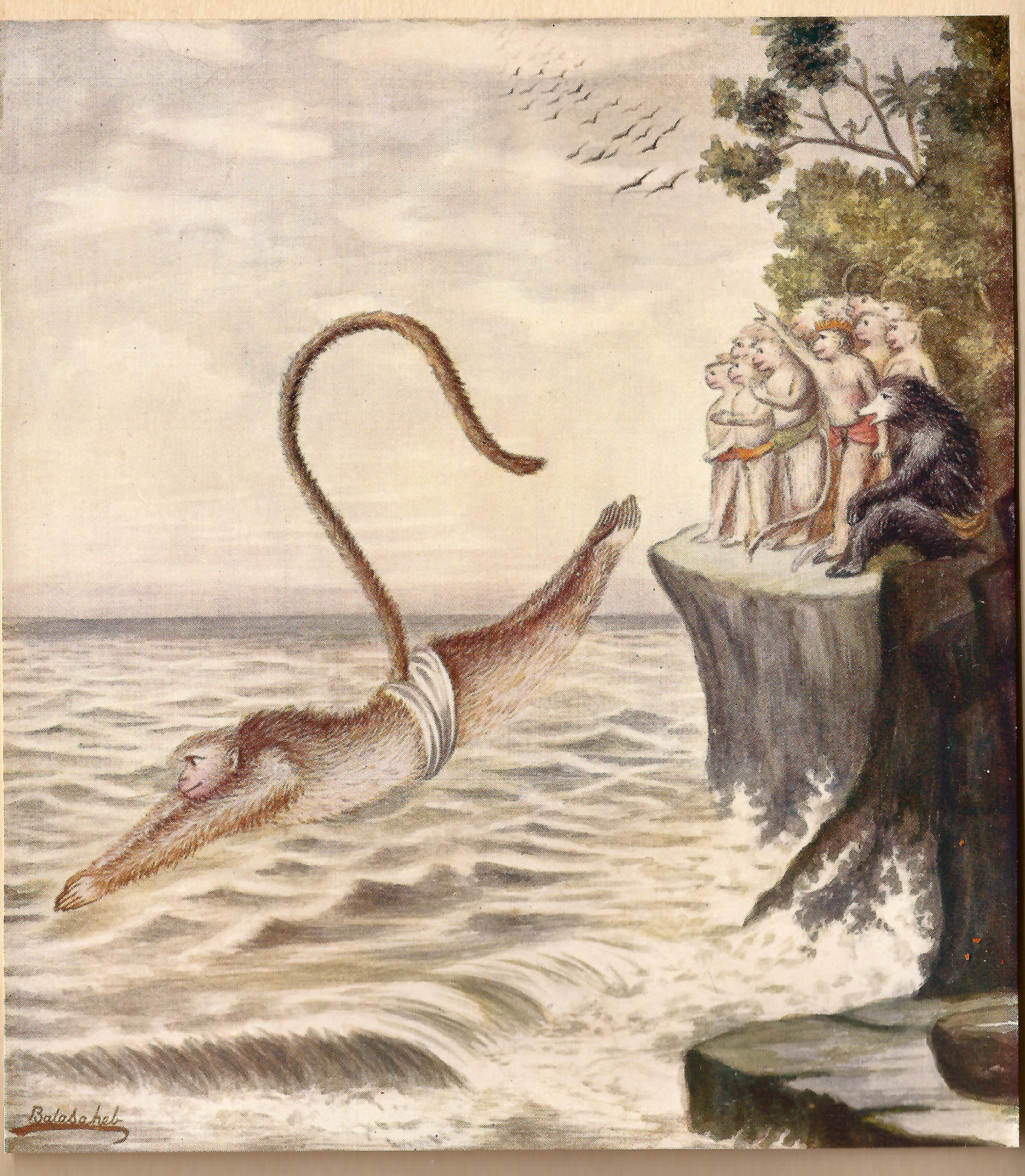
Reading Sundara Kanda of Valmiki Ramayana brings Good Luck, wealth, health and all auspicious things in the family such as Kalyana/Wedding, Birth of a child etc. Here is the first picture of Sundara Kanda. Having prayed to all Gods, Hanuman leapt with all his might from the top of Mahendra Hill. The monkeys on the shore raised a mighty shout of joy. On his way to Lanka, Hanuman met several hurdles including Surasa, Simhika and Mainaka Parvata. Surasa’s episode teaches us big problems can be solved by taking a different route. Simhika episode teaches us to kill the problem with a severe blow. Mainaka Parvata episode teaches us don’t take rest until you reach your target. Temptations must be avoided.

S kanda 2

SUNDARA KANDA PICTURE 2 (Ramayana Picture No.40)

Maruti/Hanuman entered the City of Lanka after assuming a small form. The Guardian Angel of the City stopped him. Hanuman gave her a big punch with his left hand and entered Lanka unobstructed.

SUNDARA KANDA PICTURE 3 (Ramayana Picture No.41)

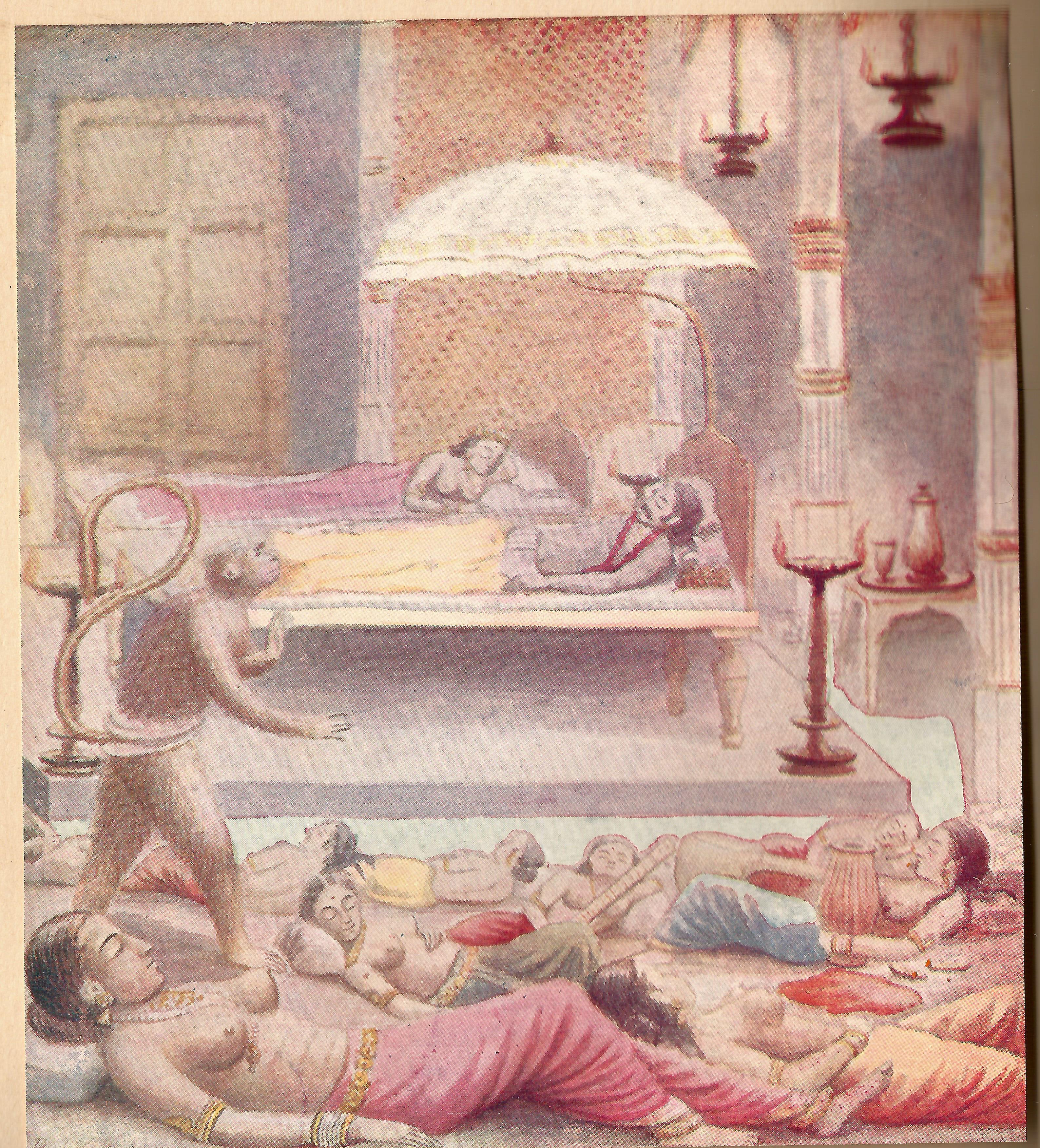
Maruti, after searching in vain many mansions, entered the palace of Ravana, and looked about for Sita in his harem, where he was sleeping in a bed with Mandodari, his wife. Many other women were lying with their musical instruments, which they played during the first part of the night. Maruti first mistook Mandodari for Sita, but soon found out his mistake when he remembered the description given by Rama.

S kanda 3

SUNDARA KANDA PICTURE 4 (Ramayana Picture No.42)

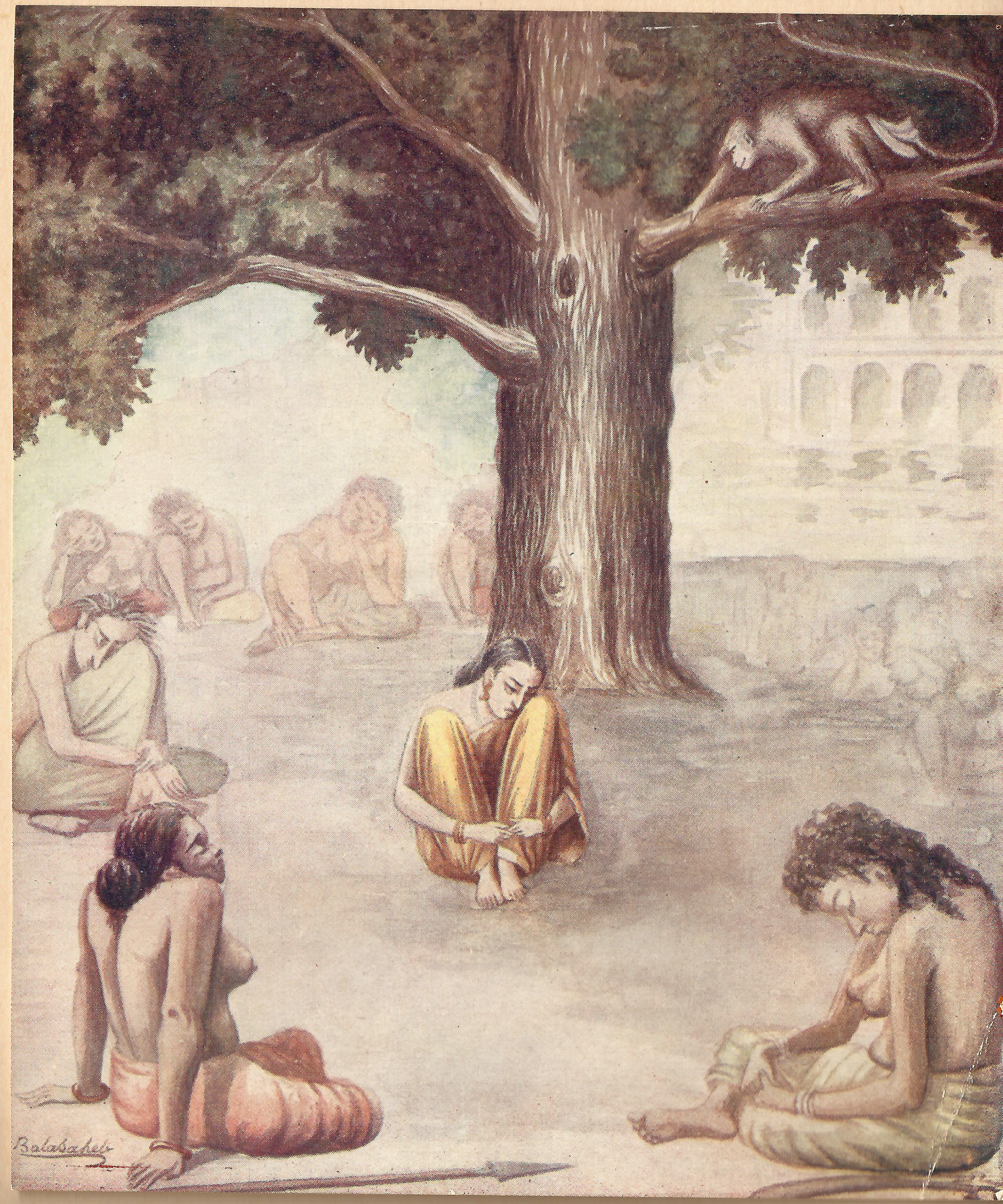
Maruti was extremely sorry that Sita could not be found anywhere in the palace. At last, utterly dejected, he entered Asokavana and found Sita there. She looked pale and pensive sitting under a tree. All the time she kept calling upon the name of Rama. Immediately Maruti concluded that it must be Sita. She was surrounded by fearful and horrid female demons. Maruti was overjoyed to have found Sita at last.

S kanda 4

SUNDARA KANDA PICTURE 5 (Ramayana Picture No.43)

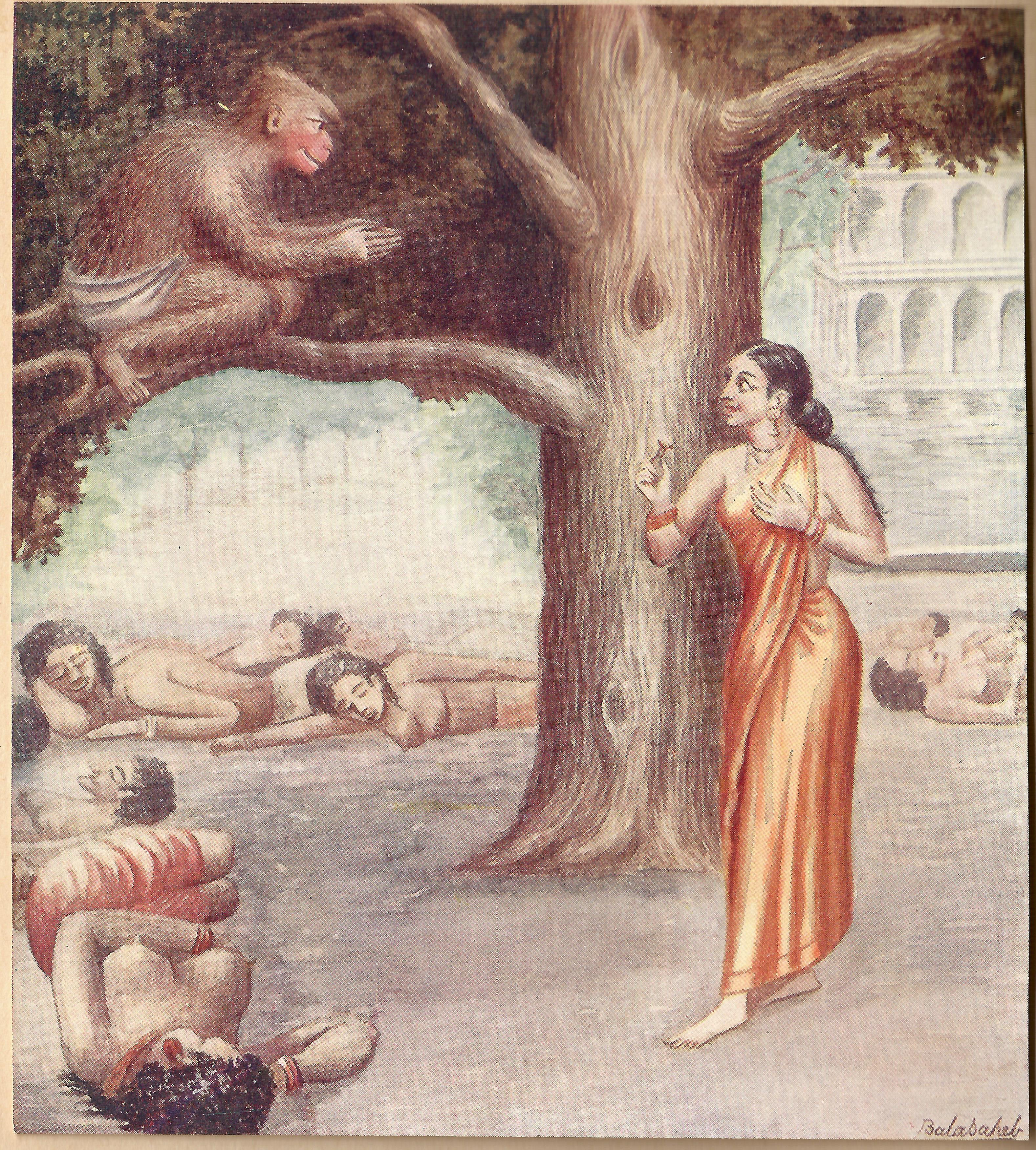
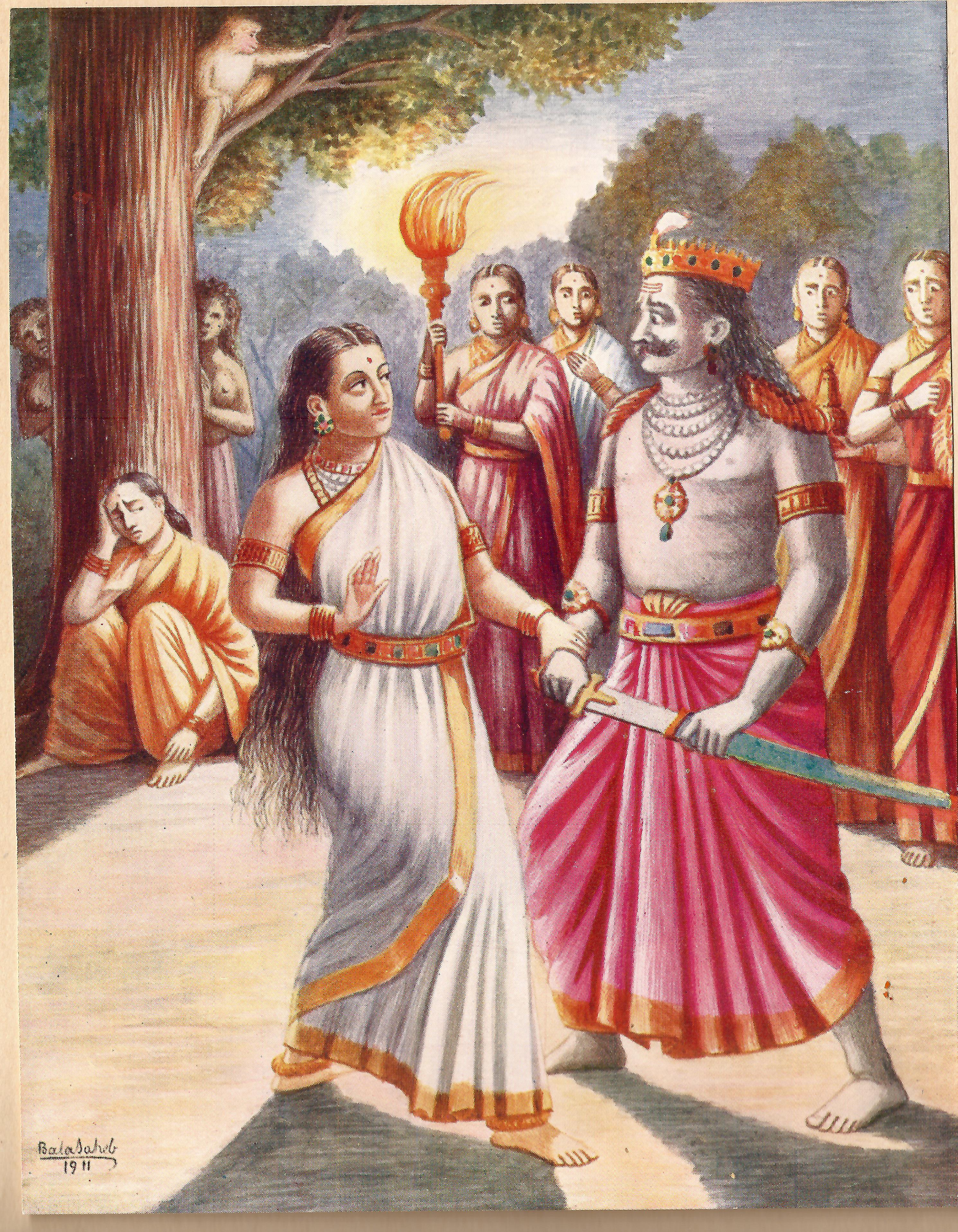
At dawn a noise came from the harem, at which Maruti hid himself in the thick branches of a tree. Just then Ravana arrived there with Mandodari and other women. Some were holding torches, and some chauries, while others carried wine jars. Ravana said to Sita, “Forget all about Rama. Submit to me. Rama being a man cannot have access here”. Sita answered,” boast not, you villain. Why could you not face Rama? Why did you steal me like a coward when Rama and Lakshmana were absent? Ravana was enraged at these words and drawing his sword rushed at her to kill her. But Mandodari stopped him and begged him to pardon the woman.

S kanda 5

SUNDARA KANDA PICTURE 6 (Ramayana Picture No.44)

When Ravana had left the place, the female demons guarding the place tried to induce and frighten Sita in many ways, but afterwards being tired went to sleep. When all was quiet, Maruti called told her, “I am a servant of Rama and the messenger of Sugriva, and am sent to find you”. Saying this, he gave her Rama’s ring. Sita was filled with joy to receive the ring from him and asked him to relate to Rama all her misery and to tell him to release her within two months. Then she gave Maruti a token to be presented to Rama. She gave him the jewel from her necklace.

S kanda6

SUNDARA KANDA PICTURE 7 (Ramayana Picture No.45)

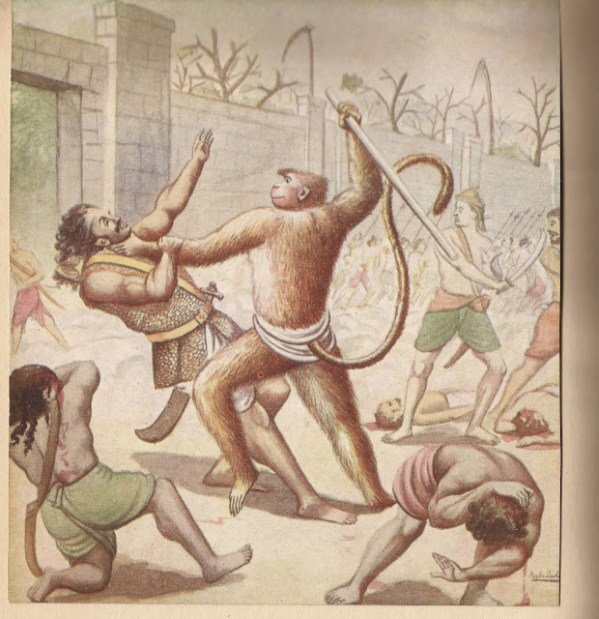
At the day break Maruti (Hanuman/Anjaneya) destroyed all the trees in the garden, except the one under which Sita was sitting. He killed all the forest guards who tried to stop him. Some of the female demons who were watching Sita sent an SOS to Ravana. He sent Jambumali with an army. Maruti slew him with one stroke of an iron rod and killed his army too. Hearing this, Ravana sent his son Aksha, but he too suffered the same fate. At last Indrajit skilfully caught Maruti in a snare and took him to Ravana.

SUNDARA KANDA PICTURE 8 (Ramayana Picture No.46)

Ravana in anger ordered his men to wrap Maruti’s tail in rags soaked in oil and to ignite it. Maruti with his tail on fire was taken in triumph round the capital with drums beating along with him. Suddenly Maruti attained a small form and eluded the captors. Then with his ignited tail he flew from one house top to another and set all Lanka on fire. Women and children ran through the streets helter-skelter and within a short time the whole city was ablaze. (Whatever we read in today’s comics and stories such as Superman, Spiderman, Harry Potter are already in Ramayana, Mahabharata, Katha Sarit Sagara and Vikram and Vetal stories. All these stories have been in circulation for 2000 years in India!)

S kanda 8

SUNDARA KANDA PICTURE 9 (Ramayana Picture No.47)

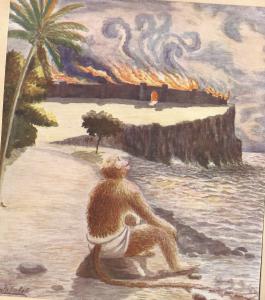
Then going to the ocean, Maruti dipped his burning tail into the cool water. He was glad to see Lanka ablaze. But it suddenly occurred to him that Sita too might have been burnt in the fire that destroyed the Ashoka forest. So he rushed off to see and was glad to find her safe. He said to her, “Rama will soon come and kill Ravana and release you.” She then with tears in her eyes let Maruti go.

S  kanda 9

SUNDARA KANDA PICTURE 10 (Ramayana Picture No.48)

MARUTI leapt across the sea and came back to where the other monkeys were anxiously waiting for him. He related to them what had happened and they all returned in triumph to RISHYAMUKA HILL to see Rama. Maruti told Rama what he had done and placed the jewel given by Sita before him. Rama recognised it at once and caressed him. Then Sugriva made ready his vast army of monkeys and started with Rama and Lakshmana for the southern sea.

S kanda 10

Next comes Yuddha Kanda

ரிக் வேதத்தில் பூகம்பம்

f0c4a-earthquake

Compiled by London swaminathan

Article No.1870; Dated 17 May 2015.

Uploaded in London at 17-05

சங்கத் தமிழ் இலக்கியத்திலும் மணிமேகலையிலும் காணப்படும் “நிலம் பெயர்தல்” (பூகம்பம்) பற்றிய குறிப்புகளை முன்னர் ஒரு கட்டுரையில் கண்டோம். இது போல சம்ஸ்கிருத இலக்கியத்திலும் நிறைய பொதுவான குறிப்புகள் உள. சீதையை பூமாதேவி திரும்ப அழைத்தது ஒரு பூமி அதிர்ச்சியில் அவர் உயிரிழந்த சம்பவம் என்றும் ராவணன் கயிலை மலையை அசைத்தது மற்றொரு பூகம்பம் என்றும் ஒரு ஆய்வுக் கட்டுரையில் ( “Ravana trapped and Sita Devi died in Earth Quake” 22-1-2012) தந்தேன்.

ஆயினும் 1500 ஆண்டுகளுக்கு முன் வராஹமிகிரர் எழுதிய பிருஹத் சம்ஹிதாவில் 1.வால் நட்சத்திரம், 2.விண்கற்கள், 3.வானவில், 4.மூன்று சூரியன்கள் தோற்றம், 5.சந்திரக் கோட்டை, சூரியக் கோட்டை, 6.வானில் தோன்றும் வண்ண ஒளி ஆகிய ஒவ்வொன்று பற்றியும் தனித்தனி அத்தியாயங்கள் இருக்கின்றன. அவரோ இதை, “தான்” எழுதவில்லை என்றும், தனக்கு முன்னர் வாழ்ந்த இருபதுக்கும் மேலான அறிஞர் பெருமக்கள் செப்பியவற்றைத் தான் “சுருக்கி வரைவதாகவும்” பணிவுடன் எழுதியுள்ளார்.

உலகில் நாகரீக முன்னேற்றம் வாய்ந்த ஒரு நாட்டில்தான் இத்தகைய ஆய்வுகள் நடைபெற முடியும். பெர்Fயூம் செய்வது முதல் சோதிடம் வரை அவர் எழுதாத பொருளே இல்லை. அவருக்கு முன்னர் இப்படிப் பலரும் எழுதியது பாரதீய அறிவியல் பார்வையைப் பட்டெனக் காட்டும்.அவர் எழுதியது இன்று நூற்றுக்கு நூறு சரி என்று சொல்ல முடியாது. ஆயினும் அதிலுள்ள பல விஷயங்களை இன்றும் பயன்படுத்த முடியும். 25 ஆண்டுகளுக்கு முன் எழுதப்பட்ட வானவியல் நூல்கள் எல்லாம் இன்று லண்டனில் பழைய புத்தகக் கடைகளுக்குப் போய் விடுகின்றன. ஆயினும் வரலாற்று நோக்கில் பார்க்கையில் அவையும் தேவைப்படும். உலகில் வராஹமிகிரர் போல நூற்றுக் கணக்கான விஷயங்களை ஒரே நூலில் வேறு எவரும் தொகுத்திருப்பது அரிதிலும் அரிது!

50456-nepal-quake

ரிக்வேதத்தில் நில அதிர்வு

உலகில் முதல் முதல் பூகம்பம்/நில அதிர்ச்சி பற்றிய குறிப்பு ரிக்வேதத்தில் (2-12-2) காணப்படுகிறது. ஆதிகாலத்தில் மலைகளுக்கு இறக்கைகள் இருந்தன என்றும் அவை பறந்து வந்து தாக்கியதில் பல சேதங்கள் ஏற்பட்டதாகவும் புராணங்களிலும் , வால்மீகி ராமாயணத்திலும் (1-23-27), காளிதாசனின் குமார சம்பவத்திலும் (1-20) நேரடியாகவும் மறைமுகமாகவும் பல குறிப்புகள் வருகின்றன. இதற்கு எல்லாம் மூலக் கதை ரிக்வேதத்தில் இருக்கிறது.

“நடுங்கிக் கொண்டிருந்த பூமியை நிலைப் படுத்தியவன் அவன். கொந்தளித்த மலைகளை நிலைப் படுத்தினான்.

அந்தரத்தை அளந்து, ஆகாசத்தைத் தாங்கியவன் அவன், மனிதர்களே! அவன் தான் இந்திரன்” – ரிக் 2-12-2

என்று கிருத்சமடர் என்னும் புலவர் குடும்பத்தினர் பாடிய வேத கால துதிகள் சொல்லும்.

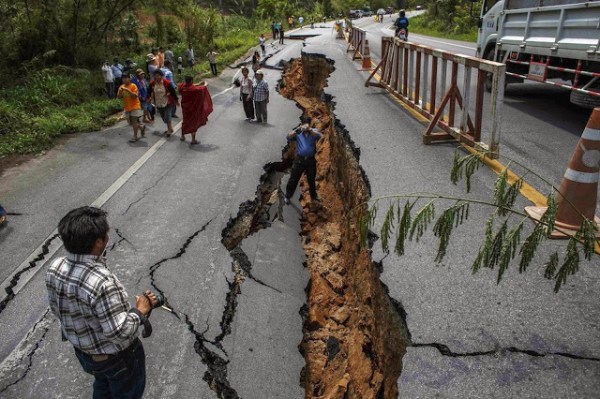
இந்தியாவில் வரலாற்றுச் சின்னங்கள் கிடைக்காமைக்கு வட இந்தியாவில் ஏற்பட்ட பூகம்பங்களும் ஒரு காரணமாகும். மாபெரும் நதிகளை திசைமாறிச் செல்ல வைத்து பல நகரங்களை அழித்துவிட்டது. மக்களை இடம் பெயரவைத்து நகரங்களைப் பாழடைய வைத்தது. குஜராத்திலும், நேபாளத்திலும், பீஹாரிலும் நடந்த பூகம்பங்கள் என்ன விளைவுகளை ஏற்படுத்தியன என்பதை நாமே நேரில் கண்டோம்.

நில அதிர்ச்சி ஏன் ஏற்படுகிறது?

பூமியின் மேல் ஓடு (கண்டங்கள்)  உட்கார்ந்து கொண்டிருக்கும் அடிப்பகுதிகள் (Tectonic Plates) நகருகையில், ஒன்றுடன் ஒன்று மோதுகையில் பூமி அதிர்ச்சி ஏற்படுகிறது. இமய மலை போன்றவை இப்படி மோதியபோது நீருக்கடியில் இருந்து எழுந்தன.

ஆனால் வராஹமிகிரர் கூறும் காரணங்கள் விநோதமானவை. இவை அவரால் “தொகுக்கப்பட்டவை”:

1.சிலர் கடலில் உள்ள ராட்சதப் பிராணிகள், நில அதிர்ச்சியை உண்டாக்குவதாகக் கருதுகின்றனர். கர்க போன்றோர், பூமியைத் தாங்கி நிற்கும் அஷ்ட திக்கஜங்கள் (எட்டு யானைகள்) பூ பாரத்தைச் சுமக்க முடியாமல் களைப்படையும் தருணத்தில் நில அதிர்வு ஏற்படும் என்பர்.

(இதில் கொஞ்சம் விஞ்ஞான உண்மை உண்டு. பெரிய நீர்த்தேக்கன்கள் கட்டுகையில் அந்தப் பகுதியில் முன்னெப்போதும் இல்லாத நில அதிர்வுகள் ஏற்படுகின்றன. மேலும் “எட்டு யானைகள்” என்பன உண்மையான யானைகள் அல்ல. எண் திசைகளையே குறிக்கும்; களைப்பு என்பதும் வேறு பல பொருளைத் தரும்)

2.வசிஷ்டர் போன்றோர் வான மண்டலத்தில் ஏற்படும் காற்று மோதல்கள், கீழே இறங்கும் போது இது ஏற்படுகிறது என்பர் (உண்மையில் பூகம்பம் ஏற்பட்ட பின்னர் புகை மண்டலம் எழும்பி வானின் வரை செல்லும்). விருத்த கர்க போன்றோர் கண்ணுக்குப் புலனாகாத சக்தியால் ஏற்படும் என்பர். (இது ஓரளவு உண்மை. எவ்வளவோ மிக நுண்ணிய கருவிகள் இருந்தும், இன்று வரை பூகம்பத்தை முன்னரே உணர்ந்து அறிவிக்க முடியவில்லை!)

3.பராசரர் போன்ற முனிவர்கள் கூறும் காரணம்: முன் காலத்தில் மலைகள் பறந்து வந்து பூமியில் மோதின. பூமா தேவி, படைப்புக் கடவுளான பிரம்மாவிடம் அழுதுகொண்டே முறையிட்டாள்: என்னை அசலம் (நிலை பெயராத) என்பர். ஆனால் நானோ பறந்து வரும் மலைகளால் தாக்கப்பட்டு நிலகுலைந்து நிற்கிறேன் என்று காண்ணீர் சிந்தவே, மலைகளின் சிறகுகளை வெட்ட இந்திரனுக்கு உத்தரவிட்டார் பிரம்மா. இந்திரனும் வஜ்ராயுதத்தால் அவற்றின் இறக்கைகளை வெட்டினான்.

4.கிரகணங்களாலும், ஒரு நாளின் சிறு பொழுதுகளுக்கு உரிய தெய்வங்களாலும் நில அதிர்வு ஏற்படுவதாகச் சிலர் கருதுவர்.

5.இதற்குப் பின் வராஹ மிகிரர் 27 நட்சத்திரங்களை மூன்று பிரிவுகளாகப் பிரித்து பூகம்பத்துகான சோதிட காரணங்களை விளக்குகிறார்.

6.எந்த நட்சத்திரத்தில் நில அதிர்வு ஏற்படுகிறதோ அந்த நட்சத்திரக்காரர்கள் பரிகாரம் செய்ய வேணும் என்றும் விளக்குகிறார்.

மேற்கூறியவற்றில் விஞ்ஞான உண்மைகள் எதுவும் இருப்பதாகத் தெரியவில்லை. ஆனாலும் “அடிக்கடி ஏற்படும் நில அதிர்வுகள்”  – என்ற சொற்றொடர்கள், அவர்கள் நீண்ட நெடுங்காலத்துக்குப் பூமியைக் கவனித்து வந்ததைக் காட்டுகிறது. இதுபற்றி அவர்கள் புத்தகம் புத்தகமாக எழுதியதும் அவர்களுடைய ஆர்வத்தைக் காட்டுகிறது. 2000 ஆண்டுகளுக்கு முன் பூகம்பம் பற்றி வேறு எந்த நாகரீகத்திலும் இவ்வளவு விதமான கருத்துக்கள் பதிவு செய்யப்பட்டதாகத் தெரியவில்லை.

வராஹமிகிரர் எழுதிய பல புத்தகங்களைப் புரிந்து கொள்ள நல்ல சம்ஸ்கிருத அறிவு வேண்டும். ஆயிரம் ஆண்டுகளுக்கு முன்னால், அரபு நாட்டிலிருந்து இதை ஆராய வந்த ஆல்பிருனிக்கு இருந்த மொழி அறிவும் ஆர்வமும் கூட நமக்கு இல்லாதது வெட்கப்பட வேண்டிய விஷயம். நானும் ஆங்கில மொழி பெயர்ப்பை அடிப்படையாக வைத்துத் தான் எழுதுகிறேன். அதில் பல வகையான விளக்கங்கள் இருப்பதையும் தான், ஒரு குறிப்பிட்ட கருத்தை ஏற்பதாகவும் மொழி பெயர்ப்பாளர்கள் எழுதுவர். அவர் எழுதிய கருத்தைத் தான் நாம் ஏற்க வேண்டும் என்பதில்லை. ஆனால் சம்ஸ்கிருத மொழி அறிவு இல்லாதவரை அவர்கள் சொல்லுவதே வேத வாக்கு!

(புதைக்கப்பட்ட ஒரு குழந்தையின் நெஞ்சில் ஒரு பானை ஓடு இருந்ததை அக்குழந்தையின் விளையாட்டுச் சாமான் என்று தொல்பொருட் துறை அறிஞர்கள் எழுதினர். ஆனால் ஈமச் சடங்குகளில் பயன்படுத்தும் “கபல” என்ற பானை ஓடு அது என்று வேதம் தெரிந்த அறிஞர்கள் சொன்னார்கள். இது போல “செவன் சிஸ்டர்ஸ்” என்பது ஒரு பறவை வகை என்பதை தவே என்னும் பறவை இயல் அறிஞர் கண்டு பிடித்தார். வேதத்தை மொழி பெயர்த்த வெள்ளைக் காரர்கள் இதை “ஏழு பெண்கள்” என்று மொழி பெயர்த்தனர். உள்ளூர் கலாசாரம் தெரியாமல் “ஆராய்ச்சி” செய்யும் அறிஞர்கள் இப்படித் தத்துப்பித்து என்று உளறுவார்கள். வள்ளுவன் சொன்னது போல ‘எப்பொருள் யார் யார் வாய் கேட்பினும் அப்பொருள் மெய்ப்பொருள் காண்பது அறிவு’!)

Five Beautiful Stories on Hindu Concept of Time

akrura vision

Akrura’s Vision under Water, Bharat Kalabhavan, Varanasi

Compiled by London swaminathan

Article No.1869; Dated 16 May 2015.

Uploaded in London at 20-14

Time is cyclical according to Hindu scriptures and linear according to Westerners. Hindus repeat it in several stories to emphasize that time is cyclical. No ancient culture in the world has bothered about time whereas Hindus have been naming their Gods after TIME.

Lord Shiva is called Mahakala=Great Time or Great Death; also Kalabhaksha= Devourer of Time. Rudram (Yajur Veda) describes him as Kalagni Rudraya= the fire that destroys the end of time. Vishnu is called Bhuta,Bhavya, Bhavat Prabhu= Lord of the Past, the Future and the Past. Vedas say God is beyond Time (kalatrayadita:)

When the world did not know to write the numbers, Hindus taught them to write with 1,2,3….0 without which modern computers would not have been on our tables today. When the western scientists complete the study of Black holes, they will understand the Hindu Concept of (cyclical) Time.

Here are five stories to illustrate the cyclical nature of Time:

க்ரிஷ்ன ஈட்டி

Story 1

In an episode in the Vishnu Purana, one reads of Vishnu accompanied by the divine sage Narada, stopping at one point in the course of their wanderings, and asking Narada to fetch him some water from a nearby village. While he waits at the edge of the forest, Narada goes to the village , knocks at the door, falls in love with the young woman who answers, marries her, founds a family, and lives happily with his wife and children for years until a flood comes and inundates the village sweeping everything before it. Narada too is washed away by the current and is thrown perchance at exactly the point where he had parted company with Vishnu. As he lands there, he is greeted by Vishnu who asks him for the water that he had gone to fetch.

The pace at which TIME has moved for Vishnu and Narada is very different.

Story 2

In Balagopalastuti of Lilashuka there is a famous verse in which Yashoda, Krishna’s foster mother, recites the story of Ramayana to young Krishna while she puts him to bed. The narrative reaches the point where the demon Maricha, assuming the guise of a golden deer, lures Rama away from his forest-hut in the hermitage, leaving Sita exposed to danger. As Yasoda speaks of the evil of Ravana’s arrival on the scene to abduct Sita, suddenly young Krishna, half asleep, jerks into action and shouts aloud: “Lakshmana! Where, Oh where, is my bow?” It is as if the memory of an earlier incarnation of himself as Rama, the seventh, overtakes Krishna in his present life, as the eighth incarnation of Vishnu.

Suddenly Time moves in a loop.

 IMG_3526

Narada from Chidambaram Temple

Story 3

Another story in the Brahmavaivarta Purana speaks of humbling of Indra’s pride. As the king of the gods sits majestically in his, self-satisfied and aware of his own importance, into this assembly moves a phalanx of ants that takes everyone by surprise. Only one man in the assembly, seeing his strange vision, laughs aloud. When asked by Indra what causes him this laughter, he says that each of these ants was an Indra in a previous birth.

Countless cycles of Time are hinted at.

ants

Story 4

When Narada visits Krishna’s kingdom at Dwaraka, as narrated in the Bhagavata Purana, he enters the inner apartments. As he approaches the senior most queen of Krishna, he finds her attending upon Krishna with chowri (fly-whisk) in her hand. Greeting the divine pair, Narada withdraws and moves into the next chamber to pay his respects to the wife of Krishna next in seniority and, as he enters, sees her playing a game off dice with Krishna. In another palace he sees one of Krishna’s queens massaging the soles of Krishna’s feet while he lies on a bed. Amazed Narada moves further on, and finds, in each chamber a queen in Krishna’s company, serving him food, helping him with oblations, and so on.  In chamber after chamber Narada encounters Krishna, and is greeted by him each time as if he had seen the sage just then.

Simultaneous presences of the same person at different places are being spoken of

krishnarjuna fb

Story 5

In the Bhagavata Purana, again, Akrura, the great devotee of Krishna, is described as being entrusted with the responsibility of escorting Krishna and Balarama to Mathura. On the way, Akrura feels the need to refresh himself by taking a bath in the Yamuna along the banks of which they are moving. With the permission of the two brothers, Akrura halts his chariot, enters the water, and dips his head only to see, below the surface of the water, Krishna and Balarama seated in the chariot exactly as he had left them on the river bank. Greatly confused, he lifts his head out of the water, and sees them again on the bank, in the very same chariot. Disbelieving, he takes another dip: this time, under the water, he sees Krishna as Vishnu lying on the serpent couch of Sesha, Krishna and Balarama having assumed their true forms. Akrura suddenly sees, in this vision, the identity of Krishna and Vishnu, Balarama and Sesha. But when he lifts his head, he sees on the river bank Krishna and Balarama again as youthful boys engaged in conversation.

vishnu pink

With a sense of wonder, the elusiveness of time and appearances is put across.

Tales like this, presenting the many aspects and hues of time, can be multiplied. What emerges from these is time moving in a cyclic fashion, making bends and loops, turning back upon itself, rising spiral like, splitting itself, assuming different tempi for different people – mercurial, illusive, elusive.

The above five stories are reproduced from Picture Showmen, Edited by Jyotindra Jain, Marg Publication.

I have already written about Arjuna’s travel to alien worlds and the Theory of Time dilation. I have already written about the Time Travel by two Tamil Saints.

Please read my articles:

TIME TRAVEL by TWO TAMIL SAINTS, posted on 14-2-2012

Do Hindus believe in ETs and Alien Worlds?, posted on 28-1-2012

Is Brahmastra a Nuclear Weapon?, posted on 5 June 2011

Hindus Future Predictions Part 1 (posted 20 May 2012)
Hindus Future Predictions Part 2 (Posted on 20 May 2012)