மனம் பற்றிய 31 நல்ல மேற்கோள்கள்

habits-logo

சுவாமியின் பொன்மொழி காலண்டர் – ஜனவரி 2015

மனம் பற்றிய 31 நல்ல மேற்கோள்கள்

Compiled by London Swaminathan

Post No.1525; Dated  29    December 2014.

Important Days:  Ekathasi Jan.1 (Vaikunda Ekathasi), 16, 30; Amavasya 20, Pournami- Jan.4

Festivals: Arudra Darsana 5; Bogi Festival 14; Pongal/Makara Sankaranti 15; Republic Day of India 26; Ratha saptami 26; Bhishmashtami 27.

ஆருத்ரா தரிசனம்-ஜனவரி 5, போகி 14, பொங்கல் 15, குடியரசு தினம் 26, ரத சப்தமி 26

ஜனவரி 1 வியாழக் கிழமை

பூட்டைத் திறப்பது கையாலே நல்ல

மனம் திறப்பது மதியாலே

பாட்டைத் திறப்பது பண்ணாலே – இன்ப

வீட்டைத் திறப்பது பெண்ணாலே – பாரதியார்

ஜனவரி 2 வெள்ளிக் கிழமை

வெள்ளத்தனைய மலர் நீட்டம் மாந்தர்தம்

உள்ளத்தனையது உயர்வு – திருக்குறள்  595

ஜனவரி 3 சனிக் கிழமை

மணி வெளுக்கச் சாணையுண்டு – எங்கள் முத்து

மாரியம்மா, எங்கள் முத்துமாரி!

மனம் வெளுக்க வழியில்லை – எங்கள் முத்து

மாரியம்மா, எங்கள் முத்துமாரி! – பாரதியார்

ஜனவரி 4 ஞாயிற்றுக் கிழமை

உள்ளுவதெல்லாம் உயர்வுள்ளல் – குறள் 596

ஜனவரி 5 திங்கட் கிழமை

உத்தரேத் ஆத்மனாத்மானம் – பகவத் கீதை (6-5)

ஒருவன் தன்னாலே தன்னை உயர்த்திக்கொள்ளவேண்டும்

ஜனவரி  6 செவ்வாய்க் கிழமை

குற்றமுள்ள நெஞ்சு குறுகுறுக்கும் – தமிழ் பழமொழி

ஜனவரி 7  புதன் கிழமை

உள்ளத்தில் உண்மை ஒளி உண்டாயின் வாக்கினிலே ஒளியுண்டாகும் – பாரதியார்

ஜனவரி 8 வியாழக் கிழமை

மனம் போல மாங்கல்யம் — தமிழ் பழமொழி

ஜனவரி 9 வெள்ளிக் கிழமை

மனதில் உறுதி வேண்டும் வாக்கினிலே இனிம வேண்டும் — பாரதியார்

1-piece-of-mind

ஜனவரி 10 சனிக் கிழமை

எண்ணிய எண்ணியாங்கு எய்துப எண்ணியார்

திண்ணியராகப் பெறின் — திருக்குறள்  666

ஜனவரி 11 ஞாயிற்றுக் கிழமை

உள்ளியது முடிக்கும் உரனுடை உள்ளத்து

வரிசைக்கு வருந்தும் இப்பரிசில் வாழ்க்கைப்

பரிசிலர்க்கு அடையா வாயிலோயே – புறநானூறு 206

ஜனவரி 12 திங்கட் கிழமை

சென்றதினி மீளாது மூடரே! நீர்

எப்போதும் சென்றதையே சிந்தை செய்து

கொன்றழிக்கும் கவலை எனும் குழியில் வீழ்ந்து

குமையாதீர்! சென்றதனைக் குறித்தல் வேண்டாம். – பாரதியார்

ஜனவரி 13 செவ்வாய்க் கிழமை

மனம் போன போக்கெல்லாம் போகவேண்டாம் – உலக நீதி

ஜனவரி 14 புதன் கிழமை

தம்மபதத்தில் புத்தர் சொல்கிறார்:

மனம் அலை பாயக்கூடியது; நிலையற்றது. அது இஷ்டப் பட்ட இடத்திற்குச் சிறகடித்துப் பறக்கும். மனதைக் கட்டுப்படுத்துவது கடினம். ஆனால் அப்படிக் கட்டுப்படுத்துவது  மிகவும் நல்லது. கட்டுப்படுத்தப்பட்ட மனதானது, இன்பத்தில் உறைவிடம் ஆகும்.(35)

ஜனவரி 15 வியாழக் கிழமை

“அஸம்சயம் மஹாபாஹோ மனோ துர்நிர்க்ரஹம் சலம்

அப்யாஸேன து கௌந்தேய வைராக்யேன் ச க்ருஹ்யதே” (6—35)

“தோள்வலி படைத்த அர்ஜுனா! மனம் அடக்குதற்கரியது; இதில் சந்தேகம் இல்லை. பயிற்சியாலும் வைராக்யத்தாலு (திட உறுதி) அடக்கமுடியும்”.

ஜனவரி 16 வெள்ளிக் கிழமை

மனதுக்கு மனதே சாட்சி; மனச் சாட்சியைவிட மறு சாட்சி வேண்டாம்- தமிழ் பழமொழிகள்

ஜனவரி 17 சனிக் கிழமை

எண்ணிய முடிதல் வேண்டும்

நல்லவே எண்ணல் வேண்டும் – பாரதியார்

ஜனவரி 18 ஞாயிற்றுக் கிழமை

மனத்தானாம் மாந்தர்க்கு உணர்ச்சி – திருக்குறள் 453

(மனத்தின் காரணமாகவே மாந்தர்க்கு அறிவு உண்டாகும்)

ஜனவரி 19 திங்கட் கிழமை

மன நலம் மன்னுயிர்க்கு ஆக்கம் — திருக்குறள் 457

(மனத்தின் தூய்மை உரி இனத்துக்கு எல்லாம் நன்மையும் இனிமையும் தரும்)

ஜனவரி 20 செவ்வாய்க் கிழமை

மனம் தூயார்க்கு எச்சம் நன்றாகும் — திருக்குறள் 456

(தூய மனம் உடையாருக்கு நல்ல பிள்ளைகளும் புகழும் எஞ்சும்)
mind

ஜனவரி 21 புதன் கிழமை

நினைமின் மனனே நினைமின் மனனே

சிவபெருமானைச் செம்பொன் அம்பலவனை

நினைமின் மனனே நினைமின் மனனே  —-பட்டினத்தடிகள்

ஜனவரி 22 வியாழக் கிழமை

யானை வேட்டுவன் யானையும் பெறுமே;

குறும்பூழ் வேட்டுவன் வறும்கையும் வருமே

அதனால் உயர்ந்த தேட்டத்து உயர்ந்தசினோர்க்குச்

செய்வினை மருங்கின் எய்தல் உண்டெனின்

தொய்யா உலகத்து நுகர்ச்சியும் கூடும் – புறநானூறு 214

ஜனவரி 23 வெள்ளிக் கிழமை

மன நலத்தின் ஆகும் மறுமை — திருக்குறள் 459

(நல்ல மனம் உடையாருக்கு மறுமையிலும் இன்பம் கிட்டும்)

ஜனவரி 24 சனிக் கிழமை

சிந்தையை அடக்கியே சும்மா இருக்கின்ற திறம் அரிது  சத்தாகி என்

சித்தமிசை குடி கொண்ட தேசோ மயானந்தமே. — தாயுமானவர்

ஜனவரி 25 ஞாயிற்றுக் கிழமை

மனம் தூய்மை செய்வினை தூய்மை இரண்டும்

இனம் தூய்மை தூவா வரும் — திருக்குறள் 455

ஜனவரி 26 திங்கட் கிழமை

வாய்கொண்டு உரைத்தல்அரிது என் செய்கேன்
என்செய்கேன் வள்ளல்உன் சேவடிக்கண்
மன்னாது பொன்னாசை மண்ணாசை பெண்ணாசை
வாய்ந்துழலும் எனதுமனது

பேய்கொண்டு கள்உண்டு கோலினால் மொத்துண்டு
பித்துண்ட வன்குரங்கோ
பேசுறு குலாலனாற் சுழல்கின்ற திகிரியோ
பேதைவிளை யாடுபந்தோ – வள்ளலார் பாடல்
human_brain

ஜனவரி 27 செவ்வாய்க் கிழமை

“மனமெனும் பெண்ணே! வாழி நீ கேளாய்!

ஒன்றையே பற்றி ஊசல் ஆடுவாய்

அடுத்ததை நோக்கி அடுதடுத்து உலாவுவாய்

.நன்றையே கொள் எனில் சோர்ந்து கை நழுவுவாய்

விட்டுவிடு என்றதை விடாது போய் விழுவாய்

தொட்டதை மீள மீளவும் தொடுவாய் – பாரதியார்

ஜனவரி 28 புதன் கிழமை

காடும் கரையும் மனக்குரங்கு கால் விட்டோட அதன்பிறகு

ஓடும் தொழிலால் பயனுளதோ ஒன்றாய் பலவாய் உயிர்க்குயிராய்

ஆடும் கருணைப் பரஞ்ஜோதி அருளைப் பெறுதற்கு அன்புநிறை

தேடும் பருவம் இதுகண்டீர் சேரவாரும் ஜெகத்தீரே! – தாயுமானவர் பாடல்

ஜனவரி 29 வியாழக் கிழமை

மனம் எனும் தோணி பற்றி, மதி எனும் கோலை ஊன்றி

சினம் எனும் சரக்கை ஏற்றி செறி கடல் ஓடும்போது

மதன் எனும் பாறை தாக்கி மறியும் போது, அறிய ஒண்ணாது

உனை உனும் உணர்வை நல்காய், ஒற்றியூர் உடைய கோவே

–அப்பர் தேவாரம் 4-46

ஜனவரி 30 வெள்ளிக் கிழமை

அகத்தின் அழகு முகத்தில் தெரியும் — தமிழ் பழமொழி

ஜனவரி 31 சனிக்கிழமை

சிந்தா நாஸ்தி கில – தேஷாம் சிந்தா சிந்தா நாஸ்தி கில

சமதம கருணா சம்பூர்ணாணாம்

சாது சமாகம சங்கீர்ணானாம் – சதாசிவ பிரம்மேந்திரர்

(நல்ல குணங்கள், சாதுக்களின் தொட்ர்புடையோருக்கு மனக்கவலை இல்லை)

Contact swami_48@yahoo.com

Kalidasa’s Women and Tamil Women

ramalakshmana sita hanuman

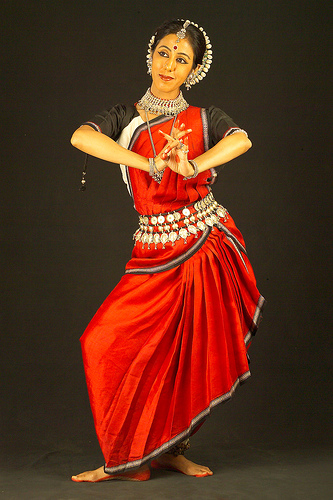
Tribhanga pose of Rama, Lakshmana, Sita wth Hanuman.

Research paper written by London Swaminathan

Research article No.1526; Dated  28    December 2014.

The concept of womanhood, physical features of women, their beliefs, the customs they followed were amazingly similar from Himalayas to Kanyakumari, the Land’s end. This shows that their thoughts, words and deeds were same from their birth to death from North to South. It stands as a proof for the sons of the soil theory. They did not come in to India from foreign lands. They were born and brought up here and died here with their own beliefs. Wherever they went they took their beliefs. If they had come from outside India, customs like swayamvaram would have existed outside India. Hundreds of such customs are not found anywhere in the world except in Tamil and Sanskrit literature. Even their standing pose (tribhanga) was same from Indus valley to the southernmost tip.

Hindus have a custom of describing a woman’s body features from head to foot if it is human. If it is a goddess they have to describe her features from foot to head. This customs is followed in Tamil and Sanskrit literature. No one dares to look at the Goddess straight into her eyes. Even her side glance is enough to fulfil all the desires of millions of people, they believed. So they started describing her from foot to head. For ordinary women it was vice verse.

odissy tribhanga

Tribhanga in Odissi Dance

Following body features are same in Kalidasa and Sangam Tamil literature. We can see most of them in Valmiki Ramayana as well.

1.Women were always compared with the rivers and cities. Rivers were women and the sea was their husband.

2.Women were married on the Rohini Nakashatra (asterism) day as she was considered the favourite wife of the Moon.

3.Moon was considered the husband of all the 27 Stars. In other cultures Moon was a woman.

4.All the good qualities and virtues are given feminine names. This custom is followed until today (Karuna, Shanti, Satya, Anandi,Saumya, Saubhagya etc)

5.If someone sneezed, women thought some other women are thinking about their husbands.

6.Women counted their days when their husbands went on travel or Government service (such as war, foreign trips with Kings). It is in Meghaduta of Kalidasa and Sangam literature.

7.Kalidasa described women as wonderful creations of Brahma. He described them as Brahma’s Art Work! In Tamil they were compared to Anangus, who can “kill “anyone by their look.

8.Each City in India has a goddess protecting the city (Nagara Devata). Even Ravana’s Lanka had a city goddess- Lanka Devi.

pinnu senchataiyal

  1. Women’s Body Features:

Hair – It is always compared to peacock feather in Kalidasa and Sangam literature

Gait- It is always compared with swan or goose

Thigh – Trunk of an elephant or Plantain/Banana Tree stem

Eyes: Deer

Voice: Koel or Parrot

Belly Button: whirlpool; vortex

Eye throbbing: Left is good for women; Right is good for men.

Hair do: If the husband is away they don’t decorate their hair

Fasting: They fast for good children and Husband’s long life

Chaste women: Chaste women have miraculous powers, but they rarely use them.

Symbol of Love: Chakravaka birds are described as symbol of love; they always remain together.

Tree and Creeper: Men are trees and Women are creepers in both the languages.

Face of Women: Bright and cool like Moon

Paintings: Both men and women had paintings of their beloveds

Teeth are compared to white flowers

Lips are compared with corals or Bimba fruit

Broad Chest/breast, Narrow waist, Broad Thighs are the features of Indian women.

Women longed for children and believed male children will help them to go to heaven.

Women wanted heroic children and mothers were called Veea Mata in Tamil and Sanskrit literature.

More than 200 topics are similar in Kalidasa and Tamil literature including the above topics on women. This shows that Sangam Tamils knew very well Kalidasa’s works and used them. Unknown Prakrit poets of Gatha Saptasati also imitated Kalidasa, but they were not known to anyone, because their products were secondary productions. Very rarely we see originality; may be one or two like Hala are exceptions.

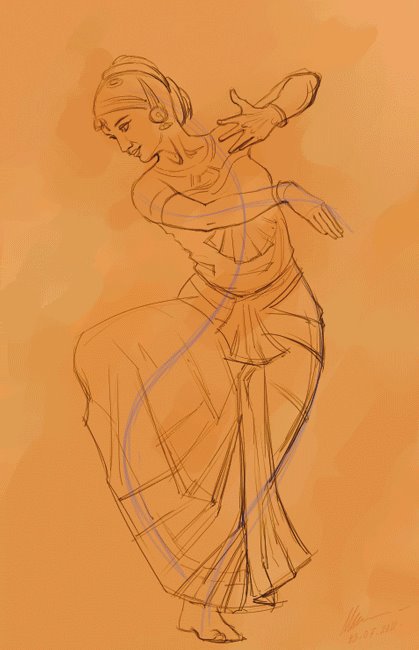
dance line drawing

Gatha Sapta Sati never touched Tamil God Skanda where as Kalidasa and Sangam Poets dealt with Skanda Murukan in the same way. Gatha Spata Sati touched Lord Ganesh where as neither Sangam poets nor Kalidasa dealt with Lord Ganesh.

My forty year research in to Sanskrit, Tamil and Prakrit literatures show that Tamils and Prakrit poets knew Kalidasa works by heart. Rev G U Pope who studied Tamil and Sanskrit works wrote about it 150 years ago.

Under 200 topics I have more than 1000 references. I have given one below:

In Syama – vine I see your slender limbs;

Your glance in the gazelle’s startled eyes

In the cool radiance of the moon in your face

Your tresses in the peacock’s luxuriant train

Your eye brows graceful curve in stream’s small waves

But alas! O cruel one, I see not

Your whole likeness anywhere in any one thing – Kalidasa’s Megadutam 103

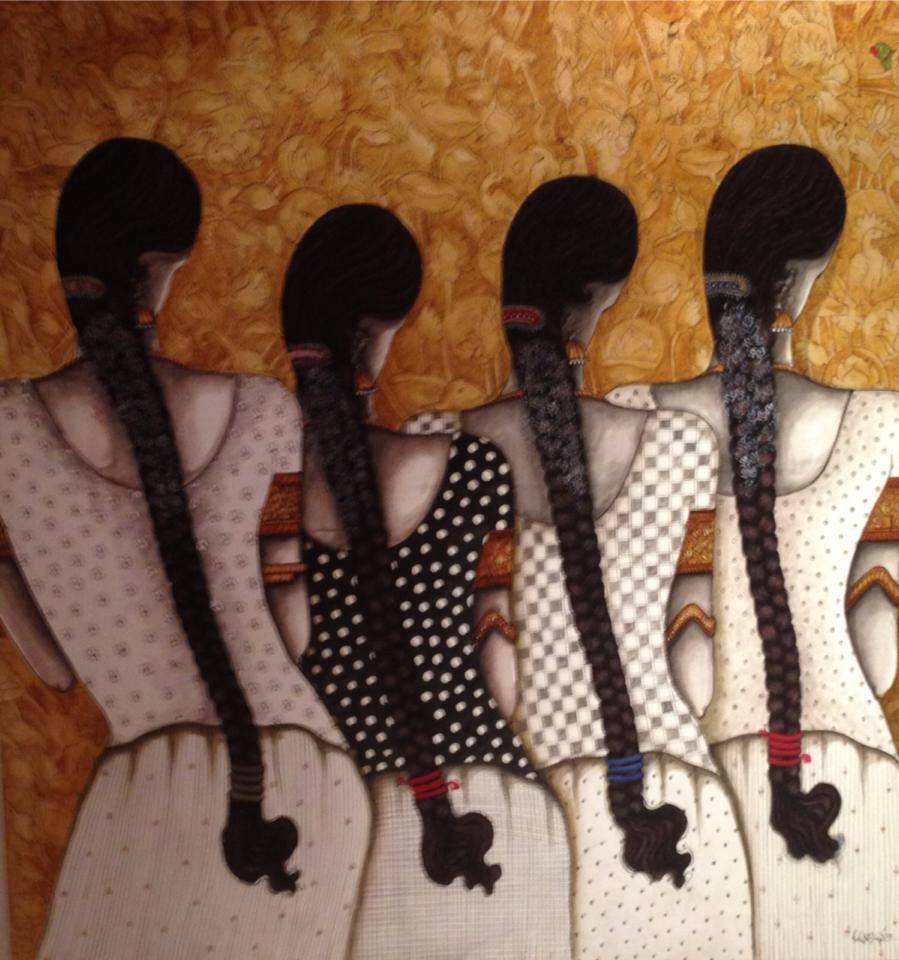
kerala beauties

“Conferring the radiance of the moon

On the faces of lovely women,

the entrancing tones of wild geese

on their gem-filled anklets,

the Banduka’s vibrant redness

on their luscious lower lip,

the splendour of bountiful autumn

is now departing – to who knows where – 3-25- Kumarasambhava

Also Sakuntala Act 2-10,11, Rtu Samharam 3-24/26`

Tamil Kalitokai 55, 56 (This part of Kurinji Kali was composed by Brahmin poet Kabilan, who was well versed in Sanskrit)

Dr G U Pope said that Kabilan followed Kalidasa.

“ Hero wanted to say something about my features. He looked at my forehead which was like crescent moon, but it was not the crescent moon. Face looked like moon but there were no dark spots like moon; shoulders looked like bamboos; but this was not born in the hills; eyes were like lotus flowers; but not from the pond; she walks like a peacock, but she is not a bird; she spoke like a parrot; but not actually a parrot. He pretended praising me like this.

“ Your glance is like the glance of a deer; your hair is soft like swan’s; you are like a pea cock; your shoulders are like bamboos and they are the boats that helps one to cross the Sea of Lust; your breasts are like the buds of areca nut tree.

thathrupam pen

Comparing women of Kalidasa with Sangam Tamil works bring out many literary gems from both the literatures.

contact swami_48@yahoo.com
தமிழ் விந்தைகள்: கூட சதுர்த்தம் – 2

1-piece-of-mind

தமிழ் என்னும் விந்தை! -17

தமிழ் விந்தைகள்: கூட சதுர்த்தம் – 2

கட்டுரையை எழுதியவர் :– ச.நாகராஜன்

ஆராய்ச்சிக் கட்டுரை எண்- 1524; தேதி 28 டிசம்பர், 2014.


கூட சதுர்த்தம் என்னும் வடமொழிப் பெயரைத் தமிழில் கூட சதுக்கம் எனச் சொல்வது மரபு.

யாப்பருங்கல விருத்தி தரும் உதாரணச் செய்யுள் இது:-

கருமால் வினைகள் கையேறிச் செடிசெய்து காறடப்போ

  யருமா நிரயத் தழுந்துதற் கஞ்சியஞ் சோதிவளர்             

பெருமாள் மதிதெறு முக்குடை நீழற் பிணியொழிக்குந்          

திருமா றிருந்தடைக் காளா யொழிந்ததென் சிந்தனையே


இதில் நான்காம் அடியான, ‘திருமா றிருந்தடைக் காளா யொழிந்ததென் சிந்தனையே’ என்பதில் உள்ள எழுத்துக்கள் ஏனைய மூன்று அடிகளில் வந்துள்ளதைக் கண்டு மகிழலாம்.

இனி யாழ்ப்பாணம் கவிஞர் மயில்வாகனப் பிள்ளை இயற்றிய கூட சதுர்த்த செய்யுளைப் பார்ப்போம்:-

நீணலம் வாய்த்திட நின்மல மேவல்

   வேணுறு வாழ்க்கையி லேகுபு வாழ்வேந்                   

தாணுவை யீசனை மாமயல் சாரா                           

மாணகு லேசனை வாழ்த்திட வம்மே


இதில் நான்காம் அடியான, ‘மாணகு லேசனை வாழ்த்திட வம்மே’ என்பதில் உள்ள எழுத்துக்கள் ஏனைய மூன்று அடிகளில் வந்துள்ளதைக் காணலாம்.

பா.முனியமுத்துவும், கூட சதுக்கத்தில் ஒரு சித்திர கவி இயற்றியுள்ளார். அது வருமாறு:-

வாதா இனிதா வான பதமே         

  நாதூ தாவே தாகோலா தானாக  

  மாதா வேதமே தாவேநீ யேகா                                  

தாதா பாநா வேலாக வேதாயே!


இந்தப் பாடலில் நான்காம் அடியான, ‘தாதா பாநா வேலாக வேதாயே!’ என்ற அடி முதல் மூன்று அடிகளில் மறைந்து வந்துள்ளது.    

இவர் கூட சதுக்கமாக தருகின்ற இன்னொரு சித்திரப் பாடல் இது:-

தமிழ் என்னும் விந்தையில் என்னென்ன ஜாலங்கள் எல்லாம் இருக்கிறது, பார்த்தீர்களா?!

-தொடரும்

contact swami_48@yahoo.com
31 Indian Quotations on Mind!

habits-logo

Calendar of Golden Sayings, January 2015

Important Days:  Ekathasi Jan.1 (Vaikunda Ekathasi), 16, 30; Amavasya 20, Pournami- Jan.4

Festivals: Arudra Darsana 5; Bogi Festival 14; Pongal/Makara Sankaranti 15; Republic Day of India 26; Ratha saptami 26; Bhishmashtami 27.


Compiled by London Swaminathan

Post No.1523; Dated  27th December 2014.

31 Quotations on MIND (Manah) from Sanskrit and Tamil Literature

January 1 Thursday

If the intention is pure, everything is excellent — Kahaavatratnaakar, page 42

Ante varam cétsakalam varishtham

January 2 Friday

Difficult indeed to fathom the mind of another all at once — Valmiki Ramayana 6-17-60

Asakyam sahasaa bhaavó bóddhum parasya vai

January 3 Saturday

A still heart foretells impending misery or happiness —Malavikagnimitra-5 -p 161

Aagaami sukham duhkham vaa hrdayasamavasthaa kathayati

January 4 Sunday

Whose mind will be at ease after wilfully committing a heinous crime – Kathasaritsagara

Kasyaasvasiti cétó hi vihitasvairasaahasam

human_brain

January 5 Monday

People who have done something wrong  are always disturbed – Tamil Proverb

Kutramulla Nenjé Kurukurukkum

January 6 Tuesday

The eye is the Mirror of Mind – Sanskrit Proverb

Cakshurhi manóbhaavamaavis karóti

Face is the Index of the Mind (English Proverb)

January 7 Wednesday

Alas! The minds of beings are fickle – Valmiki Ramayana 2-4-20

Calaa hi praaninaam matih

January 8 Thursday

The lotus stem high according to water depth; a man’s merit is the measure of his mental strength – Tirukkural couplet 595

January 9 Friday

All thought should be the thought of rising high though it fails; it is nature of success  — Tirukkural couplet 596

January 10 Saturday

Rare are those with insight into hearts (of others) – Kahaavatratnaakar  p.126

Cittanjaa durlabhaa lóké

January 11 Sunday

Indeed the mind itself is the divine eye Brhat Katha Manjari

Divyam hi nayanam manah

January 12 Monday

It is impossible even for the great to be continuously focussed Rajatarangini 8-234

Na citta vrttéraikagryam mahataamapi sarvadaa

January 13 Tuesday

A wounded heart seldom heals — Dhurtanartaka

Na róhati pariksatam hrdayam

January 14 Wednesday

The mind is not cleansed by water

Na vaarinaa sudhyati caantaraatmaa – Sanskrit saying

mind

January 15 Thursday

“There is fuller’s earth for fulling clothes

And with ashes hides are cured

And gems are cut with diamond files

But to scour the mind there is naught – Tamil Poet Bharati

January 16 Friday

Though wounded with arrows, the elephant stands firm in his greatness; he who has spirit never loses heart when he fails — Tirukkural couplet 597

January 17 Saturday

Strong willed mental courage is manliness. Without it man is but wood (tree) in human form  — Tirukkural couplet 600

January 18 Sunday

A brave heart, Sweet speech, Good thoughts

Ripe fruit, Quick dividends, Dreams fulfilled

Wealth and happiness, and fame on earth

Om, Om, Om, Om– Tamil Poet Bharati

January 19 Monday

For humans, their own mind is the sacred authority in all actions – Bharatmanjari

Pramaanam hi manóvrttisarva kaaryésu dehinaam

January 20 Tuesday

If a man should utter a lie consciously, his own mind would torture him for the lie uttered – Tirukkural couplet 293

January 21 Wednesday

One who is true in thought and word is greater than even than those who perform penance (Thapas) and do charity  — Tirukkural couplet 295

January 22 Thursday

The human mind has a tenedency to do what is forfidden —  Kathasaritsagara

Praayó vaaritavaamaa hi pravrtti manasó nrnaam

January 23 Friday

Mind itself is the cause of of man’s bondage as well as liberation – Canakyaniti 2-11

Mana éva manushyaanaam kaaranam bandhamókasayóh

January 24 Saturday

The actions of the mind heed not the dictates of one’s will – Avimaraka

Manasca taavadamsmadichchayaa na pravartate

1-piece-of-mind

January 25 Sunday

Mind! Thy name is desire – Brhat Katha Manjari

Manasah svabhaavó hyabhitlaasitaa

January 26 Monday

Beauty strikes the pure at heart – Hanuman Nataka 14-s53

Manasi svahché ramyaanaam ramaniiyataa

January  27 Tuesday

A burn caused by fire may heal; but a scar caused by a fiery tongue will never heal — Tirukkural couplet 129

January 28 Wednesday

Mind intuits the association of even past lives! – Raghuvamsa 7-15

Manó hi janmaantara sangatijinam

January 29 Thursday

The ways of the mind are indeed strange –Kiratarjuniya 1-37

Vicitra rúpaah khalu  cittavrrttayah

January 30 Friday

When the mind turns pure, the world appears pure – Kahavatratnakar p.172

Svaanté púté jagatpútam

January 31 Saturday

Right judgements originate in sound minds — Subhasitaratnakhandamanjusa p 21

Svasthé cite budhdhayah sambhavanti

Sanskrit quotations are taken from  Suktisudha, Chinmaya International Foundation

swami_48@yahoo.com

Fate and Free Will – XI and XII

fate-or-free-will

Compiled by S Nagarajan

Article No.1522; Dated  27    December 2014.


Compiled by Santhanam Nagarajan

Dialogue on Fate and Freewill with Sringeri Jagathguru Sri Chandrashekhara Bharati Swamigal continues (from the previous chapter) :

D: Our ignorance of the past may be useful in not deterring

the exercise of the free-will and hope may stimulate

that exercise. All the same, it cannot be denied that fate

very often does present a formidable obstacle in the way of

such exercise.


HH: It is not quite correct to say that fate places obstacles

in the way of free-will. On the other hand, by seeming to oppose

our efforts, it tells us what is the extent of free-will

that is necessary now to bear fruit. Ordinarily for the purpose

of securing a single benefit, a particular activity is prescribed;

but we do not know how intensively or how repeatedly

that activity has to be pursued or persisted in. If we

do not succeed at the very first attempt, we can easily deduce

that in the past we have exercised our free-will just in

the opposite direction. that the resultant of that past activity

has first to be eliminated and that our present effort must

be proportionate to that past activity. Thus, the obstacle

which fate seems to offer is just the gauge by which we have

to guide our present activities.

D: The obstacle is seen only after the exercise of our

free-will, how can that help us to guide our activities at the

start?


HH: It need not guide us at the start. At the start, you

must not be obsessed at all with the idea that there will be

any obstacle in your way. Start with boundless hope and with

the presumption that there is nothing in the way of your exercising

the free-will. If you do not succeed, tell yourself

that there has been in the past a counter-influence brought

on by yourself by exercising your freewill in the other direction

and, therefore, you must now exercise your free-will

with re-doubled vigour and persistence to achieve your object.

Tell yourself that, inasmuch as the seeming obstacle is

of your own making, it is certainly within your competence to

overcome it. If you do not succeed even after this renewed

effort, there can be absolutely no justification for despair,

for fate being but a creature of your free-will can never be

stronger than freewill. Your failure only means that your

present exercise of freewill is not sufficient to counteract

the result of the past exercise of it. In other words, there is

no question of a relative proportion between fate and freewill

as distinct factors in life. The relative proportion is only

as between the intensity of our past action and the intensity

of our present action.

D: But even so, the relative intensity can be realised only

at the end of our present effort in a particular direction.


HH: It is always so in the case of everything which is adrishta

or unseen. Take, for example, a nail driven into a

wooden pillar. When you see it for the first time, you actually

see, say, an inch of it projecting out of the pillar. The rest of

it has gone into the wood and you cannot now see what exact

length of the nail is imbedded in the wood. That length,

therefore, is unseen or adrishta, so far as you are concerned.

Beautifully varnished as the pillar is, you do not know what is

the composition of the wood in which the nail is driven. That

also is unseen or adrishta. Now suppose you want to pull that

nail out, can you tell me how many pulls will be necessary

and how powerful each pull has to be?

The Jagath Guru gives  a beautiful example and the disciple now asks him how could he fix the number of pulls. What is the reply Jagathguru gives now? We will see in the next chapter.

fate2


Fate and Free Will – XII


Dialogue on Fate and Freewill with Sringeri Jagathguru Sri Chandrashekhara Bharati Swamigal continues (from the previous chapter) The pontiff gives encouraging revealation regarding freewill in this part of the dialogue :

D: How can I fix the number of pulls now? The number and the intensity of the pulls depend upon the length which has gone into the wood.


HH: Certainly so. And the length which has gone into the wood is not arbitrary, but depended upon the number of strokes which drove it in and the intensity of each of such strokes and the resistance which the wood offered to them.

D: It is so.


HH: The number and intensity of the pulls needed to take out the nail depend therefore upon the number and intensity of the strokes which drove it in.

D: Yes.


HH: But the strokes that drove in the nail are now unseen and unseeable. They relate to the past and are adrishta.

D: Yes.


HH: Do we desist from the attempt to pull out the nail simply because we happen to be ignorant of the length of the nail in the wood or of the number and intensity of the strokes which drove it in? Or, do we persist and persevere in pulling it out by increasing the number and the intensity of our present efforts to pull it out?

D: Certainly, as practical men we adopt the latter course.


HH: Adopt the same course in every effort of yours. Exert yourself as much as you can. Your will must succeed in the end.

D: But there certainly are many things which are impossible to attain even after the utmost exertion.


HH: There you are mistaken. If there is anything, it is by its very nature capable of being experienced. There is nothing which is really unattainable. A thing, however, may be unattainable to us at the particular stage at which we are, or with the qualifications that we possess. The attainability or otherwise of a particular thing is thus not an absolute characteristic of that thing but is relative and proportionate to our capacity to attain it.

D: The success or failure of an effort can be known definitely only at the end. How are we then to know beforehand whether with our present capacity we may or may not exert ourselves to attain a particular object, and whether it is the right kind of exertion for the attainment of that object.


HH: Your question is certainly a very pertinent one. The whole aim of our Dharma sastras is to give a detailed answer to your question. They analyse our capacities, or competency,and prescribe the activities which a person endowed with a particular adhikara can undertake. The activities are various and numberless, as the capacities also happen to be various and numberless. Regulation of activities or, in other words, the directing of free-will into channels least harmful and most beneficial to the aspirant, is the main function of religion. Such regulated activity is called svadharma. Religion does not fetter man’s free-will. It leaves him quite free toact, but tells him at the same time what is good for him and what is not. The responsibility is entirely and solely his. He cannot escape it by blaming fate, for fate is of his own making, nor by blaming God, for He is but the dispenser of fruits in accordance with the merits of actions. You are the master of your own destiny. It is for you to make it, to better it or to mar it. This is your privilege. This is your responsibility.

***************

தமிழ், சம்ஸ்கிருத இலக்கியத்தில் மோதிரங்கள்!

238ring3

கட்டுரையை எழுதியவர் :– London swaminathan

ஆராய்ச்சிக் கட்டுரை எண்- 1521; தேதி 27 டிசம்பர், 2014.

வால்மீகி ராமாயணத்தில் அனுமன் கொண்டுசென்ற மோதிரத்தை சீதையிடம் கொடுத்த காட்சி மிகவும் பிரசித்தமான காட்சி. இதே போல சாகுந்தலம் எனும் உலகப் பிரசித்தி பெற்ற நாடகத்தில் துஷ்யந்தன் கொடுத்த மோதிரமும் பலரும் அறிந்ததே. எந்தெந்த மொழிகளில் ராமாயணம் எழுதப்பட்டதோ அந்தந்த மொழிகளில் சீதை மோதிரம் பெற்ற காட்சி கட்டாயம் இருக்கும். காளிதாசனும் ரகுவம்சத்திலும் இதைக் குறிப்பிடுவான்.

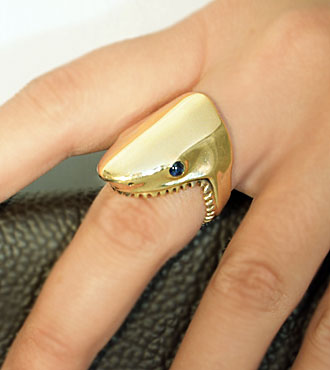
காளிதாசனின் மற்றொரு நாடகமான மாளவிகா அக்னிமித்ரத்திலும் பாம்பு மோதிரம் வருகிறது. சங்கத் தமிழ் இலக்கியத்தில் கலித்தொகையில் மருதன் இளநாகன் பாடிய மருதக் கலியில் சுறாமீன் மோதிரம் பற்றி வருகிறது. விசாகதத்தன் எழுதிய முத்ரா ராக்ஷசத்திலும் மோதிரம் முக்கியப் பங்கு ஆற்றுகிறது.

இலக்கிய நயத்தை ரசிப்பவர்களுக்கு மட்டுமின்றி மோதிர ஆராய்ச்சியில் ஈடுபடுவோருக்கும் இவற்றிலிருந்து பல செய்திகள் கிடைக்கின்றன:–

treasure_goldcoins_thazhi_1

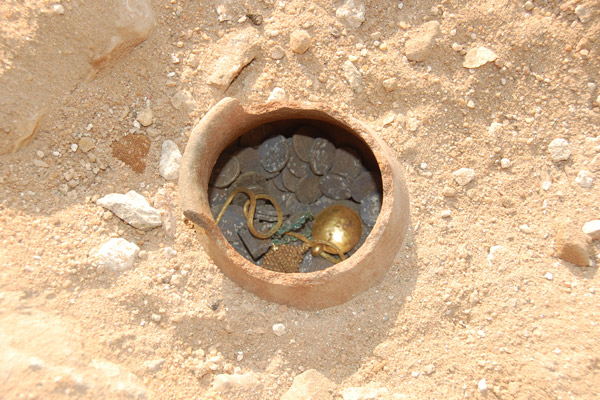
Ring found near Karur in a  Perumal temple

1.மோதிரங்கள் அரசாங்க முத்திரைகளாக பயன்படுத்தப்பட்டன.

2.சகுந்தலைக்கு துஷ்யந்தன் கொடுத்த மோதிரத்திலும், சீதைக்கு ராமன் அனுப்பிய மோதிரத்திலும் அவரவர் பெயர்கள் இருந்தன. அதை அந்தப் பெண்மணிகள் படித்தனர். அந்தக் காலத்தில் பெண்களுக்கு எழுத்தறிவு இருந்ததை இது காட்டுகிறது.

3.மாளவிகாக்னிமித்ர நாடகத்தில் பாம்பு மோதிரம் மூலம் விஷம் இறக்கப்படுகிறது. மோதிரம் குறித்த நம்பிக்கைகளை இது காட்டுகிறது.

4.சகுந்தலையை மணம் புரிய விரும்பிய துஷ்யந்தன் நிச்சயதார்த்த மோதிரமாக அவளுக்குக் கொடுக்கிறான். இப்பொழுது வெளிநாடுகளில் “என்கேஜ்மென் ட் மோதிரம்” — என்பது மிகப்பெரிய விஷயம்- மிகப்பெரிய பிஸினசும் கூட. இந்த வழக்கத்தை உலகிற்குக் கற்பித்தவர்கள் இந்துக்களே.

roman-jewelry-seal-ring

Romanian ring

5.ராமர், துஷ்யந்தன் மோதிரங்களில் அவரவர் பெயர் இருந்தது அந்த காலத்தில் இருந்த பெயர் எழுதும் வழக்கத்தையும் சிந்து சமவெளி நாகரீகத்துக்கு முன்னமேயே இப்படி பெயர்கள், எழுத்துக்கள் பயன்படுத்தப்பட்டதையும் காட்டுகிறது. சிந்துவெளி எழுத்து முத்திரைகளிலும் பெயர்கள், ஊர்கள் இருக்கலாம்.

6.கலித்தொகையில் பரத்தை வீட்டுக்குச் சென்ற தலைவனுக்கு ஒரு பரத்தை மோதிரம் கொடுத்ததும் அதில் சுறாமீன் படம் இருந்ததும் தெரியவருகிறது. பரத்தையிடம் எல்லோரும் பொருளை இழப்பர். ஆனால் இங்கோ பரத்தை அன்பின் மிகுதியால் ஒரு வாடிக்கையாளருக்கு மோதிரம் கொடுத்ததை அறிகிறோம்.

roam ring with name

Roman ring with their names

7.கலித்தொகை மோதிரக் காட்சியில் தலைவி கோபத்துடன் வசைமாரி பொழிவது தெரிகிறது. மன்மதனின் மகரக் கொடியில் உள்ள சுறாமீன் படத்தைக் காட்டி உன் இதயத்தை நிரந்தரமாக வசப்படுத்துகிறாளோ என்று தலைவனையும் விலைமாதரையும் குறை கூறுகிறாள்

8.வெளிநாடுகளில் மோதிரங்கள், கிரீடங்கள், நகைகள் ஆகியவற்றை காட்சிக்கு வைக்கின்றனர். இதனால் அவர்களுக்குப் பெரும்பொருள் கிடைக்கிறது. இந்தியர்களும் இவ்வாற் செய்யவேண்டும். நாம் அனைத்தையும் உருக்கி அழித்து விட்டோம் — ஆனால் இன்னும் கூட மன்னர்களின் அரண்மணைகளிலும், கோவில்களிலும் பொக்கிஷங்கள் உள்ளன. அவற்றிலும் ஆராய்ச்சி செய்யலாம்.

9.இந்திய செல்வங்கள் அனைத்தும் வெளிநாட்டு ஏல நிறுவனங்களுக்கு ரகசியமாக வந்து விடுகின்றன. இதைத் தடுக்க அரசும், சர்வ தேச  நிறுவனங்களும் ஏற்பாடு செய்ய வேண்டும்.

10.ரோமானிய மோதிரங்களை தமிழர்கள் இறக்குமதி செய்திருக்க வாய்ப்புகள் உண்டு. மீன் பொறித்த, டால்பின் பொறித்த மோதிரங்கள் கிரேக்க , ரோமாஇய கலாசாரங்களில் உள்ளன. கப்பல் ஓட்டி வரும் மாலுமிகள் அனதந்த நாட்டிலுள்ள விலைமாதர்களிடம் செல்வதும் செல்வங்களை இழப்பதும் உலகறிந்த விஷயம். பாலியல் நோய்களுக்கே கடலோடி நோய்/ மாலுமி நோய்கள் என்று பெயர்.

Tamil-Heritage-Foundation

Tamil heritage foundation later adopted this emblem from the ring that disppeared mysteriously from Tamil Nadu.

11.ரகுவம்ச காவியத்தில் காளிதாசன் ரத்ன அங்குலீயம் அணிந்த மன்னர்களைக் குறிப்பிடுவான். திருப்பதி, திருவனந்தபுரம் கோவிலகளிலும் மன்னர்களின் அரண்மனை கஜானாக்களிலும் இன்று அதுபோல மோதிரங்கள் இருக்கின்றன. அவைகளைக் காட்சிக்கு வைத்தால் பெரும்பொருள் கிடைக்கும்.

238ring22

இதோ கலித்தொகை மோதிரப்பாடல்:

சிறுபட்டி; ஏதிலார் கை எம்மை எள்ளுபு நீ தொட்ட

மோதிரம் யாவோ? யாம் காண்கு;

அவற்றுள் நறாவிதழ் கண்டன்ன  செவ்விரற்கு ஏற்பச்

சுறா ஏறு எழுதிய மோதிரம் தொட்டாள்

குறி அறிந்தேன்;  காமன் கொடி எழுதி என்றும்

செறியாப் பரத்தை இவன் தந்தை மார்பில்

பொறி ஒற்றிக்கொண்டு ஆள்வல் —–

( மருதக் கலி, கலித்தொகை)

museum ring 1

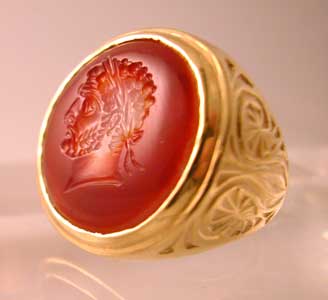
Romanian cameo ring

சீதைக்குக் கிடைத்த மோதிரம்

சுந்தர காண்டத்தில் சீதையிடம் அனுமன் மோதிரத்தைக் கொடுக்கவும் அதில் ராம என்னும் நாமத்தைக் கண்டு ஆனந்தக் கண்ணீர் விடுகிறாள் சீதா தேவி. அனுமன் மீது புதிய நம்பிக்கை பிறக்கிறது. அந்தக் காலத்தில் புதியோரிடம் இப்படி அடையாளப் பொருளைக் கொடுத்து அனுப்புவது வழக்கம் என்றும் தெரிகிறது

இதே போல துஷ்யந்தன் கொடுத்த மோதிரமே கடைசியாக சகுந்தலையை மன்னனிடம் இணைக்கும் சாட்சியாக / தடயமாக அமைகிறது. அதை அவள் சோம தீர்த்தம் என்னும் இடத்தில் புனித நீராடுகையில் தவற விடவே அதை ஒரு மீன் விழுங்குகிறது அதைப் பிடித்த செம்படவர்கள் அதை அரசனிடம் சேர்ப்பிக்கின்றனர். அது பழைய நினைவுகளைக் கொணரவே அவன் மீண்டும் சகுந்தலையை ஏற்கிறான். அதற்கு முன்னர் அவளை யார் என்று தெரியாது என்கிறான். அவன் கொடுத்த நிச்சயதார்த்த மோதிரத்தை அவனே மறந்து விடுகிறான்.

காளிதாசனின் மாளவிகா அக்னிமித்ர நாடகத்தில் வரும் பாம்பு மோதிரமும், ரகு வம்சத்தில் வரும் சீதை மோதிரக் காட்சியும், சாகுந்தலத்தில் வரும் மோதிரக் காட்சியும், விசாக தத்தன் நாடகத்தில் வரும் மந்திரி ராக்ஷசனின் மோதிரக் காட்சியும் வால்மீகி முனிவரால் தோற்றுவிக்கப்பட்ட கருவில் உருவானவையே என்பதில் ஐயமில்லை.

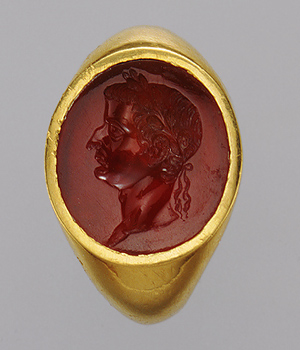
tiberius

கொடுங்கோலர்களான நந்த வம்சத்தினரின் ஆட்சியினை சாணக்கியன் என்னும் பார்ப்பனன் வேருடன் வீழ்த்திய முத்ரா ராகஷச வரலாற்று நாடகத்தில் நந்த வம்ச மன்னன் மந்திரி ராக்ஷசனின் மோதிரம் முக்கியப் பங்காற்றுகிறது.

ஆக மோதிரம் என்பது பழங்காலத்தில் முக்கிய அடையாளம், முத்திரை, அரசாங்கச் சின்னம் என்பதை அறிய இந்த இலக்கியக் குறிப்புகள் உதவும். மேலை நாடுகளில் மோதிரங்கள் பற்றிய தனி ஆராய்ச்சிப் புத்தககங்கள் கிடைக்கின்றன. கண்காட்சிகளில் மோதிரங்கள் பளிச்சிடுகின்றன. நாமும் மோதிர ஆரய்ச்சி செய்து இருக்கும் மோதிரங்களிலாவது கிடைக்கும் வரலாற்றுத் தடயங்களை அறிதல் வேண்டும்.

தமிழ் நாட்டில் கிடைத்த ஒரு அருமையான ரோமானிய மோதிரம் ஒரு சில நாட்களுக்குள் மாயமாய் மறைந்து பெரும்பரபரப்பை ஏற்படுத்தியது. அது இப்பொழுது வெளிநாட்டில் இருக்கும் என்பதும் அதைவிற்றவர் பல லட்சம் பெற்றிருப்பார் என்பதும் ஊகித்தறியக்கூடியதே.

contact swami_48@yahoo.com
Four Gold Rings in Ramayana and Kalidasa’s Works

museum ring 1

Roman cameo ring

Research paper written by London Swaminathan

Research article No.1520; Dated  26th   December 2014.

Gold Rings play an important part in Valmiki Ramayana and three of Kalidasa’s works in addition to Vishaka Datta’s Mudra Rakshasa.

Valmiki, the great Adi Kavi, inspired Kalidasa and Vishaka datta. All these are Sanskrit works. In Sangam Tamil literature we have one reference to a gold ring with shark picture on it. Such rings are found in Rome and Greece. Apart from their literary merits, there are lot of things for researchers.

1.Gold rings were used as seals. They were like government seals and emblems.

2.Gold rings have personal names inscribed on it. Rama’s name was there on his ring. Dushyanata’s name was inscribed on it.

3.Sita was able to recognise the letters RAMA and Shakuntala was able to read the letters. So women were literates and highly educated. Kalidasa tells us how many letters were in Dushyanta’s name and asked Shakuntala to count them so that she would know many days she had to wait.

tiberius

Tiberius ring

4.Tamil had rings with shark picture on them. They might have been imported from Rome. Roman gold coins are found in nook corner of Tamil Nadu and the vaults of Ananta Padmanabha Swami Temple of Tiruvanathapuram, Kerala.

5.Kalidasa gives information about  gem studded rings (Ratna Angukiyam) in Raghu Vamsa (6-18, 12-62, 12-65). In the Sakuntalam, he mentioned about giving engagement rings. Now it has become a big custom and big business in Western countries. Actually Hindus taught the world about giving Engagement Rings. Giving flowers is in Tamil literature.

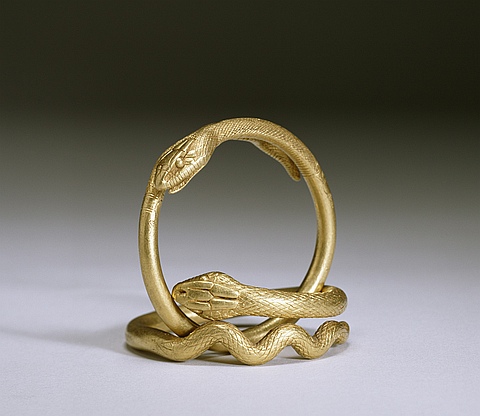
6.Kalidasa also gives information about ring with a snake picture on it in his drama Malavika Agnimitram.

7.In Kalidasa’s Abinjana Sakuntalam and in Vishaka Datta’s Mudra Rakshasa, the ring  plays an important part. Sanskrit scholar Chandra Rajan compared it with Shakespeare’s Othello (hand kerchief instead of ring in Othello).

snake ring

Snake ring

  1. Tamil Poet Maruthan Ilanakan used (Kali- 84) the ring in his Kalitokai verse. It is a gold ring given by a prostitute to the hero. It shows that prostitutes were very rich and they may even give rings to their customers if they fall in love with them. In other parts of the world, it is other way round; they only received, never donated.

9.Since Tamil ring has a Makara/shark, Romans might have brought them. Sailors used to visit prostitutes  the counties they visit and the VD or STD are called Sailor’s diseases. But the heroine actually said that it was Manmatha’s flag emblem, meaning that the prostitute wanted to rule over his heart for ever. Manamatha  is God of Love.

10.in Mudra Rakshasa, it is the signet ring of a minister. So, all the top government officials used their rings as signatures. Each one must have a different picture or personal name on it.

11.It is unfortunate that we have such rings only in the vaults of Maharajas now, which slowly find their way to auction houses in London and New York.

roman-jewelry-seal-ring

12.When I visited Stockholm I was able to see all the jewellery in the museums. In my city London, people queue to see the Royal jewellery including India’s Kohinoor diamond. I paid to enter Metropolitan Museum in New York. India can mint money by displaying her treasures properly. Government should set up a panel for this purpose with historians and archaeologists.

13.Indian government must ban legal or illegal “export” of all Indian jewellery to foreign auction houses. They must also make arrangements to display all the jewellery of temples such as Tirupati, Tiruvananthapuram and palaces of Maharajas. There are many more hidden gems lying in the dark rooms of India. I have written about our treasures in Tehran museum.

(Please Read my articles on “India needs an Indian Jones” and the Diamond studded Rs 1000 crore Globe in Tehran Museum)

238ring3

Gold Ring in Valmiki Ramayana (Sundara Kanda, Canto 36)

Sangam Tamil book Purananuru says that the monkeys did not know how to wear Sita’s jewellery! Sita threw them down from Ravana’s air plane. Hanuman took Sita’s jewellery back to Rama . Hanuman won Sita’s confidence when he gave her Rama’s ring. When she saw the ring with Rama’s name on it she believed that Hanuman was a real messenger from Lord Rama.

Here is the verse from Sundara Kanda

“O, Fortunate One, I am a monkey, the messenger of the sagacious Rama; behold this precious ring on which his name is engraved! O, Goddess, it was given to me by that magnanimous hero so that thou shouldst have faith in me”

“Janaki taking the jewel that had adorned her lord, was overcome with joy, as if he himself were present her gentle countenance with its large eyes sparkle with delight resembling the moon released from Rahu’s hold. Blushing with pleasure on receiving this token from her lord, that youthful woman, in her satisfaction, began to look on that great monkey as on a friend and paid tribute to him”.

From The Ramayana of Valmiki, Volume II, Translated by Hari Prasad Shastri

Here is the Gold Ring from Abhinjana sakuntalam:-

King : Then putting the ring on her finger, I said to her;

Madhavya: What did you say?

King: Count off each day one letter of my name

On the Ring; and when you come to the last,

An escort will present himself, my love,

To lead you to my Royal Apartments.

But in blank confusion I acted cruelly.

Mitrakesi: A charming arrangement, no doubt; only fate slipped in and broke it

Madhavya: How on earth did the ring enter the (fish) carp’s mouth as if it were a hook?

King: It slipped off your friend’s finger when she was worshipping the waters at Sasi’s pool (Soma Tirtha).

Act 6 of Sakuntalam (Chandra Rajan’s Translation in “Kalidasa-The Loom of Time”).

238ring22

Chandra Rajan compared it with Othello of Shakespeare:

“In Othello, proof of the heroine’s chastity and love is demanded. Desdemona’s chastity hangs on a hand kerchief; Sakuntala’s on a ring. Both heroines are blissfully unaware of the importance of the token. To them love is its own proof and a witness to their charity”

Snake ring in Malavikagnimitram

Act 4 of Malavikagnimitram says that the queen parted with her signet ring bearing a serpent seal, as it was required by the poison-doctor to effect a magical cure. He thus procures the freedom of Malavika.

Mudra Rakshasa

The meaning of the drama is “The Signet Ring of Rakshasa”, the Chief Minister of last Nanda King. Chanakya, installed Chandragupta Maurya as king, and dethroned the last Nanda king. Nanda king’s chief minister Rakshasa was made to switch sides through the clever plans of Chanakya.

வடமொழி, தமிழ் மொழி பற்றி இலக்கண வித்தகர்கள் கூற்று

tamil vowels

கட்டுரையை எழுதியவர் :– London swaminathan

கட்டுரை எண்- 1519; தேதி 26 டிசம்பர், 2014.

மூதறிஞர் வ.சு.ப.மாணிக்கம் எழுதிய தொல்காப்பியக் கடல் என்ற நூலில் இருந்து தொகுக்கப்பட்டவை:–

சுவாமிநாத தேசிகர்

1.“சுவாமிநாத தேசிகரின் இலக்கணக்கொத்தோ பாயிர நூற்பாக்களிற் சில அடிகளையொதுக்கிடின் நல்ல இலக்கணப் புதுமைகொண்ட நூல் என்பதைப் பலரும் ஒப்புவர்

வடமொழி தமிழ்மொழி யெனுமிருமொழியினும்

இலக்கணம் ஒன்றே யென்றே யெண்ணுக  – இலக்கணக்கொத்து

பெருந்தேவனார்

2.தமிழ் சொல்லிற்கெல்லாம் வடநூலே தாயாகி நிகழ்கின்றமையின் அங்குள்ள வழக்கெல்லாம் தமிழுக்கும் பெறும் – வீரசோழிய உரை ஆசிரியர் பெருந்தேவனார்

சேனாவரையர்

3.ஒரு சொல்லாய வழித் தமிழ் சொல் வடபாடைக்கட் செல்லாமையானும், வட சொல் எல்லாத் தேயத்திற்கும் பொதுவாகலானும் – சேனாவரையர்

சிவஞான முனிவர்

4.தமிழ்நூல் ஒன்றே வல்ல உரையாசிரியர்கள் உரை உரையாகா எனவும் வடநூல் உணர்ந்தாற்கன்றித் தமிழியல்பு விளங்கா எனவும் ஊறும் வீறும்பட உரைத்தார் சிவஞான முனிவர்

சுப்ரமண்ய தீக்ஷிதர்

5.வடமொழிக்கும் தமிழ் மொழிக்கும் இலக்கணம் ஒன்றே எனவும் தமிழும் திசைச் சொல்லேயாம் எனவும் பொதுமையும் திசைமையும் கண்டார் சுப்பிரமணிய தீக்கிதர்.

சுவாமிநாத தேசிகர்

6.இவர் எல்லோரும் விஞ்சுமுகத்தான்

அன்றியும் ஐந்தெழுத்தால் ஒருபாடை யென்று

அறையவும் நாணுவர் அறிவுடையோரே

ஆகையால் யானும் அதுவே அறிக  – இலக்கணக்கொத்து சுவாமிநாத தேசிகர்

skt_vowel1

சிவப்பிரகாசம்

தொன்மையவாம் எனுமெவையும் நன்றாகா இன்று

தோன்றிய நூல் எனுமெவையும் தீதாகா

–சிவப்பிரகாசம்

சுவாமிநாத தேசிகர்

7.நூலாசிரியரே உரையும் எழுதும் வழக்கம்

நூல்செய்தவனந் தவனந் நூற்குரை யெழுதல்

முறையோ எனிலே அறையக் கேள்நீ

முன்பின் பலரே என்கண் காணத்

திருவாரூரில் திருக்கூட்டத்தில்

தமிழ்க்கிலக்காகிய வயித்திய நாதன்

இலக்கண விளக்கம் வகுத்துரை எழுதினன்

அன்றியும் தென்றிசை ஆழ்வார்திருநகர்

அப்பதி வாழும் சுப்பிரமணிய

வேதியன் தமிழ் ப்ரயோக விவேகம்

உரைத்துரை எழுதினன் ஒன்றே பலவே

—சுவாமிநாத தேசிகரின் உரை நூற்பா

  1. முக்கிய தமிழ் இலக்கண நூல்கள்

தொல்காப்பியம், வீரசோழியம், நேமிநாதம்

நன்னூல், இலக்கண விளக்கம், பிரயோக விவேகம்

இலக்கணக் கொத்து, தொன்னூல் விளக்கம்

முத்துவீரியம், சுவாமிநாதம்

contact swami_48@yahoo.com

தமிழுக்கு எத்தனை பெயர்கள்?- பகுதி 2

sangam float

Sangam Age Tamils

கட்டுரையை எழுதியவர் :– London swaminathan

கட்டுரை எண்- 1518; தேதி 26 டிசம்பர், 2014.

(compiled by Santanam Swaminathan)

இதன் முதற் பகுதி “தமிழுக்கு எத்தனை பெயர்கள்?” கட்டுரை எண்:–1094 ; தேதி ஜூன் 9, 2014 என்ற தலைப்பில் வெளியாகியது. இது இரண்டாம் பகுதி.

1.தமிழும் காயத்ரி மந்திரமும்

காயத்ரி மந்திரம் சூரிய ஒளி போல அறிவைப் பிரகாசிக்கச் செய்யும். அதை சூரியனை நோக்கி அனுதினமும் பார்ப்பனர்கள் மூன்று வேளைகளிலும் ஜபிப்பர். அதைப் போல தமிழும் அருள் புரிகிறது என்று தண்டிஅலங்காரம் சொல்லாமற் சொல்லும்:

ஓங்கல் இடை வந்து உயர்ந்தோர் தொழ விளங்கி

ஏங்கொலி நீர் ஞாலத்து இருள் அகற்றும்- ஆங் கவற்றுள்

மின்னேர் தனி ஆழி வெங்கதிர் ஒன்று ஏனையது

தன் நேர் இலாத தமிழ் (தண்டி அலங்காரம்)

There are two things born from the mountains, shining so brilliantly that the great bow down, driving darkness from earth circled by roaring waters. One is the flaming sun, single wheel bright as lightning, the other is Tamil that has no like. (Tantiyalankaram)

pegan

Tamil Philanthropist Bekan and the peacock

  1. பரிபாடலில் (பாடல் 9) குன்றம்பூதனார் காந்தர்வ இன்பத்தை அனுபவிக்க உரியாரை

“ தள்ளாப் பொருள் இயல்பின்

தண் தமிழாய் வந்திலார்

கொள்ளார் இக்குன்று பயன்” என்பர்.

  1. “இன் தமிழ் இயற்கை இன்பம்” என்று கந்தருவ போகத்தை சிந்தாமணி (பாடல் 2063) கூறும்.

செந்தமிழ், பைந்தமிழ், தண்தமிழ்,இன் தமிழ் என புலவர்கள் வாழ்த்துகின்றனர்.

  1. தமிழ் இயல்பு இனிய சுகபோகங்களோடு உயர்வாய் உய்ர்வாய் மிளிர்கிறது

இமிழ் திரை வையத்து ஏயர் பெருமகன்

தமிழ் இயல் வழக்கினன் (பெருங்கதை 4-17)


thiruvalluvar logo

  1. காவீரி நதியை சீழ்தலைச் சாத்தனார் வாழ்த்தும் முறை:

கோன் நிலை திரிந்து கோடை நீடினும்

தான் நிலை திரியாத் தண் தமிழ் பாவை (மணிமேகலை)


  1. காட்டில் மனைவியைப் பிரிந்த ராமன் , ஒரு தாமரை மலரை நோக்கி

“தன் பால தழுவும் குழல் வண்டு

தமிழ் பாட்டு இசைக்கும் தாமரையே (கம்பன், கிட்கிந்தா, பம்பை 28)


  1. சீதை சொல் பற்றி கம்பன்

குழுவு நுண்தொளை வேயினும் குறி நரம்பௌ எறிவுற்று

எழுவு தண் தமிழ் யாழினும் இனிய சொற் கிளியே!

sangam4

  1. தமிழ் என்னும் சொல்லை இனிமை, குளிர்ச்சி, உவகை முதலிய பொருளில் கவிகள் பயன்படுத்துவதைக் காண்கிறோம். தமிழ் பற்றி தொல்காப்பியப் பாயிரம் சொல்லுவது:–

வட வேங்கடம் தென் குமரி ஆயிடைத்

தமிழ் கூறும் நல் உலகத்து

செந்தமிழ் இயற்கை சிவணிய நிலத்தொடு

முந்து நூல் கண்டு முறைப்பட எண்ணி

நிலந்தரு திருவிற் பாண்டியன் அவையத்து

——ஐந்திரம் நிறைந்த

தொல்காப்பியன் எனத் தன் பெயர் தோற்றிப்

பல்புகழ் நிறுத்த படிமையோனே (பனம்பாரர்-பாயிரம்)


செந்தமிழ் சேர்ந்த பன்னிரு நிலத்தும்


  1. இருபாற்றென்ப திரி சொற் கிளவி

செந்தமிழ் சேர்ந்த பன்னிரு நிலத்தும்

தம் குறிப்பினவே திசைச் சொற் கிளவி

சிதைந்தன வரினும் இயைந்தன வரையார் (தொல்காப்பியம்-எழுத்து)


sangam3

  1. கன்னித் தென்கரைக் கட்பழந்தீவம்

சிங்களம் கொல்லம் கூவிளமென்னும் (மயிலைநாதர்)

அகத்தியன் பற்றி………………..

  1. தாங்கா நல்லிசைத் தமிழ்க்கு விளக்காகென

வானோர் ஏத்தும் வாய் மொழிப் பல் புகழ்

ஆனாப் பெருமை அகத்தியன் (பன்னிரு படலம்)


  1. உயர் மதிற்கூடலின் ஆய்ந்த ஒண்தீந்தமிழின் துறைகள் (திருக்கோவையார்)


13.மூவறு மொழியுளும்

குணகடல் குமரி குடக வேங்கடம்

எனநான் கெல்லையி னிருந்தமிழ்

-நன்னூல் பாயிரச் சூத்திரம்

14.தேனுறை தமிழும் திருவுறை கூடலும் (கல்லாடம்)

sangam2

பாரதி பாடல்கள்

15.யாமறிந்த மொழிகளிலே தமிழ் மொழிபோல்

இனிதாவது எங்கும் காணோம்;

பாமரராய்,விலங்குகளாய்,உலகனைத்தும்

இகழ்ச்சிசொலப் பான்மை கெட்டு,

நாமமது தமிழரெனக் கொண்டு இங்கு

வாழ்ந்திடுதல் நன்றோ சொல்லீர்!

தேமதுரத் தமிழோசை உலகமெலாம்

பரவும் வகை செய்தல் வேண்டும்.

16.யாமறிந்த புலவரிலே கம்பனைப் போல்

வள்ளுவர் போல், இளங்கோவைப் போல்,

பூமிதனில் யாங்கணுமே பிறந்ததில்லை;

உண்மை, வெறும் புகழ்ச்சியில்லை;

ஊமையராய்ச் செவிடர்களாய்க் குருடர்களாய்

வாழ்கின்றோம்;ஒரு சொற் கேளீர்!

சேமமுற வேண்டுமெனில் தெருவெல்லாம்

தமிழ் முழக்கம் செழிக்கச் செய்வீர்!

பிற நாட்டு நல்லறிஞர் சாத்திரங்கள்

தமிழ் மொழியிற் பெயர்த்தல் வேண்டும்

இறவாத புகழுடைய புது நூல்கள்

தமிழ் மொழியில் இயற்றல் வேண்டும்

மறைவாக நமக்குள்ளே பழங்கதைகள்

சொல்வதிலோர் மகைமை இல்லை:

திறமான புலமையெனில் வெளிநாட்டோர்

அதை வணக்கஞ் செய்தல் வேண்டும்

17.வாழிய செந்தமிழ் ! வாழ்க நற்றமிழர்!

வாழிய பாரத மணித்திரு நாடு!

வாழ்க நிரந்தரம் வாழ்க தமிழ் மொழி

வாழிய வாழியவே

வானம் அளந்தது அனைத்தும் அறிந்திடும்

வன்மொழி  வாழியவே

ஏழ்கடல் வைப்பினும் தன் மணம் வீசி

இசை கொண்டு வாழியவே

எங்கள் தமிழ் மொழி எங்கள் தமிழ் மொழி

என்றென்றும் வாழியவே

சூழ் கலி நீங்கத் தமிழ் மொழி ஓங்கத்

துலங்குக வையகமே

தொல்லை வினை தரு தொல்லை அகன்று

சுடர்க தமிழ் நாடே!

வாழ்க தமிழ் மொழி வாழ்க தமிழ் மொழி

வாழிய வாழியவே

வானம் அறிந்தது அனைத்தும் அறிந்து

வளர்மொழி  வாழியவே

18.தமிழ்த் திரு நாடு தன்னைப் பெற்ற-எங்கள்

தாயென்று கும்பிடடி பாப்பா !

அமிழ்தில் இனியதடி பாப்பா !- நம்

ஆன்றோர்கள் தேசமடி பாப்பா !

சொல்லில் உயர்வு தமிழ்ச் சொல்லே- அதைத்

தொழுது படித்திடடி பாப்பா !

செல்வம் நிறைந்த ஹிந்துஸ்தானம்- அதைத்

தினமும் புகழ்ந்திடடி பாப்பா !

Aathi thamizhar peravai

Avvaiyar and Adhiyamaan

19.பாரதிதாசன் பாடல்கள்

தமிழுக்கும் அமுததென்று பேர் !- அந்தத்

தமிழ் இன்பத் தமிழ் எங்கள் உயிருக்கு நேர் !

தமிழுக்கு நிலவென்று பேர் !- இன்பத்

தமிழ் எங்கள் சமுகத்தின் விளைவுக்கு நீர் !

தமிழுக்கு மணமென்று பேர்- இன்பத்

தமிழ் எங்கள் வாழ்வுக்கு நிருமித்த ஊர் !

தமிழுக்கு மதுவென்று பேர்- இன்பத்

தமிழ் எங்கள் உரிமைச் செம்பயிருக்கு வேர் !

தமிழ் எங்கள் இளமைக்குப் பால்- இன்பத்

தமிழ் நல்ல புகழ் மிக்க புலவர்க்கு வேல் !

தமிழ் எங்கள் உயர்வுக்கு வான் !- இன்பத்

தமிழ் எங்கள் அசதிக்குச் சுடர் தந்த தேன் !

தமிழ் எங்கள் அறிவுக்குத் தோள்-இன்பத்

தமிழ் எங்கள் கவிதைக்கு வயிரத்தின் வாள் !

தமிழ் எங்கள் பிறவிக்குத் தாய்- இன்பத்

தமிழ் எங்கள் வலமிக்க உளமுற்ற தீ

தமிழ் பற்றிய முக்கிய மேற்கோள்கள் அனைத்தையும் இந்த இரண்டு பகுதிக் கட்டுரையில் காணலாம்.

contact swami_48@yahoo.com

16 Virtues of Great Kings

dasaratha

Dasaratha in painting

Research paper written by London Swaminathan

Research article No.1517; Dated  25  December 2014.

Kalidasa, the greatest Indian poet of classical age, begins his Raghuvamsa, with bombastic words in Sanskrit. But he was so humble that he compared himself to a dwarf trying to reach fruits on a tall tree with his tiny arms.

But in the very next verse he said that he can do it because the old poets had already pierced the diamond through their verses. Now his job is like sending a thread through that hole.

But those who knew Sanskrit felt that he excelled all other poets in the choice of words as well as the description of sixteen great virtues of the Raghukula, the clan of Lord Rama (Rama’s forefather was Raghu).

This is not only for those who look for literary gems but also for those who want to study what Hinduism stood for.

rajasthani_painting_HM45_l

1.Pure from their birth- Aajanma Sudhhaanaam

The kings were pure from their birth. No bad name for the family, all their forefathers were embodiments of great virtues

2.Who till they won success worked on – Aafalodaya karmaanaam

They worked very hard till they won the task.

Perseverance was one of their virtues, never stopped in the middle.

They tried like Bhageeratha, who brought Ganges from the heaven ( actually he was a great engineer and planned to divert Ganges towards Uttar Pradesh, Bihar and Bengal for irrigation. With great and long effort  he succeeded in the Himalayan engineering work)

3.Ruled Earth to the Sea – Aasamudra Kshithisaanaam

They did not rule small areas. From shore to shore they ruled. Kalidasa , who lived in the first century BCE, during the reign of Vikramaditya, knew what he was talking about. He routed all the foreign forces and drove them out of the vast Indian sub continent.

king4

4.Their Car track reached to heaven —  Aanaaka ratha varthmanaam

Their chariots had direct route to heaven; that meant they were so pure they go to heaven when the leave their bodies at will.

5.The altar fire they tended – Yathaavidhi Huthaagniinaam

They were very pious and did great Yagnas like Asvamedha, Rajasuya etc.

6.Suppliants all Most fully satisfied – Archithaarthinaam

All were satisfied; their needs were met.

7.Ill deeds they punished – Yathaaparaatha Dandaanaam

They punished according to the gravity of the crimes; neither too much nor too less.

indian-royal-procession-bi96_l

8.Nor were slothful in their rule –Yathaakaala Prabhodhinaam

They were never lazy.

9.Wealth they amassed to scatter – Thyaagaaya sambruthaarthaanaam

They accumulated wealth only to give it back to the poor

10.Sparing words they never spoke falsely- Sathyaaya Mithbahaasinaam

They spoke a few words fearing that they may tell something wrong by the slip of the tongue.

king2

11.Fame in war they sought- not gain – Yasasee Vijigishuunaam

They fought wars indeed, but all Dharma Yuddha, not for the booty, but for fame. This is a great concept seen nowhere in the world. Sangam Tamil literature and Sanskrit literature were crystal clear that innocents should not suffer during wars. All the old people, invalids, women, Brahmins, sick people, children were asked to vacate the place and the wars were fought outside the town.

When the king was killed or defeated they accepted the verdict. But after the foreign invasions, the picture changed completely. Since they did all the illegal and immoral things, Hindu rulers also fell in that grew.

12.Wedded  for noble seed – Prajaayai Gruhamedhinaam

They married and led a family life not for sexual pleasure, but for progeny.

13.Their children studied—Saisave abhyasthavidhyaanaam

They studied all through their life from childhood. They were lifelong students. They updated their knowledge now and then.

king_s_procession

  1. Youth pursued its decent pleasures – Yauvane Vishayaishinaam

They followed only decent pleasures even when they were young.

15.And in ripe old age they lived as ascetics – Vardhakee Munivriththinaam

They lead ascetic life when they became old

16.Relinquished their bodies in meditation- Ante Yogena Thanuthyajaam

They did not die without any purpose. They left the body at will meditating upon God like the great Bhishma Pitamaha.

Contact swami_48@yahoo.com