‘Prayers Good for Heart’ says Scientists


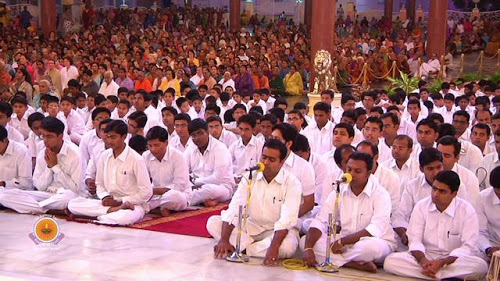
Picture of Sathya Sai Bhajans

London newspapers have published an interesting news item yesterday (London Metro, July 9, 2013 and The Mail) about the power of prayers, in particular, group prayers. Read the story below and my comments:

‘’Hallelujah! Singing in a choir is as good as Yoga’’ is the title given by the newspapers.


‘’Scientists say chanting the Hallelujahs of the No.1 hit can be as good for the heart as a Yoga session. That is because singing helps us to control our breathing and regulate our heart beat and pulse.


And while singing alone is good, singing in a choir is better, research shows. Dr Bjorn Vickhoff of Gothenburg University in Sweden led the research. He said, ‘songs with long phrases achieve the same effect as breathing exercise in yoga. In other words, through song we can exercise a certain control over mental states. Choir singing or chanting foot ball songs impose a calm and regular breathing pattern on participants, giving their hearts a work out.’


Scientists of Gothenburg University made this discovery after asking a group to perform three different choral exercises—monotone humming, singing a hymn and chanting a slow mantra—while their heart rate was monitored. The results revealed the music’s melody and structure was directly linked to the cardiac activity of the choir.

The next task for the researchers is to measure how music affects the body in biological terms, said Dr Vickhoff. He reckons songs could be used to treat people with breathing difficulties.

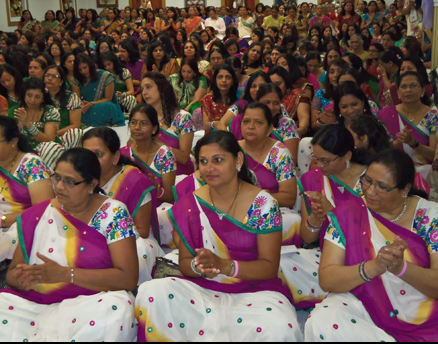
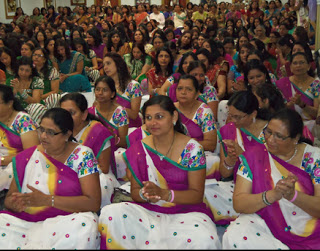
24 Bhajan groups took part in a marathon session in California (USA)

My comments: Bhajans are good for heart patients

Bhajan singing is popular among Hindus. Swami Sivananda, Ramakrishna Mutt, Chinmaya Mission, Swami Abhedananda, Hare Krishna Movement and last but not the least Sri Sathya Sai Baba made Bhajan a house hold name. Thiruppugaz Bhajan, Thevaram recitation, Divya Prabandha recitation also fall under this category. (I have the personal experience of participating in the above groups)


Bhajan means singing a hymn or reciting God’s name loudly with the accompaniment of musical instruments. In some Bhajans Lamp dance and Stick dance are also included. This type of singing will fall under the category of choir singing and group singing in the churches.


It is good to know that those who do Bhajans or Thevaram recitation are strengthening their hearts physically and spiritually. The researchers  will soon find out that music also has the same effect.

(This article is translated in to Tamil and posted: London Swaminathan).

பஜனை செய்வது நல்லது: விஞ்ஞானிகள் கண்டுபிடிப்பு

24 Bhajan groups in California (USA) joined together for a marathon Bhajan session.

பஜனை செய்வது நல்லது: விஞ்ஞானிகள் கண்டுபிடிப்பு

லண்டன் மெட்ரோ பத்திரிக்கையில் 2013 ஜூலை 9ஆம் தேதி ஒரு சுவையான செய்தி வந்துள்ளது. கூட்டுப் பிரார்த்தனை செய்வது உடலுக்கு நல்லது.சுவீடனிலுள்ள கோதன்பர்க் பல்கலைக்கழகம் இந்த ஆராய்ச்சியை நடத்தியுள்ளது.


எல்லோரும் கூட்டாக சேர்ந்து உரத்த குரலில் பாடுவது இருதயத் துடிப்பையும் நாடித் துடிப்பையும் ஒழுங்குபடுத்துகிறது. பாடுவதே நல்லது. அதிலும் கூட்டாகப் பாடுவது இன்னும் நல்லது என்று அறிவியல் அறிஞர்கள் சொல்கிறார்கள்.

Sri sathya Sai Baba who made Bhajan a household name.

விஞ்ஞானிகள் ஒரு தொண்டர் குழுவை அமைத்து மூன்று வகையான வெவ்வேறு பாடும் பணியைக் கொடுத்தனர். முதலில் தனித் தனியே வாயை மூடிக்கொண்டு குரல் எழுப்பச் சொன்னார்கள் (ஹம் செய்வது அல்லது ரீங்காரம் செய்வது). இதற்கு அடுத்த படியாக ஒரு துதிப் பாடலைப் பாடச் சொன்னார்கள். கடைசியாக ஒரு மந்திரத்தை மெதுவாகச் ஜெபிக்கச் சொன்னார்கள். ஒவ்வொரு முறையும் குழுவின் நாடித் த்டிப்பும் இருதயத் துடிப்பும் கணக்கெடுக்கப்பட்டது.அப்போது இருதயத்தின் செயல் பாட்டூக்கும் பாடும் முறைக்கும் தொடர்பு இருப்பது கண்டுபிடிக்கப்பட்டது.


நீண்ட சொற்கள் கொண்ட பாட்டுக்களைப் பாடுகையில் மூச்சை அடக்கி யோகா செய்யும்போது என்ன பலன்கள் கிடைக்கிறதோ அந்த அளவுக்கு நற்பலன்கள் கிட்டுவதாக  டாக்டர் ஜான் விக்காப் கூறுகிறார்.


கூட்டாக சர்ச்சுகளில் பாடுவதோ, கால்பந்து போட்டிகளுக்குப் போகும் ரசிகர்கள் தங்கள் குழுவின் பாடல்களைப் பாடும்போதோ (இங்கிலாந்து போன்ற நடுகளில் கால்பந்து அணிகளுக்கு கீதங்கள் உண்டு) அவர்களுடைய இருதயத் துடிபு அமைதியாக சீராக இருப்பதும் ஆராய்ச்சியில் தெரியவந்துள்ளது


கோதன்பர்க் பல்கலைகழக ஆய்வுக்குழுத் தலைவர் டாக்டர் விக்காப் பேசுகையில் அடுத்தபடியாக இசை மூலம் உடலில் ஏற்படும் மாற்றங்களை ஆராயப்போவதாகக் கூறினார். மூச்சுவிடக் கஷ்டப்படுவோருக்கு பாட்டு சிகிச்சை கொடுத்தால் நால் குணம் கிடக்கும் என்று அவர் நம்புகிறார்.


சுருக்கமாகச் சொல்லப்போனால் பஜனை செய்வது நல்லது, கூட்டுப் பிரார்த்தனை செய்வது நல்லது. சுவாமி சிவானந்தா முதல் சத்ய சாய் பாபா வரை பரப்பிய பஜனை புகழ் பெறும் காலம் வந்துவிட்டது. திருப்புகழ் பஜனையும், தேவாரக் கூட்டுப் பிரார்த்தனையும் பாட திட்டத்தில் இடம்பெறும் காலம் வந்துவிட்டது!


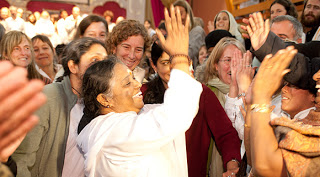
Amma in Houston (USA) doing Bhajan

அந்தக் கால சினிமாப் பாட்டில் சும்மாவா சொன்னார்கள்:

‘’பஜனை செய்தால் மழை பெய்யும்

பக்குவமாகவே, பஜனை செய்தால் மழை பெய்யும்

சுண்டல் வடையுடன், பஜனை செய்தால் மழை பெய்யும்’’


நமப் பார்வதி பதயே:— ஹர ஹர மஹாதேவா!

தென்னாட்டுடைய சிவனே போற்றி—

எந்நாட்டவர்க்கும் இறைவா போற்றி!!

கோவிந்த நாம சங்கீர்த்தனம் கோவிந்தா, கோவிந்தா!


(இந்தக் கட்டுரையை வேறு இடத்தில் பயன்படுதுவோர் எழுதியது ‘’லண்டன் சுவாமிநாதன்’’ என்று வெளியிட அன்புடன் வேண்டுகிறேன். தமிழ் எழுத்தாளர்களுக்கு மதிப்பும் மரியாதையும் கொடுங்கள்)

Vedic God Varuna in Oldest Tamil Book

East European Slavs worshiped Varu as Perun

Oldest Tamil book Tolkappaiam dated to 1st century BC mentions Varuna as one of the four Gods allocated four different land divisions of ancient Tamil country. This raised eye brows of many people because Varuna is not mentioned much in Tamil literature. Indra is mentioned from the oldest to the latest literature which I gave in my last post.


Agni, though not mentioned directly is mentioned in the Vedic rites of Brahmins in Tamil literature. 2000 year old Sangam Tamil literature praised the Brahmins as ‘’worshippers of three fires’’ (Muth Thee). And like I mentioned in my post on Indra, Agni is worshipped by Tamils in the form of Subramanya, who the Tamils called Murugan. The very Tamil word given to him in the oldest Tamil book is Seyon=Reddish. Agnijathar and Agni Bhu are few of Lord Murugan’s popular names. Agnijathar means Fire Born. Lord Skanda was born from the fire of Lord Shiva’s Third Eye.


Now let us look at Varuna. Varuna in the Vedas is a powerful god. He is the guardian of cosmic order (rta=rhythm=ruth=truth). Varuna is in charge of the oceans, water sources and rains. During times of drought Varuna Japa (Prayers to Varuna) is done. His vahana (vehicle) is shark fish or crocodile. Tamils believed his control over rains and worshipped him for rains. Oldest Tamil book Tolkappiam says he is the god of littoral areas/Neithal. Seaward people and fisher men worshipped him.


At lower level Varunan is in charge of the direction West where as Indra controls East. In Persian literature Varuna is the most powerful God. Mitra and Varuna are paired in Vedic hymns. This led to the belief of interpreting them as Day and Night, Sun and Moon, Light and Dark and Positive and Negative energy. Tamil saint Agastya is considered son of Varuna and Urvasi. This brings Varuna closer to Tamils. Agastya was the one who made a grammar for Tamil language.

We have a few references to Varuna in Tamil:

Barathavars are the people of the sea. They would not go to sea for fishing on full moon days. This coincides with the Vedic link of Varuna with the moon and Mitra with the sun. Barathavars may be related to Bharats of Rig Veda. But this requires further research. Varuna is associated with sea in Rig Veda (RV I-25) in many places.

Tamils used to plant the Shark bone in the sand on the sea shore and do Puja with flower garlands. They drink toddy extracted from palm and paddy. This happened on the full moon day. This confirms its Vedic origin: 1.Association with shark/sea monster2.Association of moon/full moon day 3.Association with sea 4. Association of the clan name bharats  and 5.Confirmation of Varuna as Tamil God by Tolkappiam(Porul.1-5). He used the Sanskrit name Varuna.


The Sanskrit word for sea Vaaranam has its origin in Varunan.

Pattinappalai lines 86 to 93 gives us the above information.

Read my earlier post ‘’Indra in Oldest Tamil Literature’’.

Image

Valluvar and Varuna

Tamil’s greatest contribution to the world of literature is a book called Tirukkural. Tirukkural means a book of sacred couplets. There are 1330 couplets divided in to three chapters Dharma/virtue, Artha/wealth and Kama/love (Aram, Porul, Inpam in Tamil). They deal with all aspects of human life. One who reads it today would be surprised at its freshness and relevance to our own problems today. It was written by Valluvar 1500 years ago. He also praised Varuna without naming him. He placed the chapter on RAIN as the second one, next to GOD/Prayer.


Valluvar says in couplet 18:

‘’If rains fail, festivals of the year and the daily worship of the gods will cease’’.

I interpret it as the Sea festival to honour Indra and Varuna. The worship he mentions is the worship of Varuna. It is to be noted that he used the Sanskrit word Puja ( Pusanai in Tamil) in this couplet and in the very next couplet he jumps to the Bhagawad Gita phrase Dhana and Tapas (Dhanam, Thavam in Tamil). He boldly used the Sanskrit words to start his couplet, which was not practised during Sangam period.

Couplet 19:

‘’Charity and devotional practices will not be observed in the world unless rain falls.’’

I have given umpteen examples in my previous 570 + posts that the Aryan Dravidian Race theory is a fraudulent one that was imposed by vested interests. This Varuna worship in the southern most part of India also debunks the race theory.


Swami_48@yahoo.com; Pictures are taken from various sites. Those who use my articles are requested to give full credit to the blog or the author London Swaminathan.Thanks.

Read my earlier articles:

Indra in the Oldest Tamil Book

Date of Tolkappiam


தொல்காப்பியத்தில் வருணன்

Image

தமிழில் கிடைத்த பழைய நூல் தொல்காப்பியம். பெரும்பாலான அறிஞர்கள் இதை கி.மு அல்லது கி.பி. முதல் நூற்றாண்டில் வைக்கின்றனர். கார்த்திகேசு சிவதம்பி, வையாபுரிப் பிள்ளை போன்றோர் போல நானும் இதை கி.பி. ஐந்தாம் நூற்றாண்டில் வைத்துள்ளேன். (தொல்காப்பியர் காலம் பற்றிய எனது (ஐந்து பகுதிகள்) கட்டுரையில் காண்க).

ரிக் வேதத்தில் வருணன் மிக முக்கியமான கடவுள். உலகம் ஒரு சட்ட நியதிக்குள் இயங்க உதவுபவர் வருணன். மேலும் கடல், நீர் நிலைகள், மழை ஆகியவற்றுக்குப் பொறுப்பானவர். இந்திரன் கிழக்கு திக்குக்கு அதிபதி, வருணன் மேற்கு திக்கிற்கு அதிபதி. மித்ரன் என்ற ஒளிக் கடவுளுடன் இவர் ஜோடியாக வைக்கப்படுகிறார். வேத மந்திரங்கள் இவரை மித்ரனுடன் சேர்த்துப் பாடுகின்றன. இது பழந் தமிழர் நம்பிக்கையுடன் மிகவும் பொருந்துகின்றன. வருணனின் வாஹனம் சுறா மீன், முதலை அல்லது கடல் மிருகம்.


மித்ரன் வருணன் ஜோடியை அறிஞர்கள் ஒளி/இருள் என்றும் சூரியன்/சந்திரன் என்றும் ஆக்க சக்தி/அழிவு சக்தி என்றும், உற்பத்தி/மறைவு=சூரிய உதயம்/அஸ்தமனம் என்றும், கிழக்கு/மேற்கு என்றும் வியாக்கியானம் செய்கின்றனர். அதாவது ஒரு மின்சார பேட்டரியில் உள்ள பாசிடிவ்/நெகடிவ் போன்றவர் மித்ர- வருணன் ஜோடி.

வருணனின் மகன் தமிழ் முனிவன் அகஸ்தியர். அந்த வகையில் வருணனும் தமிழுக்கு மிகவும் நெருங்கி வந்து விடுகிறார்

தற்காலத்தில் பிராமணர்கள் நாள் தோறும் மூன்று முறை செய்யும் சந்தியா வந்தன மந்திரத்தில் வருண வழிபாடு இருக்கிறது. மழை பெய்யாமல் வறட்சி நிலவும் காலங்களில் வருண ஜபம் என்னும் வேத மந்திரச் சடங்கு நடத்தப்படுகிறது.


தொல்காப்பிய பொருள் அதிகாரம் (1-5)

‘’ மாயோன் மேய காடுறை உலகமும்

சேயோன் மேய மைவரை உலகமும்

வேந்தன் மேய தீம்புனல் உலகமும்

வருணன் மேய பெருமணல் உலகமும்

முல்லை குறிஞ்சி மருதம் நெய்தலெனச்

சொல்லிய முறையால் சொல்லவும் படுமே’’


தொல்காப்பியர் தனது பொருளதிகார சூத்திரத்தில் கடலும் கடலைச் சார்ந்த நிலமும் ஆன நெய்தல் நில மக்களின் கடவுள் வருணன் என்று சொல்லுவார். அவர்கள் பரதவர் என்று அழைக்கப்படுவர்.

((இலக்கியத் திருடர்களுக்கு அன்பான வேண்டு கோள்: எனது கட்டுரைகளைத் தாராளமாகப் பயன்படுத்துங்கள். ஆனால் லண்டன் சுவாமிநாதன் எழுதியது என்றோ , அல்லது பிளாக் பெயரையோ தயவு செய்து போட்டு தமிழுக்குத் தொண்டு செய்யுங்கள். தமிழ் எழுத்தாளர்களுக்கு துரோகம் செய்யாதீர்கள்)).

பட்டினப்பாலை என்னும் நூலில் வருண வழிபாடு பற்றிய சுவையான செய்திகள் கிடைகின்றன; வள்ளுவனும் மறைமுகமாக வருணனைப் புகழ்கிறான்:

Image

‘’ வெண்கூதாளத்துத் தண்பூங்கோதையர்

சினைச் சுறவின் கோடு நட்டு

மனைச் சேர்த்திய வல்லணங்கினான்

மடற்றாழை மலர்மலிந்தும்

பிணர்ப்பெண்ணைப் பிழிமாந்தியும்

புன்றலை இரும் பரதவர்

பனிதழை மா மகளிரொடு

பாயிரும் பனிக்கடல் வேடஞ் செல்லா

துவவுமடிந்துண்டாடியும்’’ (பட்டினப்பாலை 85-93)


பொருள்: பரதவர்கள் சுறாமீனின் கோட்டினை மணலில் நட்டு மலர் மாலை சார்த்தி வணங்கினர். அதில் தெய்வம் ஏறியதாக நம்பினர் பவுர்ணமி நாட்களில் இதைச் செய்வர். பனங்கள்ளையும் நெற்கள்ளையும் அருந்துவர். மீனையும் இறைச்சியையும் கடவுளுக்குப் படைப்பர்.

வாரணம்= கடல் என்ற வடமொழிச் சொல்லும் வருணன்= கடல் தெய்வம் உடன் தொடர்புடையது.


மேற்கூறிய சங்க கால பட்டினப் பாலைப் பாடல் ரிக்வேத கருத்துடன் மிகவும் அணுசரணையாக இருக்கிறது: 1. பரதவர் என்போர் ரிக்வேத பரதர்களுடன் தொடர்புடையோராக இருக்கலாம் 2. வருணனின் வாகனமான மகரம் (மீன்/முதலை/சுறா), கடலோர பரதவர் வழிபாட்டில் இடம் பெற்றது 3. வருணன் ஒரு கடல் தெய்வம் என்பது ரிக்வேதத்தில் பல இடங்களில் வருகிறது; தமிழர்களும் கடல் தெய்வமாகவே வணங்கினர் 4. முழு நிலவுக்கும் இரவுக்கும் வருணனுக்கும் உள்ள தொடர்பு வேதத்திலும் உள்ளது. வருணன் என்பவன் சோமனுக்கும் அமிர்த்துக்கும் அதிபதி. சோமன், அமிர்த கிரணங்கள் என்பது சந்திரனுக்கும் சோம பானத்துக்கும் பொருந்தும் 5.தொல்காப்பியரும் வருணன் என்ற அதே வடமொழிப் பெயரைப் பயன்படுத்துகிறார்.. மழை என்பது கடலில் இருந்து மேகமாக உற்பத்தியாகி பூமியில் பெய்கிறது என்ற கருத்து வடமொழி, தமிழ் மொழி நூல்களில் நூற்றுக் கணக்கான இடங்களில் வருகிறது.


வள்ளுவன் போற்றிய வருணன்

இந்திரன் என்ற சொல்லைப் பயன்படுத்திய வள்ளுவன் , வருணன் என்ற வேத காலக் கடவுள் பெயரை நேரடியாகப் பயன்படுத்தவில்லை. ஆயினும் கடவுள் வாழ்த்துக்கு அடுத்த அதிகாரமாக வான் சிறப்பு என்ற அதிகாரத்தை வைத்து பூசனை, தானம் தவம் என்ற சம்ஸ்கிருத சொற்களால் வர்ண பகவானை வாழ்த்துகிறான் வள்ளுவன் :

‘’சிறப்பொடு பூசனை செல்லாது வானம்

வறக்குமேல் வானோர்க்கும் ஈண்டு’’ (குறள் 18)

‘’தானம் தவம் இரண்டும் தங்கா வியன் உலகம்

வானம் வழங்காது எனின்’’ (குறள் 19)

பொருள்: வானம் வறண்டு மழை இல்லாது போனால், இந்த உலகில் வானோர்க்கு எடுக்கும் திருவிழாவும் நடைபெறாது; நாள்தோறும் செய்யும் பூஜையும் நடைபெறாது;


மழை இல்லாது போனால், இந்த பரந்த உலகத்தில் தானம் கொடுத்தலும், தவம் செய்தலும் இல்லாமல் போகும்.

மேற்கூறிய இரண்டு குறட்பாக்களில் வள்ளுவன் கூறும் பூஜை என்ன? விழா (க்கள்) என்ன? வருண வழிபாடு, இந்திர, வருண விழாக்கள் என்றால் பொருத்தமாகவே இருக்கும். கடவுள் வாழ்த்துக்கு அடுத்தபடியாக வான் சிறப்பை வைத்ததற்கு இதை விட வேறு விளக்கம் என்ன இருக்க முடியும். தென் கிழக்கு ஆசிய நாடுகளில் இன்றும் இந்திர விழா பல பெயர்களில் ( நீர் விழா, மழை விழா) கொண்டாடப் படுகிறது. தமிழில் பரிபாடலில் மேலும் பல நீர் விழாச் செய்திகள் உள்ளன.

தமிழர் கலாசாரம் வேறு, ஆரியர்-திராவிடர் வேறு என்பவர்க்கு தொல்காப்பியரும் வள்ளுவரும் கொடுக்கும் பதிலைத் தவிர வேறு பதிலும் தேவையா?

Image

Slavs in Russia and Ukraine worship Varun as Perun

என்னுடைய முந்தைய கட்டுரைகளையும் காண்க:

1.தொல்காப்பியத்தில் இந்திரன்

2.இந்திர விழா: வேதத்திலும் தமிழ் இலக்கியத்திலும்

3.வள்ளுவன் ஒரு சம்ஸ்கிருத அறிஞன்

4.அதிசயத் தமிழ் முனிவர்/புலவர் வால்மீகி

5.சோம பானமும் சுரா பானமும்

6.வீரத்தாயும் வீர மாதாவும்

7.சிந்து சமவெளியில் பேய் முத்திரை + 570 ஆராய்ச்சிக் கட்டுரைகள்


Lord Shiva and Tamils adopted Trees!

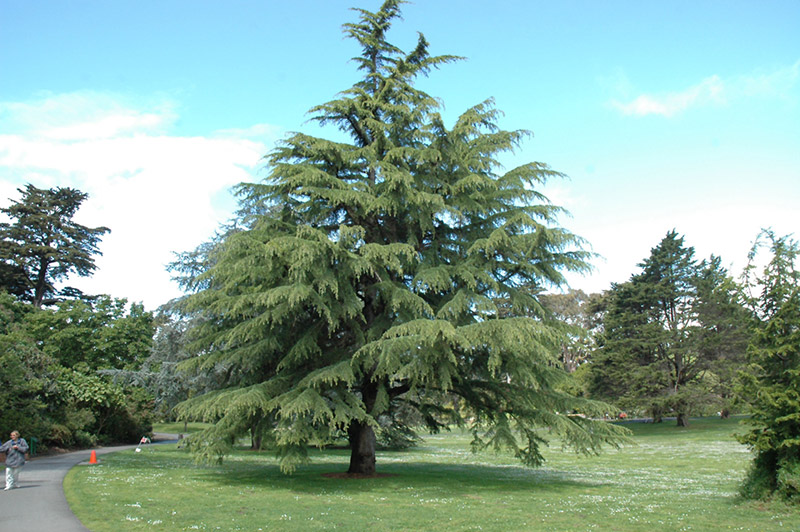
Deodar means Tree of Gods

Picture of Deodar: Tree of the Gods

We have heard about people adopting children. But the greatest of the Indian poets Kalidasa and Sangam Tamil poets give some interesting information about adoption (Sweekar) of trees. Lord Shiva adopted a Devadaru Tree according to Kalidasa. A Tamil woman adopted a Punnai tree and watered it with milk and honey according to 2000 year old Sangam literature!


Love towards animals is known throughout the world. But love towards plants is rarer in literature. Kalidasa in Raguvamasa says (II-36-39):


‘’Look at that Devadaru tree. Shiva considered this tree as his son. Parvati also waters it with water from golden pots like she gave milk to her son Kartikeya (from her breast). The tree is compared to Subramanya. Once a wild elephant scratched its temple against it and destroyed its bark. Parvati grieved for it as if her son Subramanya was injured by the missiles of demons’’.

It looks like Kalidasa liked trees very much. In his Megadutam verse 74 also he says:


‘’Close by grows a young Mandara tree

Nurtured by my love like son and now bending

With clusters of blossoms

Within reach of her hand’’.

This is echoed in Natrinai verse 172 (see below).


Kalidasa’s  most famous drama ‘Sakuntalam’ has more references to love towards plants and animals. ‘I love them like a sister’,says Sakuntala (I-17),pointing to plants. Sakuntala even named her favourite jasmine plant as ‘Vana Jyotsni’(I-20). In another place Sakuntala’s girl friend says, ‘’Look, Sakuntala, here is Madhavi bush. Father Kanva nurtured with his own hands as he nurtured you. Sakuntala refers to plants and deer as sisters in more than three places.


In Kumara Sambhava Kavya (II-55), Kalidasa advocates tree protection. The poet says, ‘’Even a poisonous tree is not cut off’’. Tamils also echo this by saying,  ‘’Even a tree with medicinal properties is not fully destroyed’’ in Natrinai verse 226 by Kani Pun Kundranar. Sakuntalam has a proverb: Can anyone water a jasmine creeper with hot water?’(Sakuntalam IV-1)


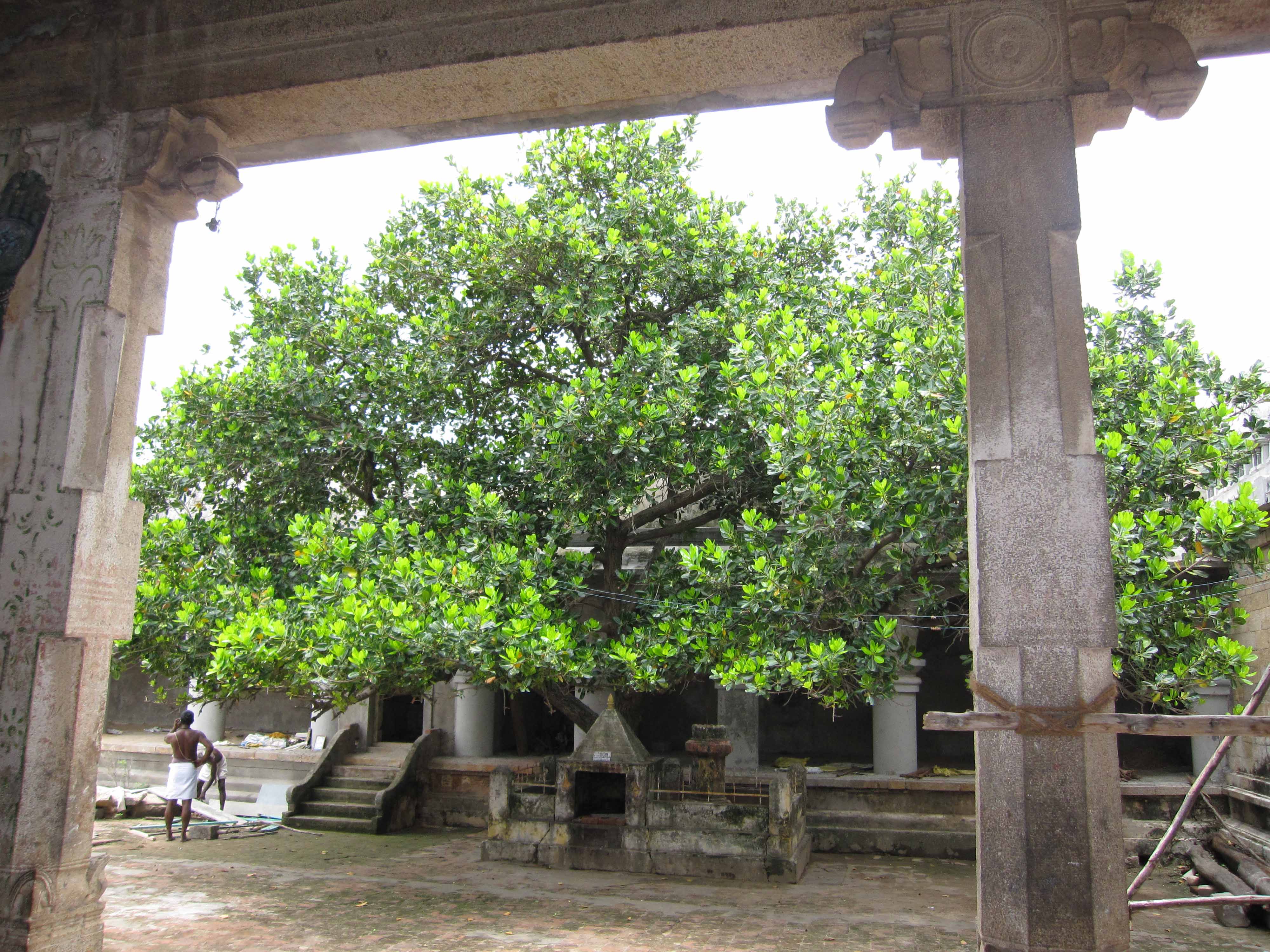
punnai-tree

Picture of Punnai Tree

Tamils adopt Trees

Tamil Sangam literature has a similar episode in Natrinai  verse 172:

‘’Do you remember? When we were young we were playing with Punnai seeds and left one forgetfully under the soil. It grew up big and we watered it with milk mixed with honey. When it became a tree, your mum commented ‘Oh this Punnai tree is better than you. It is like your sister’. Now I feel shy to date my lover under the tree’’.

Since the girl considered the tree as her own sister, she refused to date her lover under the tree. What a great poem! She truly believed her sister is watching. Ancient Hindu girls didn’t date boys in front of others, particularly relatives. Tamil poems even advocate to ‘Do sex like crows’, which is never seen by the public.


A Tamil saint of our times Vallalar Ramalinga Swami said in a song that he withered whenever he saw a withered plant. This was an echo of 2000 year old literature. In Natrinai verse 230, a simile is used by a poet: ‘’I feel (happy) like a withered plant getting water’’.


The best examples are in Tamil in the stories of Pari and Bekan. They are among the Last Seven Philanthropists (Kadai Ezu Vallalkal). Pari gave his chariot to a Jasmine creeper when he saw it fluttering in wind without any support. Bekan gave his royal shawl to a peacock when it danced spreading its feathers. He thought it was shivering in cold! Love is blind!


There are innumerable references in Tamil and Sanskrit where the poets greet the plants, because something good happened. There are hundreds of references about the reactions of plants and animals when good and bad things happened.

Whenever a king visited a sage or saint inside the forest, he always stationed his army at a distance. The reason given for it in Raguvamsa (11-52) was to avoid the destruction of forests. They showed so much concern for environment.


Trees are worshipped by the Hindus. Peepul tree ,banyan tree and fig tree—all the three trees of the Ficus genus (asvatta, Vata and Udembara)  are worshipped by the Hindus. Vishnu Sahasranama also praised the three trees.

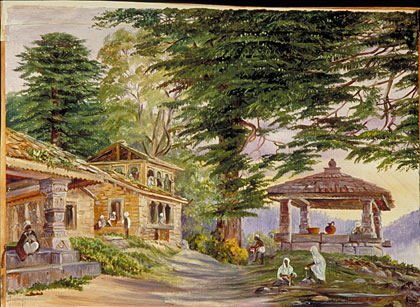
cedus deodara in Kumaon, Himalayas painting at London Kew Gardens


Picture of a painting from Kew Gardens,London

Please read my earlier posts on Kalidasa:

1.Gem stones in Kalidasa and Tamil Sangam Literature

2.Holy River Ganges in Kalidasa and Sangam Tamil Literature

3.Gajalakshmi in Kalidasa and Sangam Tamil Literature

4.Sea in Kalidasa and Sangam Tamil Literature

5. Bird Migration in Kalidasa and Tamil literature

6.Hindu Vahanas in Kalidasa and tamil literature

7.Amazing Statistics on Kalidasa

8.Kalidasa’s age: Tamil works confirm 1st Century BC

9.சங்கத்தமிழ் இலக்கியத்தில் காளிதாசன் உவமைகள்

10. காளிதாசனின் னூதன் உத்திகள்: தமிழிலும் உண்டு


contact swami_48@yahoo.com; pictures are taken from other sources;thanks.

சிவனுக்கும் தமிழர்களுக்கும் மரங்கள்- சுவீகார புத்ரர்கள்!

Deodar means Tree of Gods


Picture of Deodar; Deodar means Tree of the Gods.

குழந்தை இல்லாதோர் மற்றவர்களின் குழந்தைகளை தத்து எடுத்தலையும் சுவீகாரம் எடுப்பதையும் நாம் அறிவோம். சிவ பெருமானும், தமிழர்களும் மரங்களை தத்து எடுத்து புத்திரர்களாக வளர்த்ததைப் பலர் அறியார். வாடிய பயிரைக் கண்டபோதெல்லாம் வாடினேன் என்று கூறிய வள்ளாலார் பெருமான் நமது முன்னோர்களின் கருத்தைத்தான் மீண்டும் சொல்லி இருக்கிறார்.


2000 ஆண்டுகளுக்கு முன் வாழ்ந்த உலகப் புகழ் பெற்ற வடமொழிக் கவிஞன் காளிதாசன் ஒரு புதிய செய்தியைக் கூறுகிறார். சிவ பெருமான் ஒரு தேவதாரு மரத்தை மகனாக வளர்த்தார் என்று. இதே போல நற்றிணைக் கவிஞன் ஒருவன் ஒரு தமிழ்ப் பெண், அவளுடைய மகளாக வளர்த்த ஒரு புன்னை மரம் பற்றிய சுவையான செய்தியைக் கூறுகிறார். மேலே படியுங்கள்:


((இலக்கியத் திருடர்களுக்கு அன்பான வேண்டு கோள்: எனது கட்டுரைகளைத் தாராளமாகப் பயன்படுத்துங்கள். ஆனால் லண்டன் சுவாமிநாதன் எழுதியது என்றோ , அல்லது பிளாக் பெயரையோ தயவு செய்து போட்டு தமிழுக்குத் தொண்டு செய்யுங்கள். தமிழ் எழுத்தாளர்களுக்கு துரோகம் செய்யாதீர்கள்)).


ரகுவம்ச காவியத்தில் காளிதாசன் கூறுகிறான்:’’அதோ அந்த தேவ தரு மரத்தைப் பார். அதை சிவ பெருமான் மகன் போல வளர்த்தார். பார்வதி தேவி தனது இரண்டு ஸ்தனங்களால் முருகப் பெருமானுக்கு எப்படி பால் ஊட்டினாரோ அதே போல இந்த மரத்துக்கும் தங்கக் குடங்களால் தண்ணீர் வார்த்தார். ஒரு நாள், ஒரு காட்டு யானை அதன் தலையை இதன் பட்டையில் உரசவே அது உதிர்ந்தது. தேவிக்கு மிக வருத்தம். முருகப் பெருமானை அசுரர்கள தாக்கி காயப் படுத்தியது போல அவர் வருத்தப் பட்டார்’’.–(ரகு.2–36/39)


இதே கருத்தை மேக தூதத்திலும் (பாட்டு 74) கூறுவார்: ‘’ஏ மேகமே! அங்கே ஒரு மந்தார மரத்தைப் பார்ப்பாய். என் மகன் போல வளர்த்த மரம். இப்போது அதுப் பூத்துக் குலுங்கிக் கொண்டிருக்கும். என் காதலி அதனை எளிதாகப் பறிக்கும் அளவுக்கு அது வளைந்து தொங்கும். (இந்தக் கருத்து நற்றிணைப் பாடல் 170-இல் எதிரொலிப்பதைக் கீழே கொடுத்திருக்கிறேன்).


காளிதாசனின் உலகப் புகழ்பெற்ற நாடகம் சாகுந்தலத்தில் முழுக்க முழுக்க தாவர, பிராணிகள் அன்புச் செய்திகளைக் கண்கிறோம். மல்லிகைக் கொடிகளை சகுந்தலை, தனது சகோதரி என்று அழைக்கிறார். ஒரு மல்லிகைக் கொடிக்கு ‘வனஜோத்ஸ்னி’ என்று பெயரும் சூட்டுகிறார். மான்களையும் சகோதரி என்றே அழைக்கிறார்.  சாகுந்தலம் நாலாவது காட்சி முழுதும் இந்த வசனங்கள் வருகின்றன. ஓரிடத்தில் தோழி சொல்கிறார்: ‘’அதோ பார். மாதவி பூப் பந்தல். உனது தந்தை கண்வ மகரிஷி உன்னை வளர்த்தது போல அன்பாக ஊற்றி வளர்த்தாரே, நினைவு இருக்கிறதா?’’


குமார சம்பவம் (2-55) என்னும் காவியத்தில் விஷ மரத்தையும் கூட யாரும் அடியோடு வெட்ட மாட்டானே எனற வசனமும், சாகுந்தலத்தில் (4-1) மல்லிகைக் கொடியில் எந்த மகா பாவியாவது வெந்நீரை ஊற்றுவானா? என்ற வசனமும் வருகிறது. இவை அத்தனையும் தமிழிலும் இருக்கின்றன.

punnai-tree

Picture of Punnai Tree

தமிழ் மரம் ஒரு தங்கை

நற்றிணையில் (172) ஒரு அற்புதமான பாடல். எழுதியவர் பெயர் பாடற்குறிப்பில் இல்லை:

‘’யாம் தோழிமாரோடு விளையாடும்போது வெண்மையான மணலில் புதைத்து மறந்து கைவிட்ட புன்னை மர விதை முளைத்து வெளிவந்தது. அதற்குத் தேன் கலந்த இனிய பாலை ஊற்றி வளர்த்தோம். அது வளர்ந்து மரமாகியது. அப்போது அன்னை, ‘’நும்மிலும் சிறந்தது புன்னை; அது நும் தங்கையாகும்’’ என்று புன்னையது சிறப்பைக் கூறினாள். ஆகையால் புன்னையின் கீழ் உள்ள நிழலில் நும்மொடு அளவளாவலை யாம் நாணுகிறோம்’’.


சகுந்தலை சொன்னதை அப்படியே இந்தப் பாடலில் காண்கிறோம். நான் ஏற்கனவே எழுதிய ஏழு கட்டுரைகளில் காளிதாசன், சங்க இலக்கிய காலத்துக்கு முன் , கி.மு. முதல் நூற்றாண்டில் வாழ்ந்தவன் என்று சொன்னதற்கு இது மேலும் ஒரு சான்று.


நற்றிணை 230 ஆம் பாடலில், நான் வாடிய பயிருக்கு தண்ணீர் ஊற்றியது போல மகிழ்கிறேன் என்று பாடுகிறான் ஒரு கவி. இன்னொரு பாடலில் மருந்து மரத்தைக் கூட யாரும் முழுதும் வெட்ட மாட்டார்களே என்று வசனம் பேசுகிறான் ஒரு தமிழ்ப் புலவன் (நற்றிணை 226-கணி பூங்குன்றனார்).

தாவரங்கள், பிராணிகள் பால் அன்பு மழை பொழிந்த கடை எழு வள்ளல்கள் பாரியும் பேகனும் உலகிற்கே உதாரணமாகத் திகழ்கிறார்கள். முல்லைக்குத் தேர் ஈந்தான் பாரி. கொழு கொம்பு இல்லாமல் காற்றில் பட படத்தவுடன் அவன் மனமும் படபடுத்தது, பரிதவித்தது. பேகன்,  மழை மேகம் கண்டு ஆடிய மயிலைக் குளிரில் நடுங்குகிறது என்று எண்ணி தனது விலை மிகு சால்வையைப் போர்த்தினான் அன்றோ. இவர்கள் எல்லாம் சகுந்தலையின் சகோதரர்கள் என்றால் மிகையாகா.


ராமன், சீதை, கண்ணகி, சகுந்தலை பிரிவைப் பொறுக்க முடியாமல் பிராணிகளும் தாவரங்களும் என்ன என்ன செய்தன என்பது பற்றீ நூற்றூக் கணக்கான உதாரணங்கள் உள. எழுத இடம் போதா.

ரிஷி முனிவர்களைச் சந்திக்க காட்டிற்குள் நுழைந்த அரசர்கள் தொலை தூரத்தில் சேனை சைன்யங்களை நிறுத்திவிட்டு வருவார்கள். இதற்குக் காரணம் கூறும் காளிதாசன், செடி கொடி மரங்களை சேதமுறாமல் தடுக்கவே என்பான் (ரகு 11-52). புறச் சூழல் பாதுகாப்பிலும் மரங்கள் பாதுகாப்பிலும் எத்தனை கவனம்!! இன்று பத்திரிகைகளில் பெரிதாக வரும் விஷயங்களை 2000 ஆண்டுகளுக்கு முன் போகிற போக்கில் கவிதையில் தந்த வடமொழி, தென் மொழிக் கவிஞர்கள், ஒரே நாடு ஒரே சிந்தனை என்ற கொள்கைக்கு வலுச் சேர்ப்பர்.


இந்து மதத்தில் மர வழிபாடு முக்கிய இடம் பெறுகிறது விஷ்ணு சஹஸ்ரநாமத்தில் ஒரே (பைகஸ்) குடும்பத்தைச் சேர்ந்த ஆல மரம், அரச மரம், அத்தி மரம் ஆகிய மூன்றும் விஷ்ணுவின் அம்சமாகக் கருதப்படுகிறது. சிந்து சமவெளி முதல் பிராமணர்களின் அன்றாட யாகம் சமிதாதானம் ஆகியன முதல் முக்கியத்துவம் பெறும் அரச மரத்தில் பிரம்மா விஷ்ணு சிவன் ஆகிய மூவரும் இருப்பதாக வட மொழி ஸ்லோகம் கூறுகிறது.

cedus deodara in Kumaon, Himalayas painting at London Kew Gardens


Picture of Himalayan Deodars; painting from Kew Gardens, London

மரங்கள் வாழ்க! ’’காடு வளர்ப்போம், நல்ல கலை வளர்ப்போம்’’:-பாரதி

Please read my earlier posts on Kalidasa:

1.Gem stones in Kalidasa and Tamil Sangam Literature

2.Holy River Ganges in Kalidasa and Sangam Tamil Literature

3.Gajalakshmi in Kalidasa and Sangam Tamil Literature

4.Sea in Kalidasa and Sangam Tamil Literature

5. Bird Migration in Kalidasa and Tamil literature

6.Hindu Vahanas in Kalidasa and tamil literature

7.Amazing Statistics on Kalidasa

8.Kalidasa’s age: Tamil works confirm 1st Century BC

9.சங்கத்தமிழ் இலக்கியத்தில் காளிதாசன் உவமைகள்

10. காளிதாசனின் னூதன் உத்திகள்: தமிழிலும் உண்டு

Contact swami_48@yahoo.com; pictures are used from other websites;thanks.

Role of Dreams in Tamil Saivite Literature

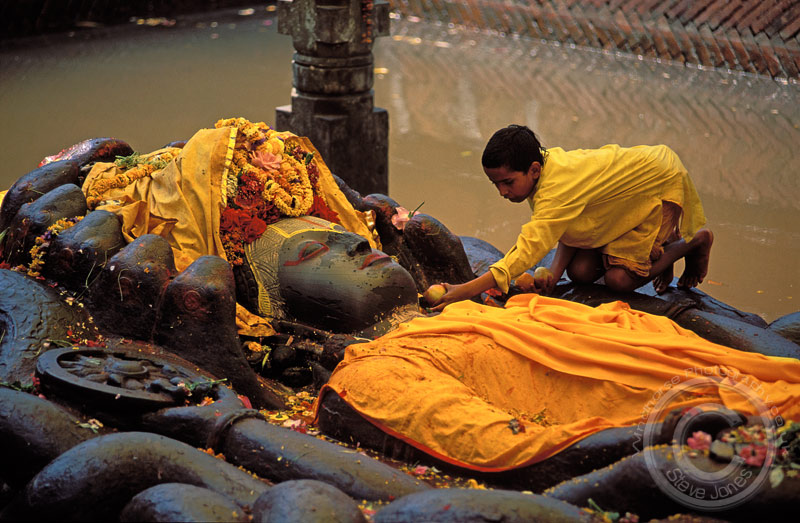
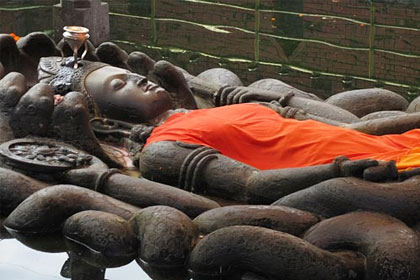
sleeping vishnu,Nepal

Picture of Sleeping Vishnu in Nepal.

Lord Shiva has played a very active role in the dreams of Saivite saints and Saivite devotees. Those who believe in such dreams will not accept the western interpretation of dreams.

Hindus are the only race in the world who give importance to dreams and good sleep. I have strong proof for my sweeping statement. In the famous Rudram and Chamakam of Yajur Veda, the devotee prays for good sleep (Sayanam Cha Me, Su Dhinam Cha me)! Brahmins are supposed to do Sandhaya Vandhanam (Water oblation and Gayatri Mantra recitation) three times a day in which they pray for the destruction of nightmares (Dus Swapna Nasanam).

Hindus knew about the REM sleep and dream patterns. They even categorised the dreams as good and bad. The traditional Panchangam (calendar) gives good dreams and bad dreams. Through their scriptures we read the epic characters’ good and bad dreams.

Girls’ names like Swapna, Sapna, English words like Somnambulism, all came from the Sanskrit word for dream: swapna.

In my earlier article on dreams that was posted on 29 December 2011 under the heading ‘’DO OUR DREAMS HAVE MEANING?’’ I have explained how Hindus differ from Western Psychoanalyst Sigmund Freud and Jung. I have given the Hindu view through the words of Swami Sivananda. I have explained the mysterious dreams of mothers of Gautama Buddha, Mahavira, Swami Vivekananda and famous people such as scientists Kukule, Otto Lowei, mathematician Ramanujan, politician Abraham Lincoln, authors Mary Shelly, Stephen King and singer Paul Mc Cartney. I have also explained the animal dreams mentioned in Sangam Tamil Literature and Swami Vivekananda’s strange dream about Jesus Christ.

Now I write about the role of dream in Tamil Saivite Literature Periapuranam. I have used the English translation of Swami Sivananda of Divine Life Society. But the interpretations are mine.

In Tamil Sangam Literature over 40 dreams of humans are reported. In the Tamil epic Silappadikaram, we read about the bad dreams of Kannaki just before the execution of her beloved husband Kovalan ( Gopalan). In Tamil Periyapuranam also we come across several dreams in the stories of Nayanars. Periapuranam is a book written in poetry form by poet Sekkizar in 11th century detailing the life history of 63 Saivite saints called Nayanars.

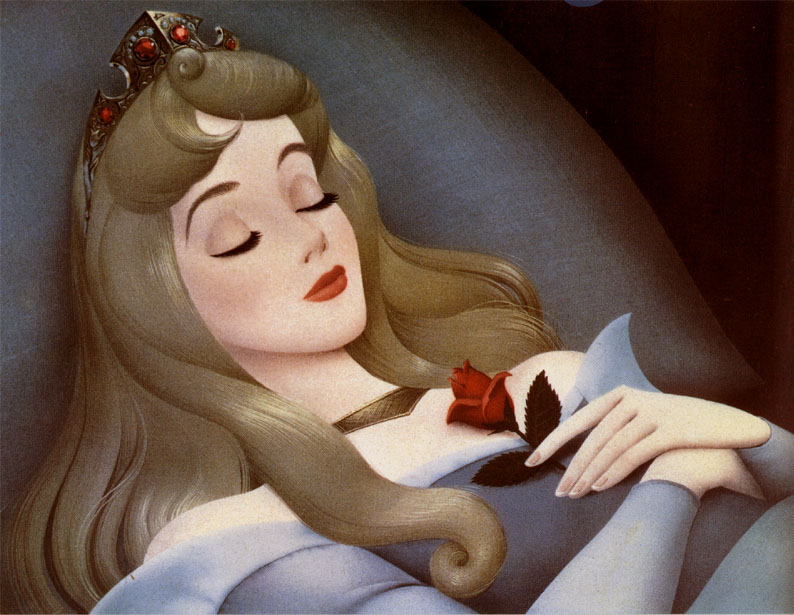
Sleeping-Beauty-disney-princess-203546_794_615

Sweet Dreams

Sundarar was one of the four important Saivite saints. After marrying Paravaiyar, he fell in love with another girl Sangiliyar. She used to make garlands and bring them to the temple. Sundrar prayed to Lord Shiva to make this marriage happen. Lord Shiva appeared in the dreams of Miss Sangiliyar and asked her to marry saint Sundarar. Though Lord fulfils devotees’ requests, it is up to the devotees to bear all the consequences.  Sundarar’s life also took some unexpected turns.

Another important dream is found in Kannappa Nayanar story. He was the first one who did eye transplant ‘operation’ 1500 years ago! Read my earlier post for the full story of Kannappa Nayanar in ‘’MIRACLES BY THE BLIND & OLDEST ORGAN DONATION’’ posted on 25th February 2013.When the Brahmin priest who did traditional rituals was very upset with the unconventional rustic puja of Kannappan, Lord Shiva appeared in the dream of priest Sivagochariar and asked him to watch Kannappan the next day from a hiding place.

In the story of Tiru Nalai Povar alias Nandanar, Siva appeared in the dreams of two opposing parties and coordinated his temple visit.  Tiru Nalai Povar (literal translation– Mr Tomorrow), who belonged to a lower caste wanted to enter the most sacred shrine of Tamil Saivites—Chidambaram Temple. Lord made a compromise by appearing in the dreams of ‘’Thillai 3000’’ Priests and Mr Tomorrow. He asked Mr Tomorrow to undergo a Fire bath like Sita Devi to prove that he was pure. He appeared in the dream of Thillai Priests to arrange a Fire Walking ceremony and then bring him inside the temple. This shows how the fire walking ceremony was started by Sita Devi and spread to Tamil Nadu and practised till today.

Appar and Sambandhar

In the story of Appar, Lord Shiva appeared in the dream of his sister Tilakavathy. Shiva convinced her that her brother would return home and reconvert himself to Hinduism. When Appar started a fast against the removal of Shivalinga by the Jains in Vadathalai temple, Lord Shiva appeared in King’s dream and ordered him to restore order. In the story of Nami Nandi Adikal also we see a similar dream.

Tiru Jnana Sambandar, the boy wonder of Saivism, was given pearl palanquin by the Lord. He revealed the location of the palanquin in the dreams of the town people. Same dream came simultaneously to the devotees. This type of episode cannot be explained by science or psychoanalysts.

1357198084_0!!-!!sleeping bishnu

In the story of Pusal Nayanar we read about the construction of a temple by two methods. Pusal Nayanar did build a temple mentally. Pallava king built a temple physically. Both of them fixed the same auspicious day for consecration. But God appeared in the dream of Pallava King and asked him to postpone it.

In another story about Tiruneelakanta Yazpanar , God appeared in several peoples’ dreams and asked them to bring him inside the temple so that Lord can hear his sweet songs.

Though it is not an exhaustive list of all dreams, still one can see a pattern in them.1) Hindu approach to dreams is entirely different from Western analysts 2) No one can deny a place for the Hindu interpretation of dreams 3)Personally I feel the western interpretation of dreams is incomplete. Their interpretation could not be applied for all the dreams.4) In the olden days ASARIRI (anonymous voice) was heard more. Later it was replaced by dreams. Like we change methods of communication from cable phones to mobile phones God also changed his method of communication from Asariri to dreams.5)If one devotee dreams and it comes true we may consider it a coincidence or a dream come true by luck. But we read in Saivite literature that God appeared simultaneously in several people’s dreams. This is unique.6) Hindus take dreams seriously. In the olden days, they did what they were instructed to do. Even now they remember them and they approach their close relatives and friends and ask for explanation/interpretation of the dreams. 7) In the above episodes, we see two kings had dreams. They took them seriously and acted accordingly.

Have Sweet Dreams: Sayanam Cha me, Su dhinam Cha me!

Swami_48@yahoo.com; pictures are taken from various sources.

Are these customs Aryan or Dravidian?

Foreign scholars have done immeasurable damage to Indian History by introducing Aryan Dravidian race theory. Those who study 2000 year old Tamil Sangam poetry and Sanskrit literature will find out that there was lot of similarities than dissimilarities in south and north of India. Because of the Aryan- Dravidian theory the entire Indian history is distorted. The truth is that the ‘’foreign scholars’’ have not proposed such racial theory in any other part of the world. Even in other parts of the world, where the foreigners bluffed, everything was rewritten. But in India the old history is still followed!


If we have any proof for Aryan-Dravidian races in our ancient Vedic literature or Tamil literature we can at least debate it. When our literature clearly says that all are the children of the same parents, whether it is Asura or Deva or Naga or Garuda, foreigners categorised some as Arya and some as Dravidian –only in India!! Nowhere in the world this type of distortion was allowed or sustained for long. Hundreds of examples in Indian literature will demolish the Aryan Dravidian race theory. Scholars who bluffed will also be exposed, once you study it deeper.


If one believes in Indian scriptures which clearly say that we went out and spread our culture and civilized the world, then the linguistic theory of William Jones etc will fall apart. We have enough proof for this in the names of Central Asian and South East Asian geographical names.


I will give you a few more examples to show that from the southernmost tip of India to the northernmost Himalayas, same customs were followed:

Earlier I wrote in one of my articles that Kalinga King Karavelan and Tamil kings followed the same custom to punish their enemies. Both of them ploughed the land of the enemies with donkeys. This is in Tamil Purananuru and Karavelan’s famous Hathikumba inscription.


In my series of articles on Kalidasa and Tamil literature, I have shown that Tamil poets verbatim translated whatever Kalidasa said about the Ganges and Himalayas. They all believed in the sanctity of the Ganges and Himalayas.

I have shown that the same Rajasuya, Somayaga and Aswamedha were done by Tamil kings like their northern counter parts. It is all from 2000 year old Sangam Tamil Literature.


Fast unto Death

Mahatma Gandhi used fasting as a weapon against the British Rule. He made it a popular form of protest by going in to fast unto death several times. But it was an ancient custom he revived for ousting the British. We see this Fasting to death in Purananuru, ancient anthology of Sangam literature and Ramayana. Hundreds of Jain saints died through fasting. Hindu and Jain saints used this method when they thought their life mission was fulfilled.


Purananuru has got scores of poems about this custom. When the greatest of the Chola kings, Karikalan fought with Chera King Nedunseralathan, Chera king was wounded on his back. No Tamil king tolerated a wound on his back. Those who were injured on the back were called cowards. So Chera king decided to die through fasting. Several poets sang in praise of both the kings ( see Puram verses 65 and 66).


In another episode we read about a family feud where the sons of Chola king Kopperuncholan revolted against their dad. Immediately a poet advised him to go into fasting. When he decided to die through fasting, several famous poets joined him and died with him. One of them, Pisiranthaiyar, has never met him but considered him as his best friend (see Puram 214 to 223).

Apart from Jain’s Sallekhana we come across several examples in Sanskrit scriptures. Kishkinda Kanda of Valmiki Ramayana has one such episode. Angatha, son of Vali, went in search of Sita, but in vain. He decided to sit tight on Dharba grass and die. Only minor difference was he faced east but not north. But the Dharba grass was used by both Tamils and their northern counterparts. The websites which mislead the general public by denoting several customs as Indo Aryan or Indo European are silent on this topic!!


Kumarila Bhattar was a great scholar. He died by fasting sitting in ‘’Five Fires’’. He heaped paddy husk over his body and lighted it on all four sides and sat under the scorching sun. This is known as five fires. One must have a great control over one’s body and mind to do this!

Indians in different parts of India eat different types of sweets called halwa. Wheat halwa, pumkin halwa, pounded rice/pava halwa and milk/dhuth halwa. Thank god, no foreigner has come forward with a Ph.D thesis that one is Aryan halwa, another Dravidian halwa, other one was Munda halwa!! Foreign scholars know how to play their cards. They will use only sensitive issues.

There are different types of dance and music forms in India. Bharata natyam, Kuchipudi, Kathakali, Kajal, Manipuri, Yakshaganam and Mohini Attam are different types of dance forms practised in different parts of the country. Even South India has five different types of dances. Thank god no foreign scholar has found anything Aryan or Dravidian or Munda in these dances till today! If they wanted to divide us, they will use even music and dance to support their Aryan Dravidian race theory!


Bluffing is about cattle raids.

Cattle raids was a custom followed from north to south of India. We read about it in Maha Bharata , Bhagavatha and Tamil Sangam literature. Some encyclopaedias call it ‘’Indo European’’!!!

Virta Parva of Maha Bharata described the cattle raid by Trigarta army and the following intervention by Pandavas. This same custom to wage a war was followed by Pandavas and Pandyas! Puram, an anthology of 400 ancient Tamil verses, describe this cattle raiding in verses  257 to 269 . Pathitrupathu is another anthology that gives more details about the same.

We have the oldest reference in Rig Veda about Panis doing this. Just because Homer and an Irish book refer to it they dub it as Indo- European! They did not bother to explain how come it was there in ancient Tamil literature in several poems.


Indo European Bluffing

Even philologists and linguists mislead the public by saying Tamil word Neer  (water) is found in Rig Veda. I have proved them wrong by showing the Greek word Nereids for water nymphs  exist in Greek in my article on ‘Tamil –Greek similarities’. Narayana for water born God is already in the Vedas. If the same word is in Greek and Sanskrit they should have called it Indo European according to their own rules! Not borrowed from Tamil.

In short, cattle raid is a Hindu custom that spread to other parts of the world. If it is an isolated episode then we can call it a rare coincidence. Like my Nereids reference above, there are innumerable similarities— so not a coincidence.

swami_48@yahoo.com

Pictures are taken from different websites.

ஆரியமா? திராவிடமா? நீங்களே சொல்லுங்கள்!

படத்தில்: காந்திஜி உண்ணாவிரதம்

ஆநிரை கவர்தல்

ஒரு நாட்டின் மீது இன்னொரு நாடு போரைத் துவக்குவது எப்படி? ரிக்வேதத்திலும் மஹாபாரதத்திலும் சங்கத் தமிழ் இலக்கியத்திலும் ஒரே முறையைத் தான் பாடி இருக்கிறார்கள். எல்லை கடந்து போய் மாடு திருடுங்கள், மோதல் வரும்— இதுதான் ரிக் வேத காலத்திலிருந்து சேர சோழ பாண்டிய மன்னர் வரை கையாண்ட உத்தி. இமயம் முதல் குமரி வரை ஒரே உத்தி. ஏறத்தாழ 4000 ஆண்டுகளுக்குப் பின்பற்றப்பட்ட உத்தி. ரிக்வேதத்திலும் சங்கத் தமிழ் பாடல்களிலும், பாகவதத்திலும், மஹா பாரதத்திலும் ‘’ஆநிரை கவர்தல்’’ உள்ளது.

ஆரியர்கள் வேறு, திராவிடர்கள் வேறு என்றும் இருவருக்கும் வெவ்வேறு கலாசாரம் இருந்தது என்றும் பொய்மை வாதம் பேசியோருக்கு இந்த உண்மை ‘’சம்மட்டி அடி’’ கொடுக்கும். இது ஒரு வாதம் மட்டும் அல்ல. இமயம் முதல் குமரி வரை பாரதம் ஒன்றே, 2000 ஆண்டுகளுக்கும் மேலாக ஒன்றே என்று நிரூபிக்க ஆணித்தரமான வாதங்களைத் தொடர்ந்து எழுதி வருகிறேன்.

தோற்றுப் போன மன்னர்களின் நிலத்தை, கழுதைகளை ஏரில் பூட்டி உழும் வழக்கத்தை கலிங்க மன்னன் காரவேலனும் புறநானூற்று மன்னனும் பின்பற்றியதை ‘’கழுதைக்குத் தெரியுமா கற்பூர வாசனை?’’ என்ற கட்டுரையில் எழுதிவிட்டேன். வடக்குத் திசை புனிதமானது; இமயமும் கங்கையும் புனிதமானது என்பது புறநானூற்றிலும் காளிதாசன் கவிதையிலும் இருப்பதையும் பல கட்டுரைகளில் குறிப்பிட்டேன்.

மஹாபாரதத்தில் விராட பர்வத்தில் ஆநிரை கவர்தல் வருகிறது. மத்ஸ்ய தேச மன்னன் விராடனின் அரண்மனையில் பாண்டவர்கள் அஞ்ஞாதவாசம் (கரந்துறை வாழ்க்கை) செய்கின்றனர். த்ரிகர்த்தா படைகள் திடீரென்று தாக்கி ஆநிரைகளைக் கவர்ந்து விராட மன்னனையும் கைது செய்து விடுகின்றனர். 13 ஆண்டுகள் வனவாசம் முடிந்தவுடன் பாண்டவர் ஐவரும் அவர்களுடைய உண்மை ஸ்வரூபத்தைக் காட்டி படைகளுடன் சென்று விராடனை விடுதலை செய்கின்றனர். அவன் தனது மகள் உத்தராவை அர்ஜுனன் மகன் அபிமன்யுவுக்குக் கொடுக்கிறான்.

சங்கத் தமிழ் இலக்கியத்தில் மிகவும் பழைய பகுதி புறநானூற்றின் பாடல் 257 முதல் 269 ஆம் பாடல் வரை இருக்கிறது. இதை வெட்சித் துறைப் பாடல்கள் என்பர். இவை ‘ஆநிரை கவர்தல்’ பற்றிய பாடல்கள். உலோச்சனார் (258), பெரும்பூதனார் (259), வடமோதங்கிழார் (260) ஆவூர் மூலங்கிழார் (261), மதுரைப் பேராலவாயார் (262) உறையூர் இளம் பொன் வாணிகனார் ( 264), கருந்தும்பியார் (265), பெருங்குன்றூர் கிழார் (266) பாடிய படல்கள் இவை. தொல்காப்பியத்திலும் பதிற்றுப்பத்திலும் ஆநிரை கவர்தல் உள்ளது.

ரிக்வேதத்தில் பாணிக்கள் இப்படித் திருடுவதைக் காண்கிறோம். சில கிரேக்க, ஐரிஷ் குறிப்புகளும் உண்டு. ஆயினும் இந்தியா போல தொடர்ந்து பல குறிப்புகள் இல்லை. இது இந்தியர்களின் தனி வழக்கம் என்பதற்கு தமிழ் இலக்கியக் குறிப்புகள் சான்று பகரும். சிலர் கூறுவது (பிதற்றுவது) போல இந்தோ ஆரிய வழக்கம் அல்ல.

நெல்லையில் கோதுமை அல்வா கிடைக்கும், டில்லியில் பூசணிக்காய் அல்வா கிடைக்கும், பம்பாயில் அவல் அல்வா கிடைக்கும், கல்கத்தாவில் தூத் (பால்) அல்வா கிடைக்கும். இதையே வெளி நாட்டு அறிஞர்கள் எழுதும் போது ஒன்றை திராவிட அல்வா என்றும், இன்னொன்றை ஆரிய அல்வா என்றும், கல்கத்தா அல்வாவை முண்டா இன மக்கள் அல்வா என்றும் அவல் அல்வாவை இனம் புரியாத ஒரு இனத்தின் அல்வா என்றும் எழுதி பி.எச்டி. வாங்குவார்கள். உலகத் தமிழ் மஹா நாட்டில் அவர்களுக்கு பொன்னாடை கிடைக்கும், இலவச பிளேன் டிக்கெட், பைவ் ஸ்டார் ஹோட்டல் அறை எல்லாம் கிடைக்கும், புதுப்புது பட்டங்கள் கிடைக்கும். அல்வா பற்றிப் பேசி தமிழனுக்கு அல்வா கொடுத்து விடுவார்கள்!!!

உண்மை என்ன? உலகில் வேறுபாடு இல்லாத இடங்களும் இல்லை, இனங்களும் இல்லை. ஒரே தகப்பனுக்கும் தாய்க்கும் பிறந்த பிள்ளைகளிடம் எவ்வளவு வேறுபாடு? இதில் ஆரியன் யார், திராவிடன் யார்?

இவ்வளவு எழுதினார்களே, வெளிநாட்டு அறிஞர்கள், உலகில் வேறு எங்காவது இந்த இன விஷத்தை ஊற்றினார்களா? இந்த விஷம விதைகளை விதைத்தார்களா? அவர்களுக்குத் தெரியும் தமிழன் ஒருவன் தான், 1500 வருடங்களுக்கு இடைவிடாமல் சண்டை போட்ட ஒரே இனம் என்று. தமிழ் இனம்.— சேர சோழ பாண்டியர்கள் போல— ஒருவனை ஒருவன் அழித்த இனம் இது என்பதால் பிரிவினை வித்தை விதைக்க அருமையான விளை நிலம் என்று கண்டுகொண்டார்கள்.

ஆரியப் பூனை எது? திராவிடப் பூனை எது?

‘’ஆயிரம் வருடம் அன்பிலா அந்நியர் ஆட்சி’’ என்று பாடிய பாரதி,  ஒரு கருத்தைப் பூனைக் குட்டி உதாரணத்தால் சொல்கிறார்:

வெள்ளை நிறத்தொரு பூனை— எங்கள் வீட்டில் வளருது கண்டீர்;

பிள்ளைகள் பெற்றதப் பூனை— அவை பேருக் கொரு நிறமாகும்

சாம்பல் நிறமொரு குட்டி— கருஞ் சாந்து நிறமொரு குட்டி

பாம்பு நிறமொரு குட்டி— வெள்ளைப் பாலின் நிறமொரு குட்டி


எந்த நிறமிருந்தாலும்— அவை யாவும் ஒரே தரமன்றோ?

இந்த நிறம் சிறிதென்றும்— இஃது ஏற்றமென்றும் சொல்லலாமோ?

வண்ணங்கள் வேற்றுமைப் பட்டால்—அதில் மானுடர் வேற்றுமை இல்லை;

எண்ணங்கள் செய்கைகள் எல்லாம்—இங்கு யாவர்க்கும் ஒன்றெனல் காணீர்

—- மஹா கவி சுப்ரமண்ய பாரதி

நான் போடும் விடுகதை என்ன வென்றால் இதில் எது ஆரியப் பூனை? எது திராவிடப் பூனை? எது மங்கோலியப் பூனை? எது முண்டா இனப் பூனை ?

வெள்ளைக்காரன் கையில் இப்பாடல் கிடைத்தால் ஒரு ஆரிய திராவிடப் பிரச்சனையைக் புகுத்தி பி.எச்டி. வாங்கி விடுவான். அதிலும் அதில் கருப்பு நிற திராவிடப் பூனைதான் பழையது…. கல் தோன்றி மண் தோன்றாக் காலத்துக்கும் வாளொடு முன் தோன்றியது —மிக புத்திசாலியானது… இது போய் எலியைப் பிடிக்காது…. எலியே இதன் வாயில் வந்து விழுந்துவிடும் என்று எல்லாம் எழுதி… பேசி….. உலகத் தமிழ் நாட்டில் பொன்னாடை, பட்டம், இலவச பிளேன் டிக்கெட், ஹோட்டல் ரூம் ஆகிய எல்லாம் வாங்கிவிடுவான். உண்மை என்னவென்றால்

வண்ணங்கள் வேற்றுமைப் பட்டால்—அதில் மானுடர் வேற்றுமை இல்லை என்று பாரதி சொன்னதே.

ஆதி காலத்தில் இந்தியா முழுதும் ஒரே கலாசாரம், ஒரே கடவுள், ஒரே மதம், ஒரே பண்பாடு இருந்தது. வெளிநாட்டுப் படை எடுப்புகளால், வியாபாரத்தால், இனக் கலப்புகளால் கொஞ்சம் கொஞ்சமாக இது மாறியது. ஆங்கிலத்தில் ஒரு வழக்கு உள்ளது; Change is inevitable = ‘’மாற்றம் என்பது தவிர்க்க முடியாதது’’. இன்று திருவள்ளுவர் உயிருடன் வந்து ஒரு திருக்குறள் புத்தகம் விலைக்கு வாங்கினால் அவரால் அதைப் படிக்கமுடியாது. ஏனெனில் அவர் கால எழுத்து வேறு, இப்போது நான் எழுதும் தமிழ் எழுத்து வேறு. எல்லாம் மாறிவிட்டன.

சாகும் வரை உண்ணாவிரதம்

மஹாத்மா காந்தியால் மிகவும் பிரபலமான ஒரு வழக்கம் உண்ணாவிரதம். அவரே பல முறை சாகும் வரை உண்ணாவிரதம் துவக்கி பின்னர் கைவிட்டும் இருக்கிறார். இது இன்று நேற்று துவங்கியதல்ல. பல சமண முனிவர்கள் இப்படி உயிர் துறந்தனர். சமணர்கள் இதை சல்லேகனம் என்று அழைப்பர். ராமாயணம் ,மஹாபாரதத்தில் இது இருக்கிறது. சங்கத் தமிழ் இலக்கியத்திலும் இது உண்டு. பாரத நாடு முழுதும் வட திசையை புனித திசை என்று கருதியதை ஏற்கனவே ‘’வடக்கே தலை வைக்காதே’’ என்ற எனது கட்டுரையில் எழுதி இருக்கிறேன். வடக்கு நோக்கி உண்ணா நோன்பு இருந்து உயிர் துறத்தல் நாடு முழுதும் உண்டு.

சோழன் கரிகால் பெருவளத்தானோடு, சேரமான் பெருஞ்சேரலாதன் பொருதியபோது புறப்புண் ஏற்பட்டு நாணி வடக்கிருந்தான். அவனை கழாத் தலையார் பாடிய பாடலில் (புறம் 65)

‘’மறத்தகை மன்னன் வாள் வடக்கிருந்தனன்’’ என்றும்

மிகப் புகழ் உலகம் எய்தி, என்றும்

‘’புறப்புண் நாணி, வடக்கிருந்தோனே’’ என்று வெண்ணிக்குயத்தியாரும் (புறம் 66) பாடுகின்றனர்.

கோப்பெருஞ் சோழனை அவனுடைய மகன்கள் எதிர்த்தபோது, எயிற்றியனார் என்னும் புலவர் சொற்படி, நாட்டை மகன்களிடம் ஒப்படைத்துவிட்டு வடக்கிருந்தார். அவருடைய ஆரூயிர் நண்பர் புலவர் பிசிராந்தையார். இருவரும் ஒருவரை ஒருவர் சந்தித்ததே இல்லை. ஆயினும் சோழன் எதிர்பார்த்தது போலவே பிசிராந்தையாரும் சாகும் வரை உண்ணா நோன்பில் கலந்து உயிர்நீத்தார். பொத்தியார் என்ற புலவரும் உயிர்நீத்தார். (புறம் 214 முதல் 223 வரை) பாரியின் மரணத்துக்குப் பின், புலவர் கபிலரும் வடக்கிருந்து உயிர்நீத்தார்.

ராமாயணத்தில்………..

வடக்கிருத்தலை, பிராயோபவேச விரதம் என்று வடமொழியில் சொல்லுவர். ராமாயணத்தில் கிஷ்கிந்தா காண்டத்தில் (56-ஆவது சர்க்கம்) அங்கதன் உண்ணாவிரதம் இருந்ததைக் காண்கிறோம். சீதையை எங்கும் தேடியும் காணாத அங்கதன் இப்படிச் செய்தான். ஆனால் வட திசை நோக்காதபடி, கிழக்கு திசை நோக்கி தண்ணீர் மட்டும் குடித்துவிட்டு, தர்ப்பையைப் பரப்பி உண்ணாவிரதம் இருந்தான். இருந்தபோதிலும் தர்ப்பையை எல்லோரும் பயன்படுத்துவதால் இது நாடு தழுவிய ஒரு வழக்கம் என்பது சொல்லாமலே விளங்கும்.

குமாரில பட்டர் என்ற மாமேதை புத்தமத ரகசியங்களை அறிவதற்காக பொய் சொல்லிவிட்டார். வேதம் படித்துவிட்டு பொய் சொன்னதற்குப் பிராயச்சித்தமாக பஞ்சாக்னியில் உயிர் துறந்தார். உடலின் நாலு பக்கமும் உமியைக் குவித்து, நாற்புறமும் தீயை ஏற்றி மேலே சூரியன் தஹிக்க, ஐந்து அக்னியில் உடலைச் சிறிது சிறிதாகக் கருக்கி உயிர்த் தியாகம் செய்தார். இதற்கு மன வலிமையும், உடல் வலிமையும் எவ்வளவு தேவை என்பதைச் சிந்தித்துப் பார்க்கவேண்டும்.
Jambhudwipa in Tamil Literature and Kalidas

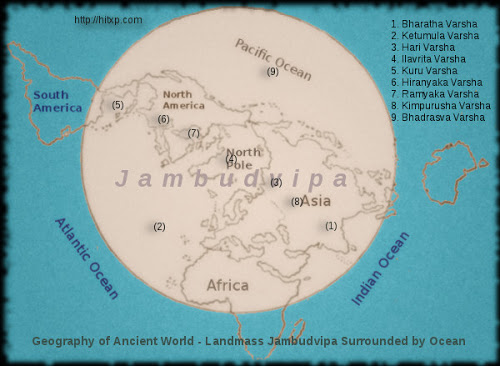
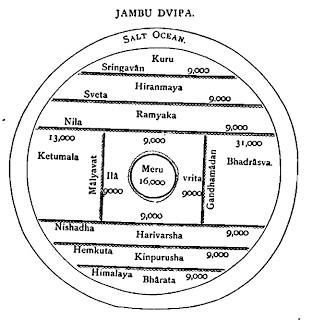
Hindus are unique in preserving their historical and geographical knowledge they have acquired several thousand years ago. During all religious rituals or worship they do announce their intention for the worship in which they say where it is done and when it is done. It is called SANKALPAM in Sanskrit. It is amazing to know their geographical knowledge. They say about their locations. It goes like this: I who live in Jambudwipe….. Bharata Varshe……. Bharat Kande etc. They always say on the banks of which holy river, which holy city, which holy forest area they do it. But Hindus lost much of this wonderful knowledge in the last 3000 years and so they lost the track. Even when they moved to different parts of the earth they were using the same Sankalpa. When you do a thing without proper knowledge and that too in a language (Sanskrit) you don’t know fully, it simply loses its relevance.


Their historical knowledge is also amazing. They say in which Manvatare, in which Sahapte/ year, season, month, Thithi (day) etc in the Sankalpa during every puja/worship. Sankalpa is the intention or purpose or vow one makes before starting a puja/ worship. The Manvantara period takes you back to the remotest time in the earth’s history.


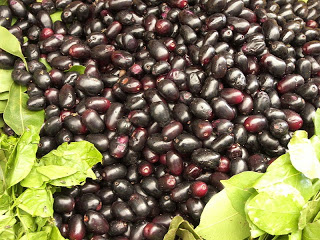
Jambudwipa means the land of Jhambu trees. Tamils also followed the same method and named their land divisions after plants such as Kurinji, Mullai, Neithal, Marutham etc. This shows that Hindus from Kashmir to Kanyakumari thought alike. Please read my earlier post FLOWERS IN TAMIL CULTURE.

No other religious worship is done like Hindu worship. No one bothers about when it is done or where it is done. Another interesting point is the botanical and ethnic knowledge Hindus have. They named all the areas after an abundant plant or the ethnic people in the area. Jambu, Salmali and such plant names are given to the geographical areas. But Jambudwipa is synonymous with India that is Bharat.. The word Jambu means a tree known by its botanical name Syzigium cumini (Family Myrtaceae). This tree is found all over India. Tamils also translated the word Jambudwipa as Naavalanthivu and used it in their ancient literature. Naaval Pazam means Jambu fruits. Following references are found in the Sangam Tamil Literature:


Purananauru is an anthology of 400 Tamil verses. This forms the oldest part of Tamil Sangam literature. It has got some important references to the tree. One of the references in verse 397 refers to the special type of gold called Jambunadham. Kalidas refers to this Jhambunadam in Ragu Vamsam 18—44. The same is repeated in Sangam Tamil verses (Puram 397 and Thirumurugatru Padai –Line 18).

Since Kalidas’s hundreds of similes were used by 2000 year old Sangam Tamil poets, I have placed Kalidas before the Sangam period. I have written about it in my previous posts comparing Tamil poets and Kalidas.

Following references are found in Tamil about the tree and the Land of Jhambu tress (Jambudwipa): Paripatal 5-8,9 ,Puram 397, 177-11 ,Perum 465 ,Malai 135, Akam 380, Narr 35-2, Thiru 18, Post Sangam Literature: Mani 25—2—12/16, Silambu 17-15

KALIDAS: Megha 19 talks about the Jambu forests. Ragu 18—44 refers to Jhambu land.

Later Tamil poets such as Appar  (in marmaatrah thiruth thandakam) use this more times in their poems.

(This article is posted also in Tamil)

Pictures are taken from other websites;thanks.