அப்பா ,உனக்காக ! எல்லாம் உனக்காக! (Post No.7629)

WRITTEN BY LONDON SWAMINATHAN

Post No.7629

Date uploaded in London – 28 February 2020

Contact – swami_48@yahoo.com

Pictures are taken from various sources for spreading knowledge; this is a non- commercial blog.

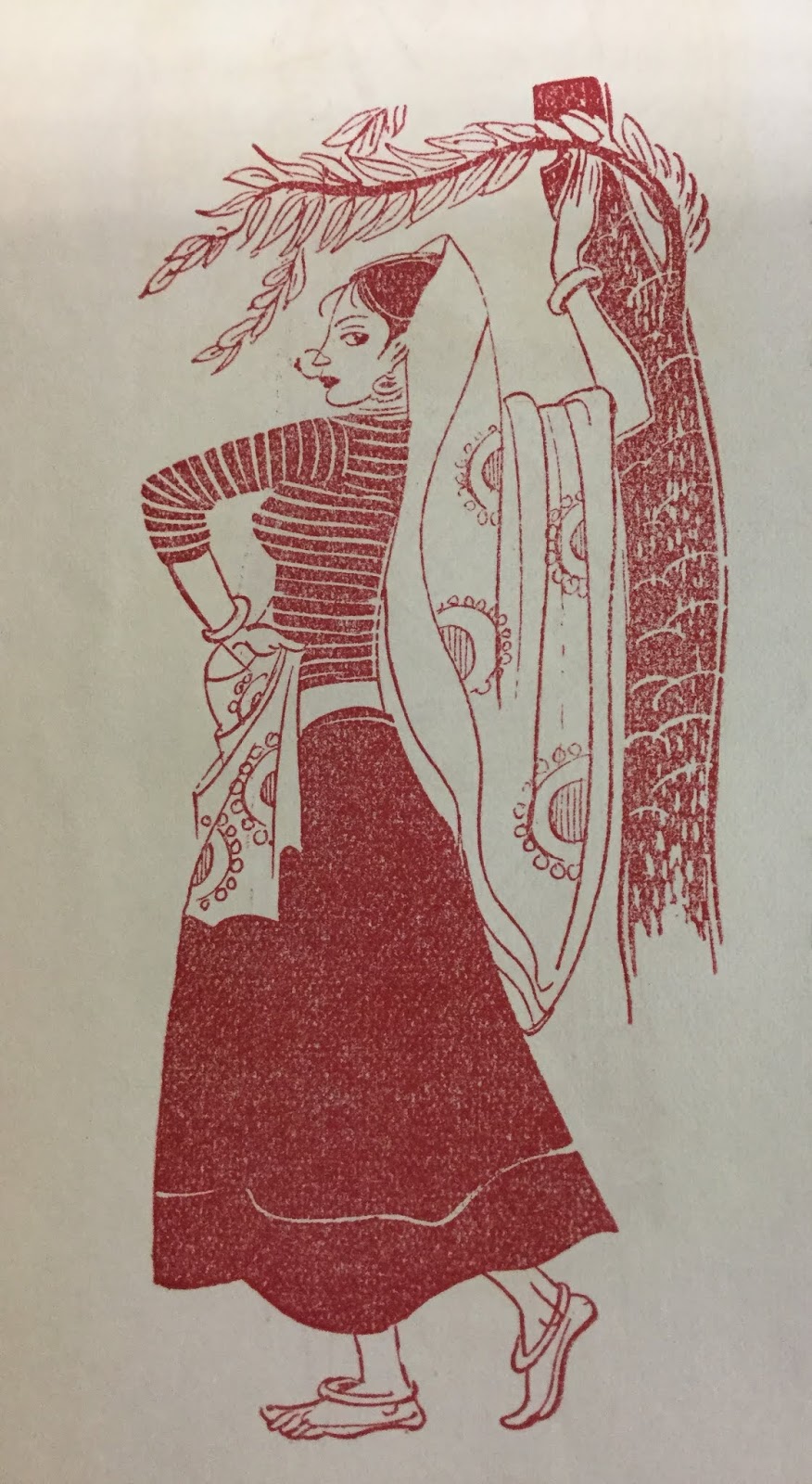
ஒரு ஊரில் ஒரு முரடன் இருந்தான். அவனுடைய தந்தையை மரியாதைக் குறைவாக நடத்துவதில் அவனுக்குப் பேரானந்தம். அவன் தந்தையோ மஹா கிழடு . பொக்கை வாய். ஒன்றும் அறியாத அப்பாவி. அவருக்கு தினமும் உடைந்த பானை  ஓட்டில் கஞ்சி வார்த்தான் அந்தக் கிராதகன் . இதையெல்லாம் பேரன் பார்த்துக் கொண்டே இருந்தான் . அவன் பள்ளி செல்லும் வயதுடைய மாணவன். பள்ளியில் வாத்தியாரும் ‘மாதா , பிதா , குரு  தெய்வம்’ என்று சொல்லிக் கொடுத்ததை நெட்டுரு போட்டவன். அவனுடைய தந்தை தன் தாத்தாவை நடத்தும் முறை பிடிக்கவில்லை. ஆனால் முரட்டு அப்பாவிடம் சொன்னால் முதுகில் ‘டின் கட்டி’ விடுவார் என்பது தெரியும். அவன் மஹா புத்திசாலி. அவனுக்கு ஒரு நல்ல ‘ஐடியா’ (Idea) கிடைத்தது.

முரட்டு அப்பா வெளியே போனபோது கஞ்சி வார்க்கும் உடைந்த பானை ஓட்டை ஒளித்து வைத்தான் .

முரட்டு அப்பன் திரும்பி வந்தவுடன் அந்தக் கிழவனுக்கு கஞ்சி கொடுப்பதற்காக பானை ஓட்டைத் தே டினான் ; கிடைக்கவில்லை. ஆத்திரம் பொங்கியது. கம்பை எடுத்தான்; கிழட்டுத் தந்தையின் முதுகில் ஒரு போடு போட்டான் .

ஏ கிழவா! பானை ஓட்டில் கஞ்சி குடிக்கப் பிடிக்காததால் அதை ஒளித்துவைத்தாயா ? எங்கே யாவது தூக்கிப் போட்டாயா ? என்று தடியை ஓங்கினான். tamilandvedas.com, swamiindology.blogspot.com

அவனது மகன் ஓடி வந்தான் ; “அப்பா தாத்தாவை அடிக்காதே ; நான்தான் அதை பத்திரமாக  எடுத்து வைத்து இருக்கிறேன்” என்றான் .

“ஏன்டா ! மடையா? அதை எதற்கடா தொட்டாய்? துஷ்டா!” என்றான்.

“அப்பா, அது உடைந்து ஓடாய்ப் போய்க் கிடக்கிறது. உனக்கு வயதாகும் போது கஞ்சி வார்ப்பதற்காக நான்தான் பத்திர படுத்தி வைத்தேன்” என்றான்.

பையன் வாழைப் பழத்தில் ஊசி ஏற்றுவது போல ஏற்றிச் சொன்ன விஷயம் அவன் நெஞ்சில் பாய்ந்த வேலாகத் தைத்தது.

பின்னர் புதிய வெள்ளிக் கிண்ணம் (Silver Bowl)  வாங்கி வந்து கிழவனுக்கு நல்ல அமுது ஊட்டினான். tamilandvedas.com, swamiindology.blogspot.com

Xxxx

சமணர் கோவிலில் விவசாயி அழுதது ஏன்?

ஒரு நூறு  ஆண்டுகளுக்கு முன்னர் வெள்ளைக்காரன் இந்தியாவை ஆண்டான். அப்போது ஒரு கிராமத்தான் விவசாயம் செய்து வாழ்க்கையை நடத்தி வந்தான்.ஒரு முறை வானம் பொய்த்தது; பூமி வறண்டது ; பயிர்கள் பொய்த்தன. ஆயினும் வரி வசூல் செய்பவன் , அந்த கிராமத்துக்கு வந்து எல்லோரையும் விரட்டி, மிரட்டி, உருட்டி வரியை வாங்கிச் சுருட்டி கொண்டு சென்றான். கொடுக்காவிடில் வெள்ளைக்கார துரை துப்பாக்கியோடு வருவார் என்றும் அதட்டினான். அந்த அப்பாவி விவசாயியும் தன்னிடமிருந்து மாடு, வீடு , காடு , துணி மணிகள் எல்லாவற்றையும் விற்று வரி கட்டினான். அப்படியும் கொஞ்சம பாக்கி இருந்தது. tamilandvedas.com, swamiindology.blogspot.com

ஒரு நாள் வெள்ளைக்கார கலெக்டரே குதிரையில் வரி வசூல் செய்ய வருவதை பார்த்தான். இனிமேல் இருந்தால் தன்னைப் பிடித்து அடித்து உதைப்பார்கள் என்று பயந்து ஒற்றைக் கோவணத்தோடு தலை தெறிக்க ஓடினான் .

ரொம்ப தூரம் போனவுடன் இளைப்பாறுவதற்காக ஒரு பாழடைந்த கோவிலுக்குள் நுழைந்தான் . அது ஒரு ஜைன மத கோவில் . எல்லா சமணர் சிலைகளும் ஆடையின்றி நிர்வாண கோ லத்தில் இருக்கும் ; ஏனெனில் சமண மத தீர்த்தங்கரர் என்னும் புனிதர்கள் ஜிதேந்திரியர்கள். ஐந்து புலன்களையும் வென்ற மாவீரர்கள்.அது இந்த அப்பாவி விவசாயிக்குத் தெரியாது. அவனோ ஞான சூன்யம்.

நிர்வாண சிலையைக் கண்டான்; ஐயோ நான் வீட்டு வாசலை எல்லாம் விற்றபின்னர் எனக்கு இந்தக் கோவணம்தான் மிஞ்சியது. உனக்கு எவ்வளப்பா வரி பாக்கி? இப்படிக் கோவணம் கூட இல்லாமல் ஊருக்கு வெளியே வந்து அம்மணமாக நிற்கிறாயே ! என்று சிலையைக் கட்டிக்கொண்டு ‘கோ’ வென்று கதறி அழுதான்  .

Tags –பானை ஓடு , கோவணம் , நிர்வாண , சிலை, சமணர்

Xxxxsubham xxxx
SWAMI CROSSWORD 2722020 (Post No.7627)

WRITTEN BY LONDON SWAMINATHAN

Post No.7627

Date uploaded in London – 27 February 2020

Contact – swami_48@yahoo.com

Pictures are taken from various sources for spreading knowledge; this is a non- commercial blog.

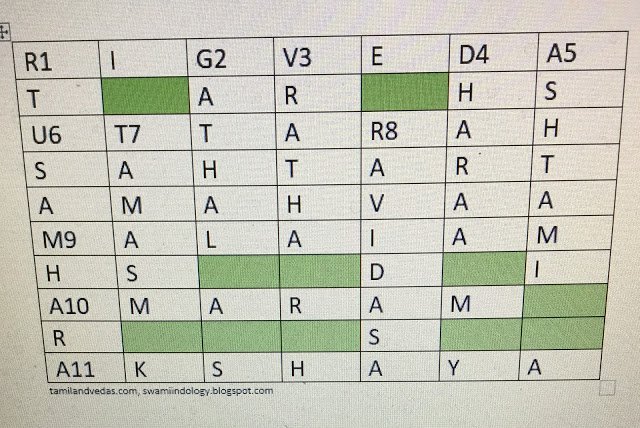
ACROSS

1. -7 LETTERS-OLDEST RELIGIOUS BOOK IN THE WORLD

6. – 6- NORTH; REPLY

9. – 4- (WITH LONG SOUND) GARLAND

10.– 6- THESAURUS/DICTIONARY IN SANSKRIT

11. – 7- THAT WHICH IS INDESTRUCTIBLE; INEXHAUSTIBLE

DOWN

1. – 10 LETTERS-KALIDASA’S WORK ON SEASONS

2.– 5- SONG OR VERSE IN SANSKRIT AND PRAKRIT; ALSO ANCIENT POEMS IN ZEND AVESTA

3. -6- VOW; FASTING; RELIGIOUS OBSERVANCE OF SILENCE ETC

4. – 5- CONTINUOUS FLOW OR SHOWER OF A THING.

5. – 7 – EIGHTH DAY AFTER FULL MOON OR NEW MOON; KRISHNA’S BIRTH DAY

7. – ONE OF THE THREE GUNAS; MEANS DARKNESS; INERTIA, LACK OF ACTION

8. – 7- MYSTIC POET OF KASI OF 15TH CENTURY

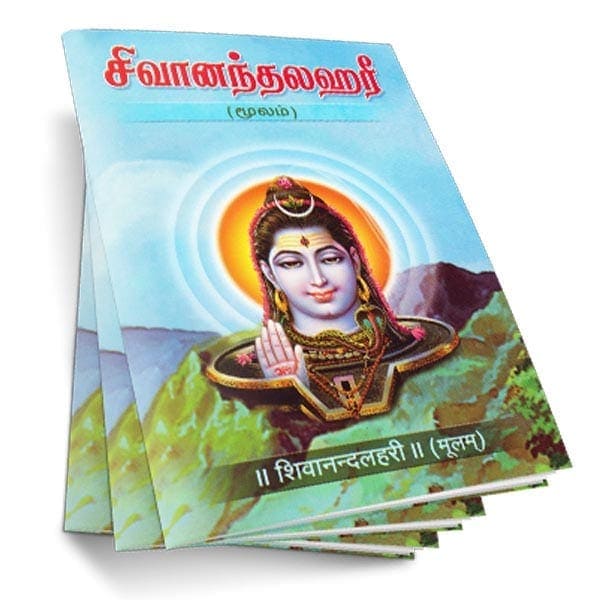
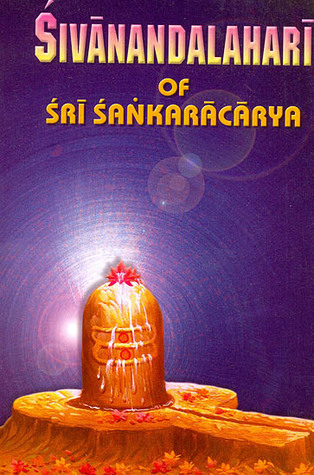
ஆதி சங்கரர் அருளிய நூல்கள் – 2 – சிவானந்த லஹரி(Post No.7611)

WRITTEN BY S NAGARAJAN                     

Post No.7611

Date uploaded in London – – 24 February 2020

Contact – swami_48@yahoo.com

Pictures are taken from various sources for spreading knowledge; this is a non- commercial blog.

ஆதி சங்கரர் அருளிய நூல்கள் – 1 – பஜகோவிந்தம் – க்ட்டுரை எண் 7579 – வெளியான தேதி 16-2-2020

ஆதி சங்கரர் அருளிய நூல்கள் – 2 – சிவானந்த லஹரி

ச.நாகராஜன்

2. சிவானந்த லஹரி

நூறு சம்ஸ்கிருத ஸ்லோகங்களைக் கொண்டது சிவானந்த லஹரி.

லஹரி என்றால் அலை அல்லது பிரவாஹம். சிவனைக் குறித்த ஆனந்த அலை பிரவாஹமே சிவானந்த லஹரியாக அமைகிறது. சிவனைக் குறித்த ஸ்தோத்திர நூல் இது. ஒவ்வொரு செய்யுளிலும் சிவனின் அபார பெருமைகள் விளக்கப்படுவதால் பக்திப் பரவசத்துடன் இந்த துதியை துதிக்க முடியும்.

இதைப் பற்றி பெரியவாள் – காஞ்சி காமகோடி பீடம் ஜகத்குரு ஸ்ரீ சந்த்ரசேகரேந்த சரஸ்வதி ஸ்வாமிகள் அருளியிருப்பது :

”சிவாநந்த லஹரீ” என்றால் ”சிவனை அல்லது சிவத்தை அநுபவிப்பதன் ஆனந்த வெள்ளம்” என்று அர்த்தம். காம தஹனம், கால ஸம்ஹாரம், திரிபுர ஸம்ஹாரம், தாருகாவனத்தில் பிக்ஷாடனம், பார்வதீ கல்யாணம், கைலாஸ தர்சனம், நடராஜ தாண்டவம், அடி முடி தேட நின்றது, கிராதனாக (வேடனாக) வந்தது முதலான லீலைகளைப் பண்ணின பரமேச்வரனின் அனந்த குணங்களையும், மஹிமைகளையும், அருளையும், சக்தியையும் அநுபவிப்பது, சிவன் என்ற மூர்த்தியை அநுபவிக்கிற ஆனந்த வெள்ளத்தைத் தருகிறது.

அதே சிவனை அமூர்த்தமாக உள்ளுக்குள்ளே அநுபவித்துக் கொள்ளும்போது அவனுக்கு ‘சிவம்’ என்று பெயர். [மாண்டூக்ய] உபநிஷத்தில் சொல்லியிருக்கிறபடி விழிப்பு, கனா, தூக்கம் இவற்றைத் தாண்டி, ஆத்மா ஏகமானதே என்கிற அறிவால் அறியத்தக்கவனாக, பிரபஞ்சங்கள் லயிக்கிற துரீய சாந்த நிலையில் அத்வைதமாக சிவனை அநுபவிக்கிறபோது அவனே “சிவம்” ஆகிறான். இப்படி இருவகைப்பட்ட, சிவனைக் குறித்த லீலானந்தம், சிவத்தைக் குறித்த ஆத்மானந்தம் இரண்டையும் வெள்ளமாகப் பெருக்குவதால் ”சிவாநந்த லஹரி”க்கு அந்தப் பெயர் ரொம்பப் பொருந்துகிறது.”

(முழு உரையையும் ஆசார்யாள் உரைகளில் படித்து அனுபவிக்கலாம்.)

இதிலுள்ள உவமைகள் மிக அற்புதமானவை.

நிலத்தைப் பண்படுத்தி விவசாயம் செய்வதை ஆன்மாவைப் பண்படுத்துவதுடன் ஒப்பிடும் ஸ்லோகம் 40வது ஸ்லோகமாக அமைகிறது.

மாணவனாக இருந்தால் என்ன, கிரஹஸ்தனாக இருந்தால் என்ன, சந்யாசியாக இருந்தால் என்ன, அல்லது வேறு என்னவாக இருந்தாலும் தான் என்ன, ஒருவனது இதய கமலம் உன்னதாக ஆகும்போது, நீ அவனுடைவனாக ஆகிறாய் என்று 11ஆம் ஸ்லோகம் கூறுகிறது.

“மனம் ஒரு குரங்கு. அது மாயையென்னும் காட்டில் ஆசைகள் என்னும் கிளைக்கு கிளை எல்லா திசைகளிலும் தாவிக் குதிக்கிறது. ஓ, பிக்ஷுவே, உனக்கு அதை அர்ப்பணிக்கிறேன். அதை பக்தியால் கட்டி விடு.” – இப்படி 20வது ஸ்லோகம் கூறுகிறது.

சிவானந்த லஹரியில் சிவ பிரானின் ஏராளமான லீலைகளை எடுத்துரைக்கிறார் சங்கரர்.

யமனை காலால் உதைத்தது,மன்மத தகனம் உள்ளிட்ட ஏராளமான சரிதங்கள் ஆங்காங்கே ஸ்லோகங்களில் படித்து பரவசமடைகிறோம்.

பக்தி அமிர்தத்துடன் ஆன்ம உபதேசங்களை இந்த நூலில் அளிப்பதால் பகவான் ரமண மஹரிஷி இதிலுள்ள பத்து ஸ்லோகங்களை தேர்ந்தெடுத்து அவற்றை வரிசைப் படுத்தித் தந்துள்ளார்.

அந்த ஸ்லோகங்களாவன : 61,76,83,6,65,10,12,9,11, 91

இந்த ஸ்லோகங்களை சுலபமாக நினைவில் வைத்துக்கொள்ள அதில் வரும் முதல் வார்த்தைகளை இணைத்து ஒரு ஸ்லோகத்தையும் அவர் அருளியுள்ளார்:

அம்-பக் ஜன- கடோ-வக்ஷஸ்- நர-குஹா -கபீ- வது: |

ஆத்யா – தச சிவானந்த லஹரி ஸ்லோகா சூசிகா ||

பத்து ஸ்லோகங்களின் ஆரம்பத்தைக் கீழே காணலாம் :

ஸ்லோகம் 61 : அங்கோலம் நிஜ பீஜ ஸந்ததிரயஸ்காந்தோபலம் ஸூசிகா

ஸ்லோகம் 76 : பக்திர் மஹேஸ பத-புஷ்கரமாவஸந்தீ

ஸ்லோகம் 83 : ஜனன-ம்ருதி-யுதானாம் ஸேவயா தேவதானாம்

ஸ்லோகம் 6 : கடோ வா ம்ருத்பிண்டோऽப்யணுரபி ச தூமோऽக்னிரசல:

ஸ்லோகம் 65 : வக்ஷஸ்தாடன ஸங்கயா விசலிதோ வைவஸ்வதோ நிர்ஜரா:

ஸ்லோகம் 10 : நரத்வம் தேவத்வம் நக-வன-ம்ருகத்வம் மஸகதா

ஸ்லோகம் 12 : குஹாயாம் கேஹே வா பஹிரபி வனே வாऽத்ரி-ஸிகரே

ஸ்லோகம் 9 :  கபீரே காஸாரே விஸதி விஜனே கோர-விபினே

ஸ்லோகம் 11 : வடுர்வா கேஹீ வா யதிரபி ஜடீ வா ததிதரோ

ஸ்லோகம் 91 : ஆத்யாऽவித்யா ஹ்ருத்கதா நிர்கதாஸீத்-

98வது ஸ்லோகம் ஒரு அற்புதமான சிலேடை ஸ்லோகமாக அமைகிறது.

சிவானந்த லஹரி என்னும் கவிதையை தனது பெண்ணாக வர்ணிக்கிறார் ஆதி சங்கரர்.

கவிதையில் வரும் அலங்காரங்களே மணப்பெண்ணுக்கான அலங்காரம். (சர்வாலங்கார யுக்தாம்)

சரளபத யுதாம் – வார்த்தைகளே அழகிய நடையாக அமைகிறது.

சாதுவ்ருத்தம் –  அழகிய சந்தங்களால் அமைந்தது – பக்தியுடன் இருப்பது

சுவர்ணாம் – அழகு ததும்பியது

நல்லோரால் போற்றப்படுவது

இனிய நடையை உடையது

இலட்சியம் என்றே சொல்லக்கூடியது (இலட்சிய கவிதை- இலட்சிய பெண்)

கல்யாணி (மங்களமயமானவள்)

இப்படிப்பட்ட கவிதை என்னும் பெண்ணை கௌரிப்ரியா, ஏற்றுக் கொள் என்கிறார்.

ஒரு நல்ல கன்னிகையின் குணநலன்கள் :

ஓ, கௌரி ப்ரியா!

கன்னிகை போல இருக்கும் எனது கவிதையை ஏற்றருள்- அவள்

நல்ல அலங்காரங்களுடன் கூடியவள்,

அழகிய நடையை உடையவள்,

நற்குணங்கள் உடையவள்,

கவர்ச்சிகரமான நிறம் கொண்டவள்,

நல்லோரால் கொண்டாடப்படுபவள்,

இனிய விரும்பத்தகும் நடத்தை கொண்டவள்,

மற்றவருக்கு முன் மாதிரியாகத் திகழ்பவள்,

அனைத்து லட்சியங்களையும் கொண்டவள்,

ஜொலிக்கும் ஆபரணங்களை அணிந்தவள்,

நற்பண்புகளுடன் நடப்பவள்,

கையில் தனரேகையைக் கொண்டவள்,

அனைத்து நல்லனவற்றின் களஞ்சியமாகத் திகழ்பவள்

ஒரு நல்ல கவிதையின் குணநலன்கள் :

ஓ, கௌரி ப்ரியா

எனது கவிதை என்னும் பெண்ணை ஏற்றருள் ;

அது அனைத்து அணிகளையும் கொண்டது,

அழகிய அனைவரும் விரும்பும் பதங்களைக் கொண்டது,

இனிய இசையுடனான சந்தத்தைக் கொண்டது,

தேர்ந்தெடுத்த சொற்களால் ஒளிர்வது,

அறிவாளிகளால் புகழப்படுவது,

அனைத்து குணங்களையும் தன்னகத்தே கொண்டது,

பக்தியைப் பரப்பும் லட்சியத்தைக் கொண்டது,

முன்மாதிரியான கவிதையாக அமைவது,

அழகிய சொற்றொடர்களைக் கொண்டது,

மிருதுவாகவும் இனிமையாகவும் ஒலிப்பது,

ஒளிரும் கவர்ச்சியான பொருளைக் கொண்டது,

அனைவருக்கும் அனைத்து நலன்களையும் அளிக்க வல்லது,

முழுக் கவிதையின் பொருளையும் வார்த்தை வார்த்தையாகப் பொருள் பிரித்து, படித்து மகிழலாம்.

தேவர்கள் அனைவரும் உத்தமோத்தம பலம் என்று புகழும் (பெறுதற்கரிய உத்தம பலன் என்று புகழும்) சிவபிரானே, உன்னை எப்படிப் புகழ்ந்து போற்றுவது? (அது இயலாத காரியம்) என்று முடிக்கிறார் ஆதி சங்கரர் சிவானந்த லஹரியை.

சிவானந்த லஹரியின் ஆங்கில மொழிபெயர்ப்பை திரு T.M.P. Mahadevan , The Hymns of Sankara என்ற நூலில் அளித்துள்ளார்.

சிவ ஸ்தோத்திரமாகவும் அருமையான பக்தி இலக்கியமாகவும், உயரிய ஆன்மீக உபதேசங்களை அருள்வதாகவும், உயரிய கவிதைக்கான இலக்கணமாகவும், வேத, புராண, இதிஹாஸ சம்பவங்களை அடக்கியதாகவும் உள்ள சிவானந்த லஹரி பக்தர்களுக்கு ஒரு வரபிரசாதம் என்பதில் ஐயமில்லை.

ஜய ஜய சங்கர,

ஹர ஹர சங்கர!

***

உதவிக் குறிப்பு :

சிவானந்த லஹரியின் தமிழ் வடிவத்தையும் அருமையான ஆங்கில மொழிபெயர்ப்பையும் பல தளங்களில் பார்க்கலாம். யூ டியூபிலோ பல அறிஞர்கள், பக்தர்கள் விரிவுரைகளத் தந்துள்ளனர். அவரவருக்கு ஏற்ற வகையில் இவற்றை அனுபவித்து மகிழலாம். பரமாசார்யாளின் உரைகளும் இணையதளத்தில் இருப்பதால் அதிகாரபூர்வமான அந்த உரையை அடித்தளமாகக் கொண்டு ஆதி சங்கரர் நூல்களின் பயணத்தை அன்பர்கள் மேற்கொள்ளலாம்.  

Beat the ‘Dog’ Continuously- Ramakrishna Paramahamsa’s Advice (Post No.7598)

18th FEBRUARY IS THE BIRTHDAY OF SRI RAMAKRISHNA PARAMAHAMSA.

A disciple once asked Sri Ramakrishna how he was to conquer lust; for though he was passing his days in religious contemplation, evil thoughts were arising in his mind from time to time.

To him the Master said,

“There was a man who had a pet dog. He used to caress it, carry it about in his arms, play with it and kiss it. A  wise man seeing this foolish behaviour of his, warned him not to lavish such affection on a dog. For it was after all, an irrational brute, and might bite him one day. The owner took the warning to his heart and putting away the dog from his arms, resolved never ever to caress it or fondle it.

But the animal at first could not understand the change in his master and would run to him frequently to be taken up and caressed. Beaten several times, the dog at last ceased to trouble his master anymore. Such indeed is your condition.

The dog that you have been cherishing so long in your bosom will not easily leave you, though you may wish to get rid of it. However, there is no harm in it. Do not caress the dog anymore, but give it a good beating whenever it approaches you to be fondled, and in course of time you will be altogether free from its importunities”.

Xxxx

SIR, I AM A BROOM STICK

There was a professional preacher who could rouse strong devotional feelings in the hearts of his listeners whenever he delivered religious discourses; but personally he was not a man of character. Pained at the kind of life he led, l asked him one day how it was that he moved so many hearts to devotion, while he himself lived such an unworthy life.

The man bowed and said,

“Yes, sir, ,the broom, though a contemptible thing, removes the dust and dirt on the floor and the street.”

Of course, I could not answer him.

source :-

Xxx  subham xxxx

கையெழுத்து முதல் தலையெழுத்து வரை! (Post No.7583)

WRITTEN BY S NAGARAJAN

Post No.7583

Date uploaded in London – 17 February 2020

Contact – swami_48@yahoo.com

Pictures are taken from various sources for spreading knowledge; this is a non- commercial blog.

கையெழுத்து முதல் தலையெழுத்து வரை!

ச.நாகராஜன்

சம்ஸ்கிருதத்தில் ஆயிரக்கணக்கான சுபாஷிதங்கள் உள்ளன.

இவற்றில் இல்லாதது எங்குமே இல்லை. அறவுரைகள், புதிர்கள், சமயோசித பதில்கள், காம சாஸ்திர நுட்பங்கள், பொருளாதார உண்மைகள், காதலர்களின் பரிபாஷைகள், போர்க்கள வீர தீரங்கள் என அனைத்து விஷயங்களையும் நூற்றுக் கணக்கான கவிஞர்கள் பாடியுள்ளனர்.

கையெழுத்து முதல் தலையெழுத்து வரை எதை வேண்டுமானாலும் எடுத்துக் கொள்ளுங்கள், நிச்சயம் ஒரு சுபாஷிதம் இருக்கிறது.

உதாரணத்திற்குச் சில:

கையெழுத்து எப்படி இருக்க வேண்டும்?

கையெழுத்து ஒரு பெண்ணின் மார்பகம் போல இருக்க வேண்டும்! எப்படிப் போகிறது பாருங்கள் கவிஞனின் மனம்!

அக்ஷராணி சமானானி வர்துலாலி தனானி ச |

பரஸ்பரவிலக்னானி தருகீகுசகும்பவத் ||

Closely related  (or : resembling) like breast of young ladies, or letters (handwriting) which are even and round, and wealth (coins) imperishable, even and round in shape.

(English translation by A.A.R)

இளம்பெண்களின் மார்பகம் போல எழுத்துக்கள் (கையெழுத்து எழுதும் போது) சமமாகவும் உருண்டையாகவும் அழியாத காசு போல சமமாக, உருண்டை வடிவத்தில் இருக்க வேண்டும்!

அனுபவிக்கும் வரை தான் உறவெல்லாம்!

காதிதும் ப்ராப்யதே யாவத் தாவதேவ ஹி பாந்தவா: |

ஷிஷிரே பத்மினீம் ப்ருங்கவ: கடாக்ஷேணாபி நேக்ஷதே ||

Relatives are there only so long as they receive something to enjoy with; in the winter season a black bee does not even deem worthy to cast a side-glance over a lotus.

(English translation by S.B.Nair)

ஏதேனும் ஒன்றை அனுபவிக்கும் வரை தான் உறவு எல்லாம்! குளிர்காலத்தில் கருவண்டானது தாமரை மலரின் மீது ஒரு ஓரப் பார்வையைக் கூடச் செலுத்தாது!

நண்பர்கள் ஒரே மனதுடையவர்கள் தான்!

க்ஷீரம் நீரம் ச மிஸ்ரன் சத் ஏகரூபம் யதா பவேத் |

மித்ரயோருபயோர்வ்ருத்திம் தத் தத் துல்யம் ப்ரகாஷதே ||

When milk is mixed with water, both are of the same colour. Likewise, the mood of two friends is the same.  (English translation by V.Krishnamacharya)

பாலானது நீருடன் கலக்கும் போது இரண்டும் ஒரே நிறத்தை உடையதாய் இருக்கிறது. அதே போல, இரு நண்பர்களும் மனமும் ஒன்றாகவே இருக்கும்.

விதியின்றி வெற்றி இல்லை!

க்ஷேத்ரே சுக்ருஷ்டே ஹத்யுபிதே ச பீஜே

     தேவே ச வர்ஷத்யுதுகாலயுக்தம் |

ந ஸ்யாத் பலம் தஸ்ய குத: ப்ரசித்திர்

     அன்யத்ர தேவாதிதி சிந்தயாமி ||

When the soil does not bear fruit despite that it was properly tilled and seeded, and despite that God Indra showered it with rain, I think, that without Fate nothing can succeed.

(English translation by S.B.Nair)

நிலத்தை நன்றாக உழுது விதை விதைத்து இந்திரன் மழை பொழிந்தும் கூட நிலத்தில் விளைச்சல் இல்லையெனில் விதியின்றி எதுவும் வெற்றி பெறாது என்றே நான் நினைக்கிறேன்.

மஹாபாரதத்தில் இடம் பெறும் ஸ்லோகம் இது.

விதியின்றி வெற்றி இல்லை

நீதி சதகத்தில் பர்த்ருஹரி விதி பற்றி விரிவாகப் பேசுகிறார்; அலசி ஆராய்கிறார்.

பக்காசஸ்ய கரண்ட பிண்டித தநோ:

   க்லாநேந்திரியஸ்யக்ஷுதா க்ருத்வர்கு:

விவரம் ஸ்வயம் நிபதிதோ

   நக்தம்முகே போகிந: |

த்ருப்த: தத் பிஸிதேந ஸத்வர

   ம்ஸௌ தேநைவ யா த:

ஸ்வஸதா திஷ்டத ஸ்தவ மேவ ஹி

   பரம்வ்ருத்தௌ க்ஷயே காரணம் ||

ஆகு:  – எலியானது

நக்தம் – இரவில்

விவரம் க்ருத்வா – பாம்புப் பெட்டியில் துவாரம் செய்து

பக்நாசஸ்ய – வெளியே வருவதில் நம்பிக்கை இழந்ததும்

கரண்டபிண்டிததநோ: – பாம்புப் பெட்டியில் சுருண்டு கிடக்கிறதும்

க்ஷுதா க்லாந்திரியஸ்ய – பசியால் வாடிய சரீரம் உள்ளதுமான

போகிந: – பாம்பினுடைய

முகே – வாயில்

ஸ்வயம் நிபதித: – தானாகவே விழுந்தது (ஒரு எலி)

அஸௌ – இந்த பாம்பானது

தத்பிசிதேந: – அந்த எலியின் மாமிசத்தால்

த்ருப்த:- திருப்தியடைந்து

தெநைவபதா – அந்த எலி ஏற்படுத்திய த்வாரத்தின் வழியாகவே

யாத : – வெளியே போய் விட்டது, ஆகையால்

வ்ருத்தௌ – க்ஷேமத்திற்கும்

க்ஷயே – நாசத்திற்கும்

தைவமே – தெய்வமே

பரம் காரணம் – முக்கியமான காரணம்

ஆகையால்

ஸ்வஸ்தா – அமைதியுடன்

திஷ்டத – இருங்கள்

பாம்புப் பெட்டியில் அடைக்கப்பட்ட பாம்பானது வெளியேற முடியாமல் மனமுடைந்து பசியால் வாடி சுருண்டு கிடக்கையில், ஒரு எலியானது இரவில் அந்தப் பாம்புப் பெட்டியைக் கடித்துத் துளை செய்து, அதன் மூலம் பெட்டிக்குள் சென்று பாம்பின் வாயில் அகப்பட்டுக் கொண்டு அதற்கு இரையாகி விட்டது. எலியின் மாமிசத்தால் பசியாறி திருப்தி அடைந்ததுடன் அந்தப் பாம்பானது எலி துளைத்த அந்த துவாரத்தின் வழியாகவே வெளியே தப்பி ஓடியும் விட்டது.

ஆகையால் க்ஷேமத்திற்கும் நாசத்திற்கும் தெய்வமே (அதாவது விதியே) காரணம் என்று அமைதியாக இருங்கள்.

பர்த்ருஹரியின் அறிவுரையை மனதில் ஏற்றி அமைதியாக இருக்க வேண்டியது தான்!

இப்படி சுபாஷிதங்களை எடுத்துக் கொண்டால், கையெழுத்திலிருந்து தலையெழுத்து வரை சகல விஷயங்களைப் பற்றியும் தெரிந்து கொள்ளலாம்

tags  —  விதி, கையெழுத்து, தலையெழுத்து, பர்த்ருஹரி

***

விபூதியின் மஹிமை! – 2 (Post No.7553)

paramam pavithram Baba Vibhuutim

WRITTEN BY S NAGARAJAN                     

Post No.7553

Date uploaded in London – – 9 February 2020

Contact – swami_48@yahoo.com

Pictures are taken from various sources for spreading knowledge; this is a non- commercial blog.

விபூதியின் மஹிமை! – 2

ச.நாகராஜன்

தேவி பாகவதம் விபூதி எப்படித் தயாரிக்கப்பட வேண்டும், அவற்றின் வகைகள், பெயர்கள், பயன்கள் என்ன என்று விரிவாகக் கூறுகிறது.

சில முக்கிய விஷயங்களை மட்டும் இங்கு சுருக்கமாகப் பார்ப்போம்: –

(உத்தூளனம் என்றால் நெற்றி முழுவதும் விபூதியைப் பூசுவது என்று பொருள்; திரிபுண்டரதாரணம் என்றால் நெற்றியில் மூன்று கோடுகளை கிடைமட்டமாக விபூதியினால் தரிப்பது என்று பொருள். இதை மனதில் கொண்டு கட்டுரைகளை மேலே படிக்கலாம்.) tamilandvedas.com, swamiindology.blogspot.com

பஸ்மம் இல்லாத நெற்றியைச் சுடு,

சிவாலயம் இல்லாத கிராமத்தைச் சுடு,

சிவார்ச்சனம் இல்லாத ஜன்மத்தைச்  சுடு,

சிவாஸ்ரயம் இல்லாத வித்தையைச் சுடு, என்று இவ்வாறு வேதம் கூறுகிறது.

பிரம்மா சிருஷ்டியினாலும் திரிபுண்டரதாரணத்தைக் காண்பித்திருக்கிறார்!

எப்படியெனில்,  அவர் நெற்றியைக் குறுக்காயும், ஊர்த்துவமாயும் படைத்திருக்கிறார், இல்லையா?!

விருத்தமாகச் சிருஷ்டிக்கவில்லை அல்லவா!

மானிடருக்கேயல்லாமல் சகல பிராணிகளுக்கும் நெற்றியில் திரியக் ரேகைகள் காணப்படுகிறதில்லையா!

அப்படிக் காணப்பட்டும் கூட மூட மனிதர்கள் திரிபுண்டரதாரணம் செய்கிறதில்லை!

எவன் ஒருவன் பஸ்மம் மற்றும் ருத்திராக்ஷம் தரிக்கின்றானோ, அவனது ரோகம், வியாதி, துர்பிக்ஷம், திருடு முதலியவை நாசகரமாகும். அவன் பிரம்மத்தை அடைகிறான்.

திருமூர்த்திகளாலும், இரண்யகர்ப்பனாலும் வருணன் முதலியவர்களாலும் உமை, லட்சுமி, சரஸ்வதி என்னும் மூவராலும் ஏனைய தேவதா ஸ்திரீகளாலும் யட்ச, ராட்ஸச, கந்தர்வ, சித்த ,வித்தியாதர்களாலும், முனிவர்களாலும் பஸ்மோத்தூளனமும் திரிபுண்டரமும் தரிக்கப்பட்டிருக்கின்றன.

முக்தி என்கிற ஸ்திரீயை வசீகரம் செய்து கொள்ள வேண்டியவனுக்கு சிவலிங்கம், ருத்திராக்ஷம் பஞ்சாக்ஷரம் பஸ்மம் என்னும் இவைகள் ஔஷதங்களாகும்.

ஐஸ்வர்யமாகிய விபூதி சாதனத்தை ஒருவன் கபடத்தினாலாவது அணிவான் என்றாலும் கூட அவன் அடையும் கதியை நூறு யாகம் செய்தவன் கூட அடைய முடியாது. tamilandvedas.com, swamiindology.blogspot.com

 ஒரு அரசன் தனது அடையாளம் தரிக்கப்பட்ட ஒருவனை எப்படித் தன்னவனாக எண்ணுகிறானோ அதே போல மஹாதேவனும் தனது அடையாளமாகிய பஸ்ம திரிபுண்டரங்களை அணிபவனைத் தன்னவனாகவே எண்ணுகிறான்.

சுருதிகளும் ஸ்மிருதிகளும் எல்லாப் புராணங்களும் விபூதி மகிமையையே கூறுகின்றன.

பஸ்ம ஸ்நானத்தை விட வேறு சுத்தமான ஸ்நானம் பிறிதில்லை.

ஜல ஸ்நானத்தை பிரகிருதி என்றும் பந்தம் என்றும் சொல்கின்றனர். பிரகிருதியாகிய பந்தத்தைத் தொலைப்பதற்கே இந்த பஸ்ம ஸ்நானம் விதிக்கப்பட்டிருக்கிறது.

இந்த ஸ்நானத்தால் ஜுரம், பிரம்ம ராட்ஸச பிசாசம், பூத சேஷ்டைகள், குஷ்டம், குன்மம், பகந்தரம் முதலிய அறுபத்திநான்கு  வாத ரோகங்களும், சிலேஷ்ம ரோகங்களும், வியாக்ரம் முதலிய துஷ்ட பயங்கர மிருகங்களும், திருடு போன்ற பயங்களும் சிங்கத்தைக் கண்ட யானையைப் போல நசித்துப் போகும். tamilandvedas.com, swamiindology.blogspot.com

விதியுக்தமாகிய வன்னி வீரியத்தினால் உண்டாகிய பஸ்மத்தைத் தரித்தால் அது நெற்றியில் எழுதியிருக்கும் யம சம்பந்தமான எழுத்தைத் தொலைத்து விடும். இது நிச்சயம்.

இது போல் கழுத்தில் தரிப்பதால் கண்டத்தில் உண்டாகும் பாபமும், மார்பில் தரிப்பதால் மனதால் செய்த பாவமும்,

நாபியில் தரிப்பதால் ஆண்குறியினால் செய்த பாவமும்,

பிருஷ்ட பாகத்தில் தரிப்பதால் அதனால் செய்த பாவமும்,

பக்கங்களில் தரிப்பதால் பர ஸ்திரீகளைத் தழுவிய பாவமும் நசித்துப் போகும்.

பஸ்மத்தைத் தரித்தே காயத்திரியை ஜபிக்க வேண்டும்.

ஒருமுறை துர்வாச முனிவர் பிதுர் லோகம் சென்றார்.அவரை அனைவரும் மரியாதையுடன் எதிர்கொண்டழைத்தனர்.

அப்போது அங்கிருந்த கும்பீபாகம் என்னும் நரகத்திலிருந்து ஐயோ ஐயோ, கொளுத்தப்பட்டோம், அறுக்கப்பட்டோம், பிளக்கப்பட்டோம் என்று பலரும் அலறும் குரல்கள் கேட்கப்பட்டன. tamilandvedas.com, swamiindology.blogspot.com

இதனால் துர்வாசர் துக்கமுற்று இது யாருடைய குரல்கள் எனக் கேட்க பாவிகளின் குரல்கள் இவை, கும்பீபாகம் என்ற நரகத்திலிருந்து எழும் குரல்களே இவை என பதில் வந்தது.

துர்வாசர் அதைப் பார்க்க வேண்டும் என்ற எண்ணத்துடன் அதன் அருகில் சென்று குனிந்து பார்த்தார்.

அந்தக் கணமே கும்பீபாகத்தில் இருந்த அனைவருக்கும் சொர்க்கத்திலிருக்கும் சுகத்திற்கும் மேலான சுகம் கிடைத்தது.

இதனால் ஆச்சரியம் அடைந்த யமதூதர்கள் விஷயத்தை எமனிடம் சொல்ல எமன் ஆச்சரியப்பட்டு விரைந்தோடி வந்தான். காரணம் புரியவில்லை அவனுக்கு. இந்திரனும் பிற தேவர்களும் வந்தனர்; பின்னர் விஷ்ணுவும் அங்கு வந்தார். அவர்களுக்கும் இதன் காரணம் புரியவில்லை!

காரணம் புரியாததால் மஹாதேவரை அனைவரும் அணுகினர்.

விஷயத்தைக் கேட்ட சிவபிரான் புன்னகை பூத்தார்.

“வேறொன்றுமில்லை, துர்வாசர் கும்பீபாக நரகத்தைக் குனிந்து பார்த்தார் இல்லையா, அவரது நெற்றியிலிருந்து சில விபூதி துளிகள் அந்த நரகத்தில் விழுந்தன. ஆகவே அந்த நரகம் சொர்க்கம் போல ஆயிற்று. இனி அதை பிதுர் தீர்த்தம் என அழையுங்கள்’ என அருளுரை புகன்றார்.

அனைவரும் விபூதி தாரண மகிமையையும் துர்வாசரின் விபூதி துளிகளின் மகிமையையும் அறிந்தனர்.

இப்படி தேவி பாகவதம் விரிவாக விபூதி மகிமையை எடுத்துரைக்கிறது. tamilandvedas.com, swamiindology.blogspot.com

    அடுத்து சைவ சமயக் குரவர் மந்திரமாவது நீறு என்று கூறி ஆற்றிய அற்புதத்தையும் அவர் கூறும் திருநீற்றின் மகிமையையும் உணர்ந்து,  திருநீற்று மகிமைத் தொடரை முடிப்போம்.

***

அடுத்த கட்டுரையுடன் இந்தக் குறுந்தொடர் முடியும்

‘WOMEN IN VEDAS’ IN BULLET POINTS (Post No.7551)

WRITTEN BY LONDON SWAMINATHAN

Post No.7551

Date uploaded in London – 8 February 2020

Contact – swami_48@yahoo.com

Pictures are taken from various sources for spreading knowledge; this is a non- commercial blog.

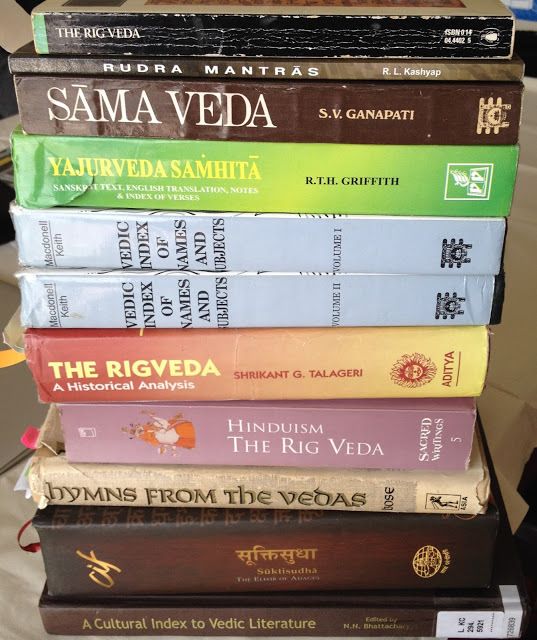
The number of female seers in Rig Veda comes to about thirty. This number includes five lady seers of Khilasukta also . Khila is like appendix or supplement.

GHOSA KAKSHIVATI, LOPAMUDRA, APALA, ROMASA, SURYA, JUHU BRAHMAJAYA, SRADDHA KAMAYANI, YAMI, INDRANI, MEDHA, AGASTYAVASA, ATREYI, SASVATI ANGHIRASI, VISWAVARA, SACI PAULOMI, DAUGHTERS OF KASYAPA, OR SIKHANDINS, URVASI, INDRAMATARAH

NON HUMAN FEMININE  CHARACTERS

SARAMA THE BITCH, GODHA THE CORODILE, SARPA RAJNI

INANIMATE FEMININE CHARACTERS

RATRI BHARADWAJI, DAKSHINA  PRAJAPATYA, VAG/SPEECH, NADHI/NADHYAH, SRI, LAKSA

It is pleasing to note that no religious disabilities were associated with women in India down to the end of the Upanishadic age (pre buddha period 600 BCE)

In the Vedic age there is ample evidence to show that the women not only studied the Vedas but also figured among the authors of Rig Vedic hymns. tamilandvedas.com, swamiindology.blogspot.com

ONLY FOR WOMEN

In the Vedic age there were certain sacrifices  like the Siitaa sacrifice and Rudra sacrifice that could be performed by women alone.

(Siitaa sacrifice at harvest and Rudra sacrifice to ensure fecundity among cattle)

Some women Vedic scholars like Lopaamudraa, Vishwavaaraa and Ghoshaa composed hymns that were later admitted into the sacred canon. Usually Vedic sacrifices were to be offered jointly by the husband and the wife.

The wife took an active part in the daily and periodical sacrifices along with her husband. She had her own hut in the sacrificial compound; the duty of chanting the sSaman hymns  usually fell upon her. tamilandvedas.com, swamiindology.blogspot.com

FIRST BRICK

The wife used to make the first brick for the sacrificial altar and participate in the consecration of the fire and the offering of oblations.

If the husband is away on a journey, the wife alone performed the different sacrifices which the couple had to do jointly.

Xxx

As women enjoyed the same religious privileges as men and received the same education, their status in the family was nearly the same as that of men. Their status in society also was naturally satisfactory. Many of them were famous scholars and authors. tamilandvedas.com, swamiindology.blogspot.com

Women in Industries

 It is rather surprising to find that women were taking active part in the industrial life. They were manufacturing arrows and bows, making baskets, weaving cloth and participating in outdoor agricultural work. It is important to note that words like female arrow makers (ishukartryah) do not occur in later literature.

Among the fine arts music and dance have been cultivated by women fairly extensively; their love for and excellence in these arts were well known. Since women were following many outdoor professions there was naturally no ‘purdah’ (face covering veil) in the society. tamilandvedas.com, swamiindology.blogspot.com

Dampati

The husband and wife were the joint owners of the household and its property. They are called Dampati (Couple).RV 8-31-5/6

Yaa dampatii samanasaa sunuta aa ca

Dhaavalah devaaso niyayaasir

The expression ‘the wife is the home’ shows how woman was the central point of domestic life-RV 3-53-4

Jaayedastammaaghavantsedduyoni

Grhinini /housewife is used in tamil as well as ‘illaal’ tamilandvedas.com, swamiindology.blogspot.com

POST VEDIC

What living women have proved to be such formative force as, for example, Sati, Sita and Savitri?

What could be better illustrative examples of the true dignity of Indian womanhood than Draupadi, Shakuntalaa, and Gaandhaari?

We hear of great women like Maitreyi, , Gaargi, Arundhati and Liilaavati

Source – Great Women of India and New Horizons of Indological Research tamilandvedas.com, swamiindology.blogspot.com

TAGS – Vedic Women, Vedic Poetesses, Rig Veda

–subham–

Vasantasena , Noble Courtesan’s love affair with ‘Brahmana Merchant’! (Post No.7540)

Written  by London Swaminathan               

Post No.7540

Date uploaded in London – – 5 February 2020

Contact – swami_48@yahoo.com

Pictures are taken from various sources for spreading knowledge; this is a non- commercial blog.

That magnanimity is no close preserve of birth and lineage, and that a debasing environment is no impediment to what is intrinsically noble, is patent in the character of Vasantasena , presented by Bhaasa  in

‘Daridra –Charudatta’ and by Shudraka  in

‘Mrichhakatika’ . It has got to be recognised  also that the lure of conventional romance and the profusion of seductive love accessories on the lines of the Kamasutra , as presented in the Mrichhakatika, serve not to demoralize the real woman in her, and in spite of her  ignoble birth she gets united at last to her lover

Charudatta, who is by birth a Brahmana , but by profession a merchant now reduced to poverty.

The high position of the courtesan is recognised not merely in the Kamasutra but also in the Artha-shastra ; and in classical Sanskrit convention  these are not mean forces to reckon with.

In spite of the mean and vulgar machinations of  brutal

Shakara , Vasantasena has the satisfaction to see  that her love for the brahmana  merchant, which is based on intrinsic merit , is appreciated and validated.   The depositing of her ornament casket with her lover almost at the first introduction, her sincere and heart felt inclination to religious performances , her liberality, which is evinced by her granting ransom to her chief attendant maid, her pleasure in giving full play to  the motherly instinct , her reverential reference to Charudatta’s wife  and the cheerful way of meeting her privations to the point of  being almost beaten to death are but clear evidences of  her totally uncourtesan like leanings.

To her maid’s query whether she was after a prince or a potentate, she gives an emphatic reply:

“My girl, it is a question of loving , not applying the trade of a courtesan”. Charudatta’s boy, who plays with a Little Earthern Toy Cart (this is the title of the play)  and seems to be depressed because his playmates of the  merchant  square play with the golden carts , she consoles him by saying : “Don’t worry, my child, you shall have a golden cart to play with”.

When the boy’s attendant maid introduces Vasantasena as his mother, he is not reconciled, but utters  knowingly,

“You are not telling me the truth. If she were my mother, she would not have such beautiful jewels”.

To this  Vasantasena says ,

“Child, your naïve lips utter cruel words …. There now I am your mother . Take these ornaments and make a golden cart for you.”  She has seen many sordid things in life, but her mind is not debased. In spite of her vile associations, her mind was not defiled; but rather, as the hero puts it, ‘she is worthy of the homage that one accords to a goddess’. In her, discrimination and passion are well balanced, discrimination leading to modesty and passion to steadfastness in affection.

My comments

We have beautiful dramas written in Sanskrit by Bhasa, Kalidasa, Visakadatta and Shudraka which were staged at least 1600 years before Shakespeare. Each one has many beautiful characters who will beat Shakespeare’s characters.

The society described in those drams is entirely different from what we read in Manu Smriti and other Smritis (Hindu Law books. Even Mahabharata has characters like Dharma vyadha and Ramayana, a Valmiki. If these dramas are from 3rd century BCE (Bhasa’s 13 plays), then we can’t place Manu nearer to that period. Either the anti- Shudra remarks are interpolations or later additions .

Another thing is a Brahmin merchant it is like hot ice cream. And that Brahmin merchant was loved by a courtesan of ignoble birth. This is a picture from Shudraka of second century CE (Mrchhakatika- Little clay Cart).

Though I have not read the drama in its Sanskrit original, I have read its Tamil translation by Pandithamani Kathiresan Chettiyar. It was prescribed for Tamil language paper in Undergraduate Studies in Madurai University. It is a drama touching various facets of society. I place Kalidasa’s three dramas on the basis of his 200 out of 1500 similes found in Sangam Tamil literature (See my 20 plus research articles in this blog). Even if scholars don’t agree with me, Bhasa’s 13 plays are definitely before Kalidasa.

If we put all these plays together and study the society, it will show a liberal society with catholic outlook. If we add the society as wee see in Sangam Tamil literature and Buddhist Jataka Tales we will have more support for the liberal views. Kabila, the Brahmin poet who contributed over 200 poems to the 2500 poem Sangam corpus, goes to a chieftain and introduces himself “I, the brahmin, have brought these daughters; marry them”. But those two are not his own daughters, but the daughters of his beloved friend and the great philanthropist Pari, who was a kshatriya ruler. So we see a society with catholic outlook from Kanyakumari to Kashmir.

 The above write up about Vasantasena is taken from ‘Great women of India’ published in 1953 by the Advaita Ashrama; those who have read the dramas on Vasanta sena only can appreciate this critical review. It must be made compulsory to study the ancient dramas at school level and college level. If we do it before we study Shakespeare it will make us proud. An ocean of drama literature is in Sanskrit up to 18th century. Almost a continuous production of dramas for 2000 plus years. Unfortunately, we lost all ancient Tamil dramas.

tags – Vasantasena, Charudatta, Love, Courtesan ,

xxx

My old articles

tamilandvedas.com › 2014/05/19 › 133-beautiful-quotations-of-bhasa…


133 Beautiful Quotations of Bhasa – Part 2 | Tamil and Vedas

  1.  
  2.  

19 May 2014 – Vasantasena in Charudatta drama. GOOD & BAD PEOPLE 115.Don’t grind what is already ground. 116.Discharge your duties as if death …

tamilandvedas.com › 2020/01/07 › a-courtesan-became-the-queen-of-…


A COURTESAN BECAME THE QUEEN OF MADURAI (Post …

  1.  

7 Jan 2020 – SHE WAS A COURTESAN FROM TIRUVELLORE NEAR CHENNAI. HERE IS HER INTERESTING STORY. … Tamil and Vedas … A lampoon by a contemporary writer Chnna Venkanna, throws some light on Mangamma’s life.

tamilandvedas.com › tag › goldsmiths

tamilandvedas.com › tag › goldsmiths


Goldsmiths | Tamil and Vedas

  1.  

15 Apr 2017 – Silappadikaram, the Tamil epic, is the story about Kannaki and … He advised the mighty king Cheran Senguttuvan about the good things in life (Dharma). … and courtesan Matavi, the mighty lord of the Cheras, asked Matalan:.

tamilandvedas.com › 2018/06/07 › sea-is-a-channel…


‘SEA IS A CHANNEL, EARTH IS A COURTYARD’ FOR INDIANS

  1.  

7 Jun 2018 – Mricakatika of Sudraka (second century CE) describes the eight courtyard building of courtesan Vasantasena. There is a beautiful description …

உலகின் மாபெரும் அறிவாளி மன்னன் போஜராஜன்! (Post No.7524)

ச.நாகராஜன்

WRITTEN BY S NAGARAJAN                     

Post No.7524

Date uploaded in London – – 2 February 2020

Contact – swami_48@yahoo.com

Pictures are taken from various sources for spreading knowledge; this is a non- commercial blog.

உலகில் உள்ள அனைத்து நாடுகளையும் எடுத்துக் கொண்டு ஆங்காங்கு பல நாடுகளையும் ஆண்ட மன்னர்களில் அறிவாளிகளாக இருந்த மன்னர்களை ஒப்பிட்டுப் பார்த்தால் உயர்ந்த அறிவாளியாகவும் பல்வேறு துறைகளில் பல நூல்களை இயற்றிய அறிவாளியாகவும் மிளிரும் மன்னன் பாரதத்தைச் சேர்ந்த போஜ மஹாராஜனே! ( அரசாண்ட காலம் :கி.பி. 1010-1055)

போஜனின் பெயரால் வழங்கப்படும் நகரின் பெயர் போபால்.

போஜன் 84 நூல்களை இயற்றியதாகப் பலவேறு நூல்களின் அடிப்படையில் அறிகிறோம்.

இன்னும் சிலர் அவன் 104 நூல்களை இயற்றியதாகவும் 104 ஆலயங்களை அமைத்ததாகவும் கூறுகின்றனர்.

போஜன் சிறந்த சிவ பக்தன்.

வாழ்க்கையின் ஒவ்வொரு அம்சத்தையும் ஒவ்வொரு நாளையும் நன்கு அனுபவித்தவன்.

பெருத்த நீதிமான். ஏழைகளின் பால் இரக்கம் கொண்டவன்.

சிறந்த கவிஞன். பல் துறை நிபுணன். எப்போதும் அவனைச் சுற்றிப் பெரும் கவிஞர் கூட்டம் ஒன்று இருந்து கொண்டே இருக்கும்.

ஏராளமான நுட்பமான கேள்விகளை அவர்களிடம் அவன் கேட்டுக் கொண்டே இருப்பான்.

அவர்களில் தலை சிறந்த கவிஞனாக மிளிர்ந்த காளிதாஸன் மன்னனின் மனதில் ஊடுருவி இருக்கும் ரகசியத்தை அறிந்து பளீர் பளீரென்று கவிதையாலேயே பதில் கொடுப்பான்.

போஜனையும் காளிதாஸனையும் இணைத்து பாரதத்தில் உலவி வரும் சம்பவங்கள் ஏராளம்; கதைகள் ஏராளம்.

துரதிர்ஷ்டவசமாக போஜனைப் பற்றிய முழு வரலாறு எழுதப்படவில்லை.

ஆங்காங்கே சிதறிக் கிடக்கும் நூல்களில் உள்ள சம்பவங்கள் மட்டுமே கிடைத்துள்ளன.

அவனது 84 நூல்களில் இன்று கிடைத்திருப்பவை சொற்பமே. ஒரு வேளை முனைப்புடன் ஆராய்ந்தால் (4 லட்சம் சம்ஸ்கிருத சுவடிகள் திறந்து கூடப் பார்க்கப்படவில்லை என்பதை நினைத்துப் பார்த்தால்) அவனது நூல்கள் பல கிடைக்கக் கூடும்.

அவனது நூல்களின் பட்டியலை ஒருவாறாக இன்றைய நிலையில் தொகுத்துப் பார்த்தால் வருவது கீழ்க்கண்ட நூல்கள்:

வானவியல் மற்றும் ஜோதிடம்

ராஜமார்த்தாண்டா

ராஜம்ருகங்கா

இட்வஜ்ஜனவல்லபா (ப்ரஸ்ன ஞானம்)

ஆதித்ய பிரதாப சித்தாந்தா

மருத்துவம்

ஆயுர்வேத சாரஸ்வம்

விஸ்ராந்தவித்யா விநோதம்

சாலைஹோத்ரம் (விலங்கிய கையேடு)

சில்ப சாஸ்திரம்

சமராங்கதஹன சூத்ரதாரா

இலக்கணம்

சப்தானு ஞானம்

தத்துவம்

ராஜமார்த்தாண்டம் (வேதாந்தம்)

பதஞ்சலி யோக சூத்ரம்

தத்வ ப்ரகாசம் (சைவம்)

சித்தாந்த சங்க்ரஹம்

சிவதத்வ ரத்ன காலிகா

யுக்தி கல்பதரு

பரம சாஸ்த்ரம்

வியவஹார சமுச்சயம்

சாருசர்யா

அர்த்த சாஸ்திரம்

அய்ஜக்ய நீதி (தண்ட நீதி) மற்றும் புத்ரமார்த்தாண்டம்

அலங்காரம்

சரஸ்வதி கண்டாபரணம்

ச்ருங்கார ப்ரகாஸம்

கவிதை மற்றும் உரைநடை

ரத்னாயன சம்பு

வித்யாமோத காவ்யம்

இரு பிராக்ருத நூல்கள் (சமீப காலத்தில் கண்டுபிடிக்கப்பட்டவை)

மஹா காளி விஜயம் (ஸ்தோத்ர நூல்)

ச்ருங்கார மஞ்சரி (உரைநடையில் கதைகள்)

சுபாஷித ப்ரபந்தம்

அகராதி

நாமமாலிகா

மேலே கண்டவை அனைத்தும் பிரபாவ சரித்ரம் என்ற (1450ஆம் ஆண்டு) நூலில் தரப்பட்டவையாகும்.

வழக்கம் போல ஆங்கில “அறிஞர்களால்” முட்டாள்தனமாக வைக்கப்படும் ஒரு வாதம் – இவ்வளவு நூல்களையும் ஒரே மன்னன் எழுதி இருக்க முடியுமா? என்பது தான்!

உடனேயே இவர்களின் முடிவு “முடியாது” என்பது தான்.

பல்வேறு அறிஞர்களை எழுத வைத்துத் தன் பெயரைப் போட்டுக் கொண்டான் போஜன் என்று கூறி இவர்கள் சந்தோஷப்படுகின்றனர் – பாரத அறிஞன் ஒருவனை மட்டம் தட்டி, அதை அப்படியே காலம் காலமாகச் சொல்ல வித்திட்டு விட்டோமே என்பது இவர்களின் சந்தோஷம். ஆகவே தான் இவர்களின் பெயர்களைக் கூட இங்கே குறிப்பிடவில்லை. வெற்று விளம்பரத்தைத் தேடும் அறிஞர்களுக்கு நாம் ஏன் அதைத் தர வேண்டும்.

இன்றைய உலகை எடுத்துக் கொண்டால் பல அறிஞர்கள் ஏராளமான நூல்களை எழுதிதைப் பார்க்கிறோம்; எழுத்தாளர்கள் பல நாவல்களை எழுதியதைப் பார்க்கிறோம்.

அவர்களை எல்லாம் ஏன் இந்த அறிஞர்கள் மட்டம் தட்டவில்லை? சந்தேகப்படவில்லை?!

காரணம் போஜன் ஒரு பாரத தேசத்து மாமன்னன்; பேரறிஞன் – அவனை அப்படி ஒப்புக் கொள்ளாமல் மட்டம் தட்ட வேண்டும்; அவ்வளவு தான்!

•   I. Astronomy and Astrology   (1) Rajamarttanda   (2) Rajamrganka   (3) Yidvajjanavallabha (pra§najnana)   (4) Adityapratapasiddbanta   II. Medicine   (5) Ayurveda Sarvasvam   (6) Visrantavidyavinoda   (7) Salihotra (a Veterinary Manual)     III. Silpaidstra   (8) SamaranganaSutradbara   IV. Grammar     (9) Sabdanu6a3anam   V. Philosophy   (10) Rajamarttanda (Vedanta)   (11) „ (acorn, on Patanjali’s Yoga Sutras)   (12) Tatvaprakasa (Saivaism).   (13) Siddhantasangraha, „   ( 14 ) Sivatatvaratna Kalika „   (15) Yukti Kalpataru „   VI. Pharma Sastra   (16) Vyavabarasamuccaya.   (17) Carucarya.   VII. Arthasaitra   (18) Caijakyaniti (Dandaniti) and Putramartanda.   VIII. Alankdra   (19) Sarasvati Kantbabharana   (20) jSrngaraprakasa.   IX. Poetry and Prose.   (21) Ratnayana campu.   (22) Vidyavmodakavyam.   (23, 24) Two Prakrt poems (lately discovered at  Dbar).   (25) Mabakalivijayam (a stotra)   (26) Srngaramanjari (prose tales)   (27) Subbasitaprabandha.   X. Lexicography   (28) Namamalika. A list in the Prabhavaka Garitra (c. 1450 A. D.)

*

போஜன் எழுதிய நூல்களாக விக்கிபீடியா தரும் பட்டியல் இது:

According to Ajada, who wrote a commentary titled Padaka-prakasha on Sarasvati-Kanthabharana, Bhoja wrote 84 books. The surviving works attributed to Bhoja include the following Sanskrit-language texts (IAST titles in bracket)

  • Bhujabala-bhima (Bhujabalabhīma), a work on astrology
  • Champu-Ramayana or Bhoja-Champu (Campūrāmāyaṇa), a re-telling of the Ramayana in mixture of prose and poetry, which characterises the champu genre. The first five kandas (chapters) are attributed to Bhoja. The sixth and seventh chapters were completed by Lakshmana and Venkatadhvarin respectively.
  • Charucharya (Cārucārya), a treatise on personal hygiene
  • Govinda-vilasa, poem
  • Nama-Malika, a compiled treatise on lexicography
  • Raja-Martaṅda (Rājamārtanḍa) or Patanjali-Yogasutra-Bhashya, a major commentary on the Yoga Sutras of Patanjali; includes an explanation of various forms of meditations
  • Raja-Mriganka-Karana (Rājamrigankakaraṅa), a treatise on chemistry, especially dealing with the extraction of metals from ores, and production of various drugs.
  • Samarangana-Sutradhara (Samarāṇgaṇasūtradhāra), a treatise on architecture and iconography. It details construction of buildings, forts, temples, idols of deities and mechanical devices including a so-called flying machine or glider.
  • Sarasvati-Kanthabharana (Sarasvatīkaṇṭhabharaṇa), a treatise on Sanskrit grammar for poetic and rhetorical compositions. Most of it is a compilation of works by other writers. Some of the poetic examples provided by him in this work are still appreciated as the highest cream of Sanskrit poetry.
  • Shalihotra (Śālihotra), a book on horses, their diseases and the remedies
  • Shringara-Prakasha (Śṛṅgāraprakāśa), treatise on poetics and dramaturgy
  • Sringara-Manjari-Katha (Śṛṅgāramanjarīkathā), a poem composed in akhyayika form
  • Tattva-Prakasha (Tattvaprākaśa), a treatise on Shaivite philosophy. It provides a synthesis of the voluminous literature of the siddhanta tantras
  • Vidvajjana-Vallabha, treatise on astronomy
  • Vyavahara-Manjari (Vyavahāramanjarī), a work on dharmaśāstra or Hindu law
  • Yukti-Kalpataru, a work dealing with several topics including statecraft, politics, city-building, jewel-testing, characteristics of books, ship-building etc.

The Prakrit language poems Kodanda-Kavya and Kurma-Sataka are also attributed to Bhoja.[79] The Kodanda-Kavya (Kodaṅḍakāvya) was found inscribed on stone slab fragments at Mandu.[80] The Kurma-Sataka (Avanikūrmaśataka), which praises the Kurma (tortoise) incarnation of Vishnu, was found inscribed at the Bhoj Shala in Dhar.[81]

Sangitaraja, attributed to Kalasena or Kumbha, names Bhoja as an authority on music, which suggests that Bhoja also compiled or wrote a work on musi

***

போஜனின் வாழ்க்கையில் நடந்த சுவையான சம்பவங்கள் சிலவற்றை அடுத்துப் பார்ப்போம். 

(தொடரும்)

GREAT HINDU HEROINES PADMINI & RANI SAMYUKTA (Post No.7503)

COMPILED BY LONDON SWAMINATHAN

Post No.7503

Date uploaded in London – 27 January 2020

Contact – swami_48@yahoo.com

Pictures are taken from various sources for spreading knowledge; this is a non- commercial blog.

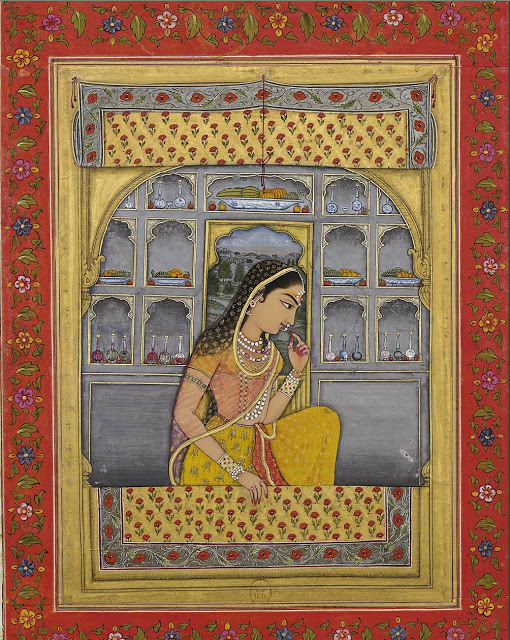
PADMINI, queen of Rana Rattan Sing of Mewar , and a  lady of exquisite beauty, has been deservedly given an exalted place in the epic of Rajput chivalry by col. Tod and also by Malik Mohammad Jayasi in his Padmavati, a classic work of Hindustani literature . The traditional belief is that the immediate cause of Alauddin Khilji’s invasion of Chitor was his infatuation of Padmini.  History records the chivalrous role of Padmini and a number of other women of Mewar at the time when the famous citadel of Chitor was besieged by Alauddin.

The valiant Rajputs offered a heroic resistance against his onslaught for eight months; but at last to give way in view of the superior numerical strength of the Delhi army.  Before the final surrender of the citadel , however of 26th august , 1303, hundreds of brave women , under the leadership of Padmini plunged themselves in to the fire of JAUHAR – self immolation – to escape pollution and captivity by the Muslim invaders.

The funeral pyre was lighted within the great sub terranean retreat in chambers impervious to the light of the day, and the defenders of Chitor beheld in procession the queens, their own wives, and daughters , to the number of several thousands.

This is the greatest sacrifice of women in the history of the world. This is the bravest act of women the world has never seen.  The fair Padmini closed the throng, which was augmented by whatever of female beauty or youth could be tainted Tartar lust. The women were conveyed to the cavern for security. They were saved from dishonour. Thus Padmini and several thousand Hindu women preferred heroic death  to a disgraced existence.

HEROIC SAMYOGITA

In the bardic traditions of Rajasthan there are thrilling references to the selfless patriotism and heroic exploits of her daughters. The bards’ folk songs are echoing in the walls of the mighty forts. Every stone and sand particle in the surrounding Thar desert are reverberating with the glorious sacrifices they made.

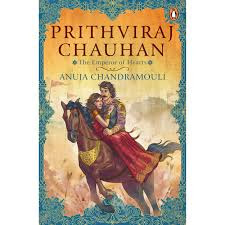
The first example in this category is Samyogita (RANI SAMYUKTA), daughter of Jjayachandra, the ruler of Kanauj. She married Prithiviraj in a swayamvara. When Mohammad of Ghor marched with reinforced troops for the second time to meet his adversary Prithiviraj on the Tarain near  Thanesar, she is said to have armed her lord for the encounter and exhorted him with the following words—

“To die is the destiny not only of man but of the gods; all desire to throw off the old garment; but to die well is to live for ever. Think not of self; but of immortality; let your sword divide your foe and I will be your arthaanga (other half) hereafter”

Prithiviraj fought with reckless valour, but was at last overpowered and killed by the Muslim invaders. True to her vow, the devoted spouse sacrificed her life by mounting his funeral pyre.

We praise Gargi Vachaknavi of Vedic lore as the oldest and most intelligent woman in the world. And in the same way we can praise Rani Samyukta as the most intelligent and bravest woman in the historic period. She and Rani Padmini will inspire Hindu women for generations to come.

Xxx subham xxx