பெண்கள் விளையாட்டுகள் (Post No.3537)

Written by London swaminathan


Date: 12 January 2017


Time uploaded in London:- 9-31


Post No.3537


Pictures are taken from different sources; thanks.


contact; swami_48@yahoo.com


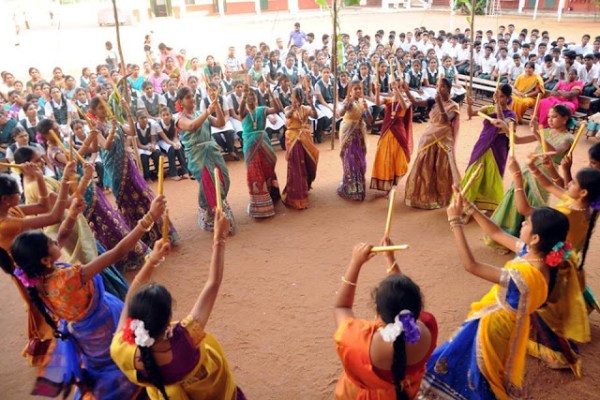
பெண்கள் விளையாட்டுகள்:


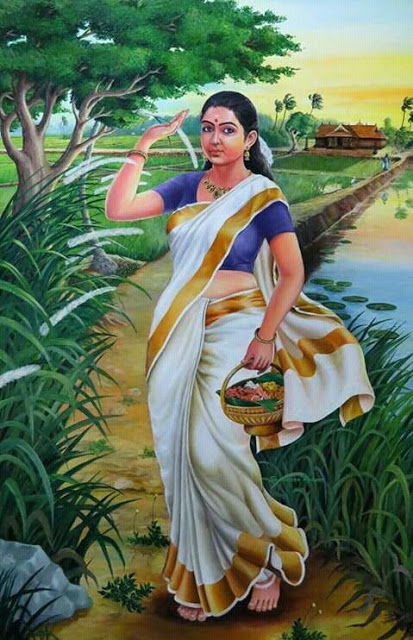
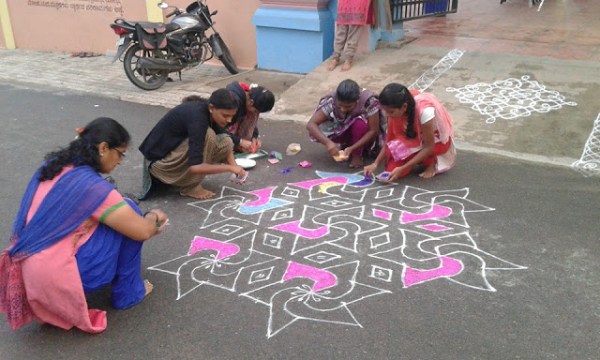
அந்தக் காலத்தில் திருமணமாகும் வரை பெண்கள் என்ன என்ன விளையாடினர் என்று ஒரு பாட்டின் மூலம் தெரிகிறது. இது முற்றிலும் சரி என்பது சங்கத் தமிழ் பாடல்களாலும், ராமாயண, மஹாபாரத நூல்களாலும் உறுதியாகிறது:-


மருங்குவளர் பூங்கா மலர்வாவி யூச

றிருந்துமணி செய்குன்று தேமா- விரும்பமுத

பானங்கிளி பூவை பந்துகன்னங் கழங்கன்ன மயின்

மான்முல்லை பந்தர் வளர்ப்பு

–உபமான சங்கிரஹம் இரத்தினச் சுருக்கம்

72363-broken2bbest

1.பூங்காவில் பூக்கள் பறித்து விளையாடினர்.

2.பொய்கை, கிணறுகளில் நீராடிப் பொழுது போக்கினர்.

3.வீட்டிலும் மரத்தடியிலும் ஊஞ்சல் கட்டி ஆடினர்.

4.பணக்காரர் வீடுகளில் செயற்கையாக குன்று எழுப்பி அதில் ரத்தினக் கற்களைப் பதித்துவைத்து அதன் மேல் ஆடி ஓடி சாடினர்.

5.தேமாமரம் விளையாடினர் (மாமரத்தில் ஏறி அல்லது கல் விட்டெறிந்து மாங்காய், மாம்பழம் எடுத்துச் சாப்பிடுதல்) .

6.அமிர்தம் போன்ற பானங்கள் செய்து குடித்தனர்.

7.காய்களை வைத்து கழங்கு ஆடினர்;

8.பூப்பந்து ஆடினர்.

9.கிளி, பூவை (சாரிகைப் பறவை), அன்னம், மயில் ஆகிய பறவைகள் வளர்த்து பொழுது போக்கினர்.

10.முல்லைப் பூச்செடிக்கு பந்தல் கட்டி வளர்த்து அதைப் பராமரித்தனர். முல்லை என்றால் அது போன்ற பிறவகை மலர்ச் செடிகளும் அதில்  அடங்கும்.


ஐந்து தொழில்கள்

அம்பொற்றொடியணிமினார் தங்கைக்கைந்து தொழில்

செம்பவள மென்விரலைச் சேர்த்தெண்ணலம்பெழுதல்

பூசித்திலை கிள்ளல் பூத்தொடுத்தல் பண்ணெழில்யாழ்

வாசித்தலென்றுரை செய்வார்

–உபமான சங்கிரஹம் இரத்தினச் சுருக்கம்


பொருள்:-

அழகிய பொன்னினாற் செய்யப்பட்ட வளையலை அணிந்த மாதர் கைகளுக்கு ஐந்து தொழில்கள் உண்டு. (அவையாவையெனின்) 1.செம்பவளம் போன்ற மென்மையான விரல்களைச் சேர்த்து எண்ணுதல்,

2.அம்பின் உருவத்தை எழுதல்,

3.பூசை செய்து இலை பறித்தல்,

4.மலர் தொடுத்தல்,

5.பண்ணொடு கூடின அழகாகிய வீணை வாசித்தல் என்று சொல்வர்.


சங்க இலக்கியத்திலும் சம்ஸ்கிருத இலக்கியத்திலும் இந்த விளையாட்டுகள்வரும் இடங்களை தனியே எழுதுகிறேன்

–Subahm–


Ah! It was a wonderful phenomenon – Swami Vivekananda! (Post No.3536)

Written by S NAGARAJAN


Date: 12 January 2017


Time uploaded in London:-  5-49 am


Post No.3536


Pictures are taken from different sources; thanks.


Contact: swami_48@yahoo.com


VIVEKANANDA JAYANTHI JANUARY 12TH

Ah! It was a wonderful phenomenon – Swami Vivekananda!

by S. Nagarajan


Ramakrishna Paramahamsa was Narayana and Swami Vivekananda was nara in the ‘Nara Narayana’ pair.

They just visited the earth to uplift the humanity and rejuvenate Hinduism.

Swamiji had extraordinary power. But he never revealed himself. However occasionally he used to reveal some of his secrets.

Given below is one such secret which was told by himself.


“While I was in America I had certain wonderful powers developed in me. By looking into people’s eyes I could fathom in a trice the contents of their minds. The workings of everybody’s mind would be patent to me, like a fruit on the palm of one’s hand. To some I used to give out these things, and of those to whom I communicated these, many would become my disciples, whereas those who came to mix with me with some ulterior motive would not, on coming across this power of mine, even venture into my presence any more.

 
When I began lecturing in Chicago and other cities, I had to deliver every week some twelve or fifteen or even more lectures at times. This excessive strain on the body and mind would exhaust me to a degree. I seemed to run short of subjects for lectures and was anxious where to find new topics for the morrow’s lecture. New thoughts seemed altogether scarce. One day, after the lecture, I lay thinking of what means to adopt next. The thought induced a sort of slumber, and in that state I heard as if somebody standing by me was lecturing – many new ideas and new veins of thoughts, which I had scarcely heard or thought of in my life. On awaking, I remembered them and reproduced them in my lecture. I cannot enumerate how often this phenomenon took place. Many, many days did I hear such lectures while lying in bed. Sometimes the lecture would be delivered in such a loud voice that the inmates of adjacent rooms would hear the sound and ask me the next day, ”With whom, Swamiji, were you talking so loudly last night?” I used to avoid the question somehow.


Ah, it was a wonderful phenomenon.


(Complete Works of Swami Vivekananda Volume 7 page 124)

Swami Akhandananda (earlier name Gangadhar) who was the direct disciple of Ramakrishana Paramahamsa has narrated some of the wonderful experiences he had with Swamiji.

Once Swamiji was in Almora with Swami Akhandananda. One day Swamiji disclosed to Swami Akhandananda mantras he has seen in gold, explaining their import and telling him to which deity each related.  Thus they travelled along the solitary mountain paths.


One day near Almora, they rested under a peepul tree. They bathed in a mountain stream and then sat for meditation. After a long time, Swamiji said to Swami Akhandananda : “Gangadhar , here at Almora, under this tree, a most auspicious moment has been spent. Today, I have found a solution to a knotty problem. I have realized that the macrocosm and the microcosm are strung together on the same string.”


In a notebook preserved by Swami Akhandananda, Swamiji wrote an account of his realization, which is the source of some of the main points in his later speeches and writings.

(ref : Swami Akhandananda by Swami Annadananda page 70)

From the above we may conclude that Swamiji was guided by the Supreme Power continuously with the grace of Ramakrishna Paramahamsa.

*********

Knowledge of Medicine and Method of Treatment in Tamil and Sanskrit Books (Post No.3535)

Written by London swaminathan


Date: 11 January 2017


Time uploaded in London:- 21-17


Post No.3535


Pictures are taken from different sources; thanks.


contact; swami_48@yahoo.com


Tiruvalluvar, author of Tirukkural, has dealt with a lot of subjects including medicine. He says that one can live for long without disease if one controls his eating habits. he says 1.Eat when you are hungry 2.Eat when the food already eaten is digested. Very simple!

In two of the couplets he agrees with Charaka and Susruta, the great authors of Medical treatise in Sanskrit. Tiruvalluvar says:


Let a skilful doctor who knows medicine,

1.study the patient

2.the nature of disease

3.the season and then treat him (Kural 949)


He also adds, Medical treatment implies fourfold elements:

Patient

Doctor

Medicine

and the Nurse/ compounder (Kural 950)

Parimel azakar, the most  famous commentator of Tirukkural, explains the attributes thus of the four elements:

“The attributes of the patient are ability to disclose the symptoms, strength to endure pain, ability to pay and strict obedience to the directions of the physician;

those of the physican are intelligence and study, courage to handle every kind of disease, purity of thought, word and deeed, good luck;

those of medicine are efficacy to cure any disease, superior virtue on account of taste, power, strength and easy facility of being procured, and capacity to combine with other ingredients as well as food;

and those of the apothecary are kindness and consideration to the anxiety of the patient, purity of thought, word and deed, ability to compound drugs and common sense.


The above passage shows how much advanced we were in understanding the patient and the treatment.


It shows that the doctors of ancient India had a nurse or compounder for assistance. Westerners copied it from Indians.

The same concept of treatment is found in Sanskrit texts as well:

1.Knowledge of the Best Physician


Hetu — cause
Linga– Diagnosis
Rogaanaam apunarbhava — non recurrence of disease
Prasamana — cure
—Charaka Samhita 9-19

Hetau linge prasamanerogaanaam punarbhave
Njaanam chaturvidham yasya sa rajaarho bhisaktamah
Charaka 9-19

xxx


2.Sastra Vaidya Gunah/Qualities of a surgeon

Sauryam– fearless ness
Aasukriyaa Lighthandedness
Sastraaiksnyam Well sharpened instruments
Asvedavepathu Absence of perspiration and trembling
Asammohah Absence of confusion

Sauryamaasukriyaa sastrataiksnyamasvedavepathu
Asammohasca vaidyasya sastrakarmani sasyate
–Susruta 5-10

Xxxxx


Following quotes are from my October 2015 post:-


3.Vaidya Gunah – Qualities of a Physician

Srute paryavadaatatvam Bahuso drstakarmataa

Daakshyam Saucam iti jneya vaidye Guna chatustayam

–Charaka (sutra) 9-6

Srute paryavadaatatvam =Excellence in Medical Knowledge

Bahuso drstakarmataa = Extensive Practical Experience

Daakshyam = Skill

Saucam = Cleanliness

4.Physician’s Approach to Patients

Vaidya Vrtti

Maitri kaarunyamaarteshu sakye pritirupekshanam

Prakrutistheshu butesu vaidyavrttischaturvidhaa

–Charaka (sutra) 9-26

Maitri = Friendship

Kaarunya = compassion

Priti = Pleasure

Upekshanam = Sympathy


xxxx


5.Fake Doctors (not to be honoured)

Apuujya Vaidyaah

Kucela: karkasa: stabhdho graamani svayamaagata:

Pancha vaidyaa na puujyante Dhanvantrisamaa api

Even if he is equal to Dhnavantri, the God of Medicine, don’t honour the following five physicians:

Kucela =Untidily dressed

Karkasa = Rough

Stabdha = Stubborn

Graamani = Pervert

Svayamaagata = One who visits on his own (uninvited)


–subham–

திருவாதிரைக் களியின் கதை! (Post No.3534)

Written by London swaminathan


Date: 11 January 2017


Time uploaded in London:- 6-46 am


Post No.3534


Pictures are taken from different sources; thanks.


contact; swami_48@yahoo.com


தேவாரத்தில் ஆதிரை விழா

திருவாதிரை விழா சிவபெருமானின் திருவிழாவாக சங்க காலம் முதலே கொண்டாடப்படுவது பரிபாடல் என்னும் நூல் மூலம் தெரிகிறது. சம்பந்தர், அப்பர் ஆகிய இருவர் காலத்தில் இது மிகச் சிறப்பாக நடந்ததால் அப்பரும் சம்பந்தரும் தேவாரத்தில் இவ்விழாவைக் குறிப்பிடுகின்றனர். அப்பர் பாடிய திருவாதிரைப் பதிகம் பற்றி எஸ். நாகராஜன் எழுதிய கட்டுரை இதே பிளாக்கில் இரண்டு ஆண்டுகளுக்கு முன் வெளியானது. இன்று திருவாதிரைக் களியின் சிறப்பைக் காண்போம்.


காவிரிப் பூம்பட்டினத்தில் பட்டினத்தடிகளின் மாளிகையில் அவருக்கு கணக்குப் பிள்ளையாக — பொக்கிஷ அதிகாரியாக — வேலை பார்த்தவர் சேந்தனார் என்பவராவார். பட்டினத்தடிகளுக்கு ஒரு பெட்டியில் காதற்ற ஊசி வந்தவுடன், அவர் வாழ்க்கையின் நிலையாமையை எண்ணி பொருள் அனைத்தையும் சூறைவிடச் சொன்னபோது அத் திருப்பணியைச் செய்தவர் சேந்தனார்தான்.


இதைக் கேள்விப்பட்ட சோழ நாட்டரசன், அப்பொருள் அனைத்தையும் சேந்தனார், அரசாங்க கஜானாவில் சேர்ப்பிக்காதது தவறு என்று சொல்லி அவருக்குத் தொல்லை கொடுக்கத்  துவங்கினான். இதன் காரணமாக சேந்தனார்,  மனைவி மக்களுடன் சிதம்பரத்துக்குச் சென்றார். அங்கே விறகு விற்கும் தொழிலைச் செய்துகொண்டே சிவபக்தியில் மூழ்கினார்.


விறகு விற்ற பணத்தைக் கொண்டு சிவனடியார்களுக்கு அமுது படைத்தார்.


ஒரு நாள் சிவபெருமானே, வேறு வேடம் தரித்து சேந்தனார் வீட்டுக்குச் சாப்பிடச் சென்றார். நள்ளிரவில் சென்றதால் சேந்தனார் வெறும் கூழைக் கிண்டி அதைப் பரிமாறினார். சிவனும் அதை விரும்பிச் சாப்பிட்டுவிட்டு மீதி இருந்ததையும் ஒரு கந்தைத் துணியில் கட்டி எடுத்துச் சென்றார். மறுநாள் சிவனுடைய சந்நிதியில்  அந்தக் கூழ் சிதறி இருந்ததைக் கண்டு திகைத்த அர்ச்சகர்களுக்கு சேந்தனாரின் வீட்டில் முதல் நாளிரவு நடந்த நிகழ்ச்சி தெரிய வந்தது. அன்றுமுதல் கூழ் போலக் களியைக் கிண்டி எல்லா சிவனடியார்களுக்கும் கொடுக்கும் வழக்கம் துவங்கியது.


திருவாதிரைக் களியும் அதற்கான விசேஷ கூட்டும் தனிச் சிறப்பு வாய்ந்தது. கேரளத்தில் ஆதிரையை, பெண்கள் புத்தாடை அணிந்து கும்மியடித்து சிறப்பாக் கொண்டாடுவர்.


நட்சத்திரங்களில் இரண்டுக்கு மட்டுமே திரு என்ற அடைமொழி உண்டு ஒன்று திரு ஆதிரை மற்றொன்று திரு ஓணம். இரண்டும சிவபெருமானுடனும் விஷ்ணுவுடனும் தொடர்புடையவை. அது மட்டுமல்ல. இரண்டு விழாக்களுக்கும் இடையே சரியாக ஆறு மாத இடைவெளி இருக்கிறது.

2015 ஜனவரியில் ஆதிரை நாளன்று வெளியான எஸ். நாகராஜன் கட்டுரையிலிருந்து ஒரு சிறு பகுதி மட்டும்:–


ஆதியன் ஆதிரையன் அனலாடிய ஆரழகன்
பாதியொர் மாதினொடும் பயிலும் பரமா பரமன்
போது இயலும் முடி மேல் புனலோடு அரவும் புனைந்த
வேதியன் மாதிமையால் விரும்பும் இடம் வெண்டுறையே


என இப்படி திருஞானசம்பந்தர் ஆதிரையன் புகழ் பாடிப் பரவுகிறார்.


திருவாதிரைப் பதிகம்


இத்தகைய பெருமை கொண்ட ஆதிரை நாளை அப்பர் எப்படிப் பாடி விளக்குகிறார், பார்ப்போமா:-

பாடல் எண் : 1
முத்துவிதான மணிப்பொற்கவரி முறையாலே
பத்தர்களோடு பாவையர்சூழப் பலிப்பின்னே
வித்தகக்கோல வெண்டலைமாலை விரதிகள்
அத்தன் ஆரூர்  ஆதிரை நாளால்  அது வண்ணம்.  


ரமண மஹரிஷி ஆருத்ரா தரிசன நாளன்று பிறந்தவர் என்பதால் இந்த திருவாதிரைப் பதிகத்தைக் கேட்டு ஆனந்தித்து உத்வேகம் பற்ற ரமண மஹரிஷியின் அணுக்கத் தொண்டரான முருகனார் ரமணரின் மீது பக்திப் பாடல்களை இயற்றினார்.

–subham–

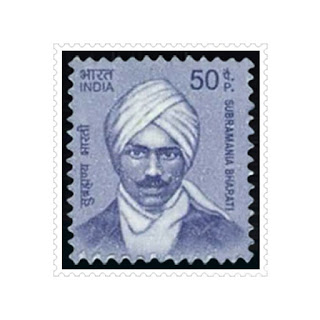
மஹாகவி பாரதியார் பற்றிய நூல்கள் – 19 (Post No.3533)

Written by S NAGARAJAN


Date: 11 January 2017


Time uploaded in London:-  6-22 am


Post No.3533


Pictures are taken from different sources; thanks.


Contact: swami_48@yahoo.com


பாரதி இயல்


மஹாகவி பாரதியார் பற்றிய நூல்கள் – 19


ஏ.கே.செட்டியாரின் குமரி மலர் கட்டுரைகள் – 4


ச.நாகராஜன்


ஏ.கே. செட்டியாரின் குமரி மலரில் வெளியான கட்டுரைகள்


குமரி மலரில் வெளியாகியுள்ள இன்னும் சில கட்டுரைகள் பற்றிய செய்திகளை காண்போம்


35) நவசக்தியில் திரு.வி.க. எழுதிய உப தலையங்கம் இது.


காலஞ்சென்ற பாரதியாரின் நூல்கள்


   தென்னாட்டு தாகூரென போற்றப்பட்டு வந்த ஸ்ரீமான் சுப்பிரமணிய பாரதியின் மனைவியார் நமக்கு அனுப்பியுள்ள ஒரு நிருபத்தை மற்றொரு இடத்தில் வெளியிட்டிருக்கிறோம்.

காலஞ்சென்ற பாரதியாரின் பாடல்களும் வசனங்களும் ஒழுங்காக வெளியிட முயற்சி செய்யப்படுகிறது என்பதை அறிந்து நாம் பெரிதும் சந்தோஷிக்கிறோம்.


அதற்காகப் பொருளுதவி செய்யும்படி தமிழ்நாட்டாரை ஸ்ரீமான் பாரதியாரின் மனைவியார்  கேட்கிறார். இவ் வேண்டுகோளுக்குத் தமிழ்நாட்டார் எவ்விதத்திலும் பின்வாங்க மாட்டார் என்று நம்புகிறோம்.

ஸ்ரீமான் பாரதியார் ஐரோப்பாவிலேனும் அமெரிக்காவிலேனும் பிறந்திருப்பாராயின் அவருக்கு இது காலை எத்தனை ஞாபகச் சின்னங்கள் ஏற்படுத்தப்பட்டிருக்கும் என்பதை நாம் கூற வேண்டுவதில்லை.


தமிழ்நாட்டாரிடமிருந்து அவ்வளவு பெரிய நன்றியறிதலை நாம் எதிர்பார்க்கவில்லையே யாயினும், அவருடைய நூல்கள் நல்ல முறையில் வெளிவருவதற்கேனும் போதிய துணைபுரிவார்கள் என்று நம்புகிறோம்.

  • ‘நவசக்தி’

உப தலையங்கம் 30-9-1921    

ஆசிரியர் திரு.வி.க


இந்த்க் குமரி மலர் கட்டுரை 1921இல் பாரதியாரின் மனைவியார் எவ்வளவு மனக் கஷ்டத்துடன் இந்த வேண்டுகோளை வைத்திருப்பார் என்பதை அறிய வைக்கிறது.


36) குமரி மலரில் அடுத்து இடம் பெறுவது

உ.வே.சாமிநாதையரின் நினைவு மஞ்சரி நூலில் இடம் பெற்றிருக்கும் கட்டுரை

இதை நமது தொடரில் எதிர் வரும் பகுதியில் தனி அத்தியாயத்தில் காண்போம்.


37) குமரி மலரில் அடுத்து இடம் பெறுவது ‘பஞ்சாமிர்தம்’ என்ற பத்திரிகையில் வெளி வந்த ஒரு சிறு கட்டுரை


சுப்பிரமணிய பாரதியார் கவிதை

[சென்னை உயர்நீதி மன்றத்தில் பிரதம் நீதிபதியாக இருந்து ஓய்வு பெற்றுள்ள ஸ்ரீ மா.அனந்த நாராயணன் அவர்கள், தாம் மாணவராக இருந்த பொழுது தம் தந்தையார் ஸ்ரீ அ.மாதவையா அவர்கள் வெளியிட்ட ‘பஞ்சாமிர்தம்’ என்னும் சிறந்த மாதப் பத்திரிகையில் பாரதியார் கவிதை குறித்து இரண்டு கட்டுரைகளை எழுதியுள்ளார். அதில் ஒரு  ப்குதியை இங்கு வெளியிடுகிறோம்]


   உவமைகளைக் கையாளுவதில், பாரதியாரைப் போல் சிறந்தவர், தற்காலக் கவிஞர்களில் எவருமில்லையென்று தடையின்றிச் சொல்லலாம்.


   பாரதியாரின் கற்பனா சக்தி சாதாரணமானதன்று. இதனால், சிறிய, தனிப்பட்ட உவமைகளன்றி, நீடித்த உருவக நூல்களை இயற்றும் திறமையும், பாரதியாருக்குண்டு. இப்படிப்பட்ட வசன நூல் ‘ஞான ரதம்’, செய்யுள் நூல் ‘குயிற் பாட்டு;. பிற் கூறியதன் வெளிப் பொருள் அழகான உருக்கமான ஒரு குயிலைப் பற்றிய கதை. இந்தக் கதையை, பாரதியார் வேண்டுகோளின் படி வேதாந்தமாக விரித்துரைக்க வல்லவர் ஒருவர் இருந்தால், அவர் மஹா மேதாவியாவார்.


  ‘கண்ணன் பாட்டு’ம், பாரதியாரின் உருவக வன்மையை நன்கு விளக்கும். கண்ணபிரானைத் தாயாகப் பாவித்துப் பாடிய ‘கண்ணன் – என் தாய்’ என்ற சிந்து முழுதும், ஒரு நிகரற்ற உருவகத் தொடர்ச்சியாம்.


  பாரதியாரின் சிறிய உவமைகளும் கவனிக்கத் தககவை. ம்கா யுத்தத்தில், எல்லா நாடுகளிலும், சின்னதும் பலம் குறைந்ததுமான பெல்ஜியம், தான் கொடுத்த வாக்கைக் காப்பாற்றும் பொருட்டு, படைச் செருக்குற்ற ஜெர்மனியைத் தன்னந்தனியே முதலில் எதிர்த்தது, பாரதியாருக்கு அதில் உற்சாகத்தை அளித்தது. ‘பெல்ஜியம் நாட்டிற்கு வாழ்த்து’ என்ற கவியில், அவர் மிக அழகாக உவமையொன்றை அமைத்திருக்கிறார்.


‘அறத்தினால் வீழ்ந்து விட்டாய், அன்னியன் வலியனாகி

மறத்தினால் வந்து செய்த வன்மையைப் பொறுத்தல் செய்யாய்

முறத்தினால் புலியைக் காக்கும் மொய்வரைக் குறப்பெண் போலத்

திறத்தினால் எளியையாகிச் செய்கையால் உயர்ந்து நின்றாய்”


காதற் பாட்டொன்றில், காதலன் காதலியை நோக்கி ,

“வட்டங்களிட்டும் குளம் அல்லாத

மணிப் பெரும் தெப்பத்தைப் போல – நினை

விட்டு விட்டுப் பல லீலைகள் செய்தும், நின்

மேனி தனை விடலின்றி” என்கிறான்.


பின் வரும் உவமையும் பல விதத்தில் சிறந்தது –

“ஆங்கொரு கல்லை வாயிலிற் படி என்று

     அமைத்தனன் சிற்பி; மற்றொன்றை

ஓங்கிய பெருமைக் கடவுளின் வடிவென்று

     உயர்த்தினான்; உலகினோர் தாய் நீ;

யாங்கணே எவரை எங்ஙனம் சமைத்தற்கு

     எண்ணமோ, அங்ஙனம் சமைப்பாய்”

   பாரதியாரின் எளிய நடையைப் பற்றிப் பேச வேண்டியது ஒன்றுமில்லை? ஏனெனில், வேறெந்த நடையும் அவர் உபயோகிக்கவில்லை. ‘செந்தமிழ் நாடு”, “பாப்பா பாட்டு”, “முரசு”, “சுதந்திரப் பள்ளு” முதலிய செய்யுட்களில் சாதாரண வழக்கில் காணப்படாத வார்த்தைகளே இல்லை. அப்படியிருந்தும், இசை இனிமையும், கருத்துயர்வும் பொருந்தியிருப்பது தான் கவித்திறன்.

  • பஞ்சாமிர்தம்
  • 1925 ஆனி


   குமரி மலரில் ஏ.கே. செட்டியார் அவர்கள் பார்த்துப் பார்த்து தேர்ந்தெடுத்த கட்டுரைகளைத் தான் நாம பார்த்து வருகிறோம்.


இவை அவரால் தொகுத்துத் தரப்படவில்லையெனில் இப்படிப்பட்ட கட்டுரைகள் வந்திருப்பதை தமிழுலகம் அறிந்திருக்காது.


     தமிழகத்தின் தவப் பயனாய் வந்த பாரதியாரைப் போற்றி அவர் பற்றிய இலக்கியச் செல்வங்களை அளித்த தவம் செய்த செல்வருள் ஒருவர் ஏ.கே. செட்டியார் என்பதை குமரி மலர் கட்டுரைகளின் மூலம் அறியலாம்.


இன்னும் சில கட்டுரைகளை அடுத்து இந்தத் தொடரில் பார்ப்போம்.

                     -தொடரும்

***
Poet Byron’s obsession with Body Weight (Post No.3532)

Compiled by London swaminathan


Date: 10 January 2017


Time uploaded in London:- 19-47


Post No.3532


Pictures are taken from different sources; thanks.


contact; swami_48@yahoo.com


Taft and Byron Fatness Anecdotes

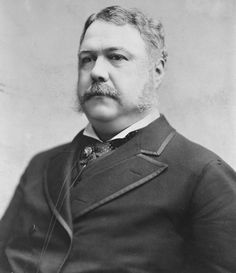
W H Taft, 27th President of US, always relished humour at his own expense. He liked to tell of a small boy who had had a habit of biting his nails. His nursemaid, seeking to frighten him out of it, told him that if he did not stop he would swell up like a balloon. Considerably impressed, the boy desisted from that habit.


A few days thereafter Taft appeared at his home for a luncheon. Marching straight up to the President, the boy accused, ” You bite your nails”.


Xxx


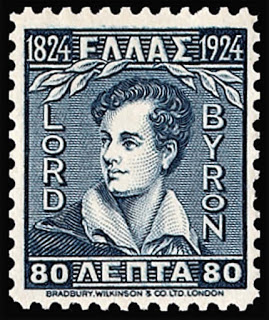
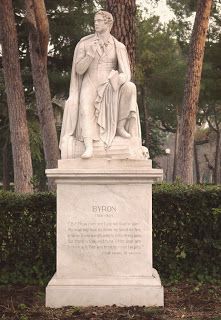
Lord Byron (1788-1824)

According to his friend Trelawney, Byron’s terror of getting fat was so great that he reduced his diet to the point of absolute starvation. When he added to his weight, even ‘ standing was painful, so he resolved to keep down to eleven stone, or shoot himself. He said everything he swallowed was instantly converted into tallow and deposited on his ribs. He was the only human being I ever met with who had sufficient self -restraint, and resolution to resist his proneness to fatten.


As he was always hungry, his merit was the greater. Occasionally he relaxed his vigilance, when he swelled space. I remember one of his old friends saying Byron how well you are looking! If he had stopped there it had been well, but he added, “you are getting fat”, Byron’s brow reddened, and his eyes flashed,” Do you call getting fat looking well, as if I were a hog?” and turning on to me he muttered, “The beast, I can hardly keep my hands off him”. I don’t think he had much appetite for his dinner that day, or for many days, and he never forgave the man. He would exist on biscuits and soda water for many days together, the, to allay the eternal hunger gnawing at his vitals, he would make up a horrid mess of cold potatoes, rice, fish or greens, deluged in vinegar, and gobble it like a famished dog. Either of these unsavoury dishes, with a biscuit and glass or two of Rhine wine, he cared not how sour, he called feasting sumptuously.


Upon my observing he might as well have fresh fish and vegetables instead of stale, he laughed and answered: I have an advantage over you , I have no palate; one thing is as good as another to me .


–Subham–


பட்டினத்தார் சொன்ன பஞ்சதந்திரக் கதை (Post No.3531)

Written by London swaminathan


Date: 10 January 2017


Time uploaded in London:-6-24 am


Post No.3531


Pictures are taken from different sources; thanks.


contact; swami_48@yahoo.com


பட்டினத்தார் பாடல் எளிமையான வரிகளில் பெரிய கருத்துக்களைப் போதிக்கிறது. எல்லோருக்கும் தெரிந்த பஞ்சதந்திரக் கதையைக் கூட அவர் ஆன்மீகச் செய்தியைப் பரப்பவும், உணர்த்தவும் பயன்படுத்துகிறார்.


“கவர் பிளந்த மரத்துளையிற் கால் நுழைத்துக் கொண்டே

ஆப்பதனை அசைத்துவிட்ட குரங்கதனைப் போல

அகப்பட்டீர் கிடந்துழல அகப்பட்டீரே”. — பட்டினத்தார் பாடல்


அது என்ன குரங்கு கதை?


ஏற்கனவே பஞ்ச தந்திரக் கதைகள் படிக்காதவர்களுக்கும், படித்து மறந்தவர்களுக்கும் சுருக்கமாகத் தருகிறேன்:-


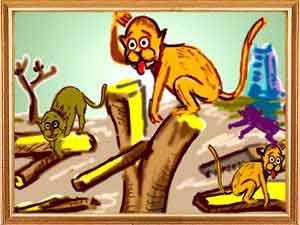
ஒரு ஊரில் பணக்கார வணிகன் ஒருவன் கோவில் கட்டுவதற்கு ஆசைப்பட்டான். ஊருக்கு வெளியேயுள்ள தோப்பில் நிலம் ஒதுக்கினான். நிறைய கட்டிடக் கலைஞர்கள் வேலைகளைத் துவக்கினர். சிலர் கல் தச்சர்கள் ; மற்றும் பலர் மரத் தச்சர்கள். மத்தியானம் உணவு நேரம் வந்துவிட்டால் ஊருக்குள் போய்ச் சாப்பிட்டுவிட்டு தோப்புக்குத் திரும்பி விடுவர். ஒரு நாள் ஒரு பெரிய கருங்காலி மரத்தைப் பாதி அறுத்த தச்சன் அதன் பிளவில் ஒரு மரத்தால் ஆகிய ஆப்பு ஒன்றைச் சொருகி வைத்துவிட்டுச் சாப்பிடச் சென்றான்.


அந்தத் தோப்பில் நிறைய குரங்குகள் இருந்தன. ஒரு குரங்குக்கு “விநாச காலே விபரீத புத்தி” என்ற பழமொழிக்கு இணங்க கோணல் புத்தி வந்தது. மரத்திலிருந்து கீழே இறங்கி வந்து அந்தக் கருங்காலி மரத்தின் பிளவுக்குள் காலை வைத்துக் கொண்டு பலம்கொண்ட மட்டும் அந்த ஆப் பை இழுத்தது. ஆப்பு வெளியேவந்த அதே நேரத்தில் மரத்தின் பிளவு மூடுபட்டு குரங்கின் காலைக் கவ்விப்  பிடித்தது. குரங்கு தப்பிக்க முடியாமல் கீச்சு கீச்சு என்று கத்தியது. இதுதான் “வேண்டாத சனியனை விலை கொடுத்து வாங்கிய”தற்குச் சமம்.

இப்படி குரங்கு போய், ஆப்பு வைத்த இடத்தில் கால் சிக்கியது போல, நாம் எல்லோரும் ஆசை வயப்பட்டு சிக்கிக் கொள்கிறோம். குரங்கு சப்தமிட்டது போலவே நாமும் துயரம் வருகையில் ஓலம் இடுகிறோம். இதைப் பட்டினத்தார் மிக அழகாகப் பாடுகிறார்:-


“நாப்பிளக்கப் பொய்யுரைத்து நவநிதியம் தேடி

நலம் ஒன்றும் அறியாத நாரியரைக் கூடிப்

பூப்பிளக்கப் பொய்யுரைத்துப் புற்றீசல் போலப்

புலபுலெனக் கலகலனப் புதல்வர்களைப் பெறுவீர்

காப்பதற்கும் வழியறியீர் கைவிடவும் மாட்டீர்

கவர் பிளந்த மரத்துளையிற் கால் நுழைத்துக் கொண்டே

ஆப்பதனை அசைத்துவிட்ட குரங்கதனைப் போல

அகப்பட்டீர் கிடந்துழல அகப்பட்டீரே.

— பட்டினத்தார் பாடல்

(நவ நிதியம்= ஒன்பது பெரிய நிதிகள், நாரி=பெண், பூப்பிளக்க= பூமியே பிளக்கும் அளவுக்கு/ நாக்கு கிழிய)


விலைமாதுடன் பட்டினத்தார் மோதல்

செல்வச் செழிப்பில் மிதந்த பட்டினத்தார், ஒருமுறை  விலை மகளிர் வீட்டுக்கு இன்பம் துய்க்கப் போனார். அந்த இருமனப் பெண்டிரோ இந்த ஆள் நல்ல காம வேட்கையுடன் வந்துள்ளான். ஆளை கொஞ்சம் காக்கப்போட்டு நன்றாகப் பணம் கறக்கலாம் என்று திட்டமிட்டாள். இவர் வாசல் திண்ணையில் நெடுநேரம் காத்திருந்தபின் அந்தப் பெண் மினுக்கி குலுக்கி நடந்து வந்தாள். பட்டினத்தாருக்கு கொஞ்சம் ஞானம் பிறந்தது.

ஒரு பட்டுப் பாடினார்:-

சீ போ, கழுதை! உன்னுடன் இன்பம் துய்க்க /அனுபவிக்க வந்த ஆள் போய்விட்டான். இனி நான் உன்னைத் தொட்டால் என்னைக் காலால் எட்டி உதை. நீ என்னைத் தொட்டாலோ நான் உன்னை எட்டி மிதிப்பேன்.


தோடவிழும் பூங்கோதைத் தோகை உனை இப்போது

தேடினவர் போய்விட்டார் தேறியிரு — நாடி நீ

என்னை நினைந்தால் இடுப்பில் உதைப்பேன், நான்

உன்னை நினைத்தால் உதை.

–பட்டினத்தார் பாடல்


–Subham–

போப்பாண்டவரும் தஞ்சாவூர் அபிராமி பட்டரும்! (Post No.3530)


Written by S NAGARAJAN


Date: 10 January 2017


Time uploaded in London:-  5-56 am


Post No.3530


Pictures are taken from different sources; thanks.


Contact: swami_48@yahoo.com


நகைச்சுவையுடன் ஒரு நல்ல கருத்து


வாடிகன் போப்பாண்டவரும் தஞ்சாவூர் அபிராமி பட்டரும்! – கடவுள் எவ்வளவு தூரத்தில் இருக்கிறார் ?


by ச.நாகராஜன்


ஒருமுறை தஞ்சாவூர் அபிராமி பட்டர் இத்தாலிக்குச் சென்றார். அங்கு வாடிகனில் போப்பாண்டவர் தங்கி இருக்கும் பிரம்மாண்டமான பீடத்திற்குச் சென்று போப்பாண்டவரிடம் நலம் விசாரித்தார். போப்பாண்டவரும் மகிழ்ச்சியுடன் அபிராமி பட்டரை வரவேற்றார்.


பேச்சுக்கிடையே போப்பாண்டவரின் அருகில் இருந்த அழகிய பெரிய சிவப்பு போனைப் பார்த்தார் அபிராமி பட்டர்.

“இதென்ன, சற்று வித்தியாசமான போனாக இருக்கிறதே?” என்று கேட்டார் அவர்.


போப்பாண்டவர் புன்னகையுடன், “ஆமாம், வித்தியாசமானது தான். இது கடவுளுடன் பேசுவதற்கான ஹாட் லைன்” என்றார்.

அபிராமி பட்டர் மெல்லிய புன்சிரிப்புடன், “எனக்குக் கொஞ்சம் லைன் தர முடியுமா? கடவுளிடம் சற்றுப் பேச விரும்புகிறேன்” என்றார்.


“ஆஹா! அதற்கென்ன, இதோ தருகிறேன் லைன்! என்ன வேண்டுமானாலும் பேசிக் கொள்ளுங்கள்” என்றார் போப்.

மனம்  மகிழ்ந்த அபிராமி பட்டர் கடவுளிடம் பேசலானார். ‘எல்லோரும் நலமாக இருக்க வேண்டும். சர்வே ஜனா: சுகினோ பவந்து’ என்று தனது ஆசையைச் சொன்னார்.

கடவுளும் ‘அப்படியே ஆகட்டும்’ என்று அனுக்ரஹித்தார்.

ஒரு நிமிடம் ஓடிப் போனது.


மகிழ்ச்சியுடன் பட்டர் போப்பாண்டவருக்கு நன்றி தெரிவித்தார்.

“ஒரு நிமிடம்” என்ற போப்பாண்டவர், “ நீங்கள் பேசியதற்கான கட்டணம் நூறு டாலர்” என்றார்.


திகைத்துப் போன பட்டர், “நூறு டாலரா” என்று கூவினார்.

“ஆமாம். இது ஹாட் லைன் இல்லையா! அதுவும் கடவுள் இருக்கும் தூரம் எவ்வளவு தெரியுமா? அதோ! அங்கே இருக்கிறார்” என்று ஆகாயத்தைச் சுட்டிக் காட்டிய போப் “அதனால் தான் இவ்வளவு சார்ஜ்” என்றார்.


அபிராமி பட்டரும் நூறு டாலரை போப்பிடம் கொடுத்து விட்டு ஊர் திரும்பினார்.

நாட்கள் நகர்ந்தன.போப்பாண்டவர் இந்தியா விஜயத்தின் போது மறக்காமல் தஞ்சாவூர் வந்து அபிராமி பட்டரை அவர் குடிலில் பார்த்தார்.


நலம் விசாரித்த போப்பாண்டவரை அபிராமி பட்டர் மகிழ்ச்சியுடன் வரவேற்று உபசரித்தார்.


பேச்சினிடையே அபிராமி பட்டரின் அருகில் இருந்த அழகிய பெரிய ஒரு பச்சை வண்ண போனைப் பார்த்த போப்பாண்டவர், “இதென்ன? சற்று வித்தியாசமான போனாக இருக்கிறதே” என்றார்.

“ஆமாம், வித்தியாசமானது தான். இதன் மூலம் கடவுளுடன் உடனுக்குடன் பேசலாம்” என்றார்.


போப்பாண்டவருக்கு மிகுந்த சந்தோஷம் ஏற்பட்டது.

“எனக்குக் கடவுளிடம் சற்று அவசரமாகப் பேச வேண்டும். லைன் தர முடியுமா?” என்று கேட்டார்.” உங்களுக்கு இல்லாமலா” என்ற அபிராமி பட்டர் உடனுக்குடன் கடவுளிடம் பேசுவதற்கான லைனைப் போட்டு போப்பாண்டவரிடம் தந்தார்.


மகிச்சியுடன் போப்பாண்டவர் பேசலானார். எவ்வளவு உலகப் பிரச்சினைகள். ஒவ்வொரு நாட்டிலும் ஒரு பிரச்சினை. அத்துடன் தான் தீர்வு காண வேண்டியவற்றையும் பேசினார்.கடவுள் போப்பாண்டவரை அனுக்ரஹித்தார்.


போன் பேசி முடிந்ததும் போப் அபிராமி பட்டருக்குத் தன் மனமார்ந்த நன்றியைச் சொன்னார்.


“ஒரு நிமிடம்” என்ற பட்டர், “இதற்கான சார்ஜை நீங்கள் தர வேண்டும். சார்ஜ் பத்து ரூபாய்” என்றார்.

போப் திகைத்துப் போனார். அவர் பேசியதோ பதினைந்து நிமிடங்கள். வெறும் பத்து ரூபாய் தானா?


“சரியாகப் பாருங்கள். வெறும் பத்து ரூபாய் தானா! பதினைந்து நிமிடங்கள் பேசி இருக்கிறேன்” பிரமித்தவாறே போப் கேட்டார்.

ஆனால் அபிராமி பட்டரோ, “ஆமாம், பத்து ரூபாய் தான். இங்கு இது லோக்கல் கால். கடவுள் இங்கேயே தான் இருக்கிறார்!” என்றார்.


*

கடவுள் எங்கே, எவ்வளவு தூரத்தில் இருக்கிறார் என்று மன்னன் ஒருவன் கேட்ட சிக்கலான கேள்விக்கு ஞானி ஒருவர் சிரித்தவாறே,”அவன் கூப்பிடு தூரத்தில் இருக்கிறான்” என்றார்.

அதற்கு அர்த்தம் என்ன என்று மன்னன் கேட்ட போது ‘உள்ளார்ந்து கஜேந்திரன் ஆதிமூலமே என்று கூப்பிட்டவுடன் ஓடி வந்தான் இல்லையா, பகவான்! அதனால் தான் சொன்னேன், அவன் கூப்பிடு தூரத்தில் இருக்கிறான் என்று.’ என்றார்.


“திரௌபதியும் இதயத்தில் உறைபவனே என்ற அர்த்தத்தில் ஹ்ரூஷீகேசா என்று அலறிக் கூப்பிட்டவுடன் ஓடோடி வந்து பரந்தாமன் அவள் துயரைத் தீர்த்தான், இல்லையா!”


ஞானி சிரிக்க, மன்னன் பெரிய தத்துவத்தைப் புரிந்து  கொண்டான்.


உள்ளுவார் உள்ளத்துள் உளன் என்பது தேவார வாக்கு. டைரக்ட் டயலிங் (Direct Dialing) ஒவ்வொருவரின் உள்ளத்திலும் இருக்கிறது!

***********

Spiritual Message though a Village Woman (Post No.3529)

4692c-pot2bwomen252c2btribal

Written by London swaminathan


Date: 9 January 2017


Time uploaded in London:- 17-45


Post No.3529


Pictures are taken from different sources; thanks.


contact; swami_48@yahoo.com


Hindu saints are great writers. They propagate great ideals through simple similes or imageries. When those examples are seen in our day to day life, it goes straight in to our head and heart. Ramakrishna Paramahmasa was one who propagated the highest ideals in Hindu literature through parables, pithy sayings and similes. It is a strange coincidence that a Tamil saint who lived approximately 1000 years before Sri Ramakrishna Paramahamsa also used the same simile.


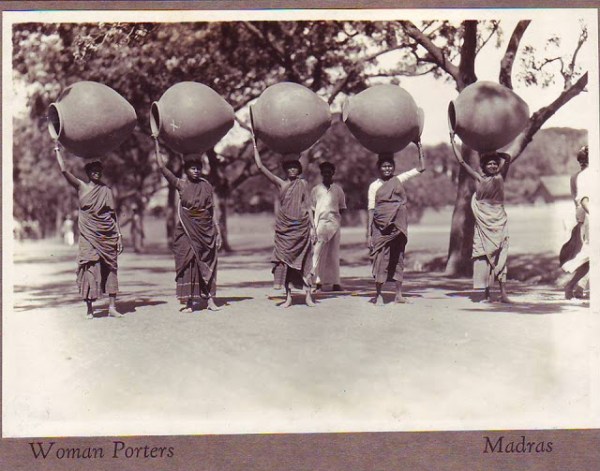
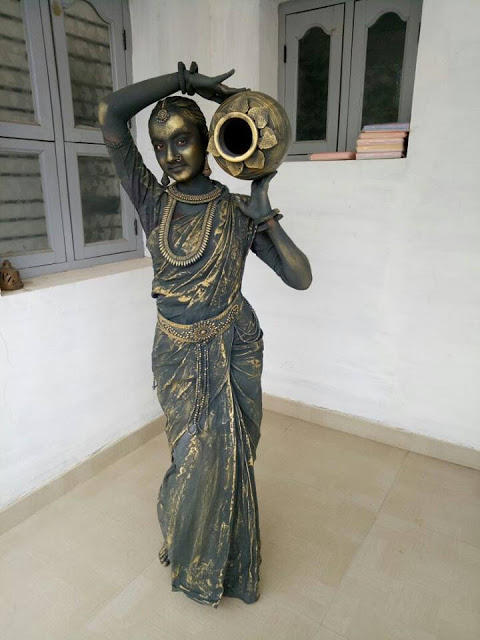
An ascetic or a Yogi is like a water carrying village woman. She fetches water from a faraway well or tank in five or six metal pots piled up one over the other on her head. Juts to avoid the boredom, she gossips with other women watch fun on her way, but always remember the water pots on her head. An ascetic or Yogi also does everything like an ordinary man but always remember God. Though the women artistes in the Circus, Folk dance and Acrobats also do such things they are trained for it. But a village woman is just an ordinary person bt with extraordinary talent in carrying and balancing the water pots.


I have given below the sayings of Paramahamsa and Pattinathar; I have already written about Pattinathar. Please read my post: “Eyeless Needle changed the Life of a Millionaire”- posted on 2nd January 2017.

9c281-water2beverywhere

Pattinathar Verse:-

What though  they do, what though they undergo,

The liberated are ever poised in Silence.

With easy skill she  sports a gait

Flourishing her hands Twain.

Yet the house maid has an eye on the water pot

She carries on her head – Pattinathar Poem


ca850-water2bpot

Ramakrishna Sayings: –

As a boy holding to a post or pillar whirls about it with headlong speed without any fear of falling, so perform your worldly duties   fixing your hold firmly on god ,and you will be free from danger.


As the village maidens in India carry four or five pots of water placed one over the other upon their heads, talking all the way with one another about their joys and sorrows, and yet do not allow a single drop of water to spill, so must the traveller in the path of virtue walk along his route. In whatever circumstances, he may be placed, let him always take heed that his heart does not swerve from the true path.


The magnetic needle always s to the North, and hence it is that the sailing vessel does not lose her direction. So long as the heart of man is directed towards God, he cannot be lost in the ocean of worldliness.


–Subham–


‘தாதி மனம் நீர்க்குடத்தே தான்’: பட்டினத்தாரும் பரமஹம்சரும்! (Post No.3528)

Written  by London swaminathan


Date: 9 January 2017


Time uploaded in London:- 9-35 am


Post No.3528


Pictures are taken from different sources; thanks.


contact; swami_48@yahoo.com


ராம கிருஷ்ண பரமஹம்சரும் பட்டினத்தாரும் ஒரு அருமையான விஷயத்தை நமக்கு எளிய, கண்கண்ட காட்சி மூலம் விளக்குகிறார்கள்.


தண்ணீர் குடத்தை தலையில் சுமந்து வரும் பெண்ணோ காய்கறிக்கூடை அல்லது மீன் கூடைகளை தலையில் சுமந்து வரும் பெண்களோ வழியில் யாரைக் கண்டாலும் நின்று கொண்டு அரட்டை அடிப்பார்கள். போகும், வரும் வழியில் இருக்கும் விஷயங்களை வேடிக்கையும் பார்ப்பார்கள். ஆயினும் அவர்கள் தலையில் உள்ள நீர்க்குடமோ, கூடையோ கீழே விழாது. இதைக் கரக ஆட்டத்திலும் கழைக்கூத்தாடி ஆட்டத்திலும் கூட பார்க்கிறோம். ஆனால் கரக ஆட்டக்காரிகளும்  கழைக்கூத்தாடிகளும் அதற்காகவே சிறு வயது முதல் விசேஷப் பயிற்சி பெற்றவர்கள். குடும்பப் பெண்களும் கூட தலையிலுள்ள பாரம் கீழே விழாமல் பாதுகாப்பது ஒரு அதிசயமே. இது சந்யாசியின் மனத்தைப் போன்றது ஒரு யோகியின் மனத்தைப் போன்றது.


உலகிலுள்ள சாதாரண மனிதன் செய்யும் எல்லாத் தொழில்களையும் அவர்களும் செய்வார்கள். ஆனால் சந்யாசியின்  சித்தம் மட்டும் , காம்பஸிலுள்ள முள் எப்போதும் வடக்கு திசையையே காட்டி நிற்பது போல இறைவனையே நோக்கி இருக்கும். இதை பகவத் கீதையிலும் எவ்வளவோ இடங்களில் கண்ணபிரான் வலியுறுத்துகிறான். நாம் சந்யாசியின் உண்மை இயல்பை அறியாமல் அவர்களையும் நம்மைப்போல ஒருவர் என்று நினைத்து விடக்கூடாது.

இப்போது பட்டினததார் பாடலைப் படியுங்கள்; நன்கு விளங்கும்:-

எத்தொழிலைச் செய்தாலும் ஏது அவத்தைப் பட்டாலும்

முத்தர் மனம் இருக்கு மோனத்தே — வித்தகமாய்க்

காதி விளையாடி இரு கைவீசி வந்தாலும்

தாதி மன நீர்க்குடத்தே தான்

–பட்டினத்தார் பாடல்

பொருள்:-

என்ன காரியம் செய்தாலும் என்ன நிலைமைக்கு உள்ளானாலும் முக்தி அடைந்த மஹான்கள் எப்போதும் மவுன நிலையில் இருப்பர் (மனத்துக்குள்); ஒரு பெண் அழகாக நடை நடந்து, இரு கைககளையும் ஒய்யாரமாக வீசி நடந்து வந்தாலும் அந்தப் பெண்ணுக்கு மனது முழுதும் தலையிலுள்ள நீர்க்குடத்தின் மேல்தான் என்பதை அறிவாயாக!


ராமகிருஷ்ணரின் உபதேச மொழிகள்

இதையே ராம கிருஷ்ண பரமஹம்சரும் எளிய மொழியில் செப்புவார்:-

காந்த ஊசி எப்போதும் வடக்கு திசையையே காட்டுமாதலால் கடலில் செல்லும் கப்பல்கள் திசை தவறிப் போவதில்லை. மனிதனுடைய மனம் ஈஸ்வரனை நாடி இருக்கும் வரையில் அவன் உலக வாழ்க்கையாகிய சமுத்திரத்தில் (சம்சார சாகரம்) திசை தப்பி போக மாட்டான்.

— ராமகிருஷ்ணரின் உபதேச மொழிகள்


நமது கிராமத்துப் பெண்மணிகள், ஒன்றன் மீதொன்றாக நாலைந்து தண்ணீர்ப் பானைகளைத் தலையின் மீது வைத்துக்கொண்டு நடந்து செல்லும்போது ஒருவரோடொருவர் தங்களுடைய சுகதுக்கங்களைப் பற்றிப் பேசிக்கொண்டு போகின்றனர். ஆயினும் ஒரு சொட்டுத் தன்ணீரைக்கூட சிந்த விடுவதில்லை. அது போலவே தர்ம மார்கத்தில் நடக்கும் மனிதனும் நடக்க வேண்டும். எப்படிப்பட்ட சந்தர்ப்பத்தில் இருந்தாலும் , அவனுடைய மனம் உண்மை நெறியை விட்டுக் கொஞ்சமேனும் விலகாமல், அவன் சதா ஜாக்கிரதையுடன் இருக்க வேண்டும்.

— ராமகிருஷ்ணரின் உபதேச மொழிகள்


பட்டினத்தார் பாடலையும் பரமஹம்சரின் பொன்மொழிகளையும் ஒப்பிடும்போது அது நம் மனத்தில் பசும ரத்தாணி போல பதியும்!


–subaham–