உங்கள் அதிர்ஷ்டத்தை அறிய தொடுகுறி சாஸ்திரம்! –பகுதி 2 (Post No 2727)

todu12

Hindu Astrology – Magic Square (I will give the English Translation separately)

Compiled by london swaminathan

Date: 15 April, 2016


Post No. 2727


Time uploaded in London :– 17-26

( Thanks for the Pictures  ) 


DON’T REBLOG IT AT LEAST FOR A WEEK!  DON’T USE THE PICTURES; THEY ARE COPYRIGHTED BY SOMEONE.


(for old articles go to tamilandvedas.com OR swamiindology.blogspot.com)


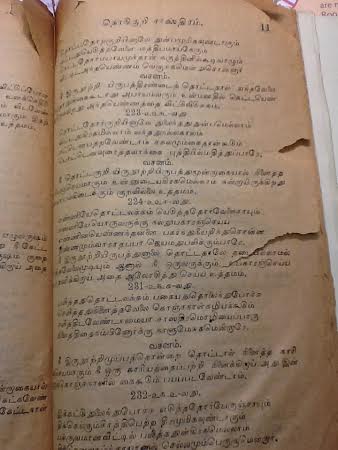
ஏதேனும் ஒரு காரியம் நிறைவேறுமா இல்லையா என்பதை அறிய நமது முன்னோர்கள் பல வழிகளைக் கையாண்டனர். ஜோதிடரிடம் ஜாதகத்தையோ, கைரேகையையோ காட்டி பலன் அறிவது அல்லது ரோட்டில் “சோசியம் பார்க்கல்லியோ, சோசியம்!” என்று கூவிக்கொண்டுவரும் நரிக்குறத்தி அல்லது குறிபார்க்கும் பெண்ணிடம் கேட்பது, அல்லது கோவில் மதில்சுவரை ஒட்டிக் கடை போட்டுள்ள கிளி ஜோதிடனிடம் கேட்பது என்று பல வழிகள் உண்டு. ஆனால் இதற்கு பணம் கொடுக்கவெண்டும்.


வீட்டிற்குள்ளேயே சுவாமி படத்துக்கு முன்னால் சீட்டு எழுதிப் போட்டு, உண்டா, இல்லையா? செய்யலாமா, செய்யக்கூடாதா? என்றும் பார்ப்பதுண்டு. நாம் படிக்கும் தேவாரம், திவ்யப் பிரபந்தம், ராமாயணம், பகவத் கீதை முதலிய புனித நூல்களில் ஒரு கயிறு அல்லது நூலை நுழைத்து அந்தப் பக்கத்திலுள்ள செய்தியின் படி சுபமா, அசுபமா என்று அறிவதுமுண்டு. இந்த நூல் பார்க்கும் முறை பற்றியும் கிளி ஜோதிடம் பற்றியும் ஏற்கனவே  கட்டுரை எழுதிவிட்டேன்.


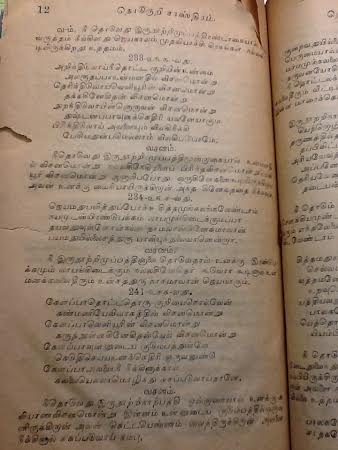
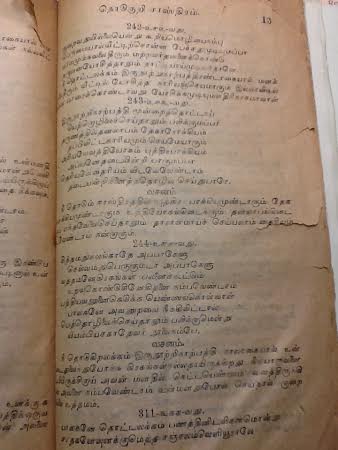
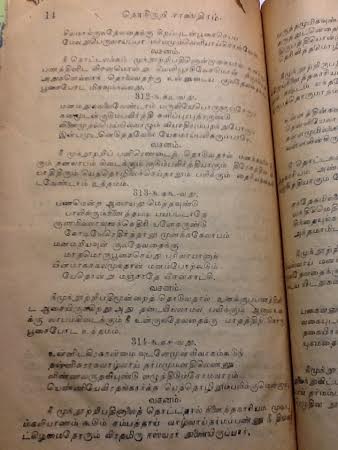
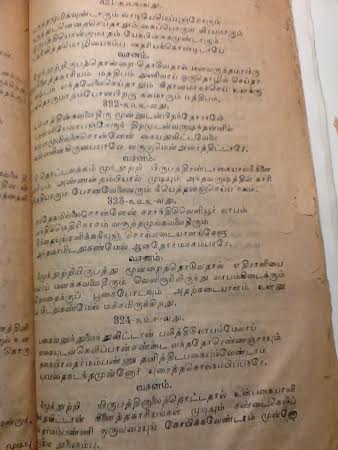
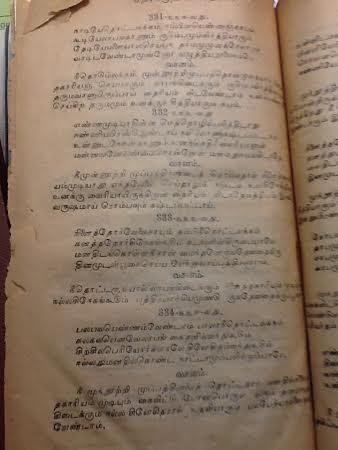
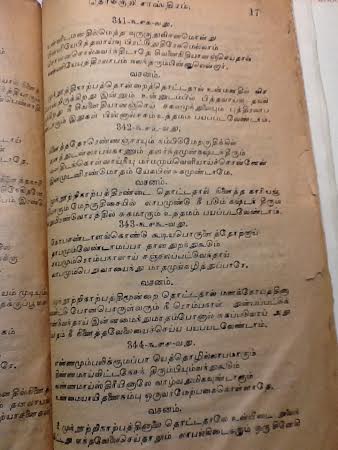
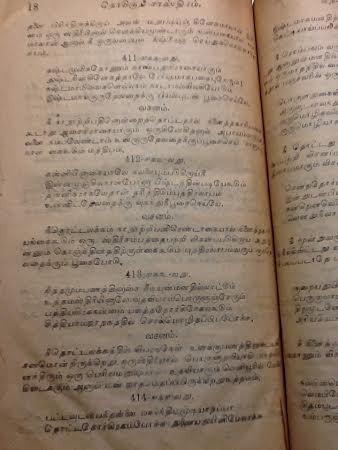
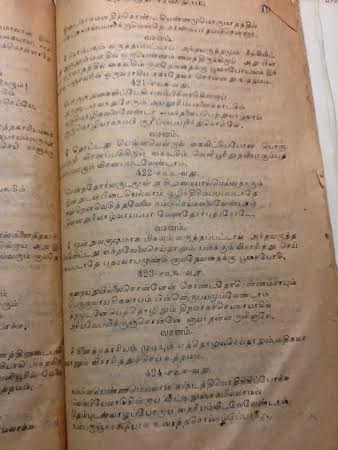
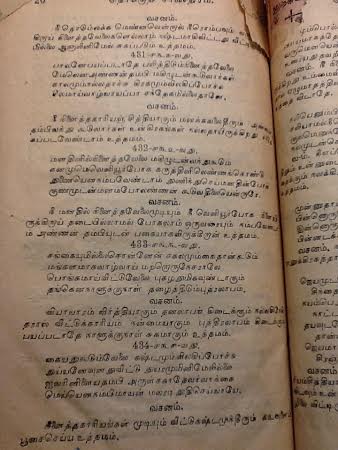
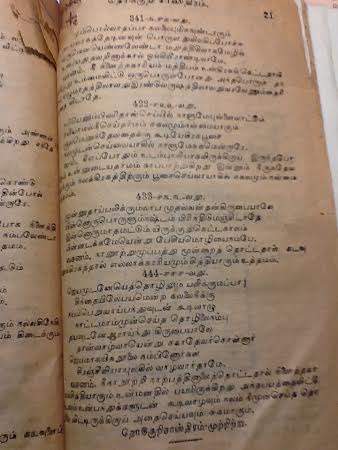
நமது பஞ்சாங்கத்தில் சிறிதாக, சீதா-ராம சக்கரங்கள் உண்டு. பலரும் பார்த்த்திருப்பீர்கள். ஆனால் அதில் ‘கலகம்’, ‘நாசம்’ போன்ற சொற்கள் நம்மை மிரட்டுவதால் பலரும் அதைத் தொடுவதில்லை. இதன் பெரிய வடிவம்தான் இந்த தொடுகுறி சாஸ்திரம். இந்தப் புத்தகத்தை லண்டன் பிரிட்டிஷ் லைப்ரரியில் கண்டேன். 16 பக்கம் என்பதால் புத்தகம் முழுதையும் ‘காப்பி’ எடுத்தேன். இது பஞ்ச பாண்டவர்களில் சோதிடத்தில் வல்லவனான சகதேவன் அருளியது என்று புத்தகத்திலுள்ள பாடல் கூறும்.


நம்பிக்கையுடையோர், குளித்துவிட்டு மடியாக/சுத்தமாக, பூஜை அறை அல்லது கோவிலில் ஒரு கட்டத்தைத் தொட்டு அதற்கான பலனை அறியலாம். சாதகமான விடை வராவிடில் கடுமையான பிரார்த்தனைக்குப் பின்னர் மீண்டும் ஒரு முறைதொட்டுப் பார்க்கலாம். அப்பொழுதும் நாம் எதிர்பார்க்கும் நல்ல சகுனம்/ பதில் கிடைக்காவிடில், “கடவுளே நீ தருவதை நான் ஏற்கிறேன், அது என்னை எந்த விதத்திலும் பாதிக்காமல் தடு அல்லது அதை புல்லென மதிக்கும் இரும்பு மனத்தை எனக்கருளுவாயாக” என்று மனமாறப் பிரார்த்திக்கலாம். அர்ஜுனன் மீது ஏவப்பட்ட பிரம்மாஸ்திரத்தை, கண்ண பிரான் அருளால், தலைக்கு வந்தது தலைப் பாகையுடன் (கிரீடத்துடன்) போனது என்று தடுத்தாட்கொண்டது போல நமக்கும் கண்ணன் அருள் கிட்டும்.

-சுபம்-

இதோ தொடுகுறி சாஸ்திரம்:–


todu13


todu14


todu15


todu16


todu17


todu18


todu19


todu20


todu21


todu22

-subam–

‘Women are vainer than Men’ – Disproved!(Post No.2726)

pen by maruthi

Compiled by london swaminathan

Date: 15 April, 2016


Post No. 2726


Time uploaded in London :– 14-57

( Thanks for the Pictures  ) 


DON’T REBLOG IT AT LEAST FOR A WEEK!  DON’T USE THE PICTURES; THEY ARE COPYRIGHTED BY SOMEONE.


(for old articles go to tamilandvedas.com OR swamiindology.blogspot.com)


Anecdotes about VANITY

It is not a Sin, it is a Mistake!

A young girl came to Father Healey of Dublin and confessed that she feared she had incurred the sin of vanity.

“What makes you think that?” asked Father Healey.

“Because very morning when I look into the mirror I think how beautiful I am.”

“Never fear, my girl, was the reassuring reply.

“That is not a sin, it is only a mistake.”


Xxx

Headstrong!

While D’Annunzio was living in France, a letter addressed to him simply with the words

To

“Italy’s Greatest Poet”

He declined to accept it, saying that he was not Italy’s greatest poet — he was the World’s Greatest Poet!


Xxx


pen from face book

Who is vain? Man or woman?

Miss Frances Keller of the Women’s Municipal League of New York illustrated at a dinner party a point she wished to make in reply to a man who had said,

“Women are vainer than men.”

“Of course”, Miss Keller answered, “I admit that women are vain and men are not. There are a thousand proofs that this is so. Why, the necktie of the handsomest man in this room is even now up the back of his collar.”


There were six men present and each of them put his hand gently behind his neck!

Xxx

265px-Walsall_railway_station.p5

City life and Village life

A young man, who had come to the city from a small rural community, had toiled diligently until at last he had attained some prominence in the banking world.

Belatedly he returned for a visit to his home town, half expecting that the greater part of the community would be marshalled out to meet him at the station, and that some considerable fuss would be made over the local boy who had made good.

To his disappointment, there was not a soul around when he alighted at the station platform. He waited doubtfully as several people came and went, none of them giving him so much as a glance.

At last he was recognised by an old baggage handler who shuffled forward and looked at him with some interest, “Hello, George!”, he said at last, “going away?”

–Subham–


யோகி ஸ்ரீ திருமலை கிருஷ்ணமாசாரியா (Post No.2725)

4bb116e0a41af94e-Krishnamacharya_Anjali_Mudra

WRITTEN BY S NAGARAJAN

Date: 15 April 2016


Post No. 2725


Time uploaded in London :–  9-38  AM


( Thanks for the Pictures)


DON’T REBLOG IT AT LEAST FOR A WEEK!  DON’T USE THE PICTURES; THEY ARE COPYRIGHTED BY SOMEONE.


(for old articles go to tamilandvedas.com OR swamiindology.blogspot.com)


வேத வழி


இதற்கு முந்தைய மூன்று கட்டுரைகளைத் தொடர்ந்து, வெளியாகும் நான்காவது கட்டுரை இது!


பிராயம் நூறு வயதை எட்டிய பெரியோர்! -4

(யோகி ஸ்ரீ திருமலை கிருஷ்ணமாசாரியா)


ச.நாகராஜன்

 jnanayoginet_whois3

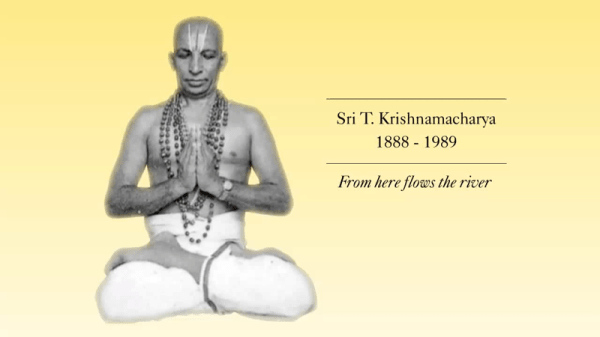
யோகம் காட்டிய நெறியில் வாழ்ந்து நூறு வயதை எட்டிய பெரியவர் யோகி ஸ்ரீ திருமலை கிருஷ்ணமாசாரியா.

1888ஆம் ஆண்டு நவம்பர் மாதம் 18ஆம் தேதி பிறந்த இவர் நூறு ஆண்டுகள் வாழ்ந்து 1989ஆம் ஆண்டு பிப்ரவரி மாதம் 28ஆம் தேதி மறைந்தார்.


யோகா முறையை அதன் அற்புத பலன்களை நிரூபித்து எங்கும் பரப்பிய இவரது வாழ்க்கை முழுவதும் அதிசயமான சுவையான சம்பவங்கள் நிறைந்த ஒன்றாகும்.


மைசூர் மஹாராஜா கிருஷ்ண ராஜ உடையார் (1884-1840) தன் தாயாரின் 60வது பிறந்த தினத்தைக் கொண்டாட காசி சென்றார். அங்கு யோகி கிருஷ்ணமாசார்யாவின் பெருமையைக் கேட்டறிந்து அவரைச் சந்தித்தார். தம்முடன் மைசூர் வருமாறு அவரை அழைத்தார். அதை ஏற்ற கிருஷ்ணமாசார்யா மைசூருக்குக் குடியேறினார். மைசூர் அரண்மனையில் யோகம் கற்பிக்க ஆரம்பித்தார்.


யோகத்தின் அபூர்வ ஆற்றல்களைப் பரப்பும் விதமாக தானே ப்ல நேர்முக செய்முறை விளக்கங்களை ஆயிரத்தி தொள்ளாயிரத்து இருபதுகளில் அவர் செய்து காண்பித்தார்.

தனது நாடித்துடிப்பை அவர் நிறுத்திக் காட்டினார். உலகமே அதிசயித்தது.


வெறும் கையினால் ஓடுகின்ற காரை நிறுத்திக் காட்டினார். தனது பற்களால் கனமான பொருள்களைத் தூக்கிக் காட்டினார்.

மைசூர் மஹாராஜாவின் மறைவுக்குப் பின்னர் சென்னையில் குடியேறிய அவர் அங்கு யோகா பயிற்சி வகுப்புகளை ஆரம்பித்தார்.


ஆயுர்வேதத்திலும் மிகுந்த பயிற்சி உடையவராதலால் பல நோய்களைக் குணப்படுத்தும் அபூர்வ ஆற்றலும் அவருக்கு இருந்தது.


யோக மகரந்தம், யோக ரகஸ்யம் உள்ளிட்ட பல் நூலகளை அவர் இயற்றியுள்ளார்.


1935ஆம் ஆண்டில் சென்னை விவேகானந்தா கல்லூரியில் பிரான்ஸ் நாட்டைச் சேர்ந்த டாக்டர் தெரீஸ் ப்ராஸ் என்ற கார்டியாலஜிஸ்ட்   (There Brosse) முன்னர் அவன் தனது இதயத் துடிப்பை நிறுத்திக் காட்டினார். தனது கருவி மூலம் அவரது இதயத்துடிப்பைக் கண்காணித்த ப்ராஸ் அது ஜீரோவைக் காட்டவே திகைத்துப் போனார். மருத்துவ ரீதியாக யோகி கிருஷ்ணமாசார்யா‘இறந்து விட்டதாகவே’கூற வேண்டும் என்றார் அவ்ர். பல வினாடிகள் இந்த நிலை நீடித்தது. பின்னர் இயல்பான நிலைக்கு அவர் வர இதயத்துடிப்பு வழக்கம் போல இயங்க ஆரம்பித்தது!

1961ஆம் ஆண்டில் அமெரிக்காவிலிருந்து இப்படி இதயத்துடிப்பை நிறுத்துவோரை ஆராய வந்த ஒரு குழுவினர் முன்னும் அவர் தன் இதயத்துடிப்பை நிறுத்திக் காட்டினார். உலகமே யோகத்தின் அற்புத ஆற்றலைக் கண்டு வியந்தது!


96ஆம் வயதில் அவருக்கு இடுப்பு எலும்பு முறிந்தது. ஆனால் அறுவை சிகிச்சையை மேற்கொள்ள அவர் மறுத்து விட்டார். படுக்கையில் இருந்தவாறே பல பயிற்சிகளை மேற்கொண்டு தன்னை குணப்படுத்திக் கொண்ட அவர் நூறாண்டு நிறை வாழ்வை வாழ்ந்தார்.


அவருக்கு யோகாவில் பல சிஷ்யர்கள் உருவாயினர். அவர்கள் அவர் காட்டிய வழியில் யோக முறையைப் பரப்பும் நற்பணியை மேற்கொண்டனர்.


நவீன அறிவியல் யுகத்தில் யோகாவின் ஆற்றலையும் பெருமையையும் உலகிற்குக் காண்பித்த அவர், யோகா நெறியின் படி வாழ்ந்தால் நூறு என்ற பூரண வயதை எட்ட முடியும் என்பதை நிரூபித்தார்.

yogi

வேத வழியில் வாழ்ந்த பெரியோர்களின் பட்டியலில் யோகி கிருஷ்ணமாசார்யாவுக்குத் தனியிடம் உண்டு.

*****                                                           (அடுத்த கட்டுரையுடன் இந்தக் கட்டுரைத் தொடர் முடியும்)


The Ideal Dancer: Kalidasa (Post No.2724)

padmini

Written by london swaminathan

Date: 14 April, 2016


Post No. 2724


Time uploaded in London :– 16-15

( Thanks for the Pictures  ) 


DON’T REBLOG IT AT LEAST FOR A WEEK!  DON’T USE THE PICTURES; THEY ARE COPYRIGHTED BY SOMEONE.


(for old articles go to tamilandvedas.com OR swamiindology.blogspot.com)


_Vyjayanthimala (10)

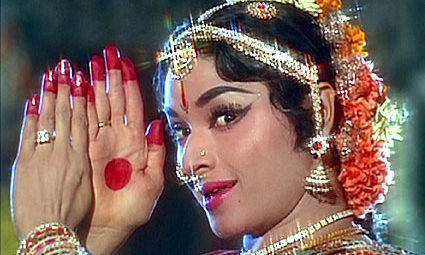
“Her eyes are large and lustrous; her face makes the autumn pale with envy; her arms slope away gracefully from her shoulders; her toes are finely moulded and prominent; she is in short the brightest creation of a Divine Artist, in the golden hours of his imagination.


“her motions are free and flowing; her hands and feet keep time most accurately; her action is light, easy and natural; she expresses the unspoken  workings of her heart through her limbs that seem to have sentiments imprinted upon them, as it were. She loses herself in the character and its emotions. She represents them so skilfully as to deceive us into the conviction that she pours out her own heart and its workings. The beholders are, for the time, taken out of themselves and live and move and feel with her and follow her joys and griefs, her hopes and aspirations, her despair and darkness”.

Malavikagnimitra (2-6) by Poet Kalidasa

shiva1


nataraja, golden, fb

Dance of Shiva- Symbolism in Dance

“The story is given in the Koyil Purana, and is familiar to all the Saivites. Siva appeared in disguise amongst a congregation of ten thousand stages and in the course of disputation, confuted them and so angered them, thereby, that they endeavoured by  incantations to destroy Him. A fierce tiger was created in sacrificial flames and rushed upon Him, but smiling gently, He seized it with His sacred hands, and with the nail of His little finger stripped off its skin, which he wrapped about as it had been a silken cloth. Undiscouraged by failure, the sages renewed their offerings, and there was produced a monstrous serpent, which he seized and wreathed about his neck.  Then he began to dance; but there rushed upon him a last monster in the shape of a dwarf. Upon him the god pressed the tip of his foot, and broke the creature’s back, so that it writhed upon the ground; and so his last foe prostrate, Siva resumed the dance of which the gods were the witnesses.


One interpretation of this legend explains that he wraps about him as a garment, the tiger fury of human passion; the guile and malice of mankind.  He wears a necklace, and beneath his feet is for ever crushed the embodiment of evil

siva in poses

More characteristic is the thought of symbolism, in terms of the marvellous grace and rhythm of Indian dancing, the effortless ease with which the god in his grace supports the cosmos; it is his sport.  The five acts of creation, preservation, destruction, embodiment and gracious release are his ceaseless mystic dance.  In sacred Tillai, the ‘New Jerusalem’, the dance shall be revealed; and Tillai is the very centre of the universe, that is, his dance is within the cosmos and the soul”.

nataraj

–Ananda Coomaraswamy

அனக்ராம் – 3 (Post No.2723)

lisanagram

WRITTEN BY S NAGARAJAN

Date: 14 April 2016


Post No. 2723


Time uploaded in London :–  8-27  AM


( Thanks for the Pictures)


DON’T REBLOG IT AT LEAST FOR A WEEK!  DON’T USE THE PICTURES; THEY ARE COPYRIGHTED BY SOMEONE.


(for old articles go to tamilandvedas.com OR swamiindology.blogspot.com)


Fun with English


அனக்ராம் – 3


ச.நாகராஜன்

 onager

ஆங்கிலத்தில் அனக்ராம் பைத்தியங்கள் ஏராளம் உண்டு,

Alice in Wonderland என்ற அற்புதமான நாவலை எழுதிய லூயிஸ் கரோலை அறியாதவர்கள் இருக்க முடியாது. அவர் ஒரு நாள் முழுவதும் கண் விழித்து ஒரு அனக்ராமை உருவாக்கினாராம்.

என்ன அனக்ராம்?


பிரிட்டிஷ் பிரதம மந்திரியாக இருந்த William Ewart Gladstoneக்கு ஒரு அனக்ராமை உருவாக்க அவர் விரும்பினார்.


கஷ்டப்பட்டு அவர் மனம் போல உருவாக்கிய அன்க்ராம் இது:


“WILD AGITATOR. MEANS WELL”


மாமியாரைப் பிடிக்காத ஒருவர் கண்ட அனக்ராம் இது:


Mother-in-law – woman hitler


கணிதம் பிடிக்காத கிண்டல் பேர்வழியின் கைவண்ணம் இது:


Eleven plus two – twelve plus one


ஒஸாமா பின் லேடனுக்கு என்ன அனக்ராம்? இதோ:


Osama Bin Laden – an Islam bad one, anal media slob, a damn alien S.O.B.


எவ்வளவு சந்தோஷமாக இருக்கிறது, படிக்க!


இறுதிச் சடங்கைக் கூட விடவில்லை அனக்ராம் பிரியர்கள்:

Funeral – real fun


தண்டனைக்கு என்ன அனக்ராம்?


Punishment – nine thumps


ஆபாசத்திற்கும் ஒரு அன்க்ராம் உண்டு!

Porn is good – dong is poor

chickenanagram


இன்னும் சில அனக்ராம்கள்:


Elvis Presley – Presley lives

Desperation – a rope ends it

Information superhighway – a rough wimper of insanity

California – African oil

Vanilla Pepsi – nipple saliva

Austin Powers – power us satin

John Kerry – horny jerk

Justin Timberlake – im a jerk, but listen

Los Angeles Dogers – all negro goddesses

The Simpsons – mens hot piss

Halloween – awe hell no!

Cats meow – cows mate

Prostitute – tourist pet

Enduring – nude grin

Pi r squared (the formula for finding the area of a circle) – squid raper


அனக்ராம் கண்டுபிடிப்பதில் மனம் ஈடுபட்டால் அவ்வளவு தான், அதிலேயே லயித்துப் போவோம்!


***************


நான் கண்ட சுனாமி அதிசயம் ! அலைகளில் ஆதி சேஷன்!! (Post No. 2722)

adisesha


tsunami snake


sesha, pullaboothangudi

Written by london swaminathan

Date: 14 April, 2016


Post No. 2722


Time uploaded in London :– காலை 6-19

( Thanks for the Pictures  ) 


DON’T REBLOG IT AT LEAST FOR A WEEK!  DON’T USE THE PICTURES; THEY ARE COPYRIGHTED BY SOMEONE.


(for old articles go to tamilandvedas.com OR swamiindology.blogspot.com)


நான் வாகன ஆராய்ச்சி செய்பவன். பல வாகன ஆராய்ச்சிக் கட்டுரைகளை எழுதி, இதே பிளாக்கில் வெளியிட்டிருக்கிறேன். அப்படி நாக வாஹன படம் ஒன்றை எனது பைலில் ‘சேவ்’ செய்துவிட்டு அடுத்த நிமிடம் ஒரு சுனாமி படத்தைப் பார்த்தவுடன் அசந்தே போய்விட்டேன். ஏனெனில் அதே நாக வாஹனம் அந்த ஆழிப் பேரலைகளில் இருந்தது. இதை கண்கள் காணும் மாயத்தோற்றம் – ஆப்டிகல் இல்லூஷன் OPTICAL ILLUSION – என்பதா அல்லது இந்து மதம் கூறும் விஞ்ஞான உண்மை என்பதா என்பதை கட்டுரையைப் படித்துவிட்டு நீங்களே முடிவு செய்யுங்கள்.


15 நாடுகளில் 2004-ஆம் ஆண்டிலும், ஜப்பானில் 2011 ஆம் ஆண்டிலும் சுனாமி என்னும் ராட்சதப் பேரலைகள் தாக்கிப் பல லட்சம் மக்கள் உயிரிழந்தை நாம் அறிவோம். இதில் வரும் ராட்சதப் பேரலைகள் பாம்பு உருவத்தில் வருகின்றன. ஆயிரம் தலையுடைய ஆதி சேஷனின் படுக்கையில், பால் கடலில் பள்ளி கொண்ட பரமனை இந்து மத நூல்கள் துதி பாடுகின்றன. இந்த ஆதி சேஷன் ஒரு கல்பத்தின் முடிவில் விஷம் கக்கி உலகை அழிப்பான் என்று நமது புராணங்கள் சொல்லும். அது மட்டுமல்ல பாதாள உலகத்தின் அரசன் நாக தேவன் என்றும் நமது நூல்கள் செப்பும். (கல்பம் என்பது ஒரு பிரம்மாவின் ஆயுள்).

Wave

உலகில் நாகம் பற்றிக் குறிப்பிடாத மதமோ கலாசாரமோ கிடையாது. ஆஸ்திரேலிய வானவில் பாம்பு—ரெயின்போ ஸ்னேக்- பற்றி எனது ஆஸ்திரேலியப் பயணக்கட்டுரைகளில் எழுதி இருக்கிறேன். இந்தியாவில் அர்ஜுனனும் கிருஷ்ணனுன் காண்டவ வனத்தை (கோண்ட்வானா லாண்ட்) எரித்து வெளியேற்றிய மய தானவன் துவக்கிய கலாசாரம்தான் தென் அமெரிக்க மாயன் பண்பாடு என்றும் மூன்று ஆராய்ச்சிக் கட்டுரைகளில் எழுதியுள்ளேன். பைபிளில் பாம்பு உள்ளது; ரிக் வேதத்தில் பாம்பு உள்ளது. ரிக் வேதத்தில் உள்ள பாம்பு ராணியைத் தான் மினோவன், சிந்து சமவெளிகளில் அப்படியே படமாகக் காட்டியுள்ளனர் என்று இன்னுமொரு ஆராய்ச்சிக் கட்டுரையில் குறிப்பிட்டேன்.

காண்க: (Please read my post Serpent Queen: Indus Valley to Sabarimalai – posted on 17th June 2012)


velli naga asana


wavesp57arch


யுக முடிவில் ஆதி சேஷன் விஷம் கக்கி உலகம் அழியும் என்பதை, சுனாமி பேரலைகள் கக்கி உலகம் அழியும் என்று பொருள் கொண்டு சுனாமிப் படங்களைப் பார்த்தால் இன்னும் நன்கு விளங்கும்.


ஏனெனில் உலகில் இது வரை எந்த விஞ்ஞானியும், உயிரியல் அறிஞனும் பல தலைகளைக் கொண்ட பாம்புகளைக் கண்டதில்லை. மிக மிக அதிசயமாக இரண்டுதலை ஒட்டிப் பிறந்த பாம்புகள் மட்டுமே உண்டு. அவையும் உடனே இறந்து விடும். இது மனிதர்களுக்குப் பிறக்கும் சயாமிய இரட்டைக் குழந்தை வகை Siamese Twins. பேஸ்புக், பத்திரிக்கை முதலியவற்றில் நாம் காணும் பல தலை பாம்புகள் வெறும் ரப்பர் பொம்மைகள், கம்ப்யூட்டர் ஏமாற்று வித்தைகள் என்பதை கற்றோரும் மற்றோரும் அறிவர். பின்னர் ஏன் இந்துமத நூல்கள் ஆயிரம்தலை ஆதிசேடன் பற்றிப் பகருகின்றன? என்னை (ஏனெனில்), சுனாமிப் பேரலைகளின் படங்களைக் கூர்ந்து நோக்கினால் ஆயிரம் பாம்புத் தலைகளுடன் சுனாமி அலைகள் , நிலப் பகுதிக்குள் ஆக்ரோஷத்துடன் – சீற்றத்துடன் – பிரவேசிப்பதைப் பார்க்கலாம்.


உலகில் நாகர் பற்றிப் பகராத பண்பாடு இல்லை என்று முன்னரே சொன்னேன். ஆயினும் ரிக் வேத காலம் முதல், சிந்து சமவெளியில் கிடைத்த பாம்புராணி முத்திரை முதல்– இன்று சபரிமலையில் உள்ள நாகராணி வரை— தொடர்ச்சியாக நாக வழிபாடு உள்ள மதம் – கலாசாரம் இந்துமதம் மட்டுமே. இமயம் முதல் குமரி வரை கோவில்களில் உள்ள நாகர்கள் சிலை பல லட்சம்! ஆயிரம் தலையுடைய வகனத்தைச் செய்ய முடியாதென்பதால் நமது கோவில் நாக வாஹனத்தில் 5, 7, 9 தலைகள்மட்டுமே சித்தரிக்கப் பட்டிருக்கும் – வடிவமைக்கப் பட்டிருக்கும்.


ஸ்னேக் (ஸ்+நாக), செர்பெண்ட் (ஸர்ப்ப) என்ற ஆங்கிலச் சொற்கள் சம்ஸ்கிருதத்திலிருந்து வந்தவை என்பதையும் நோக்குக. சுருக்கமாகச் சொன்னால், ரிக்வேத நாகர் வழிபாடு இன்று நாகர்கோவில், நாக்பூர், நாகாலாந்து வரை இருப்பது நம் பண்பாட்டில் மட்டுமே. மறைபொருளில்—நான் ‘மறை’ பாடிய ரிஷிகள், பாம்பு வடிவ சுனாமிப் பேரலைகளையே ஆதி சேடன் – ஆயிரம் தலையுடைய ஆதி சேடன் – என்று பாடினரோ என்று வியக்க வேண்டியுள்ளது. எக்காலத்திலும் இப்படிப்பட்ட பாம்பு இல்லாததால், நமது நூல்களை நாம் விஞ்ஞான முறையில் அனுகினால் அது சுனாமி பாம்பு அலைகள்தான் என்பது விளங்கும். அகத்தியர் கடல் நீரைக் குடித்தது, பகீரதன் கங்கையை திசை திருப்பிவிட்டது முதலிய பல ‘எஞ்சினீயரிங்’ பணிகளையும் மனதிற்கொண்டு பார்த்தால் நமது “மறை”மொழி விளங்கும்

nagadevata,tamil uma,fb


tsunami snake2

(எனது முந்தைய ஆராய்ச்சிக் கட்டுரைகளில் புராதன பாரதத்தின் எஞ்ஜினீயர்கள் – அகத்தியன், பகீரதன், பலராமன் – பற்றிப் படிக்கவும்).

–சுபம்–


Tsunami Miracle or Optical Illusion? (Post No 2721)

adisesha

tsunami snake

CAN YOU SEE THE SNAKE HEADED WAVES?

Written by london swaminathan

Date: 13 April, 2016


Post No. 2721


Time uploaded in London :– 20-40

( Thanks for the Pictures  ) 


DON’T REBLOG IT AT LEAST FOR A WEEK!  DON’T USE THE PICTURES; THEY ARE COPYRIGHTED BY SOMEONE.


(for old articles go to tamilandvedas.com OR swamiindology.blogspot.com)

 sesha, pullaboothangudi


tsunami snake2

Can you see the snake head or snake mouth like waves in the picture?


I was looking at the pictures of Tsunami waves that struck several countries in 2004 and 2011. I was amazed to see the “snake headed waves” devouring the land. Immediately I am reminded of Hindu mythological stories of Nagas (Snake or people with snake totem) and the Snake bed of Vishnu, one of the trinities of Hinduism. Is there any connection?


Snake is part of all the cultures in the world, whether it is the Rainbow snake of Australian aborigines or the biblical snake, we see snake playing an important role. We have Snake Queen in the Rig Veda and the later Indus Valley Civilization as well. (Please read my post Serpent Queen: Indus Valley to Sabarimalai – posted on 17th June 2012)


Though there is no religion or culture without a snake in it, Hindus are the only community who worship snakes from the Vedic days until today. There are millions of snake headed statues in the temples from Kashmir to Kanyakumari which we cant find anywhere else on the earth. All the Hindu gods are linked with a snake in one way or another. All the temples in Tamil Nadu have Naga Vahana (snake mount on which gods and goddesses are taken in procession). When I was looking at one of these Naga Vahana, I found a striking similarity between the several headed snakes in the Naga Vahana and the several “snake headed” waves in the Tsunami.

(See the pictures and compare them for yourselves)


Wave

Here we see the snakes with open mouths.


Encyclopaedias describe Adi Sesha as the King of the serpent race or Nagas and of the infernal regions called Patala. A serpent with a Thousand Heads which is the couch and canopy of Lord Vishnu whilst sleeping during the intervals of Creation. Here is the similarity.


Biologists or scientists knew no snakes with more than one head. All the face book snakes with several heads or newspaper reports of several headed snakes are fakes or toys. Very rarely, like we Siamese twins, we see two headed snake. They are freaks in nature and they die immediately. But all the Tamil temples have several headed snake Vahanas (Mounts of Gods) and they are taken into the streets every year during the festivals. Since no one can make a 1000 headed snake, a symbolic 5 or 7 or 9 headed snake is used in the temples. But where is the 1000 headed snake described in our Puranas/mythologies. You can see them in the Tsunami waves!!


wavesp57arch

In Hindu mythology, the 1000 headed snake is represented as supporting the world or supporting the seven underground worlds. At the end of each Kalpa, he vomits venomous fire that destroys all the creation. This is what happened during Tsunami. Tsunami waves always create fire. I have written in another article about fire in the waves seen by the people of Andhra Pradesh during a cyclonic storm that killed tens of thousands of people in the 1960s.


We also know the story of churning of the ocean where the snake was used as the rope on the churning rod. English word snake itself came from the Sanskrit word S-Naka (Naga) and the word serpent also came from Sanskrit Sarpa (Uraeus also came from Uraka). All these point in one direction. When Hindus say that the 1000 headed snake is the bed on which Vishnu lies and the 1000 headed snake floats on the ocean, it actually mean Tsunami that comes in the shape of 1000 headed snake during the time of final dissolution or destruction.


Sesha is also called Ananta which means endless, very appropriate for the endless cycle of creation and destruction.

nagadevata,tamil uma,fb

The snake has such remarkable natural associations with life and death that it plays a significant role in most cultural traditions. The biblical serpent, the embodiment of Satan in the Garden of Eden, later becomes the serpent of brass put upon a pole by Moses.


In Norse mythology a huge snake is wrapped around the earth. In ancient Egypt it was the gigantic Apophis, which threatens to capsize the boat of the Sun God. Vedic, Greek, Sumerian, Mycenaean, Minoan, Mayan, Inca, aborigines around the world – all have stories about snakes. Now you can look at the pictures again and compare them with the Naga Vahanas of Hindu temples.


velli naga asana


–subham–


பெண்களின் மனதும், ஆண்களின் அதிர்ஷ்டமும் கடவுளுக்கே தெரியாது! (Post No 2720)

viry 25

Translated by london swaminathan

Date: 13 April, 2016


Post No. 2720


Time uploaded in London :– 9-27 AM

( Thanks for the Pictures  ) 


DON’T REBLOG IT AT LEAST FOR A WEEK!  DON’T USE THE PICTURES; THEY ARE COPYRIGHTED BY SOMEONE.


(for old articles go to tamilandvedas.com OR swamiindology.blogspot.com)


பெண்கள் பற்றிய 150 சம்ஸ்கிருதப் பழமொழிகள்- பகுதி 4

viry 31

51.விஷம: ஸ்த்ரீணாம் ஈர்ஷ்யா விஷக்ருத: ஜ்வர: ——ப்ருஹத் கதா மஞ்சரி

பெண்களுக்குப் பொறாமையால் ஏற்படும் விஷ ஜுரம் அவர்களை கொடுமைப்படுத்தும்.

xxx

52.வ்ருத்தா நாரீ பதிவ்ரதா

–சாணக்யநீதி 7-17

வயதான பெண் பதிவிரதையே!

xxx

53.சைசவே பிது: ஆயத்தா: பரதந்த்ரய: சதா ஸ்த்ரிய:

–பாரத மஞ்சரி

குழந்தைப் பருவத்தில் தந்தை காப்பார்; பெண்கள் எப்போதும் பிறரால் காக்கப்படுவர்.

xxx

54.சகீஜன சித்த அனுவர்த்தி அபலா ஜன: பவதி –ம்ருச்சகடிகம்

தோழிகளின் மனதை ஒட்டியே பெண்கள் மந்து செல்லும்.

xxx

  1. ச அபராத் அபி ந இஹ ஸ்த்ரீ ஹந்தவ்யா சுத்த புத்திபி:

———ப்ருஹத் கதா கோச

ஒரு பெண் பயங்கரத் தவறு செய்திருந்தாலும், பெண்களைக் கொல்லவே கூடாது

xxxx


Viry Sy 6

56.ஸ்த்ரிய சரித்ரம் புருஷஸ்ய பாக்யம் தேவோ ந ஜானாதி குதோ மனுஸ்யா:

–சுபாஷித ரத்ன பாண்டாகார

பெண்களின் மனதையும், ஆண்களின் அதிர்ஷ்டத்தையும் கடவுளும்கூட அறிய முடியாது; மனிதர்கள் எம்மாத்திரம்?

xxx

57.ஸ்த்ரியோ ஹி ஸ்த்ரீஷு த்ருஸ்யந்தே சதா சம்பரிமார்கனே

–வால்மீகி ராமாயணம்

பெண்களையா தேடுகிறீர்கள்? கட்டாயம் ஒரு பெண்கள் கூட்டத்தில்தான் இருப்பாள் (அரட்டைக் கச்சேரி)

xxx

58.ஸ்த்ரீணாம் ந ச க்ஷண: யத்ர ந கதா  ஸ்வபராஸ்ரயா

–கதாசரித்சாகரம்

பெண்கள் தங்களைப் பற்றியோ, பிறரைப் பற்றியோ பேசாத நிமிடமே இல்லை.

xxx

59.ஸ்த்ரீணாம் பதி: ப்ராணா ந பாந்தவா:

–கதாசரித்சாகரம்

கணவனே கண்கண்ட தெய்வம்; உறவுகள் அல்ல

Xxx


  1. ஸ்த்ரீணாம் ப்ரியாலோகபலோ ஹி வேஷ: – குமாரசம்பவம்

தனது காதலனை மகிழ்விக்கவே ஒரு பெண், தன்னை அலங்கரித்துக் கொள்வாள்.

xxx


Viry Sy 21

  1. ஸ்த்ரீணாம் பர்த்தா ஹி தேவதா

–வால்மீகி ராமாயணம்

பெண்களுக்கு கணவனே கண்கண்ட தெய்வம்.

xxx

  1. ஸ்த்ரீணாம் யௌவனம் அத்ருவம்

–வால்மீகி ராமாயணம்

பெண்களின் இளமை (வனப்பு) அதிக காலம் நீடிக்காது.

xxx

63.ஸ்த்ரீணாம் ஹி சாஹசர்யாத் பவந்தி சேதாம்சி பர்த்ரு சத்ருசானி—வேணி சம்ஹார

கணவர் கூடவே இருப்பதால், பெண்களும் அவர்களைப் போலவே சிந்திப்பர்.

Xx

64.ஸ்த்ரீணாம் அலீகமுக்தம் ஹி வச: கோ மன்யதே ம்ருஷா – கதா சரித் சாகர

மயங்கவைக்கும் பேச்சுவன்மை உடைய பெண்களின் பேச்சை யார் சந்தேகிப்பர்?

Xxx

65.ஸ்த்ரீணாம் அசிக்ஷிதம் படுத்வம் அமானுசீஷு சத்ருஷ்யந்தே.

–சாகுந்தலம்

பெண்களின் திறமையை மற்ற பெண்ணின பிராணிகளிடத்தில் கூடக் காணலாம்.

Xxx

66.ஸ்த்ரீபி: கோ ந விடம்பித:

யார்தான் பெண்களால் முட்டாள்கள் ஆக்கப்படவில்லை?


Viry Sy 19

—தொடரும்…………………………………..

–சுபம்–


பெருமாள் கோயிலில் நீண்ட வரிசையில் காத்திருந்து வழிபட்ட முஸ்லிம் பெண்கள (Post No 2719)

jatari to muslim

WRITTEN BY S NAGARAJAN

Date: 13 April 2016


Post No. 2719


Time uploaded in London :–  8-29  AM


( Thanks for the Pictures)


DON’T REBLOG IT AT LEAST FOR A WEEK!  DON’T USE THE PICTURES; THEY ARE COPYRIGHTED BY SOMEONE.


(for old articles go to tamilandvedas.com OR swamiindology.blogspot.com)

ச.நாகராஜன்

ganesh muslim

எப்போதுமே மதக் கலவரம் என்ற செய்திகளைக் கேட்டு மனம் நொந்து போனவர்களுக்கு ஆறுதல் அளிக்கும் ஒரு செய்தியைப் படிக்கும் போது மனம் மிக மகிழும்.


அனைவரின் மனம் மகிழும் ஒரு செய்தி இதோ: –


 10th April 2016: Today in Cuddapah, Muslims come to Sri Lakshmi venkateswara perumal Temple and take Ugadi pachadi as prasadam. They treat perumal as son-in-law (bibi nachiar’s husband).


This Temple is the first door of bhooloka vaikuntam Tirumala


கடப்பா:

சமய நல்லிணக்கத்துக்கு எடுத்துக்காட்டாக, ஆந்திராவின் கடப்பா நகரிலுள்ள ஸ்ரீ லட்சுமி வெங்கடேஸ்வரா ஸ்வாமி கோயிலுக்கு, யுகாதி தினத்தன்று, முஸ்லிம்கள் கணிசமானோர் வந்து வழிபட்டு செல்வது பாரம்பரியாக உள்ளதாம்.


இந்த கோயில், தேவுனி கடப்பா என்ற பெயரால் பிரபலமாக உள்ளது. தெலுங்கு புத்தாண்டான யுகாதி தினமான நேற்று, பெருவாரியான முஸ்லிம் பெண்கள் நீண்ட வரிசையில் காத்திருந்து, சுவாமி தரிசனம் செய்ததை பார்க்க முடிந்தது.


பர்தா அணிந்தபடி பல முஸ்லிம் பெண்கள் வந்திருந்தனர். கணிசமான முஸ்லிம் ஆண்களும் வந்திருந்தனர். பக்தர்கள் வரிசையில் நான்கில் ஒரு பங்கினர் முஸ்லிம்கள்தான் என்று கூறும் அளவுக்கு அவர்கள் கோயிலுக்கு வந்திருந்தனர்.

முஸ்லிம் பெண்கள் கைகளில் பூக்கள், வெல்லம், கரும்பு துண்டுகள், மஞ்சள் மற்றும் வேப்பம்பழம் போன்றவற்றை எடுத்து வந்து சுவாமிக்கு அர்ச்சனை செய்ய கொடுத்தனர். கொளுத்தும் வெயிலையும் பொருட்படுத்தாது, கோயிலுக்கு வெளியே நீண்ட வரிசையில் முஸ்லிம் பெண்களும், ஆண்களும், சுவாமி தரிசனத்திற்காக காத்து நின்றிருந்ததை பார்க்க முடிந்தது.

muslim worship in AP


ஆந்திராவின் ராயலசீமா மண்டலத்தில் இருந்து அதிகப்படியான சிறுபான்மை மதத்தினர் இக்கோயிலுக்கு வருகை தந்திருந்தனர்.

லட்சுமி நாராயணா என்ற சமூக ஆர்வலர் இதுபற்றி கூறுகையில், ‘சகிப்பின்மை குறித்த விவாதங்கள் நாட்டில் எதிரொலிக்கும் இக்காலகட்டத்தில் இதுபோன்ற சமய நல்லிணக்க செயல்பாடு மகிழ்ச்சி அளிக்கிறது. இதே கடப்பா நகரிலுள்ள ‘பெத்த’ (பெரிய) தர்க்காவுக்கு, முஸ்லிம்கள் மட்டுமின்றி, இந்துக்களும் பெரும்பான்மையாக சென்று வழிபாடு செய்கிறார்கள்’ என்றார்.

கடப்பா லட்சுமி வெங்கடேஸ்வரா கோயிலுக்கு வரும் பக்தர்கள் அதை தொடர்ந்து, திருப்பதி வெங்கடாசலபதி கோயிலுக்கு சென்று தங்களது ஆன்மீக பயணத்தை நிறைவு செய்வது வழக்கமாம். முஸ்லிம்கள் அதிக அளவில் கடப்பா கோயிலுக்கு வர நீண்ட நெடிய வரலாற்று காரணங்கள் இருப்பதாக அப்பகுதியினர் கூறுகிறார்கள்.


muslim in temple 2

subham

*******


Description of Mela and “loathsome” Hindu Sadhus by Murray (Post No.2718)


mela 1

Written by london swaminathan

Date: 12 April, 2016


Post No. 2718


Time uploaded in London :– 21-14


( Thanks for the Pictures  ) 


DON’T REBLOG IT AT LEAST FOR A WEEK!  DON’T USE THE PICTURES; THEY ARE COPYRIGHTED BY SOMEONE.


(for old articles go to tamilandvedas.com OR swamiindology.blogspot.com)


Read also

1.Prayag- the meeting place of Ganga and Jumna – posted on 10th April, 2016

2.To rule India by the heart — posted on 11th April, 2016


mela 2

“From the ramparts of the Fort (in Prayag called Allahabad now), we looked down over the river, with its many strange craft, and the little temples on the brink, and saw immediately at our feet a very interesting and characteristic scene. The great “mela”, or religious festival to which Allahabad probably owes its origin, was just beginning. The cold blue waters of the Jumna wash the Fort walls, and after flowing for about half a mile fall into the muddy Ganges; this tongue of land, between the two sacred rivers, was covered with grass and palm huts and booths of manifold shape and height, the encampment of the pilgrims who come from the ends of India – Srinagar or Ceylon, Kabul or Calcutta – for cleansing and purification.


From time immemorial, many points on the ever swelling stream of the mighty Ganges have been held sacred; the source Gangotri, and the issue into the plains Hardwar, Deo Prayag, Benares and Sagar, where it enters the sea, have always been the scene of crowded religious festivals, to which mutitudes throng. But the place of pilgrimage, par excellence- to which literally hundreds of thousands repair, to wash away the stains and defilements contracted in the turmoil of life and its illusions – is where the waters of the clear  and rapid Jumna meet  the slow and stately stream of  the beneficent  benefactress, Mother Ganges, and, as they believe, the still more sacred waters of the Saraswati.

ganges-route-510x348

Source to Sea: Six Year Pilgrimage!

Not many or devout or adventurous enough to undertake the six year’s pilgrimage to all the holy spots  from source to sea, though the passion, which glows beneath the calm impassive exterior of a Hindu, moves some intense and fervent  souls to accomplish the  endless penance of measuring their length the whole weary way. But every year hundreds of thousands flock here to bathe and pray, and there are many whose fervour lead s them to devote a full month in all solemnity and earnestness, to fasting and religious excise.  Then the strings of priest led pilgrims, with banners floating from long bamboos, return home bearing pots of holy water from the sacred stream with reverent care. Water from the Ganges is prescribed by  the ritual for use in many domestic rites.


Everyone who bathes is also shaved, and widows travel hundreds of miles to have their hair cut off here, as an offering to the sacred stream. The barbers have each to pay a tax of four rupees for a licence  to practise at the mela; the revenue netted at Allahabad (Prayag) in this way  has amounted to 16,000 rupees in the season – this gives one some idea of  the size of the gatherings at its height.


They had not yet come in very great numbers; nothing like the whole concourse of eager , patient, saffron robed pilgrims, seeking redemption, had yet arrived, but, nevertheless, there was already a regular city by the river side, and the swarms of people were quite sufficient  to give us a very good idea of the scene later on when the authorities would have some anxious hours, supervising the thousands who encamp on the bank of the stream, to wash away their sins in the sacred waters of healing.


Of Couse a religious festival involves a fair and to the strain and stress of religious emotion, and all the danger involved by it, where so many differing faiths  are concerned, are added the rowdiness and excitement which accompany such gatherings all the world over.


We went down and walked along the lines of booths and huts, all surmounted by long bamboos with bright fluttering flags at the top; the whole scene, with busy crowds of people formed a very piquant prospect. In one part of the mela were men, seated on the ground, preparing the colours with which they sign the caste marks on the fore heads of those who have worshipped and bathed; further on were groups selling garlands of white flowers which, strung flower by flower, with threads of tinsel, and worn as necklaces and fillets for the head, recall the Greek custom of coming to sacrifice crowned with flowers. The scene, with its millions of twinkling lights, is most striking at night, but the early morning is naturally the moment when the throng is at its busiest and noisiest, and then the air is full of discordant cries and deafening shouts, all the yogis, Brahmans and worshippers clamouring  loudly jai ram or jai Vishnu, as they perform their devotions, and their dark foreheads barred with white, or smeared with bold patches of ochre, in the shape of Shiva’s eye, or Vishnu’s trident.


ganges-map-simple1

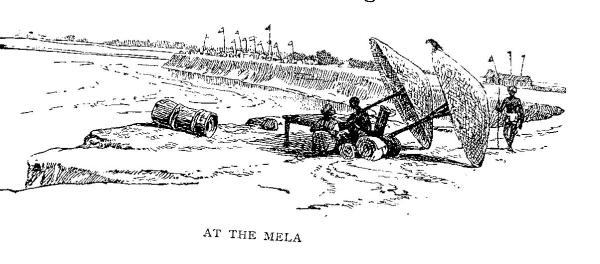
The weird and horrible forms of the fanatical yogis repelled and fascinated our attention at the same time; with bodies smeared with ashes, and barred with paint  – yellow, red or white- with dusty matted hair: many of them were most loathsome objects, as they sat counting heir beads before their huts, or the grass umbrellas which served the  same purpose. Before each acetic was a cloth, spread on the ground, and on this the passers-by, as a tribute to his supposed sanctity, threw offerings – often simply cowrie shells , which pass as current coin, of such infinitesimal value, that sixty two make only a farthing; those, who have appeared to have gone through a long course of austerity and penance had the richest harvest, as they are presumably those gifted with the highest occult power.


I called down the wrath of a holy man by putting my foot on the boards in front of his booth, which I imagined to be a kind of shop; but when he swore vehemently and horribly, and sprinkled the place with water, I discovered that it was considered a holy spot. I believe the chief yogis or gurus, occupy a throne or a seat, called gadi. It is placed under a pavilion, and sometimes even roped round to ensure respect for the sanctity which attaches to it from its occupant, whether present or absent. Those, whose position and power are less universally acknowledged, have to content themselves with an umbrella and small ma, tiger skin, or a boarded space, marked off as a sacred precinct.


Any pretensions the yogis might have to spirituality to be in the greater number of cases, clearly unfounded.  Heir evil faces were boldly streaked with pigment under matted locks, coiled in ropes on their heads, or crowned with fantastic head dresses; and the wild and swollen, bloodshot eyes, which add to their repulsive aspect, are the result of different preparations of opium or hemp with which they intoxicate themselves, hoping thus to deaden their nerves to the self-inflicted tortures, which they believe will give them supernatural power over gods and men.


There are about five and half a millions of these men in India, who have given up all earthly employment, and live apart as ascetics; they spend their time chiefly in roaming the country and begging. Some belong to more or less well organised communities, called akharas, of which at least ten varieties were represented at the Allahabad ‘mela’ and some are free -lances.


The evening, after we visited the ‘mela’ we dined with the chaplain of All Saints Church, where Father Benley, of Cowley, had been holding a Quiet Day, and had given some addresses, which I was told, were very interesting. “In India may be found, at the same moment, all the various stages of civilization through which man has passed from pre historic ages until now.”

–subham-

This was written in THE HIGH-ROAD OF EMPIRE by A H Hallam Murray in 1905.