Win Anger by serenity, wickedness by Virtue (Post No. 2568)

karna-fb-1200x627-3

Compiled  by London swaminathan


Date: 23 February 2016


Post No. 2568


Time uploaded in London :–17-28


( Thanks for the Pictures  ) 


DON’T REBLOG IT AT LEAST FOR A WEEK!  DON’T USE THE PICTURES; THEY ARE COPYRIGHTED BY SOMEONE.


Please go to swamiindology.blogspot.com

OR

tamilandvedas.com


Anger in Tamil and Sanskrit Literature

Yesterday the first part of this was posted under the title Count a Hundred When you are Angry’


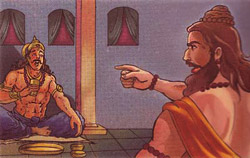
durvasa_and_king_ambrish

1.Win Anger by serenity, wickedness by Virtue – Mahabharata 5-15-18; Vidura Niti 7-72

(Akrodhena jayet krodham asaadhum saadhunaa jayet)

xxx

2.Unexpressed anger will never subside- Ramayana manjari

Xxx

3.Duties not performed, invite even the wrath of the good – Valmiki Ramayana 5-1-97


Xxx

4.What else can scorch better than fire? (Sakuntalam about anger)


Xxx

5.Anger is the root cause of all calamities –Hitopadesa


Xxx


6.Anger indeed is the arch rival of man- Subhasita ratna bandagara 3-880


Xxx

7.He who conquers anger, conquers the whole word – Katha sarit sagar

Xxx

8.Men of wisdom rule anger, whereas anger rules the common man – Sisupala vada 16-26

(jitarosarayaa mahaadhiyah sapadi rosajito laghurjanah)

Xxx

9.One who is enraged for a particular cause will surely be pacified once the cause ceases –Panchatantra 1-286

Xxx


10.The anger of the righteous cannot be endured even for a moment

–Tirukkural couplet 29

The same couplet was interpreted in a different way by two old commentators

The anger of a person who has reached the pinnacle of goodness will not last even for a moment.

(This second interpretation is supported by the lives of holy saints).

The anger of the great is not long-lasting and ends on a gentle note – Bharatamanjari 1-26-1141

(Father who was angry with his son or daughter makes it up later by showering them with big gifts or presents)

Xxx

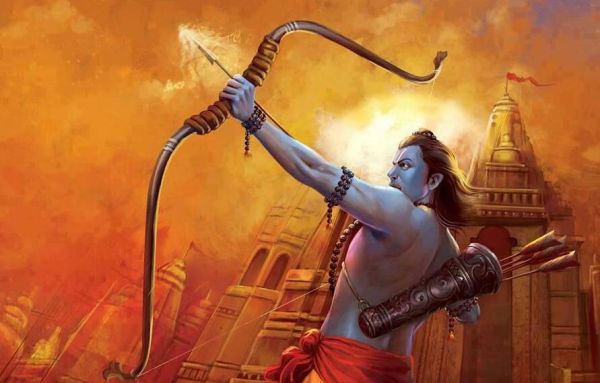
Ram-Navmi2

11.Only the man who controls his temper, where it can hurt, is in fact controlling it,

Where his anger cannot have sway, such an exercise, is futile either way —-Tirukkural 301


12.Even where it cannot hurt others, anger is bad;

But where does it hurt, there is nothing worse –Tirukkural 302


13.As only evil consequences come out of it,

Anger is best avoided in respect of all –Tirukkural 303


14.Anger and wrath, these also abominations and the sinful man will possess them – Sirach 27-30, Bible


15.Can there be any greater enemy to mankind

Than anger, which kills laughter and joy? –Tirukkural 304


16.Wrath is cruel, anger is overwhelming –Proverbs 27-4, Bible


17.If you would protect yourself, guard against your own anger;

For, anger not controlled would lead to self destruction –Tirukkural  305


18.A fool gives full vent to his anger;

But a wise man quietly holds it back -Proverbs 29-11, Bible


19.A true saint is one who has eschewed affection, fear and wrath – Bhagavad Gita 2-56


20.Anger not only destroys those whom it affects, like fire, it will also burn

Those kindred souls, who step in to help as a raft towards salvation –Tirukkural 306


(Here Tirukkural uses the Sanskrit expression ‘Asrayasah’ ( in Tamil Sernthaaraik kolli; the one which destroys by hugging/joining; and it destroys itself as well)


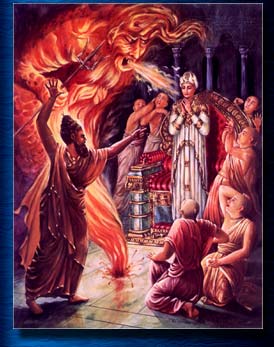
sage-durvasa-curse-to-ambarish-

Shakespeare also echoed it:

21.Men in rage strike those that wish them best – Shakespeare


22.He who sees substance in anger and gives way to it, will suffer evil consequences,

Even as he fools who slaps the ground —Tirukkural 307


23.Even if the memory of a great wrong burns one up like a holocaust

It is best to strain oneself to hold back the anger–Tirukkural couplet 308

24.A soft answer turns away wrath

But a harsh word stirs up anger – Proverbs 15-1, Bible


25.To an ascetic, who does not even think angry thoughts,

Every constructive thought will result in instant success–Tirukkural couplet 309

(This is how the saints get powers to get miracles; if one gives up lust or anger or desire, one develops miraculous powers; even animals wont harm one, in fact obeys one’s orders)

26.Heaven is won by composure – Katha sarit sagar

Xxx


27.Those who have yielded to anger and to consequent evils, are like the dead,

While those who have reined in anger, are like the good ascetics–Tirukkural 310


28.Triple is the gate of hell, destructive of the self: Lust, Anger and Greed, therefore one should forsake these three – Bhagavad Gita 16-21

xxx

29.Anger is the enemy within (antah sapatnah kopoyam)- Jatakamala


–Subham–


இரண்டாவது மாமியின் கடிதம்! (Post No 2567)

beauty with muram

Compiled  by London swaminathan


Date: 23 February 2016


Post No. 2567


Time uploaded in London :– 8-43 AM


( Thanks for the Pictures  ) 


DON’T REBLOG IT AT LEAST FOR A WEEK!  DON’T USE THE PICTURES; THEY ARE COPYRIGHTED BY SOMEONE.


Please go to swamiindology.blogspot.com

OR

tamilandvedas.com


(குறைந்தது 75 ஆண்டு பழமையான விநோத விகட சிந்தாமணி – என்ற நூலிலிருந்து தொகுத்தது; நேற்று முதல் மாமி கடிதம் வெளியானது)


எனதருமை அக்காள்,

இதுவரை எனது ஆயுள் பரியந்தம் யான் எங்கும் காணாத அதிசயங்களை யெல்லாம் கண்டிருப்பதால், அவற்றையெல்லாம் உனக்குத் தெரிவிக்க வெண்ணியே இக்கடிதத்தை எழுதலானேன். இதை நீ வாசிக்க ஆரம்பிக்கும்போதே அதிசயப்படாதே. முழுதும் வாசித்த பின், மறுபடியும் வாசித்துப் பார்த்து ஆச்சரியப்படு. அஃதென்னவென்றால், அம்மாள் சுமார் ஒரு மாதத்திற்குமுன்பு, பெங்களூருக்கு அண்ணாத்தையைக் காணச் சென்றிருந்து நேற்றையதினம்தான் வந்தார்கள்.


அண்ணியைக்கொண்ட பிறகு அம்மாள் அங்குச் சென்றது இதுதான் முதல் தடவை. அம்மாள் இங்குக் காலை ஏழு மணி பெங்களூர் பாசஞ்சர் வண்டியேறி, மாலை சுமார் ஆறு மணிக்கு பெங்களூர் தண்டு ஸ்டேஷனில் இறங்கினார்களாம்.

(தண்டு =கண்டோன்மெண்ட்)


முன்னதாகவே கடிதமெழுதியிருந்ததால் அண்ணாத்தை ஆபீஸிலிருந்து நேராக ரயில்வே ஸ்டேஷனுக்கு வந்திருந்து அம்மாளை இட்டுக்கொண்டு சுமார் ஏழு மணிக்கு வீடு போய்ச் சேர்ந்தார்களாம். அப்போது அண்ணி, மேஜையின் மீது ஒரு ஹார்மோனியப்பெட்டியை வைத்து ஒரு நாற்காலியின்மீது உட்கார்ந்து கூடத்தில் பாடிக்கொண்டிருந்ததாம். அம்மாள் வந்ததைப் பார்த்தும், அண்ணி நாற்காலியைவிட்டு எழுந்திருக்காமல், அப்படியே அசட்டையாய் பாடிக்கொண்டிருந்ததாம்.

IMG_4425

அம்மாளை, எப்போது வந்தீர்கள்? காப்பி சாப்பிடுகிறீர்களா? உடம்பு சௌக்கியமா? என்று ஒரு பேச்சுக்குக்கூட கேட்க வில்லையாம். அம்மாள், வேடிக்கையை யெல்லாம் பார்த்துக்கொண்டே கூடத்தில் உட்கார்ந்தார்களாம். பிறகு இரவு ஒன்பது மணியானதும் அண்ணி, தன் முத்தான வாயைத் திறந்து, ‘அடீ, வேதவல்லி, என்ன சந்தடியே காணோம். சாப்பாடு தயாராய் விட்டதா? மணியென்ன தெரியவில்லையா?’ என்று வேலைக்காரியைக் கேட்டதாம்.


உடனே அவள் இரண்டு பாத்திரங்களில் வெந்நீர் கொண்டு வைத்தபின், கைகாலலம்பிக்கொண்டு, ‘என்னாங்கோ! கைகாலலம்பிக்கொண்டு சாப்பிட வங்கோ என்றதும், அண்ணாத்தை மறுபாத்திர ஜலத்தில் கையை மட்டுமலம்பிக்கொண்டு மீதி ஜலத்தை அம்மாளிடம் கொடுத்ததாம். அம்மாள், இந்த ஆச்சரியத்தையெல்லாம் உள்ளேயடக்கிக்கொண்டு, கைகாலலம்பிக்கொண்டபின் சாப்பிட உட்கார்ந்தார்களாம். அண்ணியும், அண்ணாத்தையும் மேஜயின்மீது ஒரு பெரிய வெள்ளிக் கிண்ணியில் அன்னம் போட்டுக்கொண்டு நாற்காலியிலுட்கார்ந்து சாப்பிட்டார்களாம். அம்மாள் கீழே உடகார்ந்து, ஒரு இலையில் வேலைக்காரியிட்ட அன்னத்தை சாப்பிட்டார்களாம். பிறகு அண்ணியும், அண்ணாத்தையும் ஊஞ்சலின் மீதுட்கார்ந்து தாம்பூலமருந்தி இரவு பத்து மணிக்கு சயனித்தார்களாம்.

(சயனி = படு)


மறுநாள், அண்ணி நம்மைபோல் அதிகாலையில் எழுந்திருக்கவில்லையாம். காலை எட்டு மணிக்கு எழுந்திருந்து முகம் கழுவி, வேலைக்காரி கொண்டுவந்த பலகாரத்தைச் சாப்பிட்டுவிட்டு, ஒரு நாவலை எடுத்து வைத்துக்கொண்டு படிக்க ஆரம்பித்ததாம். இதையெல்லாம் கேட்கக்கேட்க எனக்கு ஆச்சரியமாயிருக்கிறது. இவற்றை அண்ணாத்தை கவனித்தும் மௌனமாயிருக்கிறதாம். அது என்ன காரணமோ அறியேன். நிற்க.


அம்மாள், அங்கு இருந்த ஒரு மாதமும், அண்ணி படுத்தியபாடு இவ்வளவு அவ்வளவு என்று சொல்லமுடியாது. வேலைக்காரியுடன், அம்மாள் அருகிலிருந்து வேலை செய்யவேண்டுமாம்.

IMG_3322

இல்லாவிடில், “ஆ! இதென்ன, என்னைப்போல ஒன்றுமறியாத மொட்டைப் பெண்ணா, எல்லாம் தெரிந்து போன, பேத்தியெடுத்து நரைத்த கிழவிக்கு எப்படி வேலை செய்யாமலிருக்க மனம் சகிக்கிறது? வேலை என்றால் மாட்டேன், சோறு என்றால் தின்பேன் என்ற கணக்காயிருக்கிறதே இம்மாதிரி மாமியார் இருந்தால், மருமகளுக்கு குறைவேயில்லைதான்! வயதாய்விட்டால் மட்டும் போதுமா? அதற்கேற்ற குணமும் மனமும் வேண்டாமா? என்று ‘பாரதம்’ படி முடிக்குமாம்.


அம்மாள்  பதில் பேச பயந்து சும்மாய் இருந்துவிடுவார்களாம். ஒருநாள், மனம் தாளாமல், “ என்னடீ! மாமியார் ஆச்சுதே என்கிற மட்டுமரியாதை இல்லாமல்  என்னை வேலை செய்யும்படி அதிகாரம் செய்கிறாயே. இதற்குத் தானா நான் உன்னைக் கொண்டது? புழுக்கைச் சிறுக்கி! அவ்வளவு தூரம் என்னிடம் வாலாட்டாதே. நீ பணக்காரன் வீட்டுப் பெண்ணாயிருந்தால் எனக்கென்ன?” என்றார்களாம்.


உடனே அண்ணி, அம்மாளின் தலைமுடியைப் பிடித்து இழுத்து, “ நாக்கை உள்ளே வைத்துப் பேசு. என்னையா அடீ, புழுக்கைச் சிறுக்கியென்று ஏசுகிறாய்? என் தகப்பனிடம் சொன்னால் உன் உடம்பிலுள்ள எலும்பைப் பொறுக்கிவிட்டுப் பல்லைத்தட்டிவிடுவார். ஜாக்கிரதை. என்ன, மாமியார் என்றால் இரண்டு கொம்பு முளைத்திருக்கிறதா? அந்த வெங்காய அதிகாரம் எல்லாம் இங்கே செல்லாது” – என்று வாயில் வந்தபடியெல்லாம் பேசி முடித்ததாம்.

அம்மாள், இதைக்கேட்டு நடுநடுங்கிப் போய், பேயிடம் அகபட்டுக் கொண்டது போல திகிலடைந்து, தலை மயிரை விடுவித்துக் கொண்டு ஒரு மூலையில் போய் படுத்துக்கொண்டார்களாம்.மற்றவைகளைப் பிறகு எழுதுகிறேன்.”


உன் அன்புள்ள சகோதரி

கமலா


வேத பிராயம் நூறு வயதை எட்டிய பெரியோர்! -1 (Post No. 2566)

number-100.jpg-12707

Written by S Nagarajan


Date: 23  February 2016


Post No. 2566


Time uploaded in London :–  6-12 AM


( Thanks for the Pictures  ) 


DON’T REBLOG IT AT LEAST FOR A WEEK!  DON’T USE THE PICTURES; THEY ARE COPYRIGHTED BY SOMEONE.


(for old articles go to tamilandvedas.com OR swamiindology.blogspot.com)


வேதவழி


வேத பிராயம் நூறு வயதை எட்டிய பெரியோர்! -1


ச.நாகராஜன்


மனிதருக்கு வேதம் வகுத்த ஆயுள் நூறு.


ஜீவேம சரத சதம்- நூறு ஆண்டுகள் வாழ்வோமாக என்று தினமும் ஆரோக்கியத்தையும் ஆயுளையும் அருள வேண்டி சூரியனைத் துதிப்பது பண்டைய காலத்திலிருந்து ஹிந்து சமூகத்தில் இருந்து வரும் பழக்கம்.


இப்படி வேதம் வகுத்த நெறிகளின் படி வாழ்ந்து நூற்றுக்கும் மேற்பட்ட வயதைத் தாண்டியோர் ஏராளம். அவர்கள் அனைவரையும் பற்றிய விரிவான சரித்திரம் நம்மிடம் இல்லை; ஏனெனில் அதை ஒரு அற்புதம் என்று அப்படி வாழ்ந்தவர்கள் நினைக்கவே இல்லை.


ஆனால் நூறில் பாதியை எட்டுவதையே அதிசயமாகப் பார்க்கும் இந்தக் காலத்தில் அப்படிப்பட்ட மகான்களை நினைப்பதும் அவர்கள் வாழ்க்கை முறையை உன்னிப்பாக கவனித்துப் பார்ப்பதும் உத்வேகம் அளிக்கும்.


இந்த வகையில் சமீப காலத்தில் வாழ்ந்த  சிலரைப் பற்றியேனும் அறிந்து கொள்வது வேதநெறிக்கு நாம் கொடுக்கும் மரியாதையாகும்.

 go mata, kanchi

முதலில் நால்வரைப்  பார்ப்போம்.


காஞ்சி காமகோடி ஜகத்குரு சங்காராசாரியார் (ஸ்ரீ சந்த்ரசேகரேந்த்ர சரஸ்வதி – 68 பீடாதிபதி)


பண்டிட் ஸ்ரீபத் தாமோதர சாத்வலேகர்


யோகி ஸ்ரீ கிருஷ்ணமாசாரியா

நிரோத்பரன்


சமீபகாலத்தில் வாழ்ந்த இந்த நால்வரில் ஒருவர் ஜகத்குரு.உலக நன்மையை வேண்டி தன் ஆயுளை அர்ப்பணித்த பெரும் அருளாளர்.


இன்னொருவர் வேத வாழ்க்கையை வாழ்ந்து காட்டி நூறு வயதை எட்டியவர். பண்டிட் ஸ்ரீபத் தாமோதர சாத்வலேகர்

இன்னொருவர் ஹிந்து வாழ்க்கை முறை கற்பிக்கும் யோகத்தைக் கற்று அதன்படி வாழ்ந்தால் நூறு வயதை சுலபமாக எட்டலாம் என்று நிரூபித்த யோகாசாரியர் – யோகி ஸ்ரீகிருஷ்ணமாசாரியார்.

மஹரிஷி ஒருவரை அண்டி அவரின் அணுக்க பகதராக இருந்து அவர் கூறிய யோக முறைப்படி வாழ்ந்தால் நூறையும் தாண்டலாம் என்று நிரூபித்தவர் அரவிந்த மஹரிஷியுடன் நீண்ட காலம் இருந்த் அணுக்கத் தொண்டர் நிரோத்பரன்!


இந்த நால்வரும் நமக்காக விட்டுச் சென்ற அன்புரைகளும் அறிவுரைகளும் ஏராளம்.


ஏராளமான சொற்பொழிவுகள். ஏராளமான நூல்கள்! ஏராள்மான இரகசியங்களைச் சுட்டிக் காட்டி அன்பர்களுக்குத் தந்த அருளுரைகள்.


இவையெல்லாம் நல்ல வேளையாக தொகுக்கப்பட்டுள்ளன.

தேடி ஓடி நாட வேண்டியது ஒன்று தான் நம் வேலை.

நாலவரைப்  பற்றியும் இந்தச் சிறு குறுந்தொடரில் அறிமுகம் செய்து கொள்வோம்!   – தொடரும்


மாமியின் துயரம்! (Post No 2564)

aythal

Compiled  by London swaminathan


Date: 22 February 2016


Post No. 2564


Time uploaded in London :–17-22


( Thanks for the Pictures  ) 


DON’T REBLOG IT AT LEAST FOR A WEEK!  DON’T USE THE PICTURES; THEY ARE COPYRIGHTED BY SOMEONE.


Please go to swamiindology.blogspot.com

OR

tamilandvedas.com


என் அருமைத் தங்கையே!

உன் கடிதம் கிடைத்தது. என் க்ஷேமத்தைப்(நலம்) பற்றி நீ எழுதச் சொன்னாய். நான் என்னுடைய க்ஷேமத்தை (நலம்) என்னவென்று எழுதப்போகிறேன் இன்னும் என் குமாரனுக்கு விவாகம் (திருமணம்) நடந்து நான்கு மாதங்கள் கூட ஆகவில்லை. அதற்குள் என் மருமகள் என்னிடத்தில் கொஞ்சமும் மரியாதையின்றி நடக்க ஆரம்பித்து விட்டாள். நான் ஒன்று சொன்னால் அவள் ஒன்பது சொல்கின்றாள்.


என் குமாரன் (மகன்) மனைவியின் மாய்கையில் மூழ்கினவனாய், நான் ஒன்று சொன்னால், தன் மனைவியைக் கீழே விடாமல் தாங்கிப் பேசுகிறான். அதனால் அவள் என்னைக் கொஞ்சமும் மதிப்பதேயில்லை.


அவள் படுக்கையை விட்டு தினமும் காலையில் எட்டு மணிக்கு எழுந்து வருகிறாள். அதற்குள் வீட்டிலுள்ள வேலைக்காரியைக் கொண்டு நான் எல்லா வேலைகளையும் தயாராய் செய்து வைக்கவேண்டும். இல்லாவிட்டால் அவள் கடுகடுத்த முகத்துடன் பாத்திரங்களை தடதடவென்று உருட்டுகிறதும், ஜாடை பேசித் திட்டுகிறதுமாக என்னைத் துன்பப்படுத்துகிறாள். அவள் எழுந்திருக்கும் போது வெந்நீர் என்கிறாள். வேலைக்காரி கொண்டுபோய் கொடுக்கவேண்டும். இல்லாவிட்டால் வேலைக்காரியின் பாடு அன்றைய தினம் திண்டாட்டம்தான். வெந்நீரைக்கொண்டு என் மருமகள், காலைக் கடனை முடித்துக்கொள்கிறாள்.


அதற்குப் பின் தயாராய் இருக்கும் பலகாரத்தைத் தின்று பின்னர் தானே எல்லா வேலைகளையும் செய்தது போல காப்பியையும் பலகாரத்தையும் கோப்பையிலும் தட்டிலும் எடுத்துக்கொண்டுபோய் கணவனை எழுப்புகிறாள். கணவனை வெந்நீரைக் கொண்டு பல்விளக்கும்படி உபசரிக்கிறாள். இத்தகைய தளுக்கால் என் மூட மகன் அவளிடத்தில் மயங்கிக் கிடக்கிறான்.


அவள் ஒரு வேலையும் செய்வதே இல்லை. வேலைக்காரி இருந்தால் தானென்ன? அவளைப்போல ஒரு சோம்பேறியை நான் உலகில் பார்த்ததேயில்லை. பகலில் புருஷன் சாப்பிட உட்கார்ந்தால், சாதம் முதலியவைகளை தானே கஷ்டப்பட்டு சமைத்தவைகளைப் போல எடுத்துக்கொண்டுபோய் வட்டித்து அவனுக்கு விசிறுகிறாள். அம்மம்மா! அவள் தந்திரமும் சாமர்த்தியமும் யாருக்கு வரும்? இப்படியெல்லாம் அவள் செய்வதால் அவள் வார்த்தைக்கு குறுக்கு பேசாமல் என் மகன், ‘பெண்டாட்டி தாயே, பெரிய தாயே’ – என்று அவளைக் கொஞ்சுகிறான். என் பாடு பெரும்பாடாயிருக்கிறது.


உனக்குத் தெரியும் அவள் பெயர் ஜானகி என்று. நானோ அவள் செய்யும் ஜாலங்களையெல்லாம் மனதிற்கொண்டு அவள் பெயரை ஜாலகி என்று மாற்றிவிட்டேன். ஆனால் வெளியே சொல்ல பயம். மனதிற்குள் சொல்லிக்கொள்வேன்.


இப்படிக்கு அன்புள்ள

அம்மாக்கண்ணு

When angry, count a hundred! (Post No 2565)

angry-status

Compiled  by London swaminathan


Date: 22 February 2016


Post No. 2565


Time uploaded in London :–9-52 AM


( Thanks for the Pictures  ) 


DON’T REBLOG IT AT LEAST FOR A WEEK!  DON’T USE THE PICTURES; THEY ARE COPYRIGHTED BY SOMEONE.


Please go to swamiindology.blogspot.com

OR

tamilandvedas.com


This is the first part on Anger; in the second part,  I will give Tamil and Sanskrit quotations on ANGER.

Fight-Scenes-290x300

1.He that is angry is seldom at ease.

2.An angry man never wants woe

3.Anger makes a rich man hated, and poor man scorned

4.Anger and haste hinder good counsel

5.Anger punishes itself


(My comments: Many angry people refuse to take food; refuse to attend important family or social events. This is how anger punishes one)


6.Wrath killeth the foolish man (Job 5:2)

7.Wrath often consumes that goodness husbands (Icelandic proverb)

8.Anger ends in cruelty.


(My comments: If you divide all the Crime stories in the newspapers about husband killing wife or wife poisoning husband or killing children, you will know what havoc anger can do. Lt of ignorant farmers kill others just for water or animals grazing in their fields. In Western countries, people divert their anger on pet cats and dogs)


9.Take heed of the wrath of a mighty man, and the tumult of the people.

10.From a choleric man withdraw a little; from him that says nothing for ever.

angry babay

11.Anger has no eyes (Hindi Proverb)

(My comments: Another saying about anger is “When a man is angry he opens his mouth and closes his eyes)


12.When a man grows angry, his reason rides out.

13.When wrath speaks , wisdom veils her face

14.Anger begins with folly, and ends with repentance

15.When a man is angry, he cannot be in the right (Chinese Proverb)


16.As fire is kindled by bellows, so is anger by words

(Fire- Anger simile is very popular in Tamil and Sanskrit literature; we will see it in the second part)

17.A hungry man is an angry man

(Great revolutions such as the French revolution happened because people became hungry and there was no food. French queen Marie Antoinette said this when people complained that they had no bread to eat; she was killed by the guillotine)


18.Patience provoked turns to fury

19.Short folk are soon angry

20.Anger dies quickly with a good man

(This is said by Hindu poets which will see in the second part)


angry-woman


21.Anger is a short madness

22.The anger is not warrantable that has seen two suns

23.He who slowly gets angry keeps his anger longer.

24.When angry, count a hundred

(This is a good exercise. The next proverb also says that delay is the best solution. Never ever send an e mail or a letter in haste. Write it and keep it abeyance for a day or two. When you read it again after 48 hours, you will soften your stand/language or completely tear the letter to pieces and throw it into the dust bin)

25.Delay is the antidote of anger

26.If you be angry, you may turn the buckle of your belt behind you (to provide a harmless outlet for one’s anger)

27.When meat is in, anger is out

28.A soft answer turneth away wrath (Proverbs 15:1)

29.Anger restrained is wisdom gained

30.When you enter into a house, leave the anger ever at the door.


-young-angry-man-52068682

31.He has wisdom at will, that with an angry heart can hold him still

32.Let not the sun go down upon your wrath (Ephesians 4:26)


33.Two things a man should never be angry at; what he can help, and what he cannot help.

34.He that is angry without a cause, shall be pleased wthout amends.


Contd……………………………..


பேய்களை ஆராய்ந்த விஞ்ஞானி (Post No 2563)

la-parapsicologa-y-sus-pr

Written by S Nagarajan


Date: 22  February 2016


Post No. 2563


Time uploaded in London :–  8-59 AM


( Thanks for the Pictures  ) 


DON’T REBLOG IT AT LEAST FOR A WEEK!  DON’T USE THE PICTURES; THEY ARE COPYRIGHTED BY SOMEONE.


(for old articles go to tamilandvedas.com OR swamiindology.blogspot.com)


19-2-16 பாக்யா இதழில் அறிவியல் துளிகள் தொடரில் வெளியாகியுள்ள கட்டுரை.


பேய்களை ஆராய்ந்த விஞ்ஞானி ஹான்ஸ் பெண்டர்!

ச.நாகராஜன்


hans-bender-2

“சந்தேகப் பேர்வழிகள் ஏன் சந்தேகப்படுகிறார்கள் என்றால், அவர்களுக்கு இன்னும் இது போன்ற ஒரு அனுபவம் கிடைக்கவில்லையே அதனால் தான்!”

                                 – ஜேஸன் ஹாஸ்

சாதாரணமாக இயற்பியல், இரசாயனம்,உயிரியல், மருத்துவம் போன்றவற்றில் ஆய்வுகள் நடத்திய விஞ்ஞானிகளைப் பற்றி உலகம் நன்கு அறியும். ஆனால் பேய்கள், ஆவிகள் உலகம் போன்றவற்றை ஆராயும் விஞ்ஞானிகளுக்கு விளம்ப்ரமும் கிடைக்காது, பரிசுகளும் கிடைக்காது. இது நிதர்சனமான உண்மை. என்றாலும் பல விஞ்ஞானிகள் தங்கள் ஆர்வம் காரண்மாக இப்படிப்பட்டவற்றை ஆராய்வது உண்டு.


அப்படிப்பட்டவர்களுள் பேயை முறைப்படி ஆராய்ந்து ஏராளமான ஆவணங்களை உருவாக்கிய ஒரே விஞ்ஞானி என்ற பெருமையைப் பெறுபவர் ஹான்ஸ் பெண்டர் (Hans Bender) என்ற  ஜெர்மானிய விஞ்ஞானி ஆவார். (பிறப்பு 5-2-1907 மறைவு 7-5-1991). ஜோதிடத்திலும் இவருக்கு அதிகம் ஈடுபாடு உண்டு. அவரது நண்பரான தாமஸ் ரிங்குடன் ஜோதிடம் கேட்காமல் இவர் எந்த விஞ்ஞான மற்றும் சொந்தக் காரியங்களில் ஈடுபடுவதில்லை.


இவர் ஆராய்ந்த பேய் கேஸ்களில் உலகப் புகழ் பெற்ற ஒரு கேஸுக்கு ரோஸென்ஹெய்ம் கேஸ் என்று பெயர்.


பவேரியாவின் தெற்குப் பகுதியில் ரோஸென்ஹெய்ம் என்ற நகரில் சிக்மண்ட் ஆடம் என்ற ஒரு வக்கீல் வாழ்ந்து வந்தார். அவர் அலுவலகத்தில் 1967ஆம் ஆண்டு திடீரென்று அமானுஷ்யமான பல காரியங்கள் நடக்க ஆரம்பித்தன.

அரண்டு போன அவர் விஞ்ஞானி ஹான்ஸ் பெண்டரை நாடினார்.


அலுவலகம் வந்த பெண்டர் என்ன நடக்கிறது என்று கேட்டார். அந்த அலுவலகத்தில் நான்கு போன்கள் உண்டு. திடீர் திடீரென போன் அழைப்புகள் ஒலிக்கும். ஆனால் போனை எடுத்தால் மறுமுனையில் பதிலே வராது.  போனில் ஏதோ பழுது இருக்கிறதென்று நினைத்து ஆடம் எல்லா போன்களையும் புதிதாக மாற்றினார். ஆனால் மர்மமான போன் அழைப்புகள் தொடர்ந்தன. உடனே டெலிபோன் அலுவலகத்தைத் தொடர்பு கொண்டார். அங்கிருந்த எஞ்ஜினியர்கள் வந்து எல்லா வயர்களையும் ஆராய்ந்து அனைத்தும் சரியாகவே இருக்கின்றன என்று உறுதிபடத் தெரிவித்தனர்.


ஜெர்மனியில் 0119 என்ற நம்பர் அனைத்து அழைப்புகளையும் துல்லியமாகக் குறித்து எத்தனை நிமிடங்கள் பேசப்பட்டுள்ளது என்பதைக் குறிக்கும், இதை டாக்கிங் க்ளாக் (TALING CLOCK)  என்று அழைப்பர்.


இந்த பேச்சைக் குறிக்கும் கடிகாரத்தின் படி ஆடம்ஸுக்கு பில் அனுப்பப்பட்டது. அவர் அரண்டு போனார். அதாவது ஒரு நிமிடத்திற்கு அவர் 6 ‘கால்’களைப் பேசுவதாகத் தெரிவிக்கப்பட்டது! யாராலும் செய்ய முடியாத ஒரு அரிய காரியம் இது! ஒரு எண்ணை டயல் செய்து அடுத்தவர் மறுமுனையில் எடுக்கும் காலத்தைச் சற்று கவனித்தாலே நிமிடத்திற்கு ஆறு கால்களை யாராலும் பேச முடியாது.

1967 அக்டோபரில் கட்டிடத்தில் உள்ள பல்புகளும் பல்புகள் பொருத்தப்பட்டிருந்த அலங்காரக் கூடுகளும் ஆட ஆரம்பித்தன. திடீரென 90 டிகிரிகள் அவை திரும்பும்!


உடனே மீண்டும் மின் இணைப்பு சரி பார்க்கப்பட்டது. ஒரு வோல்டேஜ் மீட்டரும் புதிதாக பொருத்தப்பட்டது. பெரிய அளவிலான வோல்டேஜ் மாறுதல்கள் ப்யூஸை போக்கி விடும். ஆனால் அப்படி ஒன்றும் நிகழவில்லை!  அங்கிருந்த போட்டோகாப்பி மெஷினிலிருந்து மின்சாரம் கசிய ஆரம்பிக்கவே மின் இணைப்பையே துண்டித்து விட்டு ஜெனரேட்டர் மூலமாக மின் சக்தி பெறப்பட்டது. ஆனால் அப்போதும் இவை தொடர்ந்தன.


அனைத்தும் விசித்திரமாக இருந்தன. இவை அனைத்தையும் பொறுமையாகக் கேட்ட பெண்டர் தன் ஆராய்ச்சியைத் தொடங்கினார். நாளின் ஒரு குறிப்பிட்ட நேரத்தில் மட்டுமே இவை நிகழ்வதை அவரது குறிப்பேடுகள் சுட்டிக் காட்டின.  தற்செயல் ஒற்றுமை போல ஆன்னி மேரி என்ற இளம் பெண் அங்கிருக்கும் போது மட்டுமே இவை நிகழ்ந்தன.


அவள் உள்ளே வந்தவுடன் இந்த அமானுஷ்ய செயல்கள் ஆரம்பிக்கும். அவள் சென்ற பின்னர் இவையும் நின்று விடும். ஆன்னியை விசாரிக்க ஆரம்பித்தார் பெண்டர். அவள் ஒரு உணர்ச்சிகரமான பெண் என்பதையும் தனது எஜமானனைக் கண்டால் அவளுக்கு அறவே பிடிக்காது என்பதையும் அறிந்தார் பெண்டர்.


1967 டிசம்பர் மற்றும் 1968 ஜனவரியில் இந்த அமானுஷ்ய செயல்கள் தீவிரமாக அதிகரித்தன. சுவரில் தொங்கும் காலண்டரின் பக்கங்கள் தாமாக டர்ரென்று கிழிந்து விழுந்தன! சுவரிலே தொங்கும் வண்ண ஓவியங்கள் தாமாகவே திரும்பிக் கொண்டன. 400 பவுண்டு எடையுள்ள ஓக் மரத்திலான ஒரு அலமாரி – சாதாரணமாக யாராலும் அசைக்கக் கூட முடியாதது –  சில அடிகள் தானாகவே நகர்ந்தது. ஆனால் கீழே பொருத்தப்பட்டிருந்த லினோலியம் சேதமடையாமல் புத்தம் புதிதாக அப்படியே இருந்தது. மேஜை டிராயர்கள் தாமாகவே திறந்து கொண்டன. பின்னர் டப்பென்று சத்தத்துடன் மூடிக் கொண்டன!


இதெயெல்லாம் படமாகவும் பிடித்தார் பெண்டர். அன்னி மேரி அந்த வேலையிலிருந்து நின்றவுடன் அனைத்து அமானுஷ்ய செயல்களும் நின்றன!


தான் சேகரித்த ஏராளமான ஆவணங்கள் மூலமாக இந்த அமானுஷ்ய செயல்கள் அனைத்தும் மர்மமான ஒரு ஆவியின் வேலை தான் என்று பெண்டர் கூறினார்.  அன்னி மேரியின் வெறுப்பும் எளிதில் உணர்ச்சி வசப்படும் தன்மையும் அவர் இருக்கும் போது அவர் மூலமாக இந்த சக்திகள் தூண்டப்பட்டன என்றும் அவர் கூறினார்.


இந்த கேஸைப் போல அறிவியல் ரீதியிலான ஆவணங்களுடன் கூடிய கேஸ் வேறொன்றும் இல்லை என்ற புகழுடன் படமாக பிடிக்கப்பட்ட கேஸும் இது தான் என்பதும் ஹான்ஸ் பெண்டருக்கு புகழை அள்ளித் தந்தது. 84 வயது வரை வாழ்ந்த பெண்டர் தன் வாழ்நாள் இறுதி வரை இந்த பேய் ஆராய்ச்சியை விடவில்லை!

IMG_3431

அறிவியல் அறிஞர் வாழ்வில்.. ..

ஆங்கிலேய பிரபுக்கள் பலர் கூடியிருந்த கூட்டம் ஒன்றில் ஒரு விஷயத்தின் மீது அலர்ஜியாக கடும் வெறுப்பைக் கொண்டிருக்க முடியுமா என்பதைப் பற்றிய பேச்சு வந்தது. இயற்பில விஞ்ஞானியான ஜிம்மர்மேன் (Zimmermann)  அப்படி இருப்பது ஒரு வகையான வியாதி என்று கூறினார். அங்கிருந்த பார்படோஸ் என்ற நகரின் கவர்னரின் மகனான வில்லியம் மாத்யூஸ் அப்படிப்பட்ட ஒரு வியாதி கொண்டிருப்பவர். அவருக்கு சிலந்தி என்றாலே அலர்ஜி. ஜிம்மர்மேன் அதைச் சுட்டிக் காட்டிய போது அனைவரும் சிரித்தனர. அதெல்லாம் ஒரு வியாதியே கிடையாது என்றனர். உடனே அதை நிரூபித்துக் காட்ட விஞ்ஞானி விழைந்தார். மனதில் எழும் இந்த வெறுப்பை ஒரு இயந்திர விளைவால் நிரூபிக்க முடியும் என்பது அவர் முடிவு.

அங்கிருந்தவர்களில் ஒருவரான லார்ட் ஜான் மர்ரே என்பவரை கறுப்பு நிற மெழுகில் ஒரு சிலந்தியைச் செய்யச் செய்தார். அந்தச் சிலந்தியை அனைவரும் பார்க்கும் படி செய்து விட்டு அவர் வெளியே சென்றார்.


பின்னர் திரும்பி வருகையில் தன் கையில் மெழுகிலான சிலந்தியை வைத்துக் கொண்டு கையை மூடியவாறே உள்ளே நுழைந்தார்.


அவரது மூடிய கையைப் பார்த்தவுடன் வில்லியம் மாத்யூஸின் கண்கள் சிவந்தன. நரம்புகள் புடைத்தன. மிகுந்த கோபத்துடன் ஆவேசமாக தன் இடையிலிருந்த கத்தியை உருவினார். அந்த சிலந்தியை அவர் கொண்டு வருவதாக எண்ணிய மாத்யூஸ்  மர்ரே மீது பாயப் போனார்.

நிலைமையின் விபரீதத்தை உணர்ந்த அனைவரும் அவர் மீது பாய்ந்து கத்தியைப் பிடுங்கினர்.


மாத்யூஸிடம் அவர் பார்த்தது மெழுகிலான ஒரு பொம்மை சிலந்தி தான் என்பதையும் மேஜை மீது வைக்கப்பட்ட சிலந்தியை அவரே தொட்டுப் பார்க்கலாம் என்றும் அனைவரும் கூறினர்.

வேகமாகத் துடித்த அவர் நாடித் துடிப்பு கொஞ்சம் கொஞ்சமாக சீரானது. சுயநிலைக்கு அவர் மெதுவாகத் திரும்பினார். ஆனால் சிலந்தியைத் தொட மறுத்து விட்டார்.சிலர் இன்னும் கொஞ்சம் மெழுகை எடுத்து அவர் முன்னாலேயே சிலந்தியைச் செய்து காட்டினர்.


இது போல அவரும் பொம்மையினால் சிலந்தியைச் சிறிது சிறிதாச் செய்து பார்த்து பின்னர் நிஜ சிலந்தியைப் பார்த்தால் அவரது அருவருப்பு போய் விடும் என்று ஜிம்மர்மேன் ஆலோசனை கூறினார்.

நமது ஊரில் கரப்பான்பூச்சியைக் கண்டால் அருவறுப்பு அடையாத பெண்கள் உண்டா என்ன?

******


Who will shut the door? Husband and Wife Quarrel! (Post No 2562)

Joke - Quarrel Using Husband & Wife Analogy

Compiled  by London swaminathan


Date: 21 February 2016


Post No. 2562


Time uploaded in London :– 12-04


( Thanks for the Pictures  ) 


DON’T REBLOG IT AT LEAST FOR A WEEK!  DON’T USE THE PICTURES; THEY ARE COPYRIGHTED BY SOMEONE.


Please go to swamiindology.blogspot.com

OR

tamilandvedas.com


For 2500 more articles and research papers.


husbad wife quarrel

Once upon a time a poor farmer and his wife, having finished their day’s labour and eaten their frugal supper, were sitting by the fire, when a dispute arose between them as to who should shut the door, which had been blown open by a gust of wind.

‘Wife shut the door!’ said the man.

‘Husband, shut it yourself’ said the woman.

‘I will not shut it, and you shall not shut it’, said the husband, ‘but let the one who speaks the first word shut it.’

This proposal pleased the wife exceedingly, and so the old couple, well satisfied, retired in silence to bed.


In the middle of the night they heard a noise, and, peering out, they perceived a wild dog had entered the room and that he was busy devouring their little store of food. Not a word, however, would either of these silly people utter, and the dog, having sniffed at everything, and having eaten as much as he wanted, went out of the house.


The next morning the woman took out some grain to the house of a neighbour in order to have it ground in to flour. In her absence the barber entered and said to the husband: ‘How is it that you are sitting here al alone?’

The farmer answered never a word.

The barber then shaved his head, but still he did not speak; and then he shaved off half his beard and half his moustache, but even then the man refrained from uttering a syllable. Then the barber covered him all over with a hideous coating of lamp black, but the solid farmer remained as dumb as a mute. ‘The man is bewitched’, cried the barber, and he hastily quitted the house.


He had hardly gone, when the wife returned from the mill. She, seeing her husband in such a ghastly plight, began to tremble, and exclaimed:

‘Ah! Wretch, what have you been doing?’

‘You spoke the first word’, said the farmer, ‘so be gone, woman, and shut the door.’

husband wife bed

–Persian story


ஆர்டிக் பிரதேச பனிக்கட்டிக்கு அடியில் வைரக்கற்கள்! (Post No 2561)

canadian_diamonds

Research Article  by London swaminathan


Date: 21 February 2016


Post No. 2561


Time uploaded in London :–  7-00 AM


( Thanks for the Pictures  ) 


DON’T REBLOG IT AT LEAST FOR A WEEK!  DON’T USE THE PICTURES; THEY ARE COPYRIGHTED BY SOMEONE.


Please go to swamiindology.blogspot.com

OR

tamilandvedas.com


For 2500 more articles and research papers.


diamonds

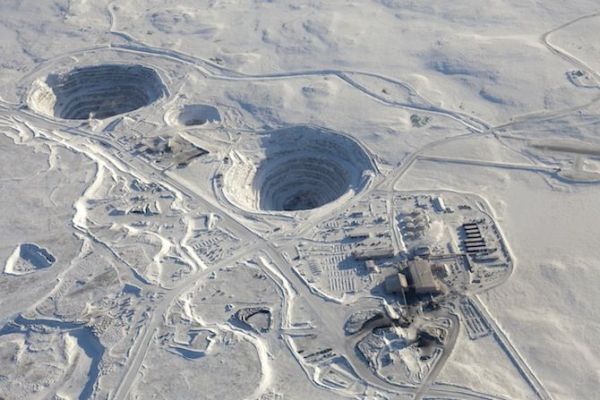
வடதுருவப் பிரதேசம் ஆர்க்டிக் வட்டத்துக்குள் இருக்கிறது. பூமியின் தென் கோளார்த்ததிலுள்ள அண்டார்ட்டிக் பிரதேசம் தென் துருவத்தில் உள்ளது. இந்த இரண்டு பனிக்கட்டிப் பிரதேசங்களிலும் பெட்ரோலியம் மற்றும் பல கனிம வளங்கள் இருக்கின்றன. ஆனால் அண்டார்ட்டிகாவின் இயற்கை அமைப்பைக் கெடுத்துவிடக் கூடாதென்பதற்காக எல்லா நாடுகளும்  சில கட்டுப்பாடுகளை ஏற்றுள்ளன. ஆர்டிக் பிரதேசத்தில் கட்டுப்பாடுகள் குறைவு. ஏனெனில் அது ஏற்கனவே, கனடா, அமெரிக்கா, நார்வே, பின்லாந்து, சுவீடன், ரஷ்யா முதலிய நாடுகளின் நில எல்கைக்குள் வந்துவிட்டது.


கனடா நாட்டின் எல்லைக்குட்பட்ட ஆர்டிக் பிரதேசத்தில் பனிக்கட்டிக்கடியில் நல்ல தரமான வைரங்கள் கிடைக்கின்றன. அதை வெட்டி எடுத்து பயன்படுத்தும் முறை பற்றிய சுவையான விவரங்கள் இதோ:–


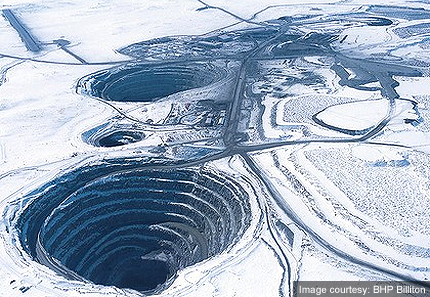
கனடாவின் வடமேற்குப் பிராந்தியத்தில் (Northwest Territories)  வெப்ப நிலை மைனஸ் 35 (செல்ஸியஸ்) டிகிரிக்குப் போய்விடுகிறது. குளிர்காற்று வீசுகையில் மைனஸ் 70 டிகிரிக்கும் கீழே போய்விடும். அதாவது மனிதர்கள் வேலையே செய்யமுடியாது. மைனஸ் 30 டிகிரியில் யாரும் ஐந்து நிமிடத்துக்கு மேல் வேலை செய்ய இயலாது. இதனால் இரண்டிரண்டு பேராக சுரங்கத்துக்குச் செல்லுவர். ஒரு சூப்பர்வைசர் ஸ்டாப் வாட்ச் (Stop watch) வைத்து ஐந்து நிமிடம் ஆனவுடன் வேலையை நிறுத்தச் சொல்லுவார். இந்த இடத்துக்குப் பெயர் ஸ்நாப் லேக் (Snap Lake Diamond mine) வைரச் சுரங்கம். இதை வைரத் தொழிலில் உலகில் முன்னணியில் நிற்கும் டிபியர்ஸ் நடத்துகிறது.


canada map


கனடாவின் ரியோ டிந்தோ (Rio Tinto) கம்பெனி வைத்திருக்கும் வைரச் சுரங்கம் நீருக்கடியில் இருக்கிறது. அக்டோபர் முதல் ஜூலை வரை பனிக்கட்டியால் சூழப்பட்டுவிடும். இந்தச் சுரங்கத்தின் பெயர் டையாவிக் (Diavik Mine) சுரங்கம். இது இருக்குமிடத்தில் மரங்களே இல்லாததால் அந்த இடத்தை (Barren Lands) பேர்ரன் லண்ட்ஸ் (வறட்டுப் பகுதி) என்பர்.


இந்த சுரங்கங்களுக்கு பக்கத்தில் ஊர்களே கிடையாது. நூறு மைலுக்கு அப்பால்தான் நகரங்கள் உள்ளன. அதாவது மனிதர்கள் வசிக்குமிடத்தில் வைரங்கள் கிடைப்பதில்லை!


வரவர வைரம் கிடைப்பது அரிதாகி வருகிறது. இதனால் பிரபல வைரக் கம்பெனிகள் ஜிம்பாப்வே நாட்டில் (ஆப்பிரிக்க நாடு) வைர வியாபாரத்துக்கு மூடு விழா நடத்திவிட்டன.


வைரத்தைக் கண்டுபிடிக்க பல கோடி டாலர் செலவிட்டும் பயனில்லை. கிடைக்கும் என்று உத்தரவாதம் எதுவும் கிடையாது. கிடைத்தாலும் அது கட்டுபடியாகக் கூடிய செலவில் எடுக்கப்படுமா என்பது கேள்விக்குறியே.

ekati-diamond-mine-nwt-

வைரக் கற்களுக்கு ஆசைப்பட்டு 2000 முதல் 2014 ஆம் ஆண்டுவரை 700 கோடி டாலரைப் பலரும் முதலீடு செய்தனர் என்றும் பெரிய கண்டுபிடிப்புகள் எதுவும் நிகழ்வில்லை என்றும் டி பியர்ஸ் ஆய்வு காட்டுகிறது.


கடந்த 140 வருடங்களில் வைரத்துக்கு ஆசைப்பட்டு 7000 இடங்களைத் தோண்டினரென்றும், அவைகளில் 1000ல் மட்டுமே வைரங்கள் இருந்தனவென்றும் டிபியர்ஸ் (De Beers) கூறுகிறது. அதிலும் 60 சுரங்கங்களே, கட்டுபடியாகக் கூடிய விலயில் வைரங்களை உற்பத்தி செய்தன (வைரக் கற்களில் தரம் குறைந்த வைரங்களே அதிகம் கிடைக்கின்றன. இவைகளைப் பல்வேறு கருவிகளில் பயன்படுத்துவர்; நல்ல ஜாதி வைரங்கள் மட்டுமே நகைகளுக்குகந்தவை.)


சில இடங்களில் வைரம் எடுப்பது கடினம்; செலவும் அதிகமாகும். டையாவிக் சுரங்கம், ஏரியின் தண்ணீருக்கடியில் இருப்பதால் மிகவும் கஷ்டபட்டு வைரத்தை எடுக்கின்றனர்.

ஒரு குறிப்பிட்ட சுரங்கம் வருடத்தில் இரண்டு மாதம் (Ekati Diamond Mine) மட்டுமே திறந்திருக்கும்!


இரண்டு கம்பெனிகளும் சுமார் 1300 பேரை வேலைக்கு வைத்துள்ளன.


“இயற்கை அன்னை தனது பொக்கிஷங்களை கண்காணாத இடத்தில், தொலைவில் ஒளித்து வைக்கிறாள்” என்று ரியோ டிண்டோ கம்பெனியின் நிர்வாக இயக்குனர் ஜீன் மார்க் சொல்கிறார்.


டையாவிக் என்னுமிடத்தில் ஆண்டுக்கு  60 லட்சம் காரட் முதல் 70 லட்சம் காரட் வரை வைரங்கள் தோண்டி எடுக்கப்படுகின்றன. இவைகளில் நிறைய வைரங்கள், நகைக்கு எற்ற உயர் ஜாதி வைரங்களாம்.

ekati-diamond-mine

இரண்டு கம்பெனிகளும் புறச்சூழல் பாதுகாப்பு விதிகளை மீறாமலிருக்க கண்காணிப்புக் குழுக்கள் (Environmental Monitoring Agency) உள்ளன. அவ்வபோது நீர், மீன், கரடி இவைகளைப் பிடித்து விஞ்ஞான சோதனை நடத்தி ஏதேனும் மாறுதல் ஏற்படுகிறதா என்றும் கண்காணித்து வருகின்றனர்.


மேலும் பனிக்கட்டிப் பகுதியில் வாழும் பழங்குடி மக்கள் சில இடங்களைப் புனிதமாகக் கருதுவதால் அங்கும் ஆராய்ச்சிகளுக்கு தடை விதிக்கப்பட்டுள்ளது.


சென்ற ஆண்டு டிபியர்ஸ் உற்பத்தி செய்த 36 மில்லியன் காரட் வைரத்தில் 2 மில்லியன் மட்டுமே கனடாவிலிருந்து வந்தன.


தென் ஆப்பிரிக்கா, பாட்ஸ்வானா ஆகிய நாடுகளின் வைர உற்பத்தி யைவிட கனடாவில் குறைவு என்றாலும், வைரத்தின் தரம் மிகவும் அதிகமென்று டிபியர்ஸ் அதிகாரி லைனட் கூல்ட் கூறினார். உலகின் மிகச் (Exquisite diamonds) சிறந்த, விலையுயர்ந்த வைரங்களில் பல, கனடிய ஆர்டிக் பிரதேசத்தில் கிடைத்தவைதான்” என்றும் கூல்ட் கூறினார்.


–சுபம்–


நெப்போலியனின் வயது! (Post No 2560)

napole3

Written by S Nagarajan


Date: 21  February 2016


Post No. 2560


Time uploaded in London :–  6-28 AM


( Thanks for the Pictures  ) 


DON’T REBLOG IT AT LEAST FOR A WEEK!  DON’T USE THE PICTURES; THEY ARE COPYRIGHTED BY SOMEONE.


(for old articles go to tamilandvedas.com OR swamiindology.blogspot.com)


19-2-16 பாக்யா இதழில் வெளியாகியுள்ள கட்டுரை


நெப்போலியனின் வயது!

ச.நாகராஜன்

milan

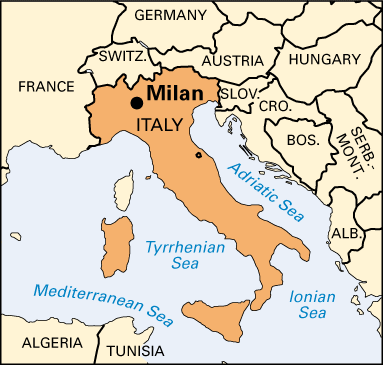
இத்தாலியில் உள்ள மிலான் நகரைப் பிடிக்க மாபெரும் போரில் நெப்போலியன் ஈடுபட்டிருந்த காலம் அது.

மறுநாள் மிலான் நகரைக் கைப்பற்றுவதற்கான இறுதிப் போர் நடக்க இருக்கிறது.


கமாண்டர் இன் சீஃப் ஆக இருந்த நெப்போலியனை கௌரவிக்கும் வண்ணம் இரவு நேர விருந்தை ஒரு பெரிய மாளிகையில் பணக்காரப் பெண்மணி ஒருவர் அளித்தார்.


அதில் கலந்து கொள்ள வந்திருந்த நெப்போலியனை கூரிய கேள்விகளால் தொளைத்து எடுத்துக் கொண்டிருந்தார் அவர்.

மறு நாள் போரைப் பற்றிய தீவிர சிந்தனையில் ஆழ்ந்திருந்த மாவீரனோ கேள்விகளுக்கு ஓரிரு வார்த்தைகளில் சுருக்கமாக ஆனால் ஆழ்ந்த அர்த்தமுடைய வார்த்தைகளால் பதில் அளித்துக் கொண்டிருந்தான்.


இதைக் கவனித்துக் கொண்டே இருந்த அந்தப் பெண்மணி குத்தலாக நெப்போலியனை நோக்கி, “அது சரி. இந்த இளம் வயதிலேயே இவ்வளவு புகழ் பட்டங்களா உங்களுக்கு? உங்கள் வயது தான் என்ன?” என்று கேட்டாள்.


உடனே பளீரென்று சுருக்கமாக பதிலளித்தான் நெப்போலியன்: ”அதுவா, உண்மையில் என் வயது இன்று இருபத்தைந்து தான். ஆனால் நாளைக்கோ மி-லான்!” என்று பதிலளித்தான்.


மறுநாள் மிலான் நகரைக் கைப்பற்றி விடுவேன் என்பதைக் தன்னம்பிக்கையுடன் குறிப்பிடுகையில் மி-லான் என்ற வார்த்தையை சிலேடையாக அவன் பயன்படுத்தினான் பிரெஞ்சு மொழியில். மில் என்றால் ஆயிரம் என்று பொருள். ஆன் என்றால் வருடங்கள் என்று பொருள். மிலான் என்ற வார்த்தைக்கு ஆயிரம் வருடங்கள் என்று பொருள். மிலான் நகரை வென்று விட்டால் ஆயிரம் ஆண்டு புகழைப் பெறுவேன் என்று கூறிய மாவீரன் மறு நாள் மிலான் நகரைக் கைப்பற்றி பெரும் புகழை அடைந்தான்.


napole2

இத்தாலி போரில் படைவீரர்களை அணிவகுக்க வைத்த போது தனது தந்திரமான போர் முறையால் ஒவ்வொருவரும் எங்கிருந்து எப்படி தாக்குதலை நடத்த வேண்டும் என்று அவன் உத்தரவுகளைப் பிறப்பித்துக் கொண்டிருந்தான்.

இதையெல்லாம் பார்த்துக் கொண்டிருந்த குதிரைப்படை வீரன் ஒருவன், “மன்னரே! உங்களிடம் ஒரு நிமிடம் தனியாகப் பேச் அனுமதி வழங்க வேண்டும்” என்று வேண்டினான்.

அவனை அருகில் அழைத்த மாவீரன் “என்ன விஷயம்?” என்று கேட்டான்.


அந்த வீரன் நெப்போலியனின் ஒவ்வொரு உத்தரவையும் சொல்லி அது எப்படி எதிரிகளை வீழ்த்தி வெற்றியைத் தரப் போகிறது என்பதை புத்திசாலித்தனத்துடன் விளக்கினான்.

“அடப் போக்கிரி! மேலே ஒரு வார்த்தையும் பேசாதே! என் இரகசியம் எல்லாவற்றையும் சொல்லி விடுவாய் போல இருக்கிறதே!” என்று கூறி விட்டு அன்புடன் அவன் உதடுகளில் தன் விரல்களை வைத்து அவனை பேசாமலிருக்கச் செய்தான்.

.

குதிரை வீரன் விடை பெற்றுக் கொண்டு போர்க்களம் சென்றான்.

போர் முடிந்தது, மாபெரும் வெற்றியைப் பெற்ற நெப்போலியன் தன் உதவி தளகர்த்தரிடம் அந்த குதிரை வீரனைத் தன்னிடம் அழைத்து வருமாறு கூறினான்.


எங்கு தேடியும் அவன் அகப்படவில்லை. போரிலே குண்டடி பட்டு அவன் மாண்டிருக்கக் கூடும்!


நெப்போலியன் பெரிதும் வருந்தினான் – மாபெரும் புத்திசாலி வீரனை இழந்து விட்டோமே என்று. அவன் கௌரவிக்கப்பட்டு பதவி உயர்வு பெறுவதற்கு பதில் இந்த பூமியிலிருந்து மேல் உலகத்திற்கு உயர்வு பெற்று விட்டான்!


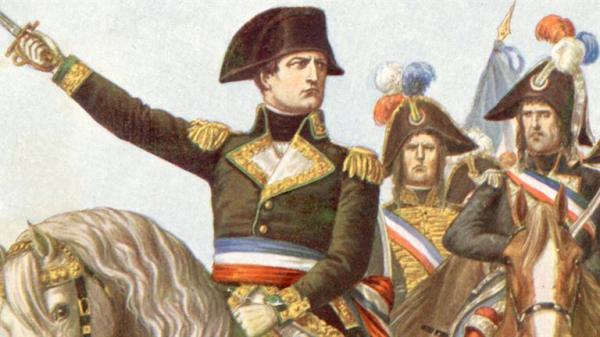
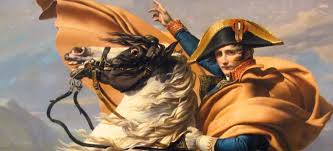
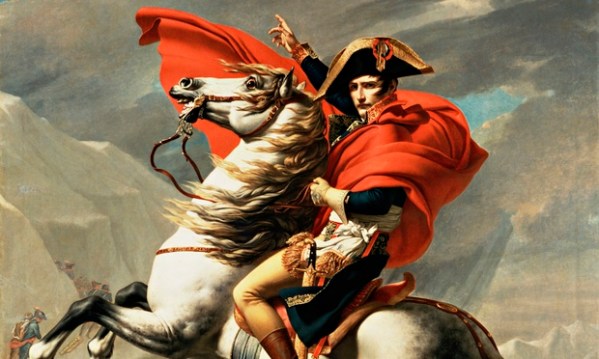
Napoleon on Horseback at the St Bernard Pass by Jacques-Louis David

இத்தாலிய சேனையின் கமாண்டராக இருந்த நெப்போலியன் ஆஸ்திரிய படைகளுக்கு எதிராகக் கடும் போரைத் தொடுத்தான்.

கோரமான போர்! இரண்டு நாட்கள் இடைவிடாமல் கடுமையாகப் போரில் ஈடுபட்டிருந்த வீரர்களைப் பார்த்த அவன் சூரியன் அஸ்தமிக்கும் மாலை நேரத்தில் தன் வீரர்களை நோக்கி, “இன்று இரவு முழுவதும் உங்களுக்கு ஓய்வு. நன்கு இளைப்பாறுங்கள்” என்று கட்டளையிடவே அனைவரும் உற்சாகம் அடைந்தனர்.

ஆனால் தனது படை பாசறையின் எல்லையில் மட்டும் கூடாரங்களை அமைத்துக் காவல் காக்க உத்தரவிட்டான் அவன்.

இரவு நேரத்தில் எல்லையோரத்தில் இருந்த கூடாரக் காவல் வீரன் இடைவிடாத போரினால் ஏற்பட்ட களைப்பில் தன்னை மறந்து உறங்கி விட்டான்.


இரவு நேரச் சோதனைக்காக அங்கு வந்த நெப்போலியன் அந்தக் காவல் வீரன் தூங்குவதைப் பார்த்தான்.


பேசாமல் அவன் கையிலிருந்த துப்பாக்கியை எடுத்துத் தானே நின்றவாறு காவல் காக்க ஆரம்பித்தான்.

ஒரு மணி நேரம் கழிந்தது. மெதுவாகக் கண் முழித்த அந்த வீரன் அங்கு தன் துப்பாக்கியைக் கையில் ஏந்தி இருப்பது யார் என்று பார்த்தான்.


மாமன்னன் நெப்போலியன் காவல் வீரனாக அங்கு இருந்தான்.

“ஐயோ!” என்று அலறிய அவன், “நான் தொலைந்தேன்!” என்று புலம்பினான்.


“இல்லை, நண்பனே! உன் களைப்பால் நீ தூங்கி விட்டாய்; ஆனால் முக்கியமான வேலையில் நீ இருக்கிறாய். ஒரு கணம் அசந்தாலும் நாம் தோற்க நேரிடும். பிடி உன் துப்பாக்கியை. கவனமாகக் காவல் வேலையைப் பார்!” என்று சொல்லி விட்டு மெதுவாக நகர்ந்தான் நெப்போலியன்.

o-NAPOLEON-facebook

Napoleon Bonaparte

அந்தக் காவல் வீரனின் கண்கள் கசிந்தன.

ஒரு உண்மையான தலைவனாக இருந்ததாலேயே உலக்ப் புகழ் பெற்ற வீரனாக அவன் மிளிர்ந்தான் என்பதற்கு இதைப் போன்ற ஏராள்மான சம்பவங்கள் அவன் வாழ்வில் உள்ளன!


********


Hindu Science: Four Types of Speech (‘Vak’)- Post No 2559

saras big

Research Article  by London swaminathan


Date: 20 February 2016


Post No. 2559


Time uploaded in London :–  11-51 AM


( Thanks for the Pictures  ) 


DON’T REBLOG IT AT LEAST FOR A WEEK!  DON’T USE THE PICTURES; THEY ARE COPYRIGHTED BY SOMEONE.


Please go to swamiindology.blogspot.com

OR

tamilandvedas.com


For 2500 more articles and research papers.

saras bommai

Four Types

1.Paraa

2.Pasyantii

3.Madhyamaa

4.Vaikharii

Chathvaari vaak parimitaa padaani taani vidurbrahmanaa ye maniishinah

Rik Veda 1-164-45

Saayanaa in his commentary mentioned that the four types mentioned by the seers are Paraa, Pasyantii, Madhyamaa and Vaikharii.


Modes of Speech (Manu Smrti)

1.Paarushyam = harsh

2.An rtam = untruth

3.Paisuunyam = tale bearing

4.Asambaddha pralaapah = talking of unrelated things.

Parushyamanrtam chaiva paisuunyam chaapi sarvasah

Asambaddha pralaapascha vaangmayamsyaa chaturvidham

–Manu12-6


All meanings, ideas, intentions, desires, emotions, items of knowledge are embodied in speech, are rooted in it and branch out of it. He who misappropriates, misapplies and mismanages speech, mismanages everything.

–Manu
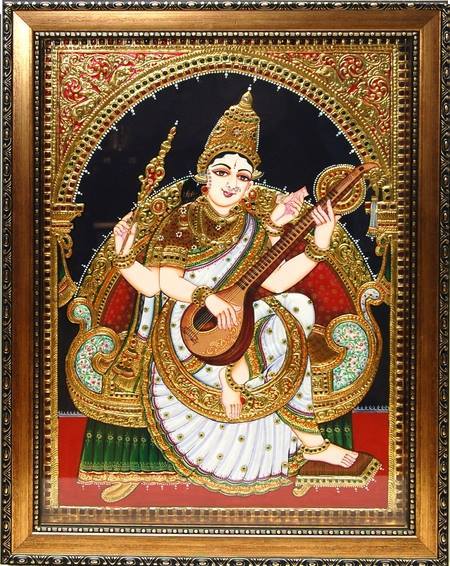
 sarasthanjavur

Harsh Speech

If one answers harshly, for instance a father, or a mother, or a brother, or a sister, or a teacher, or a Brahman, people say to him:’ Shame on you’,

Verily, you are a slayer of your father

Verily, you are a slayer of your mother

Verily, you are a slayer of your brother

Verily, you are a slayer of your sister

Verily, you are a slayer of your teacher

Verily, you are a slayer of a Brahman

–Chandogya Upanishad


Speech in Mahabharata

Darts, barbed arrow, iron-headed spears,

However deep they may penetrate the flesh,

May be extracted, but a cutting speech,

That pierces, like a javelin, to the heart

None can remove; it lies and rankles thee


Tamil poet Tiruvalluvar in his Tirukkural says:–

Couplet/Kural 127

Guard your tongue, whatever else you may not guard, otherwise you will come to grief through wrong utterance

Couplet/Kural 128

One harm resulting from one foul utterance is enough to nullify all the good done by a man

Couplet/Kural 129

A burn caused by fire may heal; but a scar caused by a fiery tongue will never heal.

In forty more couplets under four different headings he talks about eloquence, sweet talk, listening, slander etc.


Hindu poets from Kanyakumari to Kashmir thought in the same way and wrote in the same way.
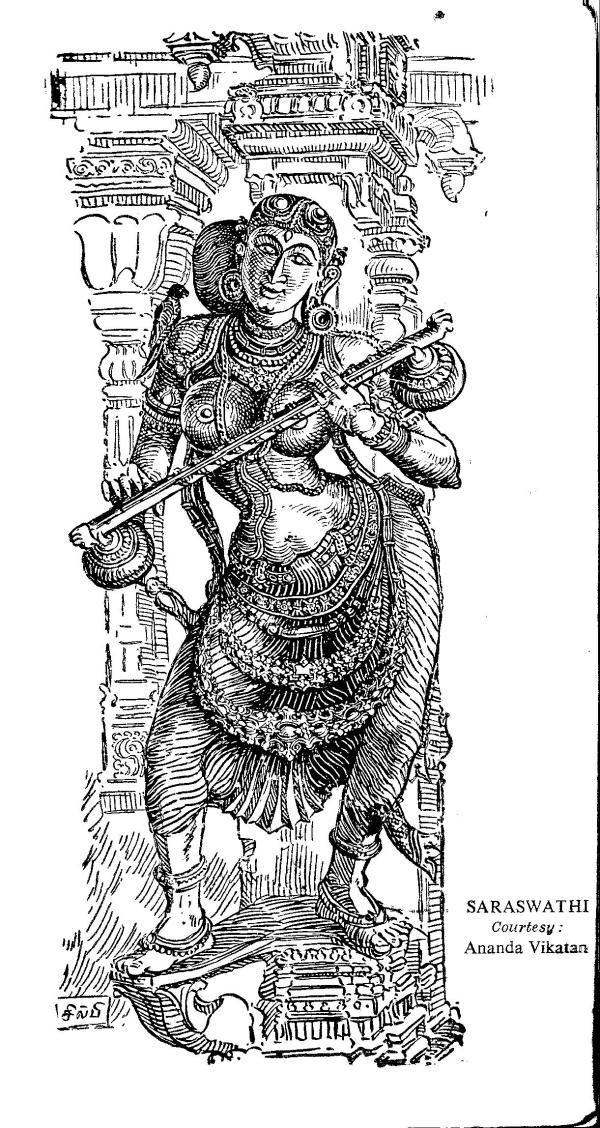
sarasvathy

Hindus – Great Scientists!


Following materials show that the Hindus were great scientists and advanced in human speech research to a highest level. They talk about so many things about speech around 1000 BCE. No religious book or literature appeared at that time in the world. Moses and Homer came later. Their writings or sayings were put into writing still later.


Vedic Index by Keith Macdonell gives the following:

Speech plays a great part in Vedic speculation, but only few points are of other than mythological significance.  Speech is in the Satapatha Brahmana divided into four kinds – that of men , of animals, of birds and of small creeping things. The discrimination or making articulate of speech is ascribed to Indra by the Samhitas. The speech of the following musical instruments – Tuunava, Viinaa, Dundubhi – is mentioned, and in one Samhita also that of the axle of a chariot.


The speech of the Kuru Pancalas was especially renowned as well that of northern country, according to the Kausitaki Brahmana so that men went there to study the language. On the other hand barbarians in speech were known, and were to be avoided. Demons/ Asuras are described as saying he’lavah.


((I guess this is Hallelujah of the Semitic religions. ))

One division of speech referred to is that of the divine (daivi) and the human (manusi), of which some specimens are given, such as OM, the divine counterpart of tathaa, and so forth.

The Brahmin is said to know both; it seems best to regard the distinction not as between Sanskrit and Apabrahmsa, as Sayana suggests, but as between the Sanskrit of the ritual and the hymns and that of ordinary life


The Vratyas are described as speaking the language of the initiated (Dikshita Vac), though themselves are not initiated (a-diksita), but as calling that which  is easy to utter (a-durukta), difficult to utter”.

((Vratyas may be foreigners or those who gave up the Vedic way of life.))

SARASVATI BENGALI


My previous article written in 2014 is given below:–


What Hindus know that Scientists don’t know!


Written by London Swaminathan
Post No. 967 Date 9th April 2014.

Whenever some discovery is made or invention is announced, Hindus boast that it is already in their scriptures! Whenever some catastrophe happens, immediately some people write that it is already forecast by Nostradamus. I used to laugh at them. If Nostradamus has predicted everything that is going to happen in the next fifty years, let us have it straight on the table in black and white. The same applies to Hindus as well. So I wrote to some scholars and saints and they are yet to reply. But I have started to work in this direction by writing two posts: Hindus Future Predictions (Part 1 and Part 2) in this blog. I have interpreted some passages in the Hindu scriptures that which may be discovered in future. I have also written about the concept of TIME as Hindus see it. Now I want to draw your attention to what Kanchi Parmacharya Swami (1894-1994) said about SOUND and VIBRATIONS.


speech 1

“If the mantras are the life breadth of the Vedas, the life breadth of the mantras themselves is the purity or clarity of the sound, their proper intonation. I have spoken about how by altering the sound or tone of the mantras the vibration in space as well as our ‘nadis’ will change and how the fruit yielded by the chanting will not be what is desired. The Siksa sastra deals in a scientific manner with how the sound of syllables originating in different parts of the body is revealed.


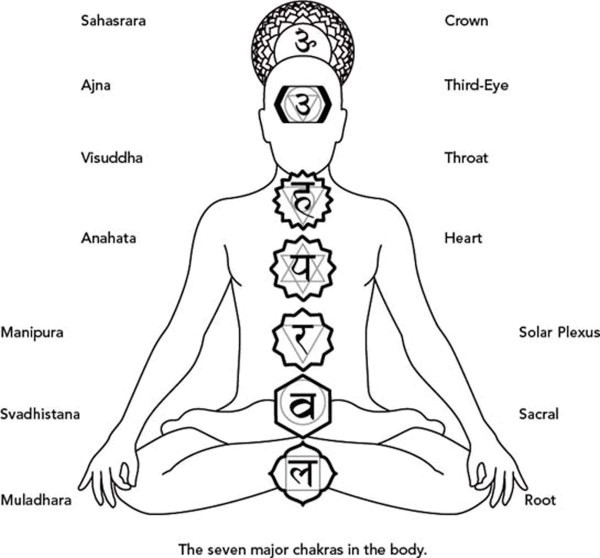
The sound we hear with our ears is called ‘Vaikhari ‘and its source is within us and called ‘Para’. Vaikhari originates in the lips and Para is the sound present in the Muladhara below the navel. Before it is revealed as Vaikhari through the mouth it goes through two stages, Pasyanti and Madhyama. It is only when we go higher and higher on the path of Yogic perfection that we shall be able to hear the sounds Pasyanti, Madhyama and Para. The seers who are masters of Yoga are capable of hearing the Para sounds. There are certain ‘Para’ sounds originating in the Muladhara which on being transformed into Vaikhari, can be heard by men. Such sounds please the deities, create good to the world and bring Atmic uplift. It is such ‘Para’ sounds that the seers have grasped from the transcendent space and given us as the Veda mantras. That the Tamil work Tolkappiyam mentions these truths and a clear understanding of them came to light recently.

speech 2


Tolkappaiyam about Mysterious Sounds

It had been known for some time that the words Para and Pasyanti occur in old Tamil works as parai and paisanti. But it came to our knowledge only recently that the very first Tamil work – extant – , the Tolkappiyam, mentions profound matters like , for instance, the fact that the sounds of Muladhara are created by the upward passage of Udana, one of the five vital breadths. Apart from containing references to mantra yoga, the ancient Tamil work also reveals knowledge of Vedic intonation.

Recently, there was a controversy as to why the mantras recited in temples must be Sanskrit and not Tamil. Tamil scholars themselves gave the reasons: “It is totally wrong to raise questions about language in which mantras are couched. The language and meaning are of secondary importance. The special quality or the special significance of mantras, is their sound and fruits they yield. Tolkappiyar has himself stated that the Veda mantras have a special quality and power arising from their sound’’.
***
The vibrations of the sound of the Vedic language are beneficial to all orders of creation including bipeds and quadrupeds; so too the language n which all mantras belonging to the mantra sastra are couched. This is not a language in the sense we understand the term in ordinary usage and is not the property of one caste or of one race, but of the entire world.

***

Tolkappiyar stated that he would not deal with the Vedic sounds since they had their source in Para and were of great import. “I will deal with the sounds that are within the reach of ordinary people, Vaikhari, he said. The other sounds belong to the inner mysterious world…. Tamil scholars have pointed out that there is the authority of the Tolkappiyam itself for not changing the mantras used in temples.

Page 739-740 of Hindu Dharma , Voice of Guru Pujyasri Candrasekarendra Sarasvati Svami, Bharatiya Vidya Bhavan, Mumbai-400 007, Year 2000.
 

speech 3

Sound of Music
“ Not all mantras that create benign vibrations are necessarily meaningful. Inn this context we have the example of music. During the research conducted by a university team, it was discovered that the vibrations created by instrumental music quickened the growth of plants and resulted in a higher yield of fruits and vegetables. Here is a proof that sound has the power of creation.
Page 167 of the above book


Some people are at a loss to understand why the sound of the Vedas is given so much importance. How does sound originate or how is it caused? Where there is vibrartin, where there is movement or motion, there is sound. This is strictly according to rational science. Speech is constituted of vibrations of many kinds. We hear sounds with our eras. But there are sounds that are converted into electric waves and these we cannot hear. We know this from the working of the radio and the telephone. All that we hear or perceive otherwise are indeed electric waves. Science has come to the point of recognising all to be electric waves — the man who sees and listens, his brain, all are electric waves.

Sound and vibration go together. The vibrations produce either a gross object or a mental state. We come to the conclusion that creation is a product of sound. This ancient concept is substantiated by science itself.
The mantras of the Vedas are sounds that have the power to inspire good thoughts in people.
Rainfall depends on the production of particular sounds which, in turn, create particular vibrations the same applies to all our needs in life.

 

speech 4


The Vedas are sounds emanating from the vibrations of Great Intelligence, the Great Gnosis. That is why believe that the mantras of the Vedas originate from the Paramatman (supreme god ) himself. We must take special care of such sounds to ensure the good of the world. Yes , the Vedic mantras are sequences of sounds that are meant for the good of the world.
Page 82-83 of the above book.

Please read my earlier posts:
1.Hindu Wisdom: Copper Kills Bacteria
2.Scientific Proof for Samudrika Lakshana
3.Is Brahmastra a Nuclear Weapon?
4.How did Rama fly his Pushpaka Vimana/plane?
5.Power of Holy Durva Grass
6.Science behind Swayambu Lingams
7.Hindus’ Magic Numbers 18,108,1008
8.Amazing Power of Human Mind
9.107 Herbs in Rig Veda
10.Hindus Future Predictions Part 1 (posted 20 May 2012)
11.Hindus Future Predictions Part 2 (Posted on 20 May 2012)
12.Science behind Deepavali (Two parts)
13.Amazing Tamil Mathematics

Over 2500 articles are available in Tamil and English.

Contact swami_48@yahoo.co

by TAMIL AND VEDAS on APRIL 9, 2014  •

Posted in SCIENCE & RELIGION

Tagged HINDU PHYSICS, HINDUISM AND SCIENCE, PARAMACHARYA ABOUT MYSTERIOUS SOUNDS

–Subham–