3000 Gods in Mesopotamia! Similar to Hindus!!

adad01on bull

Adad on Bull like Shiva or Indra

Research paper written by London Swaminathan
Post No.1296;Dated 18th Sept. 2014.

There are some amazing similarities between the Hindus and Mesopotamians ( covering Sumer, Babylonia) in the number of Gods and sculptures. In my previous articles on Sumer, I have given a long list of similarities. Now I have found out something new!
Mesopotamia is modern Iraq.

Hindus are the people who have the highest number of Gods in the world! But the oldest religious book The Rig Veda made it very clear that One God is worshipped in these different forms: Ekam Sath Vipra: Bahuda Vadhanthi (Truth is one, sages call them by different names (RV 1-164-46). Sumerians and Babylonians also called their God with 3000 names!

Dictionary of the Ancient Near East published by the British Museum in London has beautifully summarised the Mesopotamian concept of god:-
“ The gods of the Ancient Near Eastern peoples, in historical times, were almost without exception anthropomorphic, male or female. They were imagined as of gigantic size and exuded a terrifying splendour, with super human powers, although the power of all the gods was by no means equal; some were relatively minor or of restricted influence. They shared the emotions and foibles of human kind. Generally speaking they were immortal, although there were certain gods about whom myths were recounted which involve their deaths or visits to the underworld. Although they lived in heaven or the underworld, an extension of their personality also inhabited the various cult statues erected to them by humankind”.
Every word of the above paragraph is true with the Hindu Gods. If we simply replace the words “Near eastern peoples” with the “Hindus”, it will still be correct.

inanna  triumphant
Inanna on lion like Devi

In every culture Gods are slowly “created to satisfy a number of people”. The number slowly increases, but those who created know that they are one and the same. At the highest level there is only one God. For the layman’s satisfaction new gods or new names with particular attributes are created.

The second reason for the increase in the number of Gods is different cultures have similar stories about their Gods. Then they slowly merge but retain their names. We have already seen in one of the posts how Indra is worshipped with different names in different cultures. Sumers and others in the Near East had names of 3000 deities!
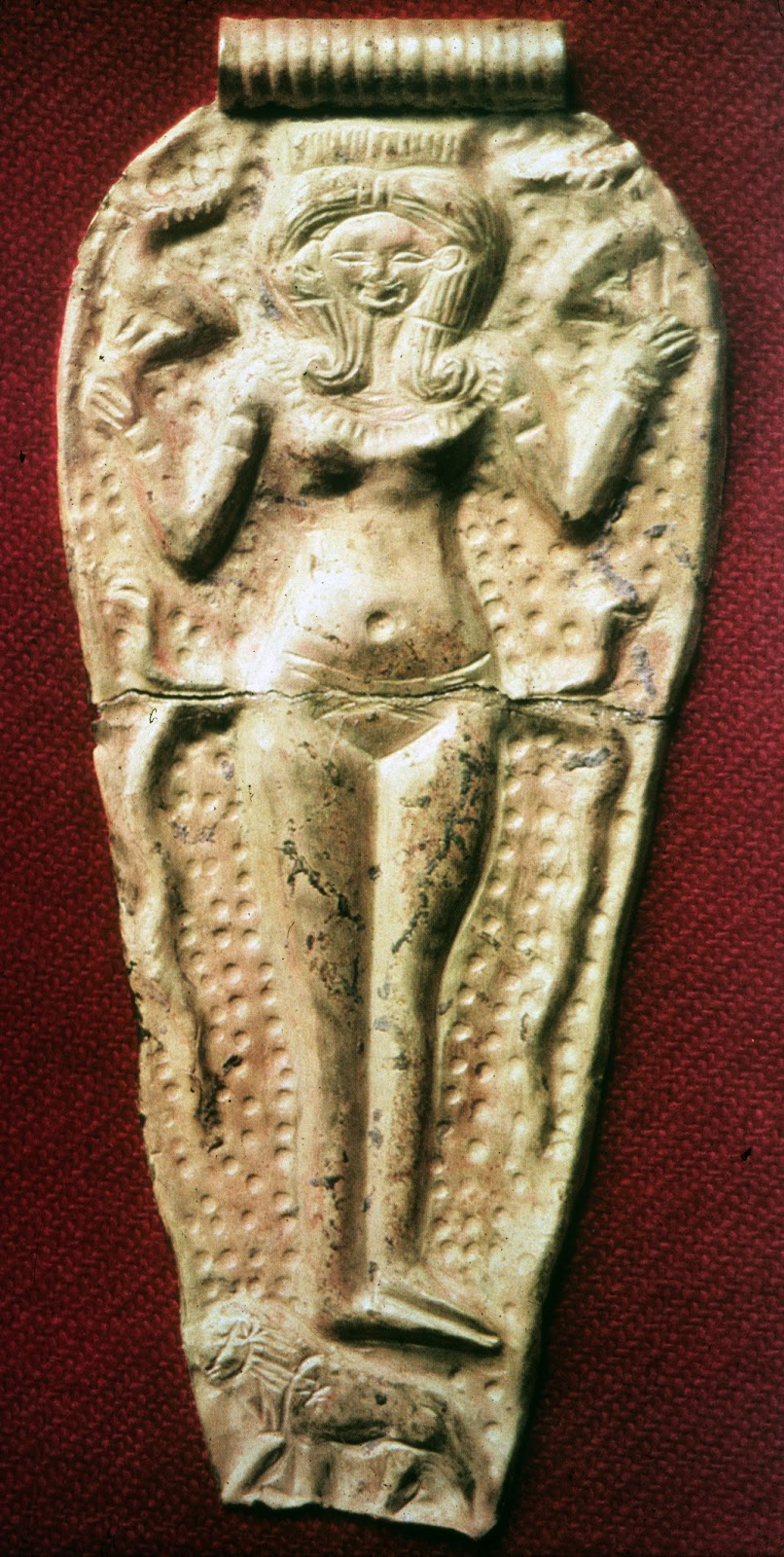
ashtart on lion

Ashtart on lion like Durga

Second Amazing Similarity! “Nayanonmilanam”
One more amazing similarity about sanctifying the sculpted statue is “Opening the eye” ceremony in Hinduism. The sculptor who makes a statue of a god or goddess will chose an auspicious day and auspicious time to open the eyes of the statue. Once it is done it is not stone anymore. It is God incarnate. So much importance and so much sanctity are attached to the ceremony. It is called Nayanonmilanam in Sanskrit (Opening the Eyes of New Idols).

Babylonians also had a similar ceremony! It is called “Washing the Mouth of New Idols” and “Opening the Mouth of the New Idols”. It is one and the same! In certain languages the idioms change and in certain other languages the words for certain body parts do not exist. Sanskrit is a ‘Mouthless’ language and Tamil is a ‘Faceless’ language. That is in Tamil there is no word for ‘face’ and so they use Sanskrit word Mukam for face. Sanskrit has no word for mouth and so they use Mukam for mouth. Tamil is a ‘heartless’ language!! That is to say that there is no word for heart in Tamil and so Tamils use the Sanskrit word Hrudaya. English word Heart is also derived from Hrt of Sanskrit.

448px-Burney_Relief_Babylon_-1800-1750
Lilith of Hebrews is like Devi and Lakshmi with owl

So “opening the mouth washing the mouth” of Babylonian Gods are the same as Opening the Eye of Hindu Gods. After opening the eye of the statue, Hindu sculptors lower the idols into water for some time and then in the heap of grains for some time and then they ask all the general public to anoint the idol with special oil.

According to British Museum dictionary “Babylonians did this ritual in order to enable it to become imbued with the divine presence”. This is exactly Hindu Sthapathis (Temple sculptors ) say about the Hindu rituals!!

British museum dictionary adds “ The largest group of gods are the deities of the various city pantheons. Local deities were particularly important in the heterogeneous Hittite religion. There were also gods and goddesses representing natural forces, birth goddesses, groups of anonymous gods and minister deities who attend more important gods and goddesses. Some human rulers were also deified. More than 3000 names of deities have been recovered from Mesopotamia alone”.

yazidi_symbol
Yazidi peacock is like our Subramanya’s vahana

My comments on the above paragraph:
We also had various pantheons: Kula devatas, Ishta Devatas, Dushta Devatas, Parivara Devatas, Nagara Devatas and Guradian Deities. Major Gods like Brahma, Vishnu, Shiva and lots of minor gods are worshipped by the Hindus from time immemorial. We also deified human rulers Rama and Krishna as Avatars (incarnation). We also had Sahasranamam (1000 names) for each major god and goddesses. Hindus also worshipped gods in the form of natural forces.

British Museum Dictionary adds “ In art, Mesopotamian gods are generally sworn wearing the horned cap with up to seven super imposed sets of bull’s horns, described as a mark of divinity”.

Throughout the Rig Veda Indra is called a bull and the Bull seals are more in number in the Indus Valley than other seals. God is called a “Horned person” in Hindu Vedas. Vishnu Sahasranamam alone had three words for God as Horned one (Maha Srngan, Chatvari Srngan, Na Eka Srngan etc). I have explained them in my post “Vishnu seal in Indus Valley”.
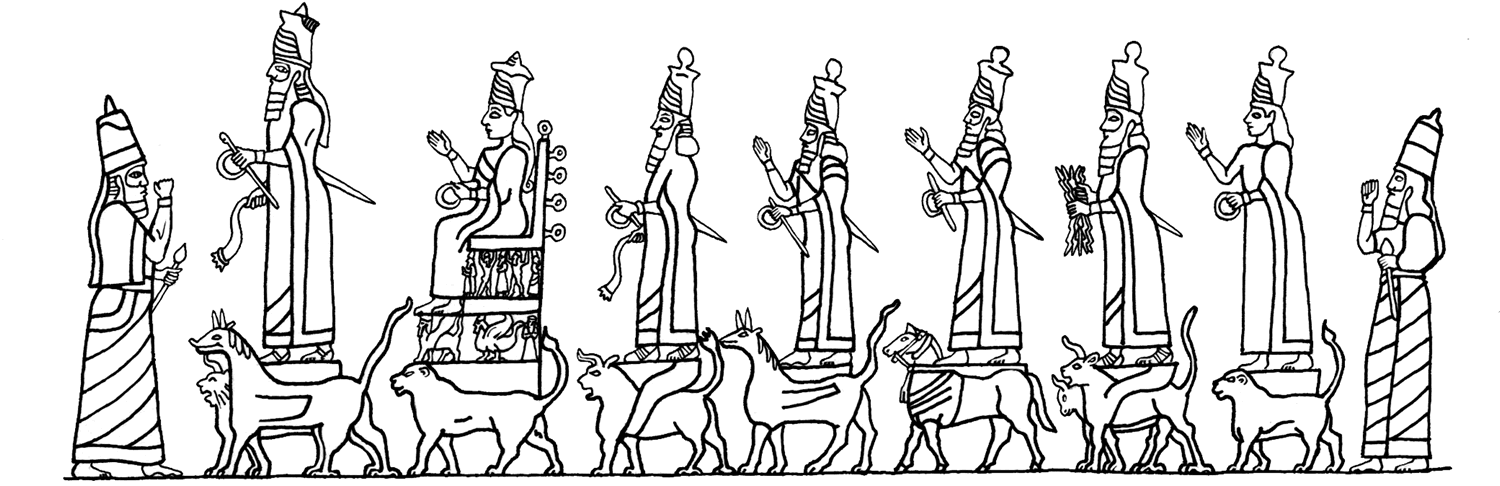
procession-lg
Seven God processions on Vaganas in Iraq is like our Saptarishis

If we approach the Ancient Near East Gods in a chronological order we can see the development of number of Gods. Since Encyclopaedias give all the names together we get confused. In Hinduism, we see new gods get sudden prominence because one Swamiji said something about that particular God or an actor praised that God!

Tamil actor M G R made Goddess Mookambika worship popular. Another actor Rajinikant made Saint Ragavendra popular. In Bombay Siddhi Vinayak temple became more popular because of Bollywood actors and actresses. Sabarimala was visited by famous actors and singers and it attracts millions of people now. One hundred years ago not many people visited the temple. Hinduism is a growing religion, but the basic truths have not changed for at least 5000 years!!

In short, Hindu concept of God was propagated to the Near East by the Hittites, Kassites and Miamians. All these groups were practisers of Vedic Hinduism. Hittites are Khattis or Kshatrias, say Mr Kalyanaraman in his book Arya Tarangini. He has identified all these groups with the Vedic Hindus. Foreign scholars also admit all these groups spoke a language belonging to Indo-European group, in other words a language related to Vedic Sanskrit. I have already supplied the archaeological evidence from Turkey, Syria and Egypt.

Sometime ago I posted “Fish Gods Around the World” from which the following matter is lifted:
Apart from Matsya Avatar of Lord Vishnu, we hear about other Fish Gods such as Oannes, Dagon and Sindhi saint. Berossus (Vararuchi ?) was a scholar/priest who lived in Babylon in 3rd century BC. He wrote the history of Babylonia. He gave us the story of Oannes.

tammuz01
Tammuz from Mesopotamia (Iraq)

Oannes was a mythical being who taught mankind wisdom. He had the body of fish, but underneath the figure of a man. He taught arts, science and writing. Oannes came from the Uanna, another name for Adapa. Akkadian connects this word to Um Manu. I guess this name as Indian Law Giver Manu. Adapa was a sage according to Sumerian legends. Going by this version I will take it as Manu or a sage from India who taught them Manu Dharma.

(Oya in Sri Lanka, Oannes in Babylonia were all related to Thoya= Sanskrit word for water).
Berossus said that the half man-half fish (Matsyavatar of Lord Vishnu) creature was attended by other monsters called Apkallu. Apkallus are Sapta Rishis of India. The Sumerian legend says Seven Apkallus (sages) were created by Enki to establish culture and give civilization to mankind.

In Egypt, First King Narmer ( Nara Meru also knowns as Menes=Manu) was called Catfish Chisel. In other words he was also called a fish.

Please read my earlier posts on Sumer- India link

Hindu Vestiges in Iraq ( Posted on 12th August 2014)
Indus Valley to Egypt: Lapis lazuli Export (posted 0n 6th Sept.2014)
Why did Sumer and Egypt worship Indra? (Posted 14th Sept.2014)
Double Headed Eagle: Indian—Sumerian Connection (18th December 2011)
Birds for Finding Direction: Sumeria to Tamil Nadu via Indus Valley (Posted 8th April 2013)
Cremation: Sumerian – Hindu Similarities (Posted on 14th May 2014)
Sanskrit Words in Sumerian: Sumukan Mystery (Posted on 12th May 2014)
A Hindu Story in Sumerian Civilization (Posted on 11th May 2014)
Mysterious Fish Gods around the World (Posted 27-10-2012)
Tulabharam: Indian – Sumerian Connection (Posted on 2nd January 2012)
Serpent Queen: Sabarimalai to Indus Valley
Hindu Vahanas around the World
Hindu Vahanas in Iraq (Posted on 21st October 2012)

(Most of these articles are published in Tamil as well around the same dates)
Contact swami_48@yahoo.com

இலங்கைக்கு அசோகன் கங்கை நீர் அனுப்பியது ஏன்?

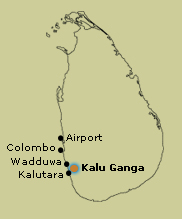
river map_srilanka

Ganges is everywhere in Sri Lanka!

கட்டுரை மன்னன் :– லண்டன் சுவாமிநாதன்
ஆராய்ச்சிக் கட்டுரை எண்:-1295; தேதி: 18 செப்டம்பர் 2014
This is already published in English.

மஹாவம்சத்தில் உள்ள பல வரலாற்று உண்மைகளையும் அதிசயங்களையும் 1995 முதல் ஆராய்ச்சி செய்துவந்தேன். சில நாட்களுக்கு முன் இந்தத் தொடரைத் துவங்கினேன். மஹாவம்ச ஆய்வுக் கட்டுரைத் தொகுப்பில் இது 6-ஆவது கட்டுரை.

சில மாதங்களுக்கு முன் சேரன் செங்குட்டுவனுக்கு காடு வாழ் குறவர், குறத்தியர் சமர்ப்பித்த பரிசுப் பொருட்களின் பட்டியலை சிலப்பதிகாரத்தில் இருந்து எழுதினேன். மறைந்து கிடக்கும் சில அரிய விஷயங்களை வெளிக் கொணர்வதற்காக பலரும் பாராட்டி எழுதினர். இதோ அசோகனின் ஆருயிர்த் தோழனும், இலங்கையின் புகழ்மிகு மாமன்னனுமான தேவனாம் பிரிய திஸ்ஸன் அனுப்பிய சில பரிசுப் பொருட்கள்:-

(( ஆதாரம் : மஹாவம்சம் அத்தியாயம் 11 ))

kaluganga

Gift list from Devanampriya
மூன்று அரிய ரத்தினங்கள்
அதிசய (ரத்தின) மூங்கில் தண்டுகள்
வலம்புரிச் சங்கு
எட்டுவித முத்துகள்

எட்டுவித முத்துக்கள் என்ன என்பதை மஹாவம்ச அற்புதச் செய்திகள் என்ற கட்டுரையில் சில நாட்களுக்கு முன் எழுதி விட்டேன். 99 சகோதர்களைக் கொலை செய்ததற்காக “சண்டாள அசோகன்” என்று அழைக்கப்பட்ட அசோகன் புத்த தர்மத்தைத் தழுவி நல்லவன் ஆனபின் “தர்ம அசோகன்” என்று அழைக்கப்பட்டதாக மஹாவம்சம் இயம்பும்.

தேவானாம் ப்ரியன் (தெய்வங்களுக்குப் பிரியமானவன்) என்ற அடை மொழியை இலங்கை, இந்திய மன்னர் இருவரும் வைத்துக்கொண்டனர். இந்தியாவில் அசோகன் கல்வெட்டுகளில் பெரும்பாலும் தேவானாம் ப்ரியன் என்ற பட்டப் பெயரே இருக்கிறது.

இலங்கையில் இருந்து வந்த அரிய ரத்தினங்களையும் ரத்தின மூங்கில் தண்டுகளையும் பார்த்த அசோகன் அசந்தே போய்விட்டான். இப்படிப்பட்ட அரிய பொருட்களை நான் கண்டதே இல்லையே என்று விமர்சிக்கிறான். உடனே இலங்கையின் மாமன்னனாக முடிசூட்டப் போகும் தேவானாம்ப்ரிய திஸ்ஸனுக்குப் பட்டாபிஷேகத்துக்குத் தேவையான பொருட் பட்டியலை அறிஞர் பெருமக்கள் ஆலோசனையுடன் தயாரிக்கிறான். அதில் முக்கியமான இரண்டு பொருட்கள்: கங்கை நீர், வலம்புரிச் சங்கு!! புத்த மதத்தினர் இந்துக்காளாகவே வாழ்ந்தனர்.

(வலம்புரிச் சங்கு பற்றி முன்னரே நான் ஒரு ஆய்வுகட்டுரை எழுதியுள்ளேன். அதில் சங்கின் மகிமையைக் கண்டுகொள்க)

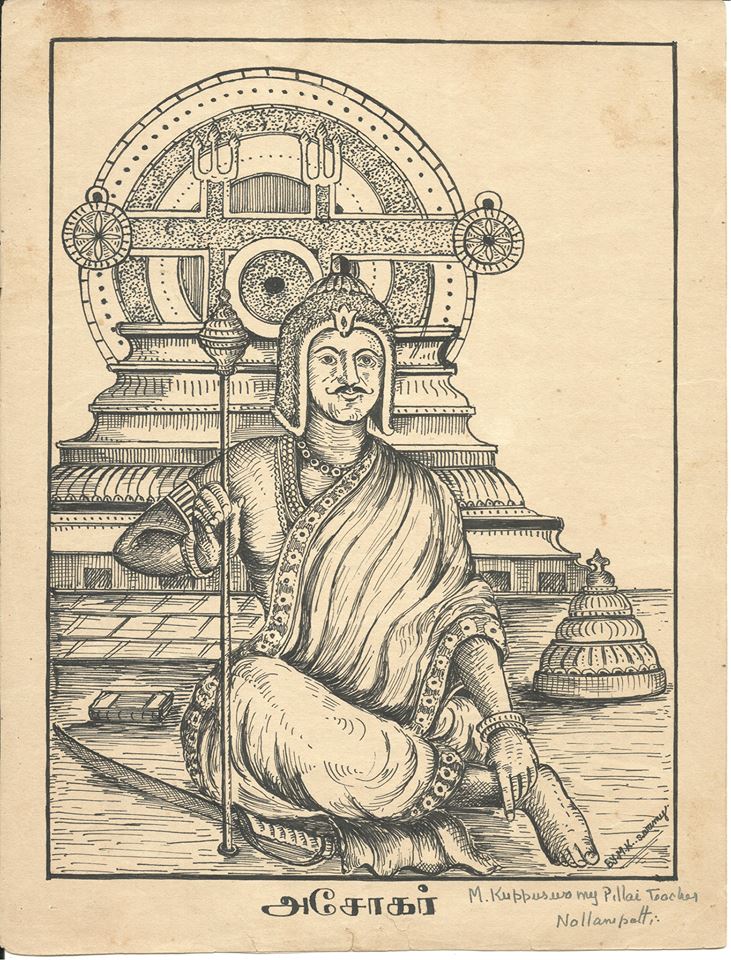
askokar, by thiru arul grand father, fb

இதோ அசோகன் அனுப்பிய பொருட்களின் பட்டியல்:

Gift list from Asoka
வெண் சாமரம், மகுடம், வாள் வெண்கொற்றக் குடை, பாதுகைகள், தலைப்பாகை, காதணிகள், கமண்டலம், ஆரங்கள், மஞ்சள் சந்தனக்கட்டைகள், சுத்தமே செய்யத் தேவை இல்லாத ஆடைகள், விலை உயர்ந்த அங்கி, நாகர் கொணர்ந்த தைலம், செம்மண், அனோதத் தடாக நீர், கங்கை நீர், வலம்புரிச் சங்கு, பொற்கலசங்கள், விலை உயர்ந்த மெத்தை.

இவை அனைத்தும் பட்டாபிஷேகத்துக்குத் தேவையானவை

பருவம் கொழிக்கும் எழில் மங்கை
உயர்ந்த மூலிகைகள்
6000 வண்டி நிறைய பறவைகள் கொணர்ந்த மலை அரிசி

இலங்கையில் கங்கை நதி

இந்தியர்கள் உலகம் முழுவதும் நாகரீகத்தை எடுத்துச் சென்றனர். இதனால் உலகம் முழுதும் எல்லா நதிகளின் பெயரும் தண் (ணீர்) என்ற தமிழ் சொல்லிலோ அல்லது கங்கை என்ற பெயரிலோ இருக்கும். தண்ணீருக்கு மட்டுமே சம்ஸ்கிருதத்தில் 280 சொற்கள் உண்டு. அதை எனது ஆங்கிலக் கட்டுரையில் காண்க.

இலங்கையில் எல்லா நதிகளையும் கங்கை என்றே அழைப்பர். “நதி” என்பதற்கு அவர்கள் பயன்படுத்தும் சொல்லே “கங்கை”!! உலகம் முழுதும் கங்கை உண்டு என்பதை முந்தைய ஆய்வுக்கட்டுரையில் தந்துள்ளேன். மீகாங் என்ற தென் கிழக்கு ஆசிய நாட்டு நதி “மா கங்கா” என்றும் ஆப்பிரிக்காவின் அடர்ந்த காட்டுக்குள் ஓடும் “காங்கோ” என்பது கங்கையின் மரூஉ என்றும் எகிப்தின் நைல் நதி நீல நிறத்தில் இருப்பதால் நைல் என்றும் லண்டனில் ஓடும் தேம்ஸ் நதி, வால்மீகி வாழ்ந்த தமஸா நதி போல மந்தமாகப் (தாமஸமாக) பாய்வதால் தேம்ஸ் என்று அழைக்கப்டுவதாக கின்னஸ் நூல் கூறி இருப்பதையும் விளக்கி இருக்கிறேன். ஐரோப்பாவில் டான்யூப் முதலிய நதிகள் “தண்”ணீர் என்ற வேச் சொல்லில் இருந்து பிறந்தவை என்பது அறிஞர்களும் ஒப்புக் கொண்ட உண்மை.

சுருக்கமாகச் சொல்ல வேண்டுமானால் உலகில் உள்ள எல்லா மொழிகளையும் தமிழ், சம்ஸ்கிருதம் என்ற இரண்டு மொழிகளில் அடக்கிவிடலாம் இரண்டும் பாரத மண்ணில் பிறந்தவை. இவ்விரு மொழிகளையும் சிவபெருமான் அளித்ததாக திருவிளையாடல் புராணம் பகரும். தென்கிழக்காசியா முழுதும் எல்லா மொழி எழுத்துக்களும் அசோகன் பயன் படுத்திய பிராமி லிபியில் இருந்து வந்தவையே. ஆனால் இவை எல்லாம் தமிழ்நாடு வழியாக பல்லவ கிரந்தம் என்னும் எழுத்தில் இருந்து சென்றவை. இப்போது நீங்கள் படித்துக் கொண்டிருக்கும் இந்தத் தமிழ் எழுத்துக்களும் பிராமி லிபியில் இருந்து வந்தவையே. பிராமி என்பது சரஸ்வதி தேவியின் பெயர். சிங்களம் முதல் பாஷா இந்தோநேஷியன் வரை எல்லாம் நாம் உலகிற்கு வழங்கிய கொடையே!

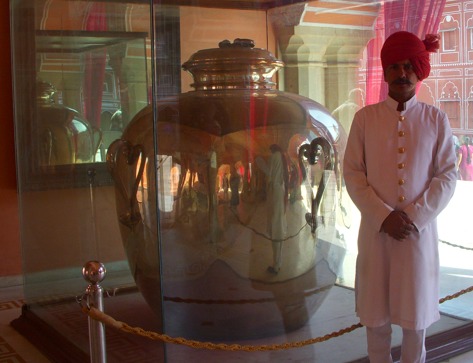
jai_silver_wterpot
Jaipur Maharaja took Ganges water in six huge silver pots to England by ship

இங்கிலாந்துக்கு கப்பலில் கங்கை நீர்
கங்கை நீர் — நாகரீகம் தோன்றிய நாள் முதல் பிரசித்தமானது. இன்றும் லண்டனில் நாங்கள் பூஜையில் உபயோகிக்கிறோம். மதுரை மீனாட்சி கோவிலுக்கு ‘டன்’ கணக்கில் லாரிகளில் வருவதாக ம.க.சுந்தரேச பட்டர் என்னிடம் சொல்லுவார். ஜெய்ப்பூர் மகாராஜா கப்பலில் இங்கிலாந்துக்குச் சென்றபோது ஆறு பிரமாண்டமான வெள்ளிப் பானைகளில் கங்கை ஜலம் கொண்டு சென்றார். இன்றும் பூஜைகளில் எந்த நீரை வைத்தாலும் அதில் கங்கையை ஆவாஹனம் செய்யும் வழக்கம் உண்டு. தீபாவளிக்கு எங்கு குளித்தாலும் கங்கையில் குளித்த புனிதம் உண்டு என்பதால் ஒருவரை ஒருவர் பார்த்து “கங்கா ஸ்நானம் ஆயிற்றா?” என்பர். “அல்வா சாப்பிட்டாயா? லட்டு சாப்பிட்டாயா? பட்டாசு வெடித்தாயா?” என்பதெல்லாம் பின்னர் வரும் கேள்விகளே!

ganga jal
Ganges water seller in Rishikesh

கங்கா மதா கீ ஜெய்!!

கட்டுரைக்கு உதவிய நூல்: மகாவம்சம், தமிழாக்கம் எஸ்.சங்கரன், சமுதாயம் பப்ளிகேஷன்ஸ் பிரவேட் லிமிட்டெட், சென்னை-17, இரண்டாம் பதிப்பு 1986, விலை ரூ 25.

Spontaneous Combustion Miracle in Mahavamsa!

shc

Research paper written by London Swaminathan
Post No.1294; Dated 17th Sept. 2014.
This is my Sixth Research Article in the Mahavamsa series.

I have already listed the miracles in Mahavamsa. But I did not deal with the Miracles of Buddha in that article. There are lot of miracles in Buddha’s life like in the life stories of Krishna and Jesus. So I am not dealing with them here. But one remarkable miracle is recorded in the Mahavamsa. It comes under the category of Spontaneous Human Combustion (SHC).

What is spontaneous Human combustion (SHC)?

A human body bursts into flames without any rhyme or reason or external contact with fire. Only people who believe in miracles and paranormal things believe that this can happen. But scientists who came across such things as late as in 1992, struggle hard to explain with all the scientific terms they know: methane in the body, fat in the body struck by lightning, wick effect etc. Nothing is satisfactorily explained so far. Moreover they did not know what is recorded in the Hindu scriptures. But what puzzled firemen and forensic experts is that the whole body including the bones except legs burnt to ashes! Why didn’t the legs burn? How come the bones burnt which is not even possible in Electric crematoriums where the temperature is 1000 degrees C? These are the puzzles. Hindus collect bones after the cremation even in London after cremating the body in the electric crematorium!

SHC2

Stranger than this was the burning of the body without damaging the clothes! But these were not recorded properly, so scientists ignored them. Hindus strongly believe in SHC, because they have lot of anecdotes in their scriptures. They never thought that they are fire accidents or concocted stories.

Saivite saint Tiru Jnana Sambandhar and Vaishnavite woman saint Andal burst into flames and merged with God. But atheists explained them as unfortunate fire accidents!!!

Ramalinga Swamikal burst into flames and merged with Jyothy, his disciples believe.
Tiruppanalvar and Nandanar merged into Jyoti/fire.

Gopal Naik sang Deepak Raga and burst into flames in front of Moghul emperor Akbar.
Tamil woman Kannaki burnt Madurai by throwing her breast.

Pattinathar and Adi Shankara lighted their mothers’ funeral pyre by looking at them!

In Mahavamsa we come across an anecdote where Kasyapa goes round the Buddha’s body three times and it spontaneously lit the funeral pyre! (See Chapter 30 of Mahavamsa).

More interesting is the SHC reported in fifth chapter. A monk bursts into flames. Buddhists call this Tejo jhanavasena. The explanation for this term is that a meditating monk concentrates all his thoughts on the concept of fire (tejo) and the effect is a fire arises in his body which consumes him.

shac4
The story is as follows:
Once a person went into a forest and fell in love with a wood nymph called Kunti. She gave birth to two children and they grew up and attained supernatural powers after practising Buddhism. One of them was bitten by a poisonous insect. Immediately the younger one asked him what would relive him of pain. The elder one asked for ghee to get rid of the poison in his body. Enough ghee was not available. The elder one decided to go into Nirvana. He sat lifted up in the air. Suddenly he burst into flames and the bones only remained after he burnt his flesh. The king collected his bones and did the funeral rites. After finding the Thera’s sickness, he built many hospitals for the Bhikshus.

Hindus have already heard such stories and so they are not surprised. But it is a very rare phenomenon. In the 5000 year old Hindu history we come across a handful of SHC cases only!

shc bbc

Please read my earlier articles:
The Mysterious Death of Great Hindu Saints (Posted Nov.15, 2011)
Strange Facts about V I P Deaths (27th April 2012)
Contact swami_48@yahoo.com

2500 ஆண்டுக்கு முன் தமிழர்—சிங்களவர் உறவு!

arumuga navalar
Sri Lanka stamp on Arumuga Navalar, great Tamil scholar.

மகாவம்சத்தில் அதிசயத் தமிழ்க் காட்சிகள்!! – பகுதி 2
கட்டுரை மன்னன் :– லண்டன் சுவாமிநாதன்
ஆராய்ச்சிக் கட்டுரை எண்:-1293 தேதி: 17 செப்டம்பர் 2014

மகாவம்ச ஆராய்ச்சிக் கட்டுரை வரிசையில் இது ஐந்தாவது கட்டுரை.

கட்டுரையின் முதல் பகுதியில் மனுநீதிச் சோழன், குமணன் முதலிய 16 விஷயங்களைக் கண்டோம். இது இரண்டாம் பகுதி.

17.யானை மூலம் குழந்தைக் கொலை
அத்தியாயம் 35:– சந்தமுகசிவனை அரசனின் மனைவி அலங்கரித்து “இவனை யானையிடம் கொண்டு செல். அரசன், சிறையில் இருப்பதால் யானை இடறி இவன் தலை நசுங்கட்டும். எதிரிகளிடம் சிக்குவதைவிட அதுவே மேல்” — என்று சொல்லி வேலைக்காரியுடன் அனுப்புகிறாள். யானையின் காலடியில் குழந்தையை வைத்தவுடன் அது அவனைக் கொல்லாமல் கண்ணீர் வடிக்கிறது. திடீரெனக் கோபம் கொண்டு அரண்மனைக் கதவுகளை உடைத்து அரசனை முதுகிலேற்றிக் கொண்டு சென்று அக்கரைக்குக் கப்பலில் தப்பித்துச் செல்ல உதவுகிறது.

இது போன்ற நிகழ்ச்சிகளை அப்பர் கதையிலும் காண்கிறாம். மஹேந்திர பல்லவ மன்னனின் யானை, அப்பர் பெருமானைக் கொல்ல மறுத்து விடுகிறது. மூர்த்தி நாயனாரையும் கரிகால் பெருவளத்தான் என்ற சோழ மன்னனையும் யானையே மன்னனாகத் தேர்ந்தெடுக்கிறது.

சங்க இலக்கியத்திலும் இதை ஒட்டிய ஒரு காட்சி உண்டு.

புறநானூறு பாடல் 46 (கோவூர்க்கிழார் பாடியது)
சோழன் குளமுற்றத்துத் துஞ்சிய கிள்ளிவளவன், தனது எதிரியான மலையமான் குழந்தைகளை யானையின் காலடியில் வைத்து நசுக்குங்கள் என்று உத்தரவிடுகிறான். இதைக் கேட்டு பதறிப்போய் கோவூர்கிழார் என்னும் புலவர் ஓடோடி வருகிறார்.
“மன்னா, என்ன காரியம் செய்கிறாய்? ஒரு புறாவுக்காக தன்னுயிரையே கொடுத்த சிபிச் சக்ரவர்த்தியின் மரபில் வந்தவன் நீ. இவர்களோ பால் மணம் மாறாப் பச்சிளங் குழந்தைகள். பூதாகார கருப்பு உருவம் உடைய யானையைக் கண்டு மகிழக்கூடிய வயது. புது முகங்களைக் கண்டால் மருளுவர். உடனே இந்த இழி செயலை நிறுத்து” — என்கிறார். மன்னனும் புலவனின் நல்லுரைக்குச் செவி சாய்க்கிறான். இதோ அப்பாடல்:—

நீயே, புறவின் அல்லல் அன்றியும், பிறவும்
இடுக்கண் பலவும் விடுத்தோன் மருகனை!
இவரே, புலன் உழுது உண்மார் புன்கண் அஞ்சி,
தமது பகுத்து உண்ணும் தண் நிழல் வாழ்நர்;
களிறு கண்டு அழூ உம் அழா அல் மறந்த
புன் தலைச் சிறார்; மன்று மருண்டு நோக்கி
விருந்தின் புன்கணோ உடையர்;
கேட்டனை ஆயின், நீ வேட்டது செய்மே! (புறப் பாடல் 46)

ganesh
Sri Lanka stamp with Lord Ganesh

18.நாகர் பட்டியல்

சங்கத் தமிழ் இலக்கியத்தில் நீண்ட நாகர் பட்டியல் உள்ளது: இருபது நாகர் குலப் பெயர்களில் மிகவும் புகழ் பெற்றவர்கள்: மருதன் இளநாகன், நன்னாகன், வெண்ணாகன், நாலை கிழவன் நாகன், நல்லியக்கோடன், நீலநாகன் (சிறுபாணாற்றுப்படை)

மகாவம்ச இலங்கை மன்னர் பட்டியலில் வரும் நாகர் பெயர்கள்:—
நாகதாச, சிசுநாக (இந்திய மன்னர்):
கல்லாட நாகன், சோரநாகன், மஹாநாகன், இளநாகன், மஹல்லநாகன், குஜ்ஜநாகன், குஞ்சநாகன், ஸ்ரீநாகன்

நாகர் என்பவர் பற்றி மஹாபாரத காலம் முதல் கேட்டு வருகிறோம்.
(( நாகர்கள், மஹாபாரத சண்டைக்குப் பின்னர், தென் அமெரிக்காவில் குடியேறி, காண்டவ வனத் தலைவன் மய தானவன் என்பவனின் தலைமையில் புதிய மாயா நாகரீகம் ஸ்தாபித்ததை எனது பழைய கட்டுரையில் காண்க))

19.கஜபாகு
இலங்கை வரலாறு தமிழர்களுக்குச் செய்த பெரிய உதவி கஜபாகு பற்றிய குறிப்பாகும். சிலப்பதிகாரத்தில் சேரன் செங்குட்டுவன் நடத்திய கண்ணகி சிலைத் திறப்பு விழாவுக்கு பல நாட்டு மன்னர்களுக்கும் அழைப்பு அனுப்பப்பட்டது. அதை ஏற்று வந்தவர்களில் ஒருவன் “கடல் சூழ் இலங்கைக் கயவாகு வேந்தன்” — என்று மொழிகிறது சிலம்பு. இதன் மூலம் சேரன் செங்குட்டுவன் காலம் இரண்டாம் நூற்றாண்டே என்பது உறுதி ஆயிற்று.
கஜபாகு ஆட்சி மகாவம்ச 35 ஆம் அத்தியாயத்தில் உளது

new year stamp
Sri Lanka Stamp on New Year

2500 ஆண்டுக்கு முன் தமிழர்—சிங்களவர் உறவு!

20.மதுரைப் பாண்டியன்
மகாவம்சத்தில் மிகவும் சுவையான விஷயம் பாண்டிய நாட்டு இளவரசிகள் இலங்கைக்கு வந்ததாகும்; இந்தியாவின் வங்காளப் பகுதியில் இருந்து வந்த விஜயன், குவென்னா என்ற ஒரு யக்ஷிணியைக் கல்யாணம் செய்துகொண்டு இரண்டு பிள்ளைகளுக்குத் தந்தை ( ஒரு மகன், ஒரு மகள்) ஆகிறான். ஆனால் உயர்குலத்து (க்ஷத்ரிய) மங்கை ஒருவளை ராணியாகப் பெறும்வரை மன்னன் ஆக முடிசூட்ட மாட்டேன் என்கிறான். உடனே மந்திரிமார்கள், ஒரு தூதர் குழுவை அமைத்து, முத்துக்களையும் விலை உயர்ந்த நகைகளையும் கொடுத்து பாண்டிய மன்னனிடம் பெண் கேட்க அனுப்புகின்றனர்.

தூதர்களும் கப்பல் மூலம் சென்று மதுரை மாநகரை அடைகின்றனர். (இது கி.மு ஆறாம் நூற்றாண்டு என்பதால் முதல் தமிழ் சங்கம் கொலு வீற்றிருந்த தென் மதுரையாக இருக்கலாம் என்பது என் கருத்து. இப்போதைய மதுரை அல்ல)

மதுரையில் பாண்டிய மன்னனும் மந்திரிகளைக் கலந்தாலோசித்து தன் பெண்ண அனுப்ப முடிவு செய்கிறான். உடனே மதுரை நகர தெருக்களில் தண்டோரா போடுகிறார்கள்:

“இதனால் சகலமானவர்களுக்கும் அறிவிப்பது என்னவென்றால்…… மதுரை மாமன்னனின் மகள் — இளவரசியை — விஜனுக்கு மணம் முடிக்கப் போகிறோம். அங்குள்ள மந்திரிமார்களுக்கும் பெரிய அரசாங்க அதிகாரிகளுக்கும் பெண்கள் தேவை. இதுவரை நூறு பெண்கள் வந்து இருக்கிறார்கள். இன்னும் யார் யார் இலங்கைத் தீவுக்குப் போக விருப்பமோ அவர்கள் அனைவரும் இரண்டு மாற்று உடைகளுடன் வீட்டு வாசலில் நின்றால் மன்னரின் ஆட்கள் அழைத்துச் செல்வர். பெண்களை அனுப்புவோருக்கு மாமன்னன் நஷ்ட ஈடும் வங்குவார். தகுதிக்கு ஏற்ப இலங்கை செல்லும் பெண்களுக்கு யானை, குதிரை, தேர் வாகன வசதிகளும் அனுப்பப்படும்” — இந்த அறிவிப்பு வெளியானதும் ஏராளமான தமிழ்ப் பெண்கள் முன்வந்தனர். அவர்கள் கொண்டுவந்த இரண்டு உடைகளுடன் மன்னனும் ஆடை அணிகலன்களை வழங்கி கப்பலில் ஏற்றி விடுகிறான்.

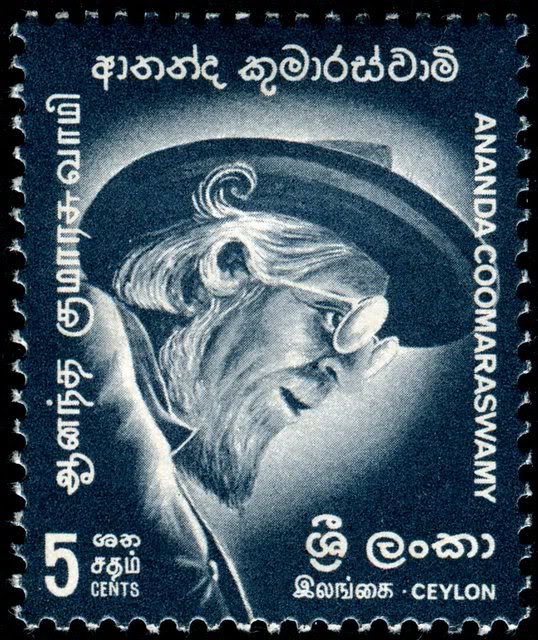
AnandaCoomaraswamy
Sri Lanka Stamp on Ananda Coomaswamy, great art historian

கைத்தொழில் கலைஞர்களும் பதினெண்குடி மக்களின் ஆயிரம் குடும்பங்களும் செல்வதற்கு ஏற்பாடாயிற்று. விஜயனுக்கு முன்கூட்டியே செய்தியும் அனுப்பப்பட்டது. இவர்கள் இலங்கையில் மகாதிட்டு என்னும் இடத்தில் கரை இறங்கினர்.

((ஆதாரம்: மகாவம்சம் அத்தியாயம் 7))

பின்னர் பழைய மனைவி குவென்னாவை, விஜயன் கெஞ்சிக் கூத்தாடி பணம் கொடுத்து வழியனுப்பியதையும், அவளை யக்ஷர்களில் ஒருவனே, ஒரே குத்தில் கொன்றதையும் மஹாவம்சப் படுகொலைகள் கட்டுரையில் தந்துவிட்டேன்.

இதில் கவனிக்க வேண்டிய மற்றொரு மஹாவம்ச வரி “18 குடிகள்”. தமிழ்நாட்டில் அகஸ்தியர் குடியேறியபோது வடக்கில் இருந்து 18 குடிகளை அழைத்துவந்தார் என்பது நச்சினார்க்கினியர் உரைதரும் விஷயம்!!

மஹாவம்சத்தை எல்லா தமிழர்களும் படிக்கவேண்டும். இந்தக் கட்டுரையின் இறுதிப் பகுதியில் இன்னும் சில சுவையான விஷயங்களைத் தருவேன்.

கட்டுரைக்கு உதவிய நூல்: மகாவம்சம், தமிழாக்கம் எஸ்.சங்கரன், சமுதாயம் பப்ளிகேஷன்ஸ் பிரவேட் லிமிட்டெட், சென்னை-17, இரண்டாம் பதிப்பு 1986, விலை ரூ 25.

contact swami_48@yahoo.com

Why did Emperor Asoka send Ganges water to Sri Lanka?

river map_srilanka

Rivers are called Ganga in Sri Lanka

Research paper written by London Swaminathan
Post No.1292; Dated 16th Sept. 2014.

This is my fifth research article in the Mahavamsa series.
River Ganges has been considered holy water from time immemorial. Sangam Tamil literature which is at least two thousand years old praised River Ganges in several verses.One of the second century kings Seran Senguttuvan came twice to Himalayas and the River Ganges for consecrating two statues. But we have earlier proof from Mahavamsa to indicate Emperor Asoka sent Ganga Jal (water of River Ganges) to his dearest friend in Sri Lanka.

Asoka and Devanapiya tissa – both had the title “Friend of the God (Devanam Priya)”. Both of them spread Buddhist doctrine. Both of them exchanged gifts. Mahavamsa says that Candala Asoka changed into Dharma Asoka. The same book reported that Asoka killed all his 99 brothers to become the king.

kaluganga

When Devanampiya Tissa took over as the king of Sri Lanka several miracles happened. Gems came out on its own from the bottom of the earth. People reported such miracles from every part of the country and gave them to the king. Immediately he thought of presenting them to Emperor Asoka in India, who he never met. At one stage he sent his chief minister and Royal chaplain with more people with gifts to see Mauryan Emperor Asoka. He carefully selected the following gifts:
Three rarest gems
Eight types of pearls
Three jewelled bamboo stems
Right whorl conch

askokar, by thiru arul grand father, fb
Picture of Emperor Asoka

When Asoka received them he was wonderstruck with the gems of Si Lanka. He commented that he had never had anything like that in his life. Immediately he selected some articles to be sent to Devanampiya Tissa. One of them was Ganges water and another was water from a holy lake. He also sent him Dakshinaavarta shank ( auspicious conch shell). This type of shell is found in all the major Hindu temples of India where it is used for worship and bathing of the gods.

Following is the full list of gifs sent to his counterpart in Sri Lanka 2300 years ago:
Fan, Diadem, White Umbrella, Sword, Turban, Ear Rings, Sandals and Pitcher (all necessary of crowning or consecration as a king).

??????????????????
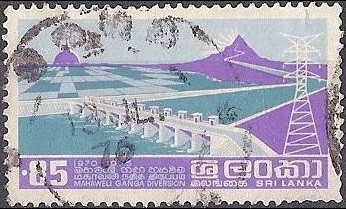
Stamp on Mahawali Ganga Project

Water from Holy Ganges and Anottara Lake
Right whorl Conch
Red sand
Oil brought by the Nagas
Golden pots
Costly clothes
Clothes that don’t require cleansing (ever new)
High quality herbs
A good mattress
A beautiful girl for his care
Sandal wood
Myrobalans
6000 Wagon loads of Mountain rice brought by parrots
Two of the above items, Ganges water and right whorl conch (Dakshinavarta Shank), are used in Hindu temples and homes even today.

jai_silver_wterpot
Jaipur Maharaja took Ganga Jal in six huge silver pots to England

When the minister and Royal chaplain brought them to Sri Lanka from Pataliputra they were given a big welcome.
—-Source: Chapter 11 of Mahavamsa

Mahawali Ganga and Madu Ganga

In Sri Lanka Ganga means river. They are named after the great Ganga of India. Mahawali Ganga, Madu Ganaga and Kelani Ganga are few of the names of the rivers. Probably when Hindus migrated to Sri Lanka they named all rivers as Ganga. There is a tradition among Hindus to invoke the holy Ganga River into all the water sources they use. On the day of Deepavai, wherever one takes bath that water source is considered Ganga. But there are several South Indian temples regularly receive tons of Ganges water every year from the North. The water is used for the bathing of the Gods’ statues.

ganga jal
Ganga Jal sale at Rishikesh

Read my earlier posts on the holy River Ganga
1.Gold under River Ganges (Posted 0n 7th April 2014)
2.Change Indus Valley Civilization to Ganges Civilization ( March 28, 2014)
3.Khandava Vana=Gond wana, River Congo = Ganga (March 17, 2014)
4.Ganga Jal for a Donkey ( March 13, 2014)
5.G for …………..Ganga………………Gayatri……………..Gita (7-5-2013)
6.Ganges Water is in the News Again (4-6-2012)
7.Holy River Ganges in Kalidasa and Sangam tamil Literature (20-2-2012)
8.Great Engineers of Ancient India (12-10-2011)
9.A to Z of Bhagavad Gita (13-11-2011)

மகாவம்சத்தில் அதிசயத் தமிழ்க் காட்சிகள்!– பகுதி-1

tamil poets
Images of Tamil Poets

கட்டுரை மன்னன் :– லண்டன் சுவாமிநாதன்
ஆராய்ச்சிக் கட்டுரை எண்:-1291; தேதி: 16 செப்டம்பர் 2014

மகாவம்ச ஆராய்ச்சிக் கட்டுரை வரிசையில் இது நாலாவது கட்டுரை.

மகாவம்சத்தில் தமிழர் பற்றி நிறைய அதிசயச் செய்திகள் உள்ளன. சங்க காலப் பெயர்கள் இதில் அதிகம் பயிலப்படுவதால் இது அக்காலத்தை ஒட்டியது என்பதும், இதை எழுதியவர் தமிழராகவோ அல்லது தமிழர்களை நன்கு அறிந்தவராகவோ இருத்தல் வேண்டும் என்றும் கருத இடம் உண்டு. நான் இப்படிக் கூறுவதற்கு கீழ்கண்ட 27 (27 reasons) விஷயங்களே காரணங்கள்:

சங்க இலக்கியத்தில் உள்ள பெயர்களும் சொற்களும் கதைகளும் மகாவம்சத்தில் காணப்படுகின்றன. இவை அனைத்தும் பெயர் அளவு அல்லது கதை அளவு ஒற்றுமைதான். சங்க இலக்கியப் புலவர்களோ நிகழ்ச்சிகளோ அல்ல:–

1.கபிலன்
சங்க காலத்தில் கபிலன் என்ற பிராமணப் புலவர் தான் அதிக செய்யுட்களைச் செய்தார். புலனழுக்கற்ற அந்தணாளன் என்று புலவர் பெருமக்களால் போற்றப்பட்டார். பாரி என்ற ஒரு சிற்றரசனுக்காக மூவேந்தரையும் பகைத்து நின்றார். மூவேந்தர்களும் பாரியை வஞ்சனையால் கொன்றனர். ஜாதி மதங்களை உதறிவிட்டு பாரியின் இரண்டு மகள்களையும் தன் சொந்த மகளாகக் கருதி ஊர் ஊராக அழைத்துச் சென்று கெஞ்சிக் கதறி திருமணம் செய்துவிட்டார். மூவந்தருக்கு அஞ்சிய பயங்கொள்ளிகள் அந்தப் பெண்களைத் திருமணம் செய்ய பயந்து நடுங்கினர்.

தமிழ் மொழியைக் கிண்டல் செய்த யாழ் பிரம்மத்தன் என்ற வடக்கத்தியானுக்குத் தமிழ் கற்பித்து அவனையும் சங்கப் பாடலை பாடச் செய்து அதையும் சங்க இலக்கியத்தில் சேர்த்தார். பிறகு தீயில் பாய்ந்து உயிர் நீத்தார். வாழ்க்கையில் தாம் செய்யவேண்டியதை செய்தாயிற்று என்ற நிறைவு கண்டவுடன் இந்துக்கள் இப்படி உயிர்துறப்பது வழக்கம். (( கீழே காண்க எண் 11: கோப்பெருஞ் சோழன் கதை))

கபிலருக்கு பல நூற்றாண்டுகளுக்குப் பின்னர் அவர் பெயரில் கபிலதேவ நாயனார் என்பவர் தோன்றி பாடினார். அவர்தம் பாடல்கள் சைவத் திருமுறையில் சேர்க்கப்பட்டன. இவ்வளவு புகழுடைய கபிலன் என்ற பெயர் மக வம்சத்திலும் வருகிறது. ஆயினும் இவர் சங்க கால கபிலர் அல்ல. பெயரளவு ஒற்றுமைதான்.

2.பரணன்
கபில-பரணன் என்று இணைத்தே சொல்லும் அளவுக்குச் சங்க காலத்தில் கொடிகட்டப் பறந்த பரணரும் ஒரு பிராமணர். அவர் ஒரு பெரிய வரலாற்று அறிஞர். “வரலாறு எழுதிய முதல் தமிழன்” — (First Tamil Historian) என்ற எனது கட்டுரையில் அவரது சாதனைப் பட்டியலைக் கொடுத்திருக்கிறேன். அவர் ஒவ்வொரு பாடலிலும் ஒரு வரலாற்றுச் செய்தியை உவமையாகப் பயன்படுத்துவார். இவரைப்போல ஒவ்வொரு இந்தியக் கவிஞரும் செய்திருந்தால் இன்று நம் வரலாறு இமயமலை அளவுக்கு உயர்ந்திருக்கும். வன்பரணர் என்ற ஒருவரைத் தவிர பிள்ளையார்பட்டி பாண்டியர்காலக் கல்வெட்டில் ஒரு பரணரைக் கண்டுள்ளேன்.

இந்தப் பெயரும் மஹாவம்சத்தில் வருவது சிறப்புடைத்து. அத்தியாயம் 23-ல் வரும் பரணன் துட்டகாமினியின் பத்து உதவியாளர்களில் ஒருவன். பெரும் வீரன். கி.மு.வில் இலங்கையை ஆண்ட ஏலாரா காலத்தவன் இவன். அதாவது சங்க காலத்தை ஒட்டியவன்.

3.உதியன்
இலங்கைத் தீவுக்கு அனுப்பப்பட்ட ஐந்து தேரர்களில் ஒருவர் பெயர் உதியர். சங்க காலத்தில் சிறப்பாக ஆட்சி செய்த மன்னர்களில் ஒருவன் உதியஞ் சேரலாதன் அதே பெயருடைய வேறு ஒருவர் மகாவம்சத்தில் வருவது வியப்புக்குரியது. வேறு எங்கும் காணப்படாதது. 20-ஆவது அத்தியாயத்தில் உதியன் என்ற பெயரில் அரசாண்ட மன்னரின் பெயரும் வருகிறது!!!

4.கல்லாடன்
கல்லாடம் என்பது ஒரு தமிழ் இலக்கண நூல். இதை எழுதியவர் கல்லாடர். இதே போல சைவத் திருமுறைகளில் எழுதிய கல்லாடரும் உண்டு. அந்தப் பெயரில் மகாவம்சத்தில் கல்லாட நாகன் என்ற மன்னன் இருப்பது வியப்புக்குரியது. சங்கத் தமிழ் நூல்களில் 20 பெயர் “நாகன்” என்ற பெயரில் பாடி தமிழுக்குத் தொண்டாற்றியுள்ளனர்.

athiyaman

Tamil poetess Avvaiyar with Chieftain Athiyaman

5.நாகன்
நாகன் (Naga, Nagan) என்ற பெயர் ஒரு மர்மமான பெயர். காஷ்மீர் முதல் கண்டிவரை காணப்படும் இவர்கள் யார் என்றே தெரியவில்லை. குப்தர்கால கல்வெட்டுகளில் பல நாகர்கள் பெயர்கள் வருகின்றன. பலர் படைத் தலைவர்கள். இலங்கையில் பல “நாகன்” பெயர் மன்னர்களின் பெயரில் வருகிறது. இதுபற்றிப் பல ஆராய்ய்சிக் கட்டுரைகள் வந்த போதிலும் நிச்சயமாக ஒன்றும் சொல்ல இயலவில்லை.

6.இளநாகன்
மருதன் இளநாகன் என்ற புலவன் சங்ககாலத்தில் சக்கைப்போடு போட்ட புலவர்களில் ஒருவர். கபிலன், பரணன், இளநாகன், கல்லாடன் என்று சங்க காலப் பெயர்கள் எல்லாம் மகாவம்சத்தில் ஒருங்கே வருவதை யாரும் தன்னிச்சையாக நடந்த ஒற்றுமை Accidental Coincidence –“கோஇன்சிடென்ஸ்”– என்று ஒதுக்க முடியாது (காண்க:– அத்தியாயம் 35)

perunthalai saaathanaar and kumanan

Tamil chieftain Kumanan with the Tamil poet

7.குமணன் கதை
புறநானூற்றில் பாடல் 158 முதல் 165 வரை குமணன் கதை வருகிறது. குமணன் என்ற சிற்றரசனை அவன் தம்பி இளங்குமணன் விரட்டிவிட்டு நாட்டை ஆள்கிறான். அது மட்டுமல்ல. அண்ணன் தலையைக் கொண்டு வருவோருக்கு பெரும் பரிசு தருவேன் என்றும் அறிவிக்கிறான் பெருந்தலைச் சாத்தனார் என்ற புலவர் இதுகண்டு வருத்தம் அடைகிறார். இருவரிடையே சமரசம் செய்ய ஒரு திட்டம் தீட்டுகிறார்.

காட்டில் வாழ்ந்த பெரிய குமணனைச் சந்தித்துப் பாடுகிறார். அவன் இந்தப் புலவர் காசுக்காகப் பாடும் புலவன் என்று எண்ணி, “அன்பரே, பொருள் அற்ற நிலையில் வாடுபவன் நான். இதோ இந்த வாளை எடுத்துக் கொள்ளும். இதனைக் கொண்டு என்னைக் கொல்லும். அப்படிக் கொன்றபின் என் தலையை என் தம்பி இளம் குமணனிடம் கொடுத்தால் உமக்குப் பெரும் பொருள் கிட்டும்” — என்கிறான். என்னே! தமிழர்களின் பெருந்தன்மை! தான் இறந்தாலும் புலவருக்குப் பணம் கிடைத்து வறுமை நீங்கினால் போதும் என்று எண்ணுகிறான்.

அந்தப் புலவர் ஒரு பெரிய வாழை மரத்தின் அடிப்பகுதியை வெட்டி அதில் செந்நிறச் சாயம் பூசி, ஈரமான வெள்ளைத் துணியில் சுற்றிக் கொண்டுவந்து இளங் குமணனிடம் சென்று பாடுகிறார். “பார், உன் அண்ணனின் பெருந்தன்மையை” கையில் வாளைக் கொடுத்து தலையைச் சீவச்செய்து அதைக்கொடுத்து உன்னிடம் பரிசு பெறச் சொன்னான் என்கிறார். வாளையும், வாழைத் தண்டையும் கண்டு அண்ணன் இறந்தானே என்று கண்ணீர் வடித்து தன் தவறை உணர்கிறான். “அது அண்ணன் தலை அல்ல, வெறும் வாழை மட்டையே, வருந்தற்க” என்றவுடன் மனம் மாறி அண்ணனை அழைத்துவந்து ஆட்சியை ஒப்படைக்கிறான்.

மகாவம்சம் அத்தியாயம் 36-ல் சங்க கால குமணன் கதை போலவே ஒரு கதை வருகிறது. கோதகாபயன் என்ற மந்திரி திடீர்ப் புரட்சியில் இறங்கி படை எடுக்கவே சங்கபோதி என்னும் அரசன் தப்பி ஓடுகிறான். அப்போது வழியில் தனக்கு உணவு கொடுத்த ஒரு வழிப்போக்கனிடம் என் தலையைச் சீவி கோதகாபயனிடம் கொடு; உனக்கு நிறைய பொருள் கிடைக்கும் என்கிறான். ஆனால் வழிப்போகன் மறுத்துவிடுகிறான். அவனுக்கு உதவுவதற்காக அரசன் அங்கேயே அமர்ந்து உயிர்விடுகிறான். உடனே அந்த வழிப்போக்கன் , சங்கபோதியின் தலையை கோதகாபய னிடம் கொடுக்கவே நிறைய பொருள் கிடைக்கிறது. இறந்துபோன மன்னனுக்கு உரிய ஈமச் சடங்குகளை கோதகாபயன் செய்தான்

8.மனுநீதிச் சோழன் கதை
அத்தியாயம் 21-ல் சோழ நாட்டில் இருந்துவந்த ஏலாரா இலங்கையை 44 ஆண்டுகளுக்குச் சீரும் சிறப்புடனும் ஆண்டான். அவன் சயன அறையில் ஆராய்ச்சிமணி தொங்க விட்டிருந்தான். குறை தீர வருவோர் அதை அடிக்கலாம்.. ஏலாராவின் மகன் ஒருநாள் ஒரு ரதத்தை ஓட்டிச் சென்ற போது அதில் ஒரு பசுங்கன்று அடிபட்டு இறந்தது. உடனே தாய்ப்பசு அரண்மனைக்கு வந்து நீதிகோரி ஆராய்ச்சி மணியை அடிக்கவே மன்னன் தனது மகனை தேர்ச் சக்கரத்தின் அடியில் கொல்கிறான்.

இந்தக் கதை அப்படியே மனுநீதிச் சோழன் என்ற பெயரில் தமிழ் இலக்கியத்தில் உள்ளது. நாம் திருவாரூரில் இது நடந்ததாகக் கூற, மகாவம்சமோ தீசவாபியில் நடந்ததாகச் சொல்லும். ஆனால் இருவரும் சோழ வம்சத்தினர். இது வியப்பான ஒற்றுமை. மேலும் ஆராய வேண்டிய விஷயம். ஏலாராவைத் துட்டகாமினி கொன்ற பின்னரும் அவனுக்கு உரிய மரியாதை செய்கிறான். அவன் தகனம் செய்யப்பட்ட இடத்துக்கு வந்த இலங்கை மன்னர் ஒவ்வொருவரும் வாகனத்தில் இருந்து இறங்கி மரியாதை செய்வது மரபாகிவிட்டது. நீதி நேர்மை தவறாது ஆண்ட மாபெரும் தமிழன் ஏலாரன் (அத்தியாயம் 25ல் காண்க).

elara
Stories of Elara of Sri Lanka and Manu Neethi Choza of Tamil Nadu are similar.

9.மலய மலை/ சந்தனக் கட்டை
பல இலங்கை மன்னர்கள் மலய மலையில் வந்து தங்கி படை திரட்டிச் சென்றதை மகாவம்சத்தில் காணலாம். அதே போல பொதியம், மலயம் ஆகியவற்றின் சந்தனமும் பல இடங்களில் குறிப்பிடப்படுகிறது. (உ.ம்: அத்தியாயம் 28 மற்றும் 36, 37)

10.பறவைகள் அரிசி கொணர்தல்
அத்தியாயம் 5 & 11:– அசோகன் மற்றும் தேவனாம்ப்ரிய மன்னர்கள் ஆட்சிக் காலத்தில் பறவைகள் அரிசி கொண்டுவந்தன என்பது கபிலர் காலத்தில் நடந்தது போல இருக்கிறது. மூவேந்தர்களும் பாரியின் பறம்பு மலையை முற்றுகையிட்டபோது, புலவர் கபிலர் கிளிகளையும் குருவிகளையும் பழக்கி அரிசி கொண்டுவந்தார் என்று சங்க இலக்கியம் கூறும்.

11.பாரா நட்பு
கோப்பெருஞ்சோழன் சாகும் வரை உண்ணாவிரதம் (வடக்கிருத்தல்) இருந்தபோது பிசிராந்தையார் என்னும் கிழப் புலவருக்கு ஒரு இடம் ஒதுக்கச் சொன்னார். “யாண்டு பல ஆக, நரை இல ஆகுதல் யாங்கு ஆகியர்? என வினவுதிர் ஆயின்” – என்று அற்புதமான பாடல் (காண்க புறம்.191) பாடிய அந்தக் கிழவனாரோ மன்னரைப் பார்த்ததே இல்லை. ஆயினும் இருவரும் நண்பர்கள்!! மன்னன் சொன்னபடியே புலவரும் வந்தார்!! அதேபோல இலங்கை மன்னன் தேவனாம்ப்ரியன் காலத்தில் ரத்தினங்களும் விலை உயர்ந்த உலோகங்களும் கிடைத்தன. அவற்றை இதுவரை பார்த்தே இராத அசோகனுக்கு அனுப்புகிறார்!

siva_kuthirai

12.குதிரை வியாபாரிகள்/ மாணிக்கவாசகர்
அத்தியாயம் 21-ல் சேனன், குட்டகன் என்ற இரண்டு தமிழர்கள் ஆட்சியைக் கைப்பற்றிய வரலாறு வருகிறது. இவர்கள் குதிரை வியாபாரிகளின் பிள்ளைகள். இதைப் படிக்கையில் மாணிக்கவாசகரின் கதை நினைவுக்கு வரும். அவரது காலமும் சம்பந்தருக்கு முந்தியது என்று நான் கட்டுரையில் நிரூபித்திருக்கிறேன்.

13.தேர் விழா
சிலப்பதிகாரத்தில் சமணர்களின் தேர்த் திருவிழா பற்றி படிக்கிறோம். மகாவம்சத்தில் புத்தமத தேர்த் திருவிழா பற்றி படிக்கிறோம். போதிமரத்தைத் தேரில் வைத்து ஊர்வலம் விடுகின்றனர். பிரபல பிராமணர் கிராமம் வந்தவுடன் அதைத் தரையில் இறக்கி மன்னன் மரியாதை செலுத்துகிறான்.

14.கார்த்திகை விழா
கார்த்திகை விழா சங்க இலக்கியத்திலும் பதினென்கீழ்க் கணக்கு நூல்களிலும் பல இடங்களில் குறிப்பிடப்படுகிறது. இதை இலங்கை மன்னரும் கொண்டாடியதை அத்தியாயம் 17-ல் காணலாம்.

karaikal
Karaikal Ammaiyar walking on head

15.மந்திர மாங்கனி
காரைக்கால் அம்மையார் என்ற சைவப் பெரியார் காலத்தால் சம்பந்தர் முதலிய நால்வருக்கும் முந்தியவர். இவர் திருமணம் ஆனபின் மந்திர மாங்கனி வரவழைத்ததும் இவரது கணவர், மனைவியின் அமானுஷ்ய சக்திகளைக் கண்டு பயந்து ஒதுக்கி வைத்துவிடுகிறார். பின்னர் அப்பெண்மணி சிவனடியாராக மாறி அற்புதமான திருவந்தாதிகளைப் பாடி தமிழில் அந்தாதி இலக்கியம் தோன்ற படி அமைத்துத் தருகிறார்.

மகா வம்சத்தில் 15ஆம் அத்தியாயத்தில் ஒருதேரர், மாம்பழத்தச் சாப்பிட்டு கொட்டையைப் போடவுடன் அது உடனே மீண்டும் வளர்ந்து கனிகள் நிறைந்த மா மரமாயிற்று!

16.உண்பது நாழி
உண்பது நாழி உடுப்பவை இரண்டே (புறம் 189) — என்பது மதுரைக் கணக்காயனார் மகனார் நக்கீரரின் கூற்று. இந்த அருமையான சொல் மகாவம்சம் 36 ஆம் அத்தியயத்தில் வருகிறது. குஜ நாகன் தம்பி குஞ்சநாகன் ஆட்சிக்க்காலத்தில் ஏக நாழிகைப் பஞ்சம் ஏற்பட்டது. அதற்கு விளக்கம் கூறும் மகாவம்ச உரை நாழி என்பது கையளவைக் குறிக்கும் ஒரு அளவை என்றும் ஒரு கவளம் சோறு இது என்றும் கூறும். ஒரு கவளம் கூடச் சோறு கிடைக்காத காலம் ஏக நாழிப் பஞ்சம் என்று அழைக்கப்பட்டது. நாழி என்னும் சொல்ல் இப்போது புழக்கத்தில் இல்லை.

05FR-KARAIKKAL_29905g

Magic mango incident of Karaikal ammaiyar

27 காரணங்களில் 16 காரணங்களை இங்கே பட்டியலிட்டேன். அடுத்த கட்டுரையில் மிக முக்கியமான, பாண்டிய ராஜகுமாரி—விஜயன் திருமணம், யானையை விட்டு குழந்தையைக் கொல்ல முயன்றது, கஜபாகு என்னும் மன்னனால் சிலப்பதிகாரத்தின் காலத்தைக் கண்டறிந்தது, சோழ நாட்டுப் புத்த பிட்சு இலங்கையில் போர்க்கொடி உயர்த்தியது, நாகர்களின் பட்டியல் முதலியவற்றைக் காண்போம்.

Brahmins and Candalas in Mahavamsa

Mahavamsa1

Research paper written by London Swaminathan
Post No.1290; Dated 15th September 2014.

This is the fourth in the series of my research articles on Mahavamsa.

“One should never hurt a Brahmin; and a Brahmin should never return evil for evil. Alas for the man who hurts a Brahmin. Alas for the Brahmin who returns evil for evil” — Buddha in The Dhammapada, sloka 389

It is very interesting to note that Mahavamsa has recorded a number of prominent Brahmin names in ancient Sri Lanka. It is also interesting to know that Brahmins have settled in Sri Lanka even before the Buddha was born. More interesting is that talk about Yakshas, Rakshasas, Candalas, Lambakarna- rhyming with Kumbakarna of Ramayana. Even though the Buddhist scriptures blacked out all that is Hindu in the island, indirect evidence gives so much information. Though the Pali scriptures never mentioned anything about Lord Rama or Lord Krishna, the names that we come across show that they existed as we see them in Ramayana or Mahabharata. Lord Siva’s name is not found in Sangam Tamil literature, but we come across many early kings with “Siva” suffix! This is also very important to write the history of Saivism in Sri Lanka!!!

Brahmin No 1
Chapter 3: When the Buddha died on the Vaisak Full Moon Day countless number of Bikshus, Brahmins, Kshatriyas, Sudras and Devas assembled there.

Brahmin No 2
Chapter 4: When some Bikshus were doing false propaganda Yasa Thera, son of Brahmin Kasanthaka went to solve the problem. Then Kalasoka convened the Second Council.

Brahmin No 3
Chapter 5: Brahmin Chanakya crowned King Chandragupta to rule all over Jambudwipa (India)
Candalas only wear yellow dress. He must be a candala, said one of the brothers of a shop keeper. He was born as a candala in a Candala village in his next birth but he attained ‘Vimochan’ in seventh year

Brahmin No 4
Chapter 5: A Brahmin by name Dasaka of Vaishali studied Vedas for twelve years. Buddha converted him to Buddhism.

mahavamsa-003

Brahmins in Sri Lanka
Brahmin No 5
Chapter 7: Vijayan’s first wife was Kuvenna who was a Yakshini. Her descendants are Pulindas.
Chapter 9: Brahmins well versed in scriptures predicted queen’s sons will kill their own uncles to capture power.

Brahmin No 6
Chapter 10: Pandula, a Brahmin, was a rich man. He was well versed in the Vedas. He was living for long in Pandulagama (Pandula Grama; in Kerala the places where Brahmins lived were called ‘grama’. In Tamil Nadu those villages were called Mangalam)

Pandula predicted that Pandu Abhaya would become a king and rule Sri Lanka for seventy years. He and his son Chanda taught would- be king all about statecraft.

In the incidents reported so far we come to know that Brahmins were well versed in the Vedas and statecraft. They were the teachers. They were rich and well respected. They could predict future; probably they were experts in Samudrika lakshan or astrology!

Brahmin No 7
Chapter 10: During Pandu Abhaya period, he created special place for Brahmins. He had one Maha Yajnasala. He appointed 500 Candalas to clean the city and 200 Candalas to clear the drainage. He appointed 150 more candalas to carry the dead bodies and created a Candala village. Exclusive burial ground was allocated to them.

Brahmin No 8
Chapter 11: When Devanampriya Tissa sent some messengers to Emperor Asoka, one of them was Raja Guru, a Brahmin. Asoka paid him all respects due to a Brahmin Guru.
Like ancient India, Sri Lanka also had Brahmins as Raja Gurus.

Brahmin No 9
Chapter 19: Just to guard the Bodhi Tree that came from India, King Devanam priya Tissa appointed 18 people from the royal family and 8 each from the Brahmins, Vaisyas and Cowherds. One or two from each of the Tharaksha, Kulingas, Weaver, Potter and Handicraft communities.

He took the tree in a chariot procession. As a mark of respect he put it on the ground in front of Brahmin Diwakar’s village.
So much respect was given to learned Brahmins by the Sri Lankan kings.
Later one tree was planted in his village.

maha2

Brahmin No 10
Chapter 23: Prince ordered one of servants to go to a far off village where his friend Kundali, a Brahmin lived.

Kundali had foreign goods and the servant was given a letter addressed to the Brahmin. The Brahmin asked him to come after a bath. He went and took a bath and came with lotus flowers. The Brahmin gave him a letter and gifts for the prince.

Brahmin No 11
Chapter 30: When there was a fight to get the share of Buddha’s bones and ashes, only a Brahmin by name Dona solved the problem by dividing the bones into eight parts. It looks like Buddha lived a pure Hindu life. He was cremated according to Hindu scriptures.
Brahmin No 12
Chapter 27 briefly mentions about Asokan, a Brahmin of Kasyapa Buddha period.

Brahmin No 13

Chapter 31: Here in this chapter we hear about a Brahmin called Nandhuttara who gave a reception to the Buddha.

Brahmin No 14
Chapter 33 deals with a revolt by a Brahmin known as Tissa of Rohana. He joined with seven Tamils and sent a threatening letter to the king. He wrote back that he had to drive away the Tamils first and then the country belonged to him. Tisisa failed in his mission and later the king was also defeated.

maha3

Brahmin No 15
Chapter 34 gives an interesting love story of Anula. She loved several people and killed them one after another by poisoning them. One of them who fell a prey to her was a Brahmin by name Niliya. Queen Anula married him and Niliya ruled just for 6 months before he lost his life.

Brahmin No 16
In the last chapter 37, we hear about a new Buddhist Vihara built at the village of the Brahmin Kalanda. Because Brahmins were prominent citizens they were mentioned wherever an opportunity arose.

Conclusion: Even during the Buddhist rule, they were mentioned first and then only the Bikshus and other castes were mentioned. This is due Buddha’s strict instruction not to harm Brahmins in Dhammapada sloka 389.

Contact swami_48@yahoo.com
சுமேரியா, எகிப்தில் இந்திரன் வழிபாடு!

God heiroglyph

Indra Dwaja symbol meant GOD in Egypt!

ஆராய்ச்சிக்கட்டுரை எழுதியவர்—லண்டன் சுவாமிநாதன்
கட்டுரை எண்:-1289; தேதி:– 15th September 2014.

This article was already published in English.

உலகம் முழுதும் இந்திரன் வழிபடப்படுவது பாரத மக்களுக்கு பெருமைதரும் விஷயமாகும். பல்லாயிரம் ஆண்டுகளுக்கு முன்னர், சிந்து, சரஸ்வதி, கங்கை நதி தீரத்தில் ஒலித்த அதே மந்திரங்கள் இன்று இந்தியாவில் உள்ள ஒரு லட்சத்துக்கும் அதிகமான கோவில்களில் விழாக் காலங்களில் ஒலிப்பதும், “த்ரி கால சந்தியா வந்தனம்” செய்யும் பிராமணர்களின் வீடுகளில் நாள்தோறும் ஒலிப்பதும் அதிசயத்திலும் அதிசயமான விஷயம் ஆகும்.

அதைவிட அதிசயம், கரிகால் சோழன் முதல் சிலப்பதிகார காலம் வரை தமிழ்நாட்டில் கொண்டாடப்பட்ட இந்திர விழா இன்றும் நேபாளத்தில் அதே பெயரிலும் தென்கிழக்காசிய நாடுகள் முழுதும் “நீர்ப் பெருக்கு விழா” (Water Festival) என்ற பெயரிலும் கொண்டாடப்படுவதாகும். இதை எல்லாம் பார்க்கும்போது ‘’ஒல்காப்புகழ் தொல்காப்பியன்’’ ஏன் இந்திரனையும் வருணனையும் தமிழ் தெய்வங்கள் என்று தலைமேல் வைத்துக் கொண்டாடினான் என்பதும் தெள்ளிதின் விளங்கும்.
Vientine, Laos
Indra in Vientine, Laos (South East Asia)

இதைவிட வியப்பான விஷயங்களைச் சொல்வதே இக்கட்டுரையின் தலையாய நோக்கம். ஆய் அண்டிரன் என்னும் தமிழ் மன்னனின் பெயரில் உள்ள அண்டிரன் (Andiran) என்பது இந்திரனின் பெயர். உறையூர் ஏணிச்சேரி முடமோசியார் என்னும் பிராமணப் பெண் புலவர் அண்டிரனைப் பாடிய புறநானூற்றுப் பாடலில் இந்த ரகசியத்தை வெளியிடுகிறார். அதை விட வியப்பான விஷயம் எகிப்தில் இந்திர த்வஜத்துடன் இந்திரனைக் கடவுள் என்ற பெயரில் வணங்கியதாகும். சுமேரியர் என்ன சளைத்தவரா? கிரேக்கர்கள் என்ன இளைத்தவரா? அவர்களும் கும்பிட்டதோடு வானத்தில் உள்ள நட்சத்திரத்துக்கும் இந்திரன் பெயர்சூட்டினர்.

தென்கிழக்காசிய நாடுகள் முழுதும் இந்திரன் சிலை இருப்பதும், நேபாளம் முதல் கண்டி வரை இன்றும் மக்கள் தம் மழலைச் செல்வங்களுக்கு இந்திரன், இந்திராணி, சசி போன்ற பெயர்களைச் சூட்டி மகிழ்வதும் நாம் அறிவரும் அறிந்ததே.

இந்திர அதிசயம் 1
எகிப்து நாட்டில் 4000 ஆண்டுகளுக்கு முன் ஹைரோகிளிபிக்ஸ் (hieroglyphs) என்ற சித்திர எழுத்தை எழுதினர். இதில் கடவுள் என்பதற்கான சித்திரம் — ஒரு கம்பில் சின்ன துணி சுற்றப்பட்ட படம் ஆகும். இதைத்தான் இந்திரத்வஜத்தின் முன்னோடி என்று சொன்னேன் (த்வஜம் = கொடி) ஏன் தெரியுமா? அந்த சித்திர எழுத்துக்கான ஒலி “ntr” என்.டி.ஆர் என்பதாகும். பழங்கால மொழிகளில் உயிர் எழுத்தை (vowel) எழுதமாட்டார்கள். நாமாகப் போட்டு நிரப்பி பின்னர் அதை வாசிக்கவேண்டும். என் டி ஆர் NTR என்பதில் உயிர் எழுத்துக்களைப் போட்டால் வரும் ஒலி இன் டி ர (INTIRA இந்திரன்)!! ஆக கடவுள் என்றால் எகிப்திய மொழியில் இந்திரன்!
indra saci nepal
Indra in wooden sculpture , Nepal

இந்திர அதிசயம் 2
சுமேரியாவில் அண்டர ANDARA என்றால் இந்திர என்று ஒரு புத்தகம் (India We Lost) கூறுகிறது. சுமேரிய, பாபிலோனிய மெசபொட்டோமிய நாகரீகம் நிலவிய இராக், சிரியா பகுதியில் 3000 கடவுள் பெயர்கள் கண்டுபிடிக்கப்பட்டதாக பிரிட்டிஷ் மியூசியம் வெளியிட்ட அகராதி (Dictionary of the Near East) கூறுகிறது.
பழைய பாரசீக மொழியில் உள்ள Zend Avesta செண்ட் அவஸ்தாவில் இந்திரன் பெயர் இரண்டு இடங்களில் வருகிறது என்றும் அதுவும் அண்டிர என்ற சப்தத்தில் இருப்பதாகவும் இன்னொரு நூல் பகரும்.

இந்திர அதிசயம் 3
இந்திய புராணங்களில் இந்திரன் மனைவி பெயர் அய்ந்திரி Aindri. ஆக கணவன் பெயர் அய்ண்டிரன் என்பதில் பொருத்தம் உளது. மேலும் இந்திரன் மனைவி இந்திராணி, புலோமன் என்ற அசுரனின் பெண். ஆக ஆரிய திராவிட இனவெறிக்கொள்கை பொய் என்பதற்கு இதுவும் ஒரு சான்று. இந்திரன் கொன்ற 30 அசுரர்களில் இருவர் பிராமணர்கள்! ஆக இதுவும் ஆரிய திராவிட இனவெறிக் கொள்கையைத் தகர்க்கிறது.

Indra-Jatra-14-,nepal

Indra Festival in Nepal

இந்திர அதிசயம் 4
கிரேக்கர்கள் கும்பிட்ட ZEUS சூஸ், ரோமானியர்கள் கும்பிட்ட JUPITER ஜூபிடர், நார்வீஜியர் கும்பிட்ட THOR தோர், கெல்ட்ஸ் கும்பிட்ட TARANIS தாரனிஸ் ஆகியோர் இந்திரன் போன்றே “இடி” எனும் வஜ்ர ஆயுதத்தை THUNDERBOLT கையில் வைத்திருப்பதை முன்னொரு கட்டுரையில் கண்டோம். இதைவிட முக்கியமான செய்தி கேட்டை நட்சத்திரம் ஆகும். “ஜ்யேஷ்டா” என்று வடமொழியில் அழைக்கப்படும் இந்த நட்சத்திரத்துக்கு அதிதேவதை இந்திரன். அந்த கிரேக்க நட்சத்திரத்தின் பெயர் ANTARES அண்டாரெஸ். அண்டிரன் என்பதையே இப்படி சொல்கிறார்கள். அவருக்கு இதற்கு விளக்கம் கிடைக்காததால் கஷ்டப்பட்டு இதற்கு வேறு பொருள் கற்பித்தனர்!

இந்திர அதிசயம் 5
ஏணிச்சேரி முடமோசியார் பாடிய புறப்பாடல் PURANANURU 240-மற்றும்-241-ல் இரண்டு முக்கியச் செய்திகளைக் கூறுகிறார்.

1.ஆய் அண்டிரன் இறந்தவுடன் “வச்சிரத் தடக்கை நெடியோன் கோவிலில்” அவனை வரவேற்க முரசுகள் முழங்கி வானில் ஒலி எழுந்தது என்கிறார் புலவர்.— இதற்கு மூன்றுவிதப் பொருள் உண்டு (அ) அவர் இறந்த அன்று மழைமூட்டமாக இருந்ததால் இடி இடித்தது (ஆ) அவர் நிறைய கொடையளித்துப் புண்யம் சம்பாதித்ததால் அவர் சொர்க்க (இந்திர) லோகம் போவார் (இ) அவர் பெயரில் அண்டிரன் / இந்திரன் இருப்பதால் புலவர் இப்படிப் பாடினார். இந்தக் கடைசி பொருளே சரி என்பது என் முடிவு. மற்ற எல்லா இடங்களிலும் மேல் உலகம் என்று புலவர்கள் பாடுவர். இங்கோ ‘வச்சிரத் தடக்கை நெடியோன் கோவில்’ — என்று இந்திரன் பெயரை நீட்டி முழக்குகிறார் புலவர். இதே வரியை இளங்கோவும் சிலப்பதிகாரத்தில் பயன்படுத்துகிறார்.

2. இரண்டாவது செய்தி என்னவென்றால் அவனது உரிமை மகளிர் (மனைவியர்) அவனுடன் (சிதைத்தீயில்) எரிந்தனர். ‘சதி’ என்னும் இவ்வழக்கம் வட நாட்டில் அதிகம் உண்டு. இன்னொரு புறப்பாடலில் பூதப்பாண்டியன் பெருந்தேவியாரும் கணவனுடன் சிதைத் தீயில் ஏறி மாண்டதைக் காண்கிறோம். ஆய் அண்டிரன் வடக்கே இருந்து வந்த வேளிர் மரபைச் சேர்ந்தவன். கபிலரின் புறநானூறு 201 ஆம் எண் பாடலின் உரையில் வேளிர் என்போர் அகத்தியர் தலைமையில் துவாரகா புரியில் இருந்து வந்தவர்கள் என்பதை அறிகிறோம். இவை அனைத்தையும் ஒரு சேரவைத்துப் பார்த்தால் ஆய் அண்டிரன் — இந்திரன் என்ற பெயரைக் கொண்டதில் வியப்பில்லை.

indra nepal 3
Indra Festival

இந்திர அதிசயம் 6
இந்திரனை அடிக்கடி காளைமாடு என்று ரிக்வேதம் வருணிக்கிறது. சிந்து சமவெளியிலும் முத்திரைகளில் காளைகளே அதிகம். அதுமட்டுமல்ல. உலகின் பழைய நாகரீகங்களில் யானைச் சின்னம் உள்ளது சிந்து சமவெளியில் மட்டுமே. இந்திரனுடைய வாகனம் யானை வாகனம் என்பதோடு அத்தகைய சின்னம் ஒன்றும் சிந்துவெளியில் கிடைதிருக்கிறது. ஒரு யானையின் மேல் ஒரு உருவம் நிற்க அதன் மேல் சக்ர சின்னம் பொறிக்கப்பட்டுள்ளது. ஆக இந்திரன் எனபவர் மத்திய ஆசியாவில் அல்லது சைபீரியாவில் இருந்து இறக்குமதி செய்யப்பட்ட தெய்வம் என்ற கூற்று எல்லாம் பொய்யாய்ப் ப்ழங்கதையாய்ப் போயிற்று!!

இந்திர அதிசயம் 7
இந்திரனுக்கு ஒதுக்கப்பட்ட திசை கிழக்கு என்பதாலும் அவர் மேலை நாட்டில் இருந்து இறக்குமதியானவர் இல்லை என்பது புலப்படும். இந்திய இந்திரனே குதிரையிலும், காளையிலும், யானையிலும் ஏறி உலக வலம் வந்தான் என்று கொள்வதே சாலப் பொருத்தம்!!
antares_m4_stargazerbob_600

Red Colour Jyeshta (kettai in Tamil) Antares Star in Scorpio constellation.

தொல்காப்பியம் புகழும் இந்திரன் வாழ்க !!
தமிழ் தெய்வம் இந்திரன் வெல்க !!!

“தமிழில் பழ மறையைப் பாடுவோம்” – பாரதியார்.
“வேதம் என்றும் வாழ்க என்று கொட்டு முரசே” — பாரதியார்.

contact swami_48@yahoo.com

Why did Sumeria and Egypt worship Indra?

Vientine, Laos

Indra in Vientaine, Laos (South East Asian country)

Research Paper written by London Swaminathan
Post No.1288; Dated:14th September 2014.

Indra is the oldest God in the world worshipped until today. There are over 100,000 temples in India and millions of Brahmins all over the world. In all these places we hear Indra’s name every day. Children are named after Indra or his wife Indrani (Saci) from Nepal to Sri Lanka and all over South East Asia.

I have written umpteen articles on Indra creating an Encyclopaedia of Indra to dispel the false notion spread by foreign ‘scholars’. He is NOT an “Aryan” God from Central Asia or Siberia. He is a Hindu god from India travelling to different parts of the world. In my previous article, I published the pictures of Laos and Mongolia stamps on Indra.

My conclusion is Indra is not one person. It is a title like KING or a LEADER. Indra is also used for GOD. In ancient Hindu India, kings were considered God. We see it in the Rig Veda and 2000 year old Sangam Tamil literature.

This article gives more proof to show that Indra was worshipped as God in Egypt, Sumer and Greece.

Indra referred to a title is confirmed by Mahabharata (Santi Parva, Chapter 224) and Vayu Purana (64-6-9). While Vayu Purana allocated 14 Indras for 14 Manvanataras, Mahabharata said that there were thousands of Indras in the past (See Indra in Indian Mythology by Muralidhar Mohanty for more details).

indra saci nepal
Wooden Sculpture of Indra and Saci from Nepal.

Foreign ‘scholars’ who did not study Tamil Tolkappiam or Mahabaharta made wrong statements that one Indra killed more than 30 demons in the Rig Veda. In fact they were not demons. Indra ‘s most celebrated episode is about killing a Brahmin !!!

We know for sure from the oldest Tamil book Tolkappaiam that Tamils worshiped the Vedic deity Indra. We know that Vedic Hindus gave top place to Indra in their worship. He is praised more than anyone else in the Vedas. But Indra worship did not stop there. Even Iranians, Sumerians, Egyptians and Greeks worshipped Indra! In their languages Indra meant The God!

In Egypt:
In Egypt “ntr” meant God. The hieroglyph ‘ntr’ meaning god is derived from a staff bound with cloth. This is Indra Dwaja (Flag of Indra) found in Ramayana and Tamil literature. Tamil epic Silappadikaram describes the Indra festival and Indra flag in great detail. Many of the ancient languages never write vowels. We have to insert vowels before reading it. “Ntr” will become Intra, if we introduce vowels into them.

indra nepal 3
Indra Festival in Nepal

3000 Gods in Sumeria

More than 3000 deities’ names have been recovered from Mesopotamia alone. These were organised by the Mesopotamians into groups resembling households, extended families or states (See Dictionary of the Ancient Near East published by The British Museum for more details).

In Avesta, Andira meant Indra and in Tamil Andiran meant Indra. I explain them below; Indra is mentioned in a two places in Zend Avesta.

In Sumeria Andara is Indra ( See page 147 of the ‘India We have Lost’)
Laos has issued stamps for Indra and Mongolia has issued stamps for Vajrayudha! Indra’s name is found all over the world in names like Andrew etc.

antares_m4_stargazerbob_600
ANTARES = INDRA

Of the 27 stars, Jyeshta is one. Greeks named the star Antares, i.e Indra. In Hindu scriptures the Devata/deity for Anatres is Indra! Hindus called this red star as Jyeshta meaning ‘the eldest’. This is another proof to show that Greek name Anatres and Indra are one and the same. (Among the goddesses also there is one Jyeshta). Scholars who did not know linked Antares with Ares (Mars) without any rhyme or reason!

There is another proof from ancient Sangam Tamil literature. Oldest book Tolkappiam called Indra with the name “Vendhan” meaning The King. But Sangam Tamil literature and later books like Tirukkural used Sanskrit word Indra. But not many people know that Andiran in Sanagam Tamil literature is also Indra.

There are two verses (240 and 241) in Purananuru sung by a Brahmin woman Uraiyur Enicheri Mudamosi. She composed many poems in praise of Ay Andiran, a Tamil chieftain. Only three poets used this word Andiran — all meaning chieftain Ay Andiran.

Miss Mudomosi gives us two vital facts:

1.When Ay Andiran died his wives burnt themselves in the funeral pyre. This custom known as “Sati” was practised more in the north from the Mahabharata days. But it was not compulsory. Even in the Mahabharata days, Pandava’s mother Kunti did NOT die in funeral pyre after Pandu’s death. Dasaratha’s wives did NOT die after Dasaratha’s death as well. There are two more references to Sati in Tamil literature, which I have already dealt with.

2.When Ay Andiran died Indra’s temple drums started playing loudly to welcome him! Miss Mudamosi described very clearly “Vajara Thadakkai Nediyon Koyil” meaning the “Temple of God one who wields the weapon Vajra/thunderbolt”. Why did she suddenly mention Indra welcoming her in the heaven? This is because Andiran meant Indra. Ayu/Ay is also found throughout Mahabharata and the Puranas (Hindu Mythlogy)

Ay Andiran’s forefathers came from Dwaraka of Krishna. He belonged to Velir clan which was brought to Tamil Nadu by Agastya 3000 years ago — around 1000 BCE. Another Brahmin poet of Sangam age Kapila gave this information in Purananuru verse 201.

indra nepal
Indra Festival in Nepal

Indra in the Indus Valley Civilization
The Rig-Veda identifies Indra with the bull which is the predominant seal in Indus valley civilisation. So we can conclude that Indra worship prevailed in the Indus Valley.

Indra’s vehicle is an elephant known as Airavata which is a predominant animal in Indus valley civilization. No other ancient civilization has elephant figure or association of an elephant with any ancient god. This is a very clear proof to show that Indra is an Indus God and not a foreigner from central Asia or Siberia. I have already explained the elephant and the standing figure with a wheel above, on an Indus tablet is Indra.
He is the god of the direction “East” which shows that he belongs to India and not a foreign god from the “West”.

His wife Indrani is the daughter of Asura Puloman which shows that Asuras belonged to one and the same race, belying Aryan – Dravidian racist theory. She is also known as Paulomi and Aindri. Andiran is Indra and Aindri is Indrani.

The English name Andrew and Andreas all came from Indra. Later new explanations were added by struggling foreign “Scholars”!!!

Indra-Jatra-14-,nepal
Indra Jatra in Nepal. This was celebrated in ancient Tamil Nadu.

Afghans worship Indra!
Indra and Imra are worshipped as Kafir gods in Afghanistan. The place where he was worshiped was called Kafiristan. He is worshiped in Waigal, Prasun areas of Hindukush and in Nuristan.

Indra is identified with Zeus of Greece,Thor of Norse Jupiter of Romans and Taranis of Celts.

Please read my earlier research papers on Indra:
1.Encyclopedia of Indra (Posted on 7th Sept. 2014)
2. Indra-Thor-Taranis in Indus Valley Civilization (5th Sept. 2014)
3. Oldest Engineer in the World –Indra: A Dam Buster or a Dam Builder? (4th Sept. 2014)

4).Why did Indra kill Brahmins? – (posted on 25 May 2014).
5).How many people did Indra kill? (17th July 2014)
6).Do you know Indra? (14th July 2014)
7).Indus Valley – Brahmin Connection (10th May 2014)
8).Indus Valley Case: Lord Indra Acquitted (28 December 2013)
9).Indra in the Oldest Tamil Book
10). Indra Festival in the Vedas and Tamil Epics
11).Vishnu in Indus Valley
vajrayudha, mongolia
Mongolia Stamp on Vajrayudha

Most of these articles are available in Tamil also. Indra is mentioned in all my articles on Aryan Dravidian ‘Racist’ Theory.

Contact swami_48@yahoo.com
பொங்கி வரும் புனிதம்! கங்கோத்ரி ரகசியம்!!

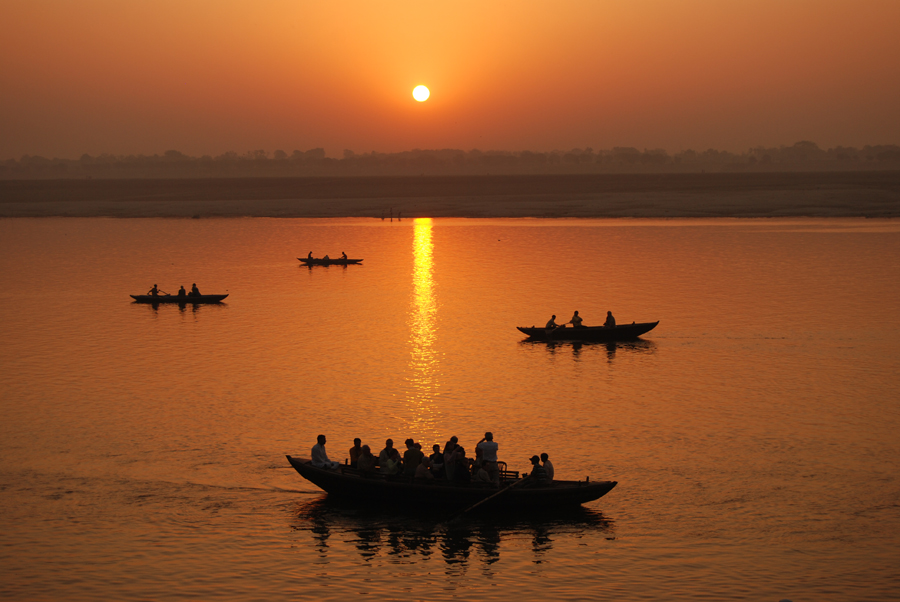
Sunrise_Varanasi
Sun Rise at Varanasi

By ச.நாகராஜன்
Post No.1287; Posted on 14th September 2014.

“ஸ்ரோதஸாமஸ்மி ஜாஹ்நவீ ( நதிகளுக்குள் கங்கா நதி நான்! )
கீதையில் ஸ்ரீ கிருஷ்ணர் (10ஆம் அத்தியாயம், 31ஆம் ஸ்லோகம்)

விஸ்வ பாவினி மாதா
பிரபஞ்சத்தையே தூய்மையாக்கும் ‘விஸ்வ பாவினி’ என்றும், அனைவரின் பயங்களைப் போக்கும் ‘பய ஹாரிணி’ என்றும், அற்புதமான அங்கங்களைக் கொண்டிருக்கும் ‘சுப அங்கிணி; என்றும்,உலக மக்கள் அனைவரின் நதியாக ‘லோக நதி’ என்றும் போற்றித் துதிக்கப்படும் ஆயிரக்கணக்கான நாமங்களால் பூஜிக்கப்படுபவள் கங்கா மாதா!

பகீரதனின் தவத்தால் பூமியில் கங்கை இறங்கிய அரிய செயலை நினைத்து மனம் மகிழ்ந்த நரசிம்மவர்ம பல்லவன் அந்த அழியாக் காவியத்தை சிற்பமாக மாமல்லபுரத்தில் வடித்து பாரத ஒற்றுமையையும், நல்லோரின் அரிய செயல் உலகத்திற்கே நன்மை பயப்பதையும் சுட்டிக் காட்டினான் ராமேஸ்வரத்தில் மணல் எடுத்து கங்கோத்ரியில் கரைப்பதை தொன்று தொட்டு செய்து வரும் பண்பாட்டுப் பழக்கமும் இந்திய ஒருமைப்பாட்டிற்கு ஒரு சான்று!

GANGA SUNSET

நான்கு ‘க’காரங்கள்
ஹிந்துக்கள் போற்றும் நான்கு ‘க’காரங்கள் கங்கா, கீதா, காயத்ரி, கோ (பசு) ஆகும். மரணமடைந்த ஜீவனைப் பற்றி யமன் சர்ச்சை செய்யாமலிருக்க வேண்டுமா? ஆதி சங்கரர் அதற்கான எளிய உபாயத்தைக் கூறி இருக்கிறார்:

பகவத் கீதா கிஞ்சிததீதா கங்கா ஜல லவ கணிகா பீதா சக்ருதபி யேன முராரி சமர்ச்சா க்ரியதே தஸ்ய யமேன ந சர்ச்சா
-பஜ கோவிந்தம் பாடல் 20

“பகவத் கீதையைச் சிறிது படித்தாலோ கங்கை ஜலத்தில் துளியை உட்கொண்டாலோ கிருஷ்ண நாமத்தை ஒரு முறையேனும் உச்சரித்தாலோ அப்படிப்பட்டவரைப் பற்றி யமன் விவாதிக்கவே மாட்டான்” என்று ஆணித்தரமாக ஆதி சங்கரர் பஜ கோவிந்தத்தில் அருளும் உரையைப் படிக்கும் போது கங்கா, கீதா, கிருஷ்ணா பற்றிய மஹிமையை உணர்கிறோம்; மலர்கிறோம்.
கங்கா ஜலத்தின் ஒரு சிறு துளி யமனையும் சற்று விலகி இருக்கச் செய்யும்!

அலெக்ஸாண்டர் விரும்பிய இறுதி இடம்
கங்கை எங்கிருந்து தோன்றுகிறது என்பது ஒரு அரிய ரகசியம். அந்த ரகசியத்தைப அறிய ஏராளமானோர் முயன்றதை சரித்திரம் விளக்குகிறது, அக்பர் (கி.பி,1336-1605) ஒரு பெரிய குழுவையை அனுப்பி கங்கை தோன்றும் இடத்தைப் பார்த்து வருமாறு அனுப்பினார். அக்பரின் வாழ்க்கை வரலாற்றை எழுதியுள்ள அப்துல் ஃபஜல், அவர் எப்போதும் கங்கை ஜலத்தையே அருந்தி வந்தார் என்று குறிப்பிடுகிறார். வெளியிடங்களுக்குப் பயணம் செல்லும் போது கூட ஹரித்வாரிலிருந்து எடுக்கப்பட்ட கங்கை ஜலத்தையும் கூடவே அக்பர் கொண்டு சென்று பயன்படுத்தினார் என்பதையும் அவர் குறிப்பிடுகிறார்.

ஸ்பெயினிலிருந்து வந்து அக்பர் அரசவையில் இருந்த கிறிஸ்தவ மிஷனரியான பாதர் மான்சரேட் தான் முதன் முதலாக இமயமலையின் வரைபடத்தைத் தயாரித்தார். 1807இல் பிரிட்டிஷார் கங்கையின் தோற்றம் காணத் துடித்து முயற்சியை ஆரம்பித்தனர். 1857இல் தான் அது சாத்தியமானது.

மாமன்னன் அலெக்ஸாண்டர் தனது இறுதி இருப்பிடமாக இருக்க விரும்பித் தேர்ந்தெடுத்த இடம் கங்கை பிரதேசம்!ஆனால் அவன் அல்பாயுளில் மறைந்து போனதால் அவன் விருப்பம் நிறைவேறவில்லை.

2500 கிலோமீட்டர் தூரம் ஓடுகின்ற புனித நதி கங்கை. அதன் அகலமோ மூன்று கிலோமீட்டர்கள். மழை காலத்தில் சில இடங்களில் பத்து கிலோமீட்டராகப் பரந்து ஓடும்! கோமுகியில் தோன்றி 250 கிலோமீட்டர் தூரம் பாகீரதியாகப் பரிணமிக்கும் பிரவாகம் தேவ ப்ரயாக்கில் அலக்நந்தாவுடன் இணைந்து கங்கையாக உருவெடுக்கிறது.

GANGA LAMP

அமேஸான் நதி 90 கிலோமீட்டர் அகலமும் 6992 கிலோமீட்டர் நீளமும் கொண்டு பெரிய நதியாக விளங்கினாலும் புனிதத்திலும் அரிய குணங்களிலும் சற்றும் கங்கைக்கு அருகில் கூட வர முடியவில்லை.

கங்கை நீரின் புனிதமும் அதிசயத் தன்மையும்
டி.எஸ்.பார்கவா என்பவர் மூன்று வருட கால ஆராய்ச்சியை கங்கையில் மேற்கொண்டு ஆக்ஸிஜனைப் பெற விரும்பும் அளவானது மற்ற நதிகளை விட கங்கை நீரில் மிகவும் குறைவு என்று கண்டு பிடித்துள்ளார். கங்கை நீரின் தூய்மையாக்கும் தன்மை உலகின் இதர எல்லா நதிகளைக் காட்டிலும் 25 மடங்கு அதிகம் என்றும் அவர் கண்டறிந்துள்ளார்.

பிரிட்டனைச் சேர்ந்த இயற்பியல் நிபுணரான் சி. இ.நெல்ஸன் ஹூக்ளி நதிப் பகுதியிலிருந்து எடுத்த நீர் லண்டனைச் சேரும் வரையில் கெடாமல் இருந்தது என்று அதிசயிக்கிறார் ஹூக்ளி கங்கையின் அசுத்தமான பகுதி. அதுவே இப்படி நீண்ட காலம் தூய்மையோடு இருந்தது என்றால் கங்கோத்ரியில் எடுக்கப்படும் நீர் எவ்வளவு காலம் புனிதத் தன்மை கெடாமல் இருக்கும்! பிரமித்து வியக்க வேண்டியது தான்!

1896ஆம் ஆண்டு, எர்னஸ்ட் ஹான்பரி ஹான்கின் என்ற பிரிட்டிஷ் உயிரியல் நிபுணர் கங்கை நீரை நன்கு ஆராய்ந்து தன் முடிவுகளை பிரான்ஸை சேர்ந்த அறிவியல் இதழில் எழுதி அறிவித்தார். அதில் காலரா கிருமிகளை கங்கை நீரில் விடும் போது அவை துடிதுடித்து மூன்றே மணி நேரத்தில் இறந்து விடுகிறது என்ற அதிசயச் செய்தியை அறிவித்தார்.இதே கிருமிகள் தூய்மையாக்கப்பட்ட நீரில் 48 மணி நேரமானாலும் அப்படியே இருப்பதை அவர் விவரித்த பொது உலகமே அதிசயித்தது. டெல்லியைச் சேர்ந்த ஒரு ஆய்வு நிறுவனம் கங்கை நீர் கொசுக்களை உற்பத்தி செய்ய விடுவதில்லை என்ற அரிய ரகசியத்தைக் கண்டுபிடித்து அறிவித்துள்ளது.

இப்படிப்பட்ட இயற்பியல் உண்மைகளாலும் தெய்வீக ரகசியத் தன்மைகளாலும் தான் போலும், ஆயுர் வேத ஆசார்யர் சரகர் பல வித வியாதிகளுக்கு கங்கை ஜலத்தை அருமருந்தாக உட்கொள்ளுமாறு அறிவுரை பகர்கிறார்.

yoga-meditation-rishikesh
Meditation in Rishikesh

கங்கோத்ரி ஆலயம்
உத்தரகாசியிலிருந்து கங்கோத்ரி நோக்கிச் செல்லும் பாதை நெடுகிலும் அதிசயங்கள், ஆன்மீக வரலாறுகள், அவற்றுள் பொதிந்திருக்கும் ரகசியங்கள் தாம் உள்ளன.
சிவனின் ஜடாமுடியிலிருந்து கங்கை பூமிக்கு அவதரித்த கங்காவதரண் தினம் ஜேஷ்டா (ஆனி) மாதம் சுக்ல பட்சம் தசமி திதியன்று கொண்டாடப்படுகிறது. இந்த சுக்ல தசமியை கங்கா தசரா எனக் கொண்டாடுகின்றனர் அனைவரும்! கங்கோத்ரி ஆலயம் திறக்கப்படுவதும் இன்று தான்! கங்கோத்ரி ஆலயத்திற்கு அருகில் உள்ளது பகீரதன் தவம் செய்த அற்புத இடம்!

உத்தரகாசியிலிருந்து கங்கோத்ரி செல்லும் பாதையில் கங்கா நானியில் ரிஷி குண்ட் என்று அழைக்கப்படும் இடத்தில் வெந்நீர் ஊற்று உள்ளது. அதைத் தாண்டிச் சென்று சுகி எனும் அழகிய இடத்தில் பாகீரதி நதிக்கரை சரிவில் திரௌபதி கா தண்டா என்னும் இடம் உள்ளது. சுவர்க்கத்திற்கு செல்லும் வழியில் திரௌபதி உடலை உகுத்த பிரதேசம் இது. இந்தப் பகுதியின் அருகில் உள்ள ஹிமாச்சல் பகுதியில் திரௌபதி உடலை உகுத்த இடம் உள்ளது.

சுகியைத் தாண்டிச் சென்றால் ஹரிசில் என்று அழைக்கப்படும் ஹரி சிலா உள்ளது.கங்கை பூமியில் இறங்கியவுடன் விஷ்ணு தவம் செய்த இடம் ஹரிசில்! சில்லென்று அதி வேகமாக இங்கு வீசும் காற்றைப் பற்றி பக்தர்கள் கூறும் போது வாயு பகவான் விஷ்ணுவை வழக்கமாக வணங்கும் இடம் இது என்பதால் அவர் பிரத்யக்ஷமாக இங்கு இருக்கிறார் என்கின்றனர். இதையும் தாண்டிச் சென்றால் பிரபலமான கூர்க்கா வீர்ர் அமர்சிங் தாபா கட்டிய கங்கா மாதா கோவிலை அடையலாம்.

சுமார் 21 அடி சதுரபீடத்தில் ஒன்றரை அடி உயரமுள்ள கங்கா மாதா சிலை அற்புதமாக அமைந்திருக்க சற்று கீழே லக்ஷ்மி, சரஸ்வதி,அன்னபூரணி பாகீரதி, ஜாஹ்னவி,யமுனை ஆகியோரின் தெய்வீகச் சிலைகள் அமைந்துள்ளன.

3200 மீட்டர் உயரத்தில் கம்பீரமாக அமைந்துள்ள கங்கோத்ரியிலிருந்து கங்கா மாதா பொங்கி வரும் புனிதமாக, அமிர்த பிரவாகமாகப் பாய்ந்து அனைவரின் உடல் அழுக்கையும் உள்ள அழுக்கையும் போக்கி முக்தி என்னும் பேரின்ப நிலையையும் காலம் காலமாக அளித்து வருகிறாள்.

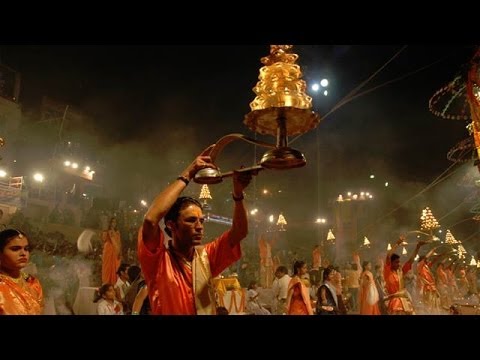
modi-aarti-1_051814120309

பொங்கி வரும் புனிதம்
அவளை மாசு படுத்தும் நவீன கால முயற்சிகளைத் தகர்த்து புகழோங்கிய பழைய காலப் பெருமையையும் புனிதத்தையும் திருப்பிக் கொண்டு வரும் முயற்சி ஆரம்பிக்கப்பட்டு விட்டது. கங்கையின் அசுத்தங்கள் அகற்றப்படுகின்றன. தூய்மைப் பிரவாகமாகப் பெருகி வரும் அலையில் ஊழல் எல்லாம் அடிபட்டு, அகற்றப்பட்டு மகோன்னதமான, பாரதம் உருவாக இருக்கிறது; உத்வேகம் ஊட்டப்பட்ட கங்கையின் செல்வர்களான நாம் உலகின் தலைமை பீடத்தைப் பெறப் போகிறோம்!

ganga ARTI2

கங்கா மாதா கீ ஜெய்!
(This article was written by my brother S.Nagarajan for a Tamil magazine: London Swaminathan)
ஞான ஆலயம் ஆகஸ்ட் 2014 இதழில் வெளியாகி உள்ள கட்டுரை
பாராளுமன்றத் தேர்தலில் பெரும்பான்மை மெஜாரிடி பெற்றவுடன் நரேந்திர மோடி கங்கா ஆரத்தியை நிகழ்த்தி கங்கையை வழிபட அதைத் தொலைக்காட்சியில் நேரடி ஒளிபரப்பாகப் பார்த்தவர்களின் மெய் சிலிர்த்தது. காலம் காலமாக நாம் வழிபட்டு வரும் கங்கா மாதா தூய்மைக்குத் தூய்மை தருபவள் அவளைத் தூய்மைப்படுத்தும் நிகழ்வு ஆரம்பமாகி விட்டதை ஒட்டி மலரும் கட்டுரை இது!
CONTACT swami_48@yahoo.com

The Holy Ganga River

(Pictures are taken from various websites;thanks)
***************
.