Animal Sex and Akbar’s daughter ! (Post No.3760)

Written by London swaminathan


Date: 26 March 2017


Time uploaded in London:- 20-50


Post No. 3760


Pictures are taken from various sources; thanks.


contact; swami_48@yahoo.com


There is an interesting story about Moghul emperor Akbar’s daughter in a  Tamil book published from Sri Lanka in 1907. It is about sex, titled ‘Goha sastra’ translated by Maharaj Ganga Prasad from Sanskrit.

The author gives many examples for polygamy, unnatural sex and uncontrolled sex. Learning something from animals and birds is nothing new. Krishna’s life history ‘Bhagavata’ itself lists a number of animals and natural objects as teachers. Anonymous author of Viveka Chudamani lists 13 animals as teachers. (See below for my articles on those topics). Tamil Poet Tiruvalluvar quotes umpteen animals and teaches us several things. He says ‘’be a crow when you get food. Call every one and share your food like the crows’’ (Kural 527). Another Tamil poet says ‘’Do sex like crows which cannot be seen by others’’.

Famous English poet William Wordsworth says,

“One impulse from a vernal wood

May teach you more of man,

Of moral evil and of good,

Than all the sages can”.


Now about the Birbal’s story:

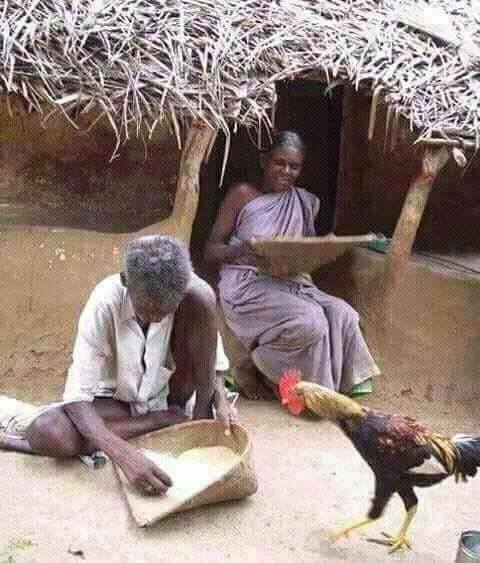
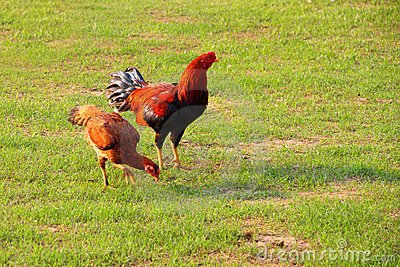
Akbar’s daughter enjoyed watching nature. She also watched all the cocks and hens inside the palace walls. Every time she watched the cocks were chasing the hens and forced them to have sex. But the hens never wanted it and tried to escape. But other cocks came to chase the previous one for having sex. Then she thought men are after forced sex and I should never marry. She showed least interest in marriage. Akbar got worried.


Akbar had an intelligent Brahmin as the first minister and his name was Birbal. When Akbar expressed his concern about his daughter’s sexual fear, Birbal told him to leave it to him to sort it out.


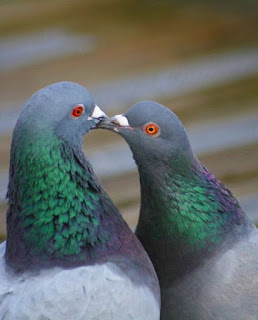
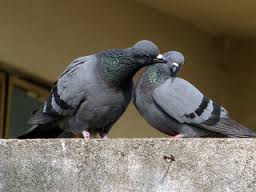
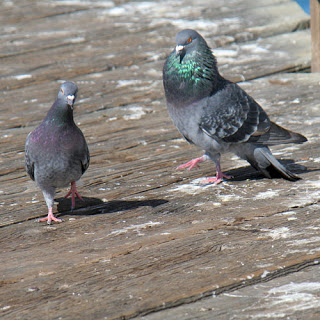
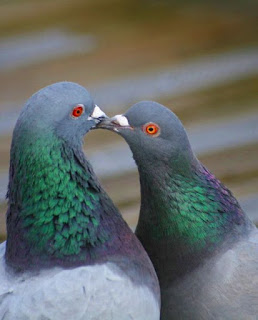
Birbal also found through the spies the reason for her strange fear. Then he replaced all the cocks and hens in her vicinity with pigeons. Pigeons openly make love. She watched them making love, having little ones cared by both. Then she got rid of her fear and slowly expressed interest in getting married.


The author says that among the animals, goats have un natural sex with its own dear near ones and cocks and chameleons have uncontrolled sex.


My old articles on Nature as Teacher:

The Connection between William Wordsworth and Dattatreya

posted on 28 September 2011

13 Saints in Nature! posted 7th November 2013


–Subham–


மகளுக்கு அக்பர் பாதுஷா கற்பித்த செக்ஸ் பாடம்! (Post No.3759)

Written by London swaminathan


Date: 26 March 2017


Time uploaded in London:- 18-23


Post No. 3759


Pictures are taken from various sources; thanks.


contact; swami_48@yahoo.com


1907 ஆம் ஆண்டு கொழும்பு புதிய சோணகத்தெரு, 20ம் நெம்பர் கிரகத்தில் ஸ்தாபித்திருக்கும் தமது வைத்திய ஜீவன் அச்சியந்திரசாலையில் பதிப்பிக்கப்பட்ட கோஹ சாஸ்திரம் நான்காவது அத்தியாயத்தில் உள்ள கதை (மஹா ராஜ் கெங்காப் பிரசாத் அவர்களால் ஸம்ஸ்கிருத பாஷையிலிருந்து தமிழ் நடையில் மொழி பெயர்க்கப்பட்ட நூல் இது.


” மானிடர்களில் விவாக சம்பந்தம் பிரதாமனமாய் உண்டாயிருப்பது போலவே மிருகங்கள், பக்ஷிகள் முதலியவைகளிலும் விவாக சம்பந்தம் இயல்பாய் உண்டாகியிருக்கின்றதென அறியலாம்.


அன்றியும் மிருகங்கள் பஷிஜாதி இவைகளில் பதிவிரதா தர்மம் பொருந்தியவை அநேகமிருக்கின்றன. சுலபமாய்க் கவனிக்குமிடத்து, விலங்கினங்களில் சிங்கம், மான், முதலியவைகளும், பறவையினங்களில் புறா, அடைக்கலான் ஆகிய இவைகளின் சுபாவத்தினாலும் நாம் எளிதில் அறிந்துகொள்ளக்கூடும்.


1.விலங்கினங்களில் மிருகேந்திரன் எனப்படும் சிங்கம் தன் ஆயுள் காலத்தில் ஆண், பெண் ஆகிய இரண்டு குட்டிகளை மட்டும் ஈனுகின்றது


2.அன்றியும் மான்களில் பதிவிரதா தன்மை எவ்விதம் உண்டாகியிருக்கிறதெனில், அதாவது பூலோகத்தில் அனந்தம் தாமரைப் புஷ்பங்களுக்கும் கதிரவன் ஒருவன் தன் கிரணத்தால் அவைகளை மலரச் செய்கின்றார்போல, அநேக பெண் மான்களுக்கு ஒரே கலைமான் அவைகளோடு சுகித்த்ருந்து சந்தோஷமடையச் செய்கின்றது.


3.பறவையினங்களில் புறா, அடைக்கலான் முதலியவை தனிமையிலிராமல் ஜோடி ஜோடியாய்க் கூடிக்குலாவியிருப்பதைப் பார்க்கலாம். இவைகள் தமது கலைகளைத் தவிர வேறு ஆண் பறவைகளோடு சம்பந்தப்படுவதில்லை இவ்வண்ணம் பக்ஷி ஜாதிகளில் பதிவிரதாத் தனமை யுண்டென்பதைச் சில கதைப் புத்தகங்களால் அநேகர் அறிந்திருக்கலாம். அவ்வாறான கதைகளை இங்கு விரித்துரைத்தல் அவசியமன்று.

  1. விஷ ஜந்துக்களில் நாக ஸர்ப்பத்திற்கு பதிவிரதாத் தன்மையுண்டென்பது புலப்படக்கூடியதே.

ஆனால் மிருகங்கள், பக்ஷிகள் முதலிய ஜீவஜெந்துக்களிற் சில, பதிவிரதாத் தனமை யுடையவைகளாய் இருப்பதுபோல், அவைகளில் சில, விபசாரத்தன்மை யுள்ளவனவாயுமிருக்கின்றன.


அதாவது ஆடு, கோழி, ஓந்தி முதலியவைகளே விபசாரத்துக்கு அத்தாக்ஷியாகின்றன.

1.ஓர் பெண் நாயானது தன்னோடு அநேக நாய்கள் சம்பந்தப் பட்டாலும், அவைகளுக்கிணங்கி இடங்கொடுக்கின்றதல்லவா?

2.அப்படியே ஆடுகளில் விபசாரத் தன்மையுண்டு.

அஜெய – புத்திரம் – வம்ஸ – சிரோன்மணி, கபடன் – ராக்கது – நிஜகுலம் ” என்ற சம்ஸ்கிருத ஸ்லோகத்தின்படி, ஆடானது தன் வம்சத்தில் தாய் என்றும் பிள்ளை என்றும் விகற்பமின்றி ஏகசமமாய் ஒன்றையொன்று கூடி சுகிக்கும் தன்மையுடையதாயிருக்கின்றது.


3.ஓந்திகளிலும் கோழிகளைப்போல் விபசாரத் தன்மையுண்டு.


4.பெட்டைக்  கோழியானது சேவலுடன் கூடுவதற்கு விருப்பமின்றிப் பிர த்யேகமாய் மேய்ந்துகொண்டிருக்கும் சமயத்தில் சேவலானது அதைப் பின்பற்றித் துரத்திச் சென்று பலவந்தமாய்க் கூடிச் சுகிப்பதுமுண்டு. இதனைகண்ட மற்றொரு சேவல் முன்கூடிச் சுகித்த சேவலைத் துரத்திவிடுவது வழக்கம்.


இது காரணம் பற்றியே மேற்கூறிய ஜீவராசிகளில் பதிவிரதாத் தன்மையும் விபசாரத் தன்மையும் இருக்கின்றதெனத் தெரிந்து கொள்ளலாம்.

டில்லி பாதுஷா மகள் கதை


சிலகாலத்திற்குமுன் டில்லிநகரத்து அக்பர் பாதுஷா என்னும் சக்ரவர்த்தியின்  குமாரத்தி ஒரு நாள் அரண்மனையின் வெளிப்புறங்களில் உல்லாசமாய் உலாவிக்கொண்டிருக்கும் சமயத்தில் அங்கு மேய்ந்து திரிந்த கோழிகள் செய்யும் சந்தான சந்தோஷ (SEX) கேளிக் கையைக் கண்டதின்பேரில் அவைகளின் விபரீதச் செய்கையைக் கவனித்து, தான் எப்படி விவாகஞ் செய்துகொள்வதென மன அருவருப்புடன் வியாகூலமடைந்து விவாக சம்பந்தத்தில் விருப்பமற்றவளானாள்.


இவ்வண்ணாம் ராஜ குமாரத்தி தனக்கு விவாகம் செய்தல்வேண்டாமென மறுத்து மனவெருப்புற்றிருந்ததை அறிந்த பாதுஷாவின்  மந்திரியாகிய பீர்வல் என்பவர் அந்த ராஜகுமாரத்தி வசித்திருக்கும் அரண்மனையில் சில புறாக்களைக் கொண்டுபோய் வைத்து வளர்க்கும் படி ஆக்ஞாபித்திருந்தார் (கட்டளை இட்டிருந்தார்).


இவ்வாறு புறாவினங்கள்  வளர்ந்து அவை ஜோடி ஜோடியாய்த் திரிந்திருந்து தங்கள் பேடைகளுடன் வெகு சரச சல்லாபமாய்ச் சந்தான சந்தோஷம் செய்வதையும், பேடைகள் இட்ட முட்டைகளை ஆண்புறாக்களும் கூடவிருந்து அவைகளை மாறி மாறி அடைகாத்துக் காப்பாற்றி வரும் தன்மை யையும், புறாக்கள் ஜோடி ஜோடியாய்ச் சேர்ந்து இடுகின்ற இருமுட்டைகளினின்று ஆண் ஒன்று பெண் ஒன்றுமாய்க் குஞ்சுகள் உற்பத்தியாகி யிருப்பதையும் பார்த்த பாதுஷாவின்  குமாரத்தி வெகு ஆச்சரியத்துட ன் பேரானந்தங்கொண்டு தானும் மணஞ்சூட்டிக்கொள்ள அபேட்சையுள்ளவளானாள்.


((1907 ஆம் ஆண்டு புத்தகத்திலிருந்து.))


–Subham–


MAHABHARATA AT ONE GO! Bullet Point Summary of 18 Chapters! (Post No.3758)

Written by London swaminathan


Date: 26 March 2017


Time uploaded in London:- 16-00


Post No. 3758


Pictures are taken from various sources; thanks.


contact; swami_48@yahoo.com


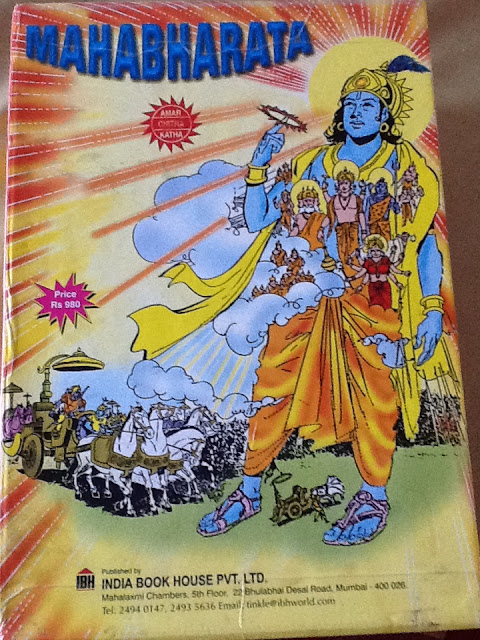
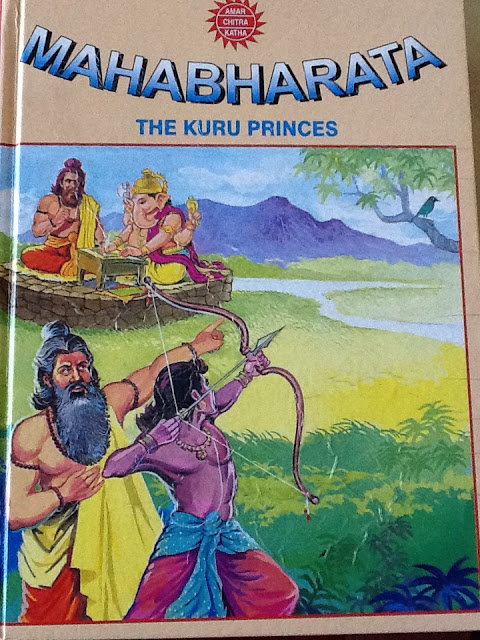
Most of us including me, find it difficult to read all the 100,000 couplets, 200,000 lines, one million words in the world’s longest epic, Mahabharata. They say about this epic,

“What is found in this epic may be elsewhere;
What is not in this epic is nowhere else”.

It is an ever inspiring, never tiring and most interesting Hindu encyclopaedia. From Time travel to Test Tube Babies, from Siamese Twins surgery to Sex Change Operation – everything is here (Please look at the bottom for my research articles on these topics). Vyasa, the author of the epic, was the most prolific writer. He had compiled the voluminous Vedas as well.


Mahabharata has 18 chapters (Parva);

Following are the names of the 18 Parvas:

1.Adi Parva

2.Sabha Parva

3.Vana Parva

4.Virata Parva

5.Udhyoga Parva

6.Bhishma Parva

7.Drona Parva

8.Karna Parva

9.Shalya Parva

10.Sauptika Parva

11.Stri Parva

12.Shanti Parva

13.Anusasana Parva

14.Asvamedha Parva

15.Ashramavasika Parva

16.Mausala Parva

17.Mahaprastanika Parva

18.Swaraga Arohana Parva


IMPORTANT PARVAS

a).Longest Parva

Shanti Parva with over 14,000 slokas


b).Shortest Parva

Maha Prastanika Parva


c).Where is Bhagavad Gita in this epic?

In the Bhishma Parva

d).Where is Vishnu Sahsranama (1000 names of Lord Vishnu) in this epic?

In the Anusasana Parva

e).What is the name of the first Parva?

Adi Parva


f).What is the name of the last Parva?

Swarga Arohana Parva

BULLET POINTS

1.Adi Parva

The Book of the Beginning is the name of the chapter.

Beginning of the Lunar Dynasty

Birth of Pandavas and Kauravas (Kuru Dynasty)

Separate rule of 5 Pandavas and 100 Kauravas from two capitals


2.Sabha Parva

The Book of the Assembly Hall.

Construction of a beautiful Palace for Pandavas which kindled the jealousy of Duryodana (Kaurava Chief). Yudhisthra did a Rajasuya Yajna.

He called Pandavas for a Gambling and defeated them with the help of his uncle Sakuni.

As per the rules of the games Pandavas lost everything and banished for 12+1 year (13th year incognito)


3.Vana Parva (Aranya Parva)

The Book of the Forest

Pandavas spend their 12 years with Draupadi in the forest.

They learnt a lot from seers like Markandeya.

Arjuna did a penance and received Pasupata Astra from Lord Shiva;

Arjuna did a space jouney and spent some time in the heaven.


4.Virata Parva

The Book of the Virata.

Pandavas with their wife Draupadi were hiding in the country of Virata. They were in different disguise, doing different jobs.

Keesaka, who tried to molest Draupadi was killed by Bhima.

Duryodana tried very hard to identify the Pandavas, but failed


5.Udhyoga Parva

The Book of the Effort.

When the Pandavas came back and asked for their share of the kingdom, Duryodana refused to give them.

Several messengers were sent to avoid war.

Krishna also went as a messenger, but in vain.


6.Bhishma Parva

The Book of Bhisma

When Arjuna said that he did not want to fight for the land, Krishna gave him some lessons – which are in compiled as the Bhagavd Gita

War began; Bhisma took the command of Karava army.

He was knocked down on the 10th day of the 18 day war.

He was lying on the Bed of Arrows.


7.Drona Parva

The Book of Drona

Drona took over as the commander in chief following Bhisma’s fall;

he was killed on the 13th day of the war, when he heard  a lie from the mouth of Yudhisthra (Pandava’s chief); Asvattama is the name of an elephant as well as son of Drona. When Drona heard Asvattama killed (uttered by Yudhisthra), he thought that hi son was killed and lost control and got killed.


8.Karna Parva

The Book of Karna

Karna took over the post of commander in chief of Kaurava Army;

He was killed on the 17th day;

Yudhisthra felt very sad when he knew Karna was the eldest of the Pandava brothers.


9.Shalya Parva

The Book of Shalya

Shalya served as the commander following Karna’s death.

On the 18th day Shalya was killed;

then Duryodhana and Bhima wanted to have a mace fight; Duryodhan was killed when Bhima stuck him on the thigh against the rules.

Duyodhanawas killed and the war came to an end.


10.Sauptika Parva

The Book of the Sleeping Warriors

After the rout of the Kaurava army, asvattama, son of Drona, wanted to take a revenge on the Pandavas.

He watched an owl killing the crows at the dead of night in tree and decided to kill the Pandavas the sameway.

Lord Krishna knew it by premonition and hid them at a diiferent place; only Pandavas’ children were killed; but Pandavas escaped unharmed.


11.Stri Parva

The Book of the Women

All the women who lost their husbands cried.

Pandavas did the water oblations for the departed souls on both sides.


12.Shanti Parva

The Book of Peace

Dharma alias Yudhisthra lost mental peace even after crowned as the Emperor.

Bhishma gave him lot of examples from the scriptures, lying on the Bed of Arrows


13.Anusasana Parva

The Book of Instructions

Bhishma gave him more instructions


14.Asvamedha Parva

The Book of Asvamedha Yaga

Yudhisthra did an Asvmedha Yajna (Horse sacrifice);

Lord Krishna gave Arjuna another dose of lessons in the name of Anu Gita.


15.Ashramavasika Parva

The Book of Hermitage

Dhritarashtra and his wife Gandhari went to forest with Kunti;

they were doing meditation at the fag end of their lives; forest fire burnt them alive. Before that they listened to Vidura who consoled them


16.Mausala Parva

The Book of the mace fight.

Following the curse of a seer, Yadavas fought among themselves and killed each other; musal means mace; each of the normal grass they pulled for fighting became a mace andkilled them.

Lord Krishna was killed by a hunter while he was sitting on the tree.


17.Mahaprastanika Parva

The Book of the Great Journey.

Hearing that Krishna died and the Kali Yuga began, Pandava brothers along with Draupadi did a ritual walk towards North to reach the Meru mountains. A dog followed them. Pandava brothers, fell one by one and lost their lives. Yudhisthra and the dog continued their journey.


18.Swaraga Arohana Parva

The Book of the Ascent to Heaven

When Yudhisthra died, he was taken along the route of Hell for saying one lie in the war. At the end, he reached the heaven and saw all his relatives there; he felt immensely happy; the dog that followed them was nothing but the God of Dharma.

–subham–


xxxxxx

Old Articles on Mahabharata from my blogs:–

Following articles are written by London swaminathan

1.Stars are Gods! We are Stars!!

Post No 1241; Dated 18th August 2014.

2.Medical Science solves Ten Mysteries in the Mahabharata !

Post No. 933 Date 26th March 2014

3.PANDU- TIGER AMONG MEN! (Post No.3697) Date: 6 March 2017

4.Sex Secrets! Satyabhama boldly asks Draupadi in Mahabharata!!

Post No.2220; Date: 6   October 2015

5.Draupadi and Tamil Heroines;17 May 2012

6.Four Wings of Hindu Army: Blow to Aryan- Dravidian Theory!;Post No.1230 ; Dated 13th August 2014.

7.Strange Bird Stories in Mahabharata!

Research Article no. 1711; dated 12 March 2015

8.One Minute Mahabharata! One Minute Bhagavatha!! 27 March 2015

9.Yellow clad Krishna and Blue Clad Balarama! 2 October 2014

xxxxxxxxxxxxxxxxxxxxxxxxx

Following articles are written by S Nagarajan


1.MEMORY QUEEN DRAUPADI; Written by S Nagarajan

Research Article No. 1689; Dated 4 March 2015.

xxxxxxxxxxxxxxxxxxxxxxxxxxxxx

Please read also my articles on CONCEPT OF TIME:


1.TIME TRAVEL by TWO TAMIL SAINTS, posted on 14-2-2012

2.Do Hindus believe in ETs and Alien Worlds?, posted on 28-1-2012

3.Is Brahmastra a Nuclear Weapon?, posted on 5 June 2011

4.Hindus Future Predictions Part 1 (posted 20 May 2012)

5.Hindus Future Predictions Part 2 (Posted on 20 May 2012)

6.Five Beautiful Stories on Hindu Concept of Time; Article No.1869; Dated 16 May 2015.

7.Einstein’s Hindu Connection!; Article No.2017; Date : 25  July 2014


–Subham–


Scientific Thinking for Success! (Post No.3757)

Written by S NAGARAJAN


Date: 26 March 2017


Time uploaded in London:-  6-36 am


Post No.3757


Pictures are taken from different sources; thanks.


contact: swami_48@yahoo.com


Is there a way for thinking scientifically?

What are all the benefits one could get by way of this ‘Scientific Thinking’?

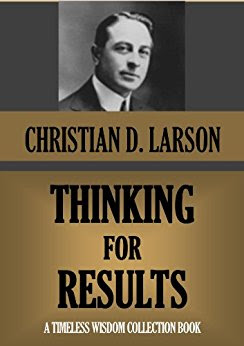
The great scholar Christian D Larson (1874-1954) has a written a beautiful book titiled ‘Thinking for Results’.


Let us get answers from him for some of the difficult questions that we have.


What is the Foundation of Scientific Thinking?

To think according to the laws of growth and to think for a definite purpose – this is the foundation of Scientific Thinking.


How we could attain Peace of Mind, quickly?

Peace of mind comes most quickly when we do not try to be peaceful, but simply permit ourselves to be normal. To relax mind and body at frequent intervals will also aid remarkably, but the most important of all is the attainment of the consciousness of peace.


We know very well that Peace of Mind is powerful and conserves energy. But how to get it quickly, Is there a special way?

There is an absolutely still centre in your own mind and you can become conscious of that centre by turning your attention gently and frequently upon the serene within. This should be done several times a day and no matter how peaceful we may feel we should daily seek a still finer realization of this consciousness of peace. The result will be more power because peace conserves energy.

We are moving with different people. Circumstances do not permit us to be in our ‘mental state of harmony’. How to cultivate the mental state of harmony?

The best way to cultivate the mental state of harmony is to adapt yourself consciously to everything and everybody that you meet. Never resist or antagonize anything nor hold yourself aloof from anybody. Wherever you are aim to look for the agreeable side of things and try to act with everything while in that attitude. After a while you will find it an easy matter to meet all things and all persons in their world and when you can do this you can unite with them in securing results that neither side could have secured alone.


HAVE YOU LEARNT THE SECRETS, NOW?

If you follow the above simple methods, you are the king.

You will have peace of mind always.

You will always be in a mental state of harmony.

Everybody would love you because you are in their world with them, for them!

***


மஹாபாரதம் படிக்க முடியவில்லையா? இதோ ஒரே மூச்சில் பாரதம்! (Post No.3756)

Written by London swaminathan


Date: 25 March 2017


Time uploaded in London:- 15-59


Post No. 3756


Pictures are taken from various sources; thanks.


contact; swami_48@yahoo.com


உலகிலேயே மிகப் பெரிய சமய நூல் மஹாபாரதம். ஒரு லட்சம் ஸ்லோகங்கள்; இரண்டு லட்சம் வரிகள்! இதை எழுதும் கட்டுரையாளரும் அதை ஸ்லோகம் ஸ்லோகமாக, வரி வரியாக, முழுதும் படித்தபாடில்லை. ஆனால் இங்குமங்கும் கேட்டும், படித்தும் ஓரளவுக்கு முழு பாரதம் தெரிந்ததாக ‘’ஒரு நினைப்பு’’. அவ்வளவுதான்! அட, மஹாபாரதத்தில் எத்தனை பர்வங்கள் (அத்தியாயங்கள்) இருக்கின்றன? , அதில் கீதை எங்கே வருகிறது? அதில் பெரியது எது? சிறியது எது? ஒவ்வொன்றிலும் என்ன முக்கியம் என்றாவது தெரிந்து கொள்ளலாம் அல்லவா?


முதலில் 18 பர்வங்களின் பெயர்கள்


  1. ஆதிபர்வம்      
  2. சபாபர்வம்   
  3. வனபர்வம்    
  4. விராடபர்வம்                 
  5. உத்யோகபர்வம்                
  6. பீஷ்மபர்வம்                           
  7. துரோணபர்வம்                      
  8. கர்ணபர்வம்               
  9. சல்யபர்வம்                        
  10. சௌப்திகபர்வம்                 
  11. ஸ்த்ரீபர்வம்                       
  12. சாந்திபர்வம்                       
  13. அநுசாஸனபர்வம்                    
  14. அஸ்வமேதிகபர்வம்             
  15. ஆஸ்ரமவாசிகபர்வம்                    
  16. மௌஸலபர்வம்                 
  17. மஹாப்ரஸ்தானிக பர்வம்       

18 ஸ்வர்காரோஹண பர்வம்      


((மொத்தம்        1923  அத்தியாயங்கள்    84224 ஸ்லோகங்கள் +

 ஹரிவம்சம் –12000 ஸ்லோகங்கள்;

 மொத்தம்                 96244 ஸ்லோகங்கள்))


முதல் பர்வம் எது?

ஆதி பர்வம் 

கடைசி பர்வம் எது?

ஸ்வர்காரோஹண பர்வம்   

பெரிய பர்வம் எது?

வனபர்வம் 269 அத்தியாயங்கள் 11664 ஸ்லோகங்கள்


சிறிய பர்வம் எது?

மஹா ப்ரஸ்தானிக பர்வம் 3 அத்தியாயங்கள் 123 ஸ்லோகங்கள்


பகவத் கீதை உள்ள  பர்வம் எது?

பீஷ்ம பர்வம் 

விஷ்ணு சஹஸ்ரநாமம் உள்ள பர்வம் எது?

அநுசாஸன பர்வம்                    


இனி ஒவ்வொரு பர்வத்திலும் உள்ள விஷயங்களின் சாராம்சத்தை மட்டும் காண்போம்:–
1.ஆதி பர்வம்


சந்திர வம்சத்தின் தோற்றம்

பஞ்ச பாண்டவர், கௌரவர்கள் பிறப்பு

இருவரும் கருத்து வேறுபாடு காரணமாக தனித்தனியே

வெவ்வேறு இடங்களில் இருந்து அரசு செலுத்தியது  – ஆகியன இப்பர்வத்தில் அடக்கம்.


2.ஸபா பர்வம்

தர்மபுத்ரனின்/யுதிஷ்டிரரின் தலைநகரில் அற்புதமான வகையில்

அமைக்கப்பட்ட சபையின் வருணனை;

அவருடைய ராஜசூய யாக வைபவம்;

இதனால் துரியோதணர் பொறாமை அடைந்தது;

பாண்டவர்களைச் சூதாட்டத்துக்கு அழைத்து, சகுனியின்

உதவியுடன் பாண்டவர்களைத் தோற்கடித்தது;

பண்டவர்கள் 12 ஆண்டுகள் வனவாசம் செய்யவேண்டும்; 13 ஆவது ஆண்டு மறைவாக வசிக்கவேண்டும் என்று விதித்தது;

பின்னர் திரும்பி வந்தவுடன் ராஜ்யத்தைக் கொடுப்பேன் என்று துரியோதனன் சொன்னது  – ஆகியன இப்பர்வத்தில் அடக்கம்.


3.வன/ ஆரண்ய பர்வம்

பாண்டவர்கள் வனவாசம் செய்தது (காட்டில் வசித்தது);

மார்கண்டேய மகரிஷி முதலியோரிடமிருந்து தரும சாத்திரங்களை

அறிந்தது;

அர்ஜுனன் தவம் செய்து, பரமசிவனிடமிருந்து பாசுபத அஸ்திரம் பெற்றது;

இந்திர லோகம் சென்று சிலகாலம் வாசம் செய்தது — ஆகியன இப்பர்வத்தில் அடக்கம்.


4.விராட பர்வம்

வனவாசம் முடிந்தவுடன் 13ஆவது ஆண்டில் மறைவாக வாழ்வதற்காக

விராட ராஜன் தேசத்தில் வெவ்வேறு வடிவத்தில் வேலை செய்தது;

திரவுபதியிடம் வாலாட்டிய  கீசகனைக் கொன்றது;


துர்யோதன சகோதர்கள், பாண்டவர்களைக் கண்டுபிடிக்க முடியாமல்

திணறியது — ஆகியன இப்பர்வத்தில் அடக்கம்.


5.உத்தியோக பர்வம்

துரியோதனன் சொன்னபடியே 13 ஆண்டுகள் இருந்தபடியால்

தனது ராஜ்யத்தைத் திருப்பித் தரவேண்டும் என்று பாண்டவர்கள் தூது அனுப்பியது;

ராஜ்யத்தைத் தர மறுத்ததும், பாண்டவர்கள் சார்பில் கிருஷ்ணனே தூது சென்றது;

துரியோதனன் ஊசி முனை நிலமும் தர மறுத்ததால்,

கிருஷ்ணன், போருக்கான ஆயத்தங்களைச் செய்தது  — ஆகியன இப்பர்வத்தில் அடக்கம்.


6.பீஷ்ம பர்வம்

பீஷ்மர் தலைமையில் துரியோதனன் படைகள் பத்து

நாட்களுக்கு யுத்தம் செய்தது;

அதற்கு முன்பாக அர்ஜுனன் , சொந்தக்காரர்களைக் கொல்ல

மாட்டேன் என்று சொல்லி யுத்தம் செய்ய மறுத்தது; உடனே கிருஷ்ணன், பகவத் கீதை உபதேசம் செய்து, வீரனின் கடமை போர் செய்வது என்பதை உணர்த்தியது — ஆகியன இப்பர்வத்தில் அடக்கம்.
 

7.துரோண பர்வம்

பத்தாம் நாளன்று பீஷ்மர் வீழ்ந்தவுடன் , துரோணர் படைத் தளபதியாகப் பதவி ஏற்று யுத்தம் செய்தது;

15-ஆம் நாளன்று தருமபுத்திரர் வாயால் ஒரு பொய்ச் செய்தி

வந்தவுடன் துரோணர் கொல்லப்பட்டது – ஆகியன இப்பர்வத்தில் அடக்கம்.


8.கர்ண பர்வம்

துரோணரின் வீழ்ச்சிக்குப் பின்னர், கர்ணன் படைத்தலைவராகப் பதவி ஏற்று போர் செய்த்தது;

17-ஆவது நாள் மாலையில் அர்ஜுனனின் அம்புக்கு கர்ணன் பலியானது;

தன்னுடைய அண்ணன் கர்ணன் என்று அறிந்து தருமபுத்திரன் துக்கப்பட்டது– ஆகியன இப்பர்வத்தில் அடக்கம்.


9.சல்லிய பர்வம்

கடைசி நாளான 18-ஆவது நாள், சல்யன் படைத் தலைமை ஏற்று போர் செய்தது;

அவன் இறந்தவுடன், துரியோதனனும், பீமனும் கதாயுத யுத்தம் செய்தது;

கிருஷ்ணனின் குறிப்பால் துரியோதனன் தொடையில் அடித்து அவனை பீமன் வீழ்த்தியது– ஆகியன இப்பர்வத்தில் அடக்கம்.


10.ஸௌப்திக பர்வம்

துரோணரின் மகன் அசுவத்தாமன், ஒரு மரத்தில் காகங்களை, இரவு

நேரத்தில் ஆந்தைகள் வஞ்சகமாகக் கொன்றதைப் பார்த்து, அதே போல,பாண்டவர் படை வீட்டில் புகுந்து பாண்டவர்களின் குழந்தைகளையும், மற்ற வீரர்களையும் வஞ்சகமாகக் கொன்றது;

பாண்டவர், அவனை அவமானப்படுத்தி விரட்டியது;

கிருஷ்ணனின் முன்யோஜனையால் பாண்டவ சகோதர்கள் உயிர் பிழைத்தது — ஆகியன இப்பர்வத்தில் அடக்கம்.


11.ஸ்த்ரீ பர்வம்

18-நாள் கோர யுத்தத்தில் உயிர் நீத்த வீரர்களின் மனைவியர் அழுது ஒப்பாரி வைத்தது;

பாண்டவர்களும் மற்றவர்களும் , இறந்துபோன உறவினருக்கு நீர்க்கடன் (தர்ப்பணம்) செய்தது ஆகியன இப்பர்வத்தில் அடக்கம்.


12.சாந்தி பர்வம்

பத்தாவது நாள் யுத்தத்தில் காயமடைந்த பீஷ்மர், தனது தவ வலிமையால், உத்தராயண புண்யகாலத்தில் இறப்போம் என்று அம்புப் படுக்கையில் காத்திருந்தது.

அப்பொழுது யுத்தம் காரணமாக மன அமைதி இழந்திருந்த, தருமபுத்திரனுக்கு (யுதிஷ்டிரனுக்கு) சாந்தி ஏற்பட தருமம் தொடர்பான விஷயங்களைப் பீஷ்மர் போதித்தார். அவை அடங்கிய பகுதி இது.
 

13.அநுசாஸன பர்வம்

சாந்தி பர்வ விஷயங்களைக் கேட்டும் மன அமைதி அடையாத தருமனுக்கு மேலும் பல தருமங்களை பீஷ்மர் உபதேசித்தது- ஆகியன இப்பர்வத்தில் அடக்கம்.


14.அஸ்வமேதபர்வம்

தர்ம்புத்ரர் அஸ்வமேத யாகம் செய்தது;

கீதையில் சொன்ன விஷயங்களை மறந்த அர்ஜுனனுக்கு

பகவான் கிருஷ்ணர் அநுகீதா ரூபமாக மீண்டும் உபதேசித்தது– ஆகியன இப்பர்வத்தில் அடக்கம்.


15.ஆசிரமவாஸ பர்வம்

துர்யோதனனின் தாய் தந்தையரான காந்தாரியும், திருதராஷ்டிரனும் விதுரர் உபதேசத்தால் வைராக்யம் அடைந்தனர்;

போர் நிகழ்ந்த குருக்ஷேத்திரத்துக்கு அருகில் பர்ணசாலை (ஓலைக் குடிசை) அமைத்து, தியானம் செய்துகொண்டு உயிர் துறந்தது– ஆகியன இப்பர்வத்தில் அடக்கம்.


16.மௌசல பர்வம்

ஒரு ரிஷியின் சாபத்தால், யாதவர்கள்  சமுத்திரக் கரையில் முளத்திருந்த கோரைப் புற்களைப் பிடுங்கி சண்டையிடவே அவை பயங்கர ஆயுதங்களாக மாறி யாதவ குலம் அழிந்தது;

கிருஷ்ணர், ஒரு வேடனால் கொல்லப்பட்டு வைகுண்டம் ஏகியது– ஆகியன இப்பர்வத்தில் அடக்கம்.


17.மஹா பிரஸ்தான பர்வம்

கிருஷ்ண பகவான் வைகுண்டம் ஏகியதை அறிந்தவுடன், கலியுகம் துவங்கியதை அறிந்த தருமர், தனது தம்பிமார்கள், திரவுபதி சகிதம், வட திசையிலுள்ள மேரு மலையை நோக்கிப் பயணம் செய்தது; அவர்களுடன் ஒரு நாயும் தொடர்ந்து பயணம் செய்தது; ஒவ்வொரு பாண்டவராய் உயிர் துறந்தும் நாயும் தருமனு மட்டும் தொடர்ந்து நடந்து சென்றது– ஆகியன இப்பர்வத்தில் அடக்கம்.


18.ஸ்வர்கரோஹண பர்வம்

தரும புத்ரர் (தருமன்/ யுதிஷ்டிடன்) யுத்த காலத்தில் ஒரே ஒரு பொய் சொன்னதற்காக நரகம் வழியாக அழைத்துச் செல்லப்பட்டு அதைக் காணும்படி செய்தது;

நாய் வடிவில் வந்தது தரும தேவதை என்று அறிந்தது;

தருமபுத்ரர் சுவர்க்கத்தில் தனது உறவினர்களைக் கண்டு மகிழ்ந்தது

ஆகியன இப்பர்வத்தில் அடக்கம்.


மஹாபாரதம் முற்றும்


–SUBHAM–
Old Articles on Mahabharata from my blogs:–

Following articles are written by London swaminathan

1.மஹாபாரதத்தில் ஒரு அதிசய பறவை

கட்டுரை எண்:–1141 தேதி:– ஜூலை 1, 2014.

2.இறந்த பின்னும் வாழ்கிறோம்: அறிவியல் ஆராய்ச்சி அளிக்கும் உண்மை!! (Post No.2917) Date: 24 June 2016

3.மஹாபாரதப் போர் நடந்ததா? எப்போது நடந்தது?
ஆராய்ச்சிக் கட்டுரை எண்- 1384; தேதி நவம்பர் 2, 2014.

4.மஹாபாரத மர்மங்கள்: விஞ்ஞான விளக்கம் கிடைத்துவிட்டது!-பகுதி1; கட்டுரை எண் 934 தேதி 26 மார்ச் 2014

  1. பகுதி 2: – மஹாபாரத மர்மங்கள்: விஞ்ஞான விளக்கம்கிடைத்தது!; கட்டுரை எண் 935 தேதி 26 மார்ச் 2014

6.கருமிகளை கடலில் தள்ளுக! மஹாபாரதம் அறிவுரை!! (Post No.2774); Date: 2 May 2016

7.நாம் எல்லோரும் நட்சத்திரங்கள் !!
கட்டுரை எண்:– 1242: தேதி 19 ஆகஸ்ட் 2014.

8.Stars are Gods! We are Stars!!

Post No 1241; Dated 18th August 2014.

9.நால்வகைப் படைகள்: மகாபாரதம்- தமிழ் இலக்கிய ஒற்றுமை!!

கட்டுரை எண்:-1231; தேதி 13 ஆகஸ்ட் 2014.

10.Medical Science solves Ten Mysteries in the Mahabharata !

Post No. 933 Date 26th March 2014

11.PANDU- TIGER AMONG MEN! (Post No.3697) Date: 6 March 2017

12.Sex Secrets! Satyabhama boldly asks Draupadi in Mahabharata!!

Post No.2220; Date: 6   October 2015

13.Draupadi and Tamil Heroines;17 May 2012

14.Four Wings of Hindu Army: Blow to Aryan- Dravidian Theory!;Post No.1230 ; Dated 13th August 2014.

15.Strange Bird Stories in Mahabharata!

Research Article no. 1711; dated 12 March 2015

16.One Minute Mahabharata! One Minute Bhagavatha!! 27 March 2015

17.ஒரு நிமிட ராமாயணம், பாகவதம், மஹாபாரதம்!; 28 March 2015

18.Yellow clad Krishna and Blue Clad Balarama! 2 October 2014

19.பீதாம்பரதாரியும் நீலாம்பரதாரியும், மதுப் ப்ரியனும் மாது ப்ரியனும்; கட்டுரை எண்:1324; தேதி:– 3 அக்டோபர் 2014.

xxxxxxxxxxxxxxxxxxxxxxxxx
Following articles are written by S Nagarajan

1.ஒரு லட்சம் ஸ்லோகங்கள், 2314 அத்தியாயங்கள் கொண்ட உலகின் மிகப் பெரும் நூல் மஹாபாரதம்

written by S NAGARAJAN; Date: 17th  September 2015; Post No: 2165

2.MEMORY QUEEN DRAUPADI; Written by S Nagarajan

Research Article No. 1689; Dated 4 March 2015.

3.நேராகப் படித்தால் ராமாயணம்; தலைகீழாகப் படித்தால் மஹாபாரதம்!  by S Nagarajan; Post No.1104; dated 13th June 2014.

xxxxxxxxxxxxxxxxxxxxxxxxxxxxx


Please read also London waminathan’s articles on CONCEPT OF TIME:
TIME TRAVEL by TWO TAMIL SAINTS, posted on 14-2-2012

Do Hindus believe in ETs and Alien Worlds?, posted on 28-1-2012

Is Brahmastra a Nuclear Weapon?, posted on 5 June 2011

Hindus Future Predictions Part 1 (posted 20 May 2012)

Hindus Future Predictions Part 2 (Posted on 20 May 2012)

Five Beautiful Stories on Hindu Concept of Time; Article No.1869; Dated 16 May 2015.

Einstein’s Hindu Connection!; Article No.2017; Date : 25  July 2014

–Subham–


மஹாகவி பாரதியார் பற்றிய நூல்கள் – 23 (Post No.3755)

Written by S NAGARAJAN


Date: 24 March 2017


Time uploaded in London:-  7-09 am


Post No.3755


Pictures are taken from different sources; thanks.


contact: swami_48@yahoo.com


பாரதி இயல்


மஹாகவி பாரதியார் பற்றிய நூல்கள் – 23


ஏ.கே.செட்டியாரின் குமரி மலர் கட்டுரைகள் – 8


by ச.நாகராஜன்


ஏ.கே. செட்டியாரின் குமரி மலரில் வெளியான கட்டுரைகள்


குமரி மலரில் வெளியாகியுள்ள இன்னும் சில கட்டுரைகள் பற்றிய செய்திகளை காண்போம்/


  • மாதர்களைப் பற்றி ஸ்வாமி விவேகாநந்தரின் அபிப்பிராயம் – 1

       ஸ்ரீமான் சுப்பிரமணிய பாரதி (1920)


மேலே கண்ட தலைப்பில் சுதேசமித்திரன் 1920 வருஷ அனுபந்தம் வெளியிட்டுள்ள கட்டுரை இது.

நீண்ட கட்டுரையில் சுவையான செய்திகள் பலவற்றை பாரதியார் தொகுத்து வழங்குகிறார்.

1898 ஜூலை 9ஆம் தேதியன்று ஸ்வாமிஜி எழுதிய ஆங்கிலக் கடிதத்தைத் தமிழ்ப்படுத்தி இதில் பாரதியார் தந்துள்ளார். 1893 ஆகஸ்ட் 20ஆம் தேதி கடிதத்தையும் காண்கிறோம்.

ஸ்வாமிஜியின் கருத்துக்களை வெகுவாக பாரதியார் ஆதரிக்கிறார்.


கட்டுரையின் இறுதியில் அவர் கூறுவது:


“மேற்கூறப்பட்ட வசனங்களிலிருந்து ஸ்வாமி விவேகானந்தர், நம்முடைய தேசத்துக்கு விமோசனம் ஏற்பட வேண்டுமானால் அதற்கு மூலாதாரமாக, நம்முடைய ஸ்தீரிகளுக்கும் பரிபூரண ஸ்வதந்திரம் கொடுக்க வேண்டுமென்றும், அவர்கள் வானத்துப் பறவைகள் போல் விடுதலை கொண்டு திரிய இடங்கொடுக்க வேண்டுமென்றும், அவர்கள் பாடசாலைகளிலும் கலாசலைகளிலும் நிறைந்து கிடக்க வேண்டுமென்றும், தமக்கு வேண்டிய பொருளைத் தாமே உத்யோகங்கள் பண்ணித் தேடிக்கொள்ள் இடங்கொடுக்க வேண்டுமென்றும், ஆண்மக்கள் தொழில் புரியும் எல்லாத் துறைகளிலும் பெண்கள் தொழில் புரிய இடந்தர வேண்டுமென்றும், ஸ்தீரிகளைப் பொதுவாக நாம் பராசக்தியின் அவதாரங்களெனக் கருத வேண்டுமென்றும் (ஸ்வாமி விவேகானந்தர்) கருதினாரென்பது தெளிவாகப் புலப்படுகிறது.


 ஸ்வாமி விவேகாநந்தரின் கல்விப் பெருமையும், அறிவுத் தெளிவும், தெய்வீகமான அன்பும், அவருடைய தைர்யமும் மேருவைப் போன்ற மனோபலமும், அவர் செய்திருக்கும் உபந்யாசங்களிலும் நூல்களிலும் விளங்குவதைக் காட்டிலும் அவருடைய கடிதங்களில் ஒருவாறு அதிகமாகவே விளங்குகின்றன என்று கூறுதல் தவறாகாது.


  • மாதர் நிலை பற்றி ஸ்வாமி விவேகாநந்தரின்

   அபிப்பிராயம் – 2

       ஸ்ரீமான் சுப்பிரமணிய பாரதி (1920)


கட்டுரையின் முதற் பகுதியைத் தொடர்ந்து இரண்டாம் பகுதியையும் சுதேசமித்திரன்  1920 வருஷ அனுபந்தம் வெளியிட்டிருப்பதைக் காண்கிறோம்.

இதிலும் ஸ்வாமிஜியின் கடிதங்களைக் காண்கிறோம்.

மிகப் பிரமாதமாக ஸ்வாமிஜிக்கு பாரதியார் இப்படிப் புக்ழாரம் சூட்டுகிறார்:


ஸந்யாசத் துறையில் இறங்காமல் ஸ்வாமி விவேகாநந்தர் இல்லற வாழ்க்கையைக் கைக் கொண்டிருப்பாராயின், மானுஷ்ய ஜாதியின் கலியை ஒரேயடியாக வேரறுத்துத் தள்ளியிருப்பாரென்று தோன்றுகிறது. அவர் யோசனை பண்ணாத பெரிய விஷயமே கிடையாது. அவருக்குத் தெரியாத முக்ய சாஸ்திரம் கிடையாது. அவருடைய அறிவின் வேகத்துக்குத் தடையே கிடையாது. அவருடைய தைர்யத்துக்கோ எல்லை கிடையாது. கண்ணபிரான கீதை உபதேசம் புரிந்து ஸகலவித ம்னுஷ்ய ஸம்சயங்களையும் அறுத்து வேதஞானத்தை நிலை நிறுத்திய காலத்துக்குப் பின்பு, ஹிந்து மதத்தின் உண்மைக் கருத்துக்களை முழுதும் மிகத்தெளிவாக, ஸர்வ ஜனங்களுக்கும் புலப்படும்படி வெளியிட்டுரைத்த ஞானி விவேகாநந்தரே யாவரென்று தோன்றுகிறது.


  • பாரதியார்

மேலே கண்ட தலைப்பில் இதே குமரி மலர் இதழில் ஒரு குட்டிச் சமபவத்தையும் காண்கிறோம்.

சம்பவம் இது தான்:


ஒரு சமயம் புதுச்சேரியில் பாரதியாரும் நானும் காலை வேளையிலே சீனிவாஸாச்சாரியாரின் வீட்டுக்குப் போய்க் கொண்டிருந்தோம். வழியிலே, பிரஞ்சு இலக்கியத்தின் பெருமையையும், விக்டர் ஹூகோ அவர்களின் மேதையையும் பற்றி, வெகு நேர்த்தியாக எனக்கு எடுத்துச் சொல்லிக் கொண்டு போனார்.


   திடீரென்று திண்ணையிலிருந்து, ஒரு பையன் “இளமையில் கல்” என்று படித்த குரல் கேட்டது. உடனே பாரதியார் “முதுமையில் மண்” என்றார். எனக்குத் தூக்கிவாரிப் போட்டது. மேதையென்றால் இப்படியல்லவா இருக்க வேண்டும் என்று எண்ணித் திகைத்துப் போனேன்.

  • வ.ரா.
  • ‘காந்தி’ 25-3-1934


காந்தி இதழில் இப்படி வ.ரா. எழுதியுள்ள அழகிய சம்பவத்தைப் படிக்க முடிகிறது.


48) மாதர் நிலை பற்றி ஸ்வாமி விவேகாநந்தரின்  

   அபிப்பிராயம் – 3

பாரதியார் எழுதியுள்ள கட்டுரையின் மூன்றாம் பகுதியுடன் இந்தக் கட்டுரை முடிகிறது.


கட்டுரையை இப்படி முடிக்கிறார் மஹாகவி:-


இங்ஙனம் இந்த அற்புதமான ஸம்பாஷணை முற்றுப் பெற்றது. இங்கு ஸ்வாமி செய்திருக்கும் உபதேசத்தையும், இதனைச் செய்யும்படி தூண்டிய அவரது பேரன்பையும் கைக்கொள்வோமாயின் பாரத தேசத்து ஸ்த்ரீகளுக்குப் பரிபூர்ணமான விடுதலை கிடைத்து விடும்! அதினின்றும் பூ மண்டலத்துக்கு நன்மையுண்டாகும்.

  • சுதேசமித்திரன் 1920 வருஷ அனுபந்தம்


– தொடரும்

Ramayana cures Curses! Rajatarangini Episode! (Post No.3754)

Written by London swaminathan


Date: 24 March 2017


Time uploaded in London:- 21-58


Post No. 3754


Pictures are taken from various sources; thanks.


contact; swami_48@yahoo.com


Kalhana, author-poet-historian of Kashmir, in his book gives an interesting anecdote about Ramayana in his book Rajatarangini.

From First Taranga of Rajatarangini:–


“Then Damodara (Damodara II) who was either descended from the House of Asoka or was born in some other dynasty, protected the land as the king.

“Highly resplendent with material resources was the king who was the crest jewel of Siva worshippers, and one hears of his spiritual power even to this day as a marvel of the world.

“Like Kubera this foremost among kings held under his own sway the Guhyakas; by ordering them he built the extensive dam at Gudda.

“When a lofty minded man is about to do some remarkably beneficent act, alas! impediments arise owing to the meagreness of the past merits of men.


“For he had tried with the help of Yakshas to build in his kingdom extensive dykes of stone to mitigate the havorc of inundations.

Spiritual Power of the Brahmins

“The spiritual power of the austerities of Brahmans of radiant enlightenment is unfathomable, since it could reverse the fortune of even such as he was.


“The prosperity of kings when destroyed by the forces of kinsmen and other rivals one has seen restored once more; it has no chance of being re-established if lost through disregard of the Brahmans.

“When he had risen to bathe to perform the  Sraaddha Ceremony (oblations to the departed souls), the king was requested by some hungry Brahmins, on one occasion, before he had taken his bath, to give them food.

“Desirous of proceeding to Vitasta (river) when he ignored this, they, by their spiritual power, then placed that river in front of him—‘Behold! here is Vitasta; now feed us. Even though addressed in this wise, he perceived that the production of the river was a delusion.


“I shall not offer food without bathing, O Brahmins!move on now for the time being; when they had been thus addressed by him, they cursed him as follows: May you become a snake.”


“Your sin will be atoned by listening in one single day to the whole of the Ramayana – thus they declared after they had been placated.

“In Damodara Suda, wandering fa through thirst, by the vapour of his breath, which is hot in consequence of the curse, he is recognised by the people even today.

“Then there ruled in this very land the founders of cities called after their appellations, the three kings named Huska,Juska and Kanishka”.

—-Chapter 1/ First Taranga of Rajatarangini

Ramayana was popular even before 2000 years from the Southernmost tip Kanyakumari to Kashmir. Even 2000 yeal old Tamil Sangam Literature (Purananuru) has verses containing Rama’s stories!


We have 3000 different versions of Ramayana, spreading over a vast geographical area up to Indonesia, Thailand and China.


We have continuous production of Ramayana for over 2000 years. No other epic was treated that way.

Added together all the Ramayanas will run into millions of lines.

Ramayana was composed in more languages than any other language.

Ramayana is called Adi Kavya (the first classic in the world); Soka (sadness) turned into Sloka (Sanskrit couplets);

When Valmiki saw, a hunter shooting down one of the two love birds, he felt sad (Soka) and burst into poetry (sloka).

Ramayana has over 3400 similes. Grand message in simple Sanskrit!

Ramayana was the epic done by all the oriental religions: Hinduism, Buddhism, Jainism and Sikhism.

–Subham–

ராமாயணம் படித்தால் சாபம் தீரும்! ராமாயண அதிசயங்கள்! (Post No.3753)


Written by London swaminathan


Date: 24 March 2017


Time uploaded in London:- 20-41


Post No. 3753


Pictures are taken from various sources; thanks.


contact; swami_48@yahoo.com


உலகில் ராமாயணம் போல தொடர்ந்து எழுதப்பட்ட இதிஹாசம் வேறு எதுவும் கிடையாது. சுமார் 3000 ராமாயணங்கள் இருப்பதால் எண்ணிக்கை விஷயத்திலும் இதற்கே முதலிடம்.


சுமார் 2200 ஆண்டுகளுக்கு முன் வால்மீகி ராமாயணம் எழுதப்பட்டதாக வெளிநாட்டு ஆராய்ச்சியளர் செப்புவர். ஆனால் இதுதான் ஆதி காவியம், “சோகத்திலிருந்து பிறந்ததே ஸ்லோகம்” என்று இந்துக்கள் பகர்வர். காதல் புரியும் பறவைகளில் ஒன்றை, ஒரு வேடன் அடித்து வீழ்த்த, அதைப் பார்த்த வால்மீகியின் உணர்ச்சி கொந்தளிக்க, அந்த சோகத்தில் உருவானது ஸ்லோகம் (செய்யுள்).

ராஜதரங்கிணி என்ற வரலாற்று நூலில் கல்ஹணர் என்ற புலவர் ஒரு சுவையான விஷயத்தைச் சொல்கிறார். அசோகனுக்குப் பின்னர் காஷ்மீரை ஆண்ட இரண்டாவது தாமோதரன், திவச தினத்தன்று குளிக்கப் போனபோது பசியுடன் இருந்த சில பிராமணர்கள் உணவு படைத்துவிட்டுச் செல்லும்படி கோரினராம். விடஸ்தா நதியில் குளித்த பின்னரே அவ்வாறு செய்வேன் என்று அரசன் சொல்லவும், பிராமணர்கள், விதஸ்தா நதியை அவனுக்கு முன்னால் கொண்டு வந்தனராம். அதனை அவன் மாயத் தோற்றம், உண்மயல்ல என்று சொல்லி நிராகரிக்கவே, பிரமணர்கள் அவனைப் பாம்பாகப் போகும் படி சபித்தனர். அவன் வருந்தவே, ஒரே நாளில் ராமாயணம் முழுவதையும் கேட்டால் இந்த சாபத்திலிருந்து விமோசனம் பெறலாம் என்று அவர்கள் சாப விமோசனம் கொடுத்தனர். இந்த தாமோதரன் ஹுஸ்கர், ஜுஸ்கர், கனிஷ்கர் முதலிய மன்னர்களுக்கு முன் — 2200 ஆண்டுகளுக்கு முன் —வாழ்ந்தவன்..

2500 ஆண்டுகளுக்கு முன்னரே ராமாயணம் தென் குமரி வரை பரவிவிட்டது. புத்தமத்த ஜாதகக் கதைகளில் தசரத ஜாதகம் முதலியன    இருப்பதும் , சங்கத் தமிழ் நூலான புறநானூற்றில் வால்மீகி சொல்லாத 2 கதைகள் இருப்பதும்,  காதா சபத சதியில் கோதவரி நதிக்கரையில் ஒரு வீட்டில் ராமாயண  ஓவியம் இருப்பதாகப் பாடி இருப்பதும் இதன் பழமைக்கு சான்று பகரும். ஆழ்வார் பாடல்களில் பல புதிய விஷயங்கள் உள்ளன. வால்மீகி என்ற பெயரில் புறநானூற்றுக் கவிஞர், 2000 ஆண்டுகளுக்கு முன்னரே இருந்துள்ளார்!


ராமாயணம் பற்றிய மற்றொரு அதிசயம் சமண ராமாயணம், பௌத்த ராமாயணமென்று எல்லோரும் ராமன் கதை பாடி மகிழ்ந்தனர்.


ராமாயணம் பற்றிய மற்றொரு அதிசயம், நிறைய மொழிகளில் இதை இயற்றி இருப்பதாகும்.தென்கிழக்கு ஆசிய மொழிகளிலும் கூட ராமன் கதை உண்டு.


பல ராமாயணங்கள் நமக்குக் கிடைக்கவில்லை. ஆயினும் அது பற்றிய குறிப்புகள் உள. மஹா ராமாயணம் மூன்றரை லட்சம் ஸ்லோகங்கள் உடையது. இப்போதுள்ள இதிஹாசங்களில், நூல்களில் உலகில் மிகப் பெரியது மஹாபாரதம்- அதில்கூட ஒரு லட்சம் ஸ்லோகம்தான்!


நாரதர் எழுதிய சம்வ்ரத ராமாயணம் 24,000, லோமசர் எழுதிய லோமச ராமாயணம் 32,000 ஸ்லோகங்களைக் கொண்டவை. 60, 000 ஸ்லோகங்களுக்கு மேலக உடைய இரண்டு ராமாயணங்கள் இருந்தனவாம்..


சமண ராமாயணம் பிராக்ருத மொழியிலும், பௌத்த ராமாயணங்கள் பாலி மொழியிலும், இந்து ராமாயணங்கள் சம்ஸ்கிருத, தமிழ் மொழிகளிலும் இருந்தன.


ப உ ம சரிய (பதும சரிதம்) என்ற சமண ராமாயண த்தை விமல சூரி என்பவர் சுமார் 2000 ஆண்டுகளுக்கு முன் எழுதியதாக ச் சொல்லுவர்– அதில் 118 பருவங்கள் உள்ளன. ராவணனின் 10 தலை, கும்பகர்ணனின் ஆறுமாத தூக்கம் முதலியன பொய் என்று இதன் ஆசிரியர் அப்போதே எழுதியுள்ளார்


பௌத்தர்களின் ஜாதக் கதையான தசரத ஜாதகத்திலும், வால்மீகி ராமாயணத்திலும் ஒரே மாதிரியான பல ஸ்லோகங்கள் இருக்கின்றன. அக்காலத்திலேயே ராமன் கதை பற்றிப் பல பொதுவான விஷயங்கள் உலவி வந்தது இதனால் தெரிகிறது


பழமைக்கு உவமைச்  சான்று

சம்ஸ்கிருதத்தில் உவமைகள் இல்லாத காவியங்கள் குறைவு. வால்மீகி  ராமாயணத்தில் 3462 உவமைகள் இருப்பதாக அந்த உவமைகளைத் தொகுத்தளித்த ஆராய்ச்சியாளர் எம்.எம்.பாடக் கூறுகிறார்.

சீதையை விஷப் பாம்புக்கு ஒப்பிடுவது, இந்திர த்வஜம் போல அவன் வீழ்ந்தான் என்று உவமிப்பது முதலியன வால்மீகியின் பழமையை காட்டுகிறது ஏனெனில் பிற்காலத்தில் பாம்பை தீய விஷயங்களுக்கு மட்டுமே உவமை கூறினர்; இந்திர விழாவில் இந்திர த்வஜ கம்பத்தை அடித்துச் சாய்க்கும் உவமை எல்லாம் பிற்காலத்தில் பயன்படுத்தப்படவில்லை.


சுந்தர காண்டத்தில் 19 ஆவது அத்தியாயத்தில் தொடர்ந்து 30 உவமைகள் வருகின்றன. இது ஒரு புதுமை.

உவமைகள் பற்றி ஆராய்ந்த அறிஞர் இதில் குறைந்தது 13 வகை உவமைகள் இருப்பதாகப் பட்டியல் தருகிறார்.

3462 உவமைகளில்

2240 பூர்ண வாக்யா ச்ரௌதி

548 தர்மலுப்தா சமாசக

257 சமாசக பூர்ண ஆர்த்தி

174 தர்ம வசக லுப்தா பூர்ணா உவமை வகைகள் என்பார்.


வால்மீகி குறைந்தது 200 வகை தாவரங்களையும், 135 வகை ஆயுதங்களையும் குறிப்பிடுகிறார்.


எனது பழைய கட்டுரை:

வால்மீகி ராமாயணத்தில் 3462 உவமைகள்! கட்டுரையை எழுதியவர் :– லண்டன் சுவாமிநாதன்; ஆராய்ச்சிக் கட்டுரை எண்- 1491; தேதி 16 டிசம்பர், 2014.


–Subham–


Book Review: A Journey towards the Infinite Absolute… (Post No.3752)

Written by S NAGARAJAN


Date: 24 March 2017


Time uploaded in London:-  6-12 am


Post No.3752


Pictures are taken from different sources; thanks.


contact: swami_48@yahoo.com


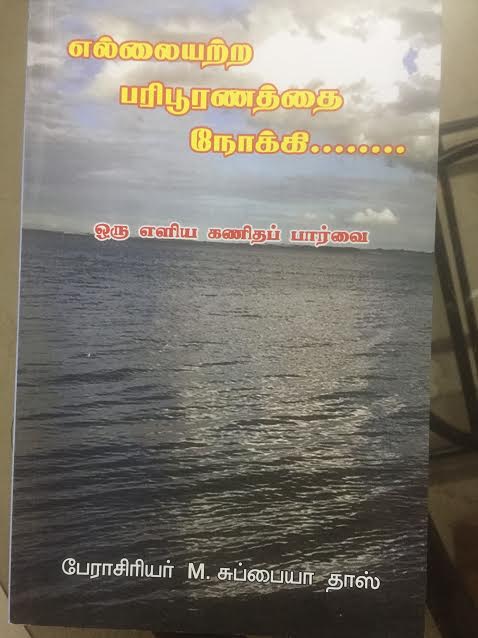
புத்தக மதிப்புரை : எல்லையற்ற பரிபூரணத்தை நோக்கி ..


Book Review

A Journey towards the Infinite Absolute…

Santhanam Nagarajan


The book under review titled,’A Journey towards the Infinite Absolute’ is written in Tamil language by a retired professor of mathematics, Mr M.Subbiah Doss.


Many mathematics professors, scholars have tried successfully in describing and measuring God with their mathematical stick.


We have Swami Ramathirtha who was a great advadic scholar as well as a mathematics professor.

In his eight volumes ‘In the Woods of God Realization’ we have beautiful mathematical analogies explaining God.

The great genius Ramanujan declared that ”An equation for me has no meaning unless it represents a thought of God”.


The present work is also trying to measure the immeasurable things.

The book has three parts with eighteen chapters. Six chapters explain the various principles of spirituality with the help of simple mathematical principles.

Mandukya Upanishad explains the three dimensional world and four dimensional world


The ancient sages have discovered everything with their intuition. Even though the physical heart is on the left side of the body the spiritual heart is in the right side of the body.

When the author emphasize this point we remind ourselves about the saying of Bhagawan Ramana Maharishi, the sage of Arunachala, who also emphasized this point with his own experience.

The fourth dimension is always a curious subject. The great author J.W.Dunne (1875-1949)  has explained it in his world famous book, ’An Experiment with Time’.


The author explains three dimensional world and four dimensional world with many simple sketches.

Man is determined by his karma which in turn is due to his own thoughts. The next birth is determined by his own thoughts of previous birth, this birth and the balance one brings from previous karmas.

The ancient sages by their inner vision have seen the hexagonal symbol in the northern pole of the planet Saturn and arranged to carve it in the Saturn temples roof. Now the spacecraft Cassini sent by Nasa proves this by sending photos of Saturn.


After illustrating the above points the author narrates an incident from Sri Sathya SaiBaba’s divine life. Once a girl met Baba in the river Chitravathi at Puttaparthi, in Andhra Pradesh, India. Baba had taken a statue from the river. That was the statue which was worshipped by the girl’s grandfather. Including this statue everything is being saved as a thought form.

Living within the limits of Space and Time and Cause and Effect is one thing. In order to free from these things one has to choose the spiritual path.


To understand God, mathematics is a helpful tool.


All the above points are all very interesting. In 147 pages the author gives us a complete picture about the hitherto unexplained principles.

A fitting foreword has been given by R.Panneerselvam, a Scholar in his own rights.


Many quotes from Swami Vivekananda, Swami Yogananda, Swami Chitbavananda and Ramakrishna mutt sages makes the book interesting reading.

The book is neatly printed and I congratulate the author for his painstaking research.


புத்தக விவரம்:

எல்லையற்ற பரிபூரணத்தை நோக்கி ..

எம்.சுப்பையாதாஸ்

147 பக்கங்கள்

விலை ரூ 150/

கிடைக்குமிடம்:

THAASU PUBLICATIONS

14, II CROSS STREET, VISWANATHAPURAM

MADURAI 625014  TAMILNADU INDIA

PHONE  0452 2641945

EMAIL : subdoss2014@gmail.com


Summary

The book under review titled,’A Journey towards the Infinite Absolute’ is written in Tamil language by a retired professor mathematics, Mr M.Subbiah Doss. To understand God, mathematics is a helpful tool. Many mathematics professors, scholars have tried successfully in describing and measuring God with their mathematical stick. The author explains three dimensional world and four dimensional world with many simple sketches. Many quotes from Swami Vivekananda,Swami Yogananda, Swami Chitbavananda and Ramakrishna mutt sages makes the book interesting reading.

Keyword

Mathematics is a tool to explain the absolute, three dimension and four dimensional wonders, explained

  1. Nagarajan has written more than 3000 articles in Tamil in 18 magazines and published 52 books. He is revealing Eastern Secret Wisdom through T.V. Programmes, magazine articles, seminars, courses. He has covered various subjects in his wide range of articles which include Mantras, Yantras, Yoga, Meditation, Astrology, Astronomy, Space Science, Science and Spirituality, Hollywood cinema, Women’s progress, Aura, Significance of Colors, Reincarnation, Divine Geometry, Power of Prayer etc. As an ardent seeker of Truth, he has collected scientific experiments on mantras, mind, Auto suggestion etc. He has written many articles on para psychology also. His email id is snagarajans@gmail.com


எல்லையற்ற பரிபூரணத்தை நோக்கி … (Post No.3751)

Written by S NAGARAJAN


Date: 24 March 2017


Time uploaded in London:-  5-56 am


Post No.3751


Pictures are taken from different sources; thanks.


contact: swami_48@yahoo.com


புத்தக மதிப்புரை


எல்லையற்ற பரிபூரணத்தை நோக்கி …


by ச.நாகராஜன்


மதுரை யாதவர் கல்லூரியில் கணிதப் பேராசிரியராகப் பணியாற்றி ஓய்வு பெற்றுள்ள திரு எம்.சுப்பையா தாஸ் அவர்கள் எழுதியுள்ள ‘எல்லையற்ற பரிபூரணத்தை நோக்கி..’ என்ற நூல் அளக்கமுடியா விஷயங்களை கணிதக் கோல் வைத்து அளந்து காண்பிக்கிறது.


சூத்திரத்திற்கு அப்பால் இருக்கும் விளக்க முடியாத ஆன்மீக விஷயங்களை நம்மை கணித சூத்திரங்கள் மூலம் வழி நடத்திக் கொண்டு சென்று விளக்குகிறது.


கணிதத்திற்கு ஆன்மீகத்திற்கும் காலம் காலமாகத் தொடர்பு உண்டு. காலமும் கணக்கும் நீத்த காரணனனை கணிதம் மூலம் விளக்கியவர் லாகூரில் கணிதப் பேராசிரியராக வேலை பார்த்த சுவாமி ராமதீர்த்தர். அவரது எட்டு தொகுதிகள் கொண்ட இன் தி வுட்ஸ் ஆஃப் காட் ரியலைசேஷன் (In the Woods of God Realisation) நூலில் கணிதம் மூலமாக அவர் விளக்கும் வேதாந்த விஷயங்கள் மிகவும் சுவை பயப்பவை.

அதே போல கணித மேதை ராமானுஜனின் பிரசித்தி பெற்ற வாக்கியமான், “An equation for me has no meaning unless it represents a thought of God” என்பதிலிருந்து கணிதமே கடவுள்; கணிதத்தின் மூலம் கடவுளைக் காணலாம் என்பது நிதரிசனமாகப் புலனாகிறது.


இந்த அடிப்படையில் கணிதப் பேராசிரியர் ஒருவர் கணிதத்தை அடிப்படையாகக் கொண்டு 147 பக்கம் அடங்கிய நூலில் மூன்று பிரிவுகளில் 18 அத்தியாயங்களில் அற்புதமான விஷயங்களை விளக்குகிறார். ஆறு அத்தியாயங்களில் கணித சூத்திரங்களும் விளக்கங்களும் நர்த்தனம் புரிகின்றன!

மாண்டூக்ய உபநிடதத்தில் மூன்று பரிமாண உலகமும் நான்கு பரிமாண உலகமும் சுட்டிக் காட்டப்படுவதை நூலாசிரியர் நன்கு விளக்குகிறார்.


நமது ரிஷிகள் எதையும் உள்ளுணர்வு மூலம் கண்டுபிடித்துள்ளனர். தங்கள் தவ வலிமையால் அண்டத்தில் உள்ளதை பிண்டத்தில் கண்டவர்கள் அவர்கள்.

உடலில் நமது இதயம் இடப்பக்கம் இருப்பதை நாம் உணர்கிறோம். அவ்ர்கள் ஆன்மீக இதயம் வலப்பக்கத்தில் உள்ளது என்று கூறுகின்றனர்.


இதை ஆசிரியர் விளக்கும் போது சமீப காலத்தில் திருவண்ணாமலையில் வாழ்ந்து அரிய உபதேசங்களை அருளிய பகவான் ரமண மஹ்ரிஷியும் இதை அடிக்கடி கூறியுள்ளதையும் இதை அவர் தனது அனுபவத்தின் மூலமாக உணர்ந்து நமக்கு அருளியிருபப்தையும் நாம் அறிந்து பிரமிக்கிறோம்.


நான்காவது பரிமாணம் என்பது ஒரு அதிசயமான விஷயம். இதைப் பற்றி மேலை நாட்டு அறிஞர்களும் ஆராய்ந்து பல நூல்களை இயற்றியுள்ளனர். குறிப்பிட்த்தகுந்த பல புத்தகங்களில் ஜே.டபிள்யூ. டன் (1875-1949) எழுதிய “An Ezperiment with Time” குறிப்பிடத்தகுந்த ஒன்று. ஆங்கிலத்தில் உள்ள இது போன்ற புத்தகங்கள் தமிழில் இல்லை என்ற குறையைப் போக்கும் விதத்தில் நூலாசிரியர் சுப்பையா தாஸ் சில எளிய சித்திரங்கள் மூலம் நான்காம் பரிமாணத்தை விளக்குகிறார்.


நானோ வினாடியில் பிரபஞ்சத்தில் நடைபெறும் செயல்கள் அந்த குறிப்பிட்ட நானோ வினாடியில் மட்டும் நமது மூன்று பரிமாண உலகில் நடக்கும்.


இந்தச் செயல்கள் நடந்து முடிந்தவுடன்  செயல்கள் அனைத்தும் நான்காம் பரிமாண உலகில் ஒரு குறிப்பிட்ட பதிவகத்தில் சேமித்து வைக்கப்படும்.


ஆகாம்யம்,சஞ்சிதம், பிராரப்தம் ஆகிய மூன்று க்ர்ம அல்லது எண்ணத் தொகுப்புகளை ஆசிரியர் அழகுற மூன்று பக்க முக்கோணத்தின் மூலம் விளக்குகிறார்.


பூரணத்திலிருந்து பூரணத்தை எடுத்தால் மிஞ்சுவது பூரணம் என்பதை கணித மூலம் ஆசிரியர் அழகுற விளக்குகிறார்.


பிரபஞ்ச ஒடுக்கம், பிரபஞ்ச வெடிப்பு போன்ற அறிவியல் விஷய்ங்களை ஆன்மீக ரீதியில் ஆசிரியர் விளக்குகிறார்.


சனி கிரகத்தின் வடதுருவ பகுதியில் அறுகோண வடிவ அடையாளத்தை தங்கள் ஞானக்கண்ணால் கண்டுணர்ந்த முனிவர்கள் அதை சனீஸ்வரன் கோவிலின் மேற்கூரையில் பொறிக்கச் செய்தனர். நாஸா அனுப்பிய காஸினி விண்கலம் இந்த அறுகோண அமைப்பை போட்டோ எடுத்து அனுப்பியிருப்பதால் முனிவர்களின் அபூர்வ ஆற்றல் உறுதி செய்யப்படுகிறது.


இது போல ஓம் என்ற பிரணவத்தின் அற்புத ஆற்றலையும் ஆசிரியர் அழகுற விளக்குகிறார்.


ஸ்ரீ சத்யசாயிபாபாவின் அழகான முத்திரை வாக்கியங்களையும் அவர் தெய்வீக வாழ்வில் ஒரு சிறு பெண்ணுக்கு அவர் அருளால் விளைந்த அற்புத சம்பவத்தையும் ஆசிரியர் எடுத்துரைக்கிறார். இது எல்லையற்ற அபூர்வமான ஆற்றலையும் அவதார மஹிமையையும் விளக்க சுவையாகப்  பயன்படுத்தப்பட்டுள்ளது.


காலம் மற்றும் வெளி, காரண- காரியம் இவற்றிற்கு உட்பட்ட மனிதன் இதை  மீறி வெளி வருவதற்கு ஆன்மீக வாழ்வில் அடியெடுத்து வைத்து தன்னை விடுவித்துக் கொள்ள வேண்டும் என்பதே ஆசிரியர் கூறும் செய்தி.


இந்த அரிய குறிக்கோளை அடைய இறை தத்துவத்தை உணர வேண்டும்.அதை கணிதம் மூலம் விளங்கிக் கொள்ள்லாம் என்பதை இந்தக் கணிதப் பேராசிரியர் சுவையுடன் கூறுகிறார்,

நூலுக்கு யாதவர் கல்லூரியின் முன்னாள் செயலர் திரு பன்னீர்செல்வம் அழகான் மதிப்புரையைத் தந்துள்ளார்.

நூலின் இறுதியில் மேற்கோள் நூல்கள் பட்டியலும் கலைச்சொற்கள் விளக்கமும் தரப்பட்டுள்ளன.


அழகுற அச்சிடப்பட்டுள்ள இந்த் புத்தகம் கிடைக்கும் இடம்:


THAASU PUBLICATIONS

14, II CROSS STREET,

VISHWANATHAPURAM

MADURAI 625014

TAMILNADU

INDIA

PHONE 0452 2641945

Email subdoss2014@gmail.com


நூலின் விலை ரூ 150/ (147 பக்கங்கள்)


கணிதம் மூலம் கடவுளை விளக்கும் ஆசிரியருக்கு எமது பாராட்டுக்கள்.

***