Santals-Mystery Of Hill Tribes of India -Part 4

Santals: Mystery of the Hill Tribes of India– Part 4

Written by London swaminathan

Post No.2917
Date –24 June 2016

“True Dravidians came from North West of India !!”

Foreigners who bluffed that the dark Dravidians were the original inhabitants of India never said that they were the sons of the soil. They told that the Dravidians came from outside India, but before the Aaryans. Since the foreign invaders wanted to colonise India and justify their occupation, they said that every one in India came from outside.
On the contrary Tamil literature and older Sanskrit literature said very clearly that the Hindus were the original inhabitants and sons of the soil. The Bhu Suktam of Atharva Veda says it unequivocally. They did not stop there . They also said Hindus went outside India and spread their culture. The Vedic inscriptions and Sanskrit inscriptions dated between 1400 BCE and 1000 BCE found in Turkey and Egypt stand as an indisputable proof.

Read the following piece about “true charcoal coloured Dravidians who came into India from north west” . Caldwell and others gave different countries for the origin of Dravidians . Some Tamil scholars said they came from Mongolia and China!

Here is what Sir Herbert Risley says in his The People of India:

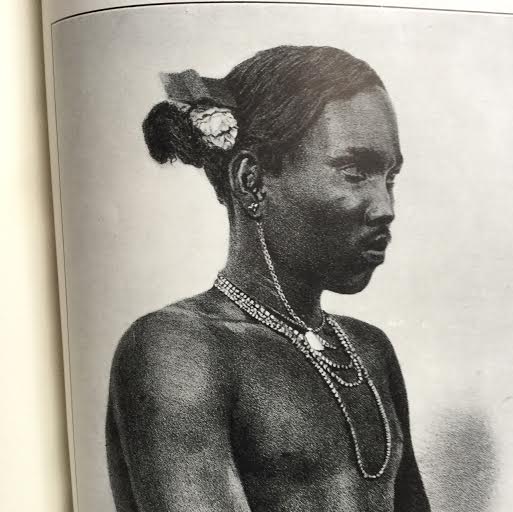
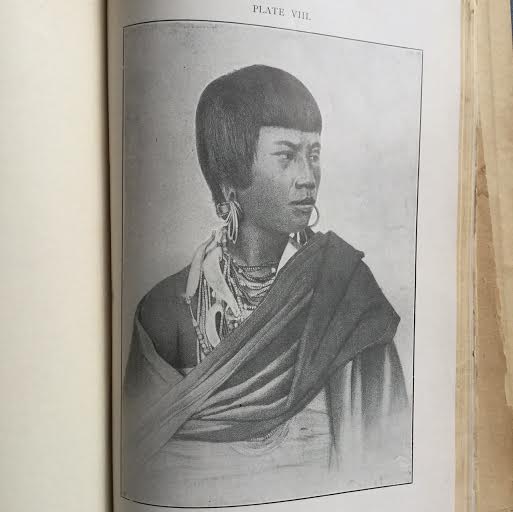
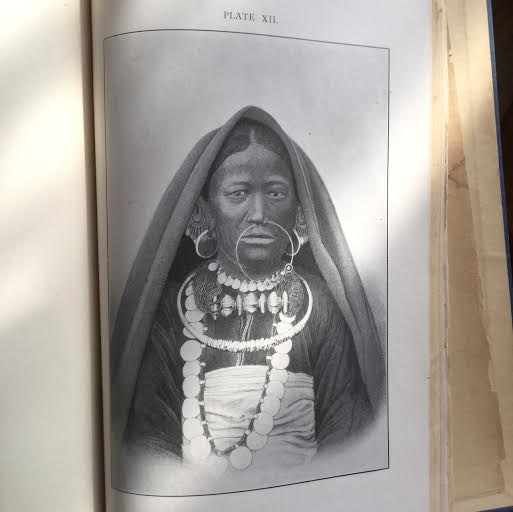
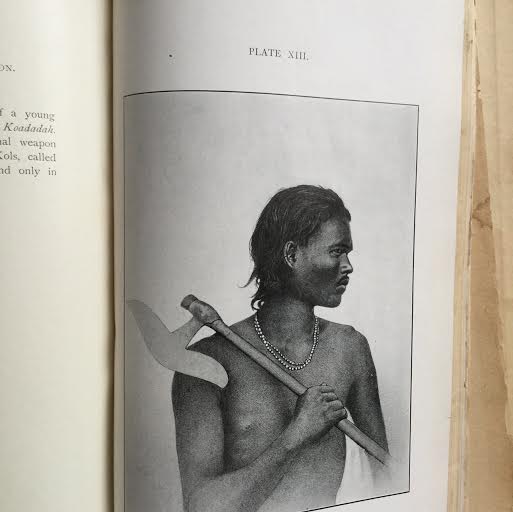
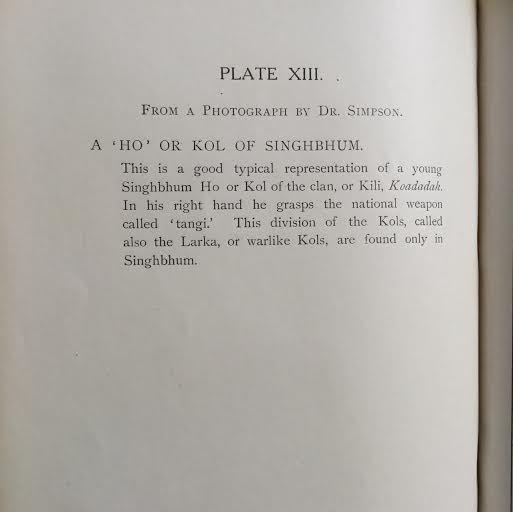
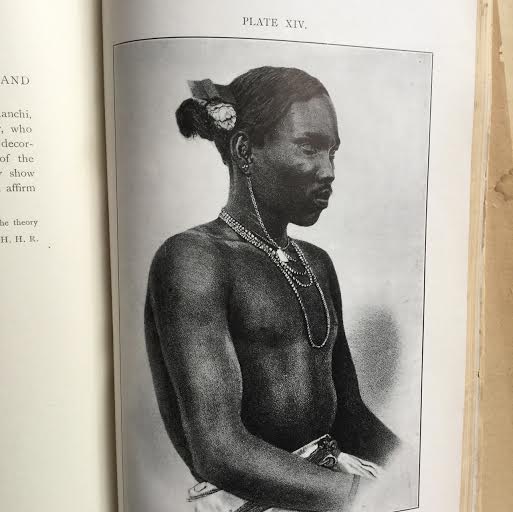
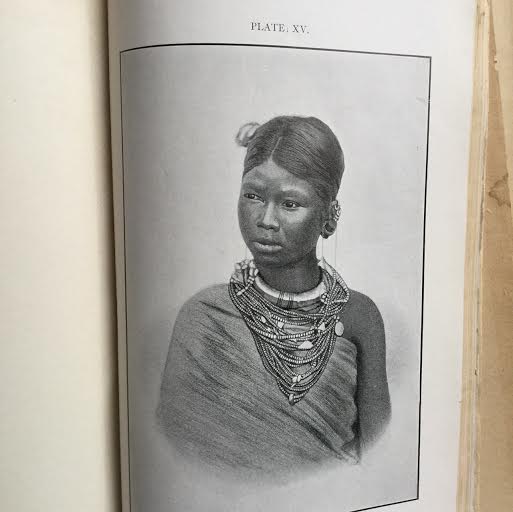
” Santhal, Saontar, a large Dravidian Tribe, classed on linguistic grounds as Kolarian which is found in Western Bengal, Northern Orissa, Bhagalpur and the Santal Parganas. According to Mr Skrefsrud the name Santal is a corruption of Saaontaar. They adopted this term after living in that village. Before this, they were called Karwar. But they call themselves Maanjhi, literally village headman.

“In point of physical characteristics Santals may be regarded as typical examples of the pure Dravidian stock. Their complexion varies from very dark brown to a peculiar,almost charcoal like black. The proportions of the nose approach those of the Negro, the bridge being more depressed in relation to the orbits than is the case with Hindus.

(This author cunningly divide the Tribes and the Hindus. But all the tribal customs,names are based on Hindu customs. When the foreigners struggle to justify it, they simply say that after mixing with Hindus they got those things). This is their usual escape route.

“Santals mouths are large, lips are thick, hair is coarse, black,occasionally curly. Their skulls are dolico cephalic type. So they are not from Mongolia.

Santhal tradition traces back the origin of the Tribe to a wild goose (hasdak) which laid two eggs. From those spring Pichu Haram and Pilchu Burhi, the parents of the race, who begat the first seven sub tribes. (This is a typical Hindu Story. The human race came from seven rishis. Brahma had swan/goose as his vehicle. The egg is Hiranyagarbam/golden egg in Hindu Puranas).

“The Santals went westward and were destroyed by fire except one pair. They were saved on Mountain Hara. They went to many places and the Hindus drove them out and at last they settled in Saontar. (“Hindus drove them out ” are authors invention, because at that time Hindus were not called Hindus by the tribesmen).

“They wandered under a Raja called Hamibir Singh and then their Rajas/kings adopted Hindu religion.

“Mr Skrefsrud said that Santals entered from North West of India. Dalton said that they came from Assam. Another story about a Santal Raja is, he killed himself when he heard the invasion of Malik Baya, a general of Muhammad Tughlak in 1353.

“Santal Tribe is divided in to 12 exogamous groups. The first seven are believed to be the sons of Pilchu Haram and Pilchu Burhi. Five others were added later. When they meet they use passwords. Those words are the names of their original/Purveeka houses in Champa.

Hindu Gotra System
Orthodox Hindus, particularly Brahmins , never marry in the same Gotra. They have seven main rishis. Likewise Santals also never marry in the same seven group or the five sub tribes.

Sankaranti
At the time of the harvest festival in January the members of the Sidup Saren set up a sheaf of rice on end in the door way of their cattle sheds. Tamil Hindus do it even today. The Santals are anti red. They don’t use anything red.

Another sect use Sindhura /vermillion. Each sect follows something Hindu. Another sect has their own sacred grove. One of the sects won’t eat the eggs of babbler bird. One sect allows only males to eat the animals they sacrifice. It is amazing to see so many customs and taboos in a small group like this. Nothing is Aryan Or Dravidian here. Foreigners were unable to explain all these rituals or taboos. They pick one or two things and interpret it in their own ways. Surprising thing is no two foreigners agree on anything.

Girls are married as adults, mostly to men of their own choice. Sexual intercourse before marriage is tacitly recognised. Polygamy is not favoured.
Sindurdan, applying vermillion powder, on face and parting of hair is essential in marriage. This is a Hindu custom.

There are different types of marriages. Widow marriage is allowed.
Sons inherit the property in equal shares. In religion they have a supreme deity called Thakur. Some identity him with the sun.

All their customs and beliefs are based on Hinduism. They are not linked to other tribes . Whenever foreigners write about them they simply dub some customs as Dravidian custom. If the couldn’t find any explanation they will dub them as borrowed from Hindus . One can have a good laugh when one reads such bluffing.
Sub ham

இறந்த பின்னும் வாழ்கிறோம்: அறிவியல் ஆராய்ச்சி அளிக்கும் உண்மை!! (Post No.2917)

newscientist-30602015feb13

Article written by London swaminathan


Date: 24 June 2016


Post No. 2917


Time uploaded in London :– 8-33 AM


( Pictures are taken from various sources; thanks)


DON’T REBLOG IT AT LEAST FOR A WEEK!  DON’T USE THE PICTURES; THEY ARE COPYRIGHTED BY SOMEONE.


(for old articles go to tamilandvedas.com OR swamiindology.blogspot.com)


‘நியூ ஸயின்டிஸ்ட்’ NEW SCIENTIST என்ற பிரபல விஞ்ஞான பத்திரிக்கையில் இந்த வாரம் ஒரு சுவையான செய்தி வந்துள்ளது. ‘இறந்தபின்னும்” நம்முடைய ஜீன்கள், அதவது மரபணுக்கள் கொஞ்ச நேரத்துக்கு உயிர்வாழ்கின்றன என்று அமெரிக்க ஆராய்ச்சி நிரூபித்துள்ளது.


இதை நம்முடைய யோகிகளின் வாழ்க்கையுடன் ஒப்பிடுவது, இந்துமதத்தின் அறிவியல் பின்னணியை நன்கு விளக்கும்.


இறந்து போன மீன்களின், சுண்டெலிகளின் ஜீன்களை ஆராய்ந்ததில் அவைகளின் மரபணுக்கள் இரண்டு நாட்களுக்கு உயிரோடிருந்தது தெரிய வந்தது.


ஒருவர் இறந்துவிட்டதாக, டாக்டர்கள் அறிவித்த பின்னரும் இப்படி ஜீன்கள்/ மரபணுக்கள் வாழ்வதால் அவர் ‘இறந்தது’ உண்மையா? சட்ட பூர்வமானதா? என்ற புதிய கேள்விகளை இது எழுப்பும். இறந்து போனவர்களின்  மாற்று உறுப்புக்ளை மற்றவர்களுக்கு அளிப்பதிலும் புதிய அணுகுமுறை வரும்.


சியாட்டில் நகரிலுள்ள வாஷிங்டன் பல்கலைக்கழக டாக்டர் பீட்டர் நோபிள்ஸ் நடத்திய ஆய்வில் மீன்களின் ஒரு குறிப்பிட்ட உறுப்பில் 548 ஜீன்களும், எலிகளின் 515 ஜீன்களும் இறந்த இரண்டு நாட்களுக்குப் பின்னரும் உயிரோடிருந்ததைக் கண்டார். நோய்வாய்ப்பட்ட மனிதர்கள் , செத்துப் போன பின்னர் அவர்களின் உடலில் 12 மணி நேரத்துக்கு பல ஜீன்கள் சுறு சுறுப்புடன் செயல்பட்டதையும் கண்டார்.

2kanchi on mat

எனது கருத்து:-

நோய்வாய்ப்பட்ட மனிதர்கள் விஷயத்திலேயே 12 மணி நேரத்துக்கு மரபு அணுக்கள் உயிரோடிருக்குமானால், வாழ்நாள் முழுதும் யோகம், ஆசனம் செய்தவர்களின் உடலில் இறந்த பின்னரும் ஜீன்கள், சுறுசுறுப்புடன் செயல்படுவதில் வியப்பில்லை.

செத்தும் கொடுத்தான் சீதக்காதி என்ற முஸ்லீம் பெரியவரின் வாழ்க்கையில் , அவர் புதைக்கப்பட்ட பின்னரும் , தானம் வாங்க வந்த புலவருக்கு, அவர் கை நீட்டி மோதிரத்தைக் கொடுத்ததாக அறிகிறோம். இதுபற்றி முன்னரே ஒரு கட்டுரையில் எழுதியுள்ளேன். மஹாபாரத அதிசயங்கள் பற்றிய கட்டுரையில் இறந்தவர்களின் உடலிலிருந்து, உயிர்கள் உண்டாக்கப்படதை எழுதிவிட்டேன்.

ஒரு யோகியின் சுய சரிதை என்ற புத்தகத்தில் பராஹம்ச யோகானந்தா(1893-1952) பற்றிய அதிசய செய்தி உள்ளது. அவர் இறந்து போய் இருபது நாட்களுக்குப் பின்னரும் அவர் உடல் அழுகவில்லை; அத்தோடு ஒளிவீசிக்கொண்டு திவ்ய தேஜசுடன் விளங்கியது என்று அமெரிக்காவிலுள்ள லாஸ் ஏஞ்சலிஸ் மார்ச்சுவரி/ சவக் கிடங்கு டைரக்டர் ஹாரி டி.ரோவ் எழுதியுள்ளார்.


திருக்கோவிலுர் சுவாமி ஞானானந்தா சமாதி அடைந்த போது, அவர்களுடைய சிஷயர்களுக்கு ஒரு சந்தேகம் ஏற்பட்டது; சுவாமிகள் அடிக்கடி சமாதி நிலைக்குச் சென்று 150 ஆண்டுகளாகியும் இறக்காததால், இந்த முறையும் இப்படி அதிசயம் நடக்குமோ என்று காத்திருந்தனர். ஆனாலப்படி சமிக்ஞைகள் ஏதும் வராததால், காஞ்சி பரமாசார்ய சுவாமிகளிடம் (1894-1994) சென்று கேட்டனர். அவரும் சில நாட்கள் பொறுத்திருந்து அடக்கம் செய்யலாம் என்று கருத்து தெரிவித்தார்.


அதர்வவேத, ரிக் வேத மந்திரங்களில் மரணம் பற்றிய மந்திரங்களில் உள்ள கருத்துகள் எதிர்காலத்தில் உண்மை யென்று நிரூபிக்கப்படும். இவை எகிப்திய மரணப் புத்தகத்தில் (THE BOOK OF DEAD தி புக் ஆப் டெட்) உள்ளதைப் போல இருப்பதையும் ஒரு ஆரய்ச்சிக் கட்டுரையில் காட்டியுள்ளேன்.


ஒருவன் மரணம் அடைந்தவுடன் அவன் ஆவி உடலில் இருப்பதாகவும், சிதைத்தீ உடலில் பட்ட பின்னரே ஆவி வெளியேறும் என்பதும் இந்துக்களின் நம்பிக்கை.

மேலும் 12 நாட்களுக்குப் பின்னரே அது பூமியைவிட்டு மேலுலகம் செல்லும் என்பதும் இந்துக்களின் நம்பிக்கை. இதனால்தான் உலகம் முழுதும் 13 நாட்களுக்கு அரசு துக்கம் அனுஷ்டிக்கப்படுகிறது. கொடிகள் அரைக்கம்பத்தில் பறக்கவிடப்படுகிறது.


உடலில் இருந்து வெளியேறும் ஆவிக்கு, இருளில் எங்கு செல்வது என்று தெரியாதாகையால், ஒருவர் இறந்த இடத்தில் விளக்கு ஏற்றிவைப்பதும் இந்துக்களின் வழக்கம். இதை மற்ற மதங்களும் பின்பற்றி மெழுகு வர்த்தி ஏற்றிவைக்கின்றனர். ஒருவர் இறந்த இடத்தில், இந்துக்கள் 12 நாட்களுக்கு விளக்கு ஏற்றிவைப்பதும் இதனால்தான். 13ஆவது நாளன்று ஆவி, இறந்த இடத்திலிருந்து மேலுலகத்துக்குப் பறந்துவிடும். கருடபுராணம் மற்றும் புரோகிதம் செய்துவைக்கும் பிராமணர்களின் செவிவழிச் செய்திகள் இதுபற்றி நிறைய தகவல்கலைத் தருவர். எதிர்காலத்தில் இவை அனைத்தும் விஞ்ஞான உண்மைகளாகி விடும்.

நியூ ஸைன்டிஸ்ட் – பத்திரிக்கையில் இப்போது வந்துள்ள செய்தி அதில் முதல் படி என்றால் மிகை இல்லை.

–சுபம்–


லெட்சுமி தங்காத இடங்கள் (கட்டுரை எண். 2916)

THANGA LAKSHMI

Article written by London swaminathan


Date: 24 June 2016


Post No. 2916


Time uploaded in London :– காலை 8-34


( Pictures are taken from various sources; thanks)


DON’T REBLOG IT AT LEAST FOR A WEEK!  DON’T USE THE PICTURES; THEY ARE COPYRIGHTED BY SOMEONE.


(for old articles go to tamilandvedas.com OR swamiindology.blogspot.com)


சிலாஸ்சகந்தலேபஸ்ச மார்ஜாரோச்சிஷ்ட போஜனம்

ப்ரதிபிம்பேக்ஷணம் நீரே சக்ரஸ்யாபி ஸ்ரியம் ஹரேத்

சிலாஸ்சகந்தலேப: – கல்லின் மேல் வைத்த சந்தனத்தை பூசிக்கொள்பவன்

மார்ஜார: உச்சிஷ்ட போஜனம் – பூனை சாப்பிட்ட மிச்சத்தை உண்பவன்

ப்ரதி பிம்பேக்ஷணம் நீரே – தண்ணீரில் தனது நிழலைப் பார்ப்பவன்

சக்ரஸ்யாபி ஸ்ரியம் ஹரேத்- விஷ்ணுவாக இருந்தாலும் (அவனது) செல்வத்தை லெட்சுமி நீக்குகிறாள்.

Xxx


lakshmi in kshetras

குசேலினம் தந்த மலாபஹாரிணம் பஹ்வாசினம் நிஷ்டூரவாக்ய பாஷிணம்

சூர்யோதயே சாஸ்தமயே ச சாயினம் விமுஞ்சதி ஸ்ரீரபி சக்ரதாரிணம்


குசேலினம் – அழுக்காடை அணிபவன்

தந்த மலாபஹாரிணம் – பல்லை நோண்டி அழுக்கெடுப்பவன்

பஹ்வாசினம் – பெருந்தீனிக்காரன்

நிஷ்டூரவாக்ய பாஷிணம் – கடும்/ சுடு சொற்களைப் பேசுபவன்

சூர்யோதயே சாஸ்தமயே ச சாயினம்- சூரியன் உதிக்கையிலும், அஸ்தமிக்கையிலும் படுக்கையில் இருப்பவன்

விமுஞ்சதி ஸ்ரீரபி சக்ரதாரிணம் – விஷ்ணுவேயானாலும், லெட்சுமி விட்டுவிட்டுப் போய்விடுவாள்.

–சுபம்–

Life After Death: New Evidence

We live after death! (Post No. 2915; dated 23 June 2016)

Written by London swaminathan

There is a very interesting news item in New Scientist magazine which proved the miracles of Hindu Yogis/saints.

Here is the gist of latest science article:
Hundreds of genes wake up for 48 hours in dead mice and fish
Dr Frankenstein and his monster made from a corpse brought back to life is the stuff of sci-fi but is there evidence for life after death?

When a doctor declares a person dead,parts of their body may live on for a while. Fresh evidence in animals suggests that many genes work for up to 48 hours after death. The finding could aid the science of organ transplants and help pathologists pinpoint a time of death more accurately.

Scientists measured the amount of gene messenger RNA present in the organs of mice and zebra fish immediately after death. An increase in mRNA -which genes use to tell cells to make products such as proteins– indicates that genes are more active.

Levels in the fish and mice were measured for up to four days post death and compared with the amount found at the time of death.

Overall activities decreased but levels associated with 548 genes in the fish and 515 genes in the mice went through peaks and dips in activity in a non winding down manner unlike the rest of the decaying DNA. Hundreds of genes woke up after death, including those associated with foetal development and cancer.

Activity peaked about 24 hours after death, Dr Peter Nobles study at the University of Washington, Seattle , found.

Could it be the same for us?
Previous studies found various genes were active more than 12 hours after death in people who died from multiple trauma, heart attack or suffocation.

Scientists think these genes may wake up as a part of an automatic healing attempt.
It also raises the questions about the definition of death. If genes can be active up to 48 hours after death,is the person technically still alive at that point?

Dr Noble said, “studying death will provide new information on the biology of life.”

Now compare the above information with the following matter I posted a few years ago:

Paramahamsa Yogananda (1893-1952) is one of the greatest Yogis of modern India. He entered Mahasamadhi  in Los Angeles, California, USA on 7th March 1952. The great world teacher demonstrated the value of Yoga not only in life but also in death. Weeks after his departure his unchanged face shone with the divine lustre of incorruptibility: “ The absence of any visual signs of decay in the dead body of Paramahamsa Yogananda offers the most extraordinary case in our experience…….. No physical disintegration was visible in his body even twenty days after death…… No indication of mould was visible on his skin and no visible desiccation took place in the bodily tissue”, was the report of Mr Harry T. Rowe, Los Angeles Mortuary Director.
“An Autobiography of a Yogi” written by Paramahamsa Yogananda sold millions of copies in different languages. “The Master Said” was a book of his quotations and anecdotes. Following excerpts explain the miracles.

Hindu yogis knew very well that genes don’t die immediately. When Jnanananda of Tirukkovilur attained Samadhi his devotees were wondering whether he has actually left the body. They consulted Kanchi Paramacharya Swamiji who asked them to wait for a few days before burying him.

Hindus believe that the life leaves the body only after the funeral fire touched it . They also believed it will hover around for 12 days where it lived. The relatives say Goodbye to the body on 12th day only. That is why all over the world a 13 day mourning period is followed. The dead spirit will be looking for light in the dark. That is why a light or lamp is left at the place of death for 12 days. Other religions also follow Hindu customs by lighting candles. Slowly science will unravel all the mysteries of death which is already in the funeral mantras of the Hindu Vedas. ( I have already written about the similarities between the Egyptian Book of the dead and the Vedic mantras . Please read it)

–sub ham–

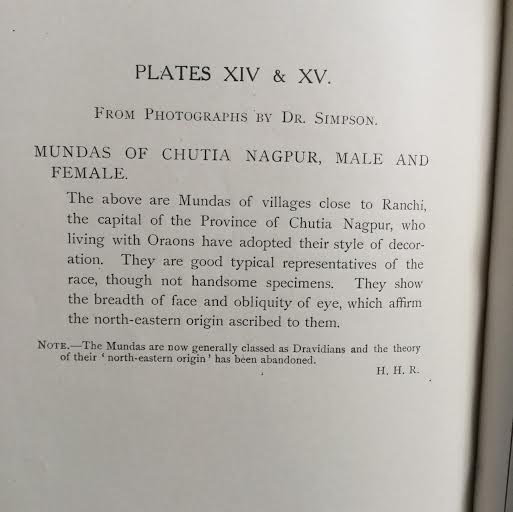
Munda Tribe follows Brahmin customs! Mystery of Indian Hill Tribes – Part 3!(Post No.2914)


tribe 36

Picture of a Munda

Article written by London swaminathan


Date: 22 June 2016


Post No. 2914


Time uploaded in London :– 17-11


( Pictures are taken from various sources; thanks)


DON’T REBLOG IT AT LEAST FOR A WEEK!  DON’T USE THE PICTURES; THEY ARE COPYRIGHTED BY SOMEONE.


(for old articles go to tamilandvedas.com OR swamiindology.blogspot.com)


Please read the first and second parts published yesterday and day before yesterday, where there is a detailed introduction.

 tribe 22

Munda Tribe


Munda tribe is found in Chota Nagpur area. The name Munda is of Sanskrit origin. Foreigners classified them as Dravidians but there is no Dravidian or Aryan element in them. They are typical Hindus. Munda means headman of a village.. Mundas themselves use this word as titular or functional designation.

This is similar to Santals calling themselves Manijhi, the Bhumij- Sardaar and the Khambu  of the Darjeeling hills Jimdaar.


The general name Kol, which is applied both to Mundas and Oraons mean a pig killer according to Herr Jellinghaus. Another interpretation is that it is similar to horo of Mundas,which means man.

 tribe 23

Origin of Man

The Munda myth of the making of mankind tells how the self existent primeval deities Ote Boram and Sing Bonga created a boy and a girl and put them together in a cave  to people the world. The innocent boy and girl did no what to do, but when they dank rice beer  their passions were inflamed . later their number reached 12 male and 12 female. Singa Bonga placed before them different kinds of food and the fate of their descendants were decided y their choice.
 

The first and second pairs the flesh of bullocks and buffaloes and they originated the Kols; the next took of the vegetables only and are the progenitors of the Braahmans and Chatris (Brahmans and Kshatriyas); others took goat and fish, and from them are the Sudras. One pair took shell fish and became Bhuiyas; two pairs became pigs and they became Santals. One pair got nothing, seeing which the first pairs gave them of their superfluity; and from the pair thus provided spring the Ghasis, who toil not, but live by preying on others.

Source: People of India by Sir Herbert Hope Risley, 1915 (Second Edition)


My comments:

Even the Mundas accept that mankind originated from one ancestor. They said Brahmins and other castes appeared at the same time. They believed in caste divisions; they believed Brahmins are pure vegetarians. No one could have put all these into their mouths. The God they mentionas Ote Boram is Adhi Brahma. Hindus believe that Brahma created the world.


The Mundas are divided into 13 sub-tribes such as Kharia- Munda, Mahili- Munda, Oraon- Munda, Bhunihar – Munda, Manki – Munda. Each one has a totem symbol and tey won eat the flesh of that particular symbol/animal.

tribe 24

Gotra System

Hindus, particularly Brahmins, wont marry in the same Gotra. Mundas also followed the Gotra system a Munda will not marry a woman of his own sect/sub tribe. The gotra/clan name goes by the father’s side. It is same with the Brahmins even today.


Adult marriage is still in fashion and sexual intercourse before the marriage is tacitly recognized, but in all respectable families matches

Are made by the parents, and the parties have very little to say in this matter. It is same in Brahmins families until today. Only when they migrate to foreign countries Brahmin children become uncontrollable. Because the male-female ratio gap is wide parents also keep quiet.


Bride price varies (Bride price is called Sridhanam in Hindu families. At one time it reversed and given to Bridegroom; now it is the bride who gets it again. Brides are in shortage.

Sindurdhan or the searing of vermillion on the bride’s forehead by the bridegroom and on the bridegrooms forehead by the bride is the essential and binding portion. This is also part of Hindu marriages. Only married Brahmin ladies wear sindhur on the parting of their hair.


The practice of marrying the bride to a Mahua tree (Bassia latifolia) and the bridegroom to a mango tree seems now to have been abandoned.

Widows may marry again by the ritual known as sagaai in which the Sindur dhan is performed with the left hand; this is also typical Hindu custom. Hindus will do only unusual or inferior things with their left hands .Divorce is allowed at the instance  of either party.

tribe 27

Worship of  Sun God

At the head of the Munda religion stands Sing Bonga, the sun, a beneficient but inactive deity, who concerns himself but little with human affairs and leaves the details of the executive government of the world to the gods in charge of particular branches or departments of nature.. he may be invoked to avert diseases. White goats or white cocks are offered to him.

Hindus worship sun every day by doing Surya Namaskar. A Sanskrit proverb says Get Health from the Sun. Brahmin Hindus worship sun thrice a day through water oblations.


Next in rank to Sing Bonga comes Buru Bonga or Marang Buru, also known as Paat Sarnaa, a mountain god, whose visible habitation is usually the highest hill in the neighborhood. This is also typical Hindu belief. Hindus worship all mountains in particular The Golden Meru and The Silvery Kailash I the Himalayas. Brahmins say the name of Meru every day to mention the direction. They always say whether they are south of Meru or North of Meru in their daily rituals.. Mundas sacrifice animals at the top of a rock in Lodhma. Marang Buru is prayed for rains. He is offered a buffalo during droughts. Ikir Bonga is he god of tanks and lakes. Garhaera is the Goddess of rivers, streams and springs.


Chandor, the moon is worshipped by women. This is also typical Hindu belief. She is the wife of Sun God.


Since they eat meat they sacrifice animals to all their Gods and Goddesses. All their beliefs are similar to Hindus. There is no Aryan or Dravidian as claimed by the divisive foreigners.


All their festivals are also based on seasons like the Hindus.

tribe 28

Funeral ceremonies are like that of the Hols. Munda villages fly a particular flag in villages during the festivals. This is also very similar to Hindu Temples Dwaja Arohan practiced even today in South Indian Temples.


Foreigners concocted theories about the tribes are exploded by the study of all the hill tribes.


tribe 30


tribe 32


tribe 33


tribe 34


tribe 37


tribe 38

tribe 40

–subham–


பெண்களுடன் வாதாடாதே (Post No.2913)

RelationshipFighting

Article written by London swaminathan


Date: 22 June 2016


Post No. 2913


Time uploaded in London :– 8-33 AM


(Pictures are taken from various sources; thanks)


DON’T REBLOG IT AT LEAST FOR A WEEK!  DON’T USE THE PICTURES; THEY ARE COPYRIGHTED BY SOMEONE.


(for old articles go to tamilandvedas.com OR swamiindology.blogspot.com)


மனிதனுக்கு இழிவை ஏற்படுத்தும் 6, பெருமை தரும் 4, விஷயங்கள்

donkey ride

பால சகித்வம் = சிறுவர்களுடன் நட்பு (பக்குவம் அடையாதோருடன் நட்பு)

அகாரண ஹாஸ்யம் = காரணமில்லாமல் தனக்குத் தானே சிரித்தல் (மொபைல் போன், ஐ பேட் – இவைகளைப் பார்த்து பொது இடங்களில் சிரித்தல்)

ஸ்த்ரீஷு விவாதோ= பெண்களுடன் வாக்குவாதத்தில் ஈடுபடுதல் (மனைவி, சஹோதரிகளுடனோ, அடுத்தவீட்டுப் பெண்களுடனோ சண்டை போடுதல்)


அசஜ்ஜன சேவா = கெட்டவர்களுக்குச் செய்யும் உதவி (லஞ்சம் கொடுத்தல்)

கார்தப யானம் = கழுதை சவாரி (ஓட்டை காரில் சவாரி செய்தல்)

அசம்ஸ்க்ருதவாணி = கொச்சை மொழியில் பேசுதல் (பண்பற்ற மொழி; கீழ்மக்கள் பயன்படுத்தும் மொழி)

ஷட்சு = இந்த ஆறில்

நர: – மனிதன்

லகுதாம் = சிறுமையை

உபயாதி = அடைகிறான்.


பாலசகித்வமகாரணஹாஸ்யம் ஸ்த்ரீஷு விவாதோ(அ)சஜ்ஜனசேவா

கார்தபயானமசம்ஸ்க்ருதவாணீ ஷட்சு நரோ லகுதாமுபயாதி

Xxxx

school boys

பெருமை தரும் நான்கு விஷயங்கள்

एको धर्मः परं श्रेयः क्षमैका शान्तिरुत्तमा।
विद्यैका परमा दृष्टिरहिंसैका सुखावहा॥

ஏகோ தர்ம: பரம்ஸ்ரேய: க்ஷமைகா சாந்திருத்தமா

வித்யைகா பரமா த்ருஷ்டிரஹிம்சைகா சுகாவஹா


தர்மம் (என்ற ‘ஒன்று’ ) மாபெரும் மேன்மையைத் தரும்

பொறுமை (என்ற ‘ஒன்று’ ) சிறந்த அமைதியைத் தரும்

கல்வி (என்ற ‘ஒன்று’ ) அளவற்ற நிறைவைத் தரும்

அஹிம்ஸை (என்ற ‘ஒன்று’ ) தொடர்ந்து சுகத்தைத் தரும்.

–உத்யோக பர்வம், மஹாபாரதம்


–subam–


Mystery of Indian Hill Tribes – Part 2!(Post No.2912)

tribe 11

Research Article written by London swaminathan


Date: 21 June 2016


Post No. 2912


Time uploaded in London :– 19-19


( Pictures are taken from various sources; thanks)


DON’T REBLOG IT AT LEAST FOR A WEEK!  DON’T USE THE PICTURES; THEY ARE COPYRIGHTED BY SOMEONE.


(for old articles go to tamilandvedas.com OR swamiindology.blogspot.com)


Please read the first part published yesterday, where there is a detailed introduction


 tribe 13

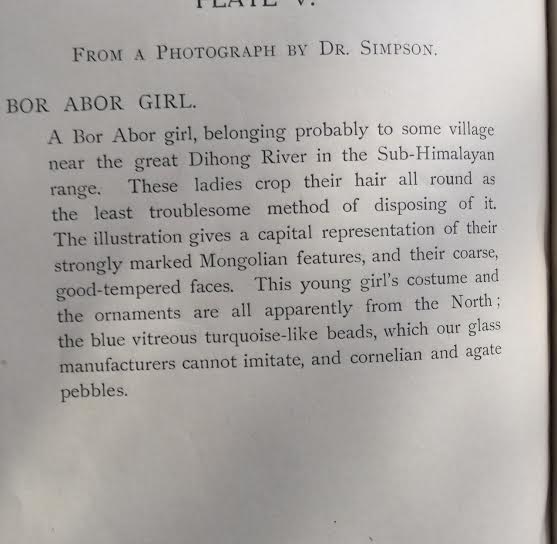
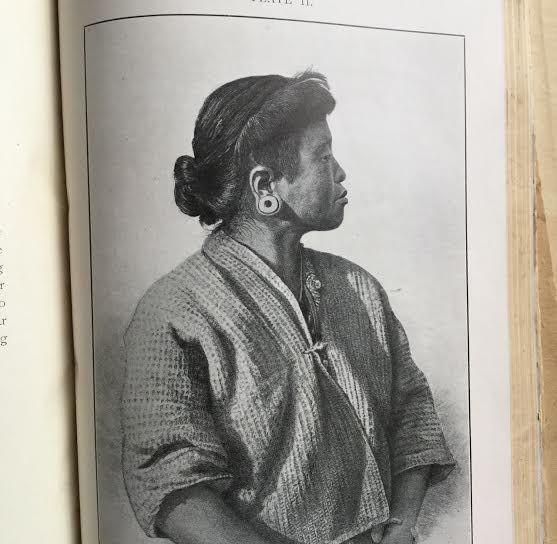
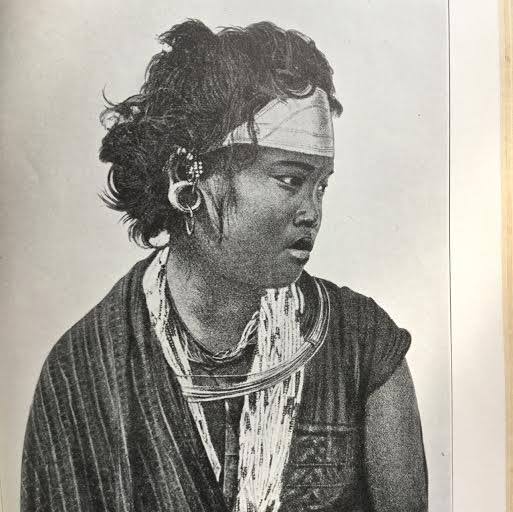
My comments: Bor Abor women cropped their hair which was unusual in India. They were semi precious stones  like the wearer of modern jewelries.


Look at he breast of the female figure. Sangam Tamil literature talks about Bra in hundreds of places. Tamil women used bra from Sangam age)


Tribes used totem symbols and half of the words are in Sanskrit.

We have totem symbols even in the oldest religious book in the world — the Rig Veda.

Kasyapa Rishi means Tortoise Rishi

Kaushika Rishi means Owl Rishi

Sandilaya Rishi means Bird Rishi

Manduka Rishi means Frog Rishi.

We have totem symbols in Ramayana and Mahabharata. Foreigners deliberately hid these factors and gave only the tribal totems in their book.

Following excerpt is from my previous post:

Several animal symbols were used as totem symbols by the tribes. So they were called by the animal names. Later writers took it for real animals and called them bears (Jambavan in Ramayana) and Eagle ( Jatayu in Ramayana). In real life bears and eagles were just human beings but with some animal tattoos or animal masks.

My comments: In all these stories (Janamejaya story of Mahabharata)  we see some environmental concern. When the kings try to kill all the snakes and all the frogs someone gives them good advice about environmental protection. Even if we take them as human beings with totem symbols, peace is restored by stopping the killings.

My comments (about Ayu story in Mahabharata) : Frog was a totem symbol of a particular tribe and Ayu was the king of that Frog tribe. Actually they are human beings, not frogs. We have poets and seers with the names such as Manduka Maharishi (frog), Therai (Toad) in Sanskrit and Tamil.  Mandukyopanishad is one of the major Upanishads. So what we read here is the story of tribal people. Since thousands of years passed before Vyasa collected all these stories and incorporated them into the epic for the benefit of posterity, the original meaning was lost. Now we have to read the story between the lines.

Naga is the totem symbol used all over the world. The opposing group used Garuda/Eagle(Please see my old articles linking Mayans and Indian Nagas from the Mahabharata period)


tribe 14

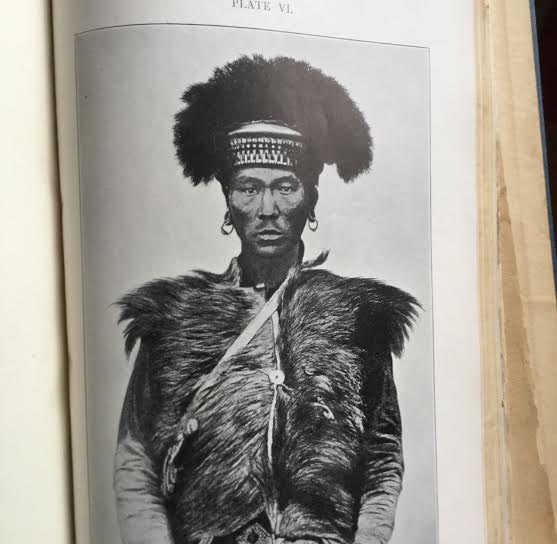
Picture shows a Chulikata Mishmi Chief in full dress

Now look at the totem symbols of the Tribes:

Oraon tribe

Tirki – Young mice

Ekka-  Tortoise

Kispotta –Pig’s entrails

Lakra- Hyena (Vyagra is Sanskrit word for Tiger)

Bagh – Tiger corrupted form of Sanskrit Vyag(ra)

Kujrar – Oil from Kujrar tree

Gede – Duck

Khoepa – Wild dog

Minji- eel (Meen is used in Sanskrit for fish)

Chirra – squirrel


Santal tribe

Ergo – Rat

Murmu – Nilgai deer

Hansda – Wild goose (Hamsa is a Sanskrit word for swan)

Maarudi – Grass

Besra – eagle

Hemron- betel palm

Saren – Pleiades (Sarvana is Sanskrit for Skanda of Pleiades/Kartika Star)

Sankh- Conch Shell (Sanka is a Sanskrit word for Conch; conch itself is Sanskrit)

Gua – areca nut

Kaaraa – buffalo

Bhumij Tribe

Saalrisi – Saal fish

Haansda – Wild goose (Sanskrit Hamsa)

Leng – Mushroom

Saandilya – bird (Vedic Rishi)

Hemron – Betel

Tumarung – Pumpkin

Nag – snake (Sanskrit)


tribe 17

tribe 20

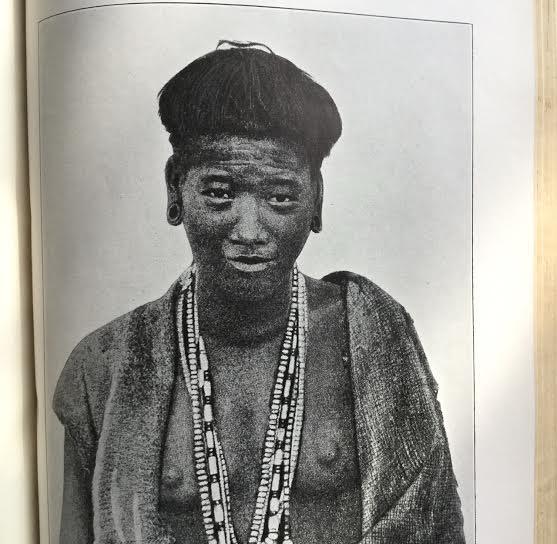
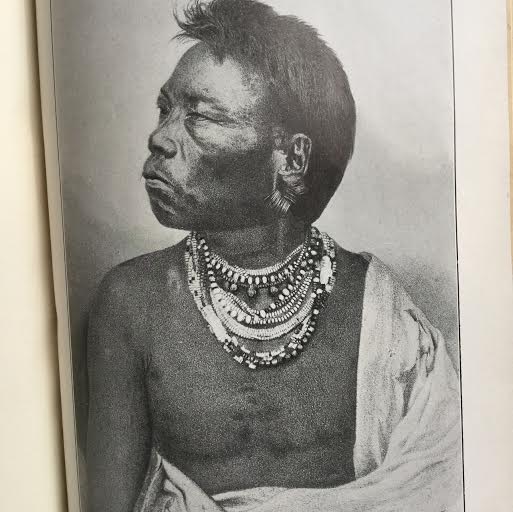
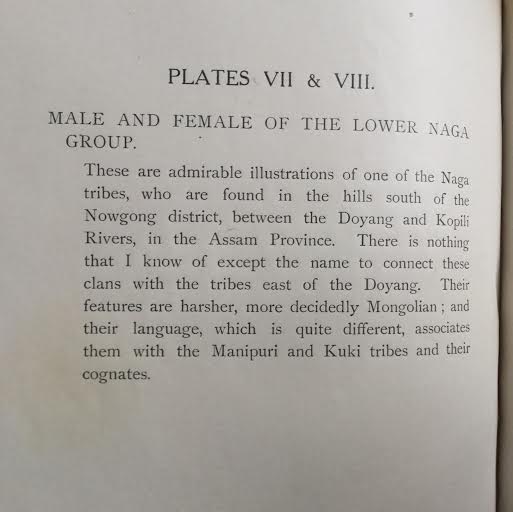
Naga chief wears shawl on the left shoulder like Hindus. Their facial features are mongoloid and their language is very different from old Tamil or Sanskrit.

Mahili Tribe

Dungri – Dumu fig

Turu – Turu grass (Sanskrit)

Kaanti – ear of an animal (Kaatu is a tamil word for ear)

Haansdaa- wld goose (Sanskrit)

Murmu – Nilagai


Koraa Tribe

Kasyab – Tortoise (Vedic rishi, sanskrit for turtle)

Saulaa – sal fish

Kasibak – heron

Haansdaa – wild goose (Sanskrit)

Butku – pig

Saampu – bul

Kurmi Tribe

Kesaria – kesar grass

Taraar – buffalo

Dumuriaa – dumur fig

Chanchmukuraar – spider

Hastovar – tortoise

Jhaalbanuaar – net

Sankhowaar – shell ornaments (sanskrt)

Baagbauaar – Tiger (Sanskrit)

Katiaar – silk cloth


Baag is a corrupted word of Vaag (Vyaagra)


Hindus were the first race in the world to have flags with totem symbols. Ramayana and Mahabharata give lot of information about flags. I have dealt with them in a separate research article.

So totem symbol is not a primitive one. Neither Aryan nor Dravidian. Even all the civilized groups had them. Now they remain in the flags and government emblems of many countries.


To be continued………………………………….

இமயமலையில் அதிசய ஏரி: கம்பனும் பாடிய புகழ்மிகு ஏரி (Post No.2911)

12-gurla-mandhata-and-lake-manasarovar-from-seralung-gompa

Research Article written by London swaminathan


Date: 21 June 2016


Post No. 2911


Time uploaded in London :– 13-53


( Pictures are taken from various sources; thanks)


DON’T REBLOG IT AT LEAST FOR A WEEK!  DON’T USE THE PICTURES; THEY ARE COPYRIGHTED BY SOMEONE.


(for old articles go to tamilandvedas.com OR swamiindology.blogspot.com)


இமயமலையிலுள்ள அதிசய ஏரி பற்றி கம்பனும் பாடியிருக்கிறான்! இன்று You Tube யூ ட்யூப், Whats up வாட்ஸ் அப், Facebook Fபேஸ் புக், Google கூகுள் மூலம் அரை நொடியில் பார்க்கக்கூடிய இமய மலை அதிசய ஏரி பற்றி தமிழர்களுக்கு 2000 ஆண்டுகளாகத் தெரியும்! ஒரு போக்குவரத்து வசதியும் இல்லாத, காட்டு மிருகங்கள் நிறைந்த பாதை வழியாக அந்தக் காலத்திலேயே ஆதிசங்கரரும் சாது சந்யாசிகளும் சென்ற புனித மலை இமய மலை. அதிலுள்ள கயிலை மலைக்கு நம்மவர் 2000 ஆண்டுகளாகச் செல்வது தேவாரம், திருவாசகம் மூலம் தெள்ளிதின் விளங்கும்.


இப்பொழுது கஞ்ஜன் ஜங்கா என்று அழைக்கப்படும் இமயமலைச் சிகரம் புறநானூற்றின் இரண்டாவது பாடலிலேயே முரஞ்சியூர் முடிநாகராயரால் பாடப்பட்டிருக்கிறது. காஞ்சன ஸ்ருங்கம் என்ற அருமையான சம்ஸ்கிருதச் சொல்லை இப்படிக் கஞ்சன் ஜங்கா ஆக்கிவிட்டனர். ஆனால் புறநானூற்றில் அழகாக பொற்கோடு என்று மொழிபெயர்க்கப் பட்டிருக்கிறது. இமயமலை பற்றி முடிநாகராயர் பாடியது அப்படியே காளிதாசனின் குமார சம்பவத்தில் இருக்கிறது. இதுதவிர பல்யாகசாலை முதுகுடுமிப் பெருவழுதி என்ற பாண்டிய மன்னனை காரிகிழார் பாடிய ஆறாவது பாடலிலும் இமயமலை வருணனை வருகிறது. இவையெல்லாவற்றையும் காளிதாசன், சங்க காலத்துக்கும் முந்தைய புலவன் என்ற எனது  ஆராய்ச்சிக் கட்டுரையில் விளக்கி விட்டேன். அரைத்த மாவையே அரைக்காமல் கம்பன் சொன்னதைக் காண்பிக்கிறேன்.

கயிலை மலைபற்றியும், சிவபெருமான் பற்றியும் கம்ப ராமாயணத்தில் நிறைய குறிப்புகள் உள்ளன. ஆனால் அவன் உலக இயற்கை அதிசயங்களில் ஒன்றான மானச சரோவர் குறித்தும் பாடியது வியப்பை ஏற்படுத்தும்.


மானசமடுவில் தோன்றி வருதலால் சரயு என்றே

மேல்முறை அமரர் போற்றும் விழுநதி அதனினோடும்

ஆன கோமதிவந்து எய்தும் அரவம் அது என்ன அப்பால்

போனபின் பவங்கள் தீர்க்கும் புனித மா நதியை உற்றார்

-பால காண்டம், கம்ப ராமாயணம்


ராம லெட்சுமணர் ஆகிய இரண்டு டீன் ஏஜ் பாய்ஸ்களை “உலக நண்பன்” (விஸ்வாமித்ரன்) என்ற முனிவன் அழைத்து செல்கிறான். பெரிய இரைச்சல் கேட்டவுடன் இருவரும் அது என்ன சப்தம் என்று கேட்கின்றனர். விஸ்வாமித்ரர் (உலக நண்பன்) தனது பூகோள அறிவைக் காட்டுகிறான். ஏதோ வெள்ளைக்காரன்தான் இந்த நாட்டையே ஒன்றுபடுத்தினான், அவன் வந்தபிறகுதான் நாம் ‘டிராவல் செய்யவே துவங்கினோம் என்று பல அரைவேக்காடுகள் பிதற்றியதுக்கெல்லாம் கம்பன் பதில் சொல்கிறான்:–

பாடலின் பொருள்:–

மானஸம் என்னும் பொய்கையில் (மானஸ ஸரஸ்) உற்பத்தியாகிப் பாய்வதால் சரயூ நதி என்ற பெயரைப் பெற்று, மேன்மைமிகு வாழ்க்கை படைத்த தேவர்களால் போற்றப்பட்டது. அச்சிறந்த நதியோடு கோமதி நதி வந்து கலப்பதால் எழும் ஒலி இது – என்று உலகநண்பன்/விஸ்வாமித்ரன் செப்பினான். மூவரும் தொடர்ந்து சென்று, குளித்தவர்களின் பாவங்களையெல்லாம் போக்கும் நதியை (கங்கை) அடைந்தனர்.


அந்தக் காலத்தில் எவ்வளவு ஜியாக்ரபி/ புவியியல் அறிவு இருந்திருக்கிறது! வால்மீகி செப்பியதை கம்பனும் மொழிந்ததிலிருந்து அவர்களுடைய புவியியலறிவு புலப்படும்.

manasarowar-see

ஏரியின் அதிசயங்கள் பற்றிச் சொல்வதற்கு முன் இன்னும் இரண்டு பாடல்களைக் காண்போம்:-

அருவலிய திறலினர் ஆய் அறம் கெடுக்கும் விறல் அரக்கர்

வெருவரு திண் திறலார்கள் வில் ஏந்திவரும் மேருப்

பருவரையும் நெடுவெள்ளிப் பருப்பதமும் போல்வார்கள்

இருவரையும் இவ் இருவர்க்கு இளையாளும் ஈன்று எடுத்தாள்.


இலக்குவன் (லெட்சுமணன்), சத்துருக்கனன் ஆகிய இருவரையும் சுமித்திரை பெற்றெடுத்த செய்தியைச் சொல்லும் பாடல் இது. ஒருவரை பொன் மயமான மேரு மலைக்கும், மற்றொருவரை வெள்ளி நிறத்துடைய கயிலை மலைக்கும் ஒப்ப்டுகிறான் கம்பன்.


இன்னொரு பாடலில் கங்கை, கயிலை மலை பற்றிப் பாடுகிறான்:–

ஆறு எலாம் கங்கையே ஆய ஆழிதாம்

கூறு பாற்கடலையே ஒத்த குன்று எலாம்

ஈறு இலான் கயிலையே இயைந்த என் இனி

வேறு நாம் புகல்வது நிலவின் வீக்கமே

பொருள்:-

நிலவொளி பரவியதால், ஆறுகள் அனைத்தும் வெள்ளை நிறமுள்ள கங்கை ஆறுபோல் தோன்றின; கடல்கள் யாவும் பாற்கடலை ஒத்திருந்தன; மலைகள் எல்லாம் முடிவு என்று ஒன்றில்லாத சிவபெருமான் வீற்றிருக்கும் கயிலை மலையைப் போலிருந்தன. இவற்றுக்கு மேலே சந்திரனின் மிகுதியைப் பற்றி நான் சொல்ல  என்ன இருக்கிறது?

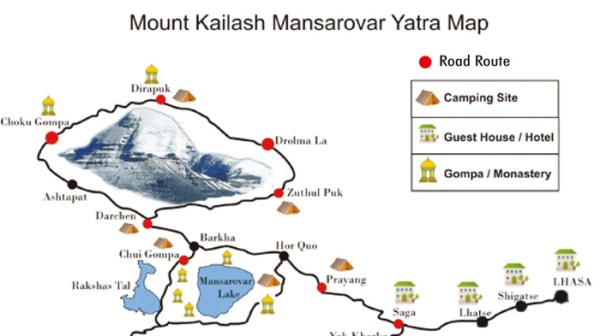
pic-yatra-map


Lasha- Kailash 1400 kilometres by road


ஏரி பற்றிய அதிசயச் செய்திகள்:-

இந்த அதிசய ஏரியில் நிர்மலமான, மேகமற்ற வானத்திலிருந்து பனி பெய்வதால் இந்தியில் ஒரு பொன்மொழி உண்டு:-

மானஸரோவர் மைன் பரசே (முதல் ‘ப’)

பின் பாதல் ஹிம் பரசே (மூன்றாவது ‘ப’)


மேகமே இல்லாமல் பனி மழை பெய்யும் மானசரோவரை யார் அணுக முடியும்? என்பது இதன் பொருள்.

இரவு நேரத்தில் ஏரியில் நட்சத்திரங்கள் விழுவதூ போலத் தோன்றும். வானியல் அறிஞர்கள் இவைகளை விண்கற்கள் என்று சொல்வர். பக்தர்கள், புண்யாத்மாக்கள் பூமியில் இறங்குவதாகச் சொல்வர்.

1.மானச சரோவர் என்பது பிரம்மாவின் மனதில் தோன்றிய ஏரி என்னும் பொருளுடைத்து.

2.இந்தியாவின் இதய இரத்தக் குழாய் போன்ற கங்கை, சிந்து, பிரம்மபுத்ரா ஆகிய மூன்று ஜீவநதிகளும் இந்த ஏரிக்கு அருகில் அல்லது ஏரியில்தான் உற்பத்தியாகின்றன. அதாவது அந்த ஜீவநதிகளுக்கு தண்ணீரைக் கொண்டு செல்லும் உபநதிகள் இங்கேதான் தோன்றுகின்றன.

  1. இது 54 மைல் சுற்றளவும் 320 சதுர மைல் பரப்புமுடையது. 300 அடிவரை ஆழம் கொண்டது.

4.நிர்மலமான, ஸ்படிகம் போன்ற அமைதியான நீர்ப்பரப்பு. கண்ணாடித் தொட்டிகளில் நீந்தும் மீன்களைப் பார்ப்பதுபோல தண்ணீருக்கடியில் உள்ள மீன்களைப் பார்க்கலாம்.

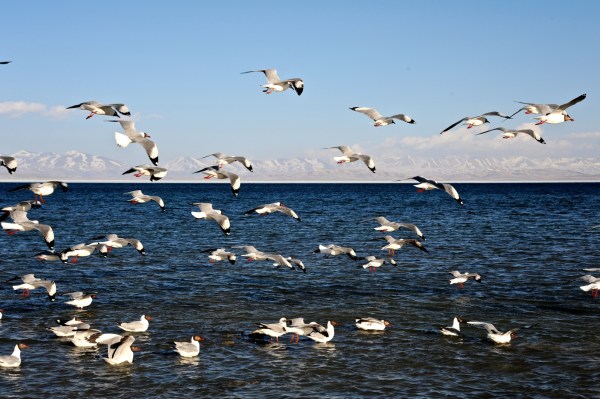
  1. இந்த ஏரியில் அழகிய, பெரிய அன்னப் பறவைகள் (ராஜ ஹம்சம்) இருக்கின்றன.
  2. உலகில் அதிகமான உயரத்திலுள்ள சுத்த நீர் ஏரிகளில் இது முதலிடத்தில் நிற்கிறது.

7.ஏரியைச் சுற்றி எட்டு பௌத்த துறவிகளின் மடாலயங்கள் இருக்கின்றன.

  1. இது திபெத் பிராந்தியத்தில் இருந்தாலும், அது இப்பொழுது சீனாவின் ஆக்ரமிப்பில் இருக்கிறது

9.இந்த ஏரி பனிக்காலத்தில் ஐஸ்கட்டியாக மாறிவிடும். கோடைகாலத்தில் அந்தப் பனி உடைவதன் பேரொலிகளைக் கேட்கலாம்.


  1. ஏரியின் நீரில் கயிலை மலையின் பிம்பங்களைப் பார்த்து ஒரே நேரத்தில் இரண்டு கயிலை மலைகளை தரிசிக்கமுடியும்

11.ஏரிக்கரையில் அழகிய கூழாங்கற்களையும், வேறு எங்கும் காண முடியாத தாவர வகைகளையும் பார்க்கலாம்.

  1. உத்தரப்பிரதேசத்திலுள்ள அல்மோராவிலிருந்து 240 மைல் தூரத்திலும் திபெத்தின் தலைநகர் லாசாவிலிருந்து 800 மைல் தொலைவிலும் கயிலை மலையும் மானசரோவரும் உள்ளன. இமயமலையின் அற்புதமான இயற்கைக் காட்சி இது. கடல் மட்டத்திலிருந்து 15,000 அடிக்கு மேல் இது இருக்கிறது. ஒரு புறம் கைலாஷ் மறுபுறம் மாந்தாதா சிகரங்கள் காட்சி தரும்.

13.திபெத்திய பௌத்தர்களுக்கும் இந்த ஏரி முக்கியமானது. ட்சோ மவாங் என்று அழைப்பர். மன அமைதியையும், ஆன்மீக உணர்வையும் தூண்டும் இடம் இது.ஒரு மிகப்பெரிய நீலக்கல் ரத்தினம் அல்லது மரகதப்  பச்சைக் கல் போலத் தோன்றும்.

14.காங்ரி கஞ்சாக் என்ற பெயரில் திபெத்திய மொழியில் இரண்டு கைலாஷ் புராணங்கள் வெளியிடப்பட்டுள்ளன.

  1. மானச ஏரியின் நீர் சுவையானது. ஏரிக் கரையில் குகைகளும் உண்டு. சாது, சந்யாசிகள் தவம் செய்ய ஏற்ற இடம். ஏரிக்கரையில் வெப்ப நீர் ஊற்றுகளும் காணப்படுகின்றன.

15.ஒரு புத்த மடாலயத்திலிருந்து கயிலை மலையின் அற்புதமான தோற்றமும், மற்றொரு மடாலயத்திலிருந்து ராக்ஷச தல் ஏரியின் அழகிய தோற்றமும் கண்கொள்ளாக் காட்சி ஆகும்

16.காலை முதல் இரவு வரை வெவ்வேறு நேரத்தில் இது வெவ்வேறு அழகில் தோன்றும். நிறமும் சூரிய வெளிச்சத்தில் வேறுபடும்.

17.மூன்று வகையான அன்னப் பறவைகள் இங்கே வசிக்கின்றன. அவைகளில் ஒன்று ஒரிஸ்ஸாவில் சில்கா ஏரி வரயும், மற்றொரு திசையில் மால்வா வரையும் பறந்து செல்லும். இன்னொரு வகை சதபத பிராமணம் என்னும் கி.மு எட்டாம் நூற்றாண்டு நூலில் காணப்படுகிறது. ஆகவே குறைந்தது 3000 ஆண்டுகளாக பறவைகள் பற்றிய அறிவு இருந்திருக்கிறது. காளிதாசனும் மேக தூதத்தில் இதுபற்றிக் கூறியுள்ளான்.

18.இங்கே நடக்கும் அற்புதங்களில் ஒன்று ஜனவரி முதல் நடக்கும் பனி வெடிப்புகளாகும். சில நேரங்களில் பெரிய பனிப்பாறைகள் கரையிலுருந்து 60 அடிக்கு அப்பால் விழுந்து கிடக்கும்.

திடீரென்று பனிக்கட்டிகளிடையே நீர் ஊற்றுகள் தோன்றும். ஏரிக் கரைக்கு அப்பால் சிலமைல் தொலைவில் மூன்று வெப்ப நீர் ஊற்றுகள் காணப்படுகின்றன.

19.தூமா என்ற அற்புத மூலிகைக் கிழங்கு இங்கே கிடைக்கிறது. மலை எலிகள் இவற்றைச் சேமித்துவைக்கும். இது காமசுகம் தரும் செக்ஸ் மூலிகை.

simikot-to-kailash-manasarowar-trekking

20.ராக்ஷச தல்

ராக்ஷச தல் அல்லது ராவண ஹ்ருதா (லாங்காகி ட்ஸோ) என்னும் மற்றொரு ஏரி அருகில் இருக்கிறது. மானசரோவரிலிருந்து 2 முதல் 5 மைல் தொலைவில் ராக்ஷச ஏரி உள்ளது. லாங்காகி ட்சோ என்றால் ஐந்து மலைகளை உள்ளடக்கிய ஏரி என்று பொருளாம். (லா என்றால் மலை, ங்கா என்றால் ஐந்து, ட்ஸோ என்றால் ஏரி) இங்குதான் இலங்கை மன்னன் ராவணன், சிவபெருமானை நோக்கித் தவம் செய்தான். பூகம்பத்தில் ஐந்து மலை அடுக்குகள் உள்ளே சென்று இந்த ஏரி உருவாகி இருக்கக்கூடும். இதன் சுற்றளவு 77 மைல். இதில் இரண்டு தீவுகளும் உண்டு. மானச ஏரியின் அதிகத் தண்ணீர் வழிந்தோடி இங்கே வந்துவிடும்.

கயிலை மலை பற்றி மற்றொரு கட்டுரையில் காண்போம். 1949-ல் வெளியான ஒரு ஆங்கில நூலிலிருந்து தொகுத்த விஷயங்களிவை.


-சுபம்-


Mystery of Tribes in India- Part 1!(Post No.2910)

tribe 1

Research Article written by London swaminathan


Date: 20  June 2016


Post No. 2910


Time uploaded in London :– 17-41


( Pictures are taken from various sources; thanks)


DON’T REBLOG IT AT LEAST FOR A WEEK!  DON’T USE THE PICTURES; THEY ARE COPYRIGHTED BY SOMEONE.


(for old articles go to tamilandvedas.com OR swamiindology.blogspot.com)

tribe 2

Foreigners who came to rule India, divided Indians (Hindus) into two races Aryan and Dravidian; when their description met with some problems they created more groups such as Munda, Mongoloid and Aborigines. But neither the Sangam Tamil literature nor the older Sanskrit literature said anything about races. On the contrary they divided people into 18 groups and said that they all came from the same ancestors. Asuras (demons) and Devas (angels) prayed to the same Gods and got their boons. Asuras died because of their inherent weakness and bad qualities. Devas flourished because of their virtues.


Foreigners when classified the tribes put them in some boxes such as Dravidian, Aryan, Munda etc. But those who studied the customs of the tribes will be surprised to know that all have something common taken from Hinduism.

When you read about the tribes following questions will come into your mind:–

Where did they come from?

Why are they ‘uncivilized’ till today?

If they had come from the Indus Valley (according to divisive, cunning, jaundiced foreigners, “they are driven out by the invading Aryans”) why don’t they speak one language? Why do they speak different languages?

How come there is no common link among the languages?

tribe 3

tribe 5


If they have come from the civilized Indus valley how come all the tribes became uncivilized?

How come they have Sanskrit in their Gods names or totem Symbol names? (Please wait for more details in the following days)


Why don’t they worship the same God?

How come they claim different origins/ different ancestors?

Why are their marriage customs, funeral customs, taboos and totems differ very widely?

How come in a small area (for instance Nilgris) there are different tribes with different customs?

How come there are cannibals (jarawas) in the Andaman Nicobar Islands?


Why didn’t we find skulls or skeletons with similar features of these tribes or the so called Dravidians?

How come we found only so called ‘Aryan’ skeletons (with modern Punjabi features) in the Indus Valley Civilization?

tribe 6


tribe 8


tribe 10

My brief answer is:–

Even during Ramayana and Mahabharata times, tribes lived simultaneous with the epic/city civilization. We have enough proofs in the epics (Please read my articles Are Mayas Indian Nagas? Similarities between Nagas and Mayans, Origin of Gondwana )


I have already shown Gonds are from the Khandava vana burnt by Arjuna and Krishna; Mayans also were from the Gond+wana= Khandava Vana land.


Aborigines or tribes must have lived even during Indus Valley time. Bhimbetka cave paintings show that there were people living in the heart of India 20,000 years before the Indus Valley Civilization!

The reason for differences in the languages and customs is that they have been living here for very long time in isolation/independently.


I have been reading about the tribes of India for the past 45 years. There were articles in Dinamani Sudar and Manjari in regular periodicity. Even the word Munda is Sanskrit according to Sir Herbert Risley (Author of The People of India, year 1908) I am going to present you over thirty pictures of the ancient people of Bharat from Risley’s 100 year old book. You yourself decide after seeing their dress, jewellery, totems etc.


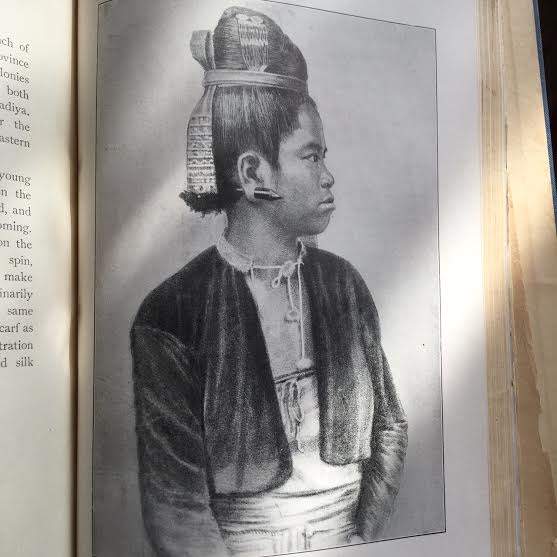
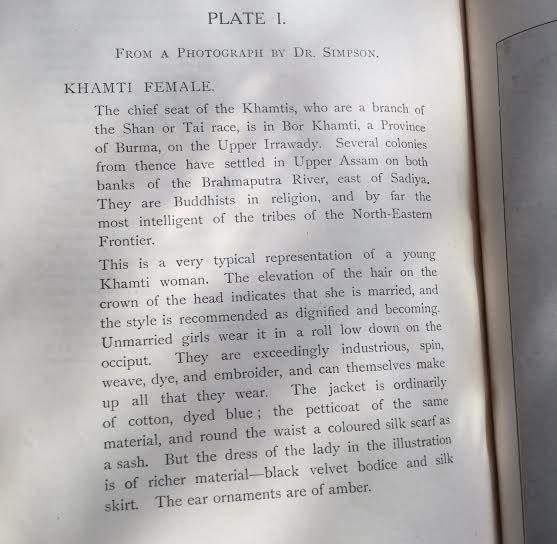
These are about a few tribal communities of North East India. Even within these three communities we see so many differences in hair style, jewellery, appearance etc. In the civilized Hindu society one can easily differentiate a married woman from unmarried woman. by looking at the toe ring (Metti in Tamil), Mangala Sutra (Thaali in Tamil), Madisarai style of Sari, Kunkum/Tilak on the parting of hair etc. In the first picture KHAMPTI female the hair style shows whether she is married or not where as in other tribal communities we dont see it. This will raise lot of questions about their origin.


……to be continued


கம்ப ராமாயணத்தில் அதிசயச் சங்கு! (Post No.2909)

valampuri 1

Compiled by London swaminathan


Date: 20  June 2016


Post No. 2909


Time uploaded in London :– 10-34 AM


( Pictures are taken by London swaminathan)


DON’T REBLOG IT AT LEAST FOR A WEEK!  DON’T USE THE PICTURES; THEY ARE COPYRIGHTED BY SOMEONE.


(for old articles go to tamilandvedas.com OR swamiindology.blogspot.com)


கம்ப ராமாயணத்தை ராம பிரானின் புனித வாழ்வைப் போற்றும் காவியமாகப் பார்ப்பர் பலர்; இலக்கிய இன்பத்துக்காக நுகர்வர் பலர்; ஆராய்ச்சி நோக்குடன் அணுகுவர் சிலர். இவ்வாறு அணுகி முன்னரே பல கட்டுரைகளில் மின்மினிப் பூச்சிகளை, குருவிகள் மின்சார பல்புகள் போல அவைகளின் கூடுகளில் வைத்துப் பயன்படுத்துதல் முதலியன பற்றி எழுதியுள்ளேன். இன்று வலம்புரிச் சங்குகளில் மிகவும் அதிசயமான சலஞ்சலம் பற்றி கம்பன் சொன்னதைக் காண்போம்.


செங்கண் அங்க அரவின் பொரு இல் செம்மணி விராய்

அங்கண் அங்கவலயங்களும் இலங்க அணியச்

சங்கு அணங்கிய சலஞ்சலம் அலம்பு தவளக்

கங்கணங்களும் இலங்கிய கரம் பிறழவே

–விராதன் வதைப் படலம், ஆரணிய காண்டம்,கம்ப ராமாயணம்

பொருள்:-

விராதன் என்னும் அரக்கன் எப்படி வந்தான்? சிவந்த, செம்மையான உடம்புடைய பாம்புகள் கக்கிய மாணிக்க வளையங்களையும், சங்குகள் வருந்திப் பெற்றெடுத்த சலஞ்சலம் எனும் சங்குகளினால் ஆன வளையல்களையும் அணிந்த கரங்களை முன்னும் பின்னும் வீசியவாறு வில் வீரர்களுக்கு எதிரே விராதன் வந்தான்.

valamum itamum


பாம்புகள் கக்கும் நாகரத்தினம் (மாணிக்கம்) பற்றி முன்னரே ஒரு ஆராய்ச்சிக் கட்டுரையில் கூறிவிட்டேன். இப்பொழுது அதிசய சலஞ்சலம் பற்றிப் பார்ப்போம்.


வலம்புரிச் சங்கு என்பது இந்து மஹா சமுத்திரத்தில், மிகவும் அபூர்வமாகக் கிடைக்கக்கூடியது. பெரும்பாலான சங்குகளுக்கு உள்ள சுழிக்கு எதிர்ப்புறமாக இதன் சுழி இருக்கும். ஆங்கிலத்தில் இதை இடம் சுழிச் சங்கு என்பர். சங்கை மேல் புறத்திருந்து பார்க்கிறோமா, கீழ்ப் புறத்திலிருந்து பார்க்கிறோமா என்பதைப் பொருத்து இடம், வலம் என்ற மாறுபாடு வருகிறது.

கம்பன் ஏன் சலஞ்சலம் என்னும் சங்கினால் ஆன வளையல் என்று சொன்னான்? மாணிக்கத்துக்கு நிகரான விலை கொண்டது அது. நாகரத்தினம் போல அபூர்வமானது அது.

ஆயிரம் இடம்புரிச் சங்குகளால் சூழப்பட்ட சங்கு வலம்புரிச் சங்கு என்றும், அதுபோன்ற 1000 வலம்புரிச் சங்குகளால் சூழப்படது சலஞ்சலம் என்றும் நூல்கள் செப்பும். இது போன்ற சங்குதான் கிருஷ்ணன் கையிலுள்ள பாஞ்சஜன்யம் என்னும் சங்கு ஆகும்.


பகவத் கீதையிலேயே ஐந்து பாண்டவ வீரகளின் கையிலுள்ள ஒவ்வொரு சங்கிற்கும் தனித் தனி பெயர் கொடுத்திருப்பதால் இந்துக்கள்தான் முதல் முதலில் சங்கைப் பயன்படுத்திய நாகரீகம் வாய்ந்த சமூகம் என்று சொல்லவேண்டும்.


பகவத்கீதை முதல் அத்தியாயத்தில் பாண்டவர்கள் கையிலும் கிருஷ்ணன் கையிலும் உள்ள சங்குகளின் பெயர்கள் காணப்படுகின்றன:

பாஞ்சஜன்யம் ஹ்ருஷீ கேசோ தேவதத்தம் தனஞ்ஜய:

பௌண்ட்ரம் தத்மௌ மஹாசங்கம் பீம கர்மா வ்ருகோதர:


அனந்தவிஜயம் ராஜா குந்தீபுத்ரோ யுதிஷ்டிர:

நகுல: ஸஹதேவஸ்ச ஸுகோஷ மணிபுஷ்பகௌ (1-15/16)


கிருஷ்ணன் – பாஞ்சஜன்யம்

அர்ஜுனன் – தேவதத்தம்

தர்மன் – அனந்தவிஜயம்

பீமன் – பௌண்ட்ரம்

நகுலன் – சுகோஷம்

சஹாதேவன் – மணிபுஷ்பகம்


(‘அபூர்வ வலம்புரிச் சங்கு’ என்ற தலைப்பில் நான் எழுதி 17 செப்டம்பர் 2012-ல் இங்கே வெளியிட்ட கட்டுரையில் சங்குகள் பற்றிய சுவையான விவரங்களையும் காண்க)

–சுபம்–