Did Indians build Egyptian Pyramids?

By London swaminathan

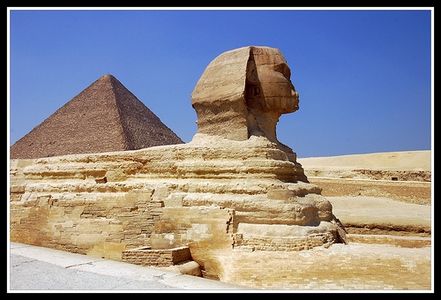
Egyptian Pyramids, Mayan Pyramid Temples, Babylonian Ziggurats (Shikara in Sanskrit) and Hindu temples—all look like a cone. The design and structure are same. Hindus were the originators. Hindus taught the world that God lives in a high place-sacred mountain MERU. The Greeks changed the name to Mount Olympus. Hindus are the only race in the world continuing temple buildings in the same way and worshipping God in it. All others made them as museums. We took this concept of ‘sacred mountain’ to Cambodia and built the largest temple complex in the world Angkor Wat and Borobudur in Indonesia. We used the temple for Gods, where as others used them for God like kings.

Scholars around the world knew the connection between India and Egypt from 1400 BC. That was the time Mittanni King Dasaratha wrote ten letters (it is available in all the encyclopaedias as Amarna letters) after marrying his daughter to Egyptian king Amhenotep (Sramana Dev).  Tushratta/ Dasaratha was a king who ruled Syria (now a Muslim country), but his name and his forefather names are in Sanskrit. To confirm they are Indian Hindus we have an inscription giving the Vedic Gods Mitra, Varuna, Indra and Nasatya (Asvini Devas) in an agreement with the Hittites and a horse manual with Sanskrit numbers.

(Though all these things were in encyclopaedias from 1930s, the ruling British were very careful not to teach this or about South East Asian Hindu Empire to Indian History students. All these excavations were done by non British scholars! British were very successful in sowing the poisonous seeds of divisive Aryan Dravidian Invasion theory which is not in Sangam Tamil or Sanskrit literature. They carefully hid facts like Tamils worshipped Indra, Varuna, Vishnu, Skanda and Durga which was found in the oldest Tamil book Tolkappiam).

Bible which was put to writing around 945 BC (Hutchinson Encyclopaedia) also gave Sanskrit words  for imports from India such as karpasa (cotton),Tuke (Siki for peacock or Suka for parrots), Kapi (monkey)etc.

But many of us do not know that the first king of Egypt was Manu, the law giver. But they were not Dasaratha of Valmiki Ramayana or Manu of Manu Dharma Sastra.  Many of us do not know that the Egyptian builders used the Sanskrit word  Sutra for measurements during building Egyptian Pyramids. Sulba Sutras are Vedic manuals giving measurements for Yaga Kundas (fire pits for sacrificial fire ceremonies). It contains Pythagorean Theorem and other Vedic mathematics. Sutra means thread/plumb line,also book of formulas.

Arta Dama, a Mittanni king, married his daughter to Egyptian king Tuthmose IV and the daughter of Sutharna was married to Amenhotep III (1390 BC). Another daughter was married to his son Akhenaten. He was the most revolutionary king who established ONE GOD for the Egyptians. His name in Sanskrit means Eka Aten (One Aten is God). He worshiped Surya (sun).

Egyptian kings’ sun worship looks exactly like Brahmins doing Sandhyavandhana. Brahmins do it thrice a day facing sun. Egyptian kings worship the sun in the same way.

Manu=Nara Meru

In my earlier posts I have established that the big conflict between Krishna/Arjuna pair and the Nagas under the leadership of Maya Dhanava just before 3100 BC resulted in a mass exodus of Nagas to South America and Central America. After Krishna’s burning of Naga lands (Kandava vana) in the Gangetic plains, there were continuous clashes. It was followed by the mass execution of Nagas (Sarpa Yagna) to avenge the assassination of King Parikshit by the Nagas. A Naga hid himself in the fruit basket and killed King Parikshit.

(Please read my post ARE MAYANS INDIAN NAGAS?)
Around 3100 BC another dynasty started their rule in Egypt. Since they were Hindus, they named the first king Manu (Manes). His other name was Narmer i.e. Nara Meru, a pure Sanskrit word meaning Mountain among the Kings. Meru was the holiest and highest mountain in Hindu Mythology. Any high point was named Meru. We have different Merus around the world. Pameru (Pamir Plateau), KuMeru (Kumari in the South of India). Su Meru (Sumerians) of the Middle East. The word Khmer of Cambodia may be related to Kumari/Ku Meru. I will write about it separately. North and South Poles were also called Merus in Hindu Mythologies (Puranas).

Menes was given a legendary date 3100 BC by the Greeks because Indian Kaliyuga Calendar begins in 3102 BC. Mayans also followed this Kali Yuga Calendar. (Full details are in my posts)

Menes (Manu) was praised the first Law Giver of Egypt by the Greek Historian Diodorous Siculus. Egyptians were just like Indian Hindus. They believed kings were half God, half man. Indian words for kings and palaces are synonymous with Gods and Temples. Diodorous links Heracles (Hercules) with Egypt and India. Hercules was one of the 12 ancient Gods of Egypt and he cleared India of wild animals, says Diodorous.

Narmer palette shows his picture as a strict man punishing the wrong ones.

( In Tamil Khon means King and God, Koil means Palace and temple, In Sanskrit Deva is used for Lord and the King). Khon became Khan in other languages like Kesari/lion gave a new word Caesar. Tele in the Ancient Middle East means temple, which is the corrupted form of Sanskrit word STHALA. Tamils changed it to Thali=temple)

Egyptian kings called themselves children of Surya/sun. This corresponds with the Surya Vamsa of Hindu scriptures. Like Indian Hindu kings, Egyptian kings had two names : 1. Name given at birth 2. Coronation name or Abisheka Nama.

Nile River (Sanskrit word)

River Nile is known as Blue Nile because of its BLUE colour. It is a Sanskrit word NILA meaning blue. If I find only one Sanskrit word from among 1000 place names in Egypt, scholars will laugh at me. But almost all ancient Egyptian names are Sanskrit names. ( Full list is available with me. Just a few examples: Heliopolis= Suryapura, Thebes=Devas, Zawyet el Aryan=Arya of ?, Saqqara= Chakra, Dashuf= Dasyu or Dasa, Asyut=Achyuta, Hierakonpolis=Swarnapura, Amra, Amarna= Amara, Dishashasa=Disa,  El Badari= Badri (nath), Beni Hasan=Vani dasan,  Naj el der=Naga….?). Please note that Greek words are also in many place names.

Ramses=Rama Seshan?

Ramses is a title for at least seventeen kings in Egypt. Kanchi Paramacharya Swamiji has mentioned this is the name of Rama, Hero of Ramayana, in his 1932 Chennai lectures.

(Please read my post Madagascar- INDIA LINK VIA INDONESIA for full details.

Naga on their heads

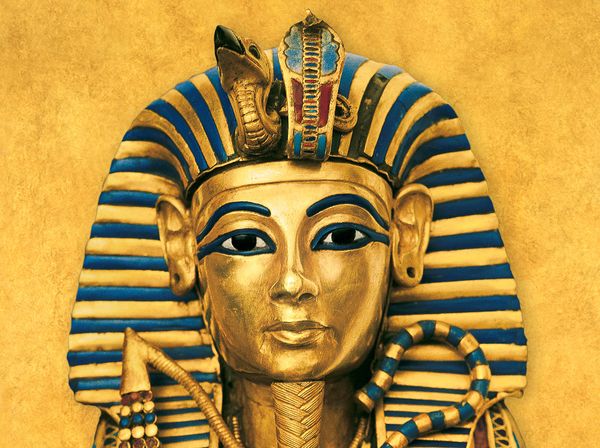
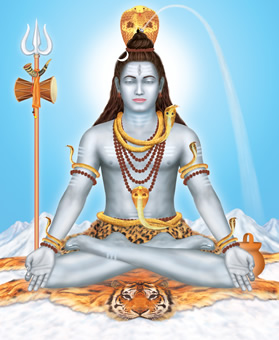
Many of the kings have Naga ( Naga gave birth to English word Snake=S+Naka) on their heads. There is no Hindu God without snake on their bodies. But Egyptian Kings look exactly like Lord Shiva of Hindu mythology. Another word for snake is Uraga=Uraes of Egypt.

Belief in Rebirth

The reason for building Pyramids was their belief in after life and rebirth. All the oriental religions (Hinduism, Buddhism, Jainism and Sikhism) believe in after life and Rebirth. Semitic religions (Judaism, Christianity and Islam) don’t believe in it. This shows very clear connection with the Hindus of India. In Indian mythology we have Nimi (see the Puranas) saving his body like the Egyptians.

(Continued in second part…………….)

Contact swami_48@yahoo.com or Swaminathan.santanam@gmail.com

FLOWERS IN TAMIL CULTURE

By London Swaminathan (swami_48@yahoo.com or Swaminathan.santanam@gmail.com)

Tamils are crazy about flowers. Travellers have noticed the passion of Tamil women for flowers.  Every temple and every bazaar(shopping area) has scores of flower vendors who make garlands and flower strings with fresh flowers. Half of the flowers go on the hair of women and the other half go to the Gods inside the temples. Half of the garlands go into the neck of Tamil politicians and the other half go in to the neck of gods’ statues.

This love for flowers is not a new fashion. The love story began at least two thousand years ago. We have several references of flower vendors in the Sangam Tamil literature (Narrinai verse 97,118,160 etc.)

Tamil’s custom of wearing lot of flowers on their heads was noticed by Valmiki in his Ramyana:Bharata says our soldiers are wearing lot of flowers on their heads like southerners and carry black coloured shields (ayodhya Kanda, Sarga 96)


Tamils are unique in one thing. The three powerful kingdoms of Tamil Nadu had separate flags, emblems and flowers. Like we choose a national flower of a county they chose one flower garland each. The Sangam works simply mention the particular flower garland to mention the king.In other words, the garlands were more popular than the dynasty name! Pandya kings wore Neem flower garlands, Chera Palmyra flower garlands and the Cholas Athi (fig) flower garlands.


Tamils divided their lands into five natural geographical areas add gave the name of dominant flowering tree/plant to each area. At least this custom has precedence in other parts of India. Sanskrit literature called India Jambu dwipa meaning land of Jamboo trees (Rose apple tree). It also divided the globe into seven different continents and named them after the predominant flowering tree of that area: Jambu (Rose apple),Plaksha (fig tree), Shalmali (Silk Cotton Tree), Kusha (Darba grass), Krauncha (water birds, may be some trees with the same name) Shaka and Pushkara (Lotus)

Five regions of Tamil Land

Mullai , a variety of Jasmine, stands for the forest area.

Kurinji, a mountain flower, stands for mountainous region.

Marutham, a tree with red flowers, stands for patoral region

Neytal, a water flower, stands for sandy sea shore

Palai, an ever green tree growing in arid areas, stands for arid lands.


Another unique feature of Tamil culture is they wore different flowers in the battlefield to denote different activities. No other culture wore flowers when they went to war. We know that Olympic winners in Greece received Olive branches. But Tamils took different flowers. For instance if they want to invade a country, soldiers will go in to the border areas and steal the cattle wearing VETCHI flowers. Though this practice of stealing cattle was  in Mahabharata days in the north of the country, the soldiers did not wear any particular flower. But Tamils wear a particular type of flowers during this raid which is not found anywhere in the world. For each and every military activity they allocated a flower. Following is the list of flowers and the corresponding activity:

  • Vetchi – the provocation of war through attack and cattle raids
  • Karanthai – defending against cattle raids
  • Vanchi – invasion of the enemy’s territory
  • Kanchi – transcience and change, the fragility of human life, against the backdrop of war
  • Uzhingai- attacking the fort
  • Nochchi – defence of the fort or territory
  • Thumpai – the frenzy of battle
  • Vaakai – victory
  • Paadaan – praise of a king’s heroism or generosity, asking for gifts

But this was not strictly followed. Tamil men and women wore flowers. Men had flowers in their ears. Women had it on their heads. Women continue to wear it even today. During weddings they spend a lot on flowers.

Pushpanchali (Flower Offering)

In Bhagavad Gita Krishna also spoke about offering flowers and leaves (Tulsi, Bilva) to God. Tamil poet Kapila has translated that sloka in Purananuru

Pushpanchali is an annual event in several South Indian temples. They heap hills of flowers on God on that day.

ANDAL MALAI/ GARLAND

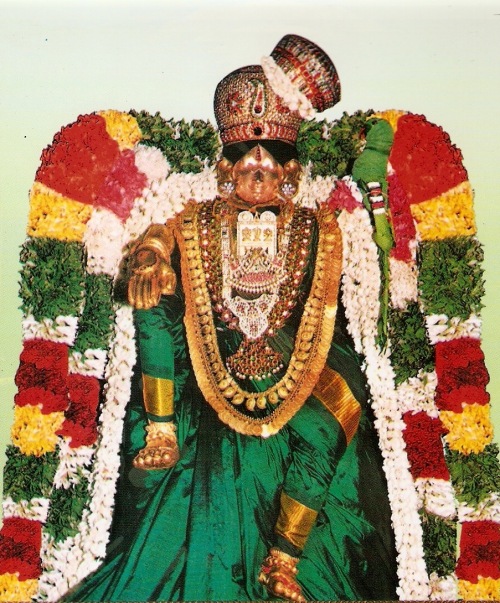
Tamil Nadu is famous for its biggest flower garland called Andal Malai (Malai=Mala+ garland). This garland is a special one meant for Andal of Srivilliputtur, near Madurai. Andal, who lived 1300 years ago in Srivilliputur of Tamil Nadu, was a Vishnu devotee. This garland is normally 8 ft long made up of different flowers. It is heavy and expensive. Political heavy weights get this heavy garland, particularly after election victory.

Kapilar’s Guinnes Record-99 flowers

Sangam Tamil poet who lived 200 years ago would have entered Guinnes Book, has there been a category for reciting flower names. He recounted 99 flowers in his Kurinjipattu ( Lines 62-97). Though other books like Mahabharata, Valmiki Ramayana, Kalidasa have provided more flower names, no one poet had given them at one go.

“Tamil Nadu Assembly Speaker, K. Kalimuthu, who spoke on `Tamil and Tamilians in world arena,’ kept the audience spellbound for about 30 minutes. The audience was stunned when he repeated the names of 99 flowers from Kabilan’s Kurinji Pattu. All the students of Jamal Mohamed College (Trichy)who had occupied every inch of the auditorium maintained pin drop silence and heard his speech in rapt attention.” (The Hindu report on August 16, 2004).

Of the 99 flowers many of them have Sanskrit names and a few of them are unidentifiable.

Onam and Pukkolam

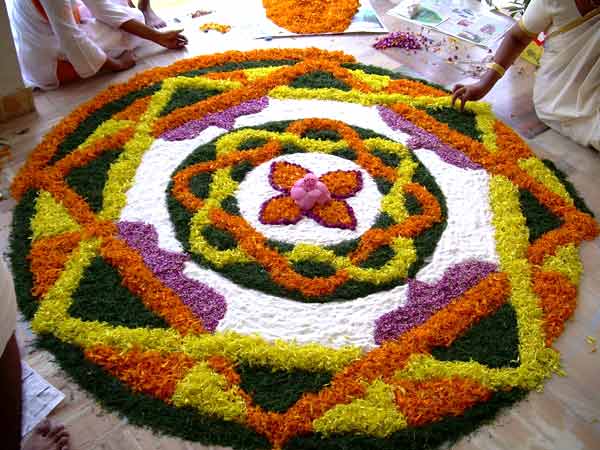
Onam is an old festival mentioned in Tamil Sangam literature (maduraikanji 590-591). Till this day it is celebrated in Kerala (Old Tamil Chera country) with gigantic flower decorations on the ground called Pukkolam.

Tamil classification

Even before Linnaeus classified the botanical kingdom, Tamils classified them in to four categories: Kottu Pu, Kodi Pu, Neer Pu, Nila Pu.

Kottu Pu=Kongu, Shenbakam Makiz etc.

Kodi Pu= Mallikai, Mullai (jasmine varieties) etc.

Neer Pu (water flowers)= Lotus, Water Lily etc.

Nila Pu ( Land flowers)= Thumbai, Sevanthi etc.

They talk about flowering plants and non flowering plants, flowers to give good fragrance to water (Pathiri Pu) etc.

21 leaves for Vinayaka

Ancient Tamils even knew all the plant names by heart. They allocated 21 leaves for Ganesh Puja. Such acts serve many purposes: 1. Spread of knowledge about plants 2.Herbs are used when someone falls sick 3. Naturala environment is protected. Following are the 21 plants: Masi pathram, Bruhati pathram,Bilva pathram, Durva pathram, Thuthura pathram, Badari pathram,Apamarga pathram, Tulsi pathram, Suta pathram, Kraveera pathram, Vishnugranthi pathram, Thadi pathram, Deva thaaru pathram, Maruva pathram, Sindhuvara pathram, Jaji pathram, Kandaki pathram, Samee pathram, Asva pathram, Arjuna pathram, Arka pathram.


சிந்து சமவெளியில் ஒரு புலிப் பெண்

By London Swaminathan (This post has already been uploaded in English)

சிந்து சம்வெளியில் கண்டுபிடிக்கப்பட்ட 4000க்கும் மேலான முத்திரைகளில் உள்ள எழுத்துக்கள் இதுவரை எல்லோரும் ஒப்புக்கொள்ளும் விதத்தில் படிக்கப்படவில்லை. சாண் ஏறினால் முழம் சறுக்குகிறது. அமெரிக்காவில் உள்ள ஒரு பிரபல ஆராய்ச்சியாளர் இது எழுத்தே அல்ல ,வெறும் சித்திர முத்திரை என்று சொல்லி பெரிய சர்ச்சையைக் கூடக் கிளப்பிவிட்டார். இதுவரை சிந்து சமவெளி எழுத்துக்களுக்கு ஐம்பத்துக்கும் மேலான வினோத விளக்கங்கள் வந்துள்ளன.


எழுத்துக்கள் புரியாவிடிலும் அதிலிருக்கும் தெய்வங்களையாவது புரிந்துகொள்ள முடியுமா என்று பார்த்தால் அதுவும் முடியவில்லை. ஒரு முத்திரையில் ஒரு உருவத்தைச் சுற்றி 4 மிருகங்கள் இருப்பதை பசுபதி முத்திரை என்றும் இது ஆதி சிவன் என்றும் ஆரிய சிவனுக்கு முந்திய திராவிட சிவன் என்றும் தவறான விளக்கங்களைக் கொடுத்து இந்து மதத்தைக் குழப்பிவிடவும் மாற்று மத ஆராய்ச்சியாளர்கள் முயன்றனர்.


இவர்கள் ஆரிய திராவிடப் புதை மணலில் சிந்து சம்வெளி நாகரீகத்தைச் சிக்க வைத்திருப்பதால் அது வெளியே வரமுடியாமல் திணறிக் கொண்டிருக்கிறது. இது திராவிட எழுத்து அமைப்பு உடைய எழுத்துவகையைச் சேர்ந்தது என்று சொல்லி திசை திருப்பியும் விட்டனர். ஆனால் இதைச் சொல்லி ஐம்பது ஆண்டுகள் பறந்தோடிவிட்டன. ஒரு அங்குலம் கூட முன்னேற முடியவில்லை.

ஆரிய திராவிட விஷத்தை அகற்றிவிட்டு இந்த முத்திரைகளை ஆராய்ந்தால் நாளைக்கே கூட தீர்வுகாணமுடியும். இதை உணர்ச்சிக் கொந்தளிப்பால் எழுதவில்லை. பசுபதி முத்திரை மத்திய கிழக்கு நாட்டிலும், டென்மார்க்கிலும் கிடைத்திருப்பதால் அதை சிவன் என்று முத்திரை குத்த முடியாது. பாம்பு ராணி முத்திரை கிரேக்க நாட்டிலும் மற்ற நாடுகளிலும் கிடைத்திருப்பதால் அதையும் சிந்துவெளிக்கு மட்டுமே சொந்தம் என்றும் சொல்ல முடியாது. இன்றைய கட்டுரையில் வரும் 2 புலிகளுடன் சண்டை இடும் காட்சியும் உலகம் முழுதும் கிடைத்திருப்பதால் ஆரிய திராவிட மாயையை ஒதுக்கிவிட்டு ஆராய வேண்டும். சிந்துவெளி நகரங்களில் உள்ள வட்டக் கற்களும் ம்த்தியக் கிழக்கு, நீலகிரி பழங்குடி மக்கள், ஐரொப்பிய நாடுகளில் காணக் கிடக்கின்றன.


இந்திரனும் வருணனும் விஷ்ணுவும் தமிழ்க் கடவுள்கள் என்று “ஒல்காப் பகழ் தொல்காப்பியன்” கூறுவதையும், தொல்காப்பியன் ஒரு பிராமணன் என்று “உச்சிமேற் புலவர் கொள் நச்சினார்க்கினியர்” கூறுவதையும், “நான்முறை முற்றிய அதங்கோட்டு ஆசான்” என்னும் வேதப் பிராமணன் தலைமையில் தொல்காப்பியம் நிறைவேறியதாக பனம்பாரனார் கூறுவதையும் கருத்திற் கொண்டால் ஆரிய திராவிட மாயை, சூரியனைக் கண்ட பனிபோல விலகி ஓடி விடும்.

யார் இந்தப் புலி மகள்?

சிந்து சமவெளியில் கண்டுபிடிக்கப்பட்ட வினோதமான முத்திரைகளில் பேய் முத்திரைகள் பற்றியும், பாம்பு ராணி முத்திரை பற்றியும், பசுபதி/விஷ்ணு முத்திரை பற்றியும், ஐராவதம் மேல் பவனி வரும் இந்திரன் பற்றியும் முந்திய கட்டுரைகளில் கண்டோம். இன்று புலி மகள், புலி ராணி, புலி தேவி யார் என்று ஆராய்வோம்.

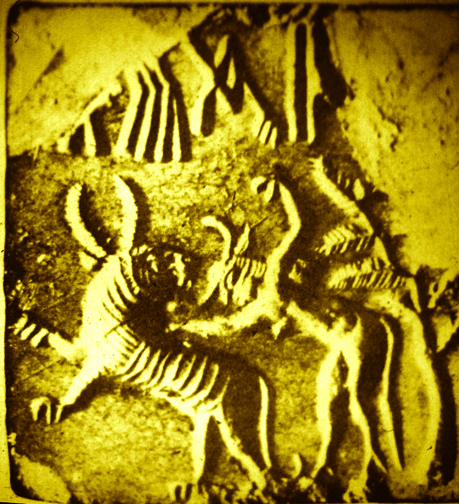
ஒரு புலித் தெய்வ முத்திரையில் ஒரு பெண்ணின் பாதி உடல் புலியாகவும் மறு பாதி பெண்ணாகவும் இருக்கிறது.

இன்னொரு புலி முத்திரையில் கொம்புள்ள புலி இருக்கிறது. மற்றுமொரு முத்திரையில் கொம்புப் புலியுடன் ஒரு கொம்பு மனிதன் சண்டை போடுகிறான். சிலர் இதை நடனம் ஆடுவதாகவும் எழுதி இருக்கிறார்கள்.

வேறு ஒரு புலி முத்திரையில் ஒருவன் புலிக்குப் பயந்து மரத்தின் மேல் இருந்து கொண்டே ஏதோ சைகை செய்கிறான். இன்னும் ஒரு முத்திரையில் ஒருவன் இரண்டு புலிகளுடன் சண்டை போடுகிறான்.

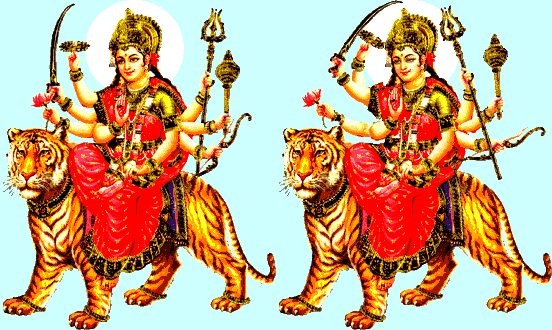
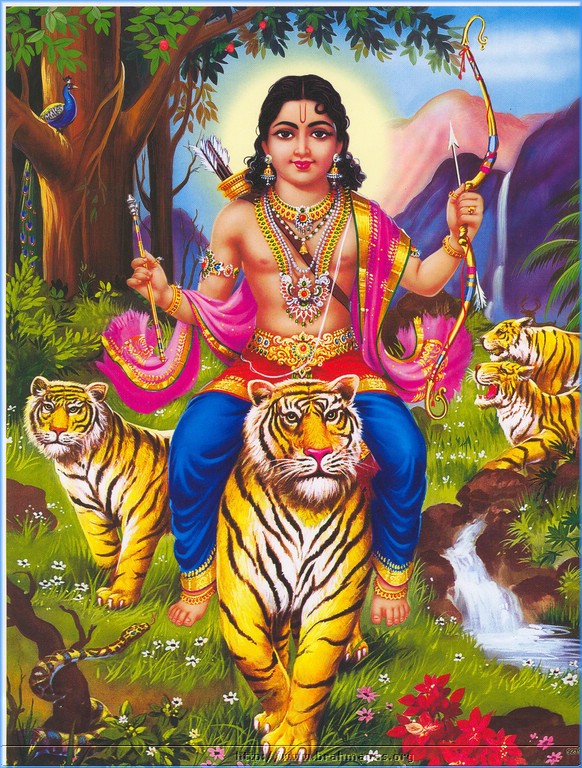
யார் இந்தப் புலிப் பெண்? துர்க்கையா? இந்தியாவில் புலி வாகனம் உடைய இரண்டு கடவுளர் உண்டு: ஒன்று துர்க்கா தேவி மற்றொன்று சபரிமலை ஐயப்பன்.

திபெத்தில் புத்த மதத்தைப் பரப்பிய இந்திய சாது பத்ம சம்பவர் புலியில் சவாரி செய்வது போல உருவங்கள் இருக்கின்றன.

சோழர்களின் சின்னம் புலிச்சின்னம் என்று சங்கத் தமிழ் நூல்கள் பாடுகின்றன. சோழர்கள் வடமேற்கு இந்தியாவிலிருந்து வந்தவர்கள் என்று அவர்களுடைய மெய்க்கீர்த்திகளும் சிலப்பதிகாரமும் மணிமேகலையும் மறைமுகமாகச் சொல்லுகின்றன. உத்தர குருவை ஆண்ட சிபிச் சக்கரவர்த்தி, முது மக்கள் தழியை உண்டக்கிய முசுகுந்தன் மற்றும் சூரிய குல மன்னர்களை– தங்கள் முன்னோர்கள் என்று சோழர்கள் பெருமை பேசுகின்றனர். இதுதவிர, புலிகள் க்ஷத்ரியர்களின் சின்னம் என்று வேதகால இலக்கியங்கள் கூறுகின்றன.

மஹாபாரத்தில் வீரர்களைப் புகழ்கையில் அடிக்கடி, “ஓ, மனிதர்களில் புலி போன்றவனே!” என்று வியாசர் புகழ்கிறார்.

சிவ பெருமான் புலித்தோல் அணிந்திருக்கிறார். பதஞ்சலி முனிவரை புலிக்கால் முனிவர் என்று அழைத்தனர். தமிழர்கள் புலி நகத்தை வீரத்துக்காக அணிந்தனர். சகுந்தலை – துஷ்யந்தன் பெற்றெடுத்த பரதன் சிங்கம் புலி ஆகியவற்றுடன் விளையாடினான். புருஷாமிருகம் என்னும் மிருகம் பற்றிய கதை மகாபாரத்தில் வருகிறது.பாதி சிங்கம் பாதி மனிதனான நரசிங்காவதாரம் நாம் அனைவரும் அறிந்ததே. வேதத்தில் கழுதைப் புலி பற்றிய குறிப்பு வருகிறது.

ஆக இந்த எல்லாப் புலிகளையும் கணக்கில் எடுத்துக் கொண்டாலும் சிந்து சமவெளிப் புலி மகள் கொஞ்சம் விலகியே நிற்கிறாள். வெளி நாட்டு அறிஞர்கள் இவளையும் ஆதி துர்க்கா (புரோட்டோ ஷிவா என்று கதை விட்டது போல இவளை புரோட்டோ துர்க்கா) என்று கதை கட்டி விடுவார்கள்.


சப்த மாதர் முத்திரை நரபலியா?

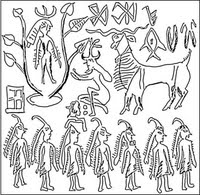
ஒரு முத்திரையில் அரசமரத்துக்குள் ஒரு தெய்வம் நிற்க ஒருவன் மிகப் பெரிய ஆட்டைக் கொண்டுவந்து அவள் முன்னே நிறுத்தி மண்டியிட்டு வணங்குகிறான். ஒரு ஸ்டூலின் மீது மனித தலை மட்டும் இருக்கிறது. இது நரபலியா?

அதற்குக் கீழே ஏழு பெண்கள் கைகோர்த்து நடனம் ஆடுகின்றனர். இந்த ஏழு பெண்கள் உலகில் பல இடங்களில் இருக்கின்றன. தென் ஆப்பிரிக்கா குகைச் சிற்பங்களில் ஆஸ்திரேலியப் பழங்குடி ஓவியங்களில், கிரேக்க நட்சத்திரக் கதைகளில், வடமொழியில் சப்த மாதர் கதைகளில் ஏழு பெண்களைக் காணலாம்.

ஒரிஸ்ஸாவில் கோண்டு இனமக்கள் வழிபடும் தரைப் பெண்ணு என்னும் கடவுள் பூராப் பெண்ணு என்னும் கடவுளைப் படைத்ததாகக் கதை உண்டு. இந்த தரைப் பெண்ணுக்கு கொடுரமான முறையில் பலிகள் இடுவதுண்டு.

சுருக்கமாகச் சொல்லப் போனால் சிந்து முத்திரைகளில் காணப்படும் அதே கருத்து உலகம் முழுதும் இருப்பதால இதை ஆரிய திராவிட நீர்ச் சுழலில் இருந்து மீட்டு காய்தல் உவத்தல் இன்றி ஆராய்தல் நலம் பயக்கும்.

Please read my earlier posts:1.Serpent Queen: From Indus Valley to Sabarimalai 2.Sugarcane Mystery: Indus valley and Ikshvaku Dynasty 3. Vishnu seal In Indus Valley 4. Indus Valley –New Approach required 5.Indra in Indus valley seals+ Symbols for Vedic Gods and 6.Ghost in Indus seals.

Contact swami_48@yahoo.com or swaminathan.santanam@gmail.com

*******************

Tiger Goddess of Indus Valley

Tiger Goddess of Indus Valley: Aryan or Dravidian?

Scholars who study Indus valley civilization are struggling to identify the Indus Valley Gods and goddesses. At present scholars don’t agree on their identification. They could not place them in the modern Hindu pantheon. They are fighting among themselves to name them as Aryan or Dravidian. Each scholar has his own or her own interpretation. All the confusion is the result of one Himalayan blunder of unprofessional archaeologists who identified the so called Pasupati seal with Proto Shiva. Unless and until the scholars come out of the Aryan Dravidian quagmire, the Indus Valley script can’t be deciphered.

Now look at the following Indus Gods and Goddesses and you yourself decide who is Aryan or Who is Dravidian who is Universal, Pan World:

TIGER GODDESS

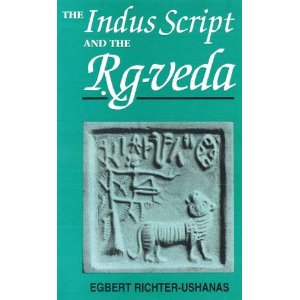
A seal discovered in Mohenja-daro is at National Museum, Karachi(D392). This square seal depicts a tiger looking back a human figure on a tree. The person with hair tied in double bun style holds the tree with one hand and makes some gestures to the tiger with the other hand.

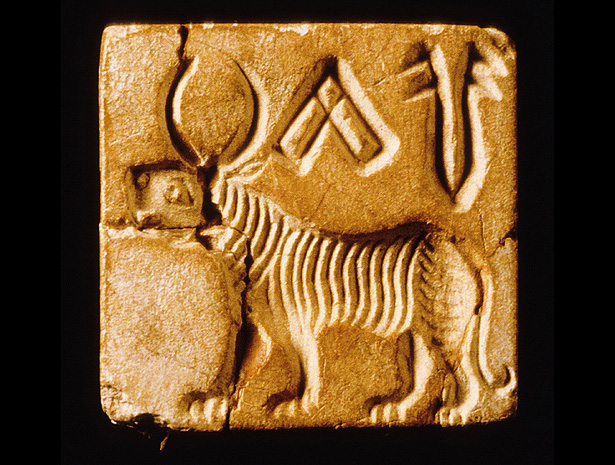
Another seal shows a tiger with a horn (DK 12897, Karachi Museum)

Photoconvex moulded tablet in Harappa museum shows a female figure fighting two tigers standing above an elephant ( I have interpreted this as Indra on Irawatha or Bharata who played with lions even when he was young. A chakra sign on top of the head may denote Indra’s name=chakra or Bharata= Eka Chakratipati). On the reverse we see a person spearing a buffalo. a figure seated in yogic position is looking at the buffalo sacrifice. A crocodile is above this scene.

On another seal a mythical female figure half human half tiger is portrayed .This seal is in national Museum ,New Delhi

A seal depicting a man holding a tiger was also found at Mohenja-daro. It is in Delhi Museum. The man fighting or holding the tiger is not an ordinary human being. It looks like a devil with horns.

What is puzzling is that there is not even a close resemblance to any of these scenes in our mythology. But villagers have got many stories about tiger gods or tiger angels in different parts of India. People living in forest areas naturally will have many juicy stories like this.

But who ever attributes the script to Aryan or Dravidian languages have failed to explain these seals satisfactorily. Then who is this Tiger Goddess or Tiger God? We have some contestants for this post.

Tiger Riders

Tribals in Indian jungles have different beliefs about tigers and tiger gods. When we look at the Indus seals with tiger men and tiger women we are reminded of these tribal stories. Kollong and Ullatar tribes of Kerala consider tiger as the son of goddess Parasakthi. They call the tigers, granddad. They rarely kill tigers. If the tigers kill many people and cattle, then one of the tribal will kill the tiger and asks for pardon in a public place. Then he has to live outside the village for a year and eat food given by others. This shows the respect they had for tigers. (Source 31-11-1963 article in Jayakeralam).

Tiger in Hinduism

Lord Ayyappa (Sabarimalai in Kerala, India) rides a tiger.

Hindu goddess Durga/Kali rides a tiger or lion.

Padmasambhava is worshipped in Tibet and Mongolia. He was the Indian ascetic who brought Buddhism to Tibet in 762 AD. He was shown riding a tiger.

Patanjali (Pulikkal Munivar) Human with legs of a tiger.

Shiva wears a tiger skin. Mahabharata very often uses the epithet “tiger among men”. People wear tiger nails in their chains. Vedas mention only hyena, not tigers.

The Brahmana literature describes Kshatriyas as tigers. Perhaps the four animals in the Pasupati seal means four castes of Hinduism.

Narasimhavatar: Half man, Half lion;Purusha Mrugam ; Sarabeswarar: Saraba bird+ man;Kim Purusha and Kinnara

Seven Women/ Sapta Kanya

Seven is the most sacred number for Hindus. Anything holy, they count in seven, whether it is hills, rivers, forests, cities, holy women or holy men to remember (sapta kanya, sapta nadhi, sapta Rishi, sapta mokshapuri, sapta aranya etc). Seven is found in largest number of seals in Indus valley. The Seven Sister seal in the Indus is a famous one. Most of the Hindu temples have Sapt Kanya/ seven women statues in South India. The story of Seven Sisters is there in several parts of the world from Australian aborigines to ancient Greeks. Mr Dave even identified seven birds in Rig Veda as seven sisters known to Bengalis (Bengalis call these seven birds as seven sisters).

Varunan with seven sisters is found in Rik Veda 8-41

Story from Australia:

Seven wandering ancestral heroines of the Dream time, also referred to their aboriginal name KUNGARANKALPA. The complete route of the sisters has been pieced together from stories told about them by different aboriginal clans living along its course. On reaching the southern coast, the seven sisters went in to the sea and then leaped in to the sky. Once in the sky they became the constellation KURIYALA (The Pleiades). Hindus call this six Krithikas. Westerners call this constellation Seven Sisters. This tallies somewhat with Hindu counting One Skanda+looked after by six sisters=seven).

Ancient San Rock paintings in South Africa have seven women as a group.

Take any Indus seal, we have parallel stories around the world to interpret it differently.

Human Sacrifice: Boora Pennu (God of light in Khond)

A local deity in the Orissa who created the earth goddess Tari Pennu as his consort is called Boora Pennu. Until recently this deity was the subject of sacrifice in notorious meriah rituals, which involved violent human sacrifice (reminds us of Mayan sacrifice)

Tari pennu in Tamil will mean the same. Tarai=earth or floor, pennu=woman.

But Tarai=terra-dharani are of Indo European origin.

A scene in a Mohenja daro seal also looks like a human sacrifice. A deity is depicted standing in a papal tree with bangles on both arms. A human head rests on a stool. A giant ram and seven figures in a procession are very prominent. A man in kneeling position is worshipping the papal deity. May be he has brought the ram for sacrifice. This seal is in Islamabad Museum.

For each and every seal found in Harappa and Mohenja daro, the scholars give different interpretations. Most of the scenes on seals are seen in other parts of the world too. So we need to piece them together and look at them from a different angle. The Pasupati seal (Deity surrounded by animals), the snake queen ( a deity with snakes on either side),  a deity fighting two animals, arrangement of stones in a circle, Swastika symbol etc. are seen in different cultures. We have to find out who borrowed from whom. If they are universal there is no question of attributing them to Aryan or Dravidian.

Contact swami_48@yahoo.com or swaminathan.santanam@gmail.com

Please read my previous articles on Indus/Saraswati Valley civilisation:

Please read my earlier posts:1.Serpent Queen: From Indus Valley to Sabarimalai 2.Sugarcane Mystery: Indus valley and Ikshvaku Dynasty 3. Vishnu seal In Indus Valley 4. Indus Valley –New Approach required 5.Indra in Indus valley seals+ Symbols for Vedic Gods and 6.Ghost in Indus seals

அதிசயிக்க வைக்கும் கர்ம பலன் ரகசியம்!

கர்மம் பற்றிய குறுந்தொடர்!


அதிசயிக்க வைக்கும் கர்ம பலன் ரகசியம்!

By ச.நாகராஜன்


கர்மத்திற்கு ஏற்ற பலன் கிடைக்கும்


மற்ற மதங்களிலிருந்து ஹிந்து மதத்தை வேறுபடுத்திக் காண்பிக்கும் முக்கியக் கொள்கை கர்மத்திற்கு ஏற்ற பலனின்படி மறுபிறப்பு உண்டு என்பதாகும்.


கீதையின்  மூன்றாம் அத்தியாயம் கர்ம யோகத்தைப் பற்றி அற்புதமாக விளக்குகிறது.

“எவனும் எவனும் எப்பொழுதும் ஒரு கணம் கூட கர்மம் செய்யாமல் இருக்க முடியாது” என்று கண்ணன் அர்ஜுனனிடம் விளக்குகிறான். (ந ஹி கஸ்சித் க்ஷணமபி ஜாது திஷ்டத்யகர்மக்ருத்- கீதை, மூன்றாம் அத்தியாயம் 5ஆம் ஸ்லோகம்)

இயற்கை குணங்களினால் ஒவ்வொருவனும் கர்மம் செய்யும் படி தூண்டப்படுகிறான்.அந்தக் கர்ம பலனின் விளைவுகள் அவனைத் தவறாமல் சென்று சேர்கின்றன.

கன்று தாயைச் சேர்வது போல கர்ம பலன் சேரும்

இதை மஹாபாரதமும் உபநிடதங்களும் ஒரே உவமையால் விளக்குகின்றன. எப்படி பசு மந்தைக்கூட்டத்தில் ஒரு கன்றானது தாய்ப்பசுவைத் தவறாமல் சென்று அடைகிறதோ அதே போல ஒருவன் செய்த நல்ல கர்மங்களின் விளைவும் தீய கர்மங்களின் விளைவும் உரிய காலத்தில் தவறாமல் அவனைச் சென்று அடைகிறது என்று இப்படி அழகாக கர்ம பலன் வந்து சேரும் விதத்தை விளக்குகிறது.


காந்திஜி வாழ்க்கையில் 

கண்களையும் மனதையும் திறந்து வைத்துக் கொண்டால் கர்ம பலனின் ரகசியங்களை யார் வேண்டுமானாலும் உணர முடியும். மகாத்மா காந்தியடிகளின் வாழ்வில் நடந்த ஒரு நிகழ்ச்சியைப் பார்ப்போம்.

இந்தியா சுதந்திரம் அடைய வேண்டுமென்பதை வலியுறுத்தி விட்டு வெளிநாட்டிலிருந்து டெல்லிக்குத் திரும்பிய மகாத்மா டெல்லி ரயில் நிலையத்திற்குச் சென்று ரயிலில் ஏறினார். அப்போது அவரது கால்களில் மாட்டி இருந்த செருப்புகளில் ஒன்று கீழே தரையில் விழுந்து விட்டது. உடனே ரயில் கிளம்பி விட்டது. மகாத்மா உடனே தனது அடுத்த காலிலிருந்த செருப்பையும் கழட்டிக் கீழே ஏறிந்தார் அருகில் இருந்தவர் மகாத்மாவிடம், “பாபாஜி, ஏன் அடுத்ததையும் கழட்டிக் கீழே எறிந்தீர்கள்” என்று கேட்டார்.

அதற்கு அவர், “கீழே கிடக்கும் ஒரு செருப்பைக் கண்டெடுப்பவர் அதனால் பயன் அடைய முடியாது அல்லவா? அதற்காகத் தான் இன்னொரு செருப்பையும் அதன் அருகில் எறிந்தேன்” என்று பதில் கூறினார்..

பன்னிரெண்டு மாதங்கள் கழிந்தன.லக்ஷ்மி தேவியின் திருவிழாவில் கலந்து கொள்ள ஒரு நகருக்கு காந்திஜி விஜயம் செய்தார்.கூட்ட நெரிசலில் காந்திஜியுடன் சென்ற தொண்டர்கள் அவரை விட்டுச் சற்று விலகி விட்டனர். அப்போது அவருக்குப் பின்னாலிருந்து கடூரமான குரல் ஒன்று ஒலித்தது. “நீங்கள் பாரதத்தை நாசம் செய்கிறீர்கள்.”

யார் இப்படிப் பேசுகிறார் என்று காந்திஜி திரும்பிப் பார்ப்பதற்குள் அந்த அசம்பாவிதம் நடந்து விட்டது. பின்னால் இருந்து குற்றம் சாட்டியவர் மகாத்மாவைக் கீழே தள்ளி விட்டார். கீழே விழுந்த காந்திஜி ஒரு புறமாகத் தள்ளப்பட்டார். அப்போது.” அவரை ஒன்றும் செய்யாதே”, என்ற கம்பீரமான குரல் ஒன்று கேட்டது.பின்னால் கசமுச என்று சப்தம் கேட்டதை காந்திஜி உணர்ந்தார். தன்னைத் தள்ளியவரை ஒருவர் அப்புறப்படுத்தியதை உணர்ந்து கொண்டார். அப்புறப்படுத்தியவரின் கால்களைத் தரையில் படுத்திருந்த காந்திஜி பார்க்க நேர்ந்தது.


ஆஹா! அதே ஜோடி செருப்புகள்!! அவருக்குத் தெரிந்து விட்டது. தான் ரயிலில் முன்பொரு சமயம் தூக்கி எறிந்த செருப்பும் தவறி விழுந்த செருப்பும் தன்னைக் காப்பாற்ற முயன்றவரின் காலில் மாட்டப்பட்டிருப்பதை காந்திஜி பார்த்தார்.  அவரது செருப்புகளை அவருக்கு நன்கு அடையாளம் தெரியும். ஏனெனில் அவை விசேஷமான அளவுகள் உடையவை.

காந்திஜியை மெதுவாக தூக்கி நிறுத்திய அவர், “பாபுஜி! ஒன்றும் தப்பாக நினைத்துக் கொள்ளாதீர்கள்! அந்த முரடன் ஒரு முட்டாள்! நானும் கூட அவனைப் போலத் தான் சென்ற வருடம் வரை இருந்தேன்” என்றார்

காந்திஜி வியப்பு மேலிட,” சென்ற வருடம் வரை என்றால்..? உங்களை மாற்றியது எது?” என்று தன் மேலிருந்த தூசியைத் தட்டி விட்டவாறே கேட்டார்.

காந்திஜியைக் காப்பாற்றியவர் தன் கதையைச் சொன்னார்

சென்ற வருடம் வரை எனக்கு வேலையே கிடைக்காமல் இருந்தது.தாங்க முடியாத கஷ்டத்தில் இருந்தேன்.என்னுடைய நண்பன் ஒருவன் அருகிலிருந்த லக்ஷ்மி கோவிலுக்கு என்னை அழைத்தான். செல்வச் செழிப்பை அருளும் லக்ஷ்மியின் கோவிலுக்கு வந்தால் நல்ல வழி பிறக்கும் என்றான். ஆனால் எனக்கோ மனமே இல்லை.

என் நண்பனிடம், “ அந்தக் கோவில் மிகவும் தூரத்தில் இருக்கிறது. எனக்கோ காலில் செருப்பு கூட இல்லை? எப்படி வருவதாம்?” என்றேன். அப்போது ரெயில் தண்டவாளப் பாதை வழியே நடந்து சென்று கொண்டிருந்தோம். அங்கே அழகிய ஒரு ஜோடி செருப்பைக் கண்டேன். அதை எடுத்து அணிந்து கொண்டேன். அது என் காலுக்குச் சரியாகப் பொருந்தியது.


“இப்போது வரலாமில்லையா” என்றான் நண்பன். அவனுடன் கோவிலுக்குச் சென்றேன்.

என்ன ஆச்சரியம்! அந்த புதிய செருப்புகளை அணிந்ததிலிலிருந்து எனக்குள் ஒரு மாற்றம் ஏற்பட்டது. கோவிலில் சேவை செய்து அனைவருக்கும் உதவலானேன். அங்கிருந்த கோவில் முக்கியஸ்தர்களுள் ஒருவர் என் சேவையைப் பார்த்து மிகவும் மகிழ்ந்து எனக்கு பக்கத்திலிருந்த டவுனில் ஒரு வேலை போட்டுக் கொடுத்தார். நான் இப்போது அனைவராலும் மதிக்கப்படுகிறேன்.”

கருணை ததும்பும் விழிகளுடன் அவரைப் பார்த்த மஹாத்மா, “நல்லது. உங்களுக்கு நன்றி” என்று மெதுவாகக் கூறியவாறே நகர்ந்தார்.

இந்தச் சம்பவத்தை தன் ‘கர்மா மானுவல்’ என்ற நூலில் விளக்கும் டாக்டர். ஜான் மம்போர்ட், “நல்ல விளைவுகளை விளைவிக்கும் ஆகாமி கர்மா (உள்ளுறையும் கர்மம்) விதைக்கப்பட்டது. அதுவே வெகு சீக்கிரமே பிராரப்த கர்மாவாக மாறி பலனை அளித்தது” என்று விளக்குகிறார்.


கர்மங்களில் தான் எத்தனை ரகங்கள்!

 கர்மங்களில் தான் எத்தனை ரகங்கள்! கத்தி கையில் கீறியவுடன் வெளிப்படுகிறது ரத்தம். சில கர்மங்கள் உடனடி பலனைத் தருபவை.

இரவிலே கொண்டைக்கடலையை ஈரத் துணியில் முடிந்து வைத்தால் காலையில் அவை முளை விடுகின்றன. சில கர்மங்கள் சில மணி நேரம் கழித்துப் பலனைத் தருகிறது.

ஒரு ஆலமரத்து விதையை ஓரிடத்தில் விதைத்தால் அது முழு மரமாகிப் பலன் தர பல்லாண்டுகள் ஆகின்றன, சில கர்மங்கள் ஆலமர விதையைப் போன்றவை. அடுத்த ஜென்மத்தில் பலனைத் தருபவை.

இப்படி ஒவ்வொரு நிமிடமும் கர்மங்களை விதைத்துக் கொண்டே சென்றால் அவற்றின் பலன்கள் நமக்கு நல்லவையாகவும் தீயவையாகவும் வந்து கொண்டே தானே இருக்கும்.

கீதை காட்டும் பாதை

 ஆகவே தான் நமது அற நூல்கள் கர்ம பலன் ரகசியங்களை விளக்கும் விதமாக இரண்டு முக்கிய வழிகளைச் சொல்கிறது.

ஒன்று (மனோ வாக்காய கர்மாணி) மனம் வாக்கு செயலால் நல்லதையே நினை; செய் இரண்டாவது கர்மம் செய்வதில் தான் உனக்கு அதிகாரம் ஒரு பொழுதும் அதன் பலனில் இல்லை (கர்மண்யேவாதிகாரஸ்தே மா பலேஷ¤ கதாசன – கீதை இரண்டாம் அத்தியாயம் 47ஆம் ஸ்லோகம்). ஆகவே பலனைக் கருதாது கர்மத்தைச் செய்!

எந்தக் கர்மத்திற்கு என்ன பலன்: உமையின் கேள்வி

எந்த எந்த கர்மத்திற்கு என்ன என்ன பலன் என்பதை உமா தேவியார் பரமேஸ்வரனிடம் கேட்க அவர் அருள் கூர்ந்து மனித குல நன்மைக்காக அவற்றை விளக்கிக் கூறுவதை மஹாபாரதம் விளக்கிக் கூறுகிறது!

கிருஷ்ணர் கேட்க நாரதர் விளக்கும் உமா மஹேஸ்வர சம்வாதமாக அமையும் கர்மமும் அதன் விளைவுகளும் பற்றிய பட்டியல் மிக நீண்ட ஒன்று. அநுசாஸன பர்வம் 205ஆம் அத்தியாயம் முதல் 250 அத்தியாயம் முடிய சுமார் 46 அத்தியாயங்களில் கர்மபலன்களின் ரகசியங்கள் விளக்கப்பட்டுள்ளன.

குறிப்பு : நன்றி ஞான ஆலயம் ( ஜுலை 2012 இதழில் வெளியான கட்டுரை)


கர்மம் பற்றிய குறுந்தொடர்! சென்ற கட்டுரையில் மஹாத்மா காந்திஜியின் வாழ்வில் நடந்த சம்பவத்தையும் அது விளக்கும் கர்ம பலன் ரகசியத்தையும் பார்த்தோம். இதோ, இன்னும் ஒரு அதிசய சம்பவம் – அமெரிக்காவில் நடந்தது! நூறு கோடி கல்பம் ஆனாலும் செய்த கர்மங்களின் பலனை அனுபவித்தே ஆக வேண்டும் என்ற உண்மை என்றும் அழியாத ஒன்று!


அதிசயிக்க வைக்கும் கர்ம பலன் ரகசியம்! – 2


ச.நாகராஜன்


பார்வதி, பரமசிவன் உரையாடலின் சுருக்கம்

உமாதேவிக்கு மனித ஜன்மத்தில் எந்தக் கருமத்திற்கு என்ன பலன் என்று சந்தேகம் ஏற்பட பரமேஸ்வரன் அனைத்து சந்தேகங்களுக்கும் தெளிவாக பதில் சொல்வதைத் தொகுத்துப் பட்டியலிட்டால் அது மிக நீண்ட ஒன்றாக ஆகி விடும்.

இருந்தாலும் அதன் சுருக்கத்தை இப்படி உரைக்கலாம் :

தானத்தையும் தர்மத்தையும் உரியவர்களுக்கு அவர்கள் கேட்காமலேயே தாமாகவே முன் வந்து உதவுபவர் அடுத்த ஜன்மத்தில் முயற்சியின்றியே செல்வத்தையும் அந்தஸ்தையும் அதிகாரத்தையும் பெறுவர்.

யாசிப்பவர்க்கு மட்டுமே தானம் செய்பவர் முயற்சிகள் செய்து பாக்கியத்தை மறு ஜன்மத்தில் அடைவர்.

யாசித்தவர்க்கும் ஒன்றும் தராதவர் அடுத்த ஜன்மத்தில்  முயற்சி செய்த போதும் பலனை அடையார்.

செல்வத்தைக் கொண்டிருந்தும் யாருக்கும் இளமையில் உதவாமல் இருந்து, முதிர்ந்த பிராயத்தில் பிணிகள் வந்தவுடன் தானம் செய்வோர் அடுத்த பிறவியில் முதிர்ந்த பிராயத்தில் போகங்களை அனுபவிப்பர்.

ஏழைகளிடம் அடாத வட்டி வாங்கியோரும் மிருகங்களை வேட்டையாடி வதை செய்தோரும் ஹிம்ஸை நிறைந்த நாட்டில் ஜன்மம் எடுப்பர்.

முற்பிறவியில் செய்த கர்மங்களுக்கான பலன்களை இந்த ஜன்மத்திலும், இந்த ஜன்மத்தில் செய்யும் கர்மங்களுக்கான பலன்களை அடுத்த ஜன்மத்திலும் அனுபவிப்பர்.


ஆச்சரியமான ஒரு சம்பவம்

கர்ம பலன்களின் விளைவுகள் அதிசயக்கத் தக்க விதத்தில் ஒரு கணம் கூடத் தவறாது எப்படியோ நம்மை வந்து அடைகின்றன. இதை விளக்க ஒரே ஒரு ஆச்சரியமான சம்பவத்தை மட்டும் இங்கே பார்ப்போம்:


பிரபல ஆங்கில மாத இதழான ‘ரீடர்ஸ் டைஜஸ்ட்’ இதழை அறியாதவர்கள் இருக்க முடியாது. மிகவும் சிறந்த கட்டுரைகளை மட்டுமே அது ஒவ்வொரு இதழிலும் வெளியிடும் – அதுவும் ஒவ்வொரு சம்பவமும் தகவலும் ஏன் எழுத்தும் கூடச் சரி பார்க்கப்பட்டு! ரீடர்ஸ் டைஜஸ்ட் க்ளாஸிக் என்ற ஒரு சிறப்புப் புத்தகத்தில் பல வருடங்களாக இது வரை வெளியான கட்டுரைகளிலிலிருந்து மிகவும் சிறந்த கட்டுரைகளை அது வெளியிட்டுள்ளது. அதில் ஒரு அற்புதமான கட்டுரை கர்மபலன் சம்பந்தப்பட்டது. (இதன் மறுபதிப்பை ஜனவரி 2010 இதழில் படிக்கலாம்) அதில் வரும் சம்பவம் தான் இது!

1948ஆம் ஆண்டு ஜனவரி மாதம் பத்தாம் தேதி பிற்பகல். மார்செல் ஸ்டெர்ன்பெர்கர் என்பவர் ஹங்கேரியில் பிறந்தவர். பிழைப்புக்காக நியூயார்க் வந்து போட்டோகிராபராக தன் வாழ்க்கையைக் கழிக்கலானார். அவரது தினசரி வாழ்க்கை வழக்கமான ஒன்று – வீட்டிலிருந்து ஐந்தாம் அவென்யூவில் உள்ள தன் அலுவலகத்திற்குச் செல்வது, அங்கு வேலையை முடித்து விட்டு திரும்பவும் வீடு வந்து சேர்வது என்பது தான் அவரது வழக்கம்.


50 வயதான மார்செல் வழக்கம் போல சரியாக 9.09க்குக் கிளம்பும் லாங் ஐலேண்ட் ரெயில்ரோட் புகை வண்டியில் ஏறி உட்சைடு என்ற அவரது இடத்துக்குப் போயிருக்க வேண்டும். அன்று அவருக்கு வழியில் ப்ரூக்ளினில் இருக்கும் தன் நண்பரைப் பார்க்க வேண்டும் போலத் திடீரென்று தோன்றியது.ஆகவே ஒஸோன்பார்க் என்ற ஸ்டேஷனில் இறங்கி ப்ரூக்ளின் செல்லும் ரயிலில் ஏறினார்.தனது நண்பரின் இல்லத்திற்குச் சென்று அவருடன் சற்று நேரம் அளவளாவி மகிழ்ந்து பின்னர் ரயில் நிலையம் வந்து மன்ஹாட்டனுக்குச் செல்லும் ரயிலில் தன் அலுவலகம் செல்வதற்காக ஏறினார்.ரயிலில் ஒரே கூட்டம்.உட்கார இடமே இல்லை.ஆனால் என்ன ஆச்சரியம். அவர் உள்ளே நுழைந்த போது அடுத்த ஸ்டேஷனில் இறங்க வேண்டிய ஒருவர் தன் இருக்கையை விட்டு எழுந்திருக்க சடக்கென்று அந்த இடத்தைப் பிடித்தார் மார்செல்.போட்டோகிராபருக்கே உரித்தான இயல்புடன் தனக்கு அடுத்து உட்கார்ந்திருந்தவரின் முகத்தைப் பார்த்தார். அடுத்த சீட்டில் உட்கார்ந்திருந்தவருக்கு சுமார் முப்பது வயது இருக்கும். ஒரு விதமான சோகம் அவர் கண்களில் ததும்பி இருந்தது.அவர் ஹங்கேரிய மொழியில் வெளிவரும் செய்தித்தாள் ஒன்றைப் படித்துக் கொண்டிருந்தார். தனது தாய் மொழியில் இருக்கும் பேப்பரைக் கண்டு ஆனந்தம் அடைந்த மார்செல் உடனே அவரிடம் அதைச் சற்று தருமாறு ஹங்கேரிய மொழியில் வேண்டினார். அவருக்கு ஒரே ஆச்சரியம். நியூயார்க்கில் ஹங்கேரிய மொழியில் பேசும் ஒருவரா! அடுத்த அரை மணி நேரப் பயணத்தில் அவர் தன் சோகக் கதை முழுவதையும் கூறி விட்டார்.அவரது பெயர் பாஸ்கின். சட்டம் படிக்கும் மாணவராக இருந்த போது இரண்டாம் உலக மகா யுத்தம் ஆரம்பமானது. அவரைப் பிடித்து இறந்த ஜெர்மானியர்களைப் புதைப்பதற்காக உக்ரேனில்   இருந்த முகாமுக்கு அனுப்பி விட்டார்கள்.யுத்தம் முடிந்தவுடன் பல நூறு மைல்கள் நடந்து ஹங்கேரியில் இருந்த டெப்ரெசென் என்ற தன் சொந்த ஊருக்கு வந்த தனது வீட்டிற்குச் சென்ற போது அதிர்ந்து போனார். அங்கே அவரது தந்தை, தாயார், சகோதர சகோதரிகள்,மனைவி யாரையும் காணோம்.அங்கே இருந்தவர்களுக்கு பாஸ்கின் குடும்பம் பற்றி ஒன்றுமே தெரியவில்லை. மலைத்து நின்ற பாஸ்கினை நோக்கி ஓடி வந்த சிறுவன் பாஸ்கின் அங்கிள், உங்கள் வீட்டில் இருந்த அனைவரும் இறந்து விட்டனர்.நாஜிக்கள் உங்கள் மனைவியை அசுவிச் சித்திரவதை முகாமுக்கு கொண்டு சென்று விட்டனர்.” என்று கூறினான்.சோகத்தோடு பாரிஸ் திரும்பிய மார்செல் 1947இல் அக்டோபர் மாதம் நியூயார்க் வந்து சேர்ந்தார்.


இந்தக் கதையைக் கேட்டுக் கொண்டிருந்த மார்செலுக்கு திடீரென்று தான் சமீபத்தில் சந்தித்த ஒரு பெண்மணி பற்றிய ஞாபகம் வந்தது… அவர் டெப்ரெசனைச் சேர்ந்தவர் தான். அவரது உறவினர்கள் நச்சு வாயு சேம்பர்களில் நாஜிக்களால் கொல்லப்பட்டனர். அசுவிச்சில் ஜெர்மானிய ஆயுத பேக்டரியில் வேலை பார்த்து வந்த அவரை யுத்த முடிவில் அமெரிக்கர்கள் விடுவித்தனர்.

பாஸ்கினிடம் மார்செல் அவரது மனைவியின் பெயர் மரியாவா என்று கேட்டார். பாஸ்கின் ஆச்சரியப்பட்டுப் போனார். எப்படி முகம் அறியாத ஒருவருக்குத் தன் மனைவியின் பெயர் தெரிந்தது/

அடுத்த ஸ்டேஷனில் பாஸ்கினை இறங்குமாறு கூறிய மார்செல் ஒரு போன் பூத்திற்குச் சென்று தனது டயரியை எடுத்து ஒரு போன் நம்பரை டயல் செய்தார். மரியாவிடம் அவர் கணவரின் அடையாளங்களைக் கேட்டார். பாஸ்கின் தான் அவரது கணவர் என்று உறுதிப்படுத்திக் கொண்ட மார்செல் போனை பாஸ்கினிடம் தந்து, “உங்கள் மனைவியிடம் பேசுங்கள்” என்றார். வாயடைத்துப் போன பாஸ்கின் சில நிமிடங்கள் அப்படியே நின்றார். பின்னால் போனில் தன் மனைவியுடன் பேசி ஆனந்தக் கண்ணீர் விட்டார். பின்னர் பாஸ்கினை ஒரு டாக்ஸியில் ஏற்றி மனைவியிடம் செல்லுமாறு கூறிய மார்செல் தம்பதிகள் இணையும் புனிதமான தருணத்தில் தான் இருப்பது அழகல்ல என்று விளக்கி பாஸ்கினை மட்டும் அனுப்பினார்.

இப்போது கூட இப்படி ஒரு சம்பவம் நடந்தது என்று என்னால் நம்ப முடியவில்லை என்று கூறும் மார்செல் சம்பவத்தின் ஒவ்வொரு அம்சத்தையும் அலசுகிறார். ஏன் அவர் தன் நண்பரைப் பார்க்க திடீரென்று அவருக்கு ஏன் தோன்ற வேண்டும். சரியாக ஒரு குறிப்பிட்ட ரயிலைத் திரும்பும் போது ஏன் பிடிக்க வேண்டும், அதில் ஒரு இருக்கை தனக்கு மட்டும் ஏன் கிடைக்க வேண்டும், அருகில் இருந்தவர் அந்தக் கணத்தில் ஏன் ஹங்கேரிய பேப்பரைப் படிக்க வேண்டும்.. ஏராளமான அதிசயங்கள்.


இறைவனின் வழி தனி வழி என்று முடிகிறது கட்டுரை!.

கர்ம பலன்கள் தவறாது அந்தந்த கணத்தில் உரியவரை வந்து அடையும் என்பதற்கான சரியான நடந்த சம்பவம் இது! ஆனால் ஆயிரக்கணக்கானோருக்கு இது போன்ற அதிசய சம்பவங்கள் தினந்தோறும் நடந்து கொண்டே தான் இருக்கின்றன. அதில் உள்ள அபூர்வமான நிகழ்வுகளை இனம் காணும் மனோபாவம் தான் ஏராளமானோருக்கு இல்லை. அப்படி அதிசய நிகழ்ச்சிகளை இனம் காணும் சிலருக்கும் அதைக் கர்ம பலன்களோடு ஒப்பிட்டுப் பார்க்கத் தெரியவில்லை. ஒவ்வொருவரும் தனது வாழ்வில் நிகழும் சம்பவங்களை அன்றாடம் இரவு படுக்கப் போகும் முன்னர் அலசினால் கர்ம பலன்களின் ரகசியத்தை ஓரளவு உணர்ந்து கொள்ளலாம்!


நூறு கோடி கல்பம் ஆனாலும் வினை விடாது


ஹிந்து மதத்தின் மிக முக்கியமான இந்த கர்மபலன் தத்துவத்தை விளக்கும் சுபாஷித சுலோகம் ஒன்று உண்டு.

க்ருத கர்ம க்ஷயோ நாஸ்தி கல்போ கோடி ஷதைரபி I

அவஸ்யமேவ போக்தவ்யம் க்ருதம் கர்ம சுபாசுபம் II

இதன் பொருள்: ஒருவன் செய்த கர்மங்களின் பலன்கள் (செயல்களின் விளைவுகள்) ஒரு பொழுதும் அழியாது. அநேக நூறு கோடி கல்பம் போனாலும் சரி, (அழியாது) த்னது கர்ம பலனை ஒருவன் அனுபவித்துத் தான் ஆக வேண்டும். அவை நல்லவையாக இருந்தாலும் சரி, தீயவையாக இருந்தாலும் சரி, அனுபவித்தே ஆக வேண்டும்!

இந்த கர்ம பலனை உரிய நேரத்தில் உரியவரை யார் கொண்டு சேர்க்கின்றனர், இதற்கான செயல் முறை என்ற மாபெரும் இறை ரகசியத்தை அறிந்தவர் யாரும் இல்லை என்றே நமது அற நூல்கள் வியந்து கூறுகின்றன!(ந மே விது: ஸ¤ரகணா ப்ரபவம் ந மஹர்ஷய: – என்னுடைய ப்ரபாவத்தை தேவர் கூட்டங்களோ மஹரிஷிகளோ அறியார் – கீதையில் கண்ணன் வாக்கு – 10ஆம் அத்தியாயம் 2ஆம் ஸ்லோகம்)

உத்தரேத் ஆத்மனாத்மானம்

 கர்ம பலன்களையும் அதற்கான பலன்களையும் பூர்வ ஜன்ம புண்ணியத்தால் சில தீய விளைவுகளுக்கான பரிகாரம் செய்து இந்த ஜன்மத்திலேயே நலம் பெறுவதற்கான வழிகளையும் ரிஷிகள் உள்ளுணர்வால் அறிந்து அதை பல தர்ம சாஸ்திர நூல்களில் விவரித்துள்ளனர். அவற்றை அறிந்து நலம் பெறலாம்; பலனை எதிர்பார்க்காமல் கர்மங்களைச் செய்து கர்ம விளைவுகள் நம்மைப் பற்றாமல் அடுத்த ஜன்மத்தைப் புனிதம் நிறைந்ததாக ஆக்கிக் கொள்ளலாம்; கர்ம பலன் ரகசியத்தை விசாரத்தால் அறிந்து, இறைவனை அடிபணிந்து ஜன்ம நிவிருத்தி பெற்று முக்தியையும் அடையலாம்! எல்லாம் நம் கையில் தான் இருக்கிறது.

இதையே கீதையில் சுருக்கமாக கண்ணன் ‘உத்தரேத் ஆத்மனாத்மானம்’ (உன்னை நீயே உயர்த்திக்கொள்ளலாம்) என்று கூறி விட்டான்!

நன்றி: ஞான ஆலயம் ஆகஸ்டு 2012                                          இந்தத் தொடர் நிறைவுறுகிறது

Article written by S Nagarajan

சிந்து சமவெளியில் பேய் முத்திரை

லண்டன் சுவாமிநாதன் (English translation of this article has been posted earler)

சிந்து சமவெளி நாகரீகம் என்றும் சரஸ்வதி நதி தீர நாகரீகம் என்றும் போற்றப்படும் நாகரீக அகழ்வாரய்ச்சியில் கண்டு பிடிக்கப்பட்ட பல வியப்பான, புதிரான, புரியாத முத்திரைகளில் ஒன்று பேய் முத்திரை. இதைத் தோண்டி எடுத்த மார்ஷல் என்பவர் இதையும் பதிவு செய்து வைத்திருக்கிறார். இதை ஆய்வாளர்கள் ‘டெவில்’ பேய் என்று குறித்துள்ளனர். இரண்டு பக்கம் உடைய இம்முத்திரையில் வால் உடன் கூடிய ஒரு சாத்தான் போன்ற ஒரு உருவமும் சில எழுத்துகளும் உள்ளன. இது பேயை ஓட்டுவதற்கான தாயத்தா அல்லது பேய்களை வழிபடும் தாயத்தா எனபது தெரியவில்லை.


எதற்கெடுத்தாலும் ஆரிய, திராவிட முத்திரை குத்தும் பகுத்தறிவுப் பகலவர்கள் இதுவரை இது ஆரியப் பேயா அல்லது திராவிடப் பேயா என்று தீர்மானித்து முத்திரை குத்தவில்லை. இது மட்டுமல்ல. ஆடு அல்லது மாடு போன்ற முகத்துடன் கையில் வில்லுடன் செல்லும் ஒரு உருவம், பாதிப் புலி, பாதிப் பெண் உருவம், புலிக்குப் பயந்து மரத்தின் மீது ஏறி அமர்ந்த உருவம், பெரிய ஆட்டுடன் பலி கொடுக்கும் முத்திரை, ஏழு நடனமாதர்கள் ஆடும் உருவம் போன்ற பல தெய்வங்கள் இருக்கின்றன.

சிந்து சமவெளி எழுத்துக்களை இதுவரை யாரும் படிக்கவில்லை. அவரவர் மனம் போல விளக்கம் அளித்து வருகின்றனர். நாளுக்கு நாள் ஆரிய திராவிட உளறல்கள் அதிகரித்து வருகின்றன. ஆனால் இந்த தெய்வ முத்திரைகளைப் பற்றி மட்டும் பலரும் ‘கப்சிப்’ என்று இருந்து விடுகின்றனர். உலகில் மூட நம்பிக்கை இல்லாத சமுதாயமே இல்லை. ஆனால் பகுத்தறிவு, பகுத்தறிவு என்று புலம்பும் சில தமிழர்களுக்கு இந்த உண்மையை ஜீரணிப்பது கொஞ்சம் கடினமே.


மார்ஷல் போன்றோர் சிந்து சமவெளி முத்திரைகளை எந்தெந்த அடுக்குகளில் எடுத்தோம் என்று எழுதி வைக்காததால் பல உண்மைகளை அறியமுடியவில்லை. அது மட்டுமல்ல. ஏற்கனவே மதத்தைப் பரப்ப வந்தவர்களும் நாட்டை ஆளவந்தவர்களும் கட்டிவிட்ட ஆரிய திராவிட வாதத்தை சிந்து சமவெளி ஆய்விலும் நுழைத்துவிட்டார்கள். முதல் கோணல் முற்றும் கோணல் என்ற முது மொழிக்கேற்ப ஆராய்ச்சியாளர்கள் இந்த ஆரிய திராவிட சகதியில் சிக்கியதால்  இன்றுவரை சிந்து சமவெளி பற்றிய உண்மைகள் வெளிப்படவில்லை.

இந்து மதத்தில் உள்ள முப்பத்து முக்கோடி தேவாதி தேவர்கள் போதாது என்று எண்ணி மார்ஷல் போன்றோர் புதுக் கரடிகளையும் புகுத்திவிட்டனர். வேதத்தில் உள்ள உக்கிரமான ருத்திரன் வேறு, தமிழர்கள் போற்றும் சாந்தமான சிவன் வேறு. சிந்து சமவெளி சிவன் ப்ரோட்டோ சிவன்- அதாவது இந்த சிவனுக்கெல்லாம் மூல சிவன் என்று புதிய தெய்வம் ஒன்றைக் “கண்டுபிடித்து” ஏற்கனவே குழம்பிக் கிடக்கும் இந்துவை இன்னும் குழப்பினர்.


இதுவும் போதாது என்று தமிழ் முருகன் வேறு, ஆரிய ஸ்கந்தன் வேறு என்று மேலும் ஒரு புதுக் கரடியைக் கிளப்பி இந்துமதத்தை ஒழித்துகட்டும் வாதங்களையும் பரப்பி வருகின்றனர். தேவார மூவரும், திருவாசகம் அருளிய மாணிக்கவாசகரும், திருப்புகழ் அருணகிரிநாதரும், கந்தபுராண கச்சியப்ப சிவாச்சாரியரும் இதை எல்லாம் படித்தால் மலையிலிருந்து விழுந்து தற்கொலை செய்துகொள்வார்கள். 2000+ சங்க இலக்கியப் பாடல்களிலும் 30000 சங்க இலக்கிய வரிகளிலும் இல்லாத ஆரிய திராவிடக் கடவுள்களை எல்லாம் இவர்கள ஆராய்ச்சிக் கட்டுரைகளில் காணலாம்.

சிந்து சமவெளியில் தோண்டி எடுக்கப்பட்ட ஒட்டக எலும்புக் கூடு எங்கிருந்து வந்தது? போன்ற விஷயங்களை கவனமாக மறைத்தும் மறந்தும் விடுவார்கள். ருக் வேதத்தின் காலம் கி.மு 1500. சிந்து சமவெளி நாக்ரீகத்தின் முடிவுக் காலம் கி.மு.1800. ஆகவே ஏதேனும் தடயம் கிடைத்தாலும் அது வேத கால இலக்கியங்களிலேயே கிடைக்க முடியும்.


தொல்காப்பியத்தில் இந்திரன், வருணன்

இது ஒரு புறம் இருக்க தமிழனின் மிகப் பழைய நூலான தொல்காப்பியம் “ஆரியக் கடவுளான” இந்திரனையும் வருணனையும், விஷ்ணுவையும் தமிழர் கடவுள் என்று உறுதியாகக் கூறுகிறது. மேலும் தொல்காப்பியத்தை அரங்கேற்றியதே நாலு வேதத்திலும் கரைகண்ட அதங்கோட்டு ஆசான் என்றும் பாயிரம் கூறுகிறது. பலராமனின் பனைக்கொடி பற்றிவேறு தொல்காப்பியர் பேசுகிறார். ஆரிய திராவிட வாதக்காரர்களுக்கு இது எல்லாம் செமை அடி கொடுப்பது போல இருக்கிறது.

அது சரி, சிந்து சமவெளி முத்திரையில் காணப்படும் பேய் ஆரியப் பேயா? திராவிடப் பேயா என்று சிறிது பார்ப்போம். பேய் பிசாசுகள் இல்லாத இலக்கியம் உலகில் எம்மொழியிலும் இல்லை. அதர்வண வேதத்தில் பேயோட்டும் மந்திரங்கள் உண்டு. சங்க இலக்கியத்தில் நூற்றுக் கணக்கான இடங்களில் பேய் பிசாசுகள் உண்டு. இந்தியாவின் வட கோடியில் இருந்து தென் கோடி குமரி முனை வரை பேய்க் கதைகளும் பேய் பற்றிய நம்பிக்கைகளும் இருக்கின்றன.

உலகிலேயே நீண்ட இதிஹாசமான மஹாபரதத்தில் பேயின் கேள்வி என்ற பகுதியில் (யக்ஷப் பிரஸ்னம்) பேய் கேட்ட 130 கேள்விகளுக்கும் தர்மபுத்திரன் சரியான பதில் கூறவே இறந்து போன நாலு சகோதரர்களையும் பேய் உயிர்ப்பித்தது. இந்த 130 கேள்விகளுக்கான பதில்கள் சம்ஸ்கிருத மொழியில் இந்து மத தத்துவங்களை பழச் சாறு போல பிழிந்து கொடுக்கிறது. இதே போல சம்ஸ்கிருதத்தில் உள்ள விக்ரமாத்தித்தன்  வேதாளக் கதைகளும் உலகப் பிரசித்தம். இந்த வேதாளம் , யக்ஷன் எல்லாம் தமிழ் இலக்கியத்திலும் உண்டு. காடு மலை, மேடு பள்ளம், ஆறு குளம் மரம் செடி, கர்ப்பிணிகள், குழந்தைகள் ஆகிய அனைத்திலும் உள்ள அணங்குகள் பற்றி சங்கத்தமிழ் நுல்கள் நிறையவே பேசுகின்றன.

போர்க்களத்தில் பேய்கள் அடிக்கும் கூத்துகளையும் கொட்டங்களையும் கலிங்கத்துப் பரணியும், காரைக்கால் அம்மையாரின் பாடல்களும் கூறும். சுடுகாட்டில் திரும்பிப் பார்க்கக்கூடாது என்று புற நானூறும் குறுந்தொகையும் பாடுகின்றன. ஆக பேய்கள் இல்லாத கலாசாரம் இல்லை. அணங்கு என்ற சம்ஸ்கிருதச் சொல்லுக்கு “உருவம் இல்லாத” என்று பொருள். (டாக்டர் இரா. நாகசாமி அவர்கள் எழுதிய முருகன் கட்டுரையில் காண்க)

திருவள்ளுவர் கூறிய பேய்க்கதை, ராமகிருஷ்ண பரமஹம்சர் சொன்ன எழு ஜாடித் தங்கமும் நாவிதனும் என்ற பேய்க்கதையை நினைவுபடுத்துகிறது.


ஷேக்ஸ்பியரில் பேய்கள்

இந்தியக் கதைகளை அராபியர்கள் ‘காப்பி’ அடிக்க அது அராபிய இரவுக் கதைகள் மூலம் மேலை நாடுகளுக்கும் பரவின. ஷேக்ஸ்பியர், மாக்பெத், ஹாம்லெட் முதலிய நாடகங்களில் இறந்தவர்கள் பேயாக வரும் காட்சிகளைப் படைத்திருக்கிறார்.

Picture: please see No 14, a figure with bow (click on the picture to enlarge it)


வேடன் உருவம் முருகனா?

சிந்துவெளி முத்திரைகளில் வில்லுடன் தோன்றும் ஒரு வேடன் போன்ற உருவம் உள்ளது. இந்து மத நூல்களில் தக்ஷனுக்கு சிவன் ஆட்டுத்தலை வைத்த கதையை இது நினைவுபடுத்தும். புருஷா மிருகம், கிம்புருஷன், கின்னரர்கள், சரபேஸ்வரர், நந்திகேச்வரர், தேவியரால் கொல்லப்பட்ட மஹிஷாசுரன், சமண மத நூல்களில் வரும் கோமுக யக்ஷன் போன்றோருக்கு ஆட்டுத்தலையும் மாட்டுதலையும் உண்டு. முருகனுக்கு ஆடு வாகனம் உண்டு. முருகனின் கையில் வில்லுடன் தோன்றும் பல கோவில்கள் தமிழ்நாட்டில் இருக்கின்றன.சூரபத்மனை வில் போட்டு சம்ஹரிக்கும் காட்சி இன்றும் திருவண்ணாமலையில் நடக்கிறது. ஆக கையில் வில்லுடன் திரியும் வேடன் முருகனா?

வில்லுடம் முருகன் தோன்றும் தமிழ்நாட்டுக் கோவில்கள்: திருவேட்டக்குடி, திருகொள்ளிக்காடு, நெய்வேலி, திருச்சாய்க்காடு,திருவிடைகழி, வில்லுடையான்பட்டு,போளக்குறிச்சி, அனந்தமங்கலம், விளாநகர், திருமயிலாடி முதலிய கோவில்களில் வேல் முருகனுக்குப் பதில் வில் முருகன் இருக்கிறார்.

இந்திரனை ஏறு/காளை என்று 20 இடங்களில் ருக் வேதம் புகழ்கிறது இதைத் தொடர்ந்து தமிழர்களும் ஏறு என்ற சொல்லை பல சொற்களுடன் பயன்படுத்துகின்றனர்.


முருகன் தமிழ் சொல் அல்ல

டாக்டர் இரா நாகசாமி அவர்கள் தமிழ் சம்ஸ்கிருதம் ஆங்கிலம் மூன்றிலும் புலமை பெற்ற பேரறிஞர். ஆதாரமில்லாத எதையும் கூறமாட்டார். அவர் முருகன் என்ற சொல் ம்ருகயா (வேட்டைகாரன்) என்ற வடமொழிச் சொல்லில் இருந்து வதிருக்கிறது என்பதை அழகாக எடுத்துரைத்துள்ளார். ஆனால் சிந்துவெளியில் பேய் வடிவில் இருப்பது முருகன் அல்ல என்பதையும் எடுத்துக் காட்டுகிறார். ஆக வில் வீரன் முருகனா என்பது ஆய்வுக்குரிய விஷயமே. (Dr R Nagaswamy’s article: “ Murukan-The origin of the word” from Tamil Arts Academy.org)

Please read my earlier posts:

1.Serpent Queen: From Indus Valley to Sabarimalai

2.Sugarcane Mystery: Indus valley and Ikshvaku Dynasty

3. Vishnu seal In Indus Valley

4. Indus Valley –New Approach required

5.Indra in Indus valley seals+ Symbols for Vedic Gods

Contact swami_48@yaoo.com or swaminathan.santanam@gmail.com

******************

Ghost in Indus Seals

By London swaminathan

A seal with a ghost or devil was recovered from Indus valley. This is a puzzle for many research scholars. Indeed all the gods and goddesses are puzzles and not yet explained satisfactorily. Many seals with tiger goddesses or half tiger or half woman also remain a puzzle. Marshall and other westerners mislead the entire world by introducing Aryan-Dravidian division in this field. Had they not introduced any absurd theories like that scholars would have solved the puzzle by this time. Scholars would have deciphered the script by this time.


Please read my earlier posts:

1.Serpent Queen: From Indus Valley to Sabarimalai

2.Sugarcane Mystery: Indus valley and Ikshvaku Dynasty

3. Vishnu seal In Indus Valley

4. Indus Valley –New Approach required

5.Indra in Indus valley seals+ Symbols for Vedic Gods

Since scholars have discovered new gods such as “Proto Shiva”, “Murugan before Aryanisation”, “Skanda after Aryanisation”, “Rudra diluted into pacific Shiva”, new scholars also fell into this blind alley and are struggling still. Some scholars even discovered “Dravidian structure” in the script and by publicising this theory, mislead the entire world and not a single inch of progress has been made because of these absurd statements. With all the powerful computers in the world and all the discoveries available via google at the press of a button or by the movement of a computer mouse, we have achieved nothing. Reason? The same old Aryan Dravidian absurdity.

When it comes to Indus Gods they keep quiet, because they can’t see any Aryan or Dravidian  in the tiger Gods or Goat faced or Bull faced Gods. When it comes to the camel skeleton discovered in the Indus valley they turn a blind eye. It is said that the early discoverers did not do the job properly. They did not record the layers from which the artefacts were recovered. If one is able to explain the Indus Gods and Goddesses satisfactorily, without worrying much about what is written on the seals, then we can claim some achievement. But whoever reads all the books by the so called scholars on Indus seals can see they still do not agree on gods or goddesses.

The closest records to Indus period (2500 BC to 1800BC) are the world’s oldest religious book Rig Veda (1500 BC). No other language or books come nearer to this book. The oldest Tamil book, Tolkappiam (1st Century BC), baffled the scholars by giving the Vedic Gods as Tamil Gods. Tolkappiam says INDRA and VARUNA are Tamils’ gods. The other Gods mentioned by Tolkappiam, Seyon (SKKANDA/MURUGAN), Mayon (VISHNU) and Kotravai (DURGA) are also Vedic Gods. Those who wanted to explain Indus Gods conveniently forget or hide this reference. Tolkappiam also refers to the Palmyra Flag of Balarama, Lord Krishna’s brother, elsewhere. In short it is a slap on the face of Aryan-Dravidian theory supporters.

Now we will look at the devil seal recovered and recorded by Marshall. Who are these devils? Are they Devils or Gods? Now we have to go to the closest records to Indus period. Mahabharata, the longest epic in the world, with 200000 lines and one million words has the record of many ghost stories. The people of the Indian sub continent from one end to other end believe in spirits that occupy the lakes, ponds, rivers, mountains, hills and trees. Sanskrit and Tamil literature have hundreds of references to them. Tamils call it Anangu, a Sanskrit word, meaning that which has no form. Sanskrit literature has lot of references to Yaksha, the semi divine, semi human, ghost or devil.

The most famous ghost story of Mahabharat is the Yaksha Prasna. It is a spirit that which occupied a water source where it killed four of the five Pandava brothers. When the fifth person, Dharma came and challenged it, it asked him 130 questions and he answered all of them to the satisfaction of the ghost or Yaksha. Then the Yaksha became very happy and revived all the other four brothers. This is a beautiful ghost story giving a gist of moral values that which Hindus held high.

The other ghost story is the famous Vikram and Vedal story. A just and heroic king Vikramaditya answers all the questions of the ghosts correctly. Vikramaditya is a historic figure and he inspired hundreds of kings who named themselves as Vikramadityas. The Arabs and other cultures copied all the ghost stories and wrote Arabian Nights and other stories.

Sangam Tamil literature, which is two thousand year old, has hundreds of references to ghosts and spirits in the lakes,hills, trees, dark nights ,crematoriums, pregnant women. The Tamil literature prescribe anti dotes for ghost attacks throughout its 2000+ poems running to 27,000 + lines composed by 470+ poets.

Sangam literature says that children should wear Aimpatai Thali, and should use Aiyavi (white mustard) to scare away the evil spirits. Tiruvalluvar knows about these ghost stories and refers to them in his Kural couplets. Pura Nanuru and Kuruntokai say that we should not turn back in the crematoriums after burning a body. Anangu references are too many in Sangam works to refer here.

Now we have to decide whether the Indus ghost is Aryan Ghost or Dravidian Ghost. Since it is a ghost seal, Rationalist Tamils won’t compete with anyone else to claim that it is their own ghost.

We have some Indus seals with a goat or bull faced figure. It carries bow and arrow. The earliest form of Murugan carried bow and arrows. Then came the spear what the Tamils called VEL. In Tamil Nadu we have six or seven temples with Murugan statues carrying Bow and Arrows. Murugan defeated demon Sura Padman with bow and arrow.


Murugan Temples wth Bow and Arrow Murugan statues:

Tirukkollikkadu Agneeswarar Temple,Thiruvettakkudi Sundareswarar Temple,Thiruvidaikazi (near Mayiladuthurai),Villumaiyan pattu,Thiru Sayakkadu,Vilanagar,Thirumayiladi,Ananthamangalam,Neyveli, Polakurichi (as hunter)

Gomukha Yakshan

Jain literature talks about Gomukha Yakshan (bull faced). Saivaite Puranas talk about Shiva replacing Taksha with goat head. We have bull faced vehicle of Shiva, Nandikeswara, and Purusha mruga. We have also Sarabeswara, Kinnara, Kimpurusha – all with half human and half animal features. So the Sanskrit literature give us plenty of materials to identify the devil or bull/goat faced figures of Indus valley.

Atharva Veda has got lot of mantras (spells) to drive away the ghosts or devil or evil spirits. Grtsamada in his hymn to Asvins speak about treasure under trees (RV 2-39). Please read my post “27 SIMILES IN ONE VEDIC HYMN”. This treasure under trees is a familiar theme handled by poets like Tiruvalluvar and saints like Ramakrishna Paramahamsa (The barber and the seven Jars of Gold story).

Goddess Devi killed Mahisasura, the buffalo faced demon which is the most famous theme for sculptors from Gupta caves to Pallava caves. Greeks called it Minotaur.

The full impact of Tamil ghosts is in Parani genre literature and the most famous Parani is Kalingathu Parani. Karaikal Ammaiyar of fifth century AD has also described the dance of ghosts in her poems.

Rig Veda describes Gods as Bulls in at least twenty places. Following this Tamils also used the word ERU (bull) as suffix for several words.


Picture: please see No 14, a figure with bow (click on the picture to enlarge it)

Dr Nagaswamy’s View on Murukan

Dr R Nagaswamy, eminent historian and archaeologist says, “There is a word in Tamil  ‘Anangu’ which is taken to refer to Demon. The real meaning of the Word is “One without a form” or “invisible“ Na angah iti anangah. The Murukan is derived from Murukku “Pey”, is an absudidty. Muruka is not a demon in literature but a destroyer of demon.”

“Please note the name of the drum they (Kurinji people) use during hunting is Murukiyam. It clearly indicates that the term Murukiyam is connected with hunting. That gives us the clue to the origin of the word Murukan givien to Ceyon. The word for hunting in Sanskrit is “Mrg” or “Mrgyana+.It is known Mrga stands for animal and hunting is “mrgyam”. Mrgya changes into “Muruku” in Sanskrit. Such a change is quite commonly found from the Rk vedic times onwards. The word “kru” to do is changed into “kuru” in the age of Rk veda itself. see  Karoti – kurutah-  kurvanti” See Monier Williams Just as  krit becomes kurut – Kurute etc in Sanskrit Mrig becomes Muruk in Sanskrit. Muruka stands for hunter, also the lord of hunters. Chief of hunters.. Thus it is proved beyond doubt that the Muruku standing for Ceyon (Kumara) is a direct  word from Sanskrit as Varuna, Vendan Kaman, Durga etc. This has nothing to do with “Pey”, or “Bhuta”  or “skeleton” as proposed by Mahadevan. Once this is understood then all the other iconographic details of Ceyon fall into position. For example Ceyon’s flag is peacock, the bird of the Kurunci region, his  mount is Elephant, Yanai again of Kurunci, his weapon is spear the hunting weapon per excellence, he married a hunter’s daughter Valli, and he was given honey and Tinai mavu etc. “ Murukan-The origin of the word from Tamil Arts Academy.org)

Devil is Not Murugan

So the seal of devil is not Murugan, according to scholars like Dr R Nagaswamy. Who is the devil then? It may be a Kinnara or Kimpurusa or Gomuka Yakshan.

No culture in the world is without superstitions. Probably the Indus Valley people also had such superstitions. When we look at the half human half tiger seals we can come to that conclusion only.

But a hunter seal may be Mrugya= Murugan.


European Ghosts

Ghosts have travelled to Europe, probably from India, and Shakespeare used them in at least two of his dramas Hamlet and Macbeth.

Romans have half man, half goat in Silvanus or faunas and Greeks have it Pan.

Please contact for more research swami_48@yahoo.com or swaminathan.santanam@gmail.com

*************

Quiz on Saivaite Saints சைவம் க்விஸ்

Quiz on Saivaite Saints சைவம் க்விஸ்

by london swaminathan


1)கண்களைக் கடவுளுக்கே அர்ப்பணம் செய்த நாயன்மார் யார்?

2)யானை மாலை போட்டு அரசன் ஆக்கிய நாயனார் யார்?

3)தண்ணீர் பந்தல் வைத்து அதற்கு திருநாவுக்கரசர் என்று யார் பெயர் சூட்டினார்?

4)தனது மகளின் கருங் கூந்தலை ஈசனுக்கு ஈந்தவர் யார்?

5)கழுத்தை அரிவாளால் அரிந்த அன்பர் யார்?

6)நெற்றிக் கண்ணைத் திறப்பினும் குற்றம் குற்றமே என்று சிவனுடன் வாதாடிய சங்கப் புலவன் யார்?

7)தனது இல்லக் கிழத்தியை மனமுவந்து சிவனுக்கு அளித்தவர் யார்?

8)கல்லைக் கட்டி கடலில் போட்டாலும் நற்றுணையாவது நமச்சிவாயமே என்று பாடியவர் யார்?

9)புராணங்களின்படி காவிரி நதி உற்பத்தியாகக் காரணமான பறவை எது?

10)தன் தவப் புதல்வனைக் கொன்று கறி சமைத்தவர் யார்?

11)மலரை நுகர்ந்ததற்குத் தண்டணையாக அந்த மூக்கினைக் கொய்தவர் யார்?

12)மதுரையில் எந்தப் புலவனுக்கு சிவன் கவிதை எழுதிக் கொடுத்தார்?

13)ஆண்டவனுக்கு விளக்கேற்ற கையில் காசு இல்லாததால் முடியையே விளக்குத் திரியாக திரித்தவர் யார்?

14)கண்ணப நாயனாரின் இயற்பெயர் என்ன? 15)விதைத்த நெல் முளைகளைக் கொண்டுவந்து விருந்து வைத்தவர் யார்?

16)தன் எடைக்கு நிகராகப் பொன் கொடுத்தவர் யார்?

17)தந்தையின் கால்களைத் துண்டித்த சிவத் தொண்டர் யார்?

18)உத்தரகோச மங்கை என்னும் தலத்துடன் மிக நெருங்கிய தொடர்புடைய சிவனடியார் யார்?

19)பெண் இன்பத்தைத் துறந்தவர் யார்?

20)தன் தோழருக்காக தன் துணைவியரின் கையை வெட்டியவர் யார்?

21)நடுக் கடலில் அரிதாக கிடைத்த மீனையும் ஆண்டவனுக்குரியது என்று கைவிட்டவர் யார்?

22)தன் குற்றத்திற்காக தலையை முட்டிக் கொண்டு உடைத்துக் கொண்டவர் யார்?

23)பிட்டுக்கு மண் சுமந்த சிவபெருமானுக்கு புட்டு விற்ற கிழவியின் பெயர் என்ன?

24)குற்றம் செய்த சுற்றத்தாரை அழித்த வீரன் யார்?

25)பக்தி இலக்கியத்தில் அடிபடும் பெண்மணிகள் திலகவதி, புனிதவதி யார்?

26)சைவ சமயத்தில் நால்வர் என்பது எந்த 4 பெரியார்களைக் குறிக்கும்?

27)திருப்புகழ் பாடியவர் யார்


ANSWERS : 1. கண்ணப்ப நாயனார் 2. மூர்த்தி நாயனார் 3.அப்பூதி அடிகள் 4.மானக் கஞ்சாற நாயனார் 5. அரிவாட்ட நாயனார் 6. நக்கீரன் 7. இயற்பகை நாயனார் 8. அப்பர் 9. காகம் 10. சிறுத்தொண்ட நாயனார் 11. செருந்துணை நாயனார் 12. தருமி 13. கனம்புல்ல நாயனார் 14. தின்னன் 15. இளயான்குடி மாற நாயனார் 16. அமர்நீதி நாயனர் 17. சண்டேச நாயனார் 18. மாணிக்கவாசகர் 19. திருநீலகண்ட நாயனார் 20. கலிகம்ப நாயனார் 21. அதிபத்த நாயனார் 22. திருக்குறிப்பு நாயனார் 23. வந்தி 24. கோட்புலி நாயனார் 25. திலகவதி அப்பர் பெருமானின் சகோதரி; புனிதவதி, பிற்காலத்தில் காரைக்கால் அமையார் என்று அழைக்கப் பட்ட சிவனடியார் 26. அப்பர், சுந்தரர், ஞான சம்பந்தர், மாணிக்கவாசகர் 27.  அருணகிரிநாதர்

contact swami_48@yahoo.com


27 Similes in One Vedic Hymn!


By London Swaminathan


Rig Veda, the oldest religious book in the world, has beautiful poetry in it. The Vedas are records of man’s earliest thoughts on God and philosophical matters. When the Vedic seers wanted to convey their thoughts they used lot of similes as well. Vedas can be interpreted symbolically, metaphorically and literally. Hindus believe that the RISHIS (seers) have heard it (SRUTI) and not composed it. Westerners think 400+ poets composed it. Whatever may be the interpretation, nobody can deny the poetic content in it.

Vedas are dated 1500 BC by Max Muller. Hindus believe that they are eternal-timeless. Whatever the date may be, no one can deny that they were the earliest records. The wonder of wonders is that it was not written, but passed by word of mouth from one generation to another. No book in the word has this credit. It was not a single poem or hymn. It was huge-1028 hymns, 10,552 rcs or couplets, 4,32,00 syllables. Veda Patasalas (Vedic schools) in South India teach the Vedas the same way as it was done on the banks of Saraswati, Sindhu and Ganges thousands of years ago. It is a literary marvel- greater than the Seven Wonders of the World.

Hindus called the Vedas- Word of God. Veda means knowledge. God revealed this knowledge for the greatest good of mankind. Otherwise who will sing,

“May all be happy and rid of diseases

May all have a happy and harmonious life

May nobody ever be afflicted with suffering”

When people in other parts of the earth were killing each other or the animals for food and fighting for their survival, Hindu seers were praying for the welfare of the humanity. But they were not arrogant. They also said,

“Let noble thoughts come to us from all directions”.

Kalidasa, the classical Sanskrit poet, used more similes than any other poet in the world (Please read my post AMAZING STATISTICS ABOUT KALIDASA). But the root of his similes lies in the Vedas. If a society has to understand complicated similes they must be highly educated. If a poet has to use so many similes in a single hymn, he must be a great poet. A lot of later day poets do it only when they sing about a woman. Men become poetical when they see beautiful women! But here one poet by name Grtsadama sings about the Vedic Twins Asvini Devas. It is a spontaneous outburst of his thoughts. It is gushing out like water from a natural spring or an artesian well. I have given below Griffith’s translation of RV. II-39


गरावाणेव तदिदथं जरेथे गर्ध्रेव वर्क्षं निधिमन्तमछ |
बरह्माणेव विदथ उक्थशासा दूतेव हव्या जन्या पुरुत्रा ||
परातर्यावाणा रथ्येव वीराजेव यमा वरमा सचेथे |
मेने इव तन्वा शुम्भमाने दम्पतीव करतुविदा जनेषु ||
शर्ङगेव नः परथमा गन्तमर्वाक छफाविव जर्भुराणातरोभिः |
चक्रवाकेव परति वस्तोरुस्रार्वाञ्चा यातं रथ्येव शक्रा ||
नावेव नः पारयतं युगेव नभ्येव न उपधीव परधीव |
शवानेव नो अरिषण्या तनूनां खर्गलेव विस्रसः पातमस्मान ||
वातेवाजुर्या नद्येव रीतिरक्षी इव चक्षुषा यातमर्वाक |
हस्ताविव तन्वे शम्भविष्ठा पादेव नो नयतं वस्यो अछ ||
ओष्ठाविव मध्वास्ने वदन्ता सतनाविव पिप्यतं जीवसेनः |
नासेव नस्तन्वो रक्षितारा कर्णाविव सुश्रुता भूतमस्मे ||
हस्तेव शक्तिमभि सन्ददी नः कषामेव नः समजतं रजांसि |
इमा गिरो अश्विना युष्मयन्तीः कष्णोत्रेणेव सवधितिं सं शिशीतम ||
एतानि वामश्विना वर्धनानि बरह्म सतोमं गर्त्समदासो अक्रन |
तानि नरा जुजुषाणोप यातं बर्हद … || (RV 2-39)

ghrāvāṇeva tadidathaṃ jarethe ghṛdhreva vṛkṣaṃ nidhimantamacha |
brahmāṇeva vidatha ukthaśāsā dūteva havyā janyā purutrā ||
prātaryāvāṇā rathyeva vīrājeva yamā varamā sacethe |
mene iva tanvā śumbhamāne dampatīva kratuvidā janeṣu ||
śṛṅgheva naḥ prathamā ghantamarvāk chaphāviva jarbhurāṇātarobhiḥ |
cakravākeva prati vastorusrārvāñcā yātaṃ rathyeva śakrā ||
nāveva naḥ pārayataṃ yugheva nabhyeva na upadhīva pradhīva |
śvāneva no ariṣaṇyā tanūnāṃ khṛghaleva visrasaḥ pātamasmān ||
vātevājuryā nadyeva rītirakṣī iva cakṣuṣā yātamarvāk |
hastāviva tanve śambhaviṣṭhā pādeva no nayataṃ vasyo acha ||
oṣṭhāviva madhvāsne vadantā stanāviva pipyataṃ jīvasenaḥ |
nāseva nastanvo rakṣitārā karṇāviva suśrutā bhūtamasme ||
hasteva śaktimabhi sandadī naḥ kṣāmeva naḥ samajataṃ rajāṃsi |
imā ghiro aśvinā yuṣmayantīḥ kṣṇotreṇeva svadhitiṃ saṃ śiśītam ||
etāni vāmaśvinā vardhanāni brahma stomaṃ ghṛtsamadāso akran |
tāni narā jujuṣāṇopa yātaṃ bṛhad … || (RV 2-39)

Rig Veda Hymn xxxix (RV 2-39)-Asvins

1.Sing like the two press-stones for this same purpose; come like two misers to the tree of treasure;

Like two laud-singing Brahmans in the assembly, like the folk envoys called in many places.

2. Moving at morning like two car borne heroes, like to a pair of goats ye come electing;

Like two fair dames embellishing their bodies, like a wise married pair among the people.

3. Like to a pair of horns come first to usward, like to a pair of hoofs with rapid motion;

Come like two Cakavas in the grey of morning, come like two chariot wheels at dawn, ye Mighty;

4.bear us across the rivers like two vessels, save as ye were yokes, naves, spokes and fellies.

Be like two dogs that injure not our bodies; preserve us, like two crutches, that we fall not.

5. Like two winds ageing not, two confluent rivers, come with quick vision like two eyes before us.

Come like two hands most helpful to the body, and guide us like two feet to what is precious.

6. even as two lips that with the mouth speak honey, even as two breasts that nourish our existence,

Like two nostrils that protect our being, be to us as our ears that hear distinctly.

7. like two hands give ye us increasing vigour; like heaven and earth constrain the airy regions

Asvins, these hymns that struggle to approach you, sharpen ye like an axe upon a whetstone.

8. These prayers of ours exalting you, O Asvins, have the Grtsamadas, for a laud, made ready.

Welcome them, O ye Heroes, and come hither. Loud may we speak with brave men, in assembly.

When we read it, we have to remember that Homer started to write the first book in Greek (Illiad) nearly 700 years after this. Tamils started to write their first book (Tolkappiyam) 1500 years after this. Moses said his ten commandments only 500 years after this. Unlike the primitive similes in the Gilgamesh we see high quality here in the Vedas.

Please contact swami_48@yahoo.com or Swaminathan.santanam@gmail.com for more details.

***********

Why Do Hindus Worship Shoes?

By London swaminathan

“A pair of sandals worn by the Maharishi is expected to fetch £80,000 when they are auctioned later this month. Maharishi Mahesh Yogi shot to fame worldwide as a guru to The Beatles who he first met while he was in London.

He wore the wooden shoes during the height of his fame in the late 1960s and 1970s”-This news item was published by The Daily Mail of London in November 2011. Why do they pay Rs 6,80,00,00 for two sandals?


Why did Bharata, Lord Ram’s brother, keep Rama’s shoes just outside the capital city and ruled the country for 14 years? Why did he place them on the golden throne?


Vedanta Desika, one of the Vaishnavaite Acharyas of Tamil Nadu wrote 1000 slokas on Lords Padukas (shoes)in one night! An amazing feat. Why?


Adi Shankara wrote Guru Paduka Stotra (Hymn on Teacher’s shoes). Why?


Why do we keep great peoples’ shoes in the museum or Ashram?


Why do the Vaishnavaite temples in Tamil Nadu put Lord’s shoes (Satari) on our head after Dharsan ( seeing the God)?


Why do Satya Sai Baba devotees send the shoe replicas of Baba to different towns for Puja?


Why do Tamil Hindus worship shoes of great people like Kanchi Shankaracharya and take replicas home and put them in the Puja room?


Strange Customs?


“ Hindus are a strange race and they have strange customs”—the world may say. No, it is not correct.


Hindus are humble. They see divinity in each and everything. Before stepping out of the bed and putting their feet on the ground, they pray for pardon from the goddess of earth- Bhuma Devi. It is in the Pratasmarana hymn.


Before tilling the land they ask for pardon for digging the earth. Before stepping into water source for bath or cleaning they worship the river or sea. Before eating the food they recite a mantra saying, Oh, You Food , you are god, you are amrita”. In short, for Hindus everything is God. Whether it is music or dance, whether it is the special festival dinner or the Rangoli (Kolam in Tamil) drawn, they see God in it. They feel humble when they think about what God had provided them. They use everything to the minimum and with respect. That is how we see the shoes of God. Once you realise that there is one who is mightier than you, you then behave. You help others by sharing everything God had given you. The Isavasya Upanishad says:


isavasyam idam sarvam yat kinca jagatyam jagat

tena tyaktena bhunjitha ma grdhah kasya svid dhanam


Everything animate or inanimate that is within the universe is controlled and owned by the Lord. One should therefore accept only those things necessary for himself, which are set aside as his quota, and one should not accept other things, knowing well to whom they belong. 


A Tamil saint by name Arunagirinathar says the minute Lord Murugan’s (Skanda, Kartikeya in Sanskrit) feet touch his head all the bad Karma will be wiped out. (Tamil verse is given at the end)


A great Tamil Hindu poet Tiruvalluvar praises God’s feet in seven of his first ten couplets in the first chapter (Kadavl Vazthu in Tamil).


Satari In Temples:


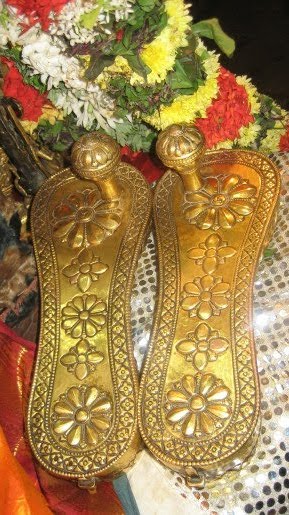
Satari is made up of gold or silver or copper with God’s feet on a crown. It is put on every one’s head when one visits Vishnu temples in Tamil Nadu. So Vedanta Desika praised God’s Padukas with one thousand stanzas in his Paduka Sahasra Stotra.


When Rama refused to return to the Kingdom (Ayodhya) saying that he had to fulfil the promise made to his dad, his brother Bharata humbly asked for his shoes. When he took them back, he refused to enter the capital city till his brother return after 14 years. So for 14 years the SHOES RULED A KINGDOM, that was unique in the world.


Worship of Foot Prints


Sivanoli Padam also known as Adam’s Peak in Sri Lanka is a big holy spot. The two foot prints seen there are attributed to Lord Shiva by the Hindus and Buddha by the Buddhists. Thousands of people climb the hills to worship it.


In Kanyakumari, we have Devi’s foot prints. In Haridwar and in the Himalayas we have foot prints of Vishnu.


Foot prints and shoes are sacred symbols for the Hindus. They felt humble and simple in front of little things like shoes or mighty Himalayas. When they looked at sky high mountains they felt like small fries, or like Sir Isaac Newton said, just like pebbles on the vast sea shores. When you feel that way, you get lofty thoughts. All the worries are vanished.


The term Boot Worship in Western Culture has a negative connotation. It is extreme adulation of the boots of a dominant partner. It has got more sexual connotation. In India, it is all about the glory of God.


The very thought that everything is given by the God, will prepare you to share it, respect it and use it to the minimum. This will save the environment and environment will save us in turn.


Satari in Shiva temple


There is a temple in Tirunallur near Papnasam in Tamil Nadu. The Saivaite devotees are blessed with Satari to remember the episode of Shiva blessing the great Saivaite saint Appar 1500 years ago. It looks like this custom has a long history.


Kesaathi Pada Varnanai


Hindu poets sing the glory of God by describing the beauty of god from head to foot. Normally they start with Lord’s feet and goes step by step towards head or hair (Kesa means hair, Pada means foot). If it is human beings like a king or a beautiful girl they start it from the head and go towards foot in description. This is seen in Sangam Tamil literature and earlier Sanskrit literature in several places. So generally speaking Head to foot for the humans and Foot to head for the Gods.


Rig Veda


In the Purusha Suktam of Rig Veda we see the God’s description from face to feet. The hymn described the four varnas (four castes) came from four different parts of the body (of God). This description is about the society. One cannot function without the other. Feet are as important as head.


Sahasra seersha Purusha:………………..


The Purusha has thousand Heads,

He has thousand eyes,

He has thousand feet,

He is spread all over the universe,

And is beyond the count of ten fingers.


Brahmanasya Mukham aseed:…………….


His face became Brahmins

His hands were made as Kshatriyas,

His thighs became Vaisyas,

And from his feet were born Shudras.


Picture: Adams Peak in Sri Lanka

Jesus Christ & Washing the feet

Washing the feet of Gurus or Gods is also considered sacred in several cultures. Hindus do it even today with great saints like Shankaracharyas. On certain days children do it to the parents as a mark of respect. On wedding day husband does it to the wife.

The Maundy Thursday custom of foot washing in the catholic church is a symbolic expression of humility, following Christ’s example, who washed the feet of his disciples in accordance with the Eastern custom of hospitality. In ancient India kings washed the feet of holy men’s foot.


Shoes on the head of powerful Tamil King

Cheran Chenguttuvan was a powerful Tamil King. He even insulted the Romans and Greeks who violated the laws of the kingdom by pouring oil on their head. His powerful navy destroyed the pirates. Such a powerful king who went up to the Himalayas to bring stones for the temple, bore the shoes of Lord Shiva on his crown, says the Tamil epic Silaappadikaram( Kaalkot Kaathai 8)

In China

The mother of the founder of the Chou dynasty was said to have become pregnant  by stepping in the foot print of a god.

சேல் பட்டழிந்தது செந்தூர் வயற்பொழில் தேங்கடம்பின்

மால்  பட்டழிந்தது பூங்கொடியார் மனம் மாமயிலோன்

வேல் பட்டழிந்தது வேலையும் சூரனும் வெற்புமவன்

கால் பட்டழிந்தது இங்கென் தலை மேல் அயன் கை எழுத்தே

——(கந்தர் அலங்காரம்)

For more of the same, contact swami_48@yahoo.com OR Swaminathan.santanam@gmail.com

*******************