THE STORY OF HYPOCRITICAL CAT

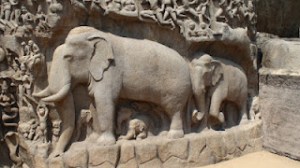
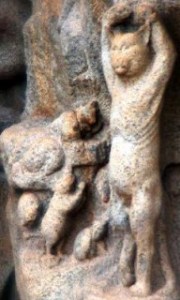
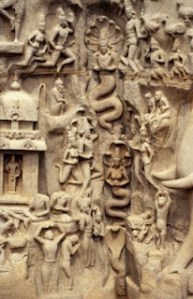
The cat is under the tusks of the big elephant. See below the enlarged cat.


Mahabalipuram near Chennai is famous for its monolithic rock temples. Pallava King Narasimha Varman was the architect of these beautiful rock cut temples and sculptures.  30 feet long panel of Arjunan penance or Bhageerathan penance is one of the main attractions. The sculptor has shown a sense of humour by adding a hypocritical cat in the serious penance of Arjuna/Bhageertha. This is called Rudraksha Cat. It is a phrase in Indian languages to ridicule the hypocritical saints.

The story of hypocritical cat is in Mahabharata (V-160). Tamil Didactic work Sirupanchamulam (stanza 95) also refers to this ascetic cat on the banks of Ganges. This is a folk tale known in different parts of India. The Mahabalipuram panel of rock cut sculptures show this cat with uplifted arms. The story of the cat is as follows:

With uplifted arms the cat performed severe austerities on the banks of the Ganges; and he was so pious and good that not only the birds worshipped it, but even the mice entrusted themselves to his protection. He declared himself willing to protect them, but said in consequence of his asceticism he was so weak that he couldn’t move. Therefore the mice must carry him to the river—where he devoured them and grew fatter and fatter. A wise mouse by name Killika followed the cat to the Ganges and let the secret out to other mice. They all kept away from the cat from that day and the cat had to move to another place.

There are even two or three Tamil proverbs regarding this hypocritical Rudraksha cat. It was named Rudraksha cat because the cat pretend to do prayer by rolling the Rudraksha beads. It must be a familiar painting in the ancient Tamilnadu. The Pallava architecture of Mahabalipuram belongs to seventh century CE.

One of the Sangam works, Paripatal (19-50), refers to the beautiful paintings in Tirupparankundram near Madurai. It was a painting that existed 2000 years ago. The painting shows Indra running in the guise of a cat after molesting Ahalya. May be this episode was the origin of the Rudraksha cat story.


Sirupanchamulam Stanza 95compares an ascetic eating meat with the cat on the banks of the river Ganges. So it is a familiar story throughout India.

Reinterpretaion of Mahabalipuram sculpture

Scholars were debating whether the sculpture panel was about Bhageeratha’s penance or Arjuna’s penance. Now that we know the cat story happened on the banks of Ganges from Mahabharata and Tamil works, it must be Bhageerathan’s story of bringing Ganges to the earth. ( Bhageeratha was one of the earliest engineers of India. He diverted the course of Ganges towards the Bay of Bengal and made India fertile (Please read my post GREAT ENGINEERS OF ANCIENT INDIA for more details).

Great Secret from Mahabharata

Great Secret from Mahabharata: Bharatha Savitri

Santhanam Nagarajan

Mahabharata authored by the great maharishi Ved Vyasa is the greatest epic the world has ever seen. The original name of this ithihasa is Jaya which means victory. It consists of 18 parvas meaning 18 books or episodes. Ved Vyasa has composed Mahabharata in one lakh slokas (verses) and till this date  these verses are available.

The greatness of this great epic is narrated in the epic itself.

It is advised thus: “One should listen to the Bharata every day. One should proclaim the merits of the Bharata every day. One in whose house the Bharata occurs, has in his hands all those scriptures which are known by the name of Jaya. The Bharata is cleansing and sacred.”

As there are 18 parvas which consist of one lakh verses it would be difficult to read or recite all the slokas in a day. So Ved Vyas suggested to recite main four slokas composed by him. This is called as ‘Bharata Savitri’


The meaning of the four verses of Bharata Savitri is given below: Thousands of mothers and fathers, and hundreds of sons and wives arise in the world and depart from it. Others will (arise and) similarly depart.

There are thousands of occasions for joy and hundreds of occasions for fear. These affect only him that is ignorant but never him that is wise.

With uplifted arms I am crying aloud but nobody hears me. From Righteousness is Wealth as also Pleasure. Why should not Righteousness, therefore, be courted? For the sake neither of pleasure, nor of fear, nor of cupidity should any one cast off Righteousness.

Indeed, for the sake of even life one should not cast off  Righteousness. Righteousness is eternal. Pleasure and Pain are not eternal. Jiva is eternal. The cause, however, of Jiva’s being invested with a body is not so.

Good will triumph over evil is the main message given by Vyasa. Righteousness alone is eternal and one should at any cost follow it. The gist of Mahabharata explained in one lakh verses is given in the above four verses. And hence it is suggested to read at least these four verses daily so that one could have the benefit of reading all the one lakh verses.

The Mahabharata itself reveals this great secret thus in the Book 18-Svargarohanika Parava –“That man who, waking up at dawn, reads this Savittri of the Bharata, acquires all the rewards attached to a recitation of this history and ultimately attains to the highest Brahma.”

The secret of Mahabharata lies in Bharata Savitri!

Summary:

The great epic Mahabharata consists of one lakh slokas. It would be difficult to read all these verses daily and hence Ved Vyasa has himself composed four verses called Bharata Savitri for daily recitation, It reveals the eternal secrets. One should read the Bharata Savitri everyday.

( S. Nagarajan is a vehicle body engineer by profession. He has written more than 2000 articles in 16 magazines and published 18 books. He is revealing Eastern Secret Wisdom through T.V. Programmes, magazine articles, seminars, courses. His email address is: snagarajans@gmail.com. His articles on Yoga, laughter, efficacy of mantras and sound, Hypnotism, Tele Kinesis, Power of Prayer, Vastu and Feng Shui, Auto suggestion, Success Formula, Out of Body Experience etc are regularly appearing in EzineArticles.com.)

Quiz on Hymns in English and Tamil

By London Swaminathan

You are a Master of Stotra Literature if you answer at least 14 questions correctly


1.Who composed 272 Slokas or Hymns including the famous Bhaja Govindam and Ganesa Pancharatnam in Sanskrit?

2.What Stotra or hymn did Agastya teach Ram to win the war against Ravana?

3.What did Adi Sankara recite that brought a shower of gold coins to cure the poverty of a poor woman?

4.What is the name of a long hymn with 1008 names that attracted a commentary from Adi Sankara?

5.What is the hymn that recited every morning to wake up Lord Venkateswara? Who was the author of the hymn?

6.What is the name of the Hymn with 100 stanzas that beautifully sings the glory and beauty of the goddess composed by Adi Sankara?

7.What is he meaning of the following words: Ashtakam, Ashtotram, Pancharatnam and Dasakam?

8.What is the word for a hymn with 100 stanzas?

9.In a Sahasranama how many names of the Lord you will find?

10.What is the most famous Vedic Mantra given by Vishvamitra?

11.What is the mantra that cures one the fear of death?

12.What hymn is used during bathing Shivalinga in the temples?

13.What is the name of the hymn composed by Jayadeva that is sung in the Sampradaya/traditional Bhajans?

14.What are the two leaves that have got hymns in their names?

15.What is the Sanskrit hymn that reverberated from the halls of the United nations General Assembly?

16.Who composed Thotakashtakam?

17.Who was the author of the famous Shyamala Thandakam?

18.What is the name of the sloka composed by Ravana on Lord Shiva?


ANSWERS: 1. Adi Sankara 2. Aditya Hrudayam in Sanskrit 3. Kanakadhara Stotra 4. Vishnu Sahasranama 5. Venkateswara Suprabatham by Prativati Bhayangara Annangaracharya also known as Anatacharyar 6. Soundarya Lahari of Adi Sankara. It is believed half of the hymn was composed by Sankara 7. Ashtakam: hymn with 8 stanzas, Ashtotram: 108 names of God, Pancharatnam: hymn with 5 stanzas and Dasakam: hymn with 10 stanzas. Normally one or two extra stanzas will give the benefits of reciting it.8.Satakam e.g Surya Satakam of Mayura, Kumaresa satakam, Bhartruhari’s Neeti Satakam 9. 1008 10. Gayatri Mantra 11. Mrutyunjaya Mantra 12. Rudram and Chamakam 13. Ashtapathi from Gita Govindam 14. Bilva and Tulsi- used for Puja of Shiva and Vishnu respectively 15.Maithreem Bhajatha composed by Kanchi Shankaracharya in Sanskrit and sung by M S Subbulakshmi 16.Totakacharya in Totaka metre 17. Kalidas 18. Shiva Thandava Stotra

For more of the same: contact swami_48@yahoo.com or swaminathan.santanam@gmail.com


தமிழில் ஸ்தோத்திர க்விஸ்

By London Swaminathan இருபது கேள்விகளுக்கு மேல் சரியான பதில் கொடுத்தால் நீங்கள் தோத்திர மன்னன் என்ற பட்டத்துக்குத் தகுதி பெறுவீர்கள்.


1.அம்பாளின் அழகை வருணிக்கும் 100 அற்புதமான கவிகள் அடங்கிய துதி எது?

2.ஷியாமளா தண்டகத்தை எழுதியவர் யார்?

3.சரஸ்வதி மீது சகல கலா வல்லி மாலையைப் பாடியவர் யார்?

4. எட்டு பாடல்கள், ஐந்து பாடல்கள் , பத்து பாடல்கள் உடைய ஸ்தோத்திரங்களுக்கு என்ன பெயர்?

5.ஒரு பாடல் முடியும் எழுத்தில் அல்லது சொல்லில் அடுத்த பாடல் துவங்கும் தொகுப்புக்கு என்ன பெயர்?

6.ஐ.நா.சபையிலிருந்து உலகம் முழுதும் ஒலித்த சம்ஸ்கிருத பாடல் என்ன? அதை இயற்றியவர் யார்?

7.தேவராய சுவாமிகள் பாடிய பிரபல துதி எது?

8.நமச்சிவாய வாழ்க என்று துவங்கும் மாணிக்கவாசகரின் துதி என்ன?

9.பஜகோவிந்தம் உள்பட 272 துதிகளை இயற்றியவர் யார்?

10.மழை பெய்வதற்காக சொல்லப்படும் துதியின் பெயர் என்ன?

11.முடி முதல் அடிவரை இருக்கும் உடல் உறுப்புகளைப் பாதுகாக்க சொல்லப்படும் துதியை என சொல்லால் குறிப்பார்கள்?

12. நூறு பாடல்கள் உடைய நீண்ட துதியை என்ன சொல்லால் அழைப்பர்?

13.பலஸ்ருதி என்றால் என்ன?

14. அஷ்டோத்தரம், சஹஸ்ரநாமம் ஆகியவற்றில் கடவுளின் எத்தனை பெயர்கள் இருக்கும்?

15.கேசாதி பாத ஸ்தோத்திரம் என்றால் என்ன?.

16.பதிகம் என்றால் என்ன?

17.ராவணனை வெல்ல ராமருக்கு அகத்தியர் கற்பித்த ஸ்லோகம் எது?

18.சிவ பெருமான் மீது ராவணன் பாடிய துதி என்ன?

19.ஏழைப் பெண்ணின் வறுமையைப் போக்க ஆதிசங்கரர் பாடிய தங்க நெல்லிக்காய் பாடலின் பெயர் என்ன?

20.ஆதிசங்கரர் பாஷ்யம் எழுதிய சஹஸ்ரநாமம் எது?

21.வேங்கட மலை இறைவனை எழுப்ப காலையில் பாடும் பாடலின் பெயர் என்ன? அதை எழுதியவர் யார்?

22.இறைவனை எழுப்ப காலையில் பாடும் துதியின் தமிழ்ப் பெயர் என்ன?

23.பாவை நோன்பு கடைப்பிடிக்கும் தமிழ்ப் பெண்கள் பாடும் இரண்டு பாடல் தொகுப்புகளின் பெயர் என்ன?

24.அமாவாசையைப் பவுர்ணமியாக்க அம்மனின் பக்தர் பாடிய பிரபல துதி எது?

25.முத்துசுவாமி தீட்சிதர் ஒன்பது கிரகங்களின் பீடைகள் நீங்கப் பாடிய பாடல் என்ன?

26.பாண்டிய நாடு போக வேண்டாம் என்று அப்பர் அறிவுரை கூறியவுடன் சம்பந்தர் பாடிய பதிகம் என்ன?

27.சிவன் கோவில்களில் லிங்கத்துக்கு அபிஷேகம் செய்யும்போது இசைக்கப்படும் வேதத்திலுள்ள துதி?

28.விசுவாமித்திர மஹரிஷி நமக்களித்த பெரிய மந்திரம் எது?

29.சைவ நிகழ்ச்சிகளில் இறுதியில் பாடப்படும் பஞ்ச புராணத்தில் என்ன என்ன பாடல்கள் இருக்கும்?

30.சம்ப்ரதாய பஜனைகளில் பாடப்படும் ஜெயதேவரின் பாடலின் பெயர்?


ANSWERS FOR TAMIL QUIZ ON HYMNS/STOTRAS விடைகள்:

1. சவுந்தர்ய லஹரி ( இதில் பாதியை ஆதி சங்கரர் இயற்றியதாகக் கூறுவர்) 2. கவி காளிதாஸ் 3. குமர குருபர சுவாமிகள் 4. ஐந்து பாடல்கள்: பஞ்சரத்னம், எட்டு பாடல்கள்: அஷ்டகம், பத்து பாடல்கள்; பதிகம் அல்லது தசகம் 5. அந்தாதி எ.கா. அபிராமி அந்தாதி 6. மைத்ரீம் பஜத என்னும் காஞ்சி பரமாசார்ய ஸ்வாமிகளின் பாடல், எம்.எஸ். இதைப் பாடினார். 7. கந்த சஷ்டி கவசம் 8. சிவபுராணம் 9. ஆதி சங்கரர் 10. வருண ஜபம் 11. கவசம், எ.கா. விநாயக கவசம், கந்தசஷ்டி கவசம் 12. சதகம் 13. ஒரு துதிப் பாடலைப் படிப்பதால் ஏற்படும் பலன்களை எடுத்துச் சொல்லும் கடைசி பாடல் 14. அஷ்டோத்தரம் 108, சஹஸ்ரநாமம் 1008 15. இறைவனின் அழகை கேசத்திலிருந்து (முடி) துவக்கி பாதம் வரை வருணித்துப் பாடுவதாகும் 16. பத்து பாடல் உடைய துதி. 11ஆவது பாடல் பலன்களைச் சொல்லும். 17. ஆதித்ய ஹ்ருதயம் 18. சிவ தாண்டவ ஸ்தோத்திரம் 19. கனகதாரா ஸ்தோத்திரம் 20. விஷ்ணு சஹஸ்ரநாமம் 21. வேங்கடேச சுப்ரபாதம், எழுதியவர்-பிரதிவாதி பயங்கரம் அன்னங்கராசார்யார் 22. சுப்ரபாதத்தின் தமிழ்ப் பெயர் திருப்பள்ளி எழுச்சி 23. திருப்பாவை, திருவெம்பாவை 24.அபிராமிபட்டர் பாடிய அபிராமி அந்தாதி 25. நவாவரண கீர்த்தனைகள் 26. கோளறு திருப்பதிகம் 27. ருத்ரம் சமகம் 28. காயத்ரி மந்திரம் 29. பஞ்ச புராணம்: தேவாரம், திருவாசகம், திருவிசைப்பா, திருப்பல்லாண்டு,பெரிய புராணம்,  30.கீத கோவிந்தத்தில் உள்ள அஷ்டபதி

For more of the same: contact swami_48@yahoo.com or swaminathan.santanam@gmail.com


Amazing statistics on Kalidasa!


By London swaminthan

Seven Books—40,000 words—93 commentaries for three of his works—he beat Shakespeare in writing poetry+ dramas+ Epics+  stotras (Shyamaladandakam) and usage of similes. He covered the history of 29 kings in Raghuvamsam. He used 1250 similes! He gives a description of a vast geographical area from Iran to Indonesia! He called the Himalayas “the measuring rod of earth” even before George Everest told the world the height of Everest Peak!!! An amazing poet the world has ever produced. Read the incredible statistics below.


“ Kalidasa’s achievements in poetry and drama are great. Not only was Kalidasa a supreme delineator of the play of human character and motive but he was an expert in the creation of dramatic situations. Above all, he was an unrivalled exponent in Sanskrit of every type of poetic rhythm and melody ranging in subject from simple and crystal clear historical narrative to the elaborate description of natural phenomena and the moods of the human spirit. His Meghasandesa is perhaps the most perfect example, in all literature, of verbal felicity”—C P Ramaswami Aiyar

“ The occasional echoes in Gatha Sapta Sati of ideas in Kalidasa’s poems and dramas e.g. GSS 14, 44, 47, 232, 251 etc. would lead to the conclusion that Kalidasa belonged to the 1st century BCE and enjoyed the patronage of Vikramaditya  who started  Vikrama Era 56 years before the Christian era. Vikramaditya was referred to in the GSS sloka 465.

–Gathakosa translated by M V Patwardhan, 1988


“ One is bound to remain in bewildering wonderment when one thinks of marvellous art of Kalidasa, the supreme poet of senses, of aesthetic beauty, of sensuous emotion, the consummate artist profound in conception and wonderful in expression. The vision, the majestic and vigorous style, the warm humanism, the wealth of striking similes, the vividness of thought and fancy, the expressive and happy descriptions, all these and very many more easily and undoubtedly mark out his poems as perfect patterns of exquisite poetic grace and charm.—V.S.Venkata Ragavacharya in his  Foreword to Raghuvamsam.

Picture: Scene from Shakuntalam, Indian Postage Stamp

Greater than Shakespeare

“ It is not often that a great dramatist is also a supreme lyrical poet. Shakespeare is, of course,  the most celebrated instance of such a combination. It is rarer still to find, along with the gift of lyrical poetry, the capacity to produce epics or narrative poems of authentic excellence. Kalidasa has, however triumphantly achieved this triune greatness”.

“ In the Rithusamhara, he has given us a marvellous descriptions of the Indian seasons and his Meghasandesa is, in my view,  the finest example of descriptive poetry interwoven with one of the greatest love poems of the world”.

“His work as a dramatist has evoked worldwide admiration and the name of Goethe  is enrolled among his devotees.

In Kumarasambhava and Raghuvamsa, he has essayed a most comprehensive task and the latter is the memorable example of a historical narrative containing descriptive and poetic passages of transcendent merit.

It is not as well known as it should be that Kalidasa was one of those who dreamt centuries ago of a unified and powerful India”.

— Sir C P Ramaswamy Aiyar

Picture: Scene from Meghaduta

Kumara Sambhavam

17 Sargas—1000 slokas

20 commentaries

Ragu Vamsam

19 Sargams—1569 slokas

29 kings

33 commentaries

Rtu Samharam

6 divisions —144 stanzas

Megadhutam

121 stanzas

40 commentaries


How many words did Shakespeare know?

In his collected writings, Shakespeare used 31,534 different words. 14,376 words appeared only once and 846 were used more than 100 times..

This means that in addition the 31,534 words that Shakespeare used, there were approximately 35,000 words that he knew but didn’t use. Thus, we can estimate that Shakespeare knew approximately 66,534 words.

According to one estimate the average speaker of English knows between 10,000-20,000 words. (This is taken from a website)


How many words did Kalidasa Know?

Now it is my guess. Kalidasa composed a total of 2570 slokas +245 longer stanzas.

At the rate of ten words per sloka he would have used 25700 words for Kumarasambhavam and Raghuvamsam. For Ruthusamharam and Meghadutam, he would have used 20 words per stanza and in total he would have used 144+121X20=5300 words. This makes a total of 31,000 words for four books.

If we give his three dramas another 9000 words (3000 each), it will make a grand total of 40000 words.

If Kalidasa used 40,000 words for seven books he would have used 211,429 words for 37 books if he has followed Shakespeare. But still we may not know how many new words who would have used. We need to work like English people to get better statistics!

I have already posted seven articles proving that Kalidasa lived before Sangam Tamil period, i.e in the first century BCE. More to come.

Please read Kalidasa. Anyone who wants to know about Indian literature and culture must study Kalidasa. I recommend Chandra Rajan’s translation of Kalidasa.

For more of the same, contact swami_48@yahoo.com or Swaminathan.santanam@gmail.com

*****************


Indra Festival in the Vedas and Tamil Epics

By London Swaminathan (my posts are simultaneously uploaded into five websites)

(This article is available in Tamil as well in my blogs.)

Worship of God Indra was popular in ancient Tamil Nadu. The oldest Tamil Book is Tolkappiyam, which is dated to 1st century BCE. Vedic gods Indra and Varuna were among the four Gods mentioned by Tolkappiam as Gods of the Tamils. Interestingly, Shiva was not one of them. That book was written by a Brahmin by name Trundadumagni and launched in the court of Pandya king under the chairmanship of Athankottu Asan, who was well versed in the four Vedas. Today we see the amazing continuity of Indra worship in India and Nepal. Brahmins worship Indra and Varuna three times a day in their Sandhya vandhana. Nepalese celebrate Indra Festival every year. Hindu Temple priests around the world invoke all the Vedic Gods in their day to day rituals.

Indra Festival was a very popular festival in ancient Tamil Nadu according to twin Tamil epics Silappadikaram and Manimekalai. It was first mentioned in Mahabharata and Ramayana. But in the Vedas we have some information which is interpreted by scholars as Indra festival. Atharva Veda mentioned Indra Dwaja (banner or flag of Indra). Rig Veda hinted at it.

At present Indra festival is celebrated as a grand Royal festival in Nepal. Gunabhadra, a king of 10th century CE started this festival in Nepal. They call it Yenya or Indra Jatra. Bengalese also celebrated it.

Raksha Bhandan celebrated all over India and the Water Festivals celebrated in Laos, Cambodia, Thailand and Burma has got some links with Indra, the god of rain.


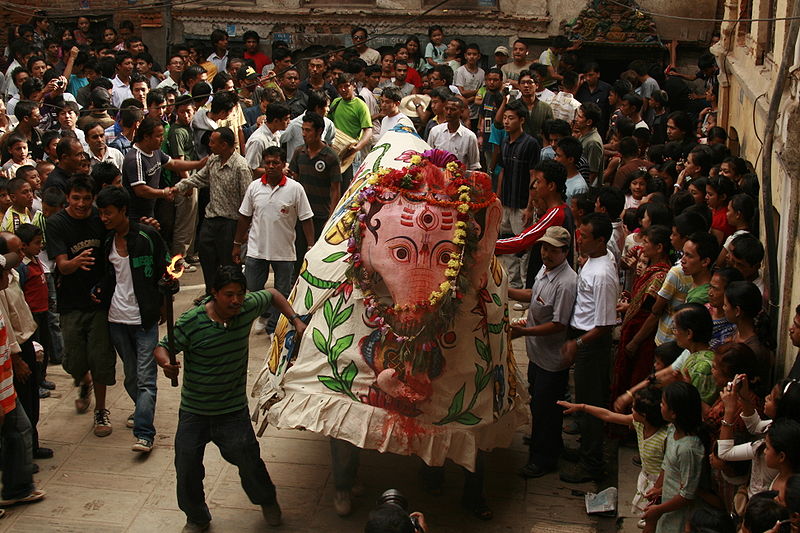
Picture: Elephant dance in Indra Festival,Kathmandu, Nepal

All the important Hindu scriptures like Bhagavatha, Ramayana and Mahabharata and Jain and Buddhist scriptures refer to Indra festival. This shows that Indra was held in high esteem from the southernmost tip of India up to Nepal in the Himalayas. Jains and Buddhists competed with each other in praising Indra by saying that “even Indra” worshipped the Buddha or Jain Tirthankara. Ramayana used the simile of Indra Dwaja in many places. Bringing down Indra Dwaja (flag)on the last day of the festival was a ritual used very often by Valmiki.

2000 year old Sangam Tamil literature refers to Indra (Pura Nanuru 182 and 241, Ainkuru. 62, Tirumurugu. 155-59 ) and Amruta (ambrosia of Indraloka) in a lot of places. Didactic books including Tirukkural also refer to Indra and Amruta.

The rare coincidence between the Tamils and the Nepalese is that both of them install a pole and hoist the Indra flag. In Nepal it is celebrated for 8 days but in Tamil Nadu it was celebrated for 28 days.

Another rare coincidence of Indra Festival in north and south is that they believed stoppage of the festival would result in a natural catastrophe. When Krishna stopped it, it was raining incessantly and Krishna had to lift the Govardhana Hill to protect his people. When the Choza king stopped it, the harbour city of Kaveripumpattinam in Tamil Nadu was devoured by the sea. Both of them believed Indra was in charge of rains and water.


Who Started the Festival?

Mahabharata says it was started by Uparichara Vasu. The life story of Uparichara Vasu itself is interesting. He was given an aeroplane and a garland of never fading lotus flowers by Indra. He married Girika but he was asked to go to a forest where his seed (semen) fell at the thought of his wife. It was devoured by a fish and Matsya (satyavati) was born to the fish. Each one of his sons started a separate dynasty in India. He was credited with some engineering feats  such as breaking down a hill to create a new river (Please read my post GREAT ENGINEERS OF ANCIENT INDIA).

Jain scriptures link Indra festival with Rishabadeva, the first Thirthankara. Tamil epic Silappadikaram (Kathai 5) says that one choza king Thungeyil  Erintha Thodithot  Sembiyan started this festival. Both may be correct if we take one started it in the north and another started in the south of India. Interestingly Chozas themselves claimed that their ancestors ruled north India. All their ancestors were mythological characters mentioned in Mahabharata and Ramayana. The very word Sembiyan came from Sibi Chakravarthy of the famous pigeon story  (Sibi=Saibya=Sembiya). The story of Sibi is in Sangam Tamil literature, Pancha Tantra and Tamil epic Silappadikaram.

The details of the celebrations were given in Silappadikaram  (5: 141-4) and Manimekalai (1:27-72, 2:1-3, 1:1-9, 24: 62-69, 25: 175-200). The drummer will announce that the festival began and then people will assemble to hoist the Indra Dwaja (Banner). The whole town wore a festive look with lot of decorations. Indra was bathed with holy water. It started on a full moon day in Chitra month (coinciding with April). Other deities were also decorated. Dance and Music were the highlights.

According to Maimekalai, Agastya asked the Sembian (Choza) king to start this festval. In Nepal, it is celebrated in September. In Tamil Nadu, the festival Bogi, celebrated on the eve of Makarasanranti/ Pongal also linked with Indra. Bogi itself means Indra.


In the Vedas

Indra is said to have shaken in front of Maruts in the Vedas. Actually it means that Indra Flag was fluttering in the Wind (Maruts are wind gods; The word Maruti/ Anjaneya came from it). Vedic scholars Dange and Meyer have written about the festival in detail.

In the Rig Veda it is said that Indra shook in the company of his followers. His companions Maruts were the wind god. Vedas also say, “ priests have raised you up on the high, O, Satakratu like a pole” (RV 1.X.1). Vedic poets used symbolic language to convey the message that the Indra flag was hoisted and it was fluttering in the wind. Meyer gives more evidence from Atharva Veda.

In Kuchipudi and other dance performances a victory flag and staff are installed in the name of Indra. In ancient Tamil Nadu a big honour in the name of Indra’s son Jayanta was given to the court dancer. It was called Talai kol.

Tamils celebrate Bogi festival on the eve of Pongal (Makara Sankaranti). Bogi is another name of Indra. Indra and Varuna are worshipped by the Brahmins in their day to day Sandhayvandana (thrice a day water oblation to Sun God) and in all the temples during Puja and Abhisheka (ritual bathing of Gods). It is amazing to see the same custom is followed for more than at least 3500 years.


Nivedita and Indra Flag

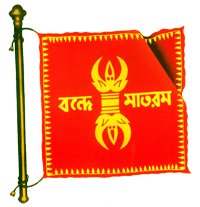
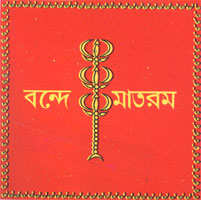
Swami Vivekananda asked his Irish disciple Nivedita alias Margaret Noble to design a Hindu flag. She came with a design of Indra’s  weapon Vajrayutha and word “Vandemataram” in Bengali language. South East Asian countries had Indra’s vehicle Iravatha elephant on their flags or on their national emblems. Now we see lot of Indra Idols and statues in the museums around the world.

Now we realise that the theory of Aryan Dravidian divisions proposed by the Western “scholars”  were utter lies. Indians had one culture from time immemorial though out India. We have seen the same festival celebrated from Vedic days to modern days in Nepal via Krishna of Mathura and Chozas of Tamil Nadu.

(Read other posts Indra Seal in Indus Valley, Vishnu Seal in Indus Valley by Swaminathan. Contact for more information: swami_48@yahoo.com or swaminathan.santanam@gmail.com)

***************

இந்திர விழா: வேதத்திலும் தமிழ் இலக்கியத்திலும்

(This article is available in English as well in my blogs: INDRA FESTIVAL IN THE VEDAS AND TAMIL EPICS: swami.)

தமிழில் இரட்டைக் காப்பியங்கள் என்று புகழப்படும் சிலப்பதிகாரத்திலும் மணிமேகலையிலும் இந்திர விழா மகவும் சிறப்பான இடத்தைப் பெறுகிறது. ஆனால் இதன் தோற்றம் வேதத்திலும் ராமாயண, மஹா பாரத இதிஹசங்களிலும் உள்ளது. இன்றும் நேபாள நாட்டில் பெரிய விழாவாகக் கொண்டாடப்பட்டு வருகிறது.


தமிழ் உலகம் செய்த தவப் பயனால் கிடைக்கப்பெற்ற பழந்தமிழ் நூல் “ஒல்காப் புகழ் தொல்காப்பியன்” எழுதிய தொல்காப்பியம் என்னும் இலக்கணப் பனுவல் ஆகும். அதன் காலம் கி.மு. முதல் நூற்றாண்டு. அதை எழுதியவர் த்ருணதூமாகினி என்னும் தொல்காப்பியன் ஆவார். இது “உச்சி மேற் புலவர் கொள் நச்சினார்க்கினியர்” தரும் தகவல். அதை ஒப்புக் கொள்ளாதோரும் “நான்மறை முற்றிய” அதங்கோட்டு ஆசான் தலைமையில் தொல்காப்பியம் அரங்கேறியதாக பனம்பாரனார் கூறியதை மறுக்கவில்லை. அதாவது தமிழ்நாட்டில் வேதங்களில் கரைகண்ட ஒரு பார்ப்பனன் இருந்தார், அவர்தான் தொல்காப்பியத்துக்கு நற்சான்றிதழ் வழங்கினார் என்பதை “தமிழ் கூறு நல்லுலகம்” ஒப்புக் கொள்கிறது.

வேதத்தில் இந்திர விழா

டாங்கே, மெயர் போன்ற வேத நூல் அறிஞர்கள் இந்திரவிழா பற்றிய குறிப்பு உலகின் மிகப் பழைய நூலான ரிக் வேதத்திலும், அதர்வ வேத்திலும் இருப்பதைச் சுட்டிக்காட்டியுள்ளனர். இந்திர த்வஜம் (இந்திரன் கொடி) பற்றி அதர்வ வேதம் பேசுகிறது. ரிக் வேதத்தில் மறை மொழியில் இதே விஷயம் உள்ளது. “மருத்துக்கு முன் இந்திரன் நடுங்கியதாக” ஒரு இடத்தில் வருகிறது. இதன் பொருள்—காற்றில் இந்திரன் கொடி படபடத்தது என்பதாகும். மருத் என்பது காற்றுக் கடவுள். அதிலிருந்தே அனுமனைக் குறிக்கும் மாருதி என்ற சொல் வந்தது. ரிக் வேதத்தில் இன்னும் ஒரு இடத்தில் , “ஏ இந்திரனே உன்னை புரோகிதர்கள் உயரே ஏற்றிவிட்டார்கள்” என்ற வரிகள் வருகின்றன. இது இந்திரன் கொடி ஏற்றப்பட்டுவிட்டது என்பதாகும்.

இந்திர விழா தோற்றம்

இந்திரன் விழாவில் முக்கிய அம்சம் கொடி ஏற்றம். அதற்கு முன் வள்ளுவன் பறை அறிவிப்பான். உடனே ஊர் முழுதும் அலங்கரிக்கப்படும். 28 நாட்களுக்கு நாடே விழாக்கோலம் பூணும். ஆடலும் பாடலும் புத்துயிர் பெறும். அதைக் கொண்டாடாவிடில் இயற்கையின் கோபத்துக்கு நாடு உள்ளகும். இறுதி நாளில் இந்திரன் கொடிக்கம்பம் வீழ்த்தப்படும். மணி மேகலையும் சிலப்பதிகாரமும் இது பற்றி நிறைய தகவல் தருகின்றன.

இதை அகத்திய முனிவரின் ஆலோசனையின் பேரில் தூங்கு எயில் எறிந்த தொடித்தோள் செம்பியன் துவக்கியதாக இரட்டைக் காப்பியங்கள் கூறும். ஆனால் உபரிசார வசு துவக்கியதாக மகா பாரதம் கூறும். செம்பியன் என்ற சொல்லே சிபிச் சக்ரவர்த்தியின் பெயரிலிருந்து வந்ததுதான். சிபியின் கதை சங்க இலக்கியத்தில், சிலப்பதிகாரத்தில் மற்றும் பல வட மொழி நூல்களில் இடம் பெற்றுள்ளது சோழ்ர்கள் கல்வெட்டுகளில் தங்கள் முன்னோர்கள் வடமேற்கு இந்தியாவை ஆண்டதாகக் கூறுவர். (சிபி= சைப்ய=செம்பிய)

உபரிசார வசு இந்திரனிடம் வாடாத் தாமரை மாலையும் ஒரு விமானத்தையும் பெற்ற பேரரசன். இந்தியாவின் பழங்கால எஞஜினீயர்களில் சிறப்பானவன். ஒரு மலையை உடைத்து புதிய நதியை உருவாக்கியவன். (வேத காலத்தின் முதல் எஞ்ஜினீயர் இந்திரன். அவன் மலையை உடைத்து விருத்திரனை, நமுசியை விழுத்தாட்டிய செய்திகளை வேதங்கள் பாடுகின்றன. இவைகள் மாபெரும் பொறி இயல் செய்திகள். என்னுடைய GREAT ENGINEERS OF ANCIENT INDIA ஆங்கிலக் கட்டுரையில் மேல் விவரம் காண்க).

உபரிசார வசுவின் மனைவி பெயர் கிரிகா. அவளுடன் படுத்து சுகம் அனுபவிப்பதற்குள் அவனை அவசரமாகக் காட்டில் வேட்டை ஆட அனுப்பினர். அங்கே மனைவியை நினைக்கவே விந்து வெளியாகி, அதை  ஒரு மீன் உண்ண, மத்ச்யா (சத்யவதி) பிறந்தாள். அவனுடைய குழந்தைகள் மூலம் இந்தியாவின் பழைய வம்சாவளிகள் தோன்றின என்பது மகாபாரதம் கூறும் செய்தி. (மீன்,  மனித விந்துவை சாப்பிட மனிதர்கள் பிறக்கும் என்பது எல்லாம் மறை மொழிகள். இதனுடைய சரியான பொருளை வேறு ஒரு கட்டுரையில் தருவேன்). இந்த உபரிசார வசுதான் இந்திர விழாவைத் துவக்கினார்.

சோழன் துவக்கியதும், உபரிசார வசு துவக்கியதும் சரியான தகவல்தான். ஒருவர் வட இந்தியாவிலும் ஒருவர் தென் இந்தியாவிலும் துவக்கினர் என்பது சாலப்பொருத்தமே.

ராமாயணத்தில் வால்மீகி முனிவர் நேரடியாக எந்தத் தகவலையும் தராமல் “அவன் இந்திரன் கொடிக் கம்பம் போல வீழ்ந்தான், சாய்ந்தான்” என்ற உவமையைப் பல இடங்களில் பயன்படுத்துகிறார்.

Picture: Indra in Nepal

தமிழனும் இந்திரனும்

தமிழில் மிகப் பழைய நூல் தொல்காப்பியம் என்பது எல்லோரும் ஒப்புக்கொண்ட உண்மை. அதில் தொல்காப்பியர், வேதங்கள் கூறும் கடவுள்களே தமிழர் கடவுள் என்று உறுதிபடக் கூறுகிறார். இந்திரன், வருணன், விஷ்ணு, ஸ்கந்தன் (முருகன்) ஆகிய நால்வரே தமிழ்க் கடவுள்கள். சிவன் அந்தப் பட்டியலில் இல்லை. உண்மையில் சிவன் என்ற சொல்லை முதல் முதலில் பயன்படுத்தியவர்கள் நாயன்மார்கள தான். ஆனால் சிவ பெருமானைக் குறிக்கும் ஏனைய சொற்கள் சங்கத் தமிழில் உண்டு.

இந்திரன் இடம்பெறாத தமிழ் நூல்களே இல்லை என்று சொல்லிவிடலாம். புறநானூற்றில் உண்டு. திருக்குறளில் உண்டு. ஐங்குறு நூற்றிலும் இருக்கிறது. தேவலோக அமிழ்தம், நிறைய இடங்களில் வருகிறது.

மிகவும் வியப்பான விஷயம்! பாபிலோனிய ஜில்காமேஷ் போன்றோர் உலக மியுசியங்களில் ஒளிந்து கொண்டுவிட்டனர். ஆனால் இந்திரனையோ இன்றும் பிராமணர்கள் முக்கால சந்தியாவந்தனத்தில் தினமும் வழிபடுகின்றனர். உலகம் முழுதும் உள்ள இந்துக் கோவில்களில் தினசரி பூஜைகளில் இந்திரனும் வருணனும் வழிபடப்படுகின்றனர். இந்திரன் பெயர் இல்லாத இனம் இந்தியாவில் எங்குமே இல்லை. இந்தியாவின் முதல் ஜனாதிபதியான ராஜேந்திர பிரசாத் முதல் தமிழ்நாட்டின் நாகேந்திரன், கண்ணாயிரம் வரை எல்லாம் இந்திரன் பெயர்கள்தான்.

இன்றும்கூட குச்சிப்புடி முதலிய நடனங்களில் மேடையில் இந்திரன் கொடி வைக்கப்படுகிறது. சிலப்பதிகார, மணிமேகலை புகழ் மாதவிக்குக் கொடுக்கப்பட்ட தலைக் கோல் இந்திரன் மகன் ஜயந்தனுடன் தொடர்புடையது.


நேபாளத்தில் இந்திர விழா

இன்றுவரை இந்திர விழாவை  பழந்தமிழ்நாடு போலக் கொண்டாடும் நாடு நேபாளம். அதன் தலை நகரமான காத்மண்டுவில் ஆண்டுதோறும் அரசாங்கத் திருவிழாவாக நடைபெறுகிறது. தமிழ் நாடு போலவே கொடி ஏற்றி ஆடல் பாடலுடன் இந்திர தேவன் ஊர்வலத்துடன் விழா நடைபெறுகிறது.

தாய்லாந்து, லாவோஸ், கம்போடியா, பர்மாவில் ஏப்ரல் மாத புத்தாண்டு தினத்தில் நடைபெறும் நீர் விழாவும், இன்று இந்தியா முழுதும் நடை பெறும் ரக்ஷா பந்தனும் (கையில் சகோதரிகள் கட்டிவிடும் காப்பு) இந்திரன் தொடர்புடைய விழக்களே.

பொங்கலுக்கு முதல் நாளன்று தமிழர்கள் கொண்டாடும் போகிப் பண்டிகை இந்திர விழாவின் ஒரு பகுதியே. போகி என்பது இந்திரனின் பெயர்களில் ஒன்று.

Elephant Dance in Indra Viza in Nepal

கண்ணன்—- இந்திரன் “மோதல்”

இந்தியாவிலும் வெளிநாட்டிலும் சில “அதிமேதாவிகள்” உண்டு. இந்திய மக்களையும் நாட்டையும் பிளவுபடுத்த ஏதேனும் ஆரிய மாயை ,திராவிட மாயை கிடைக்காதா என்று கண்ணில் விளக்கெண்ணயை ஊற்றிக் கொண்டு தேடுவார்கள். வெறும் வாயை மெல்லும் இந்த பரிதாப கேசுகளுக்கு அவல் கிடைதது போல பாகவதத்தில் ஒரு செய்தி வருகிறது. இந்திரன் விழாவை கண்ணன் நிறுத்தி தனக்கும் பாதி பங்கு கேட்டான் என்று. இதனால் இந்திரன் கோபம் கொண்டு பேய் மழை பெய்யச் செய்யவே கண்ணன் கோவர்த்தன மலையைத்தூக்கி தனது மக்களைக் காப்பாற்றினான் என்று. பாகவதத்தையே நம்பாதப் பரிதாபக் கேசுகள், கண்ணனின் பகவத் கீதையையே நம்பாதப் பரிதாபக் கேசுகள் இதை மட்டும் பிடித்துக் கொண்டு புது தியரிகள் எழுதி பி எச். டி வாங்கவும் முயலுவர்.

உண்மை என்னவென்றால் தமிழ் நாட்டைப் போலவே கிருஷ்ண பூமியிலும் இந்திர விழா நடைபெற்றது. சோழ மன்னன் அதை நிறுத்தியதால் காவிரிப் பூம்பட்டிணத்தைக் கடல் கொண்டது என்று மணிமேகலை கூறுகிறது. ஆக இந்திர விழாவை நிறுத்தினால் இயற்கைச் சீற்றம் ஏற்படும் என்பதை வட ,தென் இந்தியர்கள் ஒப்புக்கொண்டனர் என்பதே உண்மை.

தொல்காப்பியர் குறிப்பிட்ட இந்திர வழிபாட்டை,, வேதங்கள் குறிப்பிட்ட இந்திர வழிபாட்டை இன்றுவரை தமிழ் பிராமணர்கள் மற்றும் தமிழ் நாட்டுக் கோவில் பூசாரிகள், அர்ச்சகர்கள் பின்பற்றிவருவது 3500 ஆண்டுக்கும் மேற்பட்ட பாரம்பர்யத்தின் தொடர்ச்சி என்பதை அறியும்போது மெய்சிலிர்க்கிறது.


நிவேதிதாவும் இந்திரன் கொடியும்


இன்னொரு வெப்சைட்டில் படித்த ஒரு வியப்பான விஷயம் விவேகானந்தரரின் சிஷ்யைகளில் ஒருவர் உருவாக்கிய இந்திரன் கொடியாகும். அவர் பெயர் மர்கரெட் நோபிள். ஐரிஷ்காரியான அப்பெண் நிவேதிதா என்று பெயர்தாங்கி புகழ்பெற்றார். இந்துக்களுக்கான ஒரு கொடியை உருவாக்கும் பொறுப்பு அவருக்கு வழங்கப்பட்டபோது அவர் இந்திரனின் வஜ்ராயுதத்தைப் பொறித்து வங்காளி மொழியில் வந்தே மாதரம் (தாயை வணங்குவோம்) என்று எழுதிய கொடியை உருவாக்கினார். தமிழர்கள், நேபாளியர்கள் போல வங்காளிகளும் இந்திர விழா கொண்டாடுவர். இன்றும் கூட தென் கிழக்காசிய நாடுகளில் இந்திரனின் ஐராவதம் ( 3 அல்லது 4 தலை யானை ) கொடியிலோ, அரசாங்க சின்னங்களிலோ இடம்பெற்றிருக்கிறது. இந்திரனின் சிலைகள் இல்லாத மியூசியமே இல்லை என்றும் சொல்லலாம்.

வாழ்க இந்திரன் புகழ். வளர்க இந்து மதம்.

குறிப்புகள் வேண்டுவோருக்கு:

Silappadikaram  (5: 141-4) and Manimekalai (1:27-72, 2:1-3, 1:1-9, 24: 62-69, 25: 175-200). (Pura Nanuru 182 and 241, Ainkuru. 62, Tirumurugu. 155-59 ) and Amruta (ambrosia of Indraloka) in a lot of places.

In the Rig Veda it is said that Indra shook in the company of his followers. His companions Maruts were the wind god. Vedas also say, “ priests have raised you up on the high, O, Satakratu like a pole” (RV 1.X.1). Vedic poets used symbolic language to convey the message that the Indra flag was hoisted and it was fluttering in the wind. Meyer gives more evidence from Atharva Veda

*******


Amazing TAMIL Mathematics

(This article is available in Tamil as well)

By London Swaminathan

Srinivasa Ramanujan (1887-1920) was one of the greatest mathematicians of India. He was born in a poor Tamil Brahmin family. Tamils are proud of his achievements. Viswanathan Anand is a World Chess champion. He is from Tamil Nadu and Tamils are proud of his success year after year. Tamil Nadu supplies a large number of computer software personnel in the world. All these prove that Tamils are good at anything where maths is used. But the history of Tamil mathematics began at least two thousand years ago.


Kapilan, the Brahmin poet who contributed highest number of poems in the Sangam literature was good at maths. He made a passing remark about numbers. He says that Pari’s Parambu hills had 300 towns (Pura Nanuru verse 110). This is the first statistics we get about Sangam period towns. If Pari’s Parambu Hills (a small area) had 300 towns, how many villages and towns Tamil Nadu would have had 2000 years ago! No wonder India, at present, has over 600,000 villages and 4000 towns.

In another poem, Kapilan gives a talk in bullet points like company executives. “Hey, Three Tamil kings, Listen to me. If you want Pari’s Parambu hills, don’t attack him. Do this. He gives three suggestions. In another verse (Puram 201) he talks about 49 generations of Irungovel, another Tamil chieftain like Pari. Kapilan was the poet who gave 99 plants names at one go. He beat all the ancient botanist. Just one poet gives us so many numbers and so much information.


The world came to know about nuclear power and atom bomb only around1945. But the concept of atom bomb was sung by Idaikkadar 1500 years ago. When she wanted to praise Tirukkural, the Veda of the Tamils, what she said was this:

It is like cramping seven seas in to a single mustard seed. The meaning of Kural is vast. But poet Tiruvalluvar put seven seas in to one mustard seed was the message given by Idaikkadar. Why should he sing about putting seven seas into one tiny seed? Will the Tamil world understand such a simile without some knowledge of huge power in tiny things?


The story did not stop there. Actually Tamils knew more than what Idaikkadar said. Because the earlier Upanishads praise god as smaller than the smallest particle, larger than the largest (Anooar aneeyaam, mahator maheeyaam). They knew that if one tiny seed is split into,  energy equal to seven seas will be generated.

Some readers may think that I am interpreting it in un scientific way. But if you read the following , all their doubts will be cleared. An old Tamil poem says that one mustard seed has 2,62,144 anu (anu=atom). Though their atom is very different from what we read in Today’s Physics book about Atoms, my point is that they knew smallest measurements which others did not at that time in the history

The verse goes as follows:


8 Anus= one Ther Tugal ( Chariot dust particle)

8 Ther Tugal= one cotton thread

8 cotton thread = one hair

8 hair = one sand particle

8 sand particles= one mustard seed

8 mustard seeds= one paddy seed

8 paddies = one finger length

12 fingers= I saan

2 saan= 1 muzam

4 muzam= 1 kol

500 kol= 1 kuuppidu

4 kuuppidu= 1 Katham

(Source: Senthamiz Volume 12, page 127)


When the first nuclear device was exploded the scientist behind it Oppenheimer quoted a Bhagavd Gita sloka about the Viswarupa darsanam of Lord Krishna (Please read my post A to Z of Bhagavad Gita to get full details.)

Tirumular’s brilliant calculation

Tirumular was one of the 18 Tamil Siddhars ( saints who have attained magical powers). He sings about splitting a cow’s hair in to 10000 million hairs. He takes the readers step by step. He asks one to take one hair from the tail of a cow. Then ask us to split it in to 100. Then in to 1000……….. on and on 100X1000X100 000= 100 000 00 000.(Tirumanthiram 1974).

One may wonder whether there was any practical use for such minute numbers. But these saints have seen such things through their third eye or intuition. When the western world was still struggling with their complicated Roman numerals Indians were far advanced in mathematics. Look at the table below that existed 2500 years ago.


World Tamil Conference Souvenir (1968) gives another interesting measurement:

How many grains are there in one measure?

One measure contains (measure is bigger than a litre)

1800 beans or

12,800 black peppers or

14,400 paddies or

14,800 green grams or

38,000 rice grains or

1,15,200 sesame  seeds (gingili seeds).

Tamils must be a patient race to count grains this way!


Tamils very often use a word called “IMMI” in their day today conversation. Like English phrase not even one iota, they used to say not even an Immi. This is an interesting word.


Sculptor V Ganapathy explains Immi quoting a book called Manasaram. It is as follows:

8 anu=1 ther thugal (Chariot dust particle)

8 ther thugal= 1 immi

8 immi= 1 sesame seed (Ellu)

8 Ellu= 1 paddy

8 paddies= 1 finger length

Mr V Ganapathy also added the book Manasaram says one inch= 190650 anus.

He says that different books give slightly different measurements for the same word in the Silpa Shastra( Science of Sculpting)

Another table giving the lowest Tamil number Munthiri:

I/8 is Araikaal

1/16 = maakaani

1/32= arai veesam

1/64=kaal veesam

1/80=kaani

1/320=munthiri


The other numbers very often attributed to Tamil are actually Sanskrit words. Moreover they have no secondary evidence to support those big numbers. They were not used by the Sangam poets. At least immi is used by Tamils till today like Iota ( Iota is a Greek letter).

Some Tamil blogs give incredible lowest and highest numbers without any proof. At a glance anyone can find Sanskrit words in the list! They are not Tamil words.

( Sanskrit has words for biggest numbers. But I couldn’t find words for smallest number like Tamil).


Numbers in Sanskrit:

From Wikipedia: A few large numbers used in India by about 5th century BCE (See Georges Ifrah: A Universal History of Numbers, pp 422–423):

  • lakṣá (लक्ष) —105
  • kōṭi (कोटि) —107
  • ayuta (अयुता) —109
  • niyuta (नियुता) —1013
  • pakoti (पकोटि) —1014
  • vivara (विवारा) —1015
  • kshobhya (क्षोभ्या) —1017
  • vivaha (विवाहा) —1019
  • kotippakoti (कोटिपकोटी) —1021
  • bahula (बहूला) —1023
  • nagabala (नागाबाला) —1025
  • nahuta (नाहूटा) —1028
  • titlambha (तीतलम्भा) —1029
  • vyavasthanapajnapati (व्यवस्थानापज्नापति) —1031
  • hetuhila (हेतुहीला) —1033
  • ninnahuta (निन्नाहुता) —1035
  • hetvindriya (हेत्विन्द्रिया) —1037
  • samaptalambha (समाप्तलम्भा) —1039
  • gananagati (गनानागती) —1041
  • akkhobini (अक्खोबिनि) —1042
  • niravadya (निरावाद्य) —1043
  • mudrabala (मुद्राबाला) —1045
  • sarvabala (सर्वबाला) —1047
  • bindu (बिंदु or बिन्दु) —1049
  • sarvajna (सर्वज्ञ) —1051
  • vibhutangama (विभुतन्गमा) —1053
  • abbuda (अब्बुदा) —1056
  • nirabbuda (निर्बुद्धा) —1063
  • ahaha (अहाहा) —1070
  • ababa (अबाबा). —1077
  • atata (अटाटा) —1084
  • soganghika (सोगान्घीका) —1091
  • uppala (उप्पाला) —1098
  • kumuda (कुमुदा) —10105
  • pundarika (पुन्डरीका) —10112
  • paduma (पद्मा) —10119
  • kathana (कथाना) —10126
  • mahakathana (महाकथाना) —10133
  • asaṃkhyeya (असंख्येय) —10140
  • dhvajagranishamani (ध्वजाग्रनिशमनी) —10421
  • bodhisattva (बोधिसत्व or बोधिसत्त) —1037218383881977644441306597687849648128
  • lalitavistarautra (ललितातुलनातारासूत्र) —10200infinities
  • matsya (मत्स्य) —10600infinities
  • kurma (कुरमा) —102000infinities
  • varaha (वरहा) —103600infinities
  • narasimha (नरसिम्हा) —104800infinities
  • vamana (वामन) —105800infinities
  • parashurama (परशुराम) —106000infinities
  • rama (राम) —106800infinities
  • khrishnaraja (कृष्णराज) —10infinities
  • kaiki (काईकी or काइकी) —108000infinities
  • balarama (बलराम) —109800infinities
  • dasavatara (दशावतारा) —1010000infinities
  • bhagavatapurana (भागवतपुराण) —1018000infinities
  • avatamsakasutra (अवताम्सकासुत्रा) —1030000infinities
  • mahadeva (महादेव) —1050000infinities
  • prajapati (प्रजापति) —1060000infinities
  • jyotiba (ज्योतिबा) —1080000infinities

Tamil Numerals

1 =௧ ,2 =௨ ,3=௩ ,4 =௪ ,5=௫ ,6=௬ ,7 =௭ ,8 =௮ ,9=௯ ,10=௰ ,100=௱ ,1000=௲

******************

தமிழர்கள் கணித மேதைகள்

(This article is available in English as well: லண்டன் சாமிநாதன்)

தமிழர்கள் கணக்குப் புலிகள். கணித மேதை ராமானுஜத்தை உலக்குக்கு ஈந்தவர்கள் தமிழர்கள். கணிதத்தை அடிப்படையாகக் கொண்ட சதுரங்கத்திலும் (செஸ்) தமிழரான ஆனந்த் விஸ்வநாதன் தொடர்ந்து சாம்பியன் பட்டத்தை வகித்து வருகிறார். அவரைப் பற்றிய கட்டுரையில் செஸ் விளையாட்டு தோன்றிய அற்புதமான கதையை எழுதியிருக்கிறேன். உலகில் அதிகமான கம்ப்யூட்டர் சாFட்வேர் ஆட்களை அனுப்புவதிலும் நம்மவர்கள் முன்னிலையில் இருக்கிறார்கள். தமிழர்கள் கணக்கான பேர்வழிகள்!


சங்க இலக்கியத்தில் அதிகமான கவிதைகளை எழுதிக் குவித்த புலவர் கபிலன், ஒரு புள்ளி விவர இயல் நிபுணர். பாரியின் பறம்பு மலையில் 300 ஊர்கள் இருப்பதை 2000 ஆண்டுகளுக்கு முன்னரே கவிதையில் கொடுத்துவிட்டார் (புறம் 210). இன்னொரு கவிதையில் பெரிய கம்பெனி எக்சிக்யுடிவ் அதிகாரி போல புல்லெட் பாயிண்டில் 1, 2, 3 என்று மூவேந்தருக்கு அறிவுரை வழங்குகிறார். இன்னொரு பாடலில் (புறம்201) இருங்கோவேளின் 49ஆவது தலை முறை பற்றிப் பாடுகிறார். குறிஞ்சிப் பாட்டில் ஒரே மூச்சில் 99 மலர்களின் பெயர்களை அடுக்கி தமிழ் “கின்னஸ்” புத்தகத்தில் இடம்பெறுகிறார்.

ஆனால் இதை எல்லாம் விட முக்கியமன விஷயம் திருவள்ளுவ மாலையில் இடைக்காடர் பாடலில் உள்ளது. குறளின் பெருமையைக் கூறவந்த அவர் “கடுகை துளைத்து ஏழ் கடலைப் புகுத்தி குறுகத் தறித்த குறள்” என்கிறார்.

அணுவின் அற்புதமான ஆற்றல் 65 ஆண்டுகளுக்கு முன் இரண்டாம் உலகப் போர் காலத்தில் தான் உலகிற்கே தெரியும். ஒரு சிறிய அணுவைப் பிளந்தால் ஏழ் கடல் அளவுக்கு சக்தி வெளியாகும் என்பது, முதல் அணுகுண்டை வெடித்துப் பரிசோதித்த போதுதான் தெரியவந்தது. ஆனால் இதைக் கொள்கை அளவில் முதலில் கூறியவர் இடைக்காடர்தான்.

சிலர் நினைக்கலாம். விஞ்ஞான விஷயத்தோடு எதையோ நான் கஷ்டப் பட்டு முடிச்சுப்போடப் பார்க்கிறேன் என்று. ஆனால் திருமூலர் பாடலைப் படித்தால் அந்த சந்தேகம் எல்லாம் பறந்தோடிப் போகும்.


உலகில் உள்ள உயிர்களின் வடிவத்தைச் சொல்ல வந்த திருமூலர் ஒரு அதிசயமான விஷயத்தைச் சொல்லுகிறார். ஒரு மாட்டின் முடியை எடுத்து ஆயிரம் கோடி இழைகளாகப் பகுப்பது பற்றிப் பேசுகிறார். இதுவும் அணுவைப் பிளப்பது போலத்தான். ஒரு மாட்டின் முடியை எடுத்து அதை நூறு கூறு போடச் சொல்லுகிறார். பின்னர் அதிலிருந்து ஒரு முடியை எடுத்து ஆயிரம் கூறாக்கச் சொல்லுகிறார். பின்னர் அதை ஆயிரம், மீண்டும் ஆயிரம் இப்படியே கூறு போடச் சொல்லி அதுதான் ஜீவனின் வடிவம் என்கிறார்.

இப்போது ஆண்களின் விந்துவை மைக்ரஸ்க்கோப் அடியில் வைத்துப் பார்ப்பவர்களுக்கு மில்லியன் கணக்கில் உயிரணுக்கள் இருப்பதைப் பார்க்க முடிகிறது. அதைத் தான் திருமூலர் சொல்லுகிறாரோ என்று எண்ணத் தோன்றுகிறது எது எப்படி ஆனாலும் ஒரு முடியை இப்படி மில்லியன் கணக்கில் கூறு போட முடியும் என்ற சிந்தனையே உலகில் யாருக்கும் உதிக்காத ஒன்றே. ரோமன் எழுத்துக்களை வைத்துக் கொண்டு நம்பர்களை எழுத மேலை நாட்டார் தவித்த காலத்தில் நாம் கணிதத்தில் இமய மலை உச்சிக்கே போய்விட்டோம்.

திருமூலர் சொன்ன கனக்கை எண்ணில் எழுதினால்

100x1000x100000=100 000 00 000. அதாவது மாட்டின் முடியை ஆயிரம் கோடி இழைகளாகப் பிரிக்கச் சொல்லுகிறார். இந்திய ஞானிகள் அவர்களுடைய ஞானக் கண்ணால் கண்டு சொல்லி இருக்கலாம். அணுகுண்டைக் கண்டு பிடித்த ஓப்பன்ஹீமர் முதல் அணுகுண்டு வெடித்ததைப் பார்த்தவுடன் பகவத் கீதையில் கிருஷ்ணனின் விஸ்வரூப தரிசன ஸ்லோகத்தை நினைவுகூர்ந்தார். அவ்வளவு மகத்தான சக்தி.( Please read my A to Z of Bhagavad Gita)


மேவிய சீவன் வடிவது சொல்லிடில்

கோவின் மயிரொன்று நூறுடன் கூறிட்டு

மேவியது கூறது ஆயிரமானால்

ஆவியின் கூறு நூறயிரத்தொன்றாமே”—திருமந்திரம் 1974


சங்க இலக்கிய நூல்களான பரிபாடல் (3-53), புறநானூறு (பாடல் 2) ஆகியவற்றுக்கு உரை எழுதியோர் அணுச் செறிந்த உலகம் என்று பூமியை வருணித்துள்ளனர். உபநிஷத்துக்கள் இறைவனின் பெருமையைக் கூறுமிடத்து “அணோர் அணீயாம், மஹதோர் மஹீயாம்” என்று புகழ்கிறது ( கடவுள் அணுவுக்கும் அணுவானவன் பிரம்மாண்டமான மலையைவிடப் பெரியவன்).

ஒரு கடுகில் 2,62,144 அணுக்கள் இருப்பதாக ஒரு பாடல் கூறுகிறது. இன்றைய இயற்பியல் கூறும் அணுவுக்கும் இதற்கும் தொடர்பில்லைதான். ஆனாலும் யாருமே நினைத்துக் கூடப் பார்க்காத கணக்குகளை நம்மவர் போட்டதை யாரும் மறுக்க முடியாது.


இதோ ஒரு பழந்தமிழ்ப் பாட்டு:

அணுத் தேர்த் துகள் பஞ்சிற்றூய் மயிரன்றி

மணர் கடுகு நெல் விரலென்றேற—வணுத் தொடங்க

யெட்டோடு மண்ணு விரற் பன்னிரண்டார் சாணாக்கி

லச்சாணிரண்டு முழமாம் –(செந்தமிழ்த் தொகுதி12, பக்கம் 127)

8 அணு= ஒரு தேர்த்துகள்

8 தேர்த்துகள்= ஒரு பஞ்சிழை

8 பஞ்சிழை= ஒரு மயிர்

8 மயிர்= ஒரு மணல்

8 மணல்= ஒரு கடுகு

8 கடுகு= ஒரு நெல்

8 நெல்= ஒரு விரல்

12 விரல்= ஒரு சாண்

2 சாண்= ஒரு முழம்

4 முழம் =ஒரு கோல்

500 கோல்= ஒரு கூப்பீடு

4 கூப்பீடு= ஒரு காதம்

இம்மி என்னும் அளவு

தமிழர்கள் பேச்சு வழ்க்கில் பயன்படுத்தும் மிகச் சிறிய அளவு இம்மி. ஒரு இம்மி கூடப் பிசகவில்லை என்று கூறுவார்கள். இது பற்றி 1968 உலகத் தமிழ் மாநாட்டு மலரில் ஸ்தபதி கணபதி எழுதியது இதோ:

8 அணு= ஒரு தேர்த்துகள்

8 தேர்த்துகள்= ஒரு இம்மி

8 இம்மி= ஒரு எள்ளு

8 எள்= ஒரு நெல்

8 நெல்= ஒரு பெரு விரல்


இன்னுமொரு வாய்ப்பாடு

1/8 அரைக்கால்

1/16 மாகாணி

1/32 அரை வீசம்

1/160 அரைக்காணி

1/320 முந்திரி

லிட்டர் அளவு முறை வருவதற்கு முன் தமிழ் நாட்டில் படி என்னும் அளவு பயன் படுத்தப்பட்டது. ஒரு படியில் இருக்கும் தானியங்கள்:


அவரை=1800

மிளகு=12,800

நெல்=14000

பயறு=14,800

அரிசி=38,000

எள்= 1,15,200


இதை எண்ணிய தமிழர்கள் பொறுமைசாலிகள் மட்டுமல்ல, கணக்குப் புலிகள்! சில தமிழ் பிளாக்—குகளில் இதைவிடப் பெரிய, சிறிய எண்களை ஆதாரமில்லாமல் பிரசுரித்துள்ளார்கள். மேலும் அதில் பல சம்ஸ்கிருதச் சொற்கள். ஆக தமிழர்கள் தனி உரிமை கொண்டாட முடியாது. இதோ சம்ஸ்கிருதத்திலுள்ள உலகிலேயே பெரிய எண்கள்:


From Wikipedia: A few large numbers used in India by about 5th century BCE (See Georges Ifrah: A Universal History of Numbers, pp 422–423):

  • lakṣá (लक्ष) —105
  • kōṭi (कोटि) —107
  • ayuta (अयुता) —109
  • niyuta (नियुता) —1013
  • pakoti (पकोटि) —1014
  • vivara (विवारा) —1015
  • kshobhya (क्षोभ्या) —1017
  • vivaha (विवाहा) —1019
  • kotippakoti (कोटिपकोटी) —1021
  • bahula (बहूला) —1023
  • nagabala (नागाबाला) —1025
  • nahuta (नाहूटा) —1028
  • titlambha (तीतलम्भा) —1029
  • vyavasthanapajnapati (व्यवस्थानापज्नापति) —1031
  • hetuhila (हेतुहीला) —1033
  • ninnahuta (निन्नाहुता) —1035
  • hetvindriya (हेत्विन्द्रिया) —1037
  • samaptalambha (समाप्तलम्भा) —1039
  • gananagati (गनानागती) —1041
  • akkhobini (अक्खोबिनि) —1042
  • niravadya (निरावाद्य) —1043
  • mudrabala (मुद्राबाला) —1045
  • sarvabala (सर्वबाला) —1047
  • bindu (बिंदु or बिन्दु) —1049
  • sarvajna (सर्वज्ञ) —1051
  • vibhutangama (विभुतन्गमा) —1053
  • abbuda (अब्बुदा) —1056
  • nirabbuda (निर्बुद्धा) —1063
  • ahaha (अहाहा) —1070
  • ababa (अबाबा). —1077
  • atata (अटाटा) —1084
  • soganghika (सोगान्घीका) —1091
  • uppala (उप्पाला) —1098
  • kumuda (कुमुदा) —10105
  • pundarika (पुन्डरीका) —10112
  • paduma (पद्मा) —10119
  • kathana (कथाना) —10126
  • mahakathana (महाकथाना) —10133
  • asaṃkhyeya (असंख्येय) —10140
  • dhvajagranishamani (ध्वजाग्रनिशमनी) —10421
  • bodhisattva (बोधिसत्व or बोधिसत्त) —1037218383881977644441306597687849648128
  • lalitavistarautra (ललितातुलनातारासूत्र) —10200infinities
  • matsya (मत्स्य) —10600infinities
  • kurma (कुरमा) —102000infinities
  • varaha (वरहा) —103600infinities
  • narasimha (नरसिम्हा) —104800infinities
  • vamana (वामन) —105800infinities
  • parashurama (परशुराम) —106000infinities
  • rama (राम) —106800infinities
  • khrishnaraja (कृष्णराज) —10infinities
  • kaiki (काईकी or काइकी) —108000infinities
  • balarama (बलराम) —109800infinities
  • dasavatara (दशावतारा) —1010000infinities
  • bhagavatapurana (भागवतपुराण) —1018000infinities
  • avatamsakasutra (अवताम्सकासुत्रा) —1030000infinities
  • mahadeva (महादेव) —1050000infinities
  • prajapati (प्रजापति) —1060000infinities
  • jyotiba (ज्योतिबा) —1080000infinities

Tamil Numerals தமிழ் எண்கள்

1 =௧ ,2 =௨ ,3=௩ ,4 =௪ ,5=௫ ,6=௬ ,7 =௭ ,8 =௮ ,9=௯ ,10=௰ ,100=௱ ,1000=௲

contact: swami_48@yahoo.com,  or swaminathan.santanam@gmail.com
******************

சப்த ரிஷி மண்டல அதிசயங்கள்!

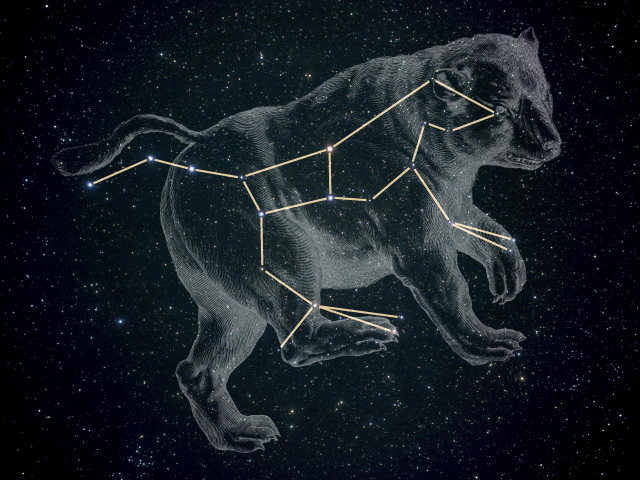
Picture shows Ursa Major (great bear). Hindus call it Sapta Rishi Mandalam. On the day of wedding, Hindus are shown Arunthathi– a double star–near Vashista Star. Vashista is one of the seven rishis/seers.


Tamil Article on Ursa Major also known as The Great Bear Constellation and  Saparishi Mandlam by Santanam Nagarajan: 

ஆங்கிரஸ், க்ரது,மரீசி,வசிஷ்டர்,புலஹர்,புலஸ்த்யர்,,அத்ரி ஆகியோரே சப்தரிஷிகள்.சூரியனுக்கே சக்தியை அருளும் இவர்களை சூரியன் அனுதினமும் தொழுது வானவீதியில் வலம் வருகிறான்.இவர்களை வழிபட்டால் நமக்கும் வலிவும் பொலிவும் ஆரோக்கியமும் ஆயுளும் வளரும் என்பதோடு செய்த பாவங்கள் எல்லாம் உடனே அகலும் என்பது தான் புராணம் கூறும் ரகசியம்! சப்தரிஷிகளை நம் நாட்டில் ரிஷி பஞ்சமி அன்று வழிபடுகிறோம். இவர்களைப் பற்றிய அதிசய செய்திகள் ஏராளம்.. படிக்கலாமா?

சப்த ரிஷி மண்டல அதிசயங்கள்!

ச.நாகராஜன்


அம்மி மிதித்து அருந்ததி பார்த்தல்

சப்த ரிஷிகளையும் அருந்ததியையும் தெரியாதவர் யாருமே இருக்க முடியாது.வைதீக முறைப்படி நடக்கும் திருமணங்களில் அம்மி மிதித்து அருந்ததி பார்க்கும் சடங்கு மிக முக்கியமானது. பழைய காலத்தில் நான்கு நாட்கள் நடந்த திருமண வைபவம் அவசர கதியில் ஒன்றரை நாட்களாகச் சுருங்கிய விபரீதத்தின் காரணமாக இந்த அருந்ததி பார்க்கும் வைபவம் பகல் நேரத்திலேயே அருந்ததியை நிஜமாகப் பார்க்காமலேயே கல்யாண மண்டபத்திற்குள்ளேயே முடிந்து விடுகிறது. பழைய காலத்தில் இந்த பரிதாபம் இல்லை. திருமணம் நடந்த அன்று இரவு நிஜமாகவே துருவ நட்சத்திரத்தையும் அருந்ததியையும் பார்க்கும் பழக்கம் தவறாமல் அனுஷ்டிக்கப்பட்டது.

த்ருவனையும் அருந்ததியையும் பார்க்கும் போது கூறும் மந்திரத்தின் அர்த்தமாவது:- “ஓ! துருவ! நீர் அழிவில்லா பதவி பெற்றவர்.ஸத்யத்திற்கு காரணமானவர்.ஸ்திரமாக இருப்பதற்கு நீரே காரணம்.த்ருவம் என்ற பெயரைப் பெற்றீர்.சுற்றுகின்ற நட்சத்திரங்களுக்கு நீர் கட்டுத்தறி போல இருக்கிறீர்.அத்தகைய நீர் சத்ருக்களின் உபாதை இல்லாமல் இவளை ஸ்திரமாக இருக்கச் செய்யும்”

சப்த ரிஷிகள் பத்னிகளுக்கு க்ருத்திகா என்று பெயர்.அவர்களுள் சிறந்தவளான அருந்ததியை ஷட் க்ருத்திகைகள் “இவளே எங்களுள் மிக உத்தமி” என ஏற்றுக் கொண்டனர்.அத்தகைய பெருமை வாய்ந்த அருந்ததியின் தரிசனத்தால் இவள் எட்டாவது கிருத்திகை போல கற்பினாலும் பாக்கியத்தினாலும் விருத்தி அடையட்டும்.”

ஆங்கிரஸ், க்ரது,மரீசி,வசிஷ்டர்,புலஹர்,புலஸ்த்யர்,,அத்ரி ஆகியோரே சப்தரிஷிகள் என ப்ருஹத் சம்ஹிதா பட்டியலிடுகிறது.(ஒவ்வொரு மன்வந்தரத்திற்கும் சப்தரிஷிகள் வேறுபடுவர்).சப்த ரிஷிகளுள் ஒருவரான வசிஷ்டரின் அருகில் அவருக்குக் கீழே காணப்படும் அருந்ததியை வழிபடுவதுதொன்று தொட்டு  மரபாக இருந்து வருகிறது.


அருந்ததியின் கதை


அருந்ததி என்ற சொல்லுக்கு ‘சிவந்த மாலைப் பொழுது’ என்று பொருள்.நிஜமாகவே வானில் ‘சாயம் சந்த்யா’வின் ஒளியையே அருந்ததி நட்சத்திர ஒளியில் காணலாம்.

அருந்ததியைப் பற்றிய சுவையான வரலாறு ஒன்றை காலிகா புராணம் இவ்வாறு கூறுகிறது :- “சந்த்யா பிரம்மாவின் புதல்வி. சப்தரிஷிகளின் சகோதரி.அவளது எல்லையற்ற அழகால் பிரம்மாவும் சப்தரிஷிகளுமே மயங்கிய காரணத்தால் அவள் தன் உடலை உகுத்து விட்டாள்.பிறகு அருந்ததியாக உருவெடுத்து வசிஷ்டரை மணம் புரிந்து கொண்டாள்.”

ஆக அழகிலும் கற்பிலும் கணவனைப் பேணுவதிலும் பெண்மையின்  லட்சியமாகவும் இலக்கணமாகவும் திகழும் அருந்ததியை பெண்கள் வழிபடுவதில் வியப்பில்லை.


சப்த ரிஷி மண்டலம்

சாதாரணமாக வானவியல் தெரியாதவர்கள் கூட இந்தக் காலத்திலும் சப்தரிஷி மண்டலத்தைத் தெரிந்து அதை வானில் ஒருவருக்கு ஒருவர் சுட்டிக் காட்டி மகிழ்கின்றனர்.இது மேலை நாட்டில் ‘க்ரேட் பேர்’ அல்லது ‘ஊர்ஸா மேஜர்’ என வழங்கப்படுகிறது.மக நட்சத்திரத்திற்கும் சுவாதிக்குமுள்ள தூரத்திற்கு நேர் வடக்காக ஏழு ஒளி பொருந்திய நட்சத்திரங்கள்  ஏர்க்கால் போன்று ஒரு முனை கிழக்காக இருக்குமாறு காணப்படுகிறது. இதையே பண்டைய காலம் தொட்டு சப்தரிஷி மண்டலம் என அழைக்கிறோம்.மேற்கில் உள்ள இரண்டு நட்சத்திரங்களைச் சேர்த்து சுமார் 7 பங்கு தூரம் வடக்கே நீட்டினால் துருவ நட்சத்திரத்தில் முடியும். ஆகவே திசையைக் காட்டும் நட்சத்திரங்களான இந்த இரண்டை மட்டும் மாலுமிகள் திசைகாட்டி என அழைத்தனர். இந்த சப்த ரிஷி மண்டலம் சூரிய வீதியில் இல்லாததால் 27 நட்சத்திரங்கள் பட்டியலில் சேரவில்லை. பிரம்ம சித்தாந்தம் என்னும் நூலில் சகலர் என்னும் ரிஷி சப்த ரிஷிகள் மற்றும் அருந்ததி எங்கே உள்ளனர் என்பதை விரிவாக விளக்குகிறார். ரிக் வேதம் (9-114-3) “தேவா: ஆதித்யா: யே சப்த” என்று இந்த ஏழு பேரும் ஏழு தெய்வங்கள் என முழங்குகிறது.மஹாபாரதமோ இவர்களை சித்ர சிகண்டி ( மயில் வடிவம்)என்று 12-336ம் அத்தியாயத்தில் விளக்குகிறது!


ப்ருஹத் ரதம்

ப்ருஹத் ரதம் என்ற பெரும் பாதையை இந்திரனின் ரதம் செல்வதற்காக சப்தரிஷி மண்டலம்  அமைப்பதும் அந்த ப்ருஹத் ரதத்தின் வழியே தேரில் இந்திரனும் நகுஷனும் ஒன்றாக தேரில் அமர்ந்து செல்வதையும் ரிக் வேத கீதங்கள் அழகுற இசைக்கின்றன.


சூரியனுக்கே சக்தி அருளும் ரிஷிகள்     


உண்மையில் சூரியனுக்கு பலமும் ஒளியும் தருபவர்கள் இவர்களே என வேதம் கூறுகிறது. ரிஷி யாஸ்கர் சூரியனின் ஏழு கிரணங்களே சப்த ரிஷிகள் என்ற ரகசியத்தை (நிருக்தா I-1.5யில் உள்ள) ‘சப்த ரிஷயஹ சப்த ஆதித்ய ரஷ்மயஹ இதி வதந்தி நைருகாதாஹா’ என்ற வாக்கியத்தின் மூலம் உணர்த்துகிறார்! இவர்களிடமிருந்து தன் சக்தியைப் பெறுவதால் தான் சூரியன் சற்று கீழே தாழ்ந்து இவர்களை அன்றாடம்  தொழுது தன் பவனியைத் தொடர்கிறான் என்பதை குமார சம்பவத்தில் (7-7) மகாகவி காளிதாஸர் “அவர்கள் தொடர்ந்து தரும் ஆதரவால் அந்த ரிஷிகள் வானில் உதிக்கும் போது  சூரியன் தனது அஸ்தமன சமயத்தில் தன் கொடியைக் கீழே தாழ்த்தி பயபக்தியுடன் அவர்களைப் பார்க்கிறான்” என்கிறார். சூரியனே தொழுது சக்தி பெறும் போது நாம் தொழுது சக்தி பெறலாம் என்பதே நாம் உணர வேண்டிய ரகசியம்!இது மட்டுமின்றி இன்னொரு ரகசியத்தை அதர்வண வேதம் உரைக்கிறது. இவர்களே பஞ்சபூதங்களை உருவாக்கினர்!(சப்தரிஷய: பூதக்ருதா: தேI அதர்வண வேதம் VI -108-4)

ஏழு ரிஷிகளையும் நாம் பிதரஹ (தந்தைமார்) எனக் குறிப்பிட்டு வணங்குகிறோம். இவர்களுக்கு மேலே பிரம்ம லோகத்தில் உள்ள பிரம்மா இவர்களுக்குத் தந்தை ஆதலால் நாம் பிரம்மாவை பிதாமஹ என்று கூறி வணங்குகிறோம்.


பாவம் போக்கும் பஞ்சமி தினம்

விநாயகசதுர்த்தியைத் தொடர்ந்து அடுத்த நாளாக வரும் பஞ்சமி தினம் ரிஷி பஞ்சமி என தொன்று தொட்டு வழங்கப்பட்டு வருகிறது. இந்த நாளில் அனைவரும் சப்த ரிஷிகளையும் வணங்கித் தங்கள் பாவங்களைப் போக்கிக் கொண்டு புதிய வலிவும் பொலிவும் ஆரோக்கியமும் தீர்க்க ஆயுளும் பெற்றுத் தம் வாழ்க்கையைத் தொடர்வது வழக்கம். குறிப்பாகப் பெண்கள் நேபாளத்திலிருந்து காவேரி தீரம் வரை  ஒரு மரத்தட்டில் ஏழு ரிஷிகளையும் எழுந்தருளச் செய்து அறிந்தோ அறியாமலோ தாங்கள் மாதவிலக்குக் காலத்தில் செய்த பாவச் செயல்கள் உள்ளிட்ட அனைத்துப் பாவங்களையும் ஒரு கணத்தில் போக்கிக் கொள்கின்றனர்.

சப்தரிஷிகளின் 1600 முறை பயணமே ஒரு மஹாயுக காலம்

ஆரிய பட்டரும் வராஹமிஹிரரும் (பிருஹத் சம்ஹிதா 13ம் அத்தியாயத்தில் வராஹமிஹிரர் கூறுகிறார்) இந்த சப்தரிஷிகள் 1600 முறை புறப்பட்ட இடத்திலிருந்து மீண்டும் அங்கேயே வந்து சேர்ந்தால் ஒரு மஹாயுகம் ஆகும் என்று கணக்கிட்டுச் சொல்லி உள்ளனர். அதாவது இப்படிப்பட்ட 1600 முறை சுழற்சி முடிய 43,20,000 வருடங்கள் ஆகின்றன! ரிக் வேதம்,மஹாபாரதம், ராமாயணம்.18 புராணங்கள், மற்றும் பின்னால் வந்த இலக்கியங்கள் அனைத்திலும் சப்தரிஷிகளின் ரகசியங்கள் விரிவாக விளக்கப்பட்டுள்ளன.

மாயவரத்தின் அருகில் கொல்லுமாங்குடியிலிருந்து 2 கிலோமீட்டர் தூரத்தில் உள்ள சிறுபுலியூர் உள்ளிட்ட ஏராளமான ஸ்தலங்கள் தென்னாட்டிலும் வசிஷ்டர் தவம் செய்து வசித்த வசிஷ்ட குகை போன்ற பல புண்ணிய இடங்கள் வட நாட்டிலும் சப்தரிஷிகளின் ஏராளமான வரலாறுகளை உள்ளடக்கிய பெரும் ஸ்தலங்களாக அமைந்துள்ளன,

*********************

27 STAR QUIZ (English & Tamil)

By London Swaminathan

If you answer 10 out of 14 correctly, you are a STAR!


1. Who is the husband of 27 Stars?

2. How many zodiac signs are there in the Zodiac?

3. What is the first and last star in the current list of 27 stars?

4. The star Vishaka is associated with two festivals in Tamil Nadu and Sri Lanka? Who are those two great people or god?

5. The great Chola King Raja Raja organised a big festival on his birthday 1000  years ago. What was his birth star?

6.  Keralites (Malayalees) celebrate their biggest annual festival on a famous star day. What is it?

7. Which Indian God was born under star Rohini?

8. What was the name of Balarama’s wife, a star name?

9. Who brought up Lord Skanda, the stars you can see them in the sky?

10. What star is associated with Lord Shiva?

11. A star is the symbol of chastity according to Sangam Tamil Literature and Hindu scriptures. What is the name of that star?

12. Name the star in the Southern Skies that bears the name of a great Rig Vedic Rishi?

13. According to Hindu scriptures, a small boy attained star hood and shines in the Northern Skies. Who was that boy?

13. What was Rama’s birth star according to Valmiki?

14. Give the Hindu name for Ursa Major or Dipper or The Great Bear constellation.

********


ANSWERS: 1) In Tamil and Sanskrit literature husband of stars is Moon. It is a simile used hundreds of times in Indian literature 2) Twelve: 27 stars are divided in to 12 signs 3) The current Hindu star list begins with Aswini and ends with Revathi 4) Vishaka: Lord Skanda and The Buddha 5) Sathayam (Sathabishak) 6) Onam 7) Krishna 8) Revathi 9) Krithika: six stars according to Hindus, seven sisters according to Greeks 10) Arudra 11)Arunthathy: a double star system in the Great Bear constellation 12) Agastya (Canopus) 13) Dhruva , Westerners call it Pole Star 14) Sapta Rishi Mandalam.


TAMIL QUESTIONS: 27 நட்சத்திர கேள்வி-பதில்

If you answer 14 out of 21 correctly, you are a STAR!

1)27 நட்சத்திரங்களில் முதல் நட்சத்திரம் எது? கடைசி நட்சத்திரம் எது?

2)சிவனுக்குகந்த நட்சத்திரம் எது?

3)நிலவின் முகம் தேய்ந்து பிறையாகக் காரணம் சந்திரன், 27 பெண்களில் ஒருத்திக்கு சாதகமாக நடந்துகொண்டான். அந்த ஒருத்தி பெயர் என்ன?

4)வைகாசி விசாக நட்சத்திரம் வரும் பவுர்ணமியில் எந்த இருவருக்கு பண்டிகைகள் கொண்டாடப் படுகின்றன?

5)மலையாளிகள் கொண்டாடும் முக்கியப் பண்டிகை எந்த நட்சத்திரத்துடன் தொடர்புடையது?

6)ராஜ ராஜ சோழன் தன் பிறந்த நட்சத்திரத்தன்று பெரியவிழா கொண்டாடினான். அந்த நட்சத்திரம் எது?

7)தவிட்டுப்பானை எல்லாம் தங்கம் தரும் நட்சத்திரம் எது?

8)அரசாளும்  நட்சத்திரம் எது?

9)முருகனை வளர்த்த 6 பெண்களின் பெயருடைய நட்சத்திரம் எது?

10)ரோஹினி நட்சத்திரத்தில் பிறந்த இந்துக் கடவுள் யார்?

11)ராமர் பிறந்த நட்சத்திரம் எது?

12)மான்  தலை என்று பெயர் உடைய நட்சத்திரம் எது?

13)பலராமனின் மனைவி பெயர் உடைய நட்சத்திரம் எது?

14)எந்த நட்சத்திரத்துடன் கூடிய பவுர்ணமியில் மதுரையில் பெரிய திருவிழா நடைபெறும்?

15)எந்த நட்சத்திர நாளில் பெய்யும் மழை சிப்பியின் வாயில் விழுந்து முத்து ஆகும்?

16)ஜெமினி எனப்படும் நட்சத்திரத் தொகுப்பிலுள்ள இரண்டு நட்சத்திரங்களின் பெயர் என்ன?

17)தென் வானத்தில் ஜொலிக்கும் ஒரு நட்சத்திரத்துக்கு எந்தப் பிரபல முனிவரின் பெயர் சூட்டப்பட்டது?

18)கற்புக்கு அணிகலனாகத் திகழும் நட்சத்திரத்தின் பெயர் என்ன?

19)புகழ்பெற்ற ஒரு சிறுவனின் பெயரையுடைய நட்சத்திரத்தின் பெயர் என்ன?

20. பெருங் கரடிக் கூட்டம் என்று மேலை நாட்டார் அழைக்கும் நட்சத்திரத் தொகுப்புக்கு இந்துக்கள் கொடுத்த பெயர் என்ன?

21. எந்த இரண்டு நட்சத்திரங்கள் மட்டும் “திரு” அடைமொழி உடையன?

*********


விடைகள்: 1)முதல் நட்சத்திரம்-அஸ்வினி, கடைசி நட்சத்திரம்- ரேவதி 2)ஆருத்ரா/ திருவாதிரை 3) ரோஹிணி 4) முருகப் பெருமான், புத்தர் பெருமான் 5) திரு ஓணம் 6) சதயம் (சதய விழா) 7) தமிழ் பழமொழிகள்: அவிட்ட நட்சத்திரம் தவிட்டுப் பானை எல்லாம் தங்கம் 8) ஆண்மூலம் அரசாளும் 9) கார்த்திகை 10) கிருஷ்ணன் 11)புனர் பூசம் 12) மிருகசீர்ஷம் 13) ரேவதி 14)சித்திரா நட்சத்திர பவுர்ணமி 15) சுவாதி நட்சத்திரம் 16) பூசம், புனர்பூசம் 17) அகஸ்திய நட்சத்திரம் 18)அருந்ததி 19) துருவன் 20) சப்த ரிஷி மண்டலம் 21) திரு ஓணம் (விஷ்ணு), திரு ஆதிரை (சிவன்)