AYAS and ASVA : Most Misunderstood Words

Foreign scholars have derailed the history of India by misinterpreting some words. Sanskrit and Tamil literatures are very clear about such words as Ayas, Asva, Mlecha, Asura, Rakshasa and Dasyu. Words of all the languages in the world lose certain meanings or acquire some new meanings in course of hundreds of years. Linguists knew it very well as historical change of meaning. But when it comes to Indian words they are adamant and stick to one meaning from the very beginning because it fitted very well in dividing the Indians on Aryan Dravidian basis. They wanted to perpetuate their rule and spread their religion. They had believed very strongly that the world was created just 4000 years ago, because the Bible says so! They even refused to translate certain portions of Vedas and Tamil Veda Tirukkural saying they were too sexy! Once again they thought that it is against Biblical injunctions.

I would like to take only a few words now.

Ayas: Ayas is iron. Rig Veda refers to it and so Rig Veda can’t be dated before Indus Valley Civilization is the argument of foreign scholars. It suited very well with the Marxist scholars (because Karl Marx spoke against India and Hinduism) and the Indian scholars who applied for jobs with the then British government controlled educational institutions. Even now our “scholars” are very scared that they won’t be invited or given any visiting professorship if they speak against the ‘accepted’ theories. Accepted by who? The great ‘scholars’ abroad.

In Tamil ‘ayas’ is translated as ‘PON’ in Sangam Tamil literature. But this word means all metals in Tamil. When they say that the temple idols are made with ‘Aim Pon’ it means five different metals or alloys. One single poet uses this word as gold and iron in the same book (Tiruvalluvar in Tirukkural).

If we apply the same rule to Rig Veda, Ayas may mean any metal. Thoguh in some places we get red Ayas for copper black ayas for iron, it may not mean iron in other places. But the translators translated it as iron in all the places where the suffix red is not found. This mislead all the new scholars.

Asva: The word ‘asva’ is translated as horse. Since Rig Veda is full of references to horse, it can’t be dated before the Indus valley Civilization is the view of foreign scholars. There was no horse seal in Indus valley. But there are scholars who argue that the unicorn seal is nothing but horse. They also point out that horse bones were excavated in the valley. But again the foreign scholars don’t agree with them saying it may be the bones of asses or onagers. If we translate asva as horse in all the places in the Vedas it doesn’t make any sense. So it may not be horse at all. It may mean fast, speedy, sun etc. Even if we argue asvamedaha yagna as horse sacrifice, it may not have been the same in the early ages. When Soma plant was not available they used different varieties as Soma plant. So horse may not mean the same. The word Samudra means ocean I Sanskrit. But foreign scholars that it did not mean sea at all!.

In Tamil the word ‘Pari ‘ is translated as horse. Ma is translated as animal. But the same word may mean various animals which has to be understood from the context. In addition, Ma has been used to denote other animals as well with a prefix:  Pari+ Ma, Kari+Ma, Ari+Ma, Kalla+Ma, Asuna+Ma.

If we apply the same rule, asva may mean any animal depending upon the context or the prefix or the suffix.


Kannaki and Andal Weddings

Kannaki & Kovalan pictures from Poompuhar Art Gallery;Picture courtesy: Vijayan

Three Beautiful Tamil Hindu Weddings- Part 2

( Please read first part before reading the second part: swami )

We saw, in the first part, the beautiful descriptions of two weddings that happened 2000 years ago in Tamil Nadu. Another beautiful wedding scene is in the Tamil epic Silappadikaram. This is the most famous epic of the five Tamil epics. The wedding scene of Kannaki- Kovalan is quite a contrast to the scenes from the Akananuru. Here we see the ceremony of going round the fire, Vedic Mantras etc. This is like a typical Tamil Brahmin wedding that is celebrated today. But Kannaki and Kovalan were the daughter and son of two big Tamil merchants. They were not Brahmins. They lived in a city famous for its maritime trade.

The author of the epic was poet Ilango. Like I mentioned in the first part, the wedding was celebrated sometime in the second century AD. But no linguist will date the epic at 2nd century AD. The style of the language, Sanskrit words and knowledge of various fine arts copied from Sanskrit sources—all point to fifth or sixth century AD. Since Vashista Mahrishi’s wife Arundhati is referred to as the chaste woman in Sangam Tamil literature in several places, fire ceremony may have existed in Sangam Time. Seeing Arundhati star in the night of the wedding day is part of Hindu wedding ceremony.

Let’s look at the wedding now:

“Fair maidens seated on an elephant’s neck were sent forth, to invite to the wedding all those lived in the great city. As they went forth into the streets, drums were beaten; mirudangams were sounded; conches were blown; and white umbrellas were lifted high in the sky as if in kingly procession. O, how enchanting was their entry into the pavilion, glimmering with the pearls beneath the canopy of blue silk and with dazzling pillars, decked with diamonds and beautified by overhanging garlands! This was the day the moon moving in the sky approached the star Rohini, when Kovalan who walked around the holy fire in accordance with scriptural injunctions as directed by the revered priest, approached his bride, divinely fair, resembling the star Arundhati. How fortunate were those who enjoyed such a splendid sight!”

“ Lovely maidens bringing spices and flowers, spoke and sang, and looked bewitching. Women with full breasts and glowing tresses took with them sandal paste, frankincense, perfumes and powders. Ladies with lovely teeth bore lamps, vessels and Palikai pots of tender shoots. These maidens who looked like golden creepers and whose hair was decked with flowers, showered blossoms on the bridal pair, saying May you live a flawless life, with a love that knows no separation, and held in close and un relaxing embrace”.

“Then they led Kannaki, the Arundhati of this vast world, to the auspicious nuptial bed with the prayer that the royal tiger emblem, engraved on this side of the Himalayas, might remain forever on the golden crest of the mountain.”

All the three weddings narrated so far were on Rohini star day. But in Kannaki-Kovalan wedding we see the class difference in the ancient Tamil society. The first two were done on sandy floor under a thatched shed. This one was in a dazzling hall decked with diamonds.

Rohini in the Vedas:

Rohini star is an auspicious star according to the Vedas (Vedic Index, Vol. I, page 415).  It is in Brihat Jataka as well. Rohini was the favourite of the 27 wives of the moon. Palikai pots are part of Hindu ceremonies even today. The Bodhayana Grihya sutras mentions five palikais for purpose of marriage.

Andal’s dream of a divine wedding

Andal, one of the glorious Tamil poetesses, lived in the seventh century AD. She fell in love with Lord Vishnu and in her dream she saw her wedding. It is in Varanam Ayiram of Divya Prabandham. This is sung in all Vaishnavaite Brahmin weddings even today. The beauty of Varanam Ayiram is all the steps in today’s wedding ceremony are described in the same sequence.

Arrival of the bridegroom, Betrothal ceremony, arrival of the bride, bridegroom’s sister’s role, the red colour special sari, grasping the hand (Pani Grahanam), Havan/Fire Ceremony, Chanting of Vedic Mantras, Walking around the fire in seven steps (Saptapati), Puffed rice Homam (laja homam)- all these are described in beautiful Tamil verses. This is a wonderful Tamil verse, that too coming from a wise girl, who lived 1300 years ago. Tamil women must be proud of Andal.

Avvaiyar,Andal and Karaikal Ammaiyar are proof for the good education of women in ancient India. Though we have a score of Vedic poetesses and nearly the same number of Sangam Tamil poetesses, Andal’s place is unique in Tamil literature. Her Tiruppavai and Nachiyar Tirumozi were the most popular parts of 4000 Divya Prabandham verses.

Picture shows Saptapati in a Bengali wedding

Varanam Ayiram shows the role of dream in Tamil culture. Lord Vishnu come to marry our poetess Andal with thousand (Ayiram) elephants (Varanam). That is why this piece is called Varanam Ayiram. Purna Kumbham (Holy water pots), Toranams (Decorative streamers),Wedding dais decoration with betel nut trees, Kurai Pudavai (sacred red colour sari that is worn by Hindu goddess), Kankanam (Kaappu mentioned in Akananauru verse), Lighting the holy fire, Walking in seven steps around it in a circle, Stepping on a grinding stone (ammi) to show their steadfastness, Kunkumam (red colour powder) and sandal paste, wedding procession around the city—all these are beautifully described by Andal. This is every girl’s dream in the world. Whoever reads this will get married in a grand ceremony like this is the belief of Tamil Hindus.


**********

Three Beautiful Tamil Hindu Weddings

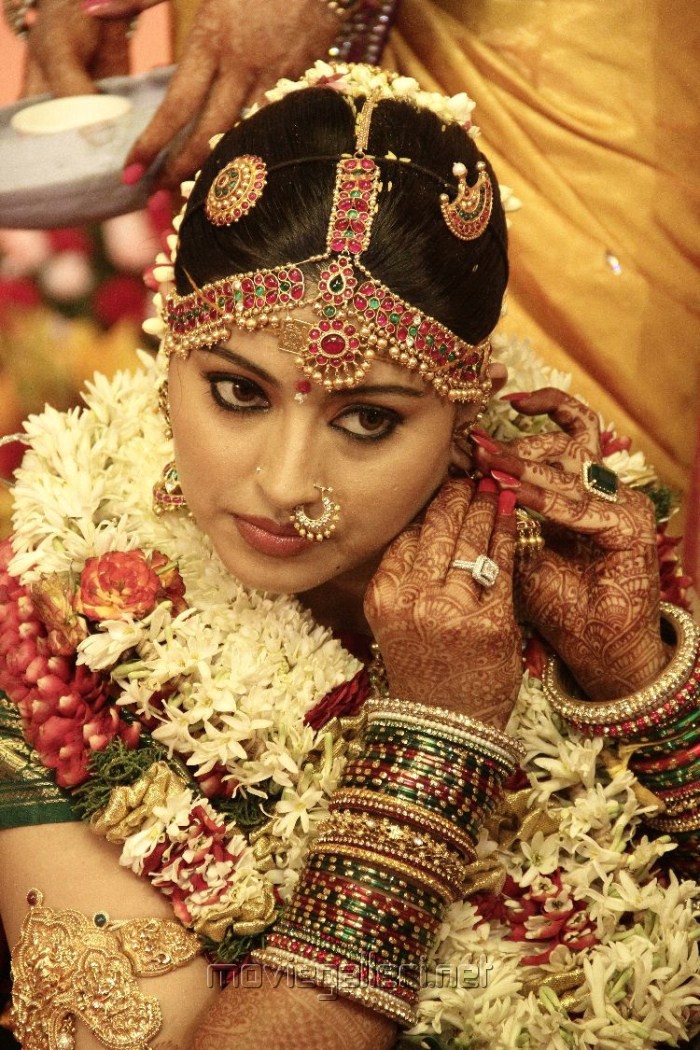
Tamil Actress Sneha on her wedding day

By London swaminathan

How did the ancient Tamil Hindus celebrate their weddings? There are three beautiful wedding scenes in Tamil literature: Akananauru, Silappadikaram and Divyaprabandham.

Two thousand year old Sangam Tamil literature describes Tamil Hindu weddings in two beautiful verses in Akananauru (verses 86 and 136). The poets bring the wedding ceremony in front of our eyes. Anyone who reads those poems can visualise that day. It is like a live running commentary.

In the first verse (86), poet Nallavur Kizar describes the food and the dress. There was a huge heap of rice cooked with black gram (Pongal). There was a wooden shed (pandal) with fresh sand from the river banks spread. Since they believed in astrology and auspicious days ,it was celebrated on the day when Rohini star was with the moon. Since they were orthodox Hindus they lighted lamps even though it was celebrated in the day time. Bridegroom and bride were adorned with flower garlands. Some women were carrying the pots on their head, others bearing new, broad bowls, handed them one after another, while fair elderly dames were making noise. Mothers of sons, with bellies marked with beauty spots, wearing beautiful ornaments, poured water on the bride, so that her black hair shone bright with cool petals of flowers and rice grains (probably yellow rice called Akshatai). They blessed her saying ,’do not swerve from the path of chastity, be serviceable in various ways to your husband who loves you and live with him as his wife. They greeted her ‘Dirgha Sumangali Bhava: in Tamil– Per Il Kizaththi Aguka’–.On the night after the marriage ceremony was over, the neighbouring ladies assembled and sent her to the arms of her lover, to which she went with trepidation ( This is the Shanti Muhurtham alias First Night).

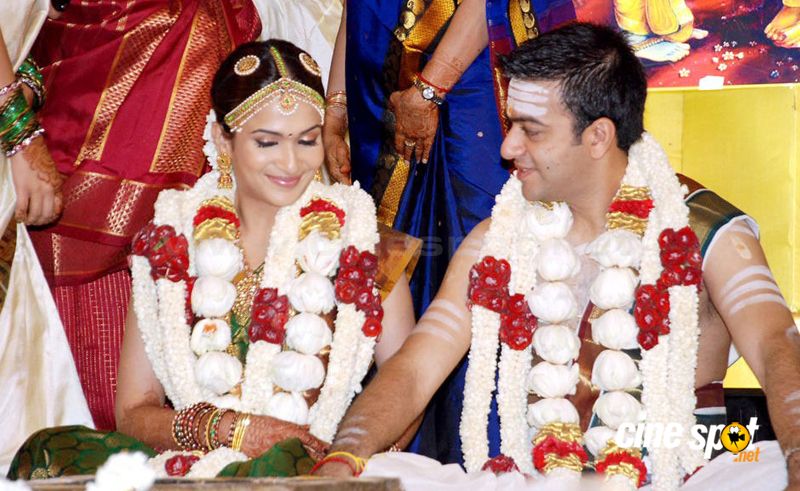
Picture shows Soundarya Rajinikant’s wedding

In another verse136, poet Vitrutru Mutheyinanar says, white rice well cooked with plenty of ghee was served generously to the elders. Since Tamils believed in astrology, the poet remarks, the omens shown by the birds were propitious. It was a bright morning. The moon was in faultless conjunction with the Rohini star. The marriage house was decorated. They worshiped God. The big drums sounded with wedding tunes. Excited women were peeping without a wink with their flower like eyes at the bride who had been bathed. The image (to be worshiped) was made of big flower petals. Clear like a gem that has been well washed, was placed on the soft Vagai flower with the double leaf and the Arukam grass. It was decked with cool, sweet flower buds and white thread clothed with holy cloth, so as to look grand. The bride was seated on the fresh sand under the Pandal ( A thatched shed made over a row of wooden poles). The bride was perspiring with loads of ornaments. They fanned her to dry the wet.( I have used the translations given in History of the Tamils by  PT Srinivasa Iyengar).

Though tying the knot (Thaali=sacred yellow thread around the neck of the bride) is not mentioned  a few other verses hint at it. But no priests, no fire ceremony or no circumambulation of the sacred Fire were mentioned. One can understand it when one understands the caste differences that existed in those days. Since the Tamil epic Silapadikaram mentions the fire ceremony etc we can’t conclude it was never done. Most of the scholars put Silappadikaram event in the Sangam age. But the writing of the epic was dated between 3rd century and 7th century.

What is very clear in the above two Sangam Tamil verses is the Tamils believed in God and astrology. They used lot of vegetarian food and flowers during weddings. Ornaments and decorations, respect for elders are all like modern day weddings. The bride wore a thread (protective Kaappu) and new dress after a shower. Music was part of Tamil Hindu weddings.

(In part 2 Wedding Scenes of Kannaki and Andal are discussed).

Contact swami_48@yahoo.com or Swaminathan.santanam@gmail.com

Miracles do Happen !

By london swaminathan

List of Hindu Miracles

Swami Sivananda of Rishikesh has translated into English a poem by  Tamil saint Thayumanavar, who lived in southern India two hundred years ago. This gives an idea of the miracles done by Hindu saints, particularly Siddhars.

You can control a mad elephant

You can shut the mouth of bear or tiger

You can ride a lion

You can play with the cobra

You can make a living by alchemy

You can wander through the world incognito

You can make vassals of the gods

You can be ever youthful

You can walk on water

You can live in fire

You can achieve all Siddhis at home

But to control the mind is rare and difficult.

(*Tamil original is given at the end)

Controlling mind is harder than doing miracles. When a person starts doing severe penance he gets lots of temptations from the angels. (Kanchi Paramacharya says in one of his lectures that the angels hover around you and beg you to use them). Anyone who falls a prey to such temptation is trapped with women or gold or some strange desires such as building a new temple or starting a new movement or creating a Utopia. Those who ignore and go beyond that temptation will reach God. But there are some saints, who come back from that stage to awaken the mankind. Ramakrishna Paramahamsa said that knowing that there is a big ocean of ever bliss, they rush back to the world to announce: Please Believe me, Please come with me, Please Join me to merge with the Nithya Ananda=Bliss forever.


Some examples for each category:

You can control a mad elephant

Appar did it. Uthayanan did it. Kanchi Pramacharya did it when the Mutt elephant was in ruts.

When a raging mad bull came running through a narrow lane, everyone else ran helter-skelter. Swami Vivekananda stood still and it went back the way it came.

You can shut the mouth of bear or tiger

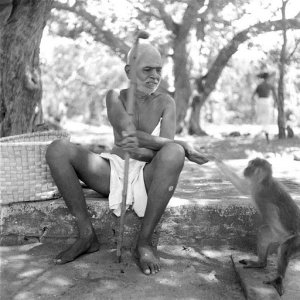
Ramana Maharishi did it. He lived with tigers. Sastha/Ayappan did it.

Autobiography of a Yogi by Paramahamsa Yogananda gives details about a Tiger Swami.

You can ride a lion

Goddess Durga did it. King Bharata (India is named after him) did it.

You can play with the cobra

All the Hindu Gods have cobra on their bodies. Hindu saints tamed cobras. They meditated in forest and anthills formed over them over the years. Cobras use ant hills as their home. A cobra entered saint Ramana’s ashram and went back when he stared at it.

You can make a living by alchemy

Adi Shankara brought rain of gold coins.

Vidyaranya got bars of gold established Hindu Empire through Harihara and Bukka.

Appar and Sambandhar got gold coins from nowhere.

You can wander through the world incognito

Krishna multiplied himself hundreds time to be with all the Gopikas at the same time. Narada travels to three different worlds incognito and suddenly appear before devotees.

You can be ever youthful

Markandeya was ever 16 years old (Is that why we call sweet sixteen?)

You can walk on water

Padma padacharya ( Lotus Footed) did it when Adi Shankara called him.

When he rushed to serve his Guru he walked on the river and lotus flowers came out to hold his feet.

You can live in fire

Adi Shankara did drink boiling iron to teach his disciples a lesson, who were blindly imitating everything he did.


List of Eight Types of Miracles (Ashta Ma Sddhis)

Hindus are the only race in the world to categorise the miracles and gave examples for every kind of miracle in the mythologies or in the life of hundreds of saints. Though we hear about miracles done by other religious leaders, Hindus divided them into eight crystal clear types. They took this branch of science more seriously than others.
Siddhar is one who attained Siddhi i.e. special psychic and supernatural powers, which has been defined to be eight fold in the science of yoga.


1.Anima :power of becoming the size of an atom and entering into smaalest life.

2.Mahima : power of becoming mighty and co-extensive with the universe.

3.Laghima : capacity to be light, though big in size

4.Garima : capacity to be heavy though seeming small in size

5.Prapthi : capacity to enter all the worlds from Brahmaloka to Pathalam

6.Prakasyam : power of disembodying and entering into other bodies and going to heaven and enjoying whatever one wants from one place

7.Isithvam :  having the creative power of God and control over the sun, the moon and the elements

8.Vasithvam : power of control over kings and Gods.


Miracles by Saints

William Joseph Jackson has beautifully summarised the Hindu miracles into several categories in his book “Thyagaraja: Life and Lyrics”. Following is the gist from his long introduction:

1. A miracle of origins: A god appears, often in a dream, and commands the parents to undertake an action or announces the imminent birth of a great soul. The musical trinity Sri Thyagaraja, Muthswami Dikshithar, Shyama Shastry and Vaishnava saint Vedanta Desikar, Telugu composer Kshetraya are also remembered as being announced in this way. ( in many saints’ life the dream plays a main role in the miracles either through the devotees or the saint himself). Mothers of Buddha, Mahavira and Adi Shankara had strange dreams.

2. Aid from an ascetic: Intervention by a long dead sanyasin (ascetic) or by a mythical figure. A holy man appears and gives a magical spell (Mantra) or gives his powers to the new person. Most of the saints see someone in dream or under a tree or in the guise of a devotee who they consider as people sent by god. Saint Ramanuja repeated Om Namo Narayana and became greater than his Guru. Manikkavasagar met someone under the tree and became his disciple. Mathurakavi did the same when he met Nammazvar under the greenwood Tamarind tree.

3. Learning from an extraordinary Guru: They receive education from some famous people or become the disciple of a great person. English educated atheist Swami Vivekananda was guided by Sri Ramakrishna Paramahamsa and Adi Shankara was taught by his guru Govinda Bhagavathpatha. It is like cutting raw diamonds to shape and polish them.

4. Trial and Vision: Even though they are guided by a famous or a mysterious Guru, they also do their own penance. Saint Thyagaraja did repeat Rama’s name 960 million times. Adi Shnakara did long penance/tapas and went to various holy shrines. Valmiki did penance till anthills grew over him.

5. Tests and Trouble: Before becoming famous they were tested by God in many ways. Either the king or someone in power gives them all the troubles, but yet they come out unscathed. Pallava King gave lot of troubles to Appar, a great Saivite saint. Many saints were thrown into prisons by the kings, but yet they came out as pure as gold. Bhadrachalam Ramdas, Saint Mirabhai and saint Thyagaraja went through such hassles.

6.Performing miracles: They show their influence on nature. They can control all the five elements. They can bring rains like Muthuswami Dikshitar or they can make the floods subside like Adi Shankara. Kulandhaiyananda Swamikal of Madurai stalled a train. Only when the British officer realised his greatness and apologised to him the train moved.

7. Recovery of lost Objects: They can recover long lost objects or create new things from nowhere. Adi Shankara recovered some Spatika lingas (Crystal Lingas) and installed them in temples. He made a shower of gold coins when he saw a poor lady. Several saints did this type of miracles.

8. Power of music: They pour out their feelings in poems. They are in thousands. Since there were no stenos or voice recorders in those days, out of the thousands of poems we have recovered only a few thousands. Whether it is Vedas or Thevaram or Thiruppugaz, or the songs of great composers what we have got today is only a fraction of their productions- tip of an iceberg.

9. Predicting Future: Saints knew when they are going to leave the mortal frame. They tell their close devotees or hint at it. They also predict future. We have several instances in every saint’s life. Lot of saints tell their near and dear devotees what is going to happen in future—but only good things.

We can see a pattern in all these miracles. I started listing the miracles of Hindu saints, but half way through, I realised it is going to be a never ending task. We need huge volumes of writings to list all the miracles. India was/is/will be full of miracle men. Every village or town had at least one great man in the past. The number of historically recognised or recorded saints itself will run into thousands. Let’s at least accept MIRACLES DO HAPPEN!

Please read my previous articles on Miracles in the blogs:

1.Time Travel by Two Tamil Saints 2.Saints who Entered Fire 3.Mysterious Tamil Birdman 4.Do Hindus Believe in ETs and Alien Worlds? 5.Do Our Dreams Have Meanings? 6.When Animals worship God, Why not Men? 6.Two Mangoes that Changed Tamil World 7. Mysterious Disappearance of Hindu Saints 8. Mysterious Messengers for Ajanta, Ellora, Angko Wat 9. Amazing Power of Human Mind 10.Miracles! You can do it.

Contact swami_48@yahoo.com  or  swaminathan.santanam@gmail.com

*Tamil Original of Thayumanavar song:

கந்துக மதக் கரியை வசமா நடத்தலாம்;

கரடி வெம்புலி வாயையுங் கட்டலாம்;

ஒரு சிங்கம் முதுகின் மேற் கொள்ளலாம்;

கட்செவி எடுத்தாட்டலாம்

வெந்தழலின்  இரதம் வைத்தைந்து லோகத்தையும்

வேதித்து விற்றுன்ண்ணலாம்;

வேறொருவர் கானாமல் உலத்துலாவரலாம்

விண்ணவரை ஏவல் கொள்ளலாம்;

சந்ததமும் இளமையோடிருக்கலாம்

மற்றொரு சரீரத்திலும் புகுதலாம்;

சலமேல் நடக்கலாம்; கனல் மேலிருக்கலாம்

தன்னிகரில் சித்தி பெறலாம்

சிந்தையை அடக்கியே சும்மா இருக்கின்ற திறமரிது.

********************

அதிசய நட்சத்திரம் ஸ்வாதி!

ராம பக்தனான ஹனுமானை ஸ்வாதி நட்சத்திரத்துடன் ஒப்பிடுகிறார் மாமுனிவர் வால்மீகி. அதிசயமான ஸ்வாதி நட்சத்திரம் மர்மத்தைப் பார்ப்போம்!


நட்சத்திர அதிசயங்கள்!

அதிசய நட்சத்திரம் ஸ்வாதி!

ச.நாகராஜன்


அதிசயமே ஸ்வாதி


27 நட்சத்திரங்களுல் 15வதாக இடம் பெறும் ஸ்வாதி நட்சத்திரம் ஒரு அதிசய நட்சத்திரம். இது துலா ராசியில் உள்ளது. பெரிய பெரிய மகான்களுடனும் ஆசார்யர்களுடனும் தொடர்புடைய இந்த நட்சத்திரம் வால்மீகி முனிவரால் அதிசயமான விதத்தில் குறிப்பிடப்படுகிறது.


ஸ்வாதி போல முன்னேறுவேன்


சப்த ரிஷி  மண்டலத்தின் தென் கிழக்கில் ஒரு அபூர்வ நட்சத்திரத் தொகுதி உள்ளது.இதை பூடஸ் என்று மேலை நாட்டு வானியல் குறிப்பிடுகிறது. இந்த ஆல்பா பூடஸ் செக்கச் சிவந்து ஜொலிக்கும் ஒரு நட்சத்திரம். இதையே மேலை நாட்டின்ர் ஆர்க்ட்ரஸ் எனப் பெயரிட்டு அழைக்கின்றனர். இதையே நாம் ஸ்வாதி என அழைக்கிறோம்! குரங்கு போன்ற வடிவமுள்ளதாக இதை நம் முன்னோர் கண்டுள்ளனர்!


வானில் ஸ்வாதி நட்சத்திரம் முன்னேறுவதைப் போல நான் செல்வேன் என்று ஹனுமான் வால்மீகி ராமாயணம் கிஷ்கிந்தா காண்டம் 67ம் ஸர்க்கம் 20ம்  சுலோகத்தில் சொல்வது (பவிஷ்யதி ஹிமே: யதா ஸ்வாதே: பந்தா இவாம்பரே) பொருள் பொதிந்த வார்த்தை. வாயு புத்திரனான ஹனுமான் குரங்காக அவதரித்ததை அனைத்து தேச மக்களும் அறிந்திருக்கின்றனரோ என்று எண்ண வைக்கும் விதத்தில் ஆர்க்ட்ரஸ் நட்சத்திரத் தொகுதியை பண்டைய எகிப்து நாட்டினர் குரங்கு போன்றது என்றும் சீனர்கள் கன்னியா ராசி அருகில் உள்ள குரங்கு என்றும் குறிப்பிட்டுள்ளனர். வான மண்டலத்தைப் பல பிரிவுகளாகப் பிரிக்கும் நவீன கால கிரிமால்டி கேடலாக்கில் எகிப்து தேசத்தினர் குரங்கு எனக் குறிப்பிடுவதை 29 எண்ணுடைய நட்சத்திரமாகவும் சீனர்கள் குரங்கு வடிவம் என குறிப்பிடுவதை 142,143 எண்ணுடைய நட்சத்திரங்களாகவும் இந்த கேடலாக்கில் காணலாம்!


ஸ்வாதி பவனோ


இந்த ஸ்வாதி நட்சத்திரம் சாதாரணமாக அக்டோபர் 20ம் தேதி முதல் நவம்பர் 2ம் தேதி முடிய சூரியனுடன் இணைகிறது. அப்போது இந்தியாவில் பயங்கரமான சூறாவளியும் புயல் காற்றும் ஏற்படுவது வழக்கம். 1864ம் ஆண்டு நவம்பர் முதல் தேதியன்று மசூலிபட்னத்தில் ஏற்பட்ட கோரமான சூறாவளியால் கடல் கொந்தளித்து 30000 பேர் பரிதாபமாக நீரில் முழ்கி சில நிமிடங்களுக்குள்ளாகவே மாண்டனர். ஒரிஸாவில் அக்டோபர்-நவம்பரில் ஏற்படும் புயல் மற்றும் சூறாவளியை மக்கள் ஸ்வாதி பவனோ (ஸ்வாதிக் காற்று) என்றே குறிப்பிடுகின்றனர்.


ஸ்வாதிக்கும் வாயுவுக்கும் ஒரு நெருங்கிய தொடர்பு இருக்கிறது! ஸ்வாதியின் அதி தேவதை வாயு! வேதம் ஸ்வாதி நட்சத்ரம் வாயு தேவதா எனக் குறிப்பிடுகிறது. புராண இதிஹாஸங்களில் மருத் தேவதைகளே ஸ்வாதியாகக் குறிப்பிடப்படுகிறது. சாந்தி கல்பம் என்னும் நூல்  ஸ்வாதியை எப்பொழுதும் வடக்கு முகமாகவே நகர்வது என விவரிக்கிறது.


வான மாணிக்கம்


ஸ்வாதி என்றால் வாள் என்று பொருள்.  வாயு தேவன் கையில் வாள் சித்தரிக்கப்படுகிறது. ‘நிஷ்டா’ அல்லது ‘நிஷ்த்யம்’ என்னும் இருளை சுவாதியின் ஒளிக் கிரணங்கள் அகற்றி விடுமாம்! அதாவது தமஸ் என்னும் இருளை ஜோதி என்னும் ஒளி நீக்கி விடும். (தமஸோ மா ஜ்யோதிர் கமய – இருளிலிருந்து ஒளிக்கு எங்களை இட்டுச் செல் என்பது வேத பிரார்த்தனை)


அற்புதமாக வானில் பிரகாசிக்கும் ஸ்வாதி வான அதிசயம் தான்! கோரல் சிவப்பு, குங்குமச் சிவப்பு ஸ்கார்லெட் சிவப்பு என்றெல்லாம் வர்ணிக்கப்படும் மாணிக்கமே சுவாதி. ஆகவே தான் இது வான மாணிக்கம் என்று போற்றப்படுகிறது. அராபியர்கள் இதை ‘சுவர்க்கத்தின் காவலன்’ என வர்ணிக்கின்றனர்.பைபிளும் ஆர்க்ட்ரஸை வெகுவாகப் புகழ்கிறது.இதன் குறுக்களவு பேராசிரியர் மிகல்சனால்19 கோடி மைல்கள் என குறிப்பிடப்பட்டுள்ளது.


வாயு மூலமாகவே விஷ்ணுவை அடைய முடியும்!


திருவோண நட்சத்திரம் விஷ்ணு பதம் எனக் குறிப்பிடப் படுவதை முன்பே பார்த்தோம். அதன் அருகில் உள்ள மருத் தேவதைகளே ஸ்வாதியாக விளங்குகிறது. விஷ்ணுவின் பக்கத்தில் அவனது பக்தனான ஹனுமான் அமைந்திருப்பது பொருத்தம் தானே!

மாத்வ சம்பிரதாயத்தில் ஸ்வாதி நட்சத்திரத்திற்கு ஒரு முக்கிய இடம் உண்டு.ஹனுமனை சிறப்பாக வழிபடுவது மாத்வ சம்பிரதாயத்தில் இடம் பெறுகிறது, வாயு மூலமாகவே விஷ்ணுவை அடைய முடியும் என்று அது கூறுவது குறிப்பிடத் தகுந்தது.


ஹனுமத் ஜெயந்தி என ஹனுமான் அவதரித்த தினத்தை இந்த நட்சத்திரத்தின் சஞ்சாரத்தை வைத்தே நிர்ணயிக்கின்றனர்!

சுவர்க்கத்தின் நுழைவாயில் என்றும் பிரபஞ்சத்தின் தலைநகரமான விஷ்ணுலோக வாயில் என்றும் போற்றப்படும் ஸ்வாதியையும் ஹனுமானையும் தொழுது அனைத்து நலன்களோடு விஷ்ணுவின் அருளையும் பெறலாம்!


***********************


வடக்கே தலை வைக்காதே!

(This article is available in English as well: London Swaminathan)

வடக்கில் தலை வைத்து படுக்கக் கூடாது என்று இந்து மத சாத்திர நூல்கள் கூறுகின்றன. சதாசாரம் என்னும் நூல் நாம் அன்றாடம் பின்பற்றவேண்டிய பழக்க வழக்கங்களைப் பற்றிக் கூறுகிறது. மற்ற திசைகளில் தலை வைத்துப் படுக்கலாம். இந்த சாத்திர விதிக்கு ஏதேனும் விஞ்ஞான விளக்கம் உண்டா என்று கேட்டால் “உண்டு” என்று அழுத்தம் திருத்தமாகச் சொல்லலாம்.

காம்பஸ் என்னும் திசை காட்டும் கருவியை நாம் அறிவோம். அதன் ஊசி எப்போதும் வடக்கு திசையையே காட்டிக் கொண்டிருக்கும்

புல் மேயப் போகும் மாடுகளும் காட்டில் திரியும் மான்களும் ஒரே திசையை நோக்கி நின்றுகொண்டு புல் மேய்வதைக் கண்ட விஞ்ஞானிகள் ஆச்சரியப் பட்டார்கள். அவை ஏன் இப்படி நின்று புல் மேய்கின்றன என்பது நீண்ட காலமாகப் புரியாத புதிராகவே இருந்தது. இப்போழுது கூகுள் விண்கல புகைப்படங்களை வைத்து ஆராய்ந்ததில் புதிய தகவல்கள் வெளியாகி இருக்கின்றன.

இந்த மாட்டு மந்தையோ மான்கள் கூட்டமோ உயர் அழுத்த மின்சாரம் (High Voltage Pwer lines) செல்லும் கம்பிகளுக்குக் கீழாக வந்தால் இப்படி ஒரே திசையில் நிற்காமல் வெவ்வேறு திசையை நோக்கி நிற்பதும் கூகுள் படங்கள் மூலம் தெரியவந்தது. பெரும்பாலும் அவை வடக்கு தெற்கு அச்சுக்கு அணுசரனையாகவே நிற்கும். ஆனால் மின்சார கம்பிகளுக்கு 30 மீட்டருக்குக் கீழாக வந்தால் இது மாறிவிடுகிறது. இதற்கு என்ன காரணம்?

மாடுகள், மான்கள் மற்றும் வௌவால் போன்ற பல பிராணிகளின் உடலிலும் பறவைகளின் மூக்கிலும் காந்தம் (magnetite) இருப்பது தெரிகிறது. இந்த காந்த துருவங்கள் மின்சாரக் கம்பிகள் வெளிவிடும் அலைகள் மூலமாக “extremely low-frequency magnetic fields” (ELFMFs) திசை மாறும் என்பது தெரிந்ததே.

பூமி என்பது மிகப் பெரிய காந்தம். இப்போது நாம் மனிதர்களை நினைத்துப் பார்ப்போம். நம் உடம்பிலும் காந்தம் இருக்கிறது. நாம் தூங்கும் போது நம்முடைய தலையை வடக்கே வைத்தால் அது நம்மை பாதிக்கும். எப்படி என்றால் தலையை காந்தத்தின் வடதுருவம் என்று வைத்துக் கொண்டால் கால்கள் தென் துருவம் ஆகும்.

இயற்பியல் படித்தவர்களுக்குத் தெரியும் “ஒரே துருவங்கள் ஒன்றை ஒன்று தள்ளிவிடும், மாற்று துருவங்கள் ஒன்றை ஒன்று ஈர்க்கும்/கவரும்”.. (Like poles repel each other, unlike poles attract) ஆக நம் உடல் என்னும் காந்தம் வடக்கைத் தவிர எந்தப் பக்கத்தில் தலை வைத்தாலும் பாதிக்காது.

கண்டங்கள் உருவானது எப்படி?

இந்த பூமியானது கோடிக்கணக்கான ஆண்டுகளுக்கு முன் தனித்தனி கண்டமாக இல்லாமல் ஒரே நிலப் (Pangaea) பகுதியாக இருந்தது. பிறகு சிறிது சிறிதாக (Continental Drift) விலகி இப்போதைய நிலக்கு வந்துள்ளன. இன்னும் கோடிக் கணக்கான ஆண்டுகளுக்குப் பின்னால் பார்த்தால் ஆப்பிரிக்கா ,அமெரிக்கா ஆகிய கண்டங்கள் இப்போதைய நிலையில் இருக்காது. ஆனால் உலகப் படத்தைப் பார்த்தீர்களானால் ஒரு வியப்பான விஷயத்தைக் கவனிக்கலாம். ஒரே நிலப் பரப்பு விலகி விலகி சென்றபோது ஏன் வடக்கே மட்டும் அதிக நிலப்பரப்பு (land mass) போயின? தெற்கே ஏன் அதிகம் கடற்பரப்பு (oceans) வந்தன? ஏன் எல்லா கண்டங்களும் கீழே குறுகியும் மேலே பருத்தும் இருக்கின்றன. ஆப்பிரிக்கா, தென் அமெரிக்கா, இந்தியா ஆகிய நிலப் பரப்பைப் பாருங்கள். வடக்கில் பெரிய நிலப் பரப்பும் தெற்கில் சுருங்கி தீபகற்பமாகவும் (peninsular) இருக்கும். ஏன் இப்படி வந்தது என்றால் இதுவரை யாரும் விடை சொல்ல முடியவில்லை.

பூமியில் வடக்கில் காந்த சக்தி அதிகம் இருந்ததால் கண்டங்களை இப்படி மேல் நோக்கி இழுத்தனவா? அல்லது தன்னிச்சையாக வடக்கில் நிலப் பரப்பு கூடியதாலங்கே காந்த சக்தி அதிகரித்ததா? இதற்கு விடை கிடைத்தாலும் விடை கிடைக்காவிட்டாலும் வடக்கில் நிலப் பரப்பு குவிந்திருப்பதை யாரும் காணலாம்.

ஆக பூமி என்னும் காந்த உருண்டைக்கு மதிப்பு கொடுத்து அதனுடன் மோதாமல் இருக்க வேண்டுமானால் வடக்கைத் தவிர வேறு திசையில் தலை வைத்தும் உறங்கலாம். கிழக்கு திசையிலோ தெற்கு திசையிலோ தலைவைத்துப் படுப்பது உத்தமம்.

புனித திசை வடக்கு

இந்துக்களுக்கு வட திசை மீது மதிப்பும் மரியாதையும் அதிகம். கையிலாயமும் மேருவும் இருக்கும் புனித திசை அது. உண்ணாவிரதம் இருந்து உயிர் துறக்க விரும்புவோர் வட திசை நோக்கி அமர்ந்து உயிர் விடுவர். சங்க இலக்கிய நூல்கள் பிசிராந்தையாரும் கோப்பெருஞ் சோழனும் உண்ணாநோன்பு இருந்ததை வடக்கிருத்தல் என்றே அழைப்பர். மஹாபாரதத்தில் பஞ்ச பாண்டவர்கள் ஐவரும் வட திசைப் பயணம் நோக்கிப் பயணம் செய்து ஒவ்வொருவராக உயிர்விட்டதையும் படித்திருப்பீர்கள். இதை மஹா பிரஸ்தானம் என்று அழைப்பர்.

நூறாண்டுக் காலம் வாழ்க! நோய் நொடி இல்லாமல் வாழ்க என்று வேதம் கூறுகிறது (பஸ்யேம சரதஸ் சதம், ஜீவேம சரதஸ் சதம், நந்தாம சரதஸ் சதம், ப்ரப்ரவாம சரதஸ் சதம்). தீர்க்காயுஷ்மான் பவ:

For more of the same contact: swami_48@yahoo.com or swaminathan.santanam@gmail.com

*****************

ஸ்வயம்பூ லிங்கங்கள் தோன்றுவது உண்மைதான் !

(English version has been posted already: London Swaminathan)

இந்தியாவில் ,குறிப்பாக தமிழ் நாட்டில், பல கோவில்களில் இருக்கும் லிங்கங்களை சுவயம்பு லிங்கங்கள் என்று ஸ்தல புராணங்கள் கூறுகின்றன. இதன் பொருள், இந்த லிங்கங்கள் மனிதனால் செய்யப்பட்டவை அல்ல. தானாக பூமியிலிருந்து உருவானவை என்பதாகும்.

இது உண்மையா? பூமியிலிருந்து தானாக லிங்கங்கள் தோன்றுமா? இதை விஞ்ஞானம் ஒப்புக் கொள்கிறதா? என்று கேட்டால் விஞ்ஞானம் ஒப்புக்கொள்கிறது என்றே சொல்லுவேன். இதற்கு லண்டன் டைம்ஸ் நாளேட்டில் நீண்டகாலத்துக்கு முன் வந்த ஒரு ஆசிரியருக்குக் கடிதமே சான்று (இந்த பேப்பர் கட்டிங் என் அலமாரியில் இத்தனை நாளும் தூங்கிக் கொண்டிருந்தது.)

ஆதிசங்கரர் போன்ற பெரிய மகான்கள் பல இடங்களில் இப்படி லிங்கங்களைக் கண்டுபிடித்து அவைகளை உரிய இடத்தில் பிரதிஷ்டை செய்திருக்கிறார்கள் என்று படிக்கிறோம். மதுரை நகரம் ஒருகாலத்தில் கடம்பவனக் காடாக இருந்தது என்றும் தனஞ்செயன் என்ற வணிகன் இரவு நேரத்தில் காட்டைக் கடந்து போகும் நேரத்தில் ஒளிமயமான ஒருகாட்சியைக் கண்டான் என்றும் இந்திரன் முதலானோர் வந்து பூஜை செய்த காட்சி அது என்றும் ஸ்தல புராணம் கூறுகிறது. அதுவும் ஸ்வயம்பூ லிங்கம்தான். பாண்டிய மன்னனுக்கு இச்செய்தியை அறிவித்தவுடன் அவன் அங்கே கோவில் அமைத்தான்.

சில இடங்களில் இயற்கையாகவே லிங்க வடிவத்தில் மலையோ பாறைகளோ அமைவதுண்டு. இந்துக்கள் எல்லா விஷயங்களிலும் கடவுளைக் பார்ப்பார்கள். உண்ணும் உணவு, பெரியோர்கள் காலில் அணியும் செருப்பு (பாதுகை), அவர்களின் பாதச் சுவடுகள், இசை, நாட்டியம், வீட்டுக்கு முன் போடும் கோலங்கள், பறவைகள், மிருகங்கள் ஆகிய எல்லாவற்றிலும் இறைவனைக் காணும் இந்துக்களுக்கு பெரிய கற்களும் சிறிய கற்களும் தெய்வம்தான்!

இமயத்திலுள்ள புனித கயிலாய மலை, திருவண்ணாமலை ஆகியன லிங்க வடிவத்திலுள்ள புனித அமைப்புகள். காஷ்மீரில் அமர்நாத் என்னும் இடத்தில் ஒரு குகையில் ஆண்டுதோறும் உருவாகும் மிகப் பெரிய பனிக்கட்டி லிங்கம் ஒரு புனிதத்தலம் ஆகும். இவைகளுக்கு விஞ்ஞான விளக்கம் உண்டு. மலை இடுக்கு வழியாக சொட்டுச் சொட்டாக விழும் நீர் லிங்கமாக உருவாகிறது. இது மிகப் பெரிய இயற்கை அதிசயம். ஒரு குறிப்பிட்ட இடத்தில் ஆண்டுதோறும் மிகப் பெரிய பனிக்கட்டி லிங்க வடிவத்தில் தோன்றுவதும் அற்புதமே.

ஆனால் இதைத்தவிர வேறு ஒரு சக்தியும் உண்டு. அது பூமிக்கடியில் இருக்கும் கற்களை மேலே தள்ளுகிறது. அதை அறிவியல் படித்தவர்கள் ஈ.எல்.எf. என்று சொல்லுவார்கள். அதாவது மிகவும் சன்னமான அதிர்வு அலைகள். இவைகள் பூமிக்கு அடியில் உள்ள கற்களை சிறிது சிறிதாக அசைத்து பூமிக்கு மேலே கொண்டுவந்துவிடும்! லண்டனைத் தாண்டியுள்ள பர்மிங்ஹாம்சைரில் சில்டெர்ன் என்னும் இடத்தில் இப்படி பூமிக்கு மேலே வரும் கற்களை விலைக்கும் விற்கிறார்கள். இதை மே 1994ல் சி.ஏ.சில்க் என்பவர் லண்டன் டைம்ஸ் பத்திரிக்கையில் எழுதியுள்ளார். இந்த இடத்துக்கே கல் விளையும் பூமி என்று பெயர்!

பஞ்சாயதன பூஜை

காஞ்சி மகா சுவாமிகள் அவரது சொற்பொழிவு ஒன்றில் பஞ்சாயதன பூஜை பற்றி விளக்கி இருக்கிறார். சில இந்துக்கள் வீடுகளில், நதியிலிருந்து எடுக்கப்பட்ட விஷேஷ கற்களை வைத்து செய்யப் படும் பூஜை இது. நேபாள நாட்டில் கண்டகி நதியில் கிடைக்கும் கற்களை சாலக்ராமம் என்றும் விஷ்ணுவின் சக்கரம் தாங்கிய அம்சம் என்றும் சொல்லுவர். தஞ்சாவூர் அருகில் வல்லத்தில் கிடைக்கும் சூரியாகாந்தக் கற்களை சூரியன் வடிவமாகக் கருதி பூஜை செய்வர். இதே போல பீஹாரில் சோனபத்ராவில் கிடைக்கும் சிவப்பு நிறக் கற்களை விநாயகராகவும் நர்மதை நதியில் கிடைக்கும் உருண்டைக் கற்களை பாணலிங்கமாகவும், ஆந்திரத்தில் சுவர்ணமுகி நதியில் கிடைக்கும் கற்களை அம்பாளாகவும் வைத்து பூஜை செய்வார்கள். ஐந்து கற்களை வைத்து செய்யப்படும் இந்த பூஜை பஞ்சாயதன பூஜை ஆகும்.

இதில் சாலக்ராமம் எனப்படுபவை கோடிக்கணக்கான ஆண்டுகளுக்கு முன் வாழ்ந்த பூச்சிகளின் படிம அச்சு என்று உயிரியல் படித்தோர் கூறுவர். இந்துக்களுக்கு இதில் எல்லாம் வியப்பு ஒன்றும் இல்லை. வெள்ளை உவர் மண் பூசி வந்த வண்ணானைக் கூட விபூதி பூசிய சிவனடியார் என்று எண்ணி பூசித்தவரை நாம் 63 நாயன்மர்களில் ஒருவராக வைத்து குரு பூஜை செய்யவில்லையா? மயிலுக்குப் போர்வையும் முல்லைக்குத் தேரும் ஈந்த பாரியையும் நாம் கடை எழு வள்ளல் என்று புகழ்வில்லையா? பாதி ராமாயணம் கேட்டுக் கொண்டிருக்கையில் ராமபிரானுக்கு மேலும் படைகள் தேவை என்று எண்ணி படை அனுப்ப உத்தரவிட்ட குலசேகர ஆழ்வாரை நாம் பூஜிக்கவில்லையா?

இறைவன் எங்கும் இருப்பான் என்பதே நம் கொள்கை.

Contact for more information: swami_48@yaoo.com

********

Science behind Swayambhu Lingams

Picture of Ice Lingam at Amarnath Caves

(This article is available in Tamil as well: swami)

In India, particularly in South India, many Hindu temples claim to have Swayambhu lingams. First of all, what is a Swayambhu lingam? These are the lingams that manifest on its own i.e. not made by man. They appear suddenly or mysteriously without any human efforts. They are self existing and when the saints or holy men see them they install them in a temple. We have several stories about great saints like Adi Shankara installing such lingams in several places. The famous Madurai Meenakshi temple has a Swayambhu lingam.

Is there any science behind such spontaneous appearance of Lingams? Can stones rise from the earth by some special force?

Yes, says scientists.

Some natural formations such as the famous Kailash Mountain or Tiruvannamlai hill look like Shivaling. This is nature’s work of art. Some are scientifically explained. The most famous Amarnath Ice Linga is formed by dropping water through the mountain crevices. But yet it is a natural wonder to see it in a particular season every year in Amarnath, Kashmir.

Picture of Mt Kailash

Hindus see god in everything. They see it in music, dance, Prasad they eat, shoes holy men wear, foot prints seen on rocks, the Rangoli they draw in front of their houses in Tamil Nadu. They even see Shivlingam in a particular kind of flower. Hindus also collect certain natural objects like polished stones or Salagramam (fossils ) and do Panchayatana Puja.

Kanchi Paramacharya Swaigal had explained it in his lectures. The stones or fossils collected from river Gandaki in Nepal, Red stone from Sonabhadra in Bihar, Crystals from Vallam in Tamil Nadu, Linga shaped Banalingam stones from river Narmada, stones collected from Swarnamukhi river in Andhra Pradesh are worshiped as Vishnu, Ganesh, Surya/sun, Shiva and Goddess Ambika respectively in the Five/Panchayatana Pujas.

All these are nature’s work. No man made them. But there is another strange scientific phenomenon known as micro seismic activity that pushes the stones to the surface from the depth.

Do stones rise from the depths by special force?


Picture shows Panchayatana Puja stones

A letter published in London Times newspaper on 20th May, 1994 (from the paper cuttings preserved in my storage cup board) explains this. Anne C.A. Silk wrote this letter in reply to a reader’s query. The letter gives some interesting information about “stone growing fields” in Chiltern Hills. (These Hills are not far from London). “There was a local industry of gathering the large flints, some the size of a fist, to sell to local builders by the roadside.

There is a further reason for the ascending mode of flints and rocks worldwide, over and above the fork disturbance proposed by Brian Parker (May 14 letter). This is the natural extremely low frequency (ELF) seismic energy from deep within earth.

Micro seismic activity from faults such as Church Stratton Fault, Mere Fault, Great Glen Fault, sub terranean settling and indeed traffic at roundabouts will generate ELF energy sufficient enough to vibrate rocks and stones to the surface.

It is of relevance to note that ELF frequencies from 30 Hz to 300 Hz also cover brain waves in humans”.

So we can conclude that Swayambu Lingams come from below the earth by ELF or some forces yet unknown to science.

For more information, contact swami_48@yahoo.com or swaminathan.santanam@gmail.com

*********

Vedas and Egyptian Pyramid Texts

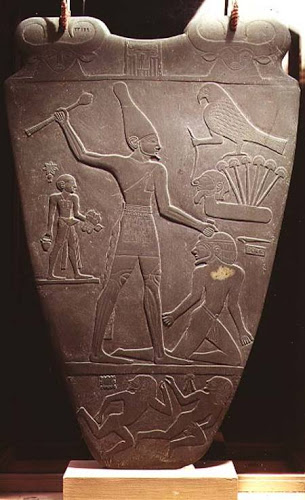
Picture shows Egyptian Manu= Narmer

Did Indians build Pyramids?-Part 2

( Please read first part before reading this SECOND PART: swami )

The Pyramid texts are unique. Those who read it will be reminded of Hindu Vedas. They are presented in the form of “utterances, declarations” either in the voice of kings or gods. In the case of Vedas it was Rishis or gods. The texts were older than the known kings. They have come from pre dynastic period. The texts are full of magic. Much of the texts are written in the form of dialogues like our Upanishads and Puranas. Scholars find it difficult to translate it  just like our Vedas. They are literally untranslatable. The complexity of the language of the texts is multiplied by the Egyptian’s enthusiasm for punning. They not only pun verbally but also visually by using appropriate pictorial hieroglyphs. Vedic seers also say they delight in speaking in coded, secret language. It is not known when the Pyramid texts were collected in the form in which they appear in Unas’s (2375 BC) pyramid; certainly it must have been long before his time. Many of the texts are similar to Vedic hymns. The Book of Dead is also similar to Hindu scriptures.

Misra Desa

Egypt is known as Misra Desa in Sanskrit literature. Misra means mixed. People of different races were living and ruling Egypt for 3000 years. It has a long history. This gave birth to hundreds of Gods like Hinduism. Whoever studies must be careful enough to differentiate between different races and Gods of Egypt. There are three layers of Gods. The oldest layer is just fetishes (reverential objects connected with God), the second layer is full of Gods in human forms and the third layer is Gods with animal forms. This is exactly same with Hinduism. In Vedic times we did not have much other than symbols. Then comes the Avatars- gods in human form. Later came the gods with animal forms like Ganesh, Anjaneya, Hayagriva, Sarabeshvara, Nandikeswara, Purushamrga, Veda Murthys and so on.

Arabic name for Egypt is Masr=Misra in Sanskrit. Hebrew word for Egypt is Misrayim. In English Bible it was translated as Musri. All these corresponds with Sanskrit Misra.

Indian invasion

Sahadevan invaded Misra desam and defeated them, says Mahabharata. Subhanu’s inscription also confirmed it.

The sea people and Hyksos who invaded Egypt may be South Indians and Sri Lankans, from Lanka the land of Yakshas/Hyksos.

Board Games

The world’s oldest board game is in Tamil Nadu, North India, Indonesia, Mayan civilisation and several African countries including Egypt. It is called Pallangkuzi in Tamil Mancala in Africa. It has got hundreds of names around the world and dozens of versions of play. A lime stone board from Ancient Egypt had three rows of 14 holes. It is also cut on rocks in temples at Thebes, Luxor and Karnak.

The Egyptians were enthusiastic board game players. They developed variety of games with counters in the form of animals; some of these , the lions and the dogs for example, were like Indian games (Adu-Puli Attam in Tamil).

Teak and Linen

Now scholars have established that the teak and linen found in Egyptian mummies and palaces came from India. W.H.Schoff said that India and Egypt had commercial contacts in the 3rd millennium BC. Muslin and spices were exported from South India.

In the inscriptions of Harkhuf, an Assuran noble under the Egyptian king Mernere of the VI dynasty  occurs the following:-“ I descended from country of Yam (Southern Nubia) with 300 asses laden with incense, ebony, grain, panthers, ivory, throw sticks and every good product.”

The ebony referred here is Indian ebony was confirmed in later writings. Theophrastus (4th century BC) ascribed this ebony to India. Virgil speaks of it (Georgics ii,116,7) as peculiar to India.  We don’t see elephants in Egyptian paintings or monuments which confirms that the ivory was from India. Indian ivory is found in Greece and other countries in the ancient world. Iron was also exported from India in later days.

Vedas confirm commercial contacts

Unfortunately we don’t have anything in South India to confirm that happened in 2nd or 3rd millennium BC. But Vedas speak about long sea voyages in big ships. The Vedic mantras refer to men who went to far off lands for ‘interchange of merchandise’ (Atharva Veda ), ‘desiring wealth sent ships to sea’ (Rik Veda ); parties of men went on the ocean in ships with a hundred oars’ (AV ) to distant lands for sale and barter (RV).

Kassites (from Kasi Desa of Gangetic plain?) in Western Iran worshiped Maruts and Surya in 1800 BC. Indians went to different parts of the world and established Vedic culture is proved beyond doubt.

Falcon/Garuda

Vedic altars were constructed in different shapes. The popular one was eagle or Garuda. Eagle or Garuda was praised in the Vedas in the epics and in the Puranas. Brahmins used to read Garuda Purana in the bereaved houses for the good of the departed soul in the other world. In Egypt falcon or Nakhbet as a vulture is associated with dead people. We see a beautiful golden collar on the chest of the Tutankhamen’s mummy. Nakhbet is in the form of eagle. Nakh+ bet may be a corrupted Sanskrit word  Naga +Vatha=one who kills snakes). Hindus also associate Garuda Purana with the departed souls. ( I have already written about the most famous Tamil king Kaarikal Cholza constructing a Yaga Kunda in he shape of a falcon. It is in Purananuru)

Imhotep

The most famous priest /minister was Imhotep (Mahadev). He was considered the first universal genius known to history. His parents were creator deity ‘Ptah ‘(Brahma Pitha). He was an architect and revered as a demi god of wisdom, magic and medicine. Imhotep lived 5000 years ago during the rule of Djoser and he was hailed as the greatest of magicians. One who looks at his statue will be reminded of a Hindu Rishi/seer or a Jain Thirthankara.

Ka

One Rik Vedic poet punned on this letter ‘KA’ and Max Muller was baffled by it. Actually ‘Ka’ means God or Brahma in Sanskrit and Egyptian Hieroglyphs. The symbol of ‘ka’ is the raised arms of a human being. This is the first letter of Brahmi consonants. It looks exactly same. Tamil ka came from Brahmi ka which means Katavul/god.


Egyptian Ka (god) and Brahmi Ka (Brahma)

Devas and Asuras are Prajapati’s children. It is crystal clear in our scriptures. Dasyu’s are Vishvamitra’s exiled children. It is said in our own books. But foreign “scholars” deliberately misled Indians and wrote the Aryan Dravidian invasion theory to destabilise India and Hinduism. No Indian scholar came forward to argue against it with relevant quotes from the epics and mythologies at that time, because British were ruling.

Another name for Prajapati is Ka (who).

The interrogative pronoun ‘Who’ has been raised to the position of a deity. In the Brahmana literature Ka is Prajapati. Some of the hymns in which ‘Ka’ occurred were called Kadvat (kadavul in Tamil). During the time of Panini, it became Kaya. Manu called Prajapathi marriage Kaya. Later day epics and Puranas identified Ka with Daksha and Kasyapa.

Ntr = Indra

The Egyptian hieroglyph ‘ntr’ meant god. The vowels are never written. We have to fill the words with vowels. So ‘ntr’  may be indra. Scholars think that the sign was derived from a staff bound with cloth, a fetish of very early date. I think it was Indra’s  vajrayudha/thunderbolt that gave this hieroglyph.

Narayana in Egypt

In the cenotaph at Abydos of king Seti, the sarcophagus was placed on an island. The hieroglyph for this was a double stair, which was the hieroglyph for the primeval hill (Meru?) or island on which all creation began. The island is made with perpetual water supply from subterranean waters. These were the “waters of Nun” from which the supreme creator god has first risen.

In Hindu mythology, Narayanan means water god. Neer /water is an indo European word, which is in Nereids in Greek meaning water nymphs. In both Sumerian and Egyptian mythology water was profoundly important. Atum or Nun in Egypt and Enki (Gangai) in Sumer are water gods

Cow and calf

Similes in Vedas often compare cow with everything good. Vatsalyam=affection  is the love of a cow towards its calf. The symbol for happiness in Egyptian tombs is a cow turning around to succour its calf.

Red and White

In south India the temple walls are painted always  in red and white stripes. This is what the Egyptians also did. The taxmen of Southern kingdom worked from White house and the tax men from the Northern kingdom worked from Red house. When both the kingdoms united the house walls were painted red and white like Hindu temples.

Continued in Part 3 (swami_48@yahoo.com)

*******

வானத்தில் ராமாயணக் காட்சிகள்!

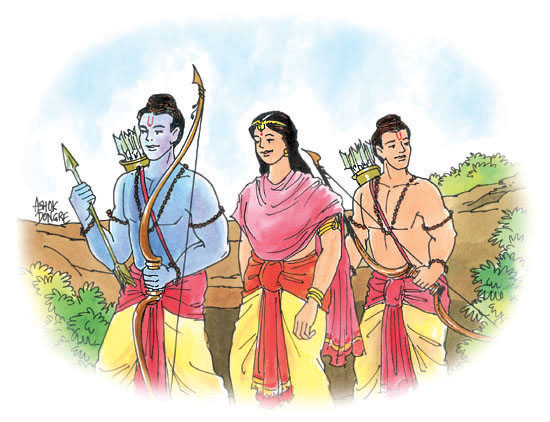
படத்தில் ஸபரியும் ராம லெட்சுமணரும்

வால்மீகி முனிவர் பெரிய ஜோதிட மேதை! ராமாயணம் முழுவதும் ஆங்காங்கே அவர் நட்சத்திர ரகசியங்களைச் சுட்டிக் காட்டுவதை அதை அறியும் நோக்குடன் படிப்பவருக்குப் புரியும்! வானத்தில் ராமாயணக் காட்சிகள் ஏராளம் உள்ளன. அவற்றில் சிலவற்றைப் பார்ப்போம்!

வானத்தில் ராமாயணக் காட்சிகள்!

By ச.நாகராஜன்


ராமாயணத்தில் ஜோதிடக் குறிப்புகள்


வால்மீகி முனிவர் பெரும் ஜோதிட மேதை. வால்மீகி ராமாயணத்தில் ஏராளமான ஜோதிடக் குறிப்புகளைக் காணலாம்.பாலகாண்டம் பதினெட்டாம் ஸர்க்கத்தில் ராமரின் ஜெனன ஜாதகம் பற்றி விரிவாகக் காணலாம்.இது போலவே பரத லக்ஷ்மண சத்ருக்னரின் ஜாதகங்களையும் காணலாம்.அதே போல ராமர் ஹனுமானிடம் போருக்கு இன்றே கிளம்பலாம் என வெற்றி தரும் உத்தர நட்சத்திரத்தைக் கணித்து சாதக தாராபலம் என்பதை உணர்ந்து கூறுகிறார். மறு நாள் ஹஸ்த நட்சத்திரம் தன் ஜென்ம நட்சத்திற்கு வதத் தாரை என்பதால் வெற்றி கிடைக்காது என்பதால் உடனே கிளம்புவதன் அவசியத்தை தாராபலம் சந்திர பலம் அடிப்படையில் நிர்ணயிக்கிறார்!


இதே போல தசரதன் ஆட்சியில் சனி ரோஹிணி நட்சத்திற்குள் புக இருக்கும் தருணத்தில் பெரும் தீங்கு ஏற்படும் என்பதை அறிந்த தசரதன் சனியை நோக்கி ஸ்தோத்ரம் செய்ய சனி தசரதனுக்கு அருள் பாலிப்பதை தசரதனின் சனி ஸ்தோத்திர வரலாறு அறிவிக்கிறது. இது போன்ற ஜோதிடக் குறிப்புகளை ராமாயணம் வாயிலாக அறிவது ஒரு புறம் இருக்க, வால்மீகியின் சுலோகங்கள் வாயிலாகவும் நட்சத்திரக் கலை மூலமாகவும் ராமாயணக் காட்சிகளையே வானில் நாம் பார்க்கவும் உணர்ந்து அறியவும் முடியும். சில காட்சிகளை இங்கு பார்க்கலாம்.


மூல ராவணனும் ராவணகங்கையும்


ஆகாய கங்கையின் ஒரு பகுதியே சீதா என அழைக்கப்படுகிறது.கோடி சூர்ய பிரகாசம் உடைய இந்த ஒளி மண்டலம் இருளின் அரசனான மூல ராவணனை வெல்வதையே ஆகாயக் காட்சி காண்பிக்கிறது,மூல நட்சத்திரத்திற்கு உரியவனான ராவணனைப் பற்றி வால்மீகி ராமாயணம் சொல்லாத ஒரு சம்பவத்தைப் பத்ம புராணம் சொல்கிறது. வானத்தின் அசுர பாகத்தில் அதாவது வானத்தின் தென் பிராந்தியத்தில் வானகங்கையின் ஒரு பகுதி மூல நட்சத்திரத்தின் வழியே செல்கிறது. இங்குள்ள சீதா ராவணனின் சித்திரத்தில் அமைந்திருப்பது போன்ற ஒரு தோற்றம் ஏற்படுவதை பத்ம புராணம் சுட்டிக் காட்டுகிறது. வான கங்கையின் மூல நட்சத்திரப் பகுதியை ராவண கங்கை என அனைவரும் இன்று வரை சொல்லி வருவது குறிப்பிடத் தகுந்தது!


27 நட்சத்திரங்களுள் 19 நட்சத்திரமாக அமையும் மூல நட்சத்திரத்தின் அதி தேவதை நிருதி. அழிவின் அதிபதி!தனது தீய செய்கையால் அரக்கர் குலத்திற்கே அழிவைத் தேடினான் ராவணன்.(என்றாலும் கூட மூல நட்சத்திரக்காரகளை பொதுவாக பயமுறுத்தாமல் அதற்குரிய பரிகாரங்கள், விதிவிலக்குகள் ஆகியவற்றையும் சேர்த்தே ஜோதிடம் அறிந்தோர் சொல்ல வேண்டும்). 27 நட்சத்திரங்களும் நல்ல நட்சத்திரங்களே; ஒவ்வொன்றிற்கு ஒவ்வொரு குணாதிசயம் என்ற அடிப்படையை ஜோதிட ஆர்வலர்கள் புரிந்து கொள்ள வேண்டும் என்று சுட்டிக் காட்டுவது இங்கு கடமை ஆகிறது)


பாவிகள் செல்ல ஒரு வழி அமைக்கவில்லையே!


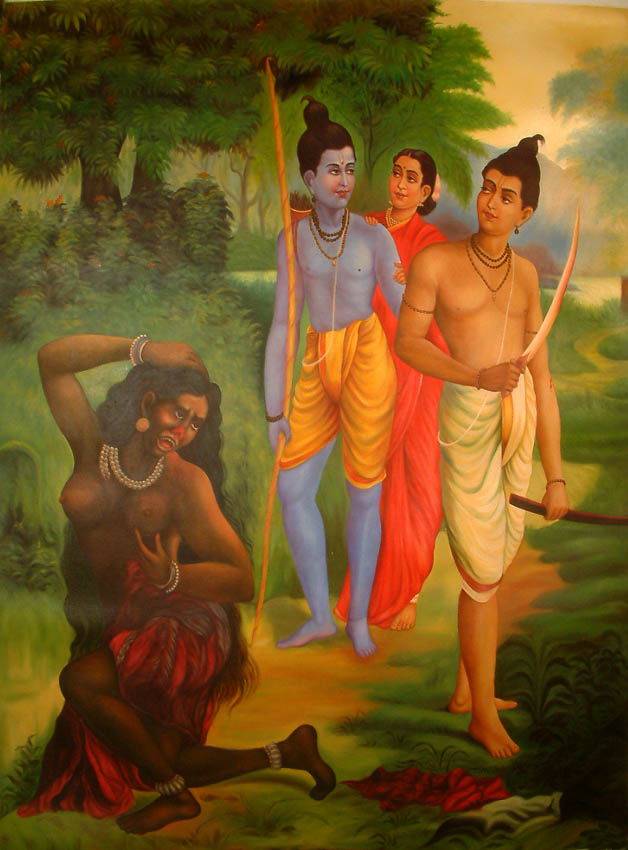
படத்தில் சூர்ப்பநகை மீது லெட்சுமணன் கோபம்

மேலை நாட்டு பைபிளில் மனிதர்கள் அனைவரும் சேர்ந்து விசித்திரமான ஒரு நகரை அமைத்து அதில் ஒரு உயரமான கோபுரம் அமைப்பதையும் அது சுவர்க்கத்தை எட்டும் படி அமைக்கப்பட்டதையும் அதன் பெயர் பேபல் என வைக்கப்பட்டதையும் படித்து விட்டு வங்காளத்தில் கீர்த்திவாஸர் தரும் ஒரு சித்திரத்தையும் பார்த்து மகிழலாம். வால்மீகியில் சித்தரிக்கப்படாத இந்தக் காட்சியில் ராவணன் இறக்கும் தருவாயில் புலம்புகிறான்.அடடா, பாவிகள் செல்லும்படியாக சுவர்க்கத்திற்கு ஒரு மாடிப்படிகள் உள்ள கோபுரத்தை நான் உயிருடன் இருக்கும் போதே கட்டத் தவறி விட்டேனே என அவன் புலம்புகிறான்.

சபரியின் பக்தி


வால்மீகி ராமாயணத்தில் ஆரண்ய காண்டத்தில் 74வது ஸர்க்கமாக 35 சுலோகங்களில் அமையும் சபரியின் சரித்திரம் புல்லரிக்க வைக்கும் சொற்களால் அமைக்கப்பட்டுள்ளது. ஆறு முதல் 35 சுலோகங்கள் முடிய படிப்பவர்க்குப் பல ரகசியங்கள் புலப்படும். “எனது குரு (சித்ர சிகண்டி மண்டலத்தில் உள்ள சப்தரிஷிகள்) தங்களது சுவர்க்க மாளிகைகளுக்கு ஒளிமயமான ரதங்களில் சென்ற போது தாங்கள் இங்கு வரும் வரை என்னைக் காத்திருக்கப் பணித்தனர்.” (ஆறாம் சுலோகம்)


பின்னர் சபரி கடித்து அவை சுவையான பழங்கள் தாம் என்பதை அறிந்து கொடுத்ததை ஏற்றுக் கொண்ட ராமர். “ நான் முறையாக கௌரவிக்கப்பட்டேன். நீ இனி உனக்கு சுகம் இடத்திற்குச் செல்லலாம்” என்கிறார் (சுலோகம் 31)

இதனைக் கேட்டு ஆனந்தித்த சபரி தன் உடலை ஜுவாலைக்கு இரையாக்கி வானை நோக்கி உயர்ந்து சென்றாள்! மின்னல் போல ஒளிரும் அவள் சப்தரிஷிகள் அருகே தனக்கு ஒரு இடத்தைப் பெற்றாள்.


இந்த ஸர்க்கத்தை விளக்க வந்த கோவிந்தராஜீயம் உள்ளிட்ட வியாக்கியானங்கள் பல பிரமிக்க வைக்கும் ரகசியங்களை நமக்குப் புலப்படுத்துகிறது. பம்பா போன்ற நதிகள் கடலைச் சேர்வது இயல்பு. இதற்கு மாறாக அனைத்து கடல்களும் பம்பாவை அடையும் அதிசயம் அங்கு நிகழ்கிறது. அந்த அளவிற்கு புனிதமான இடம் பம்பா. அங்கு சப்த ரிஷிகள் செய்த யாகங்களை சபரி விளக்கும் போதே வேத காலத்தில் தீண்டாமை என்பதே இல்லை என்ற அரிய உண்மையும் தெரிய வருகிறது. இப்படிப்பட்ட புண்யவதியான சபரிக்கு விஷ்ணுவிற்கு வெகு அருகிலேயே சப்தரிஷி மண்டலத்திற்கு அருகிலேயே ஒரு இடம் கிடைக்கிறது என்பதும் நமக்கு புலனாகிறது. வால்மீகி முனிவரின் அற்புத சொற்களை மனம் முழுவதும் நிறைத்துக் கொண்டு வானில் சப்தரிஷிகளையும் அவர்கள் அருகில் இடம் பெற்றுள்ள சபரியையும் வணங்கும் போது ஒரு புதிய உணர்வு தவறாது எழும்!


ராம பாணம்!


வைகுண்ட வாயில் அல்லது சுவர்க்க வாயிலை வால்மீகி சுட்டிக் காட்டும் விதமே தனி! மஹாபாரதம், பரசுராமர் ராமரை நோக்கி,”:இதோ இந்த வில்லை எடுத்துக் கொள்” என்று கூறுவதையும் அதற்கு ராமர் அதை எடுத்துக் கொண்டதாகவும் உடனே பரசுராமர் இதோ ஒரு வான அம்பைத் தந்து இதை நாண் பூட்டிக் காது வரை இழு” என்று சொன்னதையும் விரிவாகக் கூறுகிறது.(III -99-5o,51,54) வால்மீகியோ பாலகாண்டம் 76ம் ஸர்க்கத்தில் நடந்தது என்ன என்பதை விரிவாக விளக்குகிறார். தனது வீர்யத்தால் பரசுராமரை வென்று அம்பை எய்து பரசுராமரின் சுவர்க்க வழியை ராமர் தடுத்தார்.பரசுராமரோ. “எனக்கு அதை இழந்ததில் வருத்தமில்லை. ஏனெனில் எனக்கு தீர்க்க வேண்டிய ஆசைகள் எதுவுமில்லை” என்று ராமரிடம் கூறுகிறார்!பின்னர் வில்லை வருணனிடம் ராமர் தருகிறார்.

அர்ஜுனனுக்கு தன் விஸ்வரூப தரிசனத்தை கிருஷ்ணர் காண்பித்தது போல ராமர் தன் விஸ்வரூப தரிசனத்தை பரசுராமருக்கு இங்கே தான் காண்பிக்கிறார்!பிரம்ம மண்டலம் என்னும் பகுதியில் உள்ள பிரம்மஹ்ருதயம் என்று அழைக்கப்படும் மஞ்சள் நிற நட்சத்திரம் பரசு என்னும் கோடாலி போல உள்ளதையும்அதற்கு எதிரில் ‘தி கிட்ஸ்’ (The Kids) என்று மேலை நாட்டில் அழைக்கப்படும் ராம பாணம் போல உள்ள இரு நட்சத்திரங்களையும் வானில் கண்டு மகிழலாம்!


வானத்தில் 12 வீதிகளை அமைத்து அதில் ஒவ்வொரு நட்சத்திரத்தையும் தேவதையையும் நமக்குச் சுட்டிக் காட்டிய நம் முன்னோரின் வானவியல், ஜோதிட ஆன்மீக அறிவை எண்ணி பிரமிக்க வேறு எங்கும் போக வேண்டாம். சற்று தலையைத் தூக்கி வானத்தைப் பார்த்தாலே போதும்; அனைத்தும் புரிந்து விடும்!

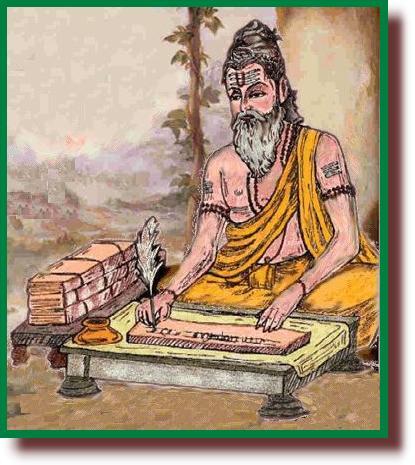
வால்மீகி மாமுனிவர்

அடுத்து ராமாயணத்தின் முக்கிய பாத்திரமான அனுமனை பார்க்காமல் இருக்க முடியுமா என்ன? அவனை அடுத்து தரிசிப்போம்!


******************************