தீர்த்த யாத்திரை அவசியமா? (Post No.3072)

b_id_406817_kawadiyan

Written by London swaminathan

Date: 19th August 2016

Time uploaded in London: 5-40 AM

Post No.3072


Pictures are taken from various sources; thanks for the pictures.


காசிக்கும் ராமேஸ்வரத்துக்கும் சென்று நீரில் மூழ்கினால் பெரும் பயன் கிட்டும்; பாவங்கள் தொலையும் என்பது நல்ல நம்பிக்கைதான். ஆனால் அதைவிட சுலபமான, செலவில்லாத, ஒரு எளிய தீர்த்த யாத்திரை பற்றிக் கூறுகிறது ஒரு அழகான சம்ஸ்கிருத ஸ்லோகம்:-


க்ஷமா தீர்த்தம் தபஸ்தீர்த்தம் தீர்த்தம் இந்த்ரிய நிக்ரஹ:

சர்வ பூத தயா தீர்த்தம் த்யானம் தீர்த்தம் அனுத்தமம்


பொறுமை என்ற தீர்த்தம்


தவம் என்ற தீர்த்தம்


புலனடக்கம் என்ற தீர்த்தம்


எல்லா உயிரிடத்திலும் அன்பு என்ற தீர்த்தம்


தியானம் என்ற தீர்த்தம்


சத்ய/ உண்மை தீர்த்தம்


ஏதானி பஞ்சதீர்த்தானி சத்யதீர்தம் ச சர்வதம்

தேஷு திஷ்டந்தி சர்வஸ்ய தேஷு ஸ்நானம் சமாசரேத்

ஐந்து தீர்த்தங்களோடு சத்ய தீர்த்தத்தையும் சேர்த்துக்கொள்ளுங்கள்; உடலிலேயே இருக்கும் அதில் எப்போதும் குளியுங்கள்

இவ்வைகளுக்கு மேலான தீர்த்தம் எதுவுமில்லை!

இதில் ஏதேனும் ஒன்று இருந்தால் கூட தீர்த்த யாத்திரைக்கும் மேலான பலன் கிடைத்துவிடும்!


   கழுதைக்கு கங்கா ஜலம்


இதை விளக்க ஏகநாத் வாழ்வில் நடந்த ஒரு சின்ன சம்பவத்தைக் கூறலாம்:


மஹாராஷ்டிர மாநிலமும் தமிழகத்தைப் போலவே ஏராளமான அடியார்கள் வாழ்ந்த பூமி; அங்கும் நாயன்மார்கள், ஆழ்வார்கள் போல பலர் வாழ்ந்தனர். அவர்கள் பல்வேறு தொழில்களைச் செய்தவர்கள்; சமூகத்தின் பல்வேறு பிரிவுகளைச் சேர்ந்தவர்கள்; எப்படி தமிழ்நாட்டில் நந்தனார், கண்ணப்பர் போன்றோர் போற்றப்பட்டனரோ அப்படி கீழ்மட்டத்தில் இருந்தோரும் புனிதராக வழிபடப்படும் பூமி மஹாராஷ்டிரம்.


நிவ்ருத்தி, ஞானதேவ், சோபான முக்தாபாய் ஏக கநாத், நாமதேவ் , துக்காராம், சமர்த்த ராமதாஸ் போன்றோர் தினசரி பஜனைகளில் பாடப்படும் பேறு பெற்றவர்கள்.


ஒரு முறை ஏகநாத், பல அடியார்கள் புடை சூழ காசிக்குச் சென்று புனித கங்கையில் நீராடி விட்டு இரண்டு பானைகளில் கங்கை ஜலத்தை எடுத்துக் கொண்டு நடந்தார். தோளில் ஒரு கம்பை வைத்துக் கொண்டு அதன் இரு புறங்களிலும் கங்கை ஜல குடங்களை தொங்க விட்டுக் கொண்டு ராமேஸ்வரம் வரை வருவர். அங்குள்ள சிவலிங்கத்துக்கு அந்த கங்கை நீரால் அபிஷேகம் செய்வர். அப்பொழுதுதான் யாத்திரை நிறைவு பெறும் என்பது ஐதீகம்.


ஏக நாதரும் கங்கை நீரைச் சுமந்து கொண்டு ராமேஸ்வரத்தை நோக்கி நடந்துவந்தார். அடியார்கள் கோஷ்டி பின்னால் நடந்து வந்தது. அப்பொழுது கடுமையான கோடை காலம்,வெய்யில் எல்லோரையும் வாட்டி வதைத்தது. மக்கள் ஆங்காங்கே நின்று தாக சாந்தி செய்து வந்தனர்.

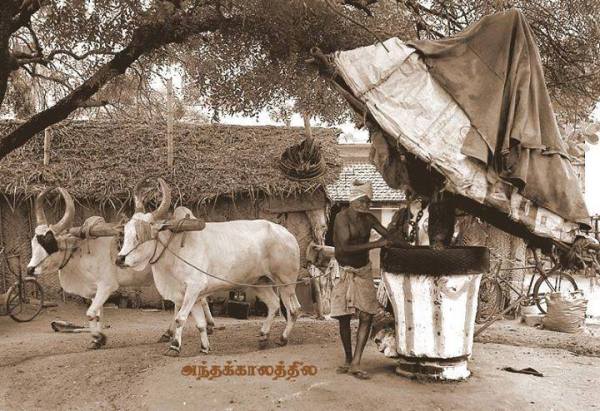
donkey-1

ஒரு பொட்டல் காட்டில் ஒரு கழுதை வாடி வதங்கி சோர்ந்து நிற்பதை ஏகநாதர் கண்டார். அது தாகத்தினால் தவிப்பதை உணர்ந்தார். கண்ணுக்கெட்டிய தூரம் வரை தண்ணீர் என்பதே இல்லாத வறண்ட பூமி அது. உடனே இரண்டு பானைகளிலும் இருந்த கங்கை நீரை கழுதைக்கு வார்த்தார். அதைக் குடித்தவுடன் கழுதைக்கு உயிர் வந்ததது. அது ‘காழ் காழ்’ என்று கத்திக்கொண்டு துள்ளிக் குதித்து ஓடியது.


சிறிது நேரம் கழித்து,  அடியார்கள் கோஷ்டியும் அவ்விடம் வந்து சேர்ந்தது. ஏகநாதரின் காவடியின் இரு புறப் பானைகளும் காலியாக இருப்பதைக் கண்டு என்ன ஆயிற்று என்று வினவினர். அவர் கழுதைக்கு கங்கா ஜலம் கொடுத்து காப்பாற்றியதை பெருமிதத்துடன் பகர்ந்தார்.

அதைக்கேட்ட பல பக்தர்கள் பொங்கி எழுந்தனர். என்ன அபவாதம் செய்துவிட்டீர்! கங்கை நீரைக் கழுதைக்குக் கொடுத்து பாவத்தை கட்டிக்கொண்டீர்களே. இப்பொழுது ராமேஸ்வரம் சென்றால் எதை வைத்து அபிஷேகம் செய்யப்போகிறீர்? என்று கேள்விக்  கணைகளை த் தொடுத்தனர்.


ஏகநாதர் அமைதியாகச் சொன்னார்:

“என்னுடைய அன்பு சிவ பெருமானுக்குத் தெரியும்; அது போதும். அவர் என்னை மன்னித்து விடுவார்.”


ஆக உயிர்களிடத்தில் அன்பு காட்டுவது தீர்த்த யாத்திரைக்குச் சமம் என்பதை ஒரு பெரிய மகான் நமக்குக் கற்பித்துவிட்டார்.


அதனால்தான் இன்றும் அவர் புகழைப் பாடிக்கொண்டிருக்கிறோம்.


“நீதி, உயர்ந்த மதி, கல்வி — அன்பு

நிறைய உடையவர்கள் மேலோர்

உயிர்களிடத்தில் அன்பு வேணும்; — தெய்வம்

உண்மை என்று தானறிதல் வேண்டும்”.

–மஹா கவி பாரதி.


–subham–


Proverbs on Oil Sellers, Tailors, Washer men and Fishermen (Post No.3071)

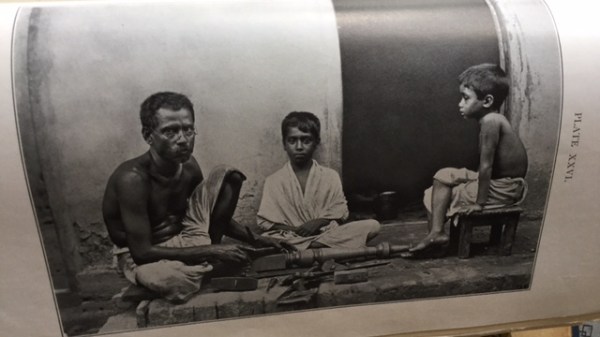
chekku madu oil

Compiled by London swaminathan

Date: 18th August 2016

Time uploaded in London: 5-32 AM

Post No.3071

Pictures are taken from various sources; thanks for the pictures.


Part-4 on caste Proverbs. For proverbs on Brahmins, Banias, Jats, Carpenters, Blacksmiths, Goldsmiths and agricultural castes, please read the first three parts.


Anti – Oil Presser Proverbs

The oil-presser is no man’s friend;he earns a rupee and calls it eight annas (16 Annas make one Old Indian Rupee).

He sits at ease while his mill goes round, and beguiles his hours of leisure by inventing stories, so that when two Telis meet their talk is unfit for publication.


His unfortunate bullock is always blindfold, and walks miles and miles without getting any further.

On another occasion his bullock took to fighting and the owner was sued before the Kazi for damages.

What made the beast fight? The Kazi’s finding ran thus:

The oil-cake you fed it on; so give me the ox and pay damages into the bargain.

‘Oil expellers bull’ – means one who goes in circles, (beating the bush); goes no further.

His wife saves a little oil by giving short measure to her customers, but god takes all at once when the jar breaks and the thick dust sucks up its content.

His daughter, on the other hand, is represented as giving herself airs and wondering what oil-cake can be.

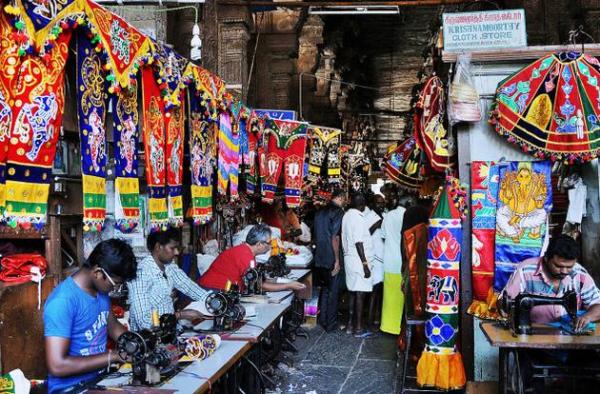
pudumandap tailors,hindu

Anti- Tailor proverbs

The tailor’s ‘this evening’ and the shoe maker’s  ‘next morning’ never come

However sharp his sight, a Darzi sees nothing,  because he cannot take his eyes off his work.


A darzi’s son is a darzi/tailor and must sew as long as he lives.

A darzi steals your cloth and makes you pay for sewing it.


When a tailor is out of work he sews up his son’s mouth

A snake in a tailor’s house: who wants to kill it?

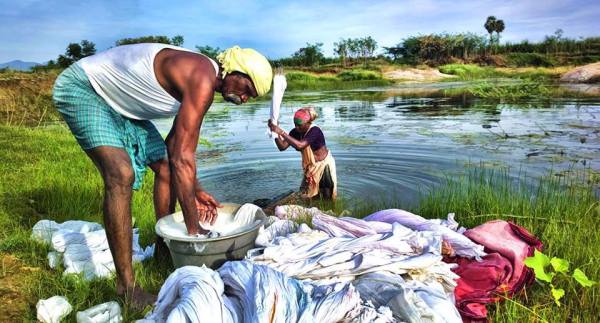
vannan

Anti- Washer man Proverbs

He tears people’s clothes and says it was the wind, but he is careful not to damage his father’s things.

A should change your dhobi/washer man as you change your linen, for a new dhobi washes clean.

When there is a robbery in a dhobi’s house, the neighbours lose their clothes.

In a Koiri village, the dhobi is the accountant, for he is the only man who can add two and two together.

He will not hesitate to use the king’s scarf as a loin cloth.

At his wedding the customers’ cloths are spread as carpets for the guests.

His son is the dandy of the village on a whistle and a bang, that is to say, wearing other people’s clothes which his father washes by giving them a bang on a stone and whistling.

The dhobi’s donkey is habitually overworked, and must carry huge bundles of linen while ‘its life oozes out of its eyes’.

His finery is never his own, but no one has so many changes of linen as a dhobi.

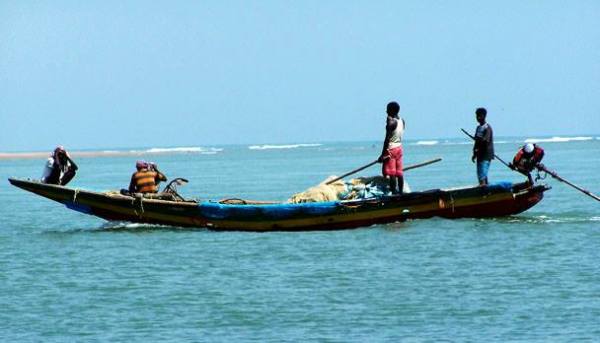
fisher boy

Anti- Fishermen Proverbs

A fisherman’s tongue (corresponds to Billingsgate)

(From the London, England fishmarket Billingsgate “Billingsgate is the market where the fishwomen assemble to purchase fish; and where, in their dealings and disputes they are somewhat apt to leave decency and good manners a little on the left hand.”)


A maichi/fisher woman will scold even when she is dead.

Three clouts from an oil woman  are better than three kisses from a fishwife.


Sometimes the float is uppermost, sometimes the fisherman

(a reference to the practice of fishing balanced face downwards on an earthen pot which is liable to break or capsize.)

chilka fishing


–subham-


உப்பு விற்கும் பெண் பாடிய கவிதை! (Post No.3070)

saltpans

Written by London swaminathan

Date: 18th August 2016

Time uploaded in London: 5-14 AM

Post No.3070

Pictures are taken from various sources; thanks for the pictures.


சிவப்பிரகாச சுவாமிகள் என்பவர் சுமார் 400 ஆண்டுகளுக்கு முன்பு காஞ்சியில் பிறந்தார். தந்தை குமார சுவாமி தேசிகர் இறந்த பிறகு, சகோதரர்கள் வேலாயுதம், கருணைப் பிரகாசம் ஆகியோருடன் திருவண்ணாமலைக்குச் சென்று கல்வி பயின்றார். அருணாசல மலையை வலம் வருகையில் அண்ணாமலையான் அருளால் அருட் கவிகள் இயற்றினார். 100 செய்யுட்களால் “சோண சைல மாலை” என்ற நூலை இயற்றினார்.


பின்னர் இலக்கணம் கற்பதற்காக தென் திசையை நோக்கிப் பயணம் செய்கையில் திருச்சிக்கு அருகிலுள்ள துறை மங்கலத்தில் ஒரு தோட்டத்தில் சிவ பூஜை செய்துகொண்டிருந்தார். அவருடைய வருகையை அறிந்த கிராமாதிபதி அண்ணாமலை ரெட்டியார் அவரை அங்கேயே தங்குமாறு வேண்டினார். ஆனால் அவரோ தாமிரபரணி தீரம் வரை சென்று வெள்ளியம்பலவாண சுவாமிகளிடம் இலக்கணம் கற்க விரும்புவதாகச் சொன்னார். உடனே அண்ணாமலை ரெட்டியார் 400 பொற்காசுகள் கொடுத்து அவரை அனுப்பி வைத்தார்.


கு-வில் துவங்கி கு-வில் முடியும் கவிதை!


வெள்ளியம்பல வாண சுவாமிகளிடம் சென்றவுடன் அவர் ஒரு தேர்வு வைத்தார். “எங்கே பார்ப்போம். கு – என்னும் எழுத்தில் துவங்கி அதே எழுத்தில் முடிவடையும் ஒரு வெண்பா இயற்று. இடையில் ஊருடையான் என்ற சொல் இருக்க வேண்டும் என்றார்.


சிவப்பிரகாச சுவாமிகள் உடனே

குடக்கோடு வானெயிறு கொண்டாற்குக் கேழன்

முடக்கோடு முன்ன மணிவாற்கு – வடக்கோடு

தேருடையான றெவ்வுக்குத் தில்லைதோன் மேற்கொள

லூருடையா நென்னு முலகு

என்று பாடி முடித்தார்.


அம்பலவாணர், அந்தக் கவிதையைக் கேட்டு வியந்து, அவரைப் பாராட்டி சகோதரர் இருவருக்கும் இலக்கண பாடத்தைச் சொல்லிக் கொடுத்தார். அண்ணாமலை ரெட்டியார் தமக்களித்த பணத்தை  — 400 பொன்னை — குருதட்சிணையாக தட்டில் வைத்து வணங்கினார் சிவப்பிரகாசர்.


“அப்பனே, எமக்கு இந்த தட்சிணை வேண்டாம். திருச்செந்தூரில் உள்ள ஒரு தமிழ் புலவன் என்மீது வசை பாடுதலையே தொழிலாகக் கொண்டுள்ளான். அவனை வென்று என்னிடம் கொணர்க. அதுதான் குருதட்சிணை என்றார்.


உடனே சிவப்பிரகாசரும் திருச்செந்தூர் சென்று, அப்புலவரை வாதுக்கு அழைத்தார். இருவரும் சபதம் செய்து, முருகன் மீது நீரோட்டக யமக அந்தாதி பாடத் துவங்கினர் (உதடு ஒட்டாத எழுத்துகளை அமைத்து அந்தாதி பாடுவது). சிவப் பிரகாசர் 30 பாடல்களை ப் பாடி முடித்தபோதும், அந்தப் புலவர் ஒரு நீரோட்டகப் பாடல் கூடப் பாட முடியவில்லை.

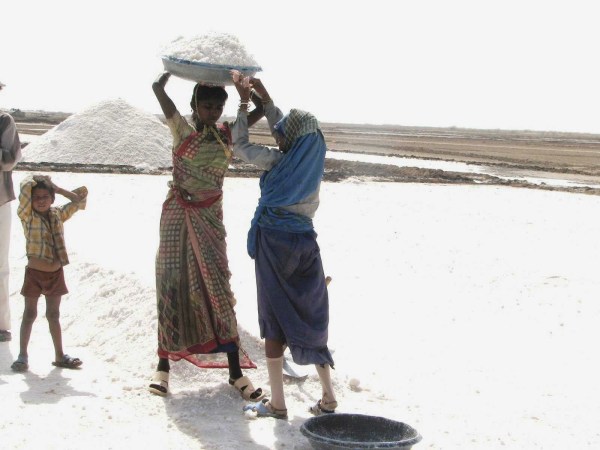
salt1

அந்தப் புலவர் தோல்வியை ஒப்புக்கொண்டார். அவரை இட்டுக்கொண்டு போய் அம்பலவாணர் காலடியில் வணங்கி விழச் செய்தார். குருவுக்கு மெத்த மகிழ்ச்சி. அவர் சிவப் பிரகாசருக்கு, சிதம்பரத்திற்குச் சென்று மேலும் பயில அனுமதி கொடுத்தார்.


போகும் வழியில் துறை மங்கலத்துக்குச் சென்று அண்ணாமலை ரெட்டியாரை சந்தித்து, திருவெங்கை நகரத்தில், அவர் கட்டிய மடத்தில் சில காலம் தங் கி பல நூல்கள் இயற்றினார். பின்னர் தல யாத்திரை செய்துகொண்டு, திருக்காட்டுப் பள்ளியை அடைந்தார்.


ஒரு நாள் அவ்வூர் வீதியில் கல்வியிற் சிறந்த ஒரு பெண் உப்பு வியாபாரம் செய்வதைக் கண்டார். அவருக்கு நயன தீட்சை கொடுத்தார். பலருக்கும் அப்பெண்மணியின்  புலமையைக் காட்டுவதற்காக


நிறைய வுளதோ வெளிதோ கொளுவேம்

பிறையை முடிக்கணிந்த பெம்மா – நுறையுந்

திருக்காட்டுப்பள்ளி திரி பாவாய் நீயிங்

கிருக்காட்டுப்பள்ளி யெமக்கு


என்ற வெண்பாவைப் பாடினார். அதைக் கேட்ட மாத்திரத்தில் அப்பெண்,


தென்னோங்கு தில்லைச் சிவப் பிரகாசப் பெருமான்

பொன்னோங்கு சேவடியைப் போற்றினோ – மன்னோன்

றிருக்கூட்ட மத்தனைக்குந் தெண்டனிட்டோம் தீராக்

கருக்கூட்டம் போக்கினோங் காண்


— என்னும் வெண்பாவைப் பாடிக்கொண்டு வந்து நமஸ்கரித்து கைகூப்பி நின்றார். அப்பெண்ணுக்கு அன்று முதல் மெய்ஞ்ஞானம் ஏற்பட்டது. சிவப் பிரகாசர் அருளினால் ஆன்மீக பாதையில் நடக்கத் தொடங்கினார்.

–சுபம்–

HINDU GODS IN TAMIL BIBLE! (Post No.3069)

brahmin valluvar

Written by London swaminathan

Date: 17th August 2016

Time uploaded in London: 9-16 AM

Post No.3069

Pictures are taken from various sources; thanks for the pictures.


Tirukkural, the Veda of the Tamils, is a book of great value to the Tamils. Foreign writers who translated it into English and other European languages said it is like the Bible for the Tamils. Though the author TIRU VALLUVAR has written a lot of common things acceptable to all the four oriental religions Hinduism, Buddhism, Jainism and Sikhism, his 1330 couplets mostly reflect Hindu thoughts.


Some people tried to show him as a Buddhist or a Jain and those theories were exploded because of his reference to GOD and “the god who lives in the heaven”(Kural/Couplet 50)

More over Tiruvalluvar supports death sentence (550) and violence against the misers (1077 and 1078), he was the Chanakya of the Tamil speaking world. So he cannot be a Jain.


For the forty or fifty years I have been quoting his couplets on moral themes in my articles and speeches. I used to wonder whether he was a Vaishnavite or a Saivite. My research shows that he was a Vaishnavite because of his references to Vishnu and his incarnation and Goddess Lakshmi in more couplets. Next comes his references to Vedic Gods Inrda and Yama. Of the Vedic Gods, Yama was his favourite. He gets more references than others. Siva was mentioned only indirectly. But his first ten couplets in praise of God, he makes general references to God in form. He refers to the FEET OF GOD in most of the couplets. So out and out he was a Hindu.

valluva-nayanar

He was a master of Sanskrit as well. He used the Sanskrit words Dhanam and Tavam/Tapas in more than one couplet. Above all, he structured his book on the Hindu values: Dharma, Artha, Kama, Moksha. Since the Tamils do not write separately on Moksha, he has included it in the Dharma section.


In hundreds of Kurals/couplets, he refers to Vedas and Vedic customs, which I am not using here.

All the books that were published until 75 years ago, described Tiruvalluvar as a poet born to a Brahmin and a low caste woman. Dravidian political parties hid this information in later editions of the book and gave him a new date 31 BCE. Tamil Linguistics show that he lived in 4th or 5th century CE.


Let us look at the references to Hindu Gods in Tirukkural, the Tamil Veda:–


Trivikrama/Vamana Avatar – Kural Couplet 610

Adi Bhagawan – Kural 1

Amrita -64, 82, 720, 1106

Yama – 269, 326, 765, 1083, 1085

Pitrs/departed souls- 43 (who live in southern direction)

Brahma- 1062

Indra – 25

Krishna/Vishnu -1103 (Lotus Eyed)

Lakshmi (lotus seated)- 179, 519, 617, 920

Alakshmi- 617, 936 (Lakshmi’s sister)

Maya/charmer man- 1258 (may be Krishna of Gopis)


Couplet 377 refers to Brahma, as the man who writes fate on every one’s head. But commentators translate the word as GOD.


Couplet 580 refers to Siva drinking poison.

“Men of refined courtesy accept even a cup of poison and look cheerfully calm.”

I quoted this in my research article written in 1997 (in London Tamil Magazine Megam) and commented it may be a reference to Socrates or Siva. But Tamil saint Manikka vasakar used this epithet for Lord Siva. So I conclude that it is an indirect reference to Lord Siva drinking poison when the milky ocean was churned to get the Amrita/ambrosia.

Since more remarks point towards a person who worships Vishnu and Lakshmi, I conclude that Tiruvalluvar was a Vishnu Bhakta.

tiruvalluvar-at-soas-university-of-london

The Opening Ceremony took place on 13th May 1996. Dr L M Singhvi, High Commissioner of India in grey suit is at left extreme, Dr Stuart Blackburn in grey suit is in the middle and I am (London Swaminathan, author of this article) at the far right in the picture. Location: SOAS, University of London.


Please read my old articles on Tiru Valluvar and Tirukkural:-

Strange Link between Lord Shiva, Socrates and Thiruvalluvar, posted on 18 September 2011


Albert Einstein and Thiruvalluvar, Post No. 749 dated 17th December 2013.

Buddha and Tamil Saint on Good thoughts!, Post No 717 dated 21 November 2013


Who was Tiruvalluvar?, 24-7-2013


Tamil Merchant who dumped Gold into Sea, Post No. 1239; Dated 17th August 2014.


வள்ளுவன் ஒரு சம்ஸ்கிருத அறிஞன், 5 நவம்பர் 2012

திருவள்ளுவர் பற்றிய பழைய புத்தகம் (Post No. 2532) , 12 -2-2016

திருவள்ளுவர் யார்?,  Post No. 748 dated 17th December 2013.


ஏலேல சிங்கன் கதை!, கட்டுரை எண்:– 1238; தேதி 17 ஆகஸ்ட் 2014.

அவ்வையார், வள்ளுவர் பற்றிய அதிசய தகவல்கள்! 14-11-2015


–subham–


திருவள்ளுவர் ஐயரா? ஐயங்காரா? (Post No.3068)


brahmin valluvar


Written by London swaminathan

Date: 17th August 2016

Time uploaded in London: 6-08 AM

Post No.3068

Pictures are taken from various sources; thanks for the pictures.


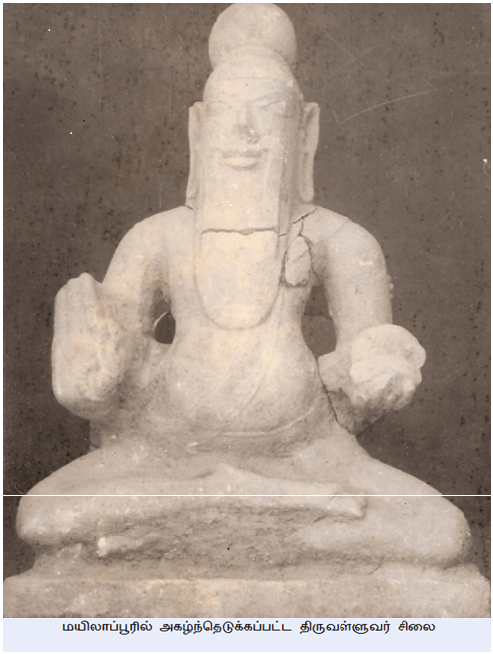
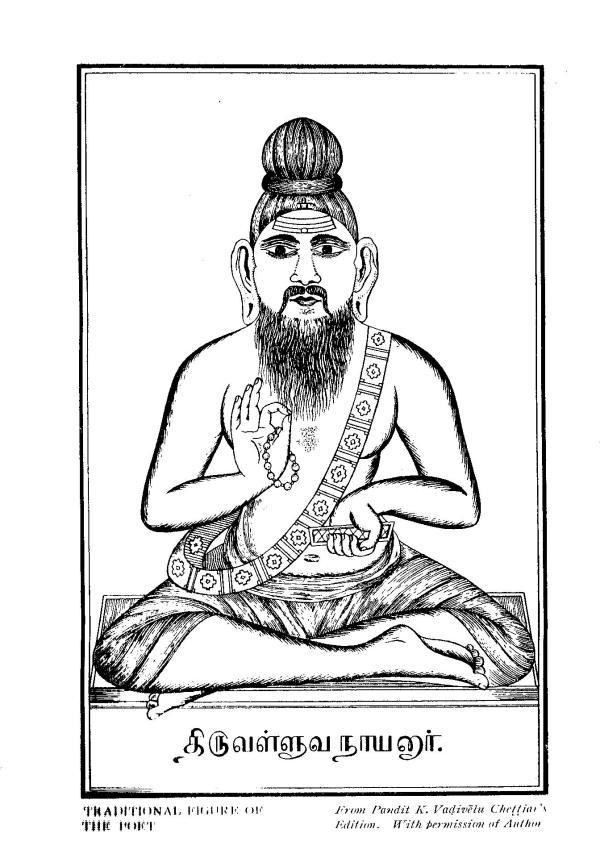
திராவிடங்கள் ஆட்சிக்கு வருவதற்கு முன்னால் தமிழ் நாட்டில் வெளியான எல்லாப் புத்தகங்களிலும் வள்ளுவர் ஒரு அரைப் பார்ப்பனர் என்று எழுதப்பட்டுள்ளது. அதுமட்டுமல்ல. தமிழ்நாட்டில் கிடைத்த பழைய வள்ளுவர் சிலை பூணூலுடன் காட்சி தருகிறது. அது மட்டுமல்ல. அந்தப் பூணூல் தெரியக்கூ டாது என்பதற்காக அதே வாக்கில் ஒரு மேல் துண்டு போட்டுச் சுற்றிக் காட்டப்பட்டுள்ளது.

நிற்க.


திருவள்ளுவர் பல இந்து தெய்வங்களைக் குறிப்பிடுகிறார். அவர் சைவரா (ஐயர்) அல்லது வைஷ்ணவரா (ஐயங்கார்) என்று ஒரு பட்டி மன்றம் நடத்தினால் நான் ஐயங்காரே! என்ற கட்சியில் நின்று வாதாடி ஜெயிப்பேன். ஏனெனில் அதற்குத்தான் அதிக ஆதாரங்கள் உள்ளன.


சிலர் இவர் சமணரா, பௌத்தரா என்றும் வாதாடிப் பார்த்து தோற்றுப்போனார்கள். ஏனெனில் சமணமோ பௌத்தமோ, தெய்வத்தைப் பற்றிப் பேசுவதில்லை; வள்ளுவனோ தெய்வம் பற்றியும், வானுறையும் தெய்வம் பற்றியும் அடிக்கடி பேசுகிறான் (திருக்குறள் 619, 50, 702, 43, 55, 1023.


கடவுள் வாழ்த்தில் இவர், கடவுளுக்குப் பயன்படுத்திய சொற்கள் எல்லாம் தேவாரம், திவ்வியப்பிரபந்தத்தில் வருகின்றன. சம்ஸ்கிருதத்திலும் உள்ளன.


திருவள்ளுவர் குறிப்பிடும் தெய்வங்கள்:–

அடி அளந்தான் – திருமாலின் (த்ரி விக்ரம) வாமனாவதாரம் (610)


அமிழ்து- பாற்கடலை கடைந்தபோது வந்த அம்ருதம் 64, 1106, 720, 82 (சாவா மருந்து)

ஆதி பகவன் – 1

யமன் (கூற்றம்) – 269, 1085, 326, 765, 1083

பித்ருக்கள் (இறந்தோர்)- தென்புலத்தார் 43 யமன் வாழும் திசை

பிரம்மா – உலகு இயற்றியான் 1062

இந்திரன் – 25

கண்ணன் – தாமரைக்கண்ணான் 1103

லக்ஷ்மி- தாமரை யினாள் 617, 179, 519, 920,

மூதேவி – மாமுகடி 617, 936

பன் மாயக் கள்வன் (கோபி, கிருஷ்ணன்?)-1258

tiruvalluvar-at-soas-university-of-london

The Opening Ceremony took place on 13th May 1996. Dr L M Singhvi, High Commissioner of India in grey suit is at left extreme, Dr Stuart Blackburn in grey suit is in the middle and I am (London Swaminathan, author of this article) at the far right in the picture.Place SOAS, University of London.

வள்ளுவன், பல நூறு குறள்களில் சொன்ன— தவம், தானம், வேள்வி, தர்மம் (அறம்), நோன்பு, பார்ப்பான்,அந்தணன், புத்தேளிர் (தேவர்), மேல் உலகம், பிறவாமை, மறை, மறை மொழி (மந்திரம்), விதி, நிலையாமை, மெய்ப்பொருள், மாசறு காட்சி, நூல் (வேதம்) முதலிய இந்துமத விஷயங்களைப் பட்டிமன்றத்துக்கு எடுத்துக்கொள்ளவில்லை.


லெட்சுமியும் விஷ்ணுவும், லெட்சுமியின் அக்காளும், பத்து அவதாரங்களில் ஒன்றும், அமிழ்தமும் வைஷ்ணவ விஷயங்களாதலால் திருவள்ளுவர் வைஷ்ணவரே என்று முடிவு செய்யலாம்.


இதற்கு அடுத்தபடியாக வருவது வேத கால தெய்வங்களான இந்திரன், யமன் ஆகும்.


பிரம்மாவைக் கூட — (உலகு இயற்றியான் 1062) — குறிப்பிட்ட வள்ளுவன் சிவனை நேரடியாகக் குறிப்பிடவில்லை. ஆனால் கடவுள் வாழ்த்தில் வரும் பத்து விஷயங்கள் சிவனுக்கும் திருமாலுக்கும் பொதுவான விஷயங்களே. அதே போல பாற்கடலைக் கடைந்து அமிழ்தம் எடுத்ததும் சிவ- விஷ்ணுவுக்குப் பொதுவான விஷயங்களே.


சிவனைப் பற்றியும் பிரம்மாவைப் பற்றியும் மறைமுகக் குறிப்புகள், இரண்டு குறள்களில் வருகின்றன:


“வள்ளுவர், சாக்ரடீஸ்,சிவபெருமான் – இவர்கள் மத்தியில் என்ன தொடர்பு? “ என்ற எனது மிகப்பழைய கட்டுரையில் (தமிழ் இலக்கியத்தில் அதிசயச் செய்திகள், பக்கம் 126, நாகப்பா பப்ளிகேஷன்ஸ், சென்னை, ஆண்டு 2009)


பெயக்கண்டும் நஞ்சுண்டமைவர் நயத்தக்க

நாகரிகம் வேண்டுபவர் (580)


சிவனையும், சாக்ரடீசையும் வள்ளுவர் குறிப்பிட்டது பற்றி எழுதியுள்ளேன். இது 1997ல் லண்டனில் ‘மேகம்’ பத்திரிக்கையில் நான் எழுதியது.

valluva-nayanar

இன்னொரு குறளில் (377)  ‘வகுத்தான்’ என்று பிரம்மாவைக் குறிப்பிடுகிறார். ஆனால் இவை இரண்டும் எனது வியாக்கியானமேயன்றி உரைகாரர்கள் செப்பியது அல்ல. வகுத்தான் என்பதை தலைவிதியை எழுதிய தெய்வம் என்று மட்டுமே உரைகாரர்கள் காட்டுவர்.


திருவள்ளுவ ஐயங்கார் வாழ்க!!!


My old Articles on the same subject:–

வள்ளுவன் ஒரு சம்ஸ்கிருத அறிஞன், 5 நவம்பர் 2012

திருவள்ளுவர் பற்றிய பழைய புத்தகம் (Post No. 2532) , 12 -2-2016

திருவள்ளுவர் யார்?,  Post No. 748 dated 17th December 2013.

Albert Einstein and Thiruvalluvar, Post No. 749 dated 17th December 2013.

Buddha and Tamil Saint on Good thoughts!, Post No 717 dated 21 November 2013

Who was Tiruvalluvar?, 24-7-2013

Tamil Merchant who dumped Gold into Sea, Post No. 1239; Dated 17th August 2014.

ஏலேல சிங்கன் கதை!, கட்டுரை எண்:– 1238; தேதி 17 ஆகஸ்ட் 2014.

அவ்வையார், வள்ளுவர் பற்றிய அதிசய தகவல்கள்! 14-11-2015


–Subham—


Demolishing Dravidian Demon Theories! (Post No.3067)

dracula

Dracula from a film

Written by London swaminathan

Date: 16th August 2016

Time uploaded in London: 10-14 AM

Post No.3067

Pictures are taken from various sources; thanks for the pictures.


Foreign invaders who wanted to make India their permanent colony and destroy Hinduism wrote that India was invaded by the Aryans at one time. Strangely the invaders identified themselves with the Aryans. At the same time they instigated the so called Dravidians to agitate against the north Indians. The whole world knew about their motto “Divide and Rule”.


Most of the Hindus have never read their scriptures in full and most of the Tamils have never read the ancient Sangam Tamil literature in full. But reading all the ancient Hindu scriptures  — I am using the word READING not studying—is an impossible task to anyone. Because before the Greeks started writing in Greek , before the Romans started writing in Latin, before Moses and Jesus started speaking in one or other Semitic languages, Hindus wrote hundreds of books. If anyone draws a line around 800 BCE as the cut-off date, these languages wont be there. Tamil literature came later around first century BCE


Since no one was able to master the scriptures, foreigners wrote all the fanciful rubbish things about Hinduism citing one or two verses from thousands of books, mostly out of context. In ancient Tamil and Sanskrit literature ‘Aryan’ meant a cultured, civilized person or saints living in the Himalayas. But foreign invaders gave a racial tone to this word. Dravidian meant a southerner and the invaders gave a new bad connotation.


They dubbed all the black skinned, snub nosed, curly haired, egg shape eyed, short fellows as Dravidians. While identifying themselves with fair skinned north Indians, foreign invaders sympathised with the Dravidians saying that they were driven out of their homeland by the Aryans. In all their writings they showed Dravidians as uncivilized and uncultured people. They also said that the Dravidians were shown as demons in Hindu literature.


Since Hindus never read any book in full, most of them believed what the invaders said without any scrutiny. If anyone reads read the Hindu scriptures one would know what the that the scriptures say. The scriptures say who were the demons and how come they became demons. They also showed that demons and angels were cousins and their behaviour only made them demons. They also showed that they were liberated from the “demonship”.

I have given many examples in my previous articles (see the links below). I will add two more from the Ramayana where the demons turned Gandharvas, turned again into Gandharvas.


1.Demon Viradha says to Rama:-

“Thorugh a curse, I had to assume the monstrous shape of a titan, but in reality I am the Ganharva Tumburu, who incurred the wrath of Kuvera. He cursed me to become a demon because of my attachment to Ramba. That glorious God propitiated by me, said: When Rama overcomes you in fight, you will assume the natural form. By your grace I am delivered from this curse and shall now return to my abode”

Aranya Kanda, Chapter 4, Valmiki Ramayana


2.Demon Kabandha says:

“O Rama, on a certain occasion I incurred the wrath of a great Rishi named Sthulashira, whom I tormented in this loathsome shape, whilst he was gathering wild fruits. Fixing gaze on me , he pronounced a terrible curse on me to remain in this ugly shape till I am killed by you. This ugly form came to me by another curse of Indra in the battle field.”


In the end he regained his original shape of a Gandharva.

jaws_

Still from James Bond film


In stories like as Kalmasapada in the Mahabharata, we see even kings becoming Rakshasa (demon).

In short demons are not Dravidians or a separate race. Even a cultured, educated person like Ravana is depicted as a demon when he acquired more bad qualities.

If we go deeper into Hindu literature we come to know they also worshipped the same gods and received big boons from the same gods worshipped by the Devas (angles).

–Aranya Kanda, Chapter 71


Who is a Demon? Asuras,Rakshas, Danavas and Daityas
Research article No.1381; Dated 31 October 2014.


Dictionary of Demons

Research article No.1362; Dated 21st October 2014.

Eighteen groups of Indians!

Research article No.1390; Dated 4 November 2014.


–subham–


அரக்கர்கள் யார்? கம்பன் தரும் உண்மைத் தகவல்! (Post No.3066)

jaws_

Picture from James Bond Film


Written by London swaminathan

Date : 16th August 2016

Time uploaded in London: 5-51 AM

Post No.3066

Pictures are taken from various sources; thanks for the pictures.


அரக்கர்கள், இராட்சதர்கள் ஆகியோர் திராவிடர்கள் என்றும், தேவர்கள் எல்லோரும் ஆரியர்கள் என்றும், ஆரியர்களும் வெள்ளைக்காரர்களும் இந்தோ ஐரோப்பிய இனத்தவர் என்றும் வெளிநாட்டு “அறிஞர்கள்” எழுதி வைத்தனர். இப்படி வேற்றுமை விஷத்தை — விஷ வித்தை – விதைத்தால் இந்தியா துண்டாகும், இந்துமதமும் சிதறும் என்று ஆங்கிலத்தில் எழுதிய வெள்ளைத் தோல் அறிஞர்கள் தப்புக் கணக்குப் போட்டனர். காரணம் என்ன வென்றால், சில திராவிட அசிங்கங்கள் அவர்களுக்கு ஆமாம் சாமி போட்டு, வெள்ளைக்கார ஆட்சி நீடிக்க வேண்டும் என்று கோஷமிட்டனர்.


ஆனால் உண்மை என்ன என்பதை ராமாயணமும் மஹாபாரதமும் பிட்டுப் பிட்டு வைக்கின்றன. உபநிஷத்துக்களிலேயே மிகப் பழைய பிருஹத் ஆரண்யக (பெருங் காட்டு) உபநிஷதத்திலேயே தேவர் மானுடர், அசுரர் — ஆகிய மூவரும் தவம் செய்ததும் ஒரே கடவுளிடம் உபதேசம் பெற்றதும் இருக்கிறது. புராண, இதிஹாசம் முழுதும் அவர்கள் சகோதர்கள் என்று காட்டுகின்றன.


இதை மேம்போக்கக எழுதினால் கூட சிலர் இடைச் செருகல் என்று சொல்லிவிடுவர். ஆனால் ஆதி முதல் அந்தம் வரை கதையின் கருப்பொருளிலேயே இவ்விஷயம் உள்ளது.


கம்பராமாயணத்தில் இருந்து இதோ இரண்டு பாடல்கள்:–

விராதன் என்ற அரக்கன் தன் கதையைச் சொல்லும் பாடல்   ஆரண்ய காண்ட விராதன் வதைப் படலத்தில் வருகிறது; :-


அன்ன சாபம் மேவி நான்

இன்னல் தீர்வது ஏது எனா

நின்ன தாளின் நீங்கும் என்று

உன்னும் எற்கு உணர்த்தினான்


ராமனிடம் விராதன் சொல்கிறான்:– “என் பெயர் தும்புரு; குபேர உலகத்தைச் சேர்ந்தவன்; ரம்பையிடம் வேட்கை கொண்டதால் குபேரனின் சாபம் பெற்று அரக்கன் ஆனேன். இச்சாபம் எப்போது தீரும் என்று கேட்ட போது உன் திருவடிகள் படும்போது சாபம் நீங்கும் என்று குபேரன் சொன்னான்.”


இதிலிருந்து அரக்கர்களும் தேவர்களே என்பதும் காமம், க்ரோதம் லோபம் முதலிய விகாரங்களால் — குண வேறு பாட்டினால் — அரக்கன் ஆவதும் , பின்னர் அதிலிருந்து விடுபடுவதும் தெரிகிறது!

இக்கருத்து இந்து மத அரக்கர் கதை எல்லாவற்றிலும் வருகிறது!


dracula

Picture from Dracula film

இதோ இன்னொரு கதை:–

இராம இலக்குவரால் கொல்லப்பட்ட, கோர வடிவமுள்ள அரக்கனான கவந்தன், வானத்தில் ஒளிவடிவில் தோன்றியவுடன் இராம, இலக்குவர்கள், ஆச்சர்யத்தோடு அவன் யார் என்று வினவுகின்றனர்:


கவந்தன் சொல்கிறான்:

சந்தப்பூண் அலங்கல் வீர!  தனு எனும் நாமத்தேன்  ஓர்

கந்தர்பன் சாபத்தால் இக்கடைப்படு பிறவி கண்டேன்

வந்துற்றீர் மலர்க்கை தீண்ட  முன்னுடை வடிவம் பெற்றேன்

எந்தைக்கும் எந்தை நீர் யான் இசைப்பது கேண்மின் என்றான்


பொருள்:–

அழகிய ஆபரணங்களையும் மாலையையும் அணிந்த  வீரனே!


“நான், தனு எனும் பெயரைக் கொண்ட ஒரு கந்தருவன். ஸ்தூலசிரஸ் என்னும் முனிவரின் சாபத்தால் , இந்த இழிவான அரக்கப் பிறப்பை அடைந்தேன் . உங்களுடைய மலர்க் கரங்கள் பட்டவுடன் பழைய வடிவம் பெற்றேன்.  நீங்கள் என் தந்தைக்கும் தந்தை போன்றவர்கள். இப்போது நான் சொல்லுவதைக் கேட்பீராக என்றான்”


.  இதுபோன்ற அரக்கர் கதைகளையும், மஹாபாரதத்தில் காஸ்யப ரிஷியின் வரலாற்றையும் படித்தால் வெள்ளை க்காரன் சொன்னதெல்லாம் பொய் என்பது புலப்படும்!


Please read my earlier research article:–

அரக்கர்கள்,அசுரர்கள் யார்?, Research paper written by London Swaminathan, Research article No.1395; Dated 7th November 2014

இந்துக்களின் 18 பிரிவுகள் : பதினெண் கணங்கள், ஆராய்ச்சிக் கட்டுரை எண்- 1399; தேதி 9 நவம்பர், 2014.

அசுரர்கள், அரக்கர்கள் அகராதி, ஆராய்ச்சிக் கட்டுரை எண்- 1365; தேதி அக்டோபர் 23, 2014.


–subham–


கம்பனின் அதிசய உவமை! புறச்சூழல் உண்மை!!(Post No.3065)

Dead fish floated in the green waste water.

Written by London swaminathan

Date : 15th August 2016

Time uploaded in London: 17-56

Post No.3065

Pictures are taken from various sources; thanks for the pictures.


கம்பராமாயணம் ஒரு தேன் கூடு;  பிழியப் பிழிய தேன் வரும். ஆனால் என் போன்றோர் இலக்கிய நயத்துக்காக நூல்களைப் படிப்பதில்லை. அதிலுள்ள விஞ்ஞான உண்மைகளையும் தத்துவ உண்மைகளையும் ஆழத் துருவி ஆராய்வதே நோக்கம். ஆரணிய காண்டத்தில் மாரீசன் வதை படலத்தில் கம்பன் ஒரு அசாதாரண உவமையைக் கையாளுகிறான். இதைப் பார்க்கும் போது 1200 ஆண்டுகளுக்கு முன்னரே புறச் சூழல் அறிவு இருந்திருப்பது புலனாகிறது.


இதோ பாட்டும் அதன் பொருளும்:–


வெஞ்சுற்றம் நினைந்து உகும் வீரரை வேறு

அஞ்சுற்று மறுக்குறும் ஆழ் குழி நீர்

நஞ்சு உற்றுழி மீனின் நடுக்குறுவான்

நெஞ்சு உற்றது ஓர் பெற்றி நினைப்பு அரிதால்


பொருள்:

மாயமான் வடிவத்தில் சென்று சீதையை ஏமாற்று — என்று ராவணன் ஏவியபோது மாரீசன் மன நிலை பற்றிய பாடல் இது:–


“இராவணன் செயலால தனக்கும் தன்னைச் சார்ந்தோருக்கும் அழிவு வரும் என்பதை மாரீசன் உணர்ந்தான். தனது அன்பிற்குரிய சுற்றத்தாரை நினைத்து வருந்தினான். மானிட வீரர்களான இராம இலக்குவரை எண்ணி மனதில் குழப்பம் அடைந்தான். இது எப்படி இருந்ததென்றால்….

ஆழமான பள்ளத்தில் உள்ள நீர் நச்சுத் தனமை அடையும் போது, அதில் வாழும் மீன் அந்த நீரில் இருந்தாலும் சரி, நிலத்தில் இருந்தாலும் சரி இறப்பது உறுதி. அந்த மீன்கள் எப்படி நடுங்குமோ அப்படி மாரீசன் நடுங்கினான். அந்த மாரீசனின் மன நிலையை நம்மால் முடியாத அளவுக்கு அவன் பயப்பட்டான்”

இந்தப் பாட்டில் இரண்டு விஷயங்கள் உள்ளன. முதலாவது இலக்கிய நயம்: விஷ நீரில் மீன் இருந்தாலும் சாகும். வெளியே போனாலும் சாகும். அது போல மாரீசன் மாய மான் வேடம் போடாமல் சென்றால் ராவணன் கொன்றுவிடுவான். மாய மான் வேடம் போட்டாலோ ராமன் கொன்று விடுவான்! இருதலைக் கொள்ளி எறும்பின் நிலை!

fishes 2

இரண்டாவது அறிவியல் விஷயம்:


ஒரு விஷயத்தை உவமையாகப் பயன்படுத்த வேண்டுமானால் அது மக்களுக்குப் புரிய வேண்டும்; தெரிந்திருக்க வேண்டும்.


நீர் நிலைகள், குறிப்பாக ஆழமான கிணறுகள், அசுத்தமடைவதும், அதனால் மீன்கள் இறப்பதும் மக்களுக்குத் தெரிந்திருந்தது. ஒரு வேளை நீரை அசுத்தம் செய்யாதீர்கள்! நடுக்குறும் மீனின் கதி , உங்களுக்கும் வரும் என்று கம்பன் அறிவுரை பகர்கிறான் போலும்.


எது எப்படியாகிலும் இப்பேற்பட்ட உவமை அரிதிலும் அரிது. கம்பன் கையாளும் உவமைகளைப் பட்டியலிட்டுப் பார்த்தால் அவன் மேதா விலாசமும் நமக்கு வெள்ளிடை மலையென விளங்கும்.


–SUBHAM–

ஆழ்வார் தரும் அதிசயத் தகவல் : 7 மலை, 7 கடல், 7 முகில்! (Post No.3064)

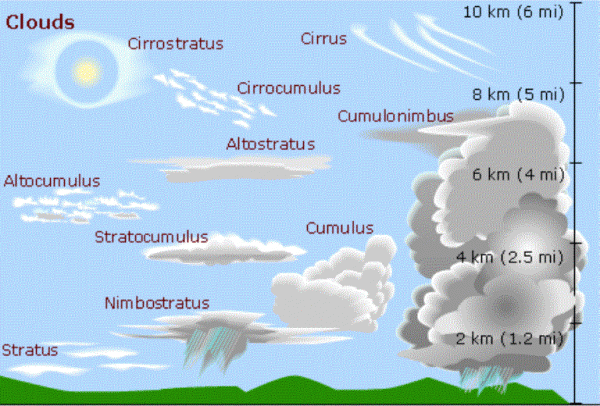
chart-cloud-types.jpg

Written by London swaminathan

Date : 15th August 2016

Time uploaded in London: 9-21 AM

Post No.3064

Pictures are taken from various sources; thanks for the pictures.

நாலாயிர திவ்வியப் பிரபந்தம் என்னும் தொகுப்பு நூலிலே பன்னிரெண்டு ஆழ்வார்களின் அற்புதமான பாசுரங்கள் உள்ளன. அத்தனையிலும் பக்தித் தேன் சொட்டும். கடவுளைப் பற்றிக் கவிஞர்கள் கவிதை பாடினால் அதில் இலக்கிய அழகு அதிகம் இருக்கும். பக்தர்கள் கவி பாடினாலோ அதில் சொந்த ஆன்மீக அனுபவச் சுவை அதிகம் இருக்கும். ஆயினும் ஆராய்ச்சி நோக்குடன் படிப்போருக்கு வேறு பல விஷயங்களும் கிடைக்கும்.


நம்மாழ்வார் பாடிய திருவாய்மொழியும் பக்திச் சுவை மிக்கதே. ஆயினும் போகிற போக்கில் அவர் பல அதிசய விஷயங்களை யும் சொல்கிறார். ஒரு பாசுரத்தில் 7 மலைகள், 7 கடல்கள், 7 மேகங்கள் பற்றிச் சொல்லுகிறார்.


நாங்கள் எல்லோரும் சிறுவர்களாக இருந்தபோது,  பல பாலர் பத்திரிக்கைகளில் வரும் மந்திரவாதி, மாயா ஜாலக் கதைககளைப் படிப்போம். அதில் பல கதைகளில் 7 மலை, 7 கடல் தாண்டி ஒரு குகையில்…………………..!! என்று படிப்போம். நம்மாழ்வாரும் 7 மலை, 7 கடல்  பாடி இருக்கிறார்:–

பேரே உறைகின்ற பிரான் இன்று வந்து

பேரேன் என்று, என் நெஞ்சு நிறையப் புகுந்தான்

கார் ஏழ், கடல் ஏழ், மலை ஏழ், உலகு உண்டும்

ஆரா வயிற்றானை அடங்கப் பிடித்தேனே

பாடல் 3969, நாலாயிர திவ்வியப் பிரபந்தம்


பொருள்:-

“திருப்பேர் நகரில் உள்ள பெருமான் இன்று வந்து நின்று என் உள்ளத்தில் புகுந்து  இதைவிட்டுப் போகேன் என்று உறைகின்றான்.

ஏழு மேகங்கள், ஏழு கடல்கள், ஏழு மலைகள் உள்ள இந்தப் பூமியை அப்படியே உண்டும்,  வயிறு நிறையாத, வயிற்றை உடைய அப்பெருமானை நான் உள்ளத்தில் சிறைப் படுத்தி விட்டேன்.”


இதில் அதிசய விஷயம் மேகம்/ மழை/ காற்று மண்டலம் பற்றியதுதான். இது பற்றி நம்மாழ்வாரும், காளிதாசரும் பாடியிருப்பது இந்துக்களின் கால நிலை பற்றிய அறிவைக் காட்டும்

earth-atmosphere-layers

காளிதாசர் தரும் அற்புதச் செய்தி

காளிதாசர், சாகுந்தலம் என்ற நாடகம் செய்திருக்கிறார். அதில் (7-5) காற்று மண்டலம் ஏழு பிரிவுகளாகப் பிரிக்கப்பட்டதில் நமது விமானம் எந்தப் பிரிவில் உள்ளது என்று மன்னர் கேட்கிறார். அதற்கு உரைகாரர்கள் எழுதிய உரையில் இந்து புராணங்கள் வாயு மண்டலத்தை ஏழு பிரிவுகளாகப் பிரித்து ஒவ்வொன்றுக்கும் ஒரு பெயர் கொடுத்திருப்பதை எடுத்துக் காட்டுகின்றனர்.

முதலாவது வாயு ஆவாஹ என்றும் அது  புவர்லோகத்தில் பாயும் என்றும் அந்தப்பிரிவில் பூலோகம், பாதாள லோகம், மற்றும் சூரியன் வரையுள்ள வாயு மண்டலம் அடங்கும் என்றும் உரைகாரர் கூறுவர். மற்ற ஆறு வாயு மண்டலங்களும் சுவர் லோகத்தில் (சுவர்க) இருப்பதாகவும் சொல்லுவர். இதிலுள்ள இரண்டாவது வழி ப்ரவாக என்றும் இந்த வாயுதான் சூரியனைச் சுற்றச் செய்கிறது என்றும் சொல்கின்றனர். மூன்றாவது வாயு சம்வாஹ- அது சந்திரனை இயங்கச் செய்கிறது. நாலாவது நட்சத்திர மண்டலம்; அங்கே உத்வாஹ என்னும் காற்றுள்ளது. ஐந்தாவது கிரகங்கள் அருகிலுள்ள காற்று; அதன் பெயர் விவாஹ; ஆறாவது காற்று சப்தரிஷி மண்டலத்தில் இயங்கும் அதன் பெயர் பரிவாஹ. அதுதான் பால்வளி மண்டலம் – மில்கி வே –  நட்சத்திரப் பகுதி. அங்கேதான் இப்பொழுது இந்திரனுடைய விமானம் சென்று கொண்டிருக்கிறது.


ஏழாவது வாயு துருவ நட்சத்திரப் பகுதியில் உள்ளது. அந்த துருவன் தான் எல்லா நட்சத்திரங்களியும் கிரகங்களையும்  சக்கரத்திலுள்ள ஆரம் எல்லாம் அச்சாணியில் இணைக்கப்பட்டிருப்பது போல கட்டி வைத்திருக்கிறான்.  அங்கே இயங்கும் காற்று பரவாஹ.


இதற்கு ஆதாரமான சம்ஸ்கிருத ஸ்லோகம்:–

ஆவஹோ நிவஹஸ்சைவ உத்வஹ: சம்வஹஸ்ததா

விவஹ: ப்ரவஸ்சைவ பரிவாஹஸ்ததைவ ச

ஒவ்வொரு மழைக்கும் உலகில் நடந்த அதிசய நிகழ்ச்சிகள் மூலம் பழைய கட்டுரையில்விளக்கியுள்ளேன்.


ஏழுவகை மழைகள்:-

சம்வர்த்தம் – மணி (ரத்தினக் கற்கள்)

ஆவர்த்தம்- நீர் மழை

புஷ்கலாவர்த்தம்- பொன் (தங்க) மழை

சங்காரித்தம் – பூ மழை (பூ மாரி)

துரோணம் – மண் மழை

காளமுகி- கல் மழை

நீலவருணம் – தீ மழை (எரிமலை, சுனாமி)


ஏழு மலைகள்

இமயம்/கயிலை, மந்த்ரம், விந்தியம், நிடதம், ஹேமகூடம், நீலம், கந்தமாதனம்


ஏழு கடல்கள்

உவர் நீர், தேன்/மது, நன்னீர், பால், தயிர், நெய், கரும்புச் சாறு


உப்பு, தேன், மது, ஒண் தயிர், பால், கரும்பு,

அப்புத்தான் என்று உரைத்தன ஆழிகள்

துப்புப்போல் குருதிப் புனல் சுற்றலால்,

தப்பிற்று அவ் உரை, இன்று ஓர் தனுவினால்.

cloud_types

எண்கள் பற்றி நான் எழுதிய முந்தைய கட்டுரைகள்:—-

இந்துக்களின் கண்டுபிடிப்பு: ஏழு வகை மழை, ஏழு வகை காற்று (Post No 2878), 8 June 2016

ஏழு எண்ணின் ரகசியம்: ரிக் வேதம் முதல் சிந்துவெளி வரை! ரிக் வேதம் முதல் சிந்து வெளி வரை!, posted on 22-11-2014

தமிழர்களின் எண் ஜோதிடம்(posted on 16th April 2012)
நீங்கள் நாலும் தெரிந்தவரா? (தமிழ் க்விஸ்)
Mystic No.7 in Music! (posted on 13th April 2013)
Numbers in the Rig Veda (posted on 3rd September2014)
Hindus’ Magic Numbers 18,108,1008! (posted on 26th November 2011)
Most Hated Numbers 666 and 13 (posted on 29th July 2012)
King and 8 Ministries in Vedic Period (posted on 28th May 2013)
Four Stages and Seven Ages of Man (posted on 21st March 2013)

கீழ்கண்ட கட்டுரைகளிலும் ஏழு எண் பற்றிய தகவல்கள் உள்ளன:–

தமிழர்கள் இழந்த நாடுகளும் நூல்களும், posted on 15 February 2015பனை மரங்கள் வாழ்க!, posted on 27 January 2014பனை மர வழிபாடு: மகாவம்ச, சங்க இலக்கியச் சான்றுகள், posted 25 September 2014

–subham–


Anti-Barber, Goldsmith, Potter, Blacksmith, Carpenter Proverbs (Post No.3063)

blacksmith, tribe

Picture of blacksmiths

Compiled by london swaminathan

Date: 15th    August 2016

Post No. 3063

Time uploaded in London :–  6-24 AM

( Thanks for the Pictures)


DON’T REBLOG IT AT LEAST FOR A WEEK!  DON’T USE THE PICTURES; THEY ARE COPYRIGHTED BY SOMEONE.


(for old articles go to tamilandvedas.com OR swamiindology.blogspot.com)


Part-3 of the Caste Proverbs. Please see the first two parts for the Anti Brahmin, Anti agricultural caste and Anti Bania proverbs

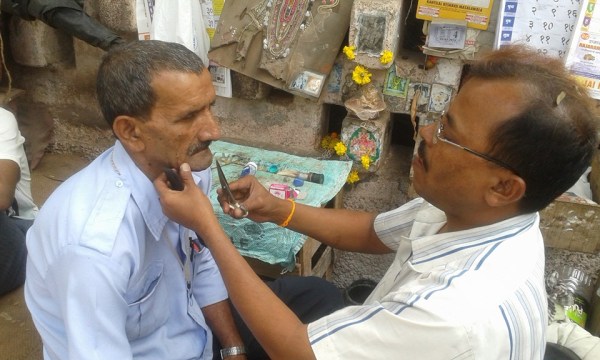
In the olden days, village barbers were marriage brokers, surgeons, Chiropodists and quacks. So proverb makers found abundant material for vituperative sarcasm.

mumbai barber

Anti-Barber Proverbs


1.Among men most deceitful is the barber, among birds the crow, among the things of water the tortoise.

2.Barbers, doctors, pleaders, prostitutes – all must have cash down.


3.A barber learns by shaving fools, for which reason you stick to your barber but change your washer man, since a new Dhobi washes clean.

4.You may hammer a barber on the head with a shoe, but you will not make him hold his tongue.


5.A barber found a purse, and all the world knew it.

6.Of the inquisitive barber the wise say, “Throw a dog a morsel to stop his mouth” (It is like saying “Choke of a reporter with a scrap of stale news)

7.A barber out of work bleeds the wall or shaves a cat to keep his hand in.

(In Tamil also there is a proverb: Jobless barber caught a cat to shave it)

8.A barber’s penny, all profit and no risk

9.A burglary at a barber’s: stolen, three pots of combings!

10.If you go back four generations, you will find that your uncle was a barber (the meaning is barbers are unduly intimate with the inmates of zenana)

goldsmi2

Anti-Goldsmith Proverbs

1.Trust not the goldsmith; he is no man’s friend, and his word is worthless.

2.If you have never seen a tiger, look at a cat; if you have never seen a thief, look at a Sonar (Swarnakar=Goldsmith)

3.The goldsmith, the tailor and the weaver are too sharp for the angel of death; God alone knows where to have them.

4.A Sonar (Swarnakar=Goldsmith) will rob his mother and sister; he will filch gold even from his wife’s nose ring.


5.If he cannot steal, his belly will burst with longing.

6.He will ruin your ornament by substituting base metal for the gold you gave him, and will clamour for wages into the bargain.

7.A pair of rogues: the goldsmith and the man who sifts his ashes for scraps.

goldsmit.JPG

Anti-Potter Proverbs

1.A potter is always thinking of his pots and, if he falls out with his wife he finds a solace in pulling his donkey’s ears.

2.When the clay is on the wheel the potter may shape it as he will, though the clay re-joins “Now you trample on me, one day I shall trample on you”.


3.Turned on the wheel you know better for it; praise not the pot till it is fired

4.If you are civil to a potter he will neither respect you nor will he sell his pots.

5.The potter can sleep sound; no one will steal his clay.

6.In a deserted village even a potter is a scribe.

A potter’s wife is a meddlesome fool, she will burn herself on the carcass of the Dhobi’s donkey ( Dhobi ke gadhe par Kumhaarin Satii huuii)

potter

Anti-Blacksmith Proverbs

1.A blacksmith’s single stroke is worth a goldsmith’s hundred

2.A Lohar (Loha kara= Blacksmith)is a bad friend; he will either burn you with fire or stifle you with smoke

3.His shop is always in an untidy mess; it is the place where the donkeys roll

4.Sparks are the lot of the blacksmith’s legs.

5.Such is his good nature that a monkey begged of him a pair of anklets.

6.Never buy his pet Myna (maina), even if you can get it for a farthing, for the bird will drive you mad by mimicking the noise of a hammer

7.To sell a needle in the Lohar’s quarter (Taking coals to New Castle)

8.Before the smith can make a screw he must learn to make a nail.

carpenter,tribe

Picture of Carpenters

Anti-Carpenter Proverbs

1.The carpenter thinks nothing but wood.

2.His wife walks and talks in time to the noise of the plane.

3.When carpenter is out of work he keeps his hand in by planing his friend’s buttocks.

4.The carpenter’s face is cited as a type of unpunctuality, since it is never to be seen at the time when he promised to come.

5.A whore’s oath and a Sutar’s chip are worthless

6.A fool of a Barhai’s has neither chisel nor adze and wants to be the village carpenter.

To be continued………………….

In the next session I will give Anti-Oil monger, Anti Tailor, Anti washer man; Fisherman, Weaver, Shoemaker Proverbs.

Source:The People of India, Sir Herbert Risley, Year 1915.

–Subham–