Edwin Arnold’s Visit to Toda Tribal Hut in 1885 (Post No.2867)

toda_a8

Translated by London swaminathan


Date: 4 June 2016


Post No. 2867


Time uploaded in London :–  9-25 AM


( Thanks for the Pictures)


DON’T REBLOG IT AT LEAST FOR A WEEK!  DON’T USE THE PICTURES; THEY ARE COPYRIGHTED BY SOMEONE.


(for old articles go to tamilandvedas.com OR swamiindology.blogspot.com)


Contact swami_48@yahoo.com


Toda_Hut

From the book : “India Revisited” by Edwin Arnold, Year of Publication 1886, London


From Madura we travelled northwards and westwards through Trichinopoly and the temples, villages, and tobacco fields of Coimbature region; aiming to reach the Nilgris and spend three or four days in the refreshing air of the favourite hill station of Ootacamund.


I became myself friendly with a community of the Todas, who live near Ootacamund. I was even invited to crawl on hands and knees into the small square opening which forms the front door of their hut, and partook the buffalo milk from a bamboo pot in the bosom of a Toda household.

The subjoined description of this singular race – which represents no doubt, the original dwellers of India – appears generally accurate:
PTI1_15_2013_000191B__systems@deccanmail

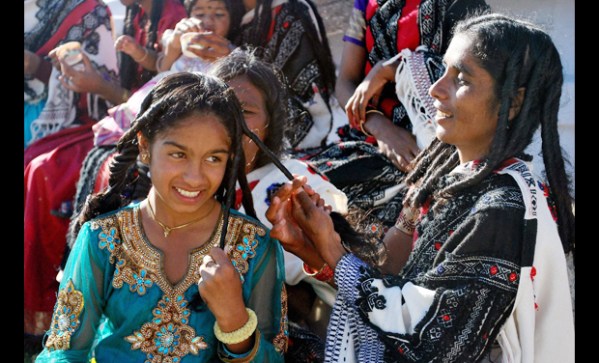
“The Todas, or, as they are more commonly called Toruvars ( a Tamil term for herdsmen) number about one thousand, including women and children, and divides themselves into two classes  – Pakis, or Terallis, who can hold all sacred offices; and Katas, or Tardas, who are the laymen. The Todas are singularly a handsome race, tall and athletic, with Roman noses, beautiful teeth, and large, full, expressive eyes. They never wear any covering on the head, but their jet-blach hair is allowed to grow to the length of six or seven inches, and forms a thick, bushy mass of curls all round. Their women retain their good looks longer than the females of the low country, and many of the girls are exquisitely beautiful. Their dress consists of a short under-garment folded round the waist, and fastened by a girdle.  Over this is thrown a sort of mantle, or Toga, which covers every part except the head, legs, and right arm.  The tresses of women are allowed to falling natural profusion over the neck and shoulders.


Their villages, which they call, Munts or Mortts, generally situated on some lovely verdant slope, near the borders of a wood. They breed no animals save the buffalo, nor do they engage in agriculture or any other pursuit, but wander over the hills, of which it is said they are the aborigines, free and unshackled. In their Mortts, the dairies form a separate building of superior size, which is viewed by them as sacred, and into which no female is allowed to enter.

Toda Temple II

Temple of Truth

They have a temple dedicated to Truth, but there is no visible representation within; in fact nothing but three or four bells in a niche, to which libations of milk are poured out.  They salute the sun on its rising, and believe that, after death, the soul goes to Om-norr, ‘the great country’, respecting which they do not attempt to furnish any description. They have sacred groves, called Teriris, and to these herds of buffaloes are attached, whose milk is allotted entirely to the calves; and the priests of these groves are called Pal-al, from Tamil words signifying Milkmen.

They are honest, brave, inoffensive and contented; but, on the other hand, they are indolent, and do not esteem chastity a virtue.

Their dwellings more resemble the dens of beasts than the abodes of men. A door about two feet high, and so narrow as almost to forbid ingress, leads to a dark, dirty chamber, where a whole family may be found huddled together. Yet, even here, in spite of their rude dress and not over cleanly habits, the beauty of their maidens cannot be overlooked.  Their symmetry of form, and tender and delicate expression of their features, enable them to stand a comparison with the paler beauties of the West.

harappatablet89

Indus Valley Scene, buffalo sacrifice


Among the most singular of their customs is the sacrifice of buffaloes at their funerals, attended with a strange sort of game. These animals which are of a prodigious size, and far larger and wilder than the buffaloes of the plain are driven into an  enclosed area by a party of young men armed with huge clubs, who join hands and dance a sort of circular dance among them. They then with shouts and blows, excite the fury of the herd, and at a given signal two athletic youths throw themselves upon a buffalo, and, grasping the cartilage of the nostrils with one hand, hang on to the neck with the other. Two or three more rush to their aid, while others strike the animal with their clubs, and goad him on to fury. After a time, when the buffalo is nearly exhausted, they fasten a bell to its neck and let it go.in this way they overpower the herd in succession, and resume their dance, which is concluded by a feast. The next day a similar scene takes place; but on this occasion the buffaloes are dragged by their sheer force of six or eight men up to a mantle containing the relics of the deceased, and there slain with a single blow from a small axe. In the desperate struggles of the infuriated animals to escape, the Todas are often severely wounded; but the courage and strength they display is very remarkable, and it is a point of honour for those who have first attacked an animal not to receive assistance.

toda buffalo

Many men, one wife!

Another singular, though not unique, custom of the Todas is that of polyandry, also found among the Nairs of Malabar and the hill tribes of the Himalaya. The brothers of a family regularly have one wife, and the same arrangement is frequently, nay, generally, adopted with others not related. As a consequence of this, female infanticide was formerly practised, and though stopped for a time by the exertions of the late Mr Sullivan, has, it is feared, been again resumed.


Many conjectures have been made about the origin of the Todas, but yet as no traces of their past history have been discovered.


Their language is quite isolated, the sounds of it are deeply pectoral, and it seems to have no affinity either with Sanskrit, or with any language of the East”.


Let me add to this, from personal observation, that the Toda women, like all those of Hindostan, have beautiful feet. Oh, maidens of England, who pinch the delicate symmetry of your insteps and toes into tight boots and shoes, comprehend that a corn is unknown to your Indian sisters! The meanest coolie woman has a foot, perfect, unbroken, neat, and constantly washed and trimmed. Only the converts to Christianity cover the foot, and spoil its wonderful beauty.

toda woman, new IE

These people live, in truth, the wildest life imaginable, amidst the loveliest recesses of the Kunda and Doddabetta peaks; enjoying an air without parallel for purity, and almost unbroken sunshine and solitude. They are destined, however, to disappear before the civilization which has invaded their breezy summits, and curtailed the grazing grounds of their buffaloes. Yet the divine atmosphere of “Ooty” has already saved more lives than all those of existing Todas, and will be hereafter the means of restoring many a weary and sinking servant of the state. It is difficult to explain the marvellous restorative effect of the upland of the “Blue Mountains”.


Sub-headings and pictures are inserted by me—london swaminathan.

–Subham–


பைத்தியத்துக்கு வைத்தியம்: சுவையான சம்பவங்கள் (Post No.2866)

grimadi

Translated by London swaminathan


Date: 4 June 2016


Post No. 2866


Time uploaded in London :–  6-25 AM


( Thanks for the Pictures)


DON’T REBLOG IT AT LEAST FOR A WEEK!  DON’T USE THE PICTURES; THEY ARE COPYRIGHTED BY SOMEONE.


(for old articles go to tamilandvedas.com OR swamiindology.blogspot.com)


Contact swami_48@yahoo.com


தமிழ்நாட்டில் தங்கவேலு, சந்திரபாபு போல அந்தக் காலத்தில் புகழ் பெற்ற மேற்கத்திய நகைச்சுவை நடிகன் கிரிமால்டி. அவருடைய வாழ்வில் நடந்த சுவையான சம்பவம் இதோ:

நோயாளி: டாக்டர், எனக்கு எப்போதும் ஒரே கவலையாக இருக்கிறது. ஏனென்றே தெரியவில்லை.

டாக்டர், அந்த நோயாளியிடம் பேச்சு கொடுத்துவிட்டு சொன்னார்:

“இதோ பாருங்கள், உங்களுக்கு உடம்பில் ஒரு நோயும் இல்லை; மன நோயும் இல்லை. பேசாமல் பிரபல நகைச் சுவை நடிகர் கிரிமால்டியின் நாடகத்தைப் போய்ப் பாருங்கள்; வயிறு குலுங்கச் சிரிப்பீர்கள்; கவலைகள் எல்லாம் பறந்தோடிப் போகும்”.

நோயாளி: “டாக்டர், நான் தான் அந்த கிரிமால்டி!”

(பெரும்பாலான நகைச் சுவை நடிகர்களும், சர்க்கஸ் கோமாளிகளும் நமக்கு சிரிப்பு ஊட்டினாலும், அவர்கள் சொந்த வாழ்வு, சோகமயமாக இருக்கிறது!)

Xxx

(மொழிபெயர்ப்பு: லண்டன் சுவாமிநாதன்; இந்த சம்பவங்கள் ஏற்கனவே என்னால் இங்கே ஆங்கிலத்தில் வெளியிடப்பட்டன)

mozart notes

சங்கீதம் – நல்ல மருந்து!

ஸ்பெயின் நாட்டின் அரசர் பிலிப்புக்கு திடீரென்று உடல் நலம் குன்றி, மன நோய் ஏற்பட்டு சோகக் கடலில் மூழ்கினார். உண்ணுவதில்லை; உறங்குவதில்லை; உடம்பைப் பேணுவதில்லை. முகச் சவரம் கூட செய்துகொள்ளவில்லை; செய்யவும் பிறரை அனுமதிக்கவில்லை.


மஹாராணிக்கு ஒரே கவலை. “இசை ஒரு மருந்து; அது பல வியாதிகளைக் குணப்படுத்தும்; கவலைகளைக் போக்கும்” — என்பதை அவர் அறிவார். ஆகையால் அக்காலத்தில் சிறந்த பாடகரான பாரிநெல்லி என்பவரை அழைத்து அரண்மனைக்குள் ஒரு கச்சேரி ஏற்பாடு செய்தார். அந்த இன்னிசை நிகழ்ச்சி, மன்னர் தங்கியிருந்த அறைக்கு அடுத்த அறையில் ஏற்பாடு செய்யப்பட்டது. மன்னர் காதிலும் அற்புதமான சங்கீதம், தேவ கானம் ஒலித்தது. மெல்ல மெல்ல, கச்சேரியில் வந்து அமர்ந்தார். பாரிநெல்லி அவரிடம் பேச்சு கொடுத்தார். மேலும் சில பாடல்களைக் கேட்க விரும்புவதாக மன்னர் தெரிவித்தார்.


உடனே பேரிநெல்லி சொன்னார்: மன்னர் அவர்களே, நீங்கள் கேட்கும் பாடல்கள் எல்லாவற்றையும் பாடுவேன். ஆனால் எனக்கும் ஒரு கோரிக்கை இருக்கிறது. அதை நிறைவேற்றுவீர்களா?

மன்னர் சொன்னார்: என்னால் நிறைவேற்றக் கூடிய கோரிக்கை என்றால் உடனே செய்கிறேன்.

பாரிநெல்லி சொன்னார்: மன்னரே, சின்ன வேண்டுதல்தான். தாங்கள் முக க்ஷவரம் செய்துகொண்டு ‘டிப்டாப்’பாக, மன்னர் போல அமர்ந்தால் நான் இன்னும் உற்சாகத்துடன் பாடமுடியும்.

உடனே பிலிப் முடிதிருத்தி, மணி முடி அணிந்து வந்து அமர்ந்தார்.

மன்னர் சங்கீதக் கடலில் மூழ்கினார்; மஹாராணி மகிழ்ச்சிக் கடலில் நீந்தினார்.

Xxx

dollars

காசேதான் கடவுளடா! பணமே மருந்து!!

டாக்டர் கோல்ட்ஸ்மித் என்பவர் சிறந்த மேல்நாட்டு மருத்துவர். அவரிடம் ஒரு பெண்மணி வந்தார். என் கணவருக்கு மனதே சரியில்லை; பிரமை பிடித்தவர் போல இருக்கிறார். டாக்டர் வீட்டுக்கும் வர மறுக்கிறார். தயவு செய்து வீட்டுக்கு வந்து அவரைப் பார்த்து, ஏதேனும் மருந்து கொடுங்களேன் – என்று கெஞ்சினார்.


டாக்டர் கோல்ட்ஸ்மித்தும் அந்த வீட்டுக்குப் போய் ‘நோயாளியிடம்’ பேச்சுக் கொடுத்தார். அவருக்கு என்ன நோய் என்று பளிச்செனத் தெரிந்தது.

அந்தப் பெண்மணியிடம் சொன்னார்: கவலைப்படாதீர்கள். உங்கள் கணவரின் நோய்க்கு உடனே மருந்து கொடுத்து அனுப்புகிறேன்.


வீட்டிற்குப் போனவுடன் டாக்டர் கோல்ட்ஸ்மித், ஒரு ‘கவரில்’ (காகிதப் பை) பத்து பவுன் கரன்ஸி நோட்டை வைத்து நோயாளிக்கு அனுப்பிவைத்தார். அந்த நோயாளியும் விரைவில் குணம் அடைந்தார்.

(வறுமை என்பது மனத் தொய்வை ஏற்படுத்தும். உங்கள் நண்பரோ, உறவினரோ இப்படிப்பட்ட பசிப் பிணியால், ஏழ்மை நோயால், வருந்தினால், அவருக்கு உதவி செய்யுங்கள். மனக் கவலை, பயம் முதலியவற்றை இயற்கைக் காட்சிகள், நகைச் சுவைப் படங்கள், இன்னிசைக் கச்சேரிகள், பண உதவி மூலம் போக்குங்கள். பணத்தாசை கொண்ட மன நோய் மருத்துவரிடம் போனால், ‘லிதியம்’ மாத்திரைகளைக் கொடுத்து, வாயில் நுரை தள்ள வைத்துவிடுவார்கள்.)

–சுபம்–


Kohinoor Diamond: Interesting Anecdote by Hallam Murray (Post No.2864)

diamond_3518629b

Compiled by London swaminathan


Date: 3 June 2016


Post No. 2864


Time uploaded in London :–  6-12 AM


( Thanks for the Pictures)


DON’T REBLOG IT AT LEAST FOR A WEEK!  DON’T USE THE PICTURES; THEY ARE COPYRIGHTED BY SOMEONE.


(for old articles go to tamilandvedas.com OR swamiindology.blogspot.com)


Contact swami_48@yahoo.com


From the book “The High Road of Empire” by A H Hallam Murray, year 1905, London

kohinoor

“When the kingdom of Ranjit Singh came into possession of the British at the end of the Sikh War (1849) the (Lahore) district was taken by the East India Company from Maharajah Dhuleep Sing, and with it came into their possession the famous diamond Kohinoor. After the murder of Nadir Shah in 1739 this historic stone had passed through many vicissitudes, and came at last, in a much mutilated condition – as the price of the liberty of Shah Soojah, its blind and decrepit royal owner – into the hands of Ranjit Sing. He left on his death bed instructions that it was to be sent to Jagannath, but his son retained it, amongst his treasures, until the day when it was personally entrusted to Lord Lawrence for transmission to the Queen.


One of the quaintest of its many adventures then followed. Lord Lawrence placed the small box, in its cotton wrappings, that contained it, in his waistcoat pocket, and promptly forgot all about it until six weeks later, he was called upon to send it home. Then the circumstances flashed across his mind, and with much anxiety he hastily summoned his bearer, and inquired whether he recollected the box being in his pocket sometime before. The servant had found it, and, with the care of a good native servant, though he thought it contained only a worthless glass, had luckily put it carefully away in a battered tin box, and, to Lord Lawrence’s great relief, was able to produce it at once”.


–Subham–


குருவும் கஞ்சனும் : ஒரு குட்டிக்கதை (Post No.2865)

dollars

Translated by London swaminathan


Date: 3 June 2016


Post No. 2865


Time uploaded in London :–  5-56 AM


( Thanks for the Pictures)


DON’T REBLOG IT AT LEAST FOR A WEEK!  DON’T USE THE PICTURES; THEY ARE COPYRIGHTED BY SOMEONE.


(for old articles go to tamilandvedas.com OR swamiindology.blogspot.com)


Contact swami_48@yahoo.com

1830-Jewish-beggar

ஒரு ஊரில் ஒரு பரம கஞ்சன் இருந்தான். எச்சில் கையால் காகத்தை விரட்ட மாட்டான். தேநீரில் ஈ விழுந்தால்கூட அதைப் பிழிந்து விட்டு வெளியே எறிவான். ஆனால் நல்ல பணக்காரன். அப்பேற்பட்ட கஞ்சன் குருவிடம் வந்தான். இவனுக்கு ‘பசுமரத்தில் ஆணி பதிவது போல’ புத்தி புகட்ட வேண்டும் என்று அவர் நினைத்தார். இருந்த போதிலும் நேரடியாகச் சொல்லாமல் ‘வாழைப்பழத்தில் ஊசி ஏற்றுவது போல’ கற்பிக்க எண்ணினார்.


அன்பரே! இங்கே வாருங்கள் என்று ஒரு ஜன்னலுக்கு அருகில் அழைத்துச் சென்றார். என்ன தெரிகிறது? என்று கேட்டார்.

கஞ்சன் சொன்னான்: ஜன்னல் கண்ணாடி.

குரு: அது சரி. அது வழியாக என்ன தெரிகிறது.

கஞ்சன்: மக்கள்; தெருவில் நடமாடும் மக்கள்.

பின்னர், அந்தக் கஞ்சனை குரு, ஒரு முகம் பார்க்கும் கண்ணாடி அருகே அழைத்துச் சென்றார்.

இது என்ன?

கஞ்சன்:–முகம் பார்க்கும் கண்ணாடி.

இதில் என்ன தெரிகிறது?

கஞ்சன்:–நான் என்னைப் பார்க்கிறேன்.

ஜன்னலிலும் கண்ணாடிதான் இருந்தது. இங்கும் கண்ணாடிதான் இருக்கிறது. ஏன் இங்கே உங்கள் முகம் தெரிகிறது; அங்கே மக்கள் தெரிந்தது?

கஞ்சன்:– முகம் பார்க்கும் கண்ணாடியில் வெள்ளி (ரசம்) பூசியதால் என் முகம் தெரிந்தது. ஜன்னல் கண்ணாடி தூய பளிங்கு போன்றது.ஆகையால் மக்கள் தெரிந்தனர்.

உடனே குரு சொன்னார்: பார்த்தீர்களா. தூய கண்ணாடி இருந்தால் மக்கள் தெரிகின்றனர் (பொது நலம்). வெள்ளி இருந்தால் உங்களைத்தான் பார்க்க முடிந்தது (சுயநலம்). உங்களிடம் கொஞ்சம் வெள்ளி (பணம்) சேர்ந்துவிட்டால் மக்கள் மறைந்து உங்களை மட்டுமே பார்க்கிறீர்கள் என்றார்.

கஞ்சனுக்கும் கதையின் நீதி புரிந்தது!


Xxx

edison

ஐயய்யோ! அவ்வளவு பணம் வேண்டாம்!

தாமஸ் ஆல்வா எடிசன் பல கண்டுபிடிப்புகளைச் செய்தவர். ஒரு கண்டுபிடிப்பின் உரிமையைப் பெற வெஸ்டர்ன் யூனியன் கம்பெனி, அவருக்கு ஒரு லட்சம் டாலர் முன் தொகை கொடுக்க முன்வந்தது.

ஐயய்யோ! அவ்வளவு பணம் வேண்டாம்! உங்களிடமே அந்தத்தொகை இருக்கட்டும். பாதுகாப்பாகவாவது இருக்கும் என்று சொன்னார். அவர்கள் மிகவும் வலியுறுத்தவே, சரி, வருடத்துக்கு ஆறாயிரம் டாலர் வீதம் 17 ஆண்டுகளுக்குத் தாருங்கள் என்றார்.

சின்னச் சின்ன ஆசை!!

Xxxx

பணக்காரர்களுக்கு அதிக மூளையா?

ஒரு மனிதனுக்கு நிறைய பணம் சேர்ந்துவிட்டால் அவனுக்கு மூளை ஜாஸ்தி/ அதிகம் என்று மக்கள் நினைக்கின்றனர். நான் ஒரு கதை சொல்கிறேன் கேளுங்கள் என்று சிகாகோ நகர கோடீஸ்வரரான ஜூலியஸ் ரோசன் பால்ட் ஒரு நிகழ்ச்சியைச் சொன்னார்.


ஒருவர் 14 என்ற எண் மூலம் மில்லியன் (பத்து லட்சம்) டாலர் வென்றார். எல்லோரும் அவரிடம் போய், பல கோடி எண்கள் இருக்கையில், எப்படி 14 என்று சொன்னீர்கள்? என்றார்.

ஓ, அதுவா? ஒரு நாள் ஒரு கனவு கண்டேன். அதில் ஒரு பெரிய 9 எண் தோன்றியது. கொஞ்ச நேரம் கழித்து எண் 6 தோன்றியது. இரண்டையும் கூட்டிப் பார்த்தேன். அவ்வளவுதான்!!!! என்றார்.

Xxx

lincoln dollar

ஜனாதிபதி சொன்ன குட்டிக் கதை!

ஆப்ரஹாம் லிங்கன் அமெரிக்க ஜனாதிபதியாக இருந்த காலத்தில் சில அரசாங்க அதிகாரிகள் அவரிடம் சென்றனர். நீங்கள் சில துறைகளுக்கு மட்டும் நிதி அதிகாரங்களைக் கொடுத்திருக்கிறீர்கள். எங்களுக்கும் பணம், பட்ஜெட் அதிகாரங்களைக் கொடுங்களேன் என்றனர்.

உடனே லிங்கன் ஒரு கதை சொன்னார்:

“இல்லினாய்ஸ் என்னுமிடத்தில் ஒருவர் ஒரு வீடு வைத்திருந்தார். நீங்கள் அவரைப் போலவே இருக்கிறீர்கள். அவருடைய வீடு தீ விபத்தில் எரிந்து சாம்பலாயிற்று. அந்தக் காலத்தில் ஊரில் யாருக்காவது இப்படி நஷ்டம் வந்தால், ஊர் மக்கள் எல்லோரும் பணம் கொஞ்சம் போட்டு, அவருக்கு உதவி செய்யும் நல்ல வழக்கம் இருந்தது. இந்த ஆளுடைய அதிர்ஷ்டம்! எல்லோரும் கொடுத்த பணம் அதிகமாக இருந்ததால் அவருக்கு முன்னைவிட சொகுசான வாழ்க்கை கிடைத்தது.

கொஞ்ச நாள் கழித்து அவருக்கு உதவி செய்யும் நோககத்துடன் ஒருவர் தானியம் கொண்டு வந்து கொடுத்தார்.

அவர் சொன்னார்: “சீ, சீ! நான் தானியம் எல்லாம் பெற்றுக் கொள்ளும் ஆசாமி அல்ல. பணமாகக் கொண்டு வாருங்கள்!”

(பணத்தை ஒரு முறை கொடுத்துப் பழக்கிவிட்டால், பிறகு பண போதை தலைக்கேறிவிடும்! பணம் ஒரு பேய்!!)

xxxசுபம்xxx


Five Wealth Anecdotes (Post No.2863)

dollars

Compiled by London swaminathan


Date: 2 June 2016


Post No. 2863


Time uploaded in London :–  13-43


( Thanks for the Pictures)


DON’T REBLOG IT AT LEAST FOR A WEEK!  DON’T USE THE PICTURES; THEY ARE COPYRIGHTED BY SOMEONE.


(for old articles go to tamilandvedas.com OR swamiindology.blogspot.com)


Contact swami_48@yahoo.com


1.Rabbi and the Miser

One day a rich but miserly orthodox Jew came to a Rabbi. The Rabbi led him to the window.

“Look out there”, he said, “and tell me what you see”.

“People”, answered the rich man.

Then the Rabbi led him to a mirror.

“What do you see now?” he asked.

“I see myself”, answered the Jew.

Then the Rabbi said, “Behold, in the window there is glass and in the mirror there’s glass. But the glass of the mirror is covered with a little silver, and no sooner is a little silver added then you cease to see others and see only yourself.

Xxx

edison

2.Edison hated big money!

For a certain invention the Western Union Company offered Thomas Edison one hundred thousand dollars. He couldn’t grasp the idea of such a sum, and wouldn’t take the money.

“Safer with you”, he said.

“Give me six thousand dollars a year for seventeen years”.


Xxx

3.Nine and Six is 14!

Julius Rosanwald, the Chicago multi-millionaire, who once said,

“I never could understand the popular belief that because a man makes a lot of money he has a lot of brains”, was fond of telling this story

“A certain man won a million dollars on number 14.

When asked how he had figured it out, he said,

“I had a dream. One night I saw in my dream a great big 9, and next I saw a 6, so I used my brains and figured that nine and six is 14.

Xxx

4.Where is the nobility?

Dr Johnson, being asked by a young noble man what had become of the gallantry and military spirit of the old English nobility, replied,

“Why, my lord, I will tell you what has become of it. It has gone into the city to look after a fortune”.


Xxx

lincoln dollar

5.Lincoln’s Story of an Illinois Man

Certain government officials approached President Lincoln with the request that they be given control over funds now in the hands of other branches of the governmental setup.

Lincoln answered them with the following story,

“You are very much like a man in Illinois whose cabin was burned down, and, according to the kindly custom of early days in the West, his neighbours all contributed something to start him again. In his case they had been so liberal that he soon found himself better off than before the fire, and got proud.

One day a neighbour brought him a bag of oats, but the fellow refused it with scorn, and said, “I am not talking oats now, I take nothing but money.

–Subham–


மன்மதன்,காம தேவன்: சங்கத் தமிழ் இலக்கியத்தில் காதல் தெய்வம்!(Post No.2862)

rathi.meenakshi13

Research Article written by London swaminathan


Date: 2 June 2016


Post No. 2862


Time uploaded in London :–  6-33 AM


( Thanks for the Pictures)


DON’T REBLOG IT AT LEAST FOR A WEEK!  DON’T USE THE PICTURES; THEY ARE COPYRIGHTED BY SOMEONE.


(for old articles go to tamilandvedas.com OR swamiindology.blogspot.com)


Contact swami_48@yahoo.com


(English version of this article was published here yesterday)

ஈராயிரம் ஆண்டுகளுக்கு முன்பே பாரதத்தின் தென்கோடி முதல் வடகோடி வரை ஒரே பண்பாடு நிலவிவந்தது. தொல்காப்பியத்திலேயே வேதத்தில் போற்றப்படும் இந்திரன், வருணன், துர்கை ஆகியோரை தமிழர் தெய்வங்களாகப் போற்றுவதையும், தொல்காப்பியரும் மனுதர்ம சாத்திரத்திலுள்ள எண்வகை மணத்தைப் போற்றுவதையும் அவரும் தர்மார்த்த காம மோக்ஷம் ஆகிய வாழ்க்கை மூல்யங்களை பெரும் பண்புகளாகப் (அறம் பொருள் இன்பத்தைப்) போற்றுவதையும் சில கட்டுரைகளில் தந்தேன். மன்மதன் பற்றிய நம்பிக்கையும் அவ்வாறே இருந்துள்ளது!


மன்மதனுடைய கொடி மகரக் கொடி. மகரம் என்னும்  சொல் மீன், டால்பின் மற்றும் முதலையைக் குறிக்கப் பயன்பட்ட சொல். மன்மதனின் மகரக் கொடி பற்றிய குறிப்பு 2000 ஆண்டுகளுக்கு முந்தைய அக நானூற்றிலேயே வந்துவிடுகிறது. மேலும் இதைப் பாடிய பார்ப்பனப் புலவன் பரணன், அதே பாட்டில் மன்மதனை எரித்த சிவபெருமானையும் பாடியிருக்கிறார். பட்டினப்பாலையில் மன்மதன் கோவில் குறிப்பிடப்படுகிறது.


காளிதாசனின் காலம் பல சம்ஸ்கிருத அறிஞர்கள் கூறியது போல கி.மு. இரண்டாம் அல்லது முதலாம் நூற்றாண்டு என்று ஒரு ஆராய்ச்சிக் கட்டுரையில் சங்க இலக்கியம் வாயிலாக நிரூபித்தேன். மன்மதன் பற்றி காளிதாசன் சொன்னதை நம்மவர்களும் சொல்வதிலிருந்து எனது வாதம் மேலும் உறுதிப்படுகிறது.


rathi 1

1.அகநானூறு (பாடல் 181)

நான்மறை முதுநூல் முக்கட்செல்வன்

ஆலமுற்றம் கவின்பெறத் தைஇய

பொய்கைசூழ்ந்த பொழில்மனைமகளிர்

கைசெய்பாவைத் துறைக்கண் இறுக்கும்

மகரநெற்றி வாந்தோய் புரிசைச்

சிகரம் தோன்றா சேணுயர் நல் இல்

பொருள்:-

பழமையான நான்கு வேதங்களை அருளிய முக்கண்ணனின் ஆலமுற்றம் என்னும் இடத்திலே, அழகாக அமைந்த பொய்கைகள் சூழ்ந்த பூங்காவில், சிறு வீடுகட்டி விளையாடும் சிறுமியர் செய்த மண்பாவைகள் (பொம்மைகள்) இருக்கும் துறையில் மகரக்கொடியை மதில் உச்சியில் கொண்ட மிக உயர்ந்த மாடங்களை உடைய அரண்மனைகளையுடைய புகார் நகரம்…..


காமன் விழா நடபெறுகையில் கட்டப்படும் மகர தோரணத்தை இது குறிக்கும் என்று  பழைய உரைகள் விளக்கும்.

இந்தக் காமன் பண்டிகை குறித்து வடமொழி பிருஹத் கதாவிலும், அதன் மொழிபெயர்ப்பான பெருங்கதையிலும் உண்டு.

நாடு முழுதும் காமன் பண்டிகை கொண்டாடப்பட்டதை இது உறுதி செய்யும்.


2.கலித்தொகை, பரிபாடல்

மன்மதன், மகரக் கொடி ஆகியன பற்றி கலித்தொகை, பரிபாடல் ஆகிய இரண்டு சங்க இலக்கியங்களிலும் நிறைய குறிப்புகள் கிடைக்கின்றன. ஒரு சில குறிப்புகளைக் காண்போம்:-

காமற்கு வேனில் விருந்தெதிர்கொண்டு (கலி. 92-67/68)


கலித்தொகையில் வரும் மற்ற குறிப்புகள்: கலி. 108-4; 109-19/20; 147-59/60; பரிபாடல்11-123

மேற்கூறிய எல்லாவற்றிலும் சம்ஸ்கிருதச் சொல்லான காமன் வருகிறது. கலி.94-33ல் காமர் என்று இருக்கிறது.

காமவேள்- கலி.27-24, பரி.18-28

மன்மதனின் மற்றொரு சம்ஸ்கிருதப் பெயர் மாரன். இச்சொல் பரிபாடலில் (8-119) கையாளப்படுகிறது.

rathi3

3.ரதியும் காமனும்

உலகிலேயே மிகவும் அழகான பெண் ரதி. அவள் மன்மதனின் மனைவி. இரதிகாமன் என்ற சொல் பரிபாடலில் 19-48/49) பயன்படுத்தப்படுகிறது.

மன்மதன் என்பவன் விஷ்ணுவின் மனதில் பிறந்தவன் என்று சம்ஸ்கிருத புராணங்கள் கூறும். இதை நெடியோன் மகன் என்று கலித்தொகை இயம்பும் (140-89)


4.ஐந்து மலர் அம்பு

மன்மதனின் கரும்புவில்லிலிருந்து மலர் அம்புகளை விடுவான் என்று காளிதாசனும் பிற கவிஞர்களும் பாடுவர். இதை ‘அரிபடு ஐவிரை என்றும் (பரி.10-97), விரைமலர் அம்பினோன்’ என்றும் (பரி.22-26) பரிபாடலில் காணலாம்.

காமனின் அம்புப் புட்டில் பரி.18-30ல் வருகிறது.

ஓவியக்கூடம் காமனின் சிலம்பக்கூடம் போன்றது என்ற உவமை ‘எழுது எழில் அம்பலம் காமவேள் தொழில் வீற்றிருந்த நகர்’- என்ற வரிகளில் பளிச்சிடும் (பரி 18-27)

ஐந்து மலர்கள்:

மன்மதனின் அம்பிலுள்ள ஐந்து மலர்கள்:-தாமரை, அசோகம், மாம் பூ, முல்லை, நீலோத்பலம்.


5.மீன்கொடி

உலகில் கொடிகளையும், வாகனங்களையும்,சின்னங்களையும் பயன்படுத்திய முதல் நாடு பாரதம் என்று கொடிகள், வாகனங்கள் பற்றிய கட்டுரைகளில் சொன்னேன். இங்கே மீன் கொடி பற்றி கலித்தொகை புலவர்கள், மீனேற்றுக் கொடியோன் (கலி.26-3), காமன் கொடியெழுதி (கலி.84-24) என்ற வரிகளில் விளக்குவர்.


6.காமனின் தம்பி சாமன்

காமனின் தம்பி சாமன் பற்றி சம்ஸ்கிருதத்தில் பல குறிப்புகள் உண்டு. அதையும் தமிழ்ப் புலவர்கள் குறிப்பிடத் தவறவில்லை( கலி. 26-4; 94-33/34)

இதுதவிர இன்னும் சில குறிப்புகளும் உண்டு.


தமிழ் என்சைக்ளோபீடியாவான அபிதான சிந்தாமணியில் மன்மதன் வருணனையை, சிங்காரவேலு முதலியார் தந்துள்ளார்.

(சில புத்தகங்களில் கலித்தொகை பாடல் எண்களில் சிறிய மாற்றம் இருக்கும் ஆகையால் சங்கம் வோர்ட் இண்டெக்ஸ் புத்தகத்திலுள்ள வரிகளையும் தருகிறேன்:- மாரன் பரி. 8-119, காம வேள் கலி.27-24, பரி.18-28;காமற்கு கலி.92-67; காமன் கலி 84-24, 108-4, 109-19, 147-59, பரி. 11-123, 19-48; காமனது கலி.139-22;)

rthi2

7.திருக்குறளில்

பருவரலும் பைதலும் காணான்கொல் காமன்

ஒருவர்கண் நின்றொழுகுவான் (1197)

பொருள்:-

காமதேவன், காதலர் இருவர் இடையேயும் இருந்து இயங்காது, ஒருவர் பக்கத்திலேயே இருந்து செயல்படுவதால், அவன் என்னுடைய வருத்தத்தையும் தடுமாற்றத்தையும், உணரமாட்டான் போலும்!


8.மன்மதனுக்கு 19 பெயர்கள்!!!

உலகின் முதல் நிகண்டான (திசாரஸ்) அமர கோசத்தில், மன்மதனின் 19 சம்ஸ்கிருதப் பெயர்கள் பட்டியலிடப் பட்டுள்ளன. அவையாவன:-

மதன:, மன்மத: (மனதைக் கடைபவன்), மாரன், ப்ரத்யும்னன், மீனகேதன: (மீன் கொடியோன்), கந்தர்ப:, தர்பகன், அனங்க: (உடல் அற்றவன்), காமன், பஞ்சசர: (ஐந்து அம்புடையோன்), ஸ்மர:, சம்பராரி: (அலிகளுக்கு எதிரி), மனசிஜ: (மனதில் பிறந்தோன்), குசுமேஷு (மலர் அம்பன்), அனன்யஜ:, புஷ்ப தன்வா (மலர் வில்லன்), ரதிபதி (ரதியின் கணவன்), மகரத்வஜ; (மீன் கொடியோன்), ஆத்மபூ: (மனதில் தோற்றுவிக்கப்பட்டவன்).

சம்ஸ்கிருத நூல்களில் காமனுக்குப் பல அடைமொழிகள் கொடுக்கப்பட்டுள்ளன (எனது ஆங்கிலக் கட்டுரையில் நிறைய பெயர்கள் கொடுத்துள்ளேன்; இங்கே அந்தப் பட்டியலை எழுதினால் காமதேவன் அஷ்டோத்திரம் போல ஆகிவிடும்!)


  1. கற்பனைக் கதா பாத்திரம்

அனங்கன் என்ற சம்ஸ்கிருத்ச் சொல்லுக்கு அங்கம்/ உடல் அற்றவன் எனப் பொருள்; சிவன் மனதில் காம உணர்வை ஏற்படுத்த மன்மதன் முயன்றபோது அவர் நெற்றிக் கண்ணைத் திறக்கவே மன்மதன் எரிந்து சாம்பலானான். அவன் மனைவி ரதி தேவி அழுது புலம்பவே உன் கண்ணுக்கு மட்டும் தெரிவான் என்று சிவன் வரம் கொடுத்ததாக வரலாறு. இது ஒரு தத்துவார்த்த கதை. உடல் ரீதியான கீழ்த்தரக் காமத்தை ஒழித்தால் முகநக நட்பு போய், மனைவியரிடதே அகநக நட்பு மலரும் என்பதே இதில் அடங்கிய தத்துவம்; சுருக்கமாக சிவன் எரித்தது காம வெறியைத் தான். உள்ளன்பு பூர்வமான காமத்தை அன்று.

இதே போல திருமாலின் மனதில் பிறந்தவன் என்ற பெயரும் அடையாள பூர்வ கதையே; எல்லோருக்கும் மனதில் பிறக்கும் காதலே/ காமமே கல்யாணத்திலும், இனப் பெருக்கத்திலும் முடிகிறது.

மன்மதன்= மனதைக் கடைபவன் என்பதும் காரணப் பெயரே. ஒருவருக்கு காதல் வியாதி வந்துவிட்டால், அதௌ மனதைக் கடைந்து படாதபாடு படுத்தும்!

மொத்தத்தில் மன்மதன் என்பது ஒரு எண்ணத்துக்கு (அப்ஸ்ட்ராக்ட் ஐடியா), ஒரு உருவம் கொடுத்த (கான்க்ரீட் ஷேப்) கற்பனைக் கதையே.

rati or who

10.காளிதாசனில்

காளிதாசன் காவியங்களில் வரும் மன்மதன் பற்றிய குறிப்புகள்:–

சாகுந்தலம்:– காமன் வழிபாடு(6-3), மதன பாண/அம்பு (3), மகரகேது/மீன் கொடி (3-5).

இது தவிர குசுமாயுத (பூ ஆயுதம்), குசுமாஸ்திர (பூ ஆயுதம்).

விக்ரமோர்வசீயம்:–மகர கேது 2-2;

குமாரசம்பவம்:– 1-41 மகர கேது

ரகுவம்சம்:– மகர கேது 9-39

ஐந்து மலர் அம்பு பற்றிய குறிப்புகள்:– குமாரசம்பவம் 7-92; விக்ரம 2-6,11; மாளவிகாக்னிமித்ரம் 4-12 (பஞ்சசார);

குசுமசர, குசுமாயுத என்ற மலர் அம்பு பற்றிய சொற்கள் காளிதாசனின் எல்லா நூல்களிலும் (மேகதூதம் 104, ரகு 9-39, 11-45, குமார சம்பவம் 3-10, 4-40, 45) முதலிய இடங்களில் வருகின்றன.


காளிதாசன் நூல்களில் வரும் உவமைகள் சங்க இலக்கியத்தில் 200க்கும் மேலான இடங்களில் வருவதால், சங்ககாலத்தின் அவன் நூல்கள் கற்ற புலவரிடத்தே பரவியிருந்ததை அறியமுடிகிறது. ரெவரெண்ட் ஜி.யூ.போப்பும் இந்தக் கருத்தைக் கூறியிருப்பது குறிப்பிடத்தக்கது.


11.வேதங்களில்

மன்மதன் அல்லது காமதேவனின் மூலம், உலகின் மிகப் பழைய நூலான ரிக்வேதத்தில் இருக்கிறது. ஆசையே (காமம்) பிரபஞ்சத்தின் வித்து என்னும் அற்புதமான பாடல் ரிக் வேதத்தின் பத்தாவது மண்டலத்தில் இருக்கிறது. அதன் பிறகு அதர்வ வேதம், காமனை கடவுள் நிலைக்கு உயர்த்துகிறது. இறைவனின் லீலா விநோதம்தான் இந்த உலகின், மனித இனத்தின் படைப்பு. அவர் மனதில் எழுந்த ஆசையே, விருப்பமே பிரபஞ்சமாக உருவானது. அறிவியலோ மாபெரும் வெடிப்பு – BIG BANG பிக் பாங்- ஏற்பட்டு பிரபஞ்சம் தோன்றியது என்று விளம்பும். ஆனால் அதற்கு முன் என்ன இருந்தது, ஏன் பெர்ம் வெடிப்பு ஏற்பட்டது என்பதற்கு விஞ்ஞானத்தால் விடைகூற முடியவில்லை. பிரஜாபதி பரமேஷ்டின் என்ற ரிஷி உலகின் முதல் விஞ்ஞானி ஆவார். அவர் ரிக்வேதத்தில் சொல்லும் மந்திரத்தில் பிரபஞ்சத்தின் தோற்றம் பற்றிப் பாடி வியக்கிறார். பல்லாயிரம் ஆண்டுகளுக்கு முன்னரே இப்படி ஒரு ரிஷி பாடியது உலகின் முதல் நாகரீகம், பாரதத்தில் தோன்றியதை மெய்ப்பிக்கிறது.


“ஆரம்பத்தில் காமம் (ஆசை) இருந்தது

மனதின் மூல வித்து அதுவே;

ரிஷிகள் உள்ளத்தில் எழுந்த ஞானத்தால் தேடி,

இல்லாத ஒன்றில் இருப்பதைக் கண்டுபிடித்தனர்”

–ரிக் வேதம் 10-129


Haridass_1944_film_2

12.திரைப்படத்தில்

12.இறுதியாக முந்தைய தலைமுறையிரிடையே பிரபலமான திரைப்படப் பாடல்:–

பாடலாசிரியர் : பாபநாசம் சிவன்
பாடியவர் : எம்.கே. தியாகராஜ பாகவதர்
திரைப்படம் : ஹரிதாஸ்

மன்மத லீலையை வென்றார் உண்டோ?
என் மேல் உனக்கேனோ பாராமுகம்?

நின்மதி வதனமும் நீள் விழியும் கண்டு
என்மதி மயங்கினேன் நான்
என்மதி மயங்கினேன் மூன்று உலகிலும்

என்னுடனே நீ பேசினால் வாய்முத்துதிர்ந்து விடுமோ? – உனை
எந்நேரமும் நினைந்துருகும் என்னிடம் வந்தால் மெனக்கெடுமோ? – உனை
எந்நேரமும் நினைந்துருகும் என்னிடம் வந்தால் மெனக்கெடுமோ?

உன்னை நயந்து நான் வேண்டிய ஓர் முத்தம் தந்தால் குறைந்திடுமோ?
ஒருபிழை அறியா என்மனம் மலர்க்கணை பாய்ந்து அல்லல் படுமோ?
ஒருபிழை அறியா என்மனம் மலர்க்கணை பாய்ந்து அல்லல் படுமோ? –  மனம் கவர்

மன்மத லீலையை வென்றார் உண்டோ?
என் மேல் உனக்கேனோ பாராமுகம்?


தற்காலத்தில் வந்த மன்மத லீலை என்ற திரைப்படத்தை அனைவரும் அறிவர்.


–சுபம்–


அதிசய மலர் மருந்துகள்! (Post No.2861)

flower medicine 3

Article written by S.NAGARAJAN


Date: 2 June 2016


Post No. 2861


Time uploaded in London :–  5-46 AM


( Thanks for the Pictures)


DON’T REBLOG IT AT LEAST FOR A WEEK!  DON’T USE THE PICTURES; THEY ARE COPYRIGHTED BY SOMEONE.


(for old articles go to tamilandvedas.com OR swamiindology.blogspot.com)


Contact swami_48@yahoo.com


 flower medicine1

பாக்யா வார இதழில் அறிவியல் துளிகள் தொடரில் 3-6-2016 இதழில் வெளியாகியுள்ள கட்டுரை


அதிசய ‘பாட்ச்’ மலர் மருந்துகள்!

ச.நாகராஜன்


“மலர்கள் எப்போதும் மனிதர்களைச் சிறந்தவர்களாகவும் சந்தோஷமுடையவர்களாகவும் மற்றவருக்கு உதவி புரிவபவராகவும் ஆக்குகின்றன. அவை ஒளி பொருந்தியவை. அவை உணவாக இருக்கின்றன; அவை ஆன்மாவிற்கான மருந்தாகவும் அமைகின்றன” – லூதர் பர்பேங்க்          


உடல் மற்றும் மனம் சம்பந்தப்பட்ட வியாதிகளைக் குணமாக்குவதில் மலர் மருந்துகள் ஒரு தனி இடத்தை வகிக்கின்றன.

இந்த மலர் மருந்துகளைக் கண்டு பிடித்தவர் டாக்டர் எட்வர்ட் பாட்ச் (Dr Edward Batch) என்னும் இங்கிலாந்தைச் சேர்ந்த ஒரு மருத்துவர்.

டாக்டர் பாட்ச் (தோற்றம் 24, செப்டம்பர்1886 ;  மறைவு 27, நவம்பர் 1936) ஹோமியோபதி மருத்துவத்தில் நிபுணர். பாக்டீரியா இயல் நிபுணரும் கூட.

ஒவ்வொரு மனிதரின் வியாதிக்கும் காரணம் உடல் மட்டும் சம்பந்தப்பட்ட ஒன்று அல்ல; ஆத்மாவுடனும் சம்பந்தப்பட்டது என்று அவர் நம்பினார். அது மட்டுமின்றி பிரபஞ்சம் முழுவதும அதிர்வுகளால் இணைக்கப்பட்டிருக்கிறது. ஆகவே ஒவ்வொருவரின் தனித் தன்மையையும் அறிந்து அதற்கேற்ப  மருந்து கொடுத்தால் அது பலன் அளிக்கும் என்றும் அவர்  நம்பினார்.

இயற்கை தந்துள்ள அரிய பல  மலர்களை அவர் ஆராய ஆரம்பித்தார். புலர் காலைப் பொழுதில் மலர்களின் பனித்துளிகளில் இருக்கும் மலரின் சக்தி வாய்ந்த சாரத்தை எடுத்து அவர் பெரிய ஆராய்ச்சியை மேற்கொண்டார்.  ஆயிரத்தி தொள்ளாயிரத்து முப்பதுகளில் அவர் ஆராய்ச்சி ஒரு முடிவுக்கு வந்தது.

அதன் விளைவாக 38 வித  மலர் மருந்துகளை உள்ளுணர்வினால்  கண்டு பிடித்து அவர் தயார் செய்தார். மலர்களின்  சாரமான துளிகளை அதற்குச் சம்மான அளவு பிராந்தியுடன் கலந்து தன் கலவையை அவர்  முதலில் உருவாக்கினார். பின்னர் அதை  மேம்படுத்தி தன்  மலர் மருந்தைப் பக்குவப்படுத்தி பூரணமான மருந்தாக்கினார்.

இதில் குறிப்பான ஒரு மருந்தாக ரெஸ்க்யூ ரெமடி என்று ஒரு வகை உருவானது.

திடீரென எதிர்பாராத ஆபத்தில் சிக்கிய ஒருவரின் அதிர்ச்சியுற்ற நிலையை இந்த ரெஸ்க்யூ ரெமடி உடனடியாகப் போக்கும்.

இன்று வரை இது தனது அபூர்வமான் ஆற்றலை நிரூபித்துக் கொண்டிருக்கிறது.

அறிவியல் ரீதியாக இந்த மலர் மருந்துகளின் சக்தியை ஆய்வு செய்த டாக்டர் எர்னஸ்ட் என்பவர் தனக்குக் கிடைத்த முடிவுகளின் படி அப்படி ஒன்றும் இவை சக்தி கொண்டவை அல்ல என்று கூறினார்.

ஆனால் பல்வேறு நாடுகளிலும் நடத்தப்பட்ட விஞ்ஞான ரீதியான ஆய்வுகள் மலர் மருந்துகளுக்கு சக்தி உண்டு என்று கூறுகின்றன.

குறிப்பாக உணர்ச்சி சம்பந்தப்பட்ட வியாதிகளுக்கு இவை உடனடி நிவாரணம் அளிக்கின்றன என்பது ஒரு சுவையான செய்தி.

‘ஃப்ளவர் எஸன்ஸ் சொஸைடி’ நடத்திய ஒரு ஆய்வில் ஆய்வு முடிவுகள் இவை எவ்வளவு சக்தி வாய்ந்தவை என்பதைத் தெரிவிக்கின்றன! டாக்டர் ஜெஃப்ரி க்ராம் (Dr Jeffrey Cram) என்பவர் நுட்பமான ஆற்றல்களை இந்த மலர் மருந்துகள் உருவாக்குகின்றன என்று கூறியுள்ளார்.

நீருக்கு தகவல்களை ஏந்திச் செல்லும் அரிய தன்மை உண்டு என்பது இப்போது நிரூபிக்கப்பட்டுள்ளது. இந்த நீருடன் சக்தி வாய்ந்த மலரின் சாரமும் சேர்ந்து வியாதிகளைக் குணமாக்குகின்றன என்று ஆய்வாளர்கள் கருத்துத் தெரிவிக்கின்றனர்.

இந்த மலர்  மருந்துகள் முப்பத்தெட்டின் விலையும் அதிகம் இல்லை.

இவை ஏழை முதல் பணக்காரர் வரை ஆண் பெண் பேதமின்றி அனைவரும் வாங்கிப் பயனடைய முடியும். அத்தோடு இந்த மலர் மருந்துகளால் பக்க விளைவுகள் எதுவும் ஏற்படுவதில்லை என்பது ஒரு பெரிய ஆறுதலான செய்தி!


flower medicine2

மலர் மருந்துகளைத் தரும் ஒரு வைத்தியரிடம் ஒருவர் சென்றவுடன் அவரிடம் அவருக்குள்ள தொந்தரவு என்ன என்பதை அவர் வாய் மொழி மூலமாகக் கேட்டறியப்படுகிறது. அவரிடமிருந்து வெளி வரும் சொற்களை வைத்து அவரது மனநிலை நன்கு அறியப்பட்டு அதற்குத் தக மலர் மருந்துகள் அளிக்கப்படுகின்றன.

வீடு அல்லது வாகனம் வாங்க ஒருவர் செல்கிறார். அவரது பேரம் படிவதற்கு அவர் உட்கொள்ள வேண்டிய மலர் மருந்து அக்ரிமனி என்பதாகும்.

பார்ப்பதற்கே பரிதாபகரமாகத் தோற்றமளிக்கும் ஒரு நோயாளிக்கு மலர் மருத்துவர் உடனடியாகத் தருவது ராக் ரோஸ் என்னும் ம்லர் மருந்து.

தாங்க முடியாத கோபம், வறுமை, வாழ்க்கையே பிரச்சினை என்றால் அவருக்குப் பரிந்துரைக்கப்படுவது செர்ரி ப்ளம்.

காதலில் தோல்வி என்றால் சிக்கரி.

அகம்பாவம், மண்டைக்கனம் போக வைன்.

இருட்டில் போக பயம், வியாதி, முதுமை பற்றிய பயம் என்றால் மிமுலஸ்

போர் அடிக்கிறது என்று சொல்பவருக்கு வால்நட். தன்னம்பிக்கை  கூடுவதற்கு லார்ச். செல்வம் சேர கார்ஸ்.

ஒரு நோயாளிக்குத் தேவையானப்டி மலர் மருந்துகளில் ஒன்றோ இரண்டோ அல்லது அதற்கும் மேலாகவோ மருத்துவர் தேர்ந்தெடுத்துத் தருவதும் நடைமுறைப் பழக்கமாக இருந்து வருகிறது.

எடுத்துக்காட்டாக ஒரு வியாதியிலிருந்து மீண்ட நோயாளி எடுத்துக் கொள்ள வேண்டியது கிராப் ஆப்பிள் மற்றும் வால்நட்.

கற்பனை ஆற்றலை மேம்படுத்த விரும்பும் ஒருவர் எடுத்துக் கொள்ள வேண்டியவை ஒய்ட்செஸ்நட் ம்ற்றும் க்ளிமாடிஸ்.


இப்படி மன நிலைகளுக்குத் தகுந்தபடி மருந்துகள் இதில் தேர்ச்சி பெற்ற நிபுணர்களால் பரிந்துரைக்கப்படுகின்றன.

பத்தியம் இல்லாத விலை குறைவான மருந்து என்பதால் இதை பரீட்சித்துப் பார்ப்போரின் தொகை இப்போது அதிகரித்து வருகிறது. ஒவ்வொரு நகரிலும் மலர் மருந்துக் கடைகள் அதிகமாகி வருகின்றன; மலர் மருத்துவ நிபுணர்களும் பெருகி வருகின்றனர்.

மல்ர் மருந்துகள் இன்றைய உலகில் ஒரு அரிய வரபிரசாதம் என்றால் அது மிகையல்ல!

cycle


அறிவியல் அறிஞர் வாழ்வில் .. ..

1896ஆம் ஆண்டு ஐயோவாவைச் சேர்ந்த ஒருவரால் இசை சைக்கிள் ஒன்று கண்டுபிடிக்கப்பட்டு அறிமுகப்படுத்தப்பட்டது. ஒரு இசைப் பெட்டி முன் சக்கர போர்க்குகளுடன் இணைக்கப்பட்டிருக்க அது சுற்றும் போது ஒரு பல்சக்கரம் இசைப் பெட்டியை இயக்க வெவ்வேறு விதமான இசை ஒலிகள் எழுப்பப்பட்டன. மக்கள் இதை வியந்து பார்த்தனர்.

இதற்கு  வெகு காலம் முன்பே 1824 ஆம் ஆண்டு வின்கெல் (M. Winkel) என்பவர் மெக்கானிகல் இசைப் பெட்டி ஒன்றை வடிவமைத்து அனைவரையும் அசத்தினார். அது தானாகவே இசையை அமைக்கும் என்ற அவர் பத்திரிகையாளர்களையும் விஞ்ஞானிகளையும் அழைத்துப் பரிசோதித்து மதிப்புரை எழுதச் சொன்னார்.  பிரெஞ்சு அகாடமியைச் சேர்ந்த விஞ்ஞானிகள் 1824 பிப்ரவரி 2ஆம் தேதி  வந்து ஆராய்ந்து பார்த்து மெக்கானிகல் இசைப்பெட்டியின் உள்ளே ஒன்றும் ஒளித்து வைக்கப்பட்டிருக்கவில்லை என்றும் வெவ்வேறு வித இசை அமைப்புகள் தானாக கம்போஸ் செய்யப்படுகின்றன என்றும் மதிப்புரை தந்தனர். பத்திரிகைகளும் இந்தக் கண்டுபிடிப்பைப் பாராட்டி எழுதின! இந்த இசைப் பெட்டியின் பெயர் கம்போனியம் (Componium)

அன்றே இப்படிப்பட்ட கண்டுபிடிப்புகள் எழுந்துள்ளன என்பது சுவையான ஒரு செய்தி!

************


Kama deva – Hindu God of Love in Tamil and Sanskrit Literature! (Post No.2860)

rthi2

Picture of Rathi, Silpi drawing

Research Article written by London swaminathan


Date: 1 June 2016


Post No. 2860


Time uploaded in London :–  18-07


( Thanks for the Pictures)


DON’T REBLOG IT AT LEAST FOR A WEEK!  DON’T USE THE PICTURES; THEY ARE COPYRIGHTED BY SOMEONE.


(for old articles go to tamilandvedas.com OR swamiindology.blogspot.com)


Contact swami_48@yahoo.com


“In the beginning there was Desire (Kama)

Which was the primal seed and germ of the mind.

The Sages searching in their hearts with wisdom

found in non-existence the kin of existence”.

Creation Hymn, Rig Veda (10-129) by Rishi Prajapati Paramesthin


rathi 1

Manmatha, Silpi drawing

India was the largest country in the world 2500 years ago, with approximately an area of five million square kilometres. Though the Puranas named 56 countries inside Bharata, that is India, it was only namesake political divisions. Amazing thing about such a vast area is that from one end to the other end extending to 4000 miles there was only one culture. The oldest Tamil book Tolkappiam mentioned the Vedic Gods Indra, Varuna and Durga as gods worshipped by the Tamils. It also mentioned the four Vedas and the Hindu values of life Dharma, Artha ,Kama, Moksha. All the main deities of Hindu pantheon are mentioned in Sangam Tamil literature hundreds of times. Manmata, also known as Kamadeva, the Cupid of Hinduism is also mentioned in several places.


Since they knew all the mythological stories about Kamadeva, we may assume it was a house hold name. 2000 year old Akananuru mentioned him in one place and Paripatal and Kalitokai referred to him in several places. His flag, his festival and his beautiful wife Rathi were part of Tamil’s day today life. When we compare this with the Manmata in Kalidasa’s works, we may even say that they were very familiar with Kalidasa’s works. I have written elsewhere in this blog that the 200 similes of Kalidasa (out of 1000 plus) found in Sangam Tamil literature, show that Kalidasa lived well before the Sangam Age, probably in the first or second century BCE.

The God of Love, Kama, equivalent to Eros and Cupid, is found in the oldest Sanskrit literature. Rig Veda mentioned Desire (10-129) as the seed of creation.

1.Cupid in Sangam Tamil Books

Akananuru verse 181 by Paranar tells us about the three eyed Shiva, source of Four Vedas and then the Makara festoons in the ancient Port City of Pukar on the east coast of Tamil Nadu. The commentators explain that it was the beginning of Festival of Kama. We see such festival in the sixth century BCE king Udayana’s Kingdom. So it has been celebrated for thousands of years from North to South.

Kalitokai and Paripatal tell us that

he was the son of Vishnu (Kali 140-8),

his wife was Rati (Pari. 19-48),

his arrows made up of Five Flowers (Pari. 10-97, 22-26)

his Fish Flag (Kali. 26-3, 84-24) and

his brother Saman (Kali.26-4)


There are more references repeating the same points.


Kaman Festival is celebrated at the time of Holi in the Spring season. Even today street corner dance dramas are held in Tamil Nadu during the festival.


Sanskrit word KAMA is used in Tamil literature and his other Sanskrit name Mara is also found in Sangam literature (Pari 8-119). Kama gave the English word amorous.


2.Kamadeva in Sanskrit Literature

The earliest reference is found in Rig Veda (10-129). But it was not the God Kama. It is simple desire. Actually the abstract idea of Desire has given birth to a Concrete Kama (Cupid). One of his names is Ananga meaning ‘bodyless’. When he interfered Shiva’s penance he was burnt down to ashes. When his wife begged Siva to revive him, Lord Shiva told him that he would appear only to her in body form. So he was called Ananga. This is symbolic. The lustful desire was destroyed but the real love existed in between husband and wife. Other names such as Atmabhu (self existent), Mano ja, Manasija:, Anayaja: meaning mind born or unborn also show it is only an abstract idea. Stories were created only for the laymen. Arrows made of five flowers are all symbolic.


rathi3

3.Fact File of Manmatha

His wife’s name- Rati

His brother’s name – Saman

His Flag – Fish

His Vahana (mount) – Parrot

Five Flowers in his arrow- Asoka, Lotus, Mango flower, Nilotpala and Jasmine

He is Mind born from Vishnu or Brahma

He was burnt to ashes by Shiva but revived

His reincarnation – Krishna’s son Pradyumna

He is Lord of the Apsarasses (heavenly nymphs)


4.Ninteen Names of Manmatha

Amarakosa,the first thesaurus in the world, gives 19 names of Kamadeva:–

Madana, Manmata (Churner of Mind),Maran, Pradyumna:,Meenaketana: (Fish Flag holder), Darpaka, Smara:, Ananga: (bodiless), Kandarpa:, Kama, Sambarari ( enemy of Eunuchs), Manasija: (mind born), Kusumesa: ( Flower arrowed), Ananyaja: (born of no other), Pushpadhanva (Flower arrow),Ratipati (wife of Rati), Makaradwaja: (Fish flagged), Atmabhu: (Self Existent), Panchasara: (Five arrowed).


Other names found in Sanskrit literature: Ishma, Kanjana, Kinkira, Rama, Ramana, Bhavaja,Manoja, Karshnii, Mayasuta, Srinandana, Abhirupa, Dipaka, Gadayintu, Gridhu, Gritsa, Kamana, Kharu, Kantu, Kalakeli, Mayi, Madhudipa, Muhira, Murmura, Ragavinta,Rupastra, Ratanaricha, Samantaka, Sansaraguru, Sringarayoni, Titha, Vama.

rati or who

5.Kamadeva in Kalidasa

All the works of Kalidasa have Kama deva in several places. Following are some of the references for comparing with Tamil literature:–

Sakuntala: — sak,Kumarasmbhava: -ks,Raguvamsa: -rv, Megaduta:-mg, Vikramorvasiya: -vu,Malavikagnimitra: -ma

Flower Arrows:–ks 7-92,3-10, 4-40,45, 6-44, 7-67; vu 2-6,11; ma 4-12; sak- act 3-3; mg-104; rv 9-39, 11-45.

Manmata, Madana- sak-3, 1-41,

Fish flag :– sak 3-5, rv 9-39, vu 2-2


6.Early References in the Vedas

Rig Veda first mentioned Desire (Kama) in 10-129; Dr Muir says that Greeks also connected Desire with creation. This Kama or Desire, not of sexual enjoyment, but of good in general, is celebrated in a curious hymn of the Atharva Veda which exalts Kama into a Supreme God and creator.


“Kama was born first. Him neither gods nor fathers, nor men have equalled. Thou art superior to these and forever great” (Atharva Veda).

In another part of the same Veda Kama appears to be first desire, then the power which gratifies the desire. Kama is also in the same Veda often identified with Agni, and when  “distinguished from each other, Kama may be looked upon as a superior form of the other deity.


7.Five Views on Kama’s Birth

1.He is the son of Dharma(God of Justice) and Sraddha (the goddess of faith)—Taittriya Brahmana

2.He is Atmabu (self existent)

3.He is the son of Lakshmi – Harivamsa

4.He was water born (Ira-Ja)

5.He is Unborn (Aja), Ananyaja ( born of no other)


Son of Krishna and Rukmini was so handsome and identified with Kamadeva; considered a reincarnation of Manmata/Kama.

rathi.meenakshi13

–Subham–


புத்தகம் எழுதுவது எப்படி? கம்பனும் காளிதாசனும் காட்டும் வழி (Post No.2859)

கம்ப1

Article written by London swaminathan


Date: 1 June 2016


Post No. 2859


Time uploaded in London :–  8-03 AM


( Thanks for the Pictures)


DON’T REBLOG IT AT LEAST FOR A WEEK!  DON’T USE THE PICTURES; THEY ARE COPYRIGHTED BY SOMEONE.


(for old articles go to tamilandvedas.com OR swamiindology.blogspot.com)


Contact swami_48@yahoo.com


kalidasa_20405

Poet Kalidasa

அடக்கத்தின் சின்னம் கம்பன்; பணிவின் சின்னம் காளிதாசன். கம்ப ராமாயணத்தின் புகழும், காளிதாசன் எழுதிய ரகு வம்சம் என்ற காவியத்தின் புகழும் இன்று இந்தியா முழுதும் பரவிவிட்டது. ஆயினும் அவர்கள் முதல் பாடலை எழுதி பெரும் காவியத்தைத் துவக்கியபோது இது மக்களின் ஆதரவைப் பெறுமா, காலத்தின் தாக்குதலைக் கடந்து நிலைத்து நிற்குமா என்றெல்லாம் பயமும் ஐயமும் இருந்திருக்கும். அவர்களிருவரும் பெரும் புலமை படைத்திருந்தும் மிகவும் அடக்கத்துடன் காவியத்தைத் துவக்குகின்றனர். அவர்கள் சொன்னதை ஒப்பிட்டுப் பார்ப்போம்.


க்வ சூர்யப்ரபவோ வம்ச: க்வ ச அல்பவிஷயா மதி:

திதீர்ஷு துஸ்த்ரம்  மோஹாத் உட்டுபேன  அஸ்மி சாகரம்


சூரியனிடமிருந்து இந்த வம்சம் தோன்றியது. அதைக் கூற, சின்ன அறிவுடைய நான் எங்கே? கடக்கமுடியாத கடலை சிறிய படகைக் கொண்டு கடக்க விரும்புபவன் போல நான் ஆசைப்படுகிறேனே!

காளிதாசனின் ரகுவம்சம் 1-2

xxx

மந்த கவியஸ ப்ரார்த்தீ கமிஷ்யாமி உபஹாஸ்யதாம்

ப்ராம்சுலப்யே பலே லோபாத் உத்பாஹுரிவ வாமன:


எனக்கோ குறைந்த அறிவு; ஆசையோ பெரிய கவிஞனாக வேண்டும் என்பது. ஒரு குள்ளன், மரத்தின் உச்சியில் இருக்கும் பழத்தைப் பறிக்க கையைக் கையைக் நீட்டினால் எல்லோரும் நகைக்க மாட்டார்களா? (அதுதான் என்னுடைய நிலை)

ரகுவம்சம் 1-3

xxx

அதவா க்ருத வாக் த்வாரே வம்சே அஸ்மின் பூர்வசூரிபி:

மணௌ வஜ்ரசமுத்கீர்ணே சூத்ரஸ்யேவாஸ்தி மே கதி:

நான் காவியம் இயற்றும் திறமை இல்லாதவந்தான். ஆனால் முன்னோர் சென்ற வழியில் சென்று புகழடைவேன். எப்படியென்றால் வைரத்தால் துளையிடப்பட்ட ரத்தினக் கல்லில் ஒரு நூலைக் கோர்ப்பது எளிதுதானே. அதே போல முன்னோர்கள் (வால்மீகி) இயற்றிய காவியம் என்னும் துவாரத்தில் நுழைந்து செல்வேன்

ரகுவம்சம் 1-4


காளிதாசன் பணிவின் காரணமாக தன்னை குட்டையனாகவும், சின்னப் படகைக் கொண்டு பெரிய கடற் பரப்பைக் கடந்து செல்ல முயலும் முட்டாள்போலவும் , கேலி செய்யப்படக்கூடியவனாகவும் உருவகிக்கிறான்.

cat

கம்பன் ஒரு பூனை!

கம்பனோ இதற்கும் ஒரு படி கீழே போய்விடுகிறான். தன்னைப் பைத்தியக் காரன் என்றும், பாற்கடலை நக்கிக் குடிக்கும் பூனை என்றும் உருவகிக்கிறான்.

ஓசை பெற்று உயர் பாற்கடல் உற்று ஒரு

பூசை முற்றவும் நக்குபு புக்கென

ஆசைபற்றி அறையலுற்றேன் மற்று இக்

காசு இல் கொற்றத்து இராமன் கதை அரோ

–பாலகாண்டம்

பொருள்:- ஒரு பூனை (பூசை), ஆர்ப்பரிக்கும் பாற்கடலை அடைந்து, அதிலுள்ள பால் முழுதையும் நக்கிக் குடித்துவிட ஆசைப்பட்டதைப் போல, குற்றமற்ற வெற்றியை உடைய ராமனது கதையை நான் சொல்ல ஆசை கொண்டேன்.

முத்தமிழ்த் துறையின் முறைபோகிய

உத்தமக் கவிஞர்களுக்கு ஒன்று உணர்த்துவென்

பித்தர் சொன்னவும் பேதையர் சொன்னவும்

பத்தர் சொன்னவும் பன்னப் பெறுபவோ

பொருள்:- ஐயா! முத்தமிழ் புலவர்களே! கற்றறிந்த புலவர் பெருமக்களே! உங்களுக்கு ஒன்று சொல்கிறேன். பைத்தியக்காரர்கள் சொன்னதையும், அறிவில்லாத முட்டாள்கள் சொன்னதையும், பக்தர்கள் சொன்னதையும் ஆராயலாமா? அல்லவே.

valmiki

தெய்வ மஹா கவி வால்மீகி

வையம் என்னை இகழவும் மாசு எனக்கு

எய்தவும் இது இயம்புவது யாது எனின்

பொய் இல் கேள்விப் புலமையினோர் புகல்

தெய்வ மாக்கவி மாட்சி தெரிவிக்கவே

பொருள்:– உலகம் என்னை கேலி செய்யும்; அதனால் எனக்கு பழி வரட்டுமே. நான் இந்தக் கம்பராமாயனத்தை இயற்றக் காரணம் என்ன தெரியுமா? தெய்வத் தன்மைமிக்க கவிதைகளின் பெருமையைத் தெரிவிக்கவே.

(இதில் தெய்வ மாக் கவி என்பது அவர் இயற்றிய கவிதைகளை மட்டும் குறிப்பதல்ல. வால்மீகியே தெய்வ மாக்கவிஞன். பாணினியை பகவான் பாணினி என்று பகர்வான் பதஞ்சலி; வள்ளுவனை தெய்வப் புலவன் என்றனர் புலவர் பெருமக்கள்; இலியட், ஆடிஸி காவியங்களை இயற்றிய ஹோமரை கிரேக்கப் புலவர்கள் தெய்வ ஹோமர் என்று போற்றினர்)

ஆக பணிவுடன், வணக்கத்துடன் எழுதப்பட்ட காளிதாசனின் ரகுவம்சமும், அவருக்கு ஆயிரம் ஆண்டுகளுக்குப் பின்வந்த கம்பன் இயற்றிய ராமகாதையும் அவர்களை உலக மஹா கவிகள் உயரத்துக்கு உயர்த்தியதில் வியப்பொன்றும் இல்லை.

raguvamsam_b

–சுபம்–


எனது மூன்றாவது மனைவி!(Post No.2858)

are-three-wives-better1

Article written by S.NAGARAJAN


Date: 1 June 2016


Post No. 2858


Time uploaded in London :–  6-17 AM


( Thanks for the Pictures)


DON’T REBLOG IT AT LEAST FOR A WEEK!  DON’T USE THE PICTURES; THEY ARE COPYRIGHTED BY SOMEONE.


(for old articles go to tamilandvedas.com OR swamiindology.blogspot.com)


Contact swami_48@yahoo.com


சம்ஸ்கிருதச் செல்வம்


எனது மூன்றாவது மனைவி!

ச.நாகராஜன்


எனக்கு மூன்று மனைவிகள். மற்ற இரண்டு மனைவிகளும் என்னை விட்டாலும் விடுவார்கள், மூன்றாவது மனைவி என்னை ஒருபோதும் விட்டுப் பிரியவே மாட்டாள்!

கவிஞரின் இந்தச் சொற்களைக் கேட்டதும் மனம் திடுக்கிடுகிறதல்லவா?


ஒரு மனைவியை வைத்துக் கொண்டே சம்சார சாகரத்தில் படும் பாடு போதாதா, மூன்று மனைவிகளா. அடடா..

மனம் பரிதாபப்பட அந்த மூன்று மனைவிகள் யார் என்ற கேள்வியும் உடன் எழுகிறது.


கவிஞர் உடனே பதிலைச் சொல்கிறார். அதைக்  கேட்டு நமக்குச் சிரிப்பு தான் வருகிறது.

ஏனெனில் நம் ஒவ்வொருவருக்குமே இந்த மூன்று மனைவிகள் உண்டு.


அதிலும் இந்த மூன்றாவது மனைவி என்றுமே பிரியாதவள்.

99.9 சதவிகிதம் பேர்களை விட்டு அவள் பிரியவே மாட்டாள் என்பது உண்மை!

சரி விஷயத்திற்கு வருவோம்!


“பசி

தாகம்

ஆசை

ஆகிய இவர்களே எனது மூன்று மனைவிகள்!

நான் உயிரோடு இருக்கும் வரை இவர்கள்  யாரிடமும் போக மாட்டார்கள்.


இந்த மூன்று பேரில் வேறு யார் என்னை விட்டுப் போனாலும் எனது மூன்றாவது மனைவி என்னை விட்டு ஒருபொழுதும் நீங்கவே மாட்டாள்!”


பாரவியின் அற்புதக் கவிதை இது. கிராதார்ஜுனீயம் என்ற காவியத்தில் வருவது இது!


முதலில் எஸ்.பி. நாயரின் ஆங்கில மொழியாக்கத்தைப் படித்து விட்டுப் பின்னர் சம்ஸ்கிருத கவிதையைப் பார்ப்போம்.


Hunger, thirst and desire are my three wives who never go to anybody else, as long as I live; among them desire is the most faithful one that never quits me ( S.B.Nair)


ஷுத்தூடாஷா: குடும்பின்யோ மயி ஜீவதி நான்யகா: I

தாஸாமாஷா மஹாசாத்வி கதாசினி மாம் ந முஞ்சதி  II


சார்தூலவிக்ரீதிதா சந்தத்தில் அமைந்துள்ள இதை விரும்பாவதர்களே இருக்க முடியாது.


கவிதையைப் படித்தவர்கள் அனைவரும் பாரவியின் கட்சியில் சேர்ந்து விடுவார்களோ!


–Subham–