Electrocuted by husband—- for having a Daughter: Beti Bachao! Beti Padhao!!

electrocution

Wife who lost her life with her partner

Written by london swaminathan

Post No. 1604; Dated 28th January 2015


A news from Turkey has saddened many hearts. London newspapers have published the news item prominently.


A father who electrocuted his wife after she gave birth to a girl instead of a boy has been jailed for life. Veysi Turan fixed a bare electric flex to wife Mubarek’s feet as she slept and then pugged it into the mains. Mubarek died atonce.


Veysi Turan (29) confessed he had rowed  with his 33 year old wife at their home in Diyabakir, Turkey, after she gave birth to their second daughter.


He claimed he killed her in a fit of rage a day after the arrival of the baby in January last year. But prosecutors proved that on the day his wife gave birth he bought an electric cable, thick insulating rubber gloves and plugs. Medical witnesses said she would have woken up from the shock and died in agony.


Judges sentencing him for life told him: You plotted this murder in great detail in advance of carrying it out. Your callous behaviour has left two children without a mother and now no father either.


The female murder rate soared by 1400 per cent in Turkey between 2002 and 2009. In the first 11 months of last year, men killed 253 women in gender based attacks, according to independent news portal Bianet.
beti image

Female children are thought to be a burden in Turkey like India. This attitude has led to imbalance in the population in India. Girls are fewer in mumber compared to boys. As a result of the disproportionate ratio, it is becoming harder to get girls for marriage alliances. The girls have become more choosy and in some cases even arrogant to impose difficult conditions on boys–  their would be husbands! We cant blame the girls for this attitude. It was boys and their parents who set examples by demanding unreasonable dowries. Girls were insulted and demeaned by the in laws in their husbands’ houses. Now the tables are turned!

Beti Bachao! Beti Padhao!!


Indian Prime Minister Narendra Modi has spoken about this issue when he launched the ‘Save the Girls’ campaign in Panipat (Haryana). He denounced the practice of female foeticide saying that such discrimination reflects mental illness.


Haryana state has one of  the worst records  in India. In Mahendragarh, there only 775 girls for every 1000 boys. This is very dangerous. This will be a threat to morality. When girls are more in demand, divorces may increase and the girls may seek newer husbands. Whenever there is a war it is other way round. Number of men is reduced and then the Kula Dharma is spoiled. Arjuna put forth this point to Krishna in Bhagawad Gita (1- 39 to 42) as an excuse to avoid fighting. Since Krishna knew the outcome of the war, he persuaded him to fight. In short, if the ratio of men and women change, it will spoil the culture of the country. Recently we saw it in Sri Lanka where there was a civil war for over twenty years.
beti2

State governments in India have already taken several measures.Modi Government can take the following meaures to encourage people to have more female children:


1.First female child (baby girl) should be given child benefit (in western countries every child is given child benefit (cash)  until certain age)


2.For Second female child the benefit should be doubled.


3.Families where there are two female children should be given reservation in educational institutions and jobs.


4.To avoid population explosion or a particular community increasing in number creating newer problems, the benefits must be stopped if there are more than three children in the family. If the third child is also a feamle, normal child benefits may be given.


5.Apart from these economic benefits, creating awareness is more imporatant. There were scores of poetesses in the Rig Veda and Sangam Tamil litearture. Their contribution must be highlighted to instil confidence in the community.


6.There were scores of scholars like Leelavati, Gargi and heroines like Jhansi ki Rani, Chittor Rani Chennama, rulers like Queen Didda and Rani Mangammal. Their stories must be included in the school syllabus to instill confidence in the families and girls. This will help to change the mindset. Governments can’t do much in a social issue like this. People’s attitude must change.


  1. Benefits can continue till the imbalance in the ratio is rectified- may be for next 25 years or so.


8.Even after these measures, if there are economic difficulties, governments can help the families with female children. But I dont think girls will suffer economically. It is going to be the boys who will be  lagging behind.
beti 3

9.Who knows? In twenty five years, someone else will write in the same columns about Helping the families to get more Boys!

contact swami_48@yahoo.com

சத்தியம் பற்றிய 28 தமிழ் மேற்கோள்கள்

february athisayam

Unique February 2015 (7 days X 4 each)

சுவாமியின் பொன்மொழி காலண்டர் –  (ஜய வருடம்) பிப்ரவரி 2015

உண்மை, வாய்மை, மெய்மை பற்றிய 28 நல்ல மேற்கோள்கள்


Compiled by London Swaminathan

Post No.1608; Dated  28 January 2015


முக்கிய நாட்கள்:பிப்.3: தைப் பூசம், 17 மகா சிவராத்திரி.


அமாவாசை: பிப்.18; பௌர்ணமி: பிப்.3; ஏகாதசி:பிப்.15

முஹூர்த்த நாட்கள்: 2, 5,8, 9, 11, 15, 22

பிப்ரவரி 1 ஞாயிற்றுக்கிழமை

வாய்மையே வெல்லும் – தமிழ் நாடு அரசு சின்னம்

சத்யமேவ ஜயதே, நான்ருதம் (சம்ஸ்கிருதத்தில்)- முண்டகோபநிஷத்;


பிப்ரவரி 2 திங்கட்கிழமை

அஸ்வமேத சஹஸ்ராத்தி சத்யமேவ அதிரிச்யதே= ஆயிரம் அஸ்வமேத யாகங்கள் செய்வதை விட சத்தியத்தைக் கடைப் பிடிப்பதே சிறந்தது– ஹிதோபதேசம் 4-136


pusam

Thaipusam in Malaysia

பிப்ரவரி 3 செவ்வாய்க்கிழமை

வாய்மை எனப்படுவது…. யாதொன்றும் தீமை இலாத சொலல்- குறள் 291


பிப்ரவரி 4 புதன்கிழமை

தன் நெஞ்சறிவது பொய்யற்க (பொய் என்று தெரிந்தும் அதைச் சொல்லாதே – குறள் 293)


பிப்ரவரி 5 வியாழக்கிழமை

பொய்யாமை ஆற்றின் அறம்பிற செய்யாமை நன்று ​= பொய் சொல்லாமல் இருந்துவிட்டால் வேறு அறங்கள் அவசியமில்லை  – குறள் 297

பிப்ரவரி 6 வெள்ளிக் கிழமை

சத்தியம்தான் உயர்ந்தது என்று அறம் தெரிந்த பெரியோர் கூறுவர்- வால்மீகி ராமாயணம் 2-14-3 (ஆஹு: சத்யம் ஹி பரமம் தர்மம் தர்மவிதோ ஜனாஹா)

பிப்ரவரி 7 சனிக்கிழமை

அகந்தூய்மை வாய்மையால் காணப்படும் – குறள் 298

குளித்தால் அழுக்குப் போகும்; சத்தியத்தால் மன அழுக்கு நீங்கும்


பிப்ரவரி 8 ஞாயிற்றுக்கிழமை

சான்றோர்க்கு பொய்யா விளக்கே விளக்கு – குறள் 299

Happy Mahashivratri wallpaper Download

பிப்ரவரி 9 திங்கட்கிழமை

உள்ளத்தில் உண்மை ஒளி உண்டாயின் வாக்கினிலே ஒளி உண்டாகும்– பாரதி


பிப்ரவரி 10 செவ்வாய்க்கிழமை

சத்யம் வத; தர்மம் சர = உண்மையே பேசு; அறச் செயல்களைச் செய் (தைத்ரீயோபனிஷத்)


பிப்ரவரி 11 புதன்கிழமை

தர்மா சத்யேன வர்ததே– உண்மையால் தான் தர்மம் செழிக்கிறது- மனு ஸ்ம்ருதி 8-83


பிப்ரவரி 12 வியாழக்கிழமை

சத்யபூதாம் வதேத் வாணீம் (உண்மையில் தோய்க்கப்பட்ட சொற்களையே சொல்லுங்கள்) மனு ஸ்ம்ருதி 6-46

பிப்ரவரி 13 வெள்ளிக் கிழமை

கலியுகத்தில் சத்தியம் பேசுவோர் கஷ்டப்படுவர்; கபடதாரிகள் செழித்தோங்குவர் (சத்ய வக்தா கலௌ துக்கீ , மித்யவாதி ப்ரமோததே- கஹாவத்ரத்னாகர்)

பிப்ரவரி 14 சனிக்கிழமை

சர்வம் சத்யே  ப்ரதிஷ்டிதம் – சாணக்கிய நீதி 2-28= எல்லாம் சத்தியம் என்னும் அஸ்திவாரக் கல்லின் மேல் நிற்கிறது.

thaipu20penang, malysia

பிப்ரவரி 15 ஞாயிற்றுக்கிழமை

சத்யம் ப்ரூயாத், ப்ரியம்  ப்ரூயாத் ந  ப்ரூயாத் சத்யம்

அப்ரியம் – மனு ஸ்ம்ருதி 4-138 (உண்மையே பேசு, இதமாகப் பேசு, மனக் கசப்பைத் தரும் விஷயங்கள் உண்மையானாலும் சொல்லாதே)


பிப்ரவரி 16 திங்கட்கிழமை

பொய் சொன்ன வாய்க்கு போஜனம் கிடைக்காது – தமிழ் பழமொழி

`

பிப்ரவரி 17 செவ்வாய்க்கிழமை


அறிகரி பொய்த்தல் ஆன்றோர்க்கில்லை (குறுந்தொகை 184) சான்றோர்கள் தான் அறிந்ததை மறைத்து பொய் சொல்லமாட்டார்கள்

Happy-Mahashivratri-

பிப்ரவரி 18 புதன்கிழமை

தன்னைத் தன் நெஞ்சம் கரியாகத் தானடக்கிற்

பின்னைத் தான் எய்தா நலனில்லை (அறனெறிச் சாரம் 206)


பிப்ரவரி 19 வியாழக்கிழமை


உள்ளதால் பொய்யாதொழுகின் உலகத்தார்

உள்ளத்துள் எல்லாம் உளன் -குறள் 294

(எடுத்துக்காட்டு: அரிச்சந்திரன், மஹாத்மா காந்தி)


பிப்ரவரி 20 வெள்ளிக் கிழமை

வாய்மை உடைமை வனப்பாகும் – தீமை

மனத்தினும் வாயினும் சொல்லாமை மூன்றும்

தவத்தில் தருக்கினார் கோள் – திரிகடுகம் 78

batu

Batu Caves (Malaysia) attract huge crowd on Thaipusam Day

பிப்ரவரி 21 சனிக்கிழமை

வாய்மையின் வழாஅது மன்னுயிர் ஓம்புனர்க்

கியாவதும் உண்டோ எய்தா அரும்பொருள் – சிலப்பதிகாரம் 11-158


பிப்ரவரி 22 ஞாயிற்றுக்கிழமை

வாய்மையே தூய்மையாக — பூசனை ஈசனார்க்கு (அப்பர் தேவாரம். பொது 4)


பிப்ரவரி 23 திங்கட்கிழமை

வாய்மை என்னும் ஈதன்றி வையகம்

தூய்மை என்னும் ஒன்றுண்மை சொல்லுமோ (கம்பராமாயணம்- கிளைகண்டு-115)


பிப்ரவரி 24 செவ்வாய்க்கிழமை

புகழ் செய்யும் பொய்யா விளக்கம் – நான்மணிக்கடிகை 22


பிப்ரவரி 25 புதன்கிழமை

ஒருமையுடன் நினது திருமலரடி நினைக்கின்ற உத்தமர்தம் உறவு வேண்டும்; உள்ளொன்று வைத்து புறம்பொன்று பேசுவார் உறவு கலவாமை வேண்டும்– வள்ளலார் ராமலிங்கர்

vadalur

Vadalur Vallar Ashram attract a big crowd on Thai pusam day.

பிப்ரவரி 26 வியாழக்கிழமை

பொய்யா நாவதனாற் புகழ்வார்கள் மனத்தினுள்ளே

மெய்யே நின்றெரியும் விளக்கேயொத்த தேவர் பிரான்- சுந்தரர் தேவாரம். கழிப்பாலை 9


பிப்ரவரி 27 வெள்ளிக் கிழமை

வாழ்தல் வேண்டிப் பொய்கூறேன்; மெய் கூறுவல் – புற நானூறு- மருதன் இள  நாகன்


பிப்ரவரி 28 சனிக்கிழமை

நிலம் பெயரினும், நின் சொற் பெயரல் – இரும்பிடர்த்தலையார், புறநானூறு பாடல் 3 ( பூமியே பிறண்டாலும் தன் சொல் பெயராதவன் பாண்டியன்  கருங்கை ஒள்வாள் பெரும்பெயர் வழுதி)

PerayaanThaipusam

மார்ச் 1 ஞாயிற்றுக்கிழமை

(2014 ஜனவரி முதல் மாதந்தோறும் தமிழ், ஆங்கில மேற்கோள்களை இந்து மத நூல்களில் இருந்து, அவை எந்தப் பாடலில் எங்கே உள்ளன என்ற முழு விவரத்துடன் கொடுத்து வருகிறோம். இதுவரை 800 தமிழ், சம்ஸ்கிருத மேற்கோள்கள் கொடுக்கப்பட்டன. தமிழ், ஆங்கில மொழிகளில் இவை உள்ளன படித்துப் பயன் அடைக!)

பிறக்காத பிள்ளைக்குப் பெயர்!

Two men on camelback in desert, Jaiselmer, India 546003

சம்ஸ்கிருதச் செல்வம் – இரண்டாம் பாகம்

  1. பிறக்காத பிள்ளைக்குப் பெயர்!


by ச.நாகராஜன்

Post No 1607; Dated 28th January 2015.


நியாயங்கள் வரிசைத் தொடரில் மேலும் சில நியாயங்கள்:

अजातपुत्रनामकरणन्यायः

ajataputranamakarana nyayah

அஜாதபுத்ர நாமகரண நியாயம்

அஜாதபுத்ர – பிறக்காத பிள்ளை நாமகரணம் – பெயர் சூட்டல்

பிறக்காத ஒரு பிள்ளைக்குப் பெயர் வைக்கும் நியாயம் இது. பயனற்ற முட்டாள்தனமான காரியம் ஒன்றைச் செய்பவனைச் சுட்டிக் காட்டப் பயன்படும் நியாயம் இது.

Proclaiming the name of a son before he is born. That is counting your chickens before they are hatched என்று ஆங்கிலத்தில் இதனை விளக்குகிறார் கர்னல் ஜி.ஏ. ஜாகோப் (G.A.Jacob).

(G,A.Jacob பற்றிய குறிப்பு :- A Handful of Popular Maxims (volumes 1 to 3) – A collection of Sanskrit Wisdom sayings – என்ற 3 பாகங்கள் அடங்கிய புத்தகத்தைத் தொகுத்து வெளியிட்ட அறிஞர்.1909ஆம் ஆண்டு இந்த நூல் வெளியிடப்பட்டுள்ளது.)

अन्धदर्पणन्यायः

Andha darpana nyayah

அந்த தர்பண நியாயம்

அந்த- அந்தகன்; தர்பணம் – கண்ணாடி

குருடனும் அவனது கண்ணாடியும் என்பது இந்த நியாயம். பயனற்ற ஒரு பொருளை ஒருவன் வைத்திருக்கும்போது இந்த நியாயம் வழங்கப்படுகிறது.

The maxim of a looking glass for a blind. யோக வாசிஷ்டம், ஹிதோபதேசம் உள்ளிட்ட பல நூல்களில் இந்த நியாயம் சுட்டிக் காட்டப்படுகிறது.

mirror-person

उष्ट्रलगुडन्यायः

ustralaguda nyayah

உஷ்ட்ர லகுட நியாயம்

ஒட்டகமும் தடியும் என்னும் நியாயம் இது.  ஒட்டகத்தின் முதுகில் சுமந்து செல்லப்படும் தடியாலேயே அது அடிக்கப்படுகிறது. அதேபோல ஒரு முட்டாள் அவனது முட்டாள்தனமான செய்கையாலேயே துன்பப்படுவான் என்பதை இந்த நியாயம் சுட்டிக் காட்டும்.

The illustration of the camel and the stick என்று இந்த நியாயத்தை கர்னல் ஜி.ஏ. ஜாகோப் (G.A.Jacob). விளக்குவதோடு இதற்கு ஒப்புமையாக “Hoist with his own petard” என்று ஷேக்ஸ்பியரின் ஹாம்லெட்டில் வருவதையும் சுட்டிக் காட்டுகிறார்.(Hamlet Act 3;  Scene 4)

ஆத்ம தத்வ விவேகம், வேதாந்த கல்ப தரு ஆகிய நூல்களிலும் இது எடுத்தாளப்படுவதை அவர் விளக்கங்களுடன் தருகிறார் தனது நூலில்!

चिन्तामणिंपरित्ज्यकाचमनिग्रहणन्यायः

cintamanim parityajya kacamanigrahana nyayah

சிந்தாமணிம் பரித்யஜ்ய காசமணிக்ரஹண நியாயம்

சிந்தாமணியை தியாகம் செய்து விட்டு செயற்கை கண்ணாடிக் கல்லை வாங்கினாற் போல என்னும் நியாயம் இது.


எவ்வளவு அரிய மணி சிந்தாமணிக் கல்! அதைக் கொடுத்து விட்டு சாதாரண கண்ணாடியால் ஆன ஒரு செயற்கைக் கல்லை ஒருவன் வாங்கினால் அவனை என்னவென்று சொல்வது! வெறும் பளபளப்பை நம்பி கண்ணாடிக் கல்லை சிந்தாமணிக்குப் பதில் பெறுவதைப் போல முட்டாளான ஒருவன் அரும் மதிப்பை உணராது மதிப்பற்ற ஒன்றை நாடுவதை இந்த நியாயம் சுட்டிக் காட்டுகிறது.

மின்னுவதெல்லாம் பொன்னல்ல என்பது பழமொழி.  All that glitters is not gold என்பது இதே கருத்தைச் சொல்லும் ஆங்கிலப் பழமொழி.


2000px-Birthstones.svg

பிரம்ம ஞானம் அடைவதை விட்டு விட்டு சாதாரண உலகியல் புலன் இன்பங்களில் ஒருவன் மூழ்குவதை இந்த நியாயத்தைச் சுட்டிக் காட்டி ரகுநாதர் விளக்குகிறார்.


(ரகுநாத சிரோமணி பற்றிய குறிப்பு : பெரும் அறிஞரான இவர் மேற்கு வங்கத்தைச் சேர்ந்த நவத்வீபத்தில் பிறந்தவர். இவரது காலம் கி.பி 1477-1547).


contact swami_48@yahoo.com

28 Beautiful Quotes on Truth!

Happy-Mahashivratri-

Calendar of Golden Sayings – February 2015


Post No. 1606; Dated 27th January 2015.

Compiled by london swaminathan


Important Dates: Feb. 3 Thai Pusam, 17 Maha Shivaratri

Full Moon day- Fe3; New Moon (Amavasya)- Feb.18

Ekadasi –Feb.15.Auspicious Days:2, 5,8,9, 11, 15, 22.

Quotes are taken from Suktisudha, Chinmya International Foundation and Tamil book Tirukkural

February  1 Sunday


Truthfulness supercedes a thousand horse sacrifices – Hitopadesa 4-136; Padma Purana 5-18-43

asvamedha sahasraaddhi satyameva atiricyate


February 2 Monday


Experts on the science of righteousness aver that truth is the ultimate Dharma — Valmiki Ramayana 2-14-3

Aahuh satyam hi paramam dharmam dharmavido janah

February 3 Tuesday


It is not praiseworthy to adopt wrong means ever for accomplishing good things- Jataka Mala

Kaaryaarthamapi na sreyah saatyaapanayah kramah


batu caves

Thai Pusam is a big festival in Malysia (in praise of Lord Skanda)

February 4 Wednesday


One can’t determine truth from falsehood sans enquiry Kahavat Ratnakar p164

gavesanaam vinaa naiva satya asatya vinirnayah

February 5 Thursday


Righteousness flourishes with truth Manu Smrti 8-83

Dharmah satyena vardhate


February 6 Friday


Though difficult, the upright do not like to forsake truth – Jataka Mala

na hi krcchrepi santyaktum satyamicchanti saadhavah


February 7 Saturday


Speech which causes no harm whatsoever to anyone is what is called truth — Tamil Couplet from Tirukkural, 291


February  8 Sunday


It it will produce pure, unmixed good, even falsehood may be considered truth — Tirukkural, 292


PerayaanThaipusam

February 9 Monday

If a man should utter a lie consciously, his own mind would torture him for the lie uttered -Tirukkural, 293

February 10 Tuesday

One who is true in thought and word is greater  even those who perform Tapas (penance) and do charity — Tirukkural, 295

February 11 Wednesday


If a man could conduct himself true  to his own self  he would be in the heart of all in the world –Tirukkural, 294

February 12 Thursday

Those, whose lives are based on truth, remain immortal – Pancharatra 3-25

mrte api naraah sarve satye tisthanti tisthati


February 13 Friday

who is apable of overpowering truth? Katha Sarit Sagara

satyam kascaativartate

singapore

Thai Pusam (full moon day) in Singapore

February 14 Saturday

Tell the truth, practise Dharma Taiitiriyopanishad


satyma vada, dharmam cara


February  15 Sunday


Outward purity may be secured by the use of wateer. Inward purity of the heart comes from truthfulness.- Tirukkural, 298


February16  Monday


Utter words anointed by truth Manu Smrti 6-46

satyapuutaam vadedvaaniim

Happy-Mahashivratri-wishes-pictures

February 17 Tuesday


Truth alone triumphs, never falsehood — Mundaka Upanishad 3-1-6

Satyameva jayate naanrtam


February 18 Wednesday

In Kaliyuga, the truthful suffer and the hypocritical flourish– Kahavat Ratnakar,  p 2204

satyavaktaa kalau duhkhi  mithyaavaadii pramodate


February 19 Thursday


The celestials are truth bound Brhat Katha Manjari

satyavaaco hi khecaraah


February 20 Friday


Everything is established in truth – Canakya Niti 2-28

sarvam satye pratisthitam


February 21  Saturday

The noble prefer death to falsehood – Bharata Manjari 1-12-463

saadhuunaammaranam sreyah na satyaviplavah

batu

Batu Caves, Skanda-Kartikeya- Murugan Temple, Malaysia

February  22 Sunday


No fear for one who lives truth – Kahavat Ratnakar, p 208

satye nassti bhayam kvacit


February 23 Monday


Truth is the tresure of the honourable Ramayana Manjari 6-26-816

satyam vittam hi maaninaam


February 24 Tuesday


All lamps are of no avail. The light of truth is the only is the only lamp which the wise cherish- Tirukkural, 299

February 25 Wednesday


In all true scriptures we have known, nothing is  praised so highly as truthfulness– Tirukkural, 300

February 26 Thursday


If one could safeguard oneself agaist flinching from truth one need  practise no other virtue — Tirukkural, 297


k.Mahashivratri-Images

February 27 Friday

Utter the truth, yet utter it pleasantly, and utter not an unpleasant truth Manu Smrti 4-138

satyam bruuyaat priyam bruuyaat na bruuyaat satyam apriyam


February 28 Saturday


Truth is the supreme Dharma – Sanskrit saying

satyam hi paramo dharmah


pusam

March 1 Sunday


(From January 2013, Every monthly sheet carries quotes from Tamil and Sanskrit Literature. So far 800 quotations are published. They are arranged subject wise — swami_48@yahoo.com)

நீங்கள் சதுரமா? பூஜ்யமா?

geometrical-models

Are you a Square (Esquire) or a Zero (Pujya Sri)?


Written by london swaminathan

Research Article No.1605; Dated 27th January 2015

யாராவது உங்களை பூஜ்யம் என்று சொன்னால் உங்களுக்குக் கோபம் வரும். அந்தக் காலத்தில் மாணவர்கள் பரீட்சை விடைத் தாள்களில் தப்பான விடைகளைத் தொடர்ந்து எழுதி இருந்தால், வாத்தியார், ஒரு பெரிய வட்டத்தைப் போட்டு அதில் பூஜ்யம் என்று கொட்டை எழுத்தில் எழுதுவார். உண்மையில் பூஜ்ய என்பது மதிப்புக்குரிய சொல்!

இந்துக்கள் வட்டம், சதுரம் போன்ற சொற்களை அன்றாட வாழ்வில் நல்ல பொருளில் பயன்படுத்தினர்.

சதுரம்(Square) என்னும் சொல்லில் இருந்து வந்தது சாதுர்யமான, அதாவது புத்தி சாலியான, திறமையான. பஜனைப் பாடல்களில் கூட இறைவனை ‘சதுரா’ (புத்திசாலி) என்று போற்றித் துதிப்பர்.

சதுரம் என்பது வலுவான அஸ்திவாரம் உடையதால் அதைக் கோவில் கட்ட பயன்படுத்தினர். பிற்காலத்தில் திறமைசாலிகளை அழைக்க சதுரம் என்பதைப் பயன்படுத்தினர். சதுரா, சாதுர்யமான என்றால் இந்திய மொழிகளில் திறமைசாலி எனப் பொருள்.

சம்ஸ்கிருதத்தில் பூஜ்யம் என்றால் பூஜைக்குரிய, வணக்கத்துக்கு உரிய என்றும் சைபர், சூன்யம் என்றும் இரண்டு வகையாகப் பொருள்படும்.

பூஜ் என்ற சம்ஸ்கிருத வேர்ச் சொல்லுக்கு வணக்கத்துக்குரிய, பூஜைக்கு உரிய  என்று பொருள். ஆனால் வட்டம் என்பது துவக்கமும் முடிவும் இல்லாத ஒரு உரு என்பதால் இதை ஆதி அந்தம் அற்ற பூர்ணத்துவத்துக்கும் முழுமைக்கும் , நித்தியத்துவத்துக்கும் பயன்படுத்தினர்.


geometric_shapes

பழைய காலத்தில் முதலில் மனிதன் சித்திர எழுத்துக்களைப் பயன் படுத்தினான். பின்னர் —ரீபஸ் (Rebus) — கொள்கையைப் பயன் படுத்தி பலசொற்களை உருவாக்கினான். அதாவது படத்தை எழுதி, அது தொடர்பான பொருள்களுக்கும் அதைப் பயன்படுத்தினர். பிறகு குழப்பத்தைத் தவிர்க்க புதிய ஸ்பெல்லிங் (Spelling )–  புதிய படங்கள் முதியவற்றை வரைந்தான்.  அப்படி உருவான சொற்களே சாதுர்ய (சதுரம்), பூஜ்ய ஸ்ரீ என்பன ஆகும்.

எந்த ஆங்கிலம்– தமிழ் அகராதியைப் புரட்டினாலும் ‘’சீரோ’’ (Zero) என்பதற்கு பூஜ்யம் அல்லது சூன்யம் என்று  போட்டிருக்கும். அதாவது

(Cypher) சைபர்/பூஜ்யம் என்பதற்கு தமிழில் சொல் இல்லை என்றே தோன்றுகிறது!!


‘’சுழி’’ என்னும் தமிழ் சொல் எண் (Number) விஷயத்தில் பயன்படுத்தப் படுவதில்லை. பிள்ளையார் சுழி, நீர்ச் சுழல், வலஞ்சுழி என்ற பொருள்களிலேயே வருகிறது. சங்க இலக்கியச் சொல்லடைவிலும் எண் என்னும் பொருளில் ‘’சுழி’’ வரவில்லை.

அவர்கள்= எஸ்க்வயர் (Esquire)


ஆங்கிலத்தில் ‘’எஸ்க்வ்யர்’’ (esquire) என்று ஒரு சொல் உண்டு. உயர் திரு என்னும் பொருள் உடைய சொல்.ஆனால் தமிழில் பெயருக்குப் பின்னால் மரியாதைக்காக அவர்கள் என்று சேர்ப்பது  போல ஆங்கிலத்திலும் பெயருக்குப் பின்னால் இதைச் சேர்ப்பர். என்சைக்ளோபீடியாவில்– கலைக்களஞ்சியங்களில் பார்த்தால் இதன் 400 ஆண்டு வரலாறு மட்டுமே இருக்கும். குதிரை வீரனின் மூத்த மகன், குதிரை வீரனுக்கு அடுத்த நிலையில் இருப்பவர், பிரபு, கனவான் என்றே போட்டிருப்பர். ஆனால் இது சதுர — ஸ்கொயர் — எஸ்க்வயர் — என்றே வந்திருக்க வேண்டும். ஆங்கிலம் முதலான ஐரோப்பியச் சொற்களுக்கு மூலம் சம்ஸ்கிருதம் என்று உலகமே ஒப்புக் கொண்டாலும் அவர்களுக்கு போதுமான எடுத்துக் காட்டுகள் இல்லாததால் அரைகுறை உண்மை மட்டுமே கலைக் களஞ்சியங்கள்லும் ஆக் ஸ் போர் ட் அகராதியிலும் இருக்கும்.

indus1
Look at B for square within square letter

சிந்து சமவெளி


சிந்து சமவெளி நாகரீகத்தில் உள்ள 4000+ முத்திரைகளில் பல முத்திரைகளில் ஒரு சதுரத்துக்குள் சதுரம் உள்ளது போல முதல் எழுத்துக்கள் உள்ளன. இதுவும் மதிப்புமிக்க, திறமை மிக்க மன்னன், அரண்மனை அல்லது தலை நகரம் (மொஹஞ்சதாரோ, ஹரப்பா) என்னும் பொருளிலேயே பயன்படுத்தப் பட்டிருக்க வேண்டும்.

எகிப்து


எகிப்தில் ஹைரோகிளிப்ஸ்(Heiroglyphs) என்ற சித்திர எழுத்துக்களில் மன்னர் பெயர்களை எழுதும் போது அதை செவ்வக உருவத்தில் எழுதி அதன் மீது பருந்து வடிவத்தைப் பொறித்தனர். இப்போது பத்திரிக்கைகளில் முக்கியச் செய்திகளை வெளியிடுகையில் கட்டம் கட்டி, பெட்டிச் செய்தியாக வெளியிட்டு வாசகர்களின் கவனத்தைக் கவர்வது போல அக்காலத்தில் மன்னன் என்பதைக் காட்ட இப்படிச் சதுரம் கட்டினர். இதை செரிக் (Serekh) என்பர். பிற்காலத்தில் இது கார்டூஷ் (cartouche) ன்று மற்றொரு வடிவம் பெற்றது.

serekh

Egyptian Serekh

ஆக உலகிற்கு  பாரதம் வழங்கிய நன்கொடைகளில் சதுரம், சாதுர்யம், செரிக், எஸ்க்வயர் என்ற சொற்களும் அடக்கம்.

முக்கோணத்தையும் இந்துக்கள் நற் பொருளில் பயன்படுத்தினர். யந்திரங்களில் வட்டம், முக்கோணம், சதுரம், செவ்வகம் ஆகிய  ஜியோமிதி வடிவங்களை வரைந்து அதன் இடையில் பீஜாக்ஷர மந்திரங்களை எழுதி பூஜித்து மாந்த்ரீக சக்திகளைப் பெற்றனர்.

வாதாபி கணபதிம் பஜே பாடலை எழுதிய முத்து ஸ்வாமி தீட்சிதர் மந்திர தந்திரங்களை அறிந்த மஹான். அவர் வினாயகர் பற்றிச் சொல்கையில் —த்ரிகோண மத்யகதம் —- என்று சொல்கிறார். மர்மம் நிறைந்த முக்கோண வடிவில் நடுவில் வசிப்பவர் என்பது இதன் பொருள்.

ॐ पूर्णमदः पूर्णमिदं पूर्णात्पुर्णमुदच्यते

पूर्णश्य पूर्णमादाय पूर्णमेवावशिष्यते ॥

ॐ शान्तिः शान्तिः शान्तिः ॥


உப நிஷதத்தில் இகவும் பிரபலமான மந்திரம்


ஓம் பூர்ணமதப் பூர்ணமிதம் பூர்ணாத் பூர்ணம் உத்ச்யதே

பூர்ணஸ்ய பூர்ணம் ஆதாய பூர்ணம் ஏவாவசிஷ்யதே


ஓம் சாந்தி சாந்தி சாந்திஹி.

இதன் பொருள்:

அதுவும் பூரணமாக நிறைந்தது, இதுவும்  பூரணமாக நிறைந்தது

பூரணத்தில் இருந்தே பூரணம் (நிறைவு) வருகிறது.

பூரணத்தில் இருந்து பூரனத்தை எடுத்தாலும் அது பூரணம் ஆகவே (நிறைவு) இருக்கிறது.


இதில் பூரணம் என்பதற்குப் பதிலாக எண் ‘சைபர்’, ‘ஜீரோ’, பூஜ்யம் என்று போட்டுப்பார்த்தாலும் கணிதப் படி சரியாகவே இருக்கும்.


ஆக பூர்ணம் (வட்டம்) என்பது,  ஆன்மீக பரிபாஷையில் நிறைவு, பரிபூரணத்வம், முழு முதல், மூல முதல்வன் என்னும் பொருள்படும்.


இனி உங்களை பூஜ்யம் (ஸ்ரீ), பரம பூஜனீய என்று அழைத்தால் சந்தோஷப்படுங்கள்.


–சுபம்–

contact swami_48@yahoo.com

Are you a Square or a Zero ?

geometric_shapes

Are you a Square (Esquire) or a Zero (Pujya Sri)?


Written by london swaminathan

Research Article No.1604; Dated 26th January 2015


Hindu concept of geometrical shapes is unique. It has contributed several words to civilization.


Serekh in Egypt (rectangle shape)

Esquire in English etc. (square shape)

Chathurya  in Sanskrit (square shape)

Pujya Sri in Sanskrit (Round shape)

Encyclopedias will give you a different story for the origin of these words. But the truth is they are used in India with the same meaning in most of  the Indian languages for thousands of years.


Under rebus principle a picture is used to express a word or part of the word. In the olden days square was used for perfection and round for fulness. Temples were built in square or rectangular shapes.

geometrical-models

Square shape stands for perfection and cleverness.Sanskrit word Chathurya (clever) comes from Square ( Chathura) shape.


Round shape denotes fulness and and eternity. Sanskrit word Pujya sri, Pujya come from this round (Pujyam) shape.


Root ‘Puj’ means ‘to honour, to worship’ in Sanskrit

Pujyam means Zero as well.

If you reach that Pujyam (fulness), you become worshipful. i.e Pujya Sri or Parama Pujaniya


In Tamil there is no word for Zero. All the Tamil dictionaries give Pujyam or Sunyam for zero (both Sanskrit!)


Purnam and Pujyam stand for spiritual perfection and fulness.

“From Zero to Hero” — is the head lines we read in news papers nowadays for people who have gone from rags to riches. But it is otherway round in Hinduism. We go from something to Zero. When you have reached that stage people worship you as Mr Zero i.e Pujya Sri.

Famous Upanishad Mantra says


ॐ पूर्णमदः पूर्णमिदं पूर्णात्पुर्णमुदच्यते

पूर्णश्य पूर्णमादाय पूर्णमेवावशिष्यते ॥

ॐ शान्तिः शान्तिः शान्तिः ॥


Om Purnam adah purnam idam purnath purnam udachyate

Purnasya purnma adaya purnam eva vashishyate.

Om Peace, Peace, Peace!


That is full; this is full; from fulness comes fullness

Taking fullness from from fulness,fulness indeed remains.


You can substitute Purnam with zero and it works out the same.

Look at B that has got square letters as initial letters (Indus seals are Read from right to left)

serekh

Egyptian Serekh

Esquire in English


Encyclopedias will give you the meaning as a gentleman, a noble man, a rank next to that of knight or knight’s eldest son for the word esquire. It must have come from Sanskrit Chathura=square= esquire= chathurya=clever


In the same way the circle or shape of zero is Pujya or Pujya Sri.


Triangle is also used in Mantra, Tantra and Yantra in Hinduism. In fact all the shapes like square, rectangle, circle, traingle are used in Yantras for magical effect.

In ancient Egypt, the writers used Serek for Kings’ names. The king’s name  in hieroglyphs are enclosed in a rectangular architectural abstraction. It is called serekh. A majestic falcon perches upon it . That is protective as well as proclamatory.

indus1

Square in Indus Valley and Egypt


In Indus valley seals we see square within a square as an initial letter. It may mean King or Palace or the Capital City such as Mohanja daro or Harappa. The square shape of the letter only leads me to this conjecture.


The legendary “squaring of the circle” (i.e.constructing a square equal in area to a given circle, using only geometrical means) symbolizes the wish to bring the heavenly and terrestrial elements into an ideal harmony (Latin: coincidentia oppositorum).


In the circle, the viewer encounters the line with eternal recurrence, neither beginning nor ending, and going round an invisible  but very precise centre. This compares with the idea of the course of time, which comes from nowhere and has no end. For primitive humans, the circle was certainly of strong symbolic importance due to its association with sun, moon and stars.


If any one calls you a Zero, dont be angry!


contact swami_48@@yahoo.com

கடலும் பறவையும்! தித்திப நியாயம்

bird2

சம்ஸ்கிருதச் செல்வம் – இரண்டாம் பாகம்

  1. கடலும் பறவையும்!

by ச.நாகராஜன்

Post No 1603 Dated 2th January 2015


நியாயங்கள் வரிசைத் தொடரில் மேலும் சில நியாயங்கள்:

टिट्टिभन्यायः

tittibha nyayah

தித்திப நியாயம்

தித்திப நியாயம் என வழங்கப்படும் இது தித்திப பறவை பற்றிய அற்புத நியாயம்.


இந்த நியாயம் எழுந்ததற்கு அடிப்படையான கதை ஒன்று உண்டு. தித்திபம் என்னும் பறவை ஒன்று கடற்கரை ஓரத்தில் கூடு ஒன்று கட்டி முட்டை ஒன்றை இட்டுக் காத்து வந்தது. ஒரு நாள் கடற்கரை பொங்கி எழ, அந்தக் கூடு அலைகளால் அடித்துச் செல்லப்பட்டது. இதனால் மனம் கலங்கிய பறவை சமுத்திரத்தின் மீது போர் தொடுத்தது. தன் மூக்கால் நீரை எடுத்ததோடு தன் சிறகுகளை கடலில் நனைத்து நீரை எடுத்துக் கொண்டு வந்து கரையில் உதறியது. இப்படியே மீண்டும் மீண்டும் அது செய்ய ஆரம்பித்தது. சமுத்திரத்தை வற்ற வைக்கும் தன் முயற்சியை அது கைவிடவே இல்லை! பறவையின் உறுதியைக் கண்ட சமுத்திர ராஜன் வியந்து பறவையிடம் அதன் முட்டையைத் திருப்பித் தந்தான்.

எவ்வளவு தான் கஷ்டம் ஒருவனுக்கு இருந்த போதிலும் மனதில் உறுதி இருந்தால் அது கரைந்து வெற்றி கிடைத்து விடும் என்பதைச் சுட்டிக் காட்டும் நியாயம் இது.

விடாமுயற்சி வெற்றி தரும் என்பது பழமொழி.

தெய்வத்தான் ஆகா தெனினும் முயற்சிதன்
மெய்வருத்தக் கூலி தரும்.      —-   திருக்குறள் 619


மெய்வருத்தம் பாரார் பசிநோக்கார் கண்துஞ்சார்   

எவ்வெவர் தீமையும் மேற்கொள்ளார் – செவ்வி                             

 அருமையும் பாரார் அவமதிப்புங் கொள்ளார்                                     

   கருமமே கண்ணாயி னார்

செவ்வி – காலம்

குமரகுருபரர் இயற்றிய நீதிநெறி விளக்கத்தில் 53வது பாடல் இது.

இதை விளக்க அழகிய கதை ஒன்று உண்டு. ஒரு  முறை சர்ச்சில், ஹிட்லர், ஸ்டாலின் ஆகிய மூன்று பேரும் ஒரு நீச்சல் குளத்தின் அருகே நின்று கொண்டு தம்மில் யார் பெரியவர், யார் வெற்றியாளர் என்பதைப் பற்றி விவாதித்துக் கொண்டிருந்தனர். முடிவில்லாத விவாத்தின் முடிவில் ஒரு போட்டி மூலமாக வெற்றி பெற்றவர் யார் என்று முடிவு செய்யப்படலாம் என்று தீர்மானிக்கப்பட்டது. அந்த நீச்சல் குளத்தில் நீந்திக் கொண்டிருந்த ஒரே ஒரு குட்டி மீனை யார் பிடிக்கிறார்களோ அவரே வெற்றியாளர்.

Sea-Birds

முதலில் ஹிட்லர் தன் துப்பாக்கியை எடுத்துக் கொண்டு களத்தில் இறங்கினார். மீனை நோக்கிச் சுட்டார். அது துள்ளி ஓடியது. எத்தனை முறை சுட்டாலும் அதைப் பிடிக்கவே முடியவில்லை. தன் தோல்வியை ஒப்புக் கொண்ட ஹிட்லர் ஸ்டாலினை அதைப் பிடிக்குமாறு கூறினார். ஸ்டாலின் உடனே குளத்தில் குதித்தார். மீனைத் துரத்தினார். ஆனால் ஸ்டாலின் இந்தக் கோடியில் இருக்கும் போது மீன் குளத்தின் மறு கோடிக்கு ஓடியது. நீந்தி நீந்திக் களைத்த ஸ்டாலின் மேலே வந்து சர்ச்சிலை நோக்கி, “இனி உங்கள் முறை” என்றார்.

சர்ச்சில் பதற்றமின்றி ஒரு சிறிய ஸ்பூனை கையில் எடுத்துக் கொண்டார். நீச்சல் குளத்தின் நீரை ஸ்பூனால் எடுத்து வெளியே விட்டு ஒன்று என்றார். இப்படியே அவர் எண்ணிக் கொண்டு போவதைப் பார்த்த ஹிட்லரும் ஸ்டாலினும்.” என்ன செய்கிறீர்கள்” என்று ஆச்சரியத்துடன் கேட்டனர். “குளத்தின் நீர் வற்றினால் மீன் தானாகப் பிடிபடப் போகிறது. அது தான் இந்த நீரை எடுத்து வெளியில் விட்டுக் குளத்தைக் காலி ஆக்குகிறேன். மீன் நிச்சயம் சிக்கி விடும் இல்லையா?” என்றார் சர்ச்சில்!


இது தான் விடாமுயற்சியின் வெற்றியைச் சொல்லும் துணுக்கு.

இந்த விடாமுயற்சியின் மேன்மையை விளக்க ஆயிரக்கணக்கான செய்யுள்கள் உண்டு,

அருமை உடைத்தென்று அசாவாமை வேண்டும்    

பெருமை முயற்சி தரும்  —-  திருக்குறள் 611

என்பது உள்ளிட்ட நூற்றுக் கணக்கான பாடல்களை எடுத்துக் காட்டினால் அதுவே ஒரு தனி நூலாகி விடும்!

bird1

Contact swami_48@yahoo.com

*****************

.

Dynasties with Plant Names! Dynasty in Shiva’s Bilva Tree Name!

Bili_Tree_CM_Farm_Saldi

Research paper written by london swaminathan

research article No. 1602; Dated 25th January 2015.


Hindu wonders in a Muslim Country, Flowers in Tamil culture and Sanskrit Inscriptions in Strange places have listed lot of wonders in Indonesia and India’s obsession with flowers. Now I have come across another surprise in Indonesia, the largest Muslim country in the world. They had a kingdom named after Shiva’s favourite tree Vilva/Bilva.


Links

Hindu wonders in a Muslim country

https://tamilandvedas.com/2012/05/12/hindu-wonders-in-a-muslim-country/

Flowers in Tamil Culture

https://tamilandvedas.com/2012/08/25/flowers-in-tamil-culture/


Sanskrit Inscriptions in Strange places

https://tamilandvedas.com/2012/03/16/ancient-sanskrit-inscriptions-in-strange-places/


The Sugarcane Mystery: Indus Valley and Ikshwaku Dynasty

http://swamiindology.blogspot.co.uk/2011/11/sugarcane-mystery-indus-valley-and.html


781px-Majapahit_Empire.svg

Bilva ( in Tamil Vilvam; Holy Bael in English) tree belongs to Rutaceae family and the botanical name of the tree is Aegle marmalos. The leaves are offered to Lord Shiva and the fruits are used as medicine. The tree controls 21 types of Bacteria. In Nepal girls are ritually married to the Bilva fruits. The tree is called Maja in Indonesia. Majapahit meant bitter Maja. German orientalist Berthold Laufer found out why the empire that ruled Jawa for 200 years from 1293 was called Majapahit. It was named after the Maja tree.


It is common to name kingdoms after plants in India. The first dynasty of India was Ikshwaku dynasty. Ikshu is nothing but sugarcane. he was the one who taught sugarcane cultivation. Sugar is discovered in Indus valley Civilization and Ikshwaku must have ruled India before the Indus Valley civilization.


Please read my research paper;links are given above.


Following the Ikshwakus,  Pallavas named their kingdom after a creeper or twigs (pallavas), Kadamba dynasty after Kadamba trees. Sunga dynasty is also said to have plant’s name


Naming a dynasty after a plant is typical Hindu custom. Hindus are so obsessed with plants, they named the continents of the earth after plants. They named India that is Bharat as Jambudweepa and other continents as  Kusa dweepa, Shalmali dweepa, Plaksha dweepa, Sakah dweepa. Jambu, Kusa, Shalmali and Ska are plants.Tamils followed it and named their land divisions after local plants such as Kurinji, Neithal, Marutham,Mullai and Palai.


Tamils went one step ahead and wore flowers even when they went to war. They gave flower names to different stages in war. Both men and women wore flowers.


Majapahits of Indonesia used Saka era like Indian kings. The first King was Jayawardhana and his wives names were Tribhuvaneswari, Prajnaparamita, Naredraduhita and Gayathri Raja Patni. Since South East Asian countries had Hindu kings from first century CE, it was not a suprisse. Tamil King Sri Mara ( Tiru Mara in Tamil, a Pandya king) ruled Vietnam in the second century CE.

majapahit_kings_genealogy

Please read my article Tamil King who ruled Vietnam

http://swamiindology.blogspot.co.uk/2011/09/pandya-king-who-ruled-vietnam.html

Names of dynasties are interesting. There were Maurya named after peacock (Mayura), Snake (Naga) and Mushika ( Mouse) dynasties in India.


additional references:


Cadamba tree= Neolamarckia cadamba

Sugarcane= Saccharum officinarum

Holy Bael/Bilva = Aegle marmalos

Jambu dweepa= Blackberry Tree

Plaksha dweepa = Ficus tree

Pushkra dweepa = Maple tree

Kusa dweepa = Dharba grass

Shalmali dweepa = Bombax ceiba or malabaricum


Pictures are taken from Wikipedia and other sites.Thanks.


swami_48@yahoo.com

இந்தோனேஷியாவில் மேலும் ஒரு அதிசயம்!

Bili_Tree_CM_Farm_Saldi

Bilva Tree

Written by london swaminathan

Research article: 1601: Dated 25 January 2015

உலகிலேயே மிகப் பெரிய முஸ்லீம் நாடான இந்தோனேஷியாவில் ஏராளமான இந்து மத அதிசயங்கள் உள்ளன. முஸ்லீம் நாட்டில் இந்து அதிசயங்கள் என்ற தலைப்பிலும் வினோதமான இடங்களில் சம்ஸ்கிருத கல்வெட்டுகள் என்ற தலைப்பிலும் ஆங்கிலத்தில் கட்டுரைகள் எழுதினேன். அதில் எல்லா அதிசயங்களையும் பட்டியல் இட்டு விட்டேன. அவ்வப்பொழுது, பாலி தீவு, போரோபுதூர் போன்ற இடங்களுக்குச் சென்று வருவோர் ஏதோ தாங்கள் புதிதாகக்  கண்டு பிடித்தது போல எல்லவற்றையும் மீண்டும் ஒரு முறை   எழுதுவர். பலமுறை படித்தாலும் தவறில்லை. நிற்க.

இப்போது மேலும் ஒரு அதிசயத் தகவல் தெரிய வந்துள்ளது. வில்வ மரத்தின் பெயரில் அங்கே ஒரு ராஜ வம்சம் ஆட்சி செய்த தகவல் அது. மஜாபஹித் என்று அங்கே ஒரு ராஜ வம்சம் ஆண்டது. மஜாபஹித் என்றால் வில்வ மரம் என்று பொருள்.

வில்வ பத்திரம் (இலை) , சிவ பெருமானுக்கு உரியது. அதனால் பூஜை செய்வது மிக மிக விசேஷமானது. மேலும் வில்வ மரம் பல இடங்களில் தல மரமாகவும் உள்ளது. இதற்கு மருத்துவ குணங்களும் உண்டு. இருபதுக்கும் மேலான பாக்டீரியாக்களைக் கொன்றுவிடும் சக்தி இம் மரத்துக்கு இருப்பது அண்மைக் கால ஆய்வுகளில் தெரிய வந்துள்ளது. நேபாலத்தில் வசிக்கும் நீவார் இன மக்கள் கன்னிப் பெண்களை விலவம் பழத்துக்குக் கல்யாணம் செய்துவைக்கும் சம்பிரதாயம் இன்றும் உளது.

781px-Majapahit_Empire.svg

மரங்கள், கொடிகள் பெயர்களில் ஆட்சி செய்வது இந்தியாவில் புதிதல்ல. இந்திய வம்சங்களிலேயே மிகவும் பழமையானது இட்சுவாகு வம்சம்.இக்ஷ்சு என்றால் கரும்பு என்று பொருள். இதுதான் முதல் தாவரப் பெயரில் உண்டான வம்சம்.

இதேபோல பல்லவ (இளம் துளிர் அல்லது கொடி), சுங்க, கடம்ப வம்சங்கள் மரங்களின் பெயர்களில் அமைந்துள்ளன. இந்தப் பூமியில் உள்ள எல்லாக் கண்டங்களையும் முதலில் இந்துக்கள் ஜம்பூ (நாவலந்தீவு), சால்மலி (இலவ மரம்), குச (தர்ப்பைப் புல்), ப்லக்ஷ (அரச மரம்) என்று மரம், செடி, கொடிகளின் பெயர்களில் பிரித்தனர்.

இதைப் பார்த்து தமிழர்களும் குறிஞ்சி, முல்லை, நெய்தல், மருதம், பாலை என்று செடி,கொடிகளில் பெயரில் நிலத்தைப் பாகுபாடு செய்தனர். தமிழர்கள் போருக்குச் செல்லும்போது கூட பூக்களை  அணிந்து சென்றனர். சேர, சோழ பாண்டியர்கள் ஒவ்வொரு மரத்தின் பூக்களை மாலையாகத் தொடுத்து அணிந்தனர்.

இதுதவிர ஒவ்வொரு தமிழ் மன்னரும் காவல் மரம் என்று ஊருக்கு வெளியே ஒரு மரத்தை அரசாங்கச் சின்னமாக வைத்து அதை பய பக்தியுடன் போற்றி வணங்கினர். அதாவது மரங்கள், செடி கொடிகள், பூக்கள் முதலியன உலகில் வேறு எங்கும் இல்லாத அளவுக்கு தமிழ் இந்துக்கள் இடையே முக்கியத்துவம் பெற்றன. இயற்கையோடு இயைந்த இந்துக்களின்  வாழ்வுதான் இதற்குக் காரணம்.

இந்தோனேஷியாவில் வில்வ மரங்கள், ருத்ராக்ஷ மரங்கள், கற்பூர மரங்கள் சாம்பிராணி மரங்கள் ஆகியன உண்டு.


ஜெர்மானிய அறிஞர் பெர்தோல்ட் லோபர் (German Orientalist Bethold Laufer  ) என்பவர் — மஜாபஹித் என்பது கசப்பான மஜ  (வில்வ)  மரம் என்று பொருள்படும் என்றார்.அதன் மற்ற பெயர் வில்வ என்பதும் அவர்களுக்குத் தெரியும் இதன் தாவர இயல் பெயர் Aegle marmelos (another name Wilwa tikta)


மேலும் மஜபஹித் இந்திய ஆண்டான `சக வருஷம்` என்பதையே பயன்படுத்தினர். 1293 முதல் 200 ஆண்டுகள் ஆட்சி புரிந்தனர். முதல் மன்னரின் பெயர் ஜயவர்த்தன. அவனுடைய மஹாராணிகளின் பெயர்கள்: த்ரிபுவனேஸ்வரி, நரேந்திரதுஹித, ப்ரக்ஞாபரமித, காயத்ரி ராஜபத்னி.

கடம்ப மரத்தை அறியாதோர் இலர். மதுரை  நகரம், ஒரு காலத்தில் கடம்ப வனக் காடாக இருந்தது. இந்த மரத்தின் பெயரில் கடம்ப வம்சம் உருவானது.

majapahit_kings_genealogy

இக்ஷ்வாகு வம்ச மன்னன் கரும்புப் பயிரை முதல் முதலில் பயிரிட்டு வெல்லம், சீனி செய்யும் முறையை கற்பித்தான். சிந்து சமவெளியிலும் சீனி காணப்படுவதால், இக்ஷ்வாகு அதற்கும் முன்னால்  வாழ்ந்திருக்க வேண்டும். இவனை ஆய் குல மன்னர்களின் முதல்வனாகக் கருதலாம். கரும்பைக் கொண்டுவந்தவன் வழிவந்தவன் என்று அவ்வையார்,  புற நானூற்றில் பாடுகிறார்.

References to Plants:


Cadamba tree= Neolamarckia cadamba

Sugarcane= Saccharum officinarum

Holy Bael/Bilva = Aegle marmalos

Jambu dweepa= Blackberry Tree

Plaksha dweepa = Ficus tree

Pushkra dweepa = Maple tree

Kusa dweepa = Dharba grass

Shalmali dweepa = Bombax ceiba or malabaricum

Please read my articles

Tamil King who ruled Vietnam

http://swamiindology.blogspot.co.uk/2011/09/pandya-king-who-ruled-vietnam.html

Hindu wonders in a Muslim country

https://tamilandvedas.com/2012/05/12/hindu-wonders-in-a-muslim-country/

Flowers in Tamil Culture

https://tamilandvedas.com/2012/08/25/flowers-in-tamil-culture/


Sanskrit Inscriptions in Strange places

https://tamilandvedas.com/2012/03/16/ancient-sanskrit-inscriptions-in-strange-places/


The Sugarcane Mystery: Indus Valley and Ikshwaku Dynasty

http://swamiindology.blogspot.co.uk/2011/11/sugarcane-mystery-indus-valley-and.html


இக்கட்டுரைகள் தமிழிலும் எழுதப்பட்டுள்ளன.


-சுபம்-

Pictures are taken from Wikipedia and other sites;thanks.

Lord Krishna’s Generous Donations!

beauiful-krishna-radha

Compiled by london swaminathan

Post No: 1600: Dated 24 January 2015

Lot of us who read Bagavatha Purana and Maha Bharata miss one important point. That is, Krishna was very generous and a great philanthrophist.


He have Sudama, a poor old friend, immense wealth. Sudama who was a class mate of Krishna at school, took just a few handfuls of pounded rice (powa), when he went to see him at his palace. Krishna took one handful and tasted it. Atonce Sudama’s hut became a palatial building. He went from rags to rich.


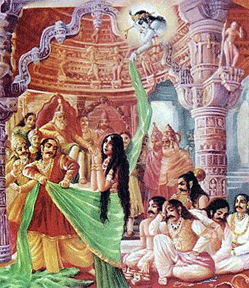
When Draupadi was almost disrobed by Duschasana and his team in the assembly, Lord Krishna gave her saree. When Duschasana tried to remove her cloth,  one after another appeared. It grew longer and longer that they could not do any harm to her. Her honour was saved.


When Duryodhana and Arjuna went for Lord Krishna’s help to win the war, Krishna gave the first chance to Duryodhana. Poor Duryodhana underestimated Krishna and asked for all his his army and weapons. Krishna smiled at him andsaid,Dadastu! ‘pease take it’. Arjuna was satisfied when Krishna said, “I will be your driver”. And he did drove his chariot to victory!


When the Symantaka diamond led to many frauds and murders he gave it to Akrura!

(Please read my research paper on Krishna’s Diamond in USA? — posted here on 23 April 2012).


When Gopis, girls from the cowherd community, gave him boundless love, he showered them with love thousand times more!


(Please read my post ‘Swami Vivekananda on Krishna and Gopis’ – posted here on March 8, 2014)

Was Draupadi Disrobed

Lord Krishna gave Viswarupa Darsanam to Arjuna and then to Bhisma.


When there was very heavy rain and the cowherd boys ran helter shelter, he gave them an umbrella made up of Govardhana Hill !!


Righto! Draupadi got X, Gopis got Y, Akrura got Z; you may wonder what do I get?

He has already given to you —  the entire humanity — a small and wonderful book called Bhagawad Gita– just 700 couplets — only 1400 lines! but the concentrated juice of Hinduism!

Drinking the juice in diluted form or concentrated form or not using it is in your own hands.


Here is a quote from Swami Vivekananda:-


“Krishna can never be understood until you have studied the Gita, for he was the embodiment of his own teaching. Everyone of these incarnations came as a living illustration of what they came to preach. Krishna, the preacher of the Gita, was all his life the embodiment of the Song Celestial; he was the great illustration of non attachment. He gives up his throne and never cares for it. He, the leader of India, at whose words kings come down from their thrones, never wants to be a king. He is the simple Krishna, ever the same Krishna who played with the Gopis.Ah, that marvellous passage of his life, the most difficult to understand, and which none ought to attempt to understand until he has become perfectly chaste and pure.” — Swami Vivekananda


Please read my two part post, Atom Bomb to Zoo of the Bhagavad Gita — posted here on November 22 and November 23 ,2011).


contact swami_48@yahoo.com