முயற்சி திருவினை ஆக்கும்: தவளைக் கதை

frog-300x230

கட்டுரையாளர்: லண்டன் சுவாமிநாதன்
கட்டுரை எண்:–1191; தேதி 24 ஜூலை, 2014.

ஒரு வீட்டில் தயிர்ப் பானையில் தயிர் வைத்திருந்தார்கள். அதை மூட மறந்து விட்டனர். இரவு நேரத்தில் தாவிக் குத்தித்து வந்த இரண்டு தவளைகள் அதில் தவறி விழுந்துவிட்டன. ஒரு பெரிய தவளை தன்னால் முடிந்த மட்டும் காலால் உதைந்து வெளியே குதிக்கப் பார்த்தது. முடியவில்லை. அலுத்துப் போய் அப்படியே அமைதியானது. சிறிது நேரத்தில் பானையின் கீழே போய் மாண்டு போனது.

மற்றொரு தவளை உருவில் சிறியது. அது முயற்சியைக் கைவிடாமல் உதைந்து கொண்டே இருந்தது. இரண்டு தவளைகளும் முன்னர் நீந்தி உதைத்ததிலும், குட்டித் தவளை கடைசி வரை உதைத்ததாலும் தயிர்ப் பானையில் வெண்ணை திரண்டது. கொஞ்சம் கொஞ்சமாக உருண்டு திரண்டு கட்டியாகியது. குட்டித் தவளை அதன் மீதேறித் தாவி வெளியே குதித்து தப்பி ஓடியது.

முயற்சி உடையார் இகழ்ச்சி அடையார்!!

surfacing Frog

கடவுளை அடைய விரும்புவோரும் இடை விடாமல் சாதகம் செய்தால் இறைவன் வெண்ணை போல திரண்டு வந்து உதவுவான் என்பார் இக்கதையைச் சொன்ன சுவாமி ராமதாஸ்.

திருவள்ளுவரும் இதையே சொன்னார்; சொல்லப்போனால் இதற்கு மேலே ஒரு படி சென்று, முயற்சிக்கான பலனைத் தெய்வமே கூட தடுக்க முடியாதென்றார்:

தெய்வத்தான் ஆகாதெனினும் முயற்சிதன்
மெய்வருத்தக் கூலி தரும் – (குறள் 619)

அதாவது இறுதி வெற்றி என்பது தர்மமா, அதர்மமா என்பதைப் பொறுத்தே அமையும். ஆனால் அதற்கு முன் வரை அவரவர் முயற்சிக்குத் தக முன்னேற்றம் அமையும். கடவுள் உங்களுக்கு உதவாவிட்டாலும் முயற்சிக்கான பலன், முயற்சியின் அளவுக்கேற்ப அமையும்.

‘முயற்சி திருவினை ஆக்கும்’ — முயற்சியினால் செல்வம் பெறலாமென்று சொன்ன வள்ளுவர், விதியையும் கூட வெல்லலாம் என்பார்:

ஊழையும் உட்பக்கம் காண்பர் உலைவின்றித்
தாழாது உஞற்றுபவர் (620)

frog 3

அடிக்க அடிக்க அம்மியும் நகரும் என்பர். கல்லே நகரும் போது நம் முயற்சிகளும் பயிற்சிகளும் பலன் தராமல் போகுமா?

–சுபம்–

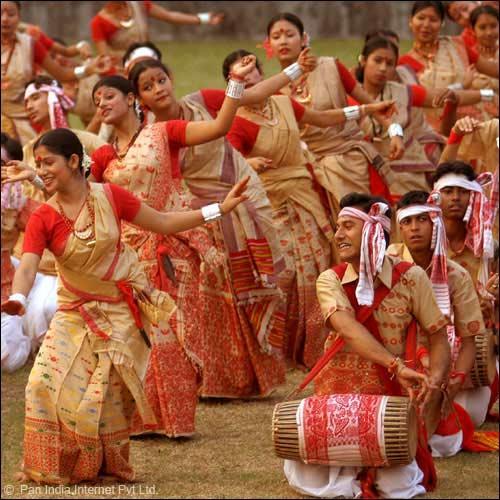
Why did 102 Dancers accompany a Tamil King during Invasion?

AssamBihu

Research paper written by London Swaminathan
Post No.1190; Dated 23rd July 2014.

Cheran Senguttuvan ( also written as Cenkuttuvan) was a powerful Tamil king who ruled western part of Tamil Nadu 1800 years ago. That part of South India is called Kerala now and Malayalam is spoken in the state. He was so powerful that he destroyed all the sea pirates in the Indian ocean and his father Netuncheralathan captured the Yavanas (Ionians or Arabians) and shaved the heads of Yavanas and poured oil on their heads. It is ancient punishment. He had good friendship with the mighty Brahmin rulers Satavahanas. When he wanted to go to the holy Himalaya to bring a stone for the statue of a Chaste woman (Patni) Kannaki, Satavahanas helped him. He was successful in his expedition. He bathed the stone in Holy River Ganga and sculpted a beautiful statue for Kannaki. He invited kings from all over India and Sri Lanka. Tamil Epic Silappadikaram says that the consecration of Kannaki Temple was attended by Gajabahu of Sri Lanka. So we knew his age for sure. This happened in the second century CE.

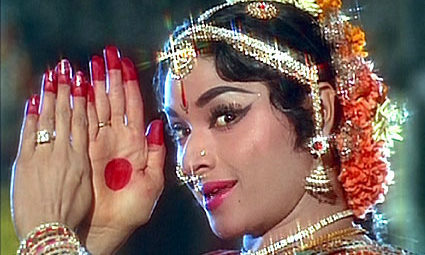
thillana1

The interesting detail from the Tamil epic is that Senguttuvan was accompanied by 102 dancers!
Senguttuvan was accompanied by
Chariots — 100
Elephants — 500
Horses — 10,000
Carts and carriages — 20,000
Kancukar (Police) — 1000
Dancing girls — 102
Musicians — 208
Jesters — 100

There is nothing new about dancers in the royal entourage. Raja Raja Choza, a mighty Tamil King whose rule extended up to Indonesia, had donated lands and houses for 400 dancers in Thanjavur. Their beautiful names in Tail and Sanskrit are found in the inscriptions in Thanjavur Big Temple.
The dancers entertained the kings and the general public during festivals and royal events.

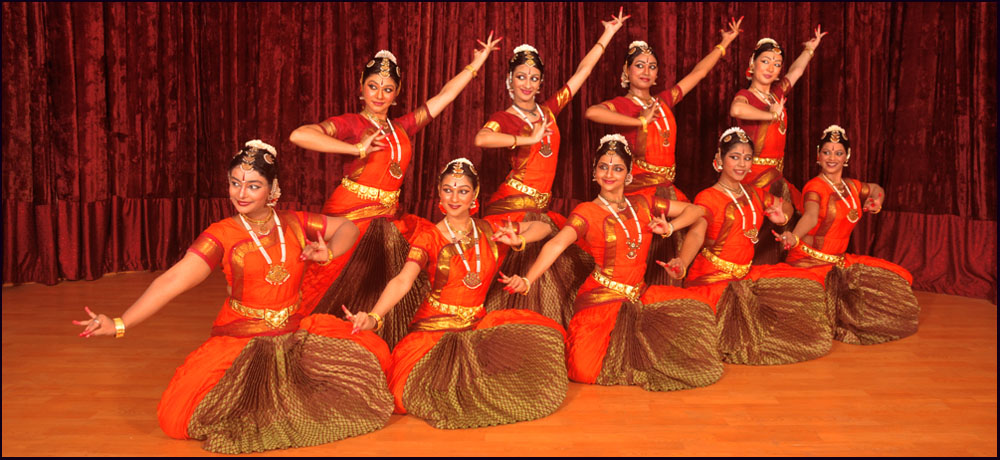
group dance

Senguttuvan was an ardent devotee of Lord Shiva. Just before the Himalayan expedition he went round Sri Padmanabha swamy Temple at Trivandrum. At the same time the priests from the nearby Vishnu temple brought him some Prasad which he put on the shoulder and walked to show respect. His head bowed only to the gods, says the Tamil epic.

As soon as he reached the Himalayas he ordered his soldiers:
“Go and courteously assure our support to all those who uphold the Vedas in the northern region and who led holy lives by keeping alive sacrificial fires”.

Source : Tamil Epic Silappadikaram, Canto 26– Lines 128-140

Senguttuvan came back to his capital after spending two and a half year in his Himalayan invasion.

50 kilo+ Gold for a Brahmin

In the chapter 27 — the Nirpatu katai—there is another incident of donating 50 tula (Over 50 kilo) to a Brahmin called Matalan.

The great king and wielder of lance, wearing the Palmyra garland, became mightily pleased, and saying, “O Brahmana Matalan, please accept”,he honoured him with a gift of fifty tulams of pure gold equal to his own weight.

This means Senguttuvan weighed 50 Tulam. Tula bharam is an ancient ritual and considered one of the 16 supreme gifts enjoined on all and on the king particularly. It is clear from the Vijayanagara inscriptions that its kings performed these sixteen gifts.

Pictures are taken from other websites;thanks.

Contact swami _48 @yahoo.com

தமிழ் பக்தர்களின் அபார தாவரவியல் அறிவு!!

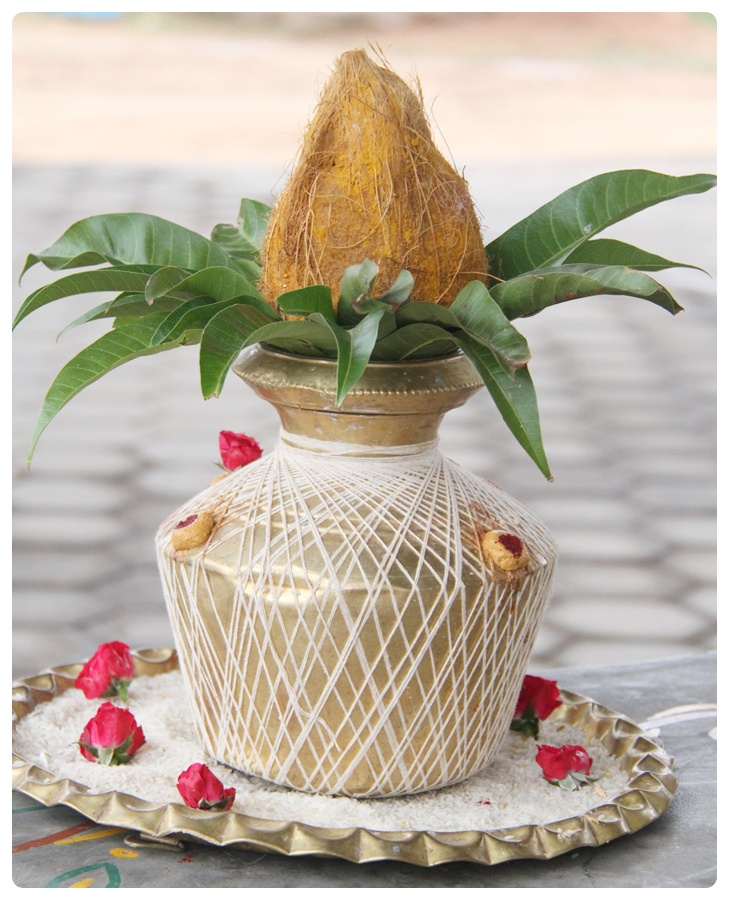
purnakumba

ஆராய்ச்சிக் கட்டுரையாளர்: லண்டன் சுவாமிநாதன்
கட்டுரை எண்:–1189; தேதி 23 ஜூலை, 2014.

இந்து சமயத்தைப் பின்பற்றுவோருக்கு அந்தக் காலத்தில் எல்லாக் கலைகளும் தெரிந்திருந்தன. வானத்தில் உள்ள எல்லா கிரகங்களும் 27 நட்சத்திரங்களும் தெரியும். சாப்பாட்டு அறைக்கு வரும் 10, 15 கீரை வகைகள் தெரியும். துவையலுக்குப் பயன்படும் பல மூலிகைகள் தெரியும். இதெல்லாம் மருத்துவம் உணவு சம்பந்தப்பட்ட தாவரங்கள். ஆனால் இந்து மதம் என்பதை மட்டும் எடுத்துக் கொண்டால் ஒரு உலக அதிசயம் காத்திருக்கிறது!

இந்து மதத்தில் பயன்படுத்தும் பூக்களின் வகைகள் மட்டும் நூற்றுக் கணக்கில் இருக்கின்றன! விநாயக சதுர்த்தி அன்று பயன்படுத்தும் இலைகள் (பத்திரங்கள்) மட்டுமே 21 இருக்கின்றன. உலகில் இந்த அளவுக்கு இலைகளையும் பூக்களையும் மரங்களையும், மதத்தில் பயன்படுத்தும் கலாசாரம் வேறு எங்கும் இல்லை. தமிழ் இந்துக்களின் வாழ்வு எந்த அளவுக்கு இயற்கையோடு ஒன்றி இருந்தது என்பதற்கு இது ஒரு சான்று.

இந்தக் கட்டுரை, சமயத்தில் பயன்படும் தாவரங்களைப் பற்றியது. சித்த, ஆயுர் வேத மருத்துவத்தில் பயன்படுத்தும் தாவரங்களைச் சேர்த்தால் ஆயிரக் கணக்கில் வந்து விடும்!!!
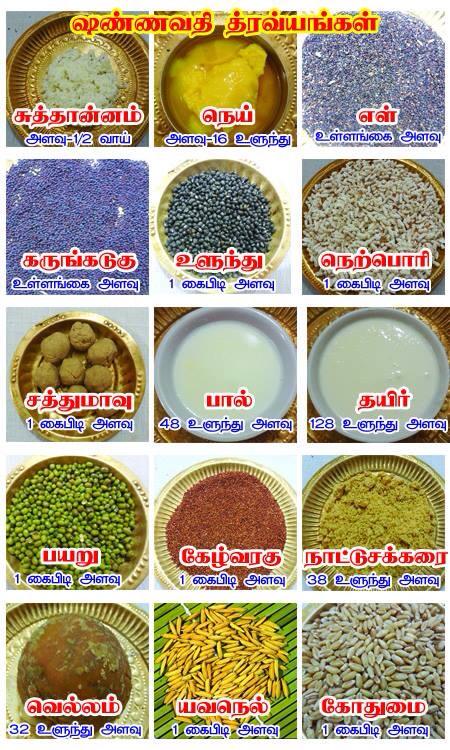
homa dravyas

கபிலர் அறிவுரை
குறிஞ்சிப் பாட்டு என்னும் சங்க இலக்கிய நூலை 2000 ஆண்டுகளுக்கு முன் எழுதிய பிராமணப் புலவன் கபிலன் 99 பூக்களின் பெயரை ஒரே மூச்சில் பாட்டில் எழுதி சாதனைப் புத்தகத்தில் — தமிழரின் சாதனைப் புத்தகத்தில் — இடம்பெற்றான். அதே புலவன் புற நானூற்றில் ஒரு பகவத் கீதை ஸ்லோகத்தை மொழி பெயர்த்து புதுமையும் செய்தான்:

எனக்கு பக்தியுடன் கொடுக்கும் பச்சிலை, பூ, தண்ணீர், பழம் எதுவானாலும் — (பத்ரம், புஷ்பம், பலம், தோயம்) —- அதை நான் உண்கிறேன் (பகவத் கீதை 9-26) என்று கண்ண பிரான் கூறுவான். இதையே கபிலர் பாடுகிறார் (புறம்—106):–

“நல்லவும் தீயவும் அல்ல குவி இணர்ப்
புல் இலை எருக்கம் ஆயினும், உடையவை
கடவுள் பேணேம் என்னா”

பொருள்: நல்லதோ, கெட்டதோ எருக்கம் பூவை உள்ளன்போடு கொடுத்தாலும் கடவுள் வேண்டாம் என்று சொல்லமாட்டார்.
ஆக தமிழன் 2000 ஆண்டுகளாக எருக்கம் பூ, இலையைப் போட்டு பூஜை செய்வதைக் கபிலர் சொல்லிவிட்டார்.
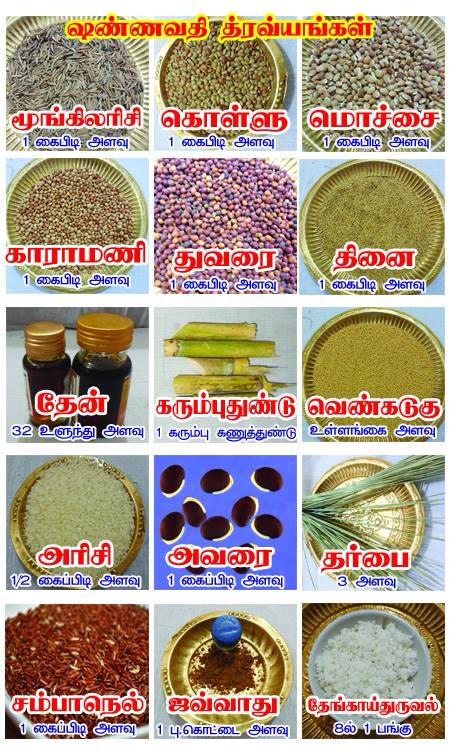
homadravyas5

துளசி, வில்வம்
துளசி இலை இல்லாத பெருமாள் கோவில் இல்லை; வில்வம் இல்லாத சிவன் கோவில் இல்லை.

கோவிலைச் சுற்றி விற்கப்படும் பூக்கள் — பிரதேசத்துக்கு பிரதேசம், பருவத்துக்கு பருவம் — மாறு படும். இவ்வகையில் தாமரை முதல் அரளி வரை நூற்றுக் கணக்கான பூக்கள் வந்து விடும்.
கழுத்தில் போடும் ருத்ராக்ஷம், துளசிமணி, தாமரை மணி மாலை வரை எல்லாம் தாவர வகைகளே!

நவ சமித்துகள், நவ தானியங்கள்

நவக்ரஹ ஹோமத்தில் போடப்படும் நவதானியங்கள், நவ சமித்துகள் ஆகியனவும் தாவரங்களே; இதோ அந்தப் பட்டியல்:

நெல், கோதுமை, துவரை, பாசிப்பயறு, எள், வெள்ளை மொச்சை, கொள்ளு, உளுந்து, கொத்துக் கடலை

நவக்ரஹ ஹோம சமித்துகள்

எருக்கு, புரசு (பலாசம்), அத்தி, அரசு, வன்னி, அருகம் புல், கருங்காலி, நாயுருவி,, தர்ப்பை.

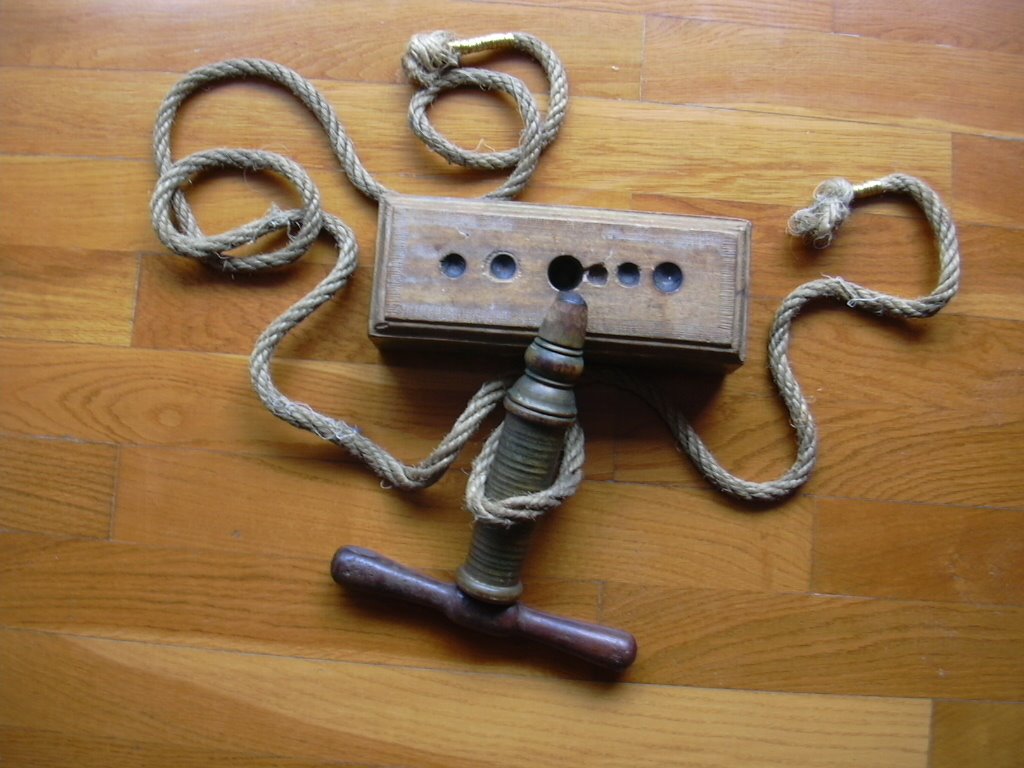
அரச மரம் வேதத்தில் உள்ளது, சிந்து சமவெளியிலும் உள்ளது. அரசு, ஆல், அத்தி ஆகிய மூன்றும் ஒரே குடும்பத்தைச் சேர்ந்தவை. இது மூன்றும் விஷ்ணு சஹஸ்ரநாமத்தில் மூன்று நாமங்களாக வருகின்றன.
வன்னி மரத்தையும் அரச மரத்தையும் கொண்டு தயாரிக்கப்பட்ட அரணிக் கட்டையைக் கொண்டே யாக யக்ஞங்களுக்கான தீ/ அக்னி மூட்டப்படும்.

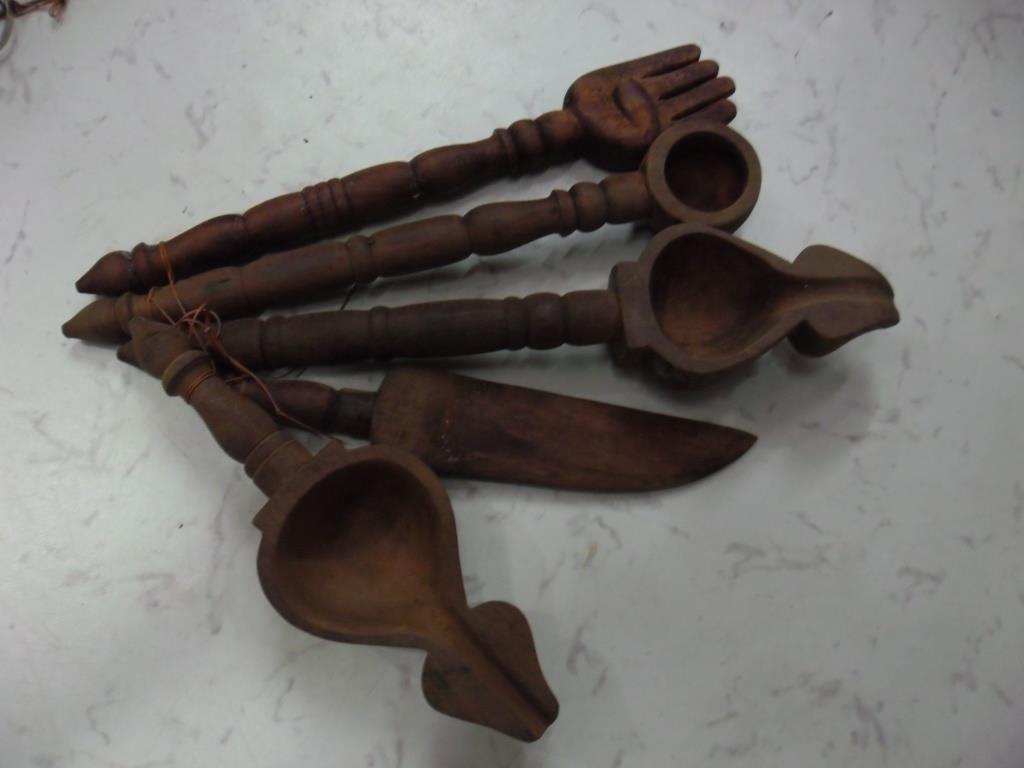
பலாச மரத்தைக் கொண்டு தயாரிக்கப்படும் கரண்டிகளைக் கொண்டே யாகத்தில் ஹவிஸ், நெய் முதலியவற்றை ஆகுதி செய்வர்.

pavitra
pavita made up of Dharba grass

21 இலைகள் (பத்ரம்):
பிள்ளையார் சதுர்த்தி அன்று 21 இலைகளைப் போட்டு பூஜை செய்வது விசேஷம் என்பது எல்லோருக்கும் தெரியும். அந்த 21 இலைகளையும் தமிழர்கள் தெரிந்து வைத்திருந்தனர்:–
இதோ 21 இலைகள் (பத்ரம்):
மாசீ பத்ரம், ப்ருஹதி பத்ரம், வில்வ பத்ரம், தூர்வாயுக்ம (அருகம்புல்) பத்ரம், துத்தூர பத்ரம், பதரீ பத்ரம், அபாமார்க பத்ரம், துளசி பத்ரம் சூத (மாவிலை) பத்ரம், கரவீர பத்ரம், விஷ்ணுகிராந்தி பத்ரம், தாடிமீ (மாதுளை) பத்ரம், தேவதாரு பத்ரம், மருவ பத்ரம், சிந்துவார பத்ரம், ஜாஜீ பத்ரம், கண்டகீ பத்ரம், சமீ (வன்னி) பத்ரம், அஸ்வபத்ரம், அர்ஜுன பத்ரம், அர்க (எருக்கு) பத்ரம்.

spoons
yaga utensils made up of palasa wood

பூஜைக்கு உதவும் 27 இலைகள்
வில்வம், துளசி, மருக்கொழுந்து, நாயுருவி, பூளை, நொச்சி, கரந்தை, செங்கீரை, மாசிப்பச்சை, மலைப் பச்சை, திருநீற்றுப் பச்சை, எலுமிச்சம் பச்சை, சமுத்திரப் பச்சை, கதிர்ப் பச்சை, கொண்டை, குடத்தன் குதம்பை, வன்னி, கிளுவை, மாவிலங்கை, விளா, மா, எலுமிச்சை, நாரத்தை, நாவல், மருது, நெல்லி, இலந்தை.

பழங்கள்
மா, பலா, வாழை என்னும் முக்கனிகளை தென்னிந்தியர்கள் கடவுளுக்குப் படைக்கிறார்கள். மஞ்சள் அட்சதை, வாழை இலை, மாவிலை, தேங்காய் வெற்றிலை, பாக்கு இல்லாத பூஜைகள் கிடையாது. தென்னை, வாழை ஆகிய மரங்களின் எல்லா பகுதிகளையும் ஏதோ ஒரு வகையில் பயன்படுத்துகிறோம். வாழை இலையில் தொன்னை செய்தும், தென்னை ஓலையில் விசிறி செய்தும் கோவில்கள், பூகைகளில் பயன்படுத்துவர்.

Arani Mantha
Arani wood made up of Peepal and Sami tree to kindle fire.

பூர்ண கும்ப தாவரங்கள்
பூர்ண கும்ப கலசங்களுக்குள் கிராம்பு, ஏலக்காய், குங்குமப் பூ முதலியனவும் மேலே மாவிலை, தேங்காய் எனவும் உபயோகிக்கிறோம். நைவேத்யத்துக்கு பல வகையான பழங்களையும், காலத்திற்கேற்ப பயன் படுத்துவர். பிள்ளையார் சதுர்த்தி என்றால் விளாம்பழம், நாவல் பழம் என்பது போல.

உலகிலேயே தாவரத்தின் பெயரில் உள்ள ஒரு நாடு இந்தியாதான். ஜம்புத்வீபம், நாவலந்தீவு என்பது இந்தியாவின் பெயர். கோவில்களிலும், பிராமணர் இல்லங்களிலும் அன்றாடம் ‘’சங்கல்ப’’த்தின் போது ஜம்புத்வீபம் என்பது ஒலிக்கும். ஏழு த்வீபங்களுக்கும் ஏழு தாவரப் பெயர்கள் வைக்கப்பாட்டாலும் இந்தியாவின் பெயர் மட்டுமே அன்றாடப் புழக்கத்தில் இருக்கிறது. இதைப் பார்த்து தமிழர்களும் குறிஞ்சி, முல்லை, நெய்தல், மருதம், பாலை என ஐந்து தாவரங்களைக் கொண்டு நிலப் பெயர் அமைத்தனர்.
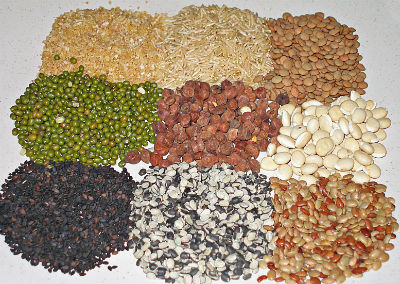
நவதானிய படம்1
ஸ்தல மரங்கள்

பூஜையில் வாசனைக்காகப் பயன்படுத்தும் அகில், சந்தனம், சாம்பிராணி, சூடம், ஊதுவத்திக் குச்சி முதலியனவும் தாவரங்களே.

நீண்ட பட்டியலைத் தருவதற்குப் பதிலாக ஒரு மாதிரி சர்வே மட்டுமே கொடுத்து இருக்கிறேன். ஒவ்வொரு ஊரிலும் உள்ள தலமரங்களின் பட்டியலைத் தனியே தருவேன்!

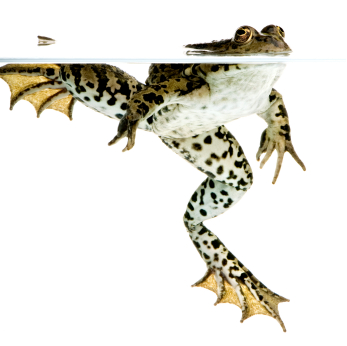
Those who struggle win

surfacing Frog

Compiled by London Swaminathan
Post No.1188; Dated 22nd July

In a house there was a pot of curds kept in the kitchen. The pot was not covered. Two frogs, one big and the other small, while hopping about, fell into the pot of curds. Both of them struggled for some time to get out, but could not do so. The bigger frog gave up all hopes, kept quiet, and sank to the bottom and died.

The smaller frog did not want to give in easily. He struggled and struggled for hours together. He was now completely exhausted and kept quiet for some time. By the frog’s continuous struggles and his constant movements in the curds pot, the curds were churned and the butter was formed on its surface.

frog 3

When the frog stopped struggling through exhaustion and became still, the butter gradually formed in to a lump. This gave a chance for the frog to leap out of the pot.
It is clear from this story that struggle or ‘sadhana’ is essential to secure from the toils of worldly life.

You should strive hard to get God and when you are completely exhausted in the effort and lie still in surrender at His feet, He comes to you as your saviour.
-Story told by Swami Ramdas.

Tiruvalluvar’s Maxims

Tamil poet Tiruvalluvar says
Even if Providence in hot helpful
Personal efforts will bear proportionate results (couplet 619)

People who labour hard wih ceaseless industry
Will overcome even relentless fate (Kural 620)

Let not the magnitude of any task unman you
Strenuous effort ever brings victory

frog-300x230

Napoleon rose to his eminence because he was convinced that nothing was impossible. He is believed to have said, “Impossible in not French. Everything can be achieved by a systematic and persistent all-out effort, says Dr S M Diaz in his commentary on Tirukkural.

contact swami _ 48@yahoo.com

தமிழனின் ஆறு பருவங்கள்: ஆரிய – திராவிட வாதத்துக்கு அடி!!

6 season

ஆராய்ச்சிக் கட்டுரை : லண்டன் சுவாமிநாதன்
கட்டுரை எண்:—-1187; தேதி 22 ஜூலை 2014.

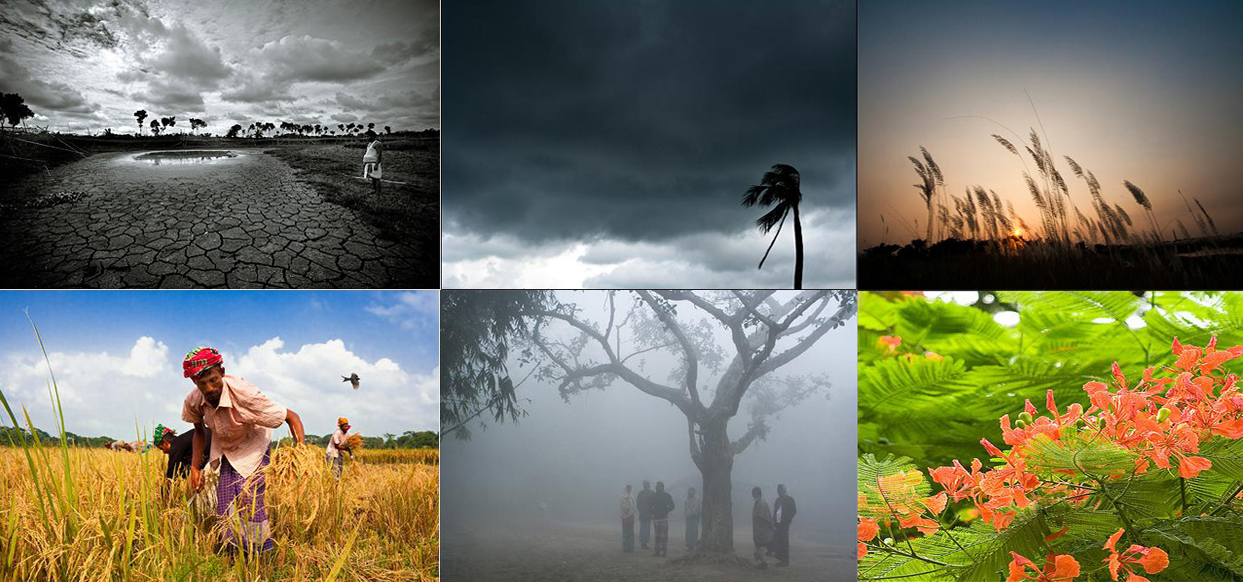
வேதத்திலும் தொல்காப்பியத்திலும் இளவேனில், முது வேனில், கார், கூதிர், முன் பனி, பின்பனிக் காலம் என்று ஆறு பருவங்கள் உள்ளன. பழங்கால நாகரீகம் எதிலும் இப்பிரிவுகள் இல்லை. இதனால் என்ன தெரிகிறது?

1.காஷ்மீர் முதல் இலங்கையின் தென்கோடி கண்டி வரை ஒரே கலாசாரமே வேத காலம் முதல் நிலவியது.

2.இது உலகின் வேறு எந்தப் பகுதியிலும் இல்லாததால் ஆரியக் குடியேற்றவாதம் பொய். இந்துப் பண்பாடு — அதாவது இந்தியப் பண்பாடு — இந்திய மண்ணிலேயே இயற்கையாக உருவானது.

ஆரிய- திராவிட இனவாதக் கொள்கைக்கு சங்கத் தமிழ் இலக்கியம் அடிமேல் அடி கொடுக்கிறது. இந்து மதம் தவிர உலகில் உள்ள எல்லா மதங்களும் தோன்றுவதற்கு முன்னரே சம்ஸ்கிருதமும் தமிழும் இருந்தன!!

ஆரியர்கள் என்போர் மத்திய ஆசியாவில் இருந்தோ ஐரோப்பாவில் இருந்தோ குடியேறினால் இப்படிப் பருவங்களைப் பிரித்திருக்க முடியாது. அப்படிப் பிரித்திருந்தால் அதன் எச்சங்கள் பழங்கால கிரேக்க நாகரீகத்தில் இருந்திருக்க வேண்டும்!!

ரோமாபுரி கலாசாரத்தில் இன்று ஆங்கிலேயர்கள் பின்பற்றும் வசந்தம், கோடை, இலையுதிர்காலம், குளிர் காலம் என்ற நால்வகைப் பிரிவே உள்ளது. கிரேக்க கலாசாரத்தில் நிறைய பிரிவுகள் உண்டு.

இன்னும் ஒரு அதிசய விஷயம்! உலகிலேயே ஆறு பருவங்களுக்கு என்று நூல் எழுதியவன் உலகப் புகழ் பெற்ற சம்ஸ்கிருதக் கவிஞன் காளிதாசன் ஒருவனே. காளிதாசனின் ருது சம்ஹாரம் என்னும் நூலைப் படிப்போருக்கு இயற்கை இன்பம் கிட்டும். உலகில் இந்தியர்கள் போல இயற்கையில் ஊறித் திளைத்தவர்கள் வேறு எவரும் இல்லை. அந்தணப் புலவன் கபிலன் சங்கத் தமிழ் நூலான குறிஞ்சிப் பாட்டில் ஒரே மூச்சில் 99 தாவரங்களை அடுக்கிப் பாடியதும் உலகில் வேறு எந்தப் பண்பாட்டிலும் இல்லை!
A-Death-of-Seasons

சங்கத் தமிழ் புலவர்கள், காளிதாசனின் ஆயிரத்துக்கும் மேலான உவமைகளில், சுமார் 200 உவமைகளைக் கையாளுவதால் காளிதாசன் கி.மு.முதல் நூற்றாண்டில் இந்தியாவை ஆண்ட விக்ரமாதித்தன் காலத்தவனே என்று இதுவரை ஆறு, ஏழு கட்டுரைகளை எழுதினேன். காளிதாசனின் ஆறு பருவங்கள் தமிழில் அப்படியே இருப்பது இன்னும் ஒரு சான்று என்று கொள்ளலாம்.

காளிதாசனுக்கு முன்னர், உலகின் மிகப் பழைய சமய நூலான ரிக் வேதத்திலும், பருவம் பற்றிய குறிப்புகள் உண்டு. ஆயினும் அதர்வண வேதமே (6-55-2) ஆறு பருவங்களை முதலில் குறிப்பிடுகிறது. பல சம்ஹிதைகளிலும் ஆறு பருவங்கள் வருகின்றன.

தொல்காப்பியப் பொருள் அதிகாரத்தில் அகத்திணை இயலில் வரும் சூத்திரம்:
“காரும் மாலையும் முல்லை; குறிஞ்சி
கூதிர் யாமம் என்மனார் புலவர்.
பனிஎதிர் பருவமும் மொழிப.
வைகறை விடியல் மருதம்; ஏற்பாடு
நெய்தலாதல் மெய்பெறத் தோன்றும்
நடுவு நிலைத் திணையே நண்பகல் வேனிலொடு
முடிவுநிலை மருங்கின் முன்னிய நெறித்தே
பின்பனி தானும் உரித்தென மொழிப”

என்று நிலங்களுக்கு உரிய ஆறு பெரும் பொழுதுகளையும் ஆறு சிறு பொழுதுகளையும் கூறுவார்.
பெரும் பொழுதுகள் ஆறு:—-

ritu

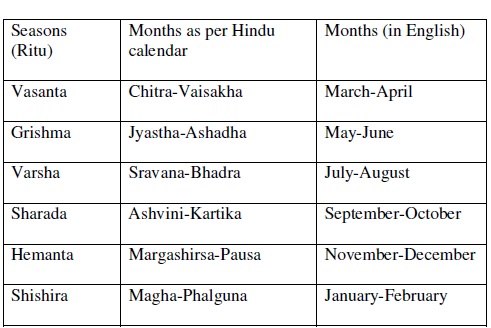
இளவேனில்: சித்திரை, வைகாசி= வசந்த ருது
முது வேனில்: ஆனி, ஆடி = க்ரீஷ்ம ருது
கார் காலம்: ஆவணி, புரட்டாசி = வர்ஷ ருது
கூதிர்: ஐப்பசி, கார்த்திகை = ஷரத் ருது
முன் பனி: மார்கழி, தை = ஹேமந்த ருது
பின்பனிக் காலம்: மாசி, பங்குனி = சிசிர ருது.

ஆறு சிறு பொழுதுகள்:——
வைகறை, காலை, நண்பகல், மாலை, யாமம், ஏற்பாடு.

குறிஞ்சிப் பாட்டில் ஐந்து சிறு பொழுதுகளை ஒரே பாட்டில் காணலாம்:
காலையும், பகலுங் கையறு மாலையும்
ஊர்துஞ்சி யாமமும் விடியலுமென்றிப்
பொழுது………………. (குறுந்தொகை 32)

சங்கத் தமிழ் நூல்களில் ஆறு பருவங்கள் பற்றிய குறிப்புகள் ஏராளமான இடங்களில் வருகின்றன. தேவாரத்தில் ‘மாசில் வீணையும் மாலை மதியமும்’ போன்ற பாடல்களில் ஒவ்வொரு பொழுதும் வருணிக்கப் படுவதைக் காணலாம்.

khotanese

ராமாயணத்தில் ஆரண்ய காண்டத்தில் ஹேமந்த ருது வருணனையும், கிஷ்கிந்தா காண்டத்தில் வசந்த காலம், கார் காலம் பற்றிய வருணனைகளும் வருகின்றன.
மனுதர்ம சாஸ்திரமும் பல இடங்களில் ருதுக்களைக் குறிப்பிடுகின்றன.

தைத்திரீய சம்ஹிதை வசந்த ருதுவை முதலாவதாகக் குறிப்பிடுகிறது. ஆனால் காளிதாசன் தனது ருதுசம்ஹார காவியத்தை கோடையில் துவங்கி எல்லோரும் விரும்பும் வசந்தத்தில் முடிக்கிறான். கண்ண பிரானும் பகவத் கீதையில் (10-35) காலங்களில் நான் வசந்தம், மாதங்களில் நான் மார்கழி என்பான்.

காளிதாசனின் ருதுசம்ஹார காவியத்தில் 144 பாடல்கள் உள்ளன. ஒவ்வொரு பாடலுக்கும் சங்க இலக்கியத்தில் ஒரு பாடலை ஒப்பிட்டுப் பார்த்து மகிழலாம். காளிதாசன் பற்றி அரவிந்தர் எழுதிய நூலில் பாதிக்கும் மேலான பகுதியை ருதுசம்ஹாரத்துக்கு ஒதுக்கி இருக்கிறார். ருது சம்ஹாரம் காளிதாசன் எழுதியது என்பதற்கு இதிலுள்ள உவமைகளே சான்று; இதில் காளிதாசனின் முத்திரையைக் காணலாம் என்று கூறி இருக்கிறார்.

seasons-uu1tu1-trunc

வாழ்க காளிதாசன் புகழ்! ஓங்குக சங்க இலக்கியப் புகழ்!!

Six Seasons: Same for South & North Indians !

A-Death-of-Seasons

Research paper written by London Swaminathan
Post No.1186; Dated 21st July 2014.

India is one; There is no difference in the basic culture. Hindus have been following the same tradition from Kashmir to Kanyakumari from the Vedic days. They had the same division of six seasons in the north and the south of the vast country. This proves two things:

1.There is no Aryan – Dravidian division in the ancient Hindu culture. One culture was followed by the ancient Hindus in India.

2.Six seasons are found only in India; so the culture is not imported from Central Asia or Europe. In Western countries only four seasons were there; so there is no truth in Indo European stock/culture.

There is only one book in the world about Seasons. That was written by the greatest poet Kalidasa in Sanskrit. Kalidasa wrote ‘Rtu Samharam’. Another amazing thing about the seasons is the modern classification coincides with our six seasons!

Westerners divided the seasons into four: Spring, Summer, Autumn/Fall and Winter.
From the Vedic days we have divided the season in to six seasons:

seasons-uu1tu1-trunc

1.Spring Season/Vasanta Rtu/ Ila Venil in Tamil/
Months Chitrai(Chaitra),Vaikasi (Vaishaka)/Mid March to Mid May

2.Summer/Greesma Rtu/Muthu Venil/
Months Ani (Jyeshta), Adi (Ashada)/Mid May to Mid July

3. Monsoon/Rainy/Varsha Rtu/Kar Kalam/
Months Avani (Shravana),Purattasi (Bhadrapada)/Mid July to Mid September

4.Autumn/Sharad Rtu/Kuthir Kalam/
Months Aippasi (Aswin), Karthikai (Kartika)/ Mid September to Mid November

5.Late Autumn/Hemanta/Mun Panikkalam/
Months Markazi (Margashirsha)Thai (Pausa)/ Mid November to Mid January

6.Winter/Shishira/Pin Panikkalam/
Months Masi (Magh),Panguni (Phalguna)/ Mid January to Mid March

6 season

Modern Classification: Pre Vernal, Vernal, Estival, Serotinal, Autumnal, Hibernal
Western Classification: Spring, Summer, Autumn, Winter.

Rtu in the Rig Veda

Rtu /season is mentioned in the Rig Veda. Though seasons are mentioned in it Atharvaveda (6-55-2) and several Samhitas mention “Six Seasons”.

Valmiki in his Ramayana described Hemanta Rtu in Aranya kanda, Vasanta Rtu and Varsha rtu in Kishkinda Kanda.

Manu mentioned seasons in the verses: 1-30, 3-217, 4-26, 9-36 and 3-273.
Kalidasa in his famous book on seasons Rtu Samharam (The Gathering of the Seasons) begins with summer season. It has got six sections, one each for a season. It has 144 verses.

According to Taittiriya Samhita Vasanta Rtu is the first one. Krishna also says that he is Vasanta rtu among the seasons (Bhagavd Gita 10–35).
khotanese

But Kalidasa began his book with the summer season so that he could finish it with the spring season. His description of nature is superb in this book. Scholars like Aurobindo had dismissed the doubts about the authorship of this work. Aurobindo had devoted half of his book for Rtusamharam in his book on Kalidasa. He said that we can see his hand in all the similes used in this work.

Tamils have been using the same division from the Sangam period. At the same time we see four divisions of seasons in Rome. In Greece we see a different system. This disproved the Aryan – Dravidian racist theory. Tamils saw eye to eye with their counterparts in North India. Oldest Tamil book Tolkappiam referred to six seasons in the Akattinai Iyal of Porul Adikaram.

Long Live United India!

Contact swami _ 48 @ yahoo.com

ritu

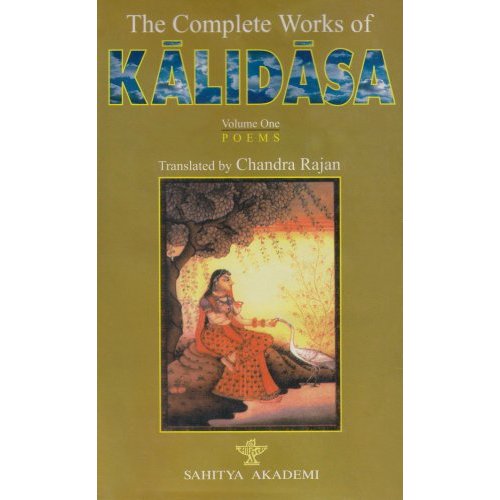
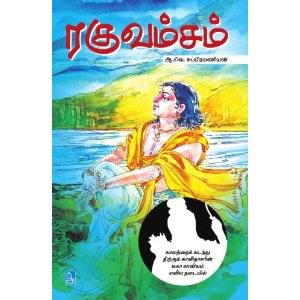
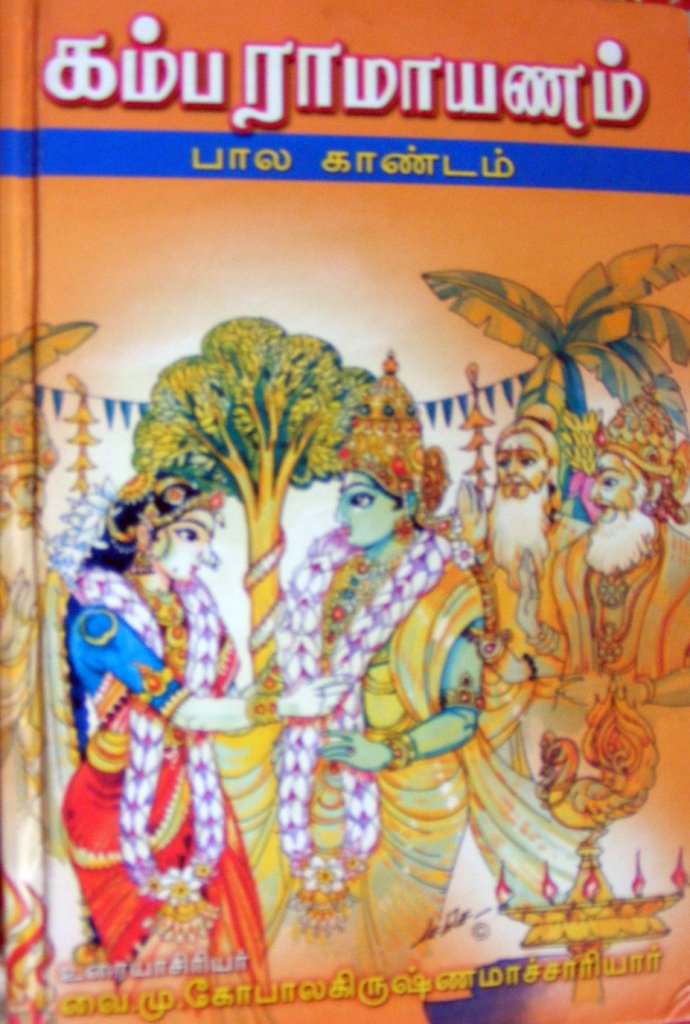
அரசனின் குணநலன்கள்: கம்பனும் காளிதாசனும்

கம்பன்2

கட்டுரை எழுதியவர் லண்டன் சுவாமிநாதன்
கட்டுரை எண்:– 1185: தேதி:— 21 ஜூலை 2014.

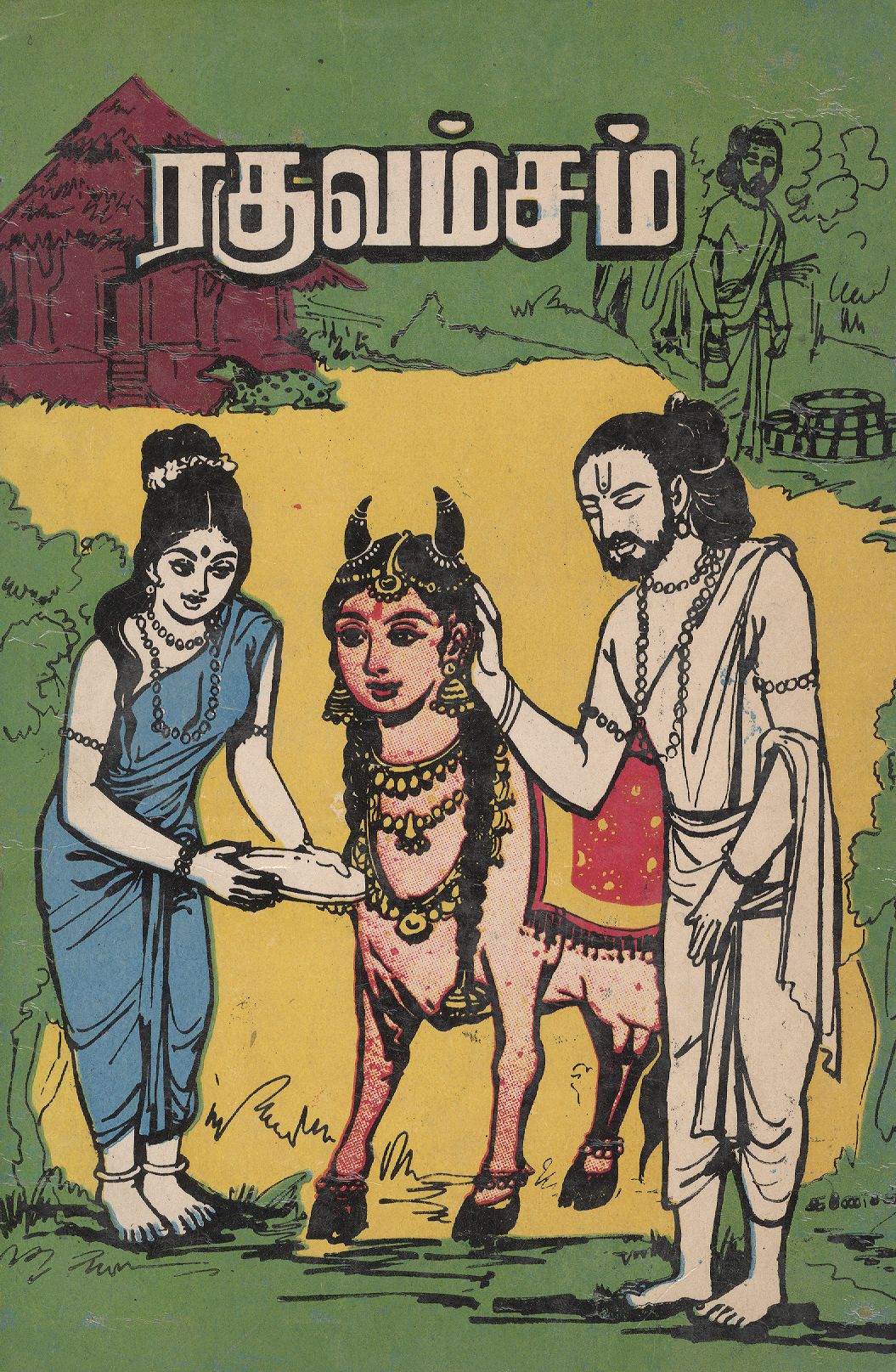
நல்ல அரசர்கள் குணங்கள் என்ன என்று கம்பனும், காளிதாசனும் பட்டியல் இடுகின்றனர். கம்ப ராமாயணத்தையும், ரகு குல மன்னர் புகழ் பாடும் காளிதாசனின் ரகுவம்சத்தையும் நமது மந்திரிகளும், ஆட்சியாளர்களும் படிக்கவேண்டும்; பின்பற்றவும் வேண்டும்.

இதோ கம்பன் கூற்று:–
இனிய சொல்லினன்; ஈகையன்; எண்ணினன்;
வினையன்; தூயன்; விழுமியன்; வென்றியன்;
நினையும் நீதி கடவான் எனின்,
அனைய மன்னர்க்கு அழிவும் உண்டாம் கொலோ?
(அயோத்யா காண்டம், மந்தரை சூழ்ச்சிப் படலம், பாடல் 111)

இவை அத்தனையும் ராமன், அவனது தந்தை தசரதன், அவனது முன்னோன் ஆன ரகு அத்தனை பேருக்கும் பொருந்தும்.

இனிய சொல்லினன்= இனிய சொற்களையே பேசுவான்
ஹிதபாசி என்று ராமனைப் புகஷ்வான் வால்மீகி;

ஈகையன் = வாரி வழங்கும் கொடையாளிகள்;

எண்ணினன் = எண்ணித் துணிக கருமம் என்னும் வள்ளுவன் வாக்கிற்கிணங்க எந்தச் செயலையும் ஆராயாமல் துவங்கமடார்கள்;

வினையன் = தேனீக்கள், எறும்புகள் போல எப்போதும் சுறுசுறுப்பானவர்கள்; சோம்பேறித்தனம் என்பதே அவர்கள் அகராதியில் இல்லை;

தூயன் = கறைபடாத கரங்கள் உடையோர்; மனம், மொழி, மெய்—மனோ,வாக், காயம் என்னும் திரிகரண சுத்தி உடையோர்;

விழுமியன் = சிறப்புமிக்கவர்கள்; ஆயிரத்தோடு ஒன்று ஆயிரத்தொன்று என்று வாழாமல், ஒவ்வொருவரும் ஒரு சிறப்பான செயல் புரிந்து வரலாற்றில் அழியாத இடம் பெறும் “தோன்றின் புகழொடு தோன்றுக” வகையினர்;

வென்றியன் = தோல்வி என்பதே அவர்கள் அகராதியில் இல்லை; “எடுத்த காரியம் யாவினும் வெற்றி: என்ற பாரதி வாக்கிற்கு இலக்கணமாகத் திகழ்பவர்கள்;

நினையும் நீதி கடவான் = எவரும் போற்றும் அரச நீதியில் இருந்து விலகாதவர்கள்.
இது கம்பன் தரும் சித்திரம்.

Ragu_big

ஆஜன்ம சுத்தானாம், ஆ பலோதய கர்மணாம், ஆசமுத்ர க்ஷிதீசானாம், ஆநாக ரத வர்த்மனாம்

ரகு குல மன்னர்கள் பற்றி நான்கு விஷயங்களை முதல் சர்க்கத்திலேயே காளிதாசன் (ஸ்லோகம் எண்:5) சொல்லி விடுகிறான்:

1.பிறவியிலேயே பரிசுத்தமானவர்கள் (( ஆஜன்ம சுத்தானாம்)).
2.பயன் கிடைக்கும் வரை முயற்சியை உடையவர்கள் (( ஆ பலோதய கர்மணாம்)) — (எடுத்த காரியம் யாவினும் வெற்றி)

3. இரு பக்கமும் சமுத்திரத்தின் கரைகள் வரை ஆட்சி புரிபவர்கள் (( ஆசமுத்ர க்ஷிதீசானாம்)). பரந்த சாம்ராஜ்யம்!

4.அவர்களுடைய தேர்கள் சுவர்க்கத்தின் வாசல் வரை செல்லத் தக்கன (( ஆநாக ரத வர்த்மனாம்)) !!

இனி காளிதாசன் ரகு வம்ச காவியத்தில் முதல் சர்க்கத்தில் என்ன சொல்கிறான் என்பதைப் பார்ப்போம்:–

தெய்வ நம்பிக்கை உடையோர்; தேவ பூஜை செய்தனர்
தானம் கேட்டு வந்தவரின் மனம் வருந்தாத அளவுக்கு தானம் கொடுத்தனர்.

குற்றத்திற்கு ஏற்ற தண்டனை வழங்கினர்.

பிறருக்குக் கொடுப்பதற்காக பொருள் ஈட்டினர்.

காலத்திற்கு ஏற்ற அறிவு பெற்றனர்; அதாவது காலத்திற்கு ஏற்ப புதுப்புது விஷயங்களைக் கற்றனர்.

குறைவாகப் பேசினர்; எதற்காக? அதிகம் பேசினால் வாய் தவறி சத்தியம் பிறண்டு விடுமோ என்று பயந்து சத்தியத்தைக் காக்க மிதமாகப் பேசினர்.

புகழிற்காக மற்ற மன்னர்களை வென்றனர். நாடு பிடிக்க அல்ல; மக்களைக் கொன்று குவிக்க அல்ல.

இளமையில் கல்வி கற்றனர்; “இளமையில் கல்” என்ற ஆத்திச்சூடி வசனம் அவர்களுடைய குறிக்கோள்

யௌவனப் பருவத்தில் (வாலிப வயதில்) இன்பம் துய்த்தனர்.

திருமணம் செய்து கொண்டனர்; எதற்காக—வம்ச விருத்திக்காக!! (செக்ஸுக்காக அல்ல)

வயோதிகப் பருவத்தில் காட்டிற்குப் போய் தவம் செய்து யோகத்தினால் உயிரை விட்டனர்.

குசன் மகன் ஆட்சி எப்படி இருந்தது?

big-kalidasa

ரகு வம்ச 17–ஆவது சர்க்கத்தில் ராம பிரானுடைய பேரன் அதிதி — (குசனின் மகன்) — ஆட்சியில் அவன் எப்படி இருந்தான் என்பதைக் கூறும் ஸ்லோகங்கள் மேலும் சில சுவையான தகவல்களைத் தருகின்றன:

நியாய சபையில் தானே அமர்ந்து நீதி வழங்கினான்.

வேலைக்காரர்களுக்கு வேலை முடிந்தவுடன் ஊதியம் அளித்தான்.
மழைக்கால நதிகளில் வரும் வெள்ளம் போல மக்களுக்கு செல்வம் கிடைத்தது.

சொன்ன சொல் தவறவில்லை; கொடுத்ததை ( வரிகள் என்ற பெயரில்) திரும்ப எடுத்துக்கொள்ளவில்லை.

வாலிபப் பருவம், அழகு, செல்வம் இருந்தும், கர்வம் இல்லை.

ஒற்றர்களைக் கொண்டு தன் நாட்டிலும் பிற நாடுகளிலும் நடப்பதை அறிந்தான்.

அவன் நாட்டைச் சுற்றி அரண்கள் அமைத்தான்; எதற்காக? பயத்தினால் அல்ல; ராஜ நீதிப்படி ஒரு நாடு அரணோடு இருக்க வேண்டும் என்பதற்காக.

மக்களுக்கு வருத்தம் தரும் எதையும் செய்யவில்லை.

raguvamsam

2000 ஆண்டுகளுக்கு முன் காளிதாசன் எழுதிய ரகுவம்சத்தைப் சம்ஸ்கிருதத்தில் படிக்கையில் அக்காலத்தில் வாழ மாட்டோமா என்ற எண்ணம் மனதில் எழும். பொன்னியின் செல்வன் நாவலைப் படிக்கும்போது ராஜ ராஜ சோழன் காலத்தில் வாழ நாம் ஆசைப்படுவது போல!—
முற்கால பாரதத்தின் எழுச்சியை வருணிப்பதில் காளிதாசனுக்கு நிகர் காளிதாசனே!!
சாகுந்தலம், மேகதூதம், ரகுவம்சம் முதலான ஏழு நூல்களையும் மல்லிநாதர் முதலியோரின் விரிவுரைகளுடன் பயில வேண்டும். அவைகளை சங்க இலக்கியத்துடன் ஒப்பிட்டு மகிழ வேண்டும்!

-சுபம்-

Hindu’s Amazing Knowledge in Botany!!!

purnakumba
Purna kumba with coconut and mango leaves (auspicious symbol)

Research writer:– London Swaminathan
Post No:–1184; Dated 20th July 2014.

*Vedic Index mentions about 74 different plants.
*Valmiki Ramayana Index gives a list of about 170 plants.

Hindus use a lot plants in their day to day religious rituals in their houses as well as temples. They have got an amazing variety of plants .This article is about the plants used only for “religious rituals”. Hindus will comfortably beat any community or race in the world. I can’t list all the plants here. This is only a sample survey.

If it is a medical treatise like Charaka in Sanskrit or Agastya in Tamil I would not be surprised. In 2000 year old Sangam Tamil Literature a Brahmin poet by name Kabilar gives a long list of 99 plants of the Tamil landscape at one go in Kurinjippattu. But it is not a religious literature. But the same poet sings about offering Patram,Pushpam, water to god in Purananuru verse 106.

Arani Mantha
Vedic Equipment to kindle fire (Arani)

Following is the list of some important plants. The numbers within brackets are used for counting:–
Tulsi (1) and Bilva (2) are used in the houses and temples every day.

Peepal (3)tree (Ficus religiosa) and Sami (4)tree(Prosopis cineraria) are used to produce fire. In Vedic days there was no match box. Either they used the fire from the permanent fireplace in the houses or used an Arani wood. It is made up of Peepal and Sami Trees. A churning device made up of strong peepal wood will churn the sami wood to kindle fire. This has been used from the Vedic days.

Banyan (5)tree( Vata Vrksa) and Fig (6)tree (Udumbara) are mentioned in Vishnu Sahasranamam along with the Peepal tree. Neem (7) tree also known as Margosa tree is used in all the village goddess temples in Tamil Nadu. It has got anti viral and anti bacterial properties. South Indians use it on the new year day.

Two plants (8)Mango tree and (9)Plantain Tree (banana tree) are considered very auspicious. No religious function or festival is celebrated without these two. Mango leaves are used as festoons in weddings and Holy Pots are decorated with the leaves. Mango fruits are God’s favourite fruits. All parts of plantain tree are used in temple and home rituals and food. Plantain leaf cups are used (Donnai) in Vedic ceremonies. Coconut (10) is the most important ingredient in the temple offerings. Copra is offered in the homam.
spoons
Yaga Spoons made up of Palasa wood

In the Fire Ceremonies known as Homams, Havans, Yagas and Yajnas in Sanskrit, a lot of special woods or sticks are burnt with butter/ghee. The most important of these plants are Soma plant (11) and the peepal sticks. No one knew the identity of the soma plant yet. But foreign “scholars” have competed with one another in bluffing and fooling the Hindus (See my earlier article). Drug addicts described it as a narcotic and drunkards described it as an intoxicant. This is because they don’t see drinking or using drugs as a sin and they have been using it for long. In short their interpretations reflected their culture.

The wood or sticks used for Navagraha Homam or any Household are Arka/Erukku/ calatropis procera (12)Purasu (13), Karunkali (14), Arasu/Peepal, Aththi/Udumbara/Fig, Vanni/Sami,Nayuruvi (15)and Arukam (Durva) Pul grass (16).

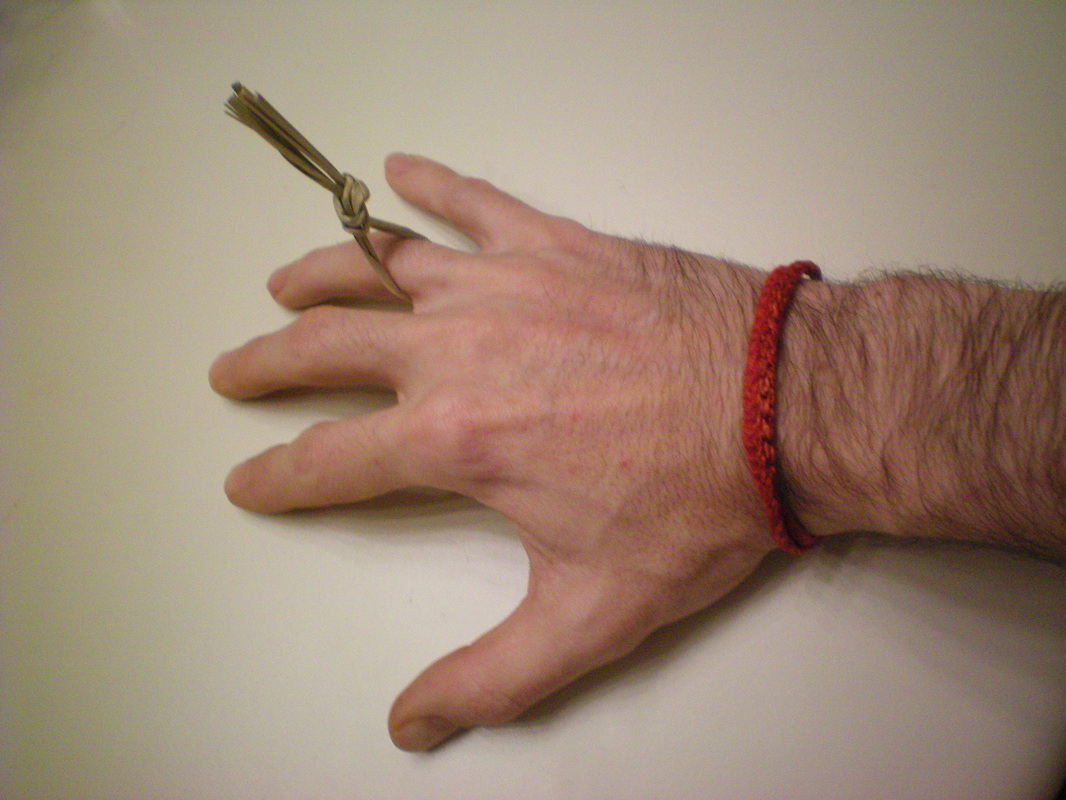
No Hindu priest will walk out of his hose without (17) Dharba grass in his Puja/ceremony pack. Hindus believe that Dharba is the most powerful and the holiest of all the grasses. All the ceremonies must be performed by wearing this as a ring (Pavitram) in the ring finger.

In the Homam to propitiate nine Planets (Nava Grahas), Hindus use nine different pulses or grains. Rice plays the most important part in the funeral rites as well as the wedding rites. If it is a funeral ritual, cooked white rice balls are used. Uncooked yellow coloured rice is used in all the auspicious functions. This shows Hindus did not migrate from any cold countries. They originated in the Indus -Ganges plains where (18) paddy was grown. Other ingredients used: Bamboo rice (19), Black gram (20)Horse gram(21), Lima Bean seeds (22), Millets (23), White Mustards (24),Black mustard (25) Sesame (26), Sugar Cane (27), Wheat (28), Green Gram (29), Karamani pulses/Cow peas(30).

homadravyas5
Homa Dravyas (Pulses and Grains)

I have written an article about use of sesame seeds from Vedas to Indus valley. I have written another article about Sugar cane Dynasty (Ikshwaku Dynasty and Indus Valley)
No funeral ceremony can be conducted without white rice and sesame seeds. This shows Hindus originated in the tropical India. Rice mixed with jaggery (unrefined sugar) is offered to God.

Plant from the Heaven
The one thing which I couldn’t explain scientifically is the Samudra Manthan (Churning of the Milky Ocean with the help of a mountain and a snake) in Hindu mythology. Though some people have given some explanations, they don’t justify all the 14 products that came from the ocean! One of the fourteen is (31) Parijatha tree (Coral Jasmine), the flowers of which are offered to the god. I How come this tropical plant came from the heaven? Or Have we identified it wrongly?

Spices
Hindus use the (32) cloves (33)cardamom and (34) saffron to add fragrance to all their religious drinks. Turmeric (35) is the most auspicious colouring product that Hindus use.

homa dravyas

Garlands
Garlands made up of (36)Rudraksha seeds and Tulsi seeds are worn by devotees. 10 to 15 types of flowers are used in the temple offerings. It differs from region to region. 37.Jasmine, 38.Marigold, 39.Lotus, 40.Hibiscus rosasinensis, 41.Nerium odorum, 42.Champak/Shenpakam and 43.Chrysanthemum dominate. 44.Roses are late arrivals in Hindu offering.

Probably India is the only country in the world named after a tree- (45)Jambu tree (Jambu dweepa). There are other dweepas (islands/continents) named after plants among the Sapta dweepas. But they are not used now. Orthodox Hindus in India do the Sankalpa ( religious vow) everyday in the name of Jambudweepa. Black coloured berries (Syzigium cumini) are offered to Lord Ganesh with (46) wood apple.

Yaga spoons are made up of Palasa (47) wood. Sandal (48) wood is offered in Homa and sandal paste is a must for all religious ceremonies.

((I have a B.Sc. in Botany with Zoology and Chemistry as ancillary subjects. I have two M.A.s in Literature and History. So whenever I study any literature I always look for botanical references. What amazed me was the reference of innumerable plants in religious literature. Of course Bible also has references to many plants and there are some books on this topic. But the big difference between Hindus and other religions is that Hindus are still using innumerable plants in their day today life for religious rituals)).

pavitra
Pavitra ring made up of Dharba grass

List of Plants used by the Hindus:—
1.Tulsi plant 2.Bilva Tree 3.Peepul (Ficus religiosa) 4.Sami tree 5.Banyan tree (Ficus Indica) 6. Fig Tree 7.Neem Tree (Azadirachta Indica) 8.Mango Tree 9.Plantain Tree 10. Coconut Tree 11. Soma creeper (somalatha) 12.Erukku 13.Purasu 14.Karunkali 15.Nayuruvi 16.Arukampul grass 17.Dharba grass 18.Paddy 19.Bamboo rice 20.Black gram 21.Horse gram 22.Country Bean seeds 23.Millets 24.White Mustards 25.Black mustard 26. Sesame 27. Sugar Cane 28. Wheat 29. Green Gram 30. Karamani/Cow peas 31.Parijatham 32.Cloves 33.Cardamom 34.Saffron 35.Turmeric 36.Rudraksha Tree 37.Jasmine 38.Marigold 39.Lotus and its root 40.Hibiscus rosasinensis 41.Nerium odorum 42.Shenpakam /Champak 43.Chrysanthemum dominate. 44.Roses 45.Jambu Tree 46.Wood Apple 47.Plasa wood 48.Sandal wood

contact swami _ 48 @ yahoo.com

ஆசை பற்றி அறையலுற்றேன்…..

கம்பன்1

கட்டுரையாளர் :– லண்டன் சுவாமிநாதன்
கட்டுரை:- 1183; தேதி:–20 July 2014.

கம்பன் பாடிய ராமாயணப் பாடலில் பால காண்டத்தில் மிகவும் பணிவோடு சொல்கிறான்:

ஓசைபெற்று உயர்பாற்கடல் உற்று, ஒரு
பூசை முற்றவும் நக்குபு புக்கென
ஆசை பற்றி அறையலுற்றேன் – மற்று, இக்
காசு இல் கொற்றத்து இராமன் கதை அரோ! (4)

பொருள்:– பெரிய புனிதமான திருப் பாற்கடலை ஒரு பூனை நக்கிக் குடிப்பது போல, குற்றமற்ற, வீரம் மிக்க ராமன் கதையை சொல்லவேண்டும் என்ற ஆசையால் நான் சொல்கிறேன்.

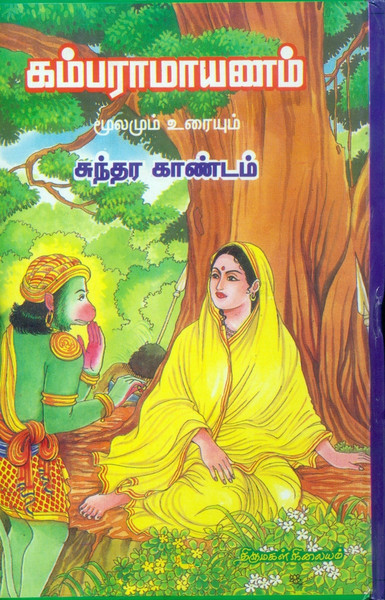
பின்னர் ஒரு பாடலில் மூவர் பாடிய ராமாயணத்தில் முதல்வர் (வால்மீகி) பாடியதை வைத்துப் பாடியதாகக் கூறுகிறான். அந்த முதல்வர் வால்மீகி என்பதை அதற்குப் பின் வரும் பாடலில் பெயரைச் சொல்லியே உறுதிப் படுத்துகிறான். ஆனால் அந்த மூவர் யார் என்பதற்கு உரைகாரர்கள் வசிஷ்டர், போதாயனர், வால்மீகி ஆகியோர் எழுதியவை என்கின்றனர். நமக்குக் கிடைத்திருப்பதோ வால்மீகி ராமாயணம் ஒன்றுதான். காளிதாசன் ரகுவம்சத்தில் எழுதியதைக் கம்பன் திரும்பச் சொன்னானோ என்று எண்ண வேண்டியிருக்கிறது. இதோ கீழ்வரும் பாடலைப் படித்து நீங்களே முடிவு செய்யுங்கள்.

கம்பன்3

முத்தமிழ்த் துறையின் முறை போகிய
உத்தமக் கவிஞர்களுக்கு ஒன்று உணர்த்துவென்
பித்தர் சொன்னவும் பேதையர் சொன்னவும்
பத்தர் சொன்னவும் பன்னப் பெறுபவோ –(பால. 8)

பொருள்:– முத்தமிழ் நூல்களைக் கற்றுத் தேர்ந்த புலவர்களுக்கு எல்லாம் ஒரு பெரிய அறிவிப்பு:– பைத்தியக்காரர்கள் சொன்னதையும், அரைவேக்காடுகள் சொன்னதையும், பக்தர்கள் சொன்னதையும் ஆராயலாமோ!!

தேவ பாடையின் இக்கதை செய்தவர்
மூவர் ஆனவர் தம்முளும் முந்திய
நாவினான் உரையின்படி நான் தமிழ்ப்
பாவினால் இது உணர்த்திய பண்பு அரோ! (10)

பொருள்:– தேவ பாஷையான — (கடவுளரைப் போற்றும் வேதம் உள்ள மொழி) —-சம்ஸ்கிருதத்தில் மூவர் —-(வால்மீகி, வசிட்டர், போதாயனர்) — இராமன் கதையைப் பாடினர். அவர்களுள் முதன்மையான நாவல்லமை மிக்கோனைப் — (வால்மீகி) – பின்பற்றி தமிழில் நான் பாடுகிறேன்.

raghuvamsa_of_kalidasa

காளிதாசன் ரகுவம்சம்

க்வ சூர்யப்ரபவோ வம்ச: க்வ ச அல்பவிஷயோ மதி:
திதீர்ஷு:துஷ்தரம் மோஹாத் உடுபேனாஸ்மி சாகரம்

பொருள்:– சூரியனிடமிருந்து இந்த வம்சம் தோன்றியது. அந்த வம்சத்தின் பெருமையோ சிறந்தது. நானோ மிகக் குறைவான அறிவுடையவன். கடக்க முடியாத சமுத்திரத்தை ஒரு சிறு படகின் மூலம் ஒருவன் கடக்க விரும்புவது போல என் சிறு மதியால் கடல் போன்ற இந்த சரித்திரத்தைக் கூறப் போகிறேன்.

மந்த: கவியச: ப்ரார்த்தி கமிஷ்யாம் உபஹாஸ்யதாம்
ப்ராம்சு லப்யே பலே லோபாத் உத்பாஹுரிவ வாமன:

பொருள்:– குறைந்த அறிவுடைய நான் கவியின் புகழை அடைய விரும்புகிறேன். உயரமான மனிதன் மட்டுமே அடையக்கூடிய பழத்தை குள்ளமான நான் கைகளை நீட்டிப் பறிக்க முயலும்போது பரிகசிக்கப்படும் நிலையை அடைவேன்.

அதவா க்ருதவாக் தூரே வம்சேஸ்மின் பூர்வசூரிபி:
மணௌ வஜ்ர சாமுத்கீர்ணே சூத்ரயேவாஸ்தி மே கதி:

நான் காவியம் இயற்றும் திறமை இல்லாவிடினும் முன்னோர் சென்ற வழியில் சென்று என் விருப்பத்தை நிறைவேற்றிக் கொள்வேன். எப்படி வஜ்ர ஊசியினால் துளைக்கப்பட்ட துவாரத்தில் நூல் எளிதில் செல்லுமோ அப்படி முன்னோர் —- (வால்மீகி) — போட்ட துளை வழியாகச் செல்வேன்.
—ரகுவம்சம் முதல் சர்கம் பாடல் 2, 3, 4

மேலும் இரண்டு ஸ்லோகங்களில் ரகுவம்ச மன்னர்களின் குணங்கள் தன் காதில் விழுந்துவிட்டதால், ஏற்பட்ட உந்துதலால் துணிச்சலாக இந்தக் காவிய முயற்சியில் இறங்கியதாகவும் தனக்கு சொற்செல்வம் குறைவே என்றும் பணிவுடன் கூறுகிறார். தங்கம் சுத்தமானதா இல்லையா என்பதை அக்னியில் (தீயில்) போட்டு பரிசோதிப்பது போல பெரியோர்கள் என் காவியத்தைப் பரிசோதிக்கட்டும் என்கிறார்.

கம்பனையும் காளிதாசனையும் படிக்கும்போது கம்பன் காளிதாசனைப் பின்பற்றினானோ ( அறிமுகப் பாடல்களில் மட்டும்) என்று எண்ண வேண்டி இருக்கிறது. ஆனால் இரு புலவர்களும் எவ்வளவு பணிவோடு துவங்கினர் ! அவை இரண்டும் எப்படி உலகப் பிரசித்தம் அடைந்து விட்டன!!

‘வித்யா விநயன்ன சம்பதே’= பணிவால் கிடைப்பதே கல்வி; கல்விக்கு இலக்கணம் பணிவு!

இந்த நேரத்தில் நினைவுக்கு வரும் மேலும் ஒரு பாடல் ஆதிசங்கரரின் அபூர்வ சௌந்தர்ய லஹரி (அழகின் அலைகள்) துதியில் வரும் ஒரு பாடலாகும்.

lahari

சௌந்தர்ய லஹரி

ஜபோ ஜல்ப: சில்பம் ஸகலமபி முத்ரா விரசனா
கதி: ப்ராதக்ஷிண்ய – க்ரமண – மசனாத்யாஹுதி – விதி:
ப்ரணாம: ஸம்வேச: ஸுகமகில – மாத்மார்ப்பண – த்ருசா
ஸபர்யா – பர்யாயஸ் – தவ பவது யன்மே விலசிதம்
–சௌந்தர்ய லஹரி பாடல் 27

ஆதிசங்கரர் கூறுகிறார்:

தாயே! நான் ஆத்மாவை உனக்கு அர்ப்பணித்துவிட்டேன். நான் என்ன பேசினாலும் அதையெல்லாம் உனது ஜபமாகக் கொள்ளவேண்டும். நான் என் கைகளால் செய்யும் அத்தனையையும் உனது முத்திரைகளின் விளக்கமாகக் கொள்ள வேண்டும். நான் நடப்பதையெல்லாம் உன்னை வலம் வருவதாகக் கொள்ள வேண்டும். நான் சாப்பிடுவதை எல்லாம் உனக்கு வேள்வித் தீயில் ஆகுதி செய்ததாகக் கொள்ள வேண்டும், நான் படுத்துக் கொண்டால் அதைக் கீழே விழுந்து வணங்கியதாகக் கொள்ள வேண்டும். எனது செயல்கள் அனைத்தும் உனது பூஜையாகக் கொள்ள வேண்டுகிறேன்.

இப்படிப்பட்ட ஒரு நிலை வந்துவிட்டால் — எதையும் இறைவனுக்கு அர்ப்பணமாகச் செய்யும் நிலை வந்துவிட்டால் — எல்லோரும் சங்கரர் ஆகிவிடுவர்.

வாழ்க கம்பன், காளிதாசன், ஆதி சங்கரன்!!!

Be a Guest in India!

Mahabharata06ramauoft_0964

Written by London swaminathan
Post No.1182; Dated 19th July 2014.

If you are a guest in India you will receive special treatment. Hospitality is the hallmark of a good householder. It is one of the Panchayajnas. Of the Pancha/five Yajnas/Duties, Manushya Yanja is one. This means feeding the fellow humans. Whether they are poor or rich, if they knock at your door you must not turn them down. In the olden days people used to go out to the street and look for guests at the lunch time. Then they will go for the dinner or lunch.

Ilango, author of Tamil epic Silappadikaram, says that the heroine Kannagi worried that she was not able to welcome the guests. Sita in Kamba Ramayana, also echoed the same feelings.

Great Tamil poet Tiruvalluvar says,

“The only purpose, of a family life of virtue and wealth,
Is to command the means of extending hospitality to the guests – (Kural 81)

“Even the nectar of immortality is not to be consumed
Without sharing with the guests waiting outside — (Kural 82)

“He who daily entertains the guests who go to him will never be ruined by poverty– (Kural 83)

Story from Mahabharata

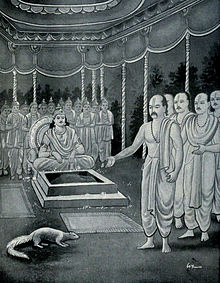
A good story that illustrates the greatness of hospitality is in the Mahabharata. When Yudhistra performed the Rajasuya Yajna, thousands of people were fed. When everyone was satisfied there appeared a mongoose and challenged Yudhistra. Half of its body was in golden colour. It rolled on the leftovers of the guests. When Yudhistra asked the reason for it, the mongoose told him a story.

“A hungry man approached a poor man’s house for food. Though the poor man had prepared full meal after a very long time, he readily offered his food to the guest. When the guest was not satisfied, his wife and son offered their shares. When he left the hose I just rolled on the left over food and half of my body turned gold. From then onwards I had been visiting lot of places where food was donated. But my body never turned gold. I am greatly disappointed that even here my body did not turn into gold. This reduced the ego of Yudhistra.

Guests are welcome in any country. But in ancient India, they were considered Gods. This was true from the land’s southern most end Kanyakumari to northern most Kashmir. If anyone wants to be a guest one should be a guest in India — in ancient India! Tamil and Sanskrit literature have got a lot of proverbs or sayings about Atithih/Guest.

Following are the sayings in Sanskrit on the Guests from ‘’Suktisudha’’ (Chinmaya International Foundation Publication):

“A guest, though he be boorish, deserves to be welcomed by the discerning – Valmiki Ramayana 5-1-119

“Hail the guest as God (Atithi Devo Bhava, Taittiriya Upansishad 1-20)

“Even though it be a foe who has come home, appropriate hospitality to him is a must – Hitopadesha 1-50

“Hospitality bears no fruit in the hereafter, but verily in this life itself – Kathasaritsagara

“It is the duty of a householder to honour the guest according to his capacity — Kathasaritsagara

“It is befitting to receive the visitor with due honour — Pratinja Yaugandharayana of Bhasa

“For all, the guest is of paramount importance “– Canakyaniti 6- 45

–Subham–