Mystery of Tribes in India- Part 1!(Post No.2910)

tribe 1

Research Article written by London swaminathan


Date: 20  June 2016


Post No. 2910


Time uploaded in London :– 17-41


( Pictures are taken from various sources; thanks)


DON’T REBLOG IT AT LEAST FOR A WEEK!  DON’T USE THE PICTURES; THEY ARE COPYRIGHTED BY SOMEONE.


(for old articles go to tamilandvedas.com OR swamiindology.blogspot.com)
tribe 2

Foreigners who came to rule India, divided Indians (Hindus) into two races Aryan and Dravidian; when their description met with some problems they created more groups such as Munda, Mongoloid and Aborigines. But neither the Sangam Tamil literature nor the older Sanskrit literature said anything about races. On the contrary they divided people into 18 groups and said that they all came from the same ancestors. Asuras (demons) and Devas (angels) prayed to the same Gods and got their boons. Asuras died because of their inherent weakness and bad qualities. Devas flourished because of their virtues.


Foreigners when classified the tribes put them in some boxes such as Dravidian, Aryan, Munda etc. But those who studied the customs of the tribes will be surprised to know that all have something common taken from Hinduism.

When you read about the tribes following questions will come into your mind:–

Where did they come from?

Why are they ‘uncivilized’ till today?

If they had come from the Indus Valley (according to divisive, cunning, jaundiced foreigners, “they are driven out by the invading Aryans”) why don’t they speak one language? Why do they speak different languages?

How come there is no common link among the languages?
tribe 3

tribe 5


If they have come from the civilized Indus valley how come all the tribes became uncivilized?

How come they have Sanskrit in their Gods names or totem Symbol names? (Please wait for more details in the following days)


Why don’t they worship the same God?

How come they claim different origins/ different ancestors?

Why are their marriage customs, funeral customs, taboos and totems differ very widely?

How come in a small area (for instance Nilgris) there are different tribes with different customs?

How come there are cannibals (jarawas) in the Andaman Nicobar Islands?


Why didn’t we find skulls or skeletons with similar features of these tribes or the so called Dravidians?

How come we found only so called ‘Aryan’ skeletons (with modern Punjabi features) in the Indus Valley Civilization?

tribe 6


tribe 8


tribe 10

My brief answer is:–

Even during Ramayana and Mahabharata times, tribes lived simultaneous with the epic/city civilization. We have enough proofs in the epics (Please read my articles Are Mayas Indian Nagas? Similarities between Nagas and Mayans, Origin of Gondwana )


I have already shown Gonds are from the Khandava vana burnt by Arjuna and Krishna; Mayans also were from the Gond+wana= Khandava Vana land.


Aborigines or tribes must have lived even during Indus Valley time. Bhimbetka cave paintings show that there were people living in the heart of India 20,000 years before the Indus Valley Civilization!

The reason for differences in the languages and customs is that they have been living here for very long time in isolation/independently.


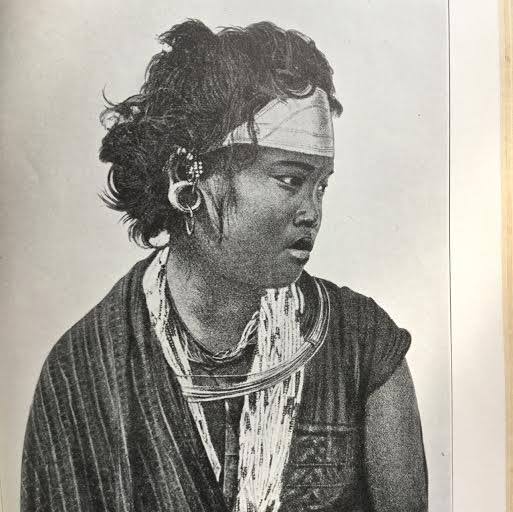
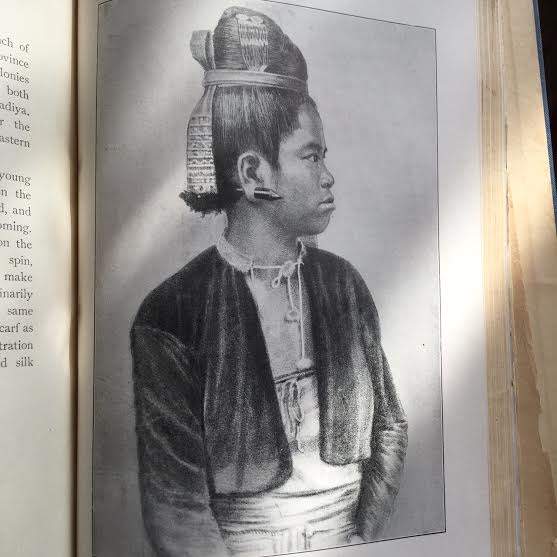
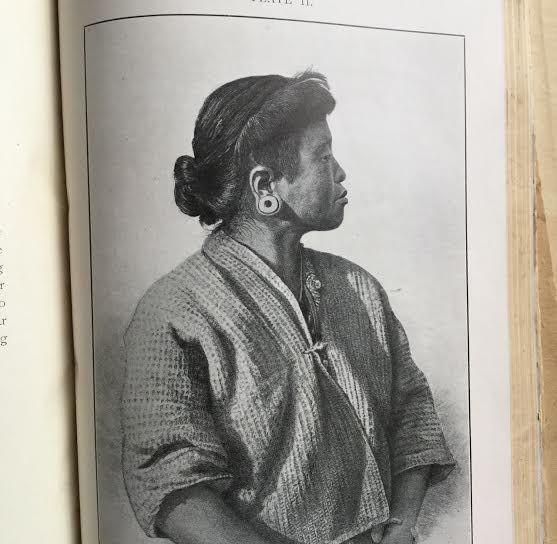
I have been reading about the tribes of India for the past 45 years. There were articles in Dinamani Sudar and Manjari in regular periodicity. Even the word Munda is Sanskrit according to Sir Herbert Risley (Author of The People of India, year 1908) I am going to present you over thirty pictures of the ancient people of Bharat from Risley’s 100 year old book. You yourself decide after seeing their dress, jewellery, totems etc.


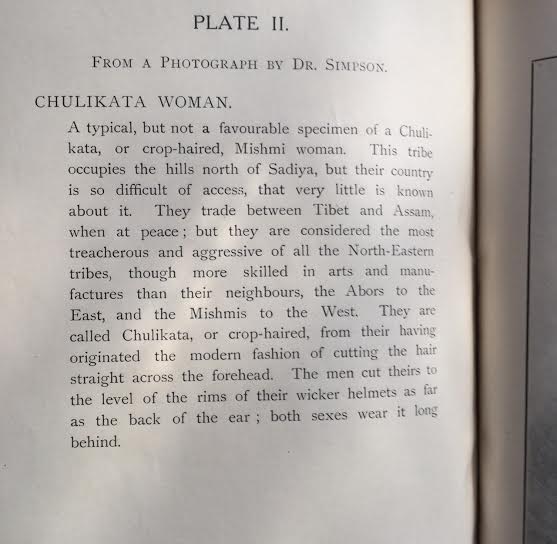
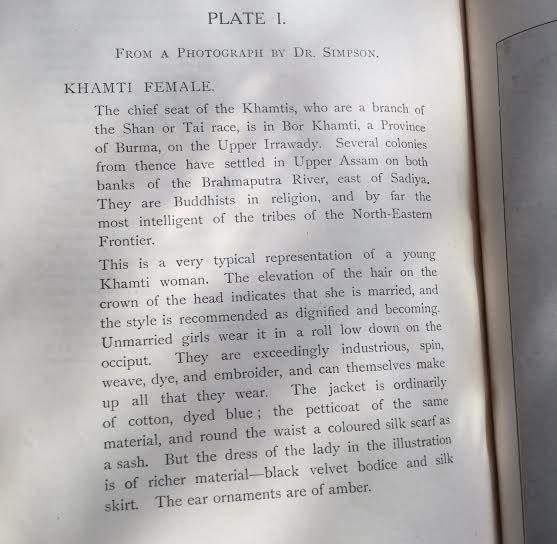
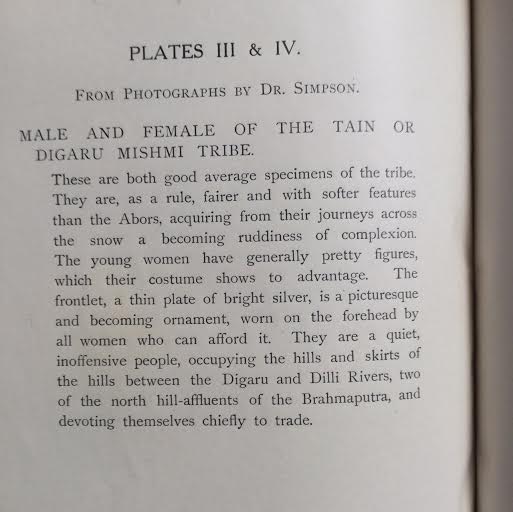
These are about a few tribal communities of North East India. Even within these three communities we see so many differences in hair style, jewellery, appearance etc. In the civilized Hindu society one can easily differentiate a married woman from unmarried woman. by looking at the toe ring (Metti in Tamil), Mangala Sutra (Thaali in Tamil), Madisarai style of Sari, Kunkum/Tilak on the parting of hair etc. In the first picture KHAMPTI female the hair style shows whether she is married or not where as in other tribal communities we dont see it. This will raise lot of questions about their origin.


……to be continued
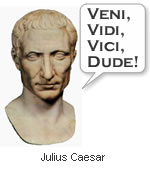
 

Brevity Anecdotes (Post No.2895)

caesar-veni-vidi-vici

Compiled  by London swaminathan


Date: 14 June 2016


Post No. 2895


Time uploaded in London :– 16-38


( Pictures are taken by London swaminathan)


DON’T REBLOG IT AT LEAST FOR A WEEK!  DON’T USE THE PICTURES; THEY ARE COPYRIGHTED BY SOMEONE.


(for old articles go to tamilandvedas.com OR swamiindology.blogspot.com

veni vidi vici

The editor of a small Missouri paper sent a notice to one Bill Jenkins that his subscription had expired. The note came back with the laconic scrawl ‘so is Bill ‘.

Xxx

Bananas!

During his administration, President Coolidge was one time taken on a tour of inspection through the fabulously magnificent and variegated horticultural conservatories on the estate of Pierre S DuPont at Longwood, Pennsylvania


The marvellous beauties of the spring flowers, the exotically cultivate d special fruits, the weird and unreal form of cacti, the beautiful ferns, the orchids. All these things elicited from the President no word of comment. Stepping into the close and humid atmosphere of the room devoted to tropical trees, the president looked about for a moment and remarked with interest, ‘Bananas’.


xxx

Press Conference

At one of the White House press conference s various reporters were vainly firing their questions at Calvin Coolidge


Have you anything to say about prohibition ?

No

Have you anything to say about the world court?

No

About the farm situation?

No

About the forthcoming senatorial campaign?

No

The meeting broke up and the reporters began to file out of the room

And called the president, don’t quote me

Xxx

to be  or

Gift of Gab

Bob Burns, the local boy who made good food from Arkansas, is well known for his stories about his large and amusing family. One day when chided for his loquaciousness, he explained that not all members of his family were as given to the gift of gab as himself.


Now take my cousin Wilfred. He was eleven years old before he so much as said one word. One day he was sitting on a fence, watching his father plot a field.


A bull broke through into the pasture and made straight for Wilfred’s pa.  all of a sudden Wilfred s mouth opened and he yelled

Hey, Pa! Hey! Look out for the bull.


Soon as his Pa got out of the field he went straight for Wilfred and said, Wilfred you shore done me a right smart favour that time. But how come you are speaking all of a sudden? You ain’t never said nothing afore


“Well, Pa”, was Wilfred’s reply “I just ain’t never had nothing to say before”.


—Subham–


Kohinoor Diamond: Interesting Anecdote by Hallam Murray (Post No.2864)

diamond_3518629b

Compiled by London swaminathan


Date: 3 June 2016


Post No. 2864


Time uploaded in London :–  6-12 AM


( Thanks for the Pictures)


DON’T REBLOG IT AT LEAST FOR A WEEK!  DON’T USE THE PICTURES; THEY ARE COPYRIGHTED BY SOMEONE.


(for old articles go to tamilandvedas.com OR swamiindology.blogspot.com)


Contact swami_48@yahoo.com


From the book “The High Road of Empire” by A H Hallam Murray, year 1905, London

kohinoor

“When the kingdom of Ranjit Singh came into possession of the British at the end of the Sikh War (1849) the (Lahore) district was taken by the East India Company from Maharajah Dhuleep Sing, and with it came into their possession the famous diamond Kohinoor. After the murder of Nadir Shah in 1739 this historic stone had passed through many vicissitudes, and came at last, in a much mutilated condition – as the price of the liberty of Shah Soojah, its blind and decrepit royal owner – into the hands of Ranjit Sing. He left on his death bed instructions that it was to be sent to Jagannath, but his son retained it, amongst his treasures, until the day when it was personally entrusted to Lord Lawrence for transmission to the Queen.


One of the quaintest of its many adventures then followed. Lord Lawrence placed the small box, in its cotton wrappings, that contained it, in his waistcoat pocket, and promptly forgot all about it until six weeks later, he was called upon to send it home. Then the circumstances flashed across his mind, and with much anxiety he hastily summoned his bearer, and inquired whether he recollected the box being in his pocket sometime before. The servant had found it, and, with the care of a good native servant, though he thought it contained only a worthless glass, had luckily put it carefully away in a battered tin box, and, to Lord Lawrence’s great relief, was able to produce it at once”.


–Subham–


Kama deva – Hindu God of Love in Tamil and Sanskrit Literature! (Post No.2860)

rthi2

Picture of Rathi, Silpi drawing

Research Article written by London swaminathan


Date: 1 June 2016


Post No. 2860


Time uploaded in London :–  18-07


( Thanks for the Pictures)


DON’T REBLOG IT AT LEAST FOR A WEEK!  DON’T USE THE PICTURES; THEY ARE COPYRIGHTED BY SOMEONE.


(for old articles go to tamilandvedas.com OR swamiindology.blogspot.com)


Contact swami_48@yahoo.com


“In the beginning there was Desire (Kama)

Which was the primal seed and germ of the mind.

The Sages searching in their hearts with wisdom

found in non-existence the kin of existence”.

Creation Hymn, Rig Veda (10-129) by Rishi Prajapati Paramesthin


rathi 1

Manmatha, Silpi drawing

India was the largest country in the world 2500 years ago, with approximately an area of five million square kilometres. Though the Puranas named 56 countries inside Bharata, that is India, it was only namesake political divisions. Amazing thing about such a vast area is that from one end to the other end extending to 4000 miles there was only one culture. The oldest Tamil book Tolkappiam mentioned the Vedic Gods Indra, Varuna and Durga as gods worshipped by the Tamils. It also mentioned the four Vedas and the Hindu values of life Dharma, Artha ,Kama, Moksha. All the main deities of Hindu pantheon are mentioned in Sangam Tamil literature hundreds of times. Manmata, also known as Kamadeva, the Cupid of Hinduism is also mentioned in several places.


Since they knew all the mythological stories about Kamadeva, we may assume it was a house hold name. 2000 year old Akananuru mentioned him in one place and Paripatal and Kalitokai referred to him in several places. His flag, his festival and his beautiful wife Rathi were part of Tamil’s day today life. When we compare this with the Manmata in Kalidasa’s works, we may even say that they were very familiar with Kalidasa’s works. I have written elsewhere in this blog that the 200 similes of Kalidasa (out of 1000 plus) found in Sangam Tamil literature, show that Kalidasa lived well before the Sangam Age, probably in the first or second century BCE.

The God of Love, Kama, equivalent to Eros and Cupid, is found in the oldest Sanskrit literature. Rig Veda mentioned Desire (10-129) as the seed of creation.

1.Cupid in Sangam Tamil Books

Akananuru verse 181 by Paranar tells us about the three eyed Shiva, source of Four Vedas and then the Makara festoons in the ancient Port City of Pukar on the east coast of Tamil Nadu. The commentators explain that it was the beginning of Festival of Kama. We see such festival in the sixth century BCE king Udayana’s Kingdom. So it has been celebrated for thousands of years from North to South.

Kalitokai and Paripatal tell us that

he was the son of Vishnu (Kali 140-8),

his wife was Rati (Pari. 19-48),

his arrows made up of Five Flowers (Pari. 10-97, 22-26)

his Fish Flag (Kali. 26-3, 84-24) and

his brother Saman (Kali.26-4)


There are more references repeating the same points.


Kaman Festival is celebrated at the time of Holi in the Spring season. Even today street corner dance dramas are held in Tamil Nadu during the festival.


Sanskrit word KAMA is used in Tamil literature and his other Sanskrit name Mara is also found in Sangam literature (Pari 8-119). Kama gave the English word amorous.


2.Kamadeva in Sanskrit Literature

The earliest reference is found in Rig Veda (10-129). But it was not the God Kama. It is simple desire. Actually the abstract idea of Desire has given birth to a Concrete Kama (Cupid). One of his names is Ananga meaning ‘bodyless’. When he interfered Shiva’s penance he was burnt down to ashes. When his wife begged Siva to revive him, Lord Shiva told him that he would appear only to her in body form. So he was called Ananga. This is symbolic. The lustful desire was destroyed but the real love existed in between husband and wife. Other names such as Atmabhu (self existent), Mano ja, Manasija:, Anayaja: meaning mind born or unborn also show it is only an abstract idea. Stories were created only for the laymen. Arrows made of five flowers are all symbolic.


rathi3

3.Fact File of Manmatha

His wife’s name- Rati

His brother’s name – Saman

His Flag – Fish

His Vahana (mount) – Parrot

Five Flowers in his arrow- Asoka, Lotus, Mango flower, Nilotpala and Jasmine

He is Mind born from Vishnu or Brahma

He was burnt to ashes by Shiva but revived

His reincarnation – Krishna’s son Pradyumna

He is Lord of the Apsarasses (heavenly nymphs)


4.Ninteen Names of Manmatha

Amarakosa,the first thesaurus in the world, gives 19 names of Kamadeva:–

Madana, Manmata (Churner of Mind),Maran, Pradyumna:,Meenaketana: (Fish Flag holder), Darpaka, Smara:, Ananga: (bodiless), Kandarpa:, Kama, Sambarari ( enemy of Eunuchs), Manasija: (mind born), Kusumesa: ( Flower arrowed), Ananyaja: (born of no other), Pushpadhanva (Flower arrow),Ratipati (wife of Rati), Makaradwaja: (Fish flagged), Atmabhu: (Self Existent), Panchasara: (Five arrowed).


Other names found in Sanskrit literature: Ishma, Kanjana, Kinkira, Rama, Ramana, Bhavaja,Manoja, Karshnii, Mayasuta, Srinandana, Abhirupa, Dipaka, Gadayintu, Gridhu, Gritsa, Kamana, Kharu, Kantu, Kalakeli, Mayi, Madhudipa, Muhira, Murmura, Ragavinta,Rupastra, Ratanaricha, Samantaka, Sansaraguru, Sringarayoni, Titha, Vama.

rati or who

5.Kamadeva in Kalidasa

All the works of Kalidasa have Kama deva in several places. Following are some of the references for comparing with Tamil literature:–

Sakuntala: — sak,Kumarasmbhava: -ks,Raguvamsa: -rv, Megaduta:-mg, Vikramorvasiya: -vu,Malavikagnimitra: -ma

Flower Arrows:–ks 7-92,3-10, 4-40,45, 6-44, 7-67; vu 2-6,11; ma 4-12; sak- act 3-3; mg-104; rv 9-39, 11-45.

Manmata, Madana- sak-3, 1-41,

Fish flag :– sak 3-5, rv 9-39, vu 2-2


6.Early References in the Vedas

Rig Veda first mentioned Desire (Kama) in 10-129; Dr Muir says that Greeks also connected Desire with creation. This Kama or Desire, not of sexual enjoyment, but of good in general, is celebrated in a curious hymn of the Atharva Veda which exalts Kama into a Supreme God and creator.


“Kama was born first. Him neither gods nor fathers, nor men have equalled. Thou art superior to these and forever great” (Atharva Veda).

In another part of the same Veda Kama appears to be first desire, then the power which gratifies the desire. Kama is also in the same Veda often identified with Agni, and when  “distinguished from each other, Kama may be looked upon as a superior form of the other deity.


7.Five Views on Kama’s Birth

1.He is the son of Dharma(God of Justice) and Sraddha (the goddess of faith)—Taittriya Brahmana

2.He is Atmabu (self existent)

3.He is the son of Lakshmi – Harivamsa

4.He was water born (Ira-Ja)

5.He is Unborn (Aja), Ananyaja ( born of no other)


Son of Krishna and Rukmini was so handsome and identified with Kamadeva; considered a reincarnation of Manmata/Kama.

rathi.meenakshi13

–Subham–


தமிழ், சம்ஸ்கிருத இலக்கியங்களில் மங்கலச் சொற்கள் (Post No.2826)

08.08.67.earth.med

Research article written by London swaminathan


Date: 20 May 2016


Post No. 2826


Time uploaded in London :–  15-36


( Thanks for the Pictures)


DON’T REBLOG IT AT LEAST FOR A WEEK!  DON’T USE THE PICTURES; THEY ARE COPYRIGHTED BY SOMEONE.


(for old articles go to tamilandvedas.com OR swamiindology.blogspot.com)


உலகில் வேறு எந்த இலக்கியங்களிலும் காணாத ஒரு வழக்கு இந்து மத இலக்கியங்களில் காணப்படுகிறது. சம்ஸ்கிருதம், தமிழ் ஆகிய இரண்டு மொழிகளும் சிவபெருமானிடமிருந்து பிறந்து அவனருளால் பாணினி, அகத்தியன் ஆகிய இருவரால் இலக்கணம் வரையப்பட்டதால் இந்த வழக்கு நீடிக்கிறது. இரண்டு மொழிகளும் இன்னென்ன சொற்களைக் கொண்டே ஒரு நூல் துவக்கப்பட வேண்டும் என்று சொல்லும். இது ஆயிரக் கணக்கான ஆண்டுகளாக அப்படியே பின்பற்றப் பட்டு வந்துள்ளது.

தமிழும் சம்ஸ்கிருதமும் ஒரே மொழிக் குடும்பத்தைச் சேர்ந்தவை. ஆரிய, திராவிட மொழிக் குடும்பம் என்பதெல்லாம் வெள்ளைக்கார ஆராய்ச்சியாளர்கள் எட்டுக்கட்டிய கட்டுக்கதை என்பதை மொழியியல் ரீதியாக முன்பே நிரூபித்துவிட்டேன்.


tricolour om

சம்ஸ்கிருத ஸ்லோகம் ஒன்று சொல்லும்:–

ஓம்காரஸ்ச அதசப்தஸ்ச த்வாவேதௌ ப்ரஹ்மண: புரா

கண்டம் பித்வா விநிர்யாதௌ தஸ்மான் மாங்கலிகாஉபௌ

–பாதஞ்ஜலதர்சனம்

பொருள்:– ஓம், அத என்ற இரண்டு சொற்களும் பிரம்மனின் திருவாயிலிருந்து வெளிவந்ததால் இரண்டும் மங்கலச் சொற்களாக கருதப்படும்.


பழங்கால சம்ஸ்கிருத நூல்கள் அனைத்தும் இவ்விரு சொற்களுடனேயே துவங்கும்.

‘அத ரிக் வேத:’

‘அத ஸ்ரீமத்பகவத் கீதா’

என்று நூல்கள் ஆரம்பமாகும். நூலின் உள்ளே கடவுள் வாழ்த்து என்ற துதி இருக்கும். அதில் கடவுளின் பல பெயர்கள் வரும். கடவுள் வாழ்த்தே இல்லாவிடினும்

‘அத யோகானுசாசனம்’ (பதஞ்சலி யோக சூத்ரம்)

‘அதாதோ ப்ரஹ்ம ஜிக்ஞாசா’ (பிரம்ம சூத்ரம்)

அமரகோசம் என்னும் நிகண்டும் ‘அத’ சப்தத்தை மங்கல சொல்லாகப் பட்டியலிட்டுள்ளது.

ஓம்காரம் மிகவும் விரிவாக விளக்கப்பட்டுள்ளது. இந்த மூல மந்திரத்திலிருந்துதான் பிரபஞ்சமே உற்பத்தியாகியது. இதை மாண்டூக்ய உபநிஷத் நன்கு விளக்கும். நவீன விஞ்ஞாமும் சப்தத்திலிருந்து பிரபஞ்சம் எல்லாம் உருவானதை ஒப்புக் கொள்கிறது.

‘அத’ என்றால் ‘இப்பொழுது’ என்று பொருள். அ –என்னும் எழுத்துதான் உலகின் பழைய மொழிகளின் முதல் எழுத்து. ரிக் வேதம் முதலான புனித நூல்கள் அக்னி என்று அ- வில் துவங்கும் அல்லது ஓம் என்னும் மந்திரத்துடன் துவங்கும்.

பழங்காலத்தில் குருமார்கள் மேடையில் அமர்வர். சிஷ்யர்கள் கீழே அமர்வர். குரு, ‘அத வால்மீகி ராமாயண’, ‘அத மஹா பாரத’ என்று உபதேசிக்கத் துவங்குவார்.

முடிவில் ‘சுபம்’ என்றோ ‘சாந்தி’ என்றோ சொல்லி முடிப்பார். உலகில் வேறு எங்கும் காண முடியாத அற்புத இலக்கிய வழக்கு இது.


moon night

கடவுளை நேரிடையாக குறிப்பிடாவிட்டால், ‘லோகம்’, ‘விஸ்வம்’, ‘ஸ்வஸ்தி’ போன்ற மங்கலச் சொற்களைப் பயன்படுத்துவர்.

விஷ்ணு சஹஸ்ர நாமம், ஓம் ‘விஸ்வம்’ என்று துவங்கும்.

தமிழ் வழக்கு

சம்ஸ்கிருதம் தோன்றி சில ஆயிரம் ஆண்டுகளுக்குப் பின்னர் தோன்றிய தமிழும் இதை அப்படியே பின்பற்றுகிறது. ஆனால் தமிழில் பெரிய பட்டியல் உள்ளது.

ஆ.சிங்காரவேலு முதலியாரின் அபிதான சிந்தாமணி (தமிழ் என்சைக்ளோபீடியா) வழங்கும் பட்டியல்:–

சீர், எழுத்து, பொன், பூ, திரு, மணி, யானை, தேர், பரி, கடல், புகழ், மலை, மதி, நீர், ஆரணம்(வேதம்), சொல், புயல், நிலம், கங்கை, உலகம், பரிதி (சூரியன்), அமிர்தம் ஆகியனவும் இவை தொடர்பன சொற்களும்.


தமிழில் கிடைத்த மிகப் பழைய நூலான, கி.மு. முதல் நூற்றாண்டைச் சேர்ந்த தொல் காப்பியம் ‘எழுத்து’ என்ற சொல்லுடன் துவங்கும்.

ஆயினும் பெரும்பாலான நூல்கள் ‘உலகம்’ என்ற சொல்லுடன் துவங்கும். முன்காலத்தில் இதை ‘லோகம்’ என்ற சம்ஸ்கிருதச் சொல் என்று கருதினர். ஆனால் எனது ஆராய்ச்சியில் இது இரு மொழிகளுக்கும் பொதுவான சொல் என்பது கண்டறியப்பட்டுளது. (ஆயிரக்கணக்கான தமிழ் சொற்கள் ஆங்கிலத்தில் இருப்பதற்கும் தமிழ்-சம்ஸ்கிருத மூல மொழியே காரணம்).

sheep, sun

‘உலகம் உவப்ப வலனேர்பு’

சங்கத் தமிழ் நூல்களில் ஒன்றான திருமுருகாற்றுப்படை ‘உலகம் உவப்ப வலனேர்பு திரிதரு பலர் புகழ் ஞாயிறு’ – என்று துவங்கும்

மற்ற நூல்களின் முதல் வரிகள்:–

‘உலகந்திரியா’ (மணிமேகலை),

‘உலகம் மூன்றும்’ (வளையாபதி),

‘உலகெலாம் உணர்ந்து’ (பெரிய புராணம்),

‘உலகம் யாவையும்’ (கம்ப ராமாயணம்)

‘நனந்தலை உலகம்’ (முல்லைப் பாட்டு),

‘மூவா முதலா உலகம்’ (சீவக சிந்தாமணி),

‘நீடாழி உலகத்து’ (வில்லி பாரதம்),

‘வையகம் பனிப்ப’ (நெடுநல் வாடை),

‘மணிமலைப் பணைத்தோண் மாநில மடந்தை’ (சிறு பாணாற்றுப்படை),

‘மாநிலஞ்சேவடியாக’ (நற்றிணை)

இப்படி பட்டியல் நீண்டு கொண்டே போகிறது.

மாநிலம், வையகம், உலகம் – ஆகியன ஒரு பொருளுடைத்து.

ஒரு நூலை மங்கலச் சொல்லுடனே துவங்க வேண்டும் என்பது,

“வழிபடு தெய்வ வணக்கம் கூறி, மங்கல மொழி முதல் வகுத்தெடுத்துக் கொண்ட, இலக்கண, இலக்கியம் இடுக்கணின்றி, இனிது முடியும் என்மனார் புலவர்” என்னும் சூத்திரத்தில் உளது.


swastik, om lamps, kotipali shivratri

பழங்கால சம்ஸ்கிருத, பிற்கால தமிழ் கல்வெட்டுகள் ‘ஸ்வஸ்தி’ என்ற மங்கலச் சொல்லுடன் துவங்கும்.

பழைய தமிழ் திரைப்படங்கள், நூல்கள் எல்லாம் ‘சுபம்’, அல்லது ‘ஓம் சாந்தி’, ‘ஓம் தத்சத்’ என்று முடியும்.

பிரிடிஷ் லைப்ரரியில் நான் காணும் நூற்றாண்டுகளுக்கு முந்தைய நாவல்கள், நாடகங்களிலெல்லாம் இதைக் காண்கிறேன். வடமொழி நாடகம் அனைத்தும் ‘ஸ்வஸ்தி’ வாசகத்துடன் முடிவடையும். காளிதாசன் போன்ற உலக மகா கவிஞனும் கூட கடவுள் வாழ்த்துடன் துவங்கி, ஸ்வஸ்தி வாசகத்துடன் முடிக்கிறான்.


தமிழ் வேதமாகிய திருக்குறள் ‘அகர’ என்ற மங்கலச் சொல்லுடன் துவங்கும். ‘அ’ – என்ற சொல் அவ்வளவு புனிதமானது. உலகிலேயே மிகவும் பழைய சமய நூலான ரிக் வேதம் அக்னி – என்ற ‘அ’-காரத்துடன் துவங்கும்.

நெஞ்சையள்ளும் சிலப்பதிகாரம் என்னும் காவியம், ‘திங்கள், ஞாயிறு, மாமழை’ — ஆகிய மூன்றையும் வாழ்த்தித் துவங்கும்.

தொல்காப்பிய சூத்திரத்தில் கடவுள் வாழ்த்து பற்றிக் கூறுகையில், “கொடிநிலை, கந்தழி, வள்ளியென்ற வடுநீங்கு சிறப்பின் முதலன மூன்றும் கடவுள் வாழ்த்தொடு கண்ணிய வருமே” என்பார். அந்தக் ‘கொடிநிலை’, ‘கந்தழி’, ‘வள்ளி’ இதுதான் என்று சில உரையாசிரியர் பகர்வர். எப்படியாகிலும் இம்மூன்றும் மங்கலச் சொல் பட்டியலில் உள்ள சொற்களே!

உலகில் வேறு எங்குமிலாத இந்த மங்கலச் சொல் வழக்கு இந்து இலக்கியத்தில் மட்டும் இருப்பது பாரதீயப் பண்பாட்டின் தனிப்பெரும் முத்திரை ஆகும்!

பொங்கும் மங்களம் எங்கும் தங்குக!

–சுபம்–


நிறைகுடம் தழும்பாது, குறைகூடம் கூத்தாடும் ( Post No.2801)

IMG_1652 (2)

Written by london swaminathan


Date: 11 May 2016


Post No. 2801


Time uploaded in London :–  17-11


( Thanks for the Pictures)


DON’T REBLOG IT AT LEAST FOR A WEEK!  DON’T USE THE PICTURES; THEY ARE COPYRIGHTED BY SOMEONE.


(for old articles go to tamilandvedas.com OR swamiindology.blogspot.com)


மாக கவி எழுதிய சிசுபாலவதமென்ற சம்ஸ்கிருத காவியத்தில் ஒரு அருமையான பொன்மொழி வருகிறது:


महीयांसः प्रकृत्या मितभषिणः


Maheeyamsah prakrityaa mitabhaashinah


Great men, by nature, do not talk much (they limit their speech to the essentials only)

மஹீயாம்ச: ப்ரக்ருத்யா மிதபாஷிண:

பெரியோர்கள், இயற்கையிலேயே, குறைவாகப் பேசுவார்கள் – என்பது இதன் பொருள்.

வால்மீகியும் ராமனின் புகழ் பாடுகையில் மிதபாஷி (குறைவாகப் பேசுபவன்) என்று சொல்கிறார். அத்தோடு ஸ்ருதபாஷி (உண்மை விளம்பி), ஹித பாஷி (இனிமையாகப் பேசுபவன்), பூர்வபாஷி (தானாக வலிய வந்து பேசுபவன்) என்றும் பாராட்டுகிறார்.


இத்தனையையும் ஒரே வாக்கியத்தில் சொல்லும் தமிழில் உள்ள ஒரு பழமொழி: ‘நிறைகுடம் தழும்பாது, குறைகூடம் கூத்தாடும்’.


ஆசாரக் கோவை என்னும் நூல் அழகான ஒரு பட்டியலைக் கொடுக்கிறது:

விரைந்துரையார்

மேன்மேலுரையார்

பொய்யாய் புனைந்துரையார்

பாரித்துரையார்


பொருள்:

விரைவாகச் சொல்லமாட்டார், சொன்னதையே திரும்பச் சொல்லார், பொய்யாக எட்டுக்கட்டிச் சொல்லமாட்டார், மிகைப்படுத்தி சொல்லமாட்டார்

பின்னர் எப்படிச் சொல்லுவார்?

சுருக்கமாகப் பொருள் முழுதும் விளங்கும்படி சொல்லுவார், காலத்திற்குப் பொருத்தமாக, விரும்பியதை மட்டும் சொல்லுவார்.


இதோ பாடல் முழுதும்:

விரைந்துரையார் மேன்மேலுரையார் பொய்யாய

பரந்துரையார் பாரித்துரையார் –ஒருங்கெனைத்தும்

சில்லெழுத்தினாலே பொருளடங்கக்காலத்தால்

சொல்லுக செவ்வியறிந்து.

—ஆசாரக்கோவை


திருவள்ளுவன் ‘சொல்வன்மை’ என்னும் அதிகாரத்தில் பத்து குறட்பாக்களில் சொன்ன பொன்மொழிகளை நாம் அறிவோம்.


இறுதியாக உலகின் முதல் சட்ட வல்லுனனான மனு, அவருடைய மனுஸ்மிருதியில் (4-138) சொல்லுவது என்ன என்று காண்போம்:

satyam bruyat priyam bruyat na bruyat satyam apriyam
priyam ca nanrutam bruyat esha dharmah sanatanah


சத்யம் ப்ரூயாத் ப்ரியம் ப்ரூயாத் ந ப்ரூயாத் சத்யம் அப்ரியம்

ப்ரியம் ச நான்ருதம் ப்ரூயாத் ஏஷ தர்ம: சநாதன:

–மனு ஸ்மிருதி 4-138

உண்மையே பேசு; இனிமையாகப் பேசு;

கசப்பான உண்மையைச் சொல்லாதே;

இனிமையான பொய்களைப் பேசாதே;

இதுதான் சநாதன தர்மம் (இந்து மதம்).


எனது பழைய கட்டுரை:

எப்போது பொய் சொல்லலாம்? வள்ளுவர், சங்கரர் அறிவுரை !(
Post No.837            Date. 13-02-2014

–subham–


அறவிலை வணிகன் ஆய் அல்லன்! (Post No.2795)

happy-valmiki-day08

Written by london swaminathan


Date: 9 May 2016


Post No. 2795


Time uploaded in London :–  8-56 AM


( Thanks for the Pictures)


DON’T REBLOG IT AT LEAST FOR A WEEK!  DON’T USE THE PICTURES; THEY ARE COPYRIGHTED BY SOMEONE.


(for old articles go to tamilandvedas.com OR swamiindology.blogspot.com)


இந்திய இலக்கியங்களில், இமயம் முதல் குமரி வரை, இழையோடும் கருத்து தானம் (ஈகை) என்பதாகும்.

புற நானூற்றிலும், பகவத் கீதையிலும், மஹாபாரதத்திலும் உள்ள பாடல்கள் இதை மெய்ப்பிக்கின்றன.

தானம்,தர்மம் என்ற இரண்டு சொற்களும் வடமொழி ஸ்லோகங்களில் சேர்ந்தே வரும். மாபெரும் சம்ஸ்கிருத பண்டிதனான வள்ளுவனும் குறளில் பல இடங்களில் இந்த இரண்டு சம்ஸ்கிருதச் சொற்களை அப்படியே கையாளுவான் (19, 295); கீதையிலும் (16-1) காணலாம்.


எவர்கள் தமக்காகவே சமைக்கின்றார்களோ அவர்கள் பாவிகள் என்பான் கண்ணன் (கீதை 3-13).

IMG_4935

இந்திரர் அமிர்தம் கிடைத்தாலும் பகுத்து உண்ண வேண்டும் என்கிறார் இளம்பெருவழுதி (பற நானூறு 182)

பழந்தமிழர்கள் சம்ஸ்கிருத நூல்களைக் கரைத்துக் குடித்தவர்கள் என்பதால் வரிக்கு வரி இந்திரர், அமிர்தம், அருந்ததி, தர்மார்த்த காமமோக்ஷம் (அறம், பொருள், இன்பம், வீடு) என்றெல்லாம் பாடுவர்.தொல்காப்பியத்திலும், புறநானூற்றிலும் பல இடங்களில் தர்ம, அர்த்த, காம (அறம், பொருள், இன்பம்) வருகிறது.


“இம்மைச் செய்தது மறுமைக்கு ஆம் எனும் அறவிலை வணிகன் ஆஅய் அல்லன்”—

(புறம்134) என்று முடமோசி என்னும் பிராமணக் கவிஞர் ஆய் என்ற குறுநில மன்னனைப் பாடுகிறார். இது கிருஷ்ணன் பகவத் கீதையில் சொன்ன கருத்து (கீதை 2-42). “புறநானூற்றில் பகவத் கீதை” என்ற எனது இரண்டு பகுதிக் கட்டுரையில் விரிவாகச் சொல்லிவிட்டதால் மீண்டும் சொல்லவில்லை.

வையாவிக் கோப்பெரும் பேகனை, பரணர் என்ற பார்ப்பனப் புலவர் பாடிய பாடலிலும்

“எத்துனை ஆயினும் ஈத்தல் நன்று என

மறுமை நோக்கின்றோ அன்றே

பிறர், வறுமை நோக்கின்று, அவன் கை வண்மையே” (புறம். 141) என்று சொல்கிறார்.


மஹாபாரதத்தில்………

தர்மம் மீறப்படும் இரண்டு இடங்கள்:–

லப்தானாம் அபி வித்தானாம் போத்தவ்யௌ த்வ அதிக்ரமௌ

அபாத்ரே ப்ரதிபத்திஸ்ச பாத்ரே ச அப்ரதிபாதனம்

–மஹாபாரதம், சாந்திபர்வம், 26-31

அபாத்ரே ப்ரதிபத்தி = கொடுக்கக்கூடாதவர்களுக்கு தானம் கொடுத்தல்

பாத்ரே ச அப்ரதிபத்தி= ஏழைகளுக்கு தானம் செய்யாமலிருத்தல்

இரண்டும் தானம் தொடர்பான விதிகளை மீறுவதாகும்.

பாத்திரம் அறிந்து தானம் செய் – என்பது தமிழ்ப் பழமொழி.

வறியார்க்கொன்றீவதே ஈகை (குறள் 221) – என்பான் வள்ளுவனும்.வறியவர்க்கு அளிப்பதுதான் தானம்; மற்ற எல்லாம் பலனை எதிர்பார்த்துக் கொடுப்பதாகும் (குறியெதிர்ப்பை நீரதுரைத்து).

மேலுலகம் இல்லெனினும் ஈதலே நன்று (குறள் 222) என்று இன்னொரு குறளில் கூறுவான்.


IMG_9826

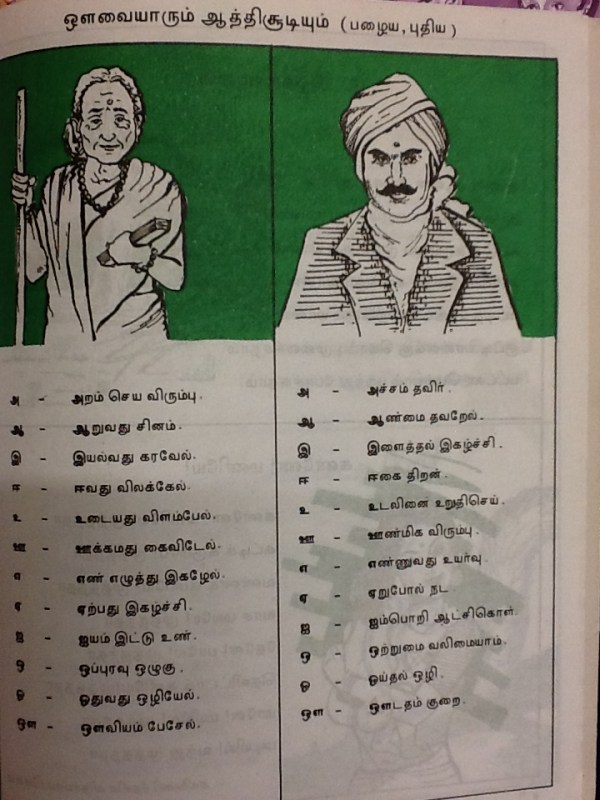
தர்மம் சர (தர்மம் செய்) என்று வேதம் (தைத்ரீயோபநிஷத்) சொல்கிறது. இதை அவ்வைப் பாட்டியும் “அறம் செய்ய விரும்பு” என்று ஆத்திச் சூடியில் பாடிவிட்டுப் போனாள். மஹாபாரதம், உபநிஷத், வேதம் ஆகியன தொல்காப்பியத்துக்கும், புறநானூற்றுக்கும் சில ஆயிரம் ஆண்டுக்காலத்துக்கு முன் தோன்றியவை. ஆயினும் இமயம் முதல் குமரி வரை ஒரே பண்பாடு, ஒரே சிந்தனை என்பதால் வடமொழி வாசகங்களைத் தமிழர்கள் மொழிபெயர்த்ததாகக் கருதத் தேவையில்லை. சிந்தனை ஒன்றென்றால், சொற்கள் ஏறுபடாதன்றோ!

–சுபம்–


அரிது, அரிது, ‘அநாயாச மரணம்’ அரிது! (Post No 2780)

happy-valmiki-day08

Written by london swaminathan


Date: 4 May 2016


Post No. 2780


Time uploaded in London :– 8-20 AM


( Thanks for the Pictures)


DON’T REBLOG IT AT LEAST FOR A WEEK!  DON’T USE THE PICTURES; THEY ARE COPYRIGHTED BY SOMEONE.


(for old articles go to tamilandvedas.com OR swamiindology.blogspot.com)


சம்ஸ்கிருதத்தில் ஒரு பொன்மொழி இருக்கிறது. எது துர்லபம்? அதாவது கிடைத்தற்கு அரியது எது?


“அநாயாசேன மரணம் வினா தைன்யேன ஜீவனம்”

அநாயாசேன மரணம்= எளிதான/ கஷ்டப்படாமல் மரணம்

வினா தைன்யேன ஜீவனம் = வறுமையற்ற வாழ்வு.


‘உடம்பைக் கடம்பால் அடி’ என்பது  தமிழ்ப் பழமொழி. என் பாட்டி கடம்ப மரத்தால் செய்யப்பட்ட கட்டிலில் படுத்து உறங்குவாள். அவள் இறுதி மூச்சு வரை நோய் நொடி இல்லாமல் வாழ்ந்தாள். நாங்கள் எனக்குத்தான் இறுதிக் காலத்தில் இந்த கட்டில் சொந்தம் என்று சகோதரர்களுக்குள் “ஜோக்” அடித்துக் கொள்வோம்! அக்கட்டில் இன்னும் மதுரையில் இருக்கிறது. அந்தப் பாட்டி தினமும் தூங்குவதற்கு முன் எனக்கு அநாயாச மரணதத்தைக் கொடுடாப்பா என்று பெரிதாக பிரார்த்தனை செய்துவிட்டுத் தூங்குவாள். சிறுவயதில் இந்தச் சொற்களுக்கு எங்களுக்கு அர்த்தம் தெரியாது.

இரவில் பாட்டியைப் பார்த்தால் பாட்டி சொன்னதையே திருப்பிச் சொல்லி கிண்டல் செய்வோம்.


கஷ்டப் படாமல் ஒருவர் இறப்பதற்கு புண்ணியம் செய்திருக்க வேண்டும். நான் பார்த்த பல ‘கேஸ்’கள் ஆஸ்பத்திரியில் பல காலம் கிடந்து, படுக்கையிலேயே மல, மூத்ர விசர்ஜனம் செய்து, குடும்பத்தினரே, இவர் இருந்து சித்திரவதைப்படுவதை விட, (உண்மையில்………எங்களைச் சித்திரவதைப்படுத்துவதை விட), போவதே மேல் என்று சொல்லுமளவுக்குப் போய்விடுகிறது. இன்னும் பலர் விஷயத்தில் காசுக்காக டாட்டர்களே மெஷின் மூலம் உயிரைத் தக்கவைத்து, வேண்டாதபோது நம்மைக் கூப்பிட்டு எல்லா உறவினர்களையும் வரும்படி சொல்லுங்கள், பிளக்கைப் பிடுங்கப் போகிறோம் (ஆக்சிஜன் சப்ளை, இருதயத்துடிப்புக்கு உதவும் மிஷின்) என்று சொல்லுவதைப் பார்த்திருக்கிறேன். இதையெல்லாம் பார்க்கையில் நமக்கு அநாயாச மரணம் எவ்வளவு முக்கியம் என்று தெரியும். நாமும் பிரார்த்திப்போம்.


வறுமை பற்றி பெரியகட்டுரை எழுதத்தேவையே இல்லை. எல்லோருக்கும் தெரிந்த விஷயமே. கொடிது கொடிது வறுமை கொடிது – என்று அவ்வையே பாடிவிட்டார்.


வால்மீகி கூறும் அரிய விஷயம்


எது அரிது (துர்லபம்)? என்பதற்கு வால்மீகி முனிவர் வேறு பதில் சொல்லுகிறார்.

சுலபா புருஷா ராஜன் சததம் ப்ரியவாதின:

அப்ரியஸ்ய ச பத்யஸ்ய  வக்தா ஸ்ரோதா ச துர்லப:

–வால்மீகி ராமாயணம், ஆரண்ய காண்டம், 37-2


பத்யஸ்ய  வக்தா = கசப்பான உண்மையைச் சொல்பவர்


பத்யஸ்ய  ஸ்ரோதா = கசப்பான உண்மையைக் கேட்பவர்


கொஞ்சம் யோசித்துப் பார்த்தால் நமக்கு இது எவ்வளவு உண்மை என்று தெரியும். அம்மா, அப்பாவைத் தவிர வேறு எவரும் நம்மிடம் மனம் திறந்து பேசுவதில்லை. கசப்பான உண்மையை அவர்கள் மட்டுமே நமக்குச் சொல்வர். நாமோ அதைக் கேட்பதில்லை ஆகவே துர்லபம்; அதாவது அரிதே.


கசப்பான உண்மையை நமக்கு வேறு யாரும் சொலாமல் இருப்பதற்கு இரண்டு காரணங்கள்:

குடும்பத்திலும் அலுவலகத்திலும் பொது வாழ்விலும் நம் மீது பொறாமை கொண்டவர்கள், “ஆள் நன்றாகச் சிக்கித் தவிக்கட்டும்; வேடிக்கை பார்ப்போம்” என்று எண்ணலாம். இரண்டாவது காரணம்:- நமக்கு ஏன் வம்பு? கசப்பான  உண்மையைச் சொன்னால் நம்மைத் தப்பாக நினைப்பார்கள் என்று பேசாமல் இருந்து விடுகிறார்கள்.ஆகவே இவ்வகை ஆட்களும் அரிதே!

IMG_3286.JPG


அரிது அரிது ……………………….. அவ்வைப் பாட்டி சொன்னது


என்னுடைய ஒரு பழைய கட்டுரையில் நான் கூறிய விஷயம் இதோ :-மாநுடப் பிறவி அரிது! அரிது!! (21 அக்டோபர் 2013)


அரியது கேட்கின் வரிவடி வேலோய்!
அரிதரிது மானிடர் ஆதல் அரிது
மானிடராயினும் கூன் குருடு செவிடு
பேடு நீக்கிப் பிறத்தல் அரிது
பேடு நீக்கிப் பிறந்த காலையும்
ஞானமும் கல்வியும் நயத்தல் அரிது
ஞானமும் கல்வியும் நயந்த காலையும்
தானமும் தவமும் தான்செயல் அரிது
தானமும் தவமும் தான்செய்வராயின்
வானவர் நாடு வழிதிறந் திடுமே

என்று அவ்வைப் பாட்டியும் கூறுவர்.

ஆதிசங்கரர் கூற்று

ஆதிசங்கரர் பல இடங்களில் மாநுடப் பிறவியின் அரிய தன்மை பற்றிக் கூறுகிறார்: “ஜந்தூனாம் நரஜன்ம துர்லபத:” (அரிது அரிது மானுடராதல் அரிது). அவர் எழுதிய விவேக சூடாமணியில் 2, 3, 4– ஆவது ஸ்லோகங்களிலேயே இதைப் பற்றிப் பிரஸ்தாபிக்கத் துவங்கி விடுகிறார்.

அரிது அரிது மனிதப் பிறவி, அதிலும் அரிது பிரம்மத்தை நாடும் பிறவி
அதனிலும் அரிது வேத அறிவு, அதனிலும் அரிது ஆத்ம ஞானம்
முக்தி பெறுவதோ நூறு கோடியில் ஒன்றே!

மூன்றாவது ஸ்லோகத்தில் மூன்று அரிய விஷயங்களைக் கூறுகிறார்: மனுஷ்யத்வம், முமுக்ஷுத்வம், மஹா புருஷர்களின் அருள். மனிதப் பிறவி, வீடு பேற்றை நாடல், பெரிய குருவின் பூரண பாதுகாப்பு என்பதே அவர் கூறுவது.

வேதத்தைப் படித்த பின்னரும் முக்தியை நாடாதவன் தற்கொலை செய்துகொள்வதற்குச் சமம் என்கிறார் நாலாவது ஸ்லோகத்தில்.

இதையெல்லாம் படிப்பவர்களும் அரிதே!!!

–சுபம்–


மாடு மேய்க்காமல் கெட்டது, பயிர் பார்க்காமல் கெட்டது! (Post No.2761)

air ulavan

மே 2016 காலண்டர் (துர்முகி  சித்திரை/ வைகாசி)

Compiled by london swaminathan

Date: 27 ஏப்ரல் ,2016


Post No. 2761


Time uploaded in London :–  16-50


( Thanks for the Pictures  ) 


DON’T REBLOG IT AT LEAST FOR A WEEK!  DON’T USE THE PICTURES; THEY ARE COPYRIGHTED BY SOMEONE.


(for old articles go to tamilandvedas.com OR swamiindology.blogspot.com)


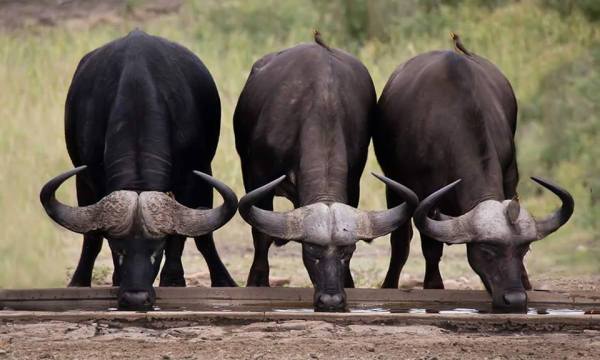
 3 gaurs

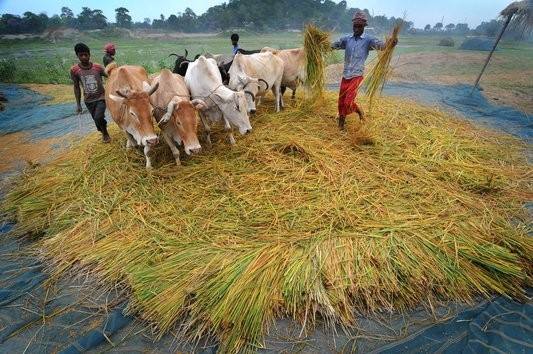
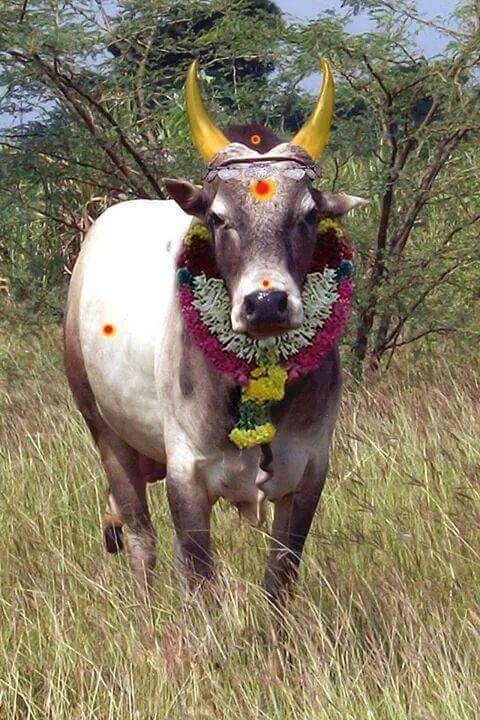
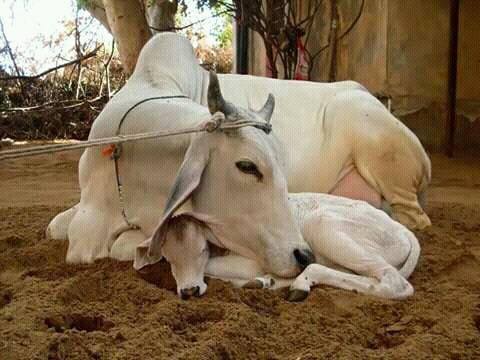
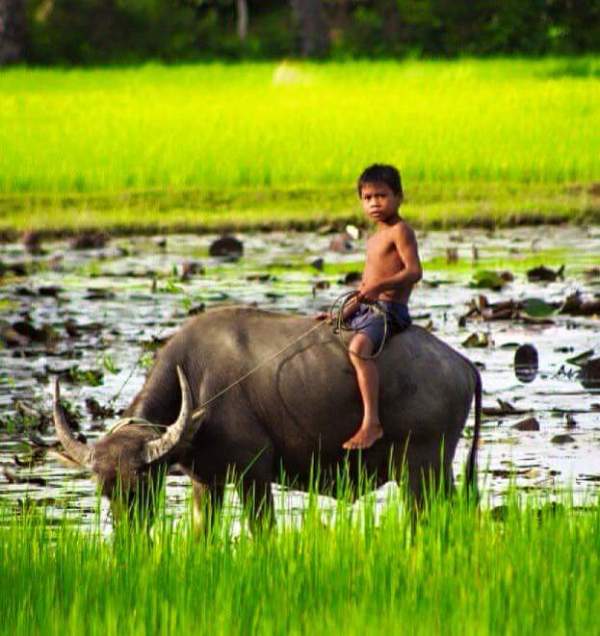
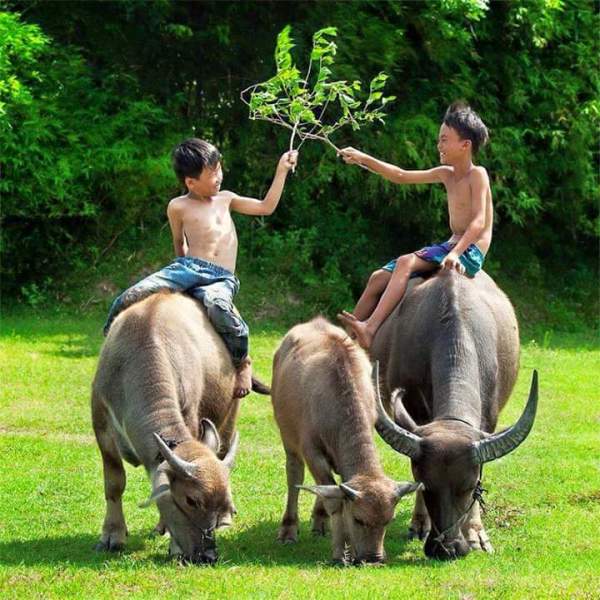
பசு, காளை, மாடு பற்றிய 31 தமிழ்ப் பழமொழிகள் மே மாத காலண்டரை அலங்கரிக்கின்றன. ஒவ்வொரு பழமொழியையும் யோசித்துப் பார்த்தால் பொருள் விளங்கும்; நீங்களே ஒவ்வொன்றைப் பற்றியும் கட்டுரை எழுதத் துவங்கி விடுவீர்கள். இது வரை இந்த பிளாக்கில் சுமார் 2000 தமிழ், ஆங்கிலம், சம்ஸ்கிருதப் பழமொழிகளை தலைப்பு (சப்ஜெக்ட்) வாரியாகத் தொகுத்துக் கொடுத்துள்ளேன். தமிழில் 20,000 பழமொழிகள் உள்ளன!! வாழ்க தமிழ்!


முக்கிய நாட்கள்:- மே 1 மே தினம்,  4 அக்னி நட்சத்திரம் ஆரம்பம், 9 அக்ஷய த்ருதியை, 21 புத்த ஜயந்தி, வைகாசி விசாகம், 28 அக்னி நட்சத்திரம் முடிவு.

முகூர்த்த நாட்கள்:- 2, 4, 9, 11, 12, 19,26; அமாவாசை:- 6; பௌர்ணமி:- 21; ஏகாதசி:- 3, 17.


மே 1 ஞாயிற்றுக் கிழமை

ஆடுற மாட்டை ஆடிக் கறக்கனும், பாடுற மாட்டைப் பாடிக்கறக்கனும்.

மே 2 திங்கட் கிழமை

மாடு கெட்டால் தேடலாம், மனிதர் கெட்டால் தேடலாமா?

மே 3 செவ்வாய்க் கிழமை

மாடு மயங்கி வானம் பார்த்தால் மழை பெய்யும்

மே 4 புதன் கிழமை

மாடு மேய்க்காமற் கெட்டது, பயிர் பார்க்காமற் கெட்டது.

மே 5 வியாழக் கிழமை

நல்ல மாட்டுக்கு ஒரு சூடு

 2PADDY THRASHING


மே 6 வெள்ளிக் கிழமை

அடியாத மாடு படியாது.

மே 7 சனிக் கிழமை

மாடு கிழமானாலும் பாலின் ருசி போகுமா?

மே 8 ஞாயிற்றுக் கிழமை

மாடு தின்கிற மாலவாடு, ஆடு தின்கிறது அரிதா?

மே 9 திங்கட் கிழமை

மாட்டைப் புல் உள்ள தலத்திலும், மனிதனை சோறு உள்ள தலத்திலும் இருக்க ஒட்டாது.

மே 10 செவ்வாய்க் கிழமை

மாடு நினைத்த இடத்தில் தொழுவம் கட்டுவதா?

beauty bull


மே 11 புதன் கிழமை

மாடு மேய்க்கிற தம்பிக்கு மண்டலமிட்ட பெண்சாதி

மே 12 வியாழக் கிழமை

மேய்க்கிற மாட்டின் கொம்பிலே புல்லைக் கட்ட வேணுமா?

மே 13 வெள்ளிக் கிழமை

பாலைப் பார்த்து பசுவைக் கொள்ளு, தாயைப் பார்த்து பெண்ணைக் கொள்ளு.

மே 14 சனிக் கிழமை

பசு உழுதாலும் பயிரைத் தின்ன வொட்டான்.

மே 15 ஞாயிற்றுக் கிழமை

பசுத்தோல் போர்த்திய புலி போல

 azakana madu, cow


மே 16 திங்கட் கிழமை

பசுமாடு நொண்டியானால், பாலும் நொண்டியா?

மே 17 செவ்வாய்க் கிழமை

பசுவைக் கொன்று செருப்பு தானம் செய்தது போல.

மே 18 புதன் கிழமை

பசுவுக்கு பிரசவ வேதனை , காளைக்கு காம வேதனை

மே 19 வியாழக் கிழமை

பசு விழுந்தது புலிக்கு ஆதாயம்

மே 20 வெள்ளிக் கிழமை

மாடு திருப்பினவன் அர்ச்சுனன்


buffalo boy, cambodia

மே 21 சனிக் கிழமை

மாடு தின்னிக்கு வாக்குச் சுத்தம் உண்டா?

மே 22 ஞாயிற்றுக் கிழமை

மாடு மறுத்தாலும் பால் கறக்கும், வாலில் கயிறைக் கட்டினால்.

மே 23 திங்கட் கிழமை

காளை போன வழியே கயிறு போகும்.

மே 24 செவ்வாய்க் கிழமை

இளிச்சவாயனைக் கண்டால் எருதும் மச்சான் முறை கொண்டாடும்

மே 25 புதன் கிழமை

எருதுக்கு நோய்வந்தால் கொட்டகையைச் சுடுகிறதா?


fighting boys

மே 26 வியாழக் கிழமை

எருது ஏழையானால் (கூடாவிட்டால்), பசு பத்தினித்துவம் கொண்டாடும்

மே 27 வெள்ளிக் கிழமை

எருது கெட்டார்க்கும் எட்டே கடுக்காய், இளம்பிள்ளைத் தாய்ச்சிக்கும் எட்டே கடுக்காய்

மே 28 சனிக் கிழமை

எழுது கொழுத்தால் தொழுவத்தில் இராது, பறையன் கொழுத்தால் பாயில் இரான்.

மே 29 ஞாயிற்றுக் கிழமை

பசு மாடும் எருமை மாடும் ஒன்றாகுமா?

மே 30 திங்கட் கிழமை

பசு கருப்பென்று பாலும் கருப்பா?

மே 31 செவ்வாய்க் கிழமை

மாட்டை மேய்த்தானாம், கோலைப் போட்டானாம்

தண்ணீர் மாடு

–சுபம்–


Hindu’s Magic Square Astrology- Part 2 (Post No 2758)

new todukuri 1

Picture: 64 magic squares are here; touch one and find out your future.

Translated by London swaminathan

Date: 26 April 2016


Post No. 2758


Time uploaded in London :– 15-18


( Thanks for the Pictures)


DON’T REBLOG IT AT LEAST FOR A WEEK!  DON’T USE THE PICTURES; THEY ARE COPYRIGHTED BY SOMEONE.


(for old articles go to tamilandvedas.com OR swamiindology.blogspot.com)


Please the read the introduction in the first part of this article posted yesterday here. This is second part.

All the parts are published in Tamil already.


Square no.114

You will succeed in what you have planned; You will get help from your friends. You will get a good Guru/teacher in three months’ time

Square 121

Your worries are over; do worship your family deity; a friend will come to your help; your business will be run profitably; this what our forefathers told about this number

Square 122

You will be successful in your business; whatever you have lost will come back to you; but don’t trust your friends. They will let you down


Square 123

Your problems will be solved; because of one bad quality in you had made enemies from your relatives. If you drop that bad habit, you will get good news in five days.

Square 124

No more problems; what you have lost will be regained; your wish will come true; your enemies will become friends; your family tree will grow

Square 131

Do Navagraha puja at your house and your worries will go away and you will get some help from a woman. Your wish will come true. You will get profits.


Square 132

Your wish wont be fulfilled; you will get some loss; you will become sick; even your wife will become your enemy. You will incur loss. Your entire business may be taken over by someone else.


Square 133

You will succeed in your planning. Because of friendship with a great person. With the help of good people you will defeat your enemy. But at home work will be affected; do puja to your domestic god.


Square 134

What you thought will become a reality. Business will flourish; diseases will run away; you will get children


Square 141

Your bad period is over; whatever you do will bring profits. A marriage will happen soon; you will get some help from a woman. You shouldn’t earn an enemy.


Square 142

What you lost because of anger will come back to you. Marriage will happen; you are trusting a friend who has bad intentions; don’t trust him. Whatever you have planned, please go ahead.

Square 143

What you thought will be successful; good news from the West will come; your difficulties are over; you will get profits in two months. Do puja to family deities; you will get new children.


Square 144

You will get a good job with the help of a VIP. Business will improve and you will get profits. All will succeed at the domestic front.

Square 211

Your dreams will come true; family will flourish; you will get children; but you want to travel and go out; it won’t happen; you have some Deva puja to do; only when you do that travel will happen


Square 212

You will get good money; family will flourish; the Rahu planet in your chart will disappear on this good day (his evil effects will disappear).

Square 213

Lost things will be found again; you will get profits in distant places; don’t trust one of your enemies. But be bold; you will one thing which will come back to you.


Square 214

You are very much worried; that will go away; if seven days gone, you don’t need to worry for two years; you stopped doing the work you have been doing; once you start doing it again, all will be fine.


Square 221

All is nothing but loss; don’t listen to others; fighting with the friends; wait for 30 days; some good may happen.


Square 222

Whatever you do won’t be successful; there is danger; leave the bad thoughts now.

Square 223

All will be fine; planets are in good position; you will get profits; no worries.

Square 224

All your works will go ahead without any difficulties; but you are not helping anyone; you have to change and help others.

Square 231

You will be successful. You have some ideas in your mind; that will fructify after some time; nothing to worry